
Showing 39 items matching "tudor england"
-
 Ballarat Heritage Services
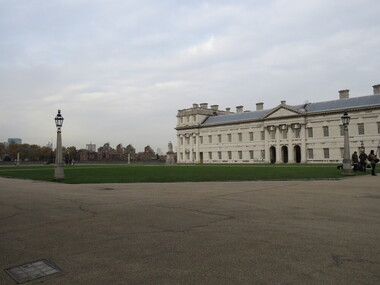
Photograph - Colour, Greenwich Chapel and Museum, England
... In 2005 while monitoring the digging of a drainage trench archaeologists found brickwork and tiles that formed the floor of the east end of the Tudor Chapel Royal where the altar once stood. greenwich, stone, museum, chapel Greenwich Chapel and Museum, England Photograph - Colour ...Greenwich Palace no longer exists however archaeology had added greatly to our understanding of life at the Tudor Court at Greenwich. Since 1971 there have been well over 20 digs on the site. Many wonderful and intriguing items from gold coins to tiled floors and human skeletons have been found. The first major dig uncovered the structure of the royal apartments next to the river. Not only did it clarify the floor plan but finds included some rare Tudor ceiling decorations, a hoard of gold coins and many personal items such as dice used for gaming. Perhaps the most revealing excavations have been the most recent. In 2005 while monitoring the digging of a drainage trench archaeologists found brickwork and tiles that formed the floor of the east end of the Tudor Chapel Royal where the altar once stood.greenwich, stone, museum, chapel -
 Ballarat Heritage Services
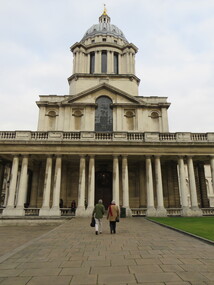
Photograph - Colour, Greenwich Chapel and Museum, England
... In 2005 while monitoring the digging of a drainage trench archaeologists found brickwork and tiles that formed the floor of the east end of the Tudor Chapel Royal where the altar once stood. greenwich, stone, museum, chapel Greenwich Chapel and Museum, England Photograph - Colour ...Greenwich Palace no longer exists however archaeology had added greatly to our understanding of life at the Tudor Court at Greenwich. Since 1971 there have been well over 20 digs on the site. Many wonderful and intriguing items from gold coins to tiled floors and human skeletons have been found. The first major dig uncovered the structure of the royal apartments next to the river. Not only did it clarify the floor plan but finds included some rare Tudor ceiling decorations, a hoard of gold coins and many personal items such as dice used for gaming. Perhaps the most revealing excavations have been the most recent. In 2005 while monitoring the digging of a drainage trench archaeologists found brickwork and tiles that formed the floor of the east end of the Tudor Chapel Royal where the altar once stood.greenwich, stone, museum, chapel -
 Ballarat Heritage Services
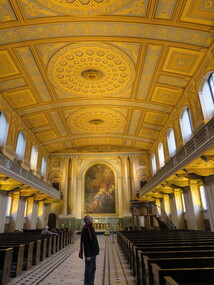
Photograph - Colour, Greenwich Chapel and Museum, England
... In 2005 while monitoring the digging of a drainage trench archaeologists found brickwork and tiles that formed the floor of the east end of the Tudor Chapel Royal where the altar once stood. greenwich, stone, museum, chapel Greenwich Chapel and Museum, England Photograph - Colour ...Greenwich Palace no longer exists however archaeology had added greatly to our understanding of life at the Tudor Court at Greenwich. Since 1971 there have been well over 20 digs on the site. Many wonderful and intriguing items from gold coins to tiled floors and human skeletons have been found. The first major dig uncovered the structure of the royal apartments next to the river. Not only did it clarify the floor plan but finds included some rare Tudor ceiling decorations, a hoard of gold coins and many personal items such as dice used for gaming. Perhaps the most revealing excavations have been the most recent. In 2005 while monitoring the digging of a drainage trench archaeologists found brickwork and tiles that formed the floor of the east end of the Tudor Chapel Royal where the altar once stood.greenwich, stone, museum, chapel -
 Ballarat Heritage Services
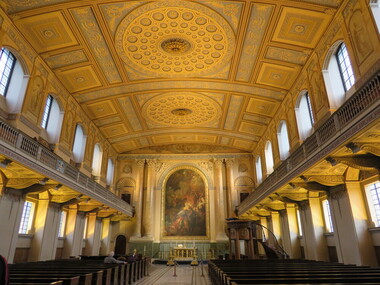
Photograph - Colour, Greenwich Chapel and Museum, England
... In 2005 while monitoring the digging of a drainage trench archaeologists found brickwork and tiles that formed the floor of the east end of the Tudor Chapel Royal where the altar once stood. greenwich, stone, museum, chapel Greenwich Chapel and Museum, England Photograph - Colour ...Greenwich Palace no longer exists however archaeology had added greatly to our understanding of life at the Tudor Court at Greenwich. Since 1971 there have been well over 20 digs on the site. Many wonderful and intriguing items from gold coins to tiled floors and human skeletons have been found. The first major dig uncovered the structure of the royal apartments next to the river. Not only did it clarify the floor plan but finds included some rare Tudor ceiling decorations, a hoard of gold coins and many personal items such as dice used for gaming. Perhaps the most revealing excavations have been the most recent. In 2005 while monitoring the digging of a drainage trench archaeologists found brickwork and tiles that formed the floor of the east end of the Tudor Chapel Royal where the altar once stood.greenwich, stone, museum, chapel -
 Ballarat Heritage Services
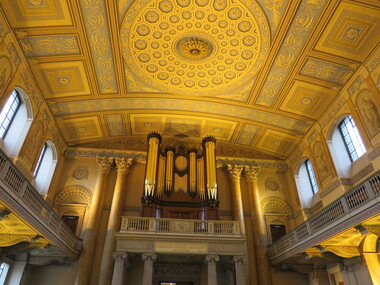
Photograph - Colour, Greenwich Chapel and Museum, England
... In 2005 while monitoring the digging of a drainage trench archaeologists found brickwork and tiles that formed the floor of the east end of the Tudor Chapel Royal where the altar once stood. greenwich, stone, museum, chapel Greenwich Chapel and Museum, England Photograph - Colour ...Greenwich Palace no longer exists however archaeology had added greatly to our understanding of life at the Tudor Court at Greenwich. Since 1971 there have been well over 20 digs on the site. Many wonderful and intriguing items from gold coins to tiled floors and human skeletons have been found. The first major dig uncovered the structure of the royal apartments next to the river. Not only did it clarify the floor plan but finds included some rare Tudor ceiling decorations, a hoard of gold coins and many personal items such as dice used for gaming. Perhaps the most revealing excavations have been the most recent. In 2005 while monitoring the digging of a drainage trench archaeologists found brickwork and tiles that formed the floor of the east end of the Tudor Chapel Royal where the altar once stood.greenwich, stone, museum, chapel -
 Ballarat Heritage Services
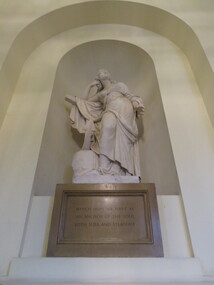
Photograph - Photograph - Colour, Statue, "Hope", Greenwich Chapel and Museum, England
... Tudor Chapel Royal where the altar once stood. Greenwich stone museum chapel statue hope Marble statue of Hope Statue, "Hope", Greenwich Chapel and Museum, England Photograph Photograph - Colour ...Greenwich Palace no longer exists however archaeology had added greatly to our understanding of life at the Tudor Court at Greenwich. Since 1971 there have been well over 20 digs on the site. Many wonderful and intriguing items from gold coins to tiled floors and human skeletons have been found. The first major dig uncovered the structure of the royal apartments next to the river. Not only did it clarify the floor plan but finds included some rare Tudor ceiling decorations, a hoard of gold coins and many personal items such as dice used for gaming. Perhaps the most revealing excavations have been the most recent. In 2005 while monitoring the digging of a drainage trench archaeologists found brickwork and tiles that formed the floor of the east end of the Tudor Chapel Royal where the altar once stood.Marble statue of Hopegreenwich, stone, museum, chapel, statue, hope -
 Ballarat Heritage Services
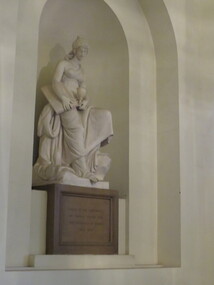
Photograph - Colour, Statue, "Faith", Greenwich Chapel and Museum, England
... In 2005 while monitoring the digging of a drainage trench archaeologists found brickwork and tiles that formed the floor of the east end of the Tudor Chapel Royal where the altar once stood. greenwich, stone, museum, chapel Statue, "Faith", Greenwich Chapel and Museum, England Photograph - Colour ...Greenwich Palace no longer exists however archaeology had added greatly to our understanding of life at the Tudor Court at Greenwich. Since 1971 there have been well over 20 digs on the site. Many wonderful and intriguing items from gold coins to tiled floors and human skeletons have been found. The first major dig uncovered the structure of the royal apartments next to the river. Not only did it clarify the floor plan but finds included some rare Tudor ceiling decorations, a hoard of gold coins and many personal items such as dice used for gaming. Perhaps the most revealing excavations have been the most recent. In 2005 while monitoring the digging of a drainage trench archaeologists found brickwork and tiles that formed the floor of the east end of the Tudor Chapel Royal where the altar once stood.greenwich, stone, museum, chapel -
 Ballarat Heritage Services
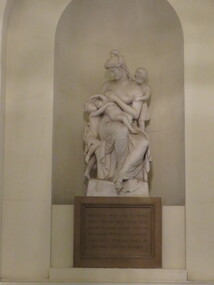
Photograph - Colour, Statue, Greenwich Chapel and Museum, England, 2016, 2016
... In 2005 while monitoring the digging of a drainage trench archaeologists found brickwork and tiles that formed the floor of the east end of the Tudor Chapel Royal where the altar once stood. greenwich stone museum chapel sculpture Statue, Greenwich Chapel and Museum, England, 2016 Photograph - Colour ...Greenwich Palace no longer exists however archaeology had added greatly to our understanding of life at the Tudor Court at Greenwich. Since 1971 there have been well over 20 digs on the site. Many wonderful and intriguing items from gold coins to tiled floors and human skeletons have been found. The first major dig uncovered the structure of the royal apartments next to the river. Not only did it clarify the floor plan but finds included some rare Tudor ceiling decorations, a hoard of gold coins and many personal items such as dice used for gaming. Perhaps the most revealing excavations have been the most recent. In 2005 while monitoring the digging of a drainage trench archaeologists found brickwork and tiles that formed the floor of the east end of the Tudor Chapel Royal where the altar once stood.greenwich, stone, museum, chapel, sculpture -
 Ballarat Heritage Services
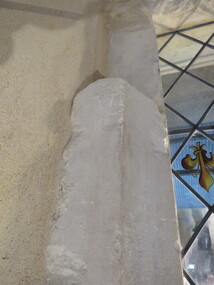
Photograph - Colour, Greenwich Chapel and Museum, England, Mason's Mark on stonework
... In 2005 while monitoring the digging of a drainage trench archaeologists found brickwork and tiles that formed the floor of the east end of the Tudor Chapel Royal where the altar once stood. greenwich, stone, museum, chapel Greenwich Chapel and Museum, England, Mason's Mark on stonework Photograph - Colour ...Greenwich Palace no longer exists however archaeology had added greatly to our understanding of life at the Tudor Court at Greenwich. Since 1971 there have been well over 20 digs on the site. Many wonderful and intriguing items from gold coins to tiled floors and human skeletons have been found. The first major dig uncovered the structure of the royal apartments next to the river. Not only did it clarify the floor plan but finds included some rare Tudor ceiling decorations, a hoard of gold coins and many personal items such as dice used for gaming. Perhaps the most revealing excavations have been the most recent. In 2005 while monitoring the digging of a drainage trench archaeologists found brickwork and tiles that formed the floor of the east end of the Tudor Chapel Royal where the altar once stood.greenwich, stone, museum, chapel
