
Showing 1681 items matching "district hospital"
-
 Northern District School of Nursing. Managed by Bendigo Historical Society Inc.
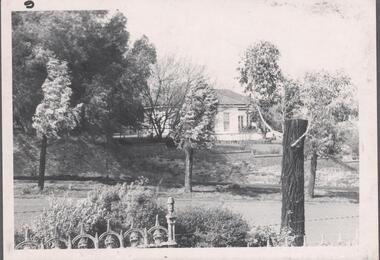
Photograph - "McEniry House" demolished
... The Northern District School of Nursing opened in 1950 in to address the issues around nurse recruitment, training and education that had previously been hospital based. ...The Northern District School of Nursing opened in 1950 in to address the issues around nurse recruitment, training and education that had previously been hospital based. ...The Northern District School of Nursing opened in 1950 in to address the issues around nurse recruitment, training and education that had previously been hospital based. The residential school was to provide theoretical and in-house education and practical training over three years. The students would also receive practical hands-on training in the wards of associated hospitals. The Northern District School of Nursing operated from Lister House, Rowan Street, Bendigo. It was the first independent school of nursing in Victoria and continued until it closed in 1989.NDSN McEniry House, Short Street Bendigo, demolished for new buildings for Lister House Two B&W photos of house taken from different angles/streets.8594.15a Short Street. 8594.15b NcInireys.ndsn, nursing -
 Northern District School of Nursing. Managed by Bendigo Historical Society Inc.
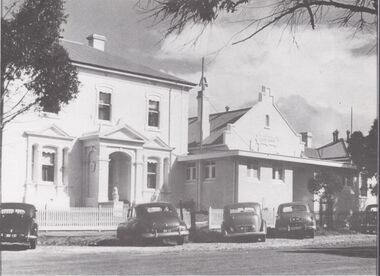
Photograph - NDSN Lister House
... The Northern District School of Nursing opened in 1950 in to address the issues around nurse recruitment, training and education that had previously been hospital based. ...The Northern District School of Nursing opened in 1950 in to address the issues around nurse recruitment, training and education that had previously been hospital based. ...The Northern District School of Nursing opened in 1950 in to address the issues around nurse recruitment, training and education that had previously been hospital based. The residential school was to provide theoretical and in-house education and practical training over three years. The students would also receive practical hands-on training in the wards of associated hospitals. The Northern District School of Nursing operated from Lister House, Rowan Street, Bendigo. It was the first independent school of nursing in Victoria and continued until it closed in 1989.B&W photograph of Lister House, taken in 1950. NDSN premises. two copies of the same photondsn, nursing -
 Northern District School of Nursing. Managed by Bendigo Historical Society Inc.
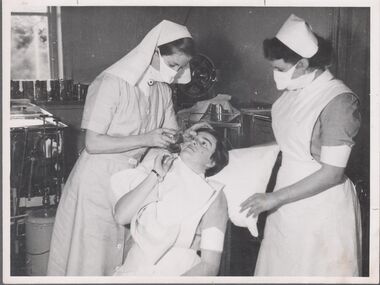
Photograph - NDSN nursing demonstration
... The Northern District School of Nursing opened in 1950 in to address the issues around nurse recruitment, training and education that had previously been hospital based. ...The Northern District School of Nursing opened in 1950 in to address the issues around nurse recruitment, training and education that had previously been hospital based. ...The Northern District School of Nursing opened in 1950 in to address the issues around nurse recruitment, training and education that had previously been hospital based. The residential school was to provide theoretical and in-house education and practical training over three years. The students would also receive practical hands-on training in the wards of associated hospitals. The Northern District School of Nursing operated from Lister House, Rowan Street, Bendigo. It was the first independent school of nursing in Victoria and continued until it closed in 1989.B&W photograph of nursing demonstration. Lister House upstairs demonstration room, tutor Betty Miller. Two unnamed student nurses. From "Elmore Standard" Tuesday 22 October 1953. B&W photograph with borders. In the demonstration room Lister House. Tutor Betty Miller. "Elmore Standard" Tuesday 22 October 1953.ndsn, nursing -
 Northern District School of Nursing. Managed by Bendigo Historical Society Inc.
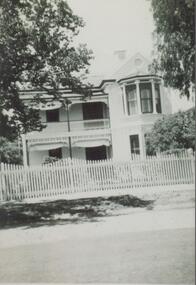
Photograph - Mayfort House
... The Northern District School of Nursing opened in 1950 in to address the issues around nurse recruitment, training and education that had previously been hospital based. ...The Northern District School of Nursing opened in 1950 in to address the issues around nurse recruitment, training and education that had previously been hospital based. ...The Northern District School of Nursing opened in 1950 in to address the issues around nurse recruitment, training and education that had previously been hospital based. The residential school was to provide theoretical and in-house education and practical training over three years. The students would also receive practical hands-on training in the wards of associated hospitals. The Northern District School of Nursing operated from Lister House, Rowan Street, Bendigo. It was the first independent school of nursing in Victoria and continued until it closed in 1989.B&W photograph of Mayfort House, nurses' accommodation, 148 Wattle Street, Bendigo. Now demolished, site of present-day car park.Mayfort House, nurses' accommodation, 148 Wattle Street, Bendigo. Now demolished, site of present-day car park.ndsn, nursing -
 Northern District School of Nursing. Managed by Bendigo Historical Society Inc.
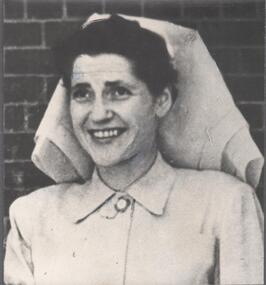
Photograph - Miss Gwen Williams
... The Northern District School of Nursing opened in 1950 in to address the issues around nurse recruitment, training and education that had previously been hospital based. ...The students would also receive practical hands-on training in the wards of associated hospitals. The Northern District School of Nursing operated from Lister House, Rowan Street, Bendigo. ...The Northern District School of Nursing opened in 1950 in to address the issues around nurse recruitment, training and education that had previously been hospital based. The residential school was to provide theoretical and in-house education and practical training over three years. The students would also receive practical hands-on training in the wards of associated hospitals. The Northern District School of Nursing operated from Lister House, Rowan Street, Bendigo. It was the first independent school of nursing in Victoria and continued until it closed in 1989.Miss Gwen Williams, member of Hospital Charities Commission when School of Nursing was instigated in 1952. She was appointed Director of Nursing at Bendigo Hospital when the first students of the NDSN graduated. Square format B&W photographGwen Williamsndsn, nursing -
 Northern District School of Nursing. Managed by Bendigo Historical Society Inc.
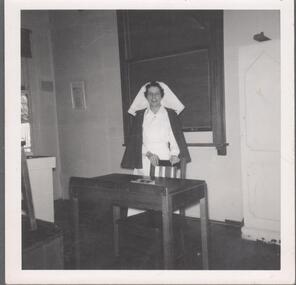
Photograph - Lecture Room Lister House
... The Northern District School of Nursing opened in 1950 in to address the issues around nurse recruitment, training and education that had previously been hospital based. ...The Northern District School of Nursing opened in 1950 in to address the issues around nurse recruitment, training and education that had previously been hospital based. ...The Northern District School of Nursing opened in 1950 in to address the issues around nurse recruitment, training and education that had previously been hospital based. The residential school was to provide theoretical and in-house education and practical training over three years. The students would also receive practical hands-on training in the wards of associated hospitals. The Northern District School of Nursing operated from Lister House, Rowan Street, Bendigo. It was the first independent school of nursing in Victoria and continued until it closed in 1989.B&W photograph Inside lecture room, Lister House with lecturer (Preg Donohoe). Square format B&W photographPeg Donohoe.ndsn, nursing -
 Northern District School of Nursing. Managed by Bendigo Historical Society Inc.
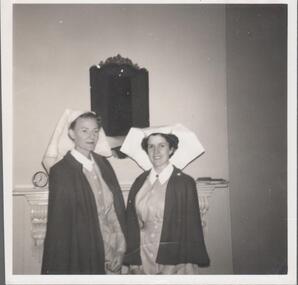
Photograph - 2 NDSN staff members
... The Northern District School of Nursing opened in 1950 in to address the issues around nurse recruitment, training and education that had previously been hospital based. ...The Northern District School of Nursing opened in 1950 in to address the issues around nurse recruitment, training and education that had previously been hospital based. ...The Northern District School of Nursing opened in 1950 in to address the issues around nurse recruitment, training and education that had previously been hospital based. The residential school was to provide theoretical and in-house education and practical training over three years. The students would also receive practical hands-on training in the wards of associated hospitals. The Northern District School of Nursing operated from Lister House, Rowan Street, Bendigo. It was the first independent school of nursing in Victoria and continued until it closed in 1989.B&W photograph of two NDSN staff members Sisters Margot Scott and Amy Pendlebury. Square format B&W photographSisters Margot Scott and Amy Pendlebury.ndsn, nursing -
 Northern District School of Nursing. Managed by Bendigo Historical Society Inc.
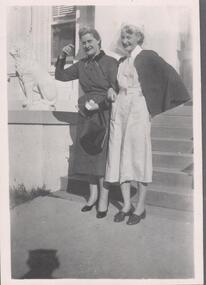
Photograph - NDSN Nancy Long & Margot Scott
... The Northern District School of Nursing opened in 1950 in to address the issues around nurse recruitment, training and education that had previously been hospital based. ...The Northern District School of Nursing opened in 1950 in to address the issues around nurse recruitment, training and education that had previously been hospital based. ...The Northern District School of Nursing opened in 1950 in to address the issues around nurse recruitment, training and education that had previously been hospital based. The residential school was to provide theoretical and in-house education and practical training over three years. The students would also receive practical hands-on training in the wards of associated hospitals. The Northern District School of Nursing operated from Lister House, Rowan Street, Bendigo. It was the first independent school of nursing in Victoria and continued until it closed in 1989.B&W photograph of two NDSN staff members Sisters Margot Scott and Miss Long. Informal outside photograph on the steps of Lister House with the lions. Portrait format B&W photographSisters Margot Scott and Miss Long.ndsn, nursing -
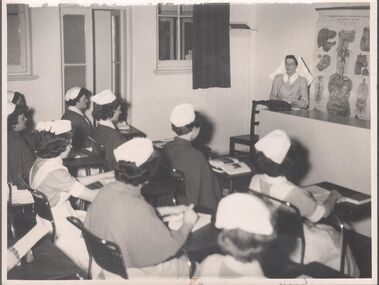 Northern District School of Nursing. Managed by Bendigo Historical Society Inc.
Photograph - Lecture room Sister (Peg) W Donohoe
... The Northern District School of Nursing opened in 1950 in to address the issues around nurse recruitment, training and education that had previously been hospital based. ...The Northern District School of Nursing opened in 1950 in to address the issues around nurse recruitment, training and education that had previously been hospital based. ...The Northern District School of Nursing opened in 1950 in to address the issues around nurse recruitment, training and education that had previously been hospital based. The residential school was to provide theoretical and in-house education and practical training over three years. The students would also receive practical hands-on training in the wards of associated hospitals. The Northern District School of Nursing operated from Lister House, Rowan Street, Bendigo. It was the first independent school of nursing in Victoria and continued until it closed in 1989.B&W photograph of lecture room with Sister (Peg) W Donohoe and students Landscape format B&W photograph.Sister (Peg) W Donohoendsn, nursing -
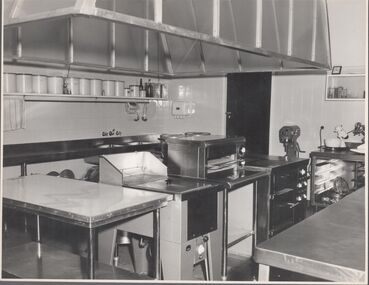 Northern District School of Nursing. Managed by Bendigo Historical Society Inc.
Photograph - Lister House Dining Room Kitchen
... The Northern District School of Nursing opened in 1950 in to address the issues around nurse recruitment, training and education that had previously been hospital based. ...The Northern District School of Nursing opened in 1950 in to address the issues around nurse recruitment, training and education that had previously been hospital based. ...The Northern District School of Nursing opened in 1950 in to address the issues around nurse recruitment, training and education that had previously been hospital based. The residential school was to provide theoretical and in-house education and practical training over three years. The students would also receive practical hands-on training in the wards of associated hospitals. The Northern District School of Nursing operated from Lister House, Rowan Street, Bendigo. It was the first independent school of nursing in Victoria and continued until it closed in 1989.B&W photograph of newly completed Kitchen within the Dining Room addition to Lister House Complex, completed in 1956.Northern District / School of Nursing / New Dining Room - completed 1956 / New Kitchens at NDSN / 3 1/2" deep 133 screen (in red biro).ndsn, nursing, lister house facilities -
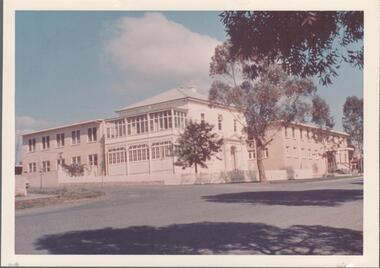 Northern District School of Nursing. Managed by Bendigo Historical Society Inc.
Photograph - Lister House buildings
... The Northern District School of Nursing opened in 1950 in to address the issues around nurse recruitment, training and education that had previously been hospital based. ...The Northern District School of Nursing opened in 1950 in to address the issues around nurse recruitment, training and education that had previously been hospital based. ...The Northern District School of Nursing opened in 1950 in to address the issues around nurse recruitment, training and education that had previously been hospital based. The residential school was to provide theoretical and in-house education and practical training over three years. The students would also receive practical hands-on training in the wards of associated hospitals. The Northern District School of Nursing operated from Lister House, Rowan Street, Bendigo. It was the first independent school of nursing in Victoria and continued until it closed in 1989.Colour photograph of NDSN Lister House buildings on Rohan Street, 1960s.ndsn, nursing, lister house facilities -
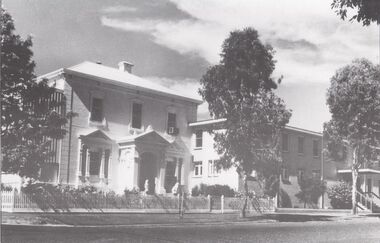 Northern District School of Nursing. Managed by Bendigo Historical Society Inc.
Photograph - NDSN Lister House buildings
... The Northern District School of Nursing opened in 1950 in to address the issues around nurse recruitment, training and education that had previously been hospital based. ...The Northern District School of Nursing opened in 1950 in to address the issues around nurse recruitment, training and education that had previously been hospital based. ...The Northern District School of Nursing opened in 1950 in to address the issues around nurse recruitment, training and education that had previously been hospital based. The residential school was to provide theoretical and in-house education and practical training over three years. The students would also receive practical hands-on training in the wards of associated hospitals. The Northern District School of Nursing operated from Lister House, Rowan Street, Bendigo. It was the first independent school of nursing in Victoria and continued until it closed in 1989.B&W photograph of NDSN Lister House buildings on Rohan Street, 1960s. Three photographs.Circa 1960s in blue birondsn, nursing, lister house buildings -
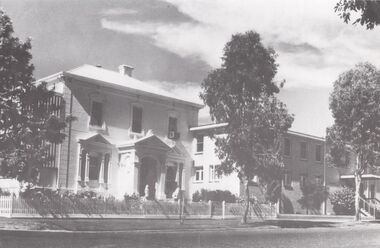 Northern District School of Nursing. Managed by Bendigo Historical Society Inc.
Photograph - NDSN Lister House buildings
... The Northern District School of Nursing opened in 1950 in to address the issues around nurse recruitment, training and education that had previously been hospital based. ...The Northern District School of Nursing opened in 1950 in to address the issues around nurse recruitment, training and education that had previously been hospital based. ...The Northern District School of Nursing opened in 1950 in to address the issues around nurse recruitment, training and education that had previously been hospital based. The residential school was to provide theoretical and in-house education and practical training over three years. The students would also receive practical hands-on training in the wards of associated hospitals. The Northern District School of Nursing operated from Lister House, Rowan Street, Bendigo. It was the first independent school of nursing in Victoria and continued until it closed in 1989.B&W photograph of north side of NDSN Lister House buildings on Rohan Street, 1960s.ndsn, nursing, lister house buildings -
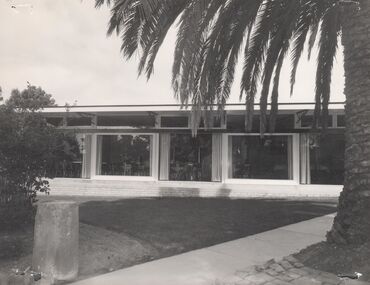 Northern District School of Nursing. Managed by Bendigo Historical Society Inc.
Photograph - NDSN Lister dining room
... The Northern District School of Nursing opened in 1950 in to address the issues around nurse recruitment, training and education that had previously been hospital based. ...The Northern District School of Nursing opened in 1950 in to address the issues around nurse recruitment, training and education that had previously been hospital based. ...The Northern District School of Nursing opened in 1950 in to address the issues around nurse recruitment, training and education that had previously been hospital based. The residential school was to provide theoretical and in-house education and practical training over three years. The students would also receive practical hands-on training in the wards of associated hospitals. The Northern District School of Nursing operated from Lister House, Rowan Street, Bendigo. It was the first independent school of nursing in Victoria and continued until it closed in 1989.NDSN B&W photograph of external view of newly completed Dining Room, circa 1962.Completed Dining Room (started building 1956) ndsn, nursing, lister house buildings -
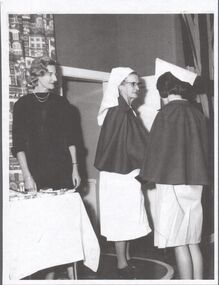 Northern District School of Nursing. Managed by Bendigo Historical Society Inc.
Photograph - NDSN Graduation Mildura May 1965
... The Northern District School of Nursing opened in 1950 in to address the issues around nurse recruitment, training and education that had previously been hospital based. ...The Northern District School of Nursing opened in 1950 in to address the issues around nurse recruitment, training and education that had previously been hospital based. ...The Northern District School of Nursing opened in 1950 in to address the issues around nurse recruitment, training and education that had previously been hospital based. The residential school was to provide theoretical and in-house education and practical training over three years. The students would also receive practical hands-on training in the wards of associated hospitals. The Northern District School of Nursing operated from Lister House, Rowan Street, Bendigo. It was the first independent school of nursing in Victoria and continued until it closed in 1989.B&W photograph NDSN Graduation May 1965. (L to R) Margot Scott, Rachel Wilson (Matron Mildura) & Janene Grelis.Completed Dining Room (started building 1956) ndsn, nursing, graduation may 1965 -
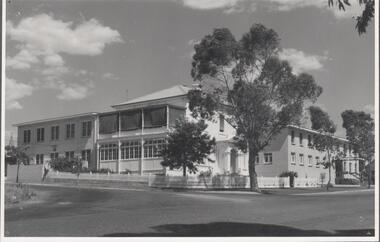 Northern District School of Nursing. Managed by Bendigo Historical Society Inc.
Photograph - NDSN Lister House building 1966
... The Northern District School of Nursing opened in 1950 in to address the issues around nurse recruitment, training and education that had previously been hospital based. ...The Northern District School of Nursing opened in 1950 in to address the issues around nurse recruitment, training and education that had previously been hospital based. ...The Northern District School of Nursing opened in 1950 in to address the issues around nurse recruitment, training and education that had previously been hospital based. The residential school was to provide theoretical and in-house education and practical training over three years. The students would also receive practical hands-on training in the wards of associated hospitals. The Northern District School of Nursing operated from Lister House, Rowan Street, Bendigo. It was the first independent school of nursing in Victoria and continued until it closed in 1989.B&W photograph NDSN Lister House construction complete March 1966. B&W photo with slim borders.Phase 2 Admin block started Feb 1964 / Phase 1 classroom block (behind Lister House) stared Nov 1963 / Lister House March 1966.ndsn, nursing -
 Northern District School of Nursing. Managed by Bendigo Historical Society Inc.
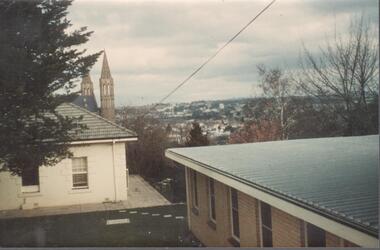
Photograph - NDSN Hostel/office block
... The Northern District School of Nursing opened in 1950 in to address the issues around nurse recruitment, training and education that had previously been hospital based. ...The Northern District School of Nursing opened in 1950 in to address the issues around nurse recruitment, training and education that had previously been hospital based. ...The Northern District School of Nursing opened in 1950 in to address the issues around nurse recruitment, training and education that had previously been hospital based. The residential school was to provide theoretical and in-house education and practical training over three years. The students would also receive practical hands-on training in the wards of associated hospitals. The Northern District School of Nursing operated from Lister House, Rowan Street, Bendigo. It was the first independent school of nursing in Victoria and continued until it closed in 1989.Coloured photograph shows view of NDSN Lister House Short Street hostel and new office block; 1966, across to Greater Bendigo.1966 / Short Street Hostel/ New Office Block/ from Faye Stauchndsn, nursing -
 Northern District School of Nursing. Managed by Bendigo Historical Society Inc.
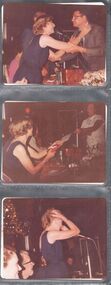
Photograph - NDSN farewell dinner Margot Scott
... The Northern District School of Nursing opened in 1950 in to address the issues around nurse recruitment, training and education that had previously been hospital based. ...The Northern District School of Nursing opened in 1950 in to address the issues around nurse recruitment, training and education that had previously been hospital based. ...The Northern District School of Nursing opened in 1950 in to address the issues around nurse recruitment, training and education that had previously been hospital based. The residential school was to provide theoretical and in-house education and practical training over three years. The students would also receive practical hands-on training in the wards of associated hospitals. The Northern District School of Nursing operated from Lister House, Rowan Street, Bendigo. It was the first independent school of nursing in Victoria and continued until it closed in 1989.8594.35a Coloured photograph (3of 6 photos) presentation by Joan O'Shea and others to Margot Scott at her farewell dinner Each photograph has details of names of NDSN people making presentations. Colour photos without borders.Each photograph has details of names of NDSN people making presentations.ndsn, nursing -
 Northern District School of Nursing. Managed by Bendigo Historical Society Inc.
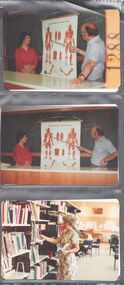
Photograph - NDSN six photos re Lister House
... The Northern District School of Nursing opened in 1950 in to address the issues around nurse recruitment, training and education that had previously been hospital based. ...The Northern District School of Nursing opened in 1950 in to address the issues around nurse recruitment, training and education that had previously been hospital based. ...The Northern District School of Nursing opened in 1950 in to address the issues around nurse recruitment, training and education that had previously been hospital based. The residential school was to provide theoretical and in-house education and practical training over three years. The students would also receive practical hands-on training in the wards of associated hospitals. The Northern District School of Nursing operated from Lister House, Rowan Street, Bendigo. It was the first independent school of nursing in Victoria and continued until it closed in 1989.8594.35b Coloured photograph (3of 6 photos). Three photos shows interiors at Lister House (tutor's office and Practical room) No details on rear of photos. Colour photos without borders.No details on rear of photos.ndsn, nursing -
 Northern District School of Nursing. Managed by Bendigo Historical Society Inc.
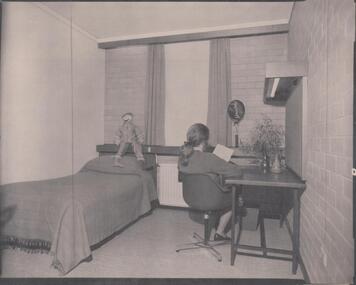
Photograph - Lister House student accommodation
... The Northern District School of Nursing opened in 1950 in to address the issues around nurse recruitment, training and education that had previously been hospital based. ...The Northern District School of Nursing opened in 1950 in to address the issues around nurse recruitment, training and education that had previously been hospital based. ...The Northern District School of Nursing opened in 1950 in to address the issues around nurse recruitment, training and education that had previously been hospital based. The residential school was to provide theoretical and in-house education and practical training over three years. The students would also receive practical hands-on training in the wards of associated hospitals. The Northern District School of Nursing operated from Lister House, Rowan Street, Bendigo. It was the first independent school of nursing in Victoria and continued until it closed in 1989.B&W photograph NDSN Lister House student accommodation NDSN / new nurses' home / single bedroomndsn, nursing -
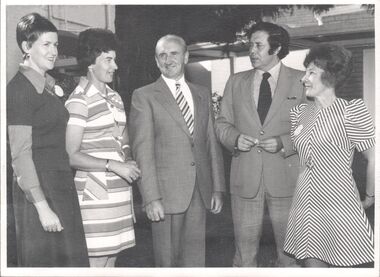 Northern District School of Nursing. Managed by Bendigo Historical Society Inc.
Photograph - NDSN Anniversary 1975 committee
... The Northern District School of Nursing opened in 1950 in to address the issues around nurse recruitment, training and education that had previously been hospital based. ...The Northern District School of Nursing opened in 1950 in to address the issues around nurse recruitment, training and education that had previously been hospital based. ...The Northern District School of Nursing opened in 1950 in to address the issues around nurse recruitment, training and education that had previously been hospital based. The residential school was to provide theoretical and in-house education and practical training over three years. The students would also receive practical hands-on training in the wards of associated hospitals. The Northern District School of Nursing operated from Lister House, Rowan Street, Bendigo. It was the first independent school of nursing in Victoria and continued until it closed in 1989.B&W photograph NDSN 25th Anniversary five-member committee Three copies of B&W photo in varying sizes.NDSN 25th anniversary committee: Mavis Bonney (nee Graham), Elsie Brown (nee Skinner), School Chairman Kevin Houlahan, Dean Sidney Gerry and Joan O'Shea (nee Stott). copyright The Bendigo Advertisers (blue stamp)ndsn, nursing -
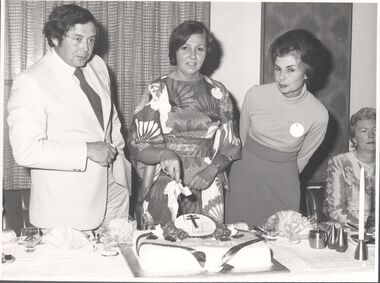 Northern District School of Nursing. Managed by Bendigo Historical Society Inc.
Photograph - NDSN Anniversary 1975 Lister House
... The Northern District School of Nursing opened in 1950 in to address the issues around nurse recruitment, training and education that had previously been hospital based. ...The Northern District School of Nursing opened in 1950 in to address the issues around nurse recruitment, training and education that had previously been hospital based. ...The Northern District School of Nursing opened in 1950 in to address the issues around nurse recruitment, training and education that had previously been hospital based. The residential school was to provide theoretical and in-house education and practical training over three years. The students would also receive practical hands-on training in the wards of associated hospitals. The Northern District School of Nursing operated from Lister House, Rowan Street, Bendigo. It was the first independent school of nursing in Victoria and continued until it closed in 1989.B&W photograph NDSN 25th Anniversary celebration 26th April 1975, held at A.N.A. Downtown Motel, View Street, Bendigo. NDSN 25th anniversary celebrations: Mr. S. Gerry (Dean NDSN), Miss V. Steggall (Matron Swn Hill, Graduate of NDSN) and Mrs M. Gerry (L to R). seated Mrs T. Dulling (Director of Nursing B.B.H) A.N.A. Downtown Motel, Sat. 26th April 1975. photographers stamp; Aulsebrook & Martin, 311 Williamson Street, BendigoNDSN 25th anniversary celebrations: Mr. S. Gerry (Dean NDSN), Miss V. Steggall (Matron Swn Hill, Graduate of NDSN) and Mrs M. Gerry (L to R). seated Mrs T. Dulling (Director of Nursing B.B.H) A.N.A. Downtown Motel, Sat. 26th April 1975.ndsn, nursing -
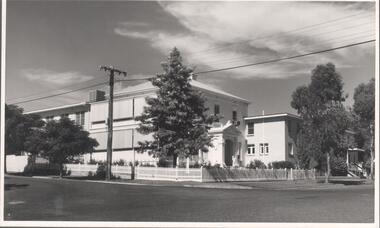 Northern District School of Nursing. Managed by Bendigo Historical Society Inc.
Photograph - NDSN Lister House
... The Northern District School of Nursing opened in 1950 in to address the issues around nurse recruitment, training and education that had previously been hospital based. ...The Northern District School of Nursing opened in 1950 in to address the issues around nurse recruitment, training and education that had previously been hospital based. ...The Northern District School of Nursing opened in 1950 in to address the issues around nurse recruitment, training and education that had previously been hospital based. The residential school was to provide theoretical and in-house education and practical training over three years. The students would also receive practical hands-on training in the wards of associated hospitals. The Northern District School of Nursing operated from Lister House, Rowan Street, Bendigo. It was the first independent school of nursing in Victoria and continued until it closed in 1989.B&W photograph showing frontage to Short & Rohan Streets, BendigoNDSN View - corner Shirt & Wattle Streets (correction Rohan Street) Pre 1977 Note picket fence.ndsn, nursing -
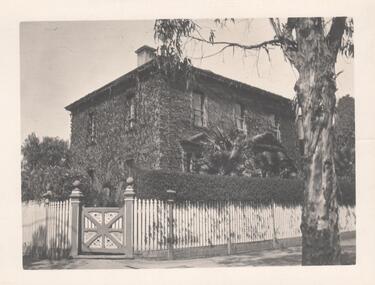 Northern District School of Nursing. Managed by Bendigo Historical Society Inc.
Postcard - Two postcards ivy-clad Lister House
... The Northern District School of Nursing opened in 1950 in to address the issues around nurse recruitment, training and education that had previously been hospital based. ...The Northern District School of Nursing opened in 1950 in to address the issues around nurse recruitment, training and education that had previously been hospital based. ...The Northern District School of Nursing opened in 1950 in to address the issues around nurse recruitment, training and education that had previously been hospital based. The residential school was to provide theoretical and in-house education and practical training over three years. The students would also receive practical hands-on training in the wards of associated hospitals. The Northern District School of Nursing operated from Lister House, Rowan Street, Bendigo. It was the first independent school of nursing in Victoria and continued until it closed in 1989.B&W postcards of Lister House when it was Girton CollegeDonated by Miss M. Bush (former pupil of Girton College)ndsn, nursing, girton college -
 Northern District School of Nursing. Managed by Bendigo Historical Society Inc.
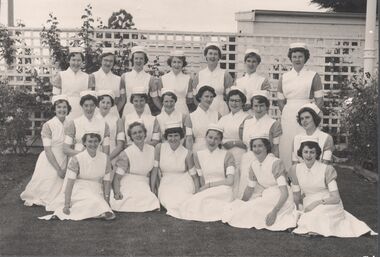
Photograph - School 21
... The Northern District School of Nursing opened in 1950 in to address the issues around nurse recruitment, training and education that had previously been hospital based. ...The Northern District School of Nursing opened in 1950 in to address the issues around nurse recruitment, training and education that had previously been hospital based. ...The Northern District School of Nursing opened in 1950 in to address the issues around nurse recruitment, training and education that had previously been hospital based. The residential school was to provide theoretical and in-house education and practical training over three years. The students would also receive practical hands-on training in the wards of associated hospitals. The Northern District School of Nursing operated from Lister House, Rowan Street, Bendigo. It was the first independent school of nursing in Victoria and continued until it closed in 1989.Photo of 22 third year nurses attending 3rd year block in Bendigo Nurses Home gardensSchool 21 3rd year Block February 1956 P.T.S. 1954 BNH (Bendigo Nurses Home)second year mildura nurse e.j. thorpe, standing in front of lister house -
 Northern District School of Nursing. Managed by Bendigo Historical Society Inc.
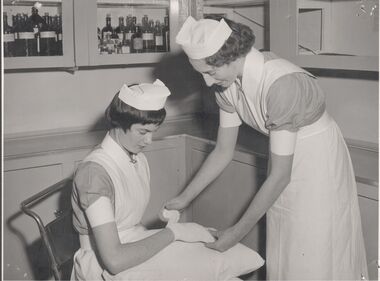
Photograph - School 28
... The Northern District School of Nursing opened in 1950 in to address the issues around nurse recruitment, training and education that had previously been hospital based. ...The Northern District School of Nursing opened in 1950 in to address the issues around nurse recruitment, training and education that had previously been hospital based. ...The Northern District School of Nursing opened in 1950 in to address the issues around nurse recruitment, training and education that had previously been hospital based. The residential school was to provide theoretical and in-house education and practical training over three years. The students would also receive practical hands-on training in the wards of associated hospitals. The Northern District School of Nursing operated from Lister House, Rowan Street, Bendigo. It was the first independent school of nursing in Victoria and continued until it closed in 1989.Photo of two 28 2nd year nurses in practice room at lister HouseSchool 28 Bev Cass Coral Sharrock -
 Northern District School of Nursing. Managed by Bendigo Historical Society Inc.
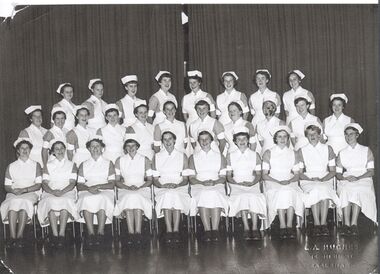
Photograph - School 29
... The Northern District School of Nursing opened in 1950 in to address the issues around nurse recruitment, training and education that had previously been hospital based. ...The Northern District School of Nursing opened in 1950 in to address the issues around nurse recruitment, training and education that had previously been hospital based. ...The Northern District School of Nursing opened in 1950 in to address the issues around nurse recruitment, training and education that had previously been hospital based. The residential school was to provide theoretical and in-house education and practical training over three years. The students would also receive practical hands-on training in the wards of associated hospitals. The Northern District School of Nursing operated from Lister House, Rowan Street, Bendigo. It was the first independent school of nursing in Victoria and continued until it closed in 1989.Black and white photo of 29 nurses - Preliminary Training School February 1956. Lister HouseNil -
 Northern District School of Nursing. Managed by Bendigo Historical Society Inc.
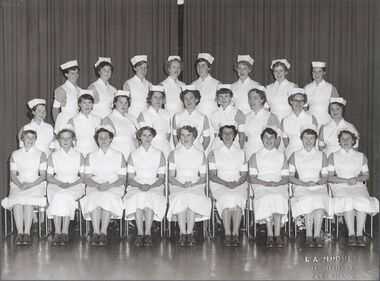
Photograph - School 30
... The Northern District School of Nursing opened in 1950 in to address the issues around nurse recruitment, training and education that had previously been hospital based. ...The Northern District School of Nursing opened in 1950 in to address the issues around nurse recruitment, training and education that had previously been hospital based. ...The Northern District School of Nursing opened in 1950 in to address the issues around nurse recruitment, training and education that had previously been hospital based. The residential school was to provide theoretical and in-house education and practical training over three years. The students would also receive practical hands-on training in the wards of associated hospitals. The Northern District School of Nursing operated from Lister House, Rowan Street, Bendigo. It was the first independent school of nursing in Victoria and continued until it closed in 1989.Black and white photo of 26 nurses - Preliminary Training School April 1956. Lister HouseNil -
 Northern District School of Nursing. Managed by Bendigo Historical Society Inc.
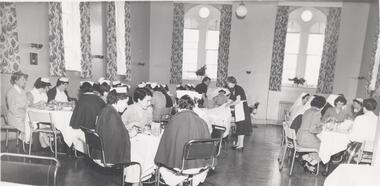
Photograph - Bendigo Hospital Dining Room
... The Northern District School of Nursing opened in 1950 in to address the issues around nurse recruitment, training and education that had previously been hospital based. ...The students would also receive practical hands-on training in the wards of associated hospitals. The Northern District School of Nursing operated from Lister House, Rowan Street, Bendigo. ...The Northern District School of Nursing opened in 1950 in to address the issues around nurse recruitment, training and education that had previously been hospital based. The residential school was to provide theoretical and in-house education and practical training over three years. The students would also receive practical hands-on training in the wards of associated hospitals. The Northern District School of Nursing operated from Lister House, Rowan Street, Bendigo. It was the first independent school of nursing in Victoria and continued until it closed in 1989.Black and white photo of hospital staff in Dining Room at BBHBBH Dining Room, Old building. Tina Malone Housekeeper, Ann Shanahan (civies), ?Coral Sharrock PTS 28 1955 -
 Northern District School of Nursing. Managed by Bendigo Historical Society Inc.
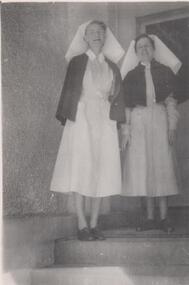
Photograph - Two Tutor Sisters
... The Northern District School of Nursing opened in 1950 in to address the issues around nurse recruitment, training and education that had previously been hospital based. ...The Northern District School of Nursing opened in 1950 in to address the issues around nurse recruitment, training and education that had previously been hospital based. ...The Northern District School of Nursing opened in 1950 in to address the issues around nurse recruitment, training and education that had previously been hospital based. The residential school was to provide theoretical and in-house education and practical training over three years. The students would also receive practical hands-on training in the wards of associated hospitals. The Northern District School of Nursing operated from Lister House, Rowan Street, Bendigo. It was the first independent school of nursing in Victoria and continued until it closed in 1989.Black and white photo of two Tutor Sisters in uniform on steps of lister HouseSr Scott Sr Donohoe
