
Showing 472 items matching " williams mr."
-
 The Beechworth Burke Museum
Audio - Oral History, Jennifer Williams, Mr John Clemens, 2000
... Mr John Clemens Audio Oral History Jennifer Williams ...Mr John Clemens was born in 1913 to Australian parents. His father worked in building roads which led to the family's move from Sunnyside Gen Willis to Beechworth. His father was part of the road making team on the Buffalo River Road between Myrtleford and Beechworth. John worked as a motor mechanic in his early years, having left school in sixth grade. He later worked carting wood (independently) and drinks for Murray Breweries/Billson's Breweries. He delivered drinks and wood to the Old Hospital after its relocation in 1940, to Bonegilla Migrants Camp and got to know most of the townspeople. He recounts his interactions with various members of the community, highlighting the importance of the Zwar Tannery, which John recounts as employing approximately 200 people (dating this recollection to approximately 1938). This oral history recording was part of a project conducted by Jennifer Williams in the year 2000 to capture the everyday life and struggles in Beechworth during the twentieth century. This project involved recording seventy oral histories on cassette tapes of local Beechworth residents which were then published in a book titled: Listen to what they say: voices of twentieth century Beechworth. These cassette tapes were digitised in July 2021 with funds made available by the Friends of the Burke.John's interview demonstrates the dynamics of the Beechworth township in the 1920s-1940s, showing the important industries and connections of the town which he was involved in. His mention of the Model T Ford, produced 1908-1927, shows his experience with early cars in the town, which were owned by the richer people. He talks about the dominance of the Zwar Bros. Tannery over the town, by employing hundreds of people (dating John's recollection to approximately 1938). John's interview shows the changed that the town has gone through through his experiences as a driver for wood and drinks. It can be interpreted as historically significant to the Beechworth local area but also to a wider audience; Zwar Tannery supplies leather to General Motors Holden, the brewery was one of the largest in the country, and the Bonegilla Migrants Camp was the largest and longest running migrant camp in Australia. John's everyday interactions with all of these places and people within makes his story significant. The project is significant for its recording of stories from members of the local Beechworth community before they are lost. It tells of the everyday stories of the people and their memories of the town. The recordings were done in 2000, with interviewees such as John being in their 80s when interviewed. The interviews were recorded to cassette, before being digitised in 2021. This is a digital copy of a recording that was originally captured on a cassette tape. The cassette tape is black with a horizontal white strip and is currently stored in a clear flat plastic rectangular container. It holds up 40 minutes of recordings on each side. john clemens, burke museum, beechworth, bonegilla migrants camp, beechworth hospital, murray breweries, billson's breweries, zwar bros. tannery -
 The Beechworth Burke Museum
Audio - Oral History, Jennifer Williams, Mr Ric Edwards, 6th July 2000
... Mr Ric Edwards Audio Oral History Jennifer Williams Ric Edwards ...Ric Edwards was born in Melbourne, but moved to Beechworth in 1962. He had strong associations with Beechworth Prison, which is now called Beechworth Correctional Centre after 144 years. Ric had a strong role in creating the education program for the prisoners. This oral history recording was part of a project conducted by Jennifer Williams in the year 2000 to capture the everyday life and struggles in Beechworth during the twentieth century. This project involved recording seventy oral histories on cassette tapes of local Beechworth residents which were then published in a book titled: Listen to what they say: voices of twentieth century Beechworth. These cassette tapes were digitised in July 2021 with funds made available by the Friends of the Burke.Although Beechworth is famous for its history in gold, the project by Jennifer Williams is significant as it captures the everyday life and struggles of residents living in Beechworth during the twentieth century. Ric Edwards story is significant as his story brings to light the prison system in Beechworth and it gives insight into not only Ric's role in the prison, but it also gives insight into the psychology of the prisoners.This is a digital copy of a recording that was originally captured on a cassette tape. The cassette tape is black with a horizontal white strip and is currently stored in a clear flat plastic rectangular container. It holds up 40 minutes of recordings on each side.listen to what they say, beechworth, oral history, burke museum, edwards, ric edwards, beechworth prison, beechworth correctional centre -
 The Beechworth Burke Museum
Audio - Oral History, Jennifer Williams, Mr Albert (Bert) Nankervis, 15th March 2000
... Mr Albert (Bert) Nankervis Audio Oral History Jennifer Williams Albert (Bert) Nankervis ...Mr Albert (Bert) Nankervis was born at Thougla, in the Upper Murray, in 1903. He had a large family and was one of eight children, four boys and four girls. He and his family moved to a farm in Wooragee named ‘Wattle Grove’ in 1918 after his father returned from serving as a soldier in World War One. The family established ‘Wattle Grove’ as a dairy farm as Beechworth has a high demand for milk and little supply. They had 25 milk cows that were hand milked every morning in order to provide milk for approximately 100 customers in the town, with any extra going to the butter factory at Springhurst. Albert married Floré Lilias Hardy in 1930 and they had two sons, Phillip and Barry. In this oral history, Albert discusses his life as a farmer in Wooragee, including his role in getting electricity to Beechworth, as well as his participation in the Young Farmer’s Association Immigration Scheme, which provided work experience to migrants in order for them to learn how to farm. This oral history recording was part of a project conducted by Jennifer Williams in the year 2000 to capture the everyday life and struggles in Beechworth during the twentieth century. This project involved recording seventy oral histories on cassette tapes of local Beechworth residents which were then published in a book titled: Listen to what they say: voices of twentieth century Beechworth. These cassette tapes were digitised in July 2021 with funds made available by the Friends of the Burke. Mr Albert (Bert) Nankervis’s account of his life in Wooragee and the local area, including Beechworth, during the early 20th century is historically and socially significant to the cultural heritage of the region. He details his life as a farmer and milkman in the early 20th century, particularly the interwar period (1918-1939), but also discusses life after the Second World War, including employing young migrant men to train them as farmers through the Young Farmer’s Association. This oral history account is socially and historically significant as it is a part of a broader collection of interviews conducted by Jennifer Williams which were published in the book 'Listen to what they say: voices of twentieth-century Beechworth.' While the township of Beechworth is known for its history as a gold rush town, these accounts provide a unique insight into the day-to-day life of the town's residents during the 20th century, many of which will have now been lost if they had not been preserved. This is a digital copy of a recording that was originally captured on a cassette tape. The cassette tape is black with a horizontal white strip and is currently stored in a clear flat plastic rectangular container. It holds up 45 minutes of recordings on each side.Mr Albert (Bert) Nankervis / albert nankervis, bert nankervis, nankervis, wattle grove, wooragee, dairy farm beechworth, dairy farm, dairy factories beechworth, dairying, milkman, oral history, springhurst, butter factory, electricity, rural life, farming and agriculture, farm, farm work, cow, cattle, jersey cattle, interwar period, first world war, second world war, wwi, wwii, greatest generation, centenarian, nonagenarian, 1920s, 1930s beechworth, thougla, upper murray, murray, lucyvale, benalla -
The Beechworth Burke Museum
Audio - Oral History, Jennifer Williams, Mr Allan Parkinson, 22nd June 2000
... Mr Allan Parkinson Audio Oral History Jennifer Williams Allan Parkinson ...Allan Parkinson was born in Beechworth in 1924. The eldest of eight children, his mother provided laundry services to the people of Beechworth whilst his father worked for the local tannery, trapping rabbits. Allan fondly remembers times spent during his childhood catching rabbits with his father. As his younger years were set amidst the experiences of World War Two and the Great Depression, Allan recalls a feeling of solidarity amongst the residents of Beechworth that was present during this time(for instance, sharing food with neighbours in wartime), as well as the disassociation he felt as a returning soldier after the war. Allan talks of the great number of 'New Australians' who arrived in Beechworth in the post-war years, many of them coming from war-torn countries in Europe. Before being integrated into Australian society, these 'New Australians' would often first spend time at the Migrant Reception and Training Centre in Bonegilla, Northern Victoria. They were taught English and learnt about Australian life before being billeted out across the country to fill labor shortages. Following time spent up in Queensland, Allan worked in the forestry industry, clearing thousands of acres across Victoria which were needed to plant pines. The interview ends with discussions of the famous Wheelbarrow Push from Beechworth to Mt Buffalo in 1935, of which Allan's Uncle Tom was a central participant; this is an event which has since become an annual fundraising tradition in Beechworth. This oral history recording was part of a project conducted by Jennifer Williams in the year 2000 to capture the everyday life and struggles in Beechworth during the twentieth century. This project involved recording seventy oral histories on cassette tapes of local Beechworth residents which were then published in a book titled: Listen to what they say: Voices of twentieth century Beechworth. These cassette tapes were digitised in July 2021 with funds made available by the Friends of the Burke. Mr Allan Parkinson's account of his life in Beechworth and the local area during the twentieth century is historically and socially significant to the cultural heritage of the region. He details important historical events and hardships that had lasting local, regional and national impacts, including Australia during wartime, post-war migration and economic struggles. This oral history account is historically and socially significant as it is part of a broader collection of interviews conducted by Jennifer Williams which were published in the book 'Listen to what they say: voices of twentieth century Beechworth'. While the township of Beechworth is known for its history as a gold rush town, these accounts provide a unique insight into the day-to-day life of the town's residents during the twentieth century, many of which would have been lost if they had not been preserved. This is a digital copy of a recording that was originally captured on a cassette tape. The cassette tape is black with a horizontal white stripe and is currently stored in a clear flat plastic rectangular container. It holds up to forty minutes of recordings on each side. Mr Allan Parkinson / allan parkinson, oral history, beechworth forestry, forestry industry, beechworth tannery, jennifer williams, rabbit trapping, new australians, australian depression, rabbiting, bonegilla, bonegilla migrant camp, 20th century beechworth, wheelbarrow push beechworth to mt buffalo, barrowthon, wheelbarrow push 1935, listen to what they say, listen to what they say: voices of twentieth century beechworth, world war two, wartime, wartime solidarity, burke museum -
 The Beechworth Burke Museum
Audio - Oral History, Jennifer Williams, Mr Alfred Spencer, 17th February 2000
... Mr Alfred Spencer Audio Oral History Jennifer Williams Alfred Spencer ...Alfred 'Alf' Spencer grew up on a dairy farm run by his mother, west south west of Beechworth 'down Robertson Road', and was very well connected to the wider Beechworth area. In this oral history, he recalls his time driving the milk cart around Beechworth as well as the time he spent buying lollies and seeing the pictures. He talks extensively about working as a butcher at his brother's store, including how the butchers interacted with the rest of the town and the staff, as well as his time constructing roads and the pipe network of Beechworth. He discusses the dynamics of other workplaces around Beechworth, describing issues with how the local tannery treated its workers as well as how post-war migrants integrated across the town. He briefly discusses racial tensions between Chinese migrants and other miners on the goldfields. He also discusses the experience of health care in a rural area during his childhood. This oral history recording was part of a project conducted by Jennifer Williams in the year 2000 to capture the everyday life and struggles in Beechworth during the twentieth century. This project involved recording seventy oral histories on cassette tapes of local Beechworth residents which were then published in a book titled: Listen to what they say: voices of twentieth century Beechworth. These cassette tapes were digitised in July 2021 with funds made available by the Friends of the Burke.Alfred Spencer's oral history of his life around Beechworth during the 20th century is historically and socially significant to the cultural history of the region and Victoria. There is a lot of detail about workplaces, their staff, and how the resources of the town interacted. He explores themes that are important to Victorian history, such as migration. This oral history account is socially and historically significant as it is a part of a broader collection of interviews conducted by Jennifer Williams which were published in the book 'Listen to what they say: voices of twentieth-century Beechworth.' While the township of Beechworth is known for its history as a gold rush town, these accounts provide a unique insight into the day-to-day life of the town's residents during the 20th century, many of which will have now been lost if they had not been preserved.This is a digital copy of a recording that was originally captured on a cassette tape. The cassette tape is black with a horizontal white strip and is currently stored in a clear flat plastic rectangular container. It holds up to 40 minutes of recordings on each side.Mr Alfred Spencer /listen to what they say, beechworth, oral history, burke museum, spencer, alfred spencer, migration, post-war migration, goldfields, health care, farm, farming, dairy farm, black springs, butchers, meat processing, butcher, road, road network, labour relations -
The Beechworth Burke Museum
Audio - Oral History, Jennifer Williams, Gwen and Jack Scott, 24th February 2000
... Scott Carriers Scott Brothers Zwar Brother's Beechworth Tannery Zwar Tannery beechworth tannery Ovens and Murray Hospital for the Aged Benevolent Asylum Open-air Cinema The Rock cinema Italians Beechworth hospital births 1920s Wang Tech Wangaratta Tech Nell Scott Jennifer Williams Oral History Listen to what they say: voices of twentieth century Beechworth Tannery Union Mrs Gwen and Mr Jack Scott This is a digital copy of a recording that was originally captured on a cassette tape. ...Jack Scott was born in Beechworth on the 24th January 1919 into a third generation Beechworth family who had migrated from Scotland, Cornwall and Ireland during the 1860s. Also present during the oral history recording is Jack’s wife, Gwen Scott. In 1878 Jack’s grandfather established the carrier business - R. Scott Carriers. Jack’s grandfather secured a contract with the Zwar Brothers' Beechworth Tannery to transport all goods between the tannery and train station via horse and cart. Jack’s father and uncle carried on the family business, before Jack and his brother eventually joined after the Second World War. The company expanded from a single horse and cart short route to multiple trucks operating interstate routes. Prior to joining the family carrier business, Jack on leaving school started work at the tannery and served in the air force during the Second World War. When asked about the working conditions at the tannery, Jack recalls while they did have union representatives, it was not particularly effectual. The union representatives were often placated by sharing multiple whiskies with the Zwar brothers when in their offices to discuss workers’ issues. Gwen’s father also worked for the tannery for a period of time, and she enjoyed the annual picnics the tannery provided for employee families. Both Jack and Gwen’s connections to the tannery reinforces the tannery’s role as a major employer and presence in the Beechworth community. Prior to marrying Jack, Gwen worked in a range of roles including at the Ovens and Murray Hospital for the Aged, managing the family home when her parents both worked during the Second World War, and apprenticed with her sister as a hairdresser. Jack and Gwen provide some insight into maternal health issues in brief discussions of hospital birthing trends and awareness of contraception and family planning. Both Jack and Gwen recalled attending the open-air cinema at ‘The Rock’ in their childhoods. Gwen remembers that the ‘elites’ would sit on chairs at the front, and Gwen’s family sat on a rug at the back, while Jack would jump the fence and get in for nothing. Jack and Gwen discuss attitudes towards both Chinese Australians and Italian migrants in Beechworth. They did not notice any racism and from their perspective felt they were accepted in the town. Jack did note that Italian employees lost their jobs at the tannery during the Second World War, but believed they all stayed within the area and found stonemason and concrete work in the interim. Jack socialised with members of the Italian community and joyfully recalled attending their homes for music nights with lots of drinking and instruments being played. This oral history recording was part of a project conducted by Jennifer Williams in the year 2000 to capture the everyday life and struggles in Beechworth during the twentieth century. This project involved recording seventy oral histories on cassette tapes of local Beechworth residents which were then published in a book titled: Listen to what they say: voices of twentieth century Beechworth. These cassette tapes were digitised in July 2021 with funds made available by the Friends of the Burke. Gwen and Jack Scott’s account of their lives in Beechworth is historically and socially significant to the cultural heritage of the region. Gwen and Jack in reflecting on their everyday experiences of operating a family business, availability of work, leisure opportunities, interaction with migrants, and access to maternal health care provide essential economic, social, and healthcare insights. Gwen and Jack Scott’s oral history recording is part of a larger collection of oral histories recorded by Jennifer Williams in 2000, collectively they provide invaluable insights into Beechworth during the 20th century, much of the information in these oral histories would be lost if not documented and missed in the interpretation of tangible objects. This is a digital copy of a recording that was originally captured on a cassette tape. The cassette tape is black with a horizontal white strip and is currently stored in a clear flat plastic rectangular container. It holds up 40 minutes of recordings on each side.Mrs Gwen and Mr Jack Scott jack scott, gwen scott, r. scott carriers, scott brothers, zwar brother's beechworth tannery, zwar tannery, beechworth tannery, ovens and murray hospital for the aged, benevolent asylum, open-air cinema, the rock cinema, italians beechworth, hospital births 1920s, wang tech, wangaratta tech, nell scott, jennifer williams, oral history, listen to what they say: voices of twentieth century beechworth, tannery union -
 The Beechworth Burke Museum
Audio - Oral History, Jennifer Williams, Desmond (Bill) Thomas, 25th May 2000
... Mr Thomas' both of the bush and nature demonstrates the history of ferreting and bushwalking in this region. Desmond (Bill) Thomas has made many contributions to his community but also the history of Beechworth. This life tells us many things about the struggles and joys of living in and around Beechworth. This oral history account is socially and historically significant as it is a part of a broader collection of interviews conducted by Jennifer Williams ...Desmond (Bill) Thomas moved to Beechworth when he was one year old. He was born in 1923 and his family moved to Beechworth in 1924. His father was offered a job in Beechworth as a leather tanner. His first job was in the Tannery in Beechworth. However, in 1938 he was involved in a accident at the Tannery that resulted in him losing his arm. The Zwar Brothers acquired the Tannery in 1877 and it operated until 1961. His interests included bushwalking and nature. When he was younger he would often go ferreting instead of going to school. His favorite place to visit was near Stanley. This included Zwar's paddock and Eldorado. One of his first memories was when he went to Sunday School at the Methodist Church. He remembered Miss Peach as the Methodist Superintendent. He eventually had to leave that Sunday School because of his behavior. This oral history recording was part of a project conducted by Jennifer Williams in the year 2000 to capture the everyday life and struggles in Beechworth during the twentieth century. This project involved recording seventy oral histories on cassette tapes of local Beechworth residents which were then published in a book titled: Listen to what they say: voices of twentieth century Beechworth. These cassette tapes were digitised in July 2021 with funds made available by the Friends of the Burke.Desmond (Bill) Thomas' oral history has important historical significance for the local Beechworth region. The Zwar Brother's Tannery was a large part of Beechworth and had a long history. Both Mr Thomas and his father has contributed to this history because they both worked there. Mr Thomas' both of the bush and nature demonstrates the history of ferreting and bushwalking in this region. Desmond (Bill) Thomas has made many contributions to his community but also the history of Beechworth. This life tells us many things about the struggles and joys of living in and around Beechworth. This oral history account is socially and historically significant as it is a part of a broader collection of interviews conducted by Jennifer Williams which were published in the book 'Listen to what they say: voices of twentieth-century Beechworth.' While the township of Beechworth is known for its history as a gold rush town, these accounts provide a unique insight into the day-to-day life of the town's residents during the 20th century, many of which will have now been lost if they had not been preserved.This is a digital copy of a recording that was originally captured on a cassette tape. The cassette tape is black with a horizontal white strip and is currently stored in a clear flat plastic rectangular container. It holds up 40 minutes of recordings on each side.Desmond (Bill) Thomasleather tanner, leather, beechworth tannery, tannery, tannery accident, bushwalking, bushland, nature, ferreting, school, sunday school, beechworth methodist church, church, baptist church, beechworth, oral history, recording, 1924, listen to what they say: voices of twentieth century beechworth, listen to what they say, jennifer williams, burke museum, zwar brother's beechworth tannery, zwar bros. tannery -
The Beechworth Burke Museum
Audio - Oral History, Jennifer Williams, Robert Mason, 3 August 2000
... Beechworth Mason Robert Forestry Commission Lands Department Crown Land WWII Listen to what they say Burke Museum Jennifer Williams Oral History Mr. Robert Mason/ This is a digital copy of a recording that was originally captured on a cassette tape. ...Mason Robert was born in (unintelligible) in 19(unintelligible). Mason's grandparents were from Stanley, where Mason completed his schooling. Mason started working for the Forestry Commission in 1939 looking after Crown land but eventually went into the army in 1942. At the Forestry Commission, he was responsible for maintaining and looking after the land. Mason later went to work for the Lands Department after working at the Commission for seven years. This oral history recording was part of a project conducted by Jennifer Williams in the year 2000 to capture the everyday life and struggles in Beechworth during the twentieth century. This project involved recording seventy oral histories on cassette tapes of local Beechworth residents which were then published in a book titled: Listen to what they say: voices of twentieth century Beechworth. These cassette tapes were digitised in July 2021 with funds made available by the Friends of the Burke.Mason Robert's account of his life in Beechworth and the local area during the 20th century is historically and socially significant to the cultural heritage of the region. He recalls some of the changes that Beechworth underwent such as the introduction of electricity in the 1950s and an increase in tourism. His account is important to the region's history in terms of important historical events such as WWII and other events impacting the region. This oral history account is socially and historically significant as it is a part of a broader collection of interviews conducted by Jennifer Williams which were published in the book 'Listen to what they say: voices of twentieth-century Beechworth.' While the township of Beechworth is known for its history as a gold rush town, these accounts provide a unique insight into the day-to-day life of the town's residents during the 20th century, many of which will have now been lost if they had not been preserved.This is a digital copy of a recording that was originally captured on a cassette tape. The cassette tape is black with a horizontal white strip and is currently stored in a clear flat plastic rectangular container. It holds up 40 minutes of recordings on each side.Mr. Robert Mason/beechworth, mason robert, forestry commission, lands department, crown land, wwii, listen to what they say, burke museum, jennifer williams, oral history -
The Beechworth Burke Museum
Audio - Oral History, Jennifer Williams, Mr Ken Howe, 23rd September 2000
... Mr Ken Howe Audio Oral History Jennifer Williams Ken Howe ...Ken Howe was born on the 9th February 1941 in Beechworth. His parents came from Everton. His mothers parents were from Northern Island and his fathers parents from Everton. They were farmers and did not come to Beechworth for gold. Ken left school when he was 13 and a half and worked at the Zwar brothers Tannery for four years. He then went on to work at with the Forest Commission. Ken discusses his job's, family, the arrival of Baltic immigrants after world war 2, The impact of the story of Kelly's in his life and just life in general at Beechworth. This oral history recording was part of a project conducted by Jennifer Williams in the year 2000 to capture the everyday life and struggles in Beechworth during the twentieth century. This project involved recording seventy oral histories on cassette tapes of local Beechworth residents which were then published in a book titled: Listen to what they say: voices of twentieth century Beechworth. These cassette tapes were digitised in July 2021 with funds made available by the Friends of the Burke.Ken Howe's story offers an insight into life in Beechworth from the 1940's onwards, he details the various jobs that occurred in the Zwar brothers tannery factory, the tasks that occurred for the forest commission. He also provides insight into the role the Kelly story played in their lives and the significant places were incidents occurred. His story also offers a look into everyday Beechworth life and how the baltic immigrants after World War 2 integrated into the Australian lifestyle by working at the Zwar brothers tannery. This oral history account is socially and historically significant as it is a part of a broader collection of interviews conducted by Jennifer Williams which were published in the book 'Listen to what they say: voices of twentieth-century Beechworth.' While the township of Beechworth is known for its history as a gold rush town, these accounts provide a unique insight into the day-to-day life of the town's residents during the 20th century, many of which will have now been lost if they had not been preserved.This is a digital copy of a recording that was originally captured on a cassette tape. The cassette tape is black with a horizontal white strip and is currently stored in a clear flat plastic rectangular container. It holds up 40 minutes of recordings on each side.Mr Ken Howe /listen to what they say, beechworth, oral history, burke museum, ken howe, howe, everton, northern island, farmers, zwar brothers tannery, glue, forest commission, family -
The Beechworth Burke Museum
Audio - Oral History, Jennifer Williams, Desmond McIntosh, 27 July 2000
... Williams in the year 2000 to capture the everyday life and struggles in Beechworth during the twentieth century. This project involved recording seventy oral histories on cassette tapes of local Beechworth residents which were then published in a book titled: Listen to what they say: voices of twentieth century Beechworth. These cassette tapes were digitised in July 2021 with funds made available by the Friends of the Burke. Mr ...Desmond (Des) McIntosh was born in Beechworth in the old goldfield’s hospital in 1940. He was the third child born in a family of five children. His great-grandparents moved from Scotland to Yackandandah in the 1930s to pursue wealth in the gold boom, but only just made a living out of it. His grandfather eventually moved and lived in the Woolshed Valley, where Desmond’s parents came from. His family continued to live in the Woolshed Valley as dairy farmers until the 1950s and then moved to Beechworth. Desmond went to school in Wooragee but left when he was 15 to work as a salesman at Freeman’s Store in Beechworth. He worked there for nine years, and then started working in the prison service in Beechworth at what is now known as the Old Beechworth Gaol, or HM Prison Beechworth, where he worked for 27 years. Desmond was an active member of the Beechworth community outside of the Prison in the church and an APEX member (which is a social justice program run across Australia). In prison, he led work programs for the prisoners such as a gardening program where they grew the fresh vegetables and fruit that they would eat. This oral history recording was part of a project conducted by Jennifer Williams in the year 2000 to capture the everyday life and struggles in Beechworth during the twentieth century. This project involved recording seventy oral histories on cassette tapes of local Beechworth residents which were then published in a book titled: Listen to what they say: voices of twentieth century Beechworth. These cassette tapes were digitised in July 2021 with funds made available by the Friends of the Burke.Mr. Desmond McIntosh’s account of his life in Beechworth and the local area during the 20th century is historically and socially significant to the cultural heritage of the region. He details some of the change that occurred across Beechworth over time, as well as details about the management of the Old Goal Beechworth. His account is important to the region's history in terms of social issues and the effect WWII has on Beechworth. This oral history account is socially and historically significant as it is a part of a broader collection of interviews conducted by Jennifer Williams which were published in the book 'Listen to what they say: voices of twentieth-century Beechworth.' While the township of Beechworth is known for its history as a gold rush town, these accounts provide a unique insight into the day-to-day life of the town's residents during the 20th century, many of which will have now been lost if they had not been preserved.This is a digital copy of a recording that was originally recorded on a cassette tape. The cassette tape is black with a horizontal white strip and is currently stored in a clear flat plastic rectangular container. It holds up to 40 minutes of recordings on each side. Mr. Desmond McIntoshlisten to what they say: voices of twentieth century beechworth, beechworth, oral history, burke museum, desmond mcintosh, old goal beechworth, apex, wooragee, hm prison beechworth, woolshed valley, scotland, dairy farmer, freeman's store, gardening, garden, social justive -
 The Beechworth Burke Museum
Audio - Oral History, Jennifer Williams, Barry Pope, 26/6/2000
... In his story Mr Pope discusses many aspects of prison life for both prisoners and prison officers, from the food and daily routine, attitudes to discipline and rehabilitation, industries and opportunities available to prisoners and how prisoners were viewed in society after their period in prison was finished. This oral history recording was part of a project conducted by Jennifer Williams...In his story Mr Pope discusses many aspects of prison life for both prisoners and prison officers, from the food and daily routine, attitudes to discipline and rehabilitation, industries and opportunities available to prisoners and how prisoners were viewed in society after their period in prison was finished. This oral history recording was part of a project conducted by Jennifer Williams ...Barry Pope left Melbourne at the intentions of travelling around Australia, met a local girl in Beechworth and decided to stay. He worked firstly in logging operations at the mill in Stanley, had some bartending jobs at Beechworth hotels, then got a job as a kitchen-hand at the Mayday Hill Hospital. Taking up new opportunities to advance his career and earning potential, he trained as a prison officer, working for several months at Pentridge Prison and Fairlea Women's Prison in Melbourne. He then returned to Beechworth to work in the prison system. In his story Mr Pope discusses many aspects of prison life for both prisoners and prison officers, from the food and daily routine, attitudes to discipline and rehabilitation, industries and opportunities available to prisoners and how prisoners were viewed in society after their period in prison was finished. This oral history recording was part of a project conducted by Jennifer Williams in the year 2000 to capture the everyday life and struggles in Beechworth during the twentieth century. This project involved recording seventy oral histories on cassette tapes of local Beechworth residents which were then published in a book titled: Listen to what they say: voices of twentieth century Beechworth. These cassette tapes were digitised in July 2021 with funds made available by the Friends of the Burke.Barry Pope's account of his career is historically and socially significant as it details practices within the prison industry in the Twentieth Century as well as the operations of regional hospitals. This oral history account is socially and historically significant as it is a part of a broader collection of interviews conducted by Jennifer Williams which were published in the book 'Listen to what they say: voices of twentieth-century Beechworth.' While the township of Beechworth is known for its history as a gold rush town, these accounts provide a unique insight into the day-to-day life of the town's residents during the 20th century, many of which will have now been lost if they had not been preserved.This is a digital copy of a recording that was originally captured on a cassette tape. The cassette tape is black with a horizontal white strip and is currently stored in a clear flat plastic rectangular container. It holds up 40 minutes of recordings on each side.Barry Pope /beechworth, 1960s, 1970s, 1980s, stanley mill, logging, hotel wentworth, oral history, hospital garden, mayday hill hospital, met hospital, social welfare department, loyola, lyolla, pentridge prison, fairlea women's prison, prison officer training, drug crimes, prison daily life, prison farm, prison wood workshop, prison industry, prison escapes, beechworth prison, prison suicides, prison violence, prisoner attitudes to crime, mental health, isolation cells, walking dog scheme, guide dogs, prison concerts, prison plays, george smee, prison food, prison officer accommodation -
 The Beechworth Burke Museum
Audio - Oral History, Jennifer Williams, Mr Charles Ladson, 7 December 2000
... Mr Charles Ladson Audio Oral History Jennifer Williams Charles Ladson ...Charles Ladson in 1926 in Beechworth. The recording details Charles' life growing up in Beechworth, his working life as a carpenter and as woodworking teacher, and later his marriage. Charles grandfather arrived in Beechworth following the gold rush and set up shop as a trader. This oral history recording was part of a project conducted by Jennifer Williams in the year 2000 to capture the everyday life and struggles in Beechworth during the twentieth century. This project involved recording seventy oral histories on cassette tapes of local Beechworth residents which were then published in a book titled: Listen to what they say: voices of twentieth century Beechworth. These cassette tapes were digitised in July 2021 with funds made available by the Friends of the Burke.The recording of Charles Ladson's life in Beechworth and the local area during the 20th century is historically and socially significant to the cultural, historical, social, and religious heritage of the region. Charles details important historical events, local life, and hardships in the region's history that had a lasting local, regional and national impact. This oral history account is socially and historically significant as it is a part of a broader collection of interviews conducted by Jennifer Williams which were published in the book 'Listen to what they say: voices of twentieth-century Beechworth.' While the township of Beechworth is known for its history as a gold rush town, these accounts provide a unique insight into the day-to-day life of the town's residents during the 20th century, many of which will have now been lost if they had not been preserved.This is a digital copy of a recording that was originally captured on a cassette tape. The cassette tape is black with a horizontal white strip and is currently stored in a clear flat plastic rectangular container. It holds up 40 minutes of recordings on each side.Mr Charles Ladsonteacher, burke museum, beechworth, charles ladson, ladson, religion, listen to what they say, gold rush -
The Beechworth Burke Museum
Audio - Oral History, Jennifer Williams, Mr Clemence Orton, 7th December 2000
... Mr Clemence Orton Audio Oral History Jennifer Williams Clemence Orton ...Clemence Orton was born in Beechworth in 1922 and lived his life in Murmungee on his parent’s property that he took over and ran working the land. He was schooled in Murmungee and interested in vet science. He served in WWII and was 24 years old when he returned. After World War II he took work experience with the local vet and attended his own farm stock, horses in particular. His knowledge of the area during his parent’s time and his families time saw him familiar with mining in the local area and Chinese miners through to farming techniques and practices. He was known as a ‘local resident with an encyclopaedic knowledge of local history'. Clemence married Dorothy and raised his family in Murmungee. He passed away on January 17th 2007. This oral history recording was part of a project conducted by Jennifer Williams in the year 2000 to capture the everyday life and struggles in Beechworth during the twentieth century. This project involved recording seventy oral histories on cassette tapes of local Beechworth residents which were then published in a book titled: Listen to what they say: voices of twentieth century Beechworth. These cassette tapes were digitised in July 2021 with funds made available by the Friends of the Burke. Clemence Orton’s family has lived in the Beechworth and Murmungee region for over a century. Through his experience living on the land he is able to shine a light on farming and life on the land, farming techniques and mining history in the region. Clemence Orton was know for his knowledge of local history and lived in the region making his involvement in this oral history project important. This oral history account is socially and historically significant as it is a part of a broader collection of interviews conducted by Jennifer Williams which were published in the book 'Listen to what they say: voices of twentieth-century Beechworth.' While the township of Beechworth is known for its history as a gold rush town, these accounts provide a unique insight into the day-to-day life of the town's residents during the 20th century, many of which will have now been lost if they had not been preserved.This is a digital copy of a recording that was originally captured on a cassette tape. The cassette tape is black with a horizontal white strip and is currently stored in a cleat flat plastic rectangular container. It holds up to 40 minutes of recordings on each side. Mr Clemence Orton /listen to what they say, beechworth, oral history, burke museum, orton, vet, mining history, chinese miners, clemence orton -
The Beechworth Burke Museum
Audio - Oral History, Jennifer Williams, Mr Herbert McFeeters, 4 May 2000
... Mr McFeeters recalls the Chinese community that remained the Beechworth area and the social activities in the town, including the pictures, football games and Harvest Festivals. This oral history recording was part of a project conducted by Jennifer Williams...Mr Herbert McFeeters Audio Oral History Jennifer Williams Herbert McFeeters ...Herbert McFeeters as born in Wooragee Creek in 11th July 1905. Mr McFeeters would walk to school in Beechworth by foot, about 3.5 miles through the hills. It would take him and his siblings one hour to get to school. Mr McFeeters worked at the local tannery from the age of 14 for 11 years. After which he worked for himself, farming cattle and selling milk around the region. Mr McFeeters bought land from the Crown, who were selling lands after many miners had left the region. Mr McFeeters recalls the Chinese community that remained the Beechworth area and the social activities in the town, including the pictures, football games and Harvest Festivals. This oral history recording was part of a project conducted by Jennifer Williams in the year 2000 to capture the everyday life and struggles in Beechworth during the twentieth century. This project involved recording seventy oral histories on cassette tapes of local Beechworth residents which were then published in a book titled: Listen to what they say: voices of twentieth century Beechworth. These cassette tapes were digitised in July 2021 with funds made available by the Friends of the Burke. Mr McFeeters oral history provides detail of life in rural Victoria during the early 20th Century. Mr McFeeters describes his early childhood and working life, including details of the social activities This oral history recording was part of a project conducted by Jennifer Williams in the year 2000 to capture the everyday life and struggles in Beechworth during the twentieth century. This project involved recording seventy oral histories on cassette tapes of local Beechworth residents which were then published in a book titled: Listen to what they say: voices of twentieth century Beechworth. These cassette tapes were digitised in July 2021 with funds made available by the Friends of the Burke. This is a digital copy of a recording that was originally captured on a cassette tape. The cassette tape is black with a horizontal white strip and is currently stored in a clear flat plastic rectangular container. It holds up 40 minutes of recordings on each side.Mr Herbert McFeeters /listen to what they say, beechworth, oral history, burke museum, herbert mcfeeters, wooragee creek, reid's creek -
 The Beechworth Burke Museum
Audio - Oral History, Jennifer Williams, Maxwell Pemberton, 23 June 2000
... Mr Pemberton's oral history also touches on the complex relationship between Australian forces and local Papuan people during the war. This oral history recording was part of a project conducted by Jennifer Williams in the year 2000 to capture the everyday life and struggles in Beechworth during the twentieth century. ...Mr Pemberton's oral history also touches on the complex relationship between Australian forces and local Papuan people during the war. This oral history recording was part of a project conducted by Jennifer Williams in the year 2000 to capture the everyday life and struggles in Beechworth during the twentieth century. ...Mr Maxwell Pemberton was born in Goulburn, NSW in 1923 and moved to Beechworth as a child just before the Great Depression. Mr Pemberton's father was a baker who opened a grocery store in Beechworth to support his seven children. The store, which competed with eight other grocery traders in Beechworth for finite local business, delivered goods by horse and cart to customers all over the district, including the hamlet of Stanley. Mr Pemberton's oral history testifies to the sorts of economic struggles faced by the majority of Beechworth's residents during the depression years. Mr Pemberton worked in many different industries in and around Beechworth, including in his father's grocery store, which he later took over with his brother; the Zwar Tannery, where he served as a union representative; and at the Ovens and Murray Hospital for the Aged, formally the Ovens Benovolent Asylum, established in 1862 for care of the district's destitute, disabled and aged people from Euroa to the Murray, among them, homeless people Mr Pemberton referred to as 'river-bankers'. The hospital's founding in the 1860s was driven by a committee headed by the notable figure, G.B Kerford. Beechworth's institutions were a major source of local employment in the twentieth century. Mr Pemberton joined the Australian Navy during WWII and served at Port Moresby in Papua New Guinea. During his period of service, he received an honorary award from the Royal Humane Society of Australia for aiding and saving a drowning civilian at risk to his own life. Mr Pemberton's oral history also touches on the complex relationship between Australian forces and local Papuan people during the war. This oral history recording was part of a project conducted by Jennifer Williams in the year 2000 to capture the everyday life and struggles in Beechworth during the twentieth century. This project involved recording seventy oral histories on cassette tapes of local Beechworth residents which were then published in a book titled: Listen to what they say: voices of twentieth century Beechworth. These cassette tapes were digitised in July 2021 with funds made available by the Friends of the Burke.Mr Maxwell Pemberton's oral history recalls many aspects of life in Beechworth and the Oven's district during the twentieth century and enriches our understanding of the effects of the periods of socio-economic decline and renewal that unfolded as the century progressed. His singular account of his various jobs and colourful memories of life as a youth and young man in Beechworth, and abroad as a serviceman, contributes to our understanding of society's attitudes and expectations regarding ideals of masculinity and Australian national identity. This oral history account is socially and historically significant as it is a part of a broader collection of interviews conducted by Jennifer Williams which were published in the book 'Listen to what they say: voices of twentieth-century Beechworth.' While the township of Beechworth is known for its history as a gold rush town, these accounts provide a unique insight into the day-to-day life of the town's residents during the 20th century, many of which would have been lost if they had not been preserved.This is a digital copy of a recording that was originally captured on a cassette tape. The cassette tape is black with a horizontal white strip and is currently stored in a clear flat plastic rectangular container. It holds up 40 minutes of recordings on each side.Mr Max Pemberton /twentieth century beechworth, benevolent asylums, wwii, beechworth's institutions, local employment, government institutions, listen to what they say, oral history, burke museum, maxwell pemberton, ovens and murray hospital for the aged, zwar tannery, beechworth grocers, australian navy, port morseby, papua new guinea, trade unions, welfare services, homelessness, 'river bankers', aged care, g.b kerford, ovens benevolent asylum, ovens benevolent home -
 The Beechworth Burke Museum
Audio - Oral History, Jennifer Williams, Mr Ray Stone, 8th June 2000
... Mr Ray Stone Audio Oral History Jennifer Williams Ray Stone ...Ray Stone was born in 1927, growing up in Beechworth as the oldest of eight children, but spent much of his life travelling, which he recalls in this oral history. Although he started working at the Beechworth Tannery with his father, he joined the Navy before he was of age in 1944 to support the war effort, and upon returning to Beechworth gave up on the Tannery after half a day to continue working jobs across Victoria instead. He talks extensively about watching Beechworth's famous Wheelbarrow race, where Tony Evans bet Tom Parkinson that the latter would not be able to push the former in a wheelbarrow from the Beechworth Post Office to Mt Buffalo in eight days. Calling himself a "helper all [his] life", he discusses the way many towns he worked in would come together to support struggling families, especially widows. In comparison, he suggests that the Beechworth of 2000 is much less community-orientated. He also discusses the economic changes he's witnessed around Beechworth, from the difficulties during the Depression while he was a child, to business improvements at the Tannery and Brewery, to the tourism boom. This oral history recording was part of a project conducted by Jennifer Williams in the year 2000 to capture the everyday life and struggles in Beechworth during the twentieth century. This project involved recording seventy oral histories on cassette tapes of local Beechworth residents which were then published in a book titled: Listen to what they say: voices of twentieth century Beechworth. These cassette tapes were digitised in July 2021 with funds made available by the Friends of the Burke.Ray Stone's account of his life is historically and socially significant to the region of Beechworth for the way it describes changes in the town over the twentieth century. It covers themes including community relationships, business development, and cultural life. It makes this commentary in comparison to nearby regions such as the Snowy Mountains. This oral history account is socially and historically significant as it is a part of a broader collection of interviews conducted by Jennifer Williams which were published in the book 'Listen to what they say: voices of twentieth-century Beechworth.' While the township of Beechworth is known for its history as a gold rush town, these accounts provide a unique insight into the day-to-day life of the town's residents during the 20th century, many of which will have now been lost if they had not been preserved.This is a digital copy of a recording that was originally captured on a cassette tape. The cassette tape is black with a horizontal white strip and is currently stored in a clear flat plastic rectangular container. It holds up 40 minutes of recordings on each side.Mr Ray Stone /listen to what they say, beechworth, oral history, burke museum, stone, ray stone, tannery, tanneries, finch street, navy, the great depression, poverty, wheelbarrow race, cars, gift footrace, marriage, travel -
The Beechworth Burke Museum
Audio - Oral History, Jennifer Williams, Max Suter, 29 June 2000
... Williams in the year 2000 to capture the everyday life and struggles in Beechworth during the twentieth century. This project involved recording seventy oral histories on cassette tapes of local Beechworth residents which were then published in a book titled: Listen to what they say: voices of twentieth century Beechworth. These cassette tapes were digitised in July 2021 with funds made available by the Friends of the Burke. Mr ...Mr Max Sutor was born in South Australia. He first began his work as a marine engineer at the Mildura Irrigation Trusts, moving later to the Melbourne Harbour Trusts. After a number of years as an engineer, he moved into farming at Gippsland and joined the prison service several years after during the late 1960s. He was first stationed at Morwell River Prison in South Gippsland, transferring to McLeod Prison in 1972 and finally to Beechworth in 1974 as senior prison and stores officer. He would assist in the organisation, obtaining and distribution of food and medication to prisoners. The prison, at the time, was of medium security and held high security prisoners, with an estimated amount of 108 prisoners to 23 staff. Mr Suter showed a great push in showing humility towards prisoners, wanting to avoid animosity against them by never looking at their records to treat them equally. His choice of kind behaviour towards prisoners had clearly influenced their own, especially during manual labor. The prison had worked cooperatively with a local farm, having their prisoners assist in the farm work. Attitudes inevitably changed positively for several prisoners. Whilst he held no control over their actions at the farm, he still became well trusted and liked amongst the prisoners, as they would continue to go to him for assistance and questions. Mr Suter had also worked as an instigator of finding drugs within each prison he has worked within. This led him to study the variations, and being a member of the Parents and Citizens Association at the high school his children attended, as well as Community Service Director of a Rotary club, he wanted to educate parents in guidance for those unsure on how to conduct actions against such behaviours. From his first seminar, a police surgeon told him that three drug users were found by their parents. This oral history recording was part of a project conducted by Jennifer Williams in the year 2000 to capture the everyday life and struggles in Beechworth during the twentieth century. This project involved recording seventy oral histories on cassette tapes of local Beechworth residents which were then published in a book titled: Listen to what they say: voices of twentieth century Beechworth. These cassette tapes were digitised in July 2021 with funds made available by the Friends of the Burke.Mr Max Suter's account on his time and experience as a senior prison officer at Beechworth Prison is historically and socially significant for the cultural heritage of the region. His recounts of his time working within the prison and out in local parent and community associations held a positive effect on the awareness and behaviours of the Beechworth area, and provides detailed information on the duties and complications working in a 20th century rural prison, as well as the lack of local awareness from adults with young influential children. This oral history account is socially and historically significant as it is a part of a broader collection of interviews conducted by Jennifer Williams which were published in the book 'Listen to what they say: voices of twentieth-century Beechworth.' While the township of Beechworth is known for its history as a gold rush town, these accounts provide a unique insight into the day-to-day life of the town's residents during the 20th century, many of which will have now been lost if they had not been preserved.This is a digital copy of a recording that was originally captured on a cassette tape. The cassette tape is black with a horizontal white strip and is currently stored in a clear flat plastic rectangular container. It holds up 40 minutes of recordings on each side.Max Suterlisten to what they say, beechworth, oral history, burke museum, max suter, beechworth prison, farming, drug awareness -
The Beechworth Burke Museum
Audio - Oral History, Jennifer Williams, Mr Graeme Gallus, 16 November 2000
... Mr Graeme Gallus Audio Oral History Jennifer Williams Graeme Gallus ...Graeme Gallus was born on the Mornington Peninsular in a town called Sommerville, in 1938. His family was born in Germany and came to Australia in 1851. He arrived in Beechworth in 1981 after purchasing a taxi service. He talks about local businesses, government employment, community celebrations and clubs. Miss Amy Elizabeth Porrit's account of her life in Beechworth and the local area during the 20th century is historically and socially significant to the cultural heritage of the region. She details important historical events and hardships in the region's history that had a lasting local, regional and national impact, including Australia during war time, economic struggles, and women's societal roles in a rural area. This oral history account is socially and historically significant as it is a part of a broader collection of interviews conducted by Jennifer Williams which were published in the book 'Listen to what they say: voices of twentieth-century Beechworth.' While the township of Beechworth is known for its history as a gold rush town, these accounts provide a unique insight into the day-to-day life of the town's residents during the 20th century, many of which will have now been lost if they had not been preserved.This is a digital copy of a recording that was originally captured on a cassette tape. The cassette tape is black with a horizontal white strip and is currently stored in a clear flat plastic rectangular container. It holds up 40 minutes of recordings on each side.Mr Graeme Gallussommerville, gallus, graeme gallus, taxi, beechworth, real estate, christmas, lions club -
The Beechworth Burke Museum
Audio - Oral History, Jennifer Williams, Mr and Mrs Don Hayes, 20th May 2000
... Mr and Mrs Don Hayes Audio Oral History Jennifer Williams Don Hayes Mrs Don Hayes ...In this interview we hear from Don and Bobbie Hayes who met and were married in Beechworth. Mrs Hayes was born in Beechworth to a blacksmith and a teacher who had moved to the area not long before she was born in 1925. She discusses her family and the struggle her mother had being a city woman relocated to the bush and into a family who didn't accept her for her Methodist religious beliefs as they were a staunch Catholic family. After working in the Tannery when they first moved to Beechworth from Melbourne, Don got a job in the 1950's at the Beechworth Mental hospital known as Mayday Hills (est. 1862) and continued working there for the next thirty six years. Starting as a nurse Don would be one of three or four staff known then as attendants, who would oversee up to forty patients in a ward taking them out to work the land and gardens or chop wood on the grounds. Mrs Hayes also worked in the Hospital and discusses the need at the time to be earning to pay for large medical bills that came from two of their children, one having a congenital heart problem which was not covered by hospital benefits and the other displaced hips that required surgery. By the end of his time working at the hospital, Don was in charge of the patient training centre where those destined for discharge would be trained on how to cope in the world outside of the hospital grounds they were so used to. Both talk openly and with heartfelt candour, recalling their years spent among the patients of the hospital community, their sense of humour and compassion are evident and although the times and the jobs were definitely hard and the wages low, this couple cared deeply about the people they worked with and sit among those people from the local area who established Beechworth as a significant social welfare region. This oral history recording was part of a project conducted by Jennifer Williams in the year 2000 to capture the everyday life and struggles in Beechworth during the twentieth century. This project involved recording seventy oral histories on cassette tapes of local Beechworth residents which were then published in a book titled: Listen to what they say: voices of twentieth century Beechworth. These cassette tapes were digitised in July 2021 with funds made available by the Friends of the Burke.The significance of this oral history lies in the firsthand accounts from two people who were directly involved in the significant nursing work undertaken at Mayday Hills Mental hospital from the 1950's. Hearing the stories from those who were there and had lived experience, adds depth and we gain valuable insight into how and what the asylum was like for those who worked there and colourful details about the kinds of patients they encountered too, it adds human and personal context to what could otherwise become statistic and abstract information about a historic site. This oral history account is socially and historically significant as it is a part of a broader collection of interviews conducted by Jennifer Williams which were published in the book 'Listen to what they say: voices of twentieth-century Beechworth.' While the township of Beechworth is known for its history as a gold rush town, these accounts provide a unique insight into the day-to-day life of the town's residents during the 20th century, many of which will have now been lost if they had not been preserved.This is a digital copy of a recording that was originally captured on a cassette tape. The cassette tape is black with a horizontal white strip and is currently stored in a clear flat plastic rectangular container. It holds up 40 minutes of recordings on each side.listen to what they say, beechworth, oral history, burke museum, mayday hills hospital, may day hills, beechworth mental asylum, mental hospital, asylum, nursing, hospital, patient training centre, patients, social welfare -
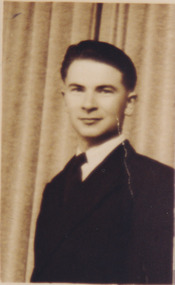 The Beechworth Burke Museum
Audio - Oral History, Jennifer Williams, Mr. Vincent Makaravicius, July 2000
... While the township of Beechworth is known for its history as a gold rush town, these accounts provide a unique insight into the day-to-day life of the town's residents during the 20th century, many of which will have now been lost if they had not been preserved. listen to what they say beechworth oral history burke museum vincent makaravicius WWII Lithuania Kaunas Vilnius Soviet Germany Australia Victory Tannery Beechworth Asylum refugee jennifer Williams Mr. Vincent Makaravicius / This is a digital copy of a recording that was originally captured on a cassette tape. ...Vincent Makaravicius was born on the 23rd of January, 1922 in a small Lithuanian village. He was the youngest of six children and after completing his primary education he went on to study horticulture at Kaunas and Vilnius. During WWII, under the threat of Soviet occupation and conscription, Vincent travelled to Germany, before coming to Australia as a refugee after his wife in 1949 on the ship 'Victory.' Vincent eventually settled in Beechworth, working at the local tannery and the Beechworth Asylum, as well as taking on boarders in the tannery boarding house in which his wife and he lived for a number of years. This oral history recording was part of a project conducted by Jennifer Williams in the year 2000 to capture the everyday life and struggles in Beechworth during the twentieth century. This project involved recording seventy oral histories on cassette tapes of local Beechworth residents which were then published in a book titled: Listen to what they say: voices of twentieth-century Beechworth. These cassette tapes were digitised in July 2021 with funds made available by the Friends of the Burke.Vincent Makaravicius' story is historically and socially significant as it provides a unique insight into the trials, tribulations, hopes, and dreams of Australian immigrants during the mid 20th century. Mr Makaravicius references the turbulent political situation and lack of food in Europe as being the reason for the mass exodus from Europe that saw an influx of refugees and migrants to Australia. His personal account highlights the spirit of survival and perseverance that is quintessential of Australian settler history. His contributions to the township of Beechworth gave him a detailed understanding of the social and historical significance of the township and the people, institutions, and local businesses on which it was built, namely the Beechworth Asylum, the local tannery, and relations between migrants and the established community. This oral history account is socially and historically significant as it is a part of a broader collection of interviews conducted by Jennifer Williams which were published in the book 'Listen to what they say: voices of twentieth-century Beechworth.' While the township of Beechworth is known for its history as a gold rush town, these accounts provide a unique insight into the day-to-day life of the town's residents during the 20th century, many of which will have now been lost if they had not been preserved.This is a digital copy of a recording that was originally captured on a cassette tape. The cassette tape is black with a horizontal white strip and is currently stored in a clear flat plastic rectangular container. It holds up 40 minutes of recordings on each side.Mr. Vincent Makaravicius /listen to what they say, beechworth, oral history, burke museum, vincent makaravicius, wwii, lithuania, kaunas, vilnius, soviet, germany, australia, victory, tannery, beechworth asylum, refugee, jennifer williams -
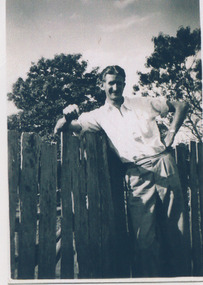 The Beechworth Burke Museum
Audio - Oral History, Jennifer Williams, Mr Harry Mason, 13th April 2000
... Mr Harry Mason was born in Stanley, Victoria, on the 23rd of July 1925, attending the primary school in Stanley and high school in Beechworth on the mail truck. His family initially moved to the area during the initial Gold Rush period. He moved to Beechworth in 1960. For seven years after school, he worked in the local orchard full time before becoming the local gravedigger, responsible for digging the graves of Beechworth residents and Asylum for 23 years. This oral history recording was part of a project conducted by Jennifer Williams...While the township of Beechworth is known for its history as a gold rush town, these accounts provide a unique insight into the day-to-day life of the town's residents during the 20th century, many of which will have now been lost if they had not been preserved. listen to what they say beechworth oral history burke museum harry mason stanley orchard jennifer williams asylum Mr Harry Madon / This is a digital copy of a recording that was originally captured on a cassette tape. ...Mr Harry Mason was born in Stanley, Victoria, on the 23rd of July 1925, attending the primary school in Stanley and high school in Beechworth on the mail truck. His family initially moved to the area during the initial Gold Rush period. He moved to Beechworth in 1960. For seven years after school, he worked in the local orchard full time before becoming the local gravedigger, responsible for digging the graves of Beechworth residents and Asylum for 23 years. This oral history recording was part of a project conducted by Jennifer Williams in the year 2000 to capture the everyday life and struggles in Beechworth during the twentieth century. This project involved recording seventy oral histories on cassette tapes of local Beechworth residents which were then published in a book titled: Listen to what they say: voices of twentieth-century Beechworth. These cassette tapes were digitised in July 2021 with funds made available by the Friends of the Burke.Mr Harry Mason's account of his life in Beechworth and the local area during the 20th century is historically and socially significant to the cultural heritage of the region. He details important historical events and hardships in the region's history that had a lasting local, regional and national impact, including Australia during war time, economic struggles, and women's societal roles in a rural area. Mr Mason also discusses agricultural and gravedigging practices of the time as well as what it was like growing up in rural Australia. This first-hand account is imperative to our understanding of life during the last century. This oral history account is socially and historically significant as it is a part of a broader collection of interviews conducted by Jennifer Williams which were published in the book 'Listen to what they say: voices of twentieth-century Beechworth.' While the township of Beechworth is known for its history as a gold rush town, these accounts provide a unique insight into the day-to-day life of the town's residents during the 20th century, many of which will have now been lost if they had not been preserved.This is a digital copy of a recording that was originally captured on a cassette tape. The cassette tape is black with a horizontal white strip and is currently stored in a clear flat plastic rectangular container. It holds up 40 minutes of recordings on each side.Mr Harry Madon /listen to what they say, beechworth, oral history, burke museum, harry mason, stanley, orchard, jennifer williams, asylum -
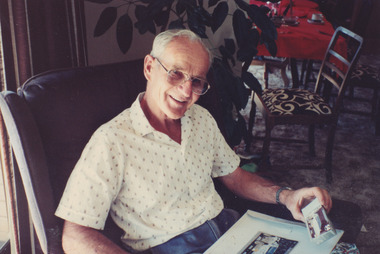 The Beechworth Burke Museum
Audio - Oral History, Jennifer Williams, Mr Jack Tully, 31 August 2000
... Mr Jack Tully Audio Oral History Jennifer Williams Jack Tully ...Mr Jack Tully was born in 1927 in Box Hill Doncaster to Irish decedents. The youngest of three children, one brother and two sisters, Jack and his family took after the family orchard after his father died. After years of running the business side of the orchard Jack moved to Beechworth in 1957 purchasing an orchard and becoming a grower. Jack grew mainly apples in his orchard creating job opportunities for locals and elevating his worth in town. He speaks highly of Beechworth; he is a valued and respected member of society. He enjoyed a round of tennis with his wife. This oral history recording was part of a project conducted by Jennifer Williams in the year 2000 to capture the everyday life and struggles in Beechworth during the twentieth century. This project involved recording seventy oral histories on cassette tapes of local Beechworth residents which were then published in a book titled: Listen to what they say: voices of twentieth century Beechworth. These cassette tapes were digitised in July 2021 with funds made available by the Friends of the Burke. Mr Jack Tully's account of his life in Beechworth and the local area during the 20th century is historically and socially significant to the region's cultural heritage. He provides a unique perspective as an orchard owner within Beechworth but also as an outsider who moved and was welcomed into the town with open arms. This oral history account is socially and historically significant as it is a part of a broader collection of interviews conducted by Jennifer Williams which were published in the book 'Listen to what they say: voices of twentieth-century Beechworth.' While the township of Beechworth is known for its history as a gold rush town, these accounts provide a more mundane insight into day-to-day life of ordinary residents during the 20th century. This is a digital copy of a recording that was originally captured on a cassette tape. The cassette tape is black with a horizontal white strip and is currently stored in a clear flat plastic rectangular container. It holds up 40 minutes of recordings on each side.Mr Jack Tully / beechworth, jennifer williams, jack tully, oral history, burke museum, listen to what they say, recording -
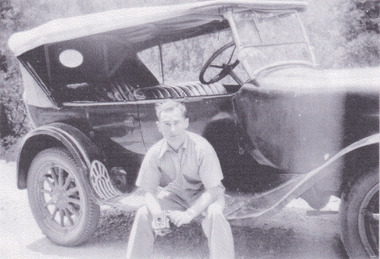 The Beechworth Burke Museum
Audio - Oral History, Jennifer Williams, Mr Desmond Zwar, 19 October 2000
... While the township of Beechworth is known for its history as a gold rush town, these accounts provide a unique insight into the day-to-day life of the town's residents during the 20th century, many of which will have now been lost if they had not been preserved. desmond zwar zwar beechworth burke museum raymond zwar Zwar Tannery the tannery zwar brothers tannery beechworth tannery listen to what they say jennifer williams Mr Desmond Zwar This is a digital copy of a recording that was originally captured on a cassette tape. ...Desmond was born in 1931 in Beechworth but left at age 11 (in 1944) to be educated in Melbourne at Scotch College but returned to the town for holidays and when he was finished with school. Desmond is the son of Raymond Zwar who was 1 of the 3 brothers who owned the Tannery in Beechworth. He worked there when he was 19 for a year in 1950, when the first Baltic migrants came to town. In 1951, Desmond left Beechworth to work in Albury for a newspaper called the "Border Mail" before moving to Melbourne to write for the "Melbourne Herald". He was later known for becoming a writer, having produced 17 books under his name at the time of the interview. This oral history recording was part of a project conducted by Jennifer Williams in the year 2000 to capture the everyday life and struggles in Beechworth during the twentieth century. This project involved recording seventy oral histories on cassette tapes of local Beechworth residents which were then published in a book titled: Listen to what they say: voices of twentieth century Beechworth. These cassette tapes were digitised in July 2021 with funds made available by the Friends of the Burke.Mr Desmond Zwar's account of his life in Beechworth during the 20th century is historically and socially significant to the cultural heritage of the region. He details important historical events and hardships in the region's history that had a lasting local, regional and national impact, including Australia during war time, economic struggles, and the relationships of different social groups in the town. This oral history account is socially and historically significant as it is a part of a broader collection of interviews conducted by Jennifer Williams which were published in the book 'Listen to what they say: voices of twentieth-century Beechworth.' While the township of Beechworth is known for its history as a gold rush town, these accounts provide a unique insight into the day-to-day life of the town's residents during the 20th century, many of which will have now been lost if they had not been preserved.This is a digital copy of a recording that was originally captured on a cassette tape. The cassette tape is black with a horizontal white strip and is currently stored in a clear flat plastic rectangular container. It holds up 40 minutes of recordings on each side.Mr Desmond Zwardesmond zwar, zwar, beechworth, burke museum, raymond zwar, zwar tannery, the tannery, zwar brothers tannery, beechworth tannery, listen to what they say, jennifer williams -
 The Beechworth Burke Museum
Audio - Oral History, Jennifer Williams, Mr Horace Monshing, 6th July 2000
... It holds up 45 minutes of recordings on each side Mr Horace Monshing Audio Oral History Jennifer Williams Horace Monshing ...Horace Monshing was born in Beechworth in 1935. In this oral history, he relates his understanding of the life of his Grandfather, Peter Monshing (Munshing), as a Chinese immigrant to Australia in the mid-nineteenth century, as well as his life as the last descendent of Chinese goldminers to live in Beechworth. While Peter, who was originally from Hong Kong, was not a particularly successful goldminer, he was a very talented gardener, and made his living growing a market garden and selling the produce. He died in 1947 in his nineties, in the same year that Horace and his parents moved to Myrtleford. Horace relates the discrimination he faced as a child based on his grandfather’s ethnicity, as well as how his grandmother, mother and wife have all faced discrimination for marrying into a family with a Chinese name. This oral history recording was part of a project conducted by Jennifer Williams in the year 2000 to capture the everyday life and struggles in Beechworth during the twentieth century. This project involved recording seventy oral histories on cassette tapes of local Beechworth residents which were then published in a book titled: Listen to what they say: voices of twentieth century Beechworth. These cassette tapes were digitised in July 2021 with funds made available by the Friends of the Burke. Mr Horace Monshing’s account of his life in Beechworth and Myrtleford and the local area during the 20th century, as well as his understanding of his grandfather, Peter Monshing’s life as a Chinese immigrant in the mid-nineteenth century, is historically and socially significant to the cultural heritage of the region, especially as it relates to Chinese settlers in the region. He details the discrimination he and his family have faced as the result of being related to a Chinese immigrant, as well as describing his life in general. This oral history account is socially and historically significant as it is a part of a broader collection of interviews conducted by Jennifer Williams which were published in the book 'Listen to what they say: voices of twentieth-century Beechworth.' While the township of Beechworth is known for its history as a gold rush town, these accounts provide a unique insight into the day-to-day life of the town's residents during the 20th century, many of which will have now been lost if they had not been preserved. This is a digital copy of a recording that was originally captured on a cassette tape. The cassette tape is black with a horizontal white strip and is currently stored in a clear flat plastic rectangular container. It holds up 45 minutes of recordings on each sideMr Horace Monshing / peter monshing, peter munshing, horace monshing, monshing, munshing, beechworth chinese community, chinese immigration, chinese community, chinese miners, immigration, gold rush immigration, beechworth goldfield, marketing and promoting agricultural products, market garden, garden, racism, discrimination, oral history, jennifer williams, myrtleford, eurobin, beechworth primary school, beechworth state school., school, listen to what they say: voices of twentieth century beechworth, listen to what they say, burke museum -
 The Beechworth Burke Museum
Audio - Oral History, Jennifer Williams, Isabel Wells, 24th February 2000
... Mr. Newey Ford street butcher Mayday Hills Hospital The Ovens and Murray Home fire brigade 23rd March 1867 fire osteoarthritis Boxing Day horseraces Lake Kerferd Buffalo picnic cars firefighters Luke Reilly wheelchair Mrs Isabel Wells/ This is a digital copy of a recording that was originally captured on a cassette tape. The cassette tape is black with a horizontal white strip and is currently stored in a clear flat plastic rectangular container. It holds up 40 minutes of recordings on each side. Isabel Wells Audio Oral History Jennifer Williams ...Isabel Wells was born in Beechworth in 1914. Her father, Mr. Newey, was a butcher; his shop was in Ford street and he took over from his grandfather. The family business, along with the local residents, was supplying the main government institutions in the region, like Mayday Hills Hospital and The Ovens and Murray Home, making a large percentage of his profit. Mr. Newey was also a captain of the fire brigade and Isabel mentioned that there were more fires happening in those days. The menace of a huge fire was impending in Beechworth for many years, due to the lack of adequate water supply and the absence of trained firefighters. The first fire brigade in the town was voluntary and was formed in 1858 under Superintendent Luke Reilly. A few other schemes deployed the following years, with all failing to sufficiently control the fires that occurred, until the creation of the first reliable fire brigade in the 1870s. The worst fire in the town's history happened on 23rd March 1867; it swept through many shops and the post office, leaving behind a damage cost estimated at £12,000. Isabel's mother was in a wheelchair, suffering from osteoarthritis; thus, Isabel had taken over the responsibility for looking after her mother and assisting her with daily living needs and personal care activities. She used to play golf and tennis and she was a member of the town tennis club. In terms of social life, Boxing Day was a big occasion for the town, with horse-races and games taking place. According to her narration, the use of cars was a turning point in the town's social activities, since people were able to visit nearby places and take day trips, such as having a picnic at Lake Kerferd or Buffalo. This oral history recording was part of a project conducted by Jennifer Williams in the year 2000 to capture the everyday life and struggles in Beechworth during the twentieth century. This project involved recording seventy oral histories on cassette tapes of local Beechworth residents which were then published in a book titled: Listen to what they say: voices of twentieth century Beechworth. These cassette tapes were digitised in July 2021 with funds made available by the Friends of the Burke. Isabel's account of her life in Beechworth and the local area during the 20th century is historically and socially significant as it offers valuable information about the business activity in the region and provides a deeper insight into the operation of butcher shops and meat supply during the first half of the previous century. Additionally, it offers invaluable information about the everyday life of people living in Beechworth, and highlights aspects of the overall social life and activities.This is a digital copy of a recording that was originally captured on a cassette tape. The cassette tape is black with a horizontal white strip and is currently stored in a clear flat plastic rectangular container. It holds up 40 minutes of recordings on each side.Mrs Isabel Wells/ isabel wells, beechworth, mr. newey, ford street, butcher, mayday hills hospital, the ovens and murray home, fire brigade, 23rd march 1867, fire, osteoarthritis, boxing day, horseraces, lake kerferd, buffalo, picnic, cars, firefighters, luke reilly, wheelchair -
Mission to Seafarers Victoria
Article, Argus newspaper, The propose Seaman's Hospital at Williamstown, 9 June 1852
... After some further discussion as to the wording of the re solution, the following was proposed by Captain Beaseley, and seconded by Captain Goss, «That this meeting is convinced of the necessity exist ing for a Seaman's Hospital, at Williams Town; and that a committee be appointed to draw up a menorial to His Excellency the Lieutenant Governor, respectfully praying, that a sum of money be placed on the Estimate for the en suing year, fur this purposoe ; and that the memorial be given to William Westgarth, Esq. M.L.C. in order to its presentation, -and that the committee accompany Mr...After some further discussion as to the wording of the re solution, the following was proposed by Captain Beaseley, and seconded by Captain Goss, «That this meeting is convinced of the necessity exist ing for a Seaman's Hospital, at Williams Town; and that a committee be appointed to draw up a menorial to His Excellency the Lieutenant Governor, respectfully praying, that a sum of money be placed on the Estimate for the en suing year, fur this purposoe ; and that the memorial be given to William Westgarth, Esq. M.L.C. in order to its presentation, -and that the committee accompany Mr ..."A meeting for the purpose of considering the best means of estabishing an Institution of this kind, at the above place was held at the Ship Inn on Monday evening. Charles Ferguson, Esq, being voted to the Chair, briefly stated the intention of the present meeting, and that all must concur as to the necessity of founding same Institution for the relief of the numerous cases daily occuring in this port, amongst so great a number of ships, large at present but small in comparison to what may be expected in a short time. For the last five months ending May 31st, five hundred and eleven vessels en-tered Hobson's Bay, amounting to a tonnage of ninety-five thousand three hundred and seventy-two tons, which, in tho same proportion for twelve months, would give two hundred thousand tons annually and, calculating four men for each one hundred tons, shows that eight thou-sand sailors arrive at this port in the space of a year, for whom, at present, there is no provision made for either sickness or accidents. A lengthened conversation ensued, in th» course of which several instances were pointed out of he great benefit conferred upon the ship ping interest, by the establishment of an hospital at various ports named, and all agreed that such would be a great boon here. After some further discussion as to the wording of the re solution, the following was proposed by Captain Beaseley, and seconded by Captain Goss, «That this meeting is convinced of the necessity exist ing for a Seaman's Hospital, at Williams Town; and that a committee be appointed to draw up a menorial to His Excellency the Lieutenant Governor, respectfully praying, that a sum of money be placed on the Estimate for the en suing year, fur this purposoe ; and that the memorial be given to William Westgarth, Esq. M.L.C. in order to its presentation, -and that the committee accompany Mr Westgarth at the presenting of the said memorial. This proposi tion was carried unanimously, and the following gentlemen were appointed a committee to draw up the memorial: Captain Berzeley (Clifton), Captain Ross (Kashemy), Captain Baker (City of Manchester), Captain Goss (Candahar), Capt Luke (Diana), Captain Nicholson (Calphurnia), Captain Hammach (Cambodia); and for carrying out the above, a meeting is appointed to take place on board the Clifton, this day, at four p.m. A vote of thanks to the Chairman being proposed by Thomas Hunt, Esq, and seconded by A. A. Broadfoot, Esq. the meeting adjourned."With the increase of commercial and migrant shipping, it was made obvious that seamen needed specific attention. The hospital in Williamstown was the first attempt to provide such service.argus, seaman's hospital, williamstown, the ship inn, welfare, captain charles ferguson (1813-1868) -
 Mission to Seafarers Victoria
Journal (item) - Periodicals-Annual, Shiplovers' Society of Victoria, The Annual Dog Watch
... Mr Bligh’s Bad Health - Ian Campbell - 55 Shipmates - Bernie Sprunt - 64 A Life at Sea - Capt. Ted Daubeny -65 Ketch Hands are Impervious - Noel Smith - Noel Smith - 73 The Devil’s Handwork - R N Thiele - 83 The Beginning of Herzogin Cecilie’s Last Round of Voyage — 1935 - Pamela Eriksson - 85 A Scrap of Flotsam - Esther Hardware - 93 The Waning Skills of Shipwrights - Arthur E Woodley - 96 Trouble in Paradise - Capt. R Jolly - 101 History & Heritage HMAS Castlemaine — the first 60 years - Peter J Williams...Mr Bligh’s Bad Health - Ian Campbell - 55 Shipmates - Bernie Sprunt - 64 A Life at Sea - Capt. Ted Daubeny -65 Ketch Hands are Impervious - Noel Smith - Noel Smith - 73 The Devil’s Handwork - R N Thiele - 83 The Beginning of Herzogin Cecilie’s Last Round of Voyage — 1935 - Pamela Eriksson - 85 A Scrap of Flotsam - Esther Hardware - 93 The Waning Skills of Shipwrights - Arthur E Woodley - 96 Trouble in Paradise - Capt. R Jolly - 101 History & Heritage HMAS Castlemaine — the first 60 years - Peter J Williams ...This journal provides the reader with glimpses of the adventures and hardships of a seaman's life. Many of the stories are of sailing ships.Contributes to our knowledge of the importance of shipping and places on record those stories of the sea which would otherwise be lost.Contents Editorial - Harrow Morgan - 5 Captain Angel’s Daughter - Anne Morgan - 6 Australia’s Last Lightships - Ross Meredith - 17 Duyfken Sets Sail — 394 years on - Nick Burningham - 25 Episodes in King Sound - Capt. John Abernethy - 33 Time and Tide - Lynn Sunderland - 38 Explosives in the Port of Melbourne - Cliff Gibson - 39 A Small Misunderstanding - ‘Flinders Bar’ - 51 Mr Bligh’s Bad Health - Ian Campbell - 55 Shipmates - Bernie Sprunt - 64 A Life at Sea - Capt. Ted Daubeny -65 Ketch Hands are Impervious - Noel Smith - Noel Smith - 73 The Devil’s Handwork - R N Thiele - 83 The Beginning of Herzogin Cecilie’s Last Round of Voyage — 1935 - Pamela Eriksson - 85 A Scrap of Flotsam - Esther Hardware - 93 The Waning Skills of Shipwrights - Arthur E Woodley - 96 Trouble in Paradise - Capt. R Jolly - 101 History & Heritage HMAS Castlemaine — the first 60 years - Peter J Williams - 104 The Days of ‘Whack’ and ‘Slush’ - Sir James Bissett - 108 An Unusual Lectern - George C Hogben SSV - 111 Book Reviews - - 112sailing ships, steamships, shipping, seafaring life, shiplovers' society of victoria, dog watch -
 Federation University Historical Collection
Magazine - Booklet, Ballarat School of Mines Students' Magazine, 1952, 1952
... mr bryan...c. sanos...s. deans...j. williams...Flower, Literary Society, Prominent Personalities, Science School, News and Notes, Prize Presentation, The Apprentices, Boys Sport, Sun Youth Travel Memoirs, The Art School, His Majesty the Late King George VI, Commercial Notes, Gleanings Here and There, Junior School, Girls Sport, Sport, House Notes, Junior Technical School Students', Roll Call - Diploma Students 1952 ballarat school of mines magazine mr bryan c. sanos s. deans j. williams r. simpson c. g. fairbank d. treadwell e. aitkens g. birkett g. allen f. benjamin s. gillespie r. hullick h. mccallum h. harris j. walton e. walsh j. stevens b. clark rupert p. flower john bechervaise w. keith hindson a. james tinney walter c. tooth john d. bethune vilma sansom betty clark travers duncan joyce wilson lex lockhart jim w. beattie joyce stevens slim ingleton a. eddy john howard douglas george dean edgar bartrop colin mck. henry tom adams max kennedy jeff coward o. j. nilsen j. skuja s. rowe w. maddox a. kinnane d. fraser a. carpenter john james b. flavel j. murray d. schmidt g. habel t. duncan l. matthews n. spiers b. smith a. tonnisseu r. ingleton j. bethune j. mills j. mcneil b. schreenan w. carlyon d. stevens l. j. hillman k. hindson r. furlong j. beattie b. taylor g. heyes l. quilliam r. archer a. johnson m. gillin t. seabrook m. phillips j. sawyer c. restarick j. saggers g. ditchfield j. tinney don stewart j. faneco m. stevens w. tooth ron simpson bill maxwell graham searle jim tinney k. treloar j. barnes s. j. deans lynette j. blomeley georgina cox heather mcgregor janet saunders heather harris elizabeth mcarthur norma coffield pat lavery imelda lee gloria white valerie westbrook cynthia stone janice thompson clare mooney glenys perry faida lewis betty clarke marion volk isla veal valerie yates coralie mckenzie lorraine digby barbara henderson deidre wilson margaret henderson barbara ngip glenys sleeth anne duncan l. dwyer elaine leishman j. jenkin stirling gillespie w. bridges b. baldock b. braybrook e. mackie r. braybrook c. grose b. mackie c. garnham c. schmidtke t. lugg j. copeman b. tozer g. mathews n. sutherland r. lambert j. sanders m. quick j. collier g. pike r. digby r. quayle r. sharp n. brogden r. lyons p. stevens j. bastin b. kay k. duncan b. golding l. norman b. murnane k. hocking c. sealey b. langdon f. weightman m. birch r. stevenson r. stewart r. haintz k. mccoll k. jarvis l. hocking d. curtain r. lazarus e. boak j. fletcher b. orchard j. squires n. pike j. shrader l. reynolds m. ritchie g. smith d. parkes g. templeton m. wunhym v. vincent d. robertson d. lang l. horwood d. searle d. new v. jolly a. minotti b. beaumont m. marshall e. bowen j. rogers d. cody e. kinnane j. cunningham j. schrader r. horgan j. white n. flood j. matthews h. gale k. mitchell v. rowse j. mayne a. gilbert b. warrillow g. gilbert n. quick m. hall d. furlong n. lyons j. richards j. jones l. major d. baldock d. dow g. ruddick d. howell j. caddy b. singleton b. powell r. sharpe c. lockhart l. daff c. sharpe d. irish l. dow a. douglas n. twaites j. courtney l. beacham n. c. cartledege cliff sealey j. f. collier e. g. mackie m. g. quick b. l. collinson j. n. bastin g. e. timmins valerie mills j. a. jenkin w. cowan i. mitaxa n. c. leckie r. j. austin n. coffield d. quilliam r. courtney f. m. kilfoyle p. nunn King George VI Pale blue soft covered magazine with navy blue titles. ...School Council, Members of Staff, Editorial, Principal's Page, Magazine Committee, Obituary - Rupert P. Flower, Literary Society, Prominent Personalities, Science School, News and Notes, Prize Presentation, The Apprentices, Boys Sport, Sun Youth Travel Memoirs, The Art School, His Majesty the Late King George VI, Commercial Notes, Gleanings Here and There, Junior School, Girls Sport, Sport, House Notes, Junior Technical School Students', Roll Call - Diploma Students 1952Pale blue soft covered magazine with navy blue titles.ballarat school of mines, magazine, mr bryan, c. sanos, s. deans, j. williams, r. simpson, c. g. fairbank, d. treadwell, e. aitkens, g. birkett, g. allen, f. benjamin, s. gillespie, r. hullick, h. mccallum, h. harris, j. walton, e. walsh, j. stevens, b. clark, rupert p. flower, john bechervaise, w. keith hindson, a. james tinney, walter c. tooth, john d. bethune, vilma sansom, betty clark, travers duncan, joyce wilson, lex lockhart, jim w. beattie, joyce stevens, slim ingleton, a. eddy, john howard, douglas george dean, edgar bartrop, colin mck. henry, tom adams, max kennedy, jeff coward, o. j. nilsen, j. skuja, s. rowe, w. maddox, a. kinnane, d. fraser, a. carpenter, john james, b. flavel, j. murray, d. schmidt, g. habel, t. duncan, l. matthews, n. spiers, b. smith, a. tonnisseu, r. ingleton, j. bethune, j. mills, j. mcneil, b. schreenan, w. carlyon, d. stevens, l. j. hillman, k. hindson, r. furlong, j. beattie, b. taylor, g. heyes, l. quilliam, r. archer, a. johnson, m. gillin, t. seabrook, m. phillips, j. sawyer, c. restarick, j. saggers, g. ditchfield, j. tinney, don stewart, j. faneco, m. stevens, w. tooth, ron simpson, bill maxwell, graham searle, jim tinney, k. treloar, j. barnes, s. j. deans, lynette j. blomeley, georgina cox, heather mcgregor, janet saunders, heather harris, elizabeth mcarthur, norma coffield, pat lavery, imelda lee, gloria white, valerie westbrook, cynthia stone, janice thompson, clare mooney, glenys perry, faida lewis, betty clarke, marion volk, isla veal, valerie yates, coralie mckenzie, lorraine digby, barbara henderson, deidre wilson, margaret henderson, barbara ngip, glenys sleeth, anne duncan, l. dwyer, elaine leishman, j. jenkin, stirling gillespie, w. bridges, b. baldock, b. braybrook, e. mackie, r. braybrook, c. grose, b. mackie, c. garnham, c. schmidtke, t. lugg, j. copeman, b. tozer, g. mathews, n. sutherland, r. lambert, j. sanders, m. quick, j. collier, g. pike, r. digby, r. quayle, r. sharp, n. brogden, r. lyons, p. stevens, j. bastin, b. kay, k. duncan, b. golding, l. norman, b. murnane, k. hocking, c. sealey, b. langdon, f. weightman, m. birch, r. stevenson, r. stewart, r. haintz, k. mccoll, k. jarvis, l. hocking, d. curtain, r. lazarus, e. boak, j. fletcher, b. orchard, j. squires, n. pike, j. shrader, l. reynolds, m. ritchie, g. smith, d. parkes, g. templeton, m. wunhym, v. vincent, d. robertson, d. lang, l. horwood, d. searle, d. new, v. jolly, a. minotti, b. beaumont, m. marshall, e. bowen, j. rogers, d. cody, e. kinnane, j. cunningham, j. schrader, r. horgan, j. white, n. flood, j. matthews, h. gale, k. mitchell, v. rowse, j. mayne, a. gilbert, b. warrillow, g. gilbert, n. quick, m. hall, d. furlong, n. lyons, j. richards, j. jones, l. major, d. baldock, d. dow, g. ruddick, d. howell, j. caddy, b. singleton, b. powell, r. sharpe, c. lockhart, l. daff, c. sharpe, d. irish, l. dow, a. douglas, n. twaites, j. courtney, l. beacham, n. c. cartledege, cliff sealey, j. f. collier, e. g. mackie, m. g. quick, b. l. collinson, j. n. bastin, g. e. timmins, valerie mills, j. a. jenkin, w. cowan, i. mitaxa, n. c. leckie, r. j. austin, n. coffield, d. quilliam, r. courtney, f. m. kilfoyle, p. nunn, king george vi -
 Federation University Historical Collection
Book, Music Books from Suttons Music
... williams and shaylor turners vey first piano book...i went to your wedding...jessie may robinson...patti page...mercury records...he's got the whole world in his hands...geoff love...sway...quien sera...pablo beltran ruiz...paul lombard...norman gimbel...just because the violets...kennedy russell...edwin ashdown ltd...friends of my youth...mr...Henry Sutton taught Applied Electricity at the Ballarat School of Mines in 1883 to 1886. music books suttons music Calvary henry vaughan paul rodney enoch and sons herzelied gustav lange j.t. trekell hanover edition the desert song one alone kathryn grayson gordon mcrae otto harbach oscar hammerstein frank mandel sigmund romberg the link divine alfred h. hyatt piccolomini one fine day aria madame butterfly opera r.h elkin giacomo puccini garden of happiness edward lockton daniel wood there never was a pal like you jack o'hagan the bridge vocal duet miss m lindsay mrs j worthington bliss songs my mother taught me anton dvorak blue danube suttons brass band journal johann strauss macushla josephine v rowe dermot macmurrough boosey and co allans music candle in the wind elton john bernie taupin treasure chest of stephen foster songs eddie fisher song folio cindy oh cindy oh my pa-pa anytime I need you now then i'll be happy sweet heartaches dungaree doll im in the mood for love what a wonderful world it would be hermann lohr i heard you singing royden barrie eric coates when you come home fred e weatherly w.h squire lay down your arms anne shelton leon land ake gerhard john m williams and shaylor turners vey first piano book i went to your wedding jessie may robinson patti page mercury records he's got the whole world in his hands geoff love sway quien sera pablo beltran ruiz paul lombard norman gimbel just because the violets kennedy russell edwin ashdown ltd friends of my youth mr w burton christy's minstrels george barker ideal music books poet and peasant melody in f spring song love and devotion the storm nachtstuck rondoletto blue danube waltzes over the waves waltzes nearer my god to thee mignon gavotte warum miss clara butt idle words stephen adams menuetin no. 2 the mill liebestraum tarantelle la matinee menuet la paloma the dove gipsy rondo crescendo chanson triste romance tocatta in a thora john mccormack john harrison ivor foster preclude c# minor beautiful star of heaven sirens song marche militaire fifth nocturne sweet bye and bye turkish patrol valse des fleurs melody of love traumerei a fragment just for to-day sybil f partridge blanche ebert seaver australian music examinations board pianoforte-grade III the chappell wonder album of music slave song the lass with the delicate air the bandolero chorus gentlemen i'll sing thee songs of araby jest her way venetian song gray days god's garden folie bergere weymouth chimes un peu d'amour you'll love me yet s. coleridge taylor george sutton happy-go-lucky pete a very happy foxtrot i know the rose fred hall the prisoners child waltz ballad russ johnston pilgrim's cross h.l d'arcy jaxone frederic n. lohr harper kearton marie vagnolini suttons manuscript music book pianoforte studies public examinations in music light cavalry marche hongroise rondo alla turca moonlight sonata witches flight home sweet home narcissus wedding march sehnsucht joyful peasant les adieux love the pedlar caryl battersby edward german where will the dimple be rosemary clooney bob merrill al hoffman buttons and bows jay livingstone ray evans bob hope glen williams british songs cyril scott cherry ripe the minstrel boy blythe and merry she was by yon bonnie banks all through the night coming thro the rye i'll bid my heart be still classical fragments beethoven's adieu w. millward wake up a calendar of song harold simpson montague f. phillips ain't misbehavin' andy razaf thomas waller harry brooks robert a nelson the ideal manuscript book the riff song it one flower grows alone in your garden ebb tide carl sigman robert maxwell i'm in the mood for love jimmy mchugh dorothy fields muskat ramble edward ory night of stars and night of love tales of hoffmann offenbach the great pretender jimmy parkinson jerry duanne barry frank stan freberg the platters bert visser love is a golden ring rich dehr frank miller terry gilkyson ernie sigley d. trickey four musical cameos gavotte lullaby goblins when children play frank hutchens just a closer walk with thee jimie rodgers west of the wall wayne shanklin toni fisher Collection of music books that were available for purchase at Sutton's Music Music Books from Suttons Music Book ...Henry Sutton is a talented world-wide accepted inventor with inventions relating to the telephone, photography, wireless, cars, motorcycles, and bicycles as well as many more inventions. Henry was also one of four brothers that ran the Sutton's Music Store after the death of their Father Richard Sutton. Henry Sutton taught Applied Electricity at the Ballarat School of Mines in 1883 to 1886.Collection of music books that were available for purchase at Sutton's Musicmusic books, suttons music, calvary, henry vaughan, paul rodney, enoch and sons, herzelied, gustav lange, j.t. trekell, hanover edition, the desert song, one alone, kathryn grayson, gordon mcrae, otto harbach, oscar hammerstein, frank mandel, sigmund romberg, the link divine, alfred h. hyatt, piccolomini, one fine day, aria, madame butterfly opera, r.h elkin, giacomo puccini, garden of happiness, edward lockton, daniel wood, there never was a pal like you, jack o'hagan, the bridge, vocal duet, miss m lindsay, mrs j worthington bliss, songs my mother taught me, anton dvorak, blue danube, suttons brass band journal, johann strauss, macushla, josephine v rowe, dermot macmurrough, boosey and co, allans music, candle in the wind, elton john, bernie taupin, treasure chest of stephen foster songs, eddie fisher song folio, cindy oh cindy, oh my pa-pa, anytime, i need you now, then i'll be happy, sweet heartaches, dungaree doll, im in the mood for love, what a wonderful world it would be, hermann lohr, i heard you singing, royden barrie, eric coates, when you come home, fred e weatherly, w.h squire, lay down your arms, anne shelton, leon land, ake gerhard, john m williams and shaylor turners vey first piano book, i went to your wedding, jessie may robinson, patti page, mercury records, he's got the whole world in his hands, geoff love, sway, quien sera, pablo beltran ruiz, paul lombard, norman gimbel, just because the violets, kennedy russell, edwin ashdown ltd, friends of my youth, mr w burton, christy's minstrels, george barker, ideal music books, poet and peasant, melody in f, spring song, love and devotion, the storm, nachtstuck, rondoletto, blue danube waltzes, over the waves waltzes, nearer my god to thee, mignon gavotte, warum, miss clara butt, idle words, stephen adams, menuetin no. 2, the mill, liebestraum, tarantelle, la matinee, menuet, la paloma, the dove, gipsy rondo, crescendo, chanson triste, romance, tocatta in a, thora, john mccormack, john harrison, ivor foster, preclude c# minor, beautiful star of heaven, sirens song, marche militaire, fifth nocturne, sweet bye and bye, turkish patrol, valse des fleurs, melody of love, traumerei, a fragment, just for to-day, sybil f partridge, blanche ebert seaver, australian music examinations board, pianoforte-grade iii, the chappell wonder album of music, slave song, the lass with the delicate air, the bandolero, chorus gentlemen, i'll sing thee songs of araby, jest her way, venetian song, gray days, god's garden, folie bergere, weymouth chimes, un peu d'amour, you'll love me yet, s. coleridge taylor, george sutton, happy-go-lucky pete a very happy foxtrot, i know the rose, fred hall, the prisoners child, waltz ballad, russ johnston, pilgrim's cross, h.l d'arcy jaxone, frederic n. lohr, harper kearton, marie vagnolini, suttons manuscript music book, pianoforte studies, public examinations in music, light cavalry, marche hongroise, rondo alla turca, moonlight sonata, witches flight, home sweet home, narcissus, wedding march, sehnsucht, joyful peasant, les adieux, love the pedlar, caryl battersby, edward german, where will the dimple be, rosemary clooney, bob merrill, al hoffman, buttons and bows, jay livingstone, ray evans, bob hope, glen williams, british songs, cyril scott, cherry ripe, the minstrel boy, blythe and merry she was, by yon bonnie banks, all through the night, coming thro the rye, i'll bid my heart be still, classical fragments, beethoven's adieu, w. millward, wake up, a calendar of song, harold simpson, montague f. phillips, ain't misbehavin', andy razaf, thomas waller, harry brooks, robert a nelson, the ideal manuscript book, the riff song, it, one flower grows alone in your garden, ebb tide, carl sigman, robert maxwell, i'm in the mood for love, jimmy mchugh, dorothy fields, muskat ramble, edward ory, night of stars and night of love, tales of hoffmann, offenbach, the great pretender, jimmy parkinson, jerry duanne, barry frank, stan freberg, the platters, bert visser, love is a golden ring, rich dehr, frank miller, terry gilkyson, ernie sigley, d. trickey, four musical cameos, gavotte, lullaby, goblins, when children play, frank hutchens, just a closer walk with thee, jimie rodgers, west of the wall, wayne shanklin, toni fisher -
 Federation University Historical Collection
Letter, Letters written by Richard Squire to his son Tom Squire 1937
... Mr. Ross...O'Connor...C. McGrath...Alfred Mica Smith...Henderson Ross...Angus Kelly...A. R. Dodson...Duke of Wellington Plant...The Moorabool Lead...Williams...Mr. Ross O'Connor C. McGrath Alfred Mica Smith Henderson Ross Angus Kelly A. R. Dodson Duke of Wellington Plant The Moorabool Lead Williams Paralysis Woodlock Squire Whipp Joe Williams Peacock Moran Buchanan Hoare Bree Kutchel Kohinoor Band and Alluvian Star of the East Bonshaw Epidemic Polio Mining A variety of Letters written by Richard Squire to his son Tom Squire about the goings on at Mt Mercer Mine 1937 Letters written by Richard Squire to his son Tom Squire 1937 Letter ...In 1905 Richard Squire was manager of the West Berry Consols at Allendale, and developed an improved system of mine ventilation, which was supported in "The Age."[4] He was successful in combating and remedying the gas and ventilation troubles of the Deep Mines of Creswick and Allendale Districts after all had failed. MINE MANAGERS’ ASSOCIATION. Ballarat Branch. ... Mr R. B. Squire, manager of the West Berry Consols, at Allendale, submitted a paper detailing what he had done tor the betterment of ventilation in the alluvial mines of Smeaton and Mary borough districts- Members gave Mr Squire every credit for the results that he claimed to have effected; the adoption of his ideas had testified to their value to mine-owners. It was painted out, however, that for want of a thorough debate of the subject with experienced men the author had unwittingly included some general statements that required modifying in some points and extending in others, in justice to other workers among the earlier and the present day managers of mines. It was decided to invite the author to meet a sub-committee on this subject!A variety of Letters written by Richard Squire to his son Tom Squire about the goings on at Mt Mercer Mine 1937richard squire, tom squire, hazel squire, jack squire, jim squire, ned, mt mercer, plant, skids, pump, poppet, carburetor, shaft, balance weight, pulleys, syndicate, suction, lease, reports, estimates, flat fields, reef, trucks, pipeclay, sandstone, suction pipe, valves, honeycomb rock, yarrowee, ballarat, reef combs, cheques, yellow slate, leigh river, dyke, quartz, ballarat deep leads, ballarat deep leads extension, bore, reads, bedrock, cemented sand, g m of a, gold mines of australia, liz the car, geoff squire, lode, cameron and sutherland, hayes timber, alan squire, ethel, ross creek field, ross creek gold mining co., frank herman, lillas, jack hayes, eyres brothers, g.gay & co, buninyong, glenfine, the star mine of avoca fields, talbot alluvials, guildford plateau, a.b.c. special supply store, geological branch, shell coy, lawaluk, almanac, mcbinny, bingley's paddock, cargaire valley and lead, stand and deliver demands, sheehan's, smeaton hotel, john charleson, aleck charleson, ted brown, billy jordan, mr banks, ballarat main lead, binney, goon, illabrook, mrs trenery, bre, max, june, mary, len, barry, hunter, herman, martin, aunt annie, bella, pitfield coy, mcnaughtons, donaldson, dereel, hogan, the bay leads, avoca field, ballarat alluvials, neil cameron, haddon field, courier, tom cotton, llewellen, stanley hunter, mr leonard, tom mitchell, school of mines, bryant, a.c. connely, dodson, constable mcmullins, adam ronaldson, bewick mining & co., reginald murray, r.c. selwyn, craig's hotel, broken hill syndicate, morrison's lead, wilkinson, j. hayes, mr nichol, burglary, baragwanath, wilkinson ross, creswick, seville, mr. ross, o'connor, c. mcgrath, alfred mica smith, henderson ross, angus kelly, a. r. dodson, duke of wellington plant, the moorabool lead, williams, paralysis, woodlock, squire, whipp, joe williams, peacock, moran, buchanan, hoare, bree kutchel, kohinoor band and alluvian, star of the east, bonshaw, epidemic, polio, mining
