
Showing 848 items matching "student awards"
-
 Federation University Historical Collection
Book, Tourism Education and Training at Ballarat University College - A Submission to Tourism Victoria1993, 1993
... Tourism Education and Training at Ballarat University College - A Submission to Tourism Victoria for the 1993 Victorian Tourism Awards, industry Education Category mary hollick demonstrating business success through specific marketing activities outstanding features of ballarat university college's programmes staff development activities raising professionalism in the tourism industry meeting industry needs details of ballarat university college's tourism courses student evaluation comments the industrial experience programme reverend ronald albiston jane mccormack john greenslade emma molloy gabrielle mullaly michael pearlman peter hiscock professor peter lloyd peter price lloyd steer jane westwood anne hywood graham couch geoffrey conaghan wayne treeby colin bansgrove patrick hope denis shanahan trevor hastings pandora kay sue williamson customer service toruism courses accreditation University of Ballarat Alterations, deletions, additions and markings throughout book. ...Tourism Education and Training at Ballarat University College - A Submission to Tourism Victoria for the 1993 Victorian Tourism Awards, industry Education CategoryWhite soft covered book of 21 pages and five attachments.Alterations, deletions, additions and markings throughout book.mary hollick, demonstrating business success through specific marketing activities, outstanding features of ballarat university college's programmes, staff development activities, raising professionalism in the tourism industry, meeting industry needs, details of ballarat university college's tourism courses, student evaluation comments, the industrial experience programme, reverend ronald albiston, jane mccormack, john greenslade, emma molloy, gabrielle mullaly, michael pearlman, peter hiscock, professor peter lloyd, peter price, lloyd steer, jane westwood, anne hywood, graham couch, geoffrey conaghan, wayne treeby, colin bansgrove, patrick hope, denis shanahan, trevor hastings, pandora kay, sue williamson, customer service, toruism courses, accreditation, university of ballarat -
 Federation University Historical Collection
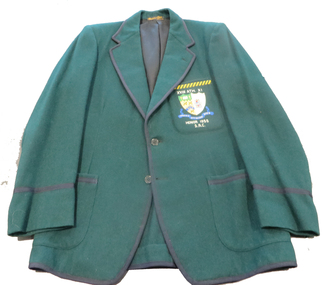
Costume - Blazer, Ballarat School of Mines Honor Blazer, 1955, c1955
... Graham Willey was a School of Mines Ballarat student from 1953-55. He was awarded the 1955 Honour Blazer. ...Graham Willey was a School of Mines Ballarat student from 1953-55. He was awarded the 1955 Honour Blazer. ...Graham Willey was a School of Mines Ballarat student from 1953-55. He was awarded the 1955 Honour Blazer. The School of Mines was established in 1870 in Ballarat, making it Australia's third oldest tertiary institution. Redmond Barry was its first president, and he was involved in the creation of university degree level courses for the school. The School of Mines was divided into a tertiary division and a technical division. The tertiary division provided higher education courses such as mining engineering, geology, education and business studies, while the technical division provided such programs as wool classing, plumbing and bricklaying.It remained in that form until the 1967 when it was split into three institutions, Ballarat School of Industries, Ballarat Technical School, and Ballarat Institute of Advanced Education. They remained three entities until 1976. Ballarat Institute of Advanced Education merged into Ballarat College of Advanced Education. The Ballarat School of Industries and Ballarat Technical School merged into the School of Mines and Industries, Ballarat (SMB) in 1976. Several entities merged or had arrangements with SMB. In 1994, a memo of understanding (MOU) was signed between SMB and the Ararat Technical School, which was founded in 1969. Then, in 1998, SMB and the Horsham-based Wimmera Institute of TAFE (1984), dating back to 1882, merged into the University of Ballarat to create a larger University.This three quarter lined, 3 buttoned, bottle green woolen blazer is edged in black twill piping and has a SMB badge on pocket "XVII ATH. XI Honor 1955 S.R.C." The 2 side pockets are also edged in the black twill and there is a trim of the twill 8.3cm from the sleeve cuff. The breast pocket has a top binding of yellow and green diagonal stripes. Cloth label - Messer & Opie Ballarat On embroidered badge "Incenio Effodore Opes", "XVII ATH XI Honor 1955 S.R.C."blazer, honor blazer, harold john hassell, smb, school of mines ballarat, graham willey, costume, textiles, coat of arms -
 Federation University Historical Collection
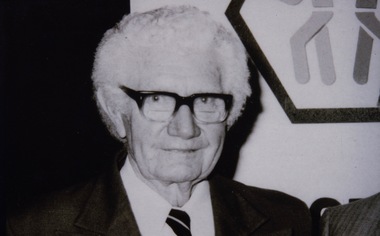
Photograph - Photograph - black and white, VIOSH: Harold Greenwood Thomas: Founding member of the Safety Engineering Society of Australia, c1950
... students who founded the Safety Institute of Australia (SIA). They all had attended the first Industrial Safety and Accident Prevention Course conducted by Melbourne Technical College in 1948. Due to his long service to safety and prevention there is the Harold Greenwood Thomas Lifetime Achievement Award...students who founded the Safety Institute of Australia (SIA). They all had attended the first Industrial Safety and Accident Prevention Course conducted by Melbourne Technical College in 1948. Due to his long service to safety and prevention there is the Harold Greenwood Thomas Lifetime Achievement Award ...Victorian Institute of Occupational Safety and Health (VIOSH) Australia is the Asia-Pacific centre for teaching and research in occupational health and safety (OHS) and is known as one of Australia's leaders in the field. VIOSH has a global reputation for its innovative approach within the field of OHS management. VIOSH had its first intake of students in 1979. At that time the Institution was known as the Ballarat College of Advanced Education. In 1990 it became known as Ballarat University College, then in 1994 as University of Ballarat. It was 2014 that it became Federation University. VIOSH Australia students are safety managers, senior advisors and experienced OHS professionals. They come from all over Australia and industry. Students are taught active research and enquiry; rather than textbook learning and a one-size fits all approach. VIOSH accepts people into the Graduate Diploma of Occupational Hazard Management who have no undergraduate degree - on the basis of extensive work experience and knowledge. Harold Greenwood Thomas was one of a group of students who founded the Safety Institute of Australia (SIA). They all had attended the first Industrial Safety and Accident Prevention Course conducted by Melbourne Technical College in 1948. Due to his long service to safety and prevention there is the Harold Greenwood Thomas Lifetime Achievement Award. This is the most prestigious award by the Institute and may be issued to a person who has demonstrated a combination of long term outstanding and influential contribution to the profession in a specific or generalist area of Occupational Health and Safety and Work Health and Safety, where there work has made a major impact on outcomes in Australian workplaces. The Award will be issued once annually, but the board retains the right not to award in any given year, or in special circumstances more than once in a year. It Award is for an individual. Dennis Else, VIOSH Ballarat, is the 6th person to win the Harold Greenwood Thomas Lifetime Achievement Award. This was in 2021Photograph - Black and Whiteviosh, harold greenwood thomas, safety institute of australia, sia, dennis else -
Federation University Historical Collection
Document - Document - Letter, Ballarat Junior Technical School: Letter from R W Richards, Principal of the School of Mines, 1956
... awarded the Diploma of Engineering. This was Jim Brokenshire. He showed strong determination to complete his diploma. This should be an example to the B.J.T. students. ...awarded the Diploma of Engineering. This was Jim Brokenshire. He showed strong determination to complete his diploma. This should be an example to the B.J.T. students. ...Letter from R W Richards, Principal of S.M.B. to Mr Garner informing him and the boys that a former pupil was awarded the Diploma of Engineering. This was Jim Brokenshire. He showed strong determination to complete his diploma. This should be an example to the B.J.T. students. Jim is now part of the professional staff of the S.E.C. in Yallourn. Heavy cream paper, typed Letterhead signature of R W Richards - written in blue penballarat junior technical school, headmaster, l garner, r w richards, principal, school of mines, diploma of engineering, jim brokenshire, s.e.c.yallourn -
 Federation University Historical Collection
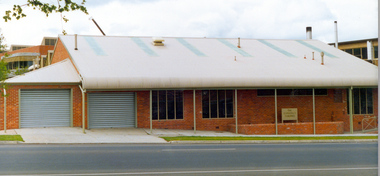
Photograph, Ballarat School of Mines Corbould Building
... award was made in 1957. In the same year a general purpose hall at SMB was named the Corbould Hall as a tribute to a distinguished former student and generous benefactor....award was made in 1957. In the same year a general purpose hall at SMB was named the Corbould Hall as a tribute to a distinguished former student and generous benefactor. ...Corbould Hall was named after Ballarat School of Mines alumni WIlliam Corbould. William Corbould was the son of a Ballarat tailor. He attended Ballarat College, and obtained certificates in assaying and metallurgy at the Ballarat School of Mines (SMB) in 1883, studying under the revered Professor Mica Smith. Corbould was not a born student and remembered his first experience at SMB: 'From the Registrar's Office I was led to be introduced to the Professor of Chemistry, one Mica Smith. The initial encounter gave me little encouragement - his large laboratory was filled with hundreds of bottles bearing strange labels with queer symbols on them. My heart sank. At the first opportunity I grabbed my hat and made for the door, but the good professor called me back. I pointed out that I was never any good at school ... so it was no use pretending to be clever enough to understand all those weird symbols! The Professor told me not to worry about that and took me to one of the benches where he found a blowpipe and a charcoal block. Mixing together two powders from bottles on the shelf he transferred a sample to the charcoal and directed the bunsen flame onto it. Soon it began to melt and a white bead appeared in front of my eyes. He then took a test tube and added a little colourless liquid from each of two bottles. A beautiful dark blue colour appeared. My interest was won.' During Corbould's mining career he travelled to Europe twice, and visited most of Australia's main mining fields. Corbould started his career as an assayer at Pinnacle Silver Mine, Silverton, and was then a self-employed assayer at Broken Hill. Corbould became an assayer for the infant BHP mine, and later worked in Kalgoorlie and Coolgardie, including managing Hannan's Reward, the oldest gold mine on the Kalgoorlie gold field. He spent 13 years at the Mount Elliott copper fields as general manager. In 1923, at the age of 57, Corbould went to Mount Isa and reported on options, experimented with new metallurgical processes and floated a company. John Carden of CRA said: 'Corbould was the man who brought Urquhart to Mount Isa. He was the man who made it all possible. He is tremendously important in the Mount Isa story, because he was the first technical man, the first professional man on the scene. He was responsible as I said, for bringing finance to the place, but I think even more importantly he was the first man to recognise the need to put all the little claims in the Mount Isa discovery together. I think perhaps his major contribution to Mount Isa was this amalgamation on the various claims. He recognised that the ore bodies at Mount Isa were not as rich as Broken Hill and they would never have survived had it been fragmented, so he was terribly important.' After completing major financial negotiations for Mt Isa Mine from London in 1927 Corbould remained in Europe where he remained until his death. Corbould was awarded the Legion of Honour of the American Institute of Mining and Metallurigical Engineers for fifty years service. Corbould died at Monaco in 1949 at the age of 82. He bequested 6000 pounds to the Ballarat School of Mines, his will stating 'for the purpose of founding a scholarship to commemorate the memory of the late Alfred Mica Smith'. The accumulated income from this sum provides the Mica Smith travelling scholarship, enabling successful students in mining, metallurgy or chemistry to undertake a year's travelling abroad. The first award was made in 1957. In the same year a general purpose hall at SMB was named the Corbould Hall as a tribute to a distinguished former student and generous benefactor.ballarat school of mines corbould building, corbould hall, corbould building -
 Federation University Historical Collection
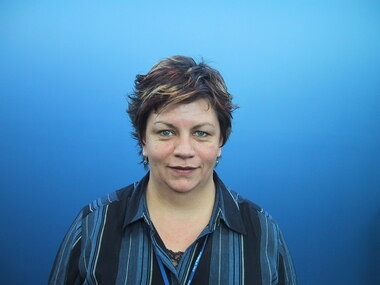
Photograph, Heather Pitman
... awarded the Civil Engineering Scholarship in 1977. Heather broke down barriers in engineering with an integrity that earned her tremendous respect in the sector and led to her becoming the first female Head of Engineering for the City of Ballarat. She was the first of a new breed of engineers to consider the urban water cycle in its entirety and not in isolated parts, a radical approach at the time. In her honour, the Pitman Benjamin Engineering Prize was founded, to recognise students...awarded the Civil Engineering Scholarship in 1977. Heather broke down barriers in engineering with an integrity that earned her tremendous respect in the sector and led to her becoming the first female Head of Engineering for the City of Ballarat. She was the first of a new breed of engineers to consider the urban water cycle in its entirety and not in isolated parts, a radical approach at the time. In her honour, the Pitman Benjamin Engineering Prize was founded, to recognise students ...Heather Pitman studied at the School of Mines and Ballarat College of Advanced Education and was awarded the Civil Engineering Scholarship in 1977. Heather broke down barriers in engineering with an integrity that earned her tremendous respect in the sector and led to her becoming the first female Head of Engineering for the City of Ballarat. She was the first of a new breed of engineers to consider the urban water cycle in its entirety and not in isolated parts, a radical approach at the time. In her honour, the Pitman Benjamin Engineering Prize was founded, to recognise students like Heather, who have chosen not to accept the status quo, but instead to change the world to make it better for all. Heather died in 2005.heather pitman, engineer, alumni, ballarat school of mines, ballarat college of advanced education, civil engineering scholarship, first female head of engineering, city of ballarat, urban water cycle, pitman benjamin engineering scholarship -
 Federation University Historical Collection
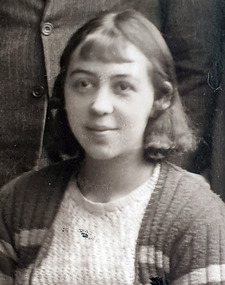
Article - Article - Women, Ballarat Technical Art School: Women of Note; Nornie Gude, Artist, (1915 - 2002)
... She later went on to the National Gallery School from 1936-1939, studying with Sidney Nolan and Charles Bush, and became the first woman to win the National Gallery Students Travelling Scholarship. Gude won many awards for her painting both while at school and throughout her career. ...She later went on to the National Gallery School from 1936-1939, studying with Sidney Nolan and Charles Bush, and became the first woman to win the National Gallery Students Travelling Scholarship. Gude won many awards for her painting both while at school and throughout her career. ...Eleanor Constance (Nornie) Gude was born in 1915 in Ballarat, Victoria to Stella Rehfisch and Walter Gude, musician and violin teacher, and conductor of the St Patrick's Cathedral orchestra and choir in Ballarat. Her parents met when Stella was 27 and the 42-year old Walter was teaching her the violin. Nornie and her sister Gilda were both raised in Ballarat before moving to Melbourne on the eve of World War II. She was accepted into the Ballarat Technical Art School at 15 because of her advanced skill in painting, and trained there from 1931-1936. She won the esteemed MacRobertson Scholarship in art worth £100 a year. She later went on to the National Gallery School from 1936-1939, studying with Sidney Nolan and Charles Bush, and became the first woman to win the National Gallery Students Travelling Scholarship. Gude won many awards for her painting both while at school and throughout her career. Her work is represented in collections at the National Gallery of Victoria, Parliament House, and the Art Gallery of Western Australia, as well as regional collections in Ballarat, Geelong, Castlemaine Art Museum, and Bendigo.Portrait of Nornie Gude while a student at the Ballarat Technical Art Schoolnornie gude, ballarat technical art school, 1931-1936, women of note, artist, macrobertson scholarship, 100 pound per year, national gallery school, 1936-1939, sidney nolan, charles bush, first woman national gallery students travelling scholarship, parliament house, regional collections, ballarat, geelong, castlemaine, bendigo, national gallery victoria, eleanor constance gude -
 Federation University Historical Collection
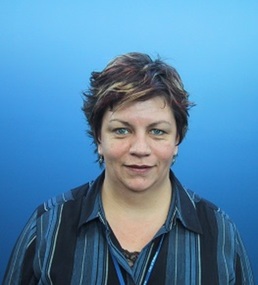
Article - Article - Women, Ballarat College of Advanced Education: Women of Note; Heather Pitman, Engineer, (1957 - 2005)
... awarded the Civil Engineering Scholarship in 1977. She graduated in 1978. Heather broke down barriers in engineering with an integrity that earned her tremendous respect and led to her becoming the first female Head of Engineering for the City of Ballarat. Heather pioneered sustainable design and was the first of a new breed of engineers to consider the urban water cycle in its entirety and not in isolated parts, a radical approach at the time. In her honour, the Pitman Benjamin Engineering Prize was founded, to recognise students...awarded the Civil Engineering Scholarship in 1977. She graduated in 1978. Heather broke down barriers in engineering with an integrity that earned her tremendous respect and led to her becoming the first female Head of Engineering for the City of Ballarat. Heather pioneered sustainable design and was the first of a new breed of engineers to consider the urban water cycle in its entirety and not in isolated parts, a radical approach at the time. In her honour, the Pitman Benjamin Engineering Prize was founded, to recognise students ...Heather studied at the School of Mines and Ballarat College of Advanced Education and was awarded the Civil Engineering Scholarship in 1977. She graduated in 1978. Heather broke down barriers in engineering with an integrity that earned her tremendous respect and led to her becoming the first female Head of Engineering for the City of Ballarat. Heather pioneered sustainable design and was the first of a new breed of engineers to consider the urban water cycle in its entirety and not in isolated parts, a radical approach at the time. In her honour, the Pitman Benjamin Engineering Prize was founded, to recognise students like Heather, who have chosen not to accept the status quo, but instead to change the world to make it better for all.women of note, ballarat school of mines, ballarat college of advanced education, first female, head of engineering, city of ballarat, civil engineering scholarship, pioneered sustainable design, urban water cycle, pitman benjamin engineering scholarship -
 Federation University Historical Collection
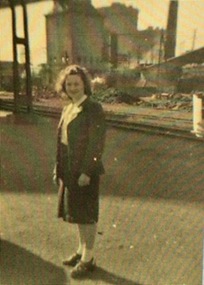
Article - Article - Women, Ballarat School of Mines: Women of Note; Jeanette Perkins, First Female Geology Student, (1927 - )
... She taught senior science to secondary students for 10 years whilst working towards a Masters degree. In 1991 Jeanette Watson was awarded a Doctorate from Deakin University....She taught senior science to secondary students for 10 years whilst working towards a Masters degree. In 1991 Jeanette Watson was awarded a Doctorate from Deakin University. women of note ballarat school of mines alfredton state school pleasant street state school ballarat high school leaving certificate maths interview with principal heseltine geologist applied chemistry course no female geologists metallurgical chemist married 1949 melbourne ordinance factory part time study melbourne technical college rmit part time lecturer scuba diving science teacher for ten years masters degree doctorate deakin university Ballarat School of Mines: Women of Note; Jeanette Perkins, First Female Geology Student, (1927 - ) Article Article - Women ...Jeanette Perkins was born in 1927 at Ballarat. She attended Alfredton State School and Pleasant Street State School before completing her secondary schooling at Ballarat High School (BHS). During her later years at BHS Perkins decided that she wanted to become a geologist, but was ineligible for university when she failed Leaving Certificate maths. She attended an interview with the principal (Heseltine) at the Ballarat School of Mines (SMB) and announced that she wanted to be a geologist. Heseltine was, according to Perkins, aghast: he informed her that there had never been a female geologist at SMB and they didn't want one. But Perkins persisted. Only then did Heseltine reluctantly enrol her in the School's Applied Chemistry Course which offered the most geological subjects, moreover, it was the only one he considered available to a 'mere' female. After graduating Perkins was employed as a metallurgical chemist with M.B. Johns Valves, Ballarat. In 1949 she married Alfred Watson. In 1951 Jeanette and Alf Watson moved to Melbourne where she commenced work as a metallurgical chemist at the Maribyrnong Ordnance Factory while studying geology part time: Alf returned to study at the University of Melbourne. Once again, Watson set a precedent by becoming the first female student to study geology part-time at the Melbourne Technical College. Increasing demands brought about by her growing family, she turned to part-time lecturing second and third year stratigraphy and palaeontology at RMIT. In 1957 the Watsons moved to the Mary Kathleen Uranium Mine in NW Queensland where he was appointed electrical design engineer. After their return to Melbourne in 1960, Jeanette taught herself to SCUBA dive and quickly developed a passion for the sport and the marine environment. She taught senior science to secondary students for 10 years whilst working towards a Masters degree. In 1991 Jeanette Watson was awarded a Doctorate from Deakin University.women of note, ballarat school of mines, alfredton state school, pleasant street state school, ballarat high school, leaving certificate maths, interview with principal, heseltine, geologist, applied chemistry course, no female geologists, metallurgical chemist, married 1949, melbourne, ordinance factory, part time study, melbourne technical college, rmit, part time lecturer, scuba diving, science teacher for ten years, masters degree, doctorate, deakin university -
Federation University Historical Collection
Programme, Ballarat School of Mines Award Night, 1990, 08/06/1990
... Ballarat School of Mines awards night program and student nominations....ballarat school of mines award night Ballarat School of Mines awards night program and student nominations. Ballarat School of Mines Award Night, 1990 Programme ...Ballarat School of Mines awards night program and student nominations.ballarat school of mines, award night -
Federation University Historical Collection
Programme, Ballarat School of Mines Award Night, 1990, 29/05/1991
... Ballarat School of Mines awards night program and student nominations....ballarat school of mines award night Ballarat School of Mines awards night program and student nominations. Ballarat School of Mines Award Night, 1990 Programme ...Ballarat School of Mines awards night program and student nominations.ballarat school of mines, award night -
Federation University Historical Collection
Programme, Ballarat School of Mines Award Night, 1987, 16/02/1987
... Ballarat School of Mines awards night program and student nominations....ballarat school of mines award night Ballarat School of Mines awards night program and student nominations. Ballarat School of Mines Award Night, 1987 Programme ...Ballarat School of Mines awards night program and student nominations.ballarat school of mines, award night -
Federation University Historical Collection
Programme, Ballarat School of Mines Award Night, 1987, 13/08/1987
... Ballarat School of Mines awards night program and student nominations....ballarat school of mines award night Ballarat School of Mines awards night program and student nominations. Ballarat School of Mines Award Night, 1987 Programme ...Ballarat School of Mines awards night program and student nominations.ballarat school of mines, award night -
 Federation University Historical Collection
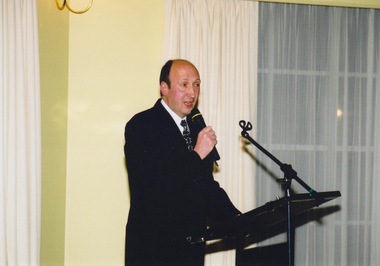
Photograph, VIOSH Australia Annual Dinner, July 2002: Presentation of Awards, 07/2002
... Students are taught active research and enquiry; rather than textbook learning and a one-size fits all approach. VIOSH accepts people into the Graduate Diploma of Occupational Hazard Management who have no undergraduate degree - on the basis of extensive work experience and knowledge. viosh viosh australia occupational health and safety victorian institute of occupational health and safety occupational hazard management max brooke memorial trophy and prize nsca national safety council of australia nsca perpetual award dennis else sue watt dulcie brooke Eighteen coloured photographs showing guests and award presentation. ...Victorian Institute of Occupational Safety and Health (VIOSH) Australia is the Asia-Pacific centre for teaching and research in occupational health and safety (OHS) and is known as one of Australia's leaders on the field. VIOSH has a global reputation for its innovative approach within the field of OHS management. VIOSH had its first intake of students in 1979. At that time the Institution was known as the Ballarat College of Advanced Education. In 1990 it became known as Ballarat University College, then in 1994 as University of Ballarat. It was 2014 that it became Federation University. VIOSH Australia students are safety managers, senior advisors and experienced OHS professionals. They come from all over Australia and industry. Students are taught active research and enquiry; rather than textbook learning and a one-size fits all approach. VIOSH accepts people into the Graduate Diploma of Occupational Hazard Management who have no undergraduate degree - on the basis of extensive work experience and knowledge. Eighteen coloured photographs showing guests and award presentation.viosh, viosh australia, occupational health and safety, victorian institute of occupational health and safety, occupational hazard management, max brooke memorial trophy and prize, nsca, national safety council of australia, nsca perpetual award, dennis else, sue watt, dulcie brooke -
 Federation University Historical Collection
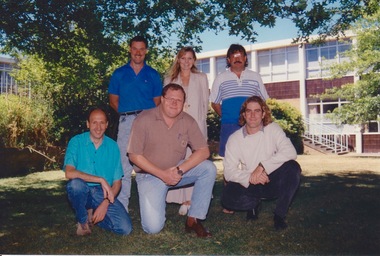
Photograph - Photographs - colour, VIOSH: Masters Students, January 1996, Graduation 1998, 01/1996
... Students are taught active research and enquiry; rather than textbook learning and a one-size fits all approach. VIOSH accepts people into the Graduate Diploma of Occupational Hazard Management who have no undergraduate degree - on the basis of extensive work experience and knowledge. In 1998 Shelley Kerkham was awarded...Students are taught active research and enquiry; rather than textbook learning and a one-size fits all approach. VIOSH accepts people into the Graduate Diploma of Occupational Hazard Management who have no undergraduate degree - on the basis of extensive work experience and knowledge. In 1998 Shelley Kerkham was awarded ...Victorian Institute of Occupational Safety and Health (VIOSH) Australia is the Asia-Pacific centre for teaching and research in occupational health and safety (OHS) and is known as one of Australia's leaders on the field. VIOSH has a global reputation for its innovative approach within the field of OHS management. VIOSH had its first intake of students in 1979. At that time the Institution was known as the Ballarat College of Advanced Education. In 1990 it became known as Ballarat University College, then in 1994 as University of Ballarat. It was 2014 that it became Federation University. VIOSH Australia students are safety managers, senior advisors and experienced OHS professionals. They come from all over Australia and industry. Students are taught active research and enquiry; rather than textbook learning and a one-size fits all approach. VIOSH accepts people into the Graduate Diploma of Occupational Hazard Management who have no undergraduate degree - on the basis of extensive work experience and knowledge. In 1998 Shelley Kerkham was awarded Protector Safety Travel Bursary for the best Master of Applied Science (OHS) research projectTwo colour photographsviosh, victorian institute of occupational safety and health, masters, graduation dinner, awards, shelley kerkham, graeme reid, protector safety supply, david borys, garry thompson, master of applied science (ohs) -
 Federation University Historical Collection
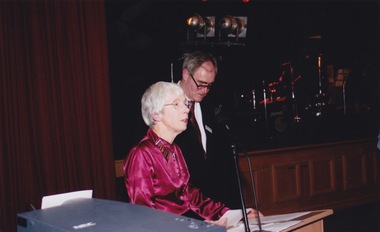
Photograph - Photographs - colour, VIOSH: Dinner and Presentation of Awards, July 2003
... Photographs are of the dinner for the graduating students of 2003 (Intake 2001) and the presentation of awards and trophies....Photographs are of the dinner for the graduating students of 2003 (Intake 2001) and the presentation of awards and trophies. viosh victorian institute of occupational safety and health university of ballarat dulcie brooke dennis else kerry cox max brooke memorial shield nsca perpetual trophy national safety council of australia University women 26 colour photographs of presentation and dinner. ...Victorian Institute of Occupational Safety and Health (VIOSH) Australia is the Asia-Pacific centre for teaching and research in occupational health and safety (OHS) and is known as one of Australia's leaders on the field. VIOSH has a global reputation for its innovative approach within the field of OHS management. VIOSH had its first intake of students in 1979. At that time the Institution was known as the Ballarat College of Advanced Education. In 1990 it became known as Ballarat University College, then in 1994 as University of Ballarat. It was 2014 that it became Federation University. VIOSH Australia students are safety managers, senior advisors and experienced OHS professionals. They come from all over Australia and industry. Students are taught active research and enquiry; rather than textbook learning and a one-size fits all approach. VIOSH accepts people into the Graduate Diploma of Occupational Hazard Management who have no undergraduate degree - on the basis of extensive work experience and knowledge. Photographs are of the dinner for the graduating students of 2003 (Intake 2001) and the presentation of awards and trophies.26 colour photographs of presentation and dinner.viosh, victorian institute of occupational safety and health, university of ballarat, dulcie brooke, dennis else, kerry cox, max brooke memorial shield, nsca perpetual trophy, national safety council of australia, university women -
 Federation University Historical Collection
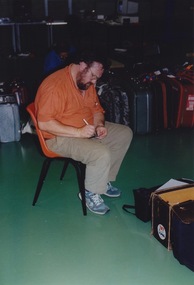
Photograph - Photographs - colour, VIOSH: Postgraduate Student, Geoffrey Dell's PhD, 1996, c1996
... awarded the Eric Wigglesworth Prize. The prize acknowledges publication of an article which constitutes a significant contribution to the body of occupational health and safety knowledge in an approved OH&S journal. viosh victorian institute of occupational safety and health geoffrey dell john culvenor thomas mitchell phd airline baggage handler back injuries work practises operational systems engineering solutions causes of injury qantas baggage handlers prof dennis else eric wiggles worth prize oh&s journal ballarate university school of human movement and sports science plywood compartment model loading systems 32 co;our photographs showing procedure of baggage handlers. VIOSH: Postgraduate Student ...Victorian Institute of Occupational Safety and Health (VIOSH) Australia is the Asia-Pacific centre for teaching and research in occupational health and safety (OHS) and is known as one of Australia's leaders on the field. VIOSH has a global reputation for its innovative approach within the field of OHS management. VIOSH Australia enrolled its first PhD candidate in 1995 and during 1996 focused on attracting increasing numbers of students. In 1996, three candidates were enrolled through VIOSH Australia.They were John Culvenor, Geoffrey Dell and Thomas Mitchell. All had Prof Dennis Else as their supervisor. Previously, Geoffrey Dell was in Intake 7, 1985, Occupational Hazard Management. Geoffrey Dell's topic was "Airline Baggage Handler Back Injuries - Causes and Prevention." "The aim of this study is to investigate the work practises and operational systems used by baggage handlers in a range of airlines, worldwide. Where possible the investigation will include an epidemiological study of baggage handler back injury occurrence in those airlines. The information gathered will provide an understanding of back injury causation modes, and will focus attention on the specific tasks for which engineering solutions should be sought. Engineering solutions identified will be subject to controlled trial, to confirm their validity." This led to the construction of a full scale plywood baggage compartment model and a partnership with Ballarat University's School of Human Movement and Sports Science. Three different loading systems were tested. Qantas baggage handlers travelled to Ballarat University to fill the human frame of the investigation. The photographs show this aspect of the research. In 1997, Geoffrey Dell was awarded the Eric Wigglesworth Prize. The prize acknowledges publication of an article which constitutes a significant contribution to the body of occupational health and safety knowledge in an approved OH&S journal.32 co;our photographs showing procedure of baggage handlers.viosh, victorian institute of occupational safety and health, geoffrey dell, john culvenor, thomas mitchell, phd, airline baggage handler back injuries, work practises, operational systems, engineering solutions, causes of injury, qantas baggage handlers, prof dennis else, eric wiggles worth prize, oh&s journal, ballarate university, school of human movement and sports science, plywood compartment model, loading systems -
Federation University Historical Collection
Photograph - Photographs - colour, VIOSH: Occupational Hazard Management Dinner and Presentations, c1989
... Presentations were made by Frank Anderson, Dennis Else, Dulcie Brooke and some of the students. viosh victorian institute of occupational safety and health presentations max brooke memorial jack barker dennis else dulcie brooke frank anderson derek woolley neil dine occupational hazard management 18 colour photographs of dinner and presentations of awards. ...Victorian Institute of Occupational Safety and Health (VIOSH) Australia is the Asia-Pacific centre for teaching and research in occupational health and safety (OHS) and is known as one of Australia's leaders on the field. VIOSH has a global reputation for its innovative approach within the field of OHS management. VIOSH had its first intake of students in 1979. At that time the Institution was known as the Ballarat College of Advanced Education. In 1990 it became known as Ballarat University College, then in 1994 as University of Ballarat. It was 2014 that it became Federation University. VIOSH Australia students are safety managers, senior advisors and experienced OHS professionals. They come from all over Australia and industry. Students are taught active research and enquiry; rather than textbook learning and a one-size fits all approach. VIOSH accepts people into the Graduate Diploma of Occupational Hazard Management who have no undergraduate degree - on the basis of extensive work experience and knowledge. Students shown would have been in Intake 11, 1987. Presentations were made by Frank Anderson, Dennis Else, Dulcie Brooke and some of the students. 18 colour photographs of dinner and presentations of awards.viosh, victorian institute of occupational safety and health, presentations, max brooke memorial, jack barker, dennis else, dulcie brooke, frank anderson, derek woolley, neil dine, occupational hazard management -
 Federation University Historical Collection
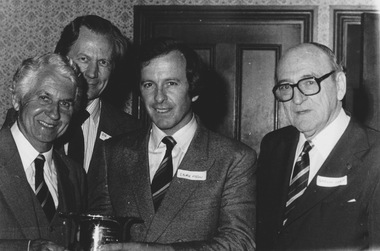
Photograph - Photograph - black and white, VIOSH: Graduation Dinner, Occupational Hazard Management, 10 April 1981
... Students are taught active research and enquiry; rather than textbook learning and a one-size fits all approach. VIOSH accepts people into the Graduate Diploma of Occupational Hazard Management who have no undergraduate degree - on the basis of extensive work experience and knowledge. Laurie Mason was in the first intake of the Graduate Diploma in Occupational Hazard Management, 1979, at Ballarat College of Advanced Education. In 1981 he was Dux of the class and awarded...Students are taught active research and enquiry; rather than textbook learning and a one-size fits all approach. VIOSH accepts people into the Graduate Diploma of Occupational Hazard Management who have no undergraduate degree - on the basis of extensive work experience and knowledge. Laurie Mason was in the first intake of the Graduate Diploma in Occupational Hazard Management, 1979, at Ballarat College of Advanced Education. In 1981 he was Dux of the class and awarded ...Victorian Institute of Occupational Safety and Health (VIOSH) Australia is the Asia-Pacific centre for teaching and research in occupational health and safety (OHS) and is known as one of Australia's leaders on the field. VIOSH has a global reputation for its innovative approach within the field of OHS management. VIOSH had its first intake of students in 1979. At that time the Institution was known as the Ballarat College of Advanced Education. In 1990 it became known as Ballarat University College, then in 1994 as University of Ballarat. It was 2014 that it became Federation University. VIOSH Australia students are safety managers, senior advisors and experienced OHS professionals. They come from all over Australia and industry. Students are taught active research and enquiry; rather than textbook learning and a one-size fits all approach. VIOSH accepts people into the Graduate Diploma of Occupational Hazard Management who have no undergraduate degree - on the basis of extensive work experience and knowledge. Laurie Mason was in the first intake of the Graduate Diploma in Occupational Hazard Management, 1979, at Ballarat College of Advanced Education. In 1981 he was Dux of the class and awarded the Perpetual Trophy by the Secretary of the National Safety Council of Australia (NSCA), Gordon Lewis. The dinner was held at Sovereign Hill. Two black and white photographs.viosh, victorian institute of occupational safety and health, national safety council of australia, nsca, ballarat college of advanced education, bcae, gordon lewis, zig plavina, laurie mason, graduate diploma in occupational hazard management, sovereign hill, dux of class, maz eise -
 Federation University Historical Collection
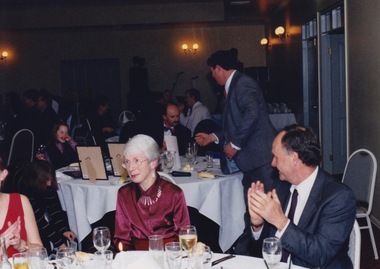
Photograph - Photograph - Colour, VIOSH: Occupational Hazard Management Dinner and Presentations, 2002
... Students attended the University of Ballarat to complete the VIOSH Occupational Hazard Management Course. Oliver Footwear Solution Award and Shared Solution Award were presented. ...Students attended the University of Ballarat to complete the VIOSH Occupational Hazard Management Course. Oliver Footwear Solution Award and Shared Solution Award were presented. ...Victorian Institute of Occupational Safety and Health (VIOSH) Australia is the Asia-Pacific centre for teaching and research in occupational health and safety (OHS) and is known as one of Australia's leaders on the field. VIOSH has a global reputation for its innovative approach within the field of OHS management. VIOSH had its first intake of students in 1979. At that time the Institution was known as the Ballarat College of Advanced Education. In 1990 it became known as Ballarat University College, then in 1994 as University of Ballarat. It was 2014 that it became Federation University. VIOSH Australia students are safety managers, senior advisors and experienced OHS professionals. They come from all over Australia and industry. Students are taught active research and enquiry; rather than textbook learning and a one-size fits all approach. VIOSH accepts people into the Graduate Diploma of Occupational Hazard Management who have no undergraduate degree - on the basis of extensive work experience and knowledge. Photographs taken at the OHM Dinner and Presentation in 2002. Students attended the University of Ballarat to complete the VIOSH Occupational Hazard Management Course. Oliver Footwear Solution Award and Shared Solution Award were presented. Male student was presented with the "Rae Epthorp Human Factors Prize" and the "National Safety Council of Australia Perpetual Trophy".Thirty-eight colour photographs with matte finish; Twelve colour photographs with high gloss finishviosh, victorian institute of occupational safety and health, ballarat university, david boyce, dulcie brooke, andrew oliver, nsca, national safety council of australia, perpetual trophy, john knowles, rae epthorp human factors prize, oliver footwear solution award, oliver footwear shared solution award, dennis else, steve cowley, john culvenor, university women -
 Federation University Historical Collection
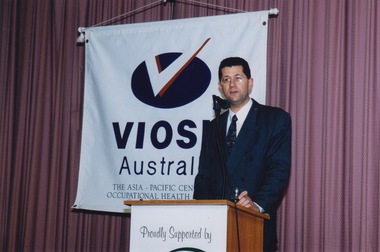
Photograph - Photograph - Colour, VIOSH: Graduate Diploma in Occupational Hazard Management Dinner and Award Presentations, July 2000
... Students are taught active research and enquiry; rather than textbook learning and a one-size fits all approach. VIOSH accepts people into the Graduate Diploma of Occupational Hazard Management who have no undergraduate degree - on the basis of extensive work experience and knowledge. Among the guests were past prize recipients - Geoffrey Dell, Steve Pavlich, Matthew Piscioneri. Former staff member, Zig Plavina was present. His son Peter was presented with an award...Students are taught active research and enquiry; rather than textbook learning and a one-size fits all approach. VIOSH accepts people into the Graduate Diploma of Occupational Hazard Management who have no undergraduate degree - on the basis of extensive work experience and knowledge. Among the guests were past prize recipients - Geoffrey Dell, Steve Pavlich, Matthew Piscioneri. Former staff member, Zig Plavina was present. His son Peter was presented with an award ...Victorian Institute of Occupational Safety and Health (VIOSH) Australia is the Asia-Pacific centre for teaching and research in occupational health and safety (OHS) and is known as one of Australia's leaders on the field. VIOSH has a global reputation for its innovative approach within the field of OHS management. VIOSH had its first intake of students in 1979. At that time the Institution was known as the Ballarat College of Advanced Education. In 1990 it became known as Ballarat University College, then in 1994 as University of Ballarat. It was 2014 that it became Federation University. VIOSH Australia students are safety managers, senior advisors and experienced OHS professionals. They come from all over Australia and industry. Students are taught active research and enquiry; rather than textbook learning and a one-size fits all approach. VIOSH accepts people into the Graduate Diploma of Occupational Hazard Management who have no undergraduate degree - on the basis of extensive work experience and knowledge. Among the guests were past prize recipients - Geoffrey Dell, Steve Pavlich, Matthew Piscioneri. Former staff member, Zig Plavina was present. His son Peter was presented with an award.Fifty-nine colour photographs VIOSH dinner.58 and .59 have "Copyright The Ballarat Courier Propriety Limited" stamped on the backviosh, victorian institute of occupational safety and health, university of ballarat, steve cowley, andrew oliver, david boyce, peter plavina, dulcet brooke, geoffrey dell, matthew piscioneri, steve palich, max brooke memorial shield, perpetual trophy -
 Federation University Historical Collection
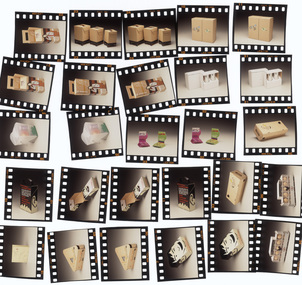
Photograph - Collection of unmounted 35mm transparencies, Student Packaging Designs, c2000
... students. Many of these works were likely created for the Packaging Design Awards. ...students. Many of these works were likely created for the Packaging Design Awards. ...Photographs of packaging works by University of Ballarat, Bachelor of Graphic Design/ Multimedia students. Many of these works were likely created for the Packaging Design Awards. Several use the application of graphics created in-house at the University of Ballarat on the "Colourease" system. Digital scan contact sheets of photographic slide transparencies. Please note, scanned images are for archive reference only. Images may appear flipped or rotated, and colours may not be accurate.Series of 41 unmounted 35mm slide transparencies of student packaging designs.university of ballarat, federation university australia, graphic design, multimedia, packaging, higher education, bachelor -
 Federation University Historical Collection
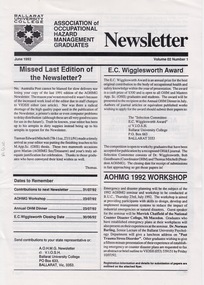
Document - Document - Newsletter, VIOSH: Ballarat College of Advanced Education; Association of Occupational Hazard Management Graduates Newsletter, June 1992
... Students are taught active research and enquiry; rather than textbook learning and a one-size fits all approach. VIOSH accepts people into the Graduate Diploma of Occupational Hazard Management who have no undergraduate degree - on the basis of extensive work experience and knowledge. Newsletter of Ballarat University College Association of Occupational Hazard Management Graduates, June 1992. Editor is Thomas Mitchell, who became a lecturer within VIOSH. Newsletter mentions the E C Wigglesworth Award...Students are taught active research and enquiry; rather than textbook learning and a one-size fits all approach. VIOSH accepts people into the Graduate Diploma of Occupational Hazard Management who have no undergraduate degree - on the basis of extensive work experience and knowledge. Newsletter of Ballarat University College Association of Occupational Hazard Management Graduates, June 1992. Editor is Thomas Mitchell, who became a lecturer within VIOSH. Newsletter mentions the E C Wigglesworth Award ...Victorian Institute of Occupational Safety and Health (VIOSH) Australia is the Asia-Pacific centre for teaching and research in occupational health and safety (OHS) and is known as one of Australia's leaders on the field. VIOSH has a global reputation for its innovative approach within the field of OHS management. VIOSH had its first intake of students in 1979. At that time the Institution was known as the Ballarat College of Advanced Education. In 1990 it became known as Ballarat University College, then in 1994 as University of Ballarat. It was 2014 that it became Federation University. VIOSH Australia students are safety managers, senior advisors and experienced OHS professionals. They come from all over Australia and industry. Students are taught active research and enquiry; rather than textbook learning and a one-size fits all approach. VIOSH accepts people into the Graduate Diploma of Occupational Hazard Management who have no undergraduate degree - on the basis of extensive work experience and knowledge. Newsletter of Ballarat University College Association of Occupational Hazard Management Graduates, June 1992. Editor is Thomas Mitchell, who became a lecturer within VIOSH. Newsletter mentions the E C Wigglesworth Award which is given yearly for the best original contribution of a journal article or equivalent published work. Dennis Else's professorial status, Steve Cowley becoming Director of VIOSH, and Derek Woolley taking up the position of Assistant Director of the College. Dulcie Brooke is awarded an honorarium for her many years of involvement with VIOSH. S.H.A.R.E. program enters a new phase. This was an important feature - sharing solutions to problems by establishing a data base. Leaflet advertising a seminar - "Emergency and Counter Disaster Planning" - 23 July 1992. Speakers are Mr Merrick Chatfield - Natural Disaster Organisation, Australian Counter Disaster College, Mt Macedon, Victoria and Dr Norman Barling, Psychology Department, Ballarat University College.A3 sheet folded in half - four pages with two column each. Separate A4 sheet Seminar ProgramLetterhead - Ballarat University Collegeviosh, victorian institute of occupational safety and health, association of occupational hazard management graduates newsletter, thomas mitchell, editor, e c wigglesworth award, dennis else, dulcie brooke, honorarium, s.h.a.r.e., photographs and memorabilia, emergency and counter disaster planning, merrick chatfield, natural disaster organisation, australian counter disaster college, mt macedon, norman barling, psychologist, ballarat university college -
 Federation University Historical Collection
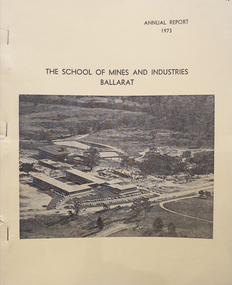
Book - Annual Report, Ballarat School of Mines Annual Report, 1973, 1873
... Jeffery n.w. rowe g. braybrook l. braybrook l. brayshaw v. bunting e. hanrahan v. allan a. williams Craftmanship awards Mt Helen Library Student residences fourth university Stapled yellow covered annual report. ...Stapled yellow covered annual report. Includes a list f students who graduated in 1973. Includes information on the Union Building on the Mt Helen Campusunion building, mt helen campus, ballarat school of mines, annual report, m.g beanland, m.b. john, j.v. robertson, r.j. dobell, r.h. hollioake, h.a. patterson, w.j.c. north, j.j. smail, a.e. stohr, j.k. sutton, e.j. tippett, arthur nicholson, ken c. webb, k.j. neerhut, campus development, mount helen campus development, e building, electrical engineering building, applied science building, student residences stage 2, great hall architect, founders hall, h.j. trudinger retirement, l.f.j. hillman retirement, e. phillips, derek woolley, victorian institute of colleges, b.r. granger, edith lawn retirement, j. finkelstein, w.s. carthew, g. strickland, b. white, d.e. madden, s.m. scott, k. sturmfels, d. miller, t. davison, a.j.morgan, b.m. lees, alan bethune, i.j. pratt, j.l. smyth, n.w. grose, r.o. jelleff, g.b. love, helen burgess, i.f.c. richardson, n. worswick, j.a. cue, e. notaras, j. van dreven, g. beattie, e. bowers, b.a. byrne, g.r. harbridge, d.j. kingdom, c. murray, j. vagg, l. vickery, w.c. davis, j.c. hannah, m.a. hyde, e. jeffery, n.w. rowe, g. braybrook, l. braybrook, l. brayshaw, v. bunting, e. hanrahan, v. allan, a. williams, craftmanship awards, mt helen library, student residences, fourth university -
 Federation University Historical Collection
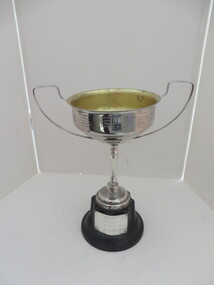
Trophy, Six Meter Henk Miller Line Special: 1975 - 1986, 1975
... This perpetual cup was awarded to the winners of the Raft Race held each year on the Hazelwood Pondage, Gippsland. It was an activity held by the students of the Gippsland Institute of Advanced Education, 1975 through to 1986. ...This perpetual cup was awarded to the winners of the Raft Race held each year on the Hazelwood Pondage, Gippsland. It was an activity held by the students of the Gippsland Institute of Advanced Education, 1975 through to 1986. ...This perpetual cup was awarded to the winners of the Raft Race held each year on the Hazelwood Pondage, Gippsland. It was an activity held by the students of the Gippsland Institute of Advanced Education, 1975 through to 1986. Known as the 'Six Metre Henk Miller Line Special' The cup was passed to the Federation University Historical Collection at Mt Helen Campus.Silver plated cup on bakelite base. Fine handle each side. Silver plate on base.Base: G I A E - Annual Raft Race - Perpetual Trophy - Hazelwood Pondage Cup: Names of those who participated each yearraft race, perpetual cup, hazelwood pondage, gippsland institute of advanced education, six meter, henk miller -
Federation University Historical Collection
Book - Book - Scrapbook, Ballarat School of MInes: Scrapbook of Newspaper Cuttings, Book 75, August 1996 to October 1996
... The papers concerned are The Courier, Ballarat, The Australian, The Age ad other region papers over the period of 7 August 1996 to 23 October 1996. teaching positions advertised pre-employment courses courses available enrolment for smb courses new tourism course at smb smb expects more students tafe education option art students swap displays open day showcases regional education university of ballarat smb australian catholic university workskills regional finals new enterprise incentive scheme workskill ballarat liftout trade apprentices honoured with presentation workskills medals smb on high-tech to 2001 workskill goldmedalists andrew shaw rodney lofts kylie toose graeme cooper rochfort brady derek vanderborn peter bailey glen mcpherson patrick davey smb achieved quality certification smb presents "moongate" betty collier display at smb lukas stevens recieves top awards electronic link for commerce seminar smb new hospitality course smb opening for new facility work experience great keppel island kane horwill troy wiseman nicole smith stewart moors tabitha jaeschke anthony paul michelle salajan raeline vagiar smb to expand into india smb student placement in grampians Book with yellow cover, front, spiral bound. ...Collection of newspaper articles related to Ballarat School Of Mines.They cover activities and advertisements for staff. The papers concerned are The Courier, Ballarat, The Australian, The Age ad other region papers over the period of 7 August 1996 to 23 October 1996.Book with yellow cover, front, spiral bound. teaching positions advertised, pre-employment courses, courses available, enrolment for smb courses, new tourism course at smb, smb expects more students, tafe education option, art students swap displays, open day showcases regional education, university of ballarat, smb, australian catholic university, workskills regional finals, new enterprise incentive scheme, workskill ballarat liftout, trade apprentices honoured with presentation, workskills medals, smb on high-tech to 2001, workskill goldmedalists, andrew shaw, rodney lofts, kylie toose, graeme cooper, rochfort brady, derek vanderborn, peter bailey, glen mcpherson, patrick davey, smb achieved quality certification, smb presents "moongate", betty collier display at smb, lukas stevens recieves top awards, electronic link for commerce seminar, smb new hospitality course, smb opening for new facility, work experience great keppel island, kane horwill, troy wiseman, nicole smith, stewart moors, tabitha jaeschke, anthony paul, michelle salajan, raeline vagiar, smb to expand into india, smb student placement in grampians -
Federation University Historical Collection
Book - Book - Scrapbook, Ballarat School of MInes: Scrapbook of Newspaper Cuttings, Book 77, January 1997 to April 1997
... The papers concerned are The Courier, Ballarat, The Australian, The Age and other region papers over the period of 18 January 1997 to 3 April 1997. teaching positions advertised pre-employment courses courses available enrolment for smb courses more adults attending courses brace upgrades $40000 smb the brewery complex john howard - prime minister visits ballarat opens brewery complex bill prior and fr martin hislop jeanette lowe - laurinda scholton - josephine birch sherryl anderson - robin boyd - peter morey $1.5m tafe campus start deb's fun approach to fitness richard de fegely overseas students papua new guinea western samoa phillippines thailand "dante's peak" director roger donaldson school's back - officially farming apprentices help fire victims karl britt and ian miller smb women's course 21 years on ballarat faces higher cost for water australian college of education awards smb $500000 debt paid by government video link with sister city melting pot of cultures at smb concert will aid academy pianist roger woodward roger donaldson - smb to hollywood bruce widdop lecturer bapa farm machinery repairs course asian student drive Book with yellow cover, front, spiral bound. ...Collection of newspaper articles related to Ballarat School Of Mines.They cover activities and advertisements for staff. The papers concerned are The Courier, Ballarat, The Australian, The Age and other region papers over the period of 18 January 1997 to 3 April 1997. Book with yellow cover, front, spiral bound. teaching positions advertised, pre-employment courses, courses available, enrolment for smb courses, more adults attending courses, brace upgrades, $40000, smb the brewery complex, john howard - prime minister, visits ballarat, opens brewery complex, bill prior and fr martin hislop, jeanette lowe - laurinda scholton - josephine birch, sherryl anderson - robin boyd - peter morey, $1.5m tafe campus start, deb's fun approach to fitness, richard de fegely, overseas students, papua new guinea, western samoa, phillippines, thailand, "dante's peak" director roger donaldson, school's back - officially, farming apprentices help fire victims, karl britt and ian miller, smb women's course 21 years on, ballarat faces higher cost for water, australian college of education awards, smb $500000 debt paid by government, video link with sister city, melting pot of cultures at smb, concert will aid academy, pianist roger woodward, roger donaldson - smb to hollywood, bruce widdop lecturer bapa, farm machinery repairs course, asian student drive -
Federation University Historical Collection
Book - Book - Scrapbook, Ballarat School of MInes: Scrapbook of Newspaper Cuttings, Book 80, August 1997 to October 1997
... student waiter of the year...graham paynter...rural training council of australia...stacey dekker wins award...The papers concerned are The Courier, Ballarat, The Australian, The Age and other region papers over the period of 6 August 1997 to 18 October 1997. teaching positions advertised pre-employment courses courses available enrolment for smb courses mature-age students quicker cheaper degrees real estate students honoured leisandie bongkakae of vanuatu first international graduate from smb smb appreciation night staff reject offer of 10% student waiter of the year graham paynter rural training council of australia stacey dekker wins award apprenticeships fail to meet needs smb staff say no to cynicism claxton monument and fountain "red cordial" theatre production peter vanderkley earns award food handling course at smb farmers join computer courses vineyard trainees work skills awards switzerland ararat community college ceramics of neville french open day at university of ballarat craftsmanship awards at smb corey hefferman brett overington anthony sanders simon overall george johns mayor james coghlan women's access celebration daniel james leoda atkinson training awards uni staff to vote on new agreement assessment centre zali crosbie on english-teaching trip to kenya yoshinori fujimoto survivor of earthquake creativity a winning trait state training board taste of scotland to ballarat cyber career loclan hemley stawell campus opening andrea bateman wins award decade of change in tafe Book with yellow cover, front, spiral bound. ...Collection of newspaper articles related to Ballarat School Of Mines.They cover activities and advertisements for staff. The papers concerned are The Courier, Ballarat, The Australian, The Age and other region papers over the period of 6 August 1997 to 18 October 1997. Book with yellow cover, front, spiral bound. teaching positions advertised, pre-employment courses, courses available, enrolment for smb courses, mature-age students, quicker cheaper degrees, real estate students honoured, leisandie bongkakae of vanuatu, first international graduate from smb, smb appreciation night, staff reject offer of 10%, student waiter of the year, graham paynter, rural training council of australia, stacey dekker wins award, apprenticeships fail to meet needs, smb staff say no to cynicism, claxton monument and fountain, "red cordial" theatre production, peter vanderkley earns award, food handling course at smb, farmers join computer courses, vineyard trainees, work skills awards switzerland, ararat community college, ceramics of neville french, open day at university of ballarat, craftsmanship awards at smb, corey hefferman, brett overington, anthony sanders, simon overall, george johns, mayor james coghlan, women's access celebration, daniel james, leoda atkinson, training awards, uni staff to vote on new agreement, assessment centre, zali crosbie on english-teaching trip to kenya, yoshinori fujimoto survivor of earthquake, creativity a winning trait, state training board, taste of scotland to ballarat, cyber career, loclan hemley, stawell campus opening, andrea bateman wins award, decade of change in tafe -
Federation University Historical Collection
Award, Triumph Trophies, Australian Universities Championships Triathlon 1999 Women's Champions, 1999
... This award was won bu students at the time....This award was won bu students at the time. Triathlon Australian Universities Championships RMIT Union Triathlon Australia Award Super Sprint Promotions Australian University Sport Triumph Trophies Australian Universities Championships Triathlon 1999 Women's Champions Hostde by RMIT UNION Sport and Recreation In conjunction with Triathlon Australia, Super Sprint Promotions and Australian University Sport. ...This award was won bu students at the time.Gold plaque on dark wooden backgroundAustralian Universities Championships Triathlon 1999 Women's Champions Hostde by RMIT UNION Sport and Recreation In conjunction with Triathlon Australia, Super Sprint Promotions and Australian University Sport. triathlon, australian universities championships, rmit union, triathlon australia, award, super sprint promotions, australian university sport, triumph trophies -
Federation University Historical Collection
Book - Book - Scrapbook, Ballarat Institute of Advanced Education: Scrapbook of newspaper cutting. Book 1; December 1968 to August 1969
... The cuttings cover the period from 21 December 1968 to 12 August 1969. ballarat institute of advanced education biae metallurgy scholarship awards higher pay for academic staff deep-sea housewife jan watson yendon bluestone for smb building at mt helen hepburn springs camp cricket match government may cut grants quotas a must apex scholarship to christopher dower j m hasker of cement and concrete association concrete course at smb john stevens winner of gold medal master plumbers' association trade students prize night education the answer smb success depends on local support $950000 expasion by smb dr r schrieke barry shearer craftsmen receive awards top swimmers stephen yorke ian ellis apprentices on show open night at smb master builders' awards first equipment at mt helen craftsmanship awards commonwealth must not control education courses in computers motor for trainee mechanics bores under road don skewes invents drill bluestone blocks as terracing at smb boost college intake the lake relay stuart alexander wins award biae commands interest ballarat gas company scholarships smb on eve of new era alan graham r w richards medal art in the sunshine retirements from engineering firm stan sweatman joins biae smb diplomates in many fields $130000 computer at biae learning for living Book with grey cover, front. ...Newspaper cuttings relating to Ballarat Institute of Advanced Education. These are from various newspapers and include The Age, Ballarat Courier, The Australian, The Herald. The cuttings cover the period from 21 December 1968 to 12 August 1969. Book with grey cover, front. Spiral boundballarat institute of advanced education, biae, metallurgy scholarship awards, higher pay for academic staff, deep-sea housewife, jan watson, yendon bluestone for smb, building at mt helen, hepburn springs camp, cricket match, government may cut grants, quotas a must, apex scholarship to christopher dower, j m hasker of cement and concrete association, concrete course at smb, john stevens winner of gold medal, master plumbers' association, trade students prize night, education the answer, smb success depends on local support, $950000 expasion by smb, dr r schrieke, barry shearer, craftsmen receive awards, top swimmers, stephen yorke, ian ellis, apprentices on show, open night at smb, master builders' awards, first equipment at mt helen, craftsmanship awards, commonwealth must not control education, courses in computers, motor for trainee mechanics, bores under road, don skewes invents drill, bluestone blocks as terracing at smb, boost college intake, the lake relay, stuart alexander wins award, biae commands interest, ballarat gas company scholarships, smb on eve of new era, alan graham, r w richards medal, art in the sunshine, retirements from engineering firm, stan sweatman joins biae, smb diplomates in many fields, $130000 computer at biae, learning for living
