
Showing 230 items matching "uniting church of australia"
-
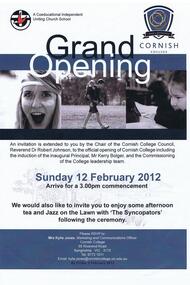 Cornish College
Poster, Grand Opening Ceremony, January 2012
... Advertising an important day for both the Uniting Church in Australia and the Cornish College. Cornish_College_inaugural_year Grand Opening Sunday 12 February 2012 An A4 colour poster on glossy paper. ...Printed to advertise the official opening of Cornish College to the wider community and invite people to attend.Advertising an important day for both the Uniting Church in Australia and the Cornish College.An A4 colour poster on glossy paper. With the Uniting Church symbol in the top left corner and the Cornish College emblem in the top right corner.Grand Opening Sunday 12 February 2012cornish_college_inaugural_year -
 Glen Eira Historical Society
Document - GLEN HUNTLY (HISTORY OF)
... Uniting Church Anglican Church Jenkin William ‘Boss’ Methodist Church Wattle Avenue Smith A. W. Mr. Glen Huntly Post Office Glen Huntly Road King F. L. Mr. Uniting Church Child Care Centre Presbyterian Church of Eastern Australia ...This file contains one item: 1/A loose-leaf, 23-page document titled ‘The History of Glen Huntly’, by Alfred R. Jones, dated 20/06/1991, describing the history of the suburb. The author has drawn heavily from the 4 sources noted in the bibliography. Subjects covered include the ship the suburb is named after, the suburb’s State School, the suburb’s churches, the Rosstown Railway and Sugar Mill, the origin of the name of Carnegie, the suburb’s aerodrome, and the beautification of the Glen Huntly Shopping Centre. The final 12 pages consist of 9 appendices relating to the aforementioned subjects. Appendix A is a typewritten letter from Ron McLeod, secretary of the Place Names Committee, to Mr. D. R. Aylen, CEO of the City of Caulfield, notifying the latter of the alteration of the name ‘Glenhuntly’ to ‘Glen Huntly’. Appendix B is a list of the ministers of St. David’s Uniting Church from its formation in 1916 to the present. Appendix C identifies the persons portrayed in St. David’s stained glass windows. Appendix D is a poster announcing the auction of 41 blocks of land between Hawthorn and Bambra Road formerly owned by William Ross, plus a map identifying said land blocks and another for locality. Appendix E is an A4 plan of the Rosstown Railway. Appendix F is a drawing of the Rosstown Sugar Mill. Appendix G is a poem titled ‘The Swagman’s Retreat’, by Herb Arnott, about the failure of the Mill. Appendix H is a map of Caulfield’s horse tramways plus a list of opening and closing dates. Appendix J is a list of streets explaining the meanings of their names.glen huntly, glenhuntly, local history, ‘glen huntly’ (ship), ‘glen huntlely’ (ship), quarantine stations, glen huntly road, lake street, mernda avenue, glen huntly state school no. 3703, ormond francis, ormond, garden avenue, grange road, churches, congregational church, glen huntly presbyterian church, st. david’s, st. david’s uniting church, anglican church, jenkin william ‘boss’, methodist church, wattle avenue, smith a. w. mr., glen huntly post office, glen huntly road, king f. l. mr., uniting church, child care centre, presbyterian church of eastern australia, glen huntly methodist church, sun aria, miller mary, stained glass, phrenologists, trinity congregational church, primitive methodists, ‘the victorian independent’, mercy mr., greek orthodox original old calendar church, wanalta road, salvation army, halls, myrtle street, catholic church, st. anthony’s roman catholic church, foundation stones, neerim road, mannix archbishop, st. agnes’ anglican church, booran road, sunday schools, clergy residences, ‘see’ anglican news magazine, lees archbishop, booth archbishop, glen huntly presbyterian church, el nido grove, tennis courts, bollard v. w. right rev., waratah avenue, royal avenue, munster avenue, james street, rothschild street, peace memorial organ, singers, bremner marie, scotland betty, carden joan, rosstown railway, south caulfield, plants, marata road, curraweena road, bambra road, ross william murray, ross leila, ross constance, vautin constance, ‘the grange’, north road, leila road, wild cherry road, caulfield roads board, elsternwick, land sales, sugar mills, koornang road, woornack road, elsternwick railway station, riddell parade, clarence street, dover street, oakleigh road, murrumbeena crescent, carlisle crescent, railways, trains, parks and reserves, caulfield council, sussex street, caulfield city council, swamps, rosstown sugar mill, rosstown estate, ‘the swagman’s retreat’, arnott herb, rosstown, carnegie, ‘ross’s folly’, carnegie andrew, rosstown hotel, dandenong road, rosstown road, rosstown plate horse race, caulfield racecourses, ames avenue, rosstown court, hostels, murrumbeena, cinemas, innovations (cabinetry film), films, music, pianos, manchester grove, safeway store, squash courts, airports, lord reserve, aeroplanes, air navigation act 1921, neville street, larkin sopwith aviation company of australasia, lyons street, morgan street, bookmakers, nightsoil, poultry, weatherboard buildings, glen huntly railway station, rosedale avenue, rifle clubs, scout groups, 1st glen huntly troop, ana, dowding jack mr., glen huntly infant welfare and family planning clinic, vermador private hospital, watson grove, rowlands (drapers), bones plant nursery, caulfield railway station, bridges, trams, horse tramways, glen eira road, elsternwick railway station, kooyong road, aboriginal peoples, truganini road, hannan lyn mrs. (urban planning officer), glen huntly shopping centre, sculptures, street beautification scheme, “flying the yellow flag”, moore olive, “return to rosstown”, jowett d. f., weickhardt i. s., “from sand swamp and health”, murray peter r., wells john c., caulfield historical society, newsletters, place names committee, mcleod ron, aylen d. r. mr., jones hugh rev., king joseph, scarfe james, vertigan sidney, vertigan earle, rance victor, flavell cameron, denholm robin, moorhead ken, taliai siupeli, eccles james leslie, little agnes, hutchins william r., dickie may a., gordon ivey agnes, theobald a. a. mrs., brownbill lloyd norman, ash georgette, land sales, auctions, messrs. crews & arkle, street names -
Glen Eira Historical Society
Document - National Trust Register
... Georges Road Willow Street Grange Road Station Place Railway Parade Alexandra Street Wood Crescent Elizabeth Street Halstead Street Mavho Street Tucker Road McKinnon Road Nepean Highway Wheatly Road Uniting Church Carnegie Athole St Stephen's Uniting Church Caulfield St Aloysius' Catholic Church Halstead St Mary's Anglican Church Caulfield Caulfield Town Hall Anseln The Glen Woolamai Caulfield House Caulfield Hospital Lirrewa Labassa Fairfield Hall Bellecourt Bagatelle Myoora Rosecraddock Adam and Eve - Karl Duldig The Family - Karl Duldig Caulfield Primary School Septimus Miller Memorial Chapel Brighton Cemetery Hopetoun Gardens State Savings Bank Elsternwick Anderson Organ Hopetoun Private Hospital (Melrose) Rippon Lea Ripponlea Burreel O'Neill College Lisbon House Elsternwick Club Merkin-Schutze Organ Presentation Convent Duldig Mural - Kadimah Cultural Centre Glenmoore Craigellachie St James the Great Glenfern Grimwade House Dacre Trinity Congregational Uniting Church Glenhuntly Alnwick Holmwood New Alexandra Joscelyne Organ Smith Organ Fincham Organ St George's Bentleigh McKinnon Progress Hall Wurlitzer Organ Moorabbin Town Hall Christ Anglican Church St Mary's Jubilee School St Stephen's Presbyterian Church Elsternwick Congregational Church St Mary's Church of England Former Metropolitan Fire Brigade Station No. 31 St Mary's Jubilee Church Belle Court Trinity Congregational Church Heatherbrae Carnegie Caulfield Caulfield North Caulfield South Elsternwick Glen Huntly Glenhuntly Murrumbeena St Kilda East Bentleigh McKinnon Moorabbin Ormond National Trust of Australia National Trust Register Houses Churches Schools Organs Vallati Gladys Mansions Document National Trust Register ...This file contains two items relating to historic buildings in Glen Eira listed on the National Trust Registry: 1/A fax, sent to Gladys Vallati on 02/03/1995 from the National Trust of Australia listing buildings on the Trust’s registry in the Glen Eira area, as well as their addresses and status on the register (5 pages). (Additional photocopy taken for preservation purposes). 2/A typed list of buildings in the Glen Eira area (mainly Caulfield) which are on the National Trust list, including address, approximate date of construction and status on the register. Date of production of the list is unknown. (6 pages).neerim road, poplar grove, avoca grove, balaclava road, orrong road, bambra road, glen eira road, hood crescent, hawthorn road, glenferri street, glenhuntly road, glen huntly road, kambrook road, kooyong road, lirrewa grove, manor grove, north road, pearson avenue, seymour road, alma road, craddock avenue, dandenong road, lyndoch avenue, orrong crescent, hotham street, nagle avenue, inkerman street, iknerman road, sandham street, selwyn street, st. georges road, willow street, grange road, station place, railway parade, alexandra street, wood crescent, elizabeth street, halstead street, mavho street, tucker road, mckinnon road, nepean highway, wheatly road, uniting church carnegie, athole, st stephen's uniting church caulfield, st aloysius' catholic church, halstead, st mary's anglican church caulfield, caulfield town hall, anseln, the glen, woolamai, caulfield house, caulfield hospital, lirrewa, labassa, fairfield hall, bellecourt, bagatelle, myoora, rosecraddock, adam and eve - karl duldig, the family - karl duldig, caulfield primary school, septimus miller memorial chapel, brighton cemetery, hopetoun gardens, state savings bank elsternwick, anderson organ, hopetoun private hospital (melrose), rippon lea, ripponlea, burreel, o'neill college, lisbon house, elsternwick club, merkin-schutze organ, presentation convent, duldig mural - kadimah cultural centre, glenmoore, craigellachie, st james the great, glenfern, grimwade house, dacre, trinity congregational uniting church glenhuntly, alnwick, holmwood, new alexandra, joscelyne organ, smith organ, fincham organ, st george's bentleigh, mckinnon progress hall, wurlitzer organ, moorabbin town hall, christ anglican church, st mary's jubilee school, st stephen's presbyterian church, elsternwick congregational church, st mary's church of england, former metropolitan fire brigade station no. 31, st mary's jubilee church, belle court, trinity congregational church, heatherbrae, carnegie, caulfield, caulfield north, caulfield south, elsternwick, glen huntly, glenhuntly, murrumbeena, st kilda east, bentleigh, mckinnon, moorabbin, ormond, national trust of australia, national trust register, houses, churches, schools, organs, vallati gladys, mansions -
Glen Eira Historical Society
Document - ROTARY CLUB OF CAULFIELD
... Eldridge Hannah Cottral Anne Abdullahi Khalid Gostin Cassie Podlabeniouk Lena Diyab Ahmed Draca Julijana Pevkoski Danilla Wooster Heath Lesar Dion Sansoni Rachel Leatham Chelsea Townsend Jessie Barker Megan Fitzgerald Megan Maokhamphiou Anthony Smith Naomi Fraser Sue-Ellen White Tanya Murrumbeena Community Market Koornang Uniting Church Murrumbeena Road Welsh Heather Robinson David Kesselschmidt Sima Potasz Sophie Southwick David Cheyne Gordon Ryall Keith Arianti Listy Westbrook Natasha Pollard Bob Hancock Irey Lovett Jack Cooper Alby Rundle John Patkin Nehama McMullen Adele Douglas Jennie Preston Mark Resubal Loreto Gifu Vase Aoki Seiichi Operation Firewood Alfred Hospital Bus of Knowledge Australia Day Breakfast Bethlehem Hospital Caulfield Hospital Document ROTARY CLUB OF CAULFIELD ...This file contains 13 official documents pertaining to the Rotary Club of Caulfield: 1/A typewritten copy of the constitution of the Rotary Club of Caulfield (undated). Said document is essentially an instruction manual detailing how the Club is to be administered and the duties of officials. 2/A page (unclear if intended for use as a poster or letter) announcing a Business Persons Breakfast to be held at St. Anthony’s Parish Hall on 19/11/1986, wherein Jeff Kennett, M.L.A., Leader of the Opposition of the Parliament of Victoria, will deliver a speech titled ‘Responsibility Before Rights’. 3/A booklet announcing the 25th anniversary celebration of the Rotary Club of Caulfield, to be held at Tudor Court on 24/02/1987. Contains the menu, national anthem, programme, and two lists – one of the founding members of the Club and one of the extant members of the Club. 4/Two copies of a booklet announcing a dinner, to be held at Tudor Court on 10/11/1987, wherein charter will be presented to the Rotary Club of Caulfield-Rosstown by District Governor Ian Knight. Contains a list of extant staff, the menu, the programme, a description of the history of the ‘Wembley Wheel of Friendship’, a list of charter members, and an account of the etymology of the name ‘Rosstown’. 5/Two copies of a page featuring four items of relevance to the Rotary Club of Caulfield. The first is an article (titled ‘Rotary scholar makes it’, author unspecified, source unspecified, undated) about Club scion Mark Collard receiving an MBA from Clarkson University. The second is an article (titled ‘New Caulfield Rotary’, author unspecified, source unspecified, undated) about the presentation dinner to which item 7 pertains. (This article is not present in its entirety, trailing off at the end.) The third is an announcement of a ‘progressive dinner’ to be held on 28/11/1987, also containing an announcement of a bicentennial conference to be held on 19/03/1988. The fourth is an announcement of what appears to be the initiation of some sort of historical re-enactment, the proceeds of which will fund the Rotary Club’s ‘Polio Plus’ project. A title (‘A Long Haul Through Caulfield’) suggests this item may be the header section of an article about said event, but if so, the remainder is not present. Contains three black-and-white photographs; one of Collard with an unidentified woman (presumably his wife), one of Club President Howie Dunlop congratulating Charter President Geoff Oscar, and one of some men riding on a horse-drawn cart. 6/Two copies of a booklet announcing a President Changeover Dinner, to be held on 28/06/1988. Contains the menu, programme, and a list of extant members. 7/Two copies of the weekly bulletin of the Rotary Club of Caulfield, dated 28/06/1988. Contains lists of faculty, notification of the Club’s decision to admit women, notification of upcoming events, a biography of guest speaker Fred Epstein, and a list of the times and places of alternative meetings. 8/Two photocopied statements of the receipts and expenditure of the Rotary Club of Caulfield, one for the period 01/10/1989 – 30/06/1990, and one for the period 01/07/1990 – 27/08/1990. 9/The photocopied minutes of a New Members Committee Meeting of the Rotary Club of Caulfield, dated 02/08/1990. Objects of discussion include fundraising methods and application of funds. 10/A booklet announcing Change Over Night, dated 21/06/1994. Contains the programme, menu, national anthem, and a list of extant faculty. 11/4 unbound pages announcing the winners of the Rotary Youth Photographic Awards, dated 1995 (a more specific date than this is not given). (Pages contain no photographs.) 12/A small note announcing the Murrumbeena Community Market, to be held on 04/12/2010, of which the Rotary Club of Caulfield is one of the sponsors. 13/A booklet announcing a dinner to celebrate the 50th anniversary of the Rotary Club of Caulfield, to be held on 23/02/2012. Contains the programme, menu, a list of past presidents, a description of the history of the Gifu Vase (a trophy in the Club’s possession), and a list of some of the charity projects the Club has been engaged in.rotary club of caulfield, clubs and associations, charitable organisations, kennett jeff m.l.a., st. anthony’s parish hall, grange road, neerim road, glenhuntly, festivals and celebrations, tudor court, gray robin, baird jack, lord john, king john, crittenden doug, gelme anthony, hunkin ed. rev., fryer roy, quine john, bedford f., bell jim, bunny d., cripps e., don john, epstein fred, hattam j., howard w., kerry g., kumnick j., kurrie s., lord l., morrison charles, nelson h., parton willis, perry bruce, pollard r., price f., skuse e., stillwell g., tilley norman, tomlinson charles, watson don, webster j., wilson duncan, fincher roy, wheller john, allen selwyn, christopher don, cohen godfrey, davis keith, davis lloyd, dornbierer w., dunlop howie, fillmore wally, ford john, ford peter, forshaw ken, gales brian, green myer, hind jim, humphreys john, hunter ian, lewis ray, melville jack, oscar geoff, penaluna harry, perlen louis, rampling ross, ronaldson keith, sherlock max, sicklemore graham, smith barry, stapleton ted, summers ron, tovey david, rotary club of caulfield-rosstown, knight ian, tudor court, kooyong road, bellmaine mark, langfelder kurt, morris rob, rome graeme, alma club, wilks street, wills david, blankfield mark, awards, wembley wheel of friendship, bellmaine loretta, cunningham david, cunningham jean, davis pam, davis rex, davis judith, forshaw hannah, graham jeremy, graham kara, hassing andre, hassing arlette, jacobs frank, jacobs june, langfelder judy, morris robert, morris angela, nettlebeck rosalie, oscar enid, rattray john, rattray diana, rome lorraine, sarah ted, sarah denise, sherlock helen, smith suzanne, stapleton jackie, turner brook, turner vicki, tuhiwai tamati, tuhiwai ravina, will arnold, will claire, rosstown, ross william murray, rosstown sugar works, collard mark, rotary foundation, keller chuck, campbell felicitie mrs., campbell jack cr., knight genny, albury civic centre, green tess, tantram avenue, quine gwen, beaver street, rosalind ray, rosalind lweis, devon street, little company of mary hospital, polio plus, smith ian, jackson adrian, miller peter, spence bert, wheller denise, coffey bill, financial documents, receipts, gilmartin e., moran d., kaan a., fillmore wal, coleman peter, coleman moyrha, wesley college elsternwick big band, puddy mark, fradkin barry, fitzgerald gerald, renton robert, herschberg gedeon, kinston david, montgomery peter, dawes shane, silberberg henry, zazryn ben, cohen michael, rotary youth photographic awards, photographic competitions, photography, terry ted mr., terry e. a. mr., eldridge hannah, cottral anne, abdullahi khalid, gostin cassie, podlabeniouk lena, diyab ahmed, draca julijana, pevkoski danilla, wooster heath, lesar dion, sansoni rachel, leatham chelsea, townsend jessie, barker megan, fitzgerald megan, maokhamphiou anthony, smith naomi, fraser sue-ellen, white tanya, murrumbeena community market, koornang uniting church, murrumbeena road, welsh heather, robinson david, kesselschmidt sima, potasz sophie, southwick david, cheyne gordon, ryall keith, arianti listy, westbrook natasha, pollard bob, hancock irey, lovett jack, cooper alby, rundle john, patkin nehama, mcmullen adele, douglas jennie, preston mark, resubal loreto, gifu vase, aoki seiichi, operation firewood, alfred hospital, bus of knowledge, australia day breakfast, bethlehem hospital, caulfield hospital -
Glen Eira Historical Society
Document - Organs
... Mary’s Catholic Church, Caulfield. 8/A photocopy of a draft resolution to gift the Merklin-Shutze pipe organ located in the Uniting Church, Orrong Road, Ormond to the Australian Catholic University. ...Mary’s Catholic Church, Caulfield. 8/A photocopy of a draft resolution to gift the Merklin-Shutze pipe organ located in the Uniting Church, Orrong Road, Ormond to the Australian Catholic University. ...This file contains eight items about the history and construction of church organs in the Glen Eira area: 1/A photocopy of notes on the history of the church organ in the Bambra Road Church of Christ (1 page). 2/A photocopy of an extract from the book ‘The Christ Church Chronicles 1901-2001’ p20-24, by Vi Manson, giving a detailed description of the life of the organ in Christ Church Anglican Church, Ormond. It describes the building, relocation, restoration, rededication and role of the organ in church activities. 3/Extracts from ‘Colonial Organs and Organbuilders’, p121-122, 126, 131, 140, 182-183, by E. N. Matthews, 1969, about organ installations, repairs and sales. It contains entries about organs previously and currently located in Murrumbeena, Caulfield, Elsternwick, Balaclava and Bentleigh. 4/A photocopied extract from a letter from Mrs. M. Ring to the Caulfield Historical Society, dated 14/03/1986, describing the organ at ‘Crotonhurst’ (1 page). 5/A photocopy of notes (1 page), written by Trevor Hart, dated unknown, on the history and building of Elsternwick Congregational Church (Caulfield Union Church) containing a note about an organ built by George Fincham that was sold in 1962. 6/A photocopy of a small paragraph about the organ in St. Mary’s Anglican Church, paraphrased from E. N. Matthews ‘Colonial Organs and Organbuilders’, author and date unknown (1 page). 7/A photocopy of a page of a research project by Kate William, date unknown, giving a brief history of the organ and choirs at St. Mary’s Catholic Church, Caulfield. 8/A photocopy of a draft resolution to gift the Merklin-Shutze pipe organ located in the Uniting Church, Orrong Road, Ormond to the Australian Catholic University. Author and date unknown (1 page).bambra road church of christ, bambra road, organs, choirs, religious groups, fincham george, organists, fullard leonard, depression 1929-1939, world war 1939-1945, durance ronald rev., dunlop julie, larner john, muston ged. bishop, musical events and activities, christ church anglican church ormond, concerts, balaclava, holy trinity church balaclava, torrance g. w., parsons c. r., ure james, bryant mr., brentnall t., meedham s. p., inge h. j., stevens j. n., balaclava methodist church, fentum g. b., eggleston j., bentleigh, st. george’s church bentleigh, caulfield, st. mary’s church caulfield, perry bishop, reed joseph, lee kaye, taylor hugh ms., stephen miss, hart mr., kaye s., dixon miss, hardeman j. j., dumergue charles, wright j. d., dixon f. miss, courcelle john, elsternwick, elsternwick baptist church, warner l., andrewartha c. w., elsternwick methodist church, rippon lea, ripponlea, sargood frederick t. hon. sir., croton hurst, crotonhurst, webb g. h. f., mclaughlin j., murrumbeena, murrumbeena methodist church, hill william, hart trevor, caulfield historical society, caulfield union church, elsternwick congregational church, st. mary’s anglican church caulfield, music, dixon h. mr., smithers mr., merklin-schutze, orrong road, elsternwick/caulfield south church council, ormond -
Glen Eira Historical Society
Letter - Uniting Church Archives, Orrong Road, 78-66, Elsternwick
... Correspondence from the National Trust Victoria to the city of Caulfield, advising that the Uniting Church, 66 Orrong Road, Elsternwick Merklin-Schutze Organ has been included in the National Trusts register dated 11/10/1990. Photocopied document, date unknown, stating that the organ has been gifted to the Australian Catholic University and will be restored and installed in the University’s Central Hall Brunswick Street, Fitzroy....Merklin-Schutze Organ Organs Uniting Church Orrong Road Elsternwick Nation Trust Brussels St. John’s Anglican Church Toorak Caulfield Australian Catholic University Halls University Central Hall Brunswick Street Fitzroy Elsternwick South Church Caulfield South Church Letter Uniting Church Archives, Orrong Road, 78-66, Elsternwick ...Two Documents about the Merklin-Schutze organ. Correspondence from the National Trust Victoria to the city of Caulfield, advising that the Uniting Church, 66 Orrong Road, Elsternwick Merklin-Schutze Organ has been included in the National Trusts register dated 11/10/1990. Photocopied document, date unknown, stating that the organ has been gifted to the Australian Catholic University and will be restored and installed in the University’s Central Hall Brunswick Street, Fitzroy.merklin-schutze organ, organs, uniting church, orrong road, elsternwick, nation trust, brussels, st. john’s anglican church, toorak, caulfield, australian catholic university, halls, university central hall, brunswick street, fitzroy, elsternwick south church, caulfield south church -
 Glen Eira Historical Society
Book - Thomson Memorial Presbyterian Church Ormond
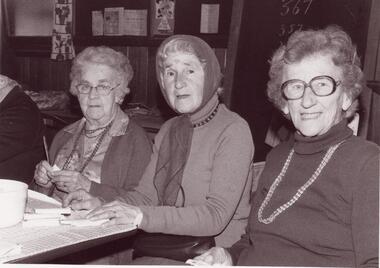
... Uniting Church Drop-in Centre, Cnr North & Booran Rds., Caulfield. Sept 84" Ormond Uniting Church Anthony Street Centenary Edition Merton Hall Anglican Maud Street Presbyterian Wheatley Road Methodist Ocean Street Saint Cuthberts Beattie James Rev. Jones Hugh Rev Chalinor John Rev. Hadley Vincent Rev. Broughton David Rev. Morgan William Rev. Mcutchen Robert Rev. Lamont John Rev. Horsfield Rod Rev. Tregear George Rev. Kirkside Independant Living Units Uniting Church Inaugurated Kids Of The Uniting Church Australia ...Two items relating to the Ormond Uniting Church (former Thomson Memorial Presbyterian Church): 1/ a book named "The Ormond Faith Story - The History Of The Ormond Uniting Church Centenary Edition 1903 – 2003". The front cover includes a colour photograph of the Church and the back cover includes a list of the Ministers during that time period. The Contents include several black and white photographs and an Appendices written by Rev Bill Morgan, Rev. Rod Horsfield, Rev. Robert Mcutchen and Rev. John Lamont, on what Ormond means to them. 2/ a black and white photograph of three ladies inscribed on the back as "Ormond Uniting Church Drop-in Centre, Cnr North & Booran Rds., Caulfield. Sept 84"A5-sized printed book of 64 pages plus colour back (photos of 9 men around Uniting Church insignia)and front (in red border is a colour photo of the Church) covers, with black and white images on the inside of these covers. It is mostly printed text with a number of black and white photos.ormond uniting church, anthony street, centenary edition, merton hall, anglican, maud street, presbyterian, wheatley road, methodist, ocean street, saint cuthberts, beattie james rev., jones hugh rev, chalinor john rev., hadley vincent rev., broughton david rev., morgan william rev., mcutchen robert rev., lamont john rev., horsfield rod rev., tregear george rev., kirkside independant living units, uniting church inaugurated, kids of the uniting church australia, kuca, after school program, saint kevins catholic church, father crimin, caulfield adult learning centre, daley daniel rev., green kevin rev, probin david rev, glen orme avenue, ormond, caulfield, plaza cinema, north road, manse, booran road, sunday school, glen orme, ladies church aid, ladies guild, dromana, playgroup, ucaf, booran road hall, fraser street hall, mordialloc, ormond park, new hall, reid christina rev., lamont john rev, cricket, tennis, glen orme avenue methodist church, ormond presbyterian church, st kevin’s catholic church, glen huntly presbyterian church, malane's corner, market gardens -
 Warrnambool and District Historical Society Inc.
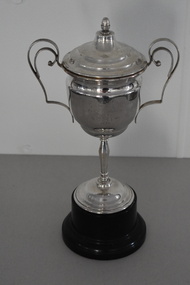
Trophy, ICISA Mr R Swinton Esq 1933, 1930s
... Uniting Church. The donor of the trophy was Roy Swinton, a member of the Swinton family which has been prominent in the business world in Warrnambool since William Swinton established a store in Timor Street Warrnambool in 1865. He sold groceries, hardware, glassware and china. Today the Swinton family still operates a furniture and bedding store in Timor Street, making it one of the oldest family businesses in Australia...Uniting Church. The donor of the trophy was Roy Swinton, a member of the Swinton family which has been prominent in the business world in Warrnambool since William Swinton established a store in Timor Street Warrnambool in 1865. He sold groceries, hardware, glassware and china. Today the Swinton family still operates a furniture and bedding store in Timor Street, making it one of the oldest family businesses in Australia ...This trophy was awarded to the Congregational Men’s Institute (C.M.I.) in 1933 as part of the Inter-Church Indoor Sports Association competitions. The C. M. I. was an active men’s group connected to the Congregational Church in Warrnambool. A Congregational Church was established in Liebig Street in Warrnambool in 1864 and in 1940 it was transferred to Henna Street. The Henna Street church was sold to the Salvation Army in 1979 when the Congregational Church merged with the Methodist Church to form the Uniting Church. The donor of the trophy was Roy Swinton, a member of the Swinton family which has been prominent in the business world in Warrnambool since William Swinton established a store in Timor Street Warrnambool in 1865. He sold groceries, hardware, glassware and china. Today the Swinton family still operates a furniture and bedding store in Timor Street, making it one of the oldest family businesses in Australia. This trophy is of considerable interest as it is connected to the Swinton family, an important business family in Warrnambool for over 150 years, to the Congregational Church in Warrnambool in the 1930s and to the inter church sports association that was in Warrnambool in the 1930s. This is an electro plated nickel silver cup with two ornamental side handles and a circular lid with two ridged patterns and a small knob on the top. The stem under the cup is narrow and is attached to a circular silver base. The cup is mounted on a circular Bakelite stand. ‘Presented to I.C.I.S.A. by Mr R. Swinton Esq. Won by C.M.I. 1933’ swinton family, warrnambool, congregational church warrnambool, inter church indoor sports association warrnambool -
 Bendigo Historical Society Inc.
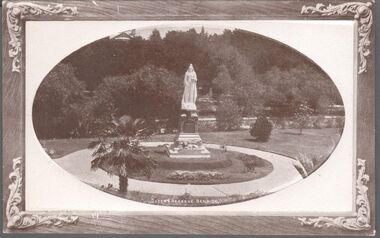
Postcard - BENDIGO POSTCARDS x 5
... Uniting Church. Located in Myers Street, Bendigo. The Orphanage: The Convent of the Good Shepherd, Bendigo was established in 1905. It was established at the request of the Bishop to cater for children in the diocese of Bendigo (although it housed children from other areas as well). It was also known as St Aidan’s Orphanage, and was the only Good Shepherd Convent in Australia...Uniting Church. Located in Myers Street, Bendigo. The Orphanage: The Convent of the Good Shepherd, Bendigo was established in 1905. It was established at the request of the Bishop to cater for children in the diocese of Bendigo (although it housed children from other areas as well). It was also known as St Aidan’s Orphanage, and was the only Good Shepherd Convent in Australia ...Five sepia postcards of Bendigo - St. Paul's Church, Bendigo; Queen's Reserve, Bendigo; St. Andrew's Presbyterian Church and School, Bendigo; The Orphanage, Bendigo; and Conservatory Gardens, Bendigo. 'C & L Series' and 'Semco Series', Bendigo. Early 1900's. Unused, and no writing on the reverse of the postcards. May have been connected with the Waterworth family. St. Paul's Church: St Paul's Cathedral, Bendigo was built in stages. The nave was built in 1868, the tower in 1872-73 and the transepts and sanctuary in 1926-27. Robert Love was the architect, although the final stage was supervised by architects Gawler and Drummond. Cathedral status was transferred from the original cathedral All Saints to St Paul's in 1981. The Gothic style cathedral is constructed of red brick with stone dressings. It has a simple cruciform plan comprising a six bay nave, transepts and sanctuary. A tall tower centrally located at the west end dominates the exterior. The peal of eight bells was cast by Meares and Co of London and installed in 1873. The interior features elaborately cusped roof principals; an organ by Alfred Fuller built in 1883 with a console and pipes added later from St Andrew's Cathedral, Sydney; and notable stained glass by Ferguson, Urie and Lyon. St Paul's Rectory was built in 1885 to a design by the architect W C Vahland. The Parish Office and Hall was built as a Sunday School in 1898 to a design by F W Lehmann. Queen's Reserve: Now known as part of the Bendigo Botanic Gardens, Rosalind Park, Pall Mall. In 1851, the gold rush transformed the area and eventually the mullock heaps became the most prominent public park in Bendigo. Rosalind Park was added to the Victorian Heritage Register in 2000 for its historic, archaeological, aesthetic, scientific (botanical) and architectural significance to the state of Victoria. The statue of Queen Victoria dates to 1903. St. Andrew's Presbyterian Church: Opened in 1859 as part of the Presbyterian Church, St. Andrew's. Union of the Presbyterian, Methodist and Congregational Churches in 1977 saw this church join the Uniting Church. Located in Myers Street, Bendigo. The Orphanage: The Convent of the Good Shepherd, Bendigo was established in 1905. It was established at the request of the Bishop to cater for children in the diocese of Bendigo (although it housed children from other areas as well). It was also known as St Aidan’s Orphanage, and was the only Good Shepherd Convent in Australia to care for boys. The section named St Aidan’s accommodated girls aged up to around 16 years, as well as boys aged up to around 11. Maryfields housed girls and women aged from around 15 years. The Convent ceased to operate as a residential facility for children in 1981. A number of women with disabilities remained at the Convent until it closed in 1984. Conservatory Gardens: Now known as part of the Bendigo Botanic Gardens, Rosalind Park, Pall Mall. In 1851, the gold rush transformed the area and eventually the mullock heaps became the most prominent public park in Bendigo. Rosalind Park was added to the Victorian Heritage Register in 2000 for its historic, archaeological, aesthetic, scientific (botanical) and architectural significance to the state of Victoria. The Conservatory Gardens feature an ornate 19th century Conservatory building, erected in 1897 - this was the last building of its type in a public park in Victoria. bendigo, gardens, buildings, chinese, church -
 Myrtleford and District Historical Society
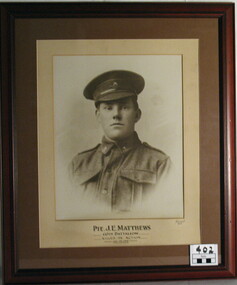
Portrait of Soldier, Talma & Co, James E. Matthews, 60th Battalion, Killed in Action, 19 July, 1916, Circa 1915
... Australian Cemetery and Memorial, Fromelles. James attended Myrtleford State School 955; his death is recorded on honour boards at the Uniting (formerly Methodist) Church, the school honour board and at the Soldier's memoral Square. ...Australian Cemetery and Memorial, Fromelles. James attended Myrtleford State School 955; his death is recorded on honour boards at the Uniting (formerly Methodist) Church, the school honour board and at the Soldier's memoral Square. ...Private James Edward Matthews (3174) was one of four first cousins living in the Myrtleford district killed during World War 1. He was in the 60th Battalion, A.I.F. action at Fromelles, France, and was killed in action, aged 19 years, on July 19,1916. He was the son of Richard and James Matthews of Myrtleford and has no known grave, but is "Remembered with Honour" at V.C. Corner, Australian Cemetery and Memorial, Fromelles. James attended Myrtleford State School 955; his death is recorded on honour boards at the Uniting (formerly Methodist) Church, the school honour board and at the Soldier's memoral Square. A memorial window at the church includes names of the four cousins.The portrait reminds viewers of the youth of many A.I.F. volunteers, the outcome of actions such as that at Fromelles in 1916 and the impact on families in small communities. It also relates to the ongoing search for identifiable remains of those personnel without a known resting place. Framed original sepia photograph, head and shoulders, of World War 1 soldier in full dress uniform.James E. Matthews, 60th Battalion, Killed in Action, 19 July, 1916. Photography: Talma & Co., Melb.james matthews 60th battalion fromelles -
 Stawell Historical Society Inc
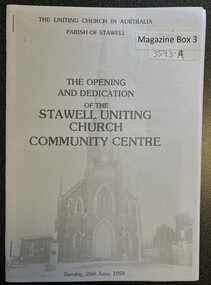
Book, Marie Hemley & Rev. Graeme, The opening and Dedication of the Stawell Uniting Church Community Centre, 26 June1994
... The Unitng Church in Australia Parish of Stawell. The OPening and Dedication of the Stawell Uniting Church Community Centre. ...Order of Service for the opening and dedication of the Stawell Uniting Church Community Centre stawell religion The Unitng Church in Australia Parish of Stawell. ...Order of Service for the opening and dedication of the Stawell Uniting Church Community CentrePhotocopy White Paper cover with Photo of a church behind Title of BookletThe Unitng Church in Australia Parish of Stawell. The OPening and Dedication of the Stawell Uniting Church Community Centre. Sunday 26th June 1994stawell religion -
 Uniting Church Archives - Synod of Victoria
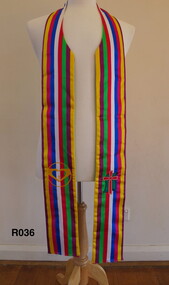
Stole
... Uniting Church in Australia Striped nylon fabric stole (gold, purple, green, red, white, blue, cerise, yellow and purple) with gold embroidered symbols at each end. ...Striped nylon fabric stole (gold, purple, green, red, white, blue, cerise, yellow and purple) with gold embroidered symbols at each end.uniting church in australia -
 Uniting Church Archives - Synod of Victoria
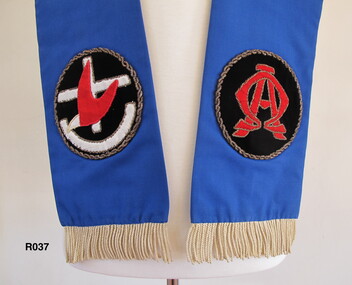
Stole, Choir stole
... Choir Uniting Church in Australia Royal blue cotton stone with black, red and white velvet UCA emblem and alpha and omega symbol at either end. ...Royal blue cotton stone with black, red and white velvet UCA emblem and alpha and omega symbol at either end. The stole has a red velvet celtic cross at the nape of the neck and nylon fringing at both ends. The symbols have metallic braiding. choir, uniting church in australia -
 Uniting Church Archives - Synod of Victoria
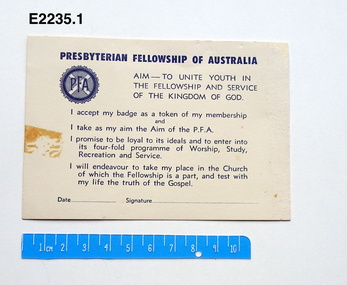
Card - Pledge card, Presbyterian Fellowship of Australia
... The card states that the aim of the PFA is "to unite youth in the fellowship and service of the Kingdom of God" Presbyterian Fellowship Australia Presbyterian Church of Australia White Presbyterian Fellowship of Australia card with blue PFA symbol and text. ...The card states that the aim of the PFA is "to unite youth in the fellowship and service of the Kingdom of God"White Presbyterian Fellowship of Australia card with blue PFA symbol and text.presbyterian fellowship australia, presbyterian church of australia -
 Uniting Church Archives - Synod of Victoria
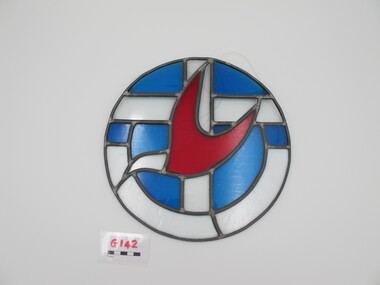
Decorative object - Stained glass
... Uniting Church in Australia Round stained glass lead-light window hanging representing the UCA log in clear, red, white and sky blue glass. ...Round stained glass lead-light window hanging representing the UCA log in clear, red, white and sky blue glass. The hanging has two eyelets and fishing line at the top for hanging.uniting church in australia -
 Uniting Church Archives - Synod of Victoria
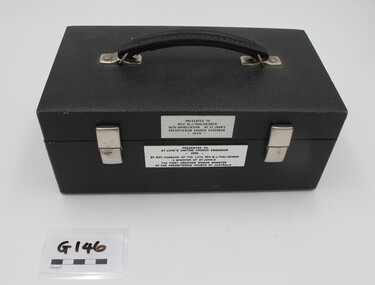
Ceremonial object - Portable communion set
... UNITING CHURCH ESSENDON - 1991 - BY ROY, HUSBAND OF THE LATE REV. M.J.THALHEIMER A MINISTER OF ST JOHN'S THE FIRST ORDAINED WOMAN MINISTER OF THE PRESBYTERIAN CHURCH OF AUSTRALIA"...Uniting Church Essendon Plaque on lid: ""PRESENTED TO REV. M.J.THALEIMER WITH APPRECIATION BY ST JOHN'S PRESBYTERIAN CHUIRCH ESSENDON - 1974 - "" Plaque on box: "PRESENTED TO ST JOHN'S UNITING CHURCH ESSENDON - 1991 - BY ROY, HUSBAND OF THE LATE REV. M.J.THALHEIMER A MINISTER OF ST JOHN'S THE FIRST ORDAINED WOMAN MINISTER OF THE PRESBYTERIAN CHURCH OF AUSTRALIA ...Rev Marlene Thalheimer was inducted as the first female minister in the Presbyterian Church in 1974.G146.1 Black leather-look hinged box with two clips and a handle at the top. The box is lined with white satin in the lid and blue velvet in the box. The contains: G146.2 communion chalice; G146.3 and G146.4 patens; G146.5 - G146.8 two lidded communion wafer containers; G146.9 plastic communion wafer container with wafers; G146.10 oblong tray with central handle containing G146.11 - G146.18 eight communion glasses. The boxed with fitted out to hold all these items together with a bottle which is missing. The box has two plaques on its front.Plaque on lid: ""PRESENTED TO REV. M.J.THALEIMER WITH APPRECIATION BY ST JOHN'S PRESBYTERIAN CHUIRCH ESSENDON - 1974 - "" Plaque on box: "PRESENTED TO ST JOHN'S UNITING CHURCH ESSENDON - 1991 - BY ROY, HUSBAND OF THE LATE REV. M.J.THALHEIMER A MINISTER OF ST JOHN'S THE FIRST ORDAINED WOMAN MINISTER OF THE PRESBYTERIAN CHURCH OF AUSTRALIA"rev m. j. (polly) thalheimer, st john's presbyterian church essendon, st john's uniting church essendon -
 Uniting Church Archives - Synod of Victoria
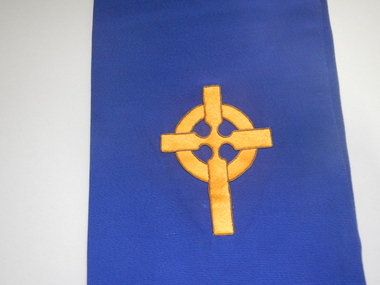
Regalia, Stole
... Uniting Church in Australia Regalia Royal blue fabric UCA Minister's stole with yellow/gold fringing at each end. ...Royal blue fabric UCA Minister's stole with yellow/gold fringing at each end. One end has a yellow/gold encircled cross embroidery edged in metallic thread and the other a black, white and red UCA emblem.uniting church in australia, regalia -
 Uniting Church Archives - Synod of Victoria
Regalia, Minister's Stole
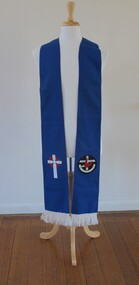
... Regalia Uniting Church in Australia Royal blue cotton stole with white fringing. ...Royal blue cotton stole with white fringing. The stole has the UCA emblem on one end and a white cross with a red circle behind it at the other. regalia, uniting church in australia -
 Uniting Church Archives - Synod of Victoria
Textile - Pulpit fall
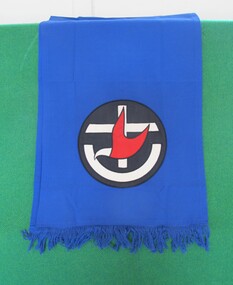
... Pulpit fall Uniting Church in Australia St Stephen's Uniting Church Blue cotton pulpit fall with fringing at the ends. ...From St Stephen's UCA Caulfield.Blue cotton pulpit fall with fringing at the ends. The fall has a UCA emblem on one end.pulpit fall, uniting church in australia, st stephen's uniting church -
 Uniting Church Archives - Synod of Victoria
Plaque, 1985
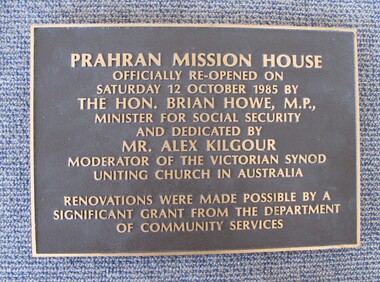
... Prahran Mission House Hon Brian Howe MP Alex Kilgour Moderator Victorian Synod Uniting Church in Australia Brown and brass rectangular plaque with upper case text and a hole in each corner. ...Opening of Prahran Mission House, Chapel Street, Prahran on 12 October 1985.Brown and brass rectangular plaque with upper case text and a hole in each corner.prahran mission house, hon brian howe mp, alex kilgour, moderator victorian synod uniting church in australia -
 Uniting Church Archives - Synod of Victoria
Photograph, Albert Kuipers, somerville Church Homes, Darwin
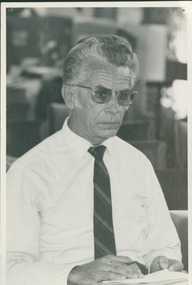
... A Somerville Homes Council was created with the aims: (a) to carry out charitable purposes of providing total care for children and young people in the Northern Territory of Australia and elsewhere; (b) to establish and maintain homes for children and young people, provide family counselling, arrange or assist in the arranging of adoptive or foster homes, provide after care and generally provide all such services in its own capacity or in co-operation with others, constituting the total care of the child or young person. The organisation had links with both the Methodist Overseas Mission and the United Church in the Northern Territory. It became an incorporated body with a Board in 1971. After 1977 it retained links with the Uniting...A Somerville Homes Council was created with the aims: (a) to carry out charitable purposes of providing total care for children and young people in the Northern Territory of Australia and elsewhere; (b) to establish and maintain homes for children and young people, provide family counselling, arrange or assist in the arranging of adoptive or foster homes, provide after care and generally provide all such services in its own capacity or in co-operation with others, constituting the total care of the child or young person. The organisation had links with both the Methodist Overseas Mission and the United Church in the Northern Territory. It became an incorporated body with a Board in 1971. After 1977 it retained links with the Uniting ...Somerville Homes operated from 1965 to 1981. Somerville Homes came into existence in 1965. The homes were named in honour of Margaret Somerville MBE who helped evacuate 95 children from Croker Island to Sydney in 1942 and who returned to Croker Island with the children after the war and continued as a house mother and care giver until 1965. A book entitled "They Crossed A Continent", the story of Margaret Somerville's epic journey was produced. Somerville Homes was established in 1964 when the Methodist Overseas Mission began to discuss the closure of the Croker Island Mission and the transfer of all children to smaller group homes in the Darwin area. It had links with both the Methodist Overseas Mission and the United Church in the Northern Territory. Somerville Homes ran the Somerville Cottage Homes in Darwin from 1968 through to the 1980s. In 1981 Somerville Homes changed its name to Somerville Community Services. Somerville Homes was established as an organisation in 1964 when the Methodist Overseas Mission began to discuss the closure of the Croker Island Mission and the transfer of all children to smaller group homes in the Darwin area. A Somerville Homes Council was created with the aims: (a) to carry out charitable purposes of providing total care for children and young people in the Northern Territory of Australia and elsewhere; (b) to establish and maintain homes for children and young people, provide family counselling, arrange or assist in the arranging of adoptive or foster homes, provide after care and generally provide all such services in its own capacity or in co-operation with others, constituting the total care of the child or young person. The organisation had links with both the Methodist Overseas Mission and the United Church in the Northern Territory. It became an incorporated body with a Board in 1971. After 1977 it retained links with the Uniting Church, Northern Synod. Somerville Homes ran the Somerville Cottage Homes in Darwin from 1968 through to the 1980s. In 1980-81when the organisation expanded its services, it changed its name to Somerville Community Services. Albert Kuipers is not mentioned by name in the online information available.Kuipers is pictured in shirtsleeves taking notes."Albert Kuipers - Somerville Ch Homes Darwin"kuipers, albert, somerville homes, croker island mission, methodist overseas mission -
 Uniting Church Archives - Synod of Victoria
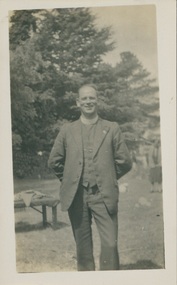
Photograph, Rev. Ron Albiston, Undated c.1940s
... Church on 21 December 1942. His ministry was exercised in Northcote/Clifton Hill (1942–45), Yarrawonga and associated district (1945–50), Ballarat Dawson Street and "Zion" Sebastopol (1950–68), and Rockdale Congregational, Sydney, later Uniting (1968–83). Due to ill health, Ron retired on the 30th of April 1983. He was President of the Australian...Church on 21 December 1942. His ministry was exercised in Northcote/Clifton Hill (1942–45), Yarrawonga and associated district (1945–50), Ballarat Dawson Street and "Zion" Sebastopol (1950–68), and Rockdale Congregational, Sydney, later Uniting (1968–83). Due to ill health, Ron retired on the 30th of April 1983. He was President of the Australian ...The Rev. Ronald W Albiston 28/9/1919–16/08/2006 was educated at Melbourne Boys' High School, the Victorian Congregational College and the University of Melbourne. From a young age he held positions within the local church, was secretary of the East Kew Congregational Church at the age of 16, as well as superintendent of the Sunday School from the age of 15. Ron was supported during his life and ministry by his wife of 63 years, Dorothy. He was ordained at Northcote Congregational Church on 21 December 1942. His ministry was exercised in Northcote/Clifton Hill (1942–45), Yarrawonga and associated district (1945–50), Ballarat Dawson Street and "Zion" Sebastopol (1950–68), and Rockdale Congregational, Sydney, later Uniting (1968–83). Due to ill health, Ron retired on the 30th of April 1983. He was President of the Australian Council of Churches from 1971 to 1973, President of the Congregational Union of NSW from 1973 to 1975. As a member of the Joint Planning Committee he was involved in the development of the Uniting Church and inaugural Chairperson. Following union, he was a member and later Chairman of the Board of Social Responsibility. He was instrumental in founding the Mayflower Village for the Aged, the Rockdale Community Aid Service, and helped form the St George Community Conference.The Rev. Ronald W Albiston 28/9/1919–16/08/2006 was educated at Melbourne Boys' High School, the Victorian Congregational College and the University of Melbourne. From a young age he held positions within the local church, was secretary of the East Kew Congregational Church at the age of 16, as well as superintendent of the Sunday School from the age of 15. Ron was supported during his life and ministry by his wife of 63 years, Dorothy. He was ordained at Northcote Congregational Church on 21 December 1942. His ministry was exercised in Northcote/Clifton Hill (1942–45), Yarrawonga and associated district (1945–50), Ballarat Dawson Street and "Zion" Sebastopol (1950–68), and Rockdale Congregational, Sydney, later Uniting (1968–83). Due to ill health, Ron retired on the 30th of April 1983. He was President of the Australian Council of Churches from 1971 to 1973, President of the Congregational Union of NSW from 1973 to 1975. As a member of the Joint Planning Committee he was involved in the development of the Uniting Church and inaugural Chairperson. Following union, he was a member and later Chairman of the Board of Social Responsibility. He was instrumental in founding the Mayflower Village for the Aged, the Rockdale Community Aid Service, and helped form the St George Community Conference.The Rev. Ronald W Albiston 28/9/1919–16/08/2006 was educated at Melbourne Boys' High School, the Victorian Congregational College and the University of Melbourne. From a young age he held positions within the local church, was secretary of the East Kew Congregational Church at the age of 16, as well as superintendent of the Sunday School from the age of 15. Ron was supported during his life and ministry by his wife of 63 years, Dorothy. He was ordained at Northcote Congregational Church on 21 December 1942. His ministry was exercised in Northcote/Clifton Hill (1942–45), Yarrawonga and associated district (1945–50), Ballarat Dawson Street and "Zion" Sebastopol (1950–68), and Rockdale Congregational, Sydney, later Uniting (1968–83). Due to ill health, Ron retired on the 30th of April 1983. He was President of the Australian Council of Churches from 1971 to 1973, President of the Congregational Union of NSW from 1973 to 1975. As a member of the Joint Planning Committee he was involved in the development of the Uniting Church and inaugural Chairperson. Following union, he was a member and later Chairman of the Board of Social Responsibility. He was instrumental in founding the Mayflower Village for the Aged, the Rockdale Community Aid Service, and helped form the St George Community Conference.Informal B & W photo of the Rev. Ron Albiston. Albiston is standing, hands clasped behind back, smiling into the camera. He's dressed in a suit with clerical collar and waistcoat. The photo has been taken outdoors, possibly at a picnic."Rev. Ron Albiston"albiston, ron, congregational minister -
 Uniting Church Archives - Synod of Victoria
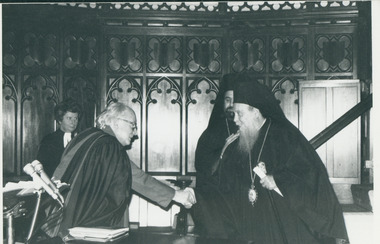
Photograph, Rev. L. Farquhar Gunn, 1976
... Australia. He was Moderator of Victoria in 1965 and 1967. He chaired the Joint Constituional Council and the commission set up to prepare the interim constituion of the Uniting Church. ...Australia. He was Moderator of Victoria in 1965 and 1967. He chaired the Joint Constituional Council and the commission set up to prepare the interim constituion of the Uniting Church. ...Gunn was Stated Clerk of the Victorian Presbyterian Assembly until 1976. In 1986 he had been ordained 50 years. Gunn was ordained on February 12, 1936 in New Zealand. He served in three parishes before chaplaincy with the 20th Armoured Regiment in WW2. He was awarded the MBE for devotion to duty and recovering wounded soldiers across a minefield under mortar fire. He was called to St Andrew's Gardiner in 1955 and became the Stated Clerk of the Assembly in 1969, and in 1970 was also Stated Clerk of the General Assembly of Australia. He was Moderator of Victoria in 1965 and 1967. He chaired the Joint Constituional Council and the commission set up to prepare the interim constituion of the Uniting Church. He presided over the inaugural assembly of the UCA on June 22 1977 and made the declaration of inauguration.Gunn meets Greek Orthodox leaders at the Victorian Presbyterian Assembly 19 October 1976.Name.gunn, l. farquhar, victorian presbyterian assembly, general assembly of australia -
 Uniting Church Archives - Synod of Victoria
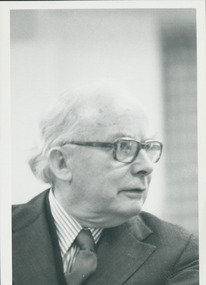
Photograph, Rev. L. Farquhar Gunn, Undated
... Australia. He was Moderator of Victoria in 1965 and 1967. He chaired the Joint Constituional Council and the commission set up to prepare the interim constituion of the Uniting Church. ...Australia. He was Moderator of Victoria in 1965 and 1967. He chaired the Joint Constituional Council and the commission set up to prepare the interim constituion of the Uniting Church. ...Gunn was Stated Clerk of the Victorian Presbyterian Assembly until 1976. In 1986 he had been ordained 50 years. Gunn was ordained on February 12, 1936 in New Zealand. He served in three parishes before chaplaincy with the 20th Armoured Regiment in WW2. He was awarded the MBE for devotion to duty and recovering wounded soldiers across a minefield under mortar fire. He was called to St Andrew's Gardiner in 1955 and became the Stated Clerk of the Assembly in 1969, and in 1970 was also Stated Clerk of the General Assembly of Australia. He was Moderator of Victoria in 1965 and 1967. He chaired the Joint Constituional Council and the commission set up to prepare the interim constituion of the Uniting Church. He presided over the inaugural assembly of the UCA on June 22 1977 and made the declaration of inauguration.Head & shoulders of Gunn looking to his left.Name.gunn, l. farquhar, victorian presbyterian assembly, general assembly of australia -
 Uniting Church Archives - Synod of Victoria
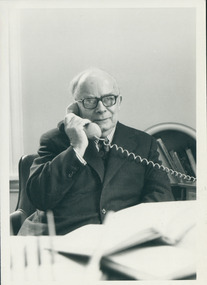
Photograph, Rev. L. Farquhar Gunn, Undated
... Australia. He was Moderator of Victoria in 1965 and 1967. He chaired the Joint Constituional Council and the commission set up to prepare the interim constituion of the Uniting Church. ...Australia. He was Moderator of Victoria in 1965 and 1967. He chaired the Joint Constituional Council and the commission set up to prepare the interim constituion of the Uniting Church. ...Gunn was Stated Clerk of the Victorian Presbyterian Assembly until 1976. In 1986 he had been ordained 50 years. Gunn was ordained on February 12, 1936 in New Zealand. He served in three parishes before chaplaincy with the 20th Armoured Regiment in WW2. He was awarded the MBE for devotion to duty and recovering wounded soldiers across a minefield under mortar fire. He was called to St Andrew's Gardiner in 1955 and became the Stated Clerk of the Assembly in 1969, and in 1970 was also Stated Clerk of the General Assembly of Australia. He was Moderator of Victoria in 1965 and 1967. He chaired the Joint Constituional Council and the commission set up to prepare the interim constituion of the Uniting Church. He presided over the inaugural assembly of the UCA on June 22 1977 and made the declaration of inauguration.Gunn seated at his desk holding the telephone.Name.gunn, l. farquhar, victorian presbyterian assembly, general assembly of australia -
 Uniting Church Archives - Synod of Victoria
Photograph, Rev. L. Farquhar Gunn, 07/1986
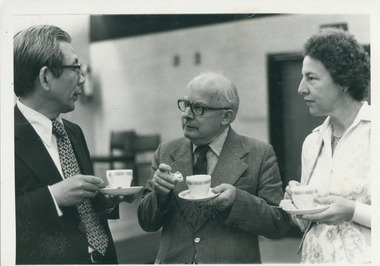
... Australia. He was Moderator of Victoria in 1965 and 1967. He chaired the Joint Constituional Council and the commission set up to prepare the interim constituion of the Uniting Church. ...Australia. He was Moderator of Victoria in 1965 and 1967. He chaired the Joint Constituional Council and the commission set up to prepare the interim constituion of the Uniting Church. ...Gunn was Stated Clerk of the Victorian Presbyterian Assembly until 1976. In 1986 he had been ordained 50 years. Gunn was ordained on February 12, 1936 in New Zealand. He served in three parishes before chaplaincy with the 20th Armoured Regiment in WW2. He was awarded the MBE for devotion to duty and recovering wounded soldiers across a minefield under mortar fire. He was called to St Andrew's Gardiner in 1955 and became the Stated Clerk of the Assembly in 1969, and in 1970 was also Stated Clerk of the General Assembly of Australia. He was Moderator of Victoria in 1965 and 1967. He chaired the Joint Constituional Council and the commission set up to prepare the interim constituion of the Uniting Church. He presided over the inaugural assembly of the UCA on June 22 1977 and made the declaration of inauguration.Gunn holding tea cup and talking to two people also holding tea cups, at the celebration of his 50 years of ordination.Name.gunn, l. farquhar, victorian presbyterian assembly, general assembly of australia -
 Uniting Church Archives - Synod of Victoria
Photograph, Rev. Brian Howe MP, 1986
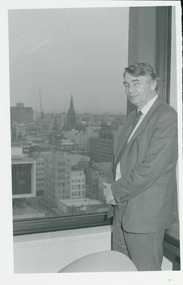
... Australia. He served as a minister with the Methodist Church and the Uniting Church in various parts of Victoria – Morwell, Eltham and Fitzroy. ...Australia. He served as a minister with the Methodist Church and the Uniting Church in various parts of Victoria – Morwell, Eltham and Fitzroy. ...Brian Leslie Howe, AO (born 23 January 1936), is an Australian former politician who served as the Deputy Prime Minister of Australia in the Labor government under prime ministers Bob Hawke and Paul Keating from 1991 to 1995. Howe was born in Melbourne. He spent his early childhood in the suburb of Malvern and was educated at Melbourne High School and the University of Melbourne. He later studied theology in Chicago (1967–69) and then returned to Australia. He served as a minister with the Methodist Church and the Uniting Church in various parts of Victoria – Morwell, Eltham and Fitzroy. Howe was elected to the House of Representatives in 1977 representing the northern Melbourne metropolitan electoral Division of Batman. He defeated the incumbent Horrie Garrick for Labor preselection in a hard-fought contest.[1] A member of the Socialist Left faction of the Labor Party, he was Minister for Defence Support in the government of Bob Hawke from 1983. In 1984 he became Minister for Social Security and carried out various radical reforms to Australia's welfare system.[2] Howe appeared to face significant opposition within his electorate in 1988, when up to 60 members of the Greek Westgarth branch of the ALP defected to join the Australian Democrats. One of the defectors, tram-conductor George Gogas, contested Batman as a Democrat candidate in 1990, but polled only 12.9 per cent of the vote.[3] After the 1990 election Howe was appointed to the post of Minister for Community Services and Health. When Paul Keating resigned from Cabinet in 1991, Howe succeeded him as Deputy Prime Minister. He became Minister for Health, Housing and Community Services in the Keating government in December 1991, dropping the health part of the portfolio in 1993. In June 1995 he resigned as Deputy Prime Minister and was succeeded by Kim Beazley. He did not stand for re-election at the 1996 election. Following his parliamentary career, Howe has been appointed as an Associate Professor for Melbourne University and continues to work with social policy and related fields. He is a member of the Church of All Nations in Carlton, and active in the Uniting Church. A full biography in his own words can be found in the Proceedings of the Uniting Church Historical Society, Synod of Victoria and Tasmania, Vol. 21, No. 1 for June 2014.Howe standing by a window in his office 1986.Identification of Howe. -
 Uniting Church Archives - Synod of Victoria
Photograph, Rev. Brian Howe MP, 1984
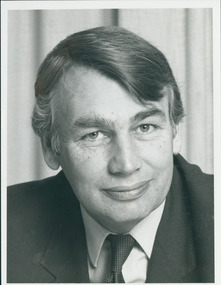
... Australia. He served as a minister with the Methodist Church and the Uniting Church in various parts of Victoria – Morwell, Eltham and Fitzroy. ...Australia. He served as a minister with the Methodist Church and the Uniting Church in various parts of Victoria – Morwell, Eltham and Fitzroy. ...Brian Leslie Howe, AO (born 23 January 1936), is an Australian former politician who served as the Deputy Prime Minister of Australia in the Labor government under prime ministers Bob Hawke and Paul Keating from 1991 to 1995. Howe was born in Melbourne. He spent his early childhood in the suburb of Malvern and was educated at Melbourne High School and the University of Melbourne. He later studied theology in Chicago (1967–69) and then returned to Australia. He served as a minister with the Methodist Church and the Uniting Church in various parts of Victoria – Morwell, Eltham and Fitzroy. Howe was elected to the House of Representatives in 1977 representing the northern Melbourne metropolitan electoral Division of Batman. He defeated the incumbent Horrie Garrick for Labor preselection in a hard-fought contest.[1] A member of the Socialist Left faction of the Labor Party, he was Minister for Defence Support in the government of Bob Hawke from 1983. In 1984 he became Minister for Social Security and carried out various radical reforms to Australia's welfare system.[2] Howe appeared to face significant opposition within his electorate in 1988, when up to 60 members of the Greek Westgarth branch of the ALP defected to join the Australian Democrats. One of the defectors, tram-conductor George Gogas, contested Batman as a Democrat candidate in 1990, but polled only 12.9 per cent of the vote.[3] After the 1990 election Howe was appointed to the post of Minister for Community Services and Health. When Paul Keating resigned from Cabinet in 1991, Howe succeeded him as Deputy Prime Minister. He became Minister for Health, Housing and Community Services in the Keating government in December 1991, dropping the health part of the portfolio in 1993. In June 1995 he resigned as Deputy Prime Minister and was succeeded by Kim Beazley. He did not stand for re-election at the 1996 election. Following his parliamentary career, Howe has been appointed as an Associate Professor for Melbourne University and continues to work with social policy and related fields. He is a member of the Church of All Nations in Carlton, and active in the Uniting Church. A full biography in his own words can be found in the Proceedings of the Uniting Church Historical Society, Synod of Victoria and Tasmania, Vol. 21, No. 1 for June 2014.Full-face, looking into the camera 1984 - part of an advertisement for Wesley Church's 126th anniversary 9/9/1984.Identification of Howe -
 Uniting Church Archives - Synod of Victoria
Photograph, Rev. Brian Howe MP, 1985
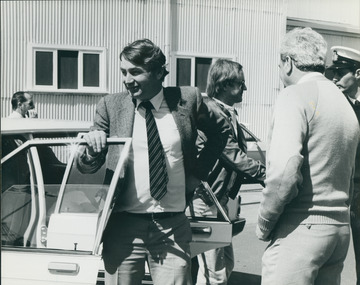
... Australia. He served as a minister with the Methodist Church and the Uniting Church in various parts of Victoria – Morwell, Eltham and Fitzroy. ...Australia. He served as a minister with the Methodist Church and the Uniting Church in various parts of Victoria – Morwell, Eltham and Fitzroy. ...Brian Leslie Howe, AO (born 23 January 1936), is an Australian former politician who served as the Deputy Prime Minister of Australia in the Labor government under prime ministers Bob Hawke and Paul Keating from 1991 to 1995. Howe was born in Melbourne. He spent his early childhood in the suburb of Malvern and was educated at Melbourne High School and the University of Melbourne. He later studied theology in Chicago (1967–69) and then returned to Australia. He served as a minister with the Methodist Church and the Uniting Church in various parts of Victoria – Morwell, Eltham and Fitzroy. Howe was elected to the House of Representatives in 1977 representing the northern Melbourne metropolitan electoral Division of Batman. He defeated the incumbent Horrie Garrick for Labor preselection in a hard-fought contest.[1] A member of the Socialist Left faction of the Labor Party, he was Minister for Defence Support in the government of Bob Hawke from 1983. In 1984 he became Minister for Social Security and carried out various radical reforms to Australia's welfare system.[2] Howe appeared to face significant opposition within his electorate in 1988, when up to 60 members of the Greek Westgarth branch of the ALP defected to join the Australian Democrats. One of the defectors, tram-conductor George Gogas, contested Batman as a Democrat candidate in 1990, but polled only 12.9 per cent of the vote.[3] After the 1990 election Howe was appointed to the post of Minister for Community Services and Health. When Paul Keating resigned from Cabinet in 1991, Howe succeeded him as Deputy Prime Minister. He became Minister for Health, Housing and Community Services in the Keating government in December 1991, dropping the health part of the portfolio in 1993. In June 1995 he resigned as Deputy Prime Minister and was succeeded by Kim Beazley. He did not stand for re-election at the 1996 election. Following his parliamentary career, Howe has been appointed as an Associate Professor for Melbourne University and continues to work with social policy and related fields. He is a member of the Church of All Nations in Carlton, and active in the Uniting Church. A full biography in his own words can be found in the Proceedings of the Uniting Church Historical Society, Synod of Victoria and Tasmania, Vol. 21, No. 1 for June 2014.Howe alighting from a car at Williamstown dockyards March 1985.Identification of Howe. -
 Uniting Church Archives - Synod of Victoria
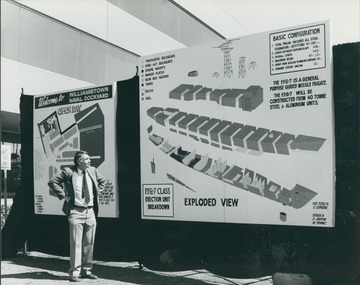
Photograph, Rev. Brian Howe MP, 1984
... Australia. He served as a minister with the Methodist Church and the Uniting Church in various parts of Victoria – Morwell, Eltham and Fitzroy. ...Australia. He served as a minister with the Methodist Church and the Uniting Church in various parts of Victoria – Morwell, Eltham and Fitzroy. ...Brian Leslie Howe, AO (born 23 January 1936), is an Australian former politician who served as the Deputy Prime Minister of Australia in the Labor government under prime ministers Bob Hawke and Paul Keating from 1991 to 1995. Howe was born in Melbourne. He spent his early childhood in the suburb of Malvern and was educated at Melbourne High School and the University of Melbourne. He later studied theology in Chicago (1967–69) and then returned to Australia. He served as a minister with the Methodist Church and the Uniting Church in various parts of Victoria – Morwell, Eltham and Fitzroy. Howe was elected to the House of Representatives in 1977 representing the northern Melbourne metropolitan electoral Division of Batman. He defeated the incumbent Horrie Garrick for Labor preselection in a hard-fought contest.[1] A member of the Socialist Left faction of the Labor Party, he was Minister for Defence Support in the government of Bob Hawke from 1983. In 1984 he became Minister for Social Security and carried out various radical reforms to Australia's welfare system.[2] Howe appeared to face significant opposition within his electorate in 1988, when up to 60 members of the Greek Westgarth branch of the ALP defected to join the Australian Democrats. One of the defectors, tram-conductor George Gogas, contested Batman as a Democrat candidate in 1990, but polled only 12.9 per cent of the vote.[3] After the 1990 election Howe was appointed to the post of Minister for Community Services and Health. When Paul Keating resigned from Cabinet in 1991, Howe succeeded him as Deputy Prime Minister. He became Minister for Health, Housing and Community Services in the Keating government in December 1991, dropping the health part of the portfolio in 1993. In June 1995 he resigned as Deputy Prime Minister and was succeeded by Kim Beazley. He did not stand for re-election at the 1996 election. Following his parliamentary career, Howe has been appointed as an Associate Professor for Melbourne University and continues to work with social policy and related fields. He is a member of the Church of All Nations in Carlton, and active in the Uniting Church. A full biography in his own words can be found in the Proceedings of the Uniting Church Historical Society, Synod of Victoria and Tasmania, Vol. 21, No. 1 for June 2014.Howe at Williamstown dockyard with an exploded view of a frigate September 1984.Identification of Howe.rev brian leslie howe, deputy prime minister of australia
