Showing 73 items matching " abbot"
-
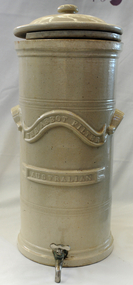
Orbost & District Historical SocietyFilter - water cooler, late 19th century
... "The Abbot Filter" used to cool water. Tall, stoneware, cylindrical, cream coloured with handles and tap. ..."The Abbot Filter" - Australian...Abbot, William & Sons...This is an example of a domestic ceramic container used to hold and filter water in the early 20th century. water-supply abbot-filter container water-cooler "The Abbot Filter" - Australian "The Abbot Filter" used to cool water. ...Domestic water filters would have been used in Orbost before water was reticulated to all town houses and on rural properties using tank water.This is an example of a domestic ceramic container used to hold and filter water in the early 20th century."The Abbot Filter" used to cool water. Tall, stoneware, cylindrical, cream coloured with handles and tap. Tap is stainless steel."The Abbot Filter" - Australianwater-supply abbot-filter container water-cooler -
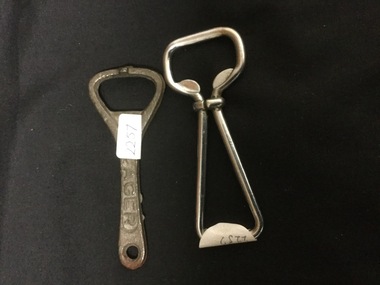
Mont De LanceyBottle opener, Carlton & United Breweries, Limited, c1940
... Widely used to open early beer or soft drink bottles. The Abbots Lager opener may have been a promotional product for this brand of beer....One labelled Fosters Lager; one labelled Abbots Lager....'Carlton & Victoria Bitter' 'Abbots Lager' 'Fosters Lager'...Mont De Lancey 71 Wellington Road Wandin North yarra-valley-and-dandenong-ranges Widely used to open early beer or soft drink bottles. The Abbots Lager opener may have been a promotional product for this brand of beer. bottle openers bottle accessories 'Carlton & Victoria Bitter' 'Abbots Lager' 'Fosters Lager' Two cast iron bottle openers, rusted exterior. ...Widely used to open early beer or soft drink bottles. The Abbots Lager opener may have been a promotional product for this brand of beer.Two cast iron bottle openers, rusted exterior. One labelled Fosters Lager; one labelled Abbots Lager.'Carlton & Victoria Bitter' 'Abbots Lager' 'Fosters Lager'bottle openers, bottle accessories -
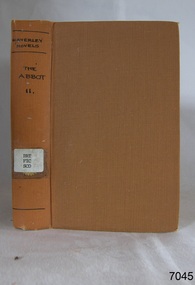
Flagstaff Hill Maritime Museum and VillageBook - Fictional stories, Sir Walter Scott, Waverley Novels Vol 21 The Abbot- 2 (Sequel to the Monastery), 1837
... Waverley Novels Vol 21 The Abbot- 2 (Sequel to the Monastery) ...Waverley Novels Vol 21 The Abbot- 2 (Sequel to the Monastery), Light brown hardcover lettering in black text. ...Author: Sir Walter Scott Publisher: Fisher Son & Co Date: 1837 Waverley Novels Vol 21 The Abbot- 2 (Sequel to the Monastery) Book Fictional stories Sir Walter Scott Fisher, Son & Co ...The subject volume “The Abbot- 2 (Sequel to the Monastery) Vol 21” published by Fisher Son & Co (1837) is part of a collected edition of Sir Walter Scott's works, containing stories from the "Tales of My Landlord" series. "Tales of My Landlord" forms a key subset of Scott's Waverley Novels, presented as fictional tales gathered by characters like Peter Pattieson from the landlord of the Wallace “Inn at Gandercleugh”. The series spans multiple books across four sub-series, including “The Black Dwarf” (1707 setting), “Old Mortality” (1679–1689), “The Heart of Midlothian” (1736), “The Bride of Lammermoor” (1709–1711), “A Legend of Montrose” (1644–1645), “Count Robert of Paris” (1097), and “Castle Dangerous” (1307). Vol 46 in the 1838 Fisher edition reprints later entries like “Count Robert of Paris” or “Castle Dangerous” from the fourth series, as these stories originally appeared in Scott's Magnum Opus collected volume editions, the first from 1816. With the influential 48-volume “Magnum Opus” edition from 1829–1833 by Robert Cadell, serving as the basis for later collected published sets like Fisher's. The Abbot is Walter Scott’s sequel to The Monastery, set in 1567–1568 during the turmoil around Mary, Queen of Scots. The story follows Roland Græme and other characters around Lochleven Castle, where Mary is imprisoned, and builds toward her escape attempt and the political crisis that ends with her defeat and flight to England. Part two follows Roland to Edinburgh and then to Lochleven, where he becomes involved in the events around Mary’s imprisonment. It includes Mary’s confrontation with the Lady of Lochleven, the delivery of the abdication papers, and the forced political outcome that strips Mary of power. From there, the story moves toward the escape attempt, the battle of Langside, and Mary’s flight to England.Waverley Novels Vol 21 The Abbot- 2 (Sequel to the Monastery), Light brown hardcover lettering in black text. Author: Sir Walter Scott Publisher: Fisher Son & Co Date: 1837 fictionThe subject volume “The Abbot- 2 (Sequel to the Monastery) Vol 21” published by Fisher Son & Co (1837) is part of a collected edition of Sir Walter Scott's works, containing stories from the "Tales of My Landlord" series. "Tales of My Landlord" forms a key subset of Scott's Waverley Novels, presented as fictional tales gathered by characters like Peter Pattieson from the landlord of the Wallace “Inn at Gandercleugh”. The series spans multiple books across four sub-series, including “The Black Dwarf” (1707 setting), “Old Mortality” (1679–1689), “The Heart of Midlothian” (1736), “The Bride of Lammermoor” (1709–1711), “A Legend of Montrose” (1644–1645), “Count Robert of Paris” (1097), and “Castle Dangerous” (1307). Vol 46 in the 1838 Fisher edition reprints later entries like “Count Robert of Paris” or “Castle Dangerous” from the fourth series, as these stories originally appeared in Scott's Magnum Opus collected volume editions, the first from 1816. With the influential 48-volume “Magnum Opus” edition from 1829–1833 by Robert Cadell, serving as the basis for later collected published sets like Fisher's. The Abbot is Walter Scott’s sequel to The Monastery, set in 1567–1568 during the turmoil around Mary, Queen of Scots. The story follows Roland Græme and other characters around Lochleven Castle, where Mary is imprisoned, and builds toward her escape attempt and the political crisis that ends with her defeat and flight to England. Part two follows Roland to Edinburgh and then to Lochleven, where he becomes involved in the events around Mary’s imprisonment. It includes Mary’s confrontation with the Lady of Lochleven, the delivery of the abdication papers, and the forced political outcome that strips Mary of power. From there, the story moves toward the escape attempt, the battle of Langside, and Mary’s flight to England. warrnambool, shipwrecked-coast, flagstaff-hill, flagstaff-hill-maritime-museum, maritime-museum, shipwreck-coast, flagstaff-hill-maritime-village, shipwrecked-artefact, book, waverley novels vol 46 tales of my landlord, sir walter scott, pattison collection, warrnambool library, warrnambool mechanics’ institute, ralph eric pattison, corangamite regional library service, warrnambool city librarian, mechanics’ institute library, victorian library board, warrnambool books and records, warrnambool children’s library -
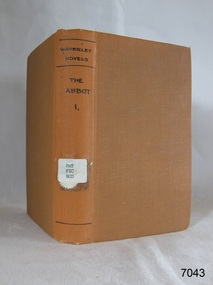
Flagstaff Hill Maritime Museum and VillageBook - Fictional stories, Sir Walter Scott, Waverley Novels Vol 20 The Abbot- 1 (Sequel to the Monastery), 1837
... Waverley Novels Vol 20 The Abbot- 1 (Sequel to the Monastery) ...Waverley Novels Vol 20 The Abbot- 1 Vol 20 (Sequel to the Monastery), Light brown hardcover lettering in black text. ...Author: Sir Walter Scott Publisher: Fisher Son & Co Date: 1837 Waverley Novels Vol 20 The Abbot- 1 (Sequel to the Monastery) Book Fictional stories Sir Walter Scott Fisher, Son & Co ...The subject volume “The Abbot- 1 (Sequel to the Monastery) Vol 20” published by Fisher Son & Co (1837) is part of a collected edition of Sir Walter Scott's works, containing stories from the "Tales of My Landlord" series. "Tales of My Landlord" forms a key subset of Scott's Waverley Novels, presented as fictional tales gathered by characters like Peter Pattieson from the landlord of the Wallace “Inn at Gandercleugh”. The series spans multiple books across four sub-series, including “The Black Dwarf” (1707 setting), “Old Mortality” (1679–1689), “The Heart of Midlothian” (1736), “The Bride of Lammermoor” (1709–1711), “A Legend of Montrose” (1644–1645), “Count Robert of Paris” (1097), and “Castle Dangerous” (1307). Vol 46 in the 1838 Fisher edition reprints later entries like “Count Robert of Paris” or “Castle Dangerous” from the fourth series, as these stories originally appeared in Scott's Magnum Opus collected volume editions, the first from 1816. With the influential 48-volume “Magnum Opus” edition from 1829–1833 by Robert Cadell, serving as the basis for later collected published sets like Fisher's. The Abbot is Walter Scott’s sequel to The Monastery, set in 1567–1568 during the turmoil around Mary, Queen of Scots. The story follows Roland Græme and other characters around Lochleven Castle, where Mary is imprisoned, and builds toward her escape attempt and the political crisis that ends with her defeat and flight to England. Like the other novels in the Waverley series it mixes historical events with fictional characters: Roland Græme, the Avenel household, and the mysterious “Abbot” figure are woven into the real struggle between Protestant and Catholic factions in Scotland. A central thread is Roland’s divided loyalties, his attraction to both the Catholic and Protestant worlds, and his involvement in helping Mary’s cause. The climax comes with Mary’s attempted escape from Lochleven, the fighting that follows, and her eventual loss of power in Scotland.Waverley Novels Vol 20 The Abbot- 1 Vol 20 (Sequel to the Monastery), Light brown hardcover lettering in black text. Author: Sir Walter Scott Publisher: Fisher Son & Co Date: 1837 fictionThe subject volume “The Abbot- 1 (Sequel to the Monastery) Vol 20” published by Fisher Son & Co (1837) is part of a collected edition of Sir Walter Scott's works, containing stories from the "Tales of My Landlord" series. "Tales of My Landlord" forms a key subset of Scott's Waverley Novels, presented as fictional tales gathered by characters like Peter Pattieson from the landlord of the Wallace “Inn at Gandercleugh”. The series spans multiple books across four sub-series, including “The Black Dwarf” (1707 setting), “Old Mortality” (1679–1689), “The Heart of Midlothian” (1736), “The Bride of Lammermoor” (1709–1711), “A Legend of Montrose” (1644–1645), “Count Robert of Paris” (1097), and “Castle Dangerous” (1307). Vol 46 in the 1838 Fisher edition reprints later entries like “Count Robert of Paris” or “Castle Dangerous” from the fourth series, as these stories originally appeared in Scott's Magnum Opus collected volume editions, the first from 1816. With the influential 48-volume “Magnum Opus” edition from 1829–1833 by Robert Cadell, serving as the basis for later collected published sets like Fisher's. The Abbot is Walter Scott’s sequel to The Monastery, set in 1567–1568 during the turmoil around Mary, Queen of Scots. The story follows Roland Græme and other characters around Lochleven Castle, where Mary is imprisoned, and builds toward her escape attempt and the political crisis that ends with her defeat and flight to England. Like the other novels in the Waverley series it mixes historical events with fictional characters: Roland Græme, the Avenel household, and the mysterious “Abbot” figure are woven into the real struggle between Protestant and Catholic factions in Scotland. A central thread is Roland’s divided loyalties, his attraction to both the Catholic and Protestant worlds, and his involvement in helping Mary’s cause. The climax comes with Mary’s attempted escape from Lochleven, the fighting that follows, and her eventual loss of power in Scotland. warrnambool, shipwrecked-coast, flagstaff-hill, flagstaff-hill-maritime-museum, maritime-museum, shipwreck-coast, flagstaff-hill-maritime-village, shipwrecked-artefact, book, waverley novels vol 46 tales of my landlord, sir walter scott, pattison collection, warrnambool library, warrnambool mechanics’ institute, ralph eric pattison, corangamite regional library service, warrnambool city librarian, mechanics’ institute library, victorian library board, warrnambool books and records, warrnambool children’s library -

Phillip Island and District Historical Society Inc.Book, SCOTT, Sir Walter, Abbot
... Abbot...Phillip Island and District Historical Society Inc. phillip-island-and-the-bass-coast Book from the Cleeland Bequest - a comprehensive collection of books relating to the History of England, Civil & Military, Religious, Intellectual & Social. cleeland bequest Abbot Book SCOTT, Sir Walter Nelson ...Book from the Cleeland Bequest - a comprehensive collection of books relating to the History of England, Civil & Military, Religious, Intellectual & Social. cleeland bequest -
Phillip Island and District Historical Society Inc.Book, WEBLING, A.F, last abbot, 1944
... last abbot...Phillip Island and District Historical Society Inc. phillip-island-and-the-bass-coast last abbot Book WEBLING, A.F. Edmund Ward ... -
Flagstaff Hill Maritime Museum and VillageBook, Waverley Novels Vol 20 The Abbot
... Waverley Novels Vol 20 The Abbot ...The Warrnambool Mechanics' Institute publication collection is of both local and state significance. warrnambool shipwrecked-coast flagstaff-hill flagstaff-hill-maritime-museum maritime-museum shipwreck-coast flagstaff-hill-maritime-village shipwrecked-artefact book waverley novels vol 20 the abbot sir walter scott pattison collection warrnambool library warrnambool mechanics’ institute ralph eric pattison corangamite regional library service warrnambool city librarian mechanics’ institute library victorian library board warrnambool books and records warrnambool children’s library The label on spine with typed text PAT FIC SCO Pastedown front endpaper has a sticker from Warrnambool Public Library Front loose endpaper has a sticker from Corangamite Regional Library Service Waverley Novels Vol 20 The Abbot Book ...Pattison Collection This item is from the ‘Pattison Collection’, a collection of books and records that was originally owned by the Warrnambool Mechanics’ Institute, which was founded in Warrnambool in 1853. By 1886 the Warrnambool Mechanics’ Institute (WMI) had grown to have a Library, Museum and Fine Arts Gallery, with a collection of “… choice productions of art and valuable specimens in almost every branch and many wonderful national curiosities are now to be seen there, including historic relics of the town and district.” It later included a School of Design. Although it was very well patronised, the lack of financial support led the WMI in 1911 to ask the City Council to take it over. In 1935 Ralph Pattison was appointed as City Librarian to establish and organise the Warrnambool Library as it was then called. When the WMI building was pulled down in 1963 a new civic building was erected on the site and the new Warrnambool Library, on behalf of the City Council, took over all the holdings of the WMI. At this time some of the items were separated and identified as the ‘Pattison Collection’, named after Ralph Pattison. Eventually, the components of the WMI were distributed from the Warrnambool Library to various places, including the Art Gallery, Historical Society and Flagstaff Hill. Later some were even distributed to other regional branches of Corangamite Regional Library and passed to and fro. It is difficult now to trace just where all of the items have ended up. The books at Flagstaff Hill Maritime Village generally display stamps and markings from Pattison as well as a variety of other institutions including the Mechanics’ Institute itself. RALPH ERIC PATTISON Ralph Eric Pattison was born in Rockhampton, Queensland, in 1891. He married Maude Swan from Warrnambool in 1920 and they set up home in Warrnambool. In 1935 Pattison accepted a position as City Librarian for the Warrnambool City Council. His huge challenge was to make a functional library within two rooms of the Mechanics’ Institute. He tirelessly cleaned, cleared and sorted a disarrayed collection of old books, jars of preserved specimens and other items reserved for exhibition in the city’s museum. He developed and updated the library with a wide variety of books for all tastes, including reference books for students; a difficult task to fulfil during the years following the Depression. He converted all of the lower areas of the building into a library, reference room and reading room for members and the public. The books were sorted and stored using a cataloguing and card index system that he had developed himself. He also prepared the upper floor of the building and established the Art Gallery and later the Museum, a place to exhibit the many old relics that had been stored for years for this purpose. One of the treasures he found was a beautiful ancient clock, which he repaired, restored and enjoyed using in his office during the years of his service there. Ralph Pattison was described as “a meticulous gentleman whose punctuality, floorless courtesy and distinctive neat dress were hallmarks of his character, and ‘his’ clock controlled his daily routine and his opening and closing of the library’s large heavy doors to the minute.” Pattison took leave from 1942 to 1945 to serve in the Royal Australian Navy, Volunteer Reserve as Lieutenant. A few years later he converted one of the Museum’s rooms into a Children’s Library, stocking it with suitable books for the younger generation. This was an instant success. In the 1950’s he had the honour of being appointed to the Victorian Library Board and received more inspiration from the monthly conferences in Melbourne. He was sadly retired in 1959 after over 23 years of service, due to the fact that he had gone over the working age of council officers. However, he continued to take a very keen interest in the continual development of the Library until his death in 1969. WARRNAMBOOL PUBLIC LIBRARY The Warrnambool Mechanics’ Institute (WMI) was formed by a voluntary community group in 1863, within six years of Warrnambool’s beginnings, and it's Reading Room opened in 1854. The WMI operated until 1963, at which time it was one of the oldest Mechanics’ Institutes in Victoria. Mechanics’ Institutes offered important services to the public including libraries, reading rooms and places to display and store collections of all sorts such as curiosities and local historical relics. In 1886 a Museum and Fine Arts Gallery were added to the WMI and by the beginning of the 20th century, there was also a billiards room and a School of Art. By this time all Mechanics’ Institutes in country Victoria had museums attached. Over the years the Warrnambool Mechanics’ Institute Library was also known as the Warrnambool Public Library the Warrnambool Library and the Free Library. Early funding from the government was for the “Free Library”. The inscription in a book “Science of Man” was for the “Warrnambool Public Library”, donated by Joseph Archibald in 1899. Another inscription in the book “Catalogue of Plants Under Cultivation in the Melbourne Botanic Gardens 1 & 2, 1883” was presented to the “Warrnambool Library” and signed by the author W.R. Guilfoyle. In 1903 the Warrnambool Public Library decided to add a Juvenile Department to library and stock it with hundreds of books suitable for youth. In 1905 the Public Library committee decided to update the collection of books and added 100 new novels plus arrangements for the latest novels to be included as soon as they were available in Victoria. In July 1911 the Warrnambool Council took over the management of the Public Library, Art Gallery, Museum and Mechanics’ Institute and planned to double the size of the then-current building. In 1953, when Mr R. Pattison was Public Librarian, the Warrnambool Public Library’s senior section 10,000 of the 13,000 books were fiction. The children’s section offered an additional 3,400 books. The library had the equivalent of one book per head of population and served around 33 per cent of the reading population. The collection of books was made up of around 60 per cent reference and 40 per cent fiction. The library was lending 400 books per day. In 1963 the Warrnambool City Council allocated the site of the Mechanics’ Institute building, which included the Public Library, Museum and Art Gallery, for the new Municipal Offices and the Collections were dispersed until 1971. The Warrnambool Library took over the Mechanics’ Institute Library’s holdings on behalf of the Warrnambool City Council. Since the closure of the Warrnambool Mechanics’ Institute the exact location and composition of the original WMI books and items have become unclear. Other materials have been added to the collection, including items from Terang MI, Warrnambool Court House and Customs House. Many of the books have been identified as the Pattison Collection, named after the Librarian who catalogued and numbered the books during his time as Warrnambool Public Librarian in the time before the Mechanics’ Institute closed. It seems that when Warrnambool became part of the Corangamite Regional Library some of the books and materials went to its head office in Colac and then back to Warrnambool where they were stored at the Art Gallery for quite some time. Some then went to the Warrnambool Historical Society, some stayed at the Art Gallery and some were moved to Flagstaff Hill Maritime Village. The various stamps and labels on the books held at Flagstaff Hill show the variety of the collection’s distribution and origin. The books in the collection at Flagstaff Hill Maritime Village date from the 1850s to the late 1950s and include rare and valuable volumes. Many of the books are part of the “Pattison Collection” after the Warrnambool’s Public Librarian, Mr R. Pattison. The Pattison Collection, along with other items at Flagstaff Hill Maritime Village, was originally part of the Warrnambool Mechanics' Institute’s collection. The Warrnambool Mechanics’ Institute Collection is primarily significant in its totality, rather than for the individual objects it contains. Its contents are highly representative of the development of Mechanics' Institute libraries across Australia, particularly Victoria. A diversity of publications and themes has been amassed, and these provide clues to our understanding of the nature of and changes in the reading habits of Victorians from the 1850s to the middle of the 20th century. The collection also highlights the Warrnambool community’s commitment to the Mechanics’ Institute, reading, literacy and learning in the regions, and proves that access to knowledge was not impeded by distance. These items help to provide a more complete picture of our community’s ideals and aspirations. The Warrnambool Mechanics Institute book collection has historical and social significance for its strong association with the Mechanics Institute movement and the important role it played in the intellectual, cultural and social development of people throughout the latter part of the nineteenth century and the early twentieth century. The collection of books is a rare example of an early lending library and its significance is enhanced by the survival of an original collection of many volumes. The Warrnambool Mechanics' Institute’s publication collection is of both local and state significance. The Warrnambool Mechanics' Institute Collection is primarily significant in its totality, rather than for the individual objects it contains. Its contents are highly representative of the development of Mechanics' Institute libraries across Australia, particularly Victoria. A diversity of publications and themes has been amassed, and these provide clues to our understanding of the nature of and changes in the reading habits of Victorians from the 1850s to the middle of the 20th century. The collection also highlights the Warrnambool community’s commitment to the Mechanics’ Institute, and to reading, literacy and learning in the regions, and proves that access to knowledge was not impeded by distance. These items help to provide a more complete picture of our community’s ideals and aspirations. As with many Mechanics' Institutes in Australia, the one which operated in Warrnambool was established and overseen for many years by key individuals associated with the development of the city itself. The WMI publication collection is historically significant because of its association with local people, places and the key historical themes in the development of Warrnambool of rural development, industry, farming, education, and community. The collection documents and illustrates the changing interests, focus and tastes of Victorians, especially those in regional cities. Generally the individual items in the collection are not particularly rare, as examples of all probably exist in other public collections in Victoria. It is primarily because there are so very few surviving Mechanics' Institute collections in Victoria, which lends this overall collection its significance. Many items in the WMI Collection have the potential to support further research, both as individual objects and through the collection in its entirety. This material is significant for its ability to assist in the interpretation of the history of the area and adds to the general understanding of the development of the township. Many components of the WMI publication collection complement and reinforce the Flagstaff Hill Maritime Museum Collection, the Warrnambool Art Gallery Collection, and that in the Warrnambool Historical Society, and also contribute to a clearer understanding of the original Warrnambool Mechanics' Institute collections. This will greatly enhance the appreciation of the few surviving Mechanics' Institute collections across Victoria, and also in New South Wales. The similarities and differences between the small number of collections that have survived can provide further insights into how the people of Victoria in general, and Warrnambool in particular, constructed a civic culture of adult learning to foster an informed citizenry. The Warrnambool Mechanics' Institute publication collection is of both local and state significance. The label on spine with typed text PAT FIC SCO Pastedown front endpaper has a sticker from Warrnambool Public Library Front loose endpaper has a sticker from Corangamite Regional Library Service warrnambool, shipwrecked-coast, flagstaff-hill, flagstaff-hill-maritime-museum, maritime-museum, shipwreck-coast, flagstaff-hill-maritime-village, shipwrecked-artefact, book, waverley novels vol 20 the abbot, sir walter scott, pattison collection, warrnambool library, warrnambool mechanics’ institute, ralph eric pattison, corangamite regional library service, warrnambool city librarian, mechanics’ institute library, victorian library board, warrnambool books and records, warrnambool children’s library -
Flagstaff Hill Maritime Museum and VillageBook, Waverley Novels Vol 21 The Abbot
... Waverley Novels Vol 21 The Abbot ...The Warrnambool Mechanics' Institute publication collection is of both local and state significance. book waverley novels vol 21 the abbot 2 sir walter scott shipwrecked-coast flagstaff-hill flagstaff-hill-maritime-museum warrnambool maritime-museum shipwreck-coast flagstaff-hill-maritime-village shipwrecked-artefact pattison collection warrnambool library warrnambool mechanics’ institute ralph eric pattison corangamite regional library service warrnambool city librarian mechanics’ institute library victorian library board warrnambool books and records warrnambool children’s library great ocean road The label on the spine with typed text PAT FIC SCO Front loose endpaper has a sticker from Corangamite Regional Library Service Pastedown front endpaper has a sticker from Warrnambool Public Library Waverley Novels Vol 21 The Abbot Book ...Pattison Collection This item is from the ‘Pattison Collection’, a collection of books and records that was originally owned by the Warrnambool Mechanics’ Institute, which was founded in Warrnambool in 1853. By 1886 the Warrnambool Mechanics’ Institute (WMI) had grown to have a Library, Museum and Fine Arts Gallery, with a collection of “… choice productions of art and valuable specimens in almost every branch and many wonderful national curiosities are now to be seen there, including historic relics of the town and district.” It later included a School of Design. Although it was very well patronised, the lack of financial support led the WMI in 1911 to ask the City Council to take it over. In 1935 Ralph Pattison was appointed as City Librarian to establish and organise the Warrnambool Library as it was then called. When the WMI building was pulled down in 1963 a new civic building was erected on the site and the new Warrnambool Library, on behalf of the City Council, took over all the holdings of the WMI. At this time some of the items were separated and identified as the ‘Pattison Collection’, named after Ralph Pattison. Eventually, the components of the WMI were distributed from the Warrnambool Library to various places, including the Art Gallery, Historical Society and Flagstaff Hill. Later some were even distributed to other regional branches of Corangamite Regional Library and passed to and fro. It is difficult now to trace just where all of the items have ended up. The books at Flagstaff Hill Maritime Village generally display stamps and markings from Pattison as well as a variety of other institutions including the Mechanics’ Institute itself. RALPH ERIC PATTISON Ralph Eric Pattison was born in Rockhampton, Queensland, in 1891. He married Maude Swan from Warrnambool in 1920 and they set up home in Warrnambool. In 1935 Pattison accepted a position as City Librarian for the Warrnambool City Council. His huge challenge was to make a functional library within two rooms of the Mechanics’ Institute. He tirelessly cleaned, cleared and sorted a disarrayed collection of old books, jars of preserved specimens and other items reserved for exhibition in the city’s museum. He developed and updated the library with a wide variety of books for all tastes, including reference books for students; a difficult task to fulfil during the years following the Depression. He converted all of the lower areas of the building into a library, reference room and reading room for members and the public. The books were sorted and stored using a cataloguing and card index system that he had developed himself. He also prepared the upper floor of the building and established the Art Gallery and later the Museum, a place to exhibit the many old relics that had been stored for years for this purpose. One of the treasures he found was a beautiful ancient clock, which he repaired, restored and enjoyed using in his office during the years of his service there. Ralph Pattison was described as “a meticulous gentleman whose punctuality, floorless courtesy and distinctive neat dress were hallmarks of his character, and ‘his’ clock controlled his daily routine and his opening and closing of the library’s large heavy doors to the minute.” Pattison took leave from 1942 to 1942 to serve in the Royal Australian Navy, Volunteer Reserve as Lieutenant. A few years later he converted one of the Museum’s rooms into a Children’s Library, stocking it with suitable books for the younger generation. This was an instant success. In the 1950’s he had the honour of being appointed to the Victorian Library Board and received more inspiration from the monthly conferences in Melbourne. He was sadly retired in 1959 after over 23 years of service, due to the fact that he had gone over the working age of council officers. However, he continued to take a very keen interest in the continual development of the Library until his death in 1969. WARRNAMBOOL PUBLIC LIBRARY The Warrnambool Mechanics’ Institute (WMI) was formed by a voluntary community group in 1863, within six years of Warrnambool’s beginnings, and it's Reading Room opened in 1854. The WMI operated until 1963, at which time it was one of the oldest Mechanics’ Institutes in Victoria. Mechanics’ Institutes offered important services to the public including libraries, reading rooms and places to display and store collections of all sorts such as curiosities and local historical relics. In 1886 a Museum and Fine Arts Gallery were added to the WMI and by the beginning of the 20th century, there was also a billiards room and a School of Art. By this time all Mechanics’ Institutes in country Victoria had museums attached. Over the years the Warrnambool Mechanics’ Institute Library was also known as the Warrnambool Public Library the Warrnambool Library and the Free Library. Early funding from the government was for the “Free Library”. The inscription in a book “Science of Man” was for the “Warrnambool Public Library”, donated by Joseph Archibald in 1899. Another inscription in the book “Catalogue of Plants Under Cultivation in the Melbourne Botanic Gardens 1 & 2, 1883” was presented to the “Warrnambool Library” and signed by the author W.R. Guilfoyle. In 1903 the Warrnambool Public Library decided to add a Juvenile Department to library and stock it with hundreds of books suitable for youth. In 1905 the Public Library committee decided to update the collection of books and added 100 new novels plus arrangements for the latest novels to be included as soon as they were available in Victoria. In July 1911 the Warrnambool Council took over the management of the Public Library, Art Gallery, Museum and Mechanics’ Institute and planned to double the size of the then-current building. In 1953, when Mr R. Pattison was Public Librarian, the Warrnambool Public Library’s senior section 10,000 of the 13,000 books were fiction. The children’s section offered an additional 3,400 books. The library had the equivalent of one book per head of population and served around 33 per cent of the reading population. The collection of books was made up of around 60 per cent reference and 40 per cent fiction. The library was lending 400 books per day. In 1963 the Warrnambool City Council allocated the site of the Mechanics’ Institute building, which included the Public Library, Museum and Art Gallery, for the new Municipal Offices and the Collections were dispersed until 1971. The Warrnambool Library took over the Mechanics’ Institute Library’s holdings on behalf of the Warrnambool City Council. Since the closure of the Warrnambool Mechanics’ Institute the exact location and composition of the original WMI books and items have become unclear. Other materials have been added to the collection, including items from Terang MI, Warrnambool Court House and Customs House. Many of the books have been identified as the Pattison Collection, named after the Librarian who catalogued and numbered the books during his time as Warrnambool Public Librarian in the time before the Mechanics’ Institute closed. It seems that when Warrnambool became part of the Corangamite Regional Library some of the books and materials went to its head office in Colac and then back to Warrnambool where they were stored at the Art Gallery for quite some time. Some then went to the Warrnambool Historical Society, some stayed at the Art Gallery and some were moved to Flagstaff Hill Maritime Village. The various stamps and labels on the books held at Flagstaff Hill show the variety of the collection’s distribution and origin. The books in the collection at Flagstaff Hill Maritime Village date from the 1850s to the late 1950s and include rare and valuable volumes. Many of the books are part of the “Pattison Collection” after the Warrnambool’s Public Librarian, Mr R. Pattison. The Pattison Collection, along with other items at Flagstaff Hill Maritime Village, was originally part of the Warrnambool Mechanics' Institute’s collection. The Warrnambool Mechanics’ Institute Collection is primarily significant in its totality, rather than for the individual objects it contains. Its contents are highly representative of the development of Mechanics' Institute libraries across Australia, particularly Victoria. A diversity of publications and themes has been amassed, and these provide clues to our understanding of the nature of and changes in the reading habits of Victorians from the 1850s to the middle of the 20th century. The collection also highlights the Warrnambool community’s commitment to the Mechanics’ Institute, reading, literacy and learning in the regions, and proves that access to knowledge was not impeded by distance. These items help to provide a more complete picture of our community’s ideals and aspirations. The Warrnambool Mechanics Institute book collection has historical and social significance for its strong association with the Mechanics Institute movement and the important role it played in the intellectual, cultural and social development of people throughout the latter part of the nineteenth century and the early twentieth century. The collection of books is a rare example of an early lending library and its significance is enhanced by the survival of an original collection of many volumes. The Warrnambool Mechanics' Institute’s publication collection is of both local and state significance. The Warrnambool Mechanics' Institute Collection is primarily significant in its totality, rather than for the individual objects it contains. Its contents are highly representative of the development of Mechanics' Institute libraries across Australia, particularly Victoria. A diversity of publications and themes has been amassed, and these provide clues to our understanding of the nature of and changes in the reading habits of Victorians from the 1850s to the middle of the 20th century. The collection also highlights the Warrnambool community’s commitment to the Mechanics’ Institute, and to reading, literacy and learning in the regions, and proves that access to knowledge was not impeded by distance. These items help to provide a more complete picture of our community’s ideals and aspirations. As with many Mechanics' Institutes in Australia, the one which operated in Warrnambool was established and overseen for many years by key individuals associated with the development of the city itself. The WMI publication collection is historically significant because of its association with local people, places and the key historical themes in the development of Warrnambool of rural development, industry, farming, education, and community. The collection documents and illustrates the changing interests, focus and tastes of Victorians, especially those in regional cities. Generally the individual items in the collection are not particularly rare, as examples of all probably exist in other public collections in Victoria. It is primarily because there are so very few surviving Mechanics' Institute collections in Victoria, which lends this overall collection its significance. Many items in the WMI Collection have the potential to support further research, both as individual objects and through the collection in its entirety. This material is significant for its ability to assist in the interpretation of the history of the area and adds to the general understanding of the development of the township. Many components of the WMI publication collection complement and reinforce the Flagstaff Hill Maritime Museum Collection, the Warrnambool Art Gallery Collection, and that in the Warrnambool Historical Society, and also contribute to a clearer understanding of the original Warrnambool Mechanics' Institute collections. This will greatly enhance the appreciation of the few surviving Mechanics' Institute collections across Victoria, and also in New South Wales. The similarities and differences between the small number of collections that have survived can provide further insights into how the people of Victoria in general, and Warrnambool in particular, constructed a civic culture of adult learning to foster an informed citizenry. The Warrnambool Mechanics' Institute publication collection is of both local and state significance. The label on the spine with typed text PAT FIC SCO Front loose endpaper has a sticker from Corangamite Regional Library Service Pastedown front endpaper has a sticker from Warrnambool Public Librarybook, waverley novels vol 21 the abbot 2, sir walter scott, shipwrecked-coast, flagstaff-hill, flagstaff-hill-maritime-museum, warrnambool, maritime-museum, shipwreck-coast, flagstaff-hill-maritime-village, shipwrecked-artefact, pattison collection, warrnambool library, warrnambool mechanics’ institute, ralph eric pattison, corangamite regional library service, warrnambool city librarian, mechanics’ institute library, victorian library board, warrnambool books and records, warrnambool children’s library, great ocean road -
Moorabbin Air MuseumLetter (item) - Personal Letters Mr R. L. ABBOT , GENERAL MANAGER ,CAC, Personal Letters Mr R. L. ABBOT from 29.10.1969 to 29.4.1971
... Personal Letters Mr R. L. ABBOT from 29.10.1969 to 29.4.1971...L. ABBOT , GENERAL MANAGER ,CAC ... -
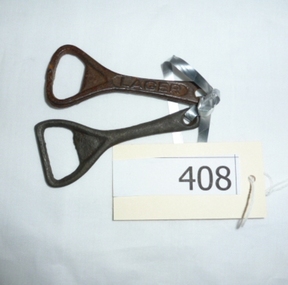
Greensborough Historical SocietyBottle opener, Crown seal bottle openers, 1940c
... Widely used to open early beer or soft drink bottles. The Abbots Lager opener may have been a promotional product for this brand of beer....One plain, unnamed; one labelled Abbots Lager....One plain, unnamed; one labelled Abbots Lager. Crown seal bottle openers Bottle opener Abbots ...Widely used to open early beer or soft drink bottles. The Abbots Lager opener may have been a promotional product for this brand of beer.Cast iron bottle openers, rusted exterior. One plain, unnamed; one labelled Abbots Lager.opener, crown seal beer bottle, cast iron, abbots lager -
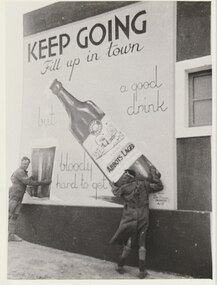
Melbourne LegacyPhotograph, A Mural West of Tobruk, 1941
... A photo of a mural in Libya painted by a South Australian Sapper of a bottle of Abbots Lager. The photo, and two others, were sent to Melbourne Legacy in 1979 by Legatee Syd Wilson of Yamba NSW. ...Black and white enlargement of a photo taken in Libya of Abbots Lager mural....They were donated to Legacy when it was thought they could be used for fundraising, which shows that Legatees were conscious of that Legacy needs to generate funds to continue its work. tobruk soldiers lager beer abbots lager murals Black and white enlargement of a photo taken in Libya of Abbots Lager mural. ...A photo of a mural in Libya painted by a South Australian Sapper of a bottle of Abbots Lager. The photo, and two others, were sent to Melbourne Legacy in 1979 by Legatee Syd Wilson of Yamba NSW. He thought Melbourne Legacy might be able to use them to generate money by selling them for advertising or publicity. He said they were enlargements of snapshots he had found in his old army trunk. The text says 'Keep Going. Fill up in town, but a good drink is bloody hard to get'. Legatee Wilson's letter says the murals were: 'painted on three walls of a white concrete Italian block house (Police Check post I think), some 18/20 miles west of Tobruk, between Tobruk and Derna, and near a captured Italian airfield, somewhere about February 1941. Obviously they were painted by a Victorian Sapper. They were very well done, by a competent Sign-writer/artist, in correct and excellent colours (captured Itie paint no doubt - there was plenty in their Naval Stores at Tobruk).' (NB Itie was slang for Italian) From the AWM website the signs were painted by South Australian painter, SZ538 Sapper Leslie John “Doc” Dawes, 2/3rd Field Company, Royal Australian Engineers. There are several photos on the AWM site including the building the three murals were on.Photos taken by a Legatee when on active service in Libya in World War 2. They were donated to Legacy when it was thought they could be used for fundraising, which shows that Legatees were conscious of that Legacy needs to generate funds to continue its work.Black and white enlargement of a photo taken in Libya of Abbots Lager mural.tobruk, soldiers, lager, beer, abbots lager, murals -
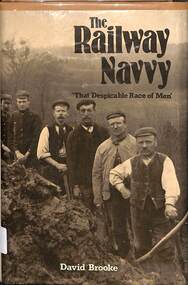
Victorian Railway History LibraryBook, Brooke, David, The Railway Navvy: 'That Despicable Race of Men', 1983
... Newton Abbot, United Kingdom ...A history of the 'railway navvy' who built the railways of Great Britain in the 19th century.index, App, ill, p.216.non-fictionA history of the 'railway navvy' who built the railways of Great Britain in the 19th century.railroad construction workers -- great britain -- history -- 19th century, railroad construction - united kingdom - history -
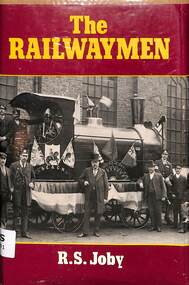
Victorian Railway History LibraryBook, Joby, R.S, The Railwaymen, 1984
... Newton Abbot, United Kingdom ...A history of the many different types of railwaymen working on the railways of Great Britain.index, ill, p.166.non-fictionA history of the many different types of railwaymen working on the railways of Great Britain.railroad operations - great britain - history, railroads -- great britain -- employees -- history -
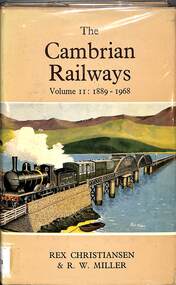
Victorian Railway History LibraryBook, Christiansen, Rex et al, The Cambrian Railways Volume 2: 1889-1968
... Newton Abbot, Great Britain ...The continuing history of The Cambrian Railway, in western Wales from 1889 to 1968.index, app, ill, maps, p.218.non-fictionThe continuing history of The Cambrian Railway, in western Wales from 1889 to 1968.railroads - great britain - history, railroads - the cambrian railway - history -
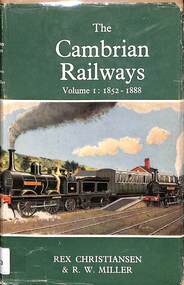
Victorian Railway History LibraryBook, Christiansen, Rex et al, The Cambrian Railways Volume 1: 1852-1888, 1967
... Newton Abbot, Great Britain ...A history of The Cambrian Railway, in western Wales from 1852 to 1888.index, ill, p.178.non-fictionA history of The Cambrian Railway, in western Wales from 1852 to 1888.railroads - great britain - history, railroads - the cambrian railway - history -
Victorian Railway History LibraryBook, Marshall, John, The Severn Valley, 1989
... Newton Abbot, United Kingdom ...A history of the Severn Valley tourist railway from Kidderminster to Bridgnorth in England.index, ill, maps, p.223.non-fictionA history of the Severn Valley tourist railway from Kidderminster to Bridgnorth in England.tourist railways and museums - great britain, railroads - the severn valley railway - history -
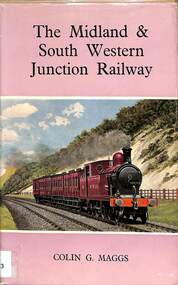
Victorian Railway History LibraryBook, Maggs, Colin G, The Midland & South Western Junction Railway, 1967
... Newton Abbot, United Kingdom ...A history of the Midland & South Western Junction Railway in England.index, app, bib, ill, maps, p159.non-fictionA history of the Midland & South Western Junction Railway in England.railroads - the midland & south western junction railway - history, railroads - great britain - history -
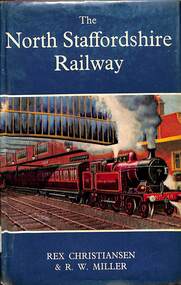
Victorian Railway History LibraryBook, Christiansen, Rex et al, The North Staffordshire Railway, 1971
... Newton Abbot, United Kingdom ...A history of the North Staffordshire Railway in England.index, app, ill, p.333.non-fictionA history of the North Staffordshire Railway in England.railroads - north staffordshire railway - history, railroads - great britain - history -
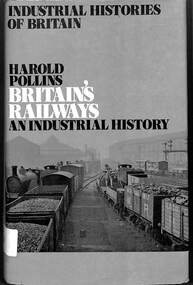
Victorian Railway History LibraryBook, Pollins, Harold, Industrial Histories of Britain: Britain's Railways An Industrial History, 1971
... Newton Abbot, United Kingdom ...An industrial history of the railways in Britain.index, ill, maps, p.223.non-fictionAn industrial history of the railways in Britain.railroads - great britain - history, railroad industry - history -
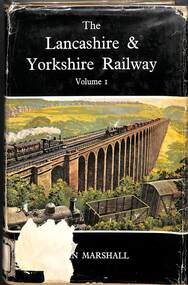
Victorian Railway History LibraryBook, Marshall, John, The Lancashire & Yorkshire Railway Volume 1, 1969
... Newton Abbot, United Kingdom ...The history of the Lancashire & Yorkshire Railway in the north of England. volume 1index, ill, maps, p.288.non-fictionThe history of the Lancashire & Yorkshire Railway in the north of England. volume 1railroads - lancashire & yorkshire railway - history, railroads - great britain - history -
Bendigo Historical Society Inc.Document - DOCUMENTS LISTING BUILDINGS AND PLACES OF BENDIGO
... Typed document listing prominent buildings of Bendigo, including Hand's butchery and Abbot & co building in Pall Mall....History House 11 Mackenzie Street Bendigo goldfields BENDIGO History buildings/streetscapes Typed document listing prominent buildings of Bendigo, including Hand's butchery and Abbot & co building in Pall Mall. Document DOCUMENTS LISTING BUILDINGS AND PLACES OF BENDIGO. ...Typed document listing prominent buildings of Bendigo, including Hand's butchery and Abbot & co building in Pall Mall.bendigo, history, buildings/streetscapes -
Bendigo Historical Society Inc.Document - HAND WRITTEN DOCUMENT LISTING PROMINENT BUILDINGS AND PLACES IN BENDIGO
... Hand written document listing prominent buildings and places in Bendigo. Eg. Abbot & Co, Conservatory, Stillwells, Specimen Cottage....History House 11 Mackenzie Street Bendigo goldfields BENDIGO History buildings/streetscapes Hand written document listing prominent buildings and places in Bendigo. Eg. Abbot & Co, Conservatory, Stillwells, Specimen Cottage. ...Hand written document listing prominent buildings and places in Bendigo. Eg. Abbot & Co, Conservatory, Stillwells, Specimen Cottage.bendigo, history, buildings/streetscapes -
Great Stupa of Universal CompassionArtwork, other (item) - Mounted picture of Shakyamuni Buddha presented by Thich Minh Hieu, Abbot of Minh Quang Temple Sydney, Australia, August 2009
... Mounted picture of Shakyamuni Buddha with a caption in Vietnamese presented by Thich Minh Hieu, Abbot of Minh Quang Temple Sydney....Jade Buddha Memorabilia Mounted picture of Shakyamuni Buddha with a caption in Vietnamese presented by Thich Minh Hieu, Abbot of Minh Quang Temple Sydney. Artwork, other Mounted picture of Shakyamuni Buddha presented by Thich Minh Hieu, Abbot of Minh Quang Temple Sydney, Australia. ...The Jade Buddha for Universal Peace, the largest Buddha carved from gemstone-quality jade in the world, is the centerpiece of the Great Stupa of Universal Compassion in Bendigo, Australia. Standing 2.5 meters tall and weighing 4 tonnes, this priceless Buddhist statue toured over 120 cities across 20 countries from 2009 to 2018, inspiring peace in families, schools, and communities worldwide. After attracting an estimated 12 million visitors, it returned to the Great Stupa in May 2018, where it continues to be a potent symbol of peace.This mounted artwork, presented in August 2009 by Thich Minh Hieu, Abbot of Minh Quang Temple in Sydney, embodies the principles of wisdom, compassion, and enlightenment. Depicting the Buddha in deep contemplation, it serves as a visual expression of mindfulness, inner harmony, and the temple’s role in promoting peace and spiritual reflection.jade buddha, memorabilia -
The Beechworth Burke MuseumDrawing, Ernest Marcuse, Beechworth Carriage Museum III, c1972-1976
... Obverse: ABBOT BAGGY / B'WORTH / CARRIAGE MUSEUM Reverse: B7 / Beechworth Nostalgia / BW - 07 B (crossed out) / 008... © 2020 Art by Marcuse https://www.artbymarcuse.com.au/about ernest marcuse marcuse art artbymarcuse beechworth burke museum indigo shire landscape illustration drawing pen and pencil australian army war events illustrator the age the sun the argus germany refugee industrial drawing architectual drawing figure drawing berliner morgenpost grosse deutsche rundfunaustellung berlin’s reiman school of art. cultural gifts program Obverse: ABBOT BAGGY / B'WORTH / CARRIAGE MUSEUM Reverse: B7 / Beechworth Nostalgia / BW - 07 B (crossed out) / 008 Pen and pencil landscape drawing on paper. ...Ernest Heinrich Marcuse was born on the 1st of December 1900 to Hedwig and Siegmund Marcuse in Berlin Germany. While Marcuse's artistic talent was apparent from a younger age, his earliest existing artwork was from when he was approximately 20 years old. Ernest's formal art training commenced in 1918 with a three year course at the Berlin school of Interior design. After completion he found work until 1924 when Germany's Great Depression took effect. To broaden his career opportunities he undertook a further 12 months study of fashion, drawing and advertising at Berlin's Reiman school of art. From 1925 to 1934 Ernest was primarily a freelance press artist specialising in industrial, architectural and figurative drawing. Prominent newspaper The Berliner Morgenpost was his largest client along with Gross Deutsche Rundfunaustellung (Germany's organisation for major trade shows). During this period he would create many significant works. Two months after Hitler and the Nazi part came to power in 1933, Ernest received a life changing letter stating that being Jewish he could no longer continue employment in Germany. Up until 1938 he would only be able to undertake private commissions and occasional unofficial work as a book illustrator and games designer. This was by arrangement with non Jewish artists who claimed his work as their own, they would then share the income with Ernest. With increasing unrest in Germany during late 1938 Ernest decided to move to London and there he married his girlfriend Lotte. In late 1939 Ernest and Lotte Marcuse embarked on an eight week journey to their new home in Australia where they had been accepted as refugees. Shortly after arriving in Australia Ernest presented his portfolio to an editor at the Argus newspaper and gained employment as a war events illustrator. He soon became well respected and known in particular for his detailed illustrations and cross sections of ships , artillery and aircrafts. His detailed depictions of battles were displayed on the front pages of The Argus newspaper on a number of occasions. In May 1940 as the war intensified Ernest was dismissed from The Argus newspaper due to his Australian government classification of 'stateless person of enemy origin' and was considered a potential security risk. The editor of the time commented "don't blame us, blame Hitler". Marcuse then began to establish himself as a commercial artist. Ernest was de-classified as a 'stateless person of enemy origin' and in early 1942. The Australian army heard of Ernest's artistic abilities and began to utilize his designs for visual training aids and posters. Ernest became Private E.H Marcuse V377746, his first army posting was as staff artist at The infantry officer's training school at Bonegilla. When off duty he was inspired by the beauty of the surrounding area creating the works in North east Victoria 'Kiewa river bridge', 'Hume weir', ' Dried up river bed' and 'Hawksview gold reef mine' from his 1942-1943 period at Bonegilla Victoria. Ernest returned to the area to create drawings and paintings from 1948 to 1983 in locations including Bright, Wandilligong, Bogong High plains and Wallace's Hut, Mt Buffalo, Beechworth, Pretty valley, Kiewa Hydro, Yackandandah and Bontherambo homestead. These sketches were often completed on location, photographs were also taken onsite to assist the works back at the studio. Occasionally Marcuse also painted in the field. Ernest's preferred choice of medium was pencil and ink. Up until 1952 he would often incorporate watercolour into his work. Later into his career he began introducing pastels, acrylic and mixed media. In earlier years Ernest Marcuse often signed his work Mar, later on the signing of works ranged from Marcuse, E.Marcuse, Ernest Marcuse, EHM or simply EM . If a work was considered incomplete or Marcuse did not like the work it would remain unsigned. From Bonegilla Marcuse was transferred to Woodside South Australia before his final posting in Melbourne until the end of 1945. Ernest's work from within his army posting 'Troop Train at Night' from his 1945 exhibition Australia at War are part of the permanent collection at Canberra's War Museum. Between 1946 and 1969 Ernest largely worked from home and concentrated on a career as a freelance commercial artist and graphic designer. During that time he created work for well known household names including CRA/Conzinc, Vacuum oil (Caltex), Cottee's Brand (Schweppes and Heinz), Home Beautiful magazine Fulton garden supplies, International Iveco trucks, Ego pharmaceuticals, QV and Sunsense. After retirement Ernest concentrated on his true love of fine art and focused on painting images of personal interest both across Australia and Internationally. Earnest never drove a car. He would often walk or use public transport or enlist in the help of family or artist friends to drive him. Throughout his career Ernest Marcuse's artworks were purchase by private collectors these included ACTU, Melbourne City council, Holland Constructions, Melbourne Metropolitan Tramways Board, GJ Coles and Australian Resources Bank. Ernest Marcuse permanent collections can be viewed at The National Gallery of Victoria , Sydney Jewish Museum, Jewish Holocaust Centre Melbourne, Canberra's War Museum, City of Melbourne, Shire of Yarra ranges and now the Burke Museum. © 2020 Art by Marcuse https://www.artbymarcuse.com.au/aboutDonated to the Burke Museum through the Australian Government's Cultural Gifts Program by Peter and Evelyn MarcusePen and pencil landscape drawing on paper.Obverse: ABBOT BAGGY / B'WORTH / CARRIAGE MUSEUM Reverse: B7 / Beechworth Nostalgia / BW - 07 B (crossed out) / 008ernest marcuse, marcuse, art, artbymarcuse, beechworth, burke museum, indigo shire, landscape, illustration, drawing, pen and pencil, australian army, war events illustrator, the age, the sun, the argus, germany, refugee, industrial drawing, architectual drawing, figure drawing, berliner morgenpost, grosse deutsche rundfunaustellung, berlin’s reiman school of art., cultural gifts program -
Bendigo Historical Society Inc.Photograph - PALL MALL BENDIGO
... Image shows The Beehive, Abbots, Myers. On bottom ' Pall Mall, Bendigo' No. 14.'...Image shows The Beehive, Abbots, Myers. On bottom ' Pall Mall, Bendigo' No. 14.' ...Photo, color. Pall Mall Bendigo, 1940's ? Image shows The Beehive, Abbots, Myers. On bottom ' Pall Mall, Bendigo' No. 14.'bendigo, streetscape, pall mall, beehive, pall mall, myer -
Bendigo Historical Society Inc.Document - BILL ASHMAN COLLECTION: CORRESPONDENCE
... Typed letter from richard Hartley Smith Abbot, dated 21 February, 1939 seeking an extension of his re-entry permit to the United States....History House 11 Mackenzie Street Bendigo goldfields SCIENCES Instruments - general scalebuoy Bill Ashman Collection - Correspondence Scott's Hotel Melbourne Richard Hartley Smith Abbott C S Bird Scalebuoy Mariposa Abbott Supply Company Typed letter from richard Hartley Smith Abbot, dated 21 February, 1939 seeking an extension of his re-entry permit to the United States. ...Typed letter from richard Hartley Smith Abbot, dated 21 February, 1939 seeking an extension of his re-entry permit to the United States.sciences, instruments - general, scalebuoy, bill ashman collection - correspondence, scott's hotel melbourne, richard hartley smith abbott, c s bird, scalebuoy, mariposa, abbott supply company -
Ringwood and District Historical SocietyProgramme, Norwood High School, Ringwood, Victoria, 1987 presentation of the musical The Pajama Game
... P/L, music & lyrics by Richard Adler & Jerry Ross, book by George Abbot & Richard Bissell....P/L, music & lyrics by Richard Adler & Jerry Ross, book by George Abbot & Richard Bissell. Twelve-page booklet including photographs and performance dates throughout August (1987), with full list of performers and production personnel. ...Twelve-page booklet including photographs and performance dates throughout August (1987), with full list of performers and production personnel.Presentation by arrangement with Chappell & Co. (Aust.) P/L, music & lyrics by Richard Adler & Jerry Ross, book by George Abbot & Richard Bissell. -
Bendigo Historical Society Inc.Document - MINER'S RIGHTS AND GOLD LICENSES - COPIES OF, Various
... :Gold License, J H Abbot, 1853?; g. copy of f.; h.:Gold License - three months, Joseph Henry Abbot 1854; I.: Miner's Right, Joseph Henry Abbot, 1882; j. ...:Gold License, J H Abbot, 1853?; g. copy of f.; h.:Gold License - three months, Joseph Henry Abbot 1854; I.: Miner's Right, Joseph Henry Abbot, 1882; j. ...Copies of Miner's Rights and Gold Licenses - A collection of 'photocopies' of various Miner's Right and Gold License certificates. A.: Miner's Right, Louis Sonnenberg, 1865 & License J H Abbott; b. Miner's Right, Louis Sonnenberg of Preston Vale; Gold License J H Abbott 185?; c.: Gold License, J H Abbott, 1853; d.:Gold License, J H Abbott, 185?; e.:Copy of d.; f.:Gold License, J H Abbot, 1853?; g. copy of f.; h.:Gold License - three months, Joseph Henry Abbot 1854; I.: Miner's Right, Joseph Henry Abbot, 1882; j. Miner's Right, Louis Sonnenberg, 186?document, certificate, miner's right/gold license -
Whitehorse Historical Society Inc.Certificate - Burwood State School Certificate, 1954
... Burwood State School Mothers Club Scholarship John Davies Best General Results 1954. President R.L. Abbot. Head Teacher A.R. Donald....Whitehorse Historical Society Inc. 2-10 Deep Creek Road Mitcham melbourne Burwood State School Mothers Club Scholarship John Davies Best General Results 1954. President R.L. Abbot. Head Teacher A.R. Donald. Burwood State School Mothers Club Scholarship Framed Certificate Burwood State School Scholarship award. ...Burwood State School Mothers Club Scholarship John Davies Best General Results 1954. President R.L. Abbot. Head Teacher A.R. Donald.Framed Certificate Burwood State School Scholarship award.Burwood State School Mothers Club Scholarship -
Bendigo Historical Society Inc.Ephemera - CASTLEMAINE GAS COMPANY COLLECTION: ENVELOPE
... Photo envelope ''Keogh's Camera House 140 Hare Street Echuca - Shop 1 Abbot Arcade Queen Street Bendigo. The envelope contained negatives catalogue number 11518.499 and photos from 11518.482 to 11518 498...History House 11 Mackenzie Street Bendigo goldfields BUSINESS Retail photography Photo envelope ''Keogh's Camera House 140 Hare Street Echuca - Shop 1 Abbot Arcade Queen Street Bendigo. The envelope contained negatives catalogue number 11518.499 and photos from 11518.482 to 11518 498 Ephemera CASTLEMAINE GAS COMPANY COLLECTION: ENVELOPE ...Photo envelope ''Keogh's Camera House 140 Hare Street Echuca - Shop 1 Abbot Arcade Queen Street Bendigo. The envelope contained negatives catalogue number 11518.499 and photos from 11518.482 to 11518 498business, retail, photography