
Showing 5 items matching " industrial oils"
-
 Bendigo Historical Society Inc.
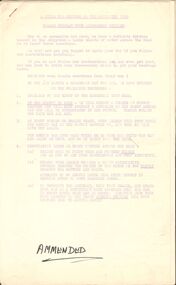
Document - PETER ELLIS COLLECTION: A GUIDE FOR DRIVERS ON THE WHIPSTICK TOUR
... ... Industrial Oils...Mentioned are the different uses of oils (perfumery, industrial and medicinal) and the different species of eucalypt used for each and various products. ...BENDIGO History early bendigo Peter Ellis Collection A Guide for Drivers on the Whipstick Tour The Whipstick 1971 Map Shire of marong Shire of East Loddon Shire of Huntly Borough of Eaglehawk City of Bendigo Shire of Strathfieldsaye The Bendigo Whipstick Eucalyptus Oil Industry Eaglehawk Town Hall Lightning Hill Lookout Eaglehawk Rifle Range New Moon Mines Blue Jacket Reservoir Maggetti's Wine Hall Camp Hotel (ex) Skylark Dam Eucalyptus Oil Production Eucalyptus Factory Whipstick Eucalyptus Farm Ruedin's Eucalyptus Factory Dutch Bowls Governor Philip Sir Joseph Banks John White Baron Von Mueller Joseph Bosisto Commonwealth Government Perfumery Oils Industrial Oils Medicinal Oils P Ellis Dr Frith CSIRO Wildlife Division Harley Webster Forests Commission Vincent Serventy Victorian National Parks Association Bendigo Field Naturalists Club A Guide for Drivers on the Whipstick Tour. ...A Guide for Drivers on the Whipstick Tour. First page gives assembly area, driving in convoy and negotiating water or boggy patches across the road. Amended written at the end of the page. Directions with mileage and items of interest for the tour on Sunday September 9th (no year). A Whipstick Map 1971 showing State Forest, Crown Lands, Uncleared Mallee - Private (shown in different colours) Water Reserve and Roads. Noted are Flora and Fauna - Plants, Birds & Mammals, and areas of State Forest and Southern State Forest with Mallee Scrub area noted. Also State Forest & Crown Lands Total Area and a map scale. The Bendigo Whipstick mentions area, suggestions of where the name Whipstick came from, shrubs and flowers with their flowering times, descriptions of some of them and some information on the Mallee Fowl. The Eucalyptus Oil Industry paragraph mentions the beginnings of the industry. Mentioned are the different uses of oils (perfumery, industrial and medicinal) and the different species of eucalypt used for each and various products. Also notes on the growing, harvesting and refining of eucalyptus. P Ellis at the end of the page. The next two and a half pages mentions reserves, and at the end acknowledgements. Includes a spare copy of 'The Bendigo Whipstick' by P Ellis.bendigo, history, early bendigo, peter ellis collection, a guide for drivers on the whipstick tour, the whipstick 1971 map, shire of marong, shire of east loddon, shire of huntly, borough of eaglehawk, city of bendigo, shire of strathfieldsaye, the bendigo whipstick, eucalyptus oil industry, eaglehawk town hall, lightning hill lookout, eaglehawk rifle range, new moon mines, blue jacket reservoir, maggetti's wine hall, camp hotel (ex), skylark dam, eucalyptus oil production, eucalyptus factory, whipstick eucalyptus farm, ruedin's eucalyptus factory, dutch bowls, governor philip, sir joseph banks, john white, baron von mueller, joseph bosisto, commonwealth government, perfumery oils, industrial oils, medicinal oils, p ellis, dr frith, csiro wildlife division, harley webster, forests commission, vincent serventy, victorian national parks association, bendigo field naturalists club -
 City of Moorabbin Historical Society (Operating the Box Cottage Museum)
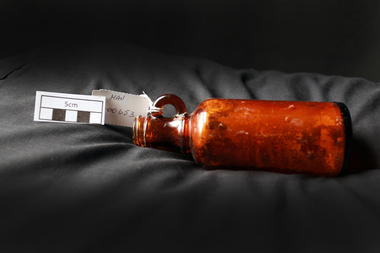
Manufactured Glass, brown bottle, 20thC
... oils and animal hides. Andrew Reid, also from Linlithgow, came to join Hardie in Melbourne, and became a full partner in 1895. When Hardie retired in 1911, he sold his half of the business to Reid. James Hardie Industries Ltd first listed on the Australian Stock Exchange in 1951 and is an industrial...oils and animal hides. Andrew Reid, also from Linlithgow, came to join Hardie in Melbourne, and became a full partner in 1895. When Hardie retired in 1911, he sold his half of the business to Reid. James Hardie Industries Ltd first listed on the Australian Stock Exchange in 1951 and is an industrial ...This bottle may have held medicine used by a local early settler family. A local resident discovered it when digging his garden in McKinnon 2013. James Hardie immigrated to Australia in 1888 from Linlithgow, Scotland, and created a business importing oils and animal hides. Andrew Reid, also from Linlithgow, came to join Hardie in Melbourne, and became a full partner in 1895. When Hardie retired in 1911, he sold his half of the business to Reid. James Hardie Industries Ltd first listed on the Australian Stock Exchange in 1951 and is an industrial building materials company headquartered in Ireland which specialises in fibre cement products. James Hardie manufactures and develops technologies, materials and processes for the production of building materials. For over 20 years, Hardie has also operated a research and development facility devoted solely to fibre-cement technology. The company was a key player in asbestos mining and manufacturing in Australia through most of the twentieth century. Working with products containing asbestos - including the building material known as "Fibro" - caused people to develop various pleural abnormalities such as asbestosis and malignant mesothelioma. In December 2001, the company shareholders unanimously voted to restructure and relocate the company in the Netherlands as a parent company. This was part of a strategy to separate the company from the stigma of its asbestos liabilities. February 2010, James Hardie moved its corporate domicile from The Netherlands to Ireland, In May 2012 the High Court of Australia found that seven former James Hardie non-executive directors misled the stock exchange over the asbestos victims compensation fundA brown glass bottle, with finger grip handlearound bottom " THIS BOTTLE ALWAYS REMAINS THE PROPERTY OF JAMES HARDIE PTY. LTD. SYDNEY' on base 'IS985 / 7early settlers, pioneers, market gardeners, moorabbin, bentleigh, ormond, mvkinnon, glass bottles, medine containers, medical supplies, james hadie pty ltd. hardie -
 City of Moorabbin Historical Society (Operating the Box Cottage Museum)
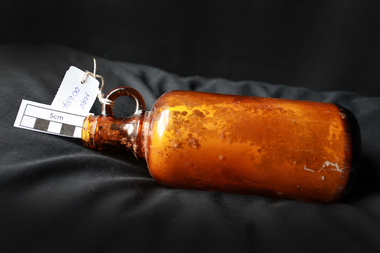
Manufactured Glass, brown bottle, 20th C
... oils and animal hides. Andrew Reid, also from Linlithgow, came to join Hardie in Melbourne, and became a full partner in 1895. When Hardie retired in 1911, he sold his half of the business to Reid. James Hardie Industries Ltd first listed on the Australian Stock Exchange in 1951 and is an industrial...oils and animal hides. Andrew Reid, also from Linlithgow, came to join Hardie in Melbourne, and became a full partner in 1895. When Hardie retired in 1911, he sold his half of the business to Reid. James Hardie Industries Ltd first listed on the Australian Stock Exchange in 1951 and is an industrial ...This bottle may have held medicine used by a local early settler family. A local resident discovered it when digging his garden in McKinnon 2013. James Hardie immigrated to Australia in 1888 from Linlithgow, Scotland, and created a business importing oils and animal hides. Andrew Reid, also from Linlithgow, came to join Hardie in Melbourne, and became a full partner in 1895. When Hardie retired in 1911, he sold his half of the business to Reid. James Hardie Industries Ltd first listed on the Australian Stock Exchange in 1951 and is an industrial building materials company headquartered in Ireland which specialises in fibre cement products. James Hardie manufactures and develops technologies, materials and processes for the production of building materials. For over 20 years, Hardie has also operated a research and development facility devoted solely to fibre-cement technology. The company was a key player in asbestos mining and manufacturing in Australia through most of the twentieth century. Working with products containing asbestos - including the building material known as "Fibro" - caused people to develop various pleural abnormalities such as asbestosis and malignant mesothelioma. In December 2001, the company shareholders unanimously voted to restructure and relocate the company in the Netherlands as a parent company. This was part of a strategy to separate the company from the stigma of its asbestos liabilities. February 2010, James Hardie moved its corporate domicile from The Netherlands to Ireland, In May 2012 the High Court of Australia found that seven former James Hardie non-executive directors misled the stock exchange over the asbestos victims compensation fund' A brown glass bottle with finger ring hold at neck that may have been used by a local home owner to hold medicine c1900around base ' THIS BOTTLE ALWAYS REMAINS THE PROPERTY OF JAMES HARDIE PTY LTD SYDNEY ' on base ' IS 994 ' pioneers, market gardeners, moorabbin, bentleigh, ormond, mvkinnon, glass bottles, medine containers, medical supplies, james hadie pty ltd. hardie, early settlers -
 Port Melbourne Historical & Preservation Society
Document - Agreement, Erect Edible Oils Department, J Kitchen & Sons Pty Ltd and H G White Pty Ltd, 14 Apr 1953
... Industry - Manufacturing Built Environment - Industrial J Kitchen & Sons Pty Ltd H G White Pty Ltd Ingles Street Alder & Lacey W H GIBBS P WEBBER GREENWOOD P OAKLEY C E SERPELL C R HAUSEN Louis THOMPSON No 48276 Faded green agreement between messrs J Kitchen & Sons Pty Ltd and messrs H G White Pty Ltd to erect and complete an Edible Oils Department. ...Faded green agreement between messrs J Kitchen & Sons Pty Ltd and messrs H G White Pty Ltd to erect and complete an Edible Oils Department. Schedule of conditions of building contract.No 48276industry - manufacturing, built environment - industrial, j kitchen & sons pty ltd, h g white pty ltd, ingles street, alder & lacey, w h gibbs, p webber, greenwood, p oakley, c e serpell, c r hausen, louis thompson -
 Sunshine and District Historical Society Incorporated
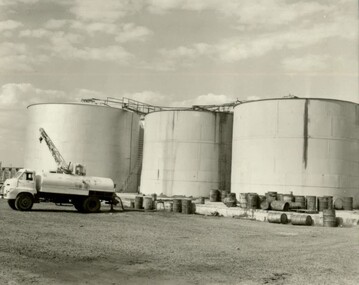
Photograph - Pridhams Tallow Tanks Evans Street Braybrook 1963 Photograph, February 1963
... oils. This positioned Peerless as a natural successor to Pridham’s operations. In 1982, Peerless Foods acquires Pridham’s Braybrook rendering business This acquisition gave Peerless a large, established industrial site, and by integrating Pridham’s century old rendering operations allowed Peerless to scale into a national fats and oils manufacturer During the 1980s and into the 2000s, Peerless went through a diversification process and expanded from tallow into edible oils, margarine, shortenings, bakery fats and foodservice oil. ...oils. This positioned Peerless as a natural successor to Pridham’s operations. In 1982, Peerless Foods acquires Pridham’s Braybrook rendering business This acquisition gave Peerless a large, established industrial site, and by integrating Pridham’s century old rendering operations allowed Peerless to scale into a national fats and oils manufacturer During the 1980s and into the 2000s, Peerless went through a diversification process and expanded from tallow into edible oils, margarine, shortenings, bakery fats and foodservice oil. ...Peerless Holdings’ Braybrook site began in the 1890s as Pridham’s Rendering Works. The rendering works produced sausage casings, meat meal, tallow, and fertiliser and operated as part of a large cluster of slaughterhouse related industries in Braybrook and Footscray districts. The founder, William Pridham was a prominent civic figure (Councillor, mayor, and community leader). Peerless Foods began in the 1950s as a small Melbourne business recycling and rendering meat by‑products with their early focus on rendering, tallow production, basic edible fats and oils. This positioned Peerless as a natural successor to Pridham’s operations. In 1982, Peerless Foods acquires Pridham’s Braybrook rendering business This acquisition gave Peerless a large, established industrial site, and by integrating Pridham’s century old rendering operations allowed Peerless to scale into a national fats and oils manufacturer During the 1980s and into the 2000s, Peerless went through a diversification process and expanded from tallow into edible oils, margarine, shortenings, bakery fats and foodservice oil. In 2005, Peerless purchased Unilever’s nonretail margarine and oil business, acquiring major Australian brands EOI, Copha, Fairy and Kremelta. This dramatically increased the Braybrook site’s production and distribution role. Peerless Holdings (Peerless Foods) now produces edible oils, spreads, shortenings, and bakery fats, supplies retail, foodservice, bakery, ingredients, and export markets. Peerless is still operating out of long-established Braybrook industrial complex, and the site remains one of the largest and longest running industrial facilities in Melbourne’s western suburbs.These tallow tanks are large, heated storage vessels that are used to hold rendered animal fat (tallow) in liquid form so it can be processed, refined, or transported. As tallow is solid at room temperature, these tanks keep it pumpable, and are fitted with steam coils, hot‑water jackets and insulated walls.evans street, braybrook, pridham
