
Showing 67 items matching " john buckley"
-
 Monbulk RSL Sub Branch
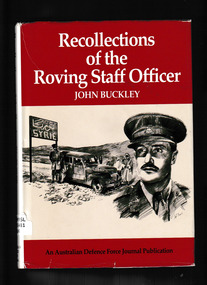
Book, Australian Department of Defence, Recollections of the Roving Staff Officer, 1993
... ...John Buckley...Recollections of the Roving Staff Officer Book Australian Department of Defence John Buckley ...The personal experiences of John Buckley as the roving staff officer in a variety of theaters during World War Two.Index, bibliography, ill, p.341.non-fictionThe personal experiences of John Buckley as the roving staff officer in a variety of theaters during World War Two.world war 1939-1945 - personal narratives, world war 1939-1945 - political aspects -
 Narre Warren and District Family History Group
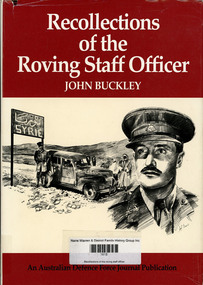
Book, John Buckley, Recollections of the roving staff officer, 1993
... John Buckley...World War 1939-1945 General Peter Gration John Curtin Lieutenant General Sir Vernon Sturdee Lieutenant General the Honourable Sir Edmund Herring Archbishop Sir Frank Woods This book covers many aspects of War from the 2nd World War, to the Middle East, Syria and Iraq Recollections of the roving staff officer Book John Buckley Department of Defence ...This book covers many aspects of War from the 2nd World War, to the Middle East, Syria and Iraqnon-fictionThis book covers many aspects of War from the 2nd World War, to the Middle East, Syria and Iraqworld war 1939-1945, general peter gration, john curtin, lieutenant general sir vernon sturdee, lieutenant general, the honourable sir edmund herring, archbishop sir frank woods -
 Bendigo Historical Society Inc.
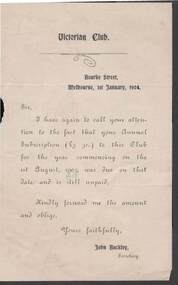
Document - KELLY AND ALLSOP COLLECTION: VICTORIA CLUB, 01/01/1904
... ... John Buckley...Printed reminder from the Victoria Club, Bourke St., Melbourne, reminding the receiver that the Annual Subscription of £3/3/- is still unpaid, and would the amount be forwarded to the Secretary, John Buckley. Dated 1st January, 1904....BUSINESS Stockbroker kelly & alsop Kelly & Alsop Collection - Victoria Club John Buckley Printed reminder from the Victoria Club, Bourke St., Melbourne, reminding the receiver that the Annual Subscription of £3/3/- is still unpaid, and would the amount be forwarded to the Secretary, John Buckley. ...Printed reminder from the Victoria Club, Bourke St., Melbourne, reminding the receiver that the Annual Subscription of £3/3/- is still unpaid, and would the amount be forwarded to the Secretary, John Buckley. Dated 1st January, 1904.business, stockbroker, kelly & alsop, kelly & alsop collection - victoria club, john buckley -
 Geelong Gallery
Painting - William Buckley and John Batman, GILSON, Marlene, 2021
... William Buckley and John Batman...Synthetic polymer paint on canvas Painting William Buckley and John Batman GILSON, Marlene ...Synthetic polymer paint on canvas -
 Flagstaff Hill Maritime Museum and Village
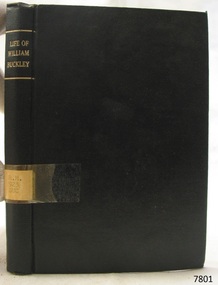
Book, Life and Adventures of William Buckley
... Life and Adventures of William Buckley...John...Life and Adventures of William Buckley Author: John Morgan Publisher: McDougall Date: 1852...Warrnambool Shipwrecked-coast Flagstaff-Hill Flagstaff-Hill-Maritime-Museum Maritime-Museum Shipwreck-coast Flagstaff-Hill-Maritime-Village Shipwrecked-artefact Great Ocean Road Book Warrnambool Library Warrnambool Mechanics’ Institute Mechanics’ Institute Library Victorian Library Board Warrnambool books and records Warrnambool Children’s Library Warrnambool Public Library Life and Adventures of William Buckley John Morgan Label on spine cover with typed text RH 923 BUC Pastedown front endpaper has sticker from Warrnambool Public Library Life and Adventures of William Buckley Author: John Morgan Publisher: McDougall Date: 1852 Life and Adventures of William Buckley Book ...Life and Adventures of William Buckley Author: John Morgan Publisher: McDougall Date: 1852Label on spine cover with typed text RH 923 BUC Pastedown front endpaper has sticker from Warrnambool Public Librarywarrnambool, shipwrecked-coast, flagstaff-hill, flagstaff-hill-maritime-museum, maritime-museum, shipwreck-coast, flagstaff-hill-maritime-village, shipwrecked-artefact, great ocean road, book, warrnambool library, warrnambool mechanics’ institute, mechanics’ institute library, victorian library board, warrnambool books and records, warrnambool children’s library, warrnambool public library, life and adventures of william buckley, john morgan -
 Port Melbourne Historical & Preservation Society
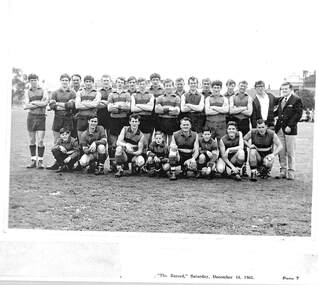
Photograph - CYMS football team 1963/64, 1963 - 1970
... ...John BUCKLEY...Sport - Australian Rules Football Peter BEDFORD Colin COY DONNELLY Jim COY Robert TWOMEY John HOLDEN Bruce PETERSON Jim TANNOCK Chris POWER Pat DEAGON Bill EASTMURE Darvil HOWARD John BUCKLEY Robert PETERSON Gary EPPLE Lou ADAMS George MELLETT Frank FLANNERY Brian BUCKLEY John O'KEEFE Neil DALTON Peter BROWN CYMS Football Team CYMS football team 1963/64. ...Reproduced from Peter BEDFORD's scrapbook.CYMS football team 1963/64. Photocopy sport - australian rules football, peter bedford, colin coy, donnelly, jim coy, robert twomey, john holden, bruce peterson, jim tannock, chris power, pat deagon, bill eastmure, darvil howard, john buckley, robert peterson, gary epple, lou adams, george mellett, frank flannery, brian buckley, john o'keefe, neil dalton, peter brown, cyms football team -
Federation University Historical Collection
Document, Robert Le Poer Trench Research Notes
... ...John Buckley Castieu...Dianne Campbell Goldfield Lawyers Collection Robert La Poer Trench Sadlier Bury William Smith O'Brien Hall Castieux Darvall Henry Charles Darvall Francis Sadlier Irish William O'Brien John Hall John Buckley Castieu family history genealogy Two lever arch folders with pages relating to Robert Le Poer Trench. .1) Robert Le Poer Trench (geneaology) Henry Charles Darvall , Sadlier .2) John Sadlier, Robert Le Poer Trench, marriage certificate of Sophie Le Poer Trench, William Grant, Exiles from Erin Robert Le Poer Trench Research Notes Document ...Two lever arch folders with pages relating to Robert Le Poer Trench. .1) Robert Le Poer Trench (geneaology) Henry Charles Darvall , Sadlier .2) John Sadlier, Robert Le Poer Trench, marriage certificate of Sophie Le Poer Trench, William Grant, Exiles from Erindianne campbell goldfield lawyers collection, robert la poer trench, sadlier, bury, william smith o'brien, hall, castieux, darvall, henry charles darvall, francis sadlier, irish, william o'brien, john hall, john buckley castieu, family history, genealogy -
 Bendigo Historical Society Inc.
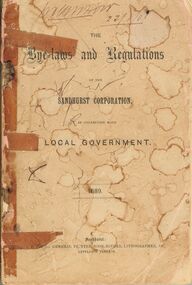
Book - BENDIGO SALEYARDS COLLECTION: THE BYE-LAWS AND REGULATIONS OF THE SANDHURST CORPORATION
... ... John Buckley...BENDIGO Council cattle markets Bendigo Saleyards Collection - The Bye-laws and Regulations of the Sandhurst Corporation 1889 J B Young Henry Hattam Dugald Macdougall Ebenezer Neill John Buckley J A Woodward W D C Denovan W G Jackson John Delbridge S H McGowan Jacob Cohn J W Colville Alexander Bayne D C Sterry John A Woodward Patrick Hayes T Jefferson Conmnelly Book with faded and stained pink cover. ...Book with faded and stained pink cover. Much of the book held together with sticky tape. Titled The Bye-laws and Regulations of the Sandhurst Corporatiion, in connection with Local Government 1889. Printed by J. B. Young, General Printer, Book-Binder, Lithographer, &c., Lyttleton Terrace. Contained in the book are Regulations on buildings, parks, carriages, animals, noxious trades shops and tents.bendigo, council, cattle markets, bendigo saleyards collection - the bye-laws and regulations of the sandhurst corporation 1889, j b young, henry hattam, dugald macdougall, ebenezer neill, john buckley, j a woodward, w d c denovan, w g jackson, john delbridge, s h mcgowan, jacob cohn, j w colville, alexander bayne, d c sterry, john a woodward, patrick hayes, t jefferson conmnelly -
 Bendigo Historical Society Inc.
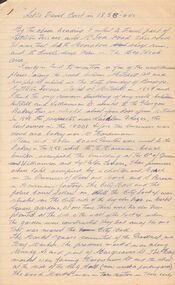
Document - LET'S TRAVEL EAST IN 1858 - 60'S
... ... Mr John Buckley...DOCUMENT Let's Travel East in 1858 - 60's Moorabbee Sheep Run Curr's Sheep Run Glasgow Bakery Lachlan Frazer Mr hardiman Steen and Holm Coach Painters Mr H Haisman Coach Builder Scholton and March March and S Brown Haisman Factory City Hall Police Court City Lockup Market Square Senior Citizens Club Weighbridge Dunlop tyre Service Station Tommy Burns Matt Lynch Tom & Mick Kennedy Darling Hotel The Innes Mr Bullens Fruit Shop Bricklayers Arms Hotel Cheshire Arms Hotel Mr I Boffey Newcombe's timber Yard Quinns Monumental establishment Alexandra Fountain Cumberland Hotel Sannaman's Coach Factory Town Hall Hotel Her Majesties Open Air Picture Show Mr R Anderson John Ohagan Sandhurst Hotel The Melbourne Café Haymarket Hotel The Old Haymarket Hotel The Market Ale House The Prince of Wales Theatre Manchester Hotel Mr John Doran Dr Backhaus Manchester Hall The Bendigo Star James Griffen Coach Factory Mr George Lansell Whitting's Marine Store Cartrights Marine Store Sandhurst Flour Mills Mr John Buckley Moorhead Hay and Corn Mills Brian Boru Hotel Mr M R? ...Nine pages of handwritten account of businesses from Mitchell Street, along Lyttleton Terrace and McIvor Road to the City boundary on the Bendigo side of Murphy Street.document, let's travel east in 1858 - 60's, moorabbee sheep run, curr's sheep run, glasgow bakery, lachlan frazer, mr hardiman, steen and holm coach painters, mr h haisman coach builder, scholton and march, march and s brown, haisman factory, city hall, police court, city lockup, market square, senior citizens club, weighbridge, dunlop tyre service station, tommy burns, matt lynch, tom & mick kennedy, darling hotel, the innes, mr bullens fruit shop, bricklayers arms hotel, cheshire arms hotel, mr i boffey, newcombe's timber yard, quinns monumental establishment, alexandra fountain, cumberland hotel, sannaman's coach factory, town hall hotel, her majesties open air picture show, mr r anderson, john ohagan, sandhurst hotel, the melbourne café, haymarket hotel, the old haymarket hotel, the market ale house, the prince of wales theatre, manchester hotel, mr john doran, dr backhaus, manchester hall, the bendigo star, james griffen coach factory, mr george lansell, whitting's marine store, cartrights marine store, sandhurst flour mills, mr john buckley, moorhead hay and corn mills, brian boru hotel, mr m r?dea, mr worth, mr condon, mr c cahill, nolan family, mr sides, the nailons, mrs boyan, jacky bryant, john oconnell general store, mr pierce, mr matthews, mr neil ward, mr hagan, william clapton, mr joseph dowd, mr morris, ancient briton hotel, the woolpak, the railway bridge, ampol service station, farrells dairy, farringtons brickworks, jacksons hide & tallow yard, fergusons, royal oak hotel, mr jackson, mr knight, st marys common school no812, mrs rersol, w d quinn, mr march, mr fred randall, mr steeple, the limerick hotel, back creek police shooting range, police station, stone lockup, holts service station, steepe's butcher shop, joch, john hattam -
Port Melbourne Historical & Preservation Society
Photograph - St Joseph's past pupils debutantes, 1959 - 1960
... ...John BUCKLEY...Religion - Roman Catholic Church (St Josephs) Ellen KEATING Graham TERRY Maurie STREETER John BUCKLEY Frederick Robert WINDUSS Patricia WRIGHT Basil SHEEHAN Maureen MADIGAN Patrick CAREY Tony POWER Bruce FLETCHER Stan HOLDEN Robert PETERSON Peter BROWN Sandra RUSSELL Noeline FLETCHER Patricia WOODRUFF Norma DIXON Sally O'SHANNESSY Terry DOOLAN Kathleen NICHOLS Robert WEBB St Joseph's past pupils debutante photo 1957-1960. ...St Joseph's past pupils debutante photo 1957-1960.religion - roman catholic church (st josephs), ellen keating, graham terry, maurie streeter, john buckley, frederick robert winduss, patricia wright, basil sheehan, maureen madigan, patrick carey, tony power, bruce fletcher, stan holden, robert peterson, peter brown, sandra russell, noeline fletcher, patricia woodruff, norma dixon, sally o'shannessy, terry doolan, kathleen nichols, robert webb -
 Greensborough Historical Society
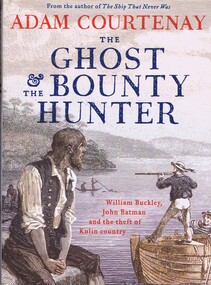
Book - Directory, ABC Books, The ghost and the bounty hunter, 2020
... william buckley...john...In 1803 William Buckley escaped from custody and was found by first nations people, close to death. He lived with the Wadawurrung people until 1835 when John Batman arrived in the Port Phillip Bay area....In 1803 William Buckley escaped from custody and was found by first nations people, close to death. He lived with the Wadawurrung people until 1835 when John Batman arrived in the Port Phillip Bay area. william buckley john batman victoria history kulin nation The story of William Buckley. 306 p., illus. ...The story of William Buckley.306 p., illus.non-fictionThe story of William Buckley.william buckley, john batman, victoria history, kulin nation -
Warrnambool and District Historical Society Inc.
Album - Bonnett Family Scrapbook
... ...j j buckley...john...This is an interesting collection of items which sparked the interest of a farming family in early 20th century. bonnett family mepunga east scrapbook gall chambers morgan moloney jenkins mclean rev samuel fraser spence adams bennett robisson sheedy patrick maher w j freckleton j j buckley john steel f j hennessy thomas gordon scott william r jackway c c williams c w cooke henry w frich leo p gartlan w f Heazlewood william k o'dowd ralph j levings w ewart murnane t d donovan j w connolly arthur butler george white jim g davidson a roberts jack keith w. allwood voutier edward somerville harold wright w a egan p macnamara carl d fisher p morgan david watson cecil h fox james tinker gordon patterson Early 20thC. newspaper cuttings. ...This is a collection of newspaper cuttings many of which relate to district soldiers who enlisted in World War 1. There are also a number of household recipes and hints from " Women's Sphere" and the "Australian Journal" in the time period of 1906 to 1935. There are also cuttings from the " Australian Dairy Farmer" from 1940. There are also a number of handwritten recipes for baking and medicinal purposes. It was collected by a member of the Bonnett family , who farmed at Mepunga over a number of years. The Historical Society has another exercise book of cuttings from the local paper which printed letters from the front by soldiers from WW1.This is an interesting collection of items which sparked the interest of a farming family in early 20th century.White two ring bantex folder of 37 plastic sleeves containing white A4 pages with newspaper cuttings. There are some handwritten pages at the rear.Early 20thC. newspaper cuttings. (kept by Bonnett family - Mepunga East)bonnett family, mepunga east, scrapbook, gall, chambers, morgan, moloney, jenkins, mclean, rev samuel fraser, spence, adams, bennett, robisson, sheedy, patrick maher, w j freckleton, j j buckley, john steel, f j hennessy, thomas gordon scott, william r jackway, c c williams, c w cooke, henry w frich, leo p gartlan, w f heazlewood, william k o'dowd, ralph j levings, w ewart murnane, t d donovan, j w connolly, arthur butler, george white, jim g davidson, a roberts, jack keith, w. allwood, voutier, edward somerville, harold wright, w a egan, p macnamara, carl d fisher, p morgan, david watson, cecil h fox, james tinker, gordon patterson -
 Victorian Aboriginal Corporation for Languages
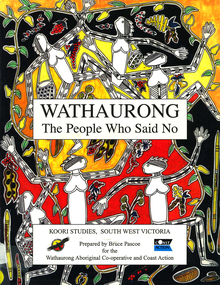
Book, Bruce Pascoe et al, Wathaurong : the people who said no, 2003
... John Batman...William Buckley...Wathaurong Wadtharung Port Philllip Bay Western Port Bay Lorne South West Victoria Battle Creek Aire River Werribee Ballarat Wathaurong Aboriginal Cooperative Coast Action Koori studies John Batman William Buckley Aboriginal studies policy secondary school education hissing swan Victorian history maps, colour illustrations, b&w illustrations, colour photographs, word lists The Wathaurong people of South Western Victoria said no to European invasion. ...The Wathaurong people of South Western Victoria said no to European invasion. Learn about this heroic resistance to the occupation of their lands. Can white and black live together or must we be always at war? The answer can only be given by young Australians. Includes a comprehensive historical timeline.maps, colour illustrations, b&w illustrations, colour photographs, word listswathaurong, wadtharung, port philllip bay, western port bay, lorne, south west victoria, battle creek, aire river, werribee, ballarat, wathaurong aboriginal cooperative, coast action, koori studies, john batman, william buckley, aboriginal studies policy, secondary school education, hissing swan, victorian history -
 Victorian Aboriginal Corporation for Languages
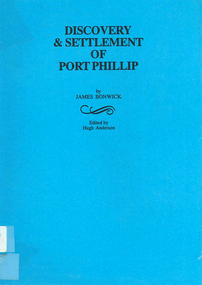
Book, James Bonwick, Discovery and settlement of Port Phillip : being a history of the country now called Victoria, up to the arrival of Mr. Superintendent Latrobe, in October, 1839, 1999
... William Buckley...John...William Buckley John Batman Joseph Gellibrand John Pascoe Fawkner Victorian history Melbourne history Port Phillip religion Merri Creek James Bonwick Maps, b&w illustrations Contains a general history of the early Port Phillip district, including many references to Aboriginal peoples. ...Contains a general history of the early Port Phillip district, including many references to Aboriginal peoples. Edited version of original 19th century notes by James Bonwick.Maps, b&w illustrationswilliam buckley, john batman, joseph gellibrand, john pascoe fawkner, victorian history, melbourne history, port phillip, religion, merri creek, james bonwick -
 The Beechworth Burke Museum
Photograph
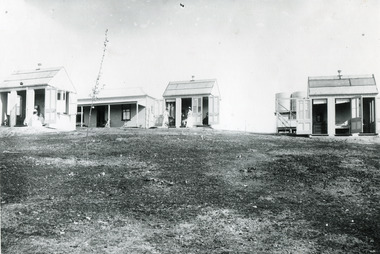
... Prior to the creation of the Asylum in Beechworth, those charged with having mental illnesses or, as it was termed, "insanity" were unable to be properly cared for in the Gaol (which is where they were often sent). John Buckley Castieau wrote, in 1861 for the Ovens and Murray Advertiser, that the Gaol was unable to properly care for those classified then as "insane" but that they would endeavor to treat them above the other inmates (which he notes is not always the case in other establishments). ...Prior to the creation of the Asylum in Beechworth, those charged with having mental illnesses or, as it was termed, "insanity" were unable to be properly cared for in the Gaol (which is where they were often sent). John Buckley Castieau wrote, in 1861 for the Ovens and Murray Advertiser, that the Gaol was unable to properly care for those classified then as "insane" but that they would endeavor to treat them above the other inmates (which he notes is not always the case in other establishments). ...These images are copies of a photograph (3448) captured in approximately 1900 and depicts the on site nurses homes. During the 1880s, these detached cottages were constructed and provided accommodation for the staff (in this case, the nurses) who lived within the hospital walls. Within the image are weatherboard buildings, a number of nurses and water tanks. Beechworth's Mayday Hills was chosen as the site of Victoria's newest asylum, at the time, due to the landscape and altitude. The hilltop atmosphere and the native fauna, it was argued, would assist in the cure of the patients kept at the hospital (Wood 1985, 122). The positioning of the hospital had a beneficial effect on the rural town. A pamphlet published by James Ingram and Son (1849) reveal that famous landmarks in Beechworth which included the Post Office, Gaol, Courthouse and Asylum "demonstrate the appreciation of Beechworth by the Government not only as as important district center, but also as a site unrivaled as a sanitarium". There were other locations in contention at the time, but ultimately Beechworth was chosen (Craig 2000, 33). Prior to the creation of the Asylum in Beechworth, those charged with having mental illnesses or, as it was termed, "insanity" were unable to be properly cared for in the Gaol (which is where they were often sent). John Buckley Castieau wrote, in 1861 for the Ovens and Murray Advertiser, that the Gaol was unable to properly care for those classified then as "insane" but that they would endeavor to treat them above the other inmates (which he notes is not always the case in other establishments). Castieau wrote this in favour of supporting the building of the Mayday Hills Hospital in Beechworth. It was stated that at the time the Mayday Hills Hospital was built, there were 83 prisoners kept in the Gaol who were to be rehoused to the Hospital on the grounds of "insanity". The classification as someone as "insane", in this period of time is a reflection on the inability to cure and understand illnesses of the mind during the mid to late 1800s. Opening on the 24th of October 1867, the Mayday Hills Hospital was originally named the "Ovens Lunatic Asylum", a title which is very much a product of its time. Whilst controversial, changes to the name is part of the history of the Hospital and can provide much insight into the understanding of mental illness throughout history and the use/disuse of this term provides information into the reception/changing opinions of mental illness in society. The Hospital would later become known as the "Mayday Hills Asylum" and/or "Mayday Hills Hospital" with the latter being the most commonly used title. An article in the Ovens and Murray Advertiser notes that on the 7th of March 1865, the foundation stone of the Hospital was laid (it would officially open in 1867) and that it was such a moment of accomplishment and joy for Beechworth that a letter to the editor even suggested that there should be a holiday dedicated to the day the foundation stone as laid. This reveals an extent to which the townspeople of early Beechworth valued the construction of the Hospital in their town. It provided the town with a sense of prestige and honour.At first glance, the remains of the Mayday Hills Hospital in Beechworth, Victoria, inspire tragedy, trauma and beauty. The buildings themselves, with their Italianate style Renaissance architecture designed by J.J. Clark (Craig 2000, 49 & Smith 2016, 203) reflect a bygone period of European and Australian history. The gardens provide a sense of tranquility and beauty. The experience of those within these walls remains a valuable area of study to provide a more complete understanding. This particular hospital is considered the fourth of its like and one of three identified as the largest of their kind. The Mayday Hills Hospital is a sister to the Kew and Ararat Asylums in Melbourne which are both located in relative proximity. Understanding the role of the Mayday Hills Hospital in Beechworth history is integral to understanding the development of the goldfields town, but also for providing important information as to the history of caring for, and the reception of, mental illnesses in Australian and wider European history. Mayday Hills provides a case study which can be researched through oral history, an analysis of the grounds/buildings and through images like these. Images like these depict the strong façade of the Hospital and provide a glimpse into the tranquility of the gardens. This has been done deliberately to provide a sense of comfort and healing about the building to those looking from the outside. Further research into the importance of the Hospital in Beechworth and it's connection to the town will be supported through images like these kept in the Mayday Hills photo album in the collection of the Burke Museum.Black and white rectangular photograph printed on gloss photographic papermental hospital, mayday hills, beechworth, copy, nurse, nurses quarters, on-site dwelling, 1900s, 1880, beechworth asylum -
 The Beechworth Burke Museum
Photograph
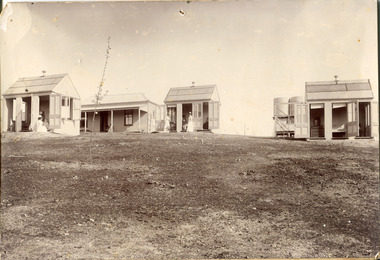
... Prior to the creation of the Asylum in Beechworth, those charged with having mental illnesses or, as it was termed, "insanity" were unable to be properly cared for in the Gaol (which is where they were often sent). John Buckley Castieau wrote, in 1861 for the Ovens and Murray Advertiser, that the Gaol was unable to properly care for those classified then as "insane" but that they would endeavor to treat them above the other inmates (which he notes is not always the case in other establishments). ...Prior to the creation of the Asylum in Beechworth, those charged with having mental illnesses or, as it was termed, "insanity" were unable to be properly cared for in the Gaol (which is where they were often sent). John Buckley Castieau wrote, in 1861 for the Ovens and Murray Advertiser, that the Gaol was unable to properly care for those classified then as "insane" but that they would endeavor to treat them above the other inmates (which he notes is not always the case in other establishments). ...This photograph was captured in approximately 1900 and depicts the on site nurses homes. During the 1880s, these detached cottages were constructed and provided accommodation for the staff (in this case, the nurses) who lived within the hospital walls. Within the image are weatherboard buildings, a number of nurses and water tanks. Beechworth's Mayday Hills was chosen as the site of Victoria's newest asylum, at the time, due to the landscape and altitude. The hilltop atmosphere and the native fauna, it was argued, would assist in the cure of the patients kept at the hospital (Wood 1985, 122). The positioning of the hospital had a beneficial effect on the rural town. A pamphlet published by James Ingram and Son (1849) reveal that famous landmarks in Beechworth which included the Post Office, Gaol, Courthouse and Asylum "demonstrate the appreciation of Beechworth by the Government not only as as important district center, but also as a site unrivaled as a sanitarium". There were other locations in contention at the time, but ultimately Beechworth was chosen (Craig 2000, 33). Prior to the creation of the Asylum in Beechworth, those charged with having mental illnesses or, as it was termed, "insanity" were unable to be properly cared for in the Gaol (which is where they were often sent). John Buckley Castieau wrote, in 1861 for the Ovens and Murray Advertiser, that the Gaol was unable to properly care for those classified then as "insane" but that they would endeavor to treat them above the other inmates (which he notes is not always the case in other establishments). Castieau wrote this in favour of supporting the building of the Mayday Hills Hospital in Beechworth. It was stated that at the time the Mayday Hills Hospital was built, there were 83 prisoners kept in the Gaol who were to be rehoused to the Hospital on the grounds of "insanity". The classification as someone as "insane", in this period of time is a reflection on the inability to cure and understand illnesses of the mind during the mid to late 1800s. Opening on the 24th of October 1867, the Mayday Hills Hospital was originally named the "Ovens Lunatic Asylum", a title which is very much a product of its time. Whilst controversial, changes to the name is part of the history of the Hospital and can provide much insight into the understanding of mental illness throughout history and the use/disuse of this term provides information into the reception/changing opinions of mental illness in society. The Hospital would later become known as the "Mayday Hills Asylum" and/or "Mayday Hills Hospital" with the latter being the most commonly used title. An article in the Ovens and Murray Advertiser notes that on the 7th of March 1865, the foundation stone of the Hospital was laid (it would officially open in 1867) and that it was such a moment of accomplishment and joy for Beechworth that a letter to the editor even suggested that there should be a holiday dedicated to the day the foundation stone as laid. This reveals an extent to which the townspeople of early Beechworth valued the construction of the Hospital in their town. It provided the town with a sense of prestige and honour.At first glance, the remains of the Mayday Hills Hospital in Beechworth, Victoria, inspire tragedy, trauma and beauty. The buildings themselves, with their Italianate style Renaissance architecture designed by J.J. Clark (Craig 2000, 49 & Smith 2016, 203) reflect a bygone period of European and Australian history. The gardens provide a sense of tranquility and beauty. The experience of those within these walls remains a valuable area of study to provide a more complete understanding. This particular hospital is considered the fourth of its like and one of three identified as the largest of their kind. The Mayday Hills Hospital is a sister to the Kew and Ararat Asylums in Melbourne which are both located in relative proximity. Understanding the role of the Mayday Hills Hospital in Beechworth history is integral to understanding the development of the goldfields town, but also for providing important information as to the history of caring for, and the reception of, mental illnesses in Australian and wider European history. Mayday Hills provides a case study which can be researched through oral history, an analysis of the grounds/buildings and through images like these. Images like these depict the strong façade of the Hospital and provide a glimpse into the tranquility of the gardens. This has been done deliberately to provide a sense of comfort and healing about the building to those looking from the outside. Further research into the importance of the Hospital in Beechworth and it's connection to the town will be supported through images like these kept in the Mayday Hills photo album in the collection of the Burke Museum.Black and white rectangular photograph printed on photographic paper mounted on card"Early nurses quarters, Beechworth Mental Hospital, now May Day Hills Hospital."may day hills hospital, nurses quarters, beechworth, mayday hills, asylum -
 The Beechworth Burke Museum
Photograph
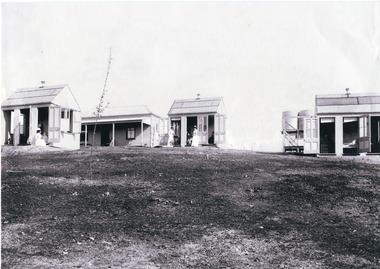
... Prior to the creation of the Asylum in Beechworth, those charged with having mental illnesses or, as it was termed, "insanity" were unable to be properly cared for in the Gaol (which is where they were often sent). John Buckley Castieau wrote, in 1861 for the Ovens and Murray Advertiser, that the Gaol was unable to properly care for those classified then as "insane" but that they would endeavor to treat them above the other inmates (which he notes is not always the case in other establishments). ...Prior to the creation of the Asylum in Beechworth, those charged with having mental illnesses or, as it was termed, "insanity" were unable to be properly cared for in the Gaol (which is where they were often sent). John Buckley Castieau wrote, in 1861 for the Ovens and Murray Advertiser, that the Gaol was unable to properly care for those classified then as "insane" but that they would endeavor to treat them above the other inmates (which he notes is not always the case in other establishments). ...This photograph is a copy of that captured in approximately 1900 and depicts the on site nurses homes. During the 1880s, these detached cottages were constructed and provided accommodation for the staff (in this case, the nurses) who lived within the hospital walls. Within the image are weatherboard buildings, a number of nurses and water tanks. Beechworth's Mayday Hills was chosen as the site of Victoria's newest asylum, at the time, due to the landscape and altitude. The hilltop atmosphere and the native fauna, it was argued, would assist in the cure of the patients kept at the hospital (Wood 1985, 122). The positioning of the hospital had a beneficial effect on the rural town. A pamphlet published by James Ingram and Son (1849) reveal that famous landmarks in Beechworth which included the Post Office, Gaol, Courthouse and Asylum "demonstrate the appreciation of Beechworth by the Government not only as as important district center, but also as a site unrivaled as a sanitarium". There were other locations in contention at the time, but ultimately Beechworth was chosen (Craig 2000, 33). Prior to the creation of the Asylum in Beechworth, those charged with having mental illnesses or, as it was termed, "insanity" were unable to be properly cared for in the Gaol (which is where they were often sent). John Buckley Castieau wrote, in 1861 for the Ovens and Murray Advertiser, that the Gaol was unable to properly care for those classified then as "insane" but that they would endeavor to treat them above the other inmates (which he notes is not always the case in other establishments). Castieau wrote this in favour of supporting the building of the Mayday Hills Hospital in Beechworth. It was stated that at the time the Mayday Hills Hospital was built, there were 83 prisoners kept in the Gaol who were to be rehoused to the Hospital on the grounds of "insanity". The classification as someone as "insane", in this period of time is a reflection on the inability to cure and understand illnesses of the mind during the mid to late 1800s. Opening on the 24th of October 1867, the Mayday Hills Hospital was originally named the "Ovens Lunatic Asylum", a title which is very much a product of its time. Whilst controversial, changes to the name is part of the history of the Hospital and can provide much insight into the understanding of mental illness throughout history and the use/disuse of this term provides information into the reception/changing opinions of mental illness in society. The Hospital would later become known as the "Mayday Hills Asylum" and/or "Mayday Hills Hospital" with the latter being the most commonly used title. An article in the Ovens and Murray Advertiser notes that on the 7th of March 1865, the foundation stone of the Hospital was laid (it would officially open in 1867) and that it was such a moment of accomplishment and joy for Beechworth that a letter to the editor even suggested that there should be a holiday dedicated to the day the foundation stone as laid. This reveals an extent to which the townspeople of early Beechworth valued the construction of the Hospital in their town. It provided the town with a sense of prestige and honour.At first glance, the remains of the Mayday Hills Hospital in Beechworth, Victoria, inspire tragedy, trauma and beauty. The buildings themselves, with their Italianate style Renaissance architecture designed by J.J. Clark (Craig 2000, 49 & Smith 2016, 203) reflect a bygone period of European and Australian history. The gardens provide a sense of tranquility and beauty. The experience of those within these walls remains a valuable area of study to provide a more complete understanding. This particular hospital is considered the fourth of its like and one of three identified as the largest of their kind. The Mayday Hills Hospital is a sister to the Kew and Ararat Asylums in Melbourne which are both located in relative proximity. Understanding the role of the Mayday Hills Hospital in Beechworth history is integral to understanding the development of the goldfields town, but also for providing important information as to the history of caring for, and the reception of, mental illnesses in Australian and wider European history. Mayday Hills provides a case study which can be researched through oral history, an analysis of the grounds/buildings and through images like these. Images like these depict the strong façade of the Hospital and provide a glimpse into the tranquility of the gardens. This has been done deliberately to provide a sense of comfort and healing about the building to those looking from the outside. Further research into the importance of the Hospital in Beechworth and it's connection to the town will be supported through images like these kept in the Mayday Hills photo album in the collection of the Burke Museum.Black and white rectangular photograph printed on photographic paper mounted on cardmayday hills, nurse, weatherboard, watertank, mayday hills hospital, asylum, mental health, kew, ararat, mental hospital, beechworth, gold town -
 The Beechworth Burke Museum
Photograph
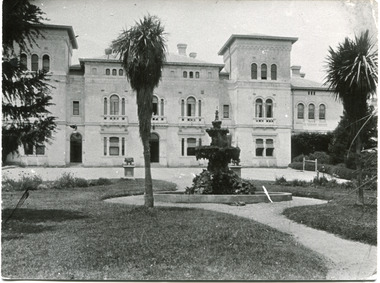
... Prior to the creation of the Asylum in Beechworth, those charged with having mental illnesses or, as it was termed, "insanity" were unable to be properly cared for in the Gaol (which is where they were often sent). John Buckley Castieau wrote, in 1861 for the Ovens and Murray Advertiser, that the Gaol was unable to properly care for those classified then as "insane" but that they would endeavor to treat them above the other inmates (which he notes is not always the case in other establishments). ...Prior to the creation of the Asylum in Beechworth, those charged with having mental illnesses or, as it was termed, "insanity" were unable to be properly cared for in the Gaol (which is where they were often sent). John Buckley Castieau wrote, in 1861 for the Ovens and Murray Advertiser, that the Gaol was unable to properly care for those classified then as "insane" but that they would endeavor to treat them above the other inmates (which he notes is not always the case in other establishments). ...This image is a copy of a photograph depicting the front façade of the Mayday Hills Hospital by an unknown photographer. The date this photograph was captured has not been recorded but due to the appearance of the water fountain in the front garden, it can be estimated to be during the 1930s. The fountain does not remain on the site today but stood in the same location, alongside other physical markers, to that in photographs dating to the 1930s. This allows an estimated date of 1930s for this photograph. Beechworth's Mayday Hills was chosen as the site of Victoria's newest asylum, at the time, due to the landscape and altitude. The hilltop atmosphere and the native fauna, it was argued, would assist in the cure of the patients kept at the hospital (Wood 1985, 122). The positioning of the hospital had a beneficial effect on the rural town. A pamphlet published by James Ingram and Son (1849) reveal that famous landmarks in Beechworth which included the Post Office, Gaol, Courthouse and Asylum "demonstrate the appreciation of Beechworth by the Government not only as as important district center, but also as a site unrivaled as a sanitarium". There were other locations in contention at the time, but ultimately Beechworth was chosen (Craig 2000, 33). Prior to the creation of the Asylum in Beechworth, those charged with having mental illnesses or, as it was termed, "insanity" were unable to be properly cared for in the Gaol (which is where they were often sent). John Buckley Castieau wrote, in 1861 for the Ovens and Murray Advertiser, that the Gaol was unable to properly care for those classified then as "insane" but that they would endeavor to treat them above the other inmates (which he notes is not always the case in other establishments). Castieau wrote this in favour of supporting the building of the Mayday Hills Hospital in Beechworth. It was stated that at the time the Mayday Hills Hospital was built, there were 83 prisoners kept in the Gaol who were to be rehoused to the Hospital on the grounds of "insanity". The classification as someone as "insane", in this period of time is a reflection on the inability to cure and understand illnesses of the mind during the mid to late 1800s. Opening on the 24th of October 1867, the Mayday Hills Hospital was originally named the "Ovens Lunatic Asylum", a title which is very much a product of its time. Whilst controversial, changes to the name is part of the history of the Hospital and can provide much insight into the understanding of mental illness throughout history and the use/disuse of this term provides information into the reception/changing opinions of mental illness in society. The Hospital would later become known as the "Mayday Hills Asylum" and/or "Mayday Hills Hospital" with the latter being the most commonly used title. An article in the Ovens and Murray Advertiser notes that on the 7th of March 1865, the foundation stone of the Hospital was laid (it would officially open in 1867) and that it was such a moment of accomplishment and joy for Beechworth that a letter to the editor even suggested that there should be a holiday dedicated to the day the foundation stone as laid. This reveals an extent to which the townspeople of early Beechworth valued the construction of the Hospital in their town. It provided the town with a sense of prestige and honour.At first glance, the remains of the Mayday Hills Hospital in Beechworth, Victoria, inspire tragedy, trauma and beauty. The buildings themselves, with their Italianate style Renaissance architecture designed by J.J. Clark (Craig 2000, 49 & Smith 2016, 203) reflect a bygone period of European and Australian history. The gardens provide a sense of tranquility and beauty. The experience of those within these walls remains a valuable area of study to provide a more complete understanding. This particular hospital is considered the fourth of its like and one of three identified as the largest of their kind. The Mayday Hills Hospital is a sister to the Kew and Ararat Asylums in Melbourne which are both located in relative proximity. Understanding the role of the Mayday Hills Hospital in Beechworth history is integral to understanding the development of the goldfields town, but also for providing important information as to the history of caring for, and the reception of, mental illnesses in Australian and wider European history. Mayday Hills provides a case study which can be researched through oral history, an analysis of the grounds/buildings and through images like this postcard which portray the structure in a highly deliberate manner. Images like this depict the strong façade of the Hospital and provide a glimpse into the tranquility of the gardens. This has been done deliberately to provide a sense of comfort and healing about the building to those looking from the outside. Further research into the importance of the Hospital in Beechworth and it's connection to the town will be supported through images like these kept in the Mayday Hills photo album in the collection of the Burke Museum.Black and white rectangular photograph printed on gloss photographic papermental hospital, insane asylum, mayday hills mental hospital -
 The Beechworth Burke Museum
Postcard, C. F. Falk, c.1930
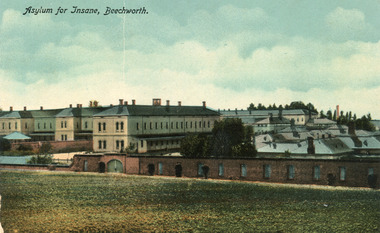
... Prior to the creation of the Asylum in Beechworth, those charged with having mental illnesses or, as it was termed, "insanity" were unable to be properly cared for in the Gaol (which is where they were often sent). John Buckley Castieau wrote, in 1861 for the Ovens and Murray Advertiser, that the Gaol was unable to properly care for those classified then as "insane" but that they would endeavor to treat them above the other inmates (which he notes is not always the case in other establishments). ...Prior to the creation of the Asylum in Beechworth, those charged with having mental illnesses or, as it was termed, "insanity" were unable to be properly cared for in the Gaol (which is where they were often sent). John Buckley Castieau wrote, in 1861 for the Ovens and Murray Advertiser, that the Gaol was unable to properly care for those classified then as "insane" but that they would endeavor to treat them above the other inmates (which he notes is not always the case in other establishments). ...This postcard contains a depiction of the Mayday Hills Hospital in Beechworth, Victoria from the direction of Farm Hill, circa 1930. It was designed by C.F.Falk in Beechworth and printed in Saxony which is a landlocked state of Germany which borders the states of Brandenburg, Saxony-Anhalt, Thuringia, Bavaria and the countries of Poland and the Czech Republic. The depiction is a painting of the Mayday Hill Hospital which portrays the extensive buildings an HaHa wall (many of which have not survived to the present day). It provides a unique opportunity to reconstruct this historical site as it may have looked in approximately 1930. Beechworth's Mayday Hills was chosen as the site of Victoria's newest asylum, at the time, due to the landscape and altitude. The hilltop atmosphere and the native fauna, it was argued, would assist in the cure of the patients kept at the hospital (Wood 1985, 122). The positioning of the hospital had a beneficial effect on the rural town. A pamphlet published by James Ingram and Son (1849) reveal that famous landmarks in Beechworth which included the Post Office, Gaol, Courthouse and Asylum "demonstrate the appreciation of Beechworth by the Government not only as as important district center, but also as a site unrivaled as a sanitarium". There were other locations in contention at the time, but ultimately Beechworth was chosen (Craig 2000, 33). The extent of buildings displayed in this postcard helps convey the imposing and enormity of the structure before decommission. Prior to the creation of the Asylum in Beechworth, those charged with having mental illnesses or, as it was termed, "insanity" were unable to be properly cared for in the Gaol (which is where they were often sent). John Buckley Castieau wrote, in 1861 for the Ovens and Murray Advertiser, that the Gaol was unable to properly care for those classified then as "insane" but that they would endeavor to treat them above the other inmates (which he notes is not always the case in other establishments). Castieau wrote this in favour of supporting the building of the Mayday Hills Hospital in Beechworth. It was stated that at the time the Mayday Hills Hospital was built, there were 83 prisoners kept in the Gaol who were to be rehoused to the Hospital on the grounds of "insanity". The classification as someone as "insane", in this period of time is a reflection on the inability to cure and understand illnesses of the mind during the mid to late 1800s. The title on the obverse of this photograph as "Asylum for Insane, Beechworth" reflects a bygone era and attitude to mental health. Beechworth's Mayday Hills was chosen as the site of Victoria's newest asylum, at the time, due to the landscape and altitude. Opening on the 24th of October 1867, the Mayday Hills Hospital was originally named the "Ovens Lunatic Asylum", a title which is very much a product of its time. Whilst controversial, changes to the name is part of the history of the Hospital and can provide much insight into the understanding of mental illness throughout history and the use/disuse of this term provides information into the reception/changing opinions of mental illness in society. The Hospital would later become known as the "Mayday Hills Asylum" and/or "Mayday Hills Hospital" with the latter being the most commonly used title. An article in the Ovens and Murray Advertiser notes that on the 7th of March 1865, the foundation stone of the Hospital was laid (it would officially open in 1867) and that it was such a moment of accomplishment and joy for Beechworth that a letter to the editor even suggested that there should be a holiday dedicated to the day the foundation stone as laid. This reveals an extent to which the townspeople of early Beechworth valued the construction of the Hospital in their town. It provided the town with a sense of prestige and honour.At first glance, the remains of the Mayday Hills Hospital in Beechworth, Victoria, inspire tragedy, trauma and beauty. The buildings themselves, with their Italianate style Renaissance architecture designed by J.J. Clark (Craig 2000, 49 & Smith 2016, 203) reflect a bygone period of European and Australian history. The gardens provide a sense of tranquility and beauty. The experience of those within these walls remains a valuable area of study to provide a more complete understanding. This particular hospital is considered the fourth of its like and one of three identified as the largest of their kind. The Mayday Hills Hospital is a sister to the Kew and Ararat Asylums in Melbourne which are both located in relative proximity. Understanding the role of the Mayday Hills Hospital in Beechworth history is integral to understanding the development of the goldfields town, but also for providing important information as to the history of caring for, and the reception of, mental illnesses in Australian and wider European history. Mayday Hills provides a case study which can be researched through oral history, an analysis of the grounds/buildings and through images like this postcard which portray the structure in a highly deliberate manner. Images like this depict the strong façade of the Hospital and provide a glimpse into the tranquility of the gardens. This has been done deliberately to provide a sense of comfort and healing about the building to those looking from the outside. Further research into the importance of the Hospital in Beechworth and it's connection to the town will be supported through images like these kept in the Mayday Hills photo album in the collection of the Burke Museum.Colour rectangular postcard printed on cardObverse: Asylum for Insane, Beechworth. / Reverse: C.F. Faulk, Beechworth. Printed in Saxony. POST CARD / ADDRESS ONLY / AFFIX / STAMP / B 2298 / 1997.2457 /mental hospital, insane asylum, mayday hills mental hospital, beechworth, mayday hills, asylum, gold town, north-east victoria, ararat asylum, kew asylum -
 The Beechworth Burke Museum
Postcard, George Rose, c.1945
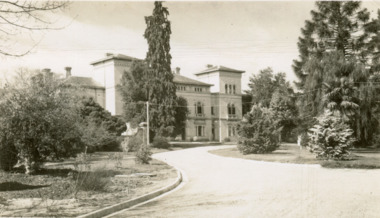
... Prior to the creation of the Asylum in Beechworth, those charged with having mental illnesses or, as it was termed, "insanity" were unable to be properly cared for in the Gaol (which is where they were often sent). John Buckley Castieau wrote, in 1861 for the Ovens and Murray Advertiser, that the Gaol was unable to properly care for those classified then as "insane" but that they would endeavor to treat them above the other inmates (which he notes is not always the case in other establishments). ...Prior to the creation of the Asylum in Beechworth, those charged with having mental illnesses or, as it was termed, "insanity" were unable to be properly cared for in the Gaol (which is where they were often sent). John Buckley Castieau wrote, in 1861 for the Ovens and Murray Advertiser, that the Gaol was unable to properly care for those classified then as "insane" but that they would endeavor to treat them above the other inmates (which he notes is not always the case in other establishments). ...The Rose Stereograph Company first began producing postcards, identified as the 'P' series (like this particular example) in 1913 and continued in this business until 1967 after which they switched to machine manufactured colour postcards printed by an external company. These were produced by Victorian-era photographer George Rose (1861-1942) often reputed as one of the best photographers in Australia during the later 19th Century and early 20th Century. Rose was born in 1861 in Clunes and began his photography business in 1880 when he founded the Rose Stereograph Company. He later switched to producing postcards after stereographs lost popularity in the early 1920s. The Mayday Hills Hospital was one of these locations photographed by George Rose and published as a postcard. Beechworth's Mayday Hills was chosen as the site of Victoria's newest asylum, at the time, due to the landscape and altitude. The hilltop atmosphere and the native fauna, it was argued, would assist in the cure of the patients kept at the hospital (Wood 1985, 122). The positioning of the hospital had a beneficial effect on the rural town. A pamphlet published by James Ingram and Son (1849) reveal that famous landmarks in Beechworth which included the Post Office, Gaol, Courthouse and Asylum "demonstrate the appreciation of Beechworth by the Government not only as as important district center, but also as a site unrivaled as a sanitarium". There were other locations in contention at the time, but ultimately Beechworth was chosen (Craig 2000,33). Prior to the creation of the Asylum in Beechworth, those charged with having mental illnesses or, as it was termed, "insanity" were unable to be properly cared for in the Gaol (which is where they were often sent). John Buckley Castieau wrote, in 1861 for the Ovens and Murray Advertiser, that the Gaol was unable to properly care for those classified then as "insane" but that they would endeavor to treat them above the other inmates (which he notes is not always the case in other establishments). Castieau wrote this in favour of supporting the building of the Mayday Hills Hospital in Beechworth. It was stated that at the time the Mayday Hills Hospital was built, there were 83 prisoners kept in the Gaol who were to be rehoused to the Hospital on the grounds of "insanity". The classification as someone as "insane", in this period of time is a reflection on the inability to cure and understand illnesses of the mind during the mid to late 1800s. Opening on the 24th of October 1867, the Mayday Hills Hospital was originally named the "Ovens Lunatic Asylum", a title which is very much a product of its time. Whilst controversial, changes to the name is part of the history of the Hospital and can provide much insight into the understanding of mental illness throughout history and the use/disuse of this term provides information into the reception/changing opinions of mental illness in society. The Hospital would later become known as the "Mayday Hills Asylum" and/or "Mayday Hills Hospital" with the latter being the most commonly used title. An article in the Ovens and Murray Advertiser notes that on the 7th of March 1865, the foundation stone of the Hospital was laid (it would officially open in 1867) and that it was such a moment of accomplishment and joy for Beechworth that a letter to the editor even suggested that there should be a holiday dedicated to the day the foundation stone as laid. This reveals an extent to which the townspeople of early Beechworth valued the construction of the Hospital in their town. It provided the town with a sense of prestige and honour. At first glance, the remains of the Mayday Hills Hospital in Beechworth, Victoria, inspire tragedy, trauma and beauty. The buildings themselves, with their Italianate style Renaissance architecture designed by J.J. Clark (Craig 2000, 49 & Smith 2016, 203) reflect a bygone period of European and Australian history. The gardens provide a sense of tranquility and beauty. The experience of those within these walls remains a valuable area of study to provide a more complete understanding. This particular hospital is considered the fourth of its like and one of three identified as the largest of their kind. The Mayday Hills Hospital is a sister to the Kew and Ararat Asylums in Melbourne which are both located in relative proximity. Understanding the role of the Mayday Hills Hospital in Beechworth history is integral to understanding the development of the goldfields town, but also for providing important information as to the history of caring for, and the reception of, mental illnesses in Australian and wider European history. Mayday Hills provides a case study which can be researched through oral history, an analysis of the grounds/buildings and through images like this postcard which portray the structure in a highly deliberate manner. Images like this depict the strong façade of the Hospital and provide a glimpse into the tranquility of the gardens. This has been done deliberately to provide a sense of comfort and healing about the building to those looking from the outside. Further research into the importance of the Hospital in Beechworth and it's connection to the town will be supported through images like these kept in the Mayday Hills photo album in the collection of the Burke Museum.Pale sepia toned rectangular postcard printed on matte card.Obverse: THE ROSE SERIES P. 4689 / COPYRIGHT / ADMINISTRATIVE OFFICES, MENTAL HOSPITAL, BEECHWORTH, VIC / Reverse: Published by the Rose Stereograph Co. / Armadale, Victoria / POST CARD / THE "ROSE" SERIES / DE LUXE / A REAL PHOTOGRAPH / PRODUCED IN AUSTRALIA /mayday hills, asylum, mental hospital, hospital, beechworth -
 The Beechworth Burke Museum
Photograph
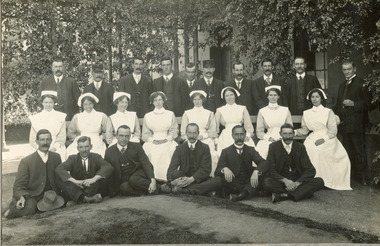
... Prior to the creation of the Asylum in Beechworth, those charged with having mental illnesses or, as it was termed, "insanity" were unable to be properly cared for in the Gaol (which is where they were often sent). John Buckley Castieau wrote, in 1861 for the Ovens and Murray Advertiser, that the Gaol was unable to properly care for those classified then as "insane" but that they would endeavor to treat them above the other inmates (which he notes is not always the case in other establishments). ...Prior to the creation of the Asylum in Beechworth, those charged with having mental illnesses or, as it was termed, "insanity" were unable to be properly cared for in the Gaol (which is where they were often sent). John Buckley Castieau wrote, in 1861 for the Ovens and Murray Advertiser, that the Gaol was unable to properly care for those classified then as "insane" but that they would endeavor to treat them above the other inmates (which he notes is not always the case in other establishments). ...Photographed in the early 1900s, this black and white photograph depicts 25 members of the Mayday Hills Hospital Staff. Six men sit in front of the group (Mr Imhose stands fourth from the left in front row), upon the ground and behind them, in bright white clothing, sit eight female nurses upon a long bench (one of these nurses is identified on the rear as Miss A.J. Ross). Behind these women stand 10 men. The men are all wearing dark clothing and several have 'Kepi' style hats. The staff photograph was captured by Frazer and Vallance Photographers Melbourne. This image was originally combined with 1997.2491 but these images have since been torn apart and catalogued separately. Beechworth's Mayday Hills was chosen as the site of Victoria's newest asylum, at the time, due to the landscape and altitude. The hilltop atmosphere and the native fauna, it was argued, would assist in the cure of the patients kept at the hospital (Wood 1985, 122). The positioning of the hospital had a beneficial effect on the rural town. A pamphlet published by James Ingram and Son (1849) reveal that famous landmarks in Beechworth which included the Post Office, Gaol, Courthouse and Asylum "demonstrate the appreciation of Beechworth by the Government not only as as important district center, but also as a site unrivaled as a sanitarium". There were other locations in contention at the time, but ultimately Beechworth was chosen (Craig 2000, 33). Prior to the creation of the Asylum in Beechworth, those charged with having mental illnesses or, as it was termed, "insanity" were unable to be properly cared for in the Gaol (which is where they were often sent). John Buckley Castieau wrote, in 1861 for the Ovens and Murray Advertiser, that the Gaol was unable to properly care for those classified then as "insane" but that they would endeavor to treat them above the other inmates (which he notes is not always the case in other establishments). Castieau wrote this in favour of supporting the building of the Mayday Hills Hospital in Beechworth. It was stated that at the time the Mayday Hills Hospital was built, there were 83 prisoners kept in the Gaol who were to be rehoused to the Hospital on the grounds of "insanity". The classification as someone as "insane", in this period of time is a reflection on the inability to cure and understand illnesses of the mind during the mid to late 1800s. Opening on the 24th of October 1867, the Mayday Hills Hospital was originally named the "Ovens Lunatic Asylum", a title which is very much a product of its time. Whilst controversial, changes to the name is part of the history of the Hospital and can provide much insight into the understanding of mental illness throughout history and the use/disuse of this term provides information into the reception/changing opinions of mental illness in society. The Hospital would later become known as the "Mayday Hills Asylum" and/or "Mayday Hills Hospital" with the latter being the most commonly used title. An article in the Ovens and Murray Advertiser notes that on the 7th of March 1865, the foundation stone of the Hospital was laid (it would officially open in 1867) and that it was such a moment of accomplishment and joy for Beechworth that a letter to the editor even suggested that there should be a holiday dedicated to the day the foundation stone as laid. This reveals an extent to which the townspeople of early Beechworth valued the construction of the Hospital in their town. It provided the town with a sense of prestige and honour.At first glance, the remains of the Mayday Hills Hospital in Beechworth, Victoria, inspire tragedy, trauma and beauty. The buildings themselves, with their Italianate style Renaissance architecture designed by J.J. Clark (Craig 2000, 49 & Smith 2016, 203) reflect a bygone period of European and Australian history. The gardens provide a sense of tranquility and beauty. The experience of those within these walls remains a valuable area of study to provide a more complete understanding. This particular hospital is considered the fourth of its like and one of three identified as the largest of their kind. The Mayday Hills Hospital is a sister to the Kew and Ararat Asylums in Melbourne which are both located in relative proximity. Understanding the role of the Mayday Hills Hospital in Beechworth history is integral to understanding the development of the goldfields town, but also for providing important information as to the history of caring for, and the reception of, mental illnesses in Australian and wider European history. Mayday Hills provides a case study which can be researched through oral history, an analysis of the grounds/buildings and through images like this postcard which portray the structure in a highly deliberate manner. Images like this depict the strong façade of the Hospital and provide a glimpse into the tranquility of the gardens. This has been done deliberately to provide a sense of comfort and healing about the building to those looking from the outside. Further research into the importance of the Hospital in Beechworth and it's connection to the town will be supported through images like these kept in the Mayday Hills photo album in the collection of the Burke Museum.Black and white rectangular photograph printed on photographic paper mounted on cardHandwriting reads: "Mental Hospital / Beechworth / Miss A. J. Ross / about 82 in 1944".mental asylum, beechworth, mayday hills, mayday hills hospital, victoria, mental health, history of mental illness, treatment of metal illness, asylum, hospital for mentally unwell, miss a.j. ross, nurse, staff, doctors -
 The Beechworth Burke Museum
Photograph
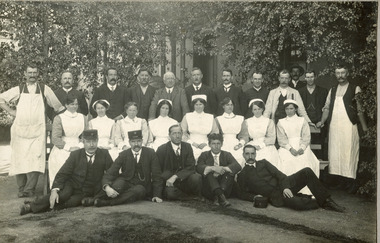
... Prior to the creation of the Asylum in Beechworth, those charged with having mental illnesses or, as it was termed, "insanity" were unable to be properly cared for in the Gaol (which is where they were often sent). John Buckley Castieau wrote, in 1861 for the Ovens and Murray Advertiser, that the Gaol was unable to properly care for those classified then as "insane" but that they would endeavor to treat them above the other inmates (which he notes is not always the case in other establishments). ...Prior to the creation of the Asylum in Beechworth, those charged with having mental illnesses or, as it was termed, "insanity" were unable to be properly cared for in the Gaol (which is where they were often sent). John Buckley Castieau wrote, in 1861 for the Ovens and Murray Advertiser, that the Gaol was unable to properly care for those classified then as "insane" but that they would endeavor to treat them above the other inmates (which he notes is not always the case in other establishments). ...Photographed in the early 1900s, this black and white photograph depicts 25 members of the Mayday Hills Hospital Staff. Five men sit in front of the group, upon the ground and behind them, in bright white clothing, sit eight female nurses upon a long bench (one of these nurses is identified on the rear as Miss A.J. Ross). Behind these women stand 12 men. The men are all wearing dark clothing and several have 'Kepi' style hats. The staff photograph was captured by Frazer and Vallance Photographers Melbourne. This image was originally combined with 1997.2490 but these images have since been torn apart and catalogued separately. Beechworth's Mayday Hills was chosen as the site of Victoria's newest asylum, at the time, due to the landscape and altitude. The hilltop atmosphere and the native fauna, it was argued, would assist in the cure of the patients kept at the hospital (Wood 1985, 122). The positioning of the hospital had a beneficial effect on the rural town. A pamphlet published by James Ingram and Son (1849) reveal that famous landmarks in Beechworth which included the Post Office, Gaol, Courthouse and Asylum "demonstrate the appreciation of Beechworth by the Government not only as as important district center, but also as a site unrivaled as a sanitarium". There were other locations in contention at the time, but ultimately Beechworth was chosen (Craig 2000, 33). Prior to the creation of the Asylum in Beechworth, those charged with having mental illnesses or, as it was termed, "insanity" were unable to be properly cared for in the Gaol (which is where they were often sent). John Buckley Castieau wrote, in 1861 for the Ovens and Murray Advertiser, that the Gaol was unable to properly care for those classified then as "insane" but that they would endeavor to treat them above the other inmates (which he notes is not always the case in other establishments). Castieau wrote this in favour of supporting the building of the Mayday Hills Hospital in Beechworth. It was stated that at the time the Mayday Hills Hospital was built, there were 83 prisoners kept in the Gaol who were to be rehoused to the Hospital on the grounds of "insanity". The classification as someone as "insane", in this period of time is a reflection on the inability to cure and understand illnesses of the mind during the mid to late 1800s. Opening on the 24th of October 1867, the Mayday Hills Hospital was originally named the "Ovens Lunatic Asylum", a title which is very much a product of its time. Whilst controversial, changes to the name is part of the history of the Hospital and can provide much insight into the understanding of mental illness throughout history and the use/disuse of this term provides information into the reception/changing opinions of mental illness in society. The Hospital would later become known as the "Mayday Hills Asylum" and/or "Mayday Hills Hospital" with the latter being the most commonly used title. An article in the Ovens and Murray Advertiser notes that on the 7th of March 1865, the foundation stone of the Hospital was laid (it would officially open in 1867) and that it was such a moment of accomplishment and joy for Beechworth that a letter to the editor even suggested that there should be a holiday dedicated to the day the foundation stone as laid. This reveals an extent to which the townspeople of early Beechworth valued the construction of the Hospital in their town. It provided the town with a sense of prestige and honour.At first glance, the remains of the Mayday Hills Hospital in Beechworth, Victoria, inspire tragedy, trauma and beauty. The buildings themselves, with their Italianate style Renaissance architecture designed by J.J. Clark (Craig 2000, 49 & Smith 2016, 203) reflect a bygone period of European and Australian history. The gardens provide a sense of tranquility and beauty. The experience of those within these walls remains a valuable area of study to provide a more complete understanding. This particular hospital is considered the fourth of its like and one of three identified as the largest of their kind. The Mayday Hills Hospital is a sister to the Kew and Ararat Asylums in Melbourne which are both located in relative proximity. Understanding the role of the Mayday Hills Hospital in Beechworth history is integral to understanding the development of the goldfields town, but also for providing important information as to the history of caring for, and the reception of, mental illnesses in Australian and wider European history. Mayday Hills provides a case study which can be researched through oral history, an analysis of the grounds/buildings and through images like this postcard which portray the structure in a highly deliberate manner. Images like this depict the strong façade of the Hospital and provide a glimpse into the tranquility of the gardens. This has been done deliberately to provide a sense of comfort and healing about the building to those looking from the outside. Further research into the importance of the Hospital in Beechworth and it's connection to the town will be supported through images like these kept in the Mayday Hills photo album in the collection of the Burke Museum.Black and white rectangular photograph printed on photographic paper mounted on cardFrazer & Vallance Photographers Melbournemental asylum, beechworth -
 The Beechworth Burke Museum
Postcard, R & B Hall, c.1930
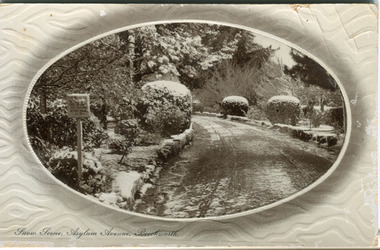
... Prior to the creation of the Asylum in Beechworth, those charged with having mental illnesses or, as it was termed, "insanity" were unable to be properly cared for in the Gaol (which is where they were often sent). John Buckley Castieau wrote, in 1861 for the Ovens and Murray Advertiser, that the Gaol was unable to properly care for those classified then as "insane" but that they would endeavor to treat them above the other inmates (which he notes is not always the case in other establishments). ...Prior to the creation of the Asylum in Beechworth, those charged with having mental illnesses or, as it was termed, "insanity" were unable to be properly cared for in the Gaol (which is where they were often sent). John Buckley Castieau wrote, in 1861 for the Ovens and Murray Advertiser, that the Gaol was unable to properly care for those classified then as "insane" but that they would endeavor to treat them above the other inmates (which he notes is not always the case in other establishments). ...This postcard was published by R. & B. Hall in Beechworth and printed in Saxony, circa 1930. Saxony is a landlocked state of Germany which borders the states of Brandenburg, Saxony-Anhalt, Thuringia, Bavaria and the countries of Poland and the Czech Republic. This particular postcard is embossed with a pattern which surrounds the middle image in the center of the card. This image depicts Asylum Avenue which leads to the Mayday Hills Asylum in Beechworth, Victoria. What makes this scene particularly interesting is the appearance of snow which is rare in Beechworth. The road depicted on the postcard has track marks made by a car with thin wheels. Beechworth's Mayday Hills was chosen as the site of Victoria's newest asylum, at the time, due to the landscape and altitude. The hilltop atmosphere and the native fauna, it was argued, would assist in the cure of the patients kept at the hospital (Wood 1985, 122). The positioning of the hospital had a beneficial effect on the rural town. A pamphlet published by James Ingram and Son (1849) reveal that famous landmarks in Beechworth which included the Post Office, Gaol, Courthouse and Asylum "demonstrate the appreciation of Beechworth by the Government not only as as important district center, but also as a site unrivaled as a sanitarium". There were other locations in contention at the time, but ultimately Beechworth was chosen (Craig 2000, 33). Prior to the creation of the Asylum in Beechworth, those charged with having mental illnesses or, as it was termed, "insanity" were unable to be properly cared for in the Gaol (which is where they were often sent). John Buckley Castieau wrote, in 1861 for the Ovens and Murray Advertiser, that the Gaol was unable to properly care for those classified then as "insane" but that they would endeavor to treat them above the other inmates (which he notes is not always the case in other establishments). Castieau wrote this in favour of supporting the building of the Mayday Hills Hospital in Beechworth. It was stated that at the time the Mayday Hills Hospital was built, there were 83 prisoners kept in the Gaol who were to be rehoused to the Hospital on the grounds of "insanity". The classification as someone as "insane", in this period of time is a reflection on the inability to cure and understand illnesses of the mind during the mid to late 1800s. Beechworth's Mayday Hills was chosen as the site of Victoria's newest asylum, at the time, due to the landscape and altitude. Opening on the 24th of October 1867, the Mayday Hills Hospital was originally named the "Ovens Lunatic Asylum", a title which is very much a product of its time. Whilst controversial, changes to the name is part of the history of the Hospital and can provide much insight into the understanding of mental illness throughout history and the use/disuse of this term provides information into the reception/changing opinions of mental illness in society. The Hospital would later become known as the "Mayday Hills Asylum" and/or "Mayday Hills Hospital" with the latter being the most commonly used title. An article in the Ovens and Murray Advertiser notes that on the 7th of March 1865, the foundation stone of the Hospital was laid (it would officially open in 1867) and that it was such a moment of accomplishment and joy for Beechworth that a letter to the editor even suggested that there should be a holiday dedicated to the day the foundation stone as laid. This reveals an extent to which the townspeople of early Beechworth valued the construction of the Hospital in their town. It provided the town with a sense of prestige and honour.At first glance, the remains of the Mayday Hills Hospital in Beechworth, Victoria, inspire tragedy, trauma and beauty. The buildings themselves, with their Italianate style Renaissance architecture designed by J.J. Clark (Craig 2000, 49 & Smith 2016, 203) reflect a bygone period of European and Australian history. The gardens provide a sense of tranquility and beauty. The experience of those within these walls remains a valuable area of study to provide a more complete understanding. This particular hospital is considered the fourth of its like and one of three identified as the largest of their kind. The Mayday Hills Hospital is a sister to the Kew and Ararat Asylums in Melbourne which are both located in relative proximity. Understanding the role of the Mayday Hills Hospital in Beechworth history is integral to understanding the development of the goldfields town, but also for providing important information as to the history of caring for, and the reception of, mental illnesses in Australian and wider European history. Mayday Hills provides a case study which can be researched through oral history, an analysis of the grounds/buildings and through images like this postcard which portray the structure in a highly deliberate manner. Images like this depict the strong façade of the Hospital and provide a glimpse into the tranquility of the gardens. This has been done deliberately to provide a sense of comfort and healing about the building to those looking from the outside. Further research into the importance of the Hospital in Beechworth and it's connection to the town will be supported through images like these kept in the Mayday Hills photo album in the collection of the Burke Museum.Pale coloured rectangular postcard printed on matte embossed card.Obverse: Snow Scene; Asylum Avenue, Beechworth. / Reverse: POST CARD / ADDRESS ONLY / Published by R. & B. Hall, Beechworth. / Printed in Saxony. / 3447 [crossed out] / 1997.2492 / AFFIX STAMP /asylum, asylum avenue, beechworth, snow north-east vic, victoria, snow scene, mayday hills, mayday hills hospital, mental hospital, colonial attitudes, mental health, history, town development, postcard -
 Bendigo Historical Society Inc.
Administrative record - Account Book, 1859
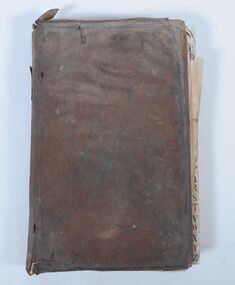
... , Crago, Hopsell, Grant, Bird, Cahill, Harker, Parker S McKinlay, Fletcher, Birch, Cruikshank, Municipal Council, Heffernan and Crawley, Buckley Bros, John Harney, Bywater and Brother, Goulding, Casey, Reynolds, English, McKenzie, Knight, David Mackay...., Crago, Hopsell, Grant, Bird, Cahill, Harker, Parker S McKinlay, Fletcher, Birch, Cruikshank, Municipal Council, Heffernan and Crawley, Buckley Bros, John Harney, Bywater and Brother, Goulding, Casey, Reynolds, English, McKenzie, Knight, David Mackay. ...The purchases and services recorded indicate that the user was an ironmonger. Origin of ledger unknown. Early business in Sandhurst in 1860s.An account ledger used to record the purchases and services made for a business. Records date from 1860. The ledger is covered with brown leather with decorative edges. There are alphabetical tabs at the front of the book with lists of names. Individual customers are allocated a double page entry. Pages are ruled and numbered. The book is in very poor condition having obvious signs of water and insect damage. The writing in the first quarter of the book is barely legible, remaining pages can be read. Some names - Durant, Watson, Mollison, Harris, Neale, Cahley, Bannerman, Larritt, Cranshaw, Gripe, McLachlan, Burrell, O'Loughlin, Cameron Rogers, McLevey, Nicholas Eliad?, Crago, Hopsell, Grant, Bird, Cahill, Harker, Parker S McKinlay, Fletcher, Birch, Cruikshank, Municipal Council, Heffernan and Crawley, Buckley Bros, John Harney, Bywater and Brother, Goulding, Casey, Reynolds, English, McKenzie, Knight, David Mackay."LEDGER" on the spine. Label inside "Sands and Kenny. Account Book Manufacturers. Stationers and Printers Melbourne"bendigo businesses, ironmonger -
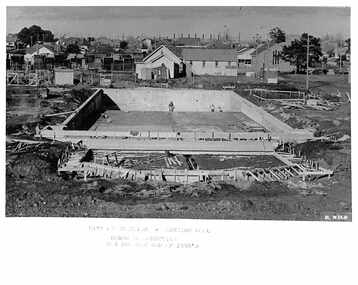 Sunshine and District Historical Society Incorporated
Photograph - Sunshine Swimming Club Photograph Collection
... 3857.01 - Sunshine Swimming Club Photograph Collection - New Sunshine Pool Service Street Sunshine Underconstruction Late 1950's 3857.02 - Sunshine Swimming Club Photograph Collection - 1972 Spring Pennant Mens 'H' Grade Premiers 3857.03 - Sunshine Swimming Club Photograph Collection - 1972 Spring Interclub Mens 'H' Grade Premiers 3857.04 - Sunshine Swimming Club Photograph Collection - 1972 Presentation Night 3857.05 - Sunshine Swimming Club Photograph Collection - 1972 Presentation Night Ray Carlton, Tom Taafe & Pat Robinson 3857.06 - Sunshine Swimming Club Photograph Collection - 1972 Presentation Night Cheryl Taafe, Andrew Reader & Robert Ashwell 3857.07 - Sunshine Swimming Club Photograph Collection - 1972 Presentation Night John Buckley, Ray Carlton, Tom Taafe & Laurie Robinson 3857.08 - Sunshine Swimming Club Photograph Collection - 1972 Presentation Night S. ...Sunshine Swimming Club Swimming 3857.01 - Sunshine Swimming Club Photograph Collection - New Sunshine Pool Service Street Sunshine Underconstruction Late 1950's 3857.02 - Sunshine Swimming Club Photograph Collection - 1972 Spring Pennant Mens 'H' Grade Premiers 3857.03 - Sunshine Swimming Club Photograph Collection - 1972 Spring Interclub Mens 'H' Grade Premiers 3857.04 - Sunshine Swimming Club Photograph Collection - 1972 Presentation Night 3857.05 - Sunshine Swimming Club Photograph Collection - 1972 Presentation Night Ray Carlton, Tom Taafe & Pat Robinson 3857.06 - Sunshine Swimming Club Photograph Collection - 1972 Presentation Night Cheryl Taafe, Andrew Reader & Robert Ashwell 3857.07 - Sunshine Swimming Club Photograph Collection - 1972 Presentation Night John Buckley, Ray Carlton, Tom Taafe & Laurie Robinson 3857.08 - Sunshine Swimming Club Photograph Collection - 1972 Presentation Night S. ...3857.01 - Sunshine Swimming Club Photograph Collection - New Sunshine Pool Service Street Sunshine Underconstruction Late 1950's 3857.02 - Sunshine Swimming Club Photograph Collection - 1972 Spring Pennant Mens 'H' Grade Premiers 3857.03 - Sunshine Swimming Club Photograph Collection - 1972 Spring Interclub Mens 'H' Grade Premiers 3857.04 - Sunshine Swimming Club Photograph Collection - 1972 Presentation Night 3857.05 - Sunshine Swimming Club Photograph Collection - 1972 Presentation Night Ray Carlton, Tom Taafe & Pat Robinson 3857.06 - Sunshine Swimming Club Photograph Collection - 1972 Presentation Night Cheryl Taafe, Andrew Reader & Robert Ashwell 3857.07 - Sunshine Swimming Club Photograph Collection - 1972 Presentation Night John Buckley, Ray Carlton, Tom Taafe & Laurie Robinson 3857.08 - Sunshine Swimming Club Photograph Collection - 1972 Presentation Night S. Smith & Swimming Victoria Rep 3857.09 - Sunshine Swimming Club Photograph Collection - 1972 Presentation Night Jamie Taafe & Lauire Robinson 3857.10 - Sunshine Swimming Club Photograph Collection - 1972 Presentation Night 3857.11 - Sunshine Swimming Club Photograph Collection - 1973 Interclub Boys 'C' Grade Winners 3857.12 - Sunshine Swimming Club Photograph Collection - 1973 Interclub Premiers 3857.13 - Sunshine Swimming Club Photograph Collection - 1974 Boys Team Photo 3857.14 - Sunshine Swimming Club Photograph Collection - 1980 Spring Interclub Senior Mixed 'G' Grade Runners-Up 3857.15 - Sunshine Swimming Club Photograph Collection - Sandra Cipriani 2nd Girls 12 Yrs 100m & 200m Breaststroke 3857.16 - Sunshine Swimming Club Photograph Collection - 1981 Spring Interclub Mixed Junior 'F' Grade Premiers 3857.17 - Sunshine Swimming Club Photograph Collection - 1981 Spring Interclub Mixed Junior 'F' Grade Premiers 3857.18 - Sunshine Swimming Club Photograph Collection - 1981-82 'A' Grade Girls Team 3857.19 - Sunshine Swimming Club Photograph Collection - 1981-82 State Championships S. Cipriani, J. Willaton, L. Berens & D. Boesch 3857.20 - Sunshine Swimming Club Photograph Collection - 1982 State Relay Champsionships J. Addison, J. Psaila, S. Sullivan & C. Vandersanden 3857.21 - Sunshine Swimming Club Photograph Collection - 1982 Spring Interclub Boys 'D' Grade Preimiers 3857.22 - Sunshine Swimming Club Photograph Collection - 1982 Spring Interclub Junior Mixed 'G' Grade Premiers 3857.23 - Sunshine Swimming Club Photograph Collection - 1983 Spring Interclub Junior 'G' Grade Premiers 3857.24 - Sunshine Swimming Club Photograph Collection - 1984 - 85 Carla Vandersanden State Championships 3rd U12 200m Backstroke 3857.25 - Sunshine Swimming Club Photograph Collection - 1985 Spring Pennant Senior Girls 'B' Grade Runner-Up 3857.26 - Sunshine Swimming Club Photograph Collection - 1985 Justin Willaton State Championships 1st U14 100 & 200m Backstroke & 6th U14 National Age 100m Backstroke 3857.27 - Sunshine Swimming Club Photograph Collection - 1986 Spring Interclub Runners Up 3857.28 - Sunshine Swimming Club Photograph Collection - 1986 Spring Pennant Senior Gils 'C' Grade Premiers 3857.29 - Sunshine Swimming Club Photograph Collection - 1986 Spring Pennant Junior Mixed 'D' Grade Premiers 3857.30 - Sunshine Swimming Club Photograph Collection - 1987 Spring Pennant Girls 'C' Grade Runners-Up 3857.31 - Sunshine Swimming Club Photograph Collection - 1988 Winter Interclub Junior Mixed 'E' Grade Runners-Up 3857.32 - Sunshine Swimming Club Photograph Collection - 1988 State Championships Justin Willaton 3857.33 - Sunshine Swimming Club Photograph Collection - 1988 Winter Pennant Senior Girls 'D' Grade Premiers 3857.34 - Sunshine Swimming Club Photograph Collection - 1989 Winter Interclub Junior Mixed 'B' Grade Premiers 3857.35 - Sunshine Swimming Club Photograph Collection - 1989 Winter Interclub Senior Mixed 'F' Grade Premiers 3857.36 - Sunshine Swimming Club Photograph Collection - 1989 Winter Interclub Junior Mixed 'E' Grade Runners-Up 3857.37 - Sunshine Swimming Club Photograph Collection - 1989 Winter Interclub Senior Mixed 'C' Grade Premiers 3857.38 - Sunshine Swimming Club Photograph Collection - 1988 - 89 State Championships Justin Willaton & Samantha Hewson 3857.39 - Sunshine Swimming Club Photograph Collection - 1989 - 90 State Championships Samantha Hewson, Mathew Tippett, Rachael Ward, Justin Willaton & Rebecca Martin 3857.40 - Sunshine Swimming Club Photograph Collection 3857.41 - Sunshine Swimming Club Photograph Collection 3857.42 - Sunshine Swimming Club Photograph Collection - 1990 Spring Interclub Senior Mixed 'G' Grade Runners-Up 3857.43 - Sunshine Swimming Club Photograph Collection - 1990 - 91 No 1 District Girls 'A' Grade Winners 3857.44 - Sunshine Swimming Club Photograph Collection - 1990 - 91 State Championships D. Rajevic, S. Hewson, M. Tippett, K. McIntyre & R. Martin 3857.45 - Sunshine Swimming Club Photograph Collection - 1991 - 92 No 1 District 1991 - 92 Girls Team Premiers 3857.46 - Sunshine Swimming Club Photograph Collection - 1991 - 92 No 1 District 'A' Grade Boys Runners-Up 3857.47 - Sunshine Swimming Club Photograph Collection - State Championships D. Rajevic, R. Martin, K. McIntyre & J. Pang 3857.48 - Sunshine Swimming Club Photograph Collection - 1992 - 93 No 1 District Boys 'A' Grade Interclub Runners-Up 3857.49 - Sunshine Swimming Club Photograph Collection - 1992 - 93 State Championships Rebecca Martin & Joanne Borg 3857.50 - Sunshine Swimming Club Photograph Collection - 1992 - 93 No 1 District 'A' Grade Girls Premiers 3857.51 - Sunshine Swimming Club Photograph Collection - 1994 State Championships Samanthat Debrincat 12 Yrs 100 Breaststroke 3rd 3857.52 - Sunshine Swimming Club Photograph Collection - 2001 - 02 Metro West Spring Sprints Kane Townsend 50m Butterfly 2nd 3857.53 - Sunshine Swimming Club Photograph Collection - 2001 - 02 L. Babet, M. Babet, K. Townsend, A. Morgan, J. Lam, A. Vanhoof, S. Mounsey & L. Batty 3857.54 - Sunshine Swimming Club Photograph Collection - 2001 - 02 Junior 'C' Grade Mixed Premiers 3857.55 - Sunshine Swimming Club Photograph Collection - 2010 Team Photograph 3857.56 - Sunshine Swimming Club Photograph Collection - 1974 Premiers 3857.57 - Sunshine Swimming Club Photograph Collection 3857.58 - Sunshine Swimming Club Photograph Collection 3857.59 - Sunshine Swimming Club Photograph Collection 3857.60 - Sunshine Swimming Club Photograph Collection 3857.61 - Sunshine Swimming Club Photograph Collection 3857.62 - Sunshine Swimming Club Photograph Collection - Waterpolo Premiers 3857.63 - Sunshine Swimming Club Photograph Collection 3857.64 - Sunshine Swimming Club Photograph Collection - No 1 District 3857.65 - Sunshine Swimming Club Photograph Collection - Stacey Tadday & Jason Taafe 3857.66 - Sunshine Swimming Club Photograph Collection - S. Cirpiani, D. Boesch, C. Vandersanden, J. Willaton & L. Berens 3857.67 - Sunshine Swimming Club Photograph Collection - Michel Gordon & Sarah Restuccia 3857.68 - Sunshine Swimming Club Photograph Collection - Matthew Bebrincat 3857.69 - Sunshine Swimming Club Photograph Collection - T. Nguyen, I. Koch, Z. Bar, Unk, S. Barber, M. Sutton, J. Pang, J. Haysom, Unk, L. Koch & D. Barr 3857.70 - Sunshine Swimming Club Photograph Collection - Jamie Taafe & Glenice Gathercole 3857.71 - Sunshine Swimming Club Photograph Collection - Carly Vandersanden & Leanne Dyer 3857.72 - Sunshine Swimming Club Photograph Collection - Runners Up 3857.73 - Sunshine Swimming Club Photograph Collection - Unk, A. Galea, H. Marshall, M. Gordon, S. Bowen, M. Cross, Unk, J. Barr, N. Cross, S. Gordon & M. Gordon 3857.74 - Sunshine Swimming Club Photograph Collection 3857.75 - Sunshine Swimming Club Photograph Collection 3857.76 - Sunshine Swimming Club Photograph Collection - J. Azzopardie, J. Rider, N. Look, A. Spears, B. Treloar, B. Willaton & G. Loombssunshine swimming club, swimming -
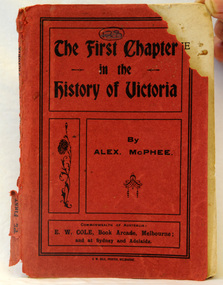 Orbost & District Historical Society
book, The First Chapter in the History of Victoria, 1911
... john-treaty A 104 pp book with a red cover. It is titled, "The first Chapter in the History of Victoria" written in black print inside a black frame. It is an account of Collin's temporary settlement at Sorrento in 1803. It describes the lives of Buckley ...This book is a useful reference tool on the history of the settlement of Victoria.A 104 pp book with a red cover. It is titled, "The first Chapter in the History of Victoria" written in black print inside a black frame. It is an account of Collin's temporary settlement at Sorrento in 1803. It describes the lives of Buckley, Fawkner, and Batman and includes an account of Batman's treaty with the indigenous people of Port Phillip leading to the founding of Melbourne. melbourne-settlement victoria-history-settlement batman-john-treaty -
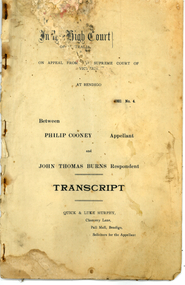 Bendigo Historical Society Inc.
Legal record - Transcript of High Court Appeal Philip Cooney v John Thomas Burns, 1921
... The hearing of the case of John T. Burns, retired railway employee, of Buckley Street, Essendon v. ...The hearing of the case of John T. Burns, retired railway employee, of Buckley Street, Essendon v. ...The hearing of the case of John T. Burns, retired railway employee, of Buckley Street, Essendon v. Philip Cooney, licensed victualler, was concluded in the Supreme Court of Victoria (Bendigo) in June 1921. John sued the defendant for a specific performance of contract regarding the sale of ingoing furniture, etc., of the Limerick Castle Hotel, in Williamson Street, Bendigo. He also claimed the profits of the business from 21 February last to the date of possession. Burns also applied for an injunction restraining the defendant from disposing of the lease, licence and furniture of the hotel and premises to anybody else. The defence was that no agreement had been made between defendant and plaintiff for the sale of the hotel lease, although several attempts had been made to bring them to an agreement. Mr Cooney had authorized Mr. J. F. Kelly to sell the ingoing for £750. Burns had offered £650, but the defendant refused to accept that sum. The jury returned a verdict in favour of plaintiff. Judgment was deferred, pending an appeal, it was again heard by the High Court (Melbourne) and the onto the High Court of Australia (Sydney) on a point of law. The legal principle determined by this appeal is of great importance to buyers and sellers of landed property establishing the rule of law: that a house and land agent cannot, safely sell such property without the authority of the owner in writing, signed by such owner. It appears that the hotel-owner's agents had organised a sale to of the hotel along with furniture etc. to John Burns. The owner of the hotel Philip Cooney then objected to the sale of the furniture, although at some stage John Burns offered him 650 pounds to cover the items. The appeal came up for argument before the High Court at its Melbourne sittings on February 20 1922 the hearing extending over four days. Mr. Charles Gavan Duffy (instructed by Messrs. Quick and Luke Murphy) appeared for the appellant, and Messrs; Cohen and Robertson (instructed by Messrs. Macoboy and Taylor); for the respondent. The last court of appeal, the High Court in Sydney reserved its decision, as follows: The Appeal was allowed, with, costs. Judgment to he entered for the defendant Philip Clooney. The Deposit of £50 to be returned to the defendant.48 Pages - A Court Case involving the Limerick Castle Hotel in Williamson Street, Bendigo - Transcript "on appeal from the Supreme Court of Victoria at Bendigo to the High Court of Australia. 1921 No. 4 between Phillip Cooney (Appellant) and John Thomas Burns (Respondent). Quick and Luke Murphy, Chancery Lane, Solicitors for the Appellant. The Document contains seven sections: 1. Statement of Claim 2. Defenant's request for further particulars under the statement of claim 3. Plaintiff's further particulars 4. Defence 5. Reply 6. Judge's notes of evidence taken at the trial 7. Plaintiff's Exhibits - "A" lease, the Trustees, Executors and Agency Company Limited to Appelant "B" Notice of Application to Transfer Licence of Hotel to Responent, testimonials by Messrs. H. Donovan and J. K. Byrne "C" Assignment of Lease, Appelant to Responentbendigo, limerick castle hotel, john burns, philip cooney -
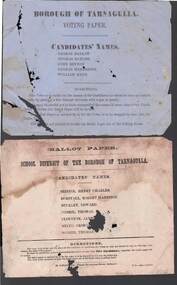 Bendigo Historical Society Inc.
Document - BALLOT PAPERS TARNAGULLA, 19th May, 1973
... John J Alderson... Henry Charles Bristol... Robert Harrison Burstall... Edward Buckley...John Beynon, Thomas Henderson, William Herd Voting directions at the end of page. White paper titled Ballot Paper School District of the Borough of Tarnagulla. Candidates' Names are Henry Charles Bristol, Robert Harrison Burstall, Edward Buckley, Thomas Comrie, James Clouston, George Minto, and Thomas Scorer. ...John Beynon, Thomas Henderson, William Herd Voting directions at the end of page. White paper titled Ballot Paper School District of the Borough of Tarnagulla. Candidates' Names are Henry Charles Bristol, Robert Harrison Burstall, Edward Buckley, Thomas Comrie, James Clouston, George Minto, and Thomas Scorer. ...Blue Voting paper with Borough of Tarnagulla printed at the top. Candidates' Names are George Barlow, Thomas Bayliss, John Beynon, Thomas Henderson, William Herd Voting directions at the end of page. White paper titled Ballot Paper School District of the Borough of Tarnagulla. Candidates' Names are Henry Charles Bristol, Robert Harrison Burstall, Edward Buckley, Thomas Comrie, James Clouston, George Minto, and Thomas Scorer. Voting Directions printed at the bottom of page. Printed by John Ferres, Government Printer, Melbourne. Another piece of paper has Mr Cra? Goldfield's Historical Society written on it. Typed on another piece of paper is: These two ballot papers were found in the Tarnagulla Town Hall before its reconstruction this year. Apart from a few records in possession of the Goldfields Historical Society the Tarnagulla Borough Records were pulped during the war. The ballot paper for the School District is an election for a School Board of Advice in 1873 (the first election under the Act). The Voting paper is for the Borough Council, date unknown but it was not (underlined) the first election. With compliments of the Goldfields Historical Society per their Curator John J. Alderson. 11/4/61By Authority John Ferres, Government Printer, Melbourneevent, official, civic, ballot papers tarnagulla, tarnagulla town hall, goldfields historical society, tarnagulla borough records, school board of advice, john j alderson, henry charles bristol, robert harrison burstall, edward buckley, thomas comrie, james clouston, george minto, thomas scorer, george barlow, thomas bayliss, john beynin, thomas henderson, william herd, john ferres -
Glen Eira Historical Society
Document - CUMBERNAULD
... John... Chloris Crescent... St. John’s Presbyterian Church... Mathieson Evelyn Mary... Marks Theodore Leslie... Mathieson Kitty... Masonic Hall... St. George’s Road... Haverfield Frank... Haverfield Mrs... Haverfield Robert Ross... Rynn Mary Buckley...John’s Presbyterian Church Mathieson Evelyn Mary Marks Theodore Leslie Mathieson Kitty Masonic Hall St. George’s Road Haverfield Frank Haverfield Mrs Haverfield Robert Ross Rynn Mary Buckley Cyclists Cycling Donald Alexander Martin Lottie Whitelaw Joan Trinity Hall Brighton Road Gilmore Patricia Phyllis Brooklyn Ave. ...This file contains nine pages about people related to this property: 1/Copy and pasted eight pages taken from Census Records and Trove items. Articles include the death of Thomas Livingstone Cleland during WWI. Various social notes regarding his family up to 1953. There are articles on the W.J. Mathieson family, who also resided there, as well as residing in Benalla. 2/Print from Trove of an article from the 23/11/1934 edition of The North Eastern Ensign (Benalla, Vic) about the wedding anniversary of Mr and Mrs W.J. Mathieson, held at Cumbernauld on 27/10/1934.cumbernauld, thornleigh grange, house names, cleland thomas livingstone, cleland annie, gardeners market, clayton road, ‘hillside’, caulfield, anderson street, cleland sydney, cleland margaret, cleland james, cleland adelaide, cleland robert, cleland bessie adelaide, cleland agnes, cleland lily, cleland alick douglas milkman, cleland aggie, cleland tom h.s. draftsman, cleland kenneth malcolm, cleland ethel, cleland hector, cleland edna may, mathieson w.j., mathieson isabel, burrows f.a. lieut., east st. kilda, hawthorn road, ‘thornleigh grange’, south caulfield progress association, south caulfield junction, caulfield court, jenkins harry, giles alfred, grafton street, elsternwick, dawes john, chloris crescent, st. john’s presbyterian church, mathieson evelyn mary, marks theodore leslie, mathieson kitty, masonic hall, st. george’s road, haverfield frank, haverfield mrs, haverfield robert ross, rynn mary buckley, cyclists, cycling, donald alexander, martin lottie, whitelaw joan, trinity hall, brighton road, gilmore patricia phyllis, brooklyn ave., point nepean road, north road, brighton court, cleland nora, seaview drive, cleland john stuart, mathieson isabella cristina, kalymna grove, mathieson catherine m., tailor, mathieson william james, councillors, social events and activities, births deaths and marriages, anniversaries, world war 1914-18, soldiers -
Glen Eira Historical Society
Book - Ormond Amateur Football Club
... John... Beard J.... Warren E.... Pearson Martin... Waldron Gary... Marwood Shane... Collingwood VFL... Jackson Ricky... Melbourne VFL... Smith Terry... Richmond VFL... Perkin Phil... Bentleigh Juniors... Beham M.... Neville David... Taylor Stephen... Palmer Tony... O’Hara Matt... ‘The Cedric Keane Perpetual Trophy’... St. Anne’s Football Club... Ormond East... Valkstone... Glenhuntly... St. Patricks... Primary Schools... St. Kilda Junior Leagues... Lightening Premiership... Measures Paul... MSJFL U15 Best and Fairest... Birch David... Eishold Lewis... Eishold Rohan... Murrumbeena J. F. Club... Vic Kick Clinic... Lough David... Pennacchia Luigi... Best and Fairest... Buckley...John Beard J. Warren E. Pearson Martin Waldron Gary Marwood Shane Collingwood VFL Jackson Ricky Melbourne VFL Smith Terry Richmond VFL Perkin Phil Bentleigh Juniors Beham M. Neville David Taylor Stephen Palmer Tony O’Hara Matt ‘The Cedric Keane Perpetual Trophy’ St. Anne’s Football Club Ormond East Valkstone Glenhuntly St. Patricks Primary Schools St. Kilda Junior Leagues Lightening Premiership Measures Paul MSJFL U15 Best and Fairest Birch David Eishold Lewis Eishold Rohan Murrumbeena J. F. Club Vic Kick Clinic Lough David Pennacchia Luigi Best and Fairest Buckley ...This file contains two items: 1/A 50 page book on history of Ormond Junior Football Club, from its days as St. Annes Football Club to its amalgamation with Ormond Amateur Football. Book compiled by Claire Barton from AGM meetings 2009. 2/A copy of six football club addresses from the city of Moorabbin Community Directory 1987.ormond junior football club, stock jack, stevens harold r., st. annes church hall, halls, maylan street, east bentleigh, bentleigh mckinnon youth club, clubs and associations, smith brian, scott r. ken, steve stevens, keane adrian, oaten max, dight john, southam david, patterson don, stait ron, ceresa jack, forward cyril, moorehouse bob, forward may, heggert joan, morris jill, brabner martene, williams margaret, jackson judy, mcinery loris, mckinnon high school, walnut street, bailey reserve, boundary road, dowling russell, miller ian, keane david, starke neil “speedie.”, red cross, schweppes, sponsors, claremont junior football club, glenorchy football club, hudson peter, heggert keith, hilton ken, ormond blues, barassi ron, dargavel marita, beggs mr., smith mr., kaighal mr., gunn e. e., morcum glen, cochrane b., clark d., tate geoff, dargavel b., pappas sid, melbourne football club, brabner cameron, siderellis terry, morris wayne, burns robbie, kemp malcolm, siderellis tim, tinsley warwick, grant tom, middleton mick, dowling ian, clarke grant, young morgan, dawes bernie, dawes gerry, montgomery peter, peebles gordon, bentleigh bulldogs football club, mckinnon reserve, sheehy marnie, doble john, kerford phil, gleeson ian, rollasom brian, beynon wayne, societal events and activities, sheehy fay, wood ron, mckinnon butchers, brabner graham, begg john, moorabbin ufa, melbourne football club little league, interleague football matches, brandella cup, mccarthy justin, lough chris, montgomery stephen, carey tim, roe anthony, hardy chris, mccarthy justin, thomas matthew, perry richard, birch david, king denise, sparrow family, wilson ron, dupe stephen, karrageorgiov chris, hardy chris, borrett john, edgells darren, sparrow peter, ormond amateur football club, duncan john, beard j., warren e., pearson martin, waldron gary, marwood shane, collingwood vfl, jackson ricky, melbourne vfl, smith terry, richmond vfl, perkin phil, bentleigh juniors, beham m., neville david, taylor stephen, palmer tony, o’hara matt, ‘the cedric keane perpetual trophy’, st. anne’s football club, ormond east, valkstone, glenhuntly, st. patricks, primary schools, st. kilda junior leagues, lightening premiership, measures paul, msjfl u15 best and fairest, birch david, eishold lewis, eishold rohan, murrumbeena j. f. club, vic kick clinic, lough david, pennacchia luigi, best and fairest, buckley mark, rombotis john, d’astoli michael, msjfl team, king geoff, stumbles roger, williams cameron, byron noel, gillot heather, lehner elaine, oakleigh districts, stevens h. r., forward c. c., beggs j. w., scott k. k., kaighan t. a., dargavel m. mrs., forward n. c., keane m. j. mrs., woodhouse r. j. (dec), smith b. w., keane c. b., morgom g. m. (dec), dowling r. a., starke n., montgomery p., pearson p., kerford p., king d. mrs., lough d., perkin p., lehner e. mrs., russell r., interleague team, byron jason, guzzo anthony, kinsella trent, pym dominic, turner davis, b. f., artz ben, ralogaivav joe, jones alan, martin rick, editor, barton claire, australian rules football, sporting clubs, ormond, mckinnon, bentleigh, sports officials, committees of management, murrumbeena
