Waverley RSL Sub Branch
Photo Album, Charles Harold Dix 119700 RAAF Photos of the War Years
... ...adelaide river wwii...Photos taken by Charles Dix 119700 RAAF 2 SQN. at Darwin Adelaide River Morotai and Balikpapan during WWII and 2 photos of later date...During WWII and served at Darwin, Adelaide River Morotai Island and made a "beach Landing" under fire at Balikpapan to set up RAAF signals station at the newly captured airstrip
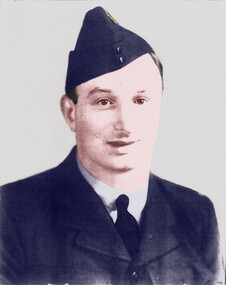
Vic Morgan is thought to be
MORGAN, Victor Allen - (Leading Aircraftman); Service Number - 88726; File type - Casualty - Repatriation; Aircraft - Mitchell A47-37; Place - Arafura Sea; Date - 14 August 1945 charles harold dix darwin wwii adelaide river wwii frognal air base raaf balikpapan dix photos wwii darwin hospital jeep morotai island 2 squadron r.a.a.f. 2nd squadron raaf wwii Photo Album of mainly black and white photos from WWII Darwin Morotai Island and Balikpapan Charles Harold Dix 119700 RAAF Photos of the War Years Photo Album ...
Photos taken by Charles Dix 119700 RAAF 2 SQN. at Darwin Adelaide River Morotai and Balikpapan during WWII and 2 photos of later dateCharles Dix 119700 RAAF 2 Sqn. was a member of RSL Waverley Sub Branch for many years. He Joined the RAAF on 8th October 1942 and was discharged from the 83rd. Operational base unit on 30th. January 1946. During WWII and served at Darwin, Adelaide River Morotai Island and made a "beach Landing" under fire at Balikpapan to set up RAAF signals station at the newly captured airstrip
Vic Morgan is thought to be
MORGAN, Victor Allen - (Leading Aircraftman); Service Number - 88726; File type - Casualty - Repatriation; Aircraft - Mitchell A47-37; Place - Arafura Sea; Date - 14 August 1945Photo Album of mainly black and white photos from WWII Darwin Morotai Island and Balikpapancharles harold dix, darwin wwii, adelaide river wwii, frognal air base, raaf, balikpapan, dix, photos wwii, darwin hospital, jeep, morotai island, 2 squadron r.a.a.f., 2nd squadron raaf, wwii

 Waverley RSL Sub Branch
 Returned Nurses RSL Sub-branch