
Showing 11 items matching "albion no 5 explosive factory"
-
 Sunshine and District Historical Society Incorporated
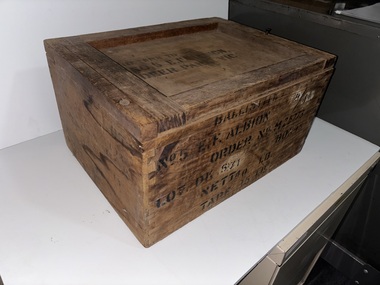
Container - Albion No 5 Explosive Factory Explosive Box, C1944
... Albion No 5 Explosive Factory Explosive Box...Albion Explosive Factory Deer Park WRITTEN ON SIDE|BALLISTHF|NO 5 E.F. ALBION|ORDER NO M25773|I.O.T. ...Wooden box with doved tailed joints and removal lid with dowelled and screw fastenerWRITTEN ON SIDE|BALLISTHF|NO 5 E.F. ALBION|ORDER NO M25773|I.O.T. DK 871 BOX 15|NET 40 LB|TARE 15 LB|WRITTEN ON TOP|RETURN TO NO 5 E.F. ALBION DEER PARK VICalbion explosive factory, deer park -
 Sunshine and District Historical Society Incorporated
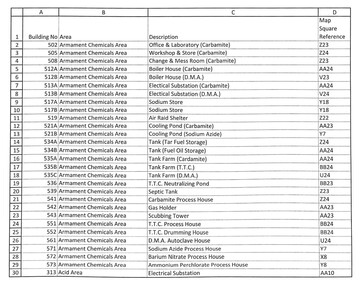
Archive - Albion Explosive Factory Building Numbers
... Albion No 5 Explosive Factory...Albion No. 5 Explosives Factory was one of Australia’s major WWII munitions sites, built rapidly from 1939–40 in Deer Park and operated by ICIANZ for the Commonwealth. It produced propellants, explosives and later commercial fertilisers. Each building on the site was given an identification number (Note: Over a period of time, some of the building numbers did change) The first numerical of the building number represented the area it as location in. 1 - Administration & Service Area 2 - Propellant Area 3 - Acid Area 4 - T.N.T. Area 5...Albion Explosive Factory Building Numbers (No 5 Explosive Factory)... Explosive Factory Albion Explosive Factory Ballarat Road Deer Park Albion Explosive Factory Building Numbers (No 5 Explosive Factory) Digital PDF File Archive Albion Explosive Factory Building Numbers ...Albion No. 5 Explosives Factory was one of Australia’s major WWII munitions sites, built rapidly from 1939–40 in Deer Park and operated by ICIANZ for the Commonwealth. It produced propellants, explosives and later commercial fertilisers. Each building on the site was given an identification number (Note: Over a period of time, some of the building numbers did change) The first numerical of the building number represented the area it as location in. 1 - Administration & Service Area 2 - Propellant Area 3 - Acid Area 4 - T.N.T. Area 5 - Armament Chemicals Area 6 - Propellant Powder Area 7 - Fused Powder Area 8 - R.D.X. Area 9 - Synthetic Ammonia AreaThere were over 400 buildings in the Albion Explosive Factory complex and the only remaining building on the site is building No 745, the Mill House (T.R.F. Powder) located in the former Fused Powder Area. The building is heritage listed and owned by the Brimbank City Council. It is now known as the Black Powder Mill.Albion Explosive Factory Building Numbers (No 5 Explosive Factory)albion no 5 explosive factory, albion explosive factory, ballarat road, deer park -
 Sunshine and District Historical Society Incorporated
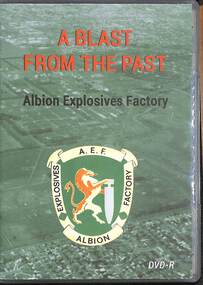
Film - A Blast From The Past Albion Explosive Factory DVD
... Albion Explosives Factory was a major WWII-era munitions site in Sunshine, Victoria, operating from 1939 to 1986. Its legacy includes the Black Powder Mill, now a heritage landmark. War Time History - Established in 1939–40 in response to the looming threat of war in Europe. - Located in North Albion, opposite the ICIANZ chemical plant, which also helped design and operate the facility. - Initially known as Munitions Annexe No. 5, it became the Albion Explosives Factory, producing cordite, TNT, nitroglycerine, nitric acid, and other propellants for small arms and artillery. - By 1942–45, it was one of Australia’s three primary military explosives factories, employing thousands and contributing significantly to the war effort. ...Albion Explosives Factory was a major WWII-era munitions site in Sunshine, Victoria, operating from 1939 to 1986. Its legacy includes the Black Powder Mill, now a heritage landmark. War Time History - Established in 1939–40 in response to the looming threat of war in Europe. - Located in North Albion, opposite the ICIANZ chemical plant, which also helped design and operate the facility. - Initially known as Munitions Annexe No. 5, it became the Albion Explosives Factory, producing cordite, TNT, nitroglycerine, nitric acid, and other propellants for small arms and artillery. - By 1942–45, it was one of Australia’s three primary military explosives factories, employing thousands and contributing significantly to the war effort. ...The Albion Explosives Factory was a major WWII-era munitions site in Sunshine, Victoria, operating from 1939 to 1986. Its legacy includes the Black Powder Mill, now a heritage landmark. War Time History - Established in 1939–40 in response to the looming threat of war in Europe. - Located in North Albion, opposite the ICIANZ chemical plant, which also helped design and operate the facility. - Initially known as Munitions Annexe No. 5, it became the Albion Explosives Factory, producing cordite, TNT, nitroglycerine, nitric acid, and other propellants for small arms and artillery. - By 1942–45, it was one of Australia’s three primary military explosives factories, employing thousands and contributing significantly to the war effort. Post War Time History - Continued production of explosives and fertilizers for commercial use after WWII. - Expanded in 1947–49 with the addition of the RDX plant north of Furlong Road. - Introduced new technologies like synthetic ammonia, DNT, and continuous TNT production through the 1950s–60s. Closure and Environmental Remediation - Closed in 1986, followed by extensive decontamination and cleanup. - The site was heavily contaminated with TNT, DNT, nitrates, ammonia, and metals, requiring years of environmental audits and remediation. - Eventually redeveloped into a housing estate and shopping complex, transforming the industrial site into a suburban community. A Blast from the Past Albion Explosive Factoryalbion explosive factory, deer park, cairnlea -
 Sunshine and District Historical Society Incorporated
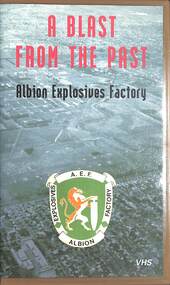
Film - A Blast From The Past Albion Explosive Factory Video
... Albion Explosives Factory was a major WWII-era munitions site in Sunshine, Victoria, operating from 1939 to 1986. Its legacy includes the Black Powder Mill, now a heritage landmark. War Time History - Established in 1939–40 in response to the looming threat of war in Europe. - Located in North Albion, opposite the ICIANZ chemical plant, which also helped design and operate the facility. - Initially known as Munitions Annexe No. 5, it became the Albion Explosives Factory, producing cordite, TNT, nitroglycerine, nitric acid, and other propellants for small arms and artillery. - By 1942–45, it was one of Australia’s three primary military explosives factories, employing thousands and contributing significantly to the war effort. ...Albion Explosives Factory was a major WWII-era munitions site in Sunshine, Victoria, operating from 1939 to 1986. Its legacy includes the Black Powder Mill, now a heritage landmark. War Time History - Established in 1939–40 in response to the looming threat of war in Europe. - Located in North Albion, opposite the ICIANZ chemical plant, which also helped design and operate the facility. - Initially known as Munitions Annexe No. 5, it became the Albion Explosives Factory, producing cordite, TNT, nitroglycerine, nitric acid, and other propellants for small arms and artillery. - By 1942–45, it was one of Australia’s three primary military explosives factories, employing thousands and contributing significantly to the war effort. ...The Albion Explosives Factory was a major WWII-era munitions site in Sunshine, Victoria, operating from 1939 to 1986. Its legacy includes the Black Powder Mill, now a heritage landmark. War Time History - Established in 1939–40 in response to the looming threat of war in Europe. - Located in North Albion, opposite the ICIANZ chemical plant, which also helped design and operate the facility. - Initially known as Munitions Annexe No. 5, it became the Albion Explosives Factory, producing cordite, TNT, nitroglycerine, nitric acid, and other propellants for small arms and artillery. - By 1942–45, it was one of Australia’s three primary military explosives factories, employing thousands and contributing significantly to the war effort. Post War Time History - Continued production of explosives and fertilizers for commercial use after WWII. - Expanded in 1947–49 with the addition of the RDX plant north of Furlong Road. - Introduced new technologies like synthetic ammonia, DNT, and continuous TNT production through the 1950s–60s. Closure and Environmental Remediation - Closed in 1986, followed by extensive decontamination and cleanup. - The site was heavily contaminated with TNT, DNT, nitrates, ammonia, and metals, requiring years of environmental audits and remediation. - Eventually redeveloped into a housing estate and shopping complex, transforming the industrial site into a suburban community. A Blast from the Past Albion Explosive Factoryalbion explosive factory, deer park, cairnlea -
 Sunshine and District Historical Society Incorporated
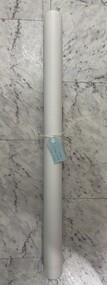
Plan - Albion Explosive Factory No 5 Site Layout Drawings, C1945
... Albion Explosive Factory No 5 Site Layout Drawings...These items belonged to the Friends of the Black Powder Mill Albion Explosive Factory Deer Park Ballarat Road 1/ General Factory Layout B/23131/C 1/9/1945 2/ Electrical Layout Western Area B/22945/T 21/3/1945 3/ Services Layout Powder Plants Area B/23148/P 23/10/1945 4/ List of Survey Drawings General Area B/23150/C 5/ Plan of Survey C22866/C 28/2/1947 6/ Plan of Survey Showing Additional Information at Deer Park for Imperial Chemical Industries of Australia & New Zealand C/22865/N 7/General Plan with Building Numbers V-94572 1956 8/ Australian Surveying & Land Information Group Aerial Photograph (Copy) 9/ Summary of Buildings & Numbers W-94193 1956 10/ Summary of Buildings & Numbers W-97886 Sheet 1 of 2 1961 11/ Summary of Buildings & Numbers W-97886 Sheet 2 of 2 1961 12/ General Layout W-94294 Sheet 6 of 8 1956 13/ General Layout W-94294 Sheet 7 of 8 1956 14/ General Layout W-94294 Sheet 3 of 8 1956 15/ General Layout W-94294 Sheet 5 of 8 1956 16/ General Layout W-94294 Sheet 4 of 8 1956 17/ General Layout W-94294 Sheet 2 of 8 1956 18/ General Layout W-94294 Sheet 1 of 8 1956|19/ General Layout W-94294 Sheet 8 of 8 1956 Large collection of Albion Explosive Factory Site Layout Drawings including Plan of Subdivision, Electrical, Building Locations & Numbers Plan Albion Explosive Factory No 5 Site Layout Drawings ...These items belonged to the Friends of the Black Powder Mill1/ General Factory Layout B/23131/C 1/9/1945 2/ Electrical Layout Western Area B/22945/T 21/3/1945 3/ Services Layout Powder Plants Area B/23148/P 23/10/1945 4/ List of Survey Drawings General Area B/23150/C 5/ Plan of Survey C22866/C 28/2/1947 6/ Plan of Survey Showing Additional Information at Deer Park for Imperial Chemical Industries of Australia & New Zealand C/22865/N 7/General Plan with Building Numbers V-94572 1956 8/ Australian Surveying & Land Information Group Aerial Photograph (Copy) 9/ Summary of Buildings & Numbers W-94193 1956 10/ Summary of Buildings & Numbers W-97886 Sheet 1 of 2 1961 11/ Summary of Buildings & Numbers W-97886 Sheet 2 of 2 1961 12/ General Layout W-94294 Sheet 6 of 8 1956 13/ General Layout W-94294 Sheet 7 of 8 1956 14/ General Layout W-94294 Sheet 3 of 8 1956 15/ General Layout W-94294 Sheet 5 of 8 1956 16/ General Layout W-94294 Sheet 4 of 8 1956 17/ General Layout W-94294 Sheet 2 of 8 1956 18/ General Layout W-94294 Sheet 1 of 8 1956|19/ General Layout W-94294 Sheet 8 of 8 1956albion explosive factory, deer park, ballarat road -
 Sunshine and District Historical Society Incorporated
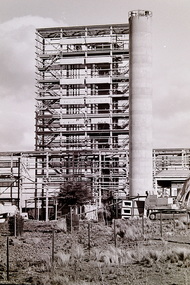
Photograph - Albion Explosive Factory Northern RDX Acid Plant Chimney Demolition 1990 Photographs, Sharon Cavanagh, 26th July 1990
... The Albion Explosives Factory began as Commonwealth Defence Explosives Annexe No. 5, constructed rapidly in 1939–1940 as part of Australia’s WWII munitions expansion. ...The Albion Explosives Factory began as Commonwealth Defence Explosives Annexe No. 5, constructed rapidly in 1939–1940 as part of Australia’s WWII munitions expansion. ...The Albion Explosives Factory began as Commonwealth Defence Explosives Annexe No. 5, constructed rapidly in 1939–1940 as part of Australia’s WWII munitions expansion. It was built adjacent to the long‑established Nobel / ICI explosives works at Deer Park and produced TNT, nitroglycerine, cordite, RDX, DNT, and related explosive compounds. This plant manufactured Research Department Explosive (RDX), a nitrogen‑rich high explosive used in military munitions, which is far more powerful than TNT, yet relatively stable to store and transport. It is not a consumer or industrial product and sits firmly in the defence materials category.This series of time elapsed photographs records the demolition of the Northern RDX Acid Plant chimney by controlled demolition by explosive which safely brought the chimney down by making it to fall to one side. The history of the Albion Explosive Factory is tightly connected to the evolution of the Deer Park explosives precinct and the wider ICI industrial township.Chimney Blown Up Explosive Factory Deer Park 341.1albion explosive factory, ballarat road, deer park, ici -
 Sunshine and District Historical Society Incorporated
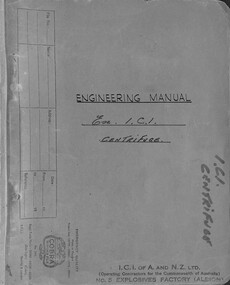
Manual - ICI Engineering Manual - Barium Nitrate Centrifugal Operating Instructions
... Ltd Operating Contractors for the Commonwealth of Australia No 5 Explosives Factory Albion...Albion explosives factory Engineering Manual Ex I.C.I. Centrifuge I.C.I. of A. and N.Z. Ltd Operating Contractors for the Commonwealth of Australia No 5 Explosives Factory Albion Grey cover folder with documents inside Manual ICI Engineering Manual - Barium Nitrate Centrifugal Operating Instructions ...Engineering Manual Ex I.C.I. Centrifuge I.C.I. of A. and N.Z. Ltd Operating Contractors for the Commonwealth of Australia No 5 Explosives Factory Albiondeer park, icianz, albion explosives factory -
 Sunshine and District Historical Society Incorporated
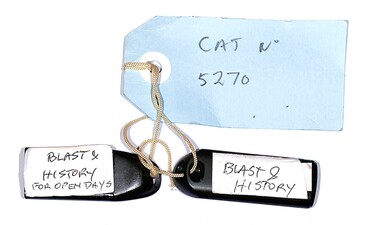
Film - A Blast From The Past Albion Explosive Factory USB Stick
... Albion Explosives Factory was a major WWII-era munitions site in Sunshine, Victoria, operating from 1939 to 1986. Its legacy includes the Black Powder Mill, now a heritage landmark. War Time History - Established in 1939–40 in response to the looming threat of war in Europe. - Located in North Albion, opposite the ICIANZ chemical plant, which also helped design and operate the facility. - Initially known as Munitions Annexe No. 5, it became the Albion Explosives Factory, producing cordite, TNT, nitroglycerine, nitric acid, and other propellants for small arms and artillery. - By 1942–45, it was one of Australia’s three primary military explosives factories, employing thousands and contributing significantly to the war effort. ...Albion Explosives Factory was a major WWII-era munitions site in Sunshine, Victoria, operating from 1939 to 1986. Its legacy includes the Black Powder Mill, now a heritage landmark. War Time History - Established in 1939–40 in response to the looming threat of war in Europe. - Located in North Albion, opposite the ICIANZ chemical plant, which also helped design and operate the facility. - Initially known as Munitions Annexe No. 5, it became the Albion Explosives Factory, producing cordite, TNT, nitroglycerine, nitric acid, and other propellants for small arms and artillery. - By 1942–45, it was one of Australia’s three primary military explosives factories, employing thousands and contributing significantly to the war effort. ...The Albion Explosives Factory was a major WWII-era munitions site in Sunshine, Victoria, operating from 1939 to 1986. Its legacy includes the Black Powder Mill, now a heritage landmark. War Time History - Established in 1939–40 in response to the looming threat of war in Europe. - Located in North Albion, opposite the ICIANZ chemical plant, which also helped design and operate the facility. - Initially known as Munitions Annexe No. 5, it became the Albion Explosives Factory, producing cordite, TNT, nitroglycerine, nitric acid, and other propellants for small arms and artillery. - By 1942–45, it was one of Australia’s three primary military explosives factories, employing thousands and contributing significantly to the war effort. Post War Time History - Continued production of explosives and fertilizers for commercial use after WWII. - Expanded in 1947–49 with the addition of the RDX plant north of Furlong Road. - Introduced new technologies like synthetic ammonia, DNT, and continuous TNT production through the 1950s–60s. Closure and Environmental Remediation - Closed in 1986, followed by extensive decontamination and cleanup. - The site was heavily contaminated with TNT, DNT, nitrates, ammonia, and metals, requiring years of environmental audits and remediation. - Eventually redeveloped into a housing estate and shopping complex, transforming the industrial site into a suburban community. A Blast from the Past Albion Explosive Factoryalbion explosive factory, deer park, cairnlea -
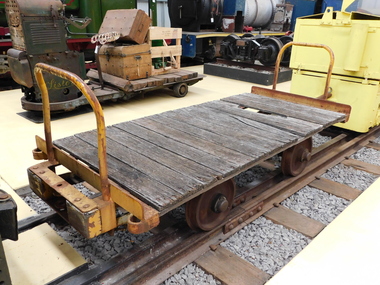 Puffing Billy Railway
Explosives Wagon, unkown
... The Deer Park factory complex The factory complex is of historical significance for the major role it played in Australia's manufacturing and mining industries through the development of progressively more efficient and safer explosives. It also contributed to wartime production in ammunition, initiators and the development of synthetic ammonia production and construction of the Defence Explosives Annexe No 5 (later the Albion Explosives Factory) during World War Two. ...The Deer Park factory complex The factory complex is of historical significance for the major role it played in Australia's manufacturing and mining industries through the development of progressively more efficient and safer explosives. It also contributed to wartime production in ammunition, initiators and the development of synthetic ammonia production and construction of the Defence Explosives Annexe No 5 (later the Albion Explosives Factory) during World War Two. ...This 2 foot 6 inch (762mm) gauge wagon was used for carrying explosives and was used with the Greenbat Battery loco. It was donated to the Walhalla Goldfields Railway on long term loan in 2013 along with a large quantity of narrow gauge trollies and light rail from Orica’s now closed munitions factory in Melbourne’s western suburbs. Orica - Deer Park Munitions factory Orica Deer Park in Melbourne’s west has been used since circa 1875 for various forms of manufacturing and storage of chemicals. Although the site is bounded by Ballarat Road, Station Street, Tilburn Road and the Western Ring Road, the current entry point for industrial operations is situated at Gate 6 of Tilburn Road. Operations include: • a specialty chemicals facility producing products for mining services operations • quarry services • other chemical manufacture activities. The Deer Park factory complex The factory complex is of historical significance for the major role it played in Australia's manufacturing and mining industries through the development of progressively more efficient and safer explosives. It also contributed to wartime production in ammunition, initiators and the development of synthetic ammonia production and construction of the Defence Explosives Annexe No 5 (later the Albion Explosives Factory) during World War Two. The factory complex is also of technical significance for the unusual and specialised design of many of the buildings and structures, both in the layout of the works and the individual design of buildings. Blast protection and safety measures such as mounds around the buildings, 'cleanways' and buffer zones between production areas were employed extensively. A characteristic of many production buildings was the elimination of cavities where explosive compounds could lodge. The combination of concrete barriers and light-weight construction was designed to direct explosion debris away from operators or other buildings. The narrow gauge tramway, which ran through the explosives section, is a rare survivor of nineteenth century materials-handling methods. Historic - Industrial Narrow Gauge Railway - Wagon for carrying Explosives at the Orica - Deer Park Munitions factory, Deer park, Victoria, Australia Wagon for carrying explosives made from Timber and steelwagon for carrying explosives, puffing billy, industrial narrow gauge railway, orica - deer park munitions factory, explosives wagon -
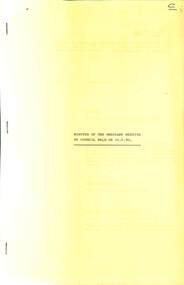 Sunshine and District Historical Society Incorporated
Administrative record - City of Sunshine - Commissioner Mr Alexander Alex George Gillon Collection 1976 - 1982 - Minutes of the ordinary meeting of council held on 10th June 1980, City of Sunshine, 4th June 1980
... Pty Ltd Emu Road, Mitchell Street & Richards Street Maidstone Consolidation of Title Emu Road Self Service Wholesaler Pty Ltd Consolidation of Title Lots 41. 42 & 43 Cromer Avenue Street Construction Albanvale Estate Stage 23 Consolidation of Title Lots 1034 & 1035 Delamare Drive Albanvale Contracts Construction of Concrete Works Allocation of Funds 1980/81 Country Road Board Jones Creek Western Highway to Albion Explosive Factory Concrete Channel Along the Western Boundary of the Old Sunshine Tip 10th Australian Road Research Board Conference University of Sydney 25th to 29th August 1980 City of Sunshine Award Amendments Professional Engineers Federal Funding for Roads Depot Workshop Tenders Kinder Smith Reserve Pavilion Extension Tenders Report of the Building Surveyor Building Over Easement 49 Mawson Avenue Deer Park Building Over Easement 66 Mawson Avenue Deer Park Building Over Easement Lot 10 Neale Road Deer Park Building Over Easement 43 Sunhill Court Ardeer Building on Land Liable to Flooding Lot 5 Oakland Street Maribyrnong Orama Street Pre-School Centre Landscaping Schedule for Authorising of Affixing the Common Seal of the Municipality to Documents Orders of the Day Accounts Submitted for Payment as at 31st May 1980 Statement of Accounts for the Year Ended 30th September 1979 Extraordinary Business Report of the City Engineer & Planner Planning Permit Application Clothing Factory Main Road East St. ...Pty Ltd Emu Road, Mitchell Street & Richards Street Maidstone Consolidation of Title Emu Road Self Service Wholesaler Pty Ltd Consolidation of Title Lots 41. 42 & 43 Cromer Avenue Street Construction Albanvale Estate Stage 23 Consolidation of Title Lots 1034 & 1035 Delamare Drive Albanvale Contracts Construction of Concrete Works Allocation of Funds 1980/81 Country Road Board Jones Creek Western Highway to Albion Explosive Factory Concrete Channel Along the Western Boundary of the Old Sunshine Tip 10th Australian Road Research Board Conference University of Sydney 25th to 29th August 1980 City of Sunshine Award Amendments Professional Engineers Federal Funding for Roads Depot Workshop Tenders Kinder Smith Reserve Pavilion Extension Tenders Report of the Building Surveyor Building Over Easement 49 Mawson Avenue Deer Park Building Over Easement 66 Mawson Avenue Deer Park Building Over Easement Lot 10 Neale Road Deer Park Building Over Easement 43 Sunhill Court Ardeer Building on Land Liable to Flooding Lot 5 Oakland Street Maribyrnong Orama Street Pre-School Centre Landscaping Schedule for Authorising of Affixing the Common Seal of the Municipality to Documents Orders of the Day Accounts Submitted for Payment as at 31st May 1980 Statement of Accounts for the Year Ended 30th September 1979 Extraordinary Business Report of the City Engineer & Planner Planning Permit Application Clothing Factory Main Road East St. ...Minutes of the Ordinary Meeting of Council held on 10th June 1980 Report of the Town Clerk's Department Report of the Town Clerk Revaluation Payment by Melbourne and Metropolitan Board of Works Expenditure of Money From Public Resort & Recreation Fund Use of the facilities at The Hub Proposed Lease of Premises by the Albion Tennis Club Request for Financial Assistance for the St. Albans Community Youth Club Request for Financial Assistance for the Western Region Arts Council The Community Arts Conference 19th to 22nd July 1980 Financial Statement for the Year Ended 30th September 1979 and Auditor's Report Report of the Co-Ordinator of Welfare Service Western region Advancement Programme Fuel for Pensioners Scheme Repatriation Benefits for Allied Veterans Special Youth Development Programme Department of Youth, Sport & Recreation Sunshine CYSS Refunding Report of the Chief Health Officer Charge for Police Witness Attendance at Sunshine Court in Litter Case Offensive Trades Werribee Area Nufarm Chemicals Pty Ltd, J.L. McTaggart (Vic) Pty Ltd J.H. Ralph & Sons Pty Ltd V's City of Sunshine Court Case Health Act registrations for 1980 Application for Transfer of Proprietorship of Premises Under the Health Act Health Act 1958 Section 44(1) Nuisance Report of the Medical Officer of Health Report of the Superintendent of Traffic & By-Laws Court Proceedings Parking & Traffic Infringements Dog Act Report of the City Librarian May 1980 School Holidays Programme Bookmobile Seminar 17th - 18th May 1980 Report of the City Engineer & Planner Planning Permit Application Subdivision and Detached House on Each Created Allotment Main Road West Rezoning Corner of Raleigh Road and Burton Crescent Maribyrnong Planning Permit Application Hore Agistment via Fairbairn Road Sunshine West Planning Permit Application Extractive Industry McIntyre Road St. Albans East Planning Permit Application Extension to Milk Bar 123 Rosamond Road Maidstone Planning Permit Application Radio Mast 3 Beaver Street St. Albans Planning Permit Application Internally Illuminated Sign South West Corner of Mulhall Drive and Clover Avenue St. Albans Planning Permit Application Radio Tower Somerville Road Brooklyn Planning Permit Application Extension to Bridge Platform Within Existing Industrial Complex Somerville Road Brooklyn Planning Permit Application Factory Extension Lots 1, 2 & 86 Berkshire Road North West Corner Henderson Street Sunshine North Planning Permit Application Extension to Existing Deer Park Fire Station North East Corner of Ballarat Road and Glencairn Avenue Deer Park Planning Permit Application Detached House 17 Carroll Street Deer Park Planning Permit Application Display Home Centre Lot 16 to 19 Furlong Road Corner of St. Albans Road St. Albans Planning Permit Application Amateur Radio Mast Lot 51 Glencairn Avenue Deer Park Planning Permit Application Residential Subdivision and Industrial Use South East Corner St. Albans Road and Furlong Road St. Albans Planning Permit Application Internally Illuminated Signs McDonalds 396 - 402 Ballarat Road Sunshine North Planning Permit Application Three Flats Lots 3 & 4 Cooper Street Sunshine Planning Permit Application Commercial Display Area Lot 19 Geelong Road Corner of Francis Street Brooklyn Planning Permit Application Cafe 77 Main Road West St. Albans Street Construction Nickson Estate Stage 3 & 4 Furlong Road St. Albans Consolidation of Title The Olympic Tyre & Rubber Co. Pty Ltd Emu Road, Mitchell Street & Richards Street Maidstone Consolidation of Title Emu Road Self Service Wholesaler Pty Ltd Consolidation of Title Lots 41. 42 & 43 Cromer Avenue Street Construction Albanvale Estate Stage 23 Consolidation of Title Lots 1034 & 1035 Delamare Drive Albanvale Contracts Construction of Concrete Works Allocation of Funds 1980/81 Country Road Board Jones Creek Western Highway to Albion Explosive Factory Concrete Channel Along the Western Boundary of the Old Sunshine Tip 10th Australian Road Research Board Conference University of Sydney 25th to 29th August 1980 City of Sunshine Award Amendments Professional Engineers Federal Funding for Roads Depot Workshop Tenders Kinder Smith Reserve Pavilion Extension Tenders Report of the Building Surveyor Building Over Easement 49 Mawson Avenue Deer Park Building Over Easement 66 Mawson Avenue Deer Park Building Over Easement Lot 10 Neale Road Deer Park Building Over Easement 43 Sunhill Court Ardeer Building on Land Liable to Flooding Lot 5 Oakland Street Maribyrnong Orama Street Pre-School Centre Landscaping Schedule for Authorising of Affixing the Common Seal of the Municipality to Documents Orders of the Day Accounts Submitted for Payment as at 31st May 1980 Statement of Accounts for the Year Ended 30th September 1979 Extraordinary Business Report of the City Engineer & Planner Planning Permit Application Clothing Factory Main Road East St. Albans Planning Permit Application Factory Cromer Avenue Sunshine North Report of Building Surveyor Building Over Easement Municipal Offices Alexandra Avenue Sunshine Building on Land Liable to Flooding Lot 1 Wright Street Sunshinealbion tennis club, selwyn park, selwyn street, albion, the hub, sun crescent, sunshine, st. albans community youth club, nufarm chemicals, j.l. mctaggart, j.h. ralph & sons, geelong road, brooklyn, main road west, st. albans, raleigh road, burton crescent, maribyrnong, fairbairn road, sunshine west, mcintyre road, st. albans east, sunshine north, rosamond road, maidstone, beaver street, mulhall drive, clover avenue, somerville road, berkshire road, henderson street, deer park fire station, ballarat road, glencairn avenue, deer park, carroll street, furlong road, st. albans road, mcdonalds, cooper street, francis street, the olympic tyre & rubber co, emu road, mitchell street, richards street, cromer avenue, delamare drive, albanvale, jones creek, western highway, albion explosive factory, sunshine tip, kinder smith reserve, lily street, braybrook, mawson avenue, neale road, sunhill court, ardeer, oakland street, orama street pre-school centre, orama street, main road east, alexandra avenue, wright street -
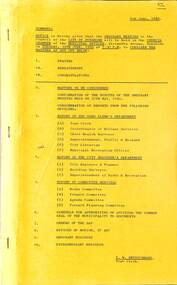 Sunshine and District Historical Society Incorporated
Administrative record - City of Sunshine - Commissioner Mr Alexander Alex George Gillon Collection 1976 - 1982 - Notice of ordinary meeting of the council 10th June 1980, City of Sunshine, 4th June 1980
... Pty Ltd Emu Road, Mitchell Street & Richards Street Maidstone Consolidation of Title Emu Road Self Service Wholesaler Pty Ltd Consolidation of Title Lots 41. 42 & 43 Cromer Avenue Street Construction Albanvale Estate Stage 23 Consolidation of Title Lots 1034 & 1035 Delamare Drive Albanvale Contracts Construction of Concrete Works Allocation of Funds 1980/81 Country Road Board Jones Creek Western Highway to Albion Explosive Factory Concrete Channel Along the Western Boundary of the Old Sunshine Tip 10th Australian Road Research Board Conference University of Sydney 25th to 29th August 1980 City of Sunshine Award Amendments Professional Engineers Federal Funding for Roads Depot Workshop Tenders Kinder Smith Reserve Pavilion Extension Tenders Report of the Building Surveyor Building Over Easement 49 Mawson Avenue Deer Park Building Over Easement 66 Mawson Avenue Deer Park Building Over Easement Lot 10 Neale Road Deer Park Building Over Easement 43 Sunhill Court Ardeer Building on Land Liable to Flooding Lot 5 Oakland Street Maribyrnong Orama Street Pre-School Centre Landscaping Schedule for Authorising of Affixing the Common Seal of the Municipality to Documents Orders of the Day Accounts Submitted for Payment as at 31st May 1980 Statement of Accounts for the Year Ended 30th September 1979...Pty Ltd Emu Road, Mitchell Street & Richards Street Maidstone Consolidation of Title Emu Road Self Service Wholesaler Pty Ltd Consolidation of Title Lots 41. 42 & 43 Cromer Avenue Street Construction Albanvale Estate Stage 23 Consolidation of Title Lots 1034 & 1035 Delamare Drive Albanvale Contracts Construction of Concrete Works Allocation of Funds 1980/81 Country Road Board Jones Creek Western Highway to Albion Explosive Factory Concrete Channel Along the Western Boundary of the Old Sunshine Tip 10th Australian Road Research Board Conference University of Sydney 25th to 29th August 1980 City of Sunshine Award Amendments Professional Engineers Federal Funding for Roads Depot Workshop Tenders Kinder Smith Reserve Pavilion Extension Tenders Report of the Building Surveyor Building Over Easement 49 Mawson Avenue Deer Park Building Over Easement 66 Mawson Avenue Deer Park Building Over Easement Lot 10 Neale Road Deer Park Building Over Easement 43 Sunhill Court Ardeer Building on Land Liable to Flooding Lot 5 Oakland Street Maribyrnong Orama Street Pre-School Centre Landscaping Schedule for Authorising of Affixing the Common Seal of the Municipality to Documents Orders of the Day Accounts Submitted for Payment as at 31st May 1980 Statement of Accounts for the Year Ended 30th September 1979 Foolscap sized document. ...Notice of Ordinary Meeting of the Council 10th June 1980 Report of the Town Clerk's Department Report of the Town Clerk Revaluation Payment by Melbourne and Metropolitan Board of Works Expenditure of Money From Public Resort & Recreation Fund Use of the facilities at The Hub Proposed Lease of Premises by the Albion Tennis Club Request for Financial Assistance for the St. Albans Community Youth Club Request for Financial Assistance for the Western Region Arts Council The Community Arts Conference 19th to 22nd July 1980 Financial Statement for the Year Ended 30th September 1979 and Auditor's Report Report of the Co-Ordinator of Welfare Service Western region Advancement Programme Fuel for Pensioners Scheme Repatriation Benefits for Allied Veterans Special Youth Development Programme Department of Youth, Sport & Recreation Sunshine CYSS Refunding Report of the Chief Health Officer Charge for Police Witness Attendance at Sunshine Court in Litter Case Offensive Trades Werribee Area Nufarm Chemicals Pty Ltd, J.L. McTaggart (Vic) Pty Ltd J.H. Ralph & Sons Pty Ltd V's City of Sunshine Court Case Health Act registrations for 1980 Application for Transfer of Proprietorship of Premises Under the Health Act Health Act 1958 Section 44(1) Nuisance Report of the Medical Officer of Health Report of the Superintendent of Traffic & By-Laws Court Proceedings Parking & Traffic Infringements Dog Act Report of the City Librarian May 1980 School Holidays Programme Bookmobile Seminar 17th - 18th May 1980 Report of the City Engineer & Planner Planning Permit Application Subdivision and Detached House on Each Created Allotment Main Road West Rezoning Corner of Raleigh Road and Burton Crescent Maribyrnong Planning Permit Application Hore Agistment via Fairbairn Road Sunshine West Planning Permit Application Extractive Industry McIntyre Road St. Albans East Planning Permit Application Extension to Milk Bar 123 Rosamond Road Maidstone Planning Permit Application Radio Mast 3 Beaver Street St. Albans Planning Permit Application Internally Illuminated Sign South West Corner of Mulhall Drive and Clover Avenue St. Albans Planning Permit Application Radio Tower Somerville Road Brooklyn Planning Permit Application Extension to Bridge Platform Within Existing Industrial Complex Somerville Road Brooklyn Planning Permit Application Factory Extension Lots 1, 2 & 86 Berkshire Road North West Corner Henderson Street Sunshine North Planning Permit Application Extension to Existing Deer Park Fire Station North East Corner of Ballarat Road and Glencairn Avenue Deer Park Planning Permit Application Detached House 17 Carroll Street Deer Park Planning Permit Application Display Home Centre Lot 16 to 19 Furlong Road Corner of St. Albans Road St. Albans Planning Permit Application Amateur Radio Mast Lot 51 Glencairn Avenue Deer Park Planning Permit Application Residential Subdivision and Industrial Use South East Corner St. Albans Road and Furlong Road St. Albans Planning Permit Application Internally Illuminated Signs McDonalds 396 - 402 Ballarat Road Sunshine North Planning Permit Application Three Flats Lots 3 & 4 Cooper Street Sunshine Planning Permit Application Commercial Display Area Lot 19 Geelong Road Corner of Francis Street Brooklyn Planning Permit Application Cafe 77 Main Road West St. Albans Street Construction Nickson Estate Stage 3 & 4 Furlong Road St. Albans Consolidation of Title The Olympic Tyre & Rubber Co. Pty Ltd Emu Road, Mitchell Street & Richards Street Maidstone Consolidation of Title Emu Road Self Service Wholesaler Pty Ltd Consolidation of Title Lots 41. 42 & 43 Cromer Avenue Street Construction Albanvale Estate Stage 23 Consolidation of Title Lots 1034 & 1035 Delamare Drive Albanvale Contracts Construction of Concrete Works Allocation of Funds 1980/81 Country Road Board Jones Creek Western Highway to Albion Explosive Factory Concrete Channel Along the Western Boundary of the Old Sunshine Tip 10th Australian Road Research Board Conference University of Sydney 25th to 29th August 1980 City of Sunshine Award Amendments Professional Engineers Federal Funding for Roads Depot Workshop Tenders Kinder Smith Reserve Pavilion Extension Tenders Report of the Building Surveyor Building Over Easement 49 Mawson Avenue Deer Park Building Over Easement 66 Mawson Avenue Deer Park Building Over Easement Lot 10 Neale Road Deer Park Building Over Easement 43 Sunhill Court Ardeer Building on Land Liable to Flooding Lot 5 Oakland Street Maribyrnong Orama Street Pre-School Centre Landscaping Schedule for Authorising of Affixing the Common Seal of the Municipality to Documents Orders of the Day Accounts Submitted for Payment as at 31st May 1980 Statement of Accounts for the Year Ended 30th September 1979albion tennis club, selwyn park, selwyn street, albion, the hub, sun crescent, sunshine, st. albans community youth club, nufarm chemicals, j.l. mctaggart, j.h. ralph & sons, geelong road, brooklyn, main road west, st. albans, raleigh road, burton crescent, maribyrnong, fairbairn road, sunshine west, mcintyre road, st. albans east, sunshine north, rosamond road, maidstone, beaver street, mulhall drive, clover avenue, somerville road, berkshire road, henderson street, deer park fire station, ballarat road, glencairn avenue, deer park, carroll street, furlong road, st. albans road, mcdonalds, cooper street, francis street, the olympic tyre & rubber co, emu road, mitchell street, richards street, cromer avenue, delamare drive, albanvale, jones creek, western highway, albion explosive factory, sunshine tip, kinder smith reserve, lily street, braybrook, mawson avenue, neale road, sunhill court, ardeer, oakland street, orama street pre-school centre, orama street
