
Showing 44 items matching "archaeological dig"
-
 Greensborough Historical Society
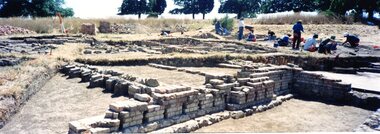
Photograph - Photograph Collection, Jan Macdonald, Viewbank Homestead archaeological excavation 1999, 1999
... In 1999, an archaeological dig was undertaken at the Viewbank Homestead site in Viewbank. ...Set of 8 panoramic photos of archaeological dig and flyer for dig....In 1999, an archaeological dig was undertaken at the Viewbank Homestead site in Viewbank. ...In 1999, an archaeological dig was undertaken at the Viewbank Homestead site in Viewbank. This set of photographs was taken at the dig site in 1999. The house was built c1840 by James Williamson; it was later purchased by George Gear as a wedding gift to his daughter on her marriage to Dr Robert Martin. It became a grand mansion in the late 1800s but by the 1920s, it was stripped bare of materials and demolished in the 1920s. The archaeological dig was and insight into early life in the Viewbank HomesteadSet of 8 panoramic photos of archaeological dig and flyer for dig.viewbank homestead, banyule road viewbank, viewbank, archaeological digs -
 Bendigo Historical Society Inc.
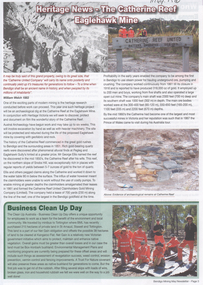
Document - Kangaroo Flat Gold Mine Collection: Bendigo Mining, History of Catherine Reef United Mine site, Bendigo Mining NL, Undated
... ...archaeological dig...Bendigo mining gold Kangaroo Flat James Lerk Catherine Reef United Claimholders Gold Mine Eaglehawk archaeological dig mining heritage Bendigo Amalgamated Goldfields poppet head Three documents relating to the Catherine Reef United Claimholders Gold Mine, Eaglehawk. 1. ...Catherine Reef United Claimholders Gold Mine The Catherine Reef United Claimholders Gold Mine was a significant site in the history of gold mining in Victoria, Australia. It operated from 1861 to 1913 and was considered the second most important gold mine in Victoria, behind the Port Phillip Company at Clunes. The mine utilized steam power for quartz mining, which required pounding the quartz to sand to extract gold. The mine's engine and battery foundations are remnants of this historical activity and are of great archaeological and scientific importance to the State of Victoria. The mine played a crucial role in the development of Victorian manufacturing industry and is a characteristic example of an important form of gold miningThree documents relating to the Catherine Reef United Claimholders Gold Mine, Eaglehawk. 1. Bendigo Mining, one page Information Sheet regarding the history of the Catherine Reef United mine site. Text is an extract from 'Bendigo's Deborah Gold Mine and its Era' by James Lerk. 2. Bendigo Mining Heritage News, - The Catherine Reef Eaglehawk Mine. Double sided one page information sheet. Images of archaelogical remains at Catherin Reef are featured on the front page. Emma Farrell and Mark Andrews question/answers featured on back page. 3. A3 photocopy of map of Catherine Reef United mine site and a list of archaeological remains found. bendigo mining n.l., bendigo, mining, gold, kangaroo flat, james lerk, catherine reef united claimholders gold mine, eaglehawk, archaeological dig, mining heritage, bendigo amalgamated goldfields, poppet head -
 Merbein District Historical Society
Film - DVD, Norm Beard's Home Movies, 1950-1960's
... Melbourne University Archaeological Dig...Roy Harwood Circus Wirth's Pre school fete Floods Paschendale Ave Merbein Keera Station Shearing 1959 Anniversary parade Melbourne University Archaeological Dig Norm Beard's Home Movies Film DVD ...roy harwood, circus wirth's, pre school fete, floods paschendale ave merbein, keera station shearing , 1959 anniversary parade, melbourne university archaeological dig -
 Greensborough Historical Society
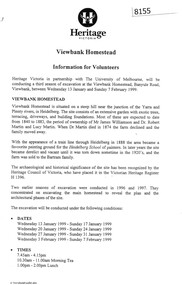
Pamphlet, Heritage Victoria, Viewbank Homestead: Information for volunteers, 1998
... Information about Viewbank Homestead, and the proposed archaeological dig with Viewbank Excavation volunteer application form...Information about Viewbank Homestead, and the proposed archaeological dig with Viewbank Excavation volunteer application form viewbank homestead archaeological digs 3 pages, text only with logo Viewbank Homestead: Information for volunteers Pamphlet Pamphlet Heritage Victoria ...Information about Viewbank Homestead, and the proposed archaeological dig with Viewbank Excavation volunteer application form3 pages, text only with logoviewbank homestead, archaeological digs -
 Greensborough Historical Society
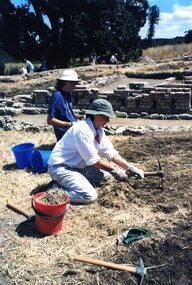
Photograph, Jan Macdonald, Volunteers at the Viewbank Homestead dig, 1999
... These photos taken in 1999 during the Viewbank Homestead archaeological dig....These photos taken in 1999 during the Viewbank Homestead archaeological dig. viewbank homestead banyule road viewbank viewbank archaeological digs 4 colour photographs of Viewbank Homestead dig Volunteers at the Viewbank Homestead dig Photograph Photograph Jan Macdonald ...Colour photograph of volunteers excavating the Viewbank Homestead. These photos taken in 1999 during the Viewbank Homestead archaeological dig.4 colour photographs of Viewbank Homestead digviewbank homestead, banyule road viewbank, viewbank, archaeological digs -
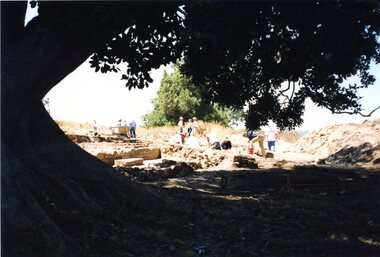 Greensborough Historical Society
Photograph, Jan Macdonald, Viewbank Homestead dig seen through trees, 1999
... These photos taken in 1999 during the Viewbank Homestead archaeological dig....These photos taken in 1999 during the Viewbank Homestead archaeological dig. viewbank homestead banyule road viewbank viewbank archaeological digs 3 colour photographs of Viewbank Homestead dig Viewbank Homestead dig seen through trees Photograph Photograph Jan Macdonald ...Colour photograph of volunteers excavating the Viewbank Homestead. These photos taken in 1999 during the Viewbank Homestead archaeological dig.3 colour photographs of Viewbank Homestead digviewbank homestead, banyule road viewbank, viewbank, archaeological digs -
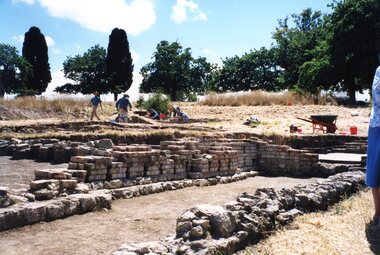 Greensborough Historical Society
Photograph, Jan Macdonald, Excavated brickwork at Viewbank Homestead dig, 1999
... These photos taken in 1999 during the Viewbank Homestead archaeological dig. ...These photos taken in 1999 during the Viewbank Homestead archaeological dig. viewbank homestead banyule road viewbank viewbank archaeological digs A colour photograph of Viewbank Homestead dig Excavated brickwork at Viewbank Homestead dig Photograph Photograph Jan Macdonald ...Colour photograph of excavated brickwork at the Viewbank Homestead. These photos taken in 1999 during the Viewbank Homestead archaeological dig. A colour photograph of Viewbank Homestead digviewbank homestead, banyule road viewbank, viewbank, archaeological digs -
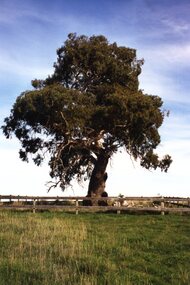 Greensborough Historical Society
Photograph, Jan Macdonald, Trees at Viewbank Homestead site, 1999
... These photos taken in 1999 during the Viewbank Homestead archaeological dig. ...These photos taken in 1999 during the Viewbank Homestead archaeological dig. viewbank homestead banyule road viewbank viewbank archaeological digs 2 colour photographs of Viewbank Homestead dig Trees at Viewbank Homestead site Photograph Photograph Jan Macdonald ...Colour photograph of trees at the Viewbank Homestead site. These photos taken in 1999 during the Viewbank Homestead archaeological dig. 2 colour photographs of Viewbank Homestead digviewbank homestead, banyule road viewbank, viewbank, archaeological digs -
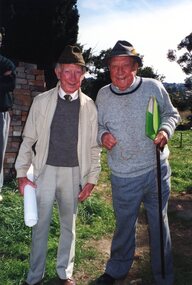 Greensborough Historical Society
Photograph, Jan Macdonald, Visitors to Viewbank Homestead dig, 1999
... These photos taken in 1999 during the Viewbank Homestead archaeological dig. Possibly archaeologists....These photos taken in 1999 during the Viewbank Homestead archaeological dig. Possibly archaeologists. viewbank homestead banyule road viewbank viewbank archaeological digs 4 colour photographs of Viewbank Homestead dig Visitors to Viewbank Homestead dig Photograph Photograph Jan Macdonald ...Colour photograph of un-named men at the Viewbank Homestead. These photos taken in 1999 during the Viewbank Homestead archaeological dig. Possibly archaeologists.4 colour photographs of Viewbank Homestead digviewbank homestead, banyule road viewbank, viewbank, archaeological digs -
 Bendigo Historical Society Inc.
Book - THE NELSONS SIXTY FOURS, 2011
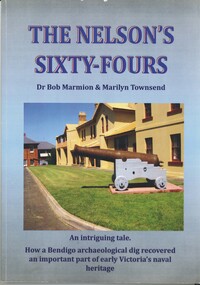
... The Nelsons Sixty Fours, an intriguing tale, how a Bendigo archaeological dig recovered an important part of early Victoria's naval heritage when the cannons were discovered on the cascades site. 73 pages with photographs, some in colour, a History Solutions publication in partnership with Fort Queenscliff Museum Assoc Inc....HISTORY Naval hmvs nelson History-Victoria-Naval-Bendigo Dr Bob Marmion & Marilyn Townsend The Nelsons Sixty Fours, an intriguing tale, how a Bendigo archaeological dig recovered an important part of early Victoria's naval heritage when the cannons were discovered on the cascades site. 73 pages with photographs, some in colour, a History Solutions publication in partnership with Fort Queenscliff Museum Assoc Inc. ...The Nelsons Sixty Fours, an intriguing tale, how a Bendigo archaeological dig recovered an important part of early Victoria's naval heritage when the cannons were discovered on the cascades site. 73 pages with photographs, some in colour, a History Solutions publication in partnership with Fort Queenscliff Museum Assoc Inc.Dr Bob Marmion & Marilyn Townsendhistory, naval, hmvs nelson, history-victoria-naval-bendigo -
 Greensborough Historical Society
Letter - Correspondence, Banyule City Council, Viewbank Homestead Guided Tour Opportunity, 1998, 15/12/1998
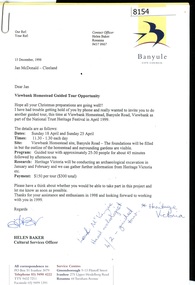
... Invitation from Banyule Cultural Services Officer to Jan Macdonald to participate in a guided tour and archaeological dig at Viewbank Homestead January, February and April 1999...Invitation from Banyule Cultural Services Officer to Jan Macdonald to participate in a guided tour and archaeological dig at Viewbank Homestead January, February and April 1999 viewbank homestead archaeological digs Comprises letter, with unbound information pamphlet and map Viewbank Homestead Guided Tour Opportunity, 1998 Letter Correspondence Banyule City Council ...Invitation from Banyule Cultural Services Officer to Jan Macdonald to participate in a guided tour and archaeological dig at Viewbank Homestead January, February and April 1999Comprises letter, with unbound information pamphlet and mapviewbank homestead, archaeological digs -
 Greensborough Historical Society
Photograph, Jan Macdonald, Lunch break at Viewbank Homestead dig, 1999
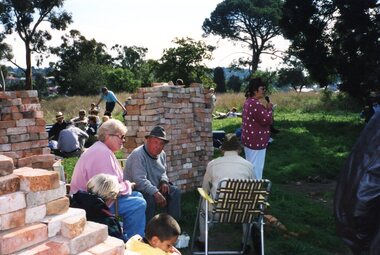
... These photos taken in 1999 during the Viewbank Homestead archaeological dig. The donor of these photos is shown in the red jumper with white spots, holding a microphone....These photos taken in 1999 during the Viewbank Homestead archaeological dig. The donor of these photos is shown in the red jumper with white spots, holding a microphone. viewbank homestead banyule road viewbank viewbank archaeological digs 2 colour photographs of Viewbank Homestead dig Lunch break at Viewbank Homestead dig Photograph Photograph Jan Macdonald ...Colour photograph of volunteers at the Viewbank Homestead. These photos taken in 1999 during the Viewbank Homestead archaeological dig. The donor of these photos is shown in the red jumper with white spots, holding a microphone.2 colour photographs of Viewbank Homestead digviewbank homestead, banyule road viewbank, viewbank, archaeological digs -
 Greensborough Historical Society
Photograph, Jan Macdonald, Finds table at Viewbank Homestead dig, 1999
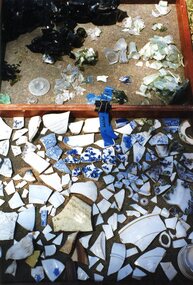
... These photos taken in 1999 during the Viewbank Homestead archaeological dig. Finds shown are mainly broken pottery of good quality as befits a high status home....These photos taken in 1999 during the Viewbank Homestead archaeological dig. Finds shown are mainly broken pottery of good quality as befits a high status home. viewbank homestead banyule road viewbank viewbank archaeological digs A colour photograph of Viewbank Homestead dig Finds table at Viewbank Homestead dig Photograph Photograph Jan Macdonald ...Colour photograph of finds table at the Viewbank Homestead. These photos taken in 1999 during the Viewbank Homestead archaeological dig. Finds shown are mainly broken pottery of good quality as befits a high status home.A colour photograph of Viewbank Homestead digviewbank homestead, banyule road viewbank, viewbank, archaeological digs -
 Greensborough Historical Society
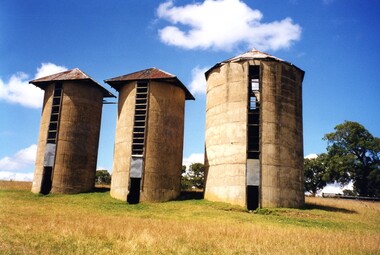
Photograph, Jan Macdonald, Viewbank Farm silos - Banyule Road, 1999
... These photos taken in 1999 during the Viewbank Homestead archaeological dig....These photos taken in 1999 during the Viewbank Homestead archaeological dig. viewbank homestead viewbank silos harold bartram banyule road viewbank viewbank archaeological digs 2 colour photographs of Viewbank Farm silos Viewbank Farm silos - Banyule Road Photograph Photograph Jan Macdonald ...Colour photograph of Viewbank Farm Silos - Banyule Road. Silos were built in the 1930s by Harold Bartram. He used them to store fodder for his 200 milking cows. A brief history of the site is included. These photos taken in 1999 during the Viewbank Homestead archaeological dig.2 colour photographs of Viewbank Farm silosviewbank homestead, viewbank silos, harold bartram, banyule road viewbank, viewbank, archaeological digs -
 Greensborough Historical Society
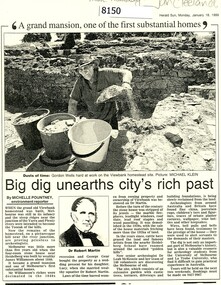
Article - Newspaper Clipping (copy), Michelle Pountney, Big dig unearths city's rich past, 18/01/1999
... In 1999, an archaeological dig was undertaken at the Viewbank Homestead site in Viewbank. ...In 1999, an archaeological dig was undertaken at the Viewbank Homestead site in Viewbank. ...In 1999, an archaeological dig was undertaken at the Viewbank Homestead site in Viewbank. The house was built c1840 by James Williamson; it was later purchased by George Gear as a wedding gift to his daughter on her marriage to Dr Robert Martin. It became a grand mansion in the late 1800s but by the 1920s, it was stripped bare of materials and demolished in the 1920s. The archaeological dig was and insight into early life in the Viewbank HomesteadCopy of news clipping, black and white text and images.viewbank homestead, banyule road viewbank, viewbank, archaeological digs -
 Greensborough Historical Society
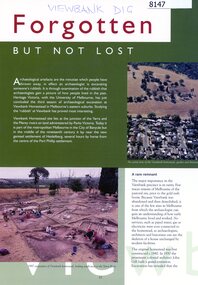
Article - Article, Journal, Forgotten but not lost, 1999
... In 1999, an archaeological dig was undertaken at the Viewbank Homestead site in Viewbank. ...In 1999, an archaeological dig was undertaken at the Viewbank Homestead site in Viewbank. ...In 1999, an archaeological dig was undertaken at the Viewbank Homestead site in Viewbank. The house was built c1840 by James Williamson; it was later purchased by George Gear as a wedding gift to his daughter on her marriage to Dr Robert Martin. It became a grand mansion in the late 1800s but by the 1920s, it was stripped bare of materials and demolished in the 1920s. The archaeological dig was an insight into early life in the Viewbank HomesteadMagazine clipping, colour text and images.viewbank homestead, banyule road viewbank, viewbank, archaeological digs -
Greensborough Historical Society
Article, The Willis Diary by Anne Paul. Based on A Pioneer Squatter's Life, 09/04/1837o
... She includes further information on the Willis family and photographs of the archaeological dig at the Bridge Inn Hotel Mernda in 2017....She includes further information on the Willis family and photographs of the archaeological dig at the Bridge Inn Hotel Mernda in 2017. ...The Willis Diary by GHS member Anne Paul is based on A Pioneer Squatter's Life (Item158). The Willis family were early settlers at Lower Plenty, just near where the hotel and old bridge are today. Anne has reviewed and analysed this chapter from Historical Records of Victoria, Vol. 6. The Crown, the land, and the squatter, 1835-1840. She includes further information on the Willis family and photographs of the archaeological dig at the Bridge Inn Hotel Mernda in 2017.Diary of James L Willis from 1837, portraying hardships suffered in the young colony of Victoria.15 page, text and colour illustrations. Digital copy.willis family, plenty river, lower plenty, james willis, bridge inn hotel mernda -
Greensborough Historical Society
Article, A Squatter's life on the Plenty River at 'Wanstead' by Anne Paul, 09/04/1837o
... She includes further information on the Willis family and photographs of the archaeological dig at the Bridge Inn Hotel Mernda in 2017....She includes further information on the Willis family and photographs of the archaeological dig at the Bridge Inn Hotel Mernda in 2017. ...The Willis Diary by GHS member Anne Paul is based on A Pioneer Squatter's Life (Item158). The Willis family were early settlers at Lower Plenty, just near where the hotel and old bridge are today. Anne has reviewed and analysed this chapter from Historical Records of Victoria, Vol. 6. The Crown, the land, and the squatter, 1835-1840. She includes further information on the Willis family and photographs of the archaeological dig at the Bridge Inn Hotel Mernda in 2017.Diary of James L Willis from 1837, portraying hardships suffered in the young colony of Victoria.10 pages, text and colour illustrations. Abridged hard copy of item 4491.willis family, plenty river, lower plenty, james willis, bridge inn hotel mernda -
 Melbourne Tram Museum
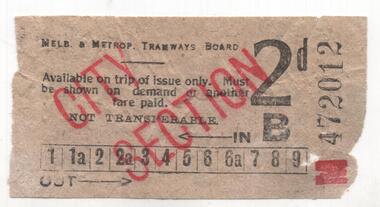
Ephemera - Ticket, Melbourne & Metropolitan Tramways Board (MMTB), Ticket - 2d, c1928?
... Summary - found in an archaeological dig for 74 Collins St - see htd3959doc1.pdf - which gives the background to the history of the site. ...Summary - found in an archaeological dig for 74 Collins St - see htd3959doc1.pdf - which gives the background to the history of the site. ...Ticket - 2d black printing on off white paper, over printed in red for "City Section". Ticket No. M472012. Has a Fishers Ink advert on rear. See htd3959doc.pdf for a detailed investigation of the ticket, where it was found and discussions with the donor. Summary - found in an archaeological dig for 74 Collins St - see htd3959doc1.pdf - which gives the background to the history of the site. Ticket found nearby a 1928 paper. Gary Davey, see htd3959doc for background could not date the ticket, though is landscape format and single row of punch marks are of note. Most likely c1928. Images i3 and i4 are of the docket that was received with the ticket from the dig and the donors name.trams, tramways, tickets, city section, advertisements -
National Wool Museum
Book, Scouring the Barwon
... Submitted as part of the final honours examination, Department of Archaeology, La Trobe University. Associated items: results of archeological dig were also donated....Submitted as part of the final honours examination, Department of Archaeology, La Trobe University. Associated items: results of archeological dig were also donated. ..."Scouring the Barwon: an investigation into the operation of a wool-scour and fellmongery on the Barwon River, Geelong; a study in historical archaeology" - Roger D. Cummins, 1987. Submitted as part of the final honours examination, Department of Archaeology, La Trobe University. Associated items: results of archeological dig were also donated.scouring, fellmongery -
 Ballarat Heritage Services
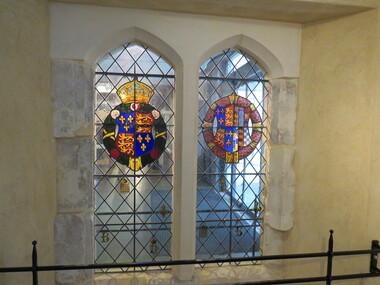
Photograph - Photograph - Colour, Greenwich Chapel and Museum, England
... archaeology had added greatly to our understanding of life at the Tudor Court at Greenwich. Since 1971 there have been well over 20 digs on the site. Many wonderful and intriguing items from gold coins to tiled floors and human skeletons have been found. The first major dig...archaeology had added greatly to our understanding of life at the Tudor Court at Greenwich. Since 1971 there have been well over 20 digs on the site. Many wonderful and intriguing items from gold coins to tiled floors and human skeletons have been found. The first major dig ...Greenwich Palace no longer exists however archaeology had added greatly to our understanding of life at the Tudor Court at Greenwich. Since 1971 there have been well over 20 digs on the site. Many wonderful and intriguing items from gold coins to tiled floors and human skeletons have been found. The first major dig uncovered the structure of the royal apartments next to the river. Not only did it clarify the floor plan but finds included some rare Tudor ceiling decorations, a hoard of gold coins and many personal items such as dice used for gaming. Perhaps the most revealing excavations have been the most recent. In 2005 while monitoring the digging of a drainage trench archaeologists found brickwork and tiles that formed the floor of the east end of the Tudor Chapel Royal where the altar once stood.Photograph of stained glass windows at Greenwich Chapel and Museum, Englandgreewich, stone, museum, chapel, stained glass -
 Ballarat Heritage Services
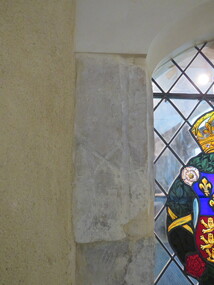
Photograph - Colour, Greenwich Chapel and Museum, England, Mason's Mark on stonework
... archaeology had added greatly to our understanding of life at the Tudor Court at Greenwich. Since 1971 there have been well over 20 digs on the site. Many wonderful and intriguing items from gold coins to tiled floors and human skeletons have been found. The first major dig...archaeology had added greatly to our understanding of life at the Tudor Court at Greenwich. Since 1971 there have been well over 20 digs on the site. Many wonderful and intriguing items from gold coins to tiled floors and human skeletons have been found. The first major dig ...Greenwich Palace no longer exists however archaeology had added greatly to our understanding of life at the Tudor Court at Greenwich. Since 1971 there have been well over 20 digs on the site. Many wonderful and intriguing items from gold coins to tiled floors and human skeletons have been found. The first major dig uncovered the structure of the royal apartments next to the river. Not only did it clarify the floor plan but finds included some rare Tudor ceiling decorations, a hoard of gold coins and many personal items such as dice used for gaming. Perhaps the most revealing excavations have been the most recent. In 2005 while monitoring the digging of a drainage trench archaeologists found brickwork and tiles that formed the floor of the east end of the Tudor Chapel Royal where the altar once stood.greenwich, stone, museum, chapel -
 Ballarat Heritage Services
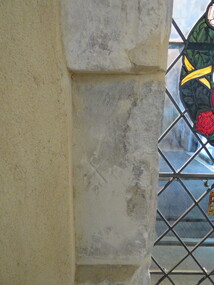
Photograph - Colour, Greenwich Chapel and Museum, England, Mason's Mark on stonework
... archaeology had added greatly to our understanding of life at the Tudor Court at Greenwich. Since 1971 there have been well over 20 digs on the site. Many wonderful and intriguing items from gold coins to tiled floors and human skeletons have been found. The first major dig...archaeology had added greatly to our understanding of life at the Tudor Court at Greenwich. Since 1971 there have been well over 20 digs on the site. Many wonderful and intriguing items from gold coins to tiled floors and human skeletons have been found. The first major dig ...Greenwich Palace no longer exists however archaeology had added greatly to our understanding of life at the Tudor Court at Greenwich. Since 1971 there have been well over 20 digs on the site. Many wonderful and intriguing items from gold coins to tiled floors and human skeletons have been found. The first major dig uncovered the structure of the royal apartments next to the river. Not only did it clarify the floor plan but finds included some rare Tudor ceiling decorations, a hoard of gold coins and many personal items such as dice used for gaming. Perhaps the most revealing excavations have been the most recent. In 2005 while monitoring the digging of a drainage trench archaeologists found brickwork and tiles that formed the floor of the east end of the Tudor Chapel Royal where the altar once stood.greenwich, stone, museum, chapel -
 Ballarat Heritage Services
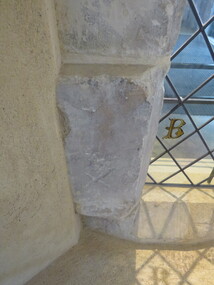
Photograph - Colour, Greenwich Chapel and Museum, England, Mason's Mark on stonework
... archaeology had added greatly to our understanding of life at the Tudor Court at Greenwich. Since 1971 there have been well over 20 digs on the site. Many wonderful and intriguing items from gold coins to tiled floors and human skeletons have been found. The first major dig...archaeology had added greatly to our understanding of life at the Tudor Court at Greenwich. Since 1971 there have been well over 20 digs on the site. Many wonderful and intriguing items from gold coins to tiled floors and human skeletons have been found. The first major dig ...Greenwich Palace no longer exists however archaeology had added greatly to our understanding of life at the Tudor Court at Greenwich. Since 1971 there have been well over 20 digs on the site. Many wonderful and intriguing items from gold coins to tiled floors and human skeletons have been found. The first major dig uncovered the structure of the royal apartments next to the river. Not only did it clarify the floor plan but finds included some rare Tudor ceiling decorations, a hoard of gold coins and many personal items such as dice used for gaming. Perhaps the most revealing excavations have been the most recent. In 2005 while monitoring the digging of a drainage trench archaeologists found brickwork and tiles that formed the floor of the east end of the Tudor Chapel Royal where the altar once stood.greenwich, stone, museum, chapel -
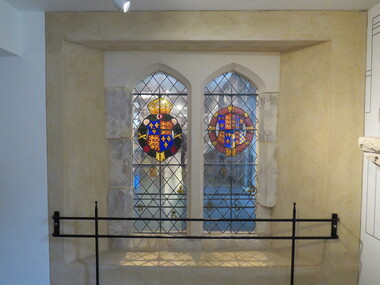 Ballarat Heritage Services
Photograph - Photograph - Colour, Greenwich Chapel and Museum, England, Mason's Mark on stonework, 2017
... archaeology had added greatly to our understanding of life at the Tudor Court at Greenwich. Since 1971 there have been well over 20 digs on the site. Many wonderful and intriguing items from gold coins to tiled floors and human skeletons have been found. The first major dig...archaeology had added greatly to our understanding of life at the Tudor Court at Greenwich. Since 1971 there have been well over 20 digs on the site. Many wonderful and intriguing items from gold coins to tiled floors and human skeletons have been found. The first major dig ...Greenwich Palace no longer exists however archaeology had added greatly to our understanding of life at the Tudor Court at Greenwich. Since 1971 there have been well over 20 digs on the site. Many wonderful and intriguing items from gold coins to tiled floors and human skeletons have been found. The first major dig uncovered the structure of the royal apartments next to the river. Not only did it clarify the floor plan but finds included some rare Tudor ceiling decorations, a hoard of gold coins and many personal items such as dice used for gaming. Perhaps the most revealing excavations have been the most recent. In 2005 while monitoring the digging of a drainage trench archaeologists found brickwork and tiles that formed the floor of the east end of the Tudor Chapel Royal where the altar once stood.Colour photograph of Greenwich Chapel and Museum, England, Mason's Mark on stoneworkgreenwich, stone, museum, chapel -
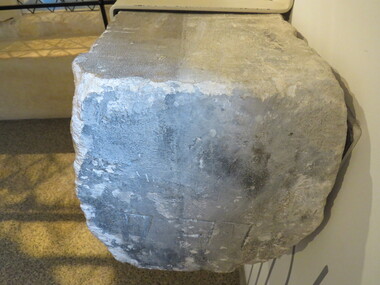 Ballarat Heritage Services
Photograph - Colour, Greenwich Chapel and Museum, England, Mason's Mark on stonework
... archaeology had added greatly to our understanding of life at the Tudor Court at Greenwich. Since 1971 there have been well over 20 digs on the site. Many wonderful and intriguing items from gold coins to tiled floors and human skeletons have been found. The first major dig...archaeology had added greatly to our understanding of life at the Tudor Court at Greenwich. Since 1971 there have been well over 20 digs on the site. Many wonderful and intriguing items from gold coins to tiled floors and human skeletons have been found. The first major dig ...Greenwich Palace no longer exists however archaeology had added greatly to our understanding of life at the Tudor Court at Greenwich. Since 1971 there have been well over 20 digs on the site. Many wonderful and intriguing items from gold coins to tiled floors and human skeletons have been found. The first major dig uncovered the structure of the royal apartments next to the river. Not only did it clarify the floor plan but finds included some rare Tudor ceiling decorations, a hoard of gold coins and many personal items such as dice used for gaming. Perhaps the most revealing excavations have been the most recent. In 2005 while monitoring the digging of a drainage trench archaeologists found brickwork and tiles that formed the floor of the east end of the Tudor Chapel Royal where the altar once stood.greenwich, stone, museum, chapel -
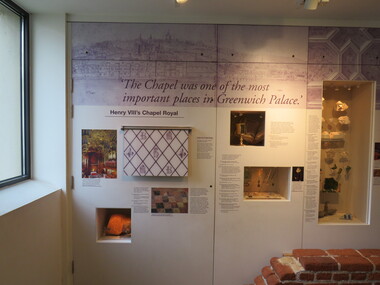 Ballarat Heritage Services
Photograph - Colour, Information panel, Greenwich Chapel and Museum, England, 2016
... archaeology had added greatly to our understanding of life at the Tudor Court at Greenwich. Since 1971 there have been well over 20 digs on the site. Many wonderful and intriguing items from gold coins to tiled floors and human skeletons have been found. The first major dig...archaeology had added greatly to our understanding of life at the Tudor Court at Greenwich. Since 1971 there have been well over 20 digs on the site. Many wonderful and intriguing items from gold coins to tiled floors and human skeletons have been found. The first major dig ...Greenwich Palace no longer exists however archaeology had added greatly to our understanding of life at the Tudor Court at Greenwich. Since 1971 there have been well over 20 digs on the site. Many wonderful and intriguing items from gold coins to tiled floors and human skeletons have been found. The first major dig uncovered the structure of the royal apartments next to the river. Not only did it clarify the floor plan but finds included some rare Tudor ceiling decorations, a hoard of gold coins and many personal items such as dice used for gaming. Perhaps the most revealing excavations have been the most recent. In 2005 while monitoring the digging of a drainage trench archaeologists found brickwork and tiles that formed the floor of the east end of the Tudor Chapel Royal where the altar once stood.greenwich, stone, museum, chapel -
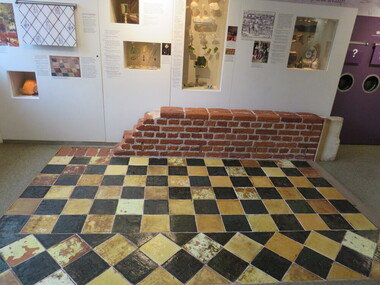 Ballarat Heritage Services
Photograph - Photograph - Colour, Information panel, Greenwich Chapel and Museum, England
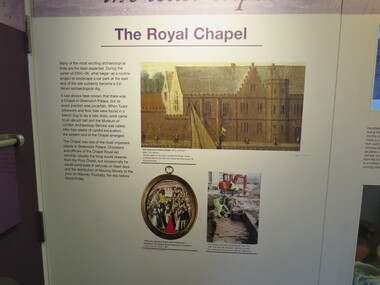
... archaeology had added greatly to our understanding of life at the Tudor Court at Greenwich. Since 1971 there have been well over 20 digs on the site. Many wonderful and intriguing items from gold coins to tiled floors and human skeletons have been found. The first major dig...archaeology had added greatly to our understanding of life at the Tudor Court at Greenwich. Since 1971 there have been well over 20 digs on the site. Many wonderful and intriguing items from gold coins to tiled floors and human skeletons have been found. The first major dig ...Greenwich Palace no longer exists however archaeology had added greatly to our understanding of life at the Tudor Court at Greenwich. Since 1971 there have been well over 20 digs on the site. Many wonderful and intriguing items from gold coins to tiled floors and human skeletons have been found. The first major dig uncovered the structure of the royal apartments next to the river. Not only did it clarify the floor plan but finds included some rare Tudor ceiling decorations, a hoard of gold coins and many personal items such as dice used for gaming. Perhaps the most revealing excavations have been the most recent. In 2005 while monitoring the digging of a drainage trench archaeologists found brickwork and tiles that formed the floor of the east end of the Tudor Chapel Royal where the altar once stood.Photograph of interpretation information in Greenwich Chapel and Museumgreenwich, stone, museum, chapel, stone, musuem, chapel -
 Ballarat Heritage Services
Photograph - Colour, Information panel, Greenwich Chapel and Museum, England
... archaeology had added greatly to our understanding of life at the Tudor Court at Greenwich. Since 1971 there have been well over 20 digs on the site. Many wonderful and intriguing items from gold coins to tiled floors and human skeletons have been found. The first major dig...archaeology had added greatly to our understanding of life at the Tudor Court at Greenwich. Since 1971 there have been well over 20 digs on the site. Many wonderful and intriguing items from gold coins to tiled floors and human skeletons have been found. The first major dig ...Greenwich Palace no longer exists however archaeology had added greatly to our understanding of life at the Tudor Court at Greenwich. Since 1971 there have been well over 20 digs on the site. Many wonderful and intriguing items from gold coins to tiled floors and human skeletons have been found. The first major dig uncovered the structure of the royal apartments next to the river. Not only did it clarify the floor plan but finds included some rare Tudor ceiling decorations, a hoard of gold coins and many personal items such as dice used for gaming. Perhaps the most revealing excavations have been the most recent. In 2005 while monitoring the digging of a drainage trench archaeologists found brickwork and tiles that formed the floor of the east end of the Tudor Chapel Royal where the altar once stood.greenwich, stone, museum, chapel -
 Ballarat Heritage Services
Photograph - Colour, Information panel, Greenwich Chapel and Museum, England
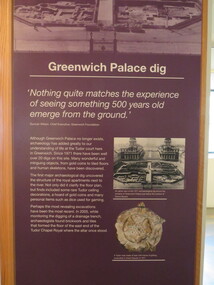
... archaeology had added greatly to our understanding of life at the Tudor Court at Greenwich. Since 1971 there have been well over 20 digs on the site. Many wonderful and intriguing items from gold coins to tiled floors and human skeletons have been found. The first major dig...archaeology had added greatly to our understanding of life at the Tudor Court at Greenwich. Since 1971 there have been well over 20 digs on the site. Many wonderful and intriguing items from gold coins to tiled floors and human skeletons have been found. The first major dig ...Greenwich Palace no longer exists however archaeology had added greatly to our understanding of life at the Tudor Court at Greenwich. Since 1971 there have been well over 20 digs on the site. Many wonderful and intriguing items from gold coins to tiled floors and human skeletons have been found. The first major dig uncovered the structure of the royal apartments next to the river. Not only did it clarify the floor plan but finds included some rare Tudor ceiling decorations, a hoard of gold coins and many personal items such as dice used for gaming. Perhaps the most revealing excavations have been the most recent. In 2005 while monitoring the digging of a drainage trench archaeologists found brickwork and tiles that formed the floor of the east end of the Tudor Chapel Royal where the altar once stood.greenwich, stone, museum, chapel
