
Showing 36 items matching "bristol street"
-
 Surrey Hills Historical Society Collection
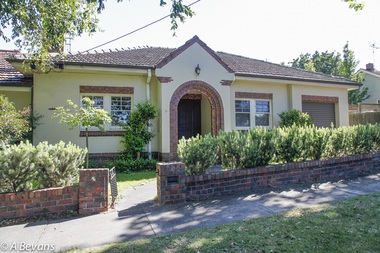
Photograph - 1A Bristol Street, Surrey Hills, The Street Where You Live Project
... 1A Bristol Street, Surrey Hills...The Street Where You Live Project Photograph 1A Bristol Street, Surrey Hills ...Photos documenting this address as part of a photographic series undertaken by volunteer photographers during 2013 and 2014 for The Street Where You Live Project. This was organised through the Surrey Hills Neighbourhood Centre and covered the postcode 3127 in the cities of Boroondara and Whitehorse.These photos provide a snapshot of real estate in the suburbs of Mont Albert and Surrey Hills during a period of rapid change with many properties on large blocks demolished to create higher density residential development or renewal of single dwellings. At particular risk were properties not covered by heritage overlays, especially interwar housing and post 1950's housing. -
 Surrey Hills Historical Society Collection
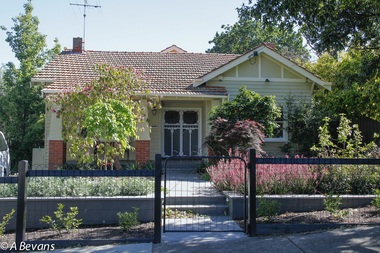
Photograph - 1 Bristol Street, Surrey Hills, The Street Where You Live Project
... 1 Bristol Street, Surrey Hills...The Street Where You Live Project Photograph 1 Bristol Street, Surrey Hills ...Photos documenting this address as part of a photographic series undertaken by volunteer photographers during 2013 and 2014 for The Street Where You Live Project. This was organised through the Surrey Hills Neighbourhood Centre and covered the postcode 3127 in the cities of Boroondara and Whitehorse.These photos provide a snapshot of real estate in the suburbs of Mont Albert and Surrey Hills during a period of rapid change with many properties on large blocks demolished to create higher density residential development or renewal of single dwellings. At particular risk were properties not covered by heritage overlays, especially interwar housing and post 1950's housing. -
 Surrey Hills Historical Society Collection
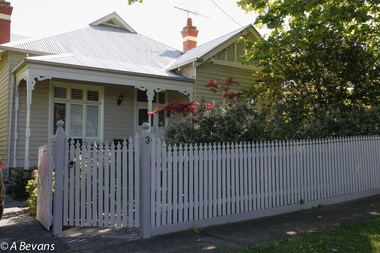
Photograph - 3 Bristol Street, Surrey Hills, The Street Where You Live Project
... 3 Bristol Street, Surrey Hills...The Street Where You Live Project Photograph 3 Bristol Street, Surrey Hills ...Photos documenting this address as part of a photographic series undertaken by volunteer photographers during 2013 and 2014 for The Street Where You Live Project. This was organised through the Surrey Hills Neighbourhood Centre and covered the postcode 3127 in the cities of Boroondara and Whitehorse.These photos provide a snapshot of real estate in the suburbs of Mont Albert and Surrey Hills during a period of rapid change with many properties on large blocks demolished to create higher density residential development or renewal of single dwellings. At particular risk were properties not covered by heritage overlays, especially interwar housing and post 1950's housing. -
 Surrey Hills Historical Society Collection
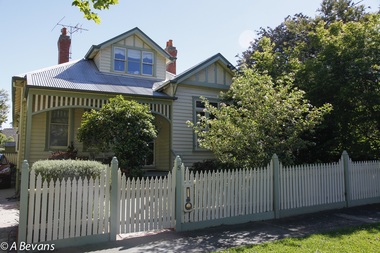
Photograph - 5 Bristol Street, Surrey Hills, The Street Where You Live Project
... 5 Bristol Street, Surrey Hills...The Street Where You Live Project Photograph 5 Bristol Street, Surrey Hills ...Photos documenting this address as part of a photographic series undertaken by volunteer photographers during 2013 and 2014 for The Street Where You Live Project. This was organised through the Surrey Hills Neighbourhood Centre and covered the postcode 3127 in the cities of Boroondara and Whitehorse.These photos provide a snapshot of real estate in the suburbs of Mont Albert and Surrey Hills during a period of rapid change with many properties on large blocks demolished to create higher density residential development or renewal of single dwellings. At particular risk were properties not covered by heritage overlays, especially interwar housing and post 1950's housing. -
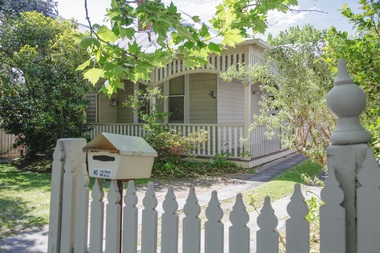 Surrey Hills Historical Society Collection
Photograph - 7 Bristol Street, Surrey Hills, The Street Where You Live Project
... 7 Bristol Street, Surrey Hills...The Street Where You Live Project Photograph 7 Bristol Street, Surrey Hills ...Photos documenting this address as part of a photographic series undertaken by volunteer photographers during 2013 and 2014 for The Street Where You Live Project. This was organised through the Surrey Hills Neighbourhood Centre and covered the postcode 3127 in the cities of Boroondara and Whitehorse.These photos provide a snapshot of real estate in the suburbs of Mont Albert and Surrey Hills during a period of rapid change with many properties on large blocks demolished to create higher density residential development or renewal of single dwellings. At particular risk were properties not covered by heritage overlays, especially interwar housing and post 1950's housing. -
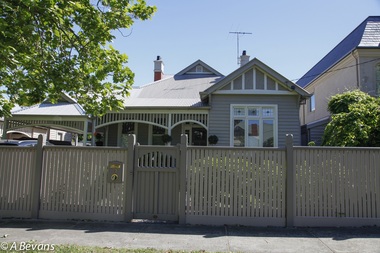 Surrey Hills Historical Society Collection
Photograph - 9 Bristol Street, Surrey Hills, The Street Where You Live Project
... 9 Bristol Street, Surrey Hills...The Street Where You Live Project Photograph 9 Bristol Street, Surrey Hills ...Photos documenting this address as part of a photographic series undertaken by volunteer photographers during 2013 and 2014 for The Street Where You Live Project. This was organised through the Surrey Hills Neighbourhood Centre and covered the postcode 3127 in the cities of Boroondara and Whitehorse.These photos provide a snapshot of real estate in the suburbs of Mont Albert and Surrey Hills during a period of rapid change with many properties on large blocks demolished to create higher density residential development or renewal of single dwellings. At particular risk were properties not covered by heritage overlays, especially interwar housing and post 1950's housing. -
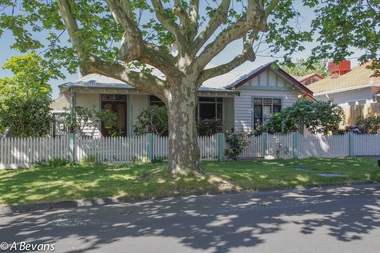 Surrey Hills Historical Society Collection
Photograph - 10 Bristol Street, Surrey Hills, The Street Where You Live Project
... 10 Bristol Street, Surrey Hills...The Street Where You Live Project Photograph 10 Bristol Street, Surrey Hills ...Photos documenting this address as part of a photographic series undertaken by volunteer photographers during 2013 and 2014 for The Street Where You Live Project. This was organised through the Surrey Hills Neighbourhood Centre and covered the postcode 3127 in the cities of Boroondara and Whitehorse.These photos provide a snapshot of real estate in the suburbs of Mont Albert and Surrey Hills during a period of rapid change with many properties on large blocks demolished to create higher density residential development or renewal of single dwellings. At particular risk were properties not covered by heritage overlays, especially interwar housing and post 1950's housing. -
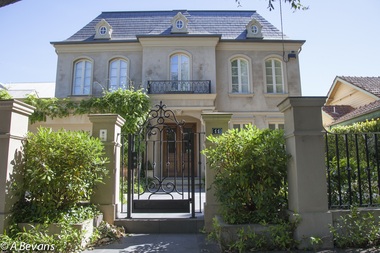 Surrey Hills Historical Society Collection
Photograph - 11 Bristol Street, Surrey Hills, The Street Where You Live Project
... 11 Bristol Street, Surrey Hills...The Street Where You Live Project Photograph 11 Bristol Street, Surrey Hills ...Photos documenting this address as part of a photographic series undertaken by volunteer photographers during 2013 and 2014 for The Street Where You Live Project. This was organised through the Surrey Hills Neighbourhood Centre and covered the postcode 3127 in the cities of Boroondara and Whitehorse.These photos provide a snapshot of real estate in the suburbs of Mont Albert and Surrey Hills during a period of rapid change with many properties on large blocks demolished to create higher density residential development or renewal of single dwellings. At particular risk were properties not covered by heritage overlays, especially interwar housing and post 1950's housing. -
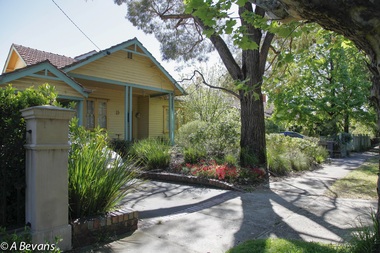 Surrey Hills Historical Society Collection
Photograph - 13 Bristol Street, Surrey Hills, The Street Where You Live Project
... 13 Bristol Street, Surrey Hills...The Street Where You Live Project Photograph 13 Bristol Street, Surrey Hills ...Photos documenting this address as part of a photographic series undertaken by volunteer photographers during 2013 and 2014 for The Street Where You Live Project. This was organised through the Surrey Hills Neighbourhood Centre and covered the postcode 3127 in the cities of Boroondara and Whitehorse.These photos provide a snapshot of real estate in the suburbs of Mont Albert and Surrey Hills during a period of rapid change with many properties on large blocks demolished to create higher density residential development or renewal of single dwellings. At particular risk were properties not covered by heritage overlays, especially interwar housing and post 1950's housing. -
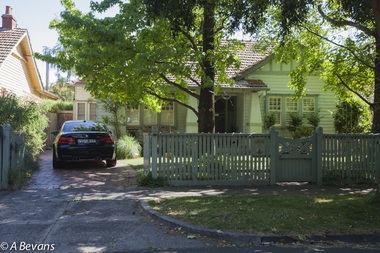 Surrey Hills Historical Society Collection
Photograph - 15 Bristol Street, Surrey Hills, The Street Where You Live Project
... 15 Bristol Street, Surrey Hills...The Street Where You Live Project Photograph 15 Bristol Street, Surrey Hills ...Photos documenting this address as part of a photographic series undertaken by volunteer photographers during 2013 and 2014 for The Street Where You Live Project. This was organised through the Surrey Hills Neighbourhood Centre and covered the postcode 3127 in the cities of Boroondara and Whitehorse.These photos provide a snapshot of real estate in the suburbs of Mont Albert and Surrey Hills during a period of rapid change with many properties on large blocks demolished to create higher density residential development or renewal of single dwellings. At particular risk were properties not covered by heritage overlays, especially interwar housing and post 1950's housing. -
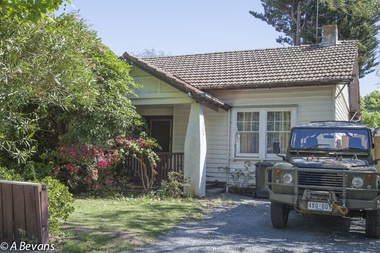 Surrey Hills Historical Society Collection
Photograph - 17 Bristol Street, Surrey Hills, The Street Where You Live Project
... 17 Bristol Street, Surrey Hills...The Street Where You Live Project Photograph 17 Bristol Street, Surrey Hills ...Photos documenting this address as part of a photographic series undertaken by volunteer photographers during 2013 and 2014 for The Street Where You Live Project. This was organised through the Surrey Hills Neighbourhood Centre and covered the postcode 3127 in the cities of Boroondara and Whitehorse.These photos provide a snapshot of real estate in the suburbs of Mont Albert and Surrey Hills during a period of rapid change with many properties on large blocks demolished to create higher density residential development or renewal of single dwellings. At particular risk were properties not covered by heritage overlays, especially interwar housing and post 1950's housing. -
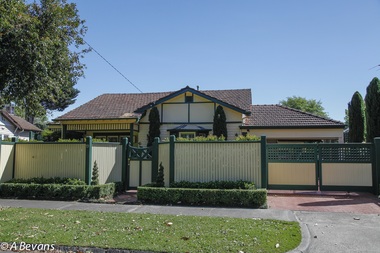 Surrey Hills Historical Society Collection
Photograph - 19 Bristol Street, Surrey Hills, The Street Where You Live Project
... 19 Bristol Street, Surrey Hills...The Street Where You Live Project Photograph 19 Bristol Street, Surrey Hills ...Photos documenting this address as part of a photographic series undertaken by volunteer photographers during 2013 and 2014 for The Street Where You Live Project. This was organised through the Surrey Hills Neighbourhood Centre and covered the postcode 3127 in the cities of Boroondara and Whitehorse.These photos provide a snapshot of real estate in the suburbs of Mont Albert and Surrey Hills during a period of rapid change with many properties on large blocks demolished to create higher density residential development or renewal of single dwellings. At particular risk were properties not covered by heritage overlays, especially interwar housing and post 1950's housing. -
 Surrey Hills Historical Society Collection
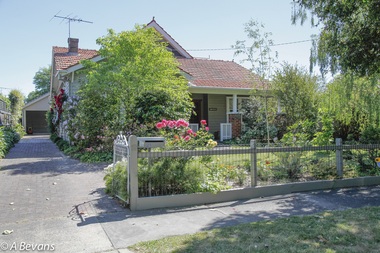
Photograph - 21 Bristol Street, Surrey Hills, The Street Where You Live Project
... 21 Bristol Street, Surrey Hills...The Street Where You Live Project Photograph 21 Bristol Street, Surrey Hills ...Photos documenting this address as part of a photographic series undertaken by volunteer photographers during 2013 and 2014 for The Street Where You Live Project. This was organised through the Surrey Hills Neighbourhood Centre and covered the postcode 3127 in the cities of Boroondara and Whitehorse.These photos provide a snapshot of real estate in the suburbs of Mont Albert and Surrey Hills during a period of rapid change with many properties on large blocks demolished to create higher density residential development or renewal of single dwellings. At particular risk were properties not covered by heritage overlays, especially interwar housing and post 1950's housing. -
 Surrey Hills Historical Society Collection
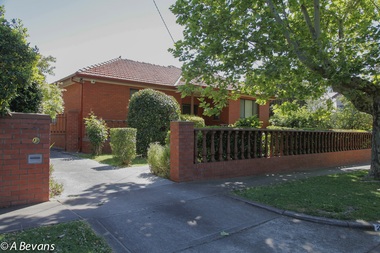
Photograph - 23 Bristol Street, Surrey Hills, The Street Where You Live Project
... 23 Bristol Street, Surrey Hills...The Street Where You Live Project Photograph 23 Bristol Street, Surrey Hills ...Photos documenting this address as part of a photographic series undertaken by volunteer photographers during 2013 and 2014 for The Street Where You Live Project. This was organised through the Surrey Hills Neighbourhood Centre and covered the postcode 3127 in the cities of Boroondara and Whitehorse.These photos provide a snapshot of real estate in the suburbs of Mont Albert and Surrey Hills during a period of rapid change with many properties on large blocks demolished to create higher density residential development or renewal of single dwellings. At particular risk were properties not covered by heritage overlays, especially interwar housing and post 1950's housing. -
 Surrey Hills Historical Society Collection
Folder of real estate advertisements, Folders of real estate advertisements (Streets beginning with B), Various
... ...bristol street...balmoral crescent banool road barloa road barton street beatrice avenue beatty street bedford avenue beech street belmont street benson street bentley street benwerrin street black street blackburn street blenheim street boisdale street bona vista avenue bonner street boronia street bristol street broughton road bundoran parade A4 folders with individual pockets for each property in streets beginning with B located in Surrey Hills and Mont Albert. ...A4 folders with individual pockets for each property in streets beginning with B located in Surrey Hills and Mont Albert. Folders are ordered by street name and then chronologically by property number. Each property has its own pocket. This may include multiple real estate advertisements collected from sales over time. It may also include copies of any research undertaken by Alan Holt and / or members of the SHNCHC team. These are augmented by cards in the Alan Holt index file and by his property registers of Surrey Hills and Mont Albert.balmoral crescent, banool road, barloa road, barton street, beatrice avenue, beatty street, bedford avenue, beech street, belmont street, benson street, bentley street, benwerrin street, black street, blackburn street, blenheim street, boisdale street, bona vista avenue, bonner street, boronia street, bristol street, broughton road, bundoran parade -
 Uniting Church Archives - Synod of Victoria
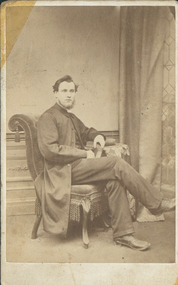
Photograph, undated c.1870s
... 26 Castle Street, Bristol ...Samuel P Webber was born 1842 in England, ordained into the Methodist Church in 1865, died in Melbourne in 1897. He served as minister of the Gore Street Fitzroy Bible Christian Church for many years.B & W seated studio portrait of Rev Samuel Phillip Webber in carte de visite format.samuel phillip webber, bible christian, methodist, minister, gore street fitzroy -
 Bendigo Historical Society Inc.
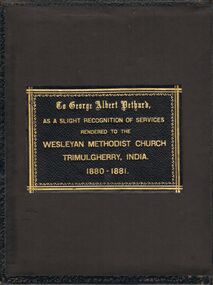
Book - LYDIA CHANCELLOR COLLECTION; THE BRISTOL TUNE-BOOK
... Bristol Tune-book : a Manual of Tunes and Chants. Edited by Alfred Stone. London : Novello, Ewer and Co. 1, Berners (W.), and 80 & 81, Queen Street (EC.). ...Bristol Tune-book : a Manual of Tunes and Chants. Edited by Alfred Stone. London : Novello, Ewer and Co. 1, Berners (W.), and 80 & 81, Queen Street (EC.). ...A black hard covered book titled, 'The Bristol Tune-book : a Manual of Tunes and Chants. Edited by Alfred Stone. London : Novello, Ewer and Co. 1, Berners (W.), and 80 & 81, Queen Street (EC.). Bristol : W. & F. Morgan, Clare Street. Inside cover is an inscription with the words 'To George Albert Pethard, as a slight recognition of services rendered to the Wesleyan Methodist Church Trimulgherry, India. 1880 - 1881.'Editor, Alfred Stonebooks, music, scores, lydia chancellor collection, collection, books, hymn books, music, church music -
 Flagstaff Hill Maritime Museum and Village
Clock, 1867-1870
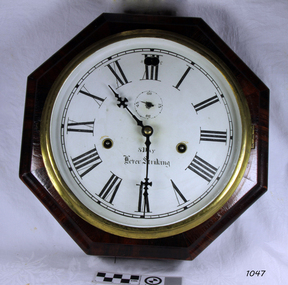
... Street in New Haven. Three years later, following a fire that destroyed the Bristol plant, Jerome relocated the entire operation to Elm City factory. ...Street in New Haven. Three years later, following a fire that destroyed the Bristol plant, Jerome relocated the entire operation to Elm City factory. ...Chauncey Jerome (1793–1868) was an American clock maker in the early to mid 19th century. He made a fortune selling his clocks, and his business grew quickly. Jerome was born in Canaan USA in 1793 son of a blacksmith and nail-maker. He began his career in Plymouth, making dials for long-case clocks where he learned all he could about clocks, particularly clock cases, and then went to New Jersey to make seven-foot cases for clocks mechanisms. In 1816 he went to work for Eli Terry making "Patent Shelf Clocks," learning how to make previously handmade cases using machinery. Deciding to go into business for himself, Jerome began to make cases, trading them to Terry for wooden movements. In 1822 Jerome moved his business to Bristol New Haven, opening a small shop with his brother Noble and began to produce a 30-hour and eight-day wooden clocks. By 1837 Jerome's company was selling more clocks than any of his competitors. A one-day wood-cased clock, which sold for six dollars had helped put the company on the map. A year later his company was selling that same clock for four dollars. The company also sold one line of clocks at a wholesale price of 75 cents and by 1841 the company was showing an annual profit of a whopping $35,000, primarily from the sale of its brass movements. In 1842 Jerome moved his clock-case manufacturing operation to St. John Street in New Haven. Three years later, following a fire that destroyed the Bristol plant, Jerome relocated the entire operation to Elm City factory. Enlarging the plant, the company soon became the largest industrial employer in the city, producing 150,000 clocks annually. In 1850 Jerome formed the Jerome Manufacturing Co. as a joint-stock company with Benedict & Burnham, brass manufacturers of Waterbury. In 1853 the company then became known as the New Haven Clock Co, producing 444,000 clocks and timepieces annually, then the largest clock maker in the world. Jerome's future should have been secure but in 1855 he bought out a failed Bridgeport clock company controlled by P.T. Barnum, which wiped him out financially, leaving the Jerome Manufacturing Co. bankrupt. Jerome never recovered from the loss. By his admission, he was a better inventor than a businessman. When Jerome went bankrupt in 1856 the New Haven Clock Company purchased the company. One of the primary benefits of Jerome purchasing New Haven in the first place was the good reputation of the Jerome brand and the network of companies that remained interested in selling its clocks. In England, Jerome & Co. Ltd. sold Jerome clocks for the New Haven company until 1904, when New Haven purchased the English firm outright. After his involvement with the New Haven Company in 1856, Jerome traveled from town to town, taking jobs where he could, often working for clock companies that had learned the business of clock making using Jerome's inventions. On returning to New Haven near the end of his life, he died, penniless, in 1868 at the age of 74. The company struggled on after Jerome's bankruptcy until after World War II, when the company endeavored to continue through disruptions caused by a takeover along with poor sales, finally having to fold its operations in 1960 a little more than 100 years after it had been founded. The item is significant as it is associated with Chauncey Jerome who had made a historic contribution to the clock making industry during the 19th century when he began to substitute brass mechanisms for wooden mechanisms in his clocks. This was said to be the greatest and most far-reaching contribution to the clock industry. Because of his discovery of stamping out clockwork gears rather than using castings, Jerome was producing the lowest-priced clocks in the world. That can only add to his significance as the major clock manufacture of the 19th century. Jerome may have made and lost, a fortune selling his clocks but was perhaps the most influential and creative person associated with the American clock business during the mid-19th century. Also, he had served his community as a legislator in 1834, a Presidential elector in 1852 and mayor of New Haven, Connecticut from 1854 to 1855.Clock, marine, in octagonal rosewood veneer case. Roman numerals to dial, has a seconds dial. 2 key-winding holes slow-to-Fast adjustment pin through dial. Small lever in lower edge of case activates a chime. "8 day, 8 inch, Lever Striking escarpment " Paper label on the back of the clock "Jerome & Co, New Haven, Conn" "Manufacturers of every variety of Office and Home Clocks and Time Pieces".flagstaff hill, warrnambool, shipwrecked-coast, flagstaff-hill, flagstaff-hill-maritime-museum, maritime-museum, shipwreck-coast, flagstaff-hill-maritime-village, clock, jerome & co, new haven, clock maker, chauncey jerome -
 Flagstaff Hill Maritime Museum and Village
Clock, 1867-1870
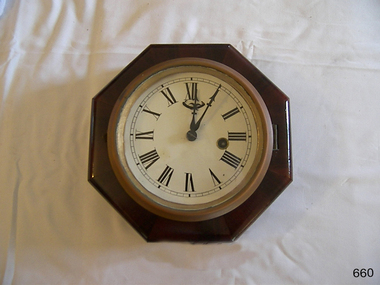
... Street in New Haven. Three years later, following a fire that destroyed the Bristol plant, Jerome relocated the entire operation to Elm City factory. ...Street in New Haven. Three years later, following a fire that destroyed the Bristol plant, Jerome relocated the entire operation to Elm City factory. ...Chauncey Jerome (1793–1868) was an American clock maker in the early to mid 19th century. He made a fortune selling his clocks, and his business grew quickly. Jerome was born in Canaan USA in 1793 son of a blacksmith and nail-maker. He began his career in Plymouth, making dials for long-case clocks where he learned all he could about clocks, particularly clock cases, and then went to New Jersey to make seven-foot cases for clocks mechanisms. In 1816 he went to work for Eli Terry making "Patent Shelf Clocks," learning how to make previously handmade cases using machinery. Deciding to go into business for himself, Jerome began to make cases, trading them to Terry for wooden movements. In 1822 Jerome moved his business to Bristol New Haven, opening a small shop with his brother Noble and began to produce a 30-hour and eight-day wooden clocks. By 1837 Jerome's company was selling more clocks than any of his competitors. A one-day wood-cased clock, which sold for six dollars had helped put the company on the map. A year later his company was selling that same clock for four dollars. The company also sold one line of clocks at a wholesale price of 75 cents and by 1841 the company was showing an annual profit of a whopping $35,000, primarily from the sale of its brass movements. In 1842 Jerome moved his clock-case manufacturing operation to St. John Street in New Haven. Three years later, following a fire that destroyed the Bristol plant, Jerome relocated the entire operation to Elm City factory. Enlarging the plant, the company soon became the largest industrial employer in the city, producing 150,000 clocks annually. In 1850 Jerome formed the Jerome Manufacturing Co. as a joint-stock company with Benedict & Burnham, brass manufacturers of Waterbury. In 1853 the company then became known as the New Haven Clock Co, producing 444,000 clocks and timepieces annually, then the largest clock maker in the world. Jerome's future should have been secure but in 1855 he bought out a failed Bridgeport clock company controlled by P.T. Barnum, which wiped him out financially, leaving the Jerome Manufacturing Co. bankrupt. Jerome never recovered from the loss. By his admission, he was a better inventor than a businessman. When Jerome went bankrupt in 1856 the New Haven Clock Company purchased the company. One of the primary benefits of Jerome purchasing New Haven in the first place was the good reputation of the Jerome brand and the network of companies that remained interested in selling its clocks. In England, Jerome & Co. Ltd. sold Jerome clocks for the New Haven company until 1904, when New Haven purchased the English firm outright. After his involvement with the New Haven Company in 1856, Jerome traveled from town to town, taking jobs where he could, often working for clock companies that had learned the business of clock making using Jerome's inventions. On returning to New Haven near the end of his life, he died, penniless, in 1868 at the age of 74. The company struggled on after Jerome's bankruptcy until after World War II, when the company endeavored to continue through disruptions caused by a takeover along with poor sales, finally having to fold its operations in 1960 a little more than 100 years after it had been founded. The item is significant as it is associated with Chauncey Jerome who had made a historic contribution to the clock making industry during the 19th century when he began to substitute brass mechanisms for wooden mechanisms in his clocks. This was said to be the greatest and most far-reaching contribution to the clock industry. Because of his discovery of stamping out clockwork gears rather than using castings, Jerome was producing the lowest-priced clocks in the world. That can only add to his significance as the major clock manufacture of the 19th century. Jerome may have made and lost, a fortune selling his clocks but was perhaps the most influential and creative person associated with the American clock business during the mid-19th century. Also, he had served his community as a legislator in 1834, a Presidential elector in 1852 and mayor of New Haven, Connecticut from 1854 to 1855.Eight day movement wall clock with Roman numerals, octagonal shaped rosewood veneered casing, hinged face with locking clip. Wound from front. Face has adjustment for Fast-to-Slow.Part paper label on back of case can just make out "Jerome" and "ight and One" probable meaning is "Eight and One Day" describing the movements operational time between winding the mechanism.flagstaff hill, warrnambool, shipwrecked-coast, flagstaff-hill, flagstaff-hill-maritime-museum, maritime-museum, shipwreck-coast, flagstaff-hill-maritime-village, clock maker, jerome & co, new haven, chauncey jerome, canaan -
 Ringwood and District Historical Society
Document, State School No 4688, Francis Street, Heathmont, 3135, c 1969
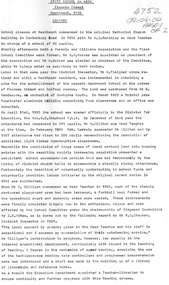
... Street and Balfour Avenue. The land was purchased from Mr. Handasyde, an orchardist of Wantirna South. In March 1963 a Bristol prefabricated aluminium building comprising four classrooms and an office was occupied. ...Street and Balfour Avenue. The land was purchased from Mr. Handasyde, an orchardist of Wantirna South. In March 1963 a Bristol prefabricated aluminium building comprising four classrooms and an office was occupied. ...Two A4 pages of typed notes on the beginnings of the Heathmont State School. The text is:- STATE SCHOOL No 4698 Frances Street Heathmont, 3135 HISTORY School classes at Heathmont commenced in the original Methodist Church building in Canterbury Road in 1952 with Mr A.J. McKinlay as Head Teacher in charge of a school of 80 pupils. Shortly afterwards both a Parents and Citizens Association and the first School Committee were formed. Mr J.B. Harper was appointed as president of the Association and Mr H. Walker was elected as chairmen of the Committee, while Mr T. Jago acted as secretary to both bodies. Later in that same year the district Inspector, Mr H. Fleigner since retired and still a Heathmont resident, woe instrumental in obtaining a site for the establishment of the present Heathmont School at the corner of Frances Street and Balfour Avenue. The land was purchased from Mr. Handasyde, an orchardist of Wantirna South. In March 1963 a Bristol prefabricated aluminium building comprising four classrooms and an office was occupied. On April 21st, 1953 the school was opened officially by the Minister for Education, the Hon. A.E. Shepherd MLA. By December of that year the attendance had increased to 191 pupils, Mr N. Gillham was Head Teacher at the time. In February 1955 Mr. K. Gerraty succeeded Mr Gillham and by 1957 attendance had risen to 326 pupils necessitating the provision of additional light timber construction classrooms. Meanwhile the subdivision of large areas of local orchard land into housing estates with its resulting rapidly increasing population presented a persistent school accommodation problem that was met temporarily by the hiring of district church halls to accommodate a steadily rising attendance. Fortunately the tradition of voluntarily contributing to school funds and voluntarily providing labour initiated by the original parent bodies in 1952 was maintained. Then Mr V. Milligan commenced as Head Teacher in 1959, much of the steeply contoured playground area had been terraced, a football oval formed and the basketball court and assembly areas were sealed. These improvements were finally completed largely due to the enthusiasm, vigor and work effected by the School Committee under the chairmanship of Ringwood Councillor Mr JM McRae, as is borne out by the following report by Mr R.J. Chapman, District Inspector in 1961. "The local support by parents given to the Head Teacher and his staff is exceptional and I express my appreciation of their outstanding service." Mr Milligan's contribution to progress, however, lay equally in the internal educational development, particularly with regard to the teaching of reading. A course in the mechanics of speed reading, involving the use of the tachistoscope reading rate controllers and programmed comprehension sets was introduced and a start was made in the building up of a library of literature and reference books. As a result the Education Department appointed a Teacher-librarian to ensure continuity and further progress with this Reading scheme. A feature of Heathmont School is the splendid modern Art/Craft room opened while Mr L. Sebire was head teacher in 1966. This building and courtyard, linked to the original building by a covered way was designed by Mr Salvatore who acted as honorary architect, and was completed by Mr John F. Swan at a cost of �10,000 of which 52% was provided by a School Committee Co-operative loan and 42% by Departmental special grant. Materials used were white sandstone brick and oregon pine. The building bears the name of Councillor J.M. McRae Art Centre as a tribute to the man who did so much to enable its construction. An Art/Craft specialist teacher is provided by the Education Department. As attendance continued to increase to 520 children in 1969, additional accommodation became an urgent necessity. Following negotiations conducted by Mr A. Lethbridge School Committee President, Mr JJ Egan, former Principal and the present Principal, Mr A.S. Don the Education Department Assisted by a second Committee Co-operative loan, purchased the adjacent Baptist Church property thus providing much needed extra accommodation and playground area The newly acquired building is at present in use as two temporary classrooms, but will subsequent be used as a utility rope. A smaller room has been converted to a canteen operated daily by the Parents and Citizens Association, thus providing both a service to the pupils and a source of income. +Additional Keywords: McKinlay, Mr.A G Harper, Mr J.B Walker,Mr.H Fleigner, Mr.H Handasyde, Mr. G Shepherd, Hon. A.E. MLA Gillham, Mr.K Garraty, Mr.K Milligan, Mr.V McRae, Mr. J.M. Chapman,Mr.R.J. Sebire,Mr.L Salvatore,Mr. Swann,Mr.John F. Lethbridge, mr.A Egan,Mr.J.J. Don,Mr.A.S. -
 Warrnambool and District Historical Society Inc.
Trophies, Medal neck band, 1960's
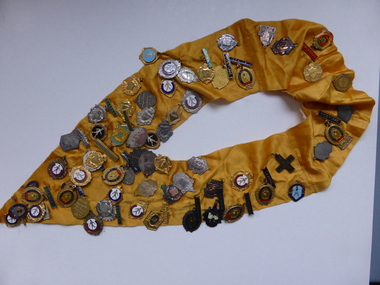
... street parades and town celebrations and local shows. However the girls also competed against other clubs . In this case the badges tell the story of competitions around the district to Ararat, Horsham, Ballarat, Beaufort and Warrnambool. These were owned by Lyn Bristol...street parades and town celebrations and local shows. However the girls also competed against other clubs . In this case the badges tell the story of competitions around the district to Ararat, Horsham, Ballarat, Beaufort and Warrnambool. These were owned by Lyn Bristol ...The Marching girls activity was prominent in the 1960's and 1970's and had participation rate of around 30000. It was a part of activities such as street parades and town celebrations and local shows. However the girls also competed against other clubs . In this case the badges tell the story of competitions around the district to Ararat, Horsham, Ballarat, Beaufort and Warrnambool. These were owned by Lyn Bristol who was a member of the Warrnambool group. Most clubs had teams in various age groups. A tangible link to a local sport and club in the Warrnambool area. With large numbers of girls participating in the sport it has strong social interest .Yellow satin ribbon sewn to make a V shape rounded at the top. There are approximately 60 badges pinned to the ribbon which relate to marching events . They vary from coloured enamel to plain white and yellow metal . Some have bars at the top and they are engraved on the backs of the badges. The engravings list the different categories of marching girls competitions A number of them have the initials L B on them. They relate to the period of the early to mid 1960's.warrnambool, marching girls, marching girls warrnambool -
 Warrnambool and District Historical Society Inc.
Work on paper - Letter, Henry Watts, Letter written 1859
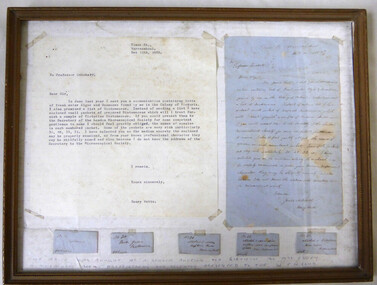
... Henry Watts worked as a bootmaker in Timor and Liebig streets Warrnambool in the 1860’s but it was as an amateur scientist that Watts gained public notice.For an exhibiton in Melbourne in 1861 Henry Watts prepared a collection of over 100 different species of seaweed from the Warrnambool district. It is recorded in the Examiner in 1863 that he had been elected as an honorary member of the Bristol...Henry Watts worked as a bootmaker in Timor and Liebig streets Warrnambool in the 1860’s but it was as an amateur scientist that Watts gained public notice.For an exhibiton in Melbourne in 1861 Henry Watts prepared a collection of over 100 different species of seaweed from the Warrnambool district. It is recorded in the Examiner in 1863 that he had been elected as an honorary member of the Bristol ...Henry Watts (1828_1889) Died at Melbourne, 16th December, 1889. He was a good microscopist. His botanical studies were chiefly devoted to algae, both fresh-water and marine, and while living for many years at Warrnambool he was a contributor of algae to Harvey, who figured Wrangelia wattsii, Harv., and Crouania wattsii, Harv., in his “Phycologia Australica " He was the author of "On the Fresh-water Algae of Victoria " (Trans. Roy. Soc. Vict., 1861-4, 67) ; .also a paper "On Fossil Polyzoa" (ib.. 82); "A Trip to Mt. Macedon in Search of Fresh-water Algae" (Wing's S. S. Record, iii., 252); "On a Species of fresh-water Algae from Victoria" (Vict. Nat., i., 21); "Some Recent Additions to our Knowledge of Microscopic Natural History" (ib., iii., I33) (includes lists of fresh-water algae and Desmidieae ), First librarian (1881-2), also a vice-president of the Field Naturalists' Club of Victoria. He is further commemorated by Acacia wattsiana. F. v. M. www.anbg.gov.au/biography/watts-henry.html . Henry Watts worked as a bootmaker in Timor and Liebig streets Warrnambool in the 1860’s but it was as an amateur scientist that Watts gained public notice.For an exhibiton in Melbourne in 1861 Henry Watts prepared a collection of over 100 different species of seaweed from the Warrnambool district. It is recorded in the Examiner in 1863 that he had been elected as an honorary member of the Bristol Microscopical Society of England He was a member of the Warrnambool Horticultural society and in 1865 he opted to become a flower distiller.At the 1866 MelbourneExhibition, Henry Watts exhibited 44 bottles of his perfumes. He had a keen interest in microscopes and microscopic organisms.He spent many hours combing the caves and examining the guano of local bats. This letter is written to Professor Quekett advising him that he has sent a collection of packets of samples of diatomaceae asking him to examine and name the same.. Professor Quekett was a famous microscopist of the Victorian era with the Quekett microscopist club one of the oldest in the world dedicated to the use of the microscope and its discoveries. Henry Watts was one of Warrnambool’s first botanists and marine scientists. He also established a flower distilling and perfume manufacturing business in Warrnambool. In 1861 he sent a collection of over 100 species of seaweed to the Melbourne Exhibition.Framed, handwritten letter, ink on blue paper. Transcript of letter is typed black on white paper. Five small numbered pieces of paper containing specimens of diatomaceae collected from marine and fresh water areas around Warrnambool.Names Henry Watts, Professor Quekett. Handwritten along the bottom of the frame, “The above was bought at a London Auction for $12-10-00 by Miss Eddey a Melbourne Book shop Proprietress and recently presented to the W.F.N. Club.: warrnambool, henry watts, watts henry, botanist,microscope, microscopic, quekett, john thomas quekett -
 Warrnambool and District Historical Society Inc.
Leisure object - Sheet Music, God remembers when the world forgets, 1913
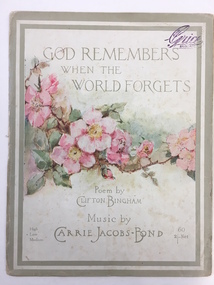
... The words of the song, ‘God Remembers When the World Forgets’, were written by Clifton Bingham who was born in Bristol, England and was an author of verses for children’s picture books as well as a writer of lyrics for popular songs. He was most famous for the words of ‘Love’s Old Sweet Song’. Grice’s Piano Store was at 92 Queen Street...The words of the song, ‘God Remembers When the World Forgets’, were written by Clifton Bingham who was born in Bristol, England and was an author of verses for children’s picture books as well as a writer of lyrics for popular songs. He was most famous for the words of ‘Love’s Old Sweet Song’. Grice’s Piano Store was at 92 Queen Street ...This is an early 20th century piece of music, a popular song for piano and voice. It was composed by Carrie Jacobs-Bond (1862-1946), the first great American woman popular composer. She was born in Wisconsin and was an invalid for most of her life. Her second husband died after seven years of marriage and she struggled to support herself and a child. She became one of the most popular composers of her time and her song ‘A Perfect Day’ has been a concert favourite for a 100 years. The words of the song, ‘God Remembers When the World Forgets’, were written by Clifton Bingham who was born in Bristol, England and was an author of verses for children’s picture books as well as a writer of lyrics for popular songs. He was most famous for the words of ‘Love’s Old Sweet Song’. Grice’s Piano Store was at 92 Queen Street in Brisbane. This is an interesting piece of music as it represents the type of music popular early in the 20th century and the cover is artistic and charming. This is a four-page piece of sheet music (cover, frontispiece and three pages of music). The pages are of a creamy colour, perhaps once white. The second page has a three-stanza poem (‘How many gardens in this world of ours…’) printed in black and the musical notations are in black print. The front cover is multi-coloured, with a sketch of a rose branch with several roses (sketched by ‘Herbert’) This page has two pale green borders and a shop stamp. The back page has information on the publisher. The pages are in good condition, though there is some tearing on the folds. Front cover stamp: ‘Pianos, Grice Brisbane’ Front cover: ‘Herbert, Poem by Clifton Bingham, Music by Carrie Jacobs-Bond, 60, 2/- net, High,*Low, Medium’ carrie jacobs-bond, clifton bingham, warrnambool, sheet music -
 Warrnambool and District Historical Society Inc.
Booklet, Modern Print, W’Bool, Victoria, Enterprise Warrnambool Technical School 1959, 1959
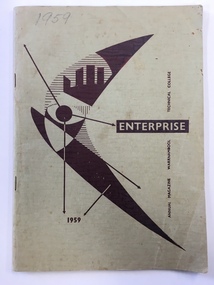
... street warrnambool technical school 1959, enterprise magazine warrnambool Annual magazine Warrnambool Technical School.1959. Among the acknowledgements are Mr K Shepherd, Mr P Clarke, Mrs Laidler, Mr Reid and Mr Conry, Warrnambool Standard and Modern Print. C Crawford , business manager and G Brown, editor. J & L Bristol ...This is a typical school magazine which documents the activities and people who were associated as either studens of staff during 1959. It records through photographs sporting teams such as football, basketball, softball, hockey and baseball. There are also staff photographs and lists of staff and their duties. The articles have been written by staff and students around topics such as sporting successes and events and excursions and notes written about the different students. The technical school taught trade orientated subjects such as dressmaking, plumbing, woodwork, turning and fitting, motor mechanics, commercial and cookery as well as some academic subjects such as English and mathematics.This magazine provides a photographic record of students and staff at one of Warrnambool's largest schools in 1959. It also reflects the types of subjects taught at that time and the many articles written by the students reflect the standard of education and topics which were relevant around the school at that time. It provides a worthwhile historical and social snapshot of 1959.Pale green cover in soft card with brown text and diagram in shape of a boomerang on front cover. Approximately 40 pages which contain a number of black and white photographs and lists of student groups and sports teams as well as staff and the positions held.Annual magazine Warrnambool Technical School.1959. Among the acknowledgements are Mr K Shepherd, Mr P Clarke, Mrs Laidler, Mr Reid and Mr Conry, Warrnambool Standard and Modern Print. C Crawford , business manager and G Brown, editor. J & L Bristol written inside front cover.warrnambool, warrnambool technical school, warrnambool tech school, tech school timor street, warrnambool technical school 1959,, enterprise magazine warrnambool -
 Bendigo Historical Society Inc.
Document - GOLDEN SQUARE LAUREL STREET P.S. COLLECTION: RURAL TRAINING SCHOOL
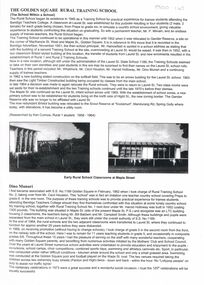
... The redundant Bristol building was relocated to the scout reserve at Koolamurt. On bottom of page picture titled ' early rural school classrooms at Maple Street. ...The redundant Bristol building was relocated to the scout reserve at Koolamurt. On bottom of page picture titled ' early rural school classrooms at Maple Street. ...The Golden Square Rural Training School began in 1945, to train trainee teachers attending the Bendigo Teachers' College. Rural school relocated to Gander Reserve in 1952. Researched by Ken Curnow, Rural 1 student 1958 - 1964. The redundant Bristol building was relocated to the scout reserve at Koolamurt. On bottom of page picture titled ' early rural school classrooms at Maple Street. Reflections also of Dino Munari as a teacher in the rural training school, beginning 1962.bendigo, education, golden square primary school -
 Bendigo Historical Society Inc.
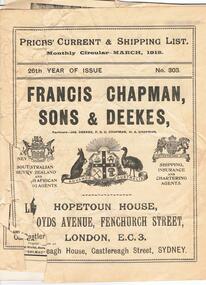
Document - ABBOTT COLLECTION: CATALOGUE FOR FRANCIS CHAPMAN,SONS & DEEKES, 1918
... Street London. 18 pages with the cover torn and separate from the rest of catalogue. Contains Illustrations, B&W photographs and listing for metal related products It also has the shipping and freight costs from London, Liverpool, Bristol and Glasgow to various ports around Australia. ...Street London. 18 pages with the cover torn and separate from the rest of catalogue. Contains Illustrations, B&W photographs and listing for metal related products It also has the shipping and freight costs from London, Liverpool, Bristol and Glasgow to various ports around Australia. ...Francis Chapman, sons and Deekes was initially a London company but also had an office in Castlereagh St., Sydney. They were makers of Locks, galvanised iron, Fencing wire and rabbit traps. The Australian Trade Mark was applied for in 1904.Paper catalogue for Francis Chapman, sons & Deekes, Hopetoun House, Lloyds Avenue, Fenchurch Street London. 18 pages with the cover torn and separate from the rest of catalogue. Contains Illustrations, B&W photographs and listing for metal related products It also has the shipping and freight costs from London, Liverpool, Bristol and Glasgow to various ports around Australia. There are two metal staples in the spine.francis chapman, catalogues -
 Bendigo Historical Society Inc.
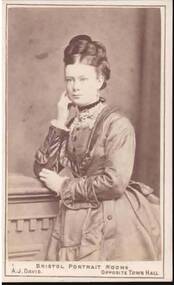
Photograph - PORTRAIT OF A LADY
... PHOTOGRAPH Portrait female Portrait of a Lady Bristol Portrait Rooms A J Davis The Briston Portrait Rooms, A. J. Davis, 75 & 77 Swanston Street. ...Small, hip length portrait of a lady. She is standing beside a cupboard? With her right elbow resting on the cupboard and her hand up to her face. Her left hand is beside her right elbow. Her dress has long sleeves and lace at the collar and cuffs. Printed on the back in gold is the photographer's name and address. Also handwritten: - 'to Mrs Carson with my best love Angelina Moorhead. Sailors Gully. Feb 21st /7 5.'The Briston Portrait Rooms, A. J. Davis, 75 & 77 Swanston Street. Melbournephotograph, portrait, female, portrait of a lady, bristol portrait rooms, a j davis -
 Port Melbourne Historical & Preservation Society
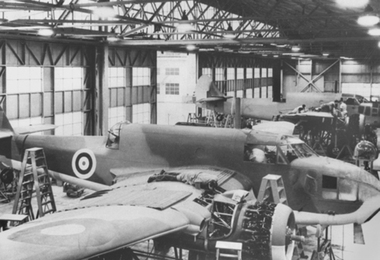
Photograph - Final assembly of Beaufort Bomber at Government Aircraft Factory, c September 1941
... Hard & digital copies of the final stages of twin-engined Bristol Beaufort Torpedo Bomber assembly at Dept. of Aircraft Production (later Government Aircraft Factory), Lorimer Street, c September 1941....Transport - Aviation and Aerodrome Beaufort Bomber Fishermans Bend Government Aircraft Factory GAF Industry - Manufacturing War - World War II Hard & digital copies of the final stages of twin-engined Bristol Beaufort Torpedo Bomber assembly at Dept. of Aircraft Production (later Government Aircraft Factory), Lorimer Street, c September 1941. ...Hard & digital copies of the final stages of twin-engined Bristol Beaufort Torpedo Bomber assembly at Dept. of Aircraft Production (later Government Aircraft Factory), Lorimer Street, c September 1941.transport - aviation and aerodrome, beaufort bomber, fishermans bend, government aircraft factory, gaf, industry - manufacturing, war - world war ii -
 Glen Eira Historical Society
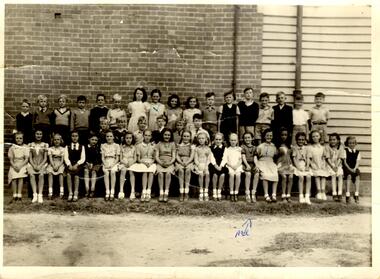
Article - Bentleigh East Primary School
... Bristol units – classrooms... Redmond MR (Head Teacher)... School Pedestrian crossings... Sound systems... School canteen... World War 1914 – 1918... Electricity Supply... Salmagundi... Tamrakis Socrates... School libraries... Railway Stations... Education... School Rolls... Market Gardens... Cattle – nuisance... Bushrangers... Toll gates... Chinese School... Chinese community... School curriculum – historical... Flora... Aborigines... Snakes... Migrant Teachers... Japanese Language... Rats... Caretaker’s Residences... Fencing... Cattle... Horse Racing... Caulfield Military Hospital... Advertising... Street...(Head teacher) War Savings Certificates Shelter pavilions Bristol units – classrooms Redmond MR (Head Teacher) School Pedestrian crossings Sound systems School canteen World War 1914 – 1918 Electricity Supply Salmagundi Tamrakis Socrates School libraries Railway Stations Education School Rolls Market Gardens Cattle – nuisance Bushrangers Toll gates Chinese School Chinese community School curriculum – historical Flora Aborigines Snakes Migrant Teachers Japanese Language Rats Caretaker’s Residences Fencing Cattle Horse Racing Caulfield Military Hospital Advertising Street lighting Anglican School St Stephens Chinese Christian Church Arthur’s Seat Road (now Nepean Hwy) St John’s Anglican Church Bentleigh Hit & Miss Hotel Live & Let Live Hotel Plough & Harrow Hotel Moorabbin District Roads Board Army huts Higgins Stan MR . ...This file contains 5 items. A limited edition of a book "A History of the Bentleigh East Primary School No. 2083 formerly Bentleigh formerly East Brighton 1878-1978" published to mark the centenary of the Bentleigh East Primary School celebrated from 1 – 5th August 1978. The book was compiled by the Principal Peter Morris and is a collection of incidents, reminiscences and anecdotes arranged in chronological order to capture the character of the differing periods through which the school passed. It provides an insight to the development of the area and of the school and includes a list of school principals from 1878 – 1978, an honor roll for WW1 students etc. Notes on the Camm family who donated the School Centenary Book A newspaper article on the centenary celebrations. The article is undated and the source is not known. It includes 2 photographs of the celebrations. A name badge for Duchie Laven issued for the centenary. The badge is on pink cardboard. A Black + White school photograph taken in 1948. Josephine and Wilma Newman are identified in the photograph.malane thomas market gardener, atkinson william – head teacher 1878 – 1883, initial school staff, jack margaret, stevens eliza (pupil teacher), water supply, mills henry (prominent head teacher), craig robert district inspector, centre road, primitive methodist church 22/07/1884, tram lines, taylor mr., head teacher list, shelter sheds., joyce colin dr., thiele mr. (head teacher), north road state school, ormond state school no 3074, east bentleigh state school, east brighton state school no. 2083, bentleigh state school no 2083, bentleigh east primary school no 2083, school 213 brighton east, bentleigh elementary school no 2083, bentleigh west state school no 4318, coatesville primary school, tucker road moorabbin primary school, bent thomas sir, honor lists, honour book, awards, snowball o.r. mla gilbert mr. head teacher, brighton gas lighting, sloyd classes, gilbert mr. (head teacher), cross bob (pupil), school strap, henderson w. (district inspector), school rooms, school work books, schools, school concerts, school committees, caretaker’s residence, fencing, higgins a., higgins stan, bentleigh public hall, marriott william (chairman school committee), bentleigh theatre, old scholars, trenches 1937 (slit), donald j.r. (head teacher), war savings certificates, shelter pavilions, bristol units – classrooms, redmond mr (head teacher), school pedestrian crossings, sound systems, school canteen, world war 1914 – 1918, electricity supply, salmagundi, tamrakis socrates, school libraries, railway stations, education, school rolls, market gardens, cattle – nuisance, bushrangers, toll gates, chinese school, chinese community, school curriculum – historical, flora, aborigines, snakes, migrant teachers, japanese language, rats, caretaker’s residences, fencing, cattle, horse racing, caulfield military hospital, advertising, street lighting, anglican school st stephens, chinese christian church arthur’s seat road (now nepean hwy), st john’s anglican church bentleigh, hit & miss hotel, live & let live hotel, plough & harrow hotel, moorabbin district roads board, army huts, higgins stan mr, . marriott william mr, cremean mr. mla, arnett kevin, vanderlaven vanderlaven adrian, vanderlaven josephine, laven fredericha willamena, laven adrian, laven duchie, newman wilma, newman josephine, camm josephine, marshall gladys, neville gladys, holis ivy, monroe victor, duckmanton keith, tram lines - mordialloc sandringham, school paper, public works dept., springthorpe j.w. dr., vosey joseph, camm terry, camm josie, barrenger elsie, bentleigh oval, race course east bentleigh 1899, keys's hotel, unveiling of honor book and cabinet 25/08/1922 -
Glen Eira Historical Society
Document - Laundries
... Street... Campbell Family... Bristol...Elsternwick Economy Laundry Point Nepean Road Presbyterian Church Orphanages Regent Lodge St John’s Presbyterian Church Glen Huntly Road Foster Street Campbell Family Bristol Carnegie Collis M Mrs Glen Eira Road Cutland E Mrs 'Kennington' Riddell Parade 'Kooyong' 'Primrose' Martin Street Wadekin A Mrs Murrumbeena Road Murrumbeena 'Waverly' Hawthorn Road Caulfield North Paynting Harold Rosstown Road Gardenvale Road Glen Eira Road Caulfield Elsternwick Girls' Home Regent Street Presbyterian Womens Mission Union Recipe books Document Laundries ...Newspaper cutting of workers at the Economy Laundry in Elsternwick, 1938, source unknown, taken by Harold Paynting. Typed recollections by Felicity Campbell dated 02/04/2007 and further research by Claire Barton from SANDS AND MCDOUGAL’S 1942 edition, dated 02/07/2013, noting other boundaries in Caulfield municipality.elsternwick, economy laundry, point nepean road, presbyterian church, orphanages, regent lodge, st john’s presbyterian church, glen huntly road, foster street, campbell family, bristol, carnegie, collis m mrs, glen eira road, cutland e mrs, 'kennington', riddell parade, 'kooyong', 'primrose', martin street, wadekin a mrs, murrumbeena road, murrumbeena, 'waverly', hawthorn road, caulfield north, paynting harold, rosstown road, gardenvale road, glen eira road, caulfield, elsternwick girls' home, regent street, presbyterian womens mission union, recipe books
