
Showing 58 items matching "carbonising"
-
 National Wool Museum
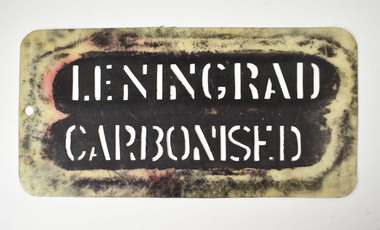
Stencil - LENINGRAD CARBONISED
... Wool bale export stencil - LENINGRAD CARBONISED...LENINGRAD CARBONISED...Wool bales marked LENINGRAD would have been transported to Russia by sea. wool - transportation wool sales wool class wool classers LENINGRAD CARBONISED Wool bale export stencil - LENINGRAD CARBONISED Stencil - LENINGRAD CARBONISED ...This stencil was used as a location stamp for the transportation of wool bales. Leningrad, now Saint Petersburg is a Russian port city on the Baltic Sea. Wool bales marked LENINGRAD would have been transported to Russia by sea.Wool bale export stencil - LENINGRAD CARBONISEDLENINGRAD CARBONISEDwool - transportation, wool sales, wool class, wool classers -
 National Wool Museum
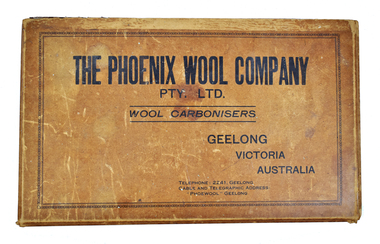
Container - Display Case, Phoenix Wool Company Pty Ltd, 1950-1955
... The company closed in 1997. This box of carbonised wool samples may possibly have been used by a salesman promoting the activities of the company....Interior divided into five sections, each containing samples of carbonised wool. There are five labels attached to the inside of the box lid....THE PHOENIX WOOL COMPANY / PTY. LTD. / WOOL CARBONISERS / GEELONG / VICTORIA / AUSTRALIA / TELEPHONE: 2241, GEELONG / CABLE AND TELEGRAPHIC ADRESS: / "PHOEWOOL" GEELONG...The company closed in 1997. This box of carbonised wool samples may possibly have been used by a salesman promoting the activities of the company. phoenix wool company pty ltd Wool industry wool carbonising Barwon River Geelong Company history Brigadier-General Robert Smith THE PHOENIX WOOL COMPANY / PTY. ...The Phoenix Wool Company was started in 1919 by Brigadier-General Robert Smith. The works were located on the Barwon River, near the end of Shannon Avenue; some remnants of the original buildings can still be seen at the site. Phoenix was one of the first to develop the wool carbonising process (the removal of vegetable matter from wool through the use of chemicals) and during its heyday in the 1930s-50s the company operated 24 hours per day and employed a workforce of over 100. The company closed in 1997. This box of carbonised wool samples may possibly have been used by a salesman promoting the activities of the company.Display case, brown cardboard printed with text in black on the lid at the top. Lined in blue. Interior divided into five sections, each containing samples of carbonised wool. There are five labels attached to the inside of the box lid.THE PHOENIX WOOL COMPANY / PTY. LTD. / WOOL CARBONISERS / GEELONG / VICTORIA / AUSTRALIA / TELEPHONE: 2241, GEELONG / CABLE AND TELEGRAPHIC ADRESS: / "PHOEWOOL" GEELONGphoenix wool company pty ltd, wool industry, wool carbonising, barwon river, geelong, company history, brigadier-general robert smith -
 Coal Creek Community Park & Museum
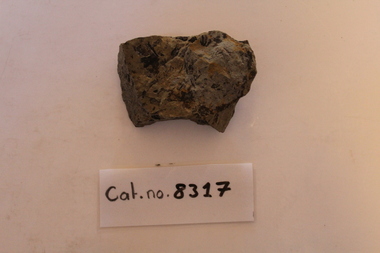
Mudstone and fossil fern with wood fragments
... 8317.1 - Overall rectangular mudstone containing fragments of fossilised wood and carbonised plant matter....8317.1 - Overall rectangular mudstone containing fragments of fossilised wood and carbonised plant matter. Mudstone and fossil fern with wood fragments ...8317.1 - Overall rectangular mudstone containing fragments of fossilised wood and carbonised plant matter. -
 Coal Creek Community Park & Museum
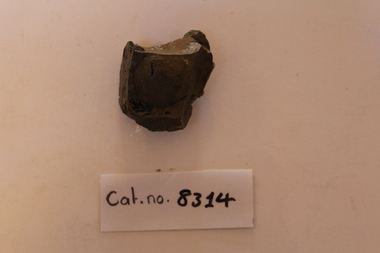
Concrestion with fossils
... 8314.1 - Irregularly shaped stone containing large concretion and numerous carbonised plant fossils....8314.1 - Irregularly shaped stone containing large concretion and numerous carbonised plant fossils. Concrestion with fossils ...8314.1 - Irregularly shaped stone containing large concretion and numerous carbonised plant fossils. -
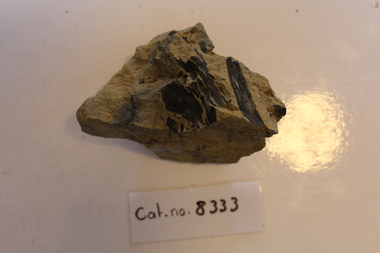 Coal Creek Community Park & Museum
Large mudstone with plant fossils
... 8333.1 - Large and irregularly shaped piece of mudstone showing large pieces of carbonised woody matter....8333.1 - Large and irregularly shaped piece of mudstone showing large pieces of carbonised woody matter. Large mudstone with plant fossils ...8333.1 - Large and irregularly shaped piece of mudstone showing large pieces of carbonised woody matter. -
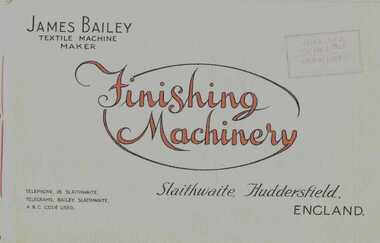 National Wool Museum
Book, Finishing Machinery
... ...Carbonising...Catalogue of machinery for fulling, scouring, carbonising, dyeing and finishing woollen and worsted and other types of textiles....Catalogue of machinery for fulling, scouring, carbonising, dyeing and finishing woollen and worsted and other types of textiles. ..."Finishing Machinery" - James Bailey, Textile Machine Maker, Huddersfield, c. 1926. Catalogue of machinery for fulling, scouring, carbonising, dyeing and finishing woollen and worsted and other types of textiles.Catalogue of textile finishing machinery from James Bailey, textile machine maker, Huddersfield, c.1926.textile machinery textile finishing, james bailey, textile machine maker, milling, scouring, carbonising, dyeing, raising, textile machinery, textile finishing -
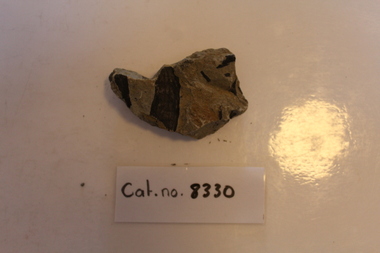 Coal Creek Community Park & Museum
Mudstone with plant fossils
... 8330.1 - Irregularly shaped mudstone showing prominent carbonised plant fragments, and on one face a large partial woody or leaf structure....8330.1 - Irregularly shaped mudstone showing prominent carbonised plant fragments, and on one face a large partial woody or leaf structure. ...8330.1 - Irregularly shaped mudstone showing prominent carbonised plant fragments, and on one face a large partial woody or leaf structure. -
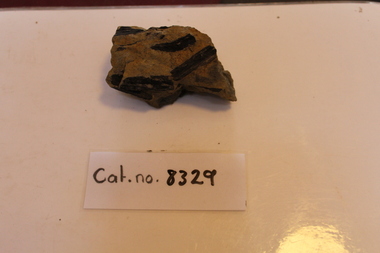 Coal Creek Community Park & Museum
Mudstone with large woody fragments
... 8329.1 - Irregular-but-angular mudstone displaying large and prominent carbonised woody fragment , including two that seem to be pieces of one stem....8329.1 - Irregular-but-angular mudstone displaying large and prominent carbonised woody fragment , including two that seem to be pieces of one stem. ...8329.1 - Irregular-but-angular mudstone displaying large and prominent carbonised woody fragment , including two that seem to be pieces of one stem. -
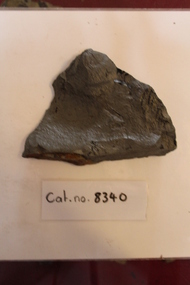 Coal Creek Community Park & Museum
Mudstone with plant fossils
... 8340.1 - Grey, triangular, mid-large, thin mudstone contains carbonised plant fossils, most prominently a small, partial, but well preserved frond....8340.1 - Grey, triangular, mid-large, thin mudstone contains carbonised plant fossils, most prominently a small, partial, but well preserved frond. ...8340.1 - Grey, triangular, mid-large, thin mudstone contains carbonised plant fossils, most prominently a small, partial, but well preserved frond. -
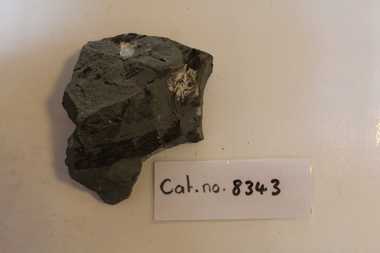 Coal Creek Community Park & Museum
Mudstone with fossils and secondary minsral
... 8343.1 - Irregularly shaped grey mudstone containing some carbonised plant fragments, but most prominently (most likely) secondary iron mineralisation pseudo fossils...8343.1 - Irregularly shaped grey mudstone containing some carbonised plant fragments, but most prominently (most likely) secondary iron mineralisation pseudo fossils Mudstone with fossils and secondary minsral ...8343.1 - Irregularly shaped grey mudstone containing some carbonised plant fragments, but most prominently (most likely) secondary iron mineralisation pseudo fossils -
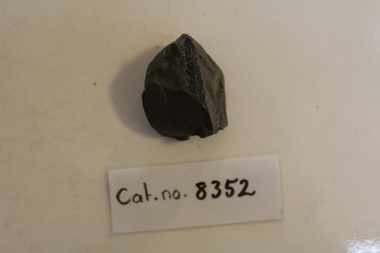 Coal Creek Community Park & Museum
Mudstone with leaves
... 8352.1 - Irregularly-shaped mudstone with some waved faces, displaying partial leaf fossils, prominently a nearly-totally carbonised taeniopteris leaf on one face....8352.1 - Irregularly-shaped mudstone with some waved faces, displaying partial leaf fossils, prominently a nearly-totally carbonised taeniopteris leaf on one face. Mudstone with leaves ...8352.1 - Irregularly-shaped mudstone with some waved faces, displaying partial leaf fossils, prominently a nearly-totally carbonised taeniopteris leaf on one face. -
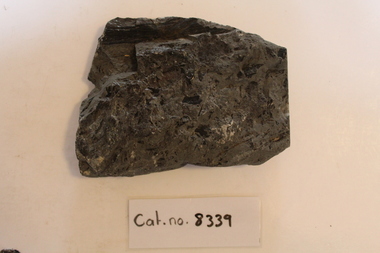 Coal Creek Community Park & Museum
Mudstone containing woody matter
... 8339.1 - Large, though thin almost rectangular mudstone containing numerous small fragments of carbonised plant matter (one large piece in particular) and some fossil leaves....8339.1 - Large, though thin almost rectangular mudstone containing numerous small fragments of carbonised plant matter (one large piece in particular) and some fossil leaves. ...8339.1 - Large, though thin almost rectangular mudstone containing numerous small fragments of carbonised plant matter (one large piece in particular) and some fossil leaves. -
 Bendigo Historical Society Inc.
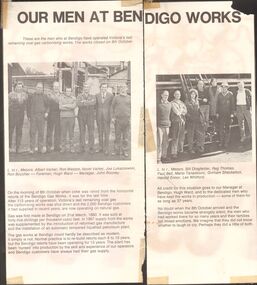
Newspaper - CASTLEMAINE GAS COMPANY COLLECTION: NEWSLETTER
... Newsletter article ''Our Men at Bendigo works'' These are the men who at Bendigo have operated Victoria's last remaining coal gas carbonising works. The works closed on 8th October....NEWSPAPER Bendigo gas and fuel newsletter Newsletter article ''Our Men at Bendigo works'' These are the men who at Bendigo have operated Victoria's last remaining coal gas carbonising works. The works closed on 8th October. ...Newsletter article ''Our Men at Bendigo works'' These are the men who at Bendigo have operated Victoria's last remaining coal gas carbonising works. The works closed on 8th October.newspaper, bendigo, gas and fuel newsletter -
 Coal Creek Community Park & Museum
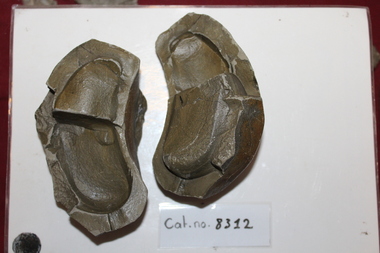
Cloven pseudofossil
... The larger concretion fragment reveals a small carbonised plant fossil....The larger concretion fragment reveals a small carbonised plant fossil. Cloven pseudofossil ...Formed by sedimentary processes. 8312.1 - Rock split in half lengthways, revealing in both kidney-shaped halves a sedimentary concretion, itself split into un equal halves via cross-sectional fractures. The larger concretion fragment reveals a small carbonised plant fossil. -
 National Wool Museum
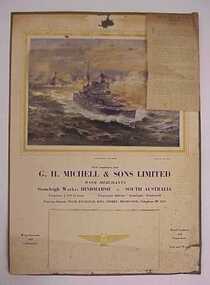
Calendar
... ...Carbonising...Michell and Sons (Aust.) Pty Ltd Carbonising Scouring World War II Woollen Mills Wool Processing With Compliments from/ G H Michell and Sons Limited,/ Wool Merchants/ Calendar ...Acquired when "Classweave Industries" closed down.With Compliments from/ G H Michell and Sons Limited,/ Wool Merchants/world war ii woollen mills wool processing, federal woollen mills ltd classweave industries pty ltd commonwealth woollen mills g.h. michell and sons (aust.) pty ltd, carbonising, scouring, world war ii, woollen mills, wool processing -
 Warrnambool and District Historical Society Inc.
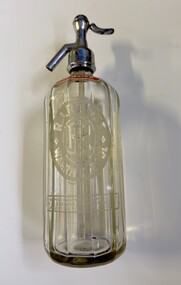
Functional object - Reeves Soda Syphon
... It was operated by the Reeves family, firstly Reginald, followed by his son-in-law Murray Moon until the latter part of the 20th century. soda syphons were used regularly to produce carbonised soda water which was then mixed with flavoured syrups. ...It was operated by the Reeves family, firstly Reginald, followed by his son-in-law Murray Moon until the latter part of the 20th century. soda syphons were used regularly to produce carbonised soda water which was then mixed with flavoured syrups. ...Ralph Reeves purchased an established cordial factory in the early 1900’s from the estate of J Fletcher. It was operated by the Reeves family, firstly Reginald, followed by his son-in-law Murray Moon until the latter part of the 20th century. soda syphons were used regularly to produce carbonised soda water which was then mixed with flavoured syrups. They declined in use after the 1930's but are still in use in various forms to this day. Bottles such as this were returned to the manufacturer to be refilled and reused. The Reeves soft-drink company had a long association with Warrnambool so this bottle has a strong link to Warrnambool.This is a clear glass bottle with an etched oval logo on the body of the bottle. There is a red and white label near the neck of the bottle . It is topped by a silver screw on lid with a spout and lever. The body of the bottle itself is divided into 13 equal perpendicular sections.Reeves soda water . R J Reeves Warrnambool. This syphon always remains the property of R J Reeves Warrnambool.and its use by others is illegal.soda syphon, reeves bottles, reeves warrnambool, reeves soda syphon, reginald reeves -
 National Wool Museum
Book, Sheep and wool: grade 2
... ...Carbonising..."Sheep and wool: grade 2. 1st ed, 1956" - J Page Sharp and T B Harmsworth, Royal Melbourne Technical College Press, Technical Publication No 41 Shearing Shearing sheds Sheep stations - management Woolclassing Wool Processing Fellmongery Carbonising Scouring Shearing Shearing sheds Sheep stations - management Woolclassing Wool Processing Sheep and wool: grade 2 Book ..."Sheep and wool: grade 2. 1st ed, 1956" - J Page Sharp and T B Harmsworth, Royal Melbourne Technical College Press, Technical Publication No 41shearing shearing sheds sheep stations - management woolclassing wool processing, fellmongery, carbonising, scouring, shearing, shearing sheds, sheep stations - management, woolclassing, wool processing -
National Wool Museum
Book, An examination of proposals to expand scouring and combing of wool in Australia, 1974
... ...Carbonising..."An examination of proposals to expand scouring and combing of wool in Australia" -Ms Jenny Dickson, Australian Wool Corporation, 1974 Wool Processing Woollen Mills Textile Industry - pollution Trade - International Australian Wool Corporation Carbonising Combing Scouring Wool Processing Woollen Mills Textile Industry - pollution Trade - International An examination of proposals to expand scouring and combing of wool in Australia, 1974 Book ..."An examination of proposals to expand scouring and combing of wool in Australia" -Ms Jenny Dickson, Australian Wool Corporation, 1974wool processing woollen mills textile industry - pollution trade - international, australian wool corporation, carbonising, combing, scouring, wool processing, woollen mills, textile industry - pollution, trade - international -
National Wool Museum
Book, Proceedings: 5th International Wool Textile Research Conference vol. IV, 1975
... ...Carbonising...Wool - chemistry Weaving Yarn production Deutsches Wollforschungsinstitut an der Technischen Hochschule Aachen e.V. Scouring Carbonising Carding Combing Wool - chemistry Weaving Yarn production Proceedings: 5th International Wool Textile Research Conference vol. ..."Proceedings: 5th International Wool Textile Research Conference, vol. IV" Sept. 1975.wool - chemistry weaving yarn production, deutsches wollforschungsinstitut an der technischen hochschule aachen e.v., scouring, carbonising, carding, combing, wool - chemistry, weaving, yarn production -
National Wool Museum
Book, Wool industry information: report no 3
... ...Carbonising..."Wool industry information: report no 3"- M V Frew, Victorian Govt, Dept of Agriculture, Sheep Industry Branch, May 1975 Wool - research Agriculture Wool Marketing Wool Brokering Wool Sales - Floor Price Scheme Agriculture - education Shearing Australian Wool Corporation Wool Clip Preparation Carbonising Wool - research Agriculture Wool Marketing Wool Brokering Wool Sales - Floor Price Scheme Agriculture - education Shearing Wool industry information: report no 3 Book ..."Wool industry information: report no 3"- M V Frew, Victorian Govt, Dept of Agriculture, Sheep Industry Branch, May 1975wool - research agriculture wool marketing wool brokering wool sales - floor price scheme agriculture - education shearing, australian wool corporation, wool clip preparation, carbonising, wool - research, agriculture, wool marketing, wool brokering, wool sales - floor price scheme, agriculture - education, shearing -
National Wool Museum
Book, Woolclassing
... ...Carbonising...Wool Growing Woolclassing Sheep breeding Merino sheep Corriedale sheep Lincoln sheep Border Leicester sheep Cheviot sheep Dorset Horn sheep Sheep breeding Romney Marsh sheep Southdown sheep Shropshire sheep Polwarth sheep Wool Processing Carbonising Galloway Mr Ken Wool Growing Woolclassing Sheep breeding Merino sheep Corriedale sheep Lincoln sheep Border Leicester sheep Cheviot sheep Dorset Horn sheep Romney Marsh sheep Southdown sheep Shropshire sheep Polwarth sheep Wool Processing K Galloway Woolclassing Book ...Notes compiled by Ken Galloway, Contains information on wool growing, sheep breeds. especially little known breeds, wool classing, wool processing etc.K Gallowaywool growing woolclassing sheep breeding merino sheep corriedale sheep lincoln sheep border leicester sheep cheviot sheep dorset horn sheep sheep breeding romney marsh sheep southdown sheep shropshire sheep polwarth sheep wool processing, carbonising, galloway, mr ken, wool growing, woolclassing, sheep breeding, merino sheep, corriedale sheep, lincoln sheep, border leicester sheep, cheviot sheep, dorset horn sheep, romney marsh sheep, southdown sheep, shropshire sheep, polwarth sheep, wool processing -
 National Wool Museum
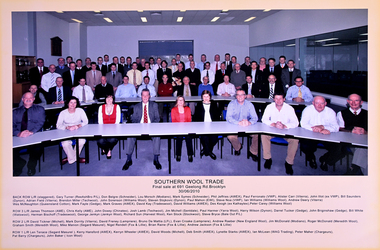
Photograph - Southern Wool Trade, Final Sale, 30 June 2010
... Seeking greater quality control, the company opened its first physical processing plant in Melbourne in 1990 before scaling up to a state-of-the-art, 24-hour carbonising and scouring facility at Laverton North in 2002. ...Seeking greater quality control, the company opened its first physical processing plant in Melbourne in 1990 before scaling up to a state-of-the-art, 24-hour carbonising and scouring facility at Laverton North in 2002. ...Part of a collection of photographs previously housed at Victorian Wool Processors (VWP), who were the last early stage wool processing company in Melbourne, and the second last in Victoria. The photographs were collected from other companies as they closed, and were donated to the museum by David Ritchie who was the General Manager at VWP. Victoria Wool Processors (Aust) Pty Ltd was founded by Jim Kim in 1983 as a dedicated international wool trading firm. Seeking greater quality control, the company opened its first physical processing plant in Melbourne in 1990 before scaling up to a state-of-the-art, 24-hour carbonising and scouring facility at Laverton North in 2002. For decades, it stood as one of the largest early-stage wool processing operations in the Southern Hemisphere, known for incorporating modern water-recycling and waste-management infrastructure. However, a severe domestic energy crisis and soaring natural gas prices forced the permanent closure of its manufacturing plant in December 2024, culminating in the company's official corporate liquidation in April 2026. This photo shows the final sale to take place at the Melbourne Wool Selling Centre located off Geelong Road in Brooklyn, Victoria on 30th June 2010.Colour photograph featuring a group portrait of people seated and standing inside a room.front: [printed] SOUTHERN WOOL TRADE / Final sale at 691 Geelong Rd. Brooklyn / 30/06/2010victorian wool processors, melbourne wool selling centre, early wool processing, textile industry, jim kim, wool trading, trade, sale -
 National Wool Museum
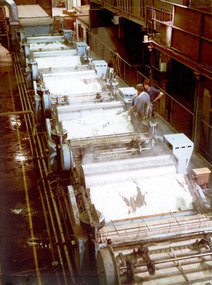
Photograph - Wool Scouring, Port Phillip Mills, Williamstown, 1984
... Seeking greater quality control, the company opened its first physical processing plant in Melbourne in 1990 before scaling up to a state-of-the-art, 24-hour carbonising and scouring facility at Laverton North in 2002. ...Seeking greater quality control, the company opened its first physical processing plant in Melbourne in 1990 before scaling up to a state-of-the-art, 24-hour carbonising and scouring facility at Laverton North in 2002. ...Part of a collection of photographs previously housed at Victorian Wool Processors (VWP), who were the last early stage wool processing company in Melbourne, and the second last in Victoria. The photographs were collected from other companies as they closed, and were donated to the museum by David Ritchie who was the General Manager at VWP. Victoria Wool Processors (Aust) Pty Ltd was founded by Jim Kim in 1983 as a dedicated international wool trading firm. Seeking greater quality control, the company opened its first physical processing plant in Melbourne in 1990 before scaling up to a state-of-the-art, 24-hour carbonising and scouring facility at Laverton North in 2002. For decades, it stood as one of the largest early-stage wool processing operations in the Southern Hemisphere, known for incorporating modern water-recycling and waste-management infrastructure. However, a severe domestic energy crisis and soaring natural gas prices forced the permanent closure of its manufacturing plant in December 2024, culminating in the company's official corporate liquidation in April 2026. This photo was previously in a frame with three others taken in 1984 at the Port Phillip Mills in Williamstown. This image shows the wool scouring process.Colour photograph showing industrial wool processing machinery from a high angle during the wool scouring process. Two men are shown stading beside the machinery.victorian wool processors, early wool processing, textile industry, jim kim, topmaking, port phillip topmaking pty ltd, williamstown, pressing, carding, combing, wool scouring -
 National Wool Museum
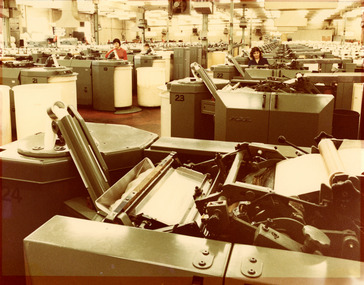
Photograph - Combing, Port Phillip Mills, Williamstown, 1984
... Seeking greater quality control, the company opened its first physical processing plant in Melbourne in 1990 before scaling up to a state-of-the-art, 24-hour carbonising and scouring facility at Laverton North in 2002. ...Seeking greater quality control, the company opened its first physical processing plant in Melbourne in 1990 before scaling up to a state-of-the-art, 24-hour carbonising and scouring facility at Laverton North in 2002. ...Part of a collection of photographs previously housed at Victorian Wool Processors (VWP), who were the last early stage wool processing company in Melbourne, and the second last in Victoria. The photographs were collected from other companies as they closed, and were donated to the museum by David Ritchie who was the General Manager at VWP. Victoria Wool Processors (Aust) Pty Ltd was founded by Jim Kim in 1983 as a dedicated international wool trading firm. Seeking greater quality control, the company opened its first physical processing plant in Melbourne in 1990 before scaling up to a state-of-the-art, 24-hour carbonising and scouring facility at Laverton North in 2002. For decades, it stood as one of the largest early-stage wool processing operations in the Southern Hemisphere, known for incorporating modern water-recycling and waste-management infrastructure. However, a severe domestic energy crisis and soaring natural gas prices forced the permanent closure of its manufacturing plant in December 2024, culminating in the company's official corporate liquidation in April 2026. This photo was previously in a frame with three others taken in 1984 at the Port Phillip Mills in Williamstown. This image shows the combing process.Colour photograph showing industrial wool processing machinery during the combing process. Two women are shown in the background operating machinery.victorian wool processors, early wool processing, textile industry, jim kim, topmaking, port phillip topmaking pty ltd, williamstown, pressing, carding, combing -
 National Wool Museum
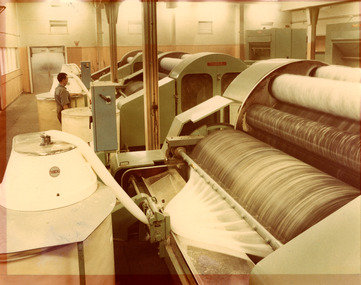
Photograph - Carding, Port Phillip Mills, Williamstown, 1984
... Seeking greater quality control, the company opened its first physical processing plant in Melbourne in 1990 before scaling up to a state-of-the-art, 24-hour carbonising and scouring facility at Laverton North in 2002. ...Seeking greater quality control, the company opened its first physical processing plant in Melbourne in 1990 before scaling up to a state-of-the-art, 24-hour carbonising and scouring facility at Laverton North in 2002. ...Part of a collection of photographs previously housed at Victorian Wool Processors (VWP), who were the last early stage wool processing company in Melbourne, and the second last in Victoria. The photographs were collected from other companies as they closed, and were donated to the museum by David Ritchie who was the General Manager at VWP. Victoria Wool Processors (Aust) Pty Ltd was founded by Jim Kim in 1983 as a dedicated international wool trading firm. Seeking greater quality control, the company opened its first physical processing plant in Melbourne in 1990 before scaling up to a state-of-the-art, 24-hour carbonising and scouring facility at Laverton North in 2002. For decades, it stood as one of the largest early-stage wool processing operations in the Southern Hemisphere, known for incorporating modern water-recycling and waste-management infrastructure. However, a severe domestic energy crisis and soaring natural gas prices forced the permanent closure of its manufacturing plant in December 2024, culminating in the company's official corporate liquidation in April 2026. This photo was previously in a frame with three others taken in 1984 at the Port Phillip Mills in Williamstown. This image shows the carding process.Colour photograph showing industrial wool processing machinery during the carding process. A man is shown in the background standing near machinery.victorian wool processors, early wool processing, textile industry, jim kim, topmaking, port phillip topmaking pty ltd, williamstown, pressing, carding, combing -
 National Wool Museum
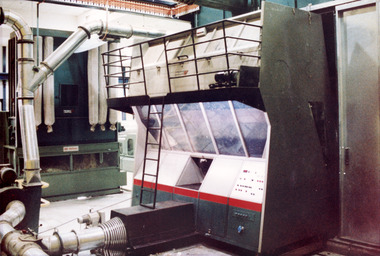
Photograph - Automatic Card Feeding, Port Phillip Topmaking, 1990
... Seeking greater quality control, the company opened its first physical processing plant in Melbourne in 1990 before scaling up to a state-of-the-art, 24-hour carbonising and scouring facility at Laverton North in 2002. ...Seeking greater quality control, the company opened its first physical processing plant in Melbourne in 1990 before scaling up to a state-of-the-art, 24-hour carbonising and scouring facility at Laverton North in 2002. ...Part of a collection of photographs previously housed at Victorian Wool Processors (VWP), who were the last early stage wool processing company in Melbourne, and the second last in Victoria. The photographs were collected from other companies as they closed, and were donated to the museum by David Ritchie who was the General Manager at VWP. Victoria Wool Processors (Aust) Pty Ltd was founded by Jim Kim in 1983 as a dedicated international wool trading firm. Seeking greater quality control, the company opened its first physical processing plant in Melbourne in 1990 before scaling up to a state-of-the-art, 24-hour carbonising and scouring facility at Laverton North in 2002. For decades, it stood as one of the largest early-stage wool processing operations in the Southern Hemisphere, known for incorporating modern water-recycling and waste-management infrastructure. However, a severe domestic energy crisis and soaring natural gas prices forced the permanent closure of its manufacturing plant in December 2024, culminating in the company's official corporate liquidation in April 2026. This photo was previously in a frame with three others taken in 1990 at the modernised facility in Williamstown operated by Port Phillip Topmaking Pty Ltd. This image shows the automatic card feeding process.Colour photograph showing industrial wool processing machinery during the automatic card feeding process.victorian wool processors, early wool processing, textile industry, jim kim, topmaking, port phillip topmaking pty ltd, williamstown, pressing -
 National Wool Museum
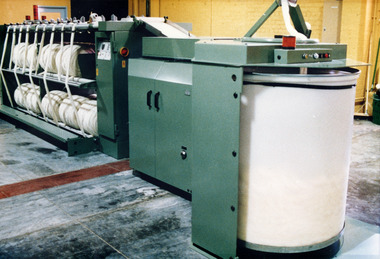
Photograph - Combing, Port Phillip Topmaking, 1990
... Seeking greater quality control, the company opened its first physical processing plant in Melbourne in 1990 before scaling up to a state-of-the-art, 24-hour carbonising and scouring facility at Laverton North in 2002. ...Seeking greater quality control, the company opened its first physical processing plant in Melbourne in 1990 before scaling up to a state-of-the-art, 24-hour carbonising and scouring facility at Laverton North in 2002. ...Part of a collection of photographs previously housed at Victorian Wool Processors (VWP), who were the last early stage wool processing company in Melbourne, and the second last in Victoria. The photographs were collected from other companies as they closed, and were donated to the museum by David Ritchie who was the General Manager at VWP. Victoria Wool Processors (Aust) Pty Ltd was founded by Jim Kim in 1983 as a dedicated international wool trading firm. Seeking greater quality control, the company opened its first physical processing plant in Melbourne in 1990 before scaling up to a state-of-the-art, 24-hour carbonising and scouring facility at Laverton North in 2002. For decades, it stood as one of the largest early-stage wool processing operations in the Southern Hemisphere, known for incorporating modern water-recycling and waste-management infrastructure. However, a severe domestic energy crisis and soaring natural gas prices forced the permanent closure of its manufacturing plant in December 2024, culminating in the company's official corporate liquidation in April 2026. This photo was previously in a frame with three others taken in 1990 at the modernised facility in Williamstown operated by Port Phillip Topmaking Pty Ltd. This image shows the combing process.Colour photograph showing industrial wool processing machinery during the combing process.victorian wool processors, early wool processing, textile industry, jim kim, topmaking, port phillip topmaking pty ltd, williamstown, combing -
 National Wool Museum
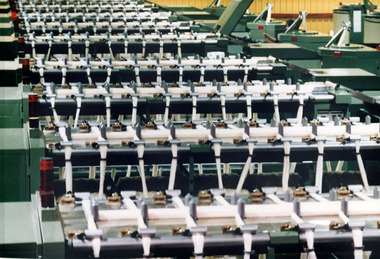
Photograph - Combing, Port Phillip Topmaking, 1990
... Seeking greater quality control, the company opened its first physical processing plant in Melbourne in 1990 before scaling up to a state-of-the-art, 24-hour carbonising and scouring facility at Laverton North in 2002. ...Seeking greater quality control, the company opened its first physical processing plant in Melbourne in 1990 before scaling up to a state-of-the-art, 24-hour carbonising and scouring facility at Laverton North in 2002. ...Part of a collection of photographs previously housed at Victorian Wool Processors (VWP), who were the last early stage wool processing company in Melbourne, and the second last in Victoria. The photographs were collected from other companies as they closed, and were donated to the museum by David Ritchie who was the General Manager at VWP. Victoria Wool Processors (Aust) Pty Ltd was founded by Jim Kim in 1983 as a dedicated international wool trading firm. Seeking greater quality control, the company opened its first physical processing plant in Melbourne in 1990 before scaling up to a state-of-the-art, 24-hour carbonising and scouring facility at Laverton North in 2002. For decades, it stood as one of the largest early-stage wool processing operations in the Southern Hemisphere, known for incorporating modern water-recycling and waste-management infrastructure. However, a severe domestic energy crisis and soaring natural gas prices forced the permanent closure of its manufacturing plant in December 2024, culminating in the company's official corporate liquidation in April 2026. This photo was previously in a frame with three others taken in 1990 at the modernised facility in Williamstown operated by Port Phillip Topmaking Pty Ltd. This image shows the combing process.Colour photograph showing industrial wool processing machinery during the combing process.victorian wool processors, early wool processing, textile industry, jim kim, topmaking, port phillip topmaking pty ltd, williamstown, combing -
 National Wool Museum
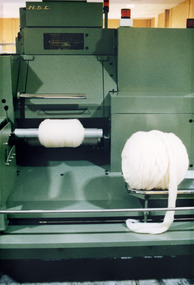
Photograph - Finishing, Port Phillip Topmaking, 1990
... Seeking greater quality control, the company opened its first physical processing plant in Melbourne in 1990 before scaling up to a state-of-the-art, 24-hour carbonising and scouring facility at Laverton North in 2002. ...Seeking greater quality control, the company opened its first physical processing plant in Melbourne in 1990 before scaling up to a state-of-the-art, 24-hour carbonising and scouring facility at Laverton North in 2002. ...Part of a collection of photographs previously housed at Victorian Wool Processors (VWP), who were the last early stage wool processing company in Melbourne, and the second last in Victoria. The photographs were collected from other companies as they closed, and were donated to the museum by David Ritchie who was the General Manager at VWP. Victoria Wool Processors (Aust) Pty Ltd was founded by Jim Kim in 1983 as a dedicated international wool trading firm. Seeking greater quality control, the company opened its first physical processing plant in Melbourne in 1990 before scaling up to a state-of-the-art, 24-hour carbonising and scouring facility at Laverton North in 2002. For decades, it stood as one of the largest early-stage wool processing operations in the Southern Hemisphere, known for incorporating modern water-recycling and waste-management infrastructure. However, a severe domestic energy crisis and soaring natural gas prices forced the permanent closure of its manufacturing plant in December 2024, culminating in the company's official corporate liquidation in April 2026. This photo was previously in a frame with three others taken in 1990 at the modernised facility in Williamstown operated by Port Phillip Topmaking Pty Ltd. This image shows the finishing process.Colour photograph showing industrial wool processing machinery during the finishing processvictorian wool processors, early wool processing, textile industry, jim kim, topmaking, port phillip topmaking pty ltd, williamstown, finishing -
 National Wool Museum
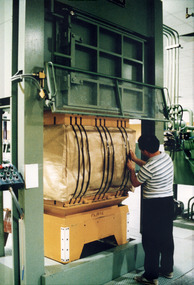
Photograph - Pressing, Port Phillip Topmaking, 1990
... Seeking greater quality control, the company opened its first physical processing plant in Melbourne in 1990 before scaling up to a state-of-the-art, 24-hour carbonising and scouring facility at Laverton North in 2002. ...Seeking greater quality control, the company opened its first physical processing plant in Melbourne in 1990 before scaling up to a state-of-the-art, 24-hour carbonising and scouring facility at Laverton North in 2002. ...Part of a collection of photographs previously housed at Victorian Wool Processors (VWP), who were the last early stage wool processing company in Melbourne, and the second last in Victoria. The photographs were collected from other companies as they closed, and were donated to the museum by David Ritchie who was the General Manager at VWP. Victoria Wool Processors (Aust) Pty Ltd was founded by Jim Kim in 1983 as a dedicated international wool trading firm. Seeking greater quality control, the company opened its first physical processing plant in Melbourne in 1990 before scaling up to a state-of-the-art, 24-hour carbonising and scouring facility at Laverton North in 2002. For decades, it stood as one of the largest early-stage wool processing operations in the Southern Hemisphere, known for incorporating modern water-recycling and waste-management infrastructure. However, a severe domestic energy crisis and soaring natural gas prices forced the permanent closure of its manufacturing plant in December 2024, culminating in the company's official corporate liquidation in April 2026. This photo was previously in a frame with three others taken in 1990 at the modernised facility in Williamstown operated by Port Phillip Topmaking Pty Ltd. This image shows the pressing process.Colour photograph showing industrial wool processing machinery during the pressing process.victorian wool processors, early wool processing, textile industry, jim kim, topmaking, port phillip topmaking pty ltd, williamstown, pressing
