
Showing 33 items matching "cdhs"
-
 Flagstaff Hill Maritime Museum and Village
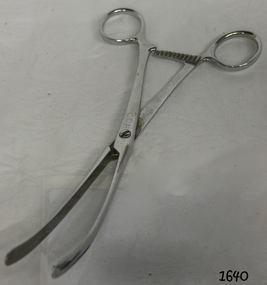
Forceps
... Break hinge forceps plated with toothed closure adjustment. CDH scribed....flagstaff hill warrnambool shipwrecked-coast flagstaff-hill flagstaff-hill-maritime-museum maritime-museum shipwreck-coast flagstaff-hill-maritime-village Break hinge forceps plated with toothed closure adjustment. CDH scribed. Forceps ...Break hinge forceps plated with toothed closure adjustment. CDH scribed.flagstaff hill, warrnambool, shipwrecked-coast, flagstaff-hill, flagstaff-hill-maritime-museum, maritime-museum, shipwreck-coast, flagstaff-hill-maritime-village -
 Flagstaff Hill Maritime Museum and Village
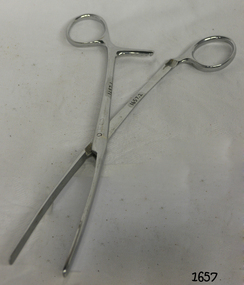
Forceps
... Hysterectomy forceps, maker Mayer & Meltzer London & CDH scratched on. Jordan Hynds, break joint and ratchet lock on handle...flagstaff hill warrnambool shipwrecked-coast flagstaff-hill flagstaff-hill-maritime-museum maritime-museum shipwreck-coast flagstaff-hill-maritime-village Hysterectomy forceps, maker Mayer & Meltzer London & CDH scratched on. Jordan Hynds, break joint and ratchet lock on handle Forceps ...Hysterectomy forceps, maker Mayer & Meltzer London & CDH scratched on. Jordan Hynds, break joint and ratchet lock on handleflagstaff hill, warrnambool, shipwrecked-coast, flagstaff-hill, flagstaff-hill-maritime-museum, maritime-museum, shipwreck-coast, flagstaff-hill-maritime-village -
 Camperdown & District Historical Society
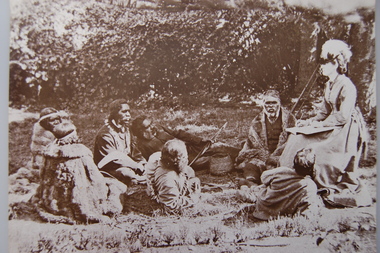
Photograph - Western District First Nations people with Isabella Dawson at 'Kangatong', c1865
... CDHS...With her father, James Dawson, she wrote the book "Australian Aborigines" (1881). CDHS CDHSFirstNations Black and white photograph taken at "Kangatong", near Hawkesdale, of seven Western Victorian First Nations people all seated in conversation with Isabella Dawson, seated at right with notebook and pen in hand. ...Isabella Park Taylor, nee Dawson (1842-1929), friend of Western Victorian First Nations people, and student of their languages and customs. Isabella grew up at "Kangatong" (1844-1866) in the company of First Nations people and became fluent in their languages. With her father, James Dawson, she wrote the book "Australian Aborigines" (1881).Black and white photograph taken at "Kangatong", near Hawkesdale, of seven Western Victorian First Nations people all seated in conversation with Isabella Dawson, seated at right with notebook and pen in hand.cdhs, cdhsfirstnations -
 Camperdown & District Historical Society
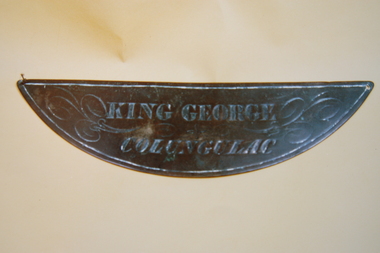
Photograph - Chest plate "King George Colungulac", c1860s
... ...CDHS...""King George"" is pictured wearing the chest plate in a photograph of First Nations people at Framlingham Mission in 1867. Breast plate CDHS CDHSFirstNations Front: "KING GEORGE COLUNGULAC"; Back: XP49214 Museum Victoria Colour photograph of brass chest plate inscribed "KING GEORGE COLUNGULAC" Photograph Chest plate "King George Colungulac" ...In the early days of colonial Australia the governors and the land holders saw advantage in singling out certain First Nations people as leaders and distinguishing them in some way. This chest plate was issued to "King George" of the Koenghegulluk Clan of the Djargurd Wurrung whose Country was near Lake Colongulac. This chest plate is inscribed "King Colungulac" and is held in the Museum Victoria collection. ""King George"" is pictured wearing the chest plate in a photograph of First Nations people at Framlingham Mission in 1867.Colour photograph of brass chest plate inscribed "KING GEORGE COLUNGULAC" Front: "KING GEORGE COLUNGULAC"; Back: XP49214 Museum Victoriabreast plate, cdhs, cdhsfirstnations -
 Camperdown & District Historical Society
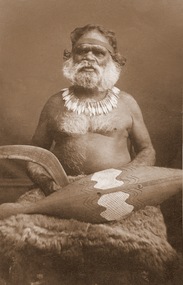
Photograph - Wombeetch Puyunn (Camperdown George), Mr F.B.W. Stevenson, c1881
... CDHS...When he died at Camperdown in February 1883, Wombeetch Puyuun (Camperdown George) (c1820-1883), was the last member of the Liwura Gundidj clan of the Djargurd Wurrung, still living on Country. CDHS Djargurd Wurrung Djargurdwurrung CDHSFirstNations Back: WOMBEETCH PUUYUUN, CHIEF, AND LAST OF THE LOCAL TRIBES Black and white studio photograph of Wombeetch Puyunn (Camperdown George) in traditional dress wearing a headband, kangaroo tooth necklace and possum skin cloak, holding a boomerang and carved shield Photograph Wombeetch Puyunn (Camperdown George) Mr F.B.W. ...When he died at Camperdown in February 1883, Wombeetch Puyuun (Camperdown George) (c1820-1883), was the last member of the Liwura Gundidj clan of the Djargurd Wurrung, still living on Country.Black and white studio photograph of Wombeetch Puyunn (Camperdown George) in traditional dress wearing a headband, kangaroo tooth necklace and possum skin cloak, holding a boomerang and carved shield Back: WOMBEETCH PUUYUUN, CHIEF, AND LAST OF THE LOCAL TRIBEScdhs, djargurd wurrung, djargurdwurrung, cdhsfirstnations -
 Camperdown & District Historical Society
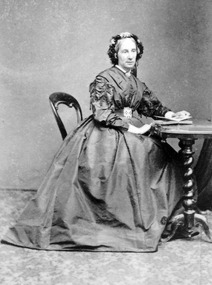
Photograph - Isabella Taylor (nee Dawson), c1890
... CDHS...Together they had two children, Effie, born 1878 and Katherine in 1880. CDHS CDHSFirstNations Djargurd Wurrung Djargurdwurrung Studio portrait of Isabella Taylor (nee Dawson) sitting at an occasional table. ...Isabella Park Taylor, nee Dawson (1842-1929), friend of Western Victorian First Nations people, and student of their languages and customs. Isabella grew up at "Kangatong" (1844-1866) in the company of First Nations people and became fluent in their languages. With her father, James Dawson, she wrote the book "Australian Aborigines" (1881). She married William Andrew Taylor in 1877 and they built a fine homestead on their property at "Renny Hill'' near Camperdown, Victoria. Together they had two children, Effie, born 1878 and Katherine in 1880.Studio portrait of Isabella Taylor (nee Dawson) sitting at an occasional table.cdhs, cdhsfirstnations, djargurd wurrung, djargurdwurrung -
 Camperdown & District Historical Society
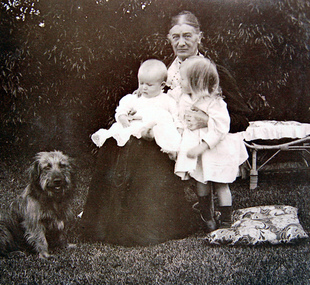
Photograph - Isabella Taylor (nee Dawson) with grandchildren, c1908
... CDHS...She is pictured with her grandchildren, Jack and Katherine Thornton, Effie's children. CDHS CDHSFirstNations Djargurd Wurrung Djargurdwurrung Isabella Taylor (nee Dawson) seated with her two young grandchildren Jack and Katherine Thornton. ...Isabella Park Taylor, nee Dawson (1842-1929), friend of Western Victorian First Nations people, and student of their languages and customs. Isabella grew up at "Kangatong" (1844-1866) in the company of First Nations people and became fluent in their languages. With her father, James Dawson, she wrote the book "Australian Aborigines" (1881). She married William Andrew Taylor in 1877 and they built a fine homestead on their property at "Renny Hill'' near Camperdown, Victoria. Together they had two children, Effie, born 1878 and Katherine in 1880. She is pictured with her grandchildren, Jack and Katherine Thornton, Effie's children.Isabella Taylor (nee Dawson) seated with her two young grandchildren Jack and Katherine Thornton.cdhs, cdhsfirstnations, djargurd wurrung, djargurdwurrung -
 Camperdown & District Historical Society
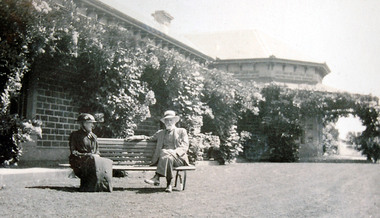
Photograph - William and Isabella Taylor (nee Dawson) at "Renny Hill", c1910
... CDHS...In 1883 he gifted the world's oldest statue of Robert Burns to the people of Camperdown. CDHS CDHSFirstNations Djargurd Wurrung Djargurdwurrung William and Isabella Taylor (nee Dawson) seated together in the garden at "Renny Hill". ...Isabella Park Taylor, nee Dawson (1842-1929), friend of Western Victorian First Nations people, and student of their languages and customs. Isabella grew up at "Kangatong" (1844-1866) in the company of First Nations people and became fluent in their languages. With her father, James Dawson, she wrote the book "Australian Aborigines" (1881). She married William Andrew Taylor in 1877 and they built a fine homestead on their property at "Renny Hill'' near Camperdown, Victoria. Together they had two children, Effie, born 1878 and Katherine in 1880. William Taylor (1849-1927) was a farmer, Councillor and civic leader. In 1883 he gifted the world's oldest statue of Robert Burns to the people of Camperdown. William and Isabella Taylor (nee Dawson) seated together in the garden at "Renny Hill".cdhs, cdhsfirstnations, djargurd wurrung, djargurdwurrung -
 Camperdown & District Historical Society
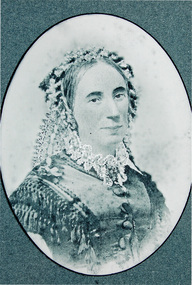
Photograph - Isabella Dawson as a young woman, c1870
... CDHS...Together they had two children, Effie, born 1878 and Katherine in 1880. CDHS CDHSFirstNations Djargurd Wurrung Djargurdwurrung Studio portrait of Isabella Dawson as a young woman Photograph Isabella Dawson as a young woman ...Isabella Park Taylor, nee Dawson (1842-1929), friend of Western Victorian First Nations people, and student of their languages and customs. Isabella grew up at "Kangatong" (1844-1866) in the company of First Nations people and became fluent in their languages. With her father, James Dawson, she wrote the book "Australian Aborigines" (1881). She married William Andrew Taylor in 1877 and they built a fine homestead on their property at "Renny Hill'' near Camperdown, Victoria. Together they had two children, Effie, born 1878 and Katherine in 1880.Studio portrait of Isabella Dawson as a young womancdhs, cdhsfirstnations, djargurd wurrung, djargurdwurrung -
 Camperdown & District Historical Society
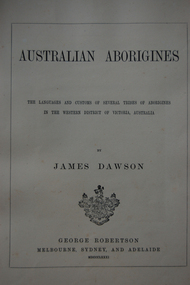
Book - "Australian Aborigines" by James Dawson, Australian Aborigines, 1881
... CDHS...This work remains one of the more valuable insights into the life of First Nations people at the point of first European contact. CDHS CDHSFirstNations Djargurd Wurrung Djargurdwurrung Isabella Dawson "AUSTRALIAN ABORIGINES" BY JAMES DAWSON THE LANGUAGES AND CUSTOMS OF SEVERAL TRIBES OF ABORIGINES IN THE WESTERN DISTRICT OF VICTORIA, AUSTRALIA BY JAMES DAWSON GEORGE ROBERTSON MELBOURNE, SYDNEY AND ADELAIDE MDCCCXXXI Title page of James Dawson's book "Australian Aborigines" Australian Aborigines Book "Australian Aborigines" by James Dawson George Robertson ...First edition copy of James Dawson's book, "Australian Aborigines" (1881). Dawson's book draws on his daughter Isabella's ability to speak the local languages and attempts a balanced description of a culture he considered ill-used and under-appreciated by white settlers. This work remains one of the more valuable insights into the life of First Nations people at the point of first European contact.Title page of James Dawson's book "Australian Aborigines""AUSTRALIAN ABORIGINES" BY JAMES DAWSON THE LANGUAGES AND CUSTOMS OF SEVERAL TRIBES OF ABORIGINES IN THE WESTERN DISTRICT OF VICTORIA, AUSTRALIA BY JAMES DAWSON GEORGE ROBERTSON MELBOURNE, SYDNEY AND ADELAIDE MDCCCXXXIcdhs, cdhsfirstnations, djargurd wurrung, djargurdwurrung, isabella dawson -
 Camperdown & District Historical Society
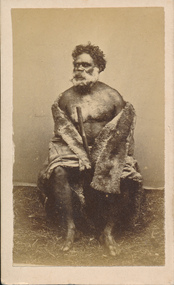
Photograph - Wombeetch Puyuun (Camperdown George), c1874
... CDHS...When he died at Camperdown in February 1883, Wombeetch Puyuun, also known as 'Camperdown George', was the last member of the Liwira Gundidj clan of the Djargurd Wurrung still living on Country. CDHS Wombeetch Puyuun Djargurd Wurrung Djargurdwurrung Camperdown George Back: George Camperdown Image of Wombeetch Puyuun (Camperdown George) wearing traditional possum skin cloak and holding a walking stick Photograph Wombeetch Puyuun (Camperdown George) ...When he died at Camperdown in February 1883, Wombeetch Puyuun, also known as 'Camperdown George', was the last member of the Liwira Gundidj clan of the Djargurd Wurrung still living on Country.Image of Wombeetch Puyuun (Camperdown George) wearing traditional possum skin cloak and holding a walking stick Back: George Camperdowncdhs, wombeetch puyuun, djargurd wurrung, djargurdwurrung, camperdown george -
 Camperdown & District Historical Society
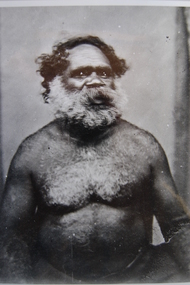
Photograph - Wombeetch Puyuun (Camperdown George), c1874
... CDHS...When he died at Camperdown in February 1883, Wombeetch Puyuun, also known as 'Camperdown George', was the last member of the Liwira Gundidj clan of the Djargurd Wurrung, still living on Country. CDHS Wombeetch Puyuun Djargurd Wurrung Djargurdwurrung CDHSFirstNations Back: XP 1924 Museum Victoria Black and white photograph of Wombeetch Puuyun (Camperdown George) Photograph Wombeetch Puyuun (Camperdown George) ...When he died at Camperdown in February 1883, Wombeetch Puyuun, also known as 'Camperdown George', was the last member of the Liwira Gundidj clan of the Djargurd Wurrung, still living on Country.Black and white photograph of Wombeetch Puuyun (Camperdown George)Back: XP 1924 Museum Victoriacdhs, wombeetch puyuun, djargurd wurrung, djargurdwurrung, cdhsfirstnations -
 Camperdown & District Historical Society
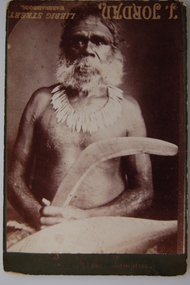
Photograph - Prince Charlie, Camperdown, Mr F.B.W. Stevenson, c1875
... CDHS...He died in 1882 at Framlingham Mission just months before his companion Wombeetch Puyuun (Camperdown George). CDHS Djargurd Wurrung Djargurdwurrung Prince Charley CDHSFirstNations Front top: J. ...Prince Charlie was the second last member of the Liwira Gundidj clan, of the Djargurd Wurrung, still living on Country. He died in 1882 at Framlingham Mission just months before his companion Wombeetch Puyuun (Camperdown George).Black and white photograph of Prince Charlie, an Aboriginal manFront top: J. JORDAN, Liebig Street, WARRNAMBOOL; front bottom: Prince Charlie, Camperdowncdhs, djargurd wurrung, djargurdwurrung, prince charley, cdhsfirstnations -
 Camperdown & District Historical Society
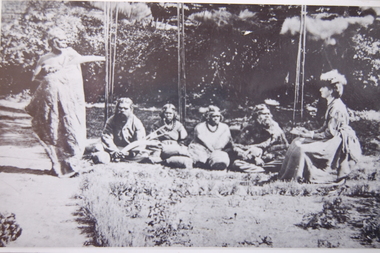
Photograph - Isabella Dawson with First Nations informants, c1865
... CDHS...With her father, James Dawson, she wrote the book "Australian Aborigines" (1881). CDHS Miss Mary Turner Shaw Kaawirn Kuunawarn Hissing Swan CDHSFirstNations James Dawson's daughter, Isabella, learning from the Aborigines on her father's station at "Kangatong" (From the original belonging to Miss M. ...Isabella Park Taylor, nee Dawson (1842-1929), friend of Western Victorian First Nations people, and student of their languages and customs. Isabella grew up at "Kangatong" (1844-1866) in the company of First Nations people and became fluent in their languages. With her father, James Dawson, she wrote the book "Australian Aborigines" (1881). Black and white photograph taken at "Kangatong", near Hawkesdale showing group of First Nations people in conversation with Isabella Dawson, seated on right with notebook in hand. Standing at left is Kaawirn Kuunawarn (also know as Hissing Swan and King David).James Dawson's daughter, Isabella, learning from the Aborigines on her father's station at "Kangatong" (From the original belonging to Miss M. Turner Shaw of S. Yarra. Copied by A.E. Jackson of Timboon.)cdhs, miss mary turner shaw, kaawirn kuunawarn, hissing swan, cdhsfirstnations -
 Camperdown & District Historical Society
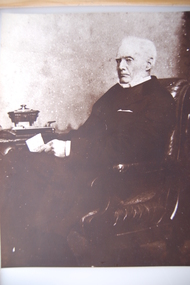
Photograph - James Dawson, Thomas Rodger, c1881
... CDHS...His friend's remains were reburied at the foot of the obelisk and the two dates, 1840-1883, mark the 43 years it took for European settlement to displace the Djargurd Wurrung from the Camperdown District. CDHS Isabella Dawson Camperdown Cemetery Djargurdwurrung CDHSFirstNations Front: T. ...James Dawson (1806-1900), pastoralist, friend to First Nations people, environmentalist, patron of the Arts and author of "Australian Aborigines" (1881). Dawson came from Bonnytoun, near Linlithgow, Scotland and arrived in Melbourne with his wife, Joan Alexander Park, on 2 May 1840. They made their first home in the colony farming in Port Phillip, near Anderson's Creek on the Yarra River, where their daughter, Isabella was born in 1842, then from 1844, moved to 'Kangatong' station on the Moyne River, east of Macarthur. In 1866 the Dawsons left the Port Fairy district and lived in various residences in Melbourne. By 1868 the family had settled in Camperdown at 'Wuurong', on the banks of Lake Bullen Merri. Unlike most people at the time, Dawson and his daughter shared a deep interest in, and respect for First Nations people. In 1876 James Dawson was appointed local Guardian of the Aborigines in the Camperdown district. He was a prolific letter writer and an early advocate for indigenous rights and was dedicated to exposing injustice and the maltreatment of First Nations people. He had befriended Wombeetch Puyuun (Camperdown George) who was the last of the local Djargurd Wurrung living on Country when he died in February 1883. In 1885 James Dawson erected the Wombeetch Puyuun Monument at Camperdown Cemetery in his memory. His friend's remains were reburied at the foot of the obelisk and the two dates, 1840-1883, mark the 43 years it took for European settlement to displace the Djargurd Wurrung from the Camperdown District.Sepia photograph of an elderly James Dawson taken in Scotland. Front: T. Rodger St. ANDREWS N.B. Back: THOMAS RODGER Photographer ST. ANDREWS ETABLISHED 1849cdhs, isabella dawson, camperdown cemetery, djargurdwurrung, cdhsfirstnations -
 Camperdown & District Historical Society
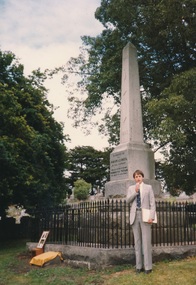
Photograph - Unveiling plaque at the Wombeetch Puyuun Monument in the Camperdown Cemetery, 12/12/1983
... CDHS...Here lies the body of the chief, Wombeetch Puyuun, and the last of the local tribes". CDHS Djargurd Wurrung Djargurdwurrung CDHSFirstNations First Nations People Back: Dr Ken Coghill unveiling the plaque in front of the Aboriginal Monument in the Camperdown Cemetery Dec 12th 1983 Dr Ken Coghill (Minister for Aboriginal Affairs) unveiling plaque in front of the Wombeetch Puyuun Monument in the Camperdown Cemetery Photograph Unveiling plaque at the Wombeetch Puyuun Monument in the Camperdown Cemetery ...When he died in February 1883, Wombeetch Puyuun was the last member of the Liwura Gundidj clan still living on Country at Camperdown. The Wombeetch Puyuun Monument was erected by his friend and Guardian, James Dawson in 1885, largely at his own expense. At the top is engraved 1840, which marked the beginning of the demise of the local First Nations people. Below are a boomerang, a club, and a message stick. At the bottom is the year 1883 which saw the last of the local First Nations people on Country with the death of Wombeetch Puyuun. On the base are the words: "In memory of the Aborigines of this district. Here lies the body of the chief, Wombeetch Puyuun, and the last of the local tribes". Dr Ken Coghill (Minister for Aboriginal Affairs) unveiling plaque in front of the Wombeetch Puyuun Monument in the Camperdown CemeteryBack: Dr Ken Coghill unveiling the plaque in front of the Aboriginal Monument in the Camperdown Cemetery Dec 12th 1983cdhs, djargurd wurrung, djargurdwurrung, cdhsfirstnations, first nations people -
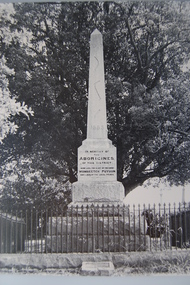 Camperdown & District Historical Society
Photograph - Wombeetch Puyuun Monument in the Camperdown Cemetery, 12/12/1983
... CDHS...Here lies the body of the chief, Wombeetch Puyuun, and the last of the local tribes". CDHS Djargurd Wurrung Djargurdwurrung CDHSFirstNations First Nations People Front of the obelisk "1840-1883 IN MEMORY OF THE ABORIGINES OF THIS DISTRICT. ...When he died in February 1883, Wombeetch Puyuun was the last member of the Liwura Gundidj clan still living on Country at Camperdown. The Wombeetch Puyuun Monument was erected by his friend and Guardian, James Dawson in 1885, largely at his own expense. At the top is engraved 1840, which marked the beginning of the demise of the local First Nations people. Below are a boomerang, a club, and a message stick. At the bottom is the year 1883 which saw the last of the local First Nations people on Country with the death of Wombeetch Puyuun. On the base are the words: "In memory of the Aborigines of this district. Here lies the body of the chief, Wombeetch Puyuun, and the last of the local tribes".Dr Ken Coghill (Minister for Aboriginal Affairs) unveiling plaque in front of the Wombeetch Puyuun Monument in the Camperdown CemeteryFront of the obelisk "1840-1883 IN MEMORY OF THE ABORIGINES OF THIS DISTRICT. HERE LIES THE BODY OF THE CHIEF WOMBEETCH PUYUUN AND LAST OF THE LOCAL TRIBES".cdhs, djargurd wurrung, djargurdwurrung, cdhsfirstnations, first nations people -
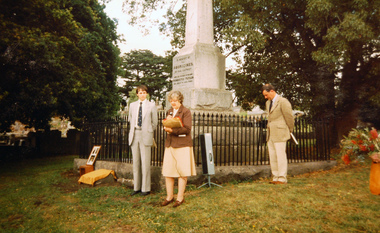 Camperdown & District Historical Society
Photograph - Unveiling plaque at the Wombeetch Puyuun Monument in the Camperdown Cemetery, 12/12/1983
... CDHS...Here lies the body of the chief, Wombeetch Puyuun, and the last of the local tribes". CDHS Djargurd Wurrung Djargurdwurrung CDHSFirstNations First Nations People Back: Dr Ken Coghill unveiling the plaque in front of the Aboriginal Monument in the Camperdown Cemetery Dec 12th 1983 Dr Ken Coghill (Minister for Aboriginal Affairs) unveiling plaque in front of the Wombeetch Puyuun Monument in the Camperdown Cemetery Photograph Unveiling plaque at the Wombeetch Puyuun Monument in the Camperdown Cemetery ...When he died in February 1883, Wombeetch Puyuun was the last member of the Liwura Gundidj clan still living on Country at Camperdown. The Wombeetch Puyuun Monument was erected by his friend and Guardian, James Dawson in 1885, largely at his own expense. At the top is engraved 1840, which marked the beginning of the demise of the local First Nations people. Below are a boomerang, a club, and a message stick. At the bottom is the year 1883 which saw the last of the local First Nations people on Country with the death of Wombeetch Puyuun. On the base are the words: "In memory of the Aborigines of this district. Here lies the body of the chief, Wombeetch Puyuun, and the last of the local tribes".Dr Ken Coghill (Minister for Aboriginal Affairs) unveiling plaque in front of the Wombeetch Puyuun Monument in the Camperdown CemeteryBack: Dr Ken Coghill unveiling the plaque in front of the Aboriginal Monument in the Camperdown Cemetery Dec 12th 1983cdhs, djargurd wurrung, djargurdwurrung, cdhsfirstnations, first nations people -
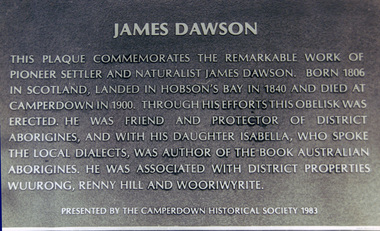 Camperdown & District Historical Society
Photograph - Unveiling plaque at the Wombeetch Puyuun Monument in the Camperdown Cemetery, 12/12/1983
... CDHS...Here lies the body of the chief, Wombeetch Puyuun, and the last of the local tribes". CDHS Djargurd Wurrung Djargurdwurrung CDHSFirstNations First Nations People Back: Dr Ken Coghill unveiling the plaque in front of the Aboriginal Monument in the Camperdown Cemetery Dec 12th 1983 Dr Ken Coghill (Minister for Aboriginal Affairs) unveiling plaque in front of the Wombeetch Puyuun Monument in the Camperdown Cemetery Photograph Unveiling plaque at the Wombeetch Puyuun Monument in the Camperdown Cemetery ...When he died in February 1883, Wombeetch Puyuun was the last member of the Liwura Gundidj clan still living on Country at Camperdown. The Wombeetch Puyuun Monument was erected by his friend and Guardian, James Dawson in 1885, largely at his own expense. At the top is engraved 1840, which marked the beginning of the demise of the local First Nations people. Below are a boomerang, a club, and a message stick. At the bottom is the year 1883 which saw the last of the local First Nations people on Country with the death of Wombeetch Puyuun. On the base are the words: "In memory of the Aborigines of this district. Here lies the body of the chief, Wombeetch Puyuun, and the last of the local tribes".Dr Ken Coghill (Minister for Aboriginal Affairs) unveiling plaque in front of the Wombeetch Puyuun Monument in the Camperdown CemeteryBack: Dr Ken Coghill unveiling the plaque in front of the Aboriginal Monument in the Camperdown Cemetery Dec 12th 1983cdhs, djargurd wurrung, djargurdwurrung, cdhsfirstnations, first nations people -
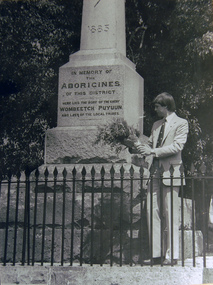 Camperdown & District Historical Society
Photograph - Unveiling plaque at the Wombeetch Puyuun Monument in the Camperdown Cemetery, 12/12/1983
... CDHS...Here lies the body of the chief, Wombeetch Puyuun, and the last of the local tribes". CDHS Djargurd Wurrung Djargurdwurrung CDHSFirstNations First Nations People Back: Dr Ken Coghill unveiling the plaque in front of the Aboriginal Monument in the Camperdown Cemetery Dec 12th 1983 Dr Ken Coghill (Minister for Aboriginal Affairs) unveiling plaque in front of the Wombeetch Puyuun Monument in the Camperdown Cemetery Photograph Unveiling plaque at the Wombeetch Puyuun Monument in the Camperdown Cemetery ...When he died in February 1883, Wombeetch Puyuun was the last member of the Liwura Gundidj clan still living on Country at Camperdown. The Wombeetch Puyuun Monument was erected by his friend and Guardian, James Dawson in 1885, largely at his own expense. At the top is engraved 1840, which marked the beginning of the demise of the local First Nations people. Below are a boomerang, a club, and a message stick. At the bottom is the year 1883 which saw the last of the local First Nations people on Country with the death of Wombeetch Puyuun. On the base are the words: "In memory of the Aborigines of this district. Here lies the body of the chief, Wombeetch Puyuun, and the last of the local tribes".Dr Ken Coghill (Minister for Aboriginal Affairs) unveiling plaque in front of the Wombeetch Puyuun Monument in the Camperdown CemeteryBack: Dr Ken Coghill unveiling the plaque in front of the Aboriginal Monument in the Camperdown Cemetery Dec 12th 1983cdhs, djargurd wurrung, djargurdwurrung, cdhsfirstnations, first nations people -
 Camperdown & District Historical Society
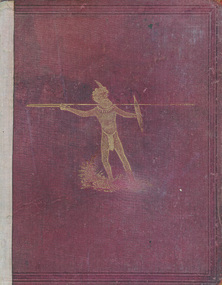
Book - "Australian Aborigines" by James Dawson, Australian Aborigines, 1881
... CDHS...This work remains one of the more valuable insights into the life of First Nations people at the point of first European contact. CDHS CDHSFirstNations Djargurd Wurrung Djargurdwurrung Isabella Dawson Cover of James Dawson's book "Australian Aborigines" (first edition) Australian Aborigines Book "Australian Aborigines" by James Dawson George Robertson ...First edition copy of James Dawson's book, "Australian Aborigines" (1881). Dawson's book draws on his daughter Isabella's ability to speak the local languages and attempts a balanced description of a culture he considered ill-used and under-appreciated by white settlers. This work remains one of the more valuable insights into the life of First Nations people at the point of first European contact.Cover of James Dawson's book "Australian Aborigines" (first edition)cdhs, cdhsfirstnations, djargurd wurrung, djargurdwurrung, isabella dawson -
 Camperdown & District Historical Society
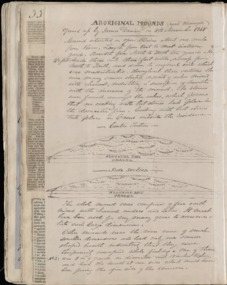
Book - The James Dawson Scrapbook, c1881
... CDHS...His friend's remains were reburied at the foot of the obelisk and the two dates, 1840-1883, mark the 43 years it took for European settlement to displace the Djargurd Wurrung from the Camperdown District. CDHS Isabella Dawson Camperdown Cemetery Djargurdwurrung CDHSFirstNations The James Dawson Scrapbook Book The James Dawson Scrapbook ...James Dawson (1806-1900), pastoralist, friend to First Nations people, environmentalist, patron of the Arts and author of "Australian Aborigines" (1881). Dawson came from Bonnytoun, near Linlithgow, Scotland and arrived in Melbourne with his wife, Joan Alexander Park, on 2 May 1840. They made their first home in the colony farming in Port Phillip, near Anderson's Creek on the Yarra River, where their daughter, Isabella was born in 1842, then from 1844, moved to 'Kangatong' station on the Moyne River, east of Macarthur. In 1866 the Dawsons left the Port Fairy district and lived in various residences in Melbourne. By 1868 the family had settled in Camperdown at 'Wuurong', on the banks of Lake Bullen Merri. Unlike most people at the time, Dawson and his daughter shared a deep interest in, and respect for First Nations people. In 1876 James Dawson was appointed local Guardian of the Aborigines in the Camperdown district. He was a prolific letter writer and an early advocate for indigenous rights and was dedicated to exposing injustice and the maltreatment of First Nations people. He had befriended Wombeetch Puyuun (Camperdown George) who was the last of the local Djargurd Wurrung living on Country when he died in February 1883. In 1885 James Dawson erected the Wombeetch Puyuun Monument at Camperdown Cemetery in his memory. His friend's remains were reburied at the foot of the obelisk and the two dates, 1840-1883, mark the 43 years it took for European settlement to displace the Djargurd Wurrung from the Camperdown District.The James Dawson Scrapbookcdhs, isabella dawson, camperdown cemetery, djargurdwurrung, cdhsfirstnations -
 Camperdown & District Historical Society
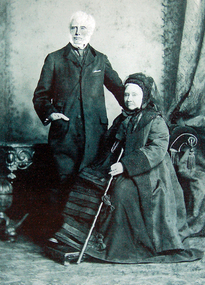
Photograph - James and Joan Dawson, studio photograph, c1878
... CDHS...His friend's remains were reburied at the foot of the obelisk and the two dates, 1840-1883, mark the 43 years it took for European settlement to displace the Djargurd Wurrung from the Camperdown District. CDHS Isabella Dawson Camperdown Cemetery Djargurdwurrung CDHSFirstNations Studio portrait of James and Joan Dawson taken in Australia. ...James Dawson (1806-1900), pastoralist, friend to First Nations people, environmentalist, patron of the Arts and author of "Australian Aborigines" (1881). He married Joan Alexander Park in 1877. Joan was the niece of the famous African explorer, Mungo Park. James Dawson came from Bonnytoun, near Linlithgow, Scotland and arrived in Melbourne with his wife on 2 May 1840. They made their first home in the colony farming in Port Phillip, near Anderson's Creek on the Yarra River, where their daughter, Isabella was born in 1842, then from 1844, moved to 'Kangatong' station on the Moyne River, east of Macarthur. In 1866 the Dawsons left the Port Fairy district and lived in various residences in Melbourne. By 1868 the family had settled in Camperdown at 'Wuurong', on the banks of Lake Bullen Merri. Unlike most people at the time, the Dawson's shared a deep interest in, and respect for First Nations people. In 1876 James Dawson was appointed local Guardian of the Aborigines in the Camperdown district. He was a prolific letter writer and an early advocate for indigenous rights and was dedicated to exposing injustice and the maltreatment of First Nations people. He had befriended Wombeetch Puyuun (Camperdown George) who was the last of the local Djargurd Wurrung living on Country when he died in February 1883. In 1885 James Dawson erected the Wombeetch Puyuun Monument at Camperdown Cemetery in his memory. His friend's remains were reburied at the foot of the obelisk and the two dates, 1840-1883, mark the 43 years it took for European settlement to displace the Djargurd Wurrung from the Camperdown District.Studio portrait of James and Joan Dawson taken in Australia. cdhs, isabella dawson, camperdown cemetery, djargurdwurrung, cdhsfirstnations -
 Camperdown & District Historical Society
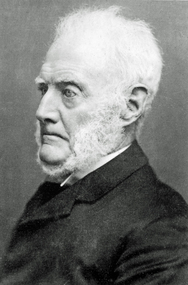
Photograph - James Dawson, c1878
... CDHS...His friend's remains were reburied at the foot of the obelisk and the two dates, 1840-1883, mark the 43 years it took for European settlement to displace the Djargurd Wurrung from the Camperdown District. CDHS Isabella Dawson Camperdown Cemetery Djargurdwurrung CDHSFirstNations Side portrait of an elderly James Dawson. ...James Dawson (1806-1900), pastoralist, friend to First Nations people, environmentalist, patron of the Arts and author of "Australian Aborigines" (1881). Dawson came from Bonnytoun, near Linlithgow, Scotland and arrived in Melbourne with his wife, Joan Alexander Park, on 2 May 1840. They made their first home in the colony farming in Port Phillip, near Anderson's Creek on the Yarra River, where their daughter, Isabella was born in 1842, then from 1844, moved to 'Kangatong' station on the Moyne River, east of Macarthur. In 1866 the Dawsons left the Port Fairy district and lived in various residences in Melbourne. By 1868 the family had settled in Camperdown at 'Wuurong', on the banks of Lake Bullen Merri. Unlike most people at the time, Dawson and his daughter shared a deep interest in, and respect for First Nations people. In 1876 James Dawson was appointed local Guardian of the Aborigines in the Camperdown district. He was a prolific letter writer and an early advocate for indigenous rights and was dedicated to exposing injustice and the maltreatment of First Nations people. He had befriended Wombeetch Puyuun (Camperdown George) who was the last of the local Djargurd Wurrung living on Country when he died in February 1883. In 1885 James Dawson erected the Wombeetch Puyuun Monument at Camperdown Cemetery in his memory. His friend's remains were reburied at the foot of the obelisk and the two dates, 1840-1883, mark the 43 years it took for European settlement to displace the Djargurd Wurrung from the Camperdown District.Side portrait of an elderly James Dawson. cdhs, isabella dawson, camperdown cemetery, djargurdwurrung, cdhsfirstnations -
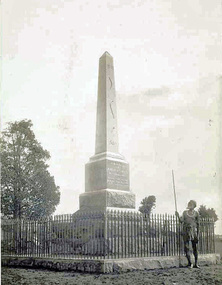 Camperdown & District Historical Society
Photograph - Kaawirn Kuunawarn (Hissing Swan) at Wombeetch Puyuun Grave Monument in the Camperdown Cemetery, 1885
... CDHS...Standing facing the monument is Kaawirn Kuunawarn (Hissing Swan), Elder of the Kirroe Wuurong tribe. CDHS Djargurd Wurrung Djargurdwurrung CDHSFirstNations First Nations People Kaawirn Kuunawarn (Hissing Swan at the Wombeetch Puyuun Grave Monument in the Camperdown Cemetery Photograph Kaawirn Kuunawarn (Hissing Swan) at Wombeetch Puyuun Grave Monument in the Camperdown Cemetery ...When he died in February 1883, Wombeetch Puyuun was the last member of the Liwura Gundidj clan still living on Country at Camperdown. The Wombeetch Puyuun Grave Monument was erected by his friend and Guardian, James Dawson in 1885, largely at his own expense. At the top is engraved 1840, which marked the beginning of the demise of the local First Nations people. Below are a boomerang, a club, and a message stick. At the bottom is the year 1883 which saw the last of the local First Nations people on Country with the death of Wombeetch Puyuun. On the base are the words: "In memory of the Aborigines of this district. Here lies the body of the chief, Wombeetch Puyuun, and the last of the local tribes". Standing facing the monument is Kaawirn Kuunawarn (Hissing Swan), Elder of the Kirroe Wuurong tribe.Kaawirn Kuunawarn (Hissing Swan at the Wombeetch Puyuun Grave Monument in the Camperdown Cemeterycdhs, djargurd wurrung, djargurdwurrung, cdhsfirstnations, first nations people -
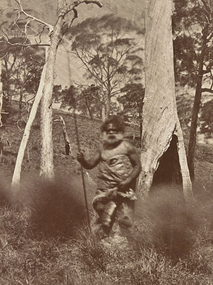 Camperdown & District Historical Society
Photograph - Wombeetch Puyuun (Camperdown George) at Lake Gnotuk, c1874
... CDHS...When he died at Camperdown in February 1883, Wombeetch Puyuun, also known as 'Camperdown George', was the last member of the Liwira Gundidj clan of the Djargurd Wurrung still living on Country. CDHS Wombeetch Puyuun Djargurd Wurrung Djargurdwurrung Camperdown George Image of Wombeetch Puyuun (Camperdown George) wearing traditional possum skin cloak and holding a spear at Lake Gnotuk, Camperdown, Victoria Photograph Wombeetch Puyuun (Camperdown George) at Lake Gnotuk ...When he died at Camperdown in February 1883, Wombeetch Puyuun, also known as 'Camperdown George', was the last member of the Liwira Gundidj clan of the Djargurd Wurrung still living on Country.Image of Wombeetch Puyuun (Camperdown George) wearing traditional possum skin cloak and holding a spear at Lake Gnotuk, Camperdown, Victoriacdhs, wombeetch puyuun, djargurd wurrung, djargurdwurrung, camperdown george -
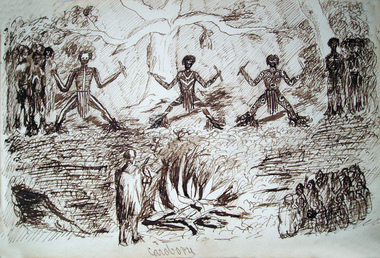 Camperdown & District Historical Society
Photograph - Corroboree in the Camperdown District from a sketchbook by William Adeney of Chocolyn (Elizabeth Adeney), c1845
... CDHS...Englishman, William Adeney, settled on his property, Chocolyn, north of Camperdown, in the early 1840s. CDHS CDHSFirstNations First Nations People Djargurd Wurrung Djargurdwurrung Corroboree in the Camperdown District from a sketchbook by William Adeney of Chocolyn (Elizabeth Adeney) Photograph Corroboree in the Camperdown District from a sketchbook by William Adeney of Chocolyn (Elizabeth Adeney) ...Corroboree in the Camperdown District from a sketchbook by William Adeney of Chocolyn (Elizabeth Adeney) c1845. Englishman, William Adeney, settled on his property, Chocolyn, north of Camperdown, in the early 1840s. Corroboree in the Camperdown District from a sketchbook by William Adeney of Chocolyn (Elizabeth Adeney)cdhs, cdhsfirstnations, first nations people, djargurd wurrung, djargurdwurrung -
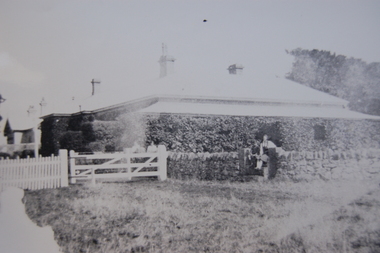 Camperdown & District Historical Society
Photograph - ''Wuurong'' homestead, Camperdown, c1870s
... ...CDHS...His daughter, Isabella Park Dawson (1842-1929), recorded the languages and customs of Western Victorian First Nations people and together with her father, published the book "Australian Aborigines" (1881). Camperdown CDHS Wuurong Djargurd Wurrung Djargurdwurrung CDHSFirstNations Front: An Early Photograph of "Wuurrong" Built By Donald McNicol Black and white photograph of ''Wuurong'' homestead Photograph ''Wuurong'' homestead, Camperdown ..."'Wuurong'' homestead (originally 'Basin Banks') was built c1867 by Donald McNicol (1812-1903) shepherd, store owner and pastoralist. The property was leased c1870 by James Dawson (1806-1900) Guardian of the Aborigines, pastoralist and environmentalist. James Dawson renamed the property 'Wuurrong'. His daughter, Isabella Park Dawson (1842-1929), recorded the languages and customs of Western Victorian First Nations people and together with her father, published the book "Australian Aborigines" (1881).Black and white photograph of ''Wuurong'' homestead Front: An Early Photograph of "Wuurrong" Built By Donald McNicolcamperdown, cdhs, wuurong, djargurd wurrung, djargurdwurrung, cdhsfirstnations -
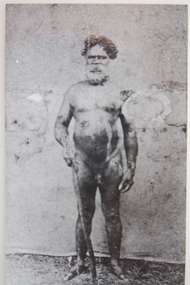 Camperdown & District Historical Society
Photograph - Wombeetch Puyuun (Camperdown George), c1874
... CDHS...When he died at Camperdown in February 1883, Wombeetch Puyunn, also known as 'Camperdown George', was the last member of the Liwira Gundidj clan of the Djargurd Wurrung, still living on Country. CDHS Wombeetch Puyuun Camperdown George Djargurd Wurrung Djargurdwurrung CDHSFirstNations Back: Camperdown George, 1874 Wombeetch Puyuun (Camperdown George) standing naked holding a walking stick Photograph Wombeetch Puyuun (Camperdown George) ...When he died at Camperdown in February 1883, Wombeetch Puyunn, also known as 'Camperdown George', was the last member of the Liwira Gundidj clan of the Djargurd Wurrung, still living on Country.Wombeetch Puyuun (Camperdown George) standing naked holding a walking stickBack: Camperdown George, 1874cdhs, wombeetch puyuun, camperdown george, djargurd wurrung, djargurdwurrung, cdhsfirstnations -
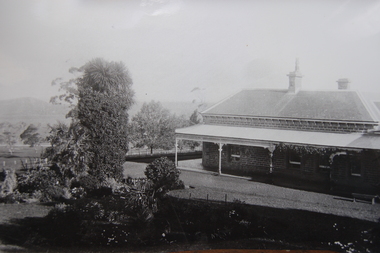 Camperdown & District Historical Society
Photograph - Renny Hill homestead, Camperdown, c1890s
... ...CDHS...Mt Sugarloaf Mount Sugarloaf CDHS Renny Hill Djargurd Wurrung Djargurdwurrung CDHSFirstNations Renny Hill built 1876? ...''Renny Hill'', built c1876, was the home of William Andrew Taylor (1849-1927) and Isabella Park Taylor, nee Dawson (1842-1929). Isabella was a friend to First Nations people and together with her father, James Dawson, recorded their languages and customs. William Taylor was a farmer, Councillor and civic leader. In 1883 he gifted the world's oldest statue of Robert Burns to the people of Camperdown.Black and white image of ''Renny Hill'' homestead, Camperdown Renny Hill built 1876? Built for Isabella Park (Dawson) Taylor and William Taylormt sugarloaf, mount sugarloaf, cdhs, renny hill, djargurd wurrung, djargurdwurrung, cdhsfirstnations
