
Showing 37 items matching "contemporary indigenous identity"
-
 Wyndham Art Gallery (Wyndham City Council)
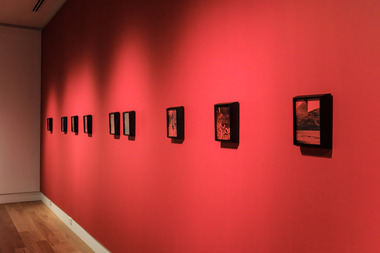
Photograph - She was like the lizard that fell into the water and became a crocodile, Hayley Millar Baker, 2025
... ...Contemporary Indigenous identity...First Nations art Aboriginal Australian art Gunditjmara culture Djabwurrung culture Indigenous knowledge systems Indigenous sovereignty Cultural reclamation Cultural memory Storytelling Contemporary Indigenous identity Aboriginal women Womanhood Motherhood Indigenous feminism Spirituality First Nations Photography A series of ten photographic collages 2O.5 X 15CM EACH She was like the lizard that fell into the water and became a crocodile Photograph She was like the lizard that fell into the water and became a crocodile Hayley Millar Baker ...She was like the lizard that fell into the water and became a crocodile works with land through photographs that are cut, reassembled, and sutured into collaged forms. The seams have been left open; the ruptures are central to each work. Observing the sutured landscapes becomes a meditation on responsibility and on the uneasy coexistence of care, complicity, and inherited harm. The collages return the act of looking back onto the viewer, presenting their scars. To engage with them is to confront one’s position within ongoing colonial systems and to acknowledge the violences that remain embedded in the land and in the systems that have fractured its sovereignty. To look to the land is to feel the weight of what has been done to it and to those who belong to it, while recognising how it continues to nourish, restore, and strengthen. Looking demands attentiveness and accountability, insisting on the ethical and relational dimensions of vision itself. The images collaged throughout She was like the lizard that fell into the water and became a crocodile combine photographs taken by the artist on unceded Country in south-western Victoria over the past decade —across the lands of the Wauthaurong, Bunurong, Wadawurrung, and Gunditjmara —with archival material sourced from the State Library of Victoria of the same areas. The archival images, produced exclusively by white colonial settler photographers, documented and mapped the land, creating visual records that both precede and actively participate in the colonial inscription of place. By bringing these materials into dialogue, the work creates a confrontation between lived Indigenous presence and the extractive logic of the colonial archive.A series of ten photographic collages 2O.5 X 15CM EACHfirst nations art, aboriginal australian art, gunditjmara culture, djabwurrung culture, indigenous knowledge systems, indigenous sovereignty, cultural reclamation, cultural memory, storytelling, contemporary indigenous identity, aboriginal women, womanhood, motherhood, indigenous feminism, spirituality, first nations, photography -
 Victorian Aboriginal Corporation for Languages
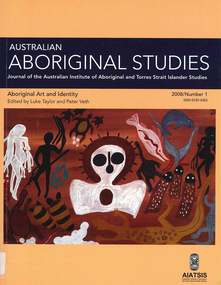
Periodical, Australian Institute of Aboriginal and Torres Strait Islander Studies, Australian Aboriginal studies : journal of the Australian Institute of Aboriginal and Torres Strait Islander Studies, 2008
... contemporary painters and Traditional Owners in the Port Keats area. It is possible that the intervention that Robinson might have considered revolutionary was more likely a continuation of previously well established cultural practice, the commercial development of which was both an Indigenous ?adjustment? to changing socio-cultural circumstances, and a quiet statement of maintenance of identity...contemporary painters and Traditional Owners in the Port Keats area. It is possible that the intervention that Robinson might have considered revolutionary was more likely a continuation of previously well established cultural practice, the commercial development of which was both an Indigenous ?adjustment? to changing socio-cultural circumstances, and a quiet statement of maintenance of identity ...1. Rock-art of the Western Desert and Pilbara: Pigment dates provide new perspectives on the role of art in the Australian arid zone Jo McDonald (Australian National University) and Peter Veth (Australian National University) Systematic analysis of engraved and painted art from the Western Desert and Pilbara has allowed us to develop a spatial model for discernable style provinces. Clear chains of stylistic connection can be demonstrated from the Pilbara coast to the desert interior with distinct and stylistically unique rock-art bodies. Graphic systems appear to link people over short, as well as vast, distances, and some of these style networks appear to have operated for very long periods of time. What are the social dynamics that could produce unique style provinces, as well as shared graphic vocabularies, over 1000 kilometres? Here we consider language boundaries within and between style provinces, and report on the first dates for pigment rock-art from the Australian arid zone and reflect on how these dates from the recent past help address questions of stylistic variability through space and time. 2. Painting and repainting in the west Kimberley Sue O?Connor, Anthony Barham (Australian National University) and Donny Woolagoodja (Mowanjum Community, Derby) We take a fresh look at the practice of repainting, or retouching, rockart, with particular reference to the Kimberley region of Western Australia. We discuss the practice of repainting in the context of the debate arising from the 1987 Ngarinyin Cultural Continuity Project, which involved the repainting of rock-shelters in the Gibb River region of the western Kimberley. The ?repainting debate? is reviewed here in the context of contemporary art production in west Kimberley Indigenous communities, such as Mowanjum. At Mowanjum the past two decades have witnessed an artistic explosion in the form of paintings on canvas and board that incorporate Wandjina and other images inspired by those traditionally depicted on panels in rock-shelters. Wandjina also represents the key motif around which community desires to return to Country are articulated, around which Country is curated and maintained, and through which the younger generations now engage with their traditional lands and reach out to wider international communities. We suggest that painting in the new media represents a continuation or transference of traditional practice. Stories about the travels, battles and engagements of Wandjina and other Dreaming events are now retold and experienced in the communities with reference to the paintings, an activity that is central to maintaining and reinvigorating connection between identity and place. The transposition of painting activity from sites within Country to the new ?out-of-Country? settlements represents a social counterbalance to the social dislocation that arose from separation from traditional places and forced geographic moves out-of-Country to government and mission settlements in the twentieth century. 3. Port Keats painting: Revolution and continuity Graeme K Ward (AIATSIS) and Mark Crocombe (Thamarrurr Regional Council) The role of the poet and collector of ?mythologies?, Roland Robinson, in prompting the production of commercial bark-painting at Port Keats (Wadeye), appears to have been accepted uncritically - though not usually acknowledged - by collectors and curators. Here we attempt to trace the history of painting in the Daly?Fitzmaurice region to contextualise Robinson?s contribution, and to evaluate it from both the perspective of available literature and of accounts of contemporary painters and Traditional Owners in the Port Keats area. It is possible that the intervention that Robinson might have considered revolutionary was more likely a continuation of previously well established cultural practice, the commercial development of which was both an Indigenous ?adjustment? to changing socio-cultural circumstances, and a quiet statement of maintenance of identity by strong individuals adapting and attempting to continue their cultural traditions. 4. Negotiating form in Kuninjku bark-paintings Luke Taylor (AIATSIS) Here I examine social processes involved in the manipulation of painted forms of bark-paintings among Kuninjku artists living near Maningrida in Arnhem Land. Young artists are taught to paint through apprenticeships that involve exchange of skills in producing form within extended family groups. Through apprenticeship processes we can also see how personal innovations are shared among family and become more regionally located. Lately there have been moves by senior artists to establish separate out-stations and to train their wives and daughters to paint. At a stylistic level the art now creates a greater sense of family autonomy and yet the subjects link the artists back in to much broader social networks. 5. Making art and making culture in far western New South Wales Lorraine Gibson This contribution is based on my ethnographic fieldwork. It concerns the intertwining aspects of the two concepts of art and culture and shows how Aboriginal people in Wilcannia in far western New South Wales draw on these concepts to assert and create a distinctive cultural identity for themselves. Focusing largely on the work of one particular artist, I demonstrate the ways in which culture (as this is considered) is affectively experienced and articulated as something that one ?comes into contact with? through the practice of art-making. I discuss the social and cultural role that art-making, and art talk play in considering, mediating and resolving issues to do with cultural subjectivity, authority and identity. I propose that in thinking about the content of the art and in making the art, past and present matters of interest, of difficulty and of pleasure are remembered, considered, resolved and mediated. Culture (as this is considered by Wilcannia Aboriginal people) is also made anew; it comes about through the practice of artmaking and in displaying and talking about the art work. Culture as an objectified, tangible entity is moreover writ large and made visible through art in ways that are valued by artists and other community members. The intersections between Aboriginal peoples, anthropologists, museum collections and published literature, and the network of relations between, are also shown to have interesting synergies that play themselves out in the production of art and culture. 6. Black on White: Or varying shades of grey? Indigenous Australian photo-media artists and the ?making of? Aboriginality Marianne Riphagen (Radboud University, The Netherlands) In 2005 the Centre for Contemporary Photography in Melbourne presented the Indigenous photo-media exhibition Black on White. Promising to explore Indigenous perspectives on non-Aboriginality, its catalogue set forth two questions: how do Aboriginal artists see the people and culture that surrounds them? Do they see non-Aboriginal Australians as other? However, art works produced for this exhibition rejected curatorial constructions of Black and White, instead presenting viewers with more complex and ambivalent notions of Aboriginality and non-Aboriginality. This paper revisits the Black on White exhibition as an intercultural event and argues that Indigenous art practitioners, because of their participation in a process to signify what it means to be Aboriginal, have developed new forms of Aboriginality. 7. Culture production Rembarrnga way: Innovation and tradition in Lena Yarinkura?s and Bob Burruwal?s metal sculptures Christiane Keller (University of Westerna Australia) Contemporary Indigenous artists are challenged to produce art for sale and at the same time to protect their cultural heritage. Here I investigate how Rembarrnga sculptors extend already established sculptural practices and the role innovation plays within these developments, and I analyse how Rembarrnga artists imprint their cultural and social values on sculptures made in an essentially Western medium, that of metal-casting. The metal sculptures made by Lena Yarinkura and her husband Bob Burruwal, two prolific Rembarrnga artists from north-central Arnhem Land, can be seen as an extension of their earlier sculptural work. In the development of metal sculptures, the artists shifted their artistic practice in two ways: they transformed sculptural forms from an earlier ceremonial context and from earlier functional fibre objects. Using Fred Myers?s concept of culture production, I investigate Rembarrnga ways of culture-making. 8. 'How did we do anything without it?': Indigenous art and craft micro-enterprise use and perception of new media technology.maps, colour photographs, b&w photographswest kimberley, rock art, kuninjku, photo media, lena yarinkura, bob burruwal, new media technology -
 Koorie Heritage Trust
Article - Thesis, Gibbins, Helen, Possum Skin Cloaks and the Construction of Identity Through Place and Space, 2007
... Indigenous Culture Aboriginal Australian - 19th century Contemporary Koorie Culture - Possum Skin Cloak making. In this thesis I aim to investigate how Indigenous people in southeastern Australia construct identity through place two hundred and eighteen years after the first arrival of European settlers and the dislocation of Indigenous people from Country began. ...In this thesis I aim to investigate how Indigenous people in southeastern Australia construct identity through place two hundred and eighteen years after the first arrival of European settlers and the dislocation of Indigenous people from Country began. I will use the construction of possum skin cloaks as a case study through which to examine this. A thesis submitted to the School of Political and Social Inquiry Monash University (2007) in partial fulfllment of a Bachelor of Letters (Honours) degree.111 P.; tables; ports.; facs.; refs.; maps; In this thesis I aim to investigate how Indigenous people in southeastern Australia construct identity through place two hundred and eighteen years after the first arrival of European settlers and the dislocation of Indigenous people from Country began. I will use the construction of possum skin cloaks as a case study through which to examine this. A thesis submitted to the School of Political and Social Inquiry Monash University (2007) in partial fulfllment of a Bachelor of Letters (Honours) degree.aboriginal, australin, material culture, possum skin cloaks, aboriginal australian., indigenous culture, aboriginal, australian - 19th century, contemporary koorie culture - possum skin cloak making. -
Koorie Heritage Trust
Book, Sabbioni, Jennifer, Indigenous Australian voices : a reader, 1998
... contemporary Aboriginal and Torres Strait Islander writers and artists. . . . The world views and the expression of the contributors are compelling. . . . It is an exploration of Ôthe dreamingÕ that organizes the text, in the sense that individual and kinship relationships to the origin stories of ÔdreamtimeÕ inform both a resistance to the genocidal heritage of Australian colonization as well as a unique focus for indigenous identity. xxxi, 310 p. : ill., map ; 24 cm. ...An impressive collection of the poetry, artwork, and prose of thirty-six contemporary Aboriginal and Torres Strait Islander writers and artists. . . . The world views and the expression of the contributors are compelling. . . . It is an exploration of Ôthe dreamingÕ that organizes the text, in the sense that individual and kinship relationships to the origin stories of ÔdreamtimeÕ inform both a resistance to the genocidal heritage of Australian colonization as well as a unique focus for indigenous identity.xxxi, 310 p. : ill., map ; 24 cm. An impressive collection of the poetry, artwork, and prose of thirty-six contemporary Aboriginal and Torres Strait Islander writers and artists. . . . The world views and the expression of the contributors are compelling. . . . It is an exploration of Ôthe dreamingÕ that organizes the text, in the sense that individual and kinship relationships to the origin stories of ÔdreamtimeÕ inform both a resistance to the genocidal heritage of Australian colonization as well as a unique focus for indigenous identity.australian literature -- aboriginal australian authors. | aboriginal australians -- literary collections. | aboriginal australians, in art. | -
![Artwork, other - Artwork, [Heart of a Champ] by Josh Muir, 2014](/media/collectors/530576742162ef0fa09a2288/items/5a583f0221ea6811d47d8349/item-media/5b67ad7a21ea6c034496b4fc/item-fit-380x285.jpg?cb=6) Federation University Art Collection
Federation University Art CollectionArtwork, other - Artwork, [Heart of a Champ] by Josh Muir, 2014
... identity. When I look around, I see empires built on Aboriginal land. I cannot physically change or shift this, though I can make the most of my culture in a contemporary setting and use my art projects to address current issues of reconciliation." In 2016 Josh Muir was awarded the second recipient of HMS Trust’s Hutchinson Indigenous...identity. When I look around, I see empires built on Aboriginal land. I cannot physically change or shift this, though I can make the most of my culture in a contemporary setting and use my art projects to address current issues of reconciliation." In 2016 Josh Muir was awarded the second recipient of HMS Trust’s Hutchinson Indigenous ...Josh MUIR (1991-05 February 2022) Yorta Yorta/Gunditjmara/Barkinjl Born Ballarat, Victoria Muir's art draws on hip-hop and street art culture and often depicts the history of indigenous people and European settlers. He spent a lot of time in his teens researching and enjoying public art, especially graffiti. Inspired by the commitment of graffers he was inspired by the concepts they illustrate. He started expressing his own ideas with pen and pad and once the basic concept down and it was tangible and could be converted that to canvas or walls. Muir experimented with spray and stencil work a lot in his teens and later branched out into acrylic paints, paint pens, and digital forms of Art. In 2016 Josh Muir's work 'Still Here', projected onto the front wall of the National Gallery of Victoria was critically acclaimed. At that time he stated: "‘I am a proud Yorta Yorta/ Gunditjmara man, born and living in Ballarat, Victoria. I hold my culture strong to my heart – it gives me a voice and a great sense of my identity. When I look around, I see empires built on Aboriginal land. I cannot physically change or shift this, though I can make the most of my culture in a contemporary setting and use my art projects to address current issues of reconciliation." In 2016 Josh Muir was awarded the second recipient of HMS Trust’s Hutchinson Indigenous Fellowship at University of Melbourne, based at the Victorian College of the Arts (VCA). The Fellowship was created to enable Indigenous artists to undertake significant projects of their choice. He was also a Telstra National Indigenous and Torres Strait Islander Youth Art Award winner. The Koorie Heritage Trust, the National Gallery of Australia, the National Gallery of Victoria, the Art Gallery of the Northern Territory and Federation University Australia all own his work. Digital output on stretched canvas.josh muir, artist, artwork, aboriginal, hutchinson indigenous fellowship -
![Artwork, other - artwork, Josh Muir, [Portrait] by Josh Muir, 2014](/media/collectors/530576742162ef0fa09a2288/items/5a583f9321ea6811d47e173d/item-media/5b67ad2d21ea6b0344f6a8e0/item-fit-380x285.jpg?cb=6) Federation University Art Collection
Federation University Art CollectionArtwork, other - artwork, Josh Muir, [Portrait] by Josh Muir, 2014
... identity. When I look around, I see empires built on aboriginal land. I cannot physically change or shift this, though I can make the most of my culture in a contemporary setting and use my art projects to address current issues of reconciliation." In 2016 Josh Muir was awarded the second recipient of HMS Trust’s Hutchinson Indigenous...identity. When I look around, I see empires built on aboriginal land. I cannot physically change or shift this, though I can make the most of my culture in a contemporary setting and use my art projects to address current issues of reconciliation." In 2016 Josh Muir was awarded the second recipient of HMS Trust’s Hutchinson Indigenous ...Josh MUIR (1991- ) Yorta Yorta/Gunditjmara/Barkinjl Muir's art draws on hip-hop and street art culture and often depicts the history of indigenous people and European settlers. He spent a lot of time in his teens researching and enjoying public art, especially graffiti. Inspired by the commitment of graffers he was inspired by the concepts they illustrate. He started expressing his own ideas with pen and pad and once the basic concept down and it was tangible and could be converted that to canvas or walls. Muir experimented with spray and stencil work a lot in his teens and later branched out into acrylic paints, paint pens, and digital forms of Art. In 2016 Josh Muir's work 'Still Here', projected onto the front wall of the National Gallery of Victoria was critically acclaimed. At that time he stated: "‘I am a proud Yorta Yorta/ Gunditjmara man, born and living in Ballarat, Victoria. I hold my culture strong to my heart – it gives me a voice and a great sense of my identity. When I look around, I see empires built on aboriginal land. I cannot physically change or shift this, though I can make the most of my culture in a contemporary setting and use my art projects to address current issues of reconciliation." In 2016 Josh Muir was awarded the second recipient of HMS Trust’s Hutchinson Indigenous Fellowship at University of Melbourne, based at the Victorian College of the Arts (VCA). The Fellowship was created to enable Indigenous artists to undertake significant projects of their choice.A computer generated artwork on stretched canvas.josh muir, artist, artwork, aboriginal, hutchinson indigenous fellowship -
![Artwork, other - Artwork, Josh Muir, [Eye] by Josh Muir, 2014](/media/collectors/530576742162ef0fa09a2288/items/5a58423321ea6811d480bfdf/item-media/5b67ace421ea6a0344f0061b/item-fit-380x285.jpg?cb=6) Federation University Art Collection
Federation University Art CollectionArtwork, other - Artwork, Josh Muir, [Eye] by Josh Muir, 2014
... identity. When I look around, I see empires built on aboriginal land. I cannot physically change or shift this, though I can make the most of my culture in a contemporary setting and use my art projects to address current issues of reconciliation." In 2016 Josh Muir was awarded the second recipient of HMS Trust’s Hutchinson Indigenous...identity. When I look around, I see empires built on aboriginal land. I cannot physically change or shift this, though I can make the most of my culture in a contemporary setting and use my art projects to address current issues of reconciliation." In 2016 Josh Muir was awarded the second recipient of HMS Trust’s Hutchinson Indigenous ...Josh MUIR (1991- ) Yorta Yorta/Gunditjmara Muir's art draws on hip-hop and street art culture and often depicts the history of indigenous people and European settlers. He spent a lot of time in his teens researching and enjoying public art, especially graffiti. Inspired by the commitment of graffers he was inspired by the concepts they illustrate. He started expressing his own ideas with pen and pad and once the basic concept down and it was tangible and could be converted that to canvas or walls. Muir experimented with spray and stencil work a lot in his teens and later branched out into acrylic paints, paint pens, and digital forms of Art. In 2016 Josh Muir's work 'Still Here', projected onto the front wall of the National Gallery of Victoria was critically acclaimed. At that time he stated: "‘I am a proud Yorta Yorta/ Gunditjmara man, born and living in Ballarat, Victoria. I hold my culture strong to my heart – it gives me a voice and a great sense of my identity. When I look around, I see empires built on aboriginal land. I cannot physically change or shift this, though I can make the most of my culture in a contemporary setting and use my art projects to address current issues of reconciliation." In 2016 Josh Muir was awarded the second recipient of HMS Trust’s Hutchinson Indigenous Fellowship at University of Melbourne, based at the Victorian College of the Arts (VCA). The Fellowship was created to enable Indigenous artists to undertake significant projects of their choice.Digital print on stretched canvas.josh muir, artist, artwork, aboriginal, hutchinson indigenous fellowship -
 Federation University Art Collection
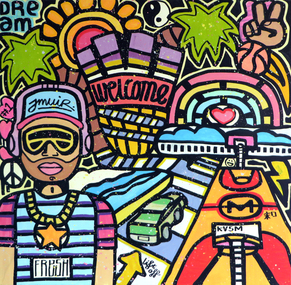
Artwork - Painting, [Welcome] by Josh Muir, 2014
... identity. When I look around, I see empires built on aboriginal land. I cannot physically change or shift this, though I can make the most of my culture in a contemporary setting and use my art projects to address current issues of reconciliation." In 2016 Josh Muir was awarded the second recipient of HMS Trust’s Hutchinson Indigenous...identity. When I look around, I see empires built on aboriginal land. I cannot physically change or shift this, though I can make the most of my culture in a contemporary setting and use my art projects to address current issues of reconciliation." In 2016 Josh Muir was awarded the second recipient of HMS Trust’s Hutchinson Indigenous ...Josh MUIR (1991- 2022) Yorta Yorta/Gunditjmara/Barkinjl Muir's art draws on hip-hop and street art culture and often depicts the history of indigenous people and European settlers. He spent a lot of time in his teens researching and enjoying public art, especially graffiti. Inspired by the commitment of graffers he was inspired by the concepts they illustrate. He started expressing his own ideas with pen and pad and once the basic concept down and it was tangible and could be converted that to canvas or walls. Muir experimented with spray and stencil work a lot in his teens and later branched out into acrylic paints, paint pens, and digital forms of Art. In 2016 Josh Muir's work 'Still Here', projected onto the front wall of the National Gallery of Victoria was critically acclaimed. At that time he stated: "‘I am a proud Yorta Yorta/ Gunditjmara man, born and living in Ballarat, Victoria. I hold my culture strong to my heart – it gives me a voice and a great sense of my identity. When I look around, I see empires built on aboriginal land. I cannot physically change or shift this, though I can make the most of my culture in a contemporary setting and use my art projects to address current issues of reconciliation." In 2016 Josh Muir was awarded the second recipient of HMS Trust’s Hutchinson Indigenous Fellowship at University of Melbourne, based at the Victorian College of the Arts (VCA). The Fellowship was created to enable Indigenous artists to undertake significant projects of their choice. Computer generated image on canvas.josh muir, aboriginal, artwork, artist, hutchinson indigenous fellowship -
![Painting - Artwork - Painting, [Boost It] by Josh Muir, c2014](/media/collectors/530576742162ef0fa09a2288/items/573d58712162f11db090922b/item-media/5b67ae0d21ea6e0344f91cc6/item-fit-380x285.jpg?cb=6) Federation University Art Collection
Federation University Art CollectionPainting - Artwork - Painting, [Boost It] by Josh Muir, c2014
... Indigenous Mentoring Experience Z In 2016 Josh Muir's work 'Still Here', projected onto the front wall of the National Gallery of Victoria was critically acclaimed. At that time he stated: "‘I am a proud Yorta Yorta/ Gunditjmara man, born and living in Ballarat, Victoria. I hold my culture strong to my heart – it gives me a voice and a great sense of my identity. When I look around, I see empires built on aboriginal land. I cannot physically change or shift this, though I can make the most of my culture in a contemporary...Indigenous Mentoring Experience Z In 2016 Josh Muir's work 'Still Here', projected onto the front wall of the National Gallery of Victoria was critically acclaimed. At that time he stated: "‘I am a proud Yorta Yorta/ Gunditjmara man, born and living in Ballarat, Victoria. I hold my culture strong to my heart – it gives me a voice and a great sense of my identity. When I look around, I see empires built on aboriginal land. I cannot physically change or shift this, though I can make the most of my culture in a contemporary ...Josh MUIR (14 August 1991- 05 February 2022 ) Yorta Yorta/Gunditjmara/Barkinjl Muir's art draws on hip-hop and street art culture and often depicts the history of indigenous people and European settlers. He spent a lot of time in his teens researching and enjoying public art, especially graffiti. Inspired by the commitment of graffers he was inspired by the concepts they illustrate. He started expressing his own ideas with pen and pad and once the basic concept down and it was tangible and could be converted that to canvas or walls. Muir experimented with spray and stencil work a lot in his teens and later branched out into acrylic paints, paint pens, and digital forms of Art. iN 2014 Josh Muir was THE Australian Indigenous Mentoring Experience'S (AIMe) Program Manager Assistant at Federation University Australia in Ballarat.Australian Indigenous Mentoring Experience Z In 2016 Josh Muir's work 'Still Here', projected onto the front wall of the National Gallery of Victoria was critically acclaimed. At that time he stated: "‘I am a proud Yorta Yorta/ Gunditjmara man, born and living in Ballarat, Victoria. I hold my culture strong to my heart – it gives me a voice and a great sense of my identity. When I look around, I see empires built on aboriginal land. I cannot physically change or shift this, though I can make the most of my culture in a contemporary setting and use my art projects to address current issues of reconciliation." In 2016 Josh Muir was awarded the second recipient of HMS Trust’s Hutchinson Indigenous Fellowship at University of Melbourne, based at the Victorian College of the Arts (VCA). The Fellowship was created to enable Indigenous artists to undertake significant projects of their choice.Signed lower right "jmuir"josh muir, artwork, artist, aboriginal, hutchinson indigenous fellowship -
![Artwork - Painting, [AMuir] by Josh Muir, 2014](/media/collectors/530576742162ef0fa09a2288/items/573d58e72162f11db090a2a8/item-media/5b67adc321ea6d034478bf31/item-fit-380x285.jpg?cb=6) Federation University Art Collection
Federation University Art CollectionArtwork - Painting, [AMuir] by Josh Muir, 2014
... identity. When I look around, I see empires built on aboriginal land. I cannot physically change or shift this, though I can make the most of my culture in a contemporary setting and use my art projects to address current issues of reconciliation." In 2016 Josh Muir was awarded the second recipient of HMS Trust’s Hutchinson Indigenous...identity. When I look around, I see empires built on aboriginal land. I cannot physically change or shift this, though I can make the most of my culture in a contemporary setting and use my art projects to address current issues of reconciliation." In 2016 Josh Muir was awarded the second recipient of HMS Trust’s Hutchinson Indigenous ...Josh MUIR (1991- ) Yorta Yorta/Gunditjmara Muir's art draws on hip-hop and street art culture and often depicts the history of indigenous people and European settlers. He spent a lot of time in his teens researching and enjoying public art, especially graffiti. Inspired by the commitment of graffers he was inspired by the concepts they illustrate. He started expressing his own ideas with pen and pad and once the basic concept down and it was tangible and could be converted that to canvas or walls. Muir experimented with spray and stencil work a lot in his teens and later branched out into acrylic paints, paint pens, and digital forms of Art. In 2016 Josh Muir's work 'Still Here', projected onto the front wall of the National Gallery of Victoria was critically acclaimed. At that time he stated: "‘I am a proud Yorta Yorta/ Gunditjmara man, born and living in Ballarat, Victoria. I hold my culture strong to my heart – it gives me a voice and a great sense of my identity. When I look around, I see empires built on aboriginal land. I cannot physically change or shift this, though I can make the most of my culture in a contemporary setting and use my art projects to address current issues of reconciliation." In 2016 Josh Muir was awarded the second recipient of HMS Trust’s Hutchinson Indigenous Fellowship at University of Melbourne, based at the Victorian College of the Arts (VCA). The Fellowship was created to enable Indigenous artists to undertake significant projects of their choice.josh muir, artist, artwork, aboriginal, hutchinson indigenous fellowship -
 Wyndham Art Gallery (Wyndham City Council)
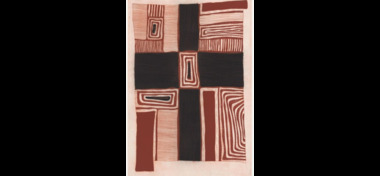
Work on paper, Lisa Waup, refinding tomorrow II, 2024
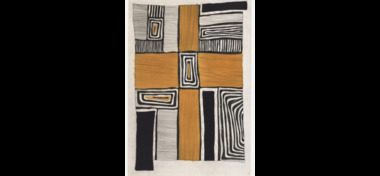
... Lisa Waup holds a Master of Contemporary Art from the University of Melbourne and her work is held in both public and private collections in Australia and internationally. Australian First Nations Art Indigenous Art Identity ...The cross design in refinding tomorrow represents a converging of pathways – pathways of connection that are coming together to ultimately form a whole. The crossroads is a powerful symbol of a moment in time, a positive reminder of the past and a chance to ponder the future. There is movement through time in these designs and a chance that something lost will be found again. I trust that I will always carry with me in my heart, body and spirit, the wisdom of knowledge from my ancestors.Lisa Waup is a mixed-cultural First Nations artist and curator who was born in Narrm (Melbourne). Her multidisciplinary practice encompasses a diverse range of media including weaving, printmaking, sculpture, fashion, and digital art. With a deep connection to the symbolic power of materials, Lisa’s work reflects her personal experiences, family history, Country, and broader historical narratives. Through her practice, Lisa weaves together threads of lost history, ancestral relationships, motherhood, and the passage of time – which culminates in contemporary expressions that speak to her past, present and future. Lisa Waup holds a Master of Contemporary Art from the University of Melbourne and her work is held in both public and private collections in Australia and internationally. australian first nations art, indigenous art, identity, cultural story, women in art -
 Wyndham Art Gallery (Wyndham City Council)
Work on paper, Lisa Waup, refinding tomorrow, 2024
... Lisa Waup holds a Master of Contemporary Art from the University of Melbourne and her work is held in both public and private collections in Australia and internationally. Australian First Nations Art Indigenous Art Identity ...The cross design in refinding tomorrow represents a converging of pathways – pathways of connection that are coming together to ultimately form a whole. The crossroads is a powerful symbol of a moment in time, a positive reminder of the past and a chance to ponder the future. There is movement through time in these designs and a chance that something lost will be found again. I trust that I will always carry with me in my heart, body and spirit, the wisdom of knowledge from my ancestors.Lisa Waup is a mixed-cultural First Nations artist and curator who was born in Narrm (Melbourne). Her multidisciplinary practice encompasses a diverse range of media including weaving, printmaking, sculpture, fashion, and digital art. With a deep connection to the symbolic power of materials, Lisa’s work reflects her personal experiences, family history, Country, and broader historical narratives. Through her practice, Lisa weaves together threads of lost history, ancestral relationships, motherhood, and the passage of time – which culminates in contemporary expressions that speak to her past, present and future. Lisa Waup holds a Master of Contemporary Art from the University of Melbourne and her work is held in both public and private collections in Australia and internationally. australian first nations art, indigenous art, identity, cultural story, women in art -
 Merri-bek City Council
Work on paper - Charcoal and pages from Aboriginal Words and Place Names, Jenna Lee, Without us, 2022
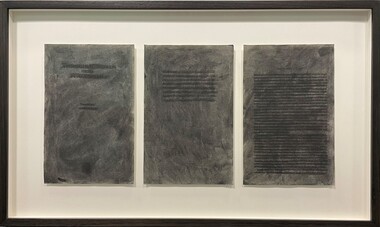
... Selection criteria • Shows a distinctive and verifiable connection with the City of Merri-bek, such as being a work of art by an artist who has contributed to the creative culture of Merri-bek • A work that enhances the status and diversity of the Merri-bek Art Collection • A work that engages with important social, cultural or environmental issues • An innovative artwork that reflects current trends within a broader context of contemporary Australian art • An artwork that builds upon and strengthens the First Nations art component of the Merri-bek Art Collection, as per Council’s Reconciliation Policy Statement of significance The two proposed works by Jenna Lee, Without Us (2022) and Billy Can Pair (2022), engage with themes of ancestral material culture, colonial histories, and the reclamation of Indigenous identity. ...Jenna Lee dissects and reconstructs colonial 'Indigenous dictionaries' and embeds the works with new cultural meaning. Long obsessed with the duality of the destructive and healing properties that fire can yield, this element has been applied to the paper in the forms of burning and mark-making. In Without Us, Lee uses charcoal to conceal the text on the page, viewing this process as a ritualistic act of reclaiming and honouring Indigenous heritage while challenging the oppressive legacies of colonialism. Lee explains in Art Guide (2022), ‘These books in particular [used to create the proposed works] are Aboriginal language dictionaries—but there’s no such thing as “Aboriginal language”. There are hundreds of languages. The dictionary just presents words, with no reference to where they came from. It was specifically published by collating compendiums from the 1920s, 30s and 40s, with the purpose to give [non-Indigenous] people pleasant sounding Aboriginal words to name children, houses and boats. And yet the first things that were taken from us was our language, children, land and water. And the reason our words were so widely written down was because [white Australians] were trying to eradicate us. They thought we were going extinct. The deeper you get into it, the darker it gets. But the purpose of my work is to take those horrible things and cast them as something beautiful.’Framed artwork -
 City of Stonnington
Maree Clarke, Ceremony, 2013
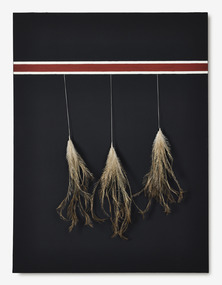
... contemporary art collection...First Peoples...First Nations...Indigenous...Aboriginal Torres Strait Islander...Cultural identity...Stonnington contemporary art collection First Peoples First Nations Indigenous Aboriginal Torres Strait Islander Cultural identity Cultural heritage post colonialism Maree Clarke Mixed Media Ceremony Maree Clarke ...Maree Clarke is a multi-disciplinary artist from Mildura in northwest Victoria, living and working in Melbourne. Her continuing desire to affirm and reconnect with her cultural heritage makes her a pivotal figure in the reclamation of southeast Australian Aboriginal art practices, reviving elements of Aboriginal culture that were lost over the period of colonisation. In addition to modern genres including sculpture, multimedia and photography, Clarke’s expansive practice also encompasses contemporary forms of traditional practices such as possum skin cloaks, kangaroo teeth necklaces, and string headbands adorned with kangaroo teeth and echidna quills.stonnington contemporary art collection, first peoples, first nations, indigenous, aboriginal torres strait islander, cultural identity, cultural heritage, post colonialism, maree clarke, mixed media -
 City of Stonnington
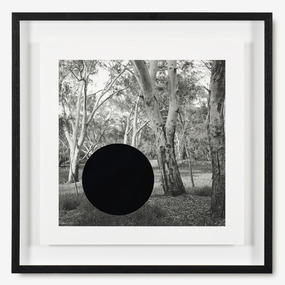
James Tylor, (erased scenes) From an untouched landscape #4, 2014
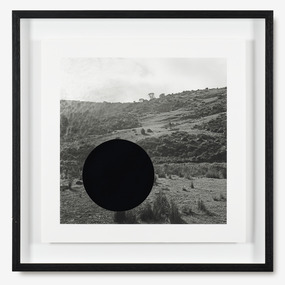
... contemporary art collection...Landscape...Cultural identity...First Peoples...post colonialism...First Nations...Indigenous...Stonnington contemporary art collection Landscape Cultural identity First Peoples post colonialism First Nations Indigenous Aboriginal Torres Strait Islander James Tylor Mixed Media Photography Digital print on Hahnemühle paper (erased scenes) From an untouched landscape #4 James Tylor ...James Tylor’s practice examines racial and cultural identity in Australian contemporary society and social history. He explores Australian cultural representation through his multi-racial heritage comprising Aboriginal, English, and Maori Australian ancestry. This interest is informed using these media in that era to document Indigenous Australian and Maori culture. Tylor reminds us of what has been removed from the view of the Australian landscape, and reflects on the limitations of the romantic landscape tradition itself - the tensions between Australian and Indigenous histories.Digital print on Hahnemühle paperstonnington contemporary art collection, landscape, cultural identity, first peoples, post colonialism, first nations, indigenous, aboriginal torres strait islander, james tylor, mixed media, photography -
 City of Stonnington
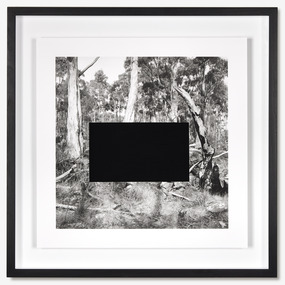
James Tylor, (erased scenes) From an untouched landscape #5, 2014
... contemporary art collection...Landscape...Cultural identity...First Peoples...post colonialism...First Nations...Indigenous...Stonnington contemporary art collection Landscape Cultural identity First Peoples post colonialism First Nations Indigenous Aboriginal Torres Strait Islander James Tylor Mixed Media Photography Digital print on Hahnemühle paper (erased scenes) From an untouched landscape #5 James Tylor ...James Tylor’s practice examines racial and cultural identity in Australian contemporary society and social history. He explores Australian cultural representation through his multi-racial heritage comprising Aboriginal, English, and Maori Australian ancestry. This interest is informed using these media in that era to document Indigenous Australian and Maori culture. Tylor reminds us of what has been removed from the view of the Australian landscape, and reflects on the limitations of the romantic landscape tradition itself - the tensions between Australian and Indigenous histories.Digital print on Hahnemühle paperstonnington contemporary art collection, landscape, cultural identity, first peoples, post colonialism, first nations, indigenous, aboriginal torres strait islander, james tylor, mixed media, photography -
 City of Stonnington
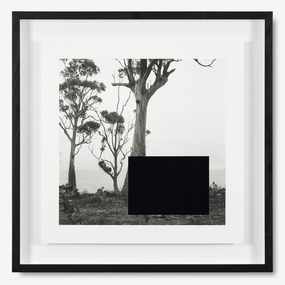
James Tylor, (erased scenes) From an untouched landscape #9, 2014
... contemporary art collection...Landscape...Cultural identity...post colonialism...First Peoples...First Nations...Indigenous...Stonnington contemporary art collection Landscape Cultural identity post colonialism First Peoples First Nations Indigenous Aboriginal Torres Strait Islander Mixed Media Photography James Tylor Digital print on Hahnemühle paper (erased scenes) From an untouched landscape #9 James Tylor ...James Tylor’s practice examines racial and cultural identity in Australian contemporary society and social history. He explores Australian cultural representation through his multi-racial heritage comprising Aboriginal, English, and Maori Australian ancestry. This interest is informed using these media in that era to document Indigenous Australian and Maori culture. Tylor reminds us of what has been removed from the view of the Australian landscape, and reflects on the limitations of the romantic landscape tradition itself - the tensions between Australian and Indigenous histories.Digital print on Hahnemühle paperstonnington contemporary art collection, landscape, cultural identity, post colonialism, first peoples, first nations, indigenous, aboriginal torres strait islander, mixed media, photography, james tylor -
 City of Stonnington
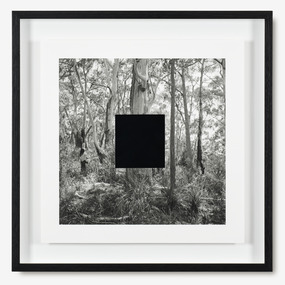
James Tylor, (erased scenes) From an untouched landscape #10, 2014
... contemporary art collection...Landscape...Cultural identity...First Peoples...post colonialism...First Nations...Indigenous...Stonnington contemporary art collection Landscape Cultural identity First Peoples post colonialism First Nations Indigenous Aboriginal Torres Strait Islander Mixed Media Photography James Tylor Digital print on Hahnemühle paper (erased scenes) From an untouched landscape #10 James Tylor ...James Tylor’s practice examines racial and cultural identity in Australian contemporary society and social history. He explores Australian cultural representation through his multi-racial heritage comprising Aboriginal, English, and Maori Australian ancestry. This interest is informed using these media in that era to document Indigenous Australian and Maori culture. Tylor reminds us of what has been removed from the view of the Australian landscape, and reflects on the limitations of the romantic landscape tradition itself - the tensions between Australian and Indigenous histories. Digital print on Hahnemühle paperstonnington contemporary art collection, landscape, cultural identity, first peoples, post colonialism, first nations, indigenous, aboriginal torres strait islander, mixed media, photography, james tylor -
 City of Stonnington
James Tylor, (erased scenes) From an untouched landscape #12, 2014
... contemporary art collection...Landscape...Cultural identity...First Peoples...post colonialism...First Nations...Indigenous...Stonnington contemporary art collection Landscape Cultural identity First Peoples post colonialism First Nations Indigenous Aboriginal Torres Strait Islander Mixed Media Photography James Tylor Digital print on Hahnemühle paper (erased scenes) From an untouched landscape #12 James Tylor ...James Tylor’s practice examines racial and cultural identity in Australian contemporary society and social history. He explores Australian cultural representation through his multi-racial heritage comprising Aboriginal, English, and Maori Australian ancestry. This interest is informed using these media in that era to document Indigenous Australian and Maori culture. Tylor reminds us of what has been removed from the view of the Australian landscape, and reflects on the limitations of the romantic landscape tradition itself - the tensions between Australian and Indigenous histories.Digital print on Hahnemühle paperstonnington contemporary art collection, landscape, cultural identity, first peoples, post colonialism, first nations, indigenous, aboriginal torres strait islander, mixed media, photography, james tylor -
 City of Stonnington
James Tylor, (erased scenes) From an untouched landscape #13, 2014
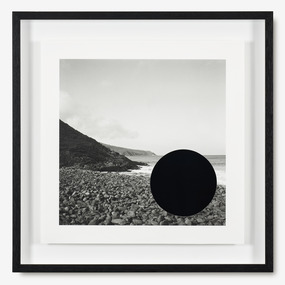
... contemporary art collection...Landscape...Cultural identity...First Peoples...post colonialism...First Nations...Indigenous...Stonnington contemporary art collection Landscape Cultural identity First Peoples post colonialism First Nations Indigenous Aboriginal Torres Strait Islander Mixed Media Photography James Tylor Digital print on Hahnemühle paper (erased scenes) From an untouched landscape #13 James Tylor ...James Tylor’s practice examines racial and cultural identity in Australian contemporary society and social history. He explores Australian cultural representation through his multi-racial heritage comprising Aboriginal, English, and Maori Australian ancestry. This interest is informed using these media in that era to document Indigenous Australian and Maori culture. Tylor reminds us of what has been removed from the view of the Australian landscape, and reflects on the limitations of the romantic landscape tradition itself - the tensions between Australian and Indigenous histories. Digital print on Hahnemühle paperstonnington contemporary art collection, landscape, cultural identity, first peoples, post colonialism, first nations, indigenous, aboriginal torres strait islander, mixed media, photography, james tylor -
 City of Stonnington
James Tylor, (erased scenes) From an untouched landscape #14, 2014
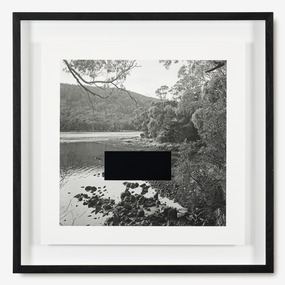
... contemporary art collection...Landscape...Cultural identity...First Peoples...post colonialism...First Nations...Indigenous...Stonnington contemporary art collection Landscape Cultural identity First Peoples post colonialism First Nations Indigenous Aboriginal Torres Strait Islander Mixed Media Photography James Tylor Digital print on Hahnemühle paper (erased scenes) From an untouched landscape #14 James Tylor ...James Tylor’s practice examines racial and cultural identity in Australian contemporary society and social history. He explores Australian cultural representation through his multi-racial heritage comprising Aboriginal, English, and Maori Australian ancestry. This interest is informed using these media in that era to document Indigenous Australian and Maori culture. Tylor reminds us of what has been removed from the view of the Australian landscape, and reflects on the limitations of the romantic landscape tradition itself - the tensions between Australian and Indigenous histories.Digital print on Hahnemühle paperstonnington contemporary art collection, landscape, cultural identity, first peoples, post colonialism, first nations, indigenous, aboriginal torres strait islander, mixed media, photography, james tylor -
 City of Stonnington
Nyapanyapa Yunupingu, Djorra (paper) 16, 2014
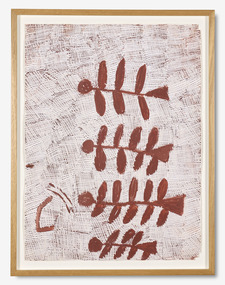
... contemporary art collection...First Peoples...First Nations...Indigenous...Aboriginal Torres Strait Islander...Work on paper...Nyapanyapa Yunupingu...Djorra...Sisters...Laranni...Cultural identity...Stonnington contemporary art collection First Peoples First Nations Indigenous Aboriginal Torres Strait Islander Work on paper Nyapanyapa Yunupingu Djorra Sisters Laranni Cultural identity Djorra (paper) 16 Nyapanyapa Yunupingu ...Nyapanyapa Yunupingu is a senior Yolngu artist based in Yirrkala in North East Arnhem Land. Yunupingu’s paintings and drawings are highly idiosyncratic because she often depicts personal observations, or merely ‘things she likes’. This is distinctive from many of those of her Yolngu peers who adhere to a stricter approach to the telling of ancestral stories such as dreaming narratives expressed through clan designs. This marks Yunupingu as one of the most striking and experimental visual artists in the region. This series of Djorra works come from a 2015 exhibition titled Lawarra Maypa, a Macassan term for ‘pages and pages’. They are exemplary of Yunupingu’s experimental approach, and of the prolific nature of her practice. The works are executed in materials found lying around the print workshop of Buku-Larrnggay Mulka Centre where Yunupingu works, and include paper from a photoshoot, print paper, permanent markers, white pipe clay (a naturally occurring ochre in North East Arnhem Land), and gadayka (stringy bark) hollowed out by termites to form a larrakitj or ceremonial pole. The key motifs of Lawarra Maypa are Yunupingu and her sisters (the figures depicted in dresses) and laranni (bush apple trees). These are combined with mayilimiriw, linear and circular patterns and other non-sacred marks that are used to cover up sacred stories from uninitiated viewers.stonnington contemporary art collection, first peoples, first nations, indigenous, aboriginal torres strait islander, work on paper, nyapanyapa yunupingu, djorra, sisters, laranni, cultural identity -
 City of Stonnington
Nyapanyapa Yunupingu, Djorra (paper) 19, 2014
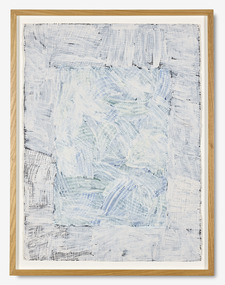
... contemporary art collection...First Peoples...First Nations...Indigenous...Aboriginal Torres Strait Islander...Work on paper...Nyapanyapa Yunupingu...Djorra...Sisters...Laranni...Cultural identity...Stonnington contemporary art collection First Peoples First Nations Indigenous Aboriginal Torres Strait Islander Work on paper Nyapanyapa Yunupingu Djorra Sisters Laranni Cultural identity Djorra (paper) 19 Nyapanyapa Yunupingu ...Nyapanyapa Yunupingu is a senior Yolngu artist based in Yirrkala in North East Arnhem Land. Yunupingu’s paintings and drawings are highly idiosyncratic because she often depicts personal observations, or merely ‘things she likes’. This is distinctive from many of those of her Yolngu peers who adhere to a stricter approach to the telling of ancestral stories such as dreaming narratives expressed through clan designs. This marks Yunupingu as one of the most striking and experimental visual artists in the region. This series of Djorra works come from a 2015 exhibition titled Lawarra Maypa, a Macassan term for ‘pages and pages’. They are exemplary of Yunupingu’s experimental approach, and of the prolific nature of her practice. The works are executed in materials found lying around the print workshop of Buku-Larrnggay Mulka Centre where Yunupingu works, and include paper from a photoshoot, print paper, permanent markers, white pipe clay (a naturally occurring ochre in North East Arnhem Land), and gadayka (stringy bark) hollowed out by termites to form a larrakitj or ceremonial pole. The key motifs of Lawarra Maypa are Yunupingu and her sisters (the figures depicted in dresses) and laranni (bush apple trees). These are combined with mayilimiriw, linear and circular patterns and other non-sacred marks that are used to cover up sacred stories from uninitiated viewers.stonnington contemporary art collection, first peoples, first nations, indigenous, aboriginal torres strait islander, work on paper, nyapanyapa yunupingu, djorra, sisters, laranni, cultural identity -
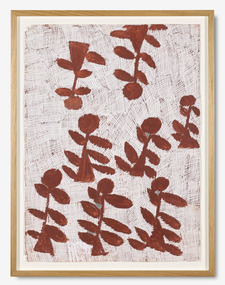 City of Stonnington
Nyapanyapa Yunupingu, Djorra (paper) 20, 2014
... contemporary art collection...First Peoples...First Nations...Indigenous...Aboriginal Torres Strait Islander...Work on paper...Nyapanyapa Yunupingu...Djorra...Sisters...Laranni...Cultural identity...Stonnington contemporary art collection First Peoples First Nations Indigenous Aboriginal Torres Strait Islander Work on paper Nyapanyapa Yunupingu Djorra Sisters Laranni Cultural identity Djorra (paper) 20 Nyapanyapa Yunupingu ...Nyapanyapa Yunupingu is a senior Yolngu artist based in Yirrkala in North East Arnhem Land. Yunupingu’s paintings and drawings are highly idiosyncratic because she often depicts personal observations, or merely ‘things she likes’. This is distinctive from many of those of her Yolngu peers who adhere to a stricter approach to the telling of ancestral stories such as dreaming narratives expressed through clan designs. This marks Yunupingu as one of the most striking and experimental visual artists in the region. This series of Djorra works come from a 2015 exhibition titled Lawarra Maypa, a Macassan term for ‘pages and pages’. They are exemplary of Yunupingu’s experimental approach, and of the prolific nature of her practice. The works are executed in materials found lying around the print workshop of Buku-Larrnggay Mulka Centre where Yunupingu works, and include paper from a photoshoot, print paper, permanent markers, white pipe clay (a naturally occurring ochre in North East Arnhem Land), and gadayka (stringy bark) hollowed out by termites to form a larrakitj or ceremonial pole. The key motifs of Lawarra Maypa are Yunupingu and her sisters (the figures depicted in dresses) and laranni (bush apple trees). These are combined with mayilimiriw, linear and circular patterns and other non-sacred marks that are used to cover up sacred stories from uninitiated viewers.stonnington contemporary art collection, first peoples, first nations, indigenous, aboriginal torres strait islander, work on paper, nyapanyapa yunupingu, djorra, sisters, laranni, cultural identity -
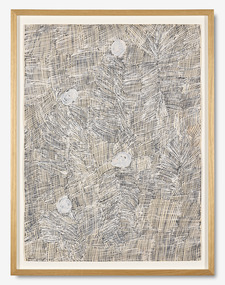 City of Stonnington
Nyapanyapa Yunupingu, Djorra (paper) 26, 2014
... contemporary art collection...First Peoples...First Nations...Indigenous...Aboriginal Torres Strait Islander...Work on paper...Nyapanyapa Yunupingu...Djorra...Sisters...Laranni...Cultural identity...Stonnington contemporary art collection First Peoples First Nations Indigenous Aboriginal Torres Strait Islander Work on paper Nyapanyapa Yunupingu Djorra Sisters Laranni Cultural identity Djorra (paper) 26 Nyapanyapa Yunupingu ...Nyapanyapa Yunupingu is a senior Yolngu artist based in Yirrkala in North East Arnhem Land. Yunupingu’s paintings and drawings are highly idiosyncratic because she often depicts personal observations, or merely ‘things she likes’. This is distinctive from many of those of her Yolngu peers who adhere to a stricter approach to the telling of ancestral stories such as dreaming narratives expressed through clan designs. This marks Yunupingu as one of the most striking and experimental visual artists in the region. This series of Djorra works come from a 2015 exhibition titled Lawarra Maypa, a Macassan term for ‘pages and pages’. They are exemplary of Yunupingu’s experimental approach, and of the prolific nature of her practice. The works are executed in materials found lying around the print workshop of Buku-Larrnggay Mulka Centre where Yunupingu works, and include paper from a photoshoot, print paper, permanent markers, white pipe clay (a naturally occurring ochre in North East Arnhem Land), and gadayka (stringy bark) hollowed out by termites to form a larrakitj or ceremonial pole. The key motifs of Lawarra Maypa are Yunupingu and her sisters (the figures depicted in dresses) and laranni (bush apple trees). These are combined with mayilimiriw, linear and circular patterns and other non-sacred marks that are used to cover up sacred stories from uninitiated viewers.stonnington contemporary art collection, first peoples, first nations, indigenous, aboriginal torres strait islander, work on paper, nyapanyapa yunupingu, djorra, sisters, laranni, cultural identity -
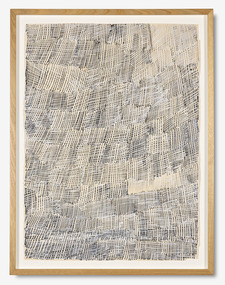 City of Stonnington
Nyapanyapa Yunupingu, Djorra (paper) 27, 2014
... contemporary art collection...First Peoples...First Nations...Indigenous...Aboriginal Torres Strait Islander...Work on paper...Nyapanyapa Yunupingu...Djorra...Sisters...Laranni...Cultural identity...Stonnington contemporary art collection First Peoples First Nations Indigenous Aboriginal Torres Strait Islander Work on paper Nyapanyapa Yunupingu Djorra Sisters Laranni Cultural identity Djorra (paper) 27 Nyapanyapa Yunupingu ...Nyapanyapa Yunupingu is a senior Yolngu artist based in Yirrkala in North East Arnhem Land. Yunupingu’s paintings and drawings are highly idiosyncratic because she often depicts personal observations, or merely ‘things she likes’. This is distinctive from many of those of her Yolngu peers who adhere to a stricter approach to the telling of ancestral stories such as dreaming narratives expressed through clan designs. This marks Yunupingu as one of the most striking and experimental visual artists in the region. This series of Djorra works come from a 2015 exhibition titled Lawarra Maypa, a Macassan term for ‘pages and pages’. They are exemplary of Yunupingu’s experimental approach, and of the prolific nature of her practice. The works are executed in materials found lying around the print workshop of Buku-Larrnggay Mulka Centre where Yunupingu works, and include paper from a photoshoot, print paper, permanent markers, white pipe clay (a naturally occurring ochre in North East Arnhem Land), and gadayka (stringy bark) hollowed out by termites to form a larrakitj or ceremonial pole. The key motifs of Lawarra Maypa are Yunupingu and her sisters (the figures depicted in dresses) and laranni (bush apple trees). These are combined with mayilimiriw, linear and circular patterns and other non-sacred marks that are used to cover up sacred stories from uninitiated viewers.stonnington contemporary art collection, first peoples, first nations, indigenous, aboriginal torres strait islander, work on paper, nyapanyapa yunupingu, djorra, sisters, laranni, cultural identity -
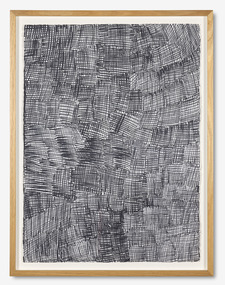 City of Stonnington
Nyapanyapa Yunupingu, Djorra (paper) 29, 2014
... contemporary art collection...First Peoples...First Nations...Indigenous...Aboriginal Torres Strait Islander...Work on paper...Nyapanyapa Yunupingu...Djorra...Sisters...Laranni...Cultural identity...Stonnington contemporary art collection First Peoples First Nations Indigenous Aboriginal Torres Strait Islander Work on paper Nyapanyapa Yunupingu Djorra Sisters Laranni Cultural identity Djorra (paper) 29 Nyapanyapa Yunupingu ...Nyapanyapa Yunupingu is a senior Yolngu artist based in Yirrkala in North East Arnhem Land. Yunupingu’s paintings and drawings are highly idiosyncratic because she often depicts personal observations, or merely ‘things she likes’. This is distinctive from many of those of her Yolngu peers who adhere to a stricter approach to the telling of ancestral stories such as dreaming narratives expressed through clan designs. This marks Yunupingu as one of the most striking and experimental visual artists in the region. This series of Djorra works come from a 2015 exhibition titled Lawarra Maypa, a Macassan term for ‘pages and pages’. They are exemplary of Yunupingu’s experimental approach, and of the prolific nature of her practice. The works are executed in materials found lying around the print workshop of Buku-Larrnggay Mulka Centre where Yunupingu works, and include paper from a photoshoot, print paper, permanent markers, white pipe clay (a naturally occurring ochre in North East Arnhem Land), and gadayka (stringy bark) hollowed out by termites to form a larrakitj or ceremonial pole. The key motifs of Lawarra Maypa are Yunupingu and her sisters (the figures depicted in dresses) and laranni (bush apple trees). These are combined with mayilimiriw, linear and circular patterns and other non-sacred marks that are used to cover up sacred stories from uninitiated viewers.stonnington contemporary art collection, first peoples, first nations, indigenous, aboriginal torres strait islander, work on paper, nyapanyapa yunupingu, djorra, sisters, laranni, cultural identity -
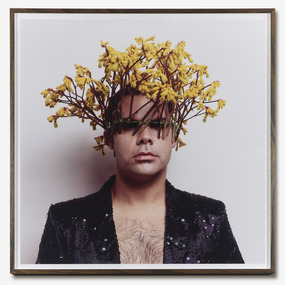 City of Stonnington
Christian Thompson AO, Untitled (Yellow Kangaroo Paw), 2007
... contemporary art collection...First Peoples...First Nations...Indigenous...Aboriginal Torres Strait Islander...Cultural identity...Stonnington contemporary art collection First Peoples First Nations Indigenous Aboriginal Torres Strait Islander Cultural identity Photography Memory History Kinship Christian Thompson Untitled (Yellow Kangaroo Paw) Christian Thompson AO ...Christian Thompson’s work reflects on issues of identity, cultural hybridity, kinship, memory and history. In 2010 he became the Inaugural Charlie Perkins Scholar and the first Aboriginal Australian artist to be admitted to Oxford University where he completed a Doctorate of Philosophy (Fine Art) at Trinity College. Thompson uses humour and playful subterfuge to subvert and critique throughout his multidisciplinary practice including sculpture, photography, video, performance and sound. These arresting and carefully orchestrated images are of the artist dressed in stylised clothing and handmade headdresses of Australian flora. While resonating with poetic and timeless beauty, the series Australian Graffiti contrasts Australia’s fascination with native flora with ideologies that correlate Aboriginal people with flora and fauna, not humanity.stonnington contemporary art collection, first peoples, first nations, indigenous, aboriginal torres strait islander, cultural identity, photography, memory, history, kinship, christian thompson -
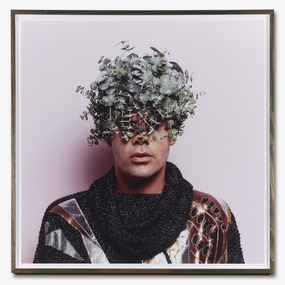 City of Stonnington
Christian Thompson AO, Untitled (Bluegum), 2007
... contemporary art collection...First Peoples...First Nations...Indigenous...Aboriginal Torres Strait Islander...Cultural identity...Stonnington contemporary art collection First Peoples First Nations Indigenous Aboriginal Torres Strait Islander Cultural identity Photography Memory History Kinship Christian Thompson Untitled (Bluegum) Christian Thompson AO ...stonnington contemporary art collection, first peoples, first nations, indigenous, aboriginal torres strait islander, cultural identity, photography, memory, history, kinship, christian thompson -
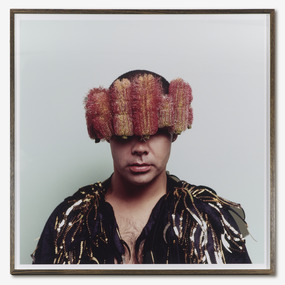 City of Stonnington
Christian Thompson AO, Untitled (Banksia), 2007
... contemporary art collection...First Peoples...First Nations...Indigenous...Aboriginal Torres Strait Islander...Cultural identity...Stonnington contemporary art collection First Peoples First Nations Indigenous Aboriginal Torres Strait Islander Cultural identity Photography Memory History Kinship Christian Thompson Untitled (Banksia) Christian Thompson AO ...Christian Thompson’s work reflects on issues of identity, cultural hybridity, kinship, memory and history. In 2010 he became the Inaugural Charlie Perkins Scholar and the first Aboriginal Australian artist to be admitted to Oxford University where he completed a Doctorate of Philosophy (Fine Art) at Trinity College. Thompson uses humour and playful subterfuge to subvert and critique throughout his multidisciplinary practice including sculpture, photography, video, performance and sound. These arresting and carefully orchestrated images are of the artist dressed in stylised clothing and handmade headdresses of Australian flora. While resonating with poetic and timeless beauty, the series Australian Graffiti contrasts Australia’s fascination with native flora with ideologies that correlate Aboriginal people with flora and fauna, not humanity. stonnington contemporary art collection, first peoples, first nations, indigenous, aboriginal torres strait islander, cultural identity, photography, memory, history, kinship, christian thompson
