
Showing 363 items matching "cultural event"
-
 Broadmeadows Historical Society & Museum
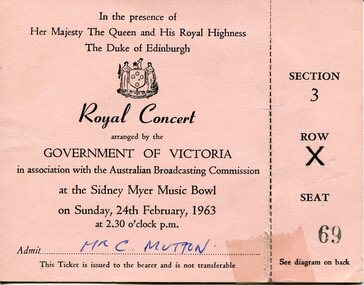
Ephemera - Ticket, Government of Victoria, Royal Concert Ticket, 1963, 1962/63
... ...cultural event...Royal Visit Royal Concert 1963 Sidney Myer Music Bowl Victoria Government Australian Broadcasting Commission Queen Elizabeth II Duke of Edinburgh Melbourne souvenir admission ticket civic ceremony crowd management seated allocation cultural event Recto (front): “In the presence/of Her Majesty The Queen and His Royal Highness/The Duke of Edinburgh”/“Royal Concert”/“arranged by/the Government of Victoria”/“in association with the Australian Broadcasting Commission”/“at the Sidney Myer Music Bowl”/“on Sunday, 24th February, 1963”/“at 2.30 o’clock p.m.” ...The ticket documents a Royal Concert held during the 1963 visit of the British monarch and consort to Australia, organised by the Government of Victoria with the Australian Broadcasting Commission, reflecting its civic and national significance. Hosted at Melbourne’s Sidney Myer Music Bowl, the event required large-scale crowd management, evidenced by the printed access map on the ticket. The named bearer and fixed, non-transferable seating indicate controlled attendance and heightened security appropriate to a royal event.This item has local historic significance for Broadmeadows and Campbellfield, providing primary evidence of major industrial development and civic engagement in Victoria during the 1960s.This item is of historic and social significance as tangible evidence of civic life, monarchy-related public events, and state-organised cultural programming in Victoria during the early 1960s. It documents public engagement with royal visits and the ceremonial relationship between Australia and the British Crown in the mid 20th century.Single sheet of pale pink paper, printed in black ink, folded vertically. The recto contains formal event text and seat information. The verso contains a printed location map and directional diagram.Recto (front): “In the presence/of Her Majesty The Queen and His Royal Highness/The Duke of Edinburgh”/“Royal Concert”/“arranged by/the Government of Victoria”/“in association with the Australian Broadcasting Commission”/“at the Sidney Myer Music Bowl”/“on Sunday, 24th February, 1963”/“at 2.30 o’clock p.m.”/“Admit… Mr C. Mutton” / “This Ticket is issued to the bearer and is not transferable”/“SECTION 3”/“ROW X”/“SEAT 69” Verso (back): “From Linlithgow Ave”/“King George V Memorial”/“Swan St Bridge”/“Alexandra Ave”/“To Sections 2 & 3”/ Hand-applied label: “WI-4242” royal visit, royal concert, 1963, sidney myer music bowl, victoria government, australian broadcasting commission, queen elizabeth ii, duke of edinburgh, melbourne, souvenir, admission ticket, civic ceremony, crowd management, seated allocation, cultural event -
 Bendigo Historical Society Inc.
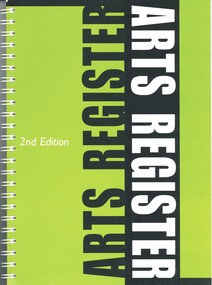
Book - ARTS REGISTER 2ND EDITION, 2001
... City of Greater Bendigo, Cultural Development & Events...BOOK Bendigo arts City of Greater Bendigo, Cultural Development & Events Arts Register 2nd Edition. 148 pages. ...Arts Register 2nd Edition. 148 pages. Spring bound. City of Greater Bendigo.City of Greater Bendigo, Cultural Development & Eventsbook, bendigo, arts -
 Bendigo Historical Society Inc.
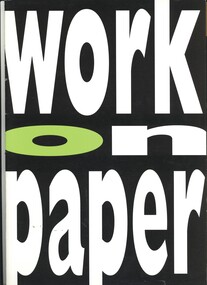
Book - WORK ON PAPER, 2000
... Photographs, Illustrations and descriptions. Cultural Development and events....Photographs, Illustrations and descriptions. Cultural Development and events. Book WORK ON PAPER ...Photographs, Illustrations and descriptions. Cultural Development and events.City of Greater Bendigo.bendigo, council, future direction & strategies. -
 Bendigo Historical Society Inc.
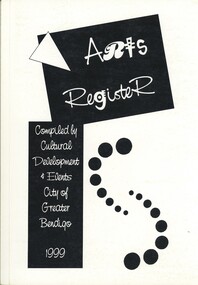
Book - ARTS REGISTER, 1999
... Cultural Development and Events, City of Greater Bendigo....ART list of contacts. Cultural Development and Events, City of Greater Bendigo. ...Arts Register. Register of 289 events and development services in and available to citizens the City of Greater Bendigo. 1999. 96 pagesCultural Development and Events, City of Greater Bendigo.art, list of contacts. -
 Robin Boyd Foundation
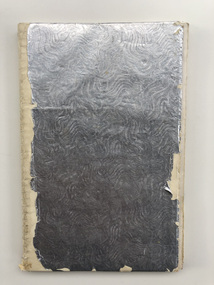
Booklet - Desk Diary, Patricia Boyd, 1976
... Contains appointments, cultural events, dinner menus, phone numbers, addresses for 1976....Contains appointments, cultural events, dinner menus, phone numbers, addresses for 1976. ...Contains appointments, cultural events, dinner menus, phone numbers, addresses for 1976.Spiral bound Desk Diary 1976, covered in silver paper. -
 Mission to Seafarers Victoria
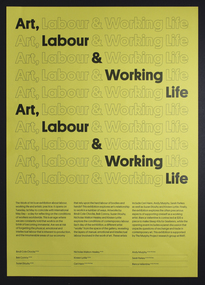
Poster, Art, Labour and Working Life, 2018
... event...cultural events...A record of the ongoing involvement of the MTSV in art, and working with the art community by providing a suitable venue and display space. rmit 2018 events labour working life artistic practice hiring event cultural events multimedia nicholas walton-healey A3 size yellow paper promotional poster, double-sided. ...A poster printed by the RMIT in 2018, to promote an exhibition of works at the MTSV about the interelationships between labour, working life and artistic practice. BACKGROUND The Work of Art was an exhibition about labour, working life and artistic practice. The exhibition explored three aspects of art's relationship to work: (1) artworks about contemporary labour, (2) the labour of art-making itself and (3) the often precarious aspects of life as a working artist. Throughout the exhibition, different artists "worked" from the space of the gallery, revealing the layers of manual, emotional and intellectual labour involved in the work of art. CONTRIBUTION I was invited to develop the exhibition by the "Murphy Group", a group of researchers at RMIT. As the lead co-curator for the exhibition, I researched the history of artistic responses to working conditions. Through this process I identified a gap - while many artists have explored the conditions of labour and working life in their artworks, fewer have drawn attention to the working conditions of artists themselves. This became a key theme in the exhibition. The exhibition presented the work of nine contemporary Australian artists, including high profile and mid-career artists like Bindi Cole and Bek Conroy, alongside the work of emerging artists. In addition to the display of artworks throughout the space, five artists worked performatively, bringing to life the processes and manual labour involved in artmaking. A public forum extended the complex discussion on the relationship between art, work and labour. SIGNIFICANCE The works were presented in the context of a public space that has a strong relationship to contemporary labour - the Mission to Seafarers in Docklands. The Mission to Seafarers is a working mission that provides support to ship-workers. Presenting the works in this space created a real connection between the artworks and the lived experience of precarious labour. The exhibition reached a large audience including over 1000+ visitors in 10 days. It fostered a high engagement on social media and attracted media coverage including a feature in ArtsHub.A record of the ongoing involvement of the MTSV in art, and working with the art community by providing a suitable venue and display space.A3 size yellow paper promotional poster, double-sided. Three-quarters of the front of the poster is covered with the repeated line "Art, Labour & Working Life" in large font, to form ten rows. These rows are in outline form except for picked out words which are in entirely black characters and these cascade down, a row at a time, a word at a time, to form the same line ("Art, Labour & Working Life"). rmit, 2018, events, labour, working life, artistic practice, hiring event, cultural events, multimedia, nicholas walton-healey -
 Queen Victoria Women's Centre
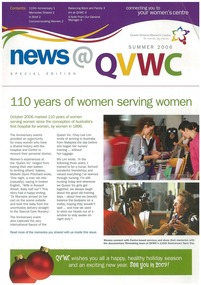
Newsletter, news @ QVWC Special edition: 110 years of women serving women, December 2006
... event...Cultural structures and establishments...Celebrating 110 years of women serving women since the opening of the first women's hospital. newsletter historical site official event Cultural structures and establishments Folded A3 printer paper to make 4 pages of A4 content. ...Celebrating 110 years of women serving women since the opening of the first women's hospital. Folded A3 printer paper to make 4 pages of A4 content. Purple, red, green and gold accents. Mostly black text. Coloured photos throughout.newsletter, historical site, official event, cultural structures and establishments -
 Bendigo Historical Society Inc.
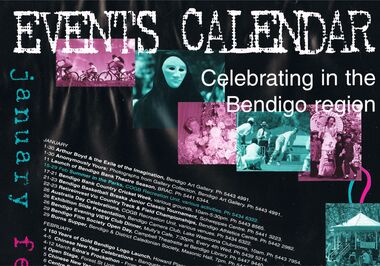
Document - MERLE HALL COLLECTION: ISSUE OF EVENTS CALENDAR COGB CULTURAL DEVELOPMENT & EVENTS 2000
... Issue of Events Calendar CoGB Cultural Development & Events 2000 - complete itemization of events for the months of Jan - June 2000 with brief details of each projected performance. ...Document MERLE HALL COLLECTION: ISSUE OF EVENTS CALENDAR COGB CULTURAL DEVELOPMENT & EVENTS 2000 ...Issue of Events Calendar CoGB Cultural Development & Events 2000 - complete itemization of events for the months of Jan - June 2000 with brief details of each projected performance. ''Glossy'' advertising fold-out.merle hall, bendigo region, arts -
 Slovenian Association Melbourne
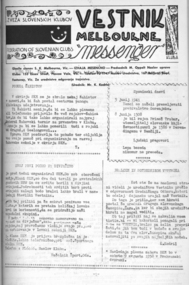
Slovenski Vestnik - Messenger 1958, Article introducing the Chess and Hunters sections in Slovenian Club Melbourne in 1958, 1958
... Vestnik - Messenger was established in 1955 and it brought news and cultural events to the members of Slovenian Club Melbourne and other subscribers. ...Vestnik - Messenger was established in 1955 and it brought news and cultural events to the members of Slovenian Club Melbourne and other subscribers. ...Vestnik - Messenger was established in 1955 and it brought news and cultural events to the members of Slovenian Club Melbourne and other subscribers. There were various editors, among them the longest term was by Marjan Persič. The issue in this file was edited by K. Kodrič.Vestnik is full of current and historical news, advertisements, notices and articles.Front page of the Vestnik - MessengerThe page introduces the establishment of the Chess and Hunters groups at the Slovenian Club Melbournevestnik, messenger, slovenian newspaper, slovenian club melbourne -
 Ithacan Historical Society
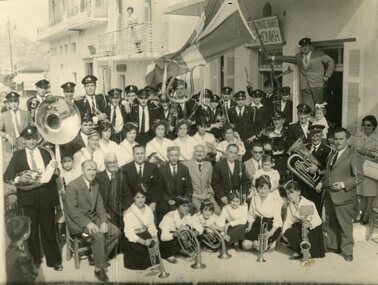
Photograph, Ithaca's Philharmonic Orchestra, C1951
... During the summer months locals and tourists enjoy a variety of musical and cultural events....During the summer months locals and tourists enjoy a variety of musical and cultural events. Founded in 1904, the Ithaki Philharmonic Orchestra is the oldest musical group on the island. ...The local 'philharmonic orchestra/band' playing at a civic/national day function in the 1950s in Vathi, Ithaca. Music plays an important role in many aspects of life, both civic and social, on the island. During the summer months locals and tourists enjoy a variety of musical and cultural events.Founded in 1904, the Ithaki Philharmonic Orchestra is the oldest musical group on the island. The band is a private, non-profit entity and its goal is to offer free musical training to the young of the region and provide them with a broader musical education. The philharmonic orchestra performs concerts and participates in a range of educational, municipal, religious and national day events. A black & white photograph of a brass band of men dressed in dark uniforms and flat hats and women wearing dark skirts and white blouses. In the second row are males in civilian suits. The conductor is standing in the front on the extreme right hand side holding a baton. -
 Wycheproof & District Historical Society Inc.
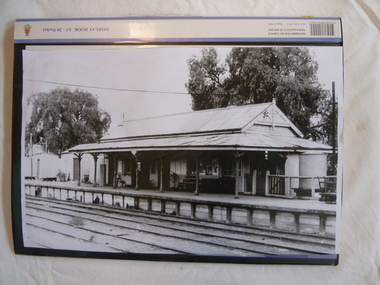
Railway Book, Wycheproof Railway, 2004
... The Railway Station closed in December 1990 but the building was renovated in 2010 with plans for a community focus and cultural events....The Railway Station closed in December 1990 but the building was renovated in 2010 with plans for a community focus and cultural events. The arrival of rail opened up the Mallee. ...Friday, September 28, 1883 was a memorable date for Wycheproof as on that day was the long-awaited official opening of the railway. It was recorded that no less than 23 parishes would act as feeder to the rail line. The Railway Station closed in December 1990 but the building was renovated in 2010 with plans for a community focus and cultural events.The arrival of rail opened up the Mallee. Local farmers began sending wheat, sheep and wool by rail. Improvements to transport stock was ongoing and the eventual rail extension north of the town, resulted in a well patronised passenger service for years. Railway families and workers added to the culture of the town.Display Book of A3 size with 20 pockets of Wycheproof Rail information. It includes a collection of newspaper and magazine articles, photos, rail drawings, train calendar, paint colour legend and other rail references.sea lake, railway, rail-drawing, last-passenger- train, centenary- train, train - calendar, steaming- up- broadway, wycheproof - rail -
 Bendigo Historical Society Inc.
Document - MERLE HALL COLLECTION: VARIOUS DOCUMENTS: ARTS (BENDIGO CITY COUNCIL)
... November 2001 issue of ''artznews'' compiled by Cultural Development & Events (CoGB); e. I Dec 2000 - Jan 2001ssue of ''artznews'' compiled by Cultural Development & Events (CoGB);...November 2001 issue of ''artznews'' compiled by Cultural Development & Events (CoGB); e. I Dec 2000 - Jan 2001ssue of ''artznews'' compiled by Cultural Development & Events (CoGB); Document MERLE HALL COLLECTION: VARIOUS DOCUMENTS: ARTS (BENDIGO CITY COUNCIL) ...Merle Hall Collection - Various documents re Arts (Bendigo City Council): a. 44 paged Draft Cultural Strategy ''Past-Present-Future'' August 2000 (breaknock consulting & Arts Plus); b. Annual Report of the Bendigo Sub-Regional Community Arts officer , March 1985; c. 21 paged Magazine (''Work on Paper'') , Summer Edition 1998, Lynda Newton, Editor - articles, prose, poetry & review; d. November 2001 issue of ''artznews'' compiled by Cultural Development & Events (CoGB); e. I Dec 2000 - Jan 2001ssue of ''artznews'' compiled by Cultural Development & Events (CoGB);bendigo city council, arts bendigo, merle hall collection -
 Warrnambool and District Historical Society Inc.
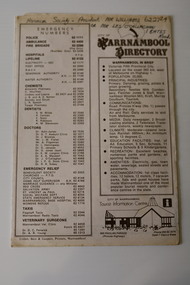
Pamphlet - Warrnambool Directories, Warrnambool City Council (Warrnambool Tourist Information Centre), Warrnambool Directory. Welcome to Warrnambool, Warrnambool and District Directory, 1970s and 80s
... Tourism in Warrnambool became important in the 1890s and the city and area have continued to be promoted as a tourist destination, with emphasis on the bracing climate, the beaches, the coastal scenery and the sporting and cultural events. ...Tourism in Warrnambool became important in the 1890s and the city and area have continued to be promoted as a tourist destination, with emphasis on the bracing climate, the beaches, the coastal scenery and the sporting and cultural events. These directories are of some importance as early examples of directories published in Warrnambool to assist both local residents and tourists Warrnambool Tourism Shipwreck Coast Tourism Warrnambool Directories H.J. ...Warrnambool Directories.1 and .2 One sheet of paper folded twice to provide six pages. The pages contain a map and printed material. .3 One sheet pf paper folded to provide sixteen pages. The pages contain two maps and printed material. The front page has a stamp indicating the original owner. non-fictionWarrnambool Directorieswarrnambool tourism, shipwreck coast tourism -
 Warrnambool and District Historical Society Inc.
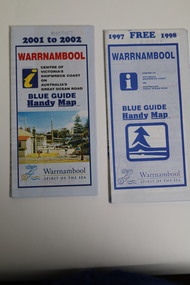
Pamphlet (Collection) - Warrnambool Tourist Maps, Warrnambool City Council, 1975 to 2002
... Pamphlets such as these advertise the local beaches, the coastal scenery, the many sporting and cultural events and the historical features of the area. ...Pamphlets such as these advertise the local beaches, the coastal scenery, the many sporting and cultural events and the historical features of the area. ...Warrnambool Tourist Maps collected over the years by Warrnambool Historical Society membersPreservation of local maps for historical purposesEnclosed in A4 size plastic envelopes in an A4 size archival box and numbered and catalogued according to the date of acquisition.This collection has 16 pamphlets containing maps of Warrnambool and district and some accompanying printed materialwarrnambool tourism, city of warrnambool, shipwreck coast tourismwarrnambool tourism, city of warrnambool, shipwreck coast tourism -
 Warrnambool and District Historical Society Inc.
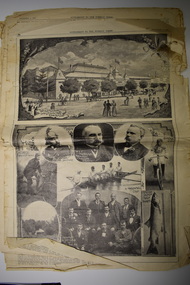
Souvenir Supplememt, Weekly Times Newspaper, Supplement to the Weekly Times, 1896
... There were displays, competitions, concerts and operas and sporting and cultural events. The exhibition was historically important as being the time and place when the earliest surviving sound recordings made in Australia were produced by Tommy Rome on an Edison phonograph. ...There were displays, competitions, concerts and operas and sporting and cultural events. The exhibition was historically important as being the time and place when the earliest surviving sound recordings made in Australia were produced by Tommy Rome on an Edison phonograph. ...This is a supplement issued by the Weekly Times newspaper in 1896 to commemorate the opening of the Warrnambool Industrial ad Art Exhibition in November 1896. The exhibition ran for three months in the Warrnambool Town Hall/Mechanics Institute area with some temporary buildings. The attendance was recorded as 70,000, making it one of the biggest events ever held in Warrnambool. There were displays, competitions, concerts and operas and sporting and cultural events. The exhibition was historically important as being the time and place when the earliest surviving sound recordings made in Australia were produced by Tommy Rome on an Edison phonograph. The supplement came from the estate of Bruce Morris, the editor of the Warrnambool Standard from 1946 to 1968 and an important Warrnambool historian.This paper, although tattered is a most important souvenir of the Warrnambool Industrial and Art Exhibition of 1896-7, a significant event in Warrnambool’s history. The supplement is also a valuable record of businesses and people of the late 19th century in Warrnambool.This is a supplement to an 1896 newspaper. It has 20 pages but is incomplete. It has printed material and black and white and sepia photographs. Most of the pages are loose and are tattered. warrnambool industrial and art exhibition 1896-7, bruce morris, warrnambool, thomas rome, warrnambool -
 Slovenian Association Melbourne
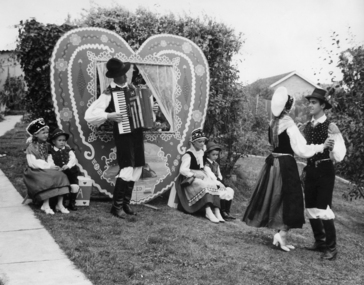
Royal Melbourne Show 1956, Slovenian participants at Royal Melbourne Show in 1956, 1956
... Slovenians loved to participate at the cultural and multicultural events and have proudly displayed their traditional national costume of Gorenjska region in Slovenia. ...Slovenians loved to participate at the cultural and multicultural events and have proudly displayed their traditional national costume of Gorenjska region in Slovenia. ...Slovenians loved to participate at the cultural and multicultural events and have proudly displayed their traditional national costume of Gorenjska region in Slovenia. The dancers have entertained the visitors with the lively Polka and waltz dancing and the musician on a piano accordion expressed his joy. traditional Slovenian national costume of Gorenjska region - SloveniaGroup of Slovenian musicians and dances participation at the Royal melbourne Show in 1956. The Slovenian Club Melbourne was always in favour of participating at the Australian and multicultural events.The heart was a sign of love for this beautiful and welcoming country Australiaslovenian national costume, gorenjska, slovenia, piano accordion, polka, slovenian songs -
 Bendigo Historical Society Inc.
Photograph - LONG GULLY HISTORY GROUP COLLECTION: ENJOYING A CUP OF TEA
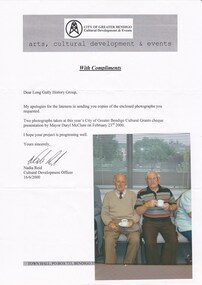
... Photo is accompanied by a letter from the City of Greater Bendigo Cultural Development & Events. Letter is addressed to the Long Gully History group and dated 16/6/2000, from Nadia Reid, Cultural Development Officer. ...BENDIGO History long gully history group The Long Gully History Group - Enjoying a Cup of Tea City of Greater Bendigo Cultural Development & Events Long Gully History Group Daryl McClure Nadia Reid Coloured photo of two elderly gentlemen enjoying a cup of tea. ...Coloured photo of two elderly gentlemen enjoying a cup of tea. Photo is accompanied by a letter from the City of Greater Bendigo Cultural Development & Events. Letter is addressed to the Long Gully History group and dated 16/6/2000, from Nadia Reid, Cultural Development Officer. Writer is apologising for the lateness in sending the copies of the photographs that were requested. Two photographs taken at this year's City of Greater Bendigo Cultural Grants cheque presentation by Mayor Daryl McClure on February 23rd 2000. Unknown person on left, George Ellis, in horizontal striped T shirt.bendigo, history, long gully history group, the long gully history group - enjoying a cup of tea, city of greater bendigo cultural development & events, long gully history group, daryl mcclure, nadia reid -
 Bendigo Historical Society Inc.
Newspaper - Fortuna Article - "Fortuna's Age of Growth", Sept 08 2008
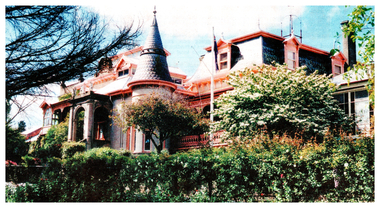
... George Lansell contributed to civic pride, donating a gold Mayoral chain to the Bendigo Council and previously to Margate, Kent.Music and cultural events were prominent at Fortuna, reflecting the vibrant community life. ...George Lansell contributed to civic pride, donating a gold Mayoral chain to the Bendigo Council and previously to Margate, Kent.Music and cultural events were prominent at Fortuna, reflecting the vibrant community life. ...George and Edith Lansell returned to Sandhurst (Bendigo) in 1887, initiating major renovations to Fortuna Villa to accommodate their growing family and staff. Significant architectural additions included a three-storey extension, master bedroom suite, indoor bathrooms, central heating (the first private home in Victoria to have it), and a grand picture gallery/billiard room. The house saw continuous expansion: a mansard attic (1890), new entrance hall and bay window (1893–1895), extended eastern front (by 1900), decorative plasterwork and metal ceilings (by 1904), and the iconic 'candle snuffer' roof feature. The grounds were beautified with trees, rose gardens, marble statues, and removal of industrial elements. The Lansell family grew to include six children, with the house and grounds providing ample space for play and family gatherings. The extended Lansell and Bassford families were closely involved in social events at Fortuna. Fortuna Villa became a center for social life in Bendigo, hosting vice-regal visits and large family occasions. George Lansell contributed to civic pride, donating a gold Mayoral chain to the Bendigo Council and previously to Margate, Kent.Music and cultural events were prominent at Fortuna, reflecting the vibrant community life. Lansell celebrated Bendigo's pioneers and the town's development, notably hosting a dinner for the Queen's Diamond Jubilee in 1897 for notable local citizens.The document highlights the transformation of Sandhurst to Bendigo and the area's role in broader Australian history.Fortuna's Age of Growth Article - The Bendigo Advertiser Monday Sept 08 2008 by Beveley Carter, Photo by Julian Prowd This item contains the following: 11217.17a Coloured photo of the impressive Fortuna Villa and surrounding gardens 11217.17b Part of page 8 - Article "Fortuna's Age of Growth"non-fictionbendigo, fortuna, george lansell, edith lansell -
 Eltham District Historical Society Inc
Journal - Newsletter, Nillumbik Shire Council, Nillumbik News, December 2004
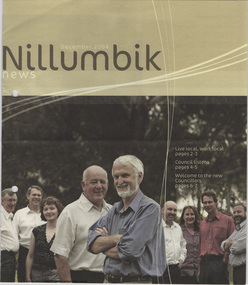
... The newsletter reports on local council initiatives, community programs, environmental activities, and cultural events taking place across Nillumbik Shire in late 2004. ...The newsletter reports on local council initiatives, community programs, environmental activities, and cultural events taking place across Nillumbik Shire in late 2004. ...The newsletter reports on local council initiatives, community programs, environmental activities, and cultural events taking place across Nillumbik Shire in late 2004. It emphasizes community participation, environmental sustainability, infrastructure improvements, and local cultural life. Key Points Council Projects and Infrastructure: Updates on road maintenance, capital works, and improvements to local facilities across the shire, Continued development of community infrastructure such as recreational facilities, parks, and public spaces, Council planning initiatives aimed at supporting sustainable growth and maintaining rural character. Environment and Sustainability: Programs encourage residents to protect local waterways, conserve native vegetation, and control invasive weeds, Environmental initiatives involve Landcare groups, wildlife monitoring, and sustainability education, Residents are encouraged to participate in community environmental projects and conservation activities. Community Services and Programs: Promotion of community services, volunteer programs, and educational opportunities through local centres. Support for families, seniors, and young people through recreational and learning programs. Community engagement remains a priority for council planning and activities. Arts, Culture and Events: The newsletter highlights local arts initiatives, exhibitions, festivals, and performances. Programs support local artists and cultural organisations, reinforcing the area’s reputation as an artistic community. Tourism and Local Economy: Promotion of local tourism, wineries, markets, and cultural attractions in the region. Efforts to strengthen the local economy and regional identity through tourism and community events. Also includes interviews with Councillors, 2004 Nillumbik Sports Awards and calandar of events. council newsletters, nillumbik news, nillumbik shire council, warwick leeson, peter yates, bo bendtsen, helen coleman, bill penrose, greg johnson, howard bulmer, bronnie hattam, michael young, living & learning nillumbik, sally hansen, julie french, julie graham, steven wells, robert hayley, greg champion, ev hales, marjorie lapworth, jan kelly, robina summers, janet mason, karen coulton, elizabeth gardner, matthew dean, madison caulfield, nicole pless, mathew munro, sten nigol, christopher armet, rachel khaw, melinda bpuer, david parsons, anton woods, erin lorenzini, zoe carr, troy sandley, marrissa filipou, ben cukier, nillumbik reconciliation group, montsalvat, eltham craft & produce market, eltham festival, nillumbik artists open studios, hurstbridge high school, family services, kangaroo ground preschool, alan marshall short story award, tom dell'anno, gayle knight -
 Bendigo Historical Society Inc.
Newspaper - Fortuna Articles - "A Vision for Fortuna Villa", Feb 20 2009
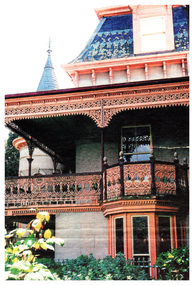
... The success of recent cultural events in Bendigo, such as the Golden Age of Couture exhibition, demonstrates the city's capacity to attract international attention. ...The success of recent cultural events in Bendigo, such as the Golden Age of Couture exhibition, demonstrates the city's capacity to attract international attention. ...This document by Beverley Carter, (Lansell family historian) explores the future potential of Fortuna Villa in Bendigo, emphasizing its significance for community, tourism, and economic development. The Defence Department has vacated Fortuna Villa after more than 60 years. There is an opportunity for public ownership, with state or local government having first refusal, ensuring community access. Fortuna Villa could become a major asset for Bendigo, enhancing its profile and supporting economic growth. Cultural tourism is highlighted as a rapidly growing sector, with visitors who stay longer and spend more. The success of recent cultural events in Bendigo, such as the Golden Age of Couture exhibition, demonstrates the city's capacity to attract international attention. The Villa Fortuna Action Group proposes transforming the site into a hub for cultural, commercial, and community activities. Suggested uses include concerts, festivals, exhibitions, heritage tours, retail outlets, community meetings, conferences, weddings, and fine dining. The document references successful models like Abbotsford Convent and Werribee Mansion in Victoria, and Hylands House in the UK, as examples of adaptive reuse. While acknowledging significant short-term costs, the document argues that long-term financial and social benefits outweigh these concerns. The project is seen as a way to diversify the local economy, create jobs, and foster business partnerships.The author rejects the notion that tough economic times should prevent investment, suggesting such projects can help mitigate downturns. Fortuna Villa is presented as a once-in-a-lifetime chance for Bendigo to secure a property that symbolizes the city's golden past. The author stresses the importance of a comprehensive, coordinated approach to tourism in the region, with Fortuna Villa as a potential centerpiece.Urgency: There is a strong call to action, suggesting that the community must act quickly to secure the property before it is lost to others. The document is authored by Beverley Carter, a member of the Lansell family, who is writing a detailed family history and a series on George Lansell and Fortuna Villa, further underlining the site's historical importance.Fortuna Articles - "A Vision for Fortuna Villa" Feb 20 2009 The Bendigo Advertiser by Beverley Carter, photo by Julian Prowd This item contains the following: 11217.36a Colour Photo of Fortuna 11217.36b Part of Page 14 - "A Vision for Fortuna Villa" 11217.36c Part of Page 14 - "A Vision for Fortuna Villa"non-fictionbendigo, fortuna, george lansell, villa fortuna action group, beverley carter -
 Sunshine and District Historical Society Incorporated
Flag - Australian Aboriginal Flag
... It is widely used at rallies, community events, cultural centres, and public institutions to acknowledge Aboriginal sovereignty and presence. ...It is widely used at rallies, community events, cultural centres, and public institutions to acknowledge Aboriginal sovereignty and presence. ...The Australian Aboriginal Flag symbolises the identity, unity, and survival of Aboriginal peoples, their unbroken connection to the country, and the enduring strength of the world’s oldest living cultures. Its three core colours are black, yellow and red. Black represents the Aboriginal people, the yellow circle represents the sun, the giver of life and protector and red represents the earth, the red ochre used in ceremonies, and the spiritual relationship to the land. The flag was officially recognised as a Flag of Australia in 1995 under the Flags Act. It is widely used at rallies, community events, cultural centres, and public institutions to acknowledge Aboriginal sovereignty and presence. The flag holds official status alongside the Australian National Flag and the Torres Strait Islander Flag.The Australian Aboriginal Flag is one of the most powerful symbols of identity, unity, and survival of Aboriginal peoples. The flag was first flown in 1971 at a land rights rally in Adelaide and was created specifically for the land rights movement, and quickly became a unifying symbol of resistance, pride, and cultural identity.Australian Aboriginal Flag. This flag is suitable to be flown on a flagpole.Manufacturer's Tag: Manufactured in Australia by Carroll & Richardsonaustralian aboriginal flag, aboginal, first nations -
 Sunshine and District Historical Society Incorporated
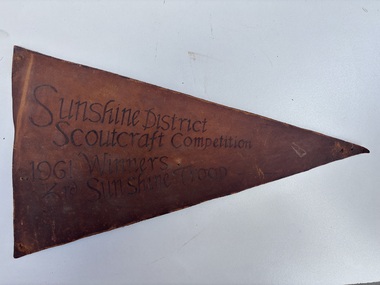
Memorabilia - Scouting Pennants
... Scouting competitions have evolved from early local skill-based challenges into global events fostering teamwork, leadership, and cultural exchange. Scouting competition events trace their roots to the very beginnings of the movement in the early 20th century. ...Scouting competitions have evolved from early local skill-based challenges into global events fostering teamwork, leadership, and cultural exchange. Scouting competition events trace their roots to the very beginnings of the movement in the early 20th century. ...Scouting competitions have evolved from early local skill-based challenges into global events fostering teamwork, leadership, and cultural exchange. Scouting competition events trace their roots to the very beginnings of the movement in the early 20th century. These events were designed to test Scouts’ mastery of outdoor skills, sporting skills, teamwork, and leadership—core tenets of the Scout method. These pennants are examples of intertroop competitions between the various scouting troops in the Sunshine District. Upon winning these competitions, the pennants were proudly displayed in their scout halls.Collection of leather and fabric pennants from the 1st & 3rd Scout Troops.5091.01 - Scouting Pennants - Sunshine District Scoutcraft Competition 1961 Winner 3rd Sunshine Troop.jpg 5091.02 - Scouting Pennants - Sunshine District Scoutcraft Competition 1963 Winner 3rd Sunshine Troop.jpg 5091.03 - Scouting Pennants - Sunshine District Scoutcraft Competition 1964 Winner 3rd Sunshine Troop.jpg 5091.04 - Scouting Pennants - Sunshine District Athletics Sports 1957 Junior Scout Section 1st Sunshine.jpg 5091.05 - Scouting Pennants - Sunshine District Swimming Sports Senior Scouts Section 1963 Winner 3rd Sunshine Troop.jpg 5091.06 - Scouting Pennants - Sunshine District Swimming Sports Scouts Section 1963 Winner 3rd Sunshine Troop.jpg 5091.07 - Scouting Pennants - Sunshine District Swimming Sports Senior Scouts Section 1964 Winner 3rd Sunshine Troop.jpg 5091.08 - Scouting Pennants - Sunshine District Swimming Sports Scouts Section 1964 Winner 3rd Sunshine Troop.jpg 5091.09 - Scouting Pennants - Sunshine District Swimming Sports Senior Scouts Section 1965 Winner 3rd Sunshine Troop.jpg 5091.10 - Scouting Pennants - Sunshine District Swimming Sports Scouts Section 1965 Winner 3rd Sunshine Troop.jpg 5091.11 - Scouting Pennants - Sunshine District Swimming Sports Senior Scouts Section 1968 Winner 1st Sunshine Troop.jpg 5091.12 - Scouting Pennants - 50 Miles 24 Hours 1974 Pennant.jpg 5091.13 - Scouting Pennants - Champion Patrol Graeme Jardine and Glen Rogers.jpg 5091.14 - Scouting Pennants - Crick Hunter Shield Sunshine District 1971.jpgscouts, scouting -
 City of Greater Bendigo - Civic Collection
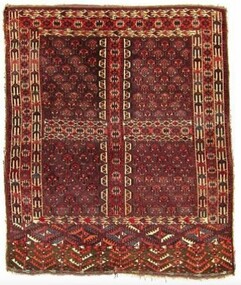
Textile - Yomut Turkmen Islamic Rug, c 1880
... During this tumultuous period the Council identified the need for a community-wide plan to promote diversity and help address potentially divisive cultural issues. These events led to the COGB becoming the first local government area (LGA) formally accredited under Australia’s Welcoming Cities Standard. ...During this tumultuous period the Council identified the need for a community-wide plan to promote diversity and help address potentially divisive cultural issues. These events led to the COGB becoming the first local government area (LGA) formally accredited under Australia’s Welcoming Cities Standard. ...This rug was a gift and gesture of friendship from the local Muslim community to the City of Greater Bendigo. It was presented to Mayor, Cr Rod Fyffe on behalf of the people of Bendigo at a 2016 'Thank You Bendigo' dinner. In 2014 approval for a planning application from the Bendigo Islamic Association to build a community centre and mosque in East Bendigo prompted a series of public protests that captured widespread media attention. During this tumultuous period the Council identified the need for a community-wide plan to promote diversity and help address potentially divisive cultural issues. These events led to the COGB becoming the first local government area (LGA) formally accredited under Australia’s Welcoming Cities Standard. Community leaders emerged who wanted to show that the anti-mosque protesters did not reflect the views of the majority of Bendigo residents. The community lead ‘Believe in Bendigo’ movement gained momentum, and the Council and other local organisations joined forces to present a unified message that Bendigo residents do not tolerate racism. Muslims have made Central Victoria their home since the Goldrush, contributing to the community and the economy for the past 120 years. Traditional Islamic rugs, especially their patterns and motifs are intrinsically linked with the design of the Bendigo Mosque and Bendigo Islamic Community Centre providing important points of reference for the architects of the project. Typically, mosques are linked with specific cultural groups but not in the case of Bendigo where the Muslim community is made up of multi-ethnic groups. This meant the building's design was not fixed to a specific style or cultural iconography but instead needed to encompass many. The small local Muslim community selected a specific Australian architect because of their interest and knowledge of Islamic design and iconography gained through family collection of Islamic textiles. In thinking about the design of the mosque and community centre the architects wanted to acknowledge the role of Afghans in Australian history, especially tribal Afghans who helped build connections across the interior of Australia between First Nations communities, European settlers and Central Asian migrants. The gift of this Turkmen rugto the Bendigo community thus symbolises collaborative partnerships across faith and cultural groups based on friendship and mutual benefit. A Turkman rug was specifically chosen as it is the pinnacle of nomadic arts of the Islamic world. It was also important to the architects and the local Muslim community that the gift was a female artistic product as it was mainly a female Muslim architecture team that designed the mosque in Bendigo and there was a desire to select something that celebrated female artistry. This hand-woven rug is an engsi, made for a woman in preparation for marriage. Design work and weaving is a shared experience, between many generations of women and each rug hold the personal story of the woman it is made for and her family and thus holds deep symbolic meaning. There are often songs and poetry that are recited as the rug is made – helping the makers to memorisze the mathematical structure of the design. An engsi is put on the doorway to a yurt as part of a wedding ceremony. During the ceremony the groom turns the engsii upside down to check the quality of the rug makers weaving skills. The nomadic lifestyle of Yomut Turkman tribes determines the size of the rug as the loom can’t be carried. Its size is also restricted by the dimensions of the doorway of the yurt. This rug is dated as c 1880 because of the types of patterns used, the use of natural dyes (synthetic dyes were introduced to the area in 1890s) and with the smoother weaving on the back indicating the quality of craftsmanship dating to this time period. The Yomut engsi rug was made in Turkmenistan c1880 by Yomut Turkmen Tribes people and is designed to fit over the doorway of a yurt during a wedding ceremony. The main field motif is related to Turkoman jewelery design. The women and girls of the tribe spin the wool and design and weave the rugs. The men shear the sheep, dye the wool and clip the rug after it has been woven. The word “Turkoman” is thought to have been derived from Turk-iman, meaning the first nomadic Turkic tribes that began to follow Islam. Dyes used are natural including orange from madder root. bendigo mosque, bendigo islamic association, city of greater bendigo community partnerships, city of greater bendigo community groups, cr rod fyffe -
 Flagstaff Hill Maritime Museum and Village
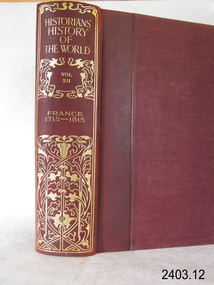
Book - Reference Book/History, Henry Smith Williams, The Historians History of the World Vol 12 set 1 - Edited by Henry Smith Williams L.L.D. Published by “The Times” 1908, 1908
... cultural importance. (For more information on the Pattison Collection and the Mechanics Institute visit) https://victoriancollections.net.au/items/5580c7e72162f114d8b758db flagstaff hill warrnambool shipwrecked-coast flagstaff-hill flagstaff-hill-maritime-museum maritime-museum shipwreck-coast flagstaff-hill-maritime-village the historians history of the world vol 12 book henry smith williams l.l.d Henry Smith Williams’ “The Historians' History of the World” is a chronological and geographical "tapestry" of human events, these twenty five volumes occupy a very specific and prestigious place in historical research. ...Henry Smith Williams’ “The Historians' History of the World” is a chronological and geographical "tapestry" of human events, these twenty five volumes occupy a very specific and prestigious place in historical research. This volume continues on with the history of France. The primary focus of Volume 12 is the continuation of the history of France from 1715 to 1815. This century is arguably the most trans formative in French history, and the volume meticulously documents the transition from absolute monarchy to revolutionary chaos and, finally, to the Napoleonic Empire.The Book is part of a 25 volume set with red cloth bindings and gold filigree design to rib.non-fictionHenry Smith Williams’ “The Historians' History of the World” is a chronological and geographical "tapestry" of human events, these twenty five volumes occupy a very specific and prestigious place in historical research. This volume continues on with the history of France. The primary focus of Volume 12 is the continuation of the history of France from 1715 to 1815. This century is arguably the most trans formative in French history, and the volume meticulously documents the transition from absolute monarchy to revolutionary chaos and, finally, to the Napoleonic Empire.flagstaff hill, warrnambool, shipwrecked-coast, flagstaff-hill, flagstaff-hill-maritime-museum, maritime-museum, shipwreck-coast, flagstaff-hill-maritime-village, the historians history of the world vol 12, book, henry smith williams l.l.d -
 The Beechworth Burke Museum
Audio - Oral History, Jennifer Williams, Mr Tom Carey, 3/08/2000
... Mr Tom Carey account of his life in Beechworth and the local area during the 20th century is historically and socially significant to the cultural heritage of the region. He details important historical events and hardships in the region's history that had a lasting local, regional and national impact, including Australia during war time, economic struggles, and women's and men’s societal roles in a rural area. ...Mr Tom Carey was born in 1940 in Beechworth to family from Beechworth and Woolshed. His family had strong associations with Australia's Gold Rush, with grandparents having followed the rush from town to town, and parents in Beechworth. Tom has strong associations with Beechworth and its surrounds, with his family having some connection to the Kelly Gang. Tom worked in many industries in Beechworth, from the Bridge Road, Price’s Store, tannery, post office, the Kiewa Murray Water Authority, and the Beechworth Council. This oral history recording was part of a project conducted by Jennifer Williams in the year 2000 to capture the everyday life and struggles in Beechworth during the twentieth century. This project involved recording seventy oral histories on cassette tapes of local Beechworth residents which were then published in a book titled: Listen to what they say: voices of twentieth century Beechworth. These cassette tapes were digitised in July 2021 with funds made available by the Friends of the Burke. Mr Tom Carey account of his life in Beechworth and the local area during the 20th century is historically and socially significant to the cultural heritage of the region. He details important historical events and hardships in the region's history that had a lasting local, regional and national impact, including Australia during war time, economic struggles, and women's and men’s societal roles in a rural area. This oral history account is socially and historically significant as it is a part of a broader collection of interviews conducted by Jennifer Williams which were published in the book 'Listen to what they say: voices of twentieth-century Beechworth.' While the township of Beechworth is known for its history as a gold rush town, these accounts provide a unique insight into the day-to-day life of the town's residents during the 20th century, many of which will have now been lost if they had not been preserved. This is a digital copy of a recording that was originally captured on a cassette tape. The cassette tape is black with a horizontal white strip and is currently stored in a clear flat plastic rectangular container. It holds up 40 minutes of recordings on each sideMr Tom Carey/ beechworth, oral history, burke museum, tannery, beechworth council, kelly gang, bridge road, price’s store, post office, the kiewa murray water authority, woolshed, gold rush, carey, tom carey, listen to what they say -
 The Beechworth Burke Museum
Audio - Oral History, Jennifer Williams, Mrs Margaret Galbriath, 24th May 2000
... Mrs Margaret Galbraith's account of her life in Beechworth and the local area during the 20th century is historically and socially significant to the cultural heritage of the region. She details important historical events and hardships in the region's history that had a lasting local, regional and national impact, including Australia during war time, the Great Depression, immmigration, economic struggles, and women's societal roles in a rural area. ...Mrs Margaret Galbraith was born in Beechworth in 1913 on the 5th February. Her parents immigrated to Australia in 1910 from England. Her father was killed after being thrown from a cart in 1912, and her mother eventually purchased the general store in which she worked from the Ladson family. Margaret has some insights into the local area during the Depression from the perspective of a store owner, as well as the presence of 'tramps' in the town, and Chinese immigrants in the community. She speaks a lot about her mother who was a very strong woman. She retired at 80. Margaret married a Ladson in Melbourne and had children. She lived at 47 Finch Street, Beechworth. This oral history recording was part of a project by Jennifer Williams in 2000 to capture the everyday life and struggles in Beechworth during the 20th century. This project involved recording 70 oral history stories on cassette tapes of local Beechworth residents, which were then published in a book called Listen to What they Say: Voices of 20th Century Beechworth. The cassettes were digitised in 2021 with funds made available by the Friends of Bourke.Mrs Margaret Galbraith's account of her life in Beechworth and the local area during the 20th century is historically and socially significant to the cultural heritage of the region. She details important historical events and hardships in the region's history that had a lasting local, regional and national impact, including Australia during war time, the Great Depression, immmigration, economic struggles, and women's societal roles in a rural area. This oral history account is socially and historically significant as it is a part of a broader collection of interviews conducted by Jennifer Williams which were published in the book 'Listen to what they say: voices of twentieth-century Beechworth.' While the township of Beechworth is known for its history as a gold rush town, these accounts provide a unique insight into the day-to-day life of the town's residents during the 20th century, many of which will have now been lost if they had not been preserved.This is a digital copy of a recording that was originally captured on a cassette tape. The cassette tape is black with a horizontal white strip and is stored in a clear, flat, plastic, rectangular container. It holds up to 40 minutes of recordings each sideMrs Margaret Galbraithlisten to what they say, ladson, oral history, bourke museum, beechworth, galbraith, margaret galbraith, general store -
The Beechworth Burke Museum
Audio - Oral History, Jennifer Williams, Mr Allan Parkinson, 22nd June 2000
... Mr Allan Parkinson's account of his life in Beechworth and the local area during the twentieth century is historically and socially significant to the cultural heritage of the region. He details important historical events and hardships that had lasting local, regional and national impacts, including Australia during wartime, post-war migration and economic struggles. ...Allan Parkinson was born in Beechworth in 1924. The eldest of eight children, his mother provided laundry services to the people of Beechworth whilst his father worked for the local tannery, trapping rabbits. Allan fondly remembers times spent during his childhood catching rabbits with his father. As his younger years were set amidst the experiences of World War Two and the Great Depression, Allan recalls a feeling of solidarity amongst the residents of Beechworth that was present during this time(for instance, sharing food with neighbours in wartime), as well as the disassociation he felt as a returning soldier after the war. Allan talks of the great number of 'New Australians' who arrived in Beechworth in the post-war years, many of them coming from war-torn countries in Europe. Before being integrated into Australian society, these 'New Australians' would often first spend time at the Migrant Reception and Training Centre in Bonegilla, Northern Victoria. They were taught English and learnt about Australian life before being billeted out across the country to fill labor shortages. Following time spent up in Queensland, Allan worked in the forestry industry, clearing thousands of acres across Victoria which were needed to plant pines. The interview ends with discussions of the famous Wheelbarrow Push from Beechworth to Mt Buffalo in 1935, of which Allan's Uncle Tom was a central participant; this is an event which has since become an annual fundraising tradition in Beechworth. This oral history recording was part of a project conducted by Jennifer Williams in the year 2000 to capture the everyday life and struggles in Beechworth during the twentieth century. This project involved recording seventy oral histories on cassette tapes of local Beechworth residents which were then published in a book titled: Listen to what they say: Voices of twentieth century Beechworth. These cassette tapes were digitised in July 2021 with funds made available by the Friends of the Burke. Mr Allan Parkinson's account of his life in Beechworth and the local area during the twentieth century is historically and socially significant to the cultural heritage of the region. He details important historical events and hardships that had lasting local, regional and national impacts, including Australia during wartime, post-war migration and economic struggles. This oral history account is historically and socially significant as it is part of a broader collection of interviews conducted by Jennifer Williams which were published in the book 'Listen to what they say: voices of twentieth century Beechworth'. While the township of Beechworth is known for its history as a gold rush town, these accounts provide a unique insight into the day-to-day life of the town's residents during the twentieth century, many of which would have been lost if they had not been preserved. This is a digital copy of a recording that was originally captured on a cassette tape. The cassette tape is black with a horizontal white stripe and is currently stored in a clear flat plastic rectangular container. It holds up to forty minutes of recordings on each side. Mr Allan Parkinson / allan parkinson, oral history, beechworth forestry, forestry industry, beechworth tannery, jennifer williams, rabbit trapping, new australians, australian depression, rabbiting, bonegilla, bonegilla migrant camp, 20th century beechworth, wheelbarrow push beechworth to mt buffalo, barrowthon, wheelbarrow push 1935, listen to what they say, listen to what they say: voices of twentieth century beechworth, world war two, wartime, wartime solidarity, burke museum -
 The Beechworth Burke Museum
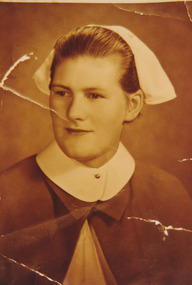
Audio - Oral History, Jennifer Williams, Mavis Jensen, 11 May 2000
... Mavis Jensen's account of her life in Beechworth and the local area during the 20th century is historically and socially significant to the cultural heritage of the region. She details important historical events and hardships in the region's history that had a lasting local, regional and national impact, including Australia during war time, economic struggles, and women's societal roles in a rural area. ...Mavis Jensen (nee Knight) was born in Broadford in 1920 and came to Beechworth with her family a year later, so her father could assist his father at Knight's Blacksmith at 1A Camp Street, where the Hotel Nicholas is now located. Mavis Jensen left school at the age of 13 and worked as a kitchen maid at Ovens Benevolent Asylum. She was employed as a ward assistant at Mayday Hills Hospital from 1939 to 1980, except for 1958-59 when she gave birth to her son, Noel. This oral history recording was part of a project conducted by Jennifer Williams in the year 2000 to capture the everyday life and struggles in Beechworth during the twentieth century. This project involved recording seventy oral histories on cassette tapes of local Beechworth residents which were then published in a book titled: Listen to what they say: voices of twentieth century Beechworth. These cassette tapes were digitised in July 2021 with funds made available by the Friends of the Burke.Mavis Jensen's account of her life in Beechworth and the local area during the 20th century is historically and socially significant to the cultural heritage of the region. She details important historical events and hardships in the region's history that had a lasting local, regional and national impact, including Australia during war time, economic struggles, and women's societal roles in a rural area. Her oral history is particularly significant for its insights into developments in psychiatric patient treatment and care in regional Victoria, as well as women's work conditions in the mid-twentieth century. This oral history account is socially and historically significant as it is a part of a broader collection of interviews conducted by Jennifer Williams which were published in the book 'Listen to what they say: voices of twentieth-century Beechworth.' While the township of Beechworth is known for its history as a gold rush town, these accounts provide a unique insight into the day-to-day life of the town's residents during the 20th century, many of which will have now been lost if they had not been preserved.This is a digital copy of a recording that was originally captured on a cassette tape. The cassette tape is black with a horizontal white strip and is currently stored in a clear flat plastic rectangular container. It holds up 40 minutes of recordings on each side.Mavis Jensen /listen to what they say, beechworth, oral history, burke museum, jensen, mavis jensen, psychiatric hospitals, mid-twentieth century psychiatry, regional hospitals, regional mental health care, mid-twentieth century women's working conditions, mayday hills hospital., ovens benevolent asylum, beechworth hospital history -
 The Beechworth Burke Museum
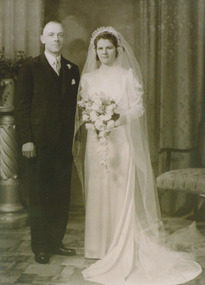
Audio - Oral History, Olive Wilkinson
... Mrs Olive Wilkinson's account of her life in Beechworth and the local area during the 20th century is historically and socially significant to the cultural history of the region. She details historical events pertaining to Beechworth and her family. ...Olive Wilkinson was born in 1917 in Ararat. She and her husband both worked at the Ovens Benevolent Home, with her as a temporary matron when the need arose, and her husband as the Superintendent. This oral history recording was part of a project conducted by Jennifer Williams in the year 2000 to capture the everyday life and struggles in Beechworth during the twentieth century. This project involved recording seventy oral histories on cassette tapes of local Beechworth residents which were then published in a book titled: Listen to what they say: voices of twentieth century Beechworth. These cassette tapes were digitised in July 2021 with funds made available by the Friends of the Burke. Mrs Olive Wilkinson's account of her life in Beechworth and the local area during the 20th century is historically and socially significant to the cultural history of the region. She details historical events pertaining to Beechworth and her family. This oral history account is socially and historically significant as it is a part of a broader collection of interviews conducted by Jennifer Williams which were published in the book 'Listen to what they say: voices of twentieth-century Beechworth'. While the township of Beechworth is known for its history as a gold rush town, these accounts provide a unique insight into the day-to-day life of the town's residents during the 20th century, many of which will have now been lost if they had not been preserved. This is a digital copy of a recording that was originally captured on a cassette tape. The cassette tape is black with a horizontal white strip and is currently stored in a clear flat plastic rectangular container. It holds up 40 minutes of recordings on each side. Mrs Olive Wilkinsonlisten to what they say, beechworth, oral history, burke museum, wilkinson, olive wilkinson, ovens benevolent home -
 The Beechworth Burke Museum
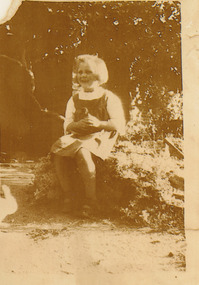
Audio - Oral History, Jennifer Williams, Miss Amy Elizabeth Porritt, 10th February 2000
... Miss Amy Elizabeth Porrit's account of her life in Beechworth and the local area during the 20th century is historically and socially significant to the cultural heritage of the region. She details important historical events and hardships in the region's history that had a lasting local, regional and national impact, including Australia during war time, economic struggles, and women's societal roles in a rural area. ...Amy Elizabeth Porritt was born on the 21st of March 1915 on Atkinson Road, Beechworth to Thomas Frederick Rodan and Maud Isabel Dowling. Her family had strong associations with Australia's oldest continuously operating newspaper, the Ovens and Murray. Both her grandfather and father worked on this newspaper and played a significant role in continuing its operation. Amy was well-known in the Beechworth community and is remembered fondly for her generosity and her love of cats ‘they are all I live for’ she would often say. She was an avid gardener and had a beautiful garden at 47 Finch Street. This oral history recording was part of a project conducted by Jennifer Williams in the year 2000 to capture the everyday life and struggles in Beechworth during the twentieth century. This project involved recording seventy oral histories on cassette tapes of local Beechworth residents which were then published in a book titled: Listen to what they say: voices of twentieth century Beechworth. These cassette tapes were digitised in July 2021 with funds made available by the Friends of the Burke. Miss Amy Elizabeth Porrit's account of her life in Beechworth and the local area during the 20th century is historically and socially significant to the cultural heritage of the region. She details important historical events and hardships in the region's history that had a lasting local, regional and national impact, including Australia during war time, economic struggles, and women's societal roles in a rural area. This oral history account is socially and historically significant as it is a part of a broader collection of interviews conducted by Jennifer Williams which were published in the book 'Listen to what they say: voices of twentieth-century Beechworth.' While the township of Beechworth is known for its history as a gold rush town, these accounts provide a unique insight into the day-to-day life of the town's residents during the 20th century, many of which will have now been lost if they had not been preserved.This is a digital copy of a recording that was originally captured on a cassette tape. The cassette tape is black with a horizontal white strip and is currently stored in a clear flat plastic rectangular container. It holds up 40 minutes of recordings on each side.Miss Amy Elizabeth Porrit / listen to what they say, beechworth, oral history, burke museum, porritt, amy elizabeth porritt, gardener, ovens and murray newspaper, o&m
