
Showing 164 items matching "cultural identity"
-
 Ballarat Tramway Museum
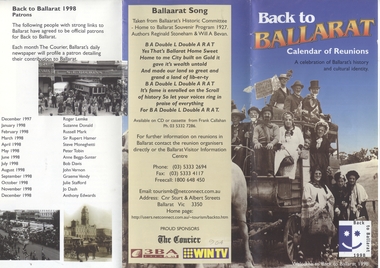
Pamphlet, Ballarat Visitor Information Centre, "Back to Ballarat: Calendar of Reunions - a celebration of Ballarat's History and Cultural Identity, mid 1997
... "Back to Ballarat: Calendar of Reunions - a celebration of Ballarat's History and Cultural Identity..."Back to Ballarat: Calendar of Reunions - a celebration of Ballarat's History and Cultural Identity Pamphlet Ballarat Visitor Information Centre ...Fold out pamphlet with 6 panel, printed in colour on gloss paper, containing calendar for reunions Dec. 1997 to Dec. 1998, details for reunions and special events. Included as a features and photographs of yesteryear. 1. Frontispiece - 'Linton Express' stage coach 2. Back panel, photo of tram in S.E.Dickins store and horse cab in front of Town Hall 3. Small photo of ESCo tram at Lydiard St. and Sturt St. Corner 4. ? - Picor and Widmer moving stock across Bridge St. blocking tram to Victoria St. ca 1960. One Panel is Ballaarat song - taken from Ballaarat's Historic Committee - home to Ballarat Souvenir Program 1927, authors Reginald Stoneham & Will A. Bevan. These words along with associated tune is often sung to this day at gatherings of locals etc. Sponsors of pamphlet were 3BA, WIN TV, and The Courier. List of patrons on one panel. Also contains a sheet of paper with updates as of 23/4/1998 of reunions. Second copy added 31/10/12 - and imaged. See Reg Item 5468 for a postcard.trams, tramways, ballarat song, reunions, ballarat trams -
 City of Stonnington
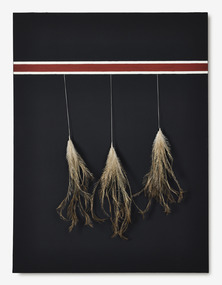
Maree Clarke, Ceremony, 2013
... ...Cultural identity...Stonnington contemporary art collection First Peoples First Nations Indigenous Aboriginal Torres Strait Islander Cultural identity Cultural heritage post colonialism Maree Clarke Mixed Media Ceremony Maree Clarke ...Maree Clarke is a multi-disciplinary artist from Mildura in northwest Victoria, living and working in Melbourne. Her continuing desire to affirm and reconnect with her cultural heritage makes her a pivotal figure in the reclamation of southeast Australian Aboriginal art practices, reviving elements of Aboriginal culture that were lost over the period of colonisation. In addition to modern genres including sculpture, multimedia and photography, Clarke’s expansive practice also encompasses contemporary forms of traditional practices such as possum skin cloaks, kangaroo teeth necklaces, and string headbands adorned with kangaroo teeth and echidna quills.stonnington contemporary art collection, first peoples, first nations, indigenous, aboriginal torres strait islander, cultural identity, cultural heritage, post colonialism, maree clarke, mixed media -
 City of Stonnington
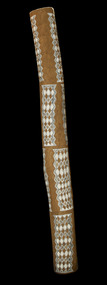
Gunybi Ganambarr, Gangan, 2012
... ...Cultural identity...Stonnington contemporary art collection First Peoples First Nations Indigenous Aboriginal Torres Strait Islander Painting Gunybi Ganambarr Natural environment Cultural heritage Cultural identity Cultural knowledge Landscape Gangan Gunybi Ganambarr ...Gunybi Ganambarr has built a reputation for his innovative techniques, incising and shaping barks and adding materials to traditional art forms. He attributes his confidence in using new materials to his twelve year stint as a part of a building team in remote homelands. Ganambarr primarily lives in his mother’s community at Gangan, which lies north-west of Blue Mud Bay in eastern Arnhem Land, Northern Territory. Ganambarr has absorbed the minutiae and spirituality of place; his paintings can be read as meditations on the specific tracts of land for which he is entitled to speak; in this case, a sacred expanse of water behind the Gangan outstation where this work was produced, referred to as Gulutji. Ganambarr’s designs recount the ancestral formation of the land, the beings that reside within its borders and the seasonal events that nourish its ecosystem. His work exemplifies the confidence and cultural assertion of a new, experimental Yolngu art, while remaining firmly influenced by elders and senior artists. Ceremonial hollow log poles Arnhem Land, Northern Territory The people of Central and Eastern Arnhem Land refer to themselves collectively as Yolngu, meaning human beings. The Yolngu traditionally use logs naturally hollowed out by termites in a funerary and ceremonial functions, principally as an ossuary. In an Australian contemporary art context however hollow log sculptures are purely memorial in function and made explicitly for public display. In Arnhem Land hollow logs are known as larrakitj; hollow logs known by other names are used in burial practices by a number of Aboriginal peoples in the north of Australia. The logs can also represent the deceased person, as the designs applied are the same as those painted on the body during the burial rites. All Yolngu clans belong to a moiety, one of two complementary halves of society: Dhuwa and Yirritja. All such affiliations play a part in Aboriginal artists' inherited right to paint an established set of designs belonging to their social group; this inheritance is, in fact, the artist's copyright over imagery. stonnington contemporary art collection, first peoples, first nations, indigenous, aboriginal torres strait islander, painting, gunybi ganambarr, natural environment, cultural heritage, cultural identity, cultural knowledge, landscape -
 Tramways/East Melbourne RSL Sub Branch - RSL Victoria Listing id: 27511
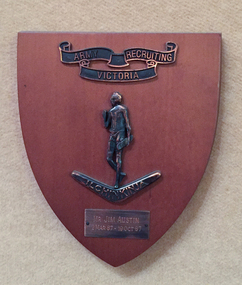
Memorabilia - Army Recruiting Victoria Plaque, c. 1987
... ...cultural identity...No historical information available at present. army recruitment commemorative plaques boomerangs cultural identity jim austin aboriginal depictions Plate on bottom of piece states "Mr Jim Austin, 2 March 1987 - 19 October 1987". ...No historical information available at present. Bronze pieces mounted on wood as a plaque. Pieces state 'Army Recruiting Victoria' and ' ILCHINKINJA' on the boomerang at the bottom of the piece. Plate on bottom of piece states "Mr Jim Austin, 2 March 1987 - 19 October 1987". army, recruitment, commemorative plaques, boomerangs, cultural identity, jim austin, aboriginal depictions -
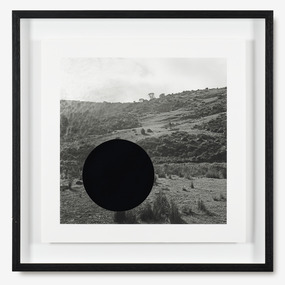 City of Stonnington
James Tylor, (erased scenes) From an untouched landscape #4, 2014
... ...Cultural identity...Stonnington contemporary art collection Landscape Cultural identity First Peoples post colonialism First Nations Indigenous Aboriginal Torres Strait Islander James Tylor Mixed Media Photography Digital print on Hahnemühle paper (erased scenes) From an untouched landscape #4 James Tylor ...James Tylor’s practice examines racial and cultural identity in Australian contemporary society and social history. He explores Australian cultural representation through his multi-racial heritage comprising Aboriginal, English, and Maori Australian ancestry. This interest is informed using these media in that era to document Indigenous Australian and Maori culture. Tylor reminds us of what has been removed from the view of the Australian landscape, and reflects on the limitations of the romantic landscape tradition itself - the tensions between Australian and Indigenous histories.Digital print on Hahnemühle paperstonnington contemporary art collection, landscape, cultural identity, first peoples, post colonialism, first nations, indigenous, aboriginal torres strait islander, james tylor, mixed media, photography -
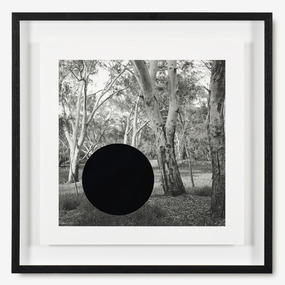 City of Stonnington
James Tylor, (erased scenes) From an untouched landscape #5, 2014
... ...Cultural identity...Stonnington contemporary art collection Landscape Cultural identity First Peoples post colonialism First Nations Indigenous Aboriginal Torres Strait Islander James Tylor Mixed Media Photography Digital print on Hahnemühle paper (erased scenes) From an untouched landscape #5 James Tylor ...James Tylor’s practice examines racial and cultural identity in Australian contemporary society and social history. He explores Australian cultural representation through his multi-racial heritage comprising Aboriginal, English, and Maori Australian ancestry. This interest is informed using these media in that era to document Indigenous Australian and Maori culture. Tylor reminds us of what has been removed from the view of the Australian landscape, and reflects on the limitations of the romantic landscape tradition itself - the tensions between Australian and Indigenous histories.Digital print on Hahnemühle paperstonnington contemporary art collection, landscape, cultural identity, first peoples, post colonialism, first nations, indigenous, aboriginal torres strait islander, james tylor, mixed media, photography -
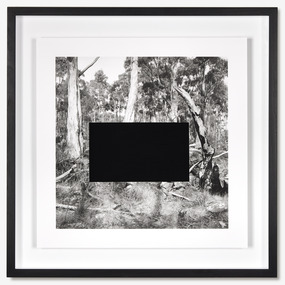 City of Stonnington
James Tylor, (erased scenes) From an untouched landscape #9, 2014
... ...Cultural identity...Stonnington contemporary art collection Landscape Cultural identity post colonialism First Peoples First Nations Indigenous Aboriginal Torres Strait Islander Mixed Media Photography James Tylor Digital print on Hahnemühle paper (erased scenes) From an untouched landscape #9 James Tylor ...James Tylor’s practice examines racial and cultural identity in Australian contemporary society and social history. He explores Australian cultural representation through his multi-racial heritage comprising Aboriginal, English, and Maori Australian ancestry. This interest is informed using these media in that era to document Indigenous Australian and Maori culture. Tylor reminds us of what has been removed from the view of the Australian landscape, and reflects on the limitations of the romantic landscape tradition itself - the tensions between Australian and Indigenous histories.Digital print on Hahnemühle paperstonnington contemporary art collection, landscape, cultural identity, post colonialism, first peoples, first nations, indigenous, aboriginal torres strait islander, mixed media, photography, james tylor -
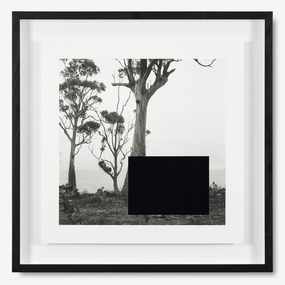 City of Stonnington
James Tylor, (erased scenes) From an untouched landscape #10, 2014
... ...Cultural identity...Stonnington contemporary art collection Landscape Cultural identity First Peoples post colonialism First Nations Indigenous Aboriginal Torres Strait Islander Mixed Media Photography James Tylor Digital print on Hahnemühle paper (erased scenes) From an untouched landscape #10 James Tylor ...James Tylor’s practice examines racial and cultural identity in Australian contemporary society and social history. He explores Australian cultural representation through his multi-racial heritage comprising Aboriginal, English, and Maori Australian ancestry. This interest is informed using these media in that era to document Indigenous Australian and Maori culture. Tylor reminds us of what has been removed from the view of the Australian landscape, and reflects on the limitations of the romantic landscape tradition itself - the tensions between Australian and Indigenous histories. Digital print on Hahnemühle paperstonnington contemporary art collection, landscape, cultural identity, first peoples, post colonialism, first nations, indigenous, aboriginal torres strait islander, mixed media, photography, james tylor -
 City of Stonnington
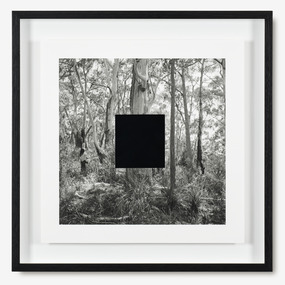
James Tylor, (erased scenes) From an untouched landscape #12, 2014
... ...Cultural identity...Stonnington contemporary art collection Landscape Cultural identity First Peoples post colonialism First Nations Indigenous Aboriginal Torres Strait Islander Mixed Media Photography James Tylor Digital print on Hahnemühle paper (erased scenes) From an untouched landscape #12 James Tylor ...James Tylor’s practice examines racial and cultural identity in Australian contemporary society and social history. He explores Australian cultural representation through his multi-racial heritage comprising Aboriginal, English, and Maori Australian ancestry. This interest is informed using these media in that era to document Indigenous Australian and Maori culture. Tylor reminds us of what has been removed from the view of the Australian landscape, and reflects on the limitations of the romantic landscape tradition itself - the tensions between Australian and Indigenous histories.Digital print on Hahnemühle paperstonnington contemporary art collection, landscape, cultural identity, first peoples, post colonialism, first nations, indigenous, aboriginal torres strait islander, mixed media, photography, james tylor -
 City of Stonnington
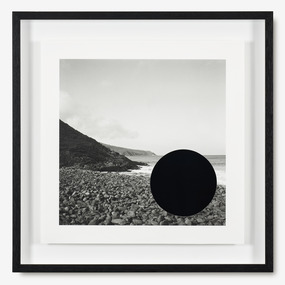
James Tylor, (erased scenes) From an untouched landscape #13, 2014
... ...Cultural identity...Stonnington contemporary art collection Landscape Cultural identity First Peoples post colonialism First Nations Indigenous Aboriginal Torres Strait Islander Mixed Media Photography James Tylor Digital print on Hahnemühle paper (erased scenes) From an untouched landscape #13 James Tylor ...James Tylor’s practice examines racial and cultural identity in Australian contemporary society and social history. He explores Australian cultural representation through his multi-racial heritage comprising Aboriginal, English, and Maori Australian ancestry. This interest is informed using these media in that era to document Indigenous Australian and Maori culture. Tylor reminds us of what has been removed from the view of the Australian landscape, and reflects on the limitations of the romantic landscape tradition itself - the tensions between Australian and Indigenous histories. Digital print on Hahnemühle paperstonnington contemporary art collection, landscape, cultural identity, first peoples, post colonialism, first nations, indigenous, aboriginal torres strait islander, mixed media, photography, james tylor -
 City of Stonnington
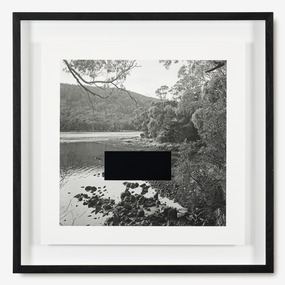
James Tylor, (erased scenes) From an untouched landscape #14, 2014
... ...Cultural identity...Stonnington contemporary art collection Landscape Cultural identity First Peoples post colonialism First Nations Indigenous Aboriginal Torres Strait Islander Mixed Media Photography James Tylor Digital print on Hahnemühle paper (erased scenes) From an untouched landscape #14 James Tylor ...James Tylor’s practice examines racial and cultural identity in Australian contemporary society and social history. He explores Australian cultural representation through his multi-racial heritage comprising Aboriginal, English, and Maori Australian ancestry. This interest is informed using these media in that era to document Indigenous Australian and Maori culture. Tylor reminds us of what has been removed from the view of the Australian landscape, and reflects on the limitations of the romantic landscape tradition itself - the tensions between Australian and Indigenous histories.Digital print on Hahnemühle paperstonnington contemporary art collection, landscape, cultural identity, first peoples, post colonialism, first nations, indigenous, aboriginal torres strait islander, mixed media, photography, james tylor -
 City of Stonnington
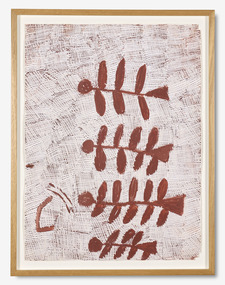
Nyapanyapa Yunupingu, Djorra (paper) 16, 2014
... ...Cultural identity...Stonnington contemporary art collection First Peoples First Nations Indigenous Aboriginal Torres Strait Islander Work on paper Nyapanyapa Yunupingu Djorra Sisters Laranni Cultural identity Djorra (paper) 16 Nyapanyapa Yunupingu ...Nyapanyapa Yunupingu is a senior Yolngu artist based in Yirrkala in North East Arnhem Land. Yunupingu’s paintings and drawings are highly idiosyncratic because she often depicts personal observations, or merely ‘things she likes’. This is distinctive from many of those of her Yolngu peers who adhere to a stricter approach to the telling of ancestral stories such as dreaming narratives expressed through clan designs. This marks Yunupingu as one of the most striking and experimental visual artists in the region. This series of Djorra works come from a 2015 exhibition titled Lawarra Maypa, a Macassan term for ‘pages and pages’. They are exemplary of Yunupingu’s experimental approach, and of the prolific nature of her practice. The works are executed in materials found lying around the print workshop of Buku-Larrnggay Mulka Centre where Yunupingu works, and include paper from a photoshoot, print paper, permanent markers, white pipe clay (a naturally occurring ochre in North East Arnhem Land), and gadayka (stringy bark) hollowed out by termites to form a larrakitj or ceremonial pole. The key motifs of Lawarra Maypa are Yunupingu and her sisters (the figures depicted in dresses) and laranni (bush apple trees). These are combined with mayilimiriw, linear and circular patterns and other non-sacred marks that are used to cover up sacred stories from uninitiated viewers.stonnington contemporary art collection, first peoples, first nations, indigenous, aboriginal torres strait islander, work on paper, nyapanyapa yunupingu, djorra, sisters, laranni, cultural identity -
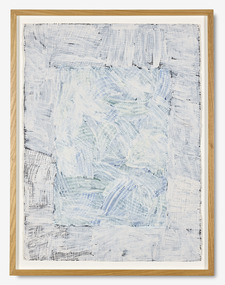 City of Stonnington
Nyapanyapa Yunupingu, Djorra (paper) 19, 2014
... ...Cultural identity...Stonnington contemporary art collection First Peoples First Nations Indigenous Aboriginal Torres Strait Islander Work on paper Nyapanyapa Yunupingu Djorra Sisters Laranni Cultural identity Djorra (paper) 19 Nyapanyapa Yunupingu ...Nyapanyapa Yunupingu is a senior Yolngu artist based in Yirrkala in North East Arnhem Land. Yunupingu’s paintings and drawings are highly idiosyncratic because she often depicts personal observations, or merely ‘things she likes’. This is distinctive from many of those of her Yolngu peers who adhere to a stricter approach to the telling of ancestral stories such as dreaming narratives expressed through clan designs. This marks Yunupingu as one of the most striking and experimental visual artists in the region. This series of Djorra works come from a 2015 exhibition titled Lawarra Maypa, a Macassan term for ‘pages and pages’. They are exemplary of Yunupingu’s experimental approach, and of the prolific nature of her practice. The works are executed in materials found lying around the print workshop of Buku-Larrnggay Mulka Centre where Yunupingu works, and include paper from a photoshoot, print paper, permanent markers, white pipe clay (a naturally occurring ochre in North East Arnhem Land), and gadayka (stringy bark) hollowed out by termites to form a larrakitj or ceremonial pole. The key motifs of Lawarra Maypa are Yunupingu and her sisters (the figures depicted in dresses) and laranni (bush apple trees). These are combined with mayilimiriw, linear and circular patterns and other non-sacred marks that are used to cover up sacred stories from uninitiated viewers.stonnington contemporary art collection, first peoples, first nations, indigenous, aboriginal torres strait islander, work on paper, nyapanyapa yunupingu, djorra, sisters, laranni, cultural identity -
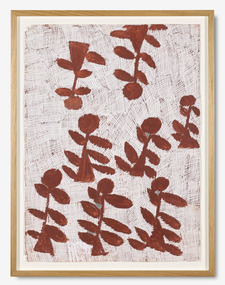 City of Stonnington
Nyapanyapa Yunupingu, Djorra (paper) 20, 2014
... ...Cultural identity...Stonnington contemporary art collection First Peoples First Nations Indigenous Aboriginal Torres Strait Islander Work on paper Nyapanyapa Yunupingu Djorra Sisters Laranni Cultural identity Djorra (paper) 20 Nyapanyapa Yunupingu ...Nyapanyapa Yunupingu is a senior Yolngu artist based in Yirrkala in North East Arnhem Land. Yunupingu’s paintings and drawings are highly idiosyncratic because she often depicts personal observations, or merely ‘things she likes’. This is distinctive from many of those of her Yolngu peers who adhere to a stricter approach to the telling of ancestral stories such as dreaming narratives expressed through clan designs. This marks Yunupingu as one of the most striking and experimental visual artists in the region. This series of Djorra works come from a 2015 exhibition titled Lawarra Maypa, a Macassan term for ‘pages and pages’. They are exemplary of Yunupingu’s experimental approach, and of the prolific nature of her practice. The works are executed in materials found lying around the print workshop of Buku-Larrnggay Mulka Centre where Yunupingu works, and include paper from a photoshoot, print paper, permanent markers, white pipe clay (a naturally occurring ochre in North East Arnhem Land), and gadayka (stringy bark) hollowed out by termites to form a larrakitj or ceremonial pole. The key motifs of Lawarra Maypa are Yunupingu and her sisters (the figures depicted in dresses) and laranni (bush apple trees). These are combined with mayilimiriw, linear and circular patterns and other non-sacred marks that are used to cover up sacred stories from uninitiated viewers.stonnington contemporary art collection, first peoples, first nations, indigenous, aboriginal torres strait islander, work on paper, nyapanyapa yunupingu, djorra, sisters, laranni, cultural identity -
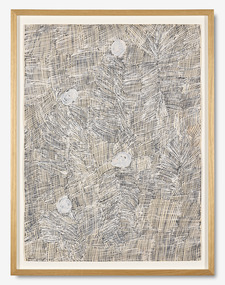 City of Stonnington
Nyapanyapa Yunupingu, Djorra (paper) 26, 2014
... ...Cultural identity...Stonnington contemporary art collection First Peoples First Nations Indigenous Aboriginal Torres Strait Islander Work on paper Nyapanyapa Yunupingu Djorra Sisters Laranni Cultural identity Djorra (paper) 26 Nyapanyapa Yunupingu ...Nyapanyapa Yunupingu is a senior Yolngu artist based in Yirrkala in North East Arnhem Land. Yunupingu’s paintings and drawings are highly idiosyncratic because she often depicts personal observations, or merely ‘things she likes’. This is distinctive from many of those of her Yolngu peers who adhere to a stricter approach to the telling of ancestral stories such as dreaming narratives expressed through clan designs. This marks Yunupingu as one of the most striking and experimental visual artists in the region. This series of Djorra works come from a 2015 exhibition titled Lawarra Maypa, a Macassan term for ‘pages and pages’. They are exemplary of Yunupingu’s experimental approach, and of the prolific nature of her practice. The works are executed in materials found lying around the print workshop of Buku-Larrnggay Mulka Centre where Yunupingu works, and include paper from a photoshoot, print paper, permanent markers, white pipe clay (a naturally occurring ochre in North East Arnhem Land), and gadayka (stringy bark) hollowed out by termites to form a larrakitj or ceremonial pole. The key motifs of Lawarra Maypa are Yunupingu and her sisters (the figures depicted in dresses) and laranni (bush apple trees). These are combined with mayilimiriw, linear and circular patterns and other non-sacred marks that are used to cover up sacred stories from uninitiated viewers.stonnington contemporary art collection, first peoples, first nations, indigenous, aboriginal torres strait islander, work on paper, nyapanyapa yunupingu, djorra, sisters, laranni, cultural identity -
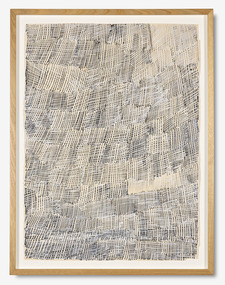 City of Stonnington
Nyapanyapa Yunupingu, Djorra (paper) 27, 2014
... ...Cultural identity...Stonnington contemporary art collection First Peoples First Nations Indigenous Aboriginal Torres Strait Islander Work on paper Nyapanyapa Yunupingu Djorra Sisters Laranni Cultural identity Djorra (paper) 27 Nyapanyapa Yunupingu ...Nyapanyapa Yunupingu is a senior Yolngu artist based in Yirrkala in North East Arnhem Land. Yunupingu’s paintings and drawings are highly idiosyncratic because she often depicts personal observations, or merely ‘things she likes’. This is distinctive from many of those of her Yolngu peers who adhere to a stricter approach to the telling of ancestral stories such as dreaming narratives expressed through clan designs. This marks Yunupingu as one of the most striking and experimental visual artists in the region. This series of Djorra works come from a 2015 exhibition titled Lawarra Maypa, a Macassan term for ‘pages and pages’. They are exemplary of Yunupingu’s experimental approach, and of the prolific nature of her practice. The works are executed in materials found lying around the print workshop of Buku-Larrnggay Mulka Centre where Yunupingu works, and include paper from a photoshoot, print paper, permanent markers, white pipe clay (a naturally occurring ochre in North East Arnhem Land), and gadayka (stringy bark) hollowed out by termites to form a larrakitj or ceremonial pole. The key motifs of Lawarra Maypa are Yunupingu and her sisters (the figures depicted in dresses) and laranni (bush apple trees). These are combined with mayilimiriw, linear and circular patterns and other non-sacred marks that are used to cover up sacred stories from uninitiated viewers.stonnington contemporary art collection, first peoples, first nations, indigenous, aboriginal torres strait islander, work on paper, nyapanyapa yunupingu, djorra, sisters, laranni, cultural identity -
 City of Stonnington
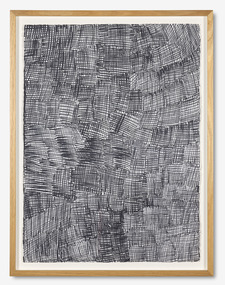
Nyapanyapa Yunupingu, Djorra (paper) 29, 2014
... ...Cultural identity...Stonnington contemporary art collection First Peoples First Nations Indigenous Aboriginal Torres Strait Islander Work on paper Nyapanyapa Yunupingu Djorra Sisters Laranni Cultural identity Djorra (paper) 29 Nyapanyapa Yunupingu ...Nyapanyapa Yunupingu is a senior Yolngu artist based in Yirrkala in North East Arnhem Land. Yunupingu’s paintings and drawings are highly idiosyncratic because she often depicts personal observations, or merely ‘things she likes’. This is distinctive from many of those of her Yolngu peers who adhere to a stricter approach to the telling of ancestral stories such as dreaming narratives expressed through clan designs. This marks Yunupingu as one of the most striking and experimental visual artists in the region. This series of Djorra works come from a 2015 exhibition titled Lawarra Maypa, a Macassan term for ‘pages and pages’. They are exemplary of Yunupingu’s experimental approach, and of the prolific nature of her practice. The works are executed in materials found lying around the print workshop of Buku-Larrnggay Mulka Centre where Yunupingu works, and include paper from a photoshoot, print paper, permanent markers, white pipe clay (a naturally occurring ochre in North East Arnhem Land), and gadayka (stringy bark) hollowed out by termites to form a larrakitj or ceremonial pole. The key motifs of Lawarra Maypa are Yunupingu and her sisters (the figures depicted in dresses) and laranni (bush apple trees). These are combined with mayilimiriw, linear and circular patterns and other non-sacred marks that are used to cover up sacred stories from uninitiated viewers.stonnington contemporary art collection, first peoples, first nations, indigenous, aboriginal torres strait islander, work on paper, nyapanyapa yunupingu, djorra, sisters, laranni, cultural identity -
 City of Stonnington
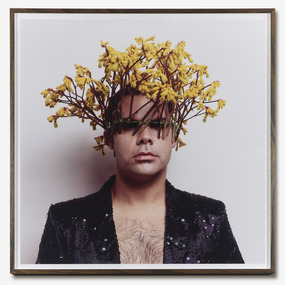
Christian Thompson AO, Untitled (Yellow Kangaroo Paw), 2007
... ...Cultural identity...Stonnington contemporary art collection First Peoples First Nations Indigenous Aboriginal Torres Strait Islander Cultural identity Photography Memory History Kinship Christian Thompson Untitled (Yellow Kangaroo Paw) Christian Thompson AO ...Christian Thompson’s work reflects on issues of identity, cultural hybridity, kinship, memory and history. In 2010 he became the Inaugural Charlie Perkins Scholar and the first Aboriginal Australian artist to be admitted to Oxford University where he completed a Doctorate of Philosophy (Fine Art) at Trinity College. Thompson uses humour and playful subterfuge to subvert and critique throughout his multidisciplinary practice including sculpture, photography, video, performance and sound. These arresting and carefully orchestrated images are of the artist dressed in stylised clothing and handmade headdresses of Australian flora. While resonating with poetic and timeless beauty, the series Australian Graffiti contrasts Australia’s fascination with native flora with ideologies that correlate Aboriginal people with flora and fauna, not humanity.stonnington contemporary art collection, first peoples, first nations, indigenous, aboriginal torres strait islander, cultural identity, photography, memory, history, kinship, christian thompson -
 City of Stonnington
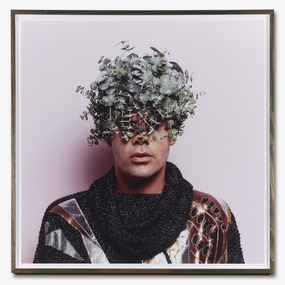
Christian Thompson AO, Untitled (Bluegum), 2007
... ...Cultural identity...Stonnington contemporary art collection First Peoples First Nations Indigenous Aboriginal Torres Strait Islander Cultural identity Photography Memory History Kinship Christian Thompson Untitled (Bluegum) Christian Thompson AO ...stonnington contemporary art collection, first peoples, first nations, indigenous, aboriginal torres strait islander, cultural identity, photography, memory, history, kinship, christian thompson -
 City of Stonnington
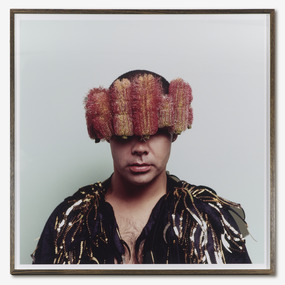
Christian Thompson AO, Untitled (Banksia), 2007
... ...Cultural identity...Stonnington contemporary art collection First Peoples First Nations Indigenous Aboriginal Torres Strait Islander Cultural identity Photography Memory History Kinship Christian Thompson Untitled (Banksia) Christian Thompson AO ...Christian Thompson’s work reflects on issues of identity, cultural hybridity, kinship, memory and history. In 2010 he became the Inaugural Charlie Perkins Scholar and the first Aboriginal Australian artist to be admitted to Oxford University where he completed a Doctorate of Philosophy (Fine Art) at Trinity College. Thompson uses humour and playful subterfuge to subvert and critique throughout his multidisciplinary practice including sculpture, photography, video, performance and sound. These arresting and carefully orchestrated images are of the artist dressed in stylised clothing and handmade headdresses of Australian flora. While resonating with poetic and timeless beauty, the series Australian Graffiti contrasts Australia’s fascination with native flora with ideologies that correlate Aboriginal people with flora and fauna, not humanity. stonnington contemporary art collection, first peoples, first nations, indigenous, aboriginal torres strait islander, cultural identity, photography, memory, history, kinship, christian thompson -
 City of Stonnington
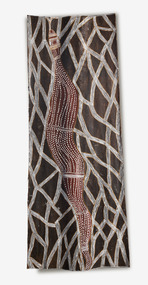
Nonggirrnga Marawili, Mundukul (Lightning Snake), 2014
... ...Cultural identity...Stonnington contemporary art collection First Peoples First Nations Indigenous Aboriginal Torres Strait Islander Painting Nonggirrnga Marawili Cultural identity History Natural environment Mundukul (Lightning Snake) Nonggirrnga Marawili ...Nonggirrnga Marawili is a Madarrpa elder whose work is recognisable for its highly sophisticated use of line, crosshatched motifs and designs from both her ancestral clans as well as observations of the everyday. Marawili’s organic patterns reflect an ingrained and innate understanding of her culture, history and environment. Often imposing, her works are consistently innovative, confidently executed, and highly refined. Mundukul, or Lightning Snake, painted in natural ochres on bark, can be understood as ‘lightning being sworn across the landscape by the serpent, who resides in the same water as the rock which is driving sea spray into the air. The ‘nets’ of diamond shaped lines echo the classic miny’tji, clan designs of the saltwater estate of Yathikpa. In 2015 Marawili was awarded the Telstra Bark Painting Award at the prestigious Telstra National Aboriginal and Torres Strait Islander Art Awards.stonnington contemporary art collection, first peoples, first nations, indigenous, aboriginal torres strait islander, painting, nonggirrnga marawili, cultural identity, history, natural environment -
 City of Stonnington
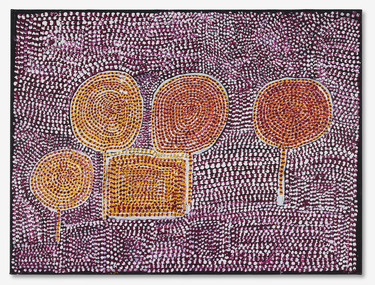
Daisy Loongkoonan, Bush Tucker in Nyikina Country, 2007
... ...Cultural identity...Stonnington contemporary art collection First Peoples First Nations Indigenous Aboriginal Torres Strait Islander Painting Loongkoonan Cultural identity Landscape Nyikina Bush tucker Cultural knowledge Bush Tucker in Nyikina Country Daisy Loongkoonan ...An esteemed elder and matriarch in her community, Loongkoonan was born around 1910 at Mount Anderson Station, Western Australia. Her artwork concerns - repeatedly and with uninterrupted focus - Nyikina country. These are the lands abutting the lower stretches of Mardoowarra, the majestic waterway that in 1837 would be renamed by European colonists the Fitzroy River. The First Peoples inhabitants of these lands call themselves Yimardoowarra—the people of the river—reflecting not just their habitation of this place, but their belonging to this country. During her travels across country, Loongkoonan collected bush tucker, plants used for medicinal purposes and spinifex wax in the wet season. More than a botanical reference, her ‘bush tucker’ renderings are composed as metaphors for a complex mapping of extensive, accumulated cultural knowledge. Loongkoonan explained, "Footwalking is the only proper way to learn about country, and remember it. That is how I got to know all of the bush tucker and medicine. … In my paintings I show all types of bush tucker – good tucker that we lived off in the bush. I paint Nyikina country the same way eagles see country when they are high up in the sky." It is this idiosyncratic representation of her country in aerial perspective that contributes to Loongkoonan’s individuality and significance as an artist. The landscape is depicted as a complex composition with multiple simultaneous viewpoints. These colourful, directly painted works are innovative, joyous and without apparent precedent. Loongkoonan began painting at the age of 95. Her work is held in a number of prominent Australian collections and was featured in the 2016 Adelaide Biennale.stonnington contemporary art collection, first peoples, first nations, indigenous, aboriginal torres strait islander, painting, loongkoonan, cultural identity, landscape, nyikina, bush tucker, cultural knowledge -
 City of Stonnington
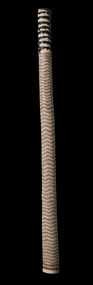
Nawurapu Wunungmurra, Garraparra, 2013
... ...Cultural identity...Stonnington contemporary art collection First Peoples First Nations Indigenous Aboriginal Torres Strait Islander Painting Nawurapu Wunungmurra Garraparra Coastal Yirritja Saltwater Sacred Burial Cultural heritage Cultural identity Garraparra Nawurapu Wunungmurra ...Nawurapu Wunungmurra is the eldest son of the late Yaggarriny Wunungmurra, the first Aboriginal artist to have his copyright recognised in an Australian court. From an early age he was trained by his father and assisted him with this painting. Later, as his own spiritual authority increased, he painted in his own right. This pole depicts the sea at Garraparra, a coastal headland and bay area within Mungurru, or Blue Mud Bay. Garraparra has been rendered by the wavy design for Yirritja (deep saltwater) that has many states and connects with the sacred waters coming from the land estates by currents and tidal flow. Garraparra marks the spot of a sacred burial area for the Dhalwangu clan to which Wunungmurra belongs. Sacred songs and dance narrate the heroic adventures of two ancestral hunters who left the shores of Garraparra hunting for turtle. On their journey they passed sacred places and ancestral totems before they came to grief when their canoe capsized. The hunters’ bodies washed back to the shores of Garraparra with the currents and the tides, as the Wangupini, cloud rising from the north, followed with its rain and wind. In the songs, the terns (Gitkit) reel in the breeze around these statuesque clouds on the horizon, and this stylised rendition of clouds seen at the top of this work is the latest motif in Wunungmurra’s ouvre.Ceremonial hollow log poles Arnhem Land, Northern Territory The people of Central and Eastern Arnhem Land refer to themselves collectively as Yolngu, meaning human beings. The Yolngu traditionally use logs naturally hollowed out by termites in a funerary and ceremonial functions, principally as an ossuary. In an Australian contemporary art context however hollow log sculptures are purely memorial in function and made explicitly for public display. In Arnhem Land hollow logs are known as larrakitj; hollow logs known by other names are used in burial practices by a number of Aboriginal peoples in the north of Australia. The logs can also represent the deceased person, as the designs applied are the same as those painted on the body during the burial rites. All Yolngu clans belong to a moiety, one of two complementary halves of society: Dhuwa and Yirritja. All such affiliations play a part in Aboriginal artists' inherited right to paint an established set of designs belonging to their social group; this inheritance is, in fact, the artist's copyright over imagery.stonnington contemporary art collection, first peoples, first nations, indigenous, aboriginal torres strait islander, painting, nawurapu wunungmurra, garraparra, coastal, yirritja, saltwater, sacred burial, cultural heritage, cultural identity -
 City of Stonnington
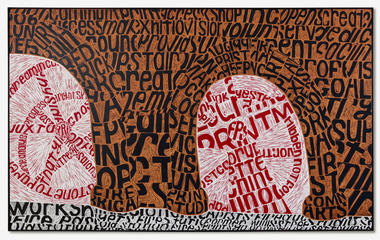
Angela Cavalieri, Building Narratives, 2017
... ...Cultural identity...Stonnington contemporary art collection Angela Cavalieri Linocut Printing Architecture Literature Text History Migration Cultural identity Classics European Italian Building Narratives Angela Cavalieri ...Angela Cavalieri explores how architecture, language, and memory intertwine. In Building Narratives, the Melbourne artist uses large-scale printmaking to merge literary text with physical structures. Inspired by her Italian heritage and classical European buildings, Cavalieri treats words as literal building blocks. The hand-carved lettering loops and stacks to form rhythmic patterns. These shapes mimic the arches, columns, and facades of monumental ruins. By layering the narrative, she transforms writing into a physical, walk-through environment. The massive scale invites you to read the image as both a grand building and a poetic story. Through this fusion of word and form, Building Narratives investigates how history, migration, and cultural identity are built and preserved over time. stonnington contemporary art collection, angela cavalieri, linocut, printing, architecture, literature, text, history, migration, cultural identity, classics, european, italian -
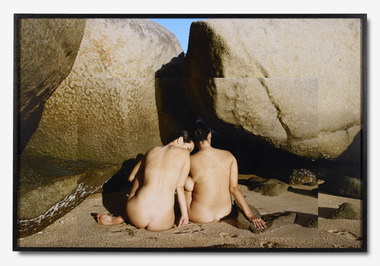 City of Stonnington
Amrita Hepi, Aisle, Isle (I'll), 2023
... ...Cultural identity...Stonnington contemporary art collection First Peoples First Nations Indigenous Aboriginal Torres Strait Islander Photography Amrita Hepi Sisters Homophone Doppelgänger Fictional Townsville Memory Cultural identity Aisle, Isle (I'll) Amrita Hepi ...Artist and choreographer Amrita Hepi uses visual and verbal homophones to explore identity, memory, and structural spaces. The title of this work Aisle, Isle (I'll) plays on three words that sound identical but carry different meanings: a walkway (aisle), an island (isle), and a contraction of intent (I'll). Framed through this linguistic play, Aisle Isle (I'll) depicts the artist and her younger sister as a conceptual doppelgänger. Operating as a ‘human homophone,’ her sister’s presence is simultaneously familiar yet distinctly independent. Together they inhabit a stylised, fictionalised vignette captured against the tropical backdrop of their shared birthplace, Townsville. stonnington contemporary art collection, first peoples, first nations, indigenous, aboriginal torres strait islander, photography, amrita hepi, sisters, homophone, doppelgänger, fictional, townsville, memory, cultural identity -
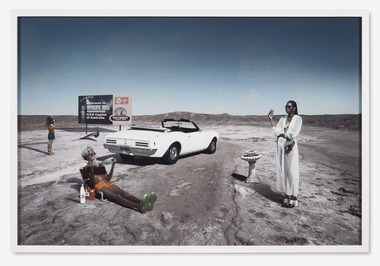 City of Stonnington
Michael Cook, Fake (Salt Lake), 2023
... ...Cultural identity...Stonnington contemporary art collection First Peoples First Nations Indigenous Aboriginal Torres Strait Islander Photography Cultural identity Michael Cook post colonialism Fake (Salt Lake) Michael Cook ...Michael Cook's Fake series is a visual essay in speculative history. Cook flips the conventional colonial narratives in his images that are tremendously playful at first glance but, on reflection, are deep interrogations of Australia's colonial history and its ongoing impacts on its First Peoples. Michael Cook is a Brisbane-based photomedia artist of Bidjara heritage. Cook’s photographs re-stage colonial-focused histories and re-imagine the contemporary reality of indigenous populations. Touching on the discriminatory nature of society, his images muddle racial and social roles, painting a picture of a societal structure reversed. stonnington contemporary art collection, first peoples, first nations, indigenous, aboriginal torres strait islander, photography, cultural identity, michael cook, post colonialism -
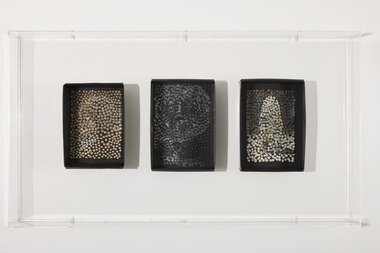 City of Stonnington
Daniel Boyd, Up in smoke tour #1-3, 2011
... ...Cultural identity...Stonnington contemporary art collection First Peoples First Nations Indigenous Aboriginal Torres Strait Islander Cultural identity Daniel Boyd Painting Assemblage Up in smoke tour #1-3 Daniel Boyd ...Daniel Boyd’s practice often investigates complex or contrasting forces, such as the primitive and the modern, this world and the next, and traditional techniques fused with contemporary methods. He completed a Bachelor of Arts at the Australian National University School of Art and in 2012 he was artist-in-residence at the Natural History Museum in London. There he reflected on the Museums collection’s historic images concerning the First Fleet’s arrival in Australia and their tendency to obscure the original identity of any indigenous subjects. It was during this residency he researched and made the Up In Smoke Tour series of work that concerns this omission and the lives of Indigenous Australians following the bleak realities of colonialism. Using archival resin glue and watercolour on photocopied images to recast and reimagine dot-paintings, Boyd masks attempts to identify the image or narrative of his works. He reinterprets Aboriginal and Australian-European history through recasting artworks and icons and altering the familiar interpretation of materials, here using Museum specimen boxes that previously contained the bones of Aboriginal people.stonnington contemporary art collection, first peoples, first nations, indigenous, aboriginal torres strait islander, cultural identity, daniel boyd, painting, assemblage -
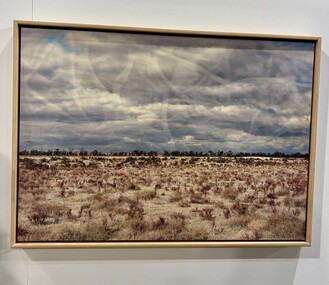 Wyndham Art Gallery (Wyndham City Council)
Photograph, Gail Harradine and Belinda Eckermann, Burrundy (Dark) Sky Part 2 (Mali Marrng/Mallee Sky series), 2022
... ...Cultural story...Identity...identity, kinship, and connection. She is passionate about expanding and reflecting on the concepts of truth and integrity in valuing cultural knowledge. ...Australian First Nations Art First Nations Photography Cultural story Identity Australian Photography First Nations Burrundy (Dark) Sky Part 2 (Mali Marrng/Mallee Sky series) Photograph Gail Harradine and Belinda Eckermann ...Burrundy (Dark) Sky Part 2 (Mali Marrng/Mallee Sky series) 2022 by Gail Harradine and collaborator Belinda Eckermann explores First Nations Peoples kinship to the land, waterways and sky. This work is part of a significant series that gives form to the invisible and unseen personal, familial and community narrative of connection to landscape. Gail Harradine and Belinda Eckermann’s first-time collaboration merges digital photography, entomological research, electron microscopic imaging and First Nations cultural practices, to explore a shared knowledge and connection to the landscape around Lake Albacutya –Ngalukgutya in Victoria Mallee region. The work fits into the Wyndham Art Gallery curatorial collection theme of First Nations Foregrounding and Futurism: Foregrounding Frist Nations knowing and being as a way to work with place, story and connection; and works to engage with new mediums and forms of artmaking engaging with new technologies and innovation in creative making. Gail Harradine Gail Harradine is a Wotjobaluk, Jadawadjali, Djubagalk artist, curator, and educator. Growing up in Dimboola, Victoria, Gail was nurtured by a staunch family in the heart of Wotjobaluk Country. She has completed eight years of study, including a Postgraduate in Art Curatorial Studies (with Thesis) at Melbourne University and a Master of Arts (Arts Management) with Distinction in 2022 at RMIT. Gail's longstanding arts practice is deeply influenced by family history, identity, kinship, and connection. She is passionate about expanding and reflecting on the concepts of truth and integrity in valuing cultural knowledge. In her work, meaning and memory converge through photography, prints, and painting, using symbolic layers intertwined with dynamic figures and ceremonial landscapes. This creates a world that merges Creation Stories with personal tragedy and triumph. Belinda Eckermann Belinda Eckermann lives and works in Victoria’s Wimmera/Mallee Region. Her current practice is intrinsically tied to her local environment. In 2013, she undertook her Masters in Visual Arts. She currently investigating the native Bardi Grub and Rain Moth and modes of incorporating their natural interventions with their environment into her creative practice. Eckermann has exhibited regularly throughout regional Victoria since 2009 and recently won Best Emerging Artist at the Knox Immerse Festival. She is also the Founder and Director of Turbo Gallery, Rainbow, Victoria. australian first nations art, first nations photography, cultural story, identity, australian photography, first nations -
 Wyndham Art Gallery (Wyndham City Council)
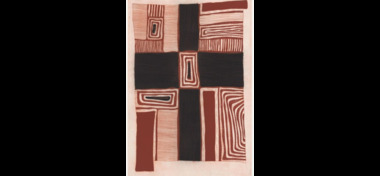
Work on paper, Lisa Waup, refinding tomorrow II, 2024
... ...Identity...Cultural...Australian First Nations Art Indigenous Art Identity Cultural story Women in Art refinding tomorrow II Work on paper Lisa Waup ...The cross design in refinding tomorrow represents a converging of pathways – pathways of connection that are coming together to ultimately form a whole. The crossroads is a powerful symbol of a moment in time, a positive reminder of the past and a chance to ponder the future. There is movement through time in these designs and a chance that something lost will be found again. I trust that I will always carry with me in my heart, body and spirit, the wisdom of knowledge from my ancestors.Lisa Waup is a mixed-cultural First Nations artist and curator who was born in Narrm (Melbourne). Her multidisciplinary practice encompasses a diverse range of media including weaving, printmaking, sculpture, fashion, and digital art. With a deep connection to the symbolic power of materials, Lisa’s work reflects her personal experiences, family history, Country, and broader historical narratives. Through her practice, Lisa weaves together threads of lost history, ancestral relationships, motherhood, and the passage of time – which culminates in contemporary expressions that speak to her past, present and future. Lisa Waup holds a Master of Contemporary Art from the University of Melbourne and her work is held in both public and private collections in Australia and internationally. australian first nations art, indigenous art, identity, cultural story, women in art -
 Wyndham Art Gallery (Wyndham City Council)
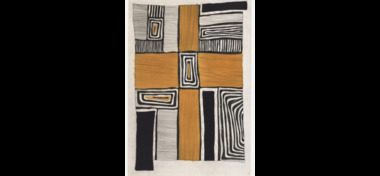
Work on paper, Lisa Waup, refinding tomorrow, 2024
... ...Identity...Cultural...Australian First Nations Art Indigenous Art Identity Cultural story Women in Art refinding tomorrow Work on paper Lisa Waup ...The cross design in refinding tomorrow represents a converging of pathways – pathways of connection that are coming together to ultimately form a whole. The crossroads is a powerful symbol of a moment in time, a positive reminder of the past and a chance to ponder the future. There is movement through time in these designs and a chance that something lost will be found again. I trust that I will always carry with me in my heart, body and spirit, the wisdom of knowledge from my ancestors.Lisa Waup is a mixed-cultural First Nations artist and curator who was born in Narrm (Melbourne). Her multidisciplinary practice encompasses a diverse range of media including weaving, printmaking, sculpture, fashion, and digital art. With a deep connection to the symbolic power of materials, Lisa’s work reflects her personal experiences, family history, Country, and broader historical narratives. Through her practice, Lisa weaves together threads of lost history, ancestral relationships, motherhood, and the passage of time – which culminates in contemporary expressions that speak to her past, present and future. Lisa Waup holds a Master of Contemporary Art from the University of Melbourne and her work is held in both public and private collections in Australia and internationally. australian first nations art, indigenous art, identity, cultural story, women in art
