
Showing 17 items matching "frank thring"
-
 Melbourne Athenaeum Archives
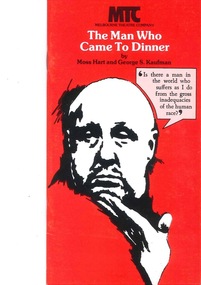
Theatre, The Man Who Came to Dinner (play) by Moss Hart and George S. Kaufman performed at the Athenaeum Theatre commencing 26 November 1981
... ...frank thring...Main role in the play performed by Frank Thring....Main role in the play performed by Frank Thring. the man who came to dinner athenaeum theatre melbourne theatre company frank thring moss hart & george kaufman paper program The Man Who Came to Dinner (play) by Moss Hart and George S. ...Main role in the play performed by Frank Thring.paper programthe man who came to dinner, athenaeum theatre, melbourne theatre company, frank thring, moss hart & george kaufman -
 Melbourne Athenaeum Archives
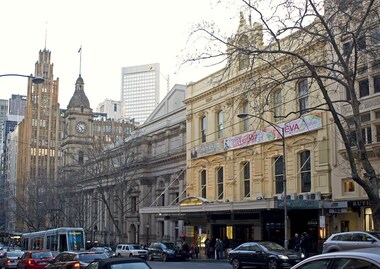
Video - ABC 7.30 Report: The Athenaeum 's 170th birthday, Australian Broadcasting Corporation, Melbourne, Athenaeum building celebrates 170 years, 11/11/2009
... ...frank thring....LISA WHITEHEAD: In time, the cinema was returned to its theatrical roots. FRANK THRING, 1977: It has a great resemblance to the Theatre Royal in Hobart which Larry Olivier has called the best theatre he's ever worked in. ...LISA WHITEHEAD: In time, the cinema was returned to its theatrical roots. FRANK THRING, 1977: It has a great resemblance to the Theatre Royal in Hobart which Larry Olivier has called the best theatre he's ever worked in. ...Transcript: Athenaeum building celebrates 170 years Australian Broadcasting Corporation Broadcast: 11/11/2009 Reporter: Lisa Whitehead Tomorrow marks the 170th birthday of one of the nation's historic cultural landmarks. Melbourne’s Athenaeum building has, in one form or other, provided education and entertainment for the Victorian colony as it became a city; and along the way, documented its growth. Transcript KERRY O’BRIEN, PRESENTER: Tomorrow marks the 170th birthday of one of the nation's historic cultural landmarks. Melbourne's Athenaeum building has, in one form or another, provided education and entertainment. For the Victorian colonies it became a city and along the way documented its growth. The building's original library and theatre still draw devotees and as Lisa Whitehead reports, a loyal band of volunteers. KEVIN QUIGLEY, ATHENAEUM PRESIDENT: There's nothing like us that has been here from day one, four years after the boat pushed ashore, here we are. It's a thread that runs through the life of Melbourne. LISA WHITEHEAD, REPORTER: In the heart of Melbourne's CBD, the Athenaeum is a celebrity in disguise, the oldest cultural icon in the city, but barely noticed. MARJORIE DALVEAN, VOLUNTEER HISTORIAN: People of Melbourne walk past this area and they have no idea what it is. RAY LAWLER, PLAYWRIGHT: It seemed to me to be a place that absolutely, or breathes Melbourne, I suppose, culture. LISA WHITEHEAD: Just four years after Melbourne was founded, the colony built a Mechanic's Institution, one of the first in the world, a place where the working class could meet and learn. KEVIN QUIGLEY: People think of it as Wild West sort of place where these hearty types drank and rushed about, but Melbourne was freely settled. It was a city of people who wanted to better themselves - entrepreneurs. And the Mechanic's Institution was that innovative idea that had grown up in Edinburgh and London about providing an opportunity for education for the working people. LISA WHITEHEAD: Mark Twain lectured there. Later, other buildings were added and a theatre to host classic plays. And it adopted its more bourgeois friendly title of the Athenaeum. Crucially from the start there was the library, the first to offer affordable lending to the working man. And it still attracts devotees. Former University lecturer Margaret Bowman, 89, comes in every Wednesday, along with her dog to join an enthusiastic band of volunteers sorting through the archives. MARGARET BOWMAN, FORMER UNIVERSITY LECTURER: Doing research is something that I find actually I enjoy more than anything. Every old lady needs to have a project and now I've got a project. MARJORIE DALVEAN: Margaret, Christine has just found out that Alfred Deakin was a member here from 1874 to 1877. This place is not flashy, we've never been flashy. But book lovers walk in here and they know this is the place for them. ARCHIVAL FOOTAGE: Old times and old names. The Athenaeum theatre in Melbourne for more than 40 years has been one of the city's best known cinemas. LISA WHITEHEAD: In the 20th century, the theatre surrendered to the new craze of talking pictures, and one particular fan was famous Australian playwright Ray Lawler. At 13, he dropped out of school to work in a Footscray factory and two years later his first trip to the glamorous Athenaeum cinema hinted at the education he was missing. RAY LAWLER: It just had a style about it which I responded to, I think. I was looking for something and this seemed to be part of it. Ray Lawler went on to write "Summer of the Seventeenth Doll" and found literary fame overseas. About a century after it had started as an educational place for the working man, Ray Lawler had, in effect, become an Athenaeum graduate. RAL LAWLER: If they had been looking for the sort of person that they were hoping to encourage along the way, I suppose I would have been somebody that might have fitted the mould, you know. LISA WHITEHEAD: In time, the cinema was returned to its theatrical roots. FRANK THRING, 1977: It has a great resemblance to the Theatre Royal in Hobart which Larry Olivier has called the best theatre he's ever worked in. And it's almost identical. It is the true Victorian playhouse. The horseshoe shaped thing: stalls, dress circle and gallery. And you're close to the audience and they're close to you. Marvellous feeling. LISA WHITEHEAD: Today, it's still a theatre. But time has brought compromises. The once vaunted art gallery has now covered its windows and become a comedy club and performance space. TV and suburban life have eaten away at the library membership. It offers an online service now, and a recent federal government grant will pay for the upkeep of its gracious interior, including the 1930s elevator Ray Lawler used to ride. For him, it's money well spent on history quietly made and discreetly observed. RAY LAWLER: It's the lack of awareness, I think, that people don't know what they've got here. They've really got the whole history of Melbourne almost. KEVIN QUIGLEY: It was a similar organisation in Sydney but we are the only one that's got a continual lineage on the same spot. We started here and we're still here and we'll be here for another 100 years. KERRY O'BRIEN: Lisa Whitehead on a great Melbourne landmark. © 2010 ABC | Privacy Policy Beginning as the Melbourne Mechanics' Institution in 1839, the Melbourne Athenaeum has a long history that reflects the cultural and social development of Melbourne. It continues to be managed as a not-for-profit organisation by a volunteer board, with a subscription library (maintained since 1839) and a leased theatre.Video broadcast ABC 7:30 Report for 11/11/2009. "Tomorrow marks the 170th birthday of one of the nation's historic cultural landmarks. Melbourne’s Athenaeum building has, in one form or other, provided education and entertainment for the Victorian colony as it became a city; and along the way, documented its growth."athenaeum, australian broadcasting corporation, kerry o’brien, kevin quigley, lisa whitehead, marjorie dalvean, ray lawler, margaret bowman, frank thring. -
 St Kilda Historical Society
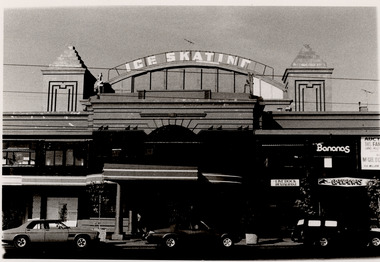
Photograph - Building, St Moritz Ice Skating Rink, c1970s
... From 1933-1936 the building became a film studio, Efftee Studios, for Frank W. Thring. In 1938, businessman Henry Hans "Harry" Kleiner announced that the Wattle Path would become an ice rink. ...From 1933-1936 the building became a film studio, Efftee Studios, for Frank W. Thring. In 1938, businessman Henry Hans "Harry" Kleiner announced that the Wattle Path would become an ice rink. ...The St. Moritz Ice Rink was a popular ice skating rink on The Esplanade, St. Kilda, Victoria. It operated between 1939–1981. As one of only two ice rinks in Melbourne in the 1940s and 1950s, it played a central role to the sport of ice hockey in Australia. Closed in 1982, it soon suffered a major fire and was then demolished, an event later seen as a major blow to the heritage of St Kilda. It was first built as the Wattle Path Palais de Danse in 1922, a very large dance hall, designed by architects Beaver & Purnell, The Wattle Path was the venue for the first all-Australian dance championship, and featured some of the best dance bands of Australia, as well as from America. Popular throughout the 1920s, it suffered due to the Great Depression, and closed in the early 1930s. From 1933-1936 the building became a film studio, Efftee Studios, for Frank W. Thring. In 1938, businessman Henry Hans "Harry" Kleiner announced that the Wattle Path would become an ice rink. He was sole proprietor until 1953, when he sold the business to J. Gordon and T. Molony, both champion skaters. Trade declined during the 1970s. The building was sold in 1980 to developers Hudson Conway and trucking magnate Lindsay Fox and was closed in early 1982. It was nominated to the Historic Buildings Preservation Council, but a majority of City of St Kilda councillors voted to oppose this action and uphold a demolition permit already issued. The building infamously suffered a fire later that year, leaving only the facades, which were demolished soon after. The site remained vacant until about 1991, when a mid-price hotel called the St Moritz was constructed. By 1993 it was simply called the Novotel St Kilda. The hotel closed in 2019 and was replaced by an apartment complex.Black and white photograph, unmounteddavid rae collection, st kilda, st moritz -
 St Kilda Historical Society
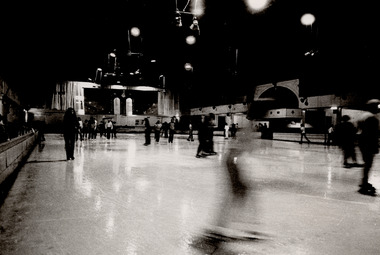
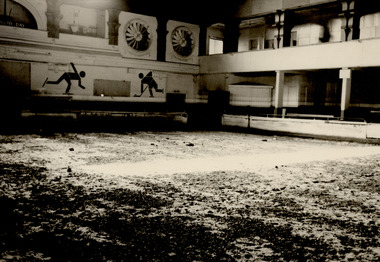
Photograph - Leisure activity, St Kilda Shout Collective, St Moritz Ice Skating Rink, 1980
... From 1933-1936 the building became a film studio, Efftee Studios, for Frank W. Thring. In 1938, businessman Henry Hans "Harry" Kleiner announced that the Wattle Path would become an ice rink. ...From 1933-1936 the building became a film studio, Efftee Studios, for Frank W. Thring. In 1938, businessman Henry Hans "Harry" Kleiner announced that the Wattle Path would become an ice rink. ...The St. Moritz Ice Rink was a popular ice skating rink on The Esplanade, St. Kilda, Victoria. It operated between 1939–1981. As one of only two ice rinks in Melbourne in the 1940s and 1950s, it played a central role to the sport of ice hockey in Australia. Closed in 1982, it soon suffered a major fire and was then demolished, an event later seen as a major blow to the heritage of St Kilda. It was first built as the Wattle Path Palais de Danse in 1922, a very large dance hall, designed by architects Beaver & Purnell, The Wattle Path was the venue for the first all-Australian dance championship, and featured some of the best dance bands of Australia, as well as from America. Popular throughout the 1920s, it suffered due to the Great Depression, and closed in the early 1930s. From 1933-1936 the building became a film studio, Efftee Studios, for Frank W. Thring. In 1938, businessman Henry Hans "Harry" Kleiner announced that the Wattle Path would become an ice rink. He was sole proprietor until 1953, when he sold the business to J. Gordon and T. Molony, both champion skaters. Trade declined during the 1970s. The building was sold in 1980 to developers Hudson Conway and trucking magnate Lindsay Fox and was closed in early 1982. It was nominated to the Historic Buildings Preservation Council, but a majority of City of St Kilda councillors voted to oppose this action and uphold a demolition permit already issued. The building infamously suffered a fire later that year, leaving only the facades, which were demolished soon after. The site remained vacant until about 1991, when a mid-price hotel called the St Moritz was constructed. By 1993 it was simply called the Novotel St Kilda. The hotel closed in 2019 and was replaced by an apartment complex.Black and white photograph, unmounteddavid rae collection, st kilda, st moritz -
 St Kilda Historical Society
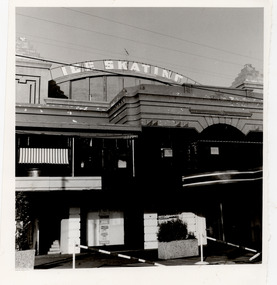
Photograph - Leisure activity, St Moritz Ice Skating Rink, c1980s
... From 1933-1936 the building became a film studio, Efftee Studios, for Frank W. Thring. In 1938, businessman Henry Hans "Harry" Kleiner announced that the Wattle Path would become an ice rink. ...From 1933-1936 the building became a film studio, Efftee Studios, for Frank W. Thring. In 1938, businessman Henry Hans "Harry" Kleiner announced that the Wattle Path would become an ice rink. ...The St. Moritz Ice Rink was a popular ice skating rink on The Esplanade, St. Kilda, Victoria. It operated between 1939–1981. As one of only two ice rinks in Melbourne in the 1940s and 1950s, it played a central role to the sport of ice hockey in Australia. Closed in 1982, it soon suffered a major fire and was then demolished, an event later seen as a major blow to the heritage of St Kilda. It was first built as the Wattle Path Palais de Danse in 1922, a very large dance hall, designed by architects Beaver & Purnell, The Wattle Path was the venue for the first all-Australian dance championship, and featured some of the best dance bands of Australia, as well as from America. Popular throughout the 1920s, it suffered due to the Great Depression, and closed in the early 1930s. From 1933-1936 the building became a film studio, Efftee Studios, for Frank W. Thring. In 1938, businessman Henry Hans "Harry" Kleiner announced that the Wattle Path would become an ice rink. He was sole proprietor until 1953, when he sold the business to J. Gordon and T. Molony, both champion skaters. Trade declined during the 1970s. The building was sold in 1980 to developers Hudson Conway and trucking magnate Lindsay Fox and was closed in early 1982. It was nominated to the Historic Buildings Preservation Council, but a majority of City of St Kilda councillors voted to oppose this action and uphold a demolition permit already issued. The building infamously suffered a fire later that year, leaving only the facades, which were demolished soon after. The site remained vacant until about 1991, when a mid-price hotel called the St Moritz was constructed. By 1993 it was simply called the Novotel St Kilda. The hotel closed in 2019 and was replaced by an apartment complex.Black and white photograph, unmounteddavid rae collection, st kilda, st moritz -
 St Kilda Historical Society
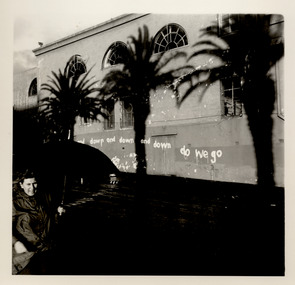
Photograph - Building, St Moritz Ice Skating Rink, c1980s
... From 1933-1936 the building became a film studio, Efftee Studios, for Frank W. Thring. In 1938, businessman Henry Hans "Harry" Kleiner announced that the Wattle Path would become an ice rink. ...From 1933-1936 the building became a film studio, Efftee Studios, for Frank W. Thring. In 1938, businessman Henry Hans "Harry" Kleiner announced that the Wattle Path would become an ice rink. ...The St. Moritz Ice Rink was a popular ice skating rink on The Esplanade, St. Kilda, Victoria. It operated between 1939–1981. As one of only two ice rinks in Melbourne in the 1940s and 1950s, it played a central role to the sport of ice hockey in Australia. Closed in 1982, it soon suffered a major fire and was then demolished, an event later seen as a major blow to the heritage of St Kilda. It was first built as the Wattle Path Palais de Danse in 1922, a very large dance hall, designed by architects Beaver & Purnell, The Wattle Path was the venue for the first all-Australian dance championship, and featured some of the best dance bands of Australia, as well as from America. Popular throughout the 1920s, it suffered due to the Great Depression, and closed in the early 1930s. From 1933-1936 the building became a film studio, Efftee Studios, for Frank W. Thring. In 1938, businessman Henry Hans "Harry" Kleiner announced that the Wattle Path would become an ice rink. He was sole proprietor until 1953, when he sold the business to J. Gordon and T. Molony, both champion skaters. Trade declined during the 1970s. The building was sold in 1980 to developers Hudson Conway and trucking magnate Lindsay Fox and was closed in early 1982. It was nominated to the Historic Buildings Preservation Council, but a majority of City of St Kilda councillors voted to oppose this action and uphold a demolition permit already issued. The building infamously suffered a fire later that year, leaving only the facades, which were demolished soon after. The site remained vacant until about 1991, when a mid-price hotel called the St Moritz was constructed. By 1993 it was simply called the Novotel St Kilda. The hotel closed in 2019 and was replaced by an apartment complex.Black and white photograph, unmounteddavid rae collection, st kilda, st moritz -
 St Kilda Historical Society
Photograph - Building, St Moritz Ice Skating Rink, c1980s
... From 1933-1936 the building became a film studio, Efftee Studios, for Frank W. Thring. In 1938, businessman Henry Hans "Harry" Kleiner announced that the Wattle Path would become an ice rink. ...From 1933-1936 the building became a film studio, Efftee Studios, for Frank W. Thring. In 1938, businessman Henry Hans "Harry" Kleiner announced that the Wattle Path would become an ice rink. ...The St. Moritz Ice Rink was a popular ice skating rink on The Esplanade, St. Kilda, Victoria. It operated between 1939–1981. As one of only two ice rinks in Melbourne in the 1940s and 1950s, it played a central role to the sport of ice hockey in Australia. Closed in 1982, it soon suffered a major fire and was then demolished, an event later seen as a major blow to the heritage of St Kilda. It was first built as the Wattle Path Palais de Danse in 1922, a very large dance hall, designed by architects Beaver & Purnell, The Wattle Path was the venue for the first all-Australian dance championship, and featured some of the best dance bands of Australia, as well as from America. Popular throughout the 1920s, it suffered due to the Great Depression, and closed in the early 1930s. From 1933-1936 the building became a film studio, Efftee Studios, for Frank W. Thring. In 1938, businessman Henry Hans "Harry" Kleiner announced that the Wattle Path would become an ice rink. He was sole proprietor until 1953, when he sold the business to J. Gordon and T. Molony, both champion skaters. Trade declined during the 1970s. The building was sold in 1980 to developers Hudson Conway and trucking magnate Lindsay Fox and was closed in early 1982. It was nominated to the Historic Buildings Preservation Council, but a majority of City of St Kilda councillors voted to oppose this action and uphold a demolition permit already issued. The building infamously suffered a fire later that year, leaving only the facades, which were demolished soon after. The site remained vacant until about 1991, when a mid-price hotel called the St Moritz was constructed. By 1993 it was simply called the Novotel St Kilda. The hotel closed in 2019 and was replaced by an apartment complex.Black and white photograph, unmounteddavid rae collection, st kilda, st moritz -
 St Kilda Historical Society
Photograph - Photograph Building, St Moritz Ice Skating Rink, c1980s
... From 1933-1936 the building became a film studio, Efftee Studios, for Frank W. Thring. In 1938, businessman Henry Hans "Harry" Kleiner announced that the Wattle Path would become an ice rink. ...From 1933-1936 the building became a film studio, Efftee Studios, for Frank W. Thring. In 1938, businessman Henry Hans "Harry" Kleiner announced that the Wattle Path would become an ice rink. ...The St. Moritz Ice Rink was a popular ice skating rink on The Esplanade, St. Kilda, Victoria. It operated between 1939–1981. As one of only two ice rinks in Melbourne in the 1940s and 1950s, it played a central role to the sport of ice hockey in Australia. Closed in 1982, it soon suffered a major fire and was then demolished, an event later seen as a major blow to the heritage of St Kilda. It was first built as the Wattle Path Palais de Danse in 1922, a very large dance hall, designed by architects Beaver & Purnell, The Wattle Path was the venue for the first all-Australian dance championship, and featured some of the best dance bands of Australia, as well as from America. Popular throughout the 1920s, it suffered due to the Great Depression, and closed in the early 1930s. From 1933-1936 the building became a film studio, Efftee Studios, for Frank W. Thring. In 1938, businessman Henry Hans "Harry" Kleiner announced that the Wattle Path would become an ice rink. He was sole proprietor until 1953, when he sold the business to J. Gordon and T. Molony, both champion skaters. Trade declined during the 1970s. The building was sold in 1980 to developers Hudson Conway and trucking magnate Lindsay Fox and was closed in early 1982. It was nominated to the Historic Buildings Preservation Council, but a majority of City of St Kilda councillors voted to oppose this action and uphold a demolition permit already issued. The building infamously suffered a fire later that year, leaving only the facades, which were demolished soon after. The site remained vacant until about 1991, when a mid-price hotel called the St Moritz was constructed. By 1993 it was simply called the Novotel St Kilda. The hotel closed in 2019 and was replaced by an apartment complex.Black and white photograph, unmounteddavid rae collection, st kilda, st moritz -
 St Kilda Historical Society
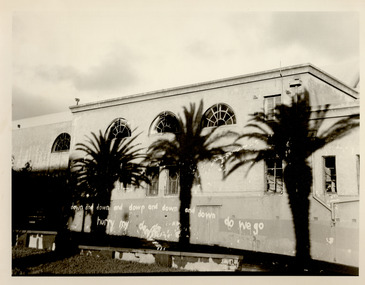
Photograph - Building, St Moritz Ice Skating Rink, c1980s
... From 1933-1936 the building became a film studio, Efftee Studios, for Frank W. Thring. In 1938, businessman Henry Hans "Harry" Kleiner announced that the Wattle Path would become an ice rink. ...From 1933-1936 the building became a film studio, Efftee Studios, for Frank W. Thring. In 1938, businessman Henry Hans "Harry" Kleiner announced that the Wattle Path would become an ice rink. ...The St. Moritz Ice Rink was a popular ice skating rink on The Esplanade, St. Kilda, Victoria. It operated between 1939–1981. As one of only two ice rinks in Melbourne in the 1940s and 1950s, it played a central role to the sport of ice hockey in Australia. Closed in 1982, it soon suffered a major fire and was then demolished, an event later seen as a major blow to the heritage of St Kilda. It was first built as the Wattle Path Palais de Danse in 1922, a very large dance hall, designed by architects Beaver & Purnell, The Wattle Path was the venue for the first all-Australian dance championship, and featured some of the best dance bands of Australia, as well as from America. Popular throughout the 1920s, it suffered due to the Great Depression, and closed in the early 1930s. From 1933-1936 the building became a film studio, Efftee Studios, for Frank W. Thring. In 1938, businessman Henry Hans "Harry" Kleiner announced that the Wattle Path would become an ice rink. He was sole proprietor until 1953, when he sold the business to J. Gordon and T. Molony, both champion skaters. Trade declined during the 1970s. The building was sold in 1980 to developers Hudson Conway and trucking magnate Lindsay Fox and was closed in early 1982. It was nominated to the Historic Buildings Preservation Council, but a majority of City of St Kilda councillors voted to oppose this action and uphold a demolition permit already issued. The building infamously suffered a fire later that year, leaving only the facades, which were demolished soon after. The site remained vacant until about 1991, when a mid-price hotel called the St Moritz was constructed. By 1993 it was simply called the Novotel St Kilda. The hotel closed in 2019 and was replaced by an apartment complex.Black and white photograph, unmounteddavid rae collection, st kilda, st moritz -
 St Kilda Historical Society
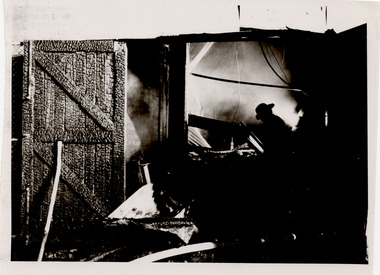
Photograph - Building, St Moritz Ice Skating Rink, 1982
... From 1933-1936 the building became a film studio, Efftee Studios, for Frank W. Thring. In 1938, businessman Henry Hans "Harry" Kleiner announced that the Wattle Path would become an ice rink. ...From 1933-1936 the building became a film studio, Efftee Studios, for Frank W. Thring. In 1938, businessman Henry Hans "Harry" Kleiner announced that the Wattle Path would become an ice rink. ...The St. Moritz Ice Rink was a popular ice skating rink on The Esplanade, St. Kilda, Victoria. It operated between 1939–1981. As one of only two ice rinks in Melbourne in the 1940s and 1950s, it played a central role to the sport of ice hockey in Australia. Closed in 1982, it soon suffered a major fire and was then demolished, an event later seen as a major blow to the heritage of St Kilda. It was first built as the Wattle Path Palais de Danse in 1922, a very large dance hall, designed by architects Beaver & Purnell, The Wattle Path was the venue for the first all-Australian dance championship, and featured some of the best dance bands of Australia, as well as from America. Popular throughout the 1920s, it suffered due to the Great Depression, and closed in the early 1930s. From 1933-1936 the building became a film studio, Efftee Studios, for Frank W. Thring. In 1938, businessman Henry Hans "Harry" Kleiner announced that the Wattle Path would become an ice rink. He was sole proprietor until 1953, when he sold the business to J. Gordon and T. Molony, both champion skaters. Trade declined during the 1970s. The building was sold in 1980 to developers Hudson Conway and trucking magnate Lindsay Fox and was closed in early 1982. It was nominated to the Historic Buildings Preservation Council, but a majority of City of St Kilda councillors voted to oppose this action and uphold a demolition permit already issued. The building infamously suffered a fire later that year, leaving only the facades, which were demolished soon after. The site remained vacant until about 1991, when a mid-price hotel called the St Moritz was constructed. By 1993 it was simply called the Novotel St Kilda. The hotel closed in 2019 and was replaced by an apartment complex.This photo was taken during the fire in 1982.Black and white photograph, unmounteddavid rae collection, st kilda, st moritz -
 St Kilda Historical Society
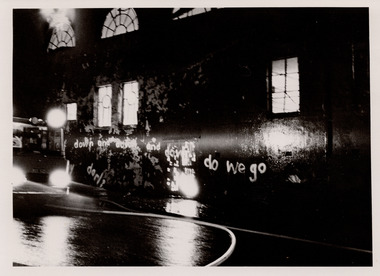
Photograph - Building, St Moritz Ice Skating Rink, 1982
... From 1933-1936 the building became a film studio, Efftee Studios, for Frank W. Thring. In 1938, businessman Henry Hans "Harry" Kleiner announced that the Wattle Path would become an ice rink. ...From 1933-1936 the building became a film studio, Efftee Studios, for Frank W. Thring. In 1938, businessman Henry Hans "Harry" Kleiner announced that the Wattle Path would become an ice rink. ...The St. Moritz Ice Rink was a popular ice skating rink on The Esplanade, St. Kilda, Victoria. It operated between 1939–1981. As one of only two ice rinks in Melbourne in the 1940s and 1950s, it played a central role to the sport of ice hockey in Australia. Closed in 1982, it soon suffered a major fire and was then demolished, an event later seen as a major blow to the heritage of St Kilda. It was first built as the Wattle Path Palais de Danse in 1922, a very large dance hall, designed by architects Beaver & Purnell, The Wattle Path was the venue for the first all-Australian dance championship, and featured some of the best dance bands of Australia, as well as from America. Popular throughout the 1920s, it suffered due to the Great Depression, and closed in the early 1930s. From 1933-1936 the building became a film studio, Efftee Studios, for Frank W. Thring. In 1938, businessman Henry Hans "Harry" Kleiner announced that the Wattle Path would become an ice rink. He was sole proprietor until 1953, when he sold the business to J. Gordon and T. Molony, both champion skaters. Trade declined during the 1970s. The building was sold in 1980 to developers Hudson Conway and trucking magnate Lindsay Fox and was closed in early 1982. It was nominated to the Historic Buildings Preservation Council, but a majority of City of St Kilda councillors voted to oppose this action and uphold a demolition permit already issued. The building infamously suffered a fire later that year, leaving only the facades, which were demolished soon after. The site remained vacant until about 1991, when a mid-price hotel called the St Moritz was constructed. By 1993 it was simply called the Novotel St Kilda. The hotel closed in 2019 and was replaced by an apartment complex.This photo was taken during the fire in 1982.Black and white photograph, unmounteddavid rae collection, st kilda, st moritz -
 St Kilda Historical Society
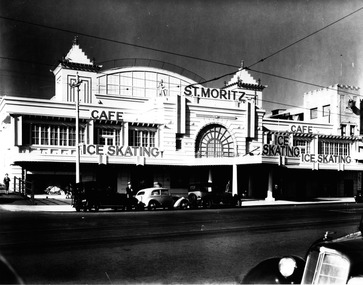
Photograph, St Moritz St Kilda - images collection #1, c1940s
... From 1933-1936 the building became a film studio, Efftee Studios, for Frank W. Thring. In 1938, businessman Henry Hans "Harry" Kleiner announced that the Wattle Path would become an ice rink. ...From 1933-1936 the building became a film studio, Efftee Studios, for Frank W. Thring. In 1938, businessman Henry Hans "Harry" Kleiner announced that the Wattle Path would become an ice rink. ...The St. Moritz Ice Rink was a popular ice skating rink on The Esplanade, St. Kilda, Victoria. It operated between 1939–1981. As one of only two ice rinks in Melbourne in the 1940s and 1950s, it played a central role to the sport of ice hockey in Australia. Closed in 1982, it soon suffered a major fire and was then demolished, an event later seen as a major blow to the heritage of St Kilda. It was first built as the Wattle Path Palais de Danse in 1922, a very large dance hall, designed by architects Beaver & Purnell, The Wattle Path was the venue for the first all-Australian dance championship, and featured some of the best dance bands of Australia, as well as from America. Popular throughout the 1920s, it suffered due to the Great Depression, and closed in the early 1930s. From 1933-1936 the building became a film studio, Efftee Studios, for Frank W. Thring. In 1938, businessman Henry Hans "Harry" Kleiner announced that the Wattle Path would become an ice rink. He was sole proprietor until 1953, when he sold the business to J. Gordon and T. Molony, both champion skaters. Trade declined during the 1970s. The building was sold in 1980 to developers Hudson Conway and trucking magnate Lindsay Fox and was closed in early 1982. It was nominated to the Historic Buildings Preservation Council, but a majority of City of St Kilda councillors voted to oppose this action and uphold a demolition permit already issued. The building infamously suffered a fire later that year, leaving only the facades, which were demolished soon after. The site remained vacant until about 1991, when a mid-price hotel called the St Moritz was constructed. By 1993 it was simply called the Novotel St Kilda. The hotel closed in 2019 and was replaced by an apartment complex.black and white photographSt Moritz, St Kilda. Ice Skating. Caf�st moritz, st kilda, the esplanade, ice skating -
 St Kilda Historical Society
Photograph - Building, St Moritz Ice Skating Rink, 1982
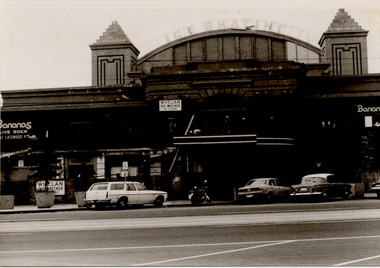
... From 1933-1936 the building became a film studio, Efftee Studios, for Frank W. Thring. In 1938, businessman Henry Hans "Harry" Kleiner announced that the Wattle Path would become an ice rink. ...From 1933-1936 the building became a film studio, Efftee Studios, for Frank W. Thring. In 1938, businessman Henry Hans "Harry" Kleiner announced that the Wattle Path would become an ice rink. ...The St. Moritz Ice Rink was a popular ice skating rink on The Esplanade, St. Kilda, Victoria. It operated between 1939–1981. As one of only two ice rinks in Melbourne in the 1940s and 1950s, it played a central role to the sport of ice hockey in Australia. Closed in 1982, it soon suffered a major fire and was then demolished, an event later seen as a major blow to the heritage of St Kilda. It was first built as the Wattle Path Palais de Danse in 1922, a very large dance hall, designed by architects Beaver & Purnell, The Wattle Path was the venue for the first all-Australian dance championship, and featured some of the best dance bands of Australia, as well as from America. Popular throughout the 1920s, it suffered due to the Great Depression, and closed in the early 1930s. From 1933-1936 the building became a film studio, Efftee Studios, for Frank W. Thring. In 1938, businessman Henry Hans "Harry" Kleiner announced that the Wattle Path would become an ice rink. He was sole proprietor until 1953, when he sold the business to J. Gordon and T. Molony, both champion skaters. Trade declined during the 1970s. The building was sold in 1980 to developers Hudson Conway and trucking magnate Lindsay Fox and was closed in early 1982. It was nominated to the Historic Buildings Preservation Council, but a majority of City of St Kilda councillors voted to oppose this action and uphold a demolition permit already issued. The building infamously suffered a fire later that year, leaving only the facades, which were demolished soon after. The site remained vacant until about 1991, when a mid-price hotel called the St Moritz was constructed. By 1993 it was simply called the Novotel St Kilda. The hotel closed in 2019 and was replaced by an apartment complex. The photograph shows signs and workers of Whelan the Wrecker team, a well-known demolition company in Melbourne.Black and white photograph, unmounteddavid rae collection, st kilda, st moritz -
 St Kilda Historical Society
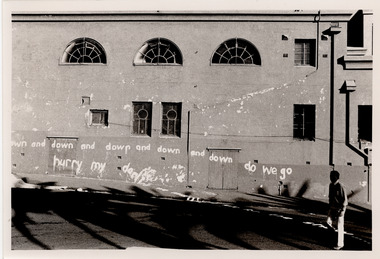
Photograph - Building, St Kilda Shout Collective, St Moritz Ice Skating Rink, 1983
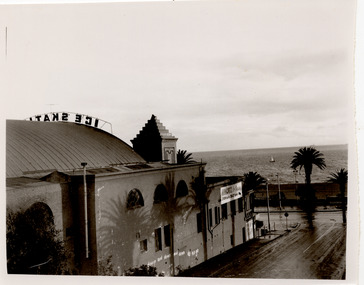
... From 1933-1936 the building became a film studio, Efftee Studios, for Frank W. Thring. In 1938, businessman Henry Hans "Harry" Kleiner announced that the Wattle Path would become an ice rink. ...From 1933-1936 the building became a film studio, Efftee Studios, for Frank W. Thring. In 1938, businessman Henry Hans "Harry" Kleiner announced that the Wattle Path would become an ice rink. ...The St. Moritz Ice Rink was a popular ice skating rink on The Esplanade, St. Kilda, Victoria. It operated between 1939–1981. As one of only two ice rinks in Melbourne in the 1940s and 1950s, it played a central role to the sport of ice hockey in Australia. Closed in 1982, it soon suffered a major fire and was then demolished, an event later seen as a major blow to the heritage of St Kilda. It was first built as the Wattle Path Palais de Danse in 1922, a very large dance hall, designed by architects Beaver & Purnell, The Wattle Path was the venue for the first all-Australian dance championship, and featured some of the best dance bands of Australia, as well as from America. Popular throughout the 1920s, it suffered due to the Great Depression, and closed in the early 1930s. From 1933-1936 the building became a film studio, Efftee Studios, for Frank W. Thring. In 1938, businessman Henry Hans "Harry" Kleiner announced that the Wattle Path would become an ice rink. He was sole proprietor until 1953, when he sold the business to J. Gordon and T. Molony, both champion skaters. Trade declined during the 1970s. The building was sold in 1980 to developers Hudson Conway and trucking magnate Lindsay Fox and was closed in early 1982. It was nominated to the Historic Buildings Preservation Council, but a majority of City of St Kilda councillors voted to oppose this action and uphold a demolition permit already issued. The building infamously suffered a fire later that year, leaving only the facades, which were demolished soon after. The site remained vacant until about 1991, when a mid-price hotel called the St Moritz was constructed. By 1993 it was simply called the Novotel St Kilda. The hotel closed in 2019 and was replaced by an apartment complex. The image was published with an article about the fire and demolition of the rink in the Mar/Apr 1983 edition of community newspaper Shout.Black and white photograph, unmounteddavid rae collection, st kilda, st moritz -
 St Kilda Historical Society
Photograph - Building, St Kilda Shout Collective, St Moritz Ice Skating Rink, 1983
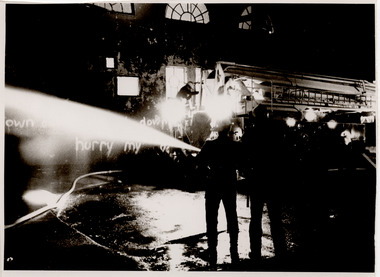
... From 1933-1936 the building became a film studio, Efftee Studios, for Frank W. Thring. In 1938, businessman Henry Hans "Harry" Kleiner announced that the Wattle Path would become an ice rink. ...From 1933-1936 the building became a film studio, Efftee Studios, for Frank W. Thring. In 1938, businessman Henry Hans "Harry" Kleiner announced that the Wattle Path would become an ice rink. ...The St. Moritz Ice Rink was a popular ice skating rink on The Esplanade, St. Kilda, Victoria. It operated between 1939–1981. As one of only two ice rinks in Melbourne in the 1940s and 1950s, it played a central role to the sport of ice hockey in Australia. Closed in 1982, it soon suffered a major fire and was then demolished, an event later seen as a major blow to the heritage of St Kilda. It was first built as the Wattle Path Palais de Danse in 1922, a very large dance hall, designed by architects Beaver & Purnell, The Wattle Path was the venue for the first all-Australian dance championship, and featured some of the best dance bands of Australia, as well as from America. Popular throughout the 1920s, it suffered due to the Great Depression, and closed in the early 1930s. From 1933-1936 the building became a film studio, Efftee Studios, for Frank W. Thring. In 1938, businessman Henry Hans "Harry" Kleiner announced that the Wattle Path would become an ice rink. He was sole proprietor until 1953, when he sold the business to J. Gordon and T. Molony, both champion skaters. Trade declined during the 1970s. The building was sold in 1980 to developers Hudson Conway and trucking magnate Lindsay Fox and was closed in early 1982. It was nominated to the Historic Buildings Preservation Council, but a majority of City of St Kilda councillors voted to oppose this action and uphold a demolition permit already issued. The building infamously suffered a fire later that year, leaving only the facades, which were demolished soon after. The site remained vacant until about 1991, when a mid-price hotel called the St Moritz was constructed. By 1993 it was simply called the Novotel St Kilda. The hotel closed in 2019 and was replaced by an apartment complex. The image was published with an article about the fire and demolition of the rink in the Mar/Apr 1983 edition of community newspaper Shout.This photo was taken during the fire in 1982.Black and white photograph, unmounteddavid rae collection, st kilda, st moritz -
 Bendigo Historical Society Inc.
Document - COHN BROTHERS COLLECTION: DOCUMENTS PERTAINING DIVIDEND PAYMENTS
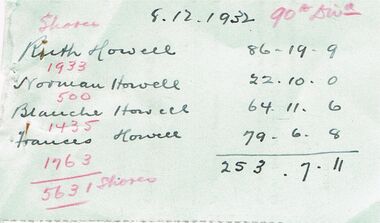
... Keith Howell, Norman Howell, Blanche Howell, Francis Howell, M W Funnell, Harriet E Richmond, Marcus Cohn, Frank Levy, Mrs Agness Levy, Estate of C Cohen, and Edward Thomas Thring named....Keith Howell, Norman Howell, Blanche Howell, Francis Howell, M W Funnell, Harriet E Richmond, Marcus Cohn, Frank Levy, Mrs Agness Levy, Estate of C Cohen, and Edward Thomas Thring named. ...Nine documents pinned together all dated in January 1932 pertaining to dividend payments of Cohns Bros Brewery. Keith Howell, Norman Howell, Blanche Howell, Francis Howell, M W Funnell, Harriet E Richmond, Marcus Cohn, Frank Levy, Mrs Agness Levy, Estate of C Cohen, and Edward Thomas Thring named.bendigo, industry, cohn bros brewery, howell, m w funnell, harriet richmond, marcus cohn, frank levy, agness levy, c cohen -
 Eltham District Historical Society Inc
Document - Folder, Panton, Joseph Anderson
... Thring...J Carfrae...Thomas Sweeney...Michael Kennedy...Vivienne Worthington...William Crozier...J Frank...Joseph Anderson Panton William B Burnley W Walsh R Hall R A Davidson J Orford B Speers A Speers William Bell T Baillie D McLoughlin T Prior G E Hodgkins N Rodda W R Belcher G D Boursiquot J P Imley T B Darling H G Jones T Sweny R Lane W Gordon A E Morris D W Thring J Carfrae Thomas Sweeney Michael Kennedy Vivienne Worthington William Crozier J Frank P Carrucan Panton Hill Newspaper clippings, A4 photocopies, etc Panton, Joseph Anderson Document Folder ...Joseph Anderson Panton (1831-1913) came from Scotland to Australia in 1851. In Bendigo, he was appointed assistant gold commissioner 1852 and senior commissioner 1854. Over the years, he served as magistrate at Jamieson-Wood's Point, Anderson's Creek, Heidelberg, Geelong and Melbourne. He owned land on the Yarra River and Panton Hill is named for him. Contents Map: J A Panton's landholding with surrounding landholders. Printout and photocopy: Panton, Joseph Anderson, Australian Dictionary of Biography entry. Notes: Joseph Anderson Panton, brief biographical notes. Research Enquiry Form: Vivienne Worthington, seeking sources of information regarding Joseph Anderson Panton, 14 June 2017. Email and associated documents: Michael Kennedy seeking assistance of Eltham Gateway Action Group regarding proposed felling of manna gum tree near bridge across Diamond Creek, on land once held by Joseph Anderson Panton. Newspaper article: "Historic painting might be lost to Victoria," The Age, 22 October 1985. Painting by Joseph Anderson Panton of Captain William Lonsdale's house, Victoria's first Government House, to be in forthcoming auction. Newspaper clippings, A4 photocopies, etcjoseph anderson panton, william b burnley, w walsh, r hall, r a davidson, j orford, b speers, a speers, william bell, t baillie, d mcloughlin, t prior, g e hodgkins, n rodda, w r belcher, g d boursiquot, j p imley, t b darling, h g jones, t sweny, r lane, w gordon, a e morris, d w thring, j carfrae, thomas sweeney, michael kennedy, vivienne worthington, william crozier, j frank, p carrucan, panton hill
