Returned Nurses RSL Sub-branch
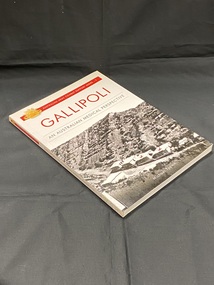
Book - Paperback book, Michael Tyquin, Gallipoli: an Australian medical perspective, 2012
... Gallipoli Australian Army Medical Corps AAMC medical aspects of war WWI WW1 World War 1914-1918 To be successful, a modern army needs logistical support to survive - to arm, feed, transport, and care for its soldiers. As history shows us the maintenance of health in any army , is a key factor in warfare. In many respects the Gallipoli campaign ...
To be successful, a modern army needs logistical support to survive - to arm, feed, transport, and care for its soldiers. As history shows us the maintenance of health in any army , is a key factor in warfare. In many respects the Gallipoli campaign was a doomed undertaking. The seeds of ultimate defeat in December 1915 were the risks that attended a hugely ambitious, complex, and large-scale amphibious operation - the landings on well-defended shores on the Gallipoli peninsula, under cover of darkness. Communications at the time were primitive, while general staff officers had little understanding of their own army's medical assets or the needs of a large medical organisation. The Australian Army Medical Corps (AAMC) received aid from, and gave support to, all five forces at various times during 1915. Underlying the execution of the Dardanelles campaign were factors wholly outside the control of the Australian AMS. - from Trove
White paperback book with a large black and white image of a field hospital at the base of a hill, two of the white tents have red crosses on the roofs'. Above the image, the title is printed in red with the sub-title in black beneath it. At the top of the cover is a red banner with the series title and at the far left of the banner is the gold Australian Army pin. The text on the spine matches the cover and there is a spine label taped to the base.non-fictionTo be successful, a modern army needs logistical support to survive - to arm, feed, transport, and care for its soldiers. As history shows us the maintenance of health in any army , is a key factor in warfare. In many respects the Gallipoli campaign was a doomed undertaking. The seeds of ultimate defeat in December 1915 were the risks that attended a hugely ambitious, complex, and large-scale amphibious operation - the landings on well-defended shores on the Gallipoli peninsula, under cover of darkness. Communications at the time were primitive, while general staff officers had little understanding of their own army's medical assets or the needs of a large medical organisation. The Australian Army Medical Corps (AAMC) received aid from, and gave support to, all five forces at various times during 1915. Underlying the execution of the Dardanelles campaign were factors wholly outside the control of the Australian AMS. - from Trovegallipoli, australian army medical corps, aamc, medical aspects of war, wwi, ww1, world war 1914-1918

 Monbulk RSL Sub Branch
 Monbulk RSL Sub Branch
 Returned Nurses RSL Sub-branch