
Showing 4 items matching "handicrafts - history silk"
-
 National Wool Museum
Spinning Wheel
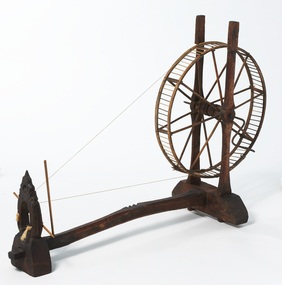
... handicrafts - history silk...It was purchased from Soo-Tze Orientique. handicrafts - history silk spinning wheels highlights of the national wool museum: the zakrzewski spinning wheel collection - exhibition (28/07/2001 - 02/12/2001) zakrzewski mr wlodzimierz handicrafts - history silk Part of the Zakrzewski Spinning Wheel collection. ...Part of the Zakrzewski Collection of spinning wheels donated to the National Wool Museum by Mr Wlodzimierz Zakrzewski. For many years, Mr Zakrzewski collected, researched and repaired spinning wheels from all over the world. This wheel is from Thailand and was used by the Karem for spinning silk. It was purchased from Soo-Tze Orientique.Part of the Zakrzewski Spinning Wheel collection.handicrafts - history silk, spinning wheels, highlights of the national wool museum: the zakrzewski spinning wheel collection - exhibition (28/07/2001 - 02/12/2001), zakrzewski, mr wlodzimierz, handicrafts - history, silk -
 National Wool Museum
Spinning Wheel
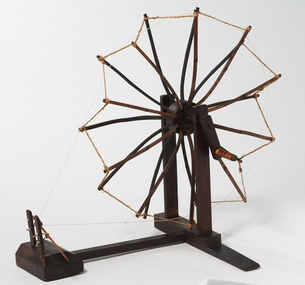
... handicrafts - history silk...It was purchased from Kazari Japanese Interiors in Prahran, after first being offered for sale at Stonnington Antiques Fair. handicrafts - history silk spinning wheels highlights of the national wool museum: the zakrzewski spinning wheel collection - exhibition (28/07/2001 - 02/12/2001) zakrzewski mr wlodzimierz handicrafts - history silk Part of the Zakrzewski Spinning Wheel collection. ...Part of the Zakrzewski Collection of spinning wheels donated to the National Wool Museum by Mr Wlodzimierz Zakrzewski. For many years, Mr Zakrzewski collected, researched and repaired spinning wheels from all over the world. This wheel is a late 19th century spinning wheel from Japan and was used for spinning silk. It was purchased from Kazari Japanese Interiors in Prahran, after first being offered for sale at Stonnington Antiques Fair.Part of the Zakrzewski Spinning Wheel collection.handicrafts - history silk, spinning wheels, highlights of the national wool museum: the zakrzewski spinning wheel collection - exhibition (28/07/2001 - 02/12/2001), zakrzewski, mr wlodzimierz, handicrafts - history, silk -
 National Wool Museum
Spinning Wheel
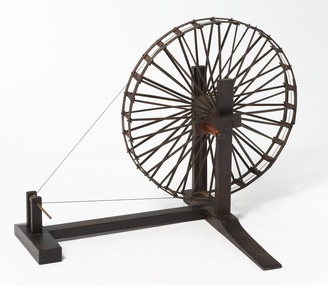
... handicrafts - history silk...Purchased from Kazari Japanese Interiors, Prahran. handicrafts - history silk spinning wheels highlights of the national wool museum: the zakrzewski spinning wheel collection - exhibition (28/07/2001 - 02/12/2001) zakrzewski mr wlodzimierz handicrafts - history silk Spinning wheel Spinning Wheel ...Part of the Zakrzewski Collection of spinning wheels donated to the National Wool Museum by Mr Wlodzimierz Zakrzewski. For many years, Mr Zakrzewski collected, researched and repaired spinning wheels from all over the world. Early 20th century silk spinning wheel from Japan. Purchased from Kazari Japanese Interiors, Prahran.Spinning wheelhandicrafts - history silk, spinning wheels, highlights of the national wool museum: the zakrzewski spinning wheel collection - exhibition (28/07/2001 - 02/12/2001), zakrzewski, mr wlodzimierz, handicrafts - history, silk -
 National Wool Museum
Textile - Quilt, The World's Worst Wagga, 1930s - 1950s
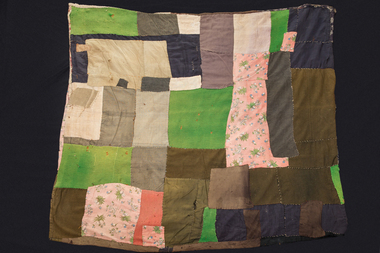
... handicrafts quilting quilting - history running stitch collection running stitch group handicrafts quilting quilting - history Large wagga made from fabric pieces which have been hand stitched together and lined with jute wheat bags. Fabric pieces are roughly rectangular and of various sizes. They are made from cut-down cotton knit garments (green and pink), a pink cotton fabric with floral print and various woollen garment pieces and their linings. Pieces are roughly over stitched together with various woollen threads. Back of the wagga is similarly constructed but with cotton and silk ...Part of the Running Stitch collection. Given to "Running Stitch" c1995 by the Korrumburra Art GalleryLarge wagga made from fabric pieces which have been hand stitched together and lined with jute wheat bags. Fabric pieces are roughly rectangular and of various sizes. They are made from cut-down cotton knit garments (green and pink), a pink cotton fabric with floral print and various woollen garment pieces and their linings. Pieces are roughly over stitched together with various woollen threads. Back of the wagga is similarly constructed but with cotton and silk fabrics, both printed and plain.handicrafts quilting quilting - history, running stitch collection, running stitch group, handicrafts, quilting, quilting - history
