
Showing 94 items matching "harcourt house"
-
 Eltham District Historical Society Inc
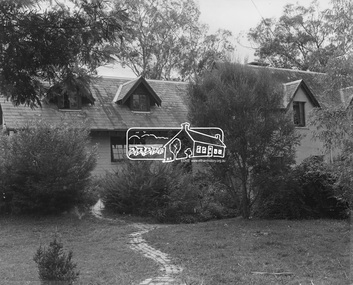
Photograph, Harcourt House (1946)
... Harcourt House (1946)...harcourt house...Image 4 Harcourt House built 1946 Designed and built by John Harcourt Mud brick extension added 1970 Designed by John Pizzey The Alistair Knox Collection The Alistair Knox Collection is a series of mounted enlarged photos of mud brick houses and related subjects. ...Image 4 Harcourt House built 1946 Designed and built by John Harcourt Mud brick extension added 1970 Designed by John Pizzey The Alistair Knox Collection The Alistair Knox Collection is a series of mounted enlarged photos of mud brick houses and related subjects. ...Image 4 Harcourt House built 1946 Designed and built by John Harcourt Mud brick extension added 1970 Designed by John Pizzey The Alistair Knox Collection The Alistair Knox Collection is a series of mounted enlarged photos of mud brick houses and related subjects. The collection is understood to have been put together by Alistair Knox although it is the work of several unacknowledged photographers. For some years it was held by the Building Department of the former Eltham Shire Council and was then passed to our Society for safekeeping. Some of the photos have been used in Knox's books and from time to time some of them have been part of various historical displays. As far as we know there has not been a public display of the whole collection which numbers about forty photographs. The collection has been copied on to slides for the purpose of this meeting and to be retained as part of the Society's pictorial collection. Alistair Knox 1912 - 1986 is acknowledged as the founder of Eltham's mud brick building movement. Many of the buildings shown in the collection are of his design and he was also involved with the construction of several of them. Others are the work of his contemporaries and associates such as Peter Glass, Gordon Ford, and John Harcourt. (EDHS Newsletter No. 145 July 2002)Handwritten notes in pencil re details of building, year of construction, owner, designer, builder, etcharcourt house, houses, john harcourt, john pizzey, mud brick construction, alistair knox collection -
 Allan Doney Collection, Bendigo Historical Society Inc.
Negative - Harcourt - Orchard - House, Allan Doney, 1950 -1970
... Harcourt - Orchard - House...Negative Harcourt - Orchard - House Allan Doney ...In the years of Allan Doney’s photography, landmark buildings succumbed to fire, neglect and redevelopment. He photographed the grey sand hills from Bendigo’s mining past, the streetscapes, poppet heads, miners’ cottages, gracious homes with ornate verandahs, trams and much more. Above all, his photographs show how much of the city has survived from the 19th century – and how much has not. Through two decades of great change, Allan Doney was there to capture ways people interacted with it. Although he travelled to many other places in Northern Victoria and beyond in search of subjects for his art, he seemed to always return to Bendigo for inspiration. -
 Allan Doney Collection, Bendigo Historical Society Inc.
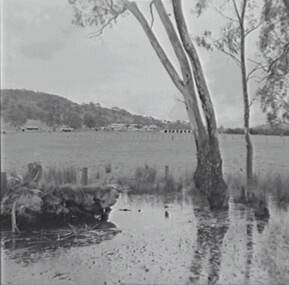
Negative - Harcourt - Farm - House - Dam, Allan Doney, 1950 -1970
... Harcourt - Farm - House - Dam...Negative Harcourt - Farm - House - Dam Allan Doney ...In the years of Allan Doney’s photography, landmark buildings succumbed to fire, neglect and redevelopment. He photographed the grey sand hills from Bendigo’s mining past, the streetscapes, poppet heads, miners’ cottages, gracious homes with ornate verandahs, trams and much more. Above all, his photographs show how much of the city has survived from the 19th century – and how much has not. Through two decades of great change, Allan Doney was there to capture ways people interacted with it. Although he travelled to many other places in Northern Victoria and beyond in search of subjects for his art, he seemed to always return to Bendigo for inspiration. -
 Eltham District Historical Society Inc
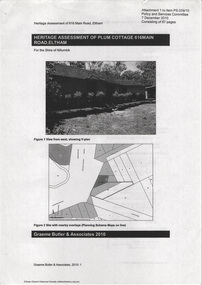
Document - Property Binder, 616 Main Road, Eltham; Plum Cottage
... Harcourt...Lim Joon House...Sometime in the period 1955-1960, the builder-designer, John Harcourt had created a pise house on the site, straddling the two subdivision lots. ... John M. Harcourt Lim Joon House Main Road Eltham Minnie Maria Isherwood Pise construction Plum Cottage Miscellaneous clippings, notes, photocopies, etc held on the subject property. 616 Main Road, Eltham; Plum Cottage Document Property Binder ...Plum Cottage is covered by Heritage Overelay HO256 in the Nillumbuk Planning Scheme This two-lot land holding was created as a subdivision and sold to Charles Stuart McNeil by May 1955. Sometime in the period 1955-1960, the builder-designer, John Harcourt had created a pise house on the site, straddling the two subdivision lots. The designer, John M. Harcourt was a pioneer builder in pise-de-terre and mudbrick in the Eltham Shire, Eltham being synonymous with alternative lifestyles and building practises until the onset of suburbia in the late 20th and early 21st centuries. This hipped-roof house is set high above Main Road on a V-shape plan characteristic of the Arts & Crafts style, with rammed earth or pise walls, timber joinery and a cement tiled roof. The V shape plan was used by important English and Eltham Arts & Crafts designers. The use of natural materials such as stone and timber construction is an essential part of the Arts & Crafts style and Harcourt’s work. So too is the application of the style on both the exterior and interior of the house as a holistic concept. The house adjoins the Lim Joon adobe house built and designed by Alistair Knox in the same era (HO119), thus forming a distinctive pair, both using an uncommon plan form. This house was identified in the Shire of Shire of Eltham Heritage 1992 as contributory to the Eltham Gateway Conservation Area, then proposed as an urban conservation area (now Heritage Overlay Area). Land Ownership Emily Jane Smith of 12 Woodside Street Fitzroy owned Crown Allotments 1 & 2 Sections 14, 27 by August 1918, selling to William Henry Smith of 12 Woodside Street, Nth Fitzroy May 1921. (John) James Isherwood of Main Road, Eltham owned the property by 1928 (the year of his death) with the beneficiary of his estate and next owner of this site being his widow, Minnie Maria Isherwood of Cemetery Road, Eltham. His holding in Main Road included parts of what was described in rate records as allotments1 & 2 Section E6. In the late 1930s, early 1940s her son Alfred John Isherwood was also rated for the land around this site, with the rated nett annual value varying between £2 and £5. Alfred Isherwood also lived at Main Road, Eltham with his wife Ellen: her early death at the age of 24 was reported in the Argus of 1923. Part of the Isherwood land was divided off and sold to Charles Stuart McNeil by May1955. Sometime in the period 1955-1960, the builder-designer, John Harcourt had created a pise house on the site, straddling the two subdivision lots. The house is visible on an aerial photograph from 1960s. Reputedly the house was called Plum Cottage and erected for Harcourt’s mother-in-law. A garage was added in 1959. Charles McNeil died in1971 aged 87: he was the son of Don McNeil and Margaret Arkell. Available rate records from the construction era start in the of the 1970s (1972-3) and list Mr H.C. & M/S A.V. Charity at 616 Main Road Eltham of this property with a nett annual value of $740. More recent valuer's data describes the property as lots 1 & 2 LP25668, located in the Central Riding of Eltham Shire, owned by Ann Valerie Charity and later, in 1990, by the Chincarini family. Building Description This hipped roof 11 .5 square house is set high above Main Road on a characteristic-shape plan and has rammed earth or pise walls, timber joinery and a cement tiled roof. The V-shape plan was used by Important designers such as C.F.A. Voysey (UK) who interpreted medieval domestic architecture as part of the Arts & Crafts style of the late 19th and early 20th centuries. The pise walls are covered with a textured render while the cement roofing tiles are also seen in the Harcourt Hill examples. Reputedly the ceiling joists are of a deep section and span long lengths with no need for hanging beams in the roof space. The ceilings are low and panelled in main rooms with apparently Caneite soft board infill panels between the exposed ceiling beams. These are painted white but may have been stained at one time. The focus of the house is the large living area with its vast random stone fireplace. Significance Plum Cottage is significant to the locality of Eltham because: Historically: • Plum Cottage is closely associated with the important historical theme of earth construction evident in Eltham and elsewhere in the Shire since theear1y Arts & Crafts inspired creations at Penleigh Boyd's The Robins (1912, HO101) and those at Montsalvat (1934-, HO82) but more prominent from the Second War period when earth building in Eltham was promoted in national periodicals as an alternative building method that avoided the building materials shortages of that era; • The choice of the earth building technique also expresses the theme of refuge or alternative living, synonymous with Eltham in the early to mid 20th century; • as a good example of domestic architecture from John Harcourt who was the first major post Second War figure in an important phase of Eltham’s earth building development, using his characteristic Old English or Arts& Crafts style that relies in this case on the pise wall construction, pitched roof forms, exposed ceiling joists, half timbering, random stonework, and panelled internal wall finishes. Architecturally: • Plum Cottage's pise wall construction is uncommon among the early earth-walled structures in the Shire, that are mainly of adobe or mud brick, and as a building material is uncommon among the Shire’s suburban dwellings generally which are clad typically with either fired clay bricks or timber boarding. Aesthetically: • Plum Cottage is a good and well preserved example of a modern Old English or Arts & Crafts style earth-walled building in the Shire • For the proximity of the significant Lim Joon adobe house designed by Alistair Knox adjoining to the north, providing a distinctive earth wall house pair, with uncommon plan forms. Reference Heritage Assessment of Plum Cottage, 616 Main Road, Eltham; Graeme Butler & Associates 2010main road, eltham, property, houses, (john) james isherwood, alfred john isherwood, ann valerie charity, arts and crafts style, charles stuart mcneil, chincarini family, eltham gateway zone, emily jane smith, h.c. charity, heritage assessment, john harcourt, john m. harcourt, lim joon house, main road eltham, minnie maria isherwood, pise construction, plum cottage -
 Eltham District Historical Society Inc
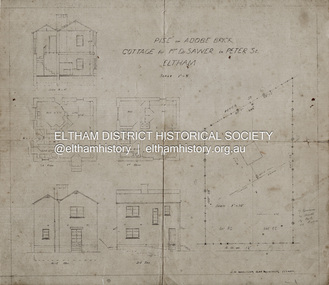
Document - Building Plan, J.M. Harcourt, 22 Peter Street, Eltham, c.1946
... ...J.M. Harcourt design...Adobe House...Sawer Eltham J.M. Harcourt design Adobe House J.M. Harcourt designc.1946 Pise house Digital scan file only 22 Peter Street, Eltham Document Building Plan J.M. ...Pise or Adobe Brick Cottage for Mr D. Sawer in Peter St., Eltham Design and drawings by J.M. Harcourt, Clay Nuneham, Eltham. The cottage at present day 22 Peter Street was built circa 1946. Also Drawing of planned carport and future extension for 22 Peter Street, Eltham22 peter street, building plans, clay nuneham, d. sawer, eltham, j.m. harcourt design, adobe house, j.m. harcourt designc.1946, pise house -
 Tarnagulla History Archive
Telegram, circa 1862
... Telegram sent from Tarnagulla Telegraph Office from P Macfarlane to Mr I.J. Harcourt, Immigrants House, Princes Bridge, Melbourne. ...Telegram sent from Tarnagulla Telegraph Office from P Macfarlane to Mr I.J. Harcourt, Immigrants House, Princes Bridge, Melbourne. ...A large lot of papers, including this and many other telegrams, were apparently found in the ceiling cavity of the Sandy Creek/Tarnagulla Post and Telegraph Office in the later 20th Century, during building works. Donald Clark Collection. Telegram sent from Tarnagulla Telegraph Office from P Macfarlane to Mr I.J. Harcourt, Immigrants House, Princes Bridge, Melbourne. Text reads 'How are Amelia and Amy'. -
 Eltham District Historical Society Inc
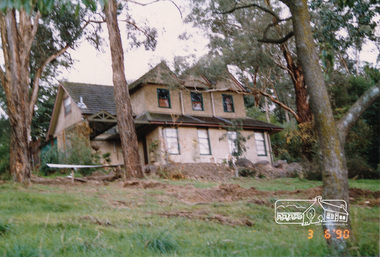
Photograph, Langi Dorn, Fay Street/Stanhope Street, Eltham, June 1990, 1990
... Harcourt design house. Originally on a larger block made up off several lots, some of which have been separated....Harcourt design house. Originally on a larger block made up off several lots, some of which have been separated. houses pise construction langi dorn fay street stanhope street eltham Colour photograph of view from east of Langi Dorn, Fay Street/Stanhope Street, Eltham Langi Dorn, Fay Street/Stanhope Street, Eltham, June 1990 Photograph ...Harcourt design house. Originally on a larger block made up off several lots, some of which have been separated.Colour photograph of view from east of Langi Dorn, Fay Street/Stanhope Street, Elthamhouses, pise construction, langi dorn, fay street, stanhope street, eltham -
 Eltham District Historical Society Inc
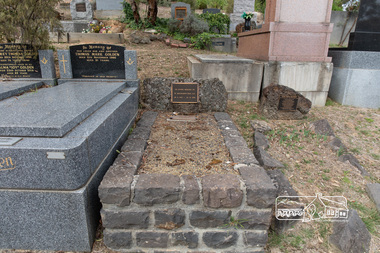
Photograph, Peter Pidgeon, Grave of William MacMahon Ball and Katrine S. Ball, Eltham Cemetery, Victoria, 5 April 2021
... With help from Alistair Knox, Sonia Skipper, Gordon Ford and John Harcourt, the house was totally renovated to become an early example of Eltham mud-brick. ...With help from Alistair Knox, Sonia Skipper, Gordon Ford and John Harcourt, the house was totally renovated to become an early example of Eltham mud-brick. ...William MacMahon Ball (‘Mac’ Ball) was Professor of Political Science at Melbourne University from 1949 to 1968, having lectured there since 1923. He became known as an ABC commentator on international affairs from the early 1930s to the early 1960s. Between 1940 and 1944 he was Controller of Overseas Broadcasting (which later became Radio Australia). In 1945, he was political consultant to the Australian Delegation at the conference leading to the establishment of the United Nations, and in 1946 was the British Commonwealth Representative on the Allied Council during the post-war occupation of Japan. Mac and his wife Katrine (plus daughter Jenny) came to Eltham in 1942, and in 1945 moved into an old timber cottage at the eastern end of York Street. With help from Alistair Knox, Sonia Skipper, Gordon Ford and John Harcourt, the house was totally renovated to become an early example of Eltham mud-brick. Mac died in 1986 and is buried in Eltham Cemetery with Katrine. Part of their land backing onto Bridge Street was donated to Eltham Shire Council and is now a reserve called MacMahon Ball Paddock. In Loving Memory W. MacMahon Ball A.C. 29. 8. 1901 – 26. 12. 1986 Also Katrine S. Ball 1st Nov. 1899 to 29th Oct. 1991 Loved wife of Mac. Ball Mother of Jenny Grandmother of Bronwyn, David and Michael Much belovedBorn Digitaleltham cemetery, gravestones, katrine s. ball, william mcmahon ball -
 Eltham District Historical Society Inc
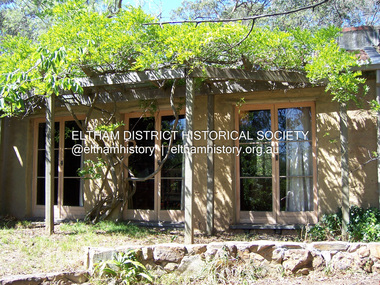
Photograph - Digital Photograph, Marguerite Marshall, Former home of Professor William MacMahon Ball, York Street, Eltham, 24 May 2007
... Mac also asked John Harcourt, who had worked with him as a journalist in shortwave broadcasting, to build a pise (rammed earth) and stone addition to the largely timber house. ...Mac also asked John Harcourt, who had worked with him as a journalist in shortwave broadcasting, to build a pise (rammed earth) and stone addition to the largely timber house. ...Situated at the eastern end of York Street, Eltham, 'Shinrone', the former home of Professor William (Mac) MacMahon Ball was one of the first in the Shire of Eltham to incorporate mud-brick. Professor MacMahon Ball, a political scientist, writer, broadcaster and diplomat and family moved to York Street, Eltham in 1945 into a timber cottage built around the 1890s and in poor repair. Mac asked Alistair Knox to renovate the home and he expanded the living area and added verandahs. In 1948 Montsalvat artist and sculptor Sonia Skipper supervised the building of most of the mud-brick studio. Neighbour Gordon Ford made the mud-bricks. Mac also asked John Harcourt, who had worked with him as a journalist in shortwave broadcasting, to build a pise (rammed earth) and stone addition to the largely timber house. Harcourt built two bedrooms - including an attic bedroom - a balcony with a shower and toilet, and a fireplace and chimney of local stone. Published: Nillumbik Now and Then / Marguerite Marshall 2008; photographs Alan King with Marguerite Marshall.; p141This collection of almost 130 photos about places and people within the Shire of Nillumbik, an urban and rural municipality in Melbourne's north, contributes to an understanding of the history of the Shire. Published in 2008 immediately prior to the Black Saturday bushfires of February 7, 2009, it documents sites that were impacted, and in some cases destroyed by the fires. It includes photographs taken especially for the publication, creating a unique time capsule representing the Shire in the early 21st century. It remains the most recent comprehenesive publication devoted to the Shire's history connecting local residents to the past. nillumbik now and then (marshall-king) collection, eltham, alistair knox, gordon ford, john harcourt, mudbrick construction, pise construction, professor macmahon ball, shinrone, sonia skipper, york street -
 Eltham District Historical Society Inc
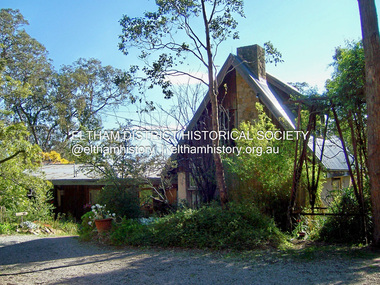
Photograph - Digital Photograph, Marguerite Marshall, Former home of Professor William MacMahon Ball, York Street, Eltham, 24 May 2007
... Mac also asked John Harcourt, who had worked with him as a journalist in shortwave broadcasting, to build a pise (rammed earth) and stone addition to the largely timber house. ...Mac also asked John Harcourt, who had worked with him as a journalist in shortwave broadcasting, to build a pise (rammed earth) and stone addition to the largely timber house. ...Situated at the eastern end of York Street, Eltham, 'Shinrone', the former home of Professor William (Mac) MacMahon Ball was one of the first in the Shire of Eltham to incorporate mud-brick. Professor MacMahon Ball, a political scientist, writer, broadcaster and diplomat and family moved to York Street, Eltham in 1945 into a timber cottage built around the 1890s and in poor repair. Mac asked Alistair Knox to renovate the home and he expanded the living area and added verandahs. In 1948 Montsalvat artist and sculptor Sonia Skipper supervised the building of most of the mud-brick studio. Neighbour Gordon Ford made the mud-bricks. Mac also asked John Harcourt, who had worked with him as a journalist in shortwave broadcasting, to build a pise (rammed earth) and stone addition to the largely timber house. Harcourt built two bedrooms - including an attic bedroom - a balcony with a shower and toilet, a nd a fireplace and chimney of local stone. Published: Nillumbik Now and Then / Marguerite Marshall 2008; photographs Alan King with Marguerite Marshall.; p141 At the eastern tip of York Street, Eltham, stands Shinrone, the former home of one of Australia’s intellectual leaders. Professor William Macmahon Ball, was one of the first to bring Asia as a foreign policy issue to the Australian public.1 He was a political scientist, writer, broadcaster and diplomat. The house was one of the first in Eltham Shire to incorporate mud-brick,2 because of the acute shortage of building materials after World War Two. Its novice builders later become leaders in Eltham’s built and garden design. Mac (as he was usually called), who was the son of a Church of England minister, was born in Casterton, Victoria in 1901 and died in 1986. In 1945 he helped establish the United Nations, as political consultant to the Australian Delegation at the San Francisco Conference.3 Then in 1946 Mac was appointed British Commonwealth Representative on the Allied Council for Japan, which is recorded in detail in his diary.4 In 1948 Mac led an Australian Government Goodwill Mission to South East Asia. However, Mac was perhaps most successful as an academic and public speaker.5 He was a commentator on the Australian Broadcasting Commission, from the early 1930s to the early 1960s. He was also Controller of the Short-Wave Broadcasting Unit during World War Two, which later became Radio Australia. From 1923 he taught at The University of Melbourne, then became foundation Professor of Political Science in 1949 and was Chair until his retirement in 1968.6 In 1942, as the government expected a Japanese invasion, Mac’s wife Katrine and their only child Jenny, moved from Kew to Eltham as temporary evacuees. However Mac and Katrine lived in Eltham for almost the rest of their lives. After staying with friends, they rented a house in Reynolds Road, where, as it was wartime, they needed to keep horses for transport and a cow and poultry for milk and eggs. In 1945 the family moved to the house at York Street, which was then a timber cottage, built around the 1890s and in poor repair. The underground well, cellar and part of the garden are all that remain of what stood on the original 18 acre (7.3ha) allotment. Thanks largely to Katrine’s hard work, the house was gradually renovated and extended. The long rambling house was partially built by several young neighbours, who were inspired by the cheap mud-brick and stone building style of Montsalvat, the Eltham artists’ colony. Mac asked Alistair Knox to renovate Shinrone, named after an Irish village near Katrine’s family home. Knox later popularised the mud-brick style of house construction, for which Eltham became known. He expanded the living area and added verandas. In 1948 Montsalvat artist and sculptor Sonia Skipper supervised the building of most of the mud-brick studio. Another neighbour, Gordon Ford, who was to have a major influence on the Australian garden style, made the mud-bricks. Mac also asked John Harcourt, who had worked with him as a journalist in short-wave broadcasting, to build a pisé (rammed earth) and stone addition to the largely timber house. Harcourt built two bedrooms – including an attic bedroom – a balcony with a shower and toilet, and a fireplace and chimney of local sandstone. With pioneering work naturally came mistakes, including one particularly dramatic incident when Harcourt was building walls with unsupported sections. Jenny Ellis, Mac’s daughter, remembers being awakened from sleep by a thundering shudder. The wall of her room had fallen down – fortunately away from her! In 1950 artist Peter Glass – another neighbour and later landscape designer – built Katrine a mud-brick pottery. As a result, the house features at one end Harcourt’s characteristic steep gable roof, while at the other the flatter construction characteristic of Knox. Mac referred to the home as the Eltham ‘experimental building site’.7 Surprisingly, the combination works, perhaps partly because it has the warm inviting feel of timber, mud-brick and stone.This collection of almost 130 photos about places and people within the Shire of Nillumbik, an urban and rural municipality in Melbourne's north, contributes to an understanding of the history of the Shire. Published in 2008 immediately prior to the Black Saturday bushfires of February 7, 2009, it documents sites that were impacted, and in some cases destroyed by the fires. It includes photographs taken especially for the publication, creating a unique time capsule representing the Shire in the early 21st century. It remains the most recent comprehenesive publication devoted to the Shire's history connecting local residents to the past. nillumbik now and then (marshall-king) collection, eltham, alistair knox, gordon ford, john harcourt, mudbrick construction, pise construction, professor macmahon ball, shinrone, sonia skipper, york street -
 Federation University Historical Collection
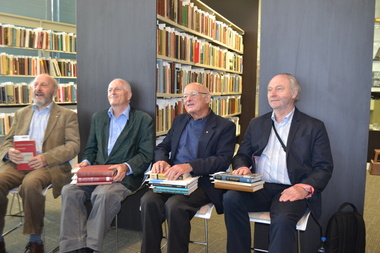
Photograph - Colour, Creedy Collection Launch, 2014
... The collection is housed in the Geoffrey Blainey research Centre, E.J Barker Library, Mount Helen campus Professor John King is an Adjunct Professor at La Trobe University, and an Honorary Professor at Federation University Australia Max Corden is Emeritus Professor of International Economics of Johns Hopkins University creedy federation university geoffrey blainey research centre library creedy collection john king geoff harcourt max cordon Four eminent academics photographed in the Geoffrey Blainey Research Centre during the launch of the Creedy Collection. ...Professor Creedy donated a collection of books to Federation University. The collection is housed in the Geoffrey Blainey research Centre, E.J Barker Library, Mount Helen campus Professor John King is an Adjunct Professor at La Trobe University, and an Honorary Professor at Federation University Australia Max Corden is Emeritus Professor of International Economics of Johns Hopkins UniversityFour eminent academics photographed in the Geoffrey Blainey Research Centre during the launch of the Creedy Collection. They hold books from the Creedy Collection. Left to right: Geoff Harcourt, John King, Max Corden and Mike Howard. creedy, federation university, geoffrey blainey research centre, library, creedy collection, john king, geoff harcourt, max cordon -
 Eltham District Historical Society Inc
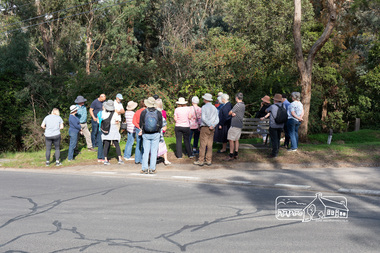
Photograph, Peter Pidgeon, Heritage Excursion: Mud Brick Meander, 6 March 2021
... houses. A number of these were constructed in the 1940s and 50s by well-known builders John Harcourt and Alistair Knox. ...houses. A number of these were constructed in the 1940s and 50s by well-known builders John Harcourt and Alistair Knox. ...Corner of Diamond Street and Peter Street, Eltham. Walkers gather for the beginning of the walk led by local historian Russell Yeoman. The tree-covered hill that forms the western backdrop to the Eltham town centre exhibits many characteristics that are considered to contribute to the special character of Eltham. They include unmade streets, steeply sloping land, extensive tree cover and a large number of mud brick and pise (rammed earth) houses. A number of these were constructed in the 1940s and 50s by well-known builders John Harcourt and Alistair Knox. A significant proportion from this period were constructed by owner-builders. We walked around the upper part of the hill in the area of Kerrie Crescent and Peter Street. We visited several interesting houses (for external viewing only). The walk commenced at 2pm at the corner of Diamond Street and Peter Street (Melway ref 21H4) and was about 2 km. This free walk was open to the general public as well as Society members. Whilst COVID restrictions did not require the wearing of masks in the open, masks had to be carried and all attendees registered with name and contact number or via QR registration.Born Digital (8 images)covid-19, eltham, eltham district historical society, heritage excursion, mudbrick, peter street, diamond street, russell yeoman -
 Eltham District Historical Society Inc
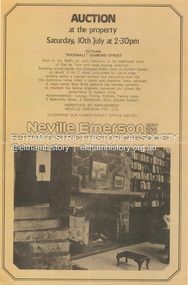
Document - Property Binder, Rocknall, 25 Diamond Street, Eltham
... house when purchased by Pam Robinson and 1 x clr of Pat Begg at work on extension) 3. A4 photo reprint of four clr photos of Pat Begg at work on extension Items 1-3 donated by Pam Robinson August 2021 via Wendy Wilson in support for a Newsletter article "Eltham Insights" by Pam Robinson published in the EDHS newsletter No 260, October 2021. Also Newsletter No. 265 August 2022 "Harcourt...house when purchased by Pam Robinson and 1 x clr of Pat Begg at work on extension) 3. A4 photo reprint of four clr photos of Pat Begg at work on extension Items 1-3 donated by Pam Robinson August 2021 via Wendy Wilson in support for a Newsletter article "Eltham Insights" by Pam Robinson published in the EDHS newsletter No 260, October 2021. Also Newsletter No. 265 August 2022 "Harcourt ...1. Photo reprint of Auction sale brochure, 10 July 1993 2. A4 photo reprint of four photos (3 x B&W of the house when purchased by Pam Robinson and 1 x clr of Pat Begg at work on extension) 3. A4 photo reprint of four clr photos of Pat Begg at work on extension Items 1-3 donated by Pam Robinson August 2021 via Wendy Wilson in support for a Newsletter article "Eltham Insights" by Pam Robinson published in the EDHS newsletter No 260, October 2021. Also Newsletter No. 265 August 2022 "Harcourt Hill" by Carlotta Quinlan features Rocknall and one of Pam Robison's photos.eltham, 25 diamond street, auction sale, j.m. harcourt design, neville emerson real estate, pam robinson, pat begg, rocknall -
 Eltham District Historical Society Inc
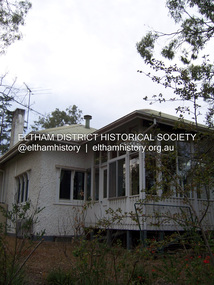
Photograph - Digital Photograph, Alan King, Stanhope, Peter Street, Eltham, 15 March 2008
... house and five acres (2 ha) in 1928. He was related to Sir Leslie Stephen, the first editor of the Dictionary of National Biography and Woolf’s father. Novelist and music critic John Harcourt...house and five acres (2 ha) in 1928. He was related to Sir Leslie Stephen, the first editor of the Dictionary of National Biography and Woolf’s father. Novelist and music critic John Harcourt ...On the crest of Stanhope Hill at Peter Street, Eltham, stands the former home of a couple, Clem and Nina Christensen who had a major influence on the literary development of post World War 2 Australia. Covered under Heritage Overlay, Nillumbik Planning Scheme. Published: Nillumbik Now and Then / Marguerite Marshall 2008; photographs Alan King with Marguerite Marshall.; p109 On the crest of Stanhope Hill at Peter Street, Eltham, stands the former home of a couple, who had a major influence on the literary development of post World War Two Australia. In 1946, Clem and Nina Christensen bought the house, which had been designed by Harold Desbrowe Annear, considered to be one of Australia’s most innovative architects in the first quarter of the 20th century.1 That year the stucco building with a metal roof, built in 1910, was extended to the north and south. The main residence was built of jarrah, with stucco walls, floors of Tasmanian hardwood and rooms panelled with Californian redwood (sequoia). The property included a cottage, former stables, a dairy and meat-house. From its beginnings the property has attracted artists and intellectuals. Official World War One artist, Will Longstaff, bought the property – then 15½ acres (6ha) around 1900. Famous for his painting The Ghosts of Menin Gate, now in the Australian War Memorial Canberra, Longstaff was the cousin of another well-known painter, Sir John Longstaff. Several leading artists visited Longstaff at Stanhope including Walter Withers of the Heidelberg School, who lived in Brougham Street, Eltham. In 1919, Theo Handfield, father of author and journalist John Handfield, bought the property from Mrs Longstaff. Then in 1924 the land was subdivided and most of the estate (80 blocks) was auctioned. The next owner was related to novelist Virginia Woolf. Bishop Reginald Stephen, Warden of Trinity College, bought the house and five acres (2 ha) in 1928. He was related to Sir Leslie Stephen, the first editor of the Dictionary of National Biography and Woolf’s father. Novelist and music critic John Harcourt, was the next tenant, while he and his wife Fay, built their mud-brick house Clay Nuneham, at the foot of Stanhope Hill. Dr Clem and Mrs Nina Christensen, lived in the house until their deaths. Clem Christensen – who died aged 91 in 2003 – was a poet, short story writer and painter. However, he is most noted for founding Australia’s foremost literary journal2 Meanjin (originally Meanjin Papers), which he described as ‘democratic left of centre’, in Brisbane in 1940. Clem brought Meanjin to Melbourne in 1945 and remained editor until 1975. Enormously influential, Meanjin spawned and encouraged many of Australia’s best literary talents and it had an international reputation. Meanjin was the first to publish such writers as Judith Wright and David Malouf and it encouraged writers like Patrick White and Peter Carey. Nina Christensen – who died aged 89 in 2001 – was founding Editor of the Melbourne Slavonic Studies Journal and pioneered the study of Russian in Australia. In 1946 she established the Department of Russian Language and Literature at The University of Melbourne, which she led until 1977. Nina’s graduates largely staffed subsequent departments, in other Australian universities.3 However Nina’s Russian heritage and Clem’s outspoken views caused problems. They were forced to defend themselves in the Petrov inspired Royal Commission on Espionage in the 1950s, but were exonerated. The Christensens attracted and hosted many distinguished Australian and foreign writers, artists and academics, including Nobel prize-winning novelist, Patrick White and the world’s then leading cellist, Mstislav Rostropovich.4 Other writers and intellectuals who visited Stanhope were: Vance Palmer, Alan Marshall, A D Hope, Xavier Herbert, Nevil Shute, Geoffrey Dutton, Martin Boyd, Judah Waten, Bruce Grant, Dorothy Hewett and Sir Herbert Read. Painters included: Danila Vassilieff, Arthur Boyd, Albert Tucker, Justus Jörgensen, Robert Hughes and Clifton Pugh. Academics included: Manning Clark, Geoffrey Blainey, W Macmahon Ball, Richard Downing, Geoffrey Serle and scientist Tim Marshall. Politicians included: Jim Cairns, Pauline Toner, Lance Barnard, Sir Paul Hasluck, Sheryl Garbutt and performance artists included: film star Olivia Newton-John, members of the Bolshoi ballet and the Russian State Ballet of Siberia.5 Nina Christensen was honoured in 2006 at the Eltham Living and Learning Centre with the building of an amphitheatre designed by V Sverdlin.This collection of almost 130 photos about places and people within the Shire of Nillumbik, an urban and rural municipality in Melbourne's north, contributes to an understanding of the history of the Shire. Published in 2008 immediately prior to the Black Saturday bushfires of February 7, 2009, it documents sites that were impacted, and in some cases destroyed by the fires. It includes photographs taken especially for the publication, creating a unique time capsule representing the Shire in the early 21st century. It remains the most recent comprehenesive publication devoted to the Shire's history connecting local residents to the past. nillumbik now and then (marshall-king) collection, clem christesen, eltham, nina christesen, peter street, stanhope -
 Eltham District Historical Society Inc
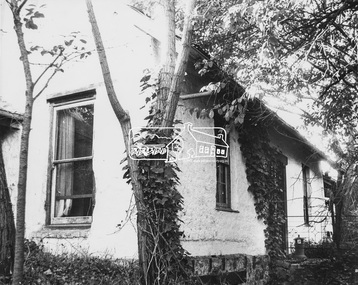
Photograph, Brocksopp House (1860)
... Harcourt. (EDHS Newsletter No. 145 July 2002) brocksopp house falkiner cottage houses mud brick construction souters cottage Alistair Knox Collection Handwritten notes in pencil re details of building, year of construction, owner, designer, builder, etc Black and white print mounted on card 35mm Colour positive transparency (copy of print) Mount - Black and White Brocksopp House (1860) Photograph Photograph ...Image No. 1 Brocksopp House erected about 1860 Originally known as Souters Cottage Eltham's first mud brick building Falkiner's Cottage The Alistair Knox Collection The Alistair Knox Collection is a series of mounted enlarged photos of mud brick houses and related subjects. The collection is understood to have been put together by Alistair Knox although it is the work of several unacknowledged photographers. For some years it was held by the Building Department of the former Eltham Shire Council and was then passed to our Society for safekeeping. Some of the photos have been used in Knox's books and from time to time some of them have been part of various historical displays. As far as we know there has not been a public display of the whole collection which numbers about forty photographs. The collection has been copied on to slides for the purpose of this meeting and to be retained as part of the Society's pictorial collection. Alistair Knox 1912 - 1986 is acknowledged as the founder of Eltham's mud brick building movement. Many of the buildings shown in the collection are of his design and he was also involved with the construction of several of them. Others are the work of his contemporaries and associates such as Peter Glass, Gordon Ford, and John Harcourt. (EDHS Newsletter No. 145 July 2002)Handwritten notes in pencil re details of building, year of construction, owner, designer, builder, etcbrocksopp house, falkiner cottage, houses, mud brick construction, souters cottage, alistair knox collection -
 Eltham District Historical Society Inc
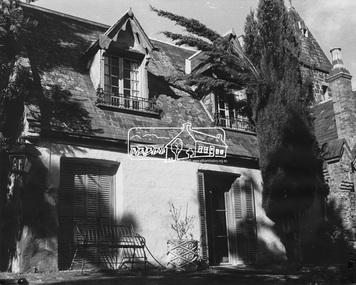
Photograph, Pise cottage, Montsalvat (1935-1936)
... Others are the work of his contemporaries and associates such as Peter Glass, Gordon Ford, and John Harcourt. (EDHS Newsletter No. 145 July 2002) houses justus jorgensen montsalvat pise construction Alistair Knox Collection Handwritten notes in pencil re details of building, year of construction, owner, designer, builder, etc Black and white print mounted on card 35mm Colour positive transparency (copy of print) Mount - Black and White Pise cottage, Montsalvat (1935-1936) Photograph Photograph ...Image 2B Montsalvat Early Pise cottage built 1935-36 designed by Justus Jorgensen The Alistair Knox Collection The Alistair Knox Collection is a series of mounted enlarged photos of mud brick houses and related subjects. The collection is understood to have been put together by Alistair Knox although it is the work of several unacknowledged photographers. For some years it was held by the Building Department of the former Eltham Shire Council and was then passed to our Society for safekeeping. Some of the photos have been used in Knox's books and from time to time some of them have been part of various historical displays. As far as we know there has not been a public display of the whole collection which numbers about forty photographs. The collection has been copied on to slides for the purpose of this meeting and to be retained as part of the Society's pictorial collection. Alistair Knox 1912 - 1986 is acknowledged as the founder of Eltham's mud brick building movement. Many of the buildings shown in the collection are of his design and he was also involved with the construction of several of them. Others are the work of his contemporaries and associates such as Peter Glass, Gordon Ford, and John Harcourt. (EDHS Newsletter No. 145 July 2002)Handwritten notes in pencil re details of building, year of construction, owner, designer, builder, etchouses, justus jorgensen, montsalvat, pise construction, alistair knox collection -
 Eltham District Historical Society Inc
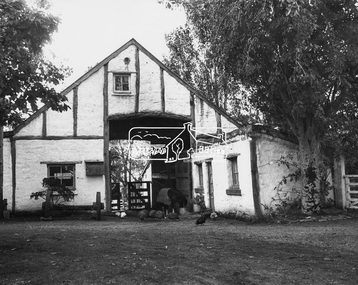
Photograph, The Barn, Montsalvat (1946)
... Harcourt. (EDHS Newsletter No. 145 July 2002) justus jorgensen montsalvat houses matcham skipper mud brick construction sonia skipper the barn Alistair Knox Collection Handwritten notes in pencil re details of building, year of construction, owner, designer, builder, etc Black and white print mounted on card 35mm Colour positive transparency (copy of print) Mount - Black and White The Barn, Montsalvat (1946) Photograph Photograph ...Image 2C Barn at Montsalvat 1946 Built by Matcham and Sonia Skipper Designed by Justus Jorgensen The Alistair Knox Collection The Alistair Knox Collection is a series of mounted enlarged photos of mud brick houses and related subjects. The collection is understood to have been put together by Alistair Knox although it is the work of several unacknowledged photographers. For some years it was held by the Building Department of the former Eltham Shire Council and was then passed to our Society for safekeeping. Some of the photos have been used in Knox's books and from time to time some of them have been part of various historical displays. As far as we know there has not been a public display of the whole collection which numbers about forty photographs. The collection has been copied on to slides for the purpose of this meeting and to be retained as part of the Society's pictorial collection. Alistair Knox 1912 - 1986 is acknowledged as the founder of Eltham's mud brick building movement. Many of the buildings shown in the collection are of his design and he was also involved with the construction of several of them. Others are the work of his contemporaries and associates such as Peter Glass, Gordon Ford, and John Harcourt. (EDHS Newsletter No. 145 July 2002)Handwritten notes in pencil re details of building, year of construction, owner, designer, builder, etcjustus jorgensen, montsalvat, houses, matcham skipper, mud brick construction, sonia skipper, the barn, alistair knox collection -
 Eltham District Historical Society Inc
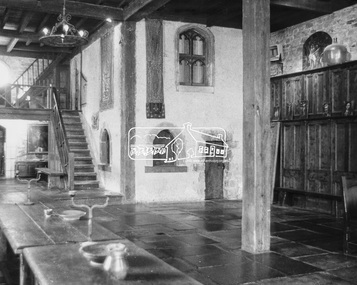
Photograph, Great Hall, Montsalvat (1938-1952)
... Harcourt. (EDHS Newsletter No. 145 July 2002) montsalvat great hall houses justus jorgensen mud brick construction Alistair Knox Collection Handwritten notes in pencil re details of building, year of construction, owner, designer, builder, etc Black and white print mounted on card 35mm Colour positive transparency (copy of print) Mount - Black and White Great Hall, Montsalvat (1938-1952) Photograph Photograph ...Image 2D Great Hall at Montsalvat built 1938-52 View of mud brick section of Main Hall Designed by Justus Jorgensen The Alistair Knox Collection The Alistair Knox Collection is a series of mounted enlarged photos of mud brick houses and related subjects. The collection is understood to have been put together by Alistair Knox although it is the work of several unacknowledged photographers. For some years it was held by the Building Department of the former Eltham Shire Council and was then passed to our Society for safekeeping. Some of the photos have been used in Knox's books and from time to time some of them have been part of various historical displays. As far as we know there has not been a public display of the whole collection which numbers about forty photographs. The collection has been copied on to slides for the purpose of this meeting and to be retained as part of the Society's pictorial collection. Alistair Knox 1912 - 1986 is acknowledged as the founder of Eltham's mud brick building movement. Many of the buildings shown in the collection are of his design and he was also involved with the construction of several of them. Others are the work of his contemporaries and associates such as Peter Glass, Gordon Ford, and John Harcourt. (EDHS Newsletter No. 145 July 2002)Handwritten notes in pencil re details of building, year of construction, owner, designer, builder, etcmontsalvat, great hall, houses, justus jorgensen, mud brick construction, alistair knox collection -
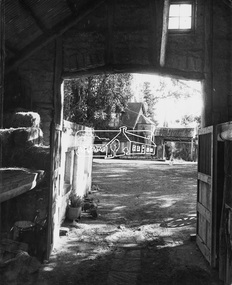 Eltham District Historical Society Inc
Photograph, Montsalvat
... Harcourt. (EDHS Newsletter No. 145 July 2002) montsalvat houses mud brick construction Alistair Knox Collection Handwritten notes in pencil re details of building, year of construction, owner, designer, builder, etc Black and white print mounted on card 35mm Colour positive transparency (copy of print) Mount - Black and White Montsalvat Photograph Photograph ...Image 2E General view of Montsalvat mud brick buildings including two storied studio The Alistair Knox Collection The Alistair Knox Collection is a series of mounted enlarged photos of mud brick houses and related subjects. The collection is understood to have been put together by Alistair Knox although it is the work of several unacknowledged photographers. For some years it was held by the Building Department of the former Eltham Shire Council and was then passed to our Society for safekeeping. Some of the photos have been used in Knox's books and from time to time some of them have been part of various historical displays. As far as we know there has not been a public display of the whole collection which numbers about forty photographs. The collection has been copied on to slides for the purpose of this meeting and to be retained as part of the Society's pictorial collection. Alistair Knox 1912 - 1986 is acknowledged as the founder of Eltham's mud brick building movement. Many of the buildings shown in the collection are of his design and he was also involved with the construction of several of them. Others are the work of his contemporaries and associates such as Peter Glass, Gordon Ford, and John Harcourt. (EDHS Newsletter No. 145 July 2002)Handwritten notes in pencil re details of building, year of construction, owner, designer, builder, etcmontsalvat, houses, mud brick construction, alistair knox collection -
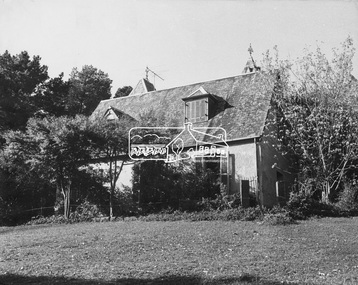 Eltham District Historical Society Inc
Photograph, Pise building, Montsalvat (1934-1935)
... Harcourt. (EDHS Newsletter No. 145 July 2002) montsalvat houses justus jorgensen pise construction Alistair Knox Collection Handwritten notes in pencil re details of building, year of construction, owner, designer, builder, etc Black and white print mounted on card 35mm Colour positive transparency (copy of print) Mount - Black and White Pise building, Montsalvat (1934-1935) Photograph Photograph ...First Montsalvat pise building, Built 1934-35, Designed by Justus Jorgensen, Founder of Montsalvat. This building was used for many years as a dining room and kitchen. The Alistair Knox Collection (Image 2A) The Alistair Knox Collection is a series of mounted enlarged photos of mud brick houses and related subjects. The collection is understood to have been put together by Alistair Knox although it is the work of several unacknowledged photographers. For some years it was held by the Building Department of the former Eltham Shire Council and was then passed to our Society for safekeeping. Some of the photos have been used in Knox's books and from time to time some of them have been part of various historical displays. As far as we know there has not been a public display of the whole collection which numbers about forty photographs. The collection has been copied on to slides for the purpose of this meeting and to be retained as part of the Society's pictorial collection. Alistair Knox 1912 - 1986 is acknowledged as the founder of Eltham's mud brick building movement. Many of the buildings shown in the collection are of his design and he was also involved with the construction of several of them. Others are the work of his contemporaries and associates such as Peter Glass, Gordon Ford, and John Harcourt. (EDHS Newsletter No. 145 July 2002)Handwritten notes in pencil re details of building, year of construction, owner, designer, builder, etcmontsalvat, houses, justus jorgensen, pise construction, alistair knox collection -
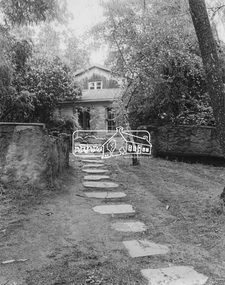 Eltham District Historical Society Inc
Photograph, Gordon Ford House (1948-1970)
... Harcourt. (EDHS Newsletter No. 145 July 2002) gordon craig ford gordon ford house graham rose houses mud brick construction Alistair Knox Collection Handwritten notes in pencil re details of building, year of construction, owner, designer, builder, etc Black and white print mounted on card 35mm Colour positive transparency (copy of print) Mount - Black and White Gordon Ford House (1948-1970) Photograph Photograph ...Image 5A Gordon Ford House - commenced 1948 Several extensions were added up to 1970 Designed and built by Gordon Ford Extensions by Graham Rose Original Gordon Ford courtyard and single storey building The Alistair Knox Collection The Alistair Knox Collection is a series of mounted enlarged photos of mud brick houses and related subjects. The collection is understood to have been put together by Alistair Knox although it is the work of several unacknowledged photographers. For some years it was held by the Building Department of the former Eltham Shire Council and was then passed to our Society for safekeeping. Some of the photos have been used in Knox's books and from time to time some of them have been part of various historical displays. As far as we know there has not been a public display of the whole collection which numbers about forty photographs. The collection has been copied on to slides for the purpose of this meeting and to be retained as part of the Society's pictorial collection. Alistair Knox 1912 - 1986 is acknowledged as the founder of Eltham's mud brick building movement. Many of the buildings shown in the collection are of his design and he was also involved with the construction of several of them. Others are the work of his contemporaries and associates such as Peter Glass, Gordon Ford, and John Harcourt. (EDHS Newsletter No. 145 July 2002)Handwritten notes in pencil re details of building, year of construction, owner, designer, builder, etcgordon craig ford, gordon ford house, graham rose, houses, mud brick construction, alistair knox collection -
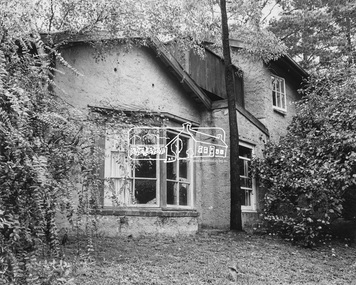 Eltham District Historical Society Inc
Photograph, Gordon Ford House (1948-1970)
... Harcourt. (EDHS Newsletter No. 145 July 2002) gordon craig ford gordon ford house graham rose houses mud brick construction Alistair Knox Collection Handwritten notes in pencil re details of building, year of construction, owner, designer, builder, etc Black and white print mounted on card 35mm Colour positive transparency (copy of print) Mount - Black and White Gordon Ford House (1948-1970) Photograph Photograph ...Image 5B Gordon Ford House - commenced 1948 Several extensions were added up to 1970 Designed and built by Gordon Ford Extensions by Graham Rose Original Gordon Ford courtyard and single storey building The Alistair Knox Collection The Alistair Knox Collection is a series of mounted enlarged photos of mud brick houses and related subjects. The collection is understood to have been put together by Alistair Knox although it is the work of several unacknowledged photographers. For some years it was held by the Building Department of the former Eltham Shire Council and was then passed to our Society for safekeeping. Some of the photos have been used in Knox's books and from time to time some of them have been part of various historical displays. As far as we know there has not been a public display of the whole collection which numbers about forty photographs. The collection has been copied on to slides for the purpose of this meeting and to be retained as part of the Society's pictorial collection. Alistair Knox 1912 - 1986 is acknowledged as the founder of Eltham's mud brick building movement. Many of the buildings shown in the collection are of his design and he was also involved with the construction of several of them. Others are the work of his contemporaries and associates such as Peter Glass, Gordon Ford, and John Harcourt. (EDHS Newsletter No. 145 July 2002)Handwritten notes in pencil re details of building, year of construction, owner, designer, builder, etcgordon craig ford, gordon ford house, graham rose, houses, mud brick construction, alistair knox collection -
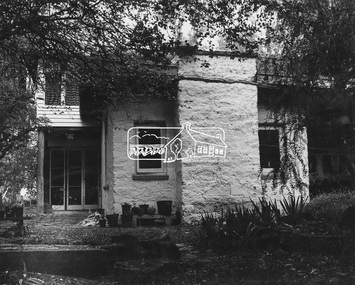 Eltham District Historical Society Inc
Photograph, Tim and Betty Burstall House (1948-1960s)
... Harcourt. (EDHS Newsletter No. 145 July 2002) betty burstall houses mud brick construction tim and betty burstall house tim burstall Montmorency Alistair Knox Collection Handwritten notes in pencil re details of building, year of construction, owner, designer, builder, etc Black and white print mounted on card 35mm Colour positive transparency (copy of print) Mount - Black and White Tim and Betty Burstall House (1948-1960s) Photograph Photograph ...Tim and Betty Burstall designed and built their mud brick house in (68 Napier Crescent) Montmorency in 1948. Extensions were added in the 1960s. The Alistair Knox Collection (Image 6) The Alistair Knox Collection is a series of mounted enlarged photos of about forty images mud brick houses and related subjects. The collection is understood to have been put together by Alistair Knox although it is the work of several unacknowledged photographers. For some years it was held by the Building Department of the former Eltham Shire Council and was then passed to EDHS. Some of the photos have been used in Knox's books. Alistair Knox (1912 - 1986) is acknowledged as the founder of Eltham's mud brick building movement. Many of the buildings shown in the collection are of his design and he was also involved with the construction of several of them. Others are the work of his contemporaries and associates such as Peter Glass, Gordon Ford, and John Harcourt. (EDHS Newsletter No. 145 July 2002)Handwritten notes in pencil re details of building, year of construction, owner, designer, builder, etcbetty burstall, houses, mud brick construction, tim and betty burstall house, tim burstall, montmorency, alistair knox collection -
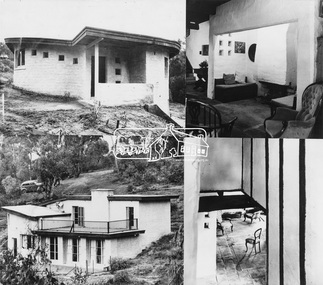 Eltham District Historical Society Inc
Photograph, Busst House (1948-1949)
... Harcourt. (EDHS Newsletter No. 145 July 2002) alistair knox design busst house horrie judd houses mud brick construction peter glass wynn roberts Alistair Knox Collection Handwritten notes in pencil re details of building, year of construction, owner, designer, builder, etc Black and white print mounted on card 35mm Colour positive transparency (copy of print) Mount - Black and White Busst House (1948-1949) Photograph Photograph ...Image 7 Buesst House 1948-49 Built by Horrie Judd, Wynn Roberts, Peter Glass and others. Designed by Alistair Knox The Alistair Knox Collection The Alistair Knox Collection is a series of mounted enlarged photos of mud brick houses and related subjects. The collection is understood to have been put together by Alistair Knox although it is the work of several unacknowledged photographers. For some years it was held by the Building Department of the former Eltham Shire Council and was then passed to our Society for safekeeping. Some of the photos have been used in Knox's books and from time to time some of them have been part of various historical displays. As far as we know there has not been a public display of the whole collection which numbers about forty photographs. The collection has been copied on to slides for the purpose of this meeting and to be retained as part of the Society's pictorial collection. Alistair Knox 1912 - 1986 is acknowledged as the founder of Eltham's mud brick building movement. Many of the buildings shown in the collection are of his design and he was also involved with the construction of several of them. Others are the work of his contemporaries and associates such as Peter Glass, Gordon Ford, and John Harcourt. (EDHS Newsletter No. 145 July 2002)Handwritten notes in pencil re details of building, year of construction, owner, designer, builder, etcalistair knox design, busst house, horrie judd, houses, mud brick construction, peter glass, wynn roberts, alistair knox collection -
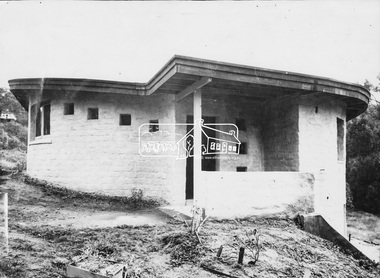 Eltham District Historical Society Inc
Photograph, Busst House (1948-1949)
... Harcourt. (EDHS Newsletter No. 145 July 2002) alistair knox design busst house horrie judd houses mud brick construction peter glass wynn roberts Alistair Knox Collection Handwritten notes in pencil re details of building, year of construction, owner, designer, builder, etc Black and white print mounted on card 35mm Colour positive transparency (copy of print) Mount - Black and White Busst House (1948-1949) Photograph Photograph ...Image 7 Buesst House 1948-49 Built by Horrie Judd, Wynn Roberts, Peter Glass and others. Designed by Alistair Knox The Alistair Knox Collection The Alistair Knox Collection is a series of mounted enlarged photos of mud brick houses and related subjects. The collection is understood to have been put together by Alistair Knox although it is the work of several unacknowledged photographers. For some years it was held by the Building Department of the former Eltham Shire Council and was then passed to our Society for safekeeping. Some of the photos have been used in Knox's books and from time to time some of them have been part of various historical displays. As far as we know there has not been a public display of the whole collection which numbers about forty photographs. The collection has been copied on to slides for the purpose of this meeting and to be retained as part of the Society's pictorial collection. Alistair Knox 1912 - 1986 is acknowledged as the founder of Eltham's mud brick building movement. Many of the buildings shown in the collection are of his design and he was also involved with the construction of several of them. Others are the work of his contemporaries and associates such as Peter Glass, Gordon Ford, and John Harcourt. (EDHS Newsletter No. 145 July 2002)Handwritten notes in pencil re details of building, year of construction, owner, designer, builder, etcalistair knox design, busst house, horrie judd, houses, mud brick construction, peter glass, wynn roberts, alistair knox collection -
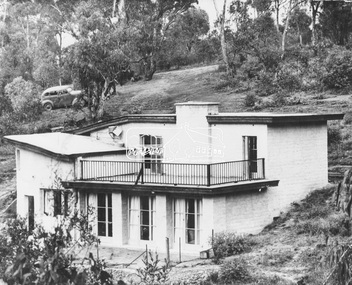 Eltham District Historical Society Inc
Photograph, Busst House (1948-1949)
... Harcourt. (EDHS Newsletter No. 145 July 2002) alistair knox design busst house horrie judd houses mud brick construction peter glass wynn roberts Alistair Knox Collection Handwritten notes in pencil re details of building, year of construction, owner, designer, builder, etc Black and white print mounted on card 35mm Colour positive transparency (copy of print) Mount - Black and White Busst House (1948-1949) Photograph Photograph ...Image 7 Buesst House 1948-49 Built by Horrie Judd, Wynn Roberts, Peter Glass and others. Designed by Alistair Knox The Alistair Knox Collection The Alistair Knox Collection is a series of mounted enlarged photos of mud brick houses and related subjects. The collection is understood to have been put together by Alistair Knox although it is the work of several unacknowledged photographers. For some years it was held by the Building Department of the former Eltham Shire Council and was then passed to our Society for safekeeping. Some of the photos have been used in Knox's books and from time to time some of them have been part of various historical displays. As far as we know there has not been a public display of the whole collection which numbers about forty photographs. The collection has been copied on to slides for the purpose of this meeting and to be retained as part of the Society's pictorial collection. Alistair Knox 1912 - 1986 is acknowledged as the founder of Eltham's mud brick building movement. Many of the buildings shown in the collection are of his design and he was also involved with the construction of several of them. Others are the work of his contemporaries and associates such as Peter Glass, Gordon Ford, and John Harcourt. (EDHS Newsletter No. 145 July 2002)Handwritten notes in pencil re details of building, year of construction, owner, designer, builder, etcalistair knox design, busst house, horrie judd, houses, mud brick construction, peter glass, wynn roberts, alistair knox collection -
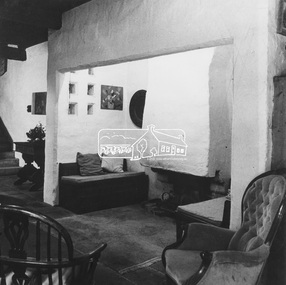 Eltham District Historical Society Inc
Photograph, Busst House (1948-1949)
... Harcourt. (EDHS Newsletter No. 145 July 2002) alistair knox design busst house horrie judd houses mud brick construction peter glass wynn roberts Alistair Knox Collection Handwritten notes in pencil re details of building, year of construction, owner, designer, builder, etc Black and white print mounted on card 35mm Colour positive transparency (copy of print) Mount - Black and White Busst House (1948-1949) Photograph Photograph ...Image 7 Buesst House 1948-49 Built by Horrie Judd, Wynn Roberts, Peter Glass and others. Designed by Alistair Knox The Alistair Knox Collection The Alistair Knox Collection is a series of mounted enlarged photos of mud brick houses and related subjects. The collection is understood to have been put together by Alistair Knox although it is the work of several unacknowledged photographers. For some years it was held by the Building Department of the former Eltham Shire Council and was then passed to our Society for safekeeping. Some of the photos have been used in Knox's books and from time to time some of them have been part of various historical displays. As far as we know there has not been a public display of the whole collection which numbers about forty photographs. The collection has been copied on to slides for the purpose of this meeting and to be retained as part of the Society's pictorial collection. Alistair Knox 1912 - 1986 is acknowledged as the founder of Eltham's mud brick building movement. Many of the buildings shown in the collection are of his design and he was also involved with the construction of several of them. Others are the work of his contemporaries and associates such as Peter Glass, Gordon Ford, and John Harcourt. (EDHS Newsletter No. 145 July 2002)Handwritten notes in pencil re details of building, year of construction, owner, designer, builder, etcalistair knox design, busst house, horrie judd, houses, mud brick construction, peter glass, wynn roberts, alistair knox collection -
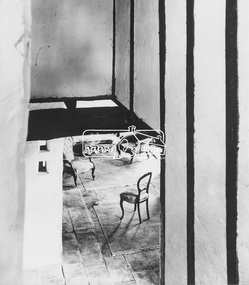 Eltham District Historical Society Inc
Photograph, Busst House (1948-1949)
... Harcourt. (EDHS Newsletter No. 145 July 2002) alistair knox design busst house horrie judd houses mud brick construction peter glass wynn roberts Alistair Knox Collection Handwritten notes in pencil re details of building, year of construction, owner, designer, builder, etc Black and white print mounted on card 35mm Colour positive transparency (copy of print) Mount - Black and White Busst House (1948-1949) Photograph Photograph ...Image 7 Buesst House 1948-49 Built by Horrie Judd, Wynn Roberts, Peter Glass and others. Designed by Alistair Knox The Alistair Knox Collection The Alistair Knox Collection is a series of mounted enlarged photos of mud brick houses and related subjects. The collection is understood to have been put together by Alistair Knox although it is the work of several unacknowledged photographers. For some years it was held by the Building Department of the former Eltham Shire Council and was then passed to our Society for safekeeping. Some of the photos have been used in Knox's books and from time to time some of them have been part of various historical displays. As far as we know there has not been a public display of the whole collection which numbers about forty photographs. The collection has been copied on to slides for the purpose of this meeting and to be retained as part of the Society's pictorial collection. Alistair Knox 1912 - 1986 is acknowledged as the founder of Eltham's mud brick building movement. Many of the buildings shown in the collection are of his design and he was also involved with the construction of several of them. Others are the work of his contemporaries and associates such as Peter Glass, Gordon Ford, and John Harcourt. (EDHS Newsletter No. 145 July 2002)Handwritten notes in pencil re details of building, year of construction, owner, designer, builder, etcalistair knox design, busst house, horrie judd, houses, mud brick construction, peter glass, wynn roberts, alistair knox collection -
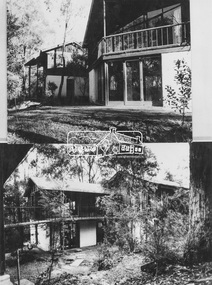 Eltham District Historical Society Inc
Photograph, Professor Downing - Dorian Le Gallienne House (1948-1964)
... Harcourt. (EDHS Newsletter No. 145 July 2002) alistair knox design horrie judd houses les puch mud brick construction professor downing - dorian le gallienne house sonia skipper wynn roberts Alistair Knox Collection Handwritten notes in pencil re details of building, year of construction, owner, designer, builder, etc Black and white print mounted on card 35mm Colour positive transparency (copy of print) Mount - Black and White Professor Downing - Dorian Le Gallienne House (1948-1964) Photograph Photograph ...Image 8 Professor Downing - Dorian Le Gallienne House Commenced 1948. Fourth and final wing added 1964 Built by Horrie Judd, Les Puch, Wynn Roberts, Sonia Skipper and others Designed by Alistair Knox The Alistair Knox Collection The Alistair Knox Collection is a series of mounted enlarged photos of mud brick houses and related subjects. The collection is understood to have been put together by Alistair Knox although it is the work of several unacknowledged photographers. For some years it was held by the Building Department of the former Eltham Shire Council and was then passed to our Society for safekeeping. Some of the photos have been used in Knox's books and from time to time some of them have been part of various historical displays. As far as we know there has not been a public display of the whole collection which numbers about forty photographs. The collection has been copied on to slides for the purpose of this meeting and to be retained as part of the Society's pictorial collection. Alistair Knox 1912 - 1986 is acknowledged as the founder of Eltham's mud brick building movement. Many of the buildings shown in the collection are of his design and he was also involved with the construction of several of them. Others are the work of his contemporaries and associates such as Peter Glass, Gordon Ford, and John Harcourt. (EDHS Newsletter No. 145 July 2002)Handwritten notes in pencil re details of building, year of construction, owner, designer, builder, etcalistair knox design, horrie judd, houses, les puch, mud brick construction, professor downing - dorian le gallienne house, sonia skipper, wynn roberts, alistair knox collection -
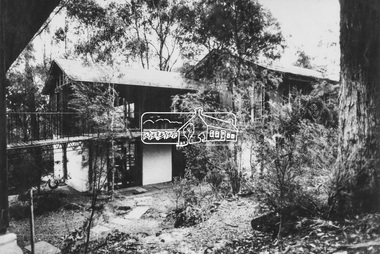 Eltham District Historical Society Inc
Photograph, Professor Downing - Dorian Le Gallienne House (1948-1964)
... Harcourt. (EDHS Newsletter No. 145 July 2002) alistair knox design horrie judd houses les puch mud brick construction professor downing - dorian le gallienne house sonia skipper wynn roberts Alistair Knox Collection Handwritten notes in pencil re details of building, year of construction, owner, designer, builder, etc Black and white print mounted on card 35mm Colour positive transparency (copy of print) Mount - Black and White Professor Downing - Dorian Le Gallienne House (1948-1964) Photograph Photograph ...Image 8 Professor Downing - Dorian Le Gallienne House Commenced 1948. Fourth and final wing added 1964 Built by Horrie Judd, Les Puch, Wynn Roberts, Sonia Skipper and others Designed by Alistair Knox The Alistair Knox Collection The Alistair Knox Collection is a series of mounted enlarged photos of mud brick houses and related subjects. The collection is understood to have been put together by Alistair Knox although it is the work of several unacknowledged photographers. For some years it was held by the Building Department of the former Eltham Shire Council and was then passed to our Society for safekeeping. Some of the photos have been used in Knox's books and from time to time some of them have been part of various historical displays. As far as we know there has not been a public display of the whole collection which numbers about forty photographs. The collection has been copied on to slides for the purpose of this meeting and to be retained as part of the Society's pictorial collection. Alistair Knox 1912 - 1986 is acknowledged as the founder of Eltham's mud brick building movement. Many of the buildings shown in the collection are of his design and he was also involved with the construction of several of them. Others are the work of his contemporaries and associates such as Peter Glass, Gordon Ford, and John Harcourt. (EDHS Newsletter No. 145 July 2002)Handwritten notes in pencil re details of building, year of construction, owner, designer, builder, etcalistair knox design, horrie judd, houses, les puch, mud brick construction, professor downing - dorian le gallienne house, sonia skipper, wynn roberts, alistair knox collection
