
Showing 8 items matching "ireland avenue"
-
 Whitehorse Historical Society Inc.
Document, Charlesworth Estate, n.d
... ...Ireland Avenue...Charlesworth Estate Mitcham Ireland Family Quarry Road Mitcham Mitcham Scout Hall Ireland Avenue Mitcham Mitcham Reminiscences of Mrs Ireland. ...Reminiscences of Mrs Ireland.Reminiscences of Mrs Ireland, resident of Mitcham from 1914.Reminiscences of Mrs Ireland. charlesworth estate, mitcham, ireland family, quarry road, mitcham, mitcham scout hall, ireland avenue, mitcham, mitcham -
Whitehorse Historical Society Inc.
Map, Burwood Road, Box Hill City, 1952
... ...ireland street...central avenue...maps burwood road burwood parer street elgar road cromwell street ireland street central avenue burwood scott grove somers street gilmour street evans street edwards street mills road Country Roads Board survey of Burwood Road, Burwood between Central Avenue and Elgar Road. ...Country Roads Board survey of Burwood Road, Burwood between Central Avenue and Elgar Road. Includes details of fencing, nature of buildings. With penciled additions to 1957.Country Roads Board survey of Burwood Road, Burwood between Central Avenue and Elgar Road. Includes details of fencing, nature of buildings. With penciled additions to 1957.Country Roads Board survey of Burwood Road, Burwood between Central Avenue and Elgar Road. Includes details of fencing, nature of buildings. With penciled additions to 1957.maps, burwood road, burwood, parer street, elgar road, cromwell street, ireland street, central avenue burwood, scott grove, somers street, gilmour street, evans street, edwards street, mills road -
 Ringwood and District Historical Society
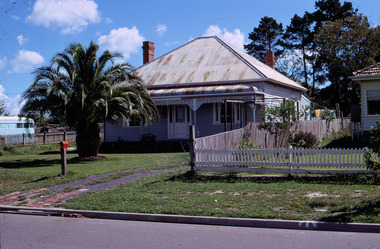
Photograph, North side of City Road, Ringwood 1969
... Ireland St, Regina St, and Greenwood Avenue south of Haig Street were all narrow dirt roads as well. ...Ireland St, Regina St, and Greenwood Avenue south of Haig Street were all narrow dirt roads as well. ...Written by Michael Anderson on RDHS Facebook on March 2016 CITY ROAD, RINGWOOD 1959 My family moved to City Road in 1959. At that time, it was a narrow rutted dirt road, with a large drain running on the northern side, and a wide nature strip complete with big wattle trees on the southern side, ideal for playing cricket and other games. There was no Salvation Army Citadel, nor was there a Lutheran Church. As you proceed from Wantirna Road towards Jubilee Park, there were no houses on the right hand side at all until you reached our house, 14 City Road, which at the time was Lot 51. On the corner where the Lutheran Church now stands, there was an old rusty farm gate, attached to a very weathered wooden post. This indicated that at some stage, City Road had been a private road. This rusty old gate was never closed, but it was a remnant of bygone days. Ireland St, Regina St, and Greenwood Avenue south of Haig Street were all narrow dirt roads as well. Jubilee Park Oval was fairly new, and there was no grandstand. The players and staff had to make do with a small wooden building that looked like a garden shed. Just beyond the southern end of the oval were growing many wild pumpkins, and I understand that the land had been a rubbish tip in the not so distant past. The park also had a couple of tennis courts. There was no road from Jubilee Park to Reilly St, and Reilly St didn't go all the way through from Wantirna Road to Great Ryrie St. It was broken by a creek. Aquinas College was an orchard. As you proceed up City Road from Wantirna Road, The Salvation Army church is on the left corner. The Hobbs family lived on that corner, in an old house on a block which was bordered by a huge hedge. The house next door in Wantirna Road, which is also Salvation Army land now, was owned by the Bayliss family. Mrs Bayliss was a teacher at Ringwood High. The first house in City Rd proper was at no. 1 to 5. The Roberts family lived there in an old weatherboard house on an acre of land. Mr Roberts was a carpenter who had built our house at No. 14, and he lived there with his wife and two sons, Graeme and Max. Eventually, they wanted more space, so they moved to the acre. Next door to the Roberts was Ted O'Regan at no. 7 to no. 9. He appears to have been a widower, and he lived by himself in an old wooden house which was surrounded by a large veranda on about 2/3 acre. Next door to Ted O'Regan lived his brother Jack O'Regan at no. 11 on about 1/2 acre, with his wife Edna, his son Alan, and his Daughter Judith. Barney Meadows lived on about 1/2 acre at no. 13. Barney was an old widower, and his front garden had a huge palm tree in it. Next to Barney lived the Reeves at no. 15, and finally there was the McDonald family at no. 17, which is on the corner of Regina St. From then on, City Rd, was a bush block down to Greenwood Ave, and the bush continued up Greenwood Ave to the Williams house, one house block from Haig St. On the right hand side of City Road it was all paddock to Ireland St, and another paddock which ended at our house was over the other side of Ireland St. Both paddocks were developed in about 1961/62, and there are about 12 houses there now, plus the Lutheran Church. When we first moved there, there was a horse and a cow grazing in the paddock beside our house. For the first couple of years, there was a huge bonfire in "our" paddock to mark Guy Fawkes day. It was a lot of fun, although I concede that it might have been a tad dangerous, with 3d. bungers and all that! Next door to us at no. 16 was the Goessling family. From now on the house blocks were normal sized. The Goesslings had one baby girl who was about 9 months old when we first moved in, but they ended up with 4 kids, all of whom would be middle aged now. They were observant Lutherans, but they were there before the church. Next door to the Goesslings at no. 18 was the Weir family on the corner of Regina St. On the other side of Regina St. at no. 20 was the Gowland family, and the last house in the street at no. 22 was owned by Arthur Johnston and his family. Arthur was an Ambulance Driver. Of course, many other people moved in and moved out in all those years. There was one particularly bad week for the street in June 1969. My brother Peter was killed in a work accident on Saturday 7th June. The next Wednesday 11th June Ted O'Regan, who lived diagonally opposite us died. Then on the next Saturday the 14th June, Ted Bell, who lived next door to us at no. 12 died from a heart attack at the age of 47. Three deaths in one week was a bit too much. It was eerie! Our old house is still standing, but I doubt for much longer. It was bought by people who wanted to develop it. Their plans were knocked back, so they sold it again. I would bet that in the not too distant future the house will be a piece of history. City Road was a paradise for kids when we moved in. We had lived in the inner suburbs, so the space and freedom were amazing for us "city slickers." I don't know where you could move to now if you wanted to bring up your children in a similar environment. Somehow, I don't think it would be possible. -
 Ringwood and District Historical Society
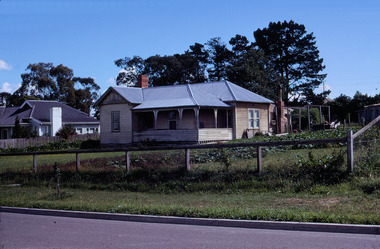
Photograph, City Road – North Side. Owned by E A (Ted) O’Regan on 23 March 1969
... Ireland St, Regina St, and Greenwood Avenue south of Haig Street were all narrow dirt roads as well. ...Ireland St, Regina St, and Greenwood Avenue south of Haig Street were all narrow dirt roads as well. ...Written by Michael Anderson on RDHS Facebook on March 2016 CITY ROAD, RINGWOOD 1959 My family moved to City Road in 1959. At that time, it was a narrow rutted dirt road, with a large drain running on the northern side, and a wide nature strip complete with big wattle trees on the southern side, ideal for playing cricket and other games. There was no Salvation Army Citadel, nor was there a Lutheran Church. As you proceed from Wantirna Road towards Jubilee Park, there were no houses on the right hand side at all until you reached our house, 14 City Road, which at the time was Lot 51. On the corner where the Lutheran Church now stands, there was an old rusty farm gate, attached to a very weathered wooden post. This indicated that at some stage, City Road had been a private road. This rusty old gate was never closed, but it was a remnant of bygone days. Ireland St, Regina St, and Greenwood Avenue south of Haig Street were all narrow dirt roads as well. Jubilee Park Oval was fairly new, and there was no grandstand. The players and staff had to make do with a small wooden building that looked like a garden shed. Just beyond the southern end of the oval were growing many wild pumpkins, and I understand that the land had been a rubbish tip in the not so distant past. The park also had a couple of tennis courts. There was no road from Jubilee Park to Reilly St, and Reilly St didn't go all the way through from Wantirna Road to Great Ryrie St. It was broken by a creek. Aquinas College was an orchard. As you proceed up City Road from Wantirna Road, The Salvation Army church is on the left corner. The Hobbs family lived on that corner, in an old house on a block which was bordered by a huge hedge. The house next door in Wantirna Road, which is also Salvation Army land now, was owned by the Bayliss family. Mrs Bayliss was a teacher at Ringwood High. The first house in City Rd proper was at no. 1 to 5. The Roberts family lived there in an old weatherboard house on an acre of land. Mr Roberts was a carpenter who had built our house at No. 14, and he lived there with his wife and two sons, Graeme and Max. Eventually, they wanted more space, so they moved to the acre. Next door to the Roberts was Ted O'Regan at no. 7 to no. 9. He appears to have been a widower, and he lived by himself in an old wooden house which was surrounded by a large veranda on about 2/3 acre. Next door to Ted O'Regan lived his brother Jack O'Regan at no. 11 on about 1/2 acre, with his wife Edna, his son Alan, and his Daughter Judith. Barney Meadows lived on about 1/2 acre at no. 13. Barney was an old widower, and his front garden had a huge palm tree in it. Next to Barney lived the Reeves at no. 15, and finally there was the McDonald family at no. 17, which is on the corner of Regina St. From then on, City Rd, was a bush block down to Greenwood Ave, and the bush continued up Greenwood Ave to the Williams house, one house block from Haig St. On the right hand side of City Road it was all paddock to Ireland St, and another paddock which ended at our house was over the other side of Ireland St. Both paddocks were developed in about 1961/62, and there are about 12 houses there now, plus the Lutheran Church. When we first moved there, there was a horse and a cow grazing in the paddock beside our house. For the first couple of years, there was a huge bonfire in "our" paddock to mark Guy Fawkes day. It was a lot of fun, although I concede that it might have been a tad dangerous, with 3d. bungers and all that! Next door to us at no. 16 was the Goessling family. From now on the house blocks were normal sized. The Goesslings had one baby girl who was about 9 months old when we first moved in, but they ended up with 4 kids, all of whom would be middle aged now. They were observant Lutherans, but they were there before the church. Next door to the Goesslings at no. 18 was the Weir family on the corner of Regina St. On the other side of Regina St. at no. 20 was the Gowland family, and the last house in the street at no. 22 was owned by Arthur Johnston and his family. Arthur was an Ambulance Driver. Of course, many other people moved in and moved out in all those years. There was one particularly bad week for the street in June 1969. My brother Peter was killed in a work accident on Saturday 7th June. The next Wednesday 11th June Ted O'Regan, who lived diagonally opposite us died. Then on the next Saturday the 14th June, Ted Bell, who lived next door to us at no. 12 died from a heart attack at the age of 47. Three deaths in one week was a bit too much. It was eerie! Our old house is still standing, but I doubt for much longer. It was bought by people who wanted to develop it. Their plans were knocked back, so they sold it again. I would bet that in the not too distant future the house will be a piece of history. City Road was a paradise for kids when we moved in. We had lived in the inner suburbs, so the space and freedom were amazing for us "city slickers." I don't know where you could move to now if you wanted to bring up your children in a similar environment. Somehow, I don't think it would be possible. -
 Narre Warren and District Family History Group
Book, Narre Warren & District Family History Group Inc, Casey Cardinia Collection - Berwick Information File - Volume 2, 2021
... Not for Carl - Carl Strachan 20 Oct 2021 Settling the Soldiers - Soldiers Road 28 Jan 2009 Secrets Behind the Show - Berwick Show 24 Jan 2018 Club in a Gesture for Jim - Jim Allan 21 Feb 2018 Shipwreck Lovers Settle in Berwick, Despite Cannibals 14 Aug 2013 Association Members Celebrate Their 80th - Red Cross 24 Feb 2021 Cheese Factory’s Rich Past 10 Jun 2020 Kempson Left His Mark - Henry Kempson 10 Mar 2021 School Began on Holidays - St Margarets 25 Aug 2021 The Sweet Side of Savory - Gil Savory 25 Jul 2018 Firing up the Old Brigade - 11 Jul 2018 Tribute to the Good Doctor - Percy Langmore 25 Apr 2018 A Brush with History 25 Apr 2018 Looking Back 9 Feb 2009 A Place in History - Living Memories DVD 25 Oct 2017 Founding Family Continues Show’s Style - Dandenong Show 19 Mar 2015 United by News - Bill Rogers 1 Feb 2017 Ruth in Heritage Honour - Ruth Crofts 23 Aug 2017 Athlete was a Gentleman - Edwin Flack 23 Aug 2017 Historic News in Brief UNKNOWN Playing the Part - World Wars Re-enactment 9 Jul 2014 Building on Some Historic Foundations - National Trust 26 Apr 2018 Big Crowd for First Dawn 16 Apr 2007 Life and Legacy Remembered - Peter Canobio 25 Jun 2008 Walking Tour Unearths “Jewels” - Hands on History Tour CD 12 Dec 2007 Old Cheese Factory was Built by Sir William Clarke in 1875 31 Mar 2021 Cemetery Extension Open - Berwick Cemetery 31 Mar 2021 End of an Era: Don Retiring from Trust After 40 Years - Don Moyes 7 Feb 2018 A Healthy History in Berwick - St John of God Hospital 18 Apr 2018 Hollywood in Berwick - On the Beach 30 Apr 2014 More Than a Token Effort - Cyril Molyneux 25 Apr 2018 Dedicated to Their Valour - Victoria Cross 13 Apr 2016 After 49 Years, the Final Snip - Les Jones 12 Nov 2007 A Proud History Building a Strong Future - St John of God 8 Nov 2017 Army Medic Takes the Highest Road - Samantha Bradbury 8 Nov 2017 War Memorial Set in Stone 27 Jun 2016 Farewell and Thanks - Berwick Leader May 2008 Attracting Some Flack - National Sports Museum 21 Sep 2016 150 Years of Worship - Berwick Church of Christ 27 Apr 2016 Major is Guest Speaker 17 Nov 2021 Iconic Berwick Sale - Burr Hill 17 Nov 2021 A Legendary Contributor to Local Sport - Arch Brown 15 Dec 2021 Fascinating Family History - Kirkham family 16 Feb 2011 50 Years of Love - Vincent & Carmel Taranto 16 Feb 2011 Life Members on Show UNKNOWN Good Doctor Laid a Medical Foundation 27 Sep 2000 Citizen of the Century 25 Nov 2015 It’s the End of a CWA Era 21 Jan 2015 Rotunda Opens Up 23 Feb 2022 Avard and Sunnyside 9 Mar 2022 Dedicated Farming Family 16 Feb 2022 Heritage Protector Passes 10 Nov 2021 VC Hero’s Story Revealed 2 Nov 2022 Captain Chose the Name 7 Dec 2022 Battin for the People 21 Mar 2018 Marking Scanlan Street 7 Mar 2018 Funston a Fine Figure 22 Dec 2020 The Park Jack Helped Build 25 Nov 2020 Park Honours Pioneers 14 Oct 2020 Colourful Characters - McKay Family 2 Sep 2020 Mayor’s Prussian Heritage - Kirsty Lottkowitz 19 Aug 2020 A Generous Patriot 22 Jul 2020 The Grice Family Legacy 13 May 2020 Tea Baron’s Life on Clover 1 Apr 2020 Well Played Warnes 4 Mar 2020 Right Royal Name Change - Gloucester Avenue 22 Jan 2020 Four Generations Strong - Ward family 8 Aug 2018 Buchanans Make A Mark 27 Jun 2018 Integral to Berwick Life 2 May 2018 Storekeeper’s New Digs 13 Jul 2022 A Walk in the Park in 1992 19 Oct 2022 From Ireland to Berwick 7 Sep 2022 One for the History Books 12 Jul 2018 Berwick Set For Big 150th 13 Jul 2022 Lex’s Fascinating Legacy - Wilson Botanic Gardens 13 Jul 2022 From a Quarry to Gardens - Wilson Botanic Gardens 20 July 2022 WGCA Mourning the Loss of Wallace - Jeff Wallace 27 Apr 2022 First Female in 104 Years - Berwick RSL 29 Apr 2020 Fritzlaffs Strike Gold 27 Apr 2022 Marching for the Anzacs...Not for Carl - Carl Strachan 20 Oct 2021 Settling the Soldiers - Soldiers Road 28 Jan 2009 Secrets Behind the Show - Berwick Show 24 Jan 2018 Club in a Gesture for Jim - Jim Allan 21 Feb 2018 Shipwreck Lovers Settle in Berwick, Despite Cannibals 14 Aug 2013 Association Members Celebrate Their 80th - Red Cross 24 Feb 2021 Cheese Factory’s Rich Past 10 Jun 2020 Kempson Left His Mark - Henry Kempson 10 Mar 2021 School Began on Holidays - St Margarets 25 Aug 2021 The Sweet Side of Savory - Gil Savory 25 Jul 2018 Firing up the Old Brigade - 11 Jul 2018 Tribute to the Good Doctor - Percy Langmore 25 Apr 2018 A Brush with History 25 Apr 2018 Looking Back 9 Feb 2009 A Place in History - Living Memories DVD 25 Oct 2017 Founding Family Continues Show’s Style - Dandenong Show 19 Mar 2015 United by News - Bill Rogers 1 Feb 2017 Ruth in Heritage Honour - Ruth Crofts 23 Aug 2017 Athlete was a Gentleman - Edwin Flack 23 Aug 2017 Historic News in Brief UNKNOWN Playing the Part - World Wars Re-enactment 9 Jul 2014 Building on Some Historic Foundations - National Trust 26 Apr 2018 Big Crowd for First Dawn 16 Apr 2007 Life and Legacy Remembered - Peter Canobio 25 Jun 2008 Walking Tour Unearths “Jewels” - Hands on History Tour CD 12 Dec 2007 Old Cheese Factory was Built by Sir William Clarke in 1875 31 Mar 2021 Cemetery Extension Open - Berwick Cemetery 31 Mar 2021 End of an Era: Don Retiring from Trust After 40 Years - Don Moyes 7 Feb 2018 A Healthy History in Berwick - St John of God Hospital 18 Apr 2018 Hollywood in Berwick - On the Beach 30 Apr 2014 More Than a Token Effort - Cyril Molyneux 25 Apr 2018 Dedicated to Their Valour - Victoria Cross 13 Apr 2016 After 49 Years, the Final Snip - Les Jones 12 Nov 2007 A Proud History Building a Strong Future - St John of God 8 Nov 2017 Army Medic Takes the Highest Road - Samantha Bradbury 8 Nov 2017 War Memorial Set in Stone 27 Jun 2016 Farewell and Thanks - Berwick Leader May 2008 Attracting Some Flack - National Sports Museum 21 Sep 2016 150 Years of Worship - Berwick Church of Christ 27 Apr 2016 Major is Guest Speaker 17 Nov 2021 Iconic Berwick Sale - Burr Hill 17 Nov 2021 A Legendary Contributor to Local Sport - Arch Brown 15 Dec 2021 Fascinating Family History - Kirkham family 16 Feb 2011 50 Years of Love - Vincent & Carmel Taranto 16 Feb 2011 Life Members on Show UNKNOWN Good Doctor Laid a Medical Foundation 27 Sep 2000 Citizen of the Century 25 Nov 2015 It’s the End of a CWA Era 21 Jan 2015 Rotunda Opens Up 23 Feb 2022 Avard and Sunnyside 9 Mar 2022 Dedicated Farming Family 16 Feb 2022 Heritage Protector Passes 10 Nov 2021 VC Hero’s Story Revealed 2 Nov 2022 Captain Chose the Name 7 Dec 2022 Battin for the People 21 Mar 2018 Marking Scanlan Street 7 Mar 2018 Funston a Fine Figure 22 Dec 2020 The Park Jack Helped Build 25 Nov 2020 Park Honours Pioneers 14 Oct 2020 Colourful Characters - McKay Family 2 Sep 2020 Mayor’s Prussian Heritage - Kirsty Lottkowitz 19 Aug 2020 A Generous Patriot 22 Jul 2020 The Grice Family Legacy 13 May 2020 Tea Baron’s Life on Clover 1 Apr 2020 Well Played Warnes 4 Mar 2020 Right Royal Name Change - Gloucester Avenue 22 Jan 2020 Four Generations Strong - Ward family 8 Aug 2018 Buchanans Make A Mark 27 Jun 2018 Integral to Berwick Life 2 May 2018 Storekeeper’s New Digs 13 Jul 2022 A Walk in the Park in 1992 19 Oct 2022 From Ireland to Berwick 7 Sep 2022 One for the History Books 12 Jul 2018 Berwick Set For Big 150th 13 Jul 2022 Lex’s Fascinating Legacy - Wilson Botanic Gardens 13 Jul 2022 From a Quarry to Gardens - Wilson Botanic Gardens 20 July 2022 WGCA Mourning the Loss of Wallace - Jeff Wallace 27 Apr 2022 First Female in 104 Years - Berwick RSL 29 Apr 2020 Fritzlaffs Strike Gold 27 Apr 2022 Marching for the Anzacs Casey Cardinia Collection - Berwick Information File - Volume 2 Book Narre Warren & District Family History Group Inc. ...Folder containing a table of contents and various newspaper clippings and other information pertaining to the Berwick area Volume 2. The date the articles were published, and title of articles are listed below. 25 Sep 2000 History Dying for Lack of Museum 22 Oct 1992 Berwick’s Churches Took Pride of Place 13 May 2009 Lex Loves the Groundwork - Wilson Botanic Park 28 Mar 2012 To Hell and Back - Julie Cini 12 Oct 2016 Church Pillar Jim - Jim Allan 27 May 2015 Pillar of College - John Waterhouse 2 Dec 2015 Dressed for Success - Rosalie Ham & Sue Maslin 9 Nov 2016 A Man Who Remembered - Cyril Molyneux 21 Sep 2011 Honour for History Sisters - Sonia Beaumont & Louise Reeve 11 Oct 2017 Berwick’s Back to its Roots UNKNOWN City’s Volunteers Entertained 16 Apr 2008 Cooking up Memories - Olive Foy 16 Sep 2013 Historic Site Faces Carve-up - Kilkirean 16 Sep 2021 Appropriate Residence for Such Prominent Residents - Wilsons 27 May 1993 Edrington, Home of Lord and Lady Casey UNKNOWN Burnbank UNKNOWN Beaumont Road Property UNKNOWN Edrington Park - pamphlet UNKNOWN Edrington Park - plan, trees & past owners 12 Oct 2016 Final Course at Clover - Clover Cottage UNKNOWN Burr Hill - sale 27 Oct 2003 People Power Acts for Posterity - Old Berwick Primary School 11 Oct 2000 School is Historic Site - Old Berwick Primary School 6 Nov 2003 Community Icon Will be Missed - George Wilson 1 Nov 2000 Plea on School Site - Old Berwick Primary School 8 Nov 2000 College to Push for Site - Old Berwick Primary School 27 Sep 2000 Stand up for Berwick - Old Berwick Primary School 27 Sep 2000 Village People - Old Berwick Primary School 11 Nov 2003 Park Feedback Quest - Old Berwick Primary School 5 Nov 2003 Berwick Village Town Park Concept UNKNOWN Berwick Mechanics Institute and Free Library - pamphlet 23 Jul 1993 Where to Build the New City’s Civic Centre? UNKNOWN Berwick map 12 Mar 2008 The Other Millers’ Tale - John & Brenda Miller 11 Jun 2008 Breeding a Class of Their Own - Allan & Jill Furborough 13 Jan 2010 Dawn’s Work Will Go On - Dawn Dorning 5 Aug 2009 Members Remember - Red Cross 17 Jun 2009 Diamond Couple are the Best of Friends - Hugh & Dorothy Hodson 25 Nov 2009 Century of Community Care - St John of God Hospital 7 Sep 2016 Farewell to a Dynamic Lady - Jan Bateman 13 May 2009 Diamond Couple - Bill & Joyce Minns 11 Jul 2013 Short Memory - Proposed site for Cultural Centre 21 Apr 2021 Memories of Afghanistan - Chris May 16 Jun 2021 Survivor is a Guiding Light - Kay Rankin 25 Aug 2021 Mixing with the Famous - Lord & Lady Casey 21 May 2015 Happy Couple’s Life of “Bliss and Hiss” - Val & John Evans 15 Jun 2016 Last Orders? Not for Carl - Carl Strachan 20 Oct 2021 Settling the Soldiers - Soldiers Road 28 Jan 2009 Secrets Behind the Show - Berwick Show 24 Jan 2018 Club in a Gesture for Jim - Jim Allan 21 Feb 2018 Shipwreck Lovers Settle in Berwick, Despite Cannibals 14 Aug 2013 Association Members Celebrate Their 80th - Red Cross 24 Feb 2021 Cheese Factory’s Rich Past 10 Jun 2020 Kempson Left His Mark - Henry Kempson 10 Mar 2021 School Began on Holidays - St Margarets 25 Aug 2021 The Sweet Side of Savory - Gil Savory 25 Jul 2018 Firing up the Old Brigade - 11 Jul 2018 Tribute to the Good Doctor - Percy Langmore 25 Apr 2018 A Brush with History 25 Apr 2018 Looking Back 9 Feb 2009 A Place in History - Living Memories DVD 25 Oct 2017 Founding Family Continues Show’s Style - Dandenong Show 19 Mar 2015 United by News - Bill Rogers 1 Feb 2017 Ruth in Heritage Honour - Ruth Crofts 23 Aug 2017 Athlete was a Gentleman - Edwin Flack 23 Aug 2017 Historic News in Brief UNKNOWN Playing the Part - World Wars Re-enactment 9 Jul 2014 Building on Some Historic Foundations - National Trust 26 Apr 2018 Big Crowd for First Dawn 16 Apr 2007 Life and Legacy Remembered - Peter Canobio 25 Jun 2008 Walking Tour Unearths “Jewels” - Hands on History Tour CD 12 Dec 2007 Old Cheese Factory was Built by Sir William Clarke in 1875 31 Mar 2021 Cemetery Extension Open - Berwick Cemetery 31 Mar 2021 End of an Era: Don Retiring from Trust After 40 Years - Don Moyes 7 Feb 2018 A Healthy History in Berwick - St John of God Hospital 18 Apr 2018 Hollywood in Berwick - On the Beach 30 Apr 2014 More Than a Token Effort - Cyril Molyneux 25 Apr 2018 Dedicated to Their Valour - Victoria Cross 13 Apr 2016 After 49 Years, the Final Snip - Les Jones 12 Nov 2007 A Proud History Building a Strong Future - St John of God 8 Nov 2017 Army Medic Takes the Highest Road - Samantha Bradbury 8 Nov 2017 War Memorial Set in Stone 27 Jun 2016 Farewell and Thanks - Berwick Leader May 2008 Attracting Some Flack - National Sports Museum 21 Sep 2016 150 Years of Worship - Berwick Church of Christ 27 Apr 2016 Major is Guest Speaker 17 Nov 2021 Iconic Berwick Sale - Burr Hill 17 Nov 2021 A Legendary Contributor to Local Sport - Arch Brown 15 Dec 2021 Fascinating Family History - Kirkham family 16 Feb 2011 50 Years of Love - Vincent & Carmel Taranto 16 Feb 2011 Life Members on Show UNKNOWN Good Doctor Laid a Medical Foundation 27 Sep 2000 Citizen of the Century 25 Nov 2015 It’s the End of a CWA Era 21 Jan 2015 Rotunda Opens Up 23 Feb 2022 Avard and Sunnyside 9 Mar 2022 Dedicated Farming Family 16 Feb 2022 Heritage Protector Passes 10 Nov 2021 VC Hero’s Story Revealed 2 Nov 2022 Captain Chose the Name 7 Dec 2022 Battin for the People 21 Mar 2018 Marking Scanlan Street 7 Mar 2018 Funston a Fine Figure 22 Dec 2020 The Park Jack Helped Build 25 Nov 2020 Park Honours Pioneers 14 Oct 2020 Colourful Characters - McKay Family 2 Sep 2020 Mayor’s Prussian Heritage - Kirsty Lottkowitz 19 Aug 2020 A Generous Patriot 22 Jul 2020 The Grice Family Legacy 13 May 2020 Tea Baron’s Life on Clover 1 Apr 2020 Well Played Warnes 4 Mar 2020 Right Royal Name Change - Gloucester Avenue 22 Jan 2020 Four Generations Strong - Ward family 8 Aug 2018 Buchanans Make A Mark 27 Jun 2018 Integral to Berwick Life 2 May 2018 Storekeeper’s New Digs 13 Jul 2022 A Walk in the Park in 1992 19 Oct 2022 From Ireland to Berwick 7 Sep 2022 One for the History Books 12 Jul 2018 Berwick Set For Big 150th 13 Jul 2022 Lex’s Fascinating Legacy - Wilson Botanic Gardens 13 Jul 2022 From a Quarry to Gardens - Wilson Botanic Gardens 20 July 2022 WGCA Mourning the Loss of Wallace - Jeff Wallace 27 Apr 2022 First Female in 104 Years - Berwick RSL 29 Apr 2020 Fritzlaffs Strike Gold 27 Apr 2022 Marching for the Anzacsnon-fictionberwick (vic.) -
Glen Eira Historical Society
Ephemera - Carnegie Cricket Club
... Ireland P.... McDougall C. J.... Burke S.... Pert R. G. A.... Mimosa Road... Carn. Soc.... Carnegie Socials... Caulfield Sth... Ormond A... Sweetnam R. W.... Price F. N.... Bone R. N.... Burke S. R.... McIntosh A.... Ormond... Caulfield East... Ormond Park... Murrumbeena C... Murrumbeena D... Elsternwick... Murrumbeena E... Carnegie Soldiers... McCarron A.... Newbury C. R.... Middleton J.... O’Connor J.... Cakebread J.... Morton L.... Lyons Street... McKinnon... Carnegie Traders... Bone R. J.... North Road... Caul. F’balls... Caulfield North... Clarke T.... Whitelaw W.... Sweetman R. W.... Jury J.... Macfarlan I.... Daniells J. (senior)... Price R.... Bull A. J.... Tranmere Avenue...Ireland P. McDougall C. J. Burke S. Pert R. G. A. Mimosa Road Carn. Soc. Carnegie Socials Caulfield Sth Ormond A Sweetnam R. W. Price F. N. Bone R. N. Burke S. R. McIntosh A. Ormond Caulfield East Ormond Park Murrumbeena C Murrumbeena D Elsternwick Murrumbeena E Carnegie Soldiers McCarron A. Newbury C. R. Middleton J. O’Connor J. Cakebread J. Morton L. Lyons Street McKinnon Carnegie Traders Bone R. J. North Road Caul. F’balls Caulfield North Clarke T. Whitelaw W. Sweetman R. W. Jury J. Macfarlan I. Daniells J. (senior) Price R. Bull A. J. Tranmere Avenue ...This file contains nineteen Carnegie Cricket Club season match cards owned by the club’s Honorary Secretary for 1930-1931, and life member, Mr. T. E. S. Ash. The cards encompass the years from 1930-1931, 1936-1938, 1940-1941, 1943-1951 and 1952-1960. Each of the match cards list the office bearers for the year as well as the club’s fixtures. Some contain handwritten annotations by Mr. Ash as to the outcomes of the matches.ash mr., shelton j. n., reid s. h., price c., harratt f., stevenson h., donaldson t., walker a., cakebread e., gregg r., tebbs j., tempany t., quinn p., price f., lonch w., newing s., henderson e., reader a., larter f. t., harwood h., ash t. e. s., neerim road, bone j., jenner t., paul j., richards u., diamond c., mckee w., reid s. h., robertson g., sherwood j., tyers s. w., allaway j. e., clarke t. b., goldman a., jukes a., spencer w., beaumont c., carnegie, wishart g., bone r., boxshall k., cameron h., johnson a., hubbard l., larter f., price c. l., moore d., allaway e., ash t., louch w. h., goodall m., reid g., graham j., reid m., wilde w., willison p., murrumbeena, henty street, crussell j. a., williams h., allan p., pooley p. c., greig g., pierce l., caples r. w., newbury c. j., chamberlain a., cusack r., driver w. j., mau r., moore d. c., wishart m., pummeroy k., bailey f. i., brown r. w., whelan j. g., parker c., rofe r., wilkins d., dann e., tebbs j. (junior), yenden road, loush w., neville street, williams r. h., greenway a., lewis j., rolfe d., saunders r., wishart d., st. anthony, glenhuntly, stocks w., christie a., greenway a. e., caulfield south, ireland p., mcdougall c. j., burke s., pert r. g. a., mimosa road, carn. soc., carnegie socials, caulfield sth, ormond a, sweetnam r. w., price f. n., bone r. n., burke s. r., mcintosh a., ormond, caulfield east, ormond park, murrumbeena c, murrumbeena d, elsternwick, murrumbeena e, carnegie soldiers, mccarron a., newbury c. r., middleton j., o’connor j., cakebread j., morton l., lyons street, mckinnon, carnegie traders, bone r. j., north road, caul. f’balls, caulfield north, clarke t., whitelaw w., sweetman r. w., jury j., macfarlan i., daniells j. (senior), price r., bull a. j., tranmere avenue, wakeman o. w., coorigil road, bailey i., james p. c., ormond b, james p., pert r., green w., knox h., reid street, caulfield, heib j., price v. j., elliot a., phillips n., wilde w. j., cusack s., tyers n. s., hender b., george d., ford j., castles p., rolfe d. h., cusack r. s., gamble h., louch w. h., pearce e., koornang road, koornan road, harrington a., somerville h. j., grange road, sutherland m., bent street, rowland s., chestnut street, ariadne avenue, rankin ian, caulfield city, carnegie r. s. l., caulfield foot, murrumbeena foot, whitelaw m., chilvers r., kennedy d., mclatchie h., murrumbeena z, ormond c. of c., murrumbeena b, bentleigh, crussell j., mckee g., andrews e. j., andrews n., somerville h., moonya road, murrumbeena park, sweetnan r. w., hubbard l. c., harwood h. j., wilkins d. (senior), sporting clubs, cricket, clubs and associations, volunteers -
 Melton City Libraries
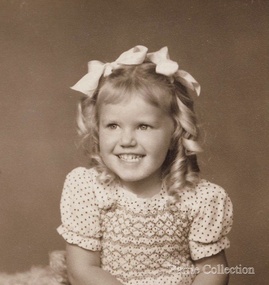
Photograph, Wendy Barrie, Unknown
... Ireland and England. In the summer we took a four month trip around the Continent and the Mediterranean. I registered with The Royal Borough Of Kingston Upon Thames as a Supply teacher, and worked at Chessington School form autumn to spring the following year and living with Mrs Rose Gillies at Kinross Avenue, Worcester Park, Surrey. ...Ireland and England. In the summer we took a four month trip around the Continent and the Mediterranean. I registered with The Royal Borough Of Kingston Upon Thames as a Supply teacher, and worked at Chessington School form autumn to spring the following year and living with Mrs Rose Gillies at Kinross Avenue, Worcester Park, Surrey. ...Eldest daughter of Edna and Bon Barrie, born on 03 November 1943 in Melbourne, Victoria, Memoirs of Wendy Barrie, recalling the early formative years of life in Melton: In 1949 I started school at Melton State School no 430 and was driven the 2½ miles to there by my parents at first. Later we walked home in the afternoons or were picked up by car as we made our way home along the Western Highway. In 1956 I went to Bacchus Marsh High School. There were 4 students in grade 6 and 3 of us went to the High School. The students from Melton, Melton South and Toolern Vale State Schools went by bus to Bacchus Marsh High School as far a fifth form. My parents drove me to the pick up point and during the five years of travel to High School. The bus travelled via Toolern Vale and later went through Exford and through Parwan. On the return journey in the afternoon the bus went in the reverse direction. The bridge at Exford was an old narrow wooden one, and the students had to get off the bus and walk across, with the driver crossing in the empty bus for safety reasons. There was a travelling allowance paid to parents and it was estimated from the distance the crow flies, a straight line. We lived a Ferris Lane, just where the Harness Racing entrance is now situated about 2 ½ miles by road to school too close to qualify for the subsidy. While at State School Melton we would walk home in a group with the Nixon and Gillespie children, along the main road over the bridge near the Shire Offices and down a hill. I was being dinked on Joyce Gillespie’s bike while holding onto the seat, toppled off the bike striking my chin and teeth on the bitumen and cracking my jaw. I was about 9 years old and stayed a couple of days in the Quamby Hospital in Bacchus Marsh, it seemed like and eternity at the time and quite traumatic being separated from my family. I can remember contemplating how I could get out of the window and run away but realised it was too far to walk home. Often we would cut across the Common on our way home from school picking up stray golf balls and collecting them from the creek when it dried out. We were warned about not accepting lifts from strangers passing along the Melbourne/ Ballarat Road. The only danger we faced was being swooped by the magpies particularly on the open ground on the Common. We were also fairly cautious when the Gypsies camped on the Common in the area just about opposite the small reservoir. “Mum” grandma Myers loved to have us call in on our way home, and usually would cut a slice of Jongebloed’s bread and spread it with home made butter. Sometimes we waited there until we were collected by car, usually driven by our mother. Margaret Nixon and Joyce Gillespie were a few grades ahead of me and Barbara Nixon was born just two months earlier than me. Our mothers were great friends for over 6o years, born in the same month three years apart. They lived within a few days of the same age as each other at the time their deaths. Dad and George Nixon attended Melton school at the same time. Sarah nee Hornbuckle Nixon and my grandfather Frederick Myers Snr were at school together at the same in the 1880s. The Nixon family lived in Keilor Road just past the Toolern Creek near the turnoff. Tom and Ann Collins lived on the southern side of the Western highway and Keilor road intersection. Jim and Ruby Gillespie’s house was further long Keilor road on the right. They backed onto the Myers who lived on the north side of Western Highway east of Myers Gully (Ryans Creek). The Bridge over the Toolern Creek as very narrow and as truck traffic increased there were accidents. One truck took out the side railing and plunged upside down into the bank and into the shallow water. Another fatal accident happened between a car and a truck right in front of the Myers house. Grandfather Fred had been a bike rider all his life, as far as the Riverina in his younger years, wryly made the comment about the drivers the speeding along the Ballarat Road were setting out to kill themselves. The road was busy particularly after the Races at Ballarat when the crowds were hurrying home to Melbourne. Train travel had changed very little from the time my mothers generation to mine. The timetable meant the usual rush to Melton South by bike in her case and if she was running late the train pulled up on the crossing. I was driven to the Station from home past Keith and Mary Gillespie’s house near the Ferris Road rail crossing to Bridge road to Melton South for the 7.32 train. While attending Sunshine High School in 1961 I would meet up with three other students, two of whom I knew from Bacchus Marsh High School days. We usually got into the same compartment on the train, it was a typical country train with a corridor along the side and compartments with a door, roof racks and sometimes heated metal containers for the feet in the winter. Some of the trains came through from Horsham and Ballarat, and the Overland from Adelaide passed through in the evening, we could hear it in the distance from the Ferris Lane home. The carriages had 1st and economy class compartments showing photographs of county scenes and holiday destinations. The engine was the large A class diesel. They are still running to Bacchus Marsh 50 years later, due to the need for the greatly increased number of commuters travelling to work in the city. Sometimes the carriages were pull by a Steam engine, these were a problem in the summer time because the sparks caused fires along the train lines and then quickly spread into the dry grass, crops and stubble. The Motor Train left Spencer Street at 4.23 pm and was the best train for me to catch. Ferris Road was a designated stop and train pulled up on the road crossing. It had steps at the door and rungs to hold while alighting to the ground. The ballast along the tracks was rough and uneven and awkward to land on. The train was painted blue and yellow with the letters VR pained on the front. This saved may parents the afternoon trip to collect me from the Station. On the walk home on the gravel road I would pass Uncle Tom and Aunty May’s house before reaching home. Melva Gillespie was studying at Sunshine Technical School and we sometimes both got off the train at the same time. On other occasions the Motor Train was replaced with a diesel engine with carriages, it was also required to stop and the driver had to be notified in advance. This meant getting into the guards van a Rockbank. It was more difficult alighting from the carriage as the gap was greater and more precarious to swing out and land on the ground. A few times in my last year of study at Melbourne Teachers College in Grattan Street Carlton. I managed to catch the 2.30 pm train to Serviceton, it was express to Melton and was very quick trip. The last train, was the 5.25 pm diesel to Ballarat and I usually caught this train to Melton South Station. On one occasion after being held up on the tram in Bourke street I had to make a mad dash to the platform chasing the train as it was just moving off and yelling to the guard, fortunately I was noticed and the train ground to halt. I scrambled into the end door and took most of the journey home to recover. After the last year at High School I continued to travel on the train, 2 years to Prahran Technical School changing at North Melbourne. There were a lot school children travelling to private schools and some at the primary level and mainly from Bacchus Marsh. Rockbank children also travelled by train from the beginning of their high school years, quite a few went to Sunshine High School. During my third year of teacher training I travelled to Flinders Street to RMIT for ceramics classes and Grattan St Teachers College located in the grounds of Melbourne University. There were many teachers being trained at the Secondary Teachers College due to the baby bulge creating a great shortage of teachers. Sunshine High School was very well represented amongst the different courses in Primary, Secondary and Art and Crafts. I attended Melbourne University lectures, studying a Fine Art subject. Bernard Smith was the most notable of the lecturers. he replaced Professor Joseph Bourke who had taken leave for the years. In 1962 he published the art book “Australian Painting”. The secondary art and craft student teachers from the College were in the majority, taking this subject and were well regarded due to their practical art and craft methods and their teaching round experience. In December 1964 I graduated as a Trained Secondary Teacher – Art and Crafts. The graduating ceremony was held at Wilson Hall. I received my appointment to work at Maryborough High School. Uncle Max and Aunty Rosemary Myers arranged my accommodation. Uncle Max was a teacher at the Maryborough Technical School fat the time. The appointment was suddenly changed when just before the school year was about to start when I received notification that I was now required to move to Warracknabeal High School. I was subject to a bond for the three years of training and three years of teaching and was under an obligation to comply with the directive of the Education Department. My father stood as guarantor when I was accepted as student at the Melbourne Teachers’ College, thus enabling me to receive my teacher training, and a 5 pounds a week allowance for expenses. After teaching for two years at Warracknabeal High School I was fortunate enough the gain a transfer to Sunshine West High School, returning to live at home in Melton and travelling by car to work with a fellow colleague, Jock Smith who lived at Station road Melton. I completed bond obligation and resigned at the end of the year. The employment regulations at that time did not allow the option of leave of absence for, indefinite overseas travel. I returned to Australia in October 1969. Visiting Arthur Hart the Principal of Sunshine High School he arranged with the Education Department for my re-employment at Sunshine High School until the end of the year. In 1970 I was transferred, and returned to Sunshine West High School where I worked for the next three years. In January 1968 I sailed on the “Oriana” to South Hampton with two teaching friends from Warracknabeal High School on a travelling and working holiday. Doreen Kiely, a former Bacchus Marsh High student and fellow train traveller from Bacchus Marsh, was already working in London, had arranged our accommodation at the London Travellers Club Hotel, Braham Gardens, Earls Court SW5. We based our stay at this address in London and travelled around Scotland, Ireland and England. In the summer we took a four month trip around the Continent and the Mediterranean. I registered with The Royal Borough Of Kingston Upon Thames as a Supply teacher, and worked at Chessington School form autumn to spring the following year and living with Mrs Rose Gillies at Kinross Avenue, Worcester Park, Surrey. In the spring of 1969 visiting Norway, Sweden and Finland joining an organised camping group to the Artic Circle, entered Russia at Leningrad (St Petersburg) Moscow, Minsk, to Poland and Czechoslovakia. In August returning to Worcester Park for the flight to Montreal to stay with cousin Lynette and husband Jurgen. A side trip was taken to Toronto, Niagara Falls and New York. The flight home from Montreal to Melbourne took 52 hours. A ½ day break in Vancouver before boarding the Qantas boeing 707 via San Francisco, Honolulu, Fiji, Sydney to Melbourne. Around the world in 21 months. Photographs of Wendy local identities -
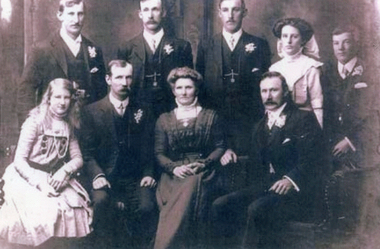 Whitehorse Historical Society Inc.
Photograph, Ireland family
... William Ireland was an orchardist in Mitcham. His cool store stood on the corner of Deakin Street and Ormond Avenue, Mitcham, behind the family's home in Gillies Street, Mitcham...William Ireland was an orchardist in Mitcham. His cool store stood on the corner of Deakin Street and Ormond Avenue, Mitcham, behind the family's home in Gillies Street, Mitcham ireland family orchards Black and white photograph of the Ireland family of Mitcham c1910 Back row: Henry, Albert, Alfred, Alice, Arthur Front row: Myrtle, Edward, Kezia d. 1914 aged 56, William Absent: Elijah d. 1908 aged 50, Amelia (Halliday), Emily d.1892 aged 4 years 7 months, John d. 1902 aged 27, and Rose d.1905 aged 12 years. ...William Ireland was an orchardist in Mitcham. His cool store stood on the corner of Deakin Street and Ormond Avenue, Mitcham, behind the family's home in Gillies Street, MitchamBlack and white photograph of the Ireland family of Mitcham c1910 Back row: Henry, Albert, Alfred, Alice, Arthur Front row: Myrtle, Edward, Kezia d. 1914 aged 56, William Absent: Elijah d. 1908 aged 50, Amelia (Halliday), Emily d.1892 aged 4 years 7 months, John d. 1902 aged 27, and Rose d.1905 aged 12 years. There was also one still born child.ireland family, orchards
