
Showing 32 items matching "julian ashton"
-
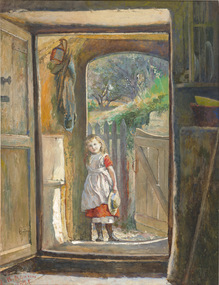 Benalla Art Gallery
Watercolour, Julian ASHTON, Girl at the gate, 1878
... Julian ASHTON...Girl at the gate Watercolour Julian ASHTON ...Born: Addlestone, Surrey, England 1851; Arrived: Melbourne, Victoria, Australia 1878; Died: Bondi, New South Wales, Australia 1942VictorianLedger Gift, 1985Interior scene with small figure standing at doorway to outside fenced garden. Unframed.Recto: Signed and dated "J. R. ASHTON / 1877" in red watercolour in l.l.c of compositionwatercolour, interior, exterior, child, door, fence, tree -
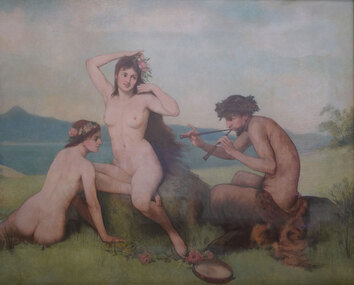 Benalla Art Gallery
Painting, Julian ASHTON, Bacchantes, 1892
... Julian ASHTON...Bacchantes Painting Julian ASHTON ...Born: Addlestone, Surrey, England 1851; Arrived: Melbourne, Victoria, Australia 1878; Died: Bondi, New South Wales, Australia 1942NeoclassicismGift of Mr Philip Bacon, 2002Two naked women listening to a Faun play twin pipes.painting, figures, faun, allegorical, flute, tambourine, flowers, nude, mountains, sky, mythical -
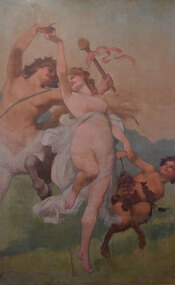 Benalla Art Gallery
Painting, Julian ASHTON, Neo-classical allegory, c. 1890
... Julian ASHTON...Neoclassicism Painting Mythical Figures Centraur Child Faun Tambourine Grapes Trees Sky Nude Dancing Neo-classical allegory Painting Julian ASHTON ...Born: Addlestone, Surrey, England 1851; Arrived: Melbourne, Victoria, Australia 1878; Died: Bondi, New South Wales, Australia 1942NeoclassicismGift of Mr Wayne N. Kratzmann, 2005painting, mythical, figures, centraur, child, faun, tambourine, grapes, trees, sky, nude, dancing -
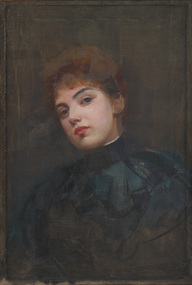 Horsham Regional Art Gallery
Painting, Julian ASHTON, Study of a woman's head, c.1890
... Julian ASHTON...Study of a woman's head Painting Julian ASHTON ...Gift of Beverly Brown in memory of her father Dr Joseph Brown AO OBE, 2015 -
 Upper Yarra Museum
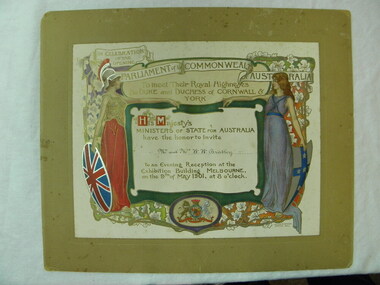
Prints offset, Julian & Howard, Ashton, Deli, Celebration of the opening Parliament of the Commonwealth of Australia
... Julian & Howard, Ashton, Deli...Celebration of the opening Parliament of the Commonwealth of Australia Prints offset Julian & Howard, Ashton, Deli ...Printed invitation one of 4 invitaions in the set ,to invite Mr & Mrs H. H. Bradley from His Majesty's Ministers of State for Australia to Celebrtae the Opening Parliament of the Commonwealth of Australia to meet their Royal Highness The Duke and Dutchess of Cornwell and York. To an evening reception at the Exhibition Building Melbourne on the 9th of May 1901, at 8 o'clockSignficant collection of 4 invitatons of national signficance Plus a printed Momento from the Duke and Dutchess 00533 Evening reception to Meet the Duke and Dutchess 00534 Invitaion from the Govenment of Victoria 00535 Invitaion from Edmund Barton the Prime Minister 00536 Invitaion from the Govenment of Victoria for a conversazione 07/05/1901 at 8 pmMounted offset print. The print is mounted on brown mount board. The print has an embossed seal of Duke and Dutchess of Cornwall and York. Printed invitation from the miniters of state to invite Mr and Mrs H H Bradley to attend the reception.Invitaion hand written. On the left is a maiden , dressed in red with a helment carrying a British Shield on the Right hand side is a maiden dressed in purple carrying a St shield . The print is bordered by vines and leaves with scrolls for text details. The print has silver and gold highlights.Printed: His Majesty's Ministers of State for the Commonwealth of Australia/ request the honour of the presence of... / in the Exhibition Building, Melbourne, on Thursday, 9th May, to witness/ the Opening of the Parliament of the Commonwealth./ Edmund Barton/ Prime Ministermelbourne, australia, commonwealth, printed offset, invitaion, celebrate opening parliament commonwealth australia, parliament, duke dutchess cornwall york, mr mrs h h bradley, exhibition building, 1901, 09 05 1901 -
 Federation University Historical Collection
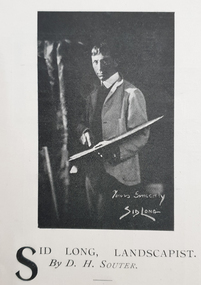
Book, Art Decoration Ornaments
... ...julian ashton...ballarat technical art school ballarat technical art school library bank of australasia mount kosciusko siry henry parkes pyrmont bridge maori ancient egypt julian ashton st andrew'e cathedral sydney edmond thomas blacket sydney university comisariat stores circular quay the rocks w. lister-lister sydney domestic architecture james barnet john horbury hunt sidney long maori art wall decoratoni paperhangings australian stained glass art and architecture stamped metalwork w.c. piguenit australian architecture rose bay convent chapel australian posters pottery cyril blacket bookbinding new south wales state library architecture oxford st sydney'tom roberts repousse sydney harbour bridge john longstaff women painters the great pyramid of egypt skyscraper comes to new south wales melbourne hospital plans governor bligh electric illumination Black cloth covered book with leather spine. ...Black cloth covered book with leather spine. Colour illustrationsballarat technical art school, ballarat technical art school library, bank of australasia, mount kosciusko, siry henry parkes, pyrmont bridge, maori, ancient egypt, julian ashton, st andrew'e cathedral sydney, edmond thomas blacket, sydney university, comisariat stores circular quay, the rocks, w. lister-lister, sydney domestic architecture, james barnet, john horbury hunt, sidney long, maori art, wall decoratoni, paperhangings, australian stained glass, art and architecture, stamped metalwork, w.c. piguenit, australian architecture, rose bay convent chapel, australian posters, pottery, cyril blacket, bookbinding, new south wales state library architecture, oxford st sydney'tom roberts, repousse, sydney harbour bridge, john longstaff, women painters, the great pyramid of egypt, skyscraper comes to new south wales, melbourne hospital plans, governor bligh, electric illumination -
 Eltham District Historical Society Inc
Document - Folder, Skipper, Sonia
... ...Julian Ashton...Sonia Skipper Frances Skipper John Michael Skipper Lena Wiltshire Justus Jorgenson Matcham Skipper Church of Mary Immaculate Ivanhoe Victoria School of Pacific Studies Canberra Alistair Knox Helen Skipper Saskia Munday Arthur Munday Mervyn Hannan Joe Hannan Jenni Mitchell Lena Skipper Walter Burley Griffin Justus Jorgensen Julian Ashton Sebastian Jorgensen Helen Lempriere Saskia Killingbeck nee Munday Newspaper clippings, A4 photocopies, etc Skipper, Sonia Document Folder ...Sonya Skipper was a painter, sculptor, jeweller and writer. She lived at Montsalvat and later Renmark, South Australia. Contents Newspaper article: "Sonia Skipper", Network, April/May 1991. Biography of Sonia Skipper. Newspaper article: "A skipper's story", Diamond Valley Leader, 22 June 2005. Launch of Sonia Skipper's book "My Story: Tales from a pioneer of Montsalvat". Newspaper article: "Fine focus on everyday life", Diamond Valley Leader, 6 July 2005. Exhibition at Montsalvat of paintings by Sonia Skipper. Newspaper article: "A 'leading matriarch'", Diamond Valley Leader, 4 June 2008. Obituary of Sonia Skipper. Newspaper article: "Painter who left her mark at Montsalvat", The Age, ~June 2008. Obituary of Sonia Skipper. Newspaper article: " Vast vista by a Montsalvat pioneer", Diamond Valley Leader, 25 February 2009. Exhibition of works by Sonia Skipper held at Montsalvat. Newspaper article: "Sonia Skipper art for show", Diamond Valley Leader, 21 June 2009. Exhibition and sale at Montsalvat of paintings by Sonia Skipper. Newspaper article: "Life in the house that art built", The Age, 2009. Exhibition and sale at Montsalvat of paintings by Sonia Skipper. Newspaper clippings, A4 photocopies, etcsonia skipper, frances skipper, john michael skipper, lena wiltshire, justus jorgenson, matcham skipper, church of mary immaculate ivanhoe victoria, school of pacific studies canberra, alistair knox, helen skipper, saskia munday, arthur munday, mervyn hannan, joe hannan, jenni mitchell, lena skipper, walter burley griffin, justus jorgensen, julian ashton, sebastian jorgensen, helen lempriere, saskia killingbeck nee munday -
 Ballarat Heritage Services
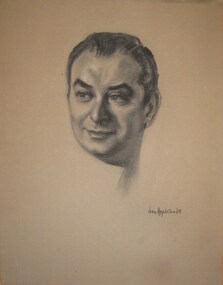
Sculpture - Artwork, Jean Appleton
... Strongly interested in modern art, she studied under Mark Gertler and Bernard Meninsky at the avant-garde Westminster School.With the outbreak of the war she returned to Australia, thereafter teaching at Canberra Grammar and then at the Julian Ashton and National Art Schools in Sydney. ...Strongly interested in modern art, she studied under Mark Gertler and Bernard Meninsky at the avant-garde Westminster School.With the outbreak of the war she returned to Australia, thereafter teaching at Canberra Grammar and then at the Julian Ashton and National Art Schools in Sydney. portrait Jean Appleton Portrait of a male by Jean Appleton Sculpture Artwork Jean Appleton ...Jean Appleton (1911–2003) Born Sydney, New South Wales A painter and art teacher who studied at the East Sydney Technical College, completing a diploma in drawing and illustration in 1932. In 1935 she travelled to London on a cargo ship. Strongly interested in modern art, she studied under Mark Gertler and Bernard Meninsky at the avant-garde Westminster School.With the outbreak of the war she returned to Australia, thereafter teaching at Canberra Grammar and then at the Julian Ashton and National Art Schools in Sydney. Portrait of a male by Jean Appletonportrait, jean appleton -
 Ararat Gallery TAMA
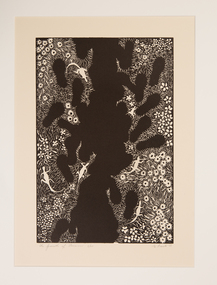
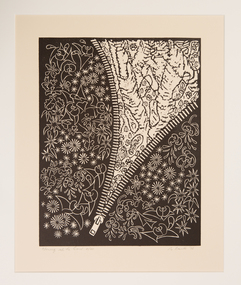
Nanette Bourke, The Growth of Tourism, 1988
... Bourke has been a printmaker since the late 1960s, having studied at the Julian Ashton Art School in Sydney, and at art societies and the CAE in Melbourne before relocating to Western Victoria. ...Bourke has been a printmaker since the late 1960s, having studied at the Julian Ashton Art School in Sydney, and at art societies and the CAE in Melbourne before relocating to Western Victoria. ...Settling in Moyston in 1984, Nanette Bourke is a prominent figure in the Ararat and Grampians arts community, perhaps best known as a member of the ‘Grampians Four’ group of artists. Bourke has been a printmaker since the late 1960s, having studied at the Julian Ashton Art School in Sydney, and at art societies and the CAE in Melbourne before relocating to Western Victoria. Inspired by the woodcuts and linocuts by Melbourne artists of the 1920s and 1930s - Napier Waller, Murray Griffin, and especially Eric Thake - Bourke embraces the sophisticated results that can be achieved in this medium. Bourke holds a deep affinity with the natural environment, which is integral in her artistic life. Many of the works in this exhibition are inspired by the natural environment of the Grampians. In contrast to the often joyous depictions of Australian native flora, Bourke’s imagery also presents a poignant reminder of humankind’s negative impact on the environment. -
 Ararat Gallery TAMA
Nanette Bourke, Opening up the Land, 1995
... Bourke has been a printmaker since the late 1960s, having studied at the Julian Ashton Art School in Sydney, and at art societies and the CAE in Melbourne before relocating to Western Victoria. ...Bourke has been a printmaker since the late 1960s, having studied at the Julian Ashton Art School in Sydney, and at art societies and the CAE in Melbourne before relocating to Western Victoria. ...Settling in Moyston in 1984, Nanette Bourke is a prominent figure in the Ararat and Grampians arts community, perhaps best known as a member of the ‘Grampians Four’ group of artists. Bourke has been a printmaker since the late 1960s, having studied at the Julian Ashton Art School in Sydney, and at art societies and the CAE in Melbourne before relocating to Western Victoria. Inspired by the woodcuts and linocuts by Melbourne artists of the 1920s and 1930s - Napier Waller, Murray Griffin, and especially Eric Thake - Bourke embraces the sophisticated results that can be achieved in this medium. Bourke holds a deep affinity with the natural environment, which is integral in her artistic life. Many of the works in this exhibition are inspired by the natural environment of the Grampians. In contrast to the often joyous depictions of Australian native flora, Bourke’s imagery also presents a poignant reminder of humankind’s negative impact on the environment. -
 Ararat Gallery TAMA
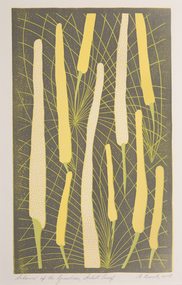
Nanette Bourke, Return of the Grasstrees, 2007
... Bourke has been a printmaker since the late 1960s, having studied at the Julian Ashton Art School in Sydney, and at art societies and the CAE in Melbourne before relocating to Western Victoria. ...Bourke has been a printmaker since the late 1960s, having studied at the Julian Ashton Art School in Sydney, and at art societies and the CAE in Melbourne before relocating to Western Victoria. ...Settling in Moyston in 1984, Nanette Bourke is a prominent figure in the Ararat and Grampians arts community, perhaps best known as a member of the ‘Grampians Four’ group of artists. Bourke has been a printmaker since the late 1960s, having studied at the Julian Ashton Art School in Sydney, and at art societies and the CAE in Melbourne before relocating to Western Victoria. Inspired by the woodcuts and linocuts by Melbourne artists of the 1920s and 1930s - Napier Waller, Murray Griffin, and especially Eric Thake - Bourke embraces the sophisticated results that can be achieved in this medium. Bourke holds a deep affinity with the natural environment, which is integral in her artistic life. Many of the works in this exhibition are inspired by the natural environment of the Grampians. In contrast to the often joyous depictions of Australian native flora, Bourke’s imagery also presents a poignant reminder of humankind’s negative impact on the environment. -
 Ararat Gallery TAMA
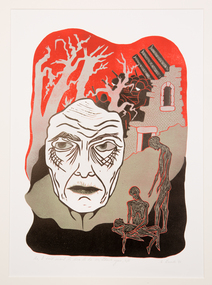
Nanette Bourke, No, I don't want to live to 100, Thank you, 1992
... Bourke has been a printmaker since the late 1960s, having studied at the Julian Ashton Art School in Sydney, and at art societies and the CAE in Melbourne before relocating to Western Victoria. ...Bourke has been a printmaker since the late 1960s, having studied at the Julian Ashton Art School in Sydney, and at art societies and the CAE in Melbourne before relocating to Western Victoria. ...Settling in Moyston in 1984, Nanette Bourke is a prominent figure in the Ararat and Grampians arts community, perhaps best known as a member of the ‘Grampians Four’ group of artists. Bourke has been a printmaker since the late 1960s, having studied at the Julian Ashton Art School in Sydney, and at art societies and the CAE in Melbourne before relocating to Western Victoria. Inspired by the woodcuts and linocuts by Melbourne artists of the 1920s and 1930s - Napier Waller, Murray Griffin, and especially Eric Thake - Bourke embraces the sophisticated results that can be achieved in this medium. Bourke holds a deep affinity with the natural environment, which is integral in her artistic life. Many of the works in this exhibition are inspired by the natural environment of the Grampians. In contrast to the often joyous depictions of Australian native flora, Bourke’s imagery also presents a poignant reminder of humankind’s negative impact on the environment. -
 Ararat Gallery TAMA
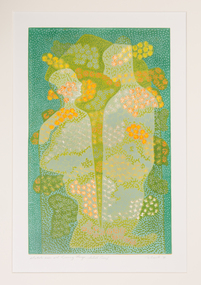
Nanette Bourke, Watch Over All Living Things, 1996
... Bourke has been a printmaker since the late 1960s, having studied at the Julian Ashton Art School in Sydney, and at art societies and the CAE in Melbourne before relocating to Western Victoria. ...Bourke has been a printmaker since the late 1960s, having studied at the Julian Ashton Art School in Sydney, and at art societies and the CAE in Melbourne before relocating to Western Victoria. ...Settling in Moyston in 1984, Nanette Bourke is a prominent figure in the Ararat and Grampians arts community, perhaps best known as a member of the ‘Grampians Four’ group of artists. Bourke has been a printmaker since the late 1960s, having studied at the Julian Ashton Art School in Sydney, and at art societies and the CAE in Melbourne before relocating to Western Victoria. Inspired by the woodcuts and linocuts by Melbourne artists of the 1920s and 1930s - Napier Waller, Murray Griffin, and especially Eric Thake - Bourke embraces the sophisticated results that can be achieved in this medium. Bourke holds a deep affinity with the natural environment, which is integral in her artistic life. Many of the works in this exhibition are inspired by the natural environment of the Grampians. In contrast to the often joyous depictions of Australian native flora, Bourke’s imagery also presents a poignant reminder of humankind’s negative impact on the environment. -
 Ararat Gallery TAMA
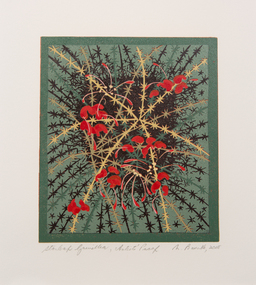
Nanette Bourke, Starleaf Grevillea, 2008
... Bourke has been a printmaker since the late 1960s, having studied at the Julian Ashton Art School in Sydney, and at art societies and the CAE in Melbourne before relocating to Western Victoria. ...Bourke has been a printmaker since the late 1960s, having studied at the Julian Ashton Art School in Sydney, and at art societies and the CAE in Melbourne before relocating to Western Victoria. ...Settling in Moyston in 1984, Nanette Bourke is a prominent figure in the Ararat and Grampians arts community, perhaps best known as a member of the ‘Grampians Four’ group of artists. Bourke has been a printmaker since the late 1960s, having studied at the Julian Ashton Art School in Sydney, and at art societies and the CAE in Melbourne before relocating to Western Victoria. Inspired by the woodcuts and linocuts by Melbourne artists of the 1920s and 1930s - Napier Waller, Murray Griffin, and especially Eric Thake - Bourke embraces the sophisticated results that can be achieved in this medium. Bourke holds a deep affinity with the natural environment, which is integral in her artistic life. Many of the works in this exhibition are inspired by the natural environment of the Grampians. In contrast to the often joyous depictions of Australian native flora, Bourke’s imagery also presents a poignant reminder of humankind’s negative impact on the environment. -
 Ararat Gallery TAMA
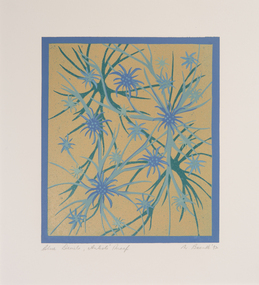
Nanette Bourke, Blue Devils, 1992
... Bourke has been a printmaker since the late 1960s, having studied at the Julian Ashton Art School in Sydney, and at art societies and the CAE in Melbourne before relocating to Western Victoria. ...Bourke has been a printmaker since the late 1960s, having studied at the Julian Ashton Art School in Sydney, and at art societies and the CAE in Melbourne before relocating to Western Victoria. ...Settling in Moyston in 1984, Nanette Bourke is a prominent figure in the Ararat and Grampians arts community, perhaps best known as a member of the ‘Grampians Four’ group of artists. Bourke has been a printmaker since the late 1960s, having studied at the Julian Ashton Art School in Sydney, and at art societies and the CAE in Melbourne before relocating to Western Victoria. Inspired by the woodcuts and linocuts by Melbourne artists of the 1920s and 1930s - Napier Waller, Murray Griffin, and especially Eric Thake - Bourke embraces the sophisticated results that can be achieved in this medium. Bourke holds a deep affinity with the natural environment, which is integral in her artistic life. Many of the works in this exhibition are inspired by the natural environment of the Grampians. In contrast to the often joyous depictions of Australian native flora, Bourke’s imagery also presents a poignant reminder of humankind’s negative impact on the environment. -
 Ararat Gallery TAMA
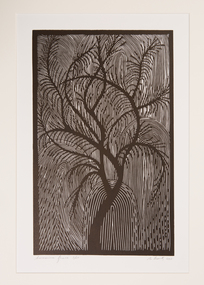
Nanette Bourke, Casuarina Grove, 2003
... Bourke has been a printmaker since the late 1960s, having studied at the Julian Ashton Art School in Sydney, and at art societies and the CAE in Melbourne before relocating to Western Victoria. ...Bourke has been a printmaker since the late 1960s, having studied at the Julian Ashton Art School in Sydney, and at art societies and the CAE in Melbourne before relocating to Western Victoria. ...Settling in Moyston in 1984, Nanette Bourke is a prominent figure in the Ararat and Grampians arts community, perhaps best known as a member of the ‘Grampians Four’ group of artists. Bourke has been a printmaker since the late 1960s, having studied at the Julian Ashton Art School in Sydney, and at art societies and the CAE in Melbourne before relocating to Western Victoria. Inspired by the woodcuts and linocuts by Melbourne artists of the 1920s and 1930s - Napier Waller, Murray Griffin, and especially Eric Thake - Bourke embraces the sophisticated results that can be achieved in this medium. Bourke holds a deep affinity with the natural environment, which is integral in her artistic life. Many of the works in this exhibition are inspired by the natural environment of the Grampians. In contrast to the often joyous depictions of Australian native flora, Bourke’s imagery also presents a poignant reminder of humankind’s negative impact on the environment. -
 Ararat Gallery TAMA
Nanette Bourke, Grasstrees, a different perspective, 1992
... Bourke has been a printmaker since the late 1960s, having studied at the Julian Ashton Art School in Sydney, and at art societies and the CAE in Melbourne before relocating to Western Victoria. ...Bourke has been a printmaker since the late 1960s, having studied at the Julian Ashton Art School in Sydney, and at art societies and the CAE in Melbourne before relocating to Western Victoria. ...Settling in Moyston in 1984, Nanette Bourke is a prominent figure in the Ararat and Grampians arts community, perhaps best known as a member of the ‘Grampians Four’ group of artists. Bourke has been a printmaker since the late 1960s, having studied at the Julian Ashton Art School in Sydney, and at art societies and the CAE in Melbourne before relocating to Western Victoria. Inspired by the woodcuts and linocuts by Melbourne artists of the 1920s and 1930s - Napier Waller, Murray Griffin, and especially Eric Thake - Bourke embraces the sophisticated results that can be achieved in this medium. Bourke holds a deep affinity with the natural environment, which is integral in her artistic life. Many of the works in this exhibition are inspired by the natural environment of the Grampians. In contrast to the often joyous depictions of Australian native flora, Bourke’s imagery also presents a poignant reminder of humankind’s negative impact on the environment. -
 Ararat Gallery TAMA
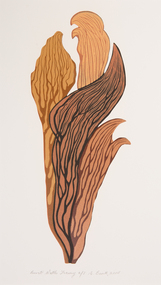
Nanette Bourke, Burnt Wattle's Tracery, 2008
... Bourke has been a printmaker since the late 1960s, having studied at the Julian Ashton Art School in Sydney, and at art societies and the CAE in Melbourne before relocating to Western Victoria. ...Bourke has been a printmaker since the late 1960s, having studied at the Julian Ashton Art School in Sydney, and at art societies and the CAE in Melbourne before relocating to Western Victoria. ...Settling in Moyston in 1984, Nanette Bourke is a prominent figure in the Ararat and Grampians arts community, perhaps best known as a member of the ‘Grampians Four’ group of artists. Bourke has been a printmaker since the late 1960s, having studied at the Julian Ashton Art School in Sydney, and at art societies and the CAE in Melbourne before relocating to Western Victoria. Inspired by the woodcuts and linocuts by Melbourne artists of the 1920s and 1930s - Napier Waller, Murray Griffin, and especially Eric Thake - Bourke embraces the sophisticated results that can be achieved in this medium. Bourke holds a deep affinity with the natural environment, which is integral in her artistic life. Many of the works in this exhibition are inspired by the natural environment of the Grampians. In contrast to the often joyous depictions of Australian native flora, Bourke’s imagery also presents a poignant reminder of humankind’s negative impact on the environment. -
 Ararat Gallery TAMA
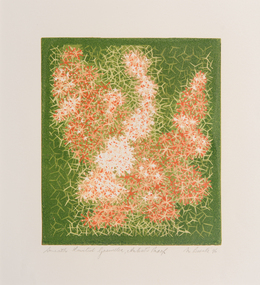
Nanette Bourke, Smooth Fruited Grevillea, 1996
... Bourke has been a printmaker since the late 1960s, having studied at the Julian Ashton Art School in Sydney, and at art societies and the CAE in Melbourne before relocating to Western Victoria. ...Bourke has been a printmaker since the late 1960s, having studied at the Julian Ashton Art School in Sydney, and at art societies and the CAE in Melbourne before relocating to Western Victoria. ...Settling in Moyston in 1984, Nanette Bourke is a prominent figure in the Ararat and Grampians arts community, perhaps best known as a member of the ‘Grampians Four’ group of artists. Bourke has been a printmaker since the late 1960s, having studied at the Julian Ashton Art School in Sydney, and at art societies and the CAE in Melbourne before relocating to Western Victoria. Inspired by the woodcuts and linocuts by Melbourne artists of the 1920s and 1930s - Napier Waller, Murray Griffin, and especially Eric Thake - Bourke embraces the sophisticated results that can be achieved in this medium. Bourke holds a deep affinity with the natural environment, which is integral in her artistic life. Many of the works in this exhibition are inspired by the natural environment of the Grampians. In contrast to the often joyous depictions of Australian native flora, Bourke’s imagery also presents a poignant reminder of humankind’s negative impact on the environment. -
 Ararat Gallery TAMA
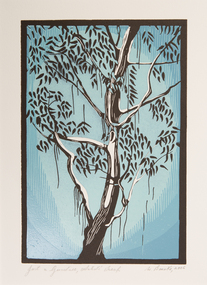
Nanette Bourke, Just a Gumtree, 2006
... Bourke has been a printmaker since the late 1960s, having studied at the Julian Ashton Art School in Sydney, and at art societies and the CAE in Melbourne before relocating to Western Victoria. ...Bourke has been a printmaker since the late 1960s, having studied at the Julian Ashton Art School in Sydney, and at art societies and the CAE in Melbourne before relocating to Western Victoria. ...Settling in Moyston in 1984, Nanette Bourke is a prominent figure in the Ararat and Grampians arts community, perhaps best known as a member of the ‘Grampians Four’ group of artists. Bourke has been a printmaker since the late 1960s, having studied at the Julian Ashton Art School in Sydney, and at art societies and the CAE in Melbourne before relocating to Western Victoria. Inspired by the woodcuts and linocuts by Melbourne artists of the 1920s and 1930s - Napier Waller, Murray Griffin, and especially Eric Thake - Bourke embraces the sophisticated results that can be achieved in this medium. Bourke holds a deep affinity with the natural environment, which is integral in her artistic life. Many of the works in this exhibition are inspired by the natural environment of the Grampians. In contrast to the often joyous depictions of Australian native flora, Bourke’s imagery also presents a poignant reminder of humankind’s negative impact on the environment. -
 Ararat Gallery TAMA
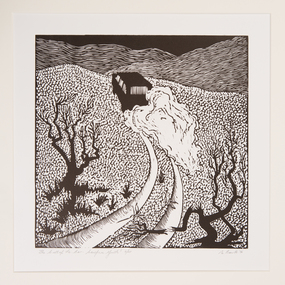
Nanette Bourke, The Cult of the Car - Carefree Youth, 1990
... Bourke has been a printmaker since the late 1960s, having studied at the Julian Ashton Art School in Sydney, and at art societies and the CAE in Melbourne before relocating to Western Victoria. ...Bourke has been a printmaker since the late 1960s, having studied at the Julian Ashton Art School in Sydney, and at art societies and the CAE in Melbourne before relocating to Western Victoria. ...Settling in Moyston in 1984, Nanette Bourke is a prominent figure in the Ararat and Grampians arts community, perhaps best known as a member of the ‘Grampians Four’ group of artists. Bourke has been a printmaker since the late 1960s, having studied at the Julian Ashton Art School in Sydney, and at art societies and the CAE in Melbourne before relocating to Western Victoria. Inspired by the woodcuts and linocuts by Melbourne artists of the 1920s and 1930s - Napier Waller, Murray Griffin, and especially Eric Thake - Bourke embraces the sophisticated results that can be achieved in this medium. Bourke holds a deep affinity with the natural environment, which is integral in her artistic life. Many of the works in this exhibition are inspired by the natural environment of the Grampians. In contrast to the often joyous depictions of Australian native flora, Bourke’s imagery also presents a poignant reminder of humankind’s negative impact on the environment. -
 Ararat Gallery TAMA
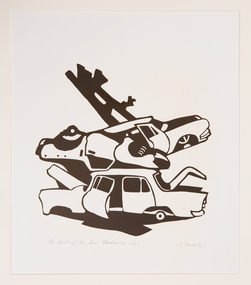
Nanette Bourke, The Cult of the Car - Obsolescence, 1989
... Bourke has been a printmaker since the late 1960s, having studied at the Julian Ashton Art School in Sydney, and at art societies and the CAE in Melbourne before relocating to Western Victoria. ...Bourke has been a printmaker since the late 1960s, having studied at the Julian Ashton Art School in Sydney, and at art societies and the CAE in Melbourne before relocating to Western Victoria. ...Settling in Moyston in 1984, Nanette Bourke is a prominent figure in the Ararat and Grampians arts community, perhaps best known as a member of the ‘Grampians Four’ group of artists. Bourke has been a printmaker since the late 1960s, having studied at the Julian Ashton Art School in Sydney, and at art societies and the CAE in Melbourne before relocating to Western Victoria. Inspired by the woodcuts and linocuts by Melbourne artists of the 1920s and 1930s - Napier Waller, Murray Griffin, and especially Eric Thake - Bourke embraces the sophisticated results that can be achieved in this medium. Bourke holds a deep affinity with the natural environment, which is integral in her artistic life. Many of the works in this exhibition are inspired by the natural environment of the Grampians. In contrast to the often joyous depictions of Australian native flora, Bourke’s imagery also presents a poignant reminder of humankind’s negative impact on the environment. -
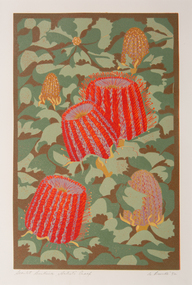 Ararat Gallery TAMA
Nanette Bourke, Scarlet Banksia, 1988
... Bourke has been a printmaker since the late 1960s, having studied at the Julian Ashton Art School in Sydney, and at art societies and the CAE in Melbourne before relocating to Western Victoria. ...Bourke has been a printmaker since the late 1960s, having studied at the Julian Ashton Art School in Sydney, and at art societies and the CAE in Melbourne before relocating to Western Victoria. ...Settling in Moyston in 1984, Nanette Bourke is a prominent figure in the Ararat and Grampians arts community, perhaps best known as a member of the ‘Grampians Four’ group of artists. Bourke has been a printmaker since the late 1960s, having studied at the Julian Ashton Art School in Sydney, and at art societies and the CAE in Melbourne before relocating to Western Victoria. Inspired by the woodcuts and linocuts by Melbourne artists of the 1920s and 1930s - Napier Waller, Murray Griffin, and especially Eric Thake - Bourke embraces the sophisticated results that can be achieved in this medium. Bourke holds a deep affinity with the natural environment, which is integral in her artistic life. Many of the works in this exhibition are inspired by the natural environment of the Grampians. In contrast to the often joyous depictions of Australian native flora, Bourke’s imagery also presents a poignant reminder of humankind’s negative impact on the environment. -
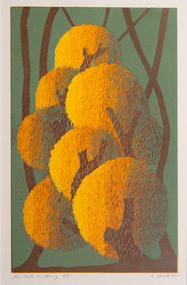 Ararat Gallery TAMA
Nanette Bourke, She-Oak in Spring, 2002
... Bourke has been a printmaker since the late 1960s, having studied at the Julian Ashton Art School in Sydney, and at art societies and the CAE in Melbourne before relocating to Western Victoria. ...Bourke has been a printmaker since the late 1960s, having studied at the Julian Ashton Art School in Sydney, and at art societies and the CAE in Melbourne before relocating to Western Victoria. ...Settling in Moyston in 1984, Nanette Bourke is a prominent figure in the Ararat and Grampians arts community, perhaps best known as a member of the ‘Grampians Four’ group of artists. Bourke has been a printmaker since the late 1960s, having studied at the Julian Ashton Art School in Sydney, and at art societies and the CAE in Melbourne before relocating to Western Victoria. Inspired by the woodcuts and linocuts by Melbourne artists of the 1920s and 1930s - Napier Waller, Murray Griffin, and especially Eric Thake - Bourke embraces the sophisticated results that can be achieved in this medium. Bourke holds a deep affinity with the natural environment, which is integral in her artistic life. Many of the works in this exhibition are inspired by the natural environment of the Grampians. In contrast to the often joyous depictions of Australian native flora, Bourke’s imagery also presents a poignant reminder of humankind’s negative impact on the environment. -
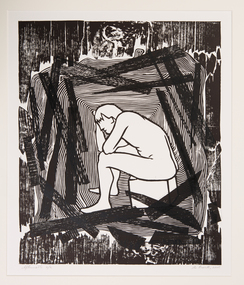 Ararat Gallery TAMA
Nanette Bourke, Aftermath, 2005
... Bourke has been a printmaker since the late 1960s, having studied at the Julian Ashton Art School in Sydney, and at art societies and the CAE in Melbourne before relocating to Western Victoria. ...Bourke has been a printmaker since the late 1960s, having studied at the Julian Ashton Art School in Sydney, and at art societies and the CAE in Melbourne before relocating to Western Victoria. ...Settling in Moyston in 1984, Nanette Bourke is a prominent figure in the Ararat and Grampians arts community, perhaps best known as a member of the ‘Grampians Four’ group of artists. Bourke has been a printmaker since the late 1960s, having studied at the Julian Ashton Art School in Sydney, and at art societies and the CAE in Melbourne before relocating to Western Victoria. Inspired by the woodcuts and linocuts by Melbourne artists of the 1920s and 1930s - Napier Waller, Murray Griffin, and especially Eric Thake - Bourke embraces the sophisticated results that can be achieved in this medium. Bourke holds a deep affinity with the natural environment, which is integral in her artistic life. Many of the works in this exhibition are inspired by the natural environment of the Grampians. In contrast to the often joyous depictions of Australian native flora, Bourke’s imagery also presents a poignant reminder of humankind’s negative impact on the environment. -
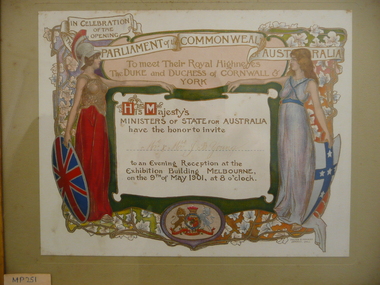 Bendigo Historical Society Inc.
Document - YOUNG INVITATION TO MEET THE DUKE & DUCHESS OF CORNWALL, 1901
... Printers mark Julian & Howard Ashton Del.1 & framers label on back reads, D.G.Coope. ...Printers mark Julian & Howard Ashton Del.1 & framers label on back reads, D.G.Coope. ...Invitation to Mr & Mrs J B Young to a reception at Exhibition Building Melbourne in celebration of the opening of the Parliament of the Commonwealth of Australia 1901 to meet their Royal Highnesses the Duke and Duchess of Cornwall & York. Paper mounted on card under glass in an ornate gold frame. Printers mark Julian & Howard Ashton Del.1 & framers label on back reads, D.G.Coope. New Lead, Mitchell St Bendigo.event, official, civic -
 Ballarat Heritage Services
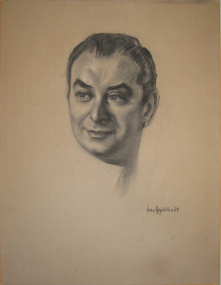
Drawing - Artwork - Painting, Portrait by Jean Appletom
... With the outbreak of war she returned to Australia, thereafter teaching at high schools in the ACT and NSW and at the Julian Ashton and National Art Schools in Sydney. ...With the outbreak of war she returned to Australia, thereafter teaching at high schools in the ACT and NSW and at the Julian Ashton and National Art Schools in Sydney. ...Jean APPLETON (1911-2003) Jean Appleton was a painter and craftworker who studied at East Sydney Technical College and at the Westminster School, London. After seeing French sculptor Maillol's work 'The Cyclist' she was inspired to try sculpture and consequently studied under Eric Schilsky in London. With the outbreak of war she returned to Australia, thereafter teaching at high schools in the ACT and NSW and at the Julian Ashton and National Art Schools in Sydney. The first of her thirteen solo exhibitions was held at Sydney’s Macquarie Galleries in 1940. Resident in England from 1969 to 1981, she continued to teach intermittently into the late 1970s. After a difficult first marriage to artist Eric Wilson, who died, she married painter Tom Green and they settled in Moss Vale. Though her work is now represented in major state and regional collections, Appleton was like many women artists of her generation in that recognition of her work came late in life: she was in her eighties when a public gallery first presented a retrospective exhibition of her art. (https://www.portrait.gov.au/portraits/2013.92/self-portrait, accessed 15 September 2019) Jean Appleton won the inaugural Portia Geach Memorial Award in 1965 with this work. She dies in 2003.A sketched portrait of a man's head by Jean Apppleton. It may be Jean Appleton's first husband, Eric Wilson. drawing, portrait, jean appleton -
 Wodonga & District Historical Society Inc
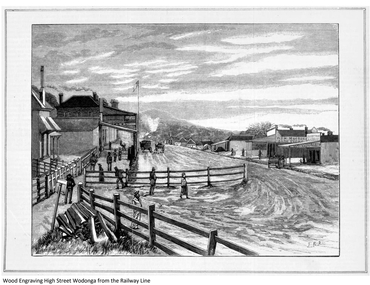
Work on paper - Wodonga From the Railway Line, John Rossi Ashton, 1883
... Ashton dominated artistic circles in Sydney for over 50 years. He established his own Art School in Sydney and became a teacher and mentor to many now prominent Australian artists. Julian...Ashton dominated artistic circles in Sydney for over 50 years. He established his own Art School in Sydney and became a teacher and mentor to many now prominent Australian artists. Julian ...This image appeared in the Australasian Sketcher on 2nd July 1883. This issue had several illustrations relating to the meeting of the railways at Albury and Wodonga. The item was accompanied by the following text:- Wodonga consists of two principal streets lying parallel to each other seemingly desirous of outstripping the other in length and the straggling character of its buildings. After carrying on this contest for the length of three quarters of High Street, of which we give a view, bears off the palm. Between the township and Albury there is a distance of three miles, which in summer has the reputation of being the dustiest three miles in Australia. This distance is traversed by omnibuses and cabs, which ply between the two towns, and until the junction of the railways did a good business in carrying all travellers from station to station. The dwellers in Wodonga, who are Victorians to the backbone, complain severely of the disadvantages under which they labour, owing to the border duties, in comparison with their more fortunate neighbours in Albury, but though they grumble they have no intention of giving in, and confidently look forward to the brighter days which they say are in store for Wodonga. In the lower right hand corner are the initials J. R. A. These are the initials of Julian Rossi Ashton (1851-1942). Ashton was born in England and emigrated to Melbourne in 1878 to work as an artist for the Illustrated Australian News. In 1881 he worked at the Australasian Sketcher and in 1883 moved to Sydney to work on the Picturesque Atlas of Australasia and the Bulletin. He became an influential patron and supporter of Australian Art through his roles as trustee of the National Art Gallery of New South Wales. He was awarded the Society of Artists’ medal for distinguished services to Australian art in 1924, appointed as Commander of the Order of the British Empire in 1930, and won the Sydney Sesquicentennial Prize for a watercolour in 1938. Ashton dominated artistic circles in Sydney for over 50 years. He established his own Art School in Sydney and became a teacher and mentor to many now prominent Australian artists. Julian Rossi Ashton died on 27th April 1942 This item is significant because it depicts an early view of Wodonga and was created by a future prominent artist and influential patron and supporter of Australian Art .A print from a Wood Engraving which was published in the Australasian Sketcher 1883. It features a street scene in Wodonga.wodonga town 1883, early wodonga -
 Warrnambool and District Historical Society Inc.
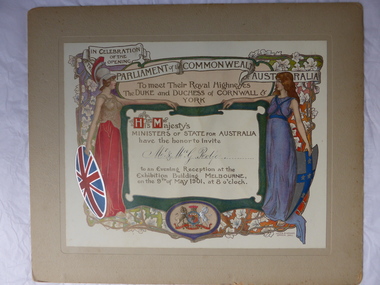
Certificate, Duke of Cornwall
... The certificate was designed by the artists Julian and Howard Ashton and lithographed and issued by Sands and McDougall Limited of Melbourne. ...The certificate was designed by the artists Julian and Howard Ashton and lithographed and issued by Sands and McDougall Limited of Melbourne. ...This certificate is an invitation to the Evening Reception in Melbourne in 1901, an event which was part of the celebrations in Melbourne to commemorate the Federation of the six colonies into the six States of Australia in January 1901. The certificate was sent to the invitees after the event as a souvenir of the occasion. The certificate was designed by the artists Julian and Howard Ashton and lithographed and issued by Sands and McDougall Limited of Melbourne. This particular certificate was sent to George Rolfe and his wife Annie. George Rolfe (1836-1919), a tea merchant from Melbourne, began buying blocks of land near the mouth of the Hopkins River in the 1870s. By the early 1880s he had acquired 50 acres of land in the town and several nearby farming properties. He used the buildings on the land at the mouth of the River Hopkins as holiday accommodation and called this property Lyndoch. Rolfe improved this property adding stables, jetty, boathouse, bone and chaff sheds, reservoir and windmill and extensive gardens. Rolfe spent most of his later life at Lyndoch. Today the property is the site of an Aged Care Facility. This certificate is of considerable importance for two reasons: 1. It is an attractive and valuable memento of a signal event in Australia’s history – the Federation of the States in 1901. 2. The certificate was an invitation to Mr and Mrs George Rolfe. Rolfe was a prominent person in Warrnambool in the late 19th and early 20th centuries. This is a multi-coloured certificate mounted on a piece of grey cardboard. The certificate is highly embossed and has a figure of Britannia in a red dress and a mailed vest holding a shield with the Union Jack emblem. Britannia is extending her hand to a figure of a younger woman representing Australia. This figure is dressed in blue and holds a shield which has a blue cross with white stars. The borders have vines and vine leaves and the Royal Crest is at the base of the certificate. The names of the invitees are handwritten in black ink. ‘In Celebration of the Opening of the Parliament of the Commonwealth of Australia, To Meet Their Royal Highnesses, the Duke and Duchess of Cornwall and York, His Majesty’s Ministers of State for Australia have the honor to invite Mr & Mrs G. Rolfe to an Evening Reception at the Exhibition Building, Melbourne on the 9th of May 1901, at 8 0’clock’. george rolfe of lyndoch, warrnambool, federation of australia, history of warrnambool, george rolfe -
Glen Eira Historical Society
Letter - CAULFIELD YOUTH COUNCIL
... Julian... Caulfield Park... Clay Liz... Campbell A... St. Georges Road... Elsternwick... Higgins... Shipton Roger... Spencer David... Cox Lisa... Ellmer Kay... Enion Paul... Ashton...Julian Caulfield Park Clay Liz Campbell A St. Georges Road Elsternwick Higgins Shipton Roger Spencer David Cox Lisa Ellmer Kay Enion Paul Ashton Kim Toulidakis George Wilkin John Conway Shaun Tesoriero Dominic Beaumont Kim Skinner Simon McQuarrie Kay Wiseman Anthony Garland Nigel Merifield Rod Ashton Matthew Schaffer Rema LeClerc Lorraine Loorham Warren Tanner Ted Mr Nye Lyn Ellmer Ray Youth of Caulfield Ellmer Kerry Campbell J Seidel Bernie Caulfield Lions Caulfield Lions Club Glenhuntly Caulfield Council Matzirodoz Arti Kids in Caulfield K.I.C Nisbet Karen The Lions Club Smith Loretta Leitch Meaghan Sallis Richard City of Caulfield Caulfield City Council Young Adults Youth Clubs Youth Community Services Meetings Civic Establishments Community Organisations Local Government Local Officials and Employees Mayors Financial Documents Teenagers Letter CAULFIELD YOUTH COUNCIL ...This file contains six items: 1/A copy of the Caulfield Youth Council Statement of Purposes. 2/Correspondence dated 07/10/1981 regarding the Community Youth Support Scheme and levels of funds received for 1982. 3/Two financial statements for the Caulfield Youth Council. One dates from 01/03/1984 – 18/04/1985 and the second dates from 01/07/1986 – 30/06/1987. Contains handwritten annotations and signature of L.Goodfellow, dated 18/04/1985. 4/Three Caulfield Youth Council Meeting minutes from the period 04/10/1984 to 18/04/1985. 5/A copy of Caulfield Youth Council’s 1987 A.G.M Agenda which includes the 1986 A.G.M minutes and the Youth Development Officer’s Report. Contains handwritten annotations, author unknown. 6/Miscellaneous information that perhaps would have been provided and discussed at a Caulfield Youth Council meeting, date and sources unknown. One is the constitution for the Southern Region Youth Action Council and the other is an Appendix to the White Paper on unemployment.caulfield youth council, caulfield festival, caulfield city caulfield, goodfellow l., neale ray, caulfield, brain ian, c.y.c, carr kate, caulfield high school, nevinson wayne, howard kerry, musgrove wendy, bowman jenny, welham roberta, schaeffer rema, ferdinands ken, bigeni anne, carr mandy, carr steven, ecimovic mitch, larson john, campbell jack, o’neill wells, hanevski gena, diamond jack, marek waldemar, smith vicky, carr stephen, jacobs david, williamson dave, williamson david, caulfield south, gunther lisa, farmer reg, feder stephen, cook damien, atteins ben, caulfield youth council incorporated, caulfield town hall staff house, farmer reggie, carr manda, carr kate, noulton peter, schaffer renna, feden stephen, kershaw tracey, musgrave wendy, jackson clive, loursen john, enright danny, doman pam, sheehan tony, st. kilda east, campbell fiona, mcinerney john, mardling matthew, shaffer rena, henevski gina, shawki enas, melvin david, tanner ted, maple street, smith wendy, goodfellow loris, scheaffer rema, atkins ben, gibbs brett, miller nicki, nugent virginia, lechmus julian, caulfield park, clay liz, campbell a, st. georges road, elsternwick, higgins, shipton roger, spencer david, cox lisa, ellmer kay, enion paul, ashton kim, toulidakis george, wilkin john, conway shaun, tesoriero dominic, beaumont kim, skinner simon, mcquarrie kay, wiseman anthony, garland nigel, merifield rod, ashton matthew, schaffer rema, leclerc lorraine, loorham warren, tanner ted mr, nye lyn, ellmer ray, youth of caulfield, ellmer kerry, campbell j, seidel bernie, caulfield lions, caulfield lions club, glenhuntly, caulfield council, matzirodoz arti, kids in caulfield, k.i.c, nisbet karen, the lions club, smith loretta, leitch meaghan, sallis richard, city of caulfield, caulfield city council, young adults, youth clubs, youth, community services, meetings, civic establishments, community organisations, local government, local officials and employees, mayors, financial documents, teenagers
