
Showing 28 items matching "julian ashton school"
-
 Women's Art Register
Archive (Collection) - Maude Gum Artist Archive
... Julian Ashton School...1885-1973 Julian Ashton School Painting Archive Maude Gum Artist Archive ...julian ashton school, paintingjulian ashton school, painting -
Women's Art Register
Archive (Collection) - Leila Constance McNamara Artist Archive
... Julian Ashton School...1894-1973 Julian Ashton School Landscape Painting Archive Leila Constance McNamara Artist Archive ...julian ashton school, landscape, paintingjulian ashton school, landscape, painting -
Women's Art Register
Archive (Series) - Gum, Maude. Artist File 1
... Julian Ashton School...Julian Ashton School Painting Foolscap white archival 4 flap folder or document wallet Archive Gum, Maude. ...Newspaper Clippings, Biographyjulian ashton school, paintingjulian ashton school, painting -
Women's Art Register
Archive (Series) - McNamara, Leila Constance. Artist File 1
... Julian Ashton School...Julian Ashton School Landscape Painting Foolscap white archival 4 flap folder or document wallet Archive McNamara, Leila Constance. ...CV, Biography, Artist Statement, Artwork Images, Articlesjulian ashton school, landscape, paintingjulian ashton school, landscape, painting -
Women's Art Register
Archive (Series) - Maude Gum. Duplicate File 1
... ... Julian Ashton School...Painting Julian Ashton School Foolscap manilla file Archive Maude Gum. ...Newspaper Clippings, Biographypainting, julian ashton schoolpainting, julian ashton school -
Women's Art Register
Archive (Series) - Leila Constance McNamara. Duplicate File 1
... ... Julian Ashton School...Painting Julian Ashton School Landscape Foolscap manilla file Archive Leila Constance McNamara. ...CV, Biography, Artist Statement, Artwork Images, Articlespainting, julian ashton school, landscapepainting, julian ashton school, landscape -
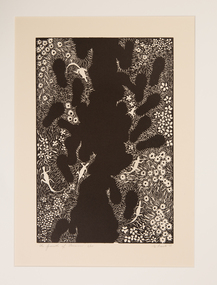 Ararat Gallery TAMA
Nanette Bourke, The Growth of Tourism, 1988
... Bourke has been a printmaker since the late 1960s, having studied at the Julian Ashton Art School in Sydney, and at art societies and the CAE in Melbourne before relocating to Western Victoria. ...Bourke has been a printmaker since the late 1960s, having studied at the Julian Ashton Art School in Sydney, and at art societies and the CAE in Melbourne before relocating to Western Victoria. ...Settling in Moyston in 1984, Nanette Bourke is a prominent figure in the Ararat and Grampians arts community, perhaps best known as a member of the ‘Grampians Four’ group of artists. Bourke has been a printmaker since the late 1960s, having studied at the Julian Ashton Art School in Sydney, and at art societies and the CAE in Melbourne before relocating to Western Victoria. Inspired by the woodcuts and linocuts by Melbourne artists of the 1920s and 1930s - Napier Waller, Murray Griffin, and especially Eric Thake - Bourke embraces the sophisticated results that can be achieved in this medium. Bourke holds a deep affinity with the natural environment, which is integral in her artistic life. Many of the works in this exhibition are inspired by the natural environment of the Grampians. In contrast to the often joyous depictions of Australian native flora, Bourke’s imagery also presents a poignant reminder of humankind’s negative impact on the environment. -
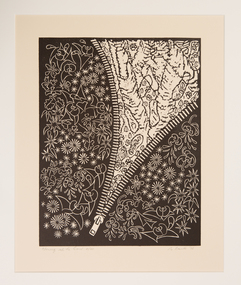 Ararat Gallery TAMA
Nanette Bourke, Opening up the Land, 1995
... Bourke has been a printmaker since the late 1960s, having studied at the Julian Ashton Art School in Sydney, and at art societies and the CAE in Melbourne before relocating to Western Victoria. ...Bourke has been a printmaker since the late 1960s, having studied at the Julian Ashton Art School in Sydney, and at art societies and the CAE in Melbourne before relocating to Western Victoria. ...Settling in Moyston in 1984, Nanette Bourke is a prominent figure in the Ararat and Grampians arts community, perhaps best known as a member of the ‘Grampians Four’ group of artists. Bourke has been a printmaker since the late 1960s, having studied at the Julian Ashton Art School in Sydney, and at art societies and the CAE in Melbourne before relocating to Western Victoria. Inspired by the woodcuts and linocuts by Melbourne artists of the 1920s and 1930s - Napier Waller, Murray Griffin, and especially Eric Thake - Bourke embraces the sophisticated results that can be achieved in this medium. Bourke holds a deep affinity with the natural environment, which is integral in her artistic life. Many of the works in this exhibition are inspired by the natural environment of the Grampians. In contrast to the often joyous depictions of Australian native flora, Bourke’s imagery also presents a poignant reminder of humankind’s negative impact on the environment. -
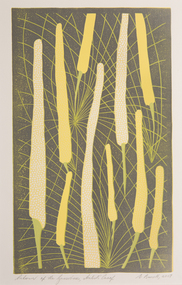 Ararat Gallery TAMA
Nanette Bourke, Return of the Grasstrees, 2007
... Bourke has been a printmaker since the late 1960s, having studied at the Julian Ashton Art School in Sydney, and at art societies and the CAE in Melbourne before relocating to Western Victoria. ...Bourke has been a printmaker since the late 1960s, having studied at the Julian Ashton Art School in Sydney, and at art societies and the CAE in Melbourne before relocating to Western Victoria. ...Settling in Moyston in 1984, Nanette Bourke is a prominent figure in the Ararat and Grampians arts community, perhaps best known as a member of the ‘Grampians Four’ group of artists. Bourke has been a printmaker since the late 1960s, having studied at the Julian Ashton Art School in Sydney, and at art societies and the CAE in Melbourne before relocating to Western Victoria. Inspired by the woodcuts and linocuts by Melbourne artists of the 1920s and 1930s - Napier Waller, Murray Griffin, and especially Eric Thake - Bourke embraces the sophisticated results that can be achieved in this medium. Bourke holds a deep affinity with the natural environment, which is integral in her artistic life. Many of the works in this exhibition are inspired by the natural environment of the Grampians. In contrast to the often joyous depictions of Australian native flora, Bourke’s imagery also presents a poignant reminder of humankind’s negative impact on the environment. -
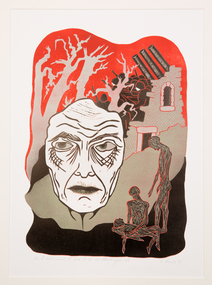 Ararat Gallery TAMA
Nanette Bourke, No, I don't want to live to 100, Thank you, 1992
... Bourke has been a printmaker since the late 1960s, having studied at the Julian Ashton Art School in Sydney, and at art societies and the CAE in Melbourne before relocating to Western Victoria. ...Bourke has been a printmaker since the late 1960s, having studied at the Julian Ashton Art School in Sydney, and at art societies and the CAE in Melbourne before relocating to Western Victoria. ...Settling in Moyston in 1984, Nanette Bourke is a prominent figure in the Ararat and Grampians arts community, perhaps best known as a member of the ‘Grampians Four’ group of artists. Bourke has been a printmaker since the late 1960s, having studied at the Julian Ashton Art School in Sydney, and at art societies and the CAE in Melbourne before relocating to Western Victoria. Inspired by the woodcuts and linocuts by Melbourne artists of the 1920s and 1930s - Napier Waller, Murray Griffin, and especially Eric Thake - Bourke embraces the sophisticated results that can be achieved in this medium. Bourke holds a deep affinity with the natural environment, which is integral in her artistic life. Many of the works in this exhibition are inspired by the natural environment of the Grampians. In contrast to the often joyous depictions of Australian native flora, Bourke’s imagery also presents a poignant reminder of humankind’s negative impact on the environment. -
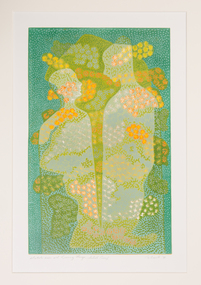 Ararat Gallery TAMA
Nanette Bourke, Watch Over All Living Things, 1996
... Bourke has been a printmaker since the late 1960s, having studied at the Julian Ashton Art School in Sydney, and at art societies and the CAE in Melbourne before relocating to Western Victoria. ...Bourke has been a printmaker since the late 1960s, having studied at the Julian Ashton Art School in Sydney, and at art societies and the CAE in Melbourne before relocating to Western Victoria. ...Settling in Moyston in 1984, Nanette Bourke is a prominent figure in the Ararat and Grampians arts community, perhaps best known as a member of the ‘Grampians Four’ group of artists. Bourke has been a printmaker since the late 1960s, having studied at the Julian Ashton Art School in Sydney, and at art societies and the CAE in Melbourne before relocating to Western Victoria. Inspired by the woodcuts and linocuts by Melbourne artists of the 1920s and 1930s - Napier Waller, Murray Griffin, and especially Eric Thake - Bourke embraces the sophisticated results that can be achieved in this medium. Bourke holds a deep affinity with the natural environment, which is integral in her artistic life. Many of the works in this exhibition are inspired by the natural environment of the Grampians. In contrast to the often joyous depictions of Australian native flora, Bourke’s imagery also presents a poignant reminder of humankind’s negative impact on the environment. -
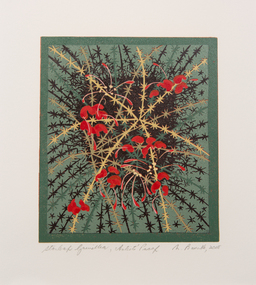 Ararat Gallery TAMA
Nanette Bourke, Starleaf Grevillea, 2008
... Bourke has been a printmaker since the late 1960s, having studied at the Julian Ashton Art School in Sydney, and at art societies and the CAE in Melbourne before relocating to Western Victoria. ...Bourke has been a printmaker since the late 1960s, having studied at the Julian Ashton Art School in Sydney, and at art societies and the CAE in Melbourne before relocating to Western Victoria. ...Settling in Moyston in 1984, Nanette Bourke is a prominent figure in the Ararat and Grampians arts community, perhaps best known as a member of the ‘Grampians Four’ group of artists. Bourke has been a printmaker since the late 1960s, having studied at the Julian Ashton Art School in Sydney, and at art societies and the CAE in Melbourne before relocating to Western Victoria. Inspired by the woodcuts and linocuts by Melbourne artists of the 1920s and 1930s - Napier Waller, Murray Griffin, and especially Eric Thake - Bourke embraces the sophisticated results that can be achieved in this medium. Bourke holds a deep affinity with the natural environment, which is integral in her artistic life. Many of the works in this exhibition are inspired by the natural environment of the Grampians. In contrast to the often joyous depictions of Australian native flora, Bourke’s imagery also presents a poignant reminder of humankind’s negative impact on the environment. -
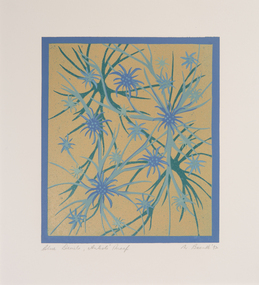 Ararat Gallery TAMA
Nanette Bourke, Blue Devils, 1992
... Bourke has been a printmaker since the late 1960s, having studied at the Julian Ashton Art School in Sydney, and at art societies and the CAE in Melbourne before relocating to Western Victoria. ...Bourke has been a printmaker since the late 1960s, having studied at the Julian Ashton Art School in Sydney, and at art societies and the CAE in Melbourne before relocating to Western Victoria. ...Settling in Moyston in 1984, Nanette Bourke is a prominent figure in the Ararat and Grampians arts community, perhaps best known as a member of the ‘Grampians Four’ group of artists. Bourke has been a printmaker since the late 1960s, having studied at the Julian Ashton Art School in Sydney, and at art societies and the CAE in Melbourne before relocating to Western Victoria. Inspired by the woodcuts and linocuts by Melbourne artists of the 1920s and 1930s - Napier Waller, Murray Griffin, and especially Eric Thake - Bourke embraces the sophisticated results that can be achieved in this medium. Bourke holds a deep affinity with the natural environment, which is integral in her artistic life. Many of the works in this exhibition are inspired by the natural environment of the Grampians. In contrast to the often joyous depictions of Australian native flora, Bourke’s imagery also presents a poignant reminder of humankind’s negative impact on the environment. -
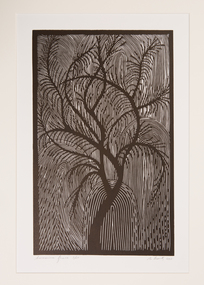 Ararat Gallery TAMA
Nanette Bourke, Casuarina Grove, 2003
... Bourke has been a printmaker since the late 1960s, having studied at the Julian Ashton Art School in Sydney, and at art societies and the CAE in Melbourne before relocating to Western Victoria. ...Bourke has been a printmaker since the late 1960s, having studied at the Julian Ashton Art School in Sydney, and at art societies and the CAE in Melbourne before relocating to Western Victoria. ...Settling in Moyston in 1984, Nanette Bourke is a prominent figure in the Ararat and Grampians arts community, perhaps best known as a member of the ‘Grampians Four’ group of artists. Bourke has been a printmaker since the late 1960s, having studied at the Julian Ashton Art School in Sydney, and at art societies and the CAE in Melbourne before relocating to Western Victoria. Inspired by the woodcuts and linocuts by Melbourne artists of the 1920s and 1930s - Napier Waller, Murray Griffin, and especially Eric Thake - Bourke embraces the sophisticated results that can be achieved in this medium. Bourke holds a deep affinity with the natural environment, which is integral in her artistic life. Many of the works in this exhibition are inspired by the natural environment of the Grampians. In contrast to the often joyous depictions of Australian native flora, Bourke’s imagery also presents a poignant reminder of humankind’s negative impact on the environment. -
 Ararat Gallery TAMA
Nanette Bourke, Grasstrees, a different perspective, 1992
... Bourke has been a printmaker since the late 1960s, having studied at the Julian Ashton Art School in Sydney, and at art societies and the CAE in Melbourne before relocating to Western Victoria. ...Bourke has been a printmaker since the late 1960s, having studied at the Julian Ashton Art School in Sydney, and at art societies and the CAE in Melbourne before relocating to Western Victoria. ...Settling in Moyston in 1984, Nanette Bourke is a prominent figure in the Ararat and Grampians arts community, perhaps best known as a member of the ‘Grampians Four’ group of artists. Bourke has been a printmaker since the late 1960s, having studied at the Julian Ashton Art School in Sydney, and at art societies and the CAE in Melbourne before relocating to Western Victoria. Inspired by the woodcuts and linocuts by Melbourne artists of the 1920s and 1930s - Napier Waller, Murray Griffin, and especially Eric Thake - Bourke embraces the sophisticated results that can be achieved in this medium. Bourke holds a deep affinity with the natural environment, which is integral in her artistic life. Many of the works in this exhibition are inspired by the natural environment of the Grampians. In contrast to the often joyous depictions of Australian native flora, Bourke’s imagery also presents a poignant reminder of humankind’s negative impact on the environment. -
 Ararat Gallery TAMA
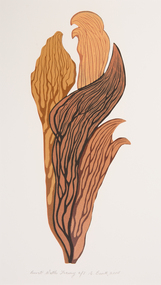
Nanette Bourke, Burnt Wattle's Tracery, 2008
... Bourke has been a printmaker since the late 1960s, having studied at the Julian Ashton Art School in Sydney, and at art societies and the CAE in Melbourne before relocating to Western Victoria. ...Bourke has been a printmaker since the late 1960s, having studied at the Julian Ashton Art School in Sydney, and at art societies and the CAE in Melbourne before relocating to Western Victoria. ...Settling in Moyston in 1984, Nanette Bourke is a prominent figure in the Ararat and Grampians arts community, perhaps best known as a member of the ‘Grampians Four’ group of artists. Bourke has been a printmaker since the late 1960s, having studied at the Julian Ashton Art School in Sydney, and at art societies and the CAE in Melbourne before relocating to Western Victoria. Inspired by the woodcuts and linocuts by Melbourne artists of the 1920s and 1930s - Napier Waller, Murray Griffin, and especially Eric Thake - Bourke embraces the sophisticated results that can be achieved in this medium. Bourke holds a deep affinity with the natural environment, which is integral in her artistic life. Many of the works in this exhibition are inspired by the natural environment of the Grampians. In contrast to the often joyous depictions of Australian native flora, Bourke’s imagery also presents a poignant reminder of humankind’s negative impact on the environment. -
 Ararat Gallery TAMA
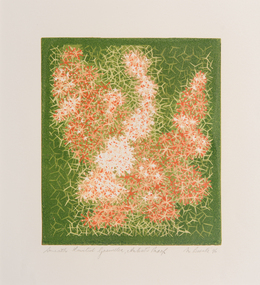
Nanette Bourke, Smooth Fruited Grevillea, 1996
... Bourke has been a printmaker since the late 1960s, having studied at the Julian Ashton Art School in Sydney, and at art societies and the CAE in Melbourne before relocating to Western Victoria. ...Bourke has been a printmaker since the late 1960s, having studied at the Julian Ashton Art School in Sydney, and at art societies and the CAE in Melbourne before relocating to Western Victoria. ...Settling in Moyston in 1984, Nanette Bourke is a prominent figure in the Ararat and Grampians arts community, perhaps best known as a member of the ‘Grampians Four’ group of artists. Bourke has been a printmaker since the late 1960s, having studied at the Julian Ashton Art School in Sydney, and at art societies and the CAE in Melbourne before relocating to Western Victoria. Inspired by the woodcuts and linocuts by Melbourne artists of the 1920s and 1930s - Napier Waller, Murray Griffin, and especially Eric Thake - Bourke embraces the sophisticated results that can be achieved in this medium. Bourke holds a deep affinity with the natural environment, which is integral in her artistic life. Many of the works in this exhibition are inspired by the natural environment of the Grampians. In contrast to the often joyous depictions of Australian native flora, Bourke’s imagery also presents a poignant reminder of humankind’s negative impact on the environment. -
 Ararat Gallery TAMA
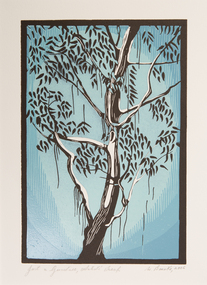
Nanette Bourke, Just a Gumtree, 2006
... Bourke has been a printmaker since the late 1960s, having studied at the Julian Ashton Art School in Sydney, and at art societies and the CAE in Melbourne before relocating to Western Victoria. ...Bourke has been a printmaker since the late 1960s, having studied at the Julian Ashton Art School in Sydney, and at art societies and the CAE in Melbourne before relocating to Western Victoria. ...Settling in Moyston in 1984, Nanette Bourke is a prominent figure in the Ararat and Grampians arts community, perhaps best known as a member of the ‘Grampians Four’ group of artists. Bourke has been a printmaker since the late 1960s, having studied at the Julian Ashton Art School in Sydney, and at art societies and the CAE in Melbourne before relocating to Western Victoria. Inspired by the woodcuts and linocuts by Melbourne artists of the 1920s and 1930s - Napier Waller, Murray Griffin, and especially Eric Thake - Bourke embraces the sophisticated results that can be achieved in this medium. Bourke holds a deep affinity with the natural environment, which is integral in her artistic life. Many of the works in this exhibition are inspired by the natural environment of the Grampians. In contrast to the often joyous depictions of Australian native flora, Bourke’s imagery also presents a poignant reminder of humankind’s negative impact on the environment. -
 Ararat Gallery TAMA
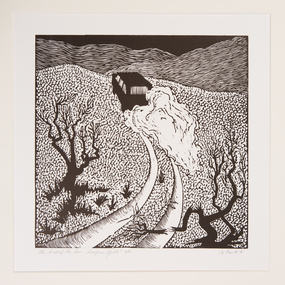
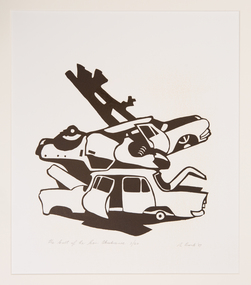
Nanette Bourke, The Cult of the Car - Carefree Youth, 1990
... Bourke has been a printmaker since the late 1960s, having studied at the Julian Ashton Art School in Sydney, and at art societies and the CAE in Melbourne before relocating to Western Victoria. ...Bourke has been a printmaker since the late 1960s, having studied at the Julian Ashton Art School in Sydney, and at art societies and the CAE in Melbourne before relocating to Western Victoria. ...Settling in Moyston in 1984, Nanette Bourke is a prominent figure in the Ararat and Grampians arts community, perhaps best known as a member of the ‘Grampians Four’ group of artists. Bourke has been a printmaker since the late 1960s, having studied at the Julian Ashton Art School in Sydney, and at art societies and the CAE in Melbourne before relocating to Western Victoria. Inspired by the woodcuts and linocuts by Melbourne artists of the 1920s and 1930s - Napier Waller, Murray Griffin, and especially Eric Thake - Bourke embraces the sophisticated results that can be achieved in this medium. Bourke holds a deep affinity with the natural environment, which is integral in her artistic life. Many of the works in this exhibition are inspired by the natural environment of the Grampians. In contrast to the often joyous depictions of Australian native flora, Bourke’s imagery also presents a poignant reminder of humankind’s negative impact on the environment. -
 Ararat Gallery TAMA
Nanette Bourke, The Cult of the Car - Obsolescence, 1989
... Bourke has been a printmaker since the late 1960s, having studied at the Julian Ashton Art School in Sydney, and at art societies and the CAE in Melbourne before relocating to Western Victoria. ...Bourke has been a printmaker since the late 1960s, having studied at the Julian Ashton Art School in Sydney, and at art societies and the CAE in Melbourne before relocating to Western Victoria. ...Settling in Moyston in 1984, Nanette Bourke is a prominent figure in the Ararat and Grampians arts community, perhaps best known as a member of the ‘Grampians Four’ group of artists. Bourke has been a printmaker since the late 1960s, having studied at the Julian Ashton Art School in Sydney, and at art societies and the CAE in Melbourne before relocating to Western Victoria. Inspired by the woodcuts and linocuts by Melbourne artists of the 1920s and 1930s - Napier Waller, Murray Griffin, and especially Eric Thake - Bourke embraces the sophisticated results that can be achieved in this medium. Bourke holds a deep affinity with the natural environment, which is integral in her artistic life. Many of the works in this exhibition are inspired by the natural environment of the Grampians. In contrast to the often joyous depictions of Australian native flora, Bourke’s imagery also presents a poignant reminder of humankind’s negative impact on the environment. -
 Ararat Gallery TAMA
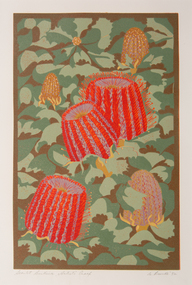
Nanette Bourke, Scarlet Banksia, 1988
... Bourke has been a printmaker since the late 1960s, having studied at the Julian Ashton Art School in Sydney, and at art societies and the CAE in Melbourne before relocating to Western Victoria. ...Bourke has been a printmaker since the late 1960s, having studied at the Julian Ashton Art School in Sydney, and at art societies and the CAE in Melbourne before relocating to Western Victoria. ...Settling in Moyston in 1984, Nanette Bourke is a prominent figure in the Ararat and Grampians arts community, perhaps best known as a member of the ‘Grampians Four’ group of artists. Bourke has been a printmaker since the late 1960s, having studied at the Julian Ashton Art School in Sydney, and at art societies and the CAE in Melbourne before relocating to Western Victoria. Inspired by the woodcuts and linocuts by Melbourne artists of the 1920s and 1930s - Napier Waller, Murray Griffin, and especially Eric Thake - Bourke embraces the sophisticated results that can be achieved in this medium. Bourke holds a deep affinity with the natural environment, which is integral in her artistic life. Many of the works in this exhibition are inspired by the natural environment of the Grampians. In contrast to the often joyous depictions of Australian native flora, Bourke’s imagery also presents a poignant reminder of humankind’s negative impact on the environment. -
 Ararat Gallery TAMA
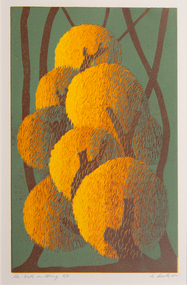
Nanette Bourke, She-Oak in Spring, 2002
... Bourke has been a printmaker since the late 1960s, having studied at the Julian Ashton Art School in Sydney, and at art societies and the CAE in Melbourne before relocating to Western Victoria. ...Bourke has been a printmaker since the late 1960s, having studied at the Julian Ashton Art School in Sydney, and at art societies and the CAE in Melbourne before relocating to Western Victoria. ...Settling in Moyston in 1984, Nanette Bourke is a prominent figure in the Ararat and Grampians arts community, perhaps best known as a member of the ‘Grampians Four’ group of artists. Bourke has been a printmaker since the late 1960s, having studied at the Julian Ashton Art School in Sydney, and at art societies and the CAE in Melbourne before relocating to Western Victoria. Inspired by the woodcuts and linocuts by Melbourne artists of the 1920s and 1930s - Napier Waller, Murray Griffin, and especially Eric Thake - Bourke embraces the sophisticated results that can be achieved in this medium. Bourke holds a deep affinity with the natural environment, which is integral in her artistic life. Many of the works in this exhibition are inspired by the natural environment of the Grampians. In contrast to the often joyous depictions of Australian native flora, Bourke’s imagery also presents a poignant reminder of humankind’s negative impact on the environment. -
 Ararat Gallery TAMA
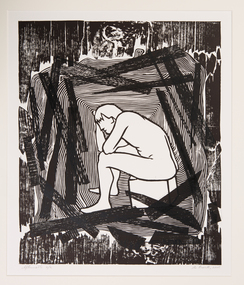
Nanette Bourke, Aftermath, 2005
... Bourke has been a printmaker since the late 1960s, having studied at the Julian Ashton Art School in Sydney, and at art societies and the CAE in Melbourne before relocating to Western Victoria. ...Bourke has been a printmaker since the late 1960s, having studied at the Julian Ashton Art School in Sydney, and at art societies and the CAE in Melbourne before relocating to Western Victoria. ...Settling in Moyston in 1984, Nanette Bourke is a prominent figure in the Ararat and Grampians arts community, perhaps best known as a member of the ‘Grampians Four’ group of artists. Bourke has been a printmaker since the late 1960s, having studied at the Julian Ashton Art School in Sydney, and at art societies and the CAE in Melbourne before relocating to Western Victoria. Inspired by the woodcuts and linocuts by Melbourne artists of the 1920s and 1930s - Napier Waller, Murray Griffin, and especially Eric Thake - Bourke embraces the sophisticated results that can be achieved in this medium. Bourke holds a deep affinity with the natural environment, which is integral in her artistic life. Many of the works in this exhibition are inspired by the natural environment of the Grampians. In contrast to the often joyous depictions of Australian native flora, Bourke’s imagery also presents a poignant reminder of humankind’s negative impact on the environment. -
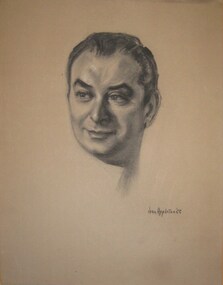 Ballarat Heritage Services
Sculpture - Artwork, Jean Appleton
... Strongly interested in modern art, she studied under Mark Gertler and Bernard Meninsky at the avant-garde Westminster School.With the outbreak of the war she returned to Australia, thereafter teaching at Canberra Grammar and then at the Julian Ashton and National Art Schools in Sydney. ...Strongly interested in modern art, she studied under Mark Gertler and Bernard Meninsky at the avant-garde Westminster School.With the outbreak of the war she returned to Australia, thereafter teaching at Canberra Grammar and then at the Julian Ashton and National Art Schools in Sydney. portrait Jean Appleton Portrait of a male by Jean Appleton Sculpture Artwork Jean Appleton ...Jean Appleton (1911–2003) Born Sydney, New South Wales A painter and art teacher who studied at the East Sydney Technical College, completing a diploma in drawing and illustration in 1932. In 1935 she travelled to London on a cargo ship. Strongly interested in modern art, she studied under Mark Gertler and Bernard Meninsky at the avant-garde Westminster School.With the outbreak of the war she returned to Australia, thereafter teaching at Canberra Grammar and then at the Julian Ashton and National Art Schools in Sydney. Portrait of a male by Jean Appletonportrait, jean appleton -
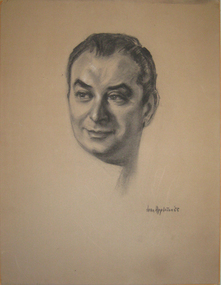 Ballarat Heritage Services
Drawing - Artwork - Painting, Portrait by Jean Appletom
... With the outbreak of war she returned to Australia, thereafter teaching at high schools in the ACT and NSW and at the Julian Ashton and National Art Schools in Sydney. ...With the outbreak of war she returned to Australia, thereafter teaching at high schools in the ACT and NSW and at the Julian Ashton and National Art Schools in Sydney. ...Jean APPLETON (1911-2003) Jean Appleton was a painter and craftworker who studied at East Sydney Technical College and at the Westminster School, London. After seeing French sculptor Maillol's work 'The Cyclist' she was inspired to try sculpture and consequently studied under Eric Schilsky in London. With the outbreak of war she returned to Australia, thereafter teaching at high schools in the ACT and NSW and at the Julian Ashton and National Art Schools in Sydney. The first of her thirteen solo exhibitions was held at Sydney’s Macquarie Galleries in 1940. Resident in England from 1969 to 1981, she continued to teach intermittently into the late 1970s. After a difficult first marriage to artist Eric Wilson, who died, she married painter Tom Green and they settled in Moss Vale. Though her work is now represented in major state and regional collections, Appleton was like many women artists of her generation in that recognition of her work came late in life: she was in her eighties when a public gallery first presented a retrospective exhibition of her art. (https://www.portrait.gov.au/portraits/2013.92/self-portrait, accessed 15 September 2019) Jean Appleton won the inaugural Portia Geach Memorial Award in 1965 with this work. She dies in 2003.A sketched portrait of a man's head by Jean Apppleton. It may be Jean Appleton's first husband, Eric Wilson. drawing, portrait, jean appleton -
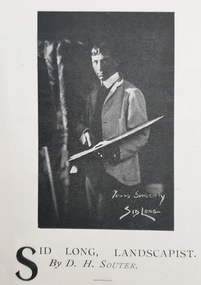 Federation University Historical Collection
Book, Art Decoration Ornaments
... school library...bank of australasia...mount kosciusko...siry henry parkes...pyrmont bridge...maori...ancient egypt...julian ashton...ballarat technical art school ballarat technical art school library bank of australasia mount kosciusko siry henry parkes pyrmont bridge maori ancient egypt julian ashton st andrew'e cathedral sydney edmond thomas blacket sydney university comisariat stores circular quay the rocks w. lister-lister sydney domestic architecture james barnet john horbury hunt sidney long maori art wall decoratoni paperhangings australian stained glass art and architecture stamped metalwork w.c. piguenit australian architecture rose bay convent chapel australian posters pottery cyril blacket bookbinding new south wales state library architecture oxford st sydney'tom roberts repousse sydney harbour bridge john longstaff women painters the great pyramid of egypt skyscraper comes to new south wales melbourne hospital plans governor bligh electric illumination Black cloth covered book with leather spine. ...Black cloth covered book with leather spine. Colour illustrationsballarat technical art school, ballarat technical art school library, bank of australasia, mount kosciusko, siry henry parkes, pyrmont bridge, maori, ancient egypt, julian ashton, st andrew'e cathedral sydney, edmond thomas blacket, sydney university, comisariat stores circular quay, the rocks, w. lister-lister, sydney domestic architecture, james barnet, john horbury hunt, sidney long, maori art, wall decoratoni, paperhangings, australian stained glass, art and architecture, stamped metalwork, w.c. piguenit, australian architecture, rose bay convent chapel, australian posters, pottery, cyril blacket, bookbinding, new south wales state library architecture, oxford st sydney'tom roberts, repousse, sydney harbour bridge, john longstaff, women painters, the great pyramid of egypt, skyscraper comes to new south wales, melbourne hospital plans, governor bligh, electric illumination -
Eltham District Historical Society Inc
Document - Folder, Skipper, Sonia
... School of Pacific Studies Canberra...Alistair Knox...Helen Skipper...Saskia Munday...Arthur Munday...Mervyn Hannan...Joe Hannan...Jenni Mitchell...Lena Skipper...Walter Burley Griffin...Justus Jorgensen...Julian Ashton...Sonia Skipper Frances Skipper John Michael Skipper Lena Wiltshire Justus Jorgenson Matcham Skipper Church of Mary Immaculate Ivanhoe Victoria School of Pacific Studies Canberra Alistair Knox Helen Skipper Saskia Munday Arthur Munday Mervyn Hannan Joe Hannan Jenni Mitchell Lena Skipper Walter Burley Griffin Justus Jorgensen Julian Ashton Sebastian Jorgensen Helen Lempriere Saskia Killingbeck nee Munday Newspaper clippings, A4 photocopies, etc Skipper, Sonia Document Folder ...Sonya Skipper was a painter, sculptor, jeweller and writer. She lived at Montsalvat and later Renmark, South Australia. Contents Newspaper article: "Sonia Skipper", Network, April/May 1991. Biography of Sonia Skipper. Newspaper article: "A skipper's story", Diamond Valley Leader, 22 June 2005. Launch of Sonia Skipper's book "My Story: Tales from a pioneer of Montsalvat". Newspaper article: "Fine focus on everyday life", Diamond Valley Leader, 6 July 2005. Exhibition at Montsalvat of paintings by Sonia Skipper. Newspaper article: "A 'leading matriarch'", Diamond Valley Leader, 4 June 2008. Obituary of Sonia Skipper. Newspaper article: "Painter who left her mark at Montsalvat", The Age, ~June 2008. Obituary of Sonia Skipper. Newspaper article: " Vast vista by a Montsalvat pioneer", Diamond Valley Leader, 25 February 2009. Exhibition of works by Sonia Skipper held at Montsalvat. Newspaper article: "Sonia Skipper art for show", Diamond Valley Leader, 21 June 2009. Exhibition and sale at Montsalvat of paintings by Sonia Skipper. Newspaper article: "Life in the house that art built", The Age, 2009. Exhibition and sale at Montsalvat of paintings by Sonia Skipper. Newspaper clippings, A4 photocopies, etcsonia skipper, frances skipper, john michael skipper, lena wiltshire, justus jorgenson, matcham skipper, church of mary immaculate ivanhoe victoria, school of pacific studies canberra, alistair knox, helen skipper, saskia munday, arthur munday, mervyn hannan, joe hannan, jenni mitchell, lena skipper, walter burley griffin, justus jorgensen, julian ashton, sebastian jorgensen, helen lempriere, saskia killingbeck nee munday -
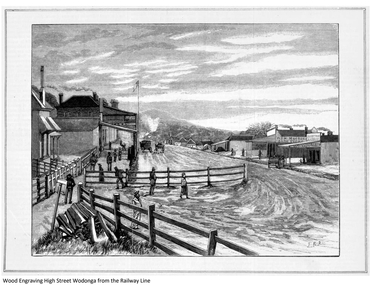 Wodonga & District Historical Society Inc
Work on paper - Wodonga From the Railway Line, John Rossi Ashton, 1883
... Ashton dominated artistic circles in Sydney for over 50 years. He established his own Art School in Sydney and became a teacher and mentor to many now prominent Australian artists. Julian...Ashton dominated artistic circles in Sydney for over 50 years. He established his own Art School in Sydney and became a teacher and mentor to many now prominent Australian artists. Julian ...This image appeared in the Australasian Sketcher on 2nd July 1883. This issue had several illustrations relating to the meeting of the railways at Albury and Wodonga. The item was accompanied by the following text:- Wodonga consists of two principal streets lying parallel to each other seemingly desirous of outstripping the other in length and the straggling character of its buildings. After carrying on this contest for the length of three quarters of High Street, of which we give a view, bears off the palm. Between the township and Albury there is a distance of three miles, which in summer has the reputation of being the dustiest three miles in Australia. This distance is traversed by omnibuses and cabs, which ply between the two towns, and until the junction of the railways did a good business in carrying all travellers from station to station. The dwellers in Wodonga, who are Victorians to the backbone, complain severely of the disadvantages under which they labour, owing to the border duties, in comparison with their more fortunate neighbours in Albury, but though they grumble they have no intention of giving in, and confidently look forward to the brighter days which they say are in store for Wodonga. In the lower right hand corner are the initials J. R. A. These are the initials of Julian Rossi Ashton (1851-1942). Ashton was born in England and emigrated to Melbourne in 1878 to work as an artist for the Illustrated Australian News. In 1881 he worked at the Australasian Sketcher and in 1883 moved to Sydney to work on the Picturesque Atlas of Australasia and the Bulletin. He became an influential patron and supporter of Australian Art through his roles as trustee of the National Art Gallery of New South Wales. He was awarded the Society of Artists’ medal for distinguished services to Australian art in 1924, appointed as Commander of the Order of the British Empire in 1930, and won the Sydney Sesquicentennial Prize for a watercolour in 1938. Ashton dominated artistic circles in Sydney for over 50 years. He established his own Art School in Sydney and became a teacher and mentor to many now prominent Australian artists. Julian Rossi Ashton died on 27th April 1942 This item is significant because it depicts an early view of Wodonga and was created by a future prominent artist and influential patron and supporter of Australian Art .A print from a Wood Engraving which was published in the Australasian Sketcher 1883. It features a street scene in Wodonga.wodonga town 1883, early wodonga
