
Showing 5 items matching "lutheran world service"
-
 Wodonga & District Historical Society Inc
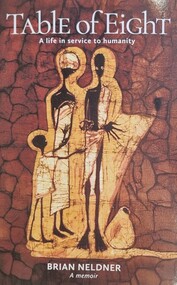
Book - Table of Eight - A life in service to humanity, Brian Neldner, 2025
... ...Lutheran World Service...Brian Neldner Lutheran World Service Lutheran migrants at Bonegilla This book is the memoir of Dr Brian Neldner who dedicated over 40 years of his life supporting refugees around the world through his service with the Lutheran World Service. ...This book is the memoir of Dr Brian Neldner who dedicated over 40 years of his life supporting refugees around the world through his service with the Lutheran World Service. After World War II, a mass exodus of refugees from war torn Europe occurred, resulting in the arrival of more than 300,000 people to Bonegilla Migrant Centre near Wodonga, Victoria over a 20 year period. In 1947, many of the migrants arriving at the Bonegilla Migrant Centre were Lutherans, so the Lutheran pastor in Albury, Rev Dr Bruno Muetzelfeld started visiting the Centre which at times housed more than 1,000 Lutherans. He soon became the full-time Chaplain. In 1950, the newly-formed Lutheran World Federation decided a base was needed in Australia to help with the resettlement of refugees, and the Lutheran Church’s aid agency was born – Lutheran World Service-Australia with its first headquarters in Albury. In 1955, Brian Neldner joined the team as a case-work assistant and for the first 5 years of his work lived at Bonegilla in the same basic conditions as the newly arrived people he supported. This was the beginning of an amazing life of four decades of service to refugees throughout the world. In 1960 he became the head of Lutheran World Service – Australia (LWS-A) In 1964, Dr Neldner moved to Tanzania to head up the new LWS program. The next 40 years of his life included working to assist refugees in places such as Mauritania, India, Ethiopia, the Middle East and making a major contribution to international cooperation regarding support for refugees including the Steering Committee for the Humanitarian Response for the United Nations in Geneva.A memoir of 573 pages including photographs.non-fictionThis book is the memoir of Dr Brian Neldner who dedicated over 40 years of his life supporting refugees around the world through his service with the Lutheran World Service. After World War II, a mass exodus of refugees from war torn Europe occurred, resulting in the arrival of more than 300,000 people to Bonegilla Migrant Centre near Wodonga, Victoria over a 20 year period. In 1947, many of the migrants arriving at the Bonegilla Migrant Centre were Lutherans, so the Lutheran pastor in Albury, Rev Dr Bruno Muetzelfeld started visiting the Centre which at times housed more than 1,000 Lutherans. He soon became the full-time Chaplain. In 1950, the newly-formed Lutheran World Federation decided a base was needed in Australia to help with the resettlement of refugees, and the Lutheran Church’s aid agency was born – Lutheran World Service-Australia with its first headquarters in Albury. In 1955, Brian Neldner joined the team as a case-work assistant and for the first 5 years of his work lived at Bonegilla in the same basic conditions as the newly arrived people he supported. This was the beginning of an amazing life of four decades of service to refugees throughout the world. In 1960 he became the head of Lutheran World Service – Australia (LWS-A) In 1964, Dr Neldner moved to Tanzania to head up the new LWS program. The next 40 years of his life included working to assist refugees in places such as Mauritania, India, Ethiopia, the Middle East and making a major contribution to international cooperation regarding support for refugees including the Steering Committee for the Humanitarian Response for the United Nations in Geneva.brian neldner, lutheran world service, lutheran migrants at bonegilla -
 Uniting Church Archives - Synod of Victoria
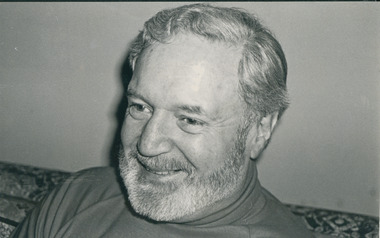
Photograph, James Murray & Combined Churches Drought Action in Africa, 1984
... At a press conference in Melbourne, the Australian Council of Church, Australian Catholic Relief, the Baptist World Aid and Relief Committee, the Lutheran World Service and the Seventh Day Adventists joined to speak about a combined appeal to relieve drought victims in Africa. ...At a press conference in Melbourne, the Australian Council of Church, Australian Catholic Relief, the Baptist World Aid and Relief Committee, the Lutheran World Service and the Seventh Day Adventists joined to speak about a combined appeal to relieve drought victims in Africa. ...At a press conference in Melbourne, the Australian Council of Church, Australian Catholic Relief, the Baptist World Aid and Relief Committee, the Lutheran World Service and the Seventh Day Adventists joined to speak about a combined appeal to relieve drought victims in Africa. One speaker was Anglican priest the Rev. James Murray, who had recently returned from some of the drought-stricken areas with a film-maker, having been sent on behalf of the appeal. The article has three columns and provides more detail about the drought and its effects and how the churches' help will be used.Head & shoulders photo of middle-aged man wearing a beard.C&N identification.combined churches drought action in africa, murray, james -
 Friends of Westgarthtown
Clothing - Top hat, c. 1930s
... service, and cultural legacy of Pastor Ewald Herman Otto Steiniger. Donated by his son, Dieter Steiniger, the objects provide rare, tangible insight into the clerical traditions and community leadership of the German Lutheran congregation at Westgarthtown. Pastor Steiniger served both Trinity German Lutheran Church in East Melbourne and the Thomastown congregation from 1935 to 1964. Over nearly three decades, he guided his community through socially and politically turbulent times, including the years surrounding the Second World ...Worn by Pastor Steiniger. These three items, a black top hat, white leather gloves, and a white pastor’s collar, form a significant ensemble representing the life, service, and cultural legacy of Pastor Ewald Herman Otto Steiniger. Donated by his son, Dieter Steiniger, the objects provide rare, tangible insight into the clerical traditions and community leadership of the German Lutheran congregation at Westgarthtown. Pastor Steiniger served both Trinity German Lutheran Church in East Melbourne and the Thomastown congregation from 1935 to 1964. Over nearly three decades, he guided his community through socially and politically turbulent times, including the years surrounding the Second World War. In April 1942, he was suddenly interned by the Australian Government and held at Tatura Internment Camp for 930 days before his release in 1944. Despite this profound disruption, he returned to his pastoral duties, continuing to support, stabilise, and preserve the cultural and spiritual life of his congregation. The black top hat reflects formal clerical dress of the early–mid twentieth century. Within German Lutheran tradition, such hats were worn to important services and solemn occasions, particularly funerals, symbolising respect and reverence. The accompanying white gloves and pastor’s collar complete the ceremonial ensemble, offering a fuller understanding of pastoral attire and the visual language of Lutheran liturgical practice of the time. Together, these objects hold strong historical, cultural, and interpretive value. They honour the enduring contribution of Pastor Steiniger and deepen the connection between the Westgarthtown site and the community it served. Pastor Steiniger and his wife, Annemarie (née Kraemer), are buried in the historic Westgarthtown Lutheran Cemetery, further strengthening the significance of this ensemble as part of the precinct’s heritage story. Collapsible black top hat, leather band inside, lined.gold symbol of man walking on globe in top hat on inside top of hat.costume, male headwear, pastor, top hat, lutheran, steiniger -
 Friends of Westgarthtown
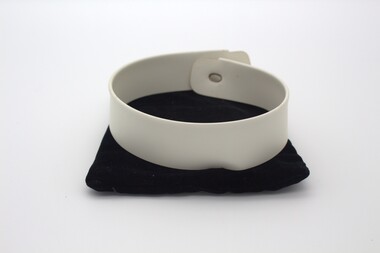
Clothing - Collar, c. 1930s
... service, and cultural legacy of Pastor Ewald Herman Otto Steiniger. Donated by his son, Dieter Steiniger, the objects provide rare, tangible insight into the clerical traditions and community leadership of the German Lutheran congregation at Westgarthtown. Pastor Steiniger served both Trinity German Lutheran Church in East Melbourne and the Thomastown congregation from 1935 to 1964. Over nearly three decades, he guided his community through socially and politically turbulent times, including the years surrounding the Second World ...Worn by Pastor Steinicker (?)These three items, a black top hat, white leather gloves, and a white pastor’s collar, form a significant ensemble representing the life, service, and cultural legacy of Pastor Ewald Herman Otto Steiniger. Donated by his son, Dieter Steiniger, the objects provide rare, tangible insight into the clerical traditions and community leadership of the German Lutheran congregation at Westgarthtown. Pastor Steiniger served both Trinity German Lutheran Church in East Melbourne and the Thomastown congregation from 1935 to 1964. Over nearly three decades, he guided his community through socially and politically turbulent times, including the years surrounding the Second World War. In April 1942, he was suddenly interned by the Australian Government and held at Tatura Internment Camp for 930 days before his release in 1944. Despite this profound disruption, he returned to his pastoral duties, continuing to support, stabilise, and preserve the cultural and spiritual life of his congregation. The black top hat reflects formal clerical dress of the early–mid twentieth century. Within German Lutheran tradition, such hats were worn to important services and solemn occasions, particularly funerals, symbolising respect and reverence. The accompanying white gloves and pastor’s collar complete the ceremonial ensemble, offering a fuller understanding of pastoral attire and the visual language of Lutheran liturgical practice of the time. Together, these objects hold strong historical, cultural, and interpretive value. They honour the enduring contribution of Pastor Steiniger and deepen the connection between the Westgarthtown site and the community it served. Pastor Steiniger and his wife, Annemarie (née Kraemer), are buried in the historic Westgarthtown Lutheran Cemetery, further strengthening the significance of this ensemble as part of the precinct’s heritage story. White pastor's collar with two reinforced holes at front.Reliance Trademark' with umbrella stamped inside at back, 'chaplain made in in England', size '1 1/4" 15 1/2'costume, male ceremonial, pastor, collar, lutheran, steinicker -
 Friends of Westgarthtown
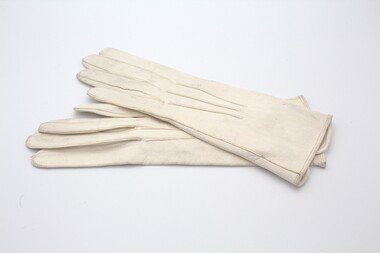
Clothing - Gloves, men's, c. 1930s
... service, and cultural legacy of Pastor Ewald Herman Otto Steiniger. Donated by his son, Dieter Steiniger, the objects provide rare, tangible insight into the clerical traditions and community leadership of the German Lutheran congregation at Westgarthtown. Pastor Steiniger served both Trinity German Lutheran Church in East Melbourne and the Thomastown congregation from 1935 to 1964. Over nearly three decades, he guided his community through socially and politically turbulent times, including the years surrounding the Second World ...Worn by Pastor Steinicker (?)These three items, a black top hat, white leather gloves, and a white pastor’s collar, form a significant ensemble representing the life, service, and cultural legacy of Pastor Ewald Herman Otto Steiniger. Donated by his son, Dieter Steiniger, the objects provide rare, tangible insight into the clerical traditions and community leadership of the German Lutheran congregation at Westgarthtown. Pastor Steiniger served both Trinity German Lutheran Church in East Melbourne and the Thomastown congregation from 1935 to 1964. Over nearly three decades, he guided his community through socially and politically turbulent times, including the years surrounding the Second World War. In April 1942, he was suddenly interned by the Australian Government and held at Tatura Internment Camp for 930 days before his release in 1944. Despite this profound disruption, he returned to his pastoral duties, continuing to support, stabilise, and preserve the cultural and spiritual life of his congregation. The black top hat reflects formal clerical dress of the early–mid twentieth century. Within German Lutheran tradition, such hats were worn to important services and solemn occasions, particularly funerals, symbolising respect and reverence. The accompanying white gloves and pastor’s collar complete the ceremonial ensemble, offering a fuller understanding of pastoral attire and the visual language of Lutheran liturgical practice of the time. Together, these objects hold strong historical, cultural, and interpretive value. They honour the enduring contribution of Pastor Steiniger and deepen the connection between the Westgarthtown site and the community it served. Pastor Steiniger and his wife, Annemarie (née Kraemer), are buried in the historic Westgarthtown Lutheran Cemetery, further strengthening the significance of this ensemble as part of the precinct’s heritage story. White leather gloves with press stud fastenings at wrist, three reinforced lines stitched on back of hand.RH '7 3/4' inside wrist, LH '301118' inside wrist, evidence of a tag removed LH inside wristcostume, male, gloves, leather, steinicker, lutheran
