
Showing 11 items matching "oral history of world war two"
-
 Returned Nurses RSL Sub-branch
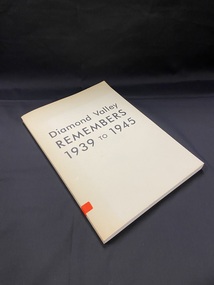
Book - Paperback book, Northern Metropolitan College of TAFE, Diamond Valley Remembers 1939 to 1945: an oral history project, 1995
... World War 1939-1945...WWII...WW2...oral history of World War Two...World War 2, written 50 years after the war and preserved for future generations. The collection is linked through the association of the participants living in the Diamond Valley area in Melbourne's north in 1995. - Eltham District Historic Society World War 1939-1945 WWII WW2 oral history of World War Two Australia Remembers An Oral History Project - An Australia Remembers New Work Project funded by the Department of Employment, Education and Training. ...An Oral History Project - An Australia Remembers New Work Project funded by the Department of Employment, Education and Training. Sponsored by Northern Metropolitan College of TAFE. 34 chapters include reminiscences from 34 men and women mainly from the Watsonia Returned Servicemen's League recording their memories of the war years for the benefit of the [Shire of] Diamond Valley community.Cream coloured paperback book with the title printed across the front cover in black ink. The title is also printed in black ink along the spine. There is a small orange sticker on the lower part of the spine with B143 handwritten in black ink.non-fictionAn Oral History Project - An Australia Remembers New Work Project funded by the Department of Employment, Education and Training. Sponsored by Northern Metropolitan College of TAFE. 34 chapters include reminiscences from 34 men and women mainly from the Watsonia Returned Servicemen's League recording their memories of the war years for the benefit of the [Shire of] Diamond Valley community. world war 1939-1945, wwii, ww2, oral history of world war two, australia remembers -
 The Beechworth Burke Museum
Audio - Oral History, Jennifer Williams, Mr Albert (Bert) Nankervis, 15th March 2000
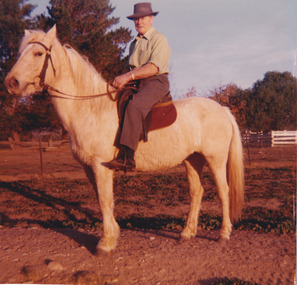
... World War One. The family established ‘Wattle Grove’ as a dairy farm as Beechworth has a high demand for milk and little supply. They had 25 milk cows that were hand milked every morning in order to provide milk for approximately 100 customers in the town, with any extra going to the butter factory at Springhurst. Albert married Floré Lilias Hardy in 1930 and they had two sons, Phillip and Barry. In this oral history...World War One. The family established ‘Wattle Grove’ as a dairy farm as Beechworth has a high demand for milk and little supply. They had 25 milk cows that were hand milked every morning in order to provide milk for approximately 100 customers in the town, with any extra going to the butter factory at Springhurst. Albert married Floré Lilias Hardy in 1930 and they had two sons, Phillip and Barry. In this oral history ...Mr Albert (Bert) Nankervis was born at Thougla, in the Upper Murray, in 1903. He had a large family and was one of eight children, four boys and four girls. He and his family moved to a farm in Wooragee named ‘Wattle Grove’ in 1918 after his father returned from serving as a soldier in World War One. The family established ‘Wattle Grove’ as a dairy farm as Beechworth has a high demand for milk and little supply. They had 25 milk cows that were hand milked every morning in order to provide milk for approximately 100 customers in the town, with any extra going to the butter factory at Springhurst. Albert married Floré Lilias Hardy in 1930 and they had two sons, Phillip and Barry. In this oral history, Albert discusses his life as a farmer in Wooragee, including his role in getting electricity to Beechworth, as well as his participation in the Young Farmer’s Association Immigration Scheme, which provided work experience to migrants in order for them to learn how to farm. This oral history recording was part of a project conducted by Jennifer Williams in the year 2000 to capture the everyday life and struggles in Beechworth during the twentieth century. This project involved recording seventy oral histories on cassette tapes of local Beechworth residents which were then published in a book titled: Listen to what they say: voices of twentieth century Beechworth. These cassette tapes were digitised in July 2021 with funds made available by the Friends of the Burke. Mr Albert (Bert) Nankervis’s account of his life in Wooragee and the local area, including Beechworth, during the early 20th century is historically and socially significant to the cultural heritage of the region. He details his life as a farmer and milkman in the early 20th century, particularly the interwar period (1918-1939), but also discusses life after the Second World War, including employing young migrant men to train them as farmers through the Young Farmer’s Association. This oral history account is socially and historically significant as it is a part of a broader collection of interviews conducted by Jennifer Williams which were published in the book 'Listen to what they say: voices of twentieth-century Beechworth.' While the township of Beechworth is known for its history as a gold rush town, these accounts provide a unique insight into the day-to-day life of the town's residents during the 20th century, many of which will have now been lost if they had not been preserved. This is a digital copy of a recording that was originally captured on a cassette tape. The cassette tape is black with a horizontal white strip and is currently stored in a clear flat plastic rectangular container. It holds up 45 minutes of recordings on each side.Mr Albert (Bert) Nankervis / albert nankervis, bert nankervis, nankervis, wattle grove, wooragee, dairy farm beechworth, dairy farm, dairy factories beechworth, dairying, milkman, oral history, springhurst, butter factory, electricity, rural life, farming and agriculture, farm, farm work, cow, cattle, jersey cattle, interwar period, first world war, second world war, wwi, wwii, greatest generation, centenarian, nonagenarian, 1920s, 1930s beechworth, thougla, upper murray, murray, lucyvale, benalla -
 The Beechworth Burke Museum
Audio - Oral History, Jennifer Williams, Mr Allan Parkinson, 22nd June 2000
... Oral History...Beechworth Forestry...Forestry Industry...beechworth tannery...Jennifer Williams...Rabbit Trapping...New Australians...Australian Depression...Rabbiting...Bonegilla...Bonegilla Migrant Camp...20th Century Beechworth...Wheelbarrow Push Beechworth to Mt Buffalo...Barrowthon...Wheelbarrow Push 1935...Listen to what they say...Listen to what they say: voices of twentieth century Beechworth...World War Two...Allan Parkinson Oral History Beechworth Forestry Forestry Industry beechworth tannery Jennifer Williams Rabbit Trapping New Australians Australian Depression Rabbiting Bonegilla Bonegilla Migrant Camp 20th Century Beechworth Wheelbarrow Push Beechworth to Mt Buffalo Barrowthon Wheelbarrow Push 1935 Listen to what they say Listen to what they say: voices of twentieth century Beechworth World War Two Wartime Wartime Solidarity Burke Museum Mr Allan Parkinson / This is a digital copy of a recording that was originally captured on a cassette tape. ...Allan Parkinson was born in Beechworth in 1924. The eldest of eight children, his mother provided laundry services to the people of Beechworth whilst his father worked for the local tannery, trapping rabbits. Allan fondly remembers times spent during his childhood catching rabbits with his father. As his younger years were set amidst the experiences of World War Two and the Great Depression, Allan recalls a feeling of solidarity amongst the residents of Beechworth that was present during this time(for instance, sharing food with neighbours in wartime), as well as the disassociation he felt as a returning soldier after the war. Allan talks of the great number of 'New Australians' who arrived in Beechworth in the post-war years, many of them coming from war-torn countries in Europe. Before being integrated into Australian society, these 'New Australians' would often first spend time at the Migrant Reception and Training Centre in Bonegilla, Northern Victoria. They were taught English and learnt about Australian life before being billeted out across the country to fill labor shortages. Following time spent up in Queensland, Allan worked in the forestry industry, clearing thousands of acres across Victoria which were needed to plant pines. The interview ends with discussions of the famous Wheelbarrow Push from Beechworth to Mt Buffalo in 1935, of which Allan's Uncle Tom was a central participant; this is an event which has since become an annual fundraising tradition in Beechworth. This oral history recording was part of a project conducted by Jennifer Williams in the year 2000 to capture the everyday life and struggles in Beechworth during the twentieth century. This project involved recording seventy oral histories on cassette tapes of local Beechworth residents which were then published in a book titled: Listen to what they say: Voices of twentieth century Beechworth. These cassette tapes were digitised in July 2021 with funds made available by the Friends of the Burke. Mr Allan Parkinson's account of his life in Beechworth and the local area during the twentieth century is historically and socially significant to the cultural heritage of the region. He details important historical events and hardships that had lasting local, regional and national impacts, including Australia during wartime, post-war migration and economic struggles. This oral history account is historically and socially significant as it is part of a broader collection of interviews conducted by Jennifer Williams which were published in the book 'Listen to what they say: voices of twentieth century Beechworth'. While the township of Beechworth is known for its history as a gold rush town, these accounts provide a unique insight into the day-to-day life of the town's residents during the twentieth century, many of which would have been lost if they had not been preserved. This is a digital copy of a recording that was originally captured on a cassette tape. The cassette tape is black with a horizontal white stripe and is currently stored in a clear flat plastic rectangular container. It holds up to forty minutes of recordings on each side. Mr Allan Parkinson / allan parkinson, oral history, beechworth forestry, forestry industry, beechworth tannery, jennifer williams, rabbit trapping, new australians, australian depression, rabbiting, bonegilla, bonegilla migrant camp, 20th century beechworth, wheelbarrow push beechworth to mt buffalo, barrowthon, wheelbarrow push 1935, listen to what they say, listen to what they say: voices of twentieth century beechworth, world war two, wartime, wartime solidarity, burke museum -
The Beechworth Burke Museum
Audio - Oral History, Linda Peacock, Ernie Warner, 2000
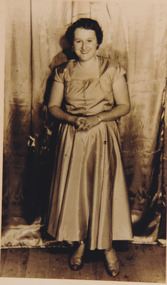
... oral history account is socially and historically significant as it is a part of a broader collection of interviews conducted by Jennifer Williams which were published in the book 'Listen to what they say: voices of twentieth-century Beechworth.' While the township of Beechworth is known for its history as a gold rush town, these accounts provide a unique insight into the day-to-day life of the town's residents during the 20th century, many of which will have now been lost if they had not been preserved. zwar brothers tannery beechworth gold prospecting world war two hardware store sheep farming Ernie Warner This is a digital copy of a recording that was originally captured on a cassette tape. ...Ernie Warner was a local of Beechworth, a third generation inhabitant of the town. His grandfather arrived as a prospector, and his parents married there and established a sheep/wool farm, which passed to his brother. Ernie was the owner of the hardware store in Camp street, which was the former Post Office Hotel, from 1955 to 1979, having previously worked there as a teenager in the 1930s/1940s. He did not go to war due to injury, but during the wartime was employed in the hardware, at Zwar Bros. Tannery and by bookkeeping for his father. Ernie married in 1948 and had 6 children. This oral history recording was part of a project conducted by Jennifer Williams (and Linda Peacock) in the year 2000 to capture the everyday life and struggles in Beechworth during the twentieth century. This project involved recording seventy oral histories on cassette tapes of local Beechworth residents which were then published in a book titled: Listen to what they say: voices of twentieth century Beechworth. These cassette tapes were digitised in July 2021 with funds made available by the Friends of the Burke.Ernie Warner's oral history recording has social and interpretive significance due to his discussion on life in Beechworth during the Depression, War and post-war eras. He discusses his work in the hardware shop on Camp Street and his work in the Zwar Bros. tannery during the wartime, when it supplied leather to the army. His recording also has social significance because he discusses his family; his grandfather had arrived in Beechworth from England to prospect for gold and his father and brother were sheep farmers. This oral history account is socially and historically significant as it is a part of a broader collection of interviews conducted by Jennifer Williams which were published in the book 'Listen to what they say: voices of twentieth-century Beechworth.' While the township of Beechworth is known for its history as a gold rush town, these accounts provide a unique insight into the day-to-day life of the town's residents during the 20th century, many of which will have now been lost if they had not been preserved.This is a digital copy of a recording that was originally captured on a cassette tape. The cassette tape is black with a horizontal white strip and is currently stored in a clear flat plastic rectangular container. It holds up 40 minutes of recordings on each side.Ernie Warnerzwar brothers tannery, beechworth, gold prospecting, world war two, hardware store, sheep farming -
 The Beechworth Burke Museum
Audio - Oral History, Jennifer Williams, Nola (Nettie) Maher, 27 April 2000
... oral histories on cassette tapes of local Beechworth residents which were then published in a book titled: Listen to what they say: voices of twentieth century Beechworth. These cassette tapes were digitised in July 2021 with funds made available by the Friends of the Burke. Nola Nettie Maher’s account of her personal and working life in Beechworth and the local area during the 20th century is historically and socially significant to the cultural heritage of the region. She details important details about life and working in the region post World War Two ...Nola (Nettie) Maher was born in Beechworth on 31st December, 1935. Her father returned from World War One and purchased a miner’s cottage in 1919 where Nettie lived in for the majority of her life. Nettie worked for ten years at the Pittman’s Shoe Factory, once located on Ford Street, which was in operation from 1 July 1947 to 28 August 1961. She fondly recalls the camaraderie amongst the staff and certain managers, and details the factory processes, union activities and the work she continued to do once she was married and had children. This oral history recording was part of a project conducted by Jennifer Williams in the year 2000 to capture the everyday life and struggles in Beechworth during the twentieth century. This project involved recording seventy oral histories on cassette tapes of local Beechworth residents which were then published in a book titled: Listen to what they say: voices of twentieth century Beechworth. These cassette tapes were digitised in July 2021 with funds made available by the Friends of the Burke. Nola Nettie Maher’s account of her personal and working life in Beechworth and the local area during the 20th century is historically and socially significant to the cultural heritage of the region. She details important details about life and working in the region post World War Two, including insights into women’s working roles, as well as the social aspects of town life. This oral history account is socially and historically significant as it is part of a broader collection of interviews conducted by Jennifer Williams which were published in the book ‘Listen to what they say: voices of twentieth-century Beechworth.’ While the township of Beechworth is known for its history as a gold rush town, these accounts provide a unique insight into the day-to-day life of the town’s residents during the 20th century, many of which would have been lost had they not been preserved. This is a digital copy of a recording that was originally captured on a cassette tape. The cassette tape is black with a horizontal white strip and is currently stored in a clear flat plastic rectangular container. It holds up 40 minutes of recordings on each side.Nola Maher /beechworth, nola maher, nettie maher, listen to what they say, jennifer williams, oral history, hospital, private hospital, birth, miner’s cottage, kerosine, eucalyptus, rabbit, laundry, dressmaking, dressing certificate, dry cleaners, hotel, shoe, leather, shoe factory, uppers, pittman, ford street, charlie king, union, wages, new years eve, dance, memorial hall, married women, flexible hours, ice cream, milk bar -
 The Beechworth Burke Museum
Audio - Oral History, Joyce Snow
... two girls and one boy. By the time of her third child, she studied a one year supplementary course on Psychy at May Day. Joyce had nursed prisoners of the First World War. She shared about the differences of medical practice back then in comparison to now. This oral history...two girls and one boy. By the time of her third child, she studied a one year supplementary course on Psychy at May Day. Joyce had nursed prisoners of the First World War. She shared about the differences of medical practice back then in comparison to now. This oral history ...Joyce Snow was born in Avenel and came to Beechworth at the age of twenty-three. She grew up at Bundarta, a place just out of Shepparton. Her father was a soldier who was part of the 37th Battallion while her mother's family were some of the pioneers of Beechworth--the Duracks. She finished school at about thirteen years old, did a correspondence course, and when she was old enough, she went training for nursing. Joyce was a trained nurse at the old Mooroopna Base, Hospital. She working at a Hospital in Shepparton when Manpower sent her to Beechworth. She arrived at Beechworth in 1943 at a train in Wangaratta. She had been a nurse in Beechworth for more than seven years. She got married in Beechworth and had three children, two girls and one boy. By the time of her third child, she studied a one year supplementary course on Psychy at May Day. Joyce had nursed prisoners of the First World War. She shared about the differences of medical practice back then in comparison to now. This oral history recording was part of a project conducted by Jennifer Williams in the year 2000 to capture the everyday life and struggles in Beechworth during the twentieth century. This project involved recording seventy oral histories on cassette tapes of local Beechworth residents which were then published in a book titled: Listen to what they say: voices of twentieth century Beechworth. These cassette tapes were digitised in July 2021 with funds made available by the Friends of the Burke.Joyce Snow's account of her life in the early 20th century is historically and socially significant to the cultural heritage of the region. She gave information about the settlements and life of the prisoners of First World War, the early forms of entertainment, education system and societal roles. She also mentioned changes in employment and migrant communities. This oral history account is socially and historically significant as these accounts provide a unique insight into the day-to-day life of the town's residents during the 20th century, many of which will have now been lost if they had not been preserved.This is a digital copy of a recording that was originally captured on a cassette tape. The cassette tape is black with a horizontal white strip and is currently stored in a clear flat plastic rectangular container. It holds up 40 minutes of recordings on each side.Joyce Snowburke museum, beechworth, hospital, oral history, nursing, nurse, first world war, prisoners of war, tatatura, moonrapna, peritontitis, doctors, tuck shops, largactil, rock films, victoria park, kings in grass castle, durack, duracks, glory box, d'oylies -
 Orbost & District Historical Society
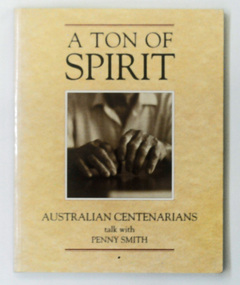
book, Kim Hup Lee Printing, A Ton of Spirit, 1990
... oral social history of the development of Australia over the past one hundred years. It includes reminiscences of Judy Bagu, Jimmy Bird, Paddy Djiaween and Walter Smith; brief accounts of bush foods, medicines, uses of plants, birth and mortuary rituals; working lives on cattle stations, missions, prospecting, dingo trapping, camel working, pearling, shire council; Kunmunyah, Beagle Bay Mission, Broome. This compilation of stories from centenarians is a contemporary social record of one hundred years of living through two world wars ...This book contains interviews with 48 of the 300 centenarians listed by the Australian Bicentennial Authority, whose long lives together form an oral social history of the development of Australia over the past one hundred years. It includes reminiscences of Judy Bagu, Jimmy Bird, Paddy Djiaween and Walter Smith; brief accounts of bush foods, medicines, uses of plants, birth and mortuary rituals; working lives on cattle stations, missions, prospecting, dingo trapping, camel working, pearling, shire council; Kunmunyah, Beagle Bay Mission, Broome.This compilation of stories from centenarians is a contemporary social record of one hundred years of living through two world wars and the Great Depression in Australia. A 183 pp book with a light brown cover, darker spine. On the front cover is a photograph of a pair of hands. Print is black "A Ton of Spirit Australian Centenarians talk with Penny Smith".book-a-ton-of-spirit-penny-smith social-records-early-australia -
Port Melbourne Historical & Preservation Society
Audio - Oral History, Nell Thackrah, Pat Grainger, 3 Jan 1992
... Interview used in contribution to the book "They can Carry me Out" Families Domestic life Social Activities War - World War II Nell Thackrah Duration side 01:o1:54 Nell Thackrah recalling her early life, two marriages and employment during World war 2 Audio Oral History, Nell Thackrah Pat Grainger ...Interview used in contribution to the book "They can Carry me Out"Nell Thackrah recalling her early life, two marriages and employment during World war 2Duration side 01:o1:54families, domestic life, social activities, war - world war ii, nell thackrah -
Beechworth RSL Sub-Branch
Mick Scanlan Interview
... world war two...second world war...tokyo bay...royal australian navy...ran...oral history...World War Two, and in particular the topic of Tokyo Bay. Furthermore, the interview has great interpretive capacity as a unique, personal and historic war time story. mick scanlan wwii ww2 world war two second world war tokyo bay royal australian navy ran oral history interview This is a born digital audio file. ...This oral history interview covers the topic of Beechworth local resident Mick Scanlan's involvement in the Royal Australia Navy during WW2. John Eldrid, President of Beechworth RSL, interviews Mick about his decision to enlist, day to day life on a naval ship and the experience of the Japanese surrender at Tokyo Bay.This interview of local Beechworth Veteran Mick Scanlan's involvement in the Royal Australian Navy during World War Two is a personal account of a lived experience. The stories are of great social and historic significance to the Beechworth RSL members and the wider Beechworth community. It is also of interest as a primary source of historic information for the study of World War Two, and in particular the topic of Tokyo Bay. Furthermore, the interview has great interpretive capacity as a unique, personal and historic war time story.This is a born digital audio file.mick scanlan, wwii, ww2, world war two, second world war, tokyo bay, royal australian navy, ran, oral history, interview -
 Truganina Explosives Reserve Preservation Society Inc (TERPS)
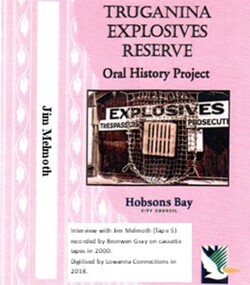
Digitised Oral History – Truganina Explosives Reserve - Tape 5 Jim Melmoth, 2018
... A primary source of information on memories of the Truganina Explosives Reserve and Altona,Victoria Hobsons Bay City Council explosives air raid shelters Altona Pier brown coal camouflaged fences World War Two gelignite horse drawn wagons clysdale horses lighters Williamstown Upton Street Altona water tower adze John Gates Public Works Department explosives pier Cherry Lake Altona Altona Meadows Lennie Finley Digital copy of original cassette recorded in 2000 and digitised in 2018 Digitised Oral History – Truganina Explosives Reserve - Tape 5 Jim Melmoth ...The interviews were recorded in 2000 by Bronwen Gray and Alan Young for the production of Unreserved, Stories from Truganina Explosives Reserve, animated stories from past residents, workers and interested people of the Reserve (subject to copyright 2004). Edgar James (Jim) Melmoth began work at the Truganina Explosives Reserve at age 19 (1952) as part of the maintenance crew – painting, tram line maintenance, storm damage clearance. He helped build the pier extension and the water tower. In this interview he describes some incidents and some amusing stories of the clysdale horses. A primary source of information on memories of the Truganina Explosives Reserve and Altona,VictoriaDigital copy of original cassette recorded in 2000 and digitised in 2018hobsons bay city council, explosives, air raid shelters, altona pier, brown coal, camouflaged fences, world war two, gelignite, horse drawn wagons, clysdale horses, lighters, williamstown, upton street altona, water tower, adze, john gates, public works department, explosives pier, cherry lake, altona, altona meadows, lennie finley -
 Returned Nurses RSL Sub-branch
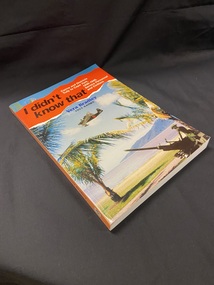
Book - Illustrated paperback book, Vera Bradley, I didn't know that: Cairns and Districts, Tully to Cape York, 1939-1946, Service Personnel and Civilians, 1995
... World War Two Queensland World War Two Pacific Area WW@ WWII Vera Bradley This compilation of material relating to the history of North Queensland during WWII focuses in particular on the years 1941-43. Includes a wide range of oral ...This compilation of material relating to the history of North Queensland during WWII focuses in particular on the years 1941-43. Includes a wide range of oral histories and contemporary documents. Lavishly illustrated. Includes references and an index. [State Library Queensland]Large colourful paperback book with an image of two soldiers manning a weapon on a beach under palm trees, in the blue sky above is a Japanese military plane. There is a red panel across the top that has been made to look like a torn piece of paper with the title printed across it in black and white text.non-fictionThis compilation of material relating to the history of North Queensland during WWII focuses in particular on the years 1941-43. Includes a wide range of oral histories and contemporary documents. Lavishly illustrated. Includes references and an index. [State Library Queensland]world war two queensland, world war two pacific area, ww@, wwii, vera bradley
