
Showing 75 items matching "psychiatric centre"
-
 Bendigo Historical Society Inc.
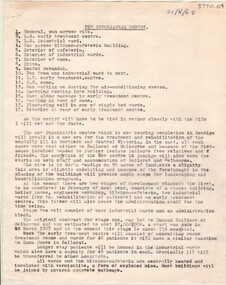
Document - AULSBROOK COLLECTION: REEL AND ARTICLE FOR NEW PSYCHIATRIC CENTRE 1968, 1968
... AULSBROOK COLLECTION: REEL AND ARTICLE FOR NEW PSYCHIATRIC CENTRE 1968...New Psychiatric Centre...Aulsebrook Collection: New Psychiatric Centre Reel and Article, 1968 August 21 -1 page, typed -Reel script and Article related to new Psychiatric Centre...New Psychiatric Centre Bendigo Hospital Aulsebrook Collection: New Psychiatric Centre Reel and Article, 1968 August 21 -1 page, typed -Reel script and Article related to new Psychiatric Centre Document AULSBROOK COLLECTION: REEL AND ARTICLE FOR NEW PSYCHIATRIC CENTRE 1968 ...Aulsebrook Collection: New Psychiatric Centre Reel and Article, 1968 August 21 -1 page, typed -Reel script and Article related to new Psychiatric Centrenew psychiatric centre, bendigo hospital -
 Bendigo Historical Society Inc.
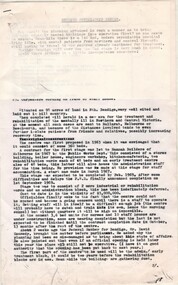
Document - AULSEBROOK COLLECTION: BENDIGO PSYCHIATRIC CENTRE REEL AND ARTICLE
... AULSEBROOK COLLECTION: BENDIGO PSYCHIATRIC CENTRE REEL AND ARTICLE...Bendigo Psychiatric Centre...Aulsebrook Collection Bendigo Psychiatric centre reel and article -large fools gap typed page with a staple note -Reel for the psychiatric centre and article explaining its development and concerns of development...Bendigo Psychiatric Centre Aulsebrook Aulsebrook Collection Bendigo Psychiatric centre reel and article -large fools gap typed page with a staple note -Reel for the psychiatric centre and article explaining its development and concerns of development Document AULSEBROOK COLLECTION: BENDIGO PSYCHIATRIC CENTRE REEL AND ARTICLE ...Aulsebrook Collection Bendigo Psychiatric centre reel and article -large fools gap typed page with a staple note -Reel for the psychiatric centre and article explaining its development and concerns of developmentbendigo psychiatric centre, aulsebrook -
 Bendigo Historical Society Inc.
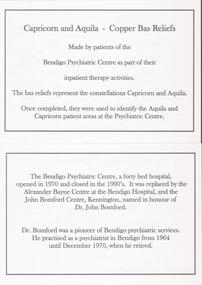
Document - BENDIGO PSYCHIATRIC CENTRE
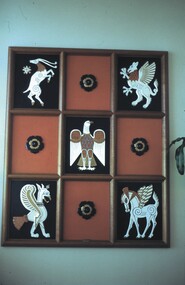
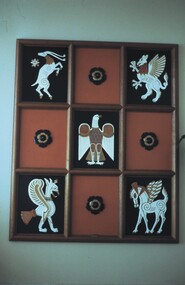
... BENDIGO PSYCHIATRIC CENTRE......psychiatric centre...Made by patients of the Bendigo Psychiatric Centre as part of their inpatient therapy activities. ...BENDIGO Hospital psychiatric centre Copy of copper bas reliefs - Capricorn and Aquila. ...Copy of copper bas reliefs - Capricorn and Aquila. Made by patients of the Bendigo Psychiatric Centre as part of their inpatient therapy activities. The bas reliefs represent the constellations Capricorn and Aquila. Once completed, they were used to identify the Aquila and Capricorn patient areas at the Psychiatric Centre. The Bendigo Psychiatric Centre, a forty bed hospital, opened in 1970 and closed in the 1990's. It was replaced by the Alexander Bayne Centre at the Bendigo Hospital and the John Bomford Centre, Kennington, named in honour of Dr. John Bomford. Dr. Bomford was a pioneer of Bendigo psychiatric services. He practised as a psychiatrist in Bendigo from 1964 until December 1970, when he retired.bendigo, hospital, psychiatric centre -
 Bendigo Historical Society Inc.
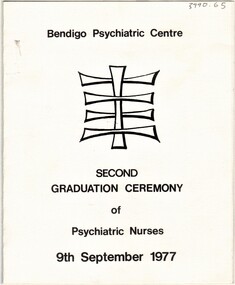
Document - AULSEBROOK COLLECTION: BENDIGO PSYCHIATRIC CENTRE, SECOND GRADUATION CEREMONY BOOKLET 1977, 1977
... AULSEBROOK COLLECTION: BENDIGO PSYCHIATRIC CENTRE, SECOND GRADUATION CEREMONY BOOKLET 1977...Bendigo Psychiatric Centre...Aulsebrook Collection: Bendigo Psychiatric Centre: Second Graduation Ceremony of Psychiatric Nurses. ...Bendigo Psychiatric Centre Bendigo Hospital Aulsebrook Collection: Bendigo Psychiatric Centre: Second Graduation Ceremony of Psychiatric Nurses. ...Aulsebrook Collection: Bendigo Psychiatric Centre: Second Graduation Ceremony of Psychiatric Nurses. (a) -9th September 1977 -a5 booklet, 3 pages, -Lists of graduating nurses, program for ceremony (b) and details on development of the Bendigo regional psychiatric servicebendigo psychiatric centre, bendigo hospital -
 Bendigo Historical Society Inc.
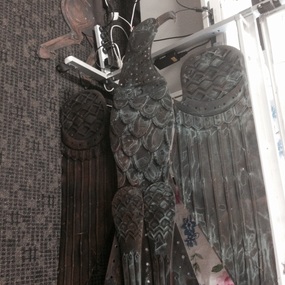
Sculpture - JOHN BOMFORD PSYCHIATRIC CENTRE, COPPER BAS RELIEF EAGLE, 1970s
... JOHN BOMFORD PSYCHIATRIC CENTRE, COPPER BAS RELIEF EAGLE...The Carving was created by an artist in residence at the Bendigo Psychiatric Centre (Golden City Support Services) prior to closure. ...Once completed, they were used to identify the Squila and Capricorn patient areas at the Psychiatric Centre. Sculpture JOHN BOMFORD PSYCHIATRIC CENTRE, COPPER BAS RELIEF EAGLE ...Bomford Bas Relief Eagle. Created from Sheet Copper. Carved and hammered Bas relief of a large Eagle. The Carving was created by an artist in residence at the Bendigo Psychiatric Centre (Golden City Support Services) prior to closure. It is approximately 2.00 meters high and 1.20metre wide. Mounted on a Large green wooden board. See 7311 also. Items represent the constellations Capricorn and Aquila. Once completed, they were used to identify the Squila and Capricorn patient areas at the Psychiatric Centre.artwork, sculpture -
 Bendigo Historical Society Inc.
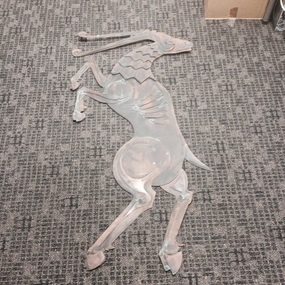
Sculpture - JOHN BOMFORD PSYCHIATRIC CENTRE, COPPER BAS RELIEF MYTHOLOGICAL GOAT
... JOHN BOMFORD PSYCHIATRIC CENTRE, COPPER BAS RELIEF MYTHOLOGICAL GOAT...Once completed, they were used to identify the Squila and Capricorn patient areas at the Psychiatric Centre....Once completed, they were used to identify the Squila and Capricorn patient areas at the Psychiatric Centre. Sculpture JOHN BOMFORD PSYCHIATRIC CENTRE, COPPER BAS RELIEF MYTHOLOGICAL GOAT ...Bomford Bas Relief Mythological Goat. Created from Sheet Copper. Carved and hammered Bas relief of a mythological creature resembling a goat with long straight horns. The Carving was created by an artist in residence at the Bendigo Psychiatric Centre (Golden City Support Services) prior to closure. It is approximately 1.5metres high and 1.00metre wide. Mounted on a Large green wooden board. See 7312 also. Items represent the constellations Capricorn and Aquila. Once completed, they were used to identify the Squila and Capricorn patient areas at the Psychiatric Centre.artwork, sculpture -
 Bendigo Historical Society Inc.
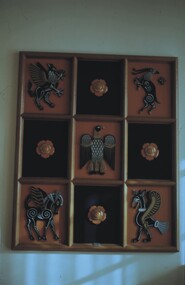
Slide - BENDIGO & EASTER FAIR, c1986
... ...bendigo psychiatric centre...Boards in foyer of Bendigo Psychiatric Centre. C1986....SLIDE Bendigo bendigo psychiatric centre Boards in foyer of Bendigo Psychiatric Centre Boards in foyer of Bendigo Psychiatric Centre. ...Boards in foyer of Bendigo Psychiatric Centre. C1986.slide, bendigo, bendigo psychiatric centre, boards in foyer of bendigo psychiatric centre -
 Bendigo Historical Society Inc.
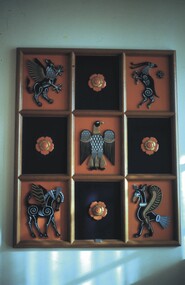
Slide - BENDIGO & EASTER FAIR, 1985
... ...bendigo psychiatric centre...Boards in foyer of Bendigo Psychiatric Centre. C1985...SLIDE Bendigo bendigo psychiatric centre Boards in foyer of Bendigo Psychiatric Centre Boards in foyer of Bendigo Psychiatric Centre. ...Boards in foyer of Bendigo Psychiatric Centre. C1985slide, bendigo, bendigo psychiatric centre, boards in foyer of bendigo psychiatric centre -
 Bendigo Historical Society Inc.
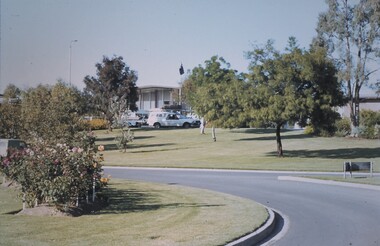
Slide - BENDIGO & EASTER FAIR, 1985
... grounds of Bendigo Psychiatric Centre...Grounds of the Bendigo Psychiatric Centre. 1985...SLIDE Bendigo psychiatic centre grounds of Bendigo Psychiatric Centre Grounds of the Bendigo Psychiatric Centre. 1985 Slide BENDIGO & EASTER FAIR ...Grounds of the Bendigo Psychiatric Centre. 1985slide, bendigo, psychiatic centre, grounds of bendigo psychiatric centre -
 Bendigo Historical Society Inc.
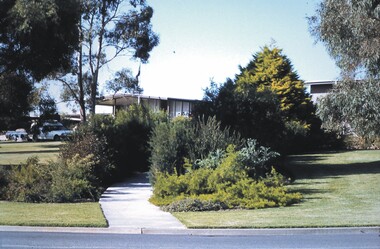
Slide - BENDIGO & EASTER FAIR, 1985
... grounds of Bendgio Psychiatric Centre...Ground of Bendigo Psychiatric Centre. 1985...SLIDE Bendigo psychiatic centre grounds of Bendgio Psychiatric Centre Ground of Bendigo Psychiatric Centre. 1985 Slide BENDIGO & EASTER FAIR ...Ground of Bendigo Psychiatric Centre. 1985slide, bendigo, psychiatic centre, grounds of bendgio psychiatric centre -
 Bendigo Historical Society Inc.
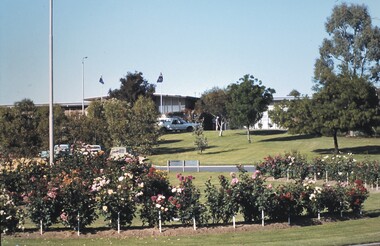
Slide - BENDIGO & EASTER FAIR, 1985
... grounds Bendigo Psychiatric Centre...Ground of Bendigo Psychiatric Centre. 1985...SLIDE Bendigo psychiatic centre grounds Bendigo Psychiatric Centre Ground of Bendigo Psychiatric Centre. 1985 Slide BENDIGO & EASTER FAIR ...Ground of Bendigo Psychiatric Centre. 1985slide, bendigo, psychiatic centre, grounds bendigo psychiatric centre -
 Bendigo Historical Society Inc.
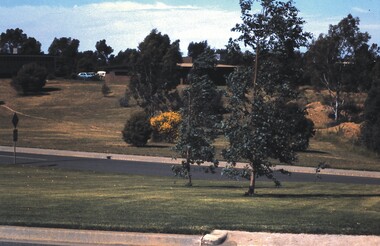
Slide - BENDIGO & EASTER FAIR, 1985
... Grounds of Bendigo Psychiatric Centre...Grounds of Bendigo Psychiatric Centre. 1985...SLIDE Bendigo psychiatic centre Grounds of Bendigo Psychiatric Centre Grounds of Bendigo Psychiatric Centre. 1985 Slide BENDIGO & EASTER FAIR ...Grounds of Bendigo Psychiatric Centre. 1985slide, bendigo, psychiatic centre, grounds of bendigo psychiatric centre -
 Bendigo Historical Society Inc.
Slide - BENDIGO & EASTER FAIR, 1985
... ... Bendigo Psychiatric Centre...Boards in foyer, Bendigo Psychiatric Centre. 1985....SLIDE Bendigo psychiatic centre Boards in foyer Bendigo Psychiatric Centre Boards in foyer, Bendigo Psychiatric Centre. 1985. ...Boards in foyer, Bendigo Psychiatric Centre. 1985.slide, bendigo, psychiatic centre, boards in foyer, bendigo psychiatric centre -
 Bendigo Historical Society Inc.
Newspaper - PETER ELLIS COLLECTION: NEWSPAPER CUTTINGS, 29th January 1981
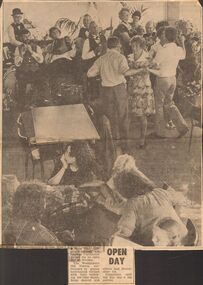
... ... Bendigo Psychiatric Centre...The first is a photo of people dancing with the band in the background at the Bendigo Psychiatric Centre (no date). The second is a page from the Loddon Times - Wednesday, May 15, 2002 with photos of Kevin and Averyl Fry, Moira Clarkson, Danni Devlin, Andrea Hollier, Don Manypenny. ...The first is a photo of people dancing with the band in the background at the Bendigo Psychiatric Centre (no date). The second is a page from the Loddon Times - Wednesday, May 15, 2002 with photos of Kevin and Averyl Fry, Moira Clarkson, Danni Devlin, Andrea Hollier, Don Manypenny. ...Four newspaper cuttings featuring the Wedderburn Old Timers. The first is a photo of people dancing with the band in the background at the Bendigo Psychiatric Centre (no date). The second is a page from the Loddon Times - Wednesday, May 15, 2002 with photos of Kevin and Averyl Fry, Moira Clarkson, Danni Devlin, Andrea Hollier, Don Manypenny. Lyn Lynlsing, Betty Jackel and a photo of four members of the band playing their instruments.The third is a photo in The Mercury 29/1/1981 of the band with their instruments. (The full page of this paper is part of the Collection). One member mentioned was Lindsay Holt and the fourth is a page from The Bendigo Advertiser 27/8/1988 telling the history of the band and an old man named Ted Noonan who taught the violin to a farmers daughter named Daisy in Wehla. There is also a photocopy of this article.Bendigo Advertiserentertainment, dance, barn dance, peter ellis collection, wedderburn old time ball, kevin & averyl fry, maira clarkson, danni devlin, andrea hollier, don manypenny, lyn lynlsing, betty jackel, campbell holmes, the loddon times 15/5/2002, bendigo psychiatric centre, wedderburn old timers, lindsay holt, ted noonan, elma ross, grummy ross, bendigo advertiser 27/8/1988, dr donald topley -
 Bendigo Historical Society Inc.
Slide - BENDIGO & EASTER FAIR, c1985
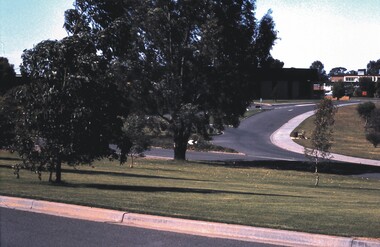
... ...bendigo psychiatric centre...SLIDE Bendigo bendigo psychiatric centre grounds Bendigo Psychiatric Centre Grounds of the Bendigo Psyciatric Centre. ...Grounds of the Bendigo Psyciatric Centre. C1985slide, bendigo, bendigo psychiatric centre, grounds bendigo psychiatric centre -
 Bendigo Historical Society Inc.
Slide - BENDIGO & EASTER FAIR, 1986
... ...bendigo psychiatric centre...SLIDE Bendigo bendigo psychiatric centre Boards in entrant of Bendigo psychiatric Centre Boards in foyer of Bendigo Pshchiatirc Centre. 1986 Slide BENDIGO & EASTER FAIR ...Boards in foyer of Bendigo Pshchiatirc Centre. 1986slide, bendigo, bendigo psychiatric centre, boards in entrant of bendigo psychiatric centre -
 Bendigo Historical Society Inc.
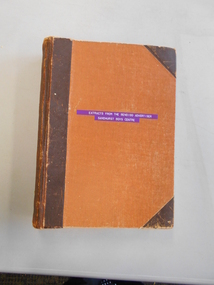
Book - SANDHURST BOYS CENTRE COLLECTION: SCRAPBOOK OF NEWSPAPER CUTTINGS
... Written on front ' Extracts from the Bendigo Advertiser, Sandhurst Boys Centre' Newspaper cuttings date from 1958 - 1983; issues that relate to other institutions included in collection, such as Bendigo Psychiatric Centre....Written on front ' Extracts from the Bendigo Advertiser, Sandhurst Boys Centre' Newspaper cuttings date from 1958 - 1983; issues that relate to other institutions included in collection, such as Bendigo Psychiatric Centre. Book SANDHURST BOYS CENTRE COLLECTION: SCRAPBOOK OF NEWSPAPER CUTTINGS ...Brown coloured book, dark brown spine and corners. Written on front ' Extracts from the Bendigo Advertiser, Sandhurst Boys Centre' Newspaper cuttings date from 1958 - 1983; issues that relate to other institutions included in collection, such as Bendigo Psychiatric Centre.bendigo, institutions, sandhurst boys centre -
 Uniting Church Archives - Synod of Victoria
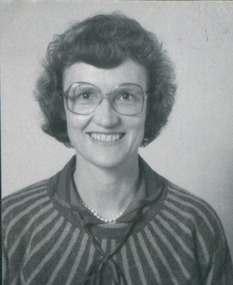
Photograph, Lyn Barnes xit student, 1985
... She was previously secretary to the superintendent psychiatrist at the Bendigo Psychiatric Centre....She was previously secretary to the superintendent psychiatrist at the Bendigo Psychiatric Centre. Lynette Barnes "C&N 18/12/1985 S/S Lyn Barnes xit student" B&W photograph head and shoulders. ...Lynette Barnes aged 39 was an exit student in 1985 who previously lived in Bendigo. She was previously secretary to the superintendent psychiatrist at the Bendigo Psychiatric Centre.B&W photograph head and shoulders."C&N 18/12/1985 S/S Lyn Barnes xit student"lynette barnes -
 Federation University Historical Collection
Book, Ballarat College of Advaanced Education Curriculum for Graduate Diploma of Psychiatric Nursing, 12/1989
... psychiatric nursing...curriculum...psychobiology...therapeutic interventions...k. antosiewicz...cecil deans...a. donelly...n. gracie...s. hudson...d. lea...b. place...s. sivamalai...sue turale...computer centre...Nursing healthcare psychiatric nursing curriculum psychobiology therapeutic interventions k. antosiewicz cecil deans a. donelly n. gracie s. hudson d. lea b. place s. sivamalai sue turale computer centre Green paper and clear plastic covered report Ballarat College of Advaanced Education Curriculum for Graduate Diploma of Psychiatric Nursing Book Book ...The Ballarat Collecge of Advanced Education is a predecessor Institution of Federation University Australia.Green paper and clear plastic covered report nursing, healthcare, psychiatric nursing, curriculum, psychobiology, therapeutic interventions, k. antosiewicz, cecil deans, a. donelly, n. gracie, s. hudson, d. lea, b. place, s. sivamalai, sue turale, computer centre -
 Alfred Hospital Nurses League - Nursing History Collection
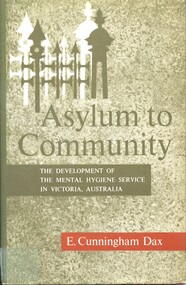
Book - Illustrated book, Eric Cunningham Dax 1908-2008, Asylum to community - the development of the mental hygiene service in Victoria, 1961
... Of significance to the AHNL as it includes reference to the role of nurses in psychiatric care Mental health services-Victoria-history mental health services-history-Australia This book describes the rapid expansion of community psychiatric centres in Australia, particularly Victoria, as a shift from traditional asylum-based care. ...This book describes the rapid expansion of community psychiatric centres in Australia, particularly Victoria, as a shift from traditional asylum-based care. Dax (author) a key figure in this transformation, advocated for a more humane and community-focused approach to mental health treatment.Illustrated book with dustjacket. Book is bound in light brown with white print. There is a stylized image of fencing on the front cover. Abbreviated title, author's name and publisher's mark are printed on the spine. Dust-jacket is a dappled olive green on the front, and plain olive green on spine and back. Title is printed in olive-green, and white on olive green background, along with author's name (white print on brown background) and stylize image of fencing (white and olive-green print) on the front of the dustjacket. Abbreviated title (cream ink) author's name (brown in on cream background) and publisher's mark are printed on the spine.non-fictionThis book describes the rapid expansion of community psychiatric centres in Australia, particularly Victoria, as a shift from traditional asylum-based care. Dax (author) a key figure in this transformation, advocated for a more humane and community-focused approach to mental health treatment.mental health services-victoria-history, mental health services-history-australia -
 Alfred Hospital Nurses League - Nursing History Collection
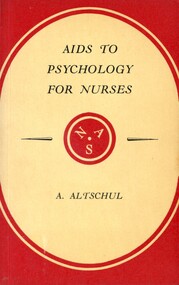
Book - Textbook, A Altschul 1919-2001, Aids to psychology for nurses, 1962
... Author was a pioneerng figure in British psychiatric nursing.her work shifted the role of psychiatric nursing from simple 'doctor's assistant' to a therapeutic partnership with the patient Insight into psychology in the 1960's nursing study and teaching human development personality psychiatric nursing psychological reaction to illness motivation This vintage book was designed to cover psychological principles necessary for nurses in their training and work for effective patient communication and care At the base of the front endpage is a printed black and white donation sticker: black Maltese cross in circle, 'This book was donated to Alfred Archival Association Nursing Division by' Marjorie Connor [handwritten black ink]. previous catalogue number is also written on this label [black ink] Book with red and cream cover. Front cover has a large cream oval in the centre ...This vintage book was designed to cover psychological principles necessary for nurses in their training and work for effective patient communication and careBook with red and cream cover. Front cover has a large cream oval in the centre of which is a red circle with crean margin and the lettter N A S also in cream. Above this circle is the title [black print] and below is the author's name. The oval is superimposed on a red background. Title [black ink] and N A S [white print on individual red circles] are printed on spinenon-fictionThis vintage book was designed to cover psychological principles necessary for nurses in their training and work for effective patient communication and carenursing study and teaching, human development, personality, psychiatric nursing, psychological reaction to illness, motivation -
Kew Historical Society Inc
Archive (collection) - Irena Higgins : Fol.1 Disability & Mental Health, 1951-2008
... psychiatric treatment in Victoria in the second half of the Twentieth Century. They complement other major collections held by the Department of Health & Human Services (Victoria) and by the State Archives (PROV). They have particular significance due to their provenance as the personal papers of a significant actor in the development of trained social work in mental health institutions in Victoria. department of health (vic.) mental hygiene authority (vic.) mental health authority (vic.) health commission of victoria community services victoria department of health and community services department of human services kew cottages kew children’s cottages kew training centre kew residential services Archive Irena Higgins : Fol.1 Disability & Mental Health ...Irena Higgins (1951-2014) > Barbara Higgins (2015) > Kew Historical Society (2015)Professional papersCollection > Series > Sub-series (folder) > ItemKew Cottages: Introduction | Mental Retardation in Victoria: an historical perspective (1963) | Chronology of Kew Cottages | Kew Cottages Children's Training Centre | Work Evaluation Sheet for training purposes | History of Kew Cottages 1871-1986 | Kew Children's Cottages [booklet] | Social Work Department [including history of Children's Cottages] | Organising Playground Activities [letters] | Map of Kew Cottages | Role of the Social Worker [notes] | Notes for Student Groups (1968) [incl. reel-to-reel inside] | Annual Report for 1967 | Play Centre [letter] | Writing re Training of Children | Admission Procedure | 'Residential Care of the Retarded" (Seminar 1974) | Report on the Children's Cottages (1979) | Kew Cottages 1887-1987 Centenary Xmas Cardsdepartment of health (vic.), mental hygiene authority (vic.), mental health authority (vic.), health commission of victoria, community services victoria, department of health and community services, department of human services, kew cottages, kew children’s cottages, kew training centre, kew residential servicesdepartment of health (vic.), mental hygiene authority (vic.), mental health authority (vic.), health commission of victoria, community services victoria, department of health and community services, department of human services, kew cottages, kew children’s cottages, kew training centre, kew residential services -
Kew Historical Society Inc
Archive (collection) - Irena Higgins : Fol.3 Disability & Mental Health, 1951-2008
... psychiatric treatment in Victoria in the second half of the Twentieth Century. They complement other major collections held by the Department of Health & Human Services (Victoria) and by the State Archives (PROV). They have particular significance due to their provenance as the personal papers of a significant actor in the development of trained social work in mental health institutions in Victoria. department of health (vic.) mental hygiene authority (vic.) mental health authority (vic.) health commission of victoria community services victoria department of health and community services department of human services kew cottages kew children’s cottages kew training centre kew residential services Archive Irena Higgins : Fol.3 Disability & Mental Health ...Irena Higgins (1951-2014) > Barbara Higgins (2015) > Kew Historical Society (2015)Professional papersCollection > Series > Sub-series (folder) > ItemSundry items: Sexuality and the law in Australia (People with an intellectual disability) | About your child who is Mongoloid (PH) | A study of Mongoloid Children (IH & PH) | A study of children with Mongolism need in the home compared to those reared away from the home | The intellectually handicapped child | Social history proforma | Intellectually handicapped children - education & training | Community Services and unmet community needs - a well rounded program for the retarded | Australia Citizen Ltd (magazine re mental retardation) | Aspects of rehabilitation 1964 (occupational therapy) | Need for a special unit for the assessment and treatment of intellectually disabled | Adolescents with social and or psychiatric problems | Training and recreational (activities of residents at Strathmont Centre) | The need of additional community facilities for intellectually handicapped children | Report - 1966? | The handicap of cerebral palsy.department of health (vic.), mental hygiene authority (vic.), mental health authority (vic.), health commission of victoria, community services victoria, department of health and community services, department of human services, kew cottages, kew children’s cottages, kew training centre, kew residential servicesdepartment of health (vic.), mental hygiene authority (vic.), mental health authority (vic.), health commission of victoria, community services victoria, department of health and community services, department of human services, kew cottages, kew children’s cottages, kew training centre, kew residential services -
Kew Historical Society Inc
Archive (collection) - Irena Higgins : Fol.4 Disability & Mental Health, 1951-2008
... psychiatric treatment in Victoria in the second half of the Twentieth Century. They complement other major collections held by the Department of Health & Human Services (Victoria) and by the State Archives (PROV). They have particular significance due to their provenance as the personal papers of a significant actor in the development of trained social work in mental health institutions in Victoria. department of health (vic.) mental hygiene authority (vic.) mental health authority (vic.) health commission of victoria community services victoria department of health and community services department of human services kew cottages kew children’s cottages kew training centre kew residential services Archive Irena Higgins : Fol.4 Disability & Mental Health ...Irena Higgins (1951-2014) > Barbara Higgins (2015) > Kew Historical Society (2015)Professional papersCollection > Series > Sub-series (folder) > ItemWaiting Lists - Correspondence, referrals, reports at Cottages and Sunbury | Letter to Dr Brady | Letter from Dr Dax to Irena Higgins | Referrals | Waiting lists | Letter re centre in Colac | Interim Report on the Analysis of the waiting list for residential training centres of the Victorian Mental Health Authority | Some action taken | Sunbury waiting lists.department of health (vic.), mental hygiene authority (vic.), mental health authority (vic.), health commission of victoria, community services victoria, department of health and community services, department of human services, kew cottages, kew children’s cottages, kew training centre, kew residential servicesdepartment of health (vic.), mental hygiene authority (vic.), mental health authority (vic.), health commission of victoria, community services victoria, department of health and community services, department of human services, kew cottages, kew children’s cottages, kew training centre, kew residential services -
 Royal District Nursing Service (now known as Bolton Clarke)
Photograph - Photograph, black and white, Barry Sutton, 25.03.1974
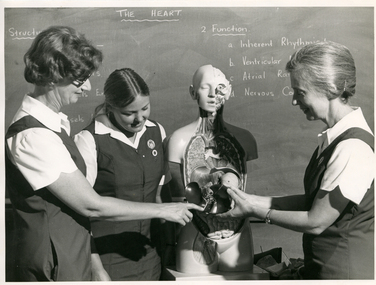
... Psychiatric Nursing and included this area in her Education lectures. Sr. Daphne Geldard specialized in the area of Alzheimer’s disease and Dementia. These Sisters visited patients in District areas with the regular RDNS Sister when required. Every member of staff, both professional and non professional staff, received regular education in the Education Department. In 1980, a Home Health Aide pilot study, funded by the Federal Government, the Brotherhood of St. Laurence and RDNS, with the program written and taught by Sr. Rowley, was evaluated as successful, and Home Health Aides were employed and worked in RDNS Centres ...The RDNS Sisters are named in the photograph, L-R - Sister Megan Margaret Day who works in the Domiciliary Infant Maternal Care (DIMC) section of RDNS. The next Sister's name is unknown, and on the right is Sister Ruth Eileen McKeon who is a Nurse Educator with RDNS. The photograph is taken in the Education Department of Royal District Nursing Service, and the two Sisters are receiving instruction on the function of the organs of the human body from Sister McKeon. The Sisters are wearing the RDNS summer uniform of a white short sleeve blouse under a royal blue V neck tunic style frock. Education was an integral part of Melbourne District Nursing Society (MDNS), from its inception in 1885, later, in 1966, called Royal District Nursing Service, (RDNS). From 1885, only Trained nurses (Nurses), through the Hospital training system, were employed by the Society, and on visits to patients they taught the necessity of hygiene and cleanliness, as well as the need for a good diet, to bring about good health. Doctor’s lectures were later given at the MDNS home to instruct patients and their families on prevention of disease. Education to patients continued throughout the years regarding health care and the use of equipment in the home. In 1961, Education programs commenced at MDNS with Trained nurses (Sisters) receiving In-service education. Sr. Pat (Paddy) Rowley was a leader in In-service Education and established the RDNS Department of Community Nursing Education in 1962. Staff could also apply for scholarships to further their education outside of RDNS. Many of their senior Sisters received Postgraduate diplomas from the College of Nursing in Community Health Nursing, Education, and Administration, and several travelled overseas visiting nursing organizations viewing their public health and District nursing systems. At RDNS many programs were run, including: a Post Basic Course, Cardiac Rehabilitation Nursing, Haematology/Oncology Nursing, Palliative Care program, Diabetic Stabilization Program, Leg Ulcer Management Program, Wound Care Specialist Program, HIV/AIDS Nursing Care, Cystic Fibrosis Home Support, Veterans Home Care Program, Breast Cancer Support Program, Continence Management Program, Stomal Therapy Program, In-Home Lactation Support Program and the Homeless Persons Program. RDNS staff attended several hospitals to observe and learn special care needed to some clients, e.g. to the Austin Hospital to learn the care required for paraplegic and quadriplegic patients at home, and to Mount Royal Hospital to observe the care of patients in the Rehabilitation ward. A Community Nursing Education Program was extended to student nurses from hospitals and to other nursing organizations. These Education programs kept the RDNS Sisters abreast of new techniques, such as changes in technology for e.g. new testing methods in detecting glucose levels in Diabetic patients. Sr. Nan Deakin obtained a Post Basic Certificate in Psychiatric Nursing and included this area in her Education lectures. Sr. Daphne Geldard specialized in the area of Alzheimer’s disease and Dementia. These Sisters visited patients in District areas with the regular RDNS Sister when required. Every member of staff, both professional and non professional staff, received regular education in the Education Department. In 1980, a Home Health Aide pilot study, funded by the Federal Government, the Brotherhood of St. Laurence and RDNS, with the program written and taught by Sr. Rowley, was evaluated as successful, and Home Health Aides were employed and worked in RDNS Centres under the supervision of the RDNS Sisters. On the left of this black and white photograph is Royal District Nursing Service (RDNS), Sister Megan Day, who has curled short dark hair and is wearing glasses. She is standing side-on facing to the right of the photograph. The index finger of her right hand is pointing to an area on the internal frontal view of a Human Torso Model which is sitting on a table to her right. Between her and the model is another Sister who has her long dark hair drawn back. She is looking at the internal organs in the Model. To the right of the Model is Sister Ruth McKeon, who has her long light colour hair drawn back into a French Twist. She is standing side-on facing to the left of the photograph, and is smiling as she holds one of the organs taken from the Model. When looking at the photograph, the left side of the Model's face is seen, and on the right side the Internal organs of the face are seen. The internal organs of the neck and torso of the Model are seen. A blackboard with writings about the function of 'The Heart' is In the background. The Sisters are all wearing their RDNS uniforms of a short sleeve white blouse under a V neck tunic style dress which has the RDNS logo on its upper left.Barry Sutton LY 66 namesrdns, rdns education, royal district nursing service, sister megan margaret day, sister ruth eileen mckeon -
 Royal District Nursing Service (now known as Bolton Clarke)
Photograph - Photograph, black and white, Barry Sutton, 25.03.1974
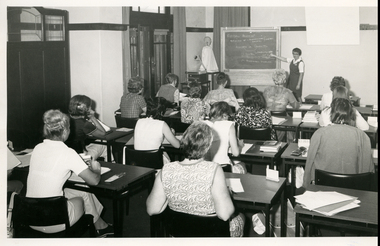
... Psychiatric Nursing and included this area in her Education lectures. Sr. Daphne Geldard specialized in the area of Alzheimer’s disease and Dementia. These Sisters visited patients in District areas with the regular RDNS Sister when required. Every member of staff, both professional and non professional staff, received regular education in the Education Department. In 1980, a Home Health Aide pilot study, funded by the Federal Government, the Brotherhood of St. Laurence and RDNS, with the program written and taught by Sr. Rowley, was evaluated as successful, and Home Health Aides were employed and worked in RDNS Centres ...The photograph shows a group of Royal District Nursing Service (RDNS) Sisters receiving a lecture on 'Physical Handicap' given by Sr. Rowley in the Education Department at RDNS Headquarters 452 St. Kilda Road, Melbourne. Sr. Rowley is the Principal Nurse Educator at RDNS.Education was an integral part of Melbourne District Nursing Society (MDNS), from its inception in 1885, later, in 1966, called Royal District Nursing Service, (RDNS). From 1885, only Trained nurses (Nurses), through the Hospital training system, were employed by the Society, and on visits to patients they taught the necessity of hygiene and cleanliness, as well as the need for a good diet, to bring about good health. Doctor’s lectures were later given at the MDNS home to instruct patients and their families on prevention of disease. Education to patients continued throughout the years regarding health care and the use of equipment in the home. In 1961, Education programs commenced at MDNS with Trained nurses (Sisters) receiving In-service education. Sr. Pat (Paddy) Rowley was a leader in In-service Education and established the RDNS Department of Community Nursing Education in 1962. Staff could also apply for scholarships to further their education outside of RDNS. Many of their senior Sisters received Postgraduate diplomas from the College of Nursing in Community Health Nursing, Education, and Administration, and several travelled overseas visiting nursing organizations viewing their public health and District nursing systems. At RDNS many programs were run, including: a Post Basic Course, Cardiac Rehabilitation Nursing, Haematology/Oncology Nursing, Palliative Care program, Diabetic Stabilization Program, Leg Ulcer Management Program, Wound Care Specialist Program, HIV/AIDS Nursing Care, Cystic Fibrosis Home Support, Veterans Home Care Program, Breast Cancer Support Program, Continence Management Program, Stomal Therapy Program, In-Home Lactation Support Program and the Homeless Persons Program. RDNS Sisters attended several hospitals to observe and learn special care needed to some patients, e.g. to the Austin Hospital to learn the care required for paraplegic and quadriplegic patients at home, and to Mount Royal Hospital to observe the care of patients in the Rehabilitation ward. A Community Nursing Education Program was extended to student nurses from hospitals and to other nursing organizations. These Education programs kept the RDNS Sisters abreast of new techniques, such as changes in technology for e.g. new testing methods in detecting glucose levels in Diabetic patients. Sr. Nan Deakin obtained a Post Basic Certificate in Psychiatric Nursing and included this area in her Education lectures. Sr. Daphne Geldard specialized in the area of Alzheimer’s disease and Dementia. These Sisters visited patients in District areas with the regular RDNS Sister when required. Every member of staff, both professional and non professional staff, received regular education in the Education Department. In 1980, a Home Health Aide pilot study, funded by the Federal Government, the Brotherhood of St. Laurence and RDNS, with the program written and taught by Sr. Rowley, was evaluated as successful, and Home Health Aides were employed and worked in RDNS Centres under the supervision of the RDNS Sisters. This black and white photograph shows the back view of four rows of Royal District Nursing Service (RDNS) Sisters sitting at small tables and looking toward Sister Pat (Paddy) Rowley who is facing them. She is in the rear centre of the photograph. The 16 Sisters, some partly hidden, are wearing a variety of summer day clothes. Spectacle cases, pens, sheets of paper, and some books are on the tables in front of them. Sister Rowley who wears glasses; has short straight dark hair, is wearing a white short sleeve blouse under a dark V neck tunic style dress. She is looking at the group and her right hand is pointing to writing on a large blackboard standing to her right. To the left of the blackboard, a draped Human Torso Model sits on a table. A long dark curtain hangs behind part of the blackboard. Running along the left of the photograph is a wooden door with glass panels at the top, some light colour wall with a dark picture rail, and a set of double glass doors with long grey curtains either side. To the right of Sr. Rowley part of a large white board is seen hanging above and below the dark picture rail on the wall.Barry Sutton LY 69rdns, royal district nursing service, rdns education, sister pat (paddy) rowley -
 Royal District Nursing Service (now known as Bolton Clarke)
Photograph - Photograph, black and white, Barry Sutton, 24.04.1974
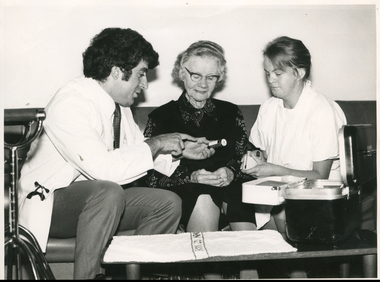
... Psychiatric Nursing and included this area in her Education lectures. Sr. Daphne Geldard specialized in the area of Alzheimer’s disease and Dementia. These Sisters visited patients in District areas with the regular RDNS Sister when required. Every member of staff, both professional and non professional staff, received regular education in the Education Department. In 1980, a Home Health Aide pilot study, funded by the Federal Government, the Brotherhood of St. Laurence and RDNS, with the program written and taught by Sr. Rowley, was evaluated as successful, and Home Health Aides were employed and worked in RDNS Centres ...A Medical Student is explaining the use of a bottle of testing tablets to a lady who is a patient of RDNS. The Royal District Nursing Service (RDNS) Sister is holding testing equipment; i.e. the eye dropper and test tube in the receptacle, in her hands, and is observing the Medical Student giving instructions to the lady. The photograph is taken in the lady's home.Education was an integral part of Melbourne District Nursing Society (MDNS) from its inception in 1885, later called Royal District Nursing Service, (RDNS). Only Trained nurses (Nurses) were employed by the Society, and on visits to patients they taught the necessity of hygiene and cleanliness, as well as the need for a good diet, to bring about good health. Doctor’s lectures were later given at the MDNS home to instruct patients and their families on prevention of disease. Education to patients continued throughout the years regarding health care and the use of equipment in the home. In 1961 Education programs commenced at MDNS with Trained nurses (Sisters) receiving In-service education. Sr. Pat (Paddy) Rowley was a leader in In-service Education and established the RDNS Department of Community Nursing Education in 1962. Staff could also apply for scholarships to further their education outside of RDNS. At RDNS many programs were run, including: a Post Basic Course, Cardiac Rehabilitation Nursing, Haematology/Oncology Nursing, Palliative Care program, Diabetic Stabilization Program, Leg Ulcer Management Program, Wound Care Specialist Program, HIV/AIDS Nursing Care, Cystic Fibrosis Home Support, Veterans Home Care Program, Breast Cancer Support Program, Continence Management Program, Stomal Therapy Program, In-Home Lactation Support Program. RDNS Sisters attended several hospitals to observe and learn special care needed to some patients, e.g. to the Austin Hospital to learn the care required for paraplegic and quadriplegic patients at home and to Mount Royal Hospital to observe the care of patients in the rehabilitation ward. RDNS moved its Education Department from 452 St. Kilda Road to 448 St. Kilda Road in 1974. A Community Nursing Education Program was extended to student nurses from hospitals and to other nursing organizations. These Education programs kept the RDNS Sisters abreast of new techniques, such as changes in technology for e.g. new testing methods for detecting glucose levels in Diabetic patients. Sr. Nan Deakin obtained a Post Basic Certificate in Psychiatric Nursing and included this area in her Education lectures. Sr. Daphne Geldard specialized in the area of Alzheimer’s disease and Dementia. These Sisters visited patients in District areas with the regular RDNS Sister when required. Every member of staff, both professional and non professional staff, received regular education in the Education Department. In 1980, a Home Health Aide pilot study, funded by the Federal Government, the Brotherhood of St. Laurence and RDNS, with the program written and taught by Sr. Rowley, was evaluated as successful, and Home Health Aides were employed and worked in RDNS Centres under the supervision of the RDNS Sisters.In the left foreground of this black and white photograph is the partial view of two metal 4 prong sticks.To their right, seated on a long dark vinyl type couch, is a Medical Student who has short curly black hair; is wearing a white hospital coat over grey trousers, a white shirt, and a tie with small black and white squares. A stethoscope is folded in the pocket of his coat. He is turned toward the right of the photograph and is holding, on its side, a small bottle in his left hand and is pointing his right index finger to writing on its label. An elderly lady who is wearing glasses and has wavy grey hair is sitting to his right and is looking at the label on the bottle. She is wearing a black skirt and black sleeveless jacket over a black and white patterned blouse. Her hands are clasped in her lap. Sitting to her right, and facing the lady, is a Royal District Nursing Service (RDNS) Sister who has her long dark hair drawn back. She is wearing a white short sleeve gown over her uniform, and is holding a white oblong receptacle which holds a test tube, which has dark fluid in the bottom, and an eye dropper. In front of her, is a white 'inner tray' which is clipped onto the front edge of an open oblong black RDNS nursing case which is in the right foreground of the photograph sitting on a long, narrow, low table. On the table and to the left of the case a small white hospital drape runs along the table.Barry Sutton MA 24royal district nursing service, rdns, rdns patient care, rdns education -
 Royal District Nursing Service (now known as Bolton Clarke)
Photograph - Photograph, black and white, Barry Sutton, 1972
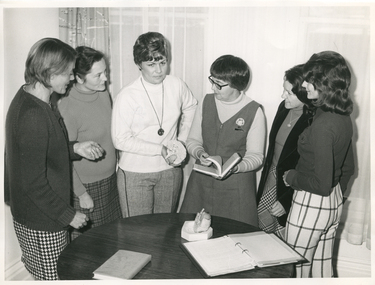
... Psychiatric Nursing and included this area in her Education lectures. Sr. Daphne Geldard specialized in the area of Alzheimer’s disease and Dementia. These Sisters visited patients in District areas with the regular RDNS Sister when required. Every member of staff, both professional and non professional staff, received regular education in the Education Department. In 1980, a Home Health Aide pilot study, funded by the Federal Government, the Brotherhood of St. Laurence and RDNS, with the program written and taught by Sr. Rowley, was evaluated as successful, and Home Health Aides were employed and worked in RDNS Centres ...This photograph is taken in the Education Department at Royal District Nursing Service (RDNS). Principal Nurse Educator, Sister Pat (Paddy) Rowley is instructing the group in the Anatomy of the Brain. Jan Turski is a Trained nurse (Sister) working in the Domiciliary Infant and Maternal Care (DIMC) section of RDNS. Pat Walker is a Sister from Geelong, Lynne Lambert is a Sister from Qld, Paula McBreen is a Sister from St. Vincent's Hospital and Liz Seymour-Smith is a Sister from Qld. Sister Pat (Paddy) Rowley is wearing the RDNS winter uniform of a blue/grey skivvie under a blue/grey V neck tunic style frock made out of herringbone winter material.Education was an integral part of Melbourne District Nursing Society (MDNS), from its inception in 1885, later, in 1966, called Royal District Nursing Service, (RDNS). From 1885, only Trained Nurses (Nurses), through the Hospital training system, were employed by the Society, and on visits to patients they taught the necessity of hygiene and cleanliness, as well as the need for a good diet, to bring about good health. Doctor’s lectures were later given at the MDNS home to instruct patients and their families on prevention of disease. Education to patients continued throughout the years regarding health care and the use of equipment in the home. In 1961, Education programs commenced at MDNS with Trained nurses (Sisters) receiving In-service education. Sr. Pat (Paddy) Rowley was a leader in In-service Education and established the RDNS Department of Community Nursing Education in 1962. Sisters could also apply for scholarships to further their education outside of RDNS. Many of their senior Sisters received Postgraduate diplomas from the College of Nursing in Community Health Nursing, Education, and Administration, and several travelled overseas visiting nursing organizations viewing their public health and District nursing systems. At RDNS many programs were run, including: a Post Basic Course, Cardiac Rehabilitation Nursing, Haematology/Oncology Nursing, Palliative Care program, Diabetic Stabilization Program, Leg Ulcer Management Program, Wound Care Specialist Program, HIV/AIDS Nursing Care, Cystic Fibrosis Home Support, Veterans Home Care Program, Breast Cancer Support Program, Continence Management Program, Stomal Therapy Program, In-Home Lactation Support Program and the Homeless Persons Program. RDNS Sisters attended several hospitals to observe and learn special care needed to some patients, e.g. to the Austin Hospital to learn the care required for paraplegic and quadriplegic patients at home, and to Mount Royal Hospital to observe the care of patients in the Rehabilitation ward. A Community Nursing Education Program was extended to student nurses from hospitals and to other nursing organizations. These Education programs kept the RDNS Sisters abreast of new techniques, such as changes in technology for e.g. new testing methods in detecting glucose levels in Diabetic patients. Sr. Nan Deakin obtained a Post Basic Certificate in Psychiatric Nursing and included this area in her Education lectures. Sr. Daphne Geldard specialized in the area of Alzheimer’s disease and Dementia. These Sisters visited patients in District areas with the regular RDNS Sister when required. Every member of staff, both professional and non professional staff, received regular education in the Education Department. In 1980, a Home Health Aide pilot study, funded by the Federal Government, the Brotherhood of St. Laurence and RDNS, with the program written and taught by Sr. Rowley, was evaluated as successful, and Home Health Aides were employed and worked in RDNS Centres under the supervision of the RDNS Sisters. This black and white photograph shows, standing L-R, a side-on view of Jan Turski, who has short, straight light hair and is wearing a dark cardigan and white and black hound's-tooth check skirt; she is facing right. Next is Pat Walker, who has short dark hair and is wearing a grey jumper over a check skirt. Then, Lynne Lambert, who has short wavy dark hair, and is wearing a white jumper, with a pendant hanging down it, over grey slacks. She is holding half of an Anatomical brain in her right hand. Next is Royal District Nursing Service (RDNS) Principal Nurse Educator, Pat (Paddy) Rowley, who is looking towards the left of the photograph at the Anatomical brain held by Lynne Lambert. She is wearing glasses, has short dark hair and is wearing a light grey skivvie under a darker V neck tunic style frock. She is holding an open book in her hands. Next is Paula McBreen, who has shoulder length dark hair and is wearing a dark cardigan over a grey skivvie, with a pendant hanging down it, and a check skirt. She is smiling and looking to her right toward the others. On the far right, side-on and facing the others on the left of the photograph, is Liz Seymour-Smith who has shoulder length dark hair and is wearing a dark grey skivvie, and white, with dark check, slacks. In front of the group is a round dark wooden top table, which has a book and open folder on it, as well as a round white plastic base with the other half of the anatomical brain sitting in it.Barry Sutton MB 30royal district nursing service, rdns, rdns education, sister jan turski, sister pat (paddy) rowley, sister lynne lambert, sister pat walker, sister paula mcbreen, sister liz seymour-smith -
Whitehorse Historical Society Inc.
Document - Newsletter, Nunawading health matters, 1990 - 1992
... Centres. Also a mailout Issues Paper study being undertaken by Nunawading City Council about health issues of 'Over 70' age group. Also proceedings of 'Balance of Care' workshop conducted 04/04/1990 in Doncaster to consider issues and opportunities associated with the provision of an appropriate balance of care for people with psychiatric disabilities....Centres. Also a mailout Issues Paper study being undertaken by Nunawading City Council about health issues of 'Over 70' age group. Also proceedings of 'Balance of Care' workshop conducted 04/04/1990 in Doncaster to consider issues and opportunities associated with the provision of an appropriate balance of care for people with psychiatric disabilities. ...Two newsletters about health care from Eastern District Health Care Centre which encompass Nunawading, Doncaster/Templestowe and Ringwood/Croydon District Health Centres. Also a mailout Issues Paper study being undertaken by Nunawading City Council about health issues of 'Over 70' age group. Also proceedings of 'Balance of Care' workshop conducted 04/04/1990 in Doncaster to consider issues and opportunities associated with the provision of an appropriate balance of care for people with psychiatric disabilities.health, nunawading district health council, northeastern metropolitan health region, city of nunawading, doncaster/templestowe district health council, ringwood/croydon district health council, gibbs, chris, melbourne, terry, morrison, judy, delmau, margaret, marshman, ian, hicks, chris, heanue, john, mileshkin, chris, krouskos, demos, dunn, paul -
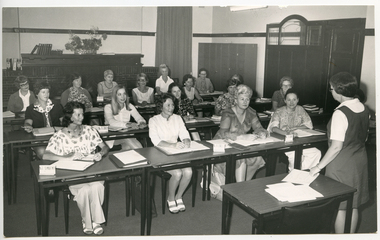 Royal District Nursing Service (now known as Bolton Clarke)
Photograph - Photograph, black and white, Barry Sutton, 1974
... Psychiatric Nursing and included this area in her Education lectures. Sr. Daphne Geldard specialized in the area of Alzheimer’s disease and Dementia. These Sisters visited patients in District areas with the regular RDNS Sister when required. Every member of staff, both professional and non professional staff, received regular education in the Education Department. In 1980, a Home Health Aide pilot study, funded by the Federal Government, the Brotherhood of St. Laurence and RDNS, with the program written and taught by Sr. Rowley, was evaluated as successful, and Home Health Aides were employed and worked in RDNS Centres ...Sr. Pat (Paddy) Rowley is the Principal Nurse Educator at RDNS and is giving a lecture to RDNS Sisters in the Education Department at 452 St. Kilda Rd, Melbourne. She is wearing the RDNS summer uniform of a white short sleeve blouse under a royal blue V neck tunic style frock with the RDNS insignia on the upper left.Education was an integral part of Melbourne District Nursing Society (MDNS), from its inception in 1885, later, in 1966, called Royal District Nursing Service, (RDNS). From 1885, only Trained Nurses (Nurses), through the Hospital training system, were employed by the Society, and on visits to patients they taught the necessity of hygiene and cleanliness, as well as the need for a good diet, to bring about good health. Doctor’s lectures were later given at the MDNS home to instruct patients and their families on prevention of disease. Education to patients continued throughout the years regarding health care and the use of equipment in the home. In 1961, Education programs commenced at MDNS with Trained nurses (Sisters) receiving In-service education. Sr. Pat (Paddy) Rowley was a leader in In-service Education and established the RDNS Department of Community Nursing Education in 1962. Staff could also apply for scholarships to further their education outside of RDNS. Many of their senior Sisters received Postgraduate diplomas from the College of Nursing in Community Health Nursing, Education, and Administration, and several travelled overseas visiting nursing organizations viewing their public health and District nursing systems. At RDNS many programs were run, including: a Post Basic Course, Cardiac Rehabilitation Nursing, Haematology/Oncology Nursing, Palliative Care program, Diabetic Stabilization Program, Leg Ulcer Management Program, Wound Care Specialist Program, HIV/AIDS Nursing Care, Cystic Fibrosis Home Support, Veterans Home Care Program, Breast Cancer Support Program, Continence Management Program, Stomal Therapy Program, In-Home Lactation Support Program and the Homeless Persons Program. RDNS Sisters attended several hospitals to observe and learn special care needed to some patients, e.g. to the Austin Hospital to learn the care required for paraplegic and quadriplegic patients at home, and to Mount Royal Hospital to observe the care of patients in the Rehabilitation ward. A Community Nursing Education Program was extended to student nurses from hospitals and to other nursing organizations. These Education programs kept the RDNS Sisters abreast of new techniques, such as changes in technology for e.g. new testing methods in detecting glucose levels in Diabetic patients. Sr. Nan Deakin obtained a Post Basic Certificate in Psychiatric Nursing and included this area in her Education lectures. Sr. Daphne Geldard specialized in the area of Alzheimer’s disease and Dementia. These Sisters visited patients in District areas with the regular RDNS Sister when required. Every member of staff, both professional and non professional staff, received regular education in the Education Department. In 1980, a Home Health Aide pilot study, funded by the Federal Government, the Brotherhood of St. Laurence and RDNS, with the program written and taught by Sr. Rowley, was evaluated as successful, and Home Health Aides were employed and worked in RDNS Centres under the supervision of the RDNS Sisters. This black and white photograph shows Royal District Nursing Service (RDNS) Sister Pat (Paddy) Rowley and seventeen (some partly hidden), Royal District Nursing Service (RDNS) Sisters. The bulk of the photograph shows the front view of three rows of RDNS Sisters sitting at tables which have books and sheets of paper on them. The Sisters are wearing a variety of day clothes. In the right foreground of the Photograph is a table containing papers, and standing to its right, facing the group, is the back view of Sr. Rowley, who has short dark hair and glasses. She has her left hand on a sheet of paper on the table. She is wearing her RDNS uniform of a white short sleeve blouse under a dark tunic style frock. In the rear of the photograph a brick fireplace can be seen with some books and a vase of flowers on the mantelpiece. On the right is a long curtain, some lockers and an open wooden door with glass panel. Some of the Sisters named are:- Ann Greenwood, Judy Peter, Ethel Fullarton, Barbara Lovell, Shirley Lewis, Jane Ball..Barry Sutton Stamp. Quote LY 68royal district nursing service (1966-2017), rdns, rdns education, sister ethel fullerton, sister barbara lovell, sister shirley lewis, sister jane ball, sister pat (paddy) rowley, sister ann greenwood, sister judy peter
