
Showing 5 items matching "rains family"
-
 Mont De Lancey
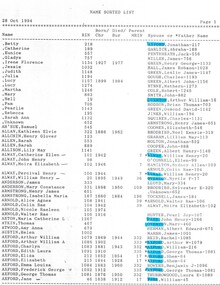
Document - Genealogy Index, 28.10.1994
... ...Rains Family...Index of Wandin family history names including their birth, death and marriage information and their spouse/parents, spanning 1807-1983 - only includes pages A-C and M-O Family trees Family History Clegg Family Overton Family Axford Family Ah'Sue Family Allan Family Allchin Family Allen Family Allison Family Alway Family Anderson Family Armstrong Family Arnold Family Aston Family Atkin Family Atwood Family Austin Family Bailey Family Baker Family Balle Family Barker Family Barkway Family Barr Family Bartlett Family Bawdon Benson Family Berry Family Berryman Family Bews Family Binding Family Bird Family Bishop Family Blood Family Blanksby Family Bolding Family Bonola Family Bosser Family Bott Family Bourke Family Bowers Family Brailsford Family Brandt Family Bray Family Brockenshire Family Brodribb Family Brown Family Bryant Family Burgess Family Burrell Family Burrett Family Burton Family Burwill Family Butterworth Family Byers Family Callaghan Family Carlson Family Carter Family Case Family Chamberlain Family Cherry Family Clarke Family Cocks Family Cole Family Collins Family Conder Family Connor Family Cook Family Coomes Family Cooper Family Cornell Family Cottee Family McKenna Family Meacham Family Mill Family Miller Family Mitchell Family Mits Family Montgomery Family Moodie Family Murray Family Musgrave Family Nagle Family Nall Family Nash Family Neely Family Neville Family Newport Family Norman Family Norton Family Notley Family O'Connell Family O'Mara Family Odgers Family Oliver Family Oneyes Family Orams Family Owen Family Pain Family Papworth Family Garlick Family Penthreath Family Green Family Hall Family Gough Family Byrne Family Smith Family Hodson Family Jinks Family Squires Family Graham Family Holton Family Hamilton Family Lloyd Family Tocknell Family Hunter Family Parr Family Herman Family Marsh Family Read Family Thurrowgood Family Hughes Family Wilson Family Rains Family Hurley Family Farqhuar Family Robinson Family Dennis Family Turner Family Rule Family Vine Family Whittaker Family Stevens Family Heywood Family Jones Family Styles Family Rouget Family Sargeant Family Withers Family Larking Family Keen Family White Family Francis Family Teague Family Fisher Family Winbanks Family Knight Family Vernon Family Wood Family Kennedy Family Crossland Family Upton Family McFarline Family Denman Family Elliot Family Thomas Family Davis Family Parker Family Sies Family Dohrmann Family Heffernan Family Duncan Family Foreman Family Saunders Family Wilmont Family Furphey Family Rawson Family Evans Family Field Family Ellis Family Laing Family Ezart Family Hoare Family Heritage Family Quirk Family Griffin Family Lowry Family Johnstone Family Grundy Family Stock Family Patterson Family Ralph Family Pilbrick Family Ussnig Family Leighman Family Underwood Family Lawrence Family Dawson Family Crossdale Family Shoo Family Lomax Family Paten Family 1800s 1810s 1820s 1830s 1840s 1850s 1860s 1870s 1880s 1890s 1900s 1910s 1920s 1930s 1940s 1950s 1960s 1970s 1980s 8 one sided A4 pages typed in black ink with yellow highlighter Document Genealogy Index ...Index of Wandin family history names including their birth, death and marriage information and their spouse/parents, spanning 1807-1983 - only includes pages A-C and M-O8 one sided A4 pages typed in black ink with yellow highlighterfamily trees, family history, clegg family, overton family, axford family, ah'sue family, allan family, allchin family, allen family, allison family, alway family, anderson family, armstrong family, arnold family, aston family, atkin family, atwood family, austin family, bailey family, baker family, balle family, barker family, barkway family, barr family, bartlett family, bawdon, benson family, berry family, berryman family, bews family, binding family, bird family, bishop family, blood family, blanksby family, bolding family, bonola family, bosser family, bott family, bourke family, bowers family, brailsford family, brandt family, bray family, brockenshire family, brodribb family, brown family, bryant family, burgess family, burrell family, burrett family, burton family, burwill family, butterworth family, byers family, callaghan family, carlson family, carter family, case family, chamberlain family, cherry family, clarke family, cocks family, cole family, collins family, conder family, connor family, cook family, coomes family, cooper family, cornell family, cottee family, mckenna family, meacham family, mill family, miller family, mitchell family, mits family, montgomery family, moodie family, murray family, musgrave family, nagle family, nall family, nash family, neely family, neville family, newport family, norman family, norton family, notley family, o'connell family, o'mara family, odgers family, oliver family, oneyes family, orams family, owen family, pain family, papworth family, garlick family, penthreath family, green family, hall family, gough family, byrne family, smith family, hodson family, jinks family, squires family, graham family, holton family, hamilton family, lloyd family, tocknell family, hunter family, parr family, herman family, marsh family, read family, thurrowgood family, hughes family, wilson family, rains family, hurley family, farqhuar family, robinson family, dennis family, turner family, rule family, vine family, whittaker family, stevens family, heywood family, jones family, styles family, rouget family, sargeant family, withers family, larking family, keen family, white family, francis family, teague family, fisher family, winbanks family, knight family, vernon family, wood family, kennedy family, crossland family, upton family, mcfarline family, denman family, elliot family, thomas family, davis family, parker family, sies family, dohrmann family, heffernan family, duncan family, foreman family, saunders family, wilmont family, furphey family, rawson family, evans family, field family, ellis family, laing family, ezart family, hoare family, heritage family, quirk family, griffin family, lowry family, johnstone family, grundy family, stock family, patterson family, ralph family, pilbrick family, ussnig family, leighman family, underwood family, lawrence family, dawson family, crossdale family, shoo family, lomax family, paten family, 1800s, 1810s, 1820s, 1830s, 1840s, 1850s, 1860s, 1870s, 1880s, 1890s, 1900s, 1910s, 1920s, 1930s, 1940s, 1950s, 1960s, 1970s, 1980s -
 Eltham District Historical Society Inc
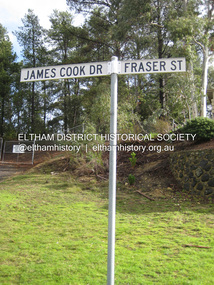
Photograph - Digital Photograph, Alan King, Site of the Diamond Creek Gold Mine, 28 December 2007
... As recently as 1987, heavy rains revealed a former Union Mine shaft in the Georgiadis family Fyffe Street back yard.5 Allendale Mine, south of Allendale Road, is still open and one of the Union Mine’s main drives (horizontal excavation) remains unsealed, on the Creek Reserve....As recently as 1987, heavy rains revealed a former Union Mine shaft in the Georgiadis family Fyffe Street back yard.5 Allendale Mine, south of Allendale Road, is still open and one of the Union Mine’s main drives (horizontal excavation) remains unsealed, on the Creek Reserve. ...The largest gold mine in the area originated from a find in 1862. The mine was closed January 20, 1915 when a fire destroyed nearly all the above ground plant. Published: Nillumbik Now and Then / Marguerite Marshall 2008; photographs Alan King with Marguerite Marshall.; p75 Beneath Mine Hill, as locals call it, runs a network of tunnels once of central importance to the fledgling township of Diamond Creek. These are relics of gold mines, which transformed early Diamond Creek.1 The tiny settlement of about 20 families soared to more than 200 because of gold. For around 50 years, from 1862, gold mining was Diamond Creek’s major source of employment. On September 7, 1854 The Argus newspaper reported a find of a four pound (1.8kg) gold nugget in Nillumbik (an early name for Diamond Creek). Exactly where, is not known.2 The largest mine in the district, the Diamond Creek Gold Mine, apparently originated from a find in 1862. It is said Joe and Dave Wilson were visiting former tailor then cook, Charles Orme, at the southern end of Fraser Street. Sitting on a stump outside the front gate on land belonging to Dr A. E. Phipps the Wilsons found a vein of gold-bearing quartz, which led to the discovery of four quartz reefs varying in width to eight inches (20cm), running north and south. A reef found at the foot of the hill opposite Challenger Street became the Union Mine. This reef was traced south to Allendale Road where a small mine began operations.3 Other smaller mines later operated as well. Dr Phipps immediately began to mine and also built the Diamond Reef Hotel as a boarding house for miners. But Charles Orme, who owned the land alongside, leased his mine to Dr Phipps probably because of insufficient funds and business skills. By mid 1865 the mine had produced 2530 ounces of gold – a 100% profit on the original outlay. Of course there were problems. When the local dam dried up a Blake pump was installed to draw water from the creek. The Union Mine operated under the Diamond Creek Gold Mine management except when disputes sometimes resulted in separate management. However disagreements had to be resolved as the Union Mine depended on Diamond Creek Gold Mine pumps to remove underground water from common reefs. In 1912 the main shaft of about 380 yards (350m) employed 200 men recovering an average of 5000 ounces (141.7kg) of gold a year. But not everyone did well out of gold. Records of failed mining companies in the Victorian Public Record Office, reveal that owner Dr Phipps leased his Right to others. Companies came and went over the next 40 years, most sponsored by Melbourne businessmen who sold shares to gullible locals and then became insolvent. Although there were some good profits, financial returns were haphazard until 1905. Some local residents, who were share holders in short- term companies, became well-known names in modern Diamond Creek such as Scott, Haley, Butler, Alder, Ryan, Wadeson, Reeves, Alston, Paul and Edwards. Gold mining was brought to a disastrous end on January 20, 1915 at 3 pm, when fire destroyed nearly all the above-ground plant. Fortunately no lives were lost. But reopening the mine was almost impossible because of the increasing depth of water in the main shaft. The closed mine destroyed the livelihood of 200 families and the debris took many years to clear.4 In 1946 the Diamond Creek Gold Mine was reopened by the Golden Hind Mining Company, but money ran out before the 600 feet (182.8m) or so of water could be removed. Gold remains in the mine but enormous capital would be needed to buy the land, equipment and to remove the water. Today 12 known sealed shafts along the ridge of the hills on private property extend west for around one kilometre from the corner of Fraser and Haley Streets, crossing Norma and Fyffe to Dering Streets. As recently as 1987, heavy rains revealed a former Union Mine shaft in the Georgiadis family Fyffe Street back yard.5 Allendale Mine, south of Allendale Road, is still open and one of the Union Mine’s main drives (horizontal excavation) remains unsealed, on the Creek Reserve.This collection of almost 130 photos about places and people within the Shire of Nillumbik, an urban and rural municipality in Melbourne's north, contributes to an understanding of the history of the Shire. Published in 2008 immediately prior to the Black Saturday bushfires of February 7, 2009, it documents sites that were impacted, and in some cases destroyed by the fires. It includes photographs taken especially for the publication, creating a unique time capsule representing the Shire in the early 21st century. It remains the most recent comprehenesive publication devoted to the Shire's history connecting local residents to the past. nillumbik now and then (marshall-king) collection, diamond creek, diamond creek mine, fraser street, gold mining, james cook drive, mine hill -
 Eltham District Historical Society Inc
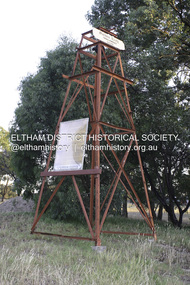
Photograph - Digital Photograph, Alan King, Golden King Mine poppet-head, Yarrambat Primary School, 1 February 2008
... rains so fossickers panned for gold around orchard irrigation trenches. Gold was mined until 1984 when Yarrambat’s last operating goldmine, the Golden King Mine, in North Oatlands Road, closed. The Clayton family...rains so fossickers panned for gold around orchard irrigation trenches. Gold was mined until 1984 when Yarrambat’s last operating goldmine, the Golden King Mine, in North Oatlands Road, closed. The Clayton family ...The Golden King Mine poppet-head stands at the school’s Yan Yean Road exit gate. Published: Nillumbik Now and Then / Marguerite Marshall 2008; photographs Alan King with Marguerite Marshall.; p23 Early Yarambat - Tanck's Corner Its early settlers, who in the 1840s were amongst the first non-Aboriginal people in the area, found life tough as they grazed their sheep and cattle. Yarrambat was then known as Tanck’s Corner or Reynolds Corner, after wood carter, Frederick Tanck, who owned land north of Ironbark Road, at the corner of Yan Yean Road, and Thomas Reynolds, owner of the opposite property. After Reynolds sold his land, the corner became known as Tanck’s Corner. In 1929 the district’s name was changed to Yarrambat, believed to mean ‘high hill’ in the Wurundjeri language. Tanck’s Corner was in the centre of gold-bearing country and the district is honeycombed with old tunnels and shafts. However although gold played a dominant role for decades, there was insufficient to develop a substantial township. Meat and agricultural produce made a greater impact. Until the mid-20th century the only substantial building was the primary school. The first gold rush occurred around 1860, the second after 1900; then during the Depression, the Government paid men to pan for gold. The first rush attracted hundreds of Chinese people to Smugglers Gully, who constructed round diggings to keep away spirits. Alluvial miners lived along the Plenty River in tents or humpies - some fenced with gardens - and some miners distilled their own ‘plonk’. It was a wild time and bushrangers - and later gangster Squizzy Taylor - were said to hide4 in the old Pioneer Tunnel in Dunne’s Gully between Heard Avenue and Pioneer Road. Mines opposite Tanck’s Corner included Beer’s Line, Golden Crown and Golden Stairs. Some of the big mines had batteries and stampers to process quartz. At first there was plenty of alluvial gold, as much as two ounces to the ton. At times gold was exposed after heavy rains so fossickers panned for gold around orchard irrigation trenches. Gold was mined until 1984 when Yarrambat’s last operating goldmine, the Golden King Mine, in North Oatlands Road, closed. The Clayton family operated it full-time, making a comfortable living and in the 1960s it was the only private family gold mine in Victoria.5 Gold was such an important part of Yarrambat’s history that a gold poppet-head is the Yarrambat Primary School’s logo. The Golden King Mine poppet-head stands at the school’s Yan Yean Road exit gate. However this school was built in 1988. The original school No 2054, at the corner of Ironbark and Yan Yean Roads, was opened in 1878 and modified to its present form in the 1920s. In 2000 it was relocated to the Heritage Museum at Yarrambat Park.7 The school, whose first head teacher was Charles Planner, consisted of one room with a three-roomed residence. The school was also the community centre. On Saturday nights it was crammed for dances or euchre parties, community singing or other social events. On Sundays, services for different denominations took turns each week. However the school had its teething problems. Parents accused Charles Planner of neglecting his duties and the school closed several times. When it closed in 1892, only church services continued. Social activities moved elsewhere, such as the tennis club to the Stuchbery tennis court opposite. A sports day and woodchop on Boxing Day around 1900 was held at the Evelyn Hill Hotel, also called Evelyn Arms and Tunnel Hill Hotel, on the Greensborough–Diamond Creek Road. An annual agricultural show in Diamond Creek paraded through the town, and New Year’s Day picnics at the Yan Yean Reservoir included highland dancing and competitions. Also popular were the Indian hawkers who visited every three months, selling trinkets, clothing and other items. One called Jimmy ‘Allem dem Bedi’, gave presents and told stories, played draughts and sold delicious curries he cooked over his camp fire at night.This collection of almost 130 photos about places and people within the Shire of Nillumbik, an urban and rural municipality in Melbourne's north, contributes to an understanding of the history of the Shire. Published in 2008 immediately prior to the Black Saturday bushfires of February 7, 2009, it documents sites that were impacted, and in some cases destroyed by the fires. It includes photographs taken especially for the publication, creating a unique time capsule representing the Shire in the early 21st century. It remains the most recent comprehenesive publication devoted to the Shire's history connecting local residents to the past. nillumbik now and then (marshall-king) collection, golden king mine, tanck's corner, yarrambat primary school -
 Ballarat Heritage Services
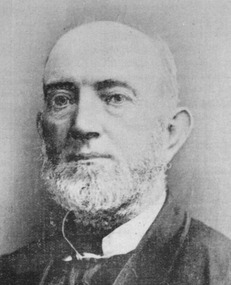
Photograph - Photograph - Colour, Clare Gervasoni, Daniel Brophy
... family to Quebec in a migrant ship whose passengers were decimated by fever. His mother died on the voyage and his father soon after landing. Daniel found work in a shipyard but did not like it and entered a grocery warehouse. Brophy arrived at Melbourne in 1853 in search of gold. With four Irish friends he set off for Bendigo on foot. Water was scarce on the track and they worked at a quarry near Keilor until the winter rains...family to Quebec in a migrant ship whose passengers were decimated by fever. His mother died on the voyage and his father soon after landing. Daniel found work in a shipyard but did not like it and entered a grocery warehouse. Brophy arrived at Melbourne in 1853 in search of gold. With four Irish friends he set off for Bendigo on foot. Water was scarce on the track and they worked at a quarry near Keilor until the winter rains ...Daniel Brophy was born on 13 November 1832 at Castlecomer, County Kilkenny, Ireland. He was the youngest son of William Brophy, farmer, and his wife Margaret Purcell. In the Irish rebellion of 1798 the family estates had been confiscated. William Brophy escaped to Newfoundland returning after fourteen years and regained some of his property. Daniel Brophy was educated in local schools including a Quakers school. At 15 Daniel Brophy went with his family to Quebec in a migrant ship whose passengers were decimated by fever. His mother died on the voyage and his father soon after landing. Daniel found work in a shipyard but did not like it and entered a grocery warehouse. Brophy arrived at Melbourne in 1853 in search of gold. With four Irish friends he set off for Bendigo on foot. Water was scarce on the track and they worked at a quarry near Keilor until the winter rains began. The party was credited with the first discovery of payable gold at Taradale, but by 1855 they had moved to Ballarat. There Daniel Brophy proved himself a shrewd investor in many successful mining ventures. He started as the first sluice man in the Great Extended Mine and later became a director and chairman when it was renamed the Band of Hope and Albion; its total yield was about £3,000,000. Brophy also invested in a Ballarat hotel which he greatly enlarged and in landed property. An enthusiastic promoter of local industries, he became a director of the Phoenix Foundry Co. and of the Ballarat Woollen Mills. Brophy was an Irish Nationalist who first dug for gold at Bendigo and Taradale. He was a Knight of the Order of St George, mining manager, mining Investor and hotelkeeper. In 1859 he had married Ellen Mary Berkery; he was survived by five of their ten children.Black and white image of Daniel Brophy . ballaarat old cemetery, eureka stockade, daniel brophy, ellen brophy, bartholomew brophy, ellen maria brophy, james henry brophy, thomas edward brophy, mary berkery, daniel patrick brophy, william brophy, ellen berkery -
 Ballarat Heritage Services
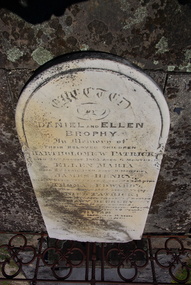
Photograph - Photograph - Colour, Clare Gervasoni, Brophy Gravestone at the Ballaarat Old Cemetery, 2013, 2013
... family to Quebec in a migrant ship whose passengers were decimated by fever. His mother died on the voyage and his father soon after landing. Daniel found work in a shipyard but did not like it and entered a grocery warehouse. Brophy arrived at Melbourne in 1853 in search of gold. With four Irish friends he set off for Bendigo on foot. Water was scarce on the track and they worked at a quarry near Keilor until the winter rains...family to Quebec in a migrant ship whose passengers were decimated by fever. His mother died on the voyage and his father soon after landing. Daniel found work in a shipyard but did not like it and entered a grocery warehouse. Brophy arrived at Melbourne in 1853 in search of gold. With four Irish friends he set off for Bendigo on foot. Water was scarce on the track and they worked at a quarry near Keilor until the winter rains ...Daniel Brophy was born on 13 November 1832 at Castlecomer, County Kilkenny, Ireland. He was the youngest son of William Brophy, farmer, and his wife Margaret Purcell. In the Irish rebellion of 1798 the family estates had been confiscated. William Brophy escaped to Newfoundland returning after fourteen years and regained some of his property. Daniel Brophy was educated in local schools including a Quakers school. At 15 Daniel Brophy went with his family to Quebec in a migrant ship whose passengers were decimated by fever. His mother died on the voyage and his father soon after landing. Daniel found work in a shipyard but did not like it and entered a grocery warehouse. Brophy arrived at Melbourne in 1853 in search of gold. With four Irish friends he set off for Bendigo on foot. Water was scarce on the track and they worked at a quarry near Keilor until the winter rains began. The party was credited with the first discovery of payable gold at Taradale, but by 1855 they had moved to Ballarat. There Daniel Brophy proved himself a shrewd investor in many successful mining ventures. He started as the first sluice man in the Great Extended Mine and later became a director and chairman when it was renamed the Band of Hope and Albion; its total yield was about £3,000,000. Brophy also invested in a Ballarat hotel which he greatly enlarged and in landed property. An enthusiastic promoter of local industries, he became a director of the Phoenix Foundry Co. and of the Ballarat Woollen Mills. Brophy was an Irish Nationalist who first dug for gold at Bendigo and Taradale. He was a Knight of the Order of St George, mining manager, mining Investor and hotelkeeper. In 1859 he had married Ellen Mary Berkery; he was survived by five of their ten children.Colour photographs of the Brophy headstone in the Ballaarat Old Cemetery . ballaarat old cemetery, eureka stockade, daniel brophy, ellen brophy, bartholomew brophy, ellen maria brophy, james henry brophy, thomas edward brophy, mary berkery, daniel patrick brophy, william brophy, ellen berkery
