
Showing 51 items matching "s boast"
-
 Leopold Tennis Club
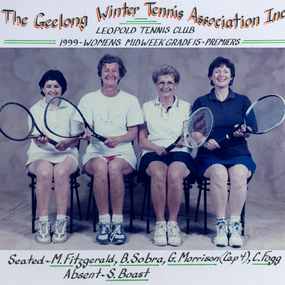
Photograph, The Geelong Winter Tennis Association Leopold Tennis Club 1999 Womens Midweek Grade 15 Premiers, 1999
... ...S Boast...Morrison (Capt.), C. Fogg Absent, S. Boast...Leopold Tennis Club Geelong Winter Tennis Association B Sobra C Fogg S Boast Gwenda Morrison Margaret Fitzgerald Seated, M. ...Image taken of the Geelong Winter Tennis Association Womens Midweek Grade 15 Premiers for Season 1999.1 photograph of Premiership tennis teamSeated, M. Fitzgerald, B. Sobra, G. Morrison (Capt.), C. Fogg Absent, S. Boastleopold tennis club, geelong winter tennis association, b sobra, c fogg, s boast, gwenda morrison, margaret fitzgerald -
 Leopold Tennis Club
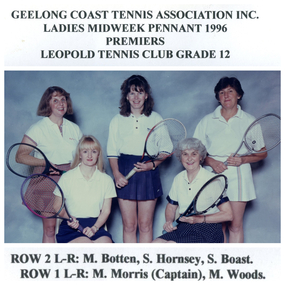
Photograph, Geelong Coast Tennis Association Ladies MidWeek Pennant 1996 Premiers Leopold Tennis Club Grade 12, 1996
... ...S Boast...Botten, S. Hornsey, S. Boast Row 1 L-R: M. Morris (Captain), M. Woods...Leopold Tennis Club Geelong Coast Tennis Association S Boast M Woods Sandy Hornsey Maureen Botten Maureen Woods Maree Morris Row 2 L-R: M. ...Image taken of the Geelong Coast Tennis Association Ladies Mid-Week Grade 12 Premiers for Season 1996.1 photograph of Premiership tennis teamRow 2 L-R: M. Botten, S. Hornsey, S. Boast Row 1 L-R: M. Morris (Captain), M. Woodsleopold tennis club, geelong coast tennis association, s boast, m woods, sandy hornsey, maureen botten, maureen woods, maree morris -
 Expression Australia
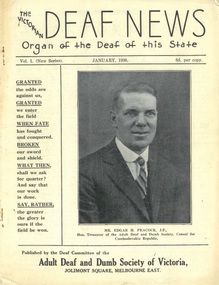
Newsletter, The Victorian Deaf News January 1936
... edgar h. peacock, warwick ashby, rev j. h. frewin, theo frewin, fred frewin, freda connolly, iris connolly, lord mayor's queen carnival campaign, mrs abraham, alice graham, victorian deaf and dumb institution, jim johnston, douglas abraham, w. h. crush, henry w. gladwin, j. boortz, dorothy johnston, charlie buck, colin johns, w. mcmillin, h. r. gillet, i. boast, s. nielson, f. sandon, willie hately, joe unsworth, rivers, a. sutherland, m. reiffel, w. durston, j. boal, deaf tennis club, adult deaf cricket club, lacrosse, deaf chess, w. donnelly, willie smith, les sutton, lydia sanders, melby allsop, ruth peters, mortimer, e. r. e. noble, c. graham, l. smiththelma whateley, thomas newton, roy white, mra and mrs white, h. blackmore, e. raines, elsie denman, g. mccaffrey, ethel dow, james frame, muriel smith, ray cornell, w. grant, john mcgonigal, thomas tonkin, john cardwell, william kent, richard hann, annie secombe, winnie henry, g.g. mercy,...Published by the Deaf Committee of the Adult Deaf and Dumb Society of Victoria 'The Victorian Deaf News' Newsletter is a significant publication as an historical record giving and insight into the people, activities and events of the Deaf Community in Victoria. edgar h. peacock, warwick ashby, rev j. h. frewin, theo frewin, fred frewin, freda connolly, iris connolly, lord mayor's queen carnival campaign, mrs abraham, alice graham, victorian deaf and dumb institution, jim johnston, douglas abraham, w. h. crush, henry w. gladwin, j. boortz, dorothy johnston, charlie buck, colin johns, w. mcmillin, h. r. gillet, i. boast, s. nielson, f. sandon, willie hately, joe unsworth, rivers, a. sutherland, m. reiffel, w. durston, j. boal, deaf tennis club, adult deaf cricket club, lacrosse, deaf chess, w. donnelly, willie smith, les sutton, lydia sanders, melby allsop, ruth peters, mortimer, e. r. e. noble, c. graham, l. smiththelma whateley, thomas newton, roy white, mra and mrs white, h. blackmore, e. raines, elsie denman, g. mccaffrey, ethel dow, james frame, muriel smith, ray cornell, w. grant, john mcgonigal, thomas tonkin, john cardwell, william kent, richard hann, annie secombe, winnie henry, g.g. mercy, Vol. 1 (New Series) January 1936; Size 24.5cmHx18.5cmW; 24 pages The Victorian Deaf News January 1936 Newsletter ...Published by the Deaf Committee of the Adult Deaf and Dumb Society of Victoria'The Victorian Deaf News' Newsletter is a significant publication as an historical record giving and insight into the people, activities and events of the Deaf Community in Victoria.Vol. 1 (New Series) January 1936; Size 24.5cmHx18.5cmW; 24 pagesedgar h. peacock, warwick ashby, rev j. h. frewin, theo frewin, fred frewin, freda connolly, iris connolly, lord mayor's queen carnival campaign, mrs abraham, alice graham, victorian deaf and dumb institution, jim johnston, douglas abraham, w. h. crush, henry w. gladwin, j. boortz, dorothy johnston, charlie buck, colin johns, w. mcmillin, h. r. gillet, i. boast, s. nielson, f. sandon, willie hately, joe unsworth, rivers, a. sutherland, m. reiffel, w. durston, j. boal, deaf tennis club, adult deaf cricket club, lacrosse, deaf chess, w. donnelly, willie smith, les sutton, lydia sanders, melby allsop, ruth peters, mortimer, e. r. e. noble, c. graham, l. smiththelma whateley, thomas newton, roy white, mra and mrs white, h. blackmore, e. raines, elsie denman, g. mccaffrey, ethel dow, james frame, muriel smith, ray cornell, w. grant, john mcgonigal, thomas tonkin, john cardwell, william kent, richard hann, annie secombe, winnie henry, g.g. mercy, -
 Federation University Historical Collection
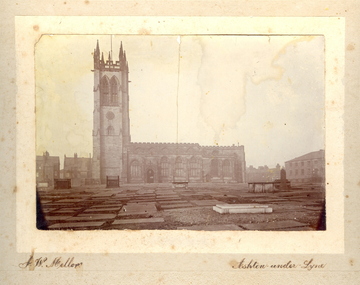
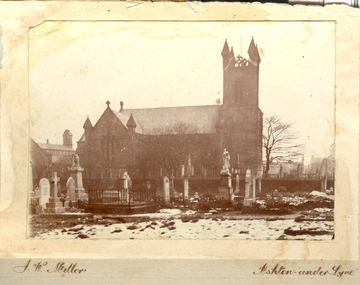
Photograph - Photo, J.W. Mellor, St Michael's and All Angels church and cemetery, Ashton-under-Lyne
... boasts some of the best examples of fifteenth century stained glass left in Britain. There are eighteen panels illustrating the life of St. Helena. The church tower is 145 feet high and has a peel of thirteen bells. (From ashton-under-lyne.com) cemetery st michael s ...The Church of St Michael and All Angels dates from the 15th century and is the Parish Church for Ashton under Lyne. It is believed there was a church on this site before the Norman Conquest as the Domesday Book mentions a St Michael's Church in the east of the ancient parish of Manchester. Much of the structure was re-constructed in Victorian times. The church with large windows in Perpendicular style. Buttresses were required with this type of building as the large window area reduced the strength of the walls. The church boasts boasts some of the best examples of fifteenth century stained glass left in Britain. There are eighteen panels illustrating the life of St. Helena. The church tower is 145 feet high and has a peel of thirteen bells. (From ashton-under-lyne.com) .1) Sepia photograph mounted onto card showing St Michael's and all Angels church and graveyard in Ashton-Under-Lyne. The gravestones shown in the photograph are no longer evident today. The cemetery area is now covered with grass.cemetery, st michael s and all angels, ashton under lyne, j w mellor, church -
 Federation University Historical Collection
Photo, J.W. Mellor, Holy Trinity, Bardsley and St Michael's and All Angels Church and Cemetery, Ashton-under-Lyne
... boasts some of the best examples of fifteenth century stained glass left in Britain. There are eighteen panels illustrating the life of St. Helena. The church tower is 145 feet high and has a peel of thirteen bells. (From ashton-under-lyne.com) Holy Trinity Church, Bardsley was consecrated on the 10th October 1844 by the Bishop of Chester. The church was only the third church in the Borough of Ashton-under-Lyne to be carved out of the parish of St. Michael & All Angels, Ashton. The church was built on land donated by the Hulme Trustees. cemetery st michael s ...The Church of St Michael and All Angels dates from the 15th century and is the Parish Church for Ashton under Lyne. It is believed there was a church on this site before the Norman Conquest as the Domesday Book mentions a St Michael's Church in the east of the ancient parish of Manchester. Much of the structure was re-constructed in Victorian times. The church with large windows in Perpendicular style. Buttresses were required with this type of building as the large window area reduced the strength of the walls. The church boasts boasts some of the best examples of fifteenth century stained glass left in Britain. There are eighteen panels illustrating the life of St. Helena. The church tower is 145 feet high and has a peel of thirteen bells. (From ashton-under-lyne.com) Holy Trinity Church, Bardsley was consecrated on the 10th October 1844 by the Bishop of Chester. The church was only the third church in the Borough of Ashton-under-Lyne to be carved out of the parish of St. Michael & All Angels, Ashton. The church was built on land donated by the Hulme Trustees..1) Sepia photograph mounted onto card showing Holy Trinity, Bardsley, Ashton-under-Lyne. Snow is evident in the foreground and the church is surrounded by a graveyard. .2) Sepia photograph mounted onto card showing St Michael's and All Angels church, alongside a graveyard.Signed lower LHS "J.W. Mellor" Lower RHS "Ashton-under-Lyne"cemetery, st michael s and all angels, ashton under lyne, j w mellor, tombstone, tomb stone, headstone, head stone, holy trinity church, bardsley -
 Federation University Historical Collection
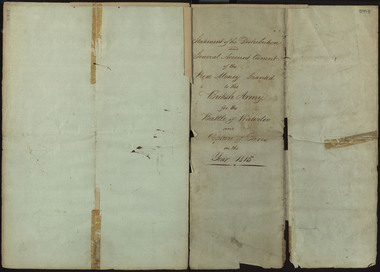
Document, Statement of the Distribution and General Account Current of the Prize Money Granted to the British Army for the Battle of Waterloo and Capture of Paris in the Year 1815, 1815
... Her maternal line boasted a Battle of Waterloo veteran. duke of wellington waterloo battle of waterloo napoleon napoleon bonaparte british army paris darby veteran 1815 prize money waterloo verterans Hester Darby The paper has an 1810 watermark on the paper as well as a watermark for S&C Wise. ...The Napoleonic Wars were a period of conflict from 1803-1815, caused by unresolved tensions following the end of the French Revolution. Coalitions of European powers fought against Napoleon Bonaparte and the French army, who were defeated at the Battle of Waterloo on the 18th June 1815, in Belgium. The conclusion of the battle would mark a period of sustained peace for Europe, that would bring with it cultural and technological innovation. This document in illustrative of the prize money awarded to different groups of soldiers following the Capture of Paris, separated into different classes. The first class consisted of General Officers, the second of Field Officers and Colonels, the third of Captains, the fourth of Subalterns, the fifth of Serjeants and the sixth of Corporals, Drummers and Privates. The Commander in Chief of the Army also received £61, 178/3/ 5 1/2. In addition to the money given to these classes, which approximately totaled £486,246 / 18/ 1 3/4, a total of £30,000 was paid to the Bank of England and £7,204 / 16/ 7 1/4 was paid to the Chelsea Hospital, to a grand total of £558,940/ 12/ 3. This money given to the Chelsea Hospital was part of the Army Prize Money Act 1814 (54th Geo. 3 c. 86, 14th July 1814), which when passed through parliament entailed that any prize money unclaimed or forfeited would be paid to the Chelsea Hospital. The Royal Hospital Chelsea is a charitable institution which provides support to war veterans and has existed since the reign of Charles II. The document goes into further details of the payments made to specific regiments, who include members of the British cavalry and artillery, rifleman, staff corps and foreign soldiers enlisted to aid with the campaign. The award of prize money following battle was meant to serve as an incentive for aggression and victory, in addition to helping deter looting of the deceased possessions. A paper watermark '1810' on the handwritten document suggests it is an original, and therefore was probably in the possession of a battle participant, most likely of a higher rank. The provenance of the document is unknown but one possibility is through former Ballarat School of Mines staff member Hester Darby, whose parents were Ernest Darby and Leah Hynam. Her maternal line boasted a Battle of Waterloo veteran. A number of handwritten pages 48 cm. x 34.5 cm. (slightly larger than A3) which has been folded in half, and in half again. When attempts were made to tape the torn document together, one page was taped in the wrong order. The top of the third page aligns with the bottom of the fourth page, the top of the fourth page with the bottom of the third. Corrections to this have been made in the transcript. DESCRIPTION ON DISCOVERY: "BALLARAT - Copy of an historic document of prize money paid after the battle of Waterloo and capture of Paris in 1815 has been found among old papers at the Ballarat School of Mines. The full amount of prize money was stated at "£558,913 10/10." Scores of regiments had their shares varying probably, according to the numbers. The document will be retained in the School of Mines Museum, ... (Age, 21 March 1941)The paper has an 1810 watermark on the paper as well as a watermark for S&C Wise. duke of wellington, waterloo, battle of waterloo, napoleon, napoleon bonaparte, british army, paris, darby, veteran, 1815, prize money, waterloo verterans, hester darby -
 Flagstaff Hill Maritime Museum and Village
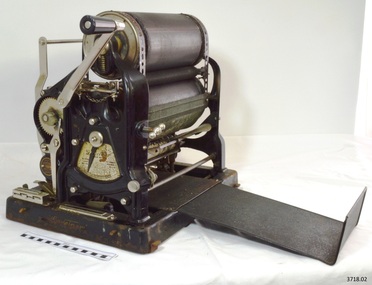
Gestetner Machine, c. 1922 - 1929
... boasts "Important - D Gestetner's latest invention, the "Durotype" Stencil, enables you to obtain 10,000 copies from one original if desired. It contains no wax of any description, is indestructible, can be stored indefinitely and printed from as required” In 1929 the look of the Gestetner machines changed; American designer Raymond Loewy was invited by Gestetner to improve the look of his duplicators, resulting in a very streamlined appearance. Eventually, around 1960’s...boasts "Important - D Gestetner's latest invention, the "Durotype" Stencil, enables you to obtain 10,000 copies from one original if desired. It contains no wax of any description, is indestructible, can be stored indefinitely and printed from as required” In 1929 the look of the Gestetner machines changed; American designer Raymond Loewy was invited by Gestetner to improve the look of his duplicators, resulting in a very streamlined appearance. Eventually, around 1960’s ...This Gestetner Cyclostyle duplicating machine was invented and manufactured by David Gestetner. He claimed in 1922, once he had released several models, that if a Gestetner Durotype stencil was used together with his Cyclostyle machine, then 10,000 copies could be made from the one Durotype stencil, an amazing claim for office technology of that era. David Gestetner (1854-1939), was born in Csoma, Hungary. He has been called the “founder of the worldwide office copying and duplicator industry.). He moved to London and in 1879 filed his first copying patent. In 1881 he patented the Cyclostyle stylus (or pen), which was used in conjunction with his Cyclograph device for copying text and images, He established the Gestetner Cyclograph Company in England at this time (1881) to protect his inventions and to produce his products; stencils, stylos (stylus or pen) and ink rollers. HIs inventions included nail-clipper and the ball-point pen (although the latter is more commonly associated with Laszlo Biro). Gestetner’s patented Cyclograph duplicator was used with his Cyclostyle Stylus or pen to write or draw on special thin wax-coated stencil paper (originally used for kite making paper) in the following way; 1. The Cyclostyle stencil was placed on a lower, framed metal plate of the Cyclograph 2. An upper frame was clipped over the top 3. The Cyclostyle pen, with its tip being a small metal-spiked or toothed wheel, was used to write or draw on the stencil, punched small holes into the paper and removed the wax coating in those places 4. The upper frame and stencil was then removed and a piece of blank paper was placed onto the metal plate in the lower frame and the upper frame with stencil was replaced 5. A roller was given an even distribution of Cyclostyle ink and rolled by hand over the stencil in the frame. This forced the ink through the holes in the stencil to and made a copy of the stencil on the paper 6. The upper frame was raised, the printed paper removed and another blank sheet was put into place. The whole process was repeated until enough copies were made. Gestetner’s invention developed further in 1894, with a stencil that could be placed on a screen on a revolving drum. The drum was manually rotated, the stencil then wrapped around another drum and was fed between cloth-covered rollers on which ink was evenly spread. Each revolution of the drum forced ink through the holes in the stencil and transferred the ink onto paper that had been fed between rollers and pressed against the drum. The process was repeated for each page. The paper was still fed and removed manually in this earlier invention but became more automatic in later models. In 1902 Gestetner duplicator model 6 was put onto the market. This model included the improvement of an automatic paper feed that synchronised with the rotation of the stencil. The Gestetner machine was the first office printing machine. It was easily installed and it made exact copies of the sane document quickly, effectively and inexpensively. This changed the way offices operated, making information easily available to many more users. The machines were commonly used in small businesses, schools, churches, clubs and other organisations for the wide distribution of a wide variety of information in the form of worksheets, newsletters and more. In 1906 the Gestetner Works were opened in Tottenham Hale, North London, and thousands of people were employed there up until the 1970’s. Due to the fast growing success of the Gestetner Duplicator machines many international branches for sales and service centres were established. David Gestetner was succeeded by his son Sigmund, followed by his grandson’s David and Jonathan. Further advancement was made by using a manual typewriter with specifically designed stencils. The end product was a printed, typewritten copy similar to the print from newspapers and booklets. In the next few years there were further developments of this revolutionary invention. The Gestetner Cyclostyle duplicator in our Collection is dated c.1922 - 1929 and it uses Gestetner Durotype stencils The 1922 British Industries Fair’s catalogue contained advertising for the Gestetner Rotary Cyclostyle “The World’s Premier Duplicator”, demonstrated at Stand K 86.” A Notice at the foot of the advertisement’s page boasts "Important - D Gestetner's latest invention, the "Durotype" Stencil, enables you to obtain 10,000 copies from one original if desired. It contains no wax of any description, is indestructible, can be stored indefinitely and printed from as required” In 1929 the look of the Gestetner machines changed; American designer Raymond Loewy was invited by Gestetner to improve the look of his duplicators, resulting in a very streamlined appearance. Eventually, around 1960’s, offices replaced their Gestetner with small photocopying machines and printers. Gestetner took over ownership of other office machine companies over time, including Nashua, Rex Rotary, Hanimex and Savin and eventually all came under the holding company name of NRG (Nashuatech, Rex Rotary and Gestetner). In 1996 Ricoh acquired the Gestetner Company, and it was renamed the NRG Group. REFERENCES Cyclostyle, Stencil Duplicating Machines, antique Copying Machines, Early Office Museum, http://www.officemuseum.com/copy_machines.htm Duplicating machines, Wikipedia Duplicator, Collection online, Canada Science and Technology Museums Corporation http://techno-science.ca/en/collection-research/collection-item.php?id=1989.0229.001 Gestetner duplicators, Totterham-Summerhillroad.com http://tottenham-summerhillroad.com/gestetner_duplicators_tottenham.htm Gestetner Duplicator, V&A Museum http://collections.vam.ac.uk/item/O322014/gestetner-duplicator-duplicator-loewy-raymond-fernand/ Gestetner, Grace’s Guide to British Industrial History, http://www.gracesguide.co.uk/Gestetner Duplicating machines such as this one revolutionalised access to copies of printed material, changing the way that educational bodies, offices, small businesses and community clubs and charities operated.Duplicating machine, Gestetner Cyclostyle Durotype, a stencil-method duplicating machine with two rotating drums plus rollers. Hand operated, tabletop office machine. Front has folding Bakelite handle, oil filling hole, calibrating gauge with scale, and copy counting meter. Right side has printed manufacturer’s plate that slides out as a paper output tray. Left side has metal plate with protrusions and perforations, plus another similar plate that is detached. It also has a metal frame attached [that would have been used to hold a paper input board, adjusted for various sizes of paper]. Cover, metal, with folding wooden handle on top, attaches to base with metal clips. Inscriptions printed on machine, mostly in gold-coloured paint. Round metal manufacturing plate is stamped with Serial Number 95759. Made by D. Gestetner, London, c.1922-1929Maker’s plate “MANUFACTURED / BY / D. GESTETNER LTD, / No. 95759 / CYCLOSTYLE WORKS / TOTTENHAM HALE / LONDON, N” Copy counting meter shows “1 4 6 4 8 [space]“ copies. Calibrating gauge has divisions with numbers “0 1 2“, labelled “← [left arrow] “TO PRINT LOWER” and “→ [right arrow], TO PRINT HIGHER”. “The Gestetner”, “Cyclostyle”, “Gestetner” (Trade Mark), Right side print of manufacturing details includes “The / Gestetner / TRADE MARK” And “THE FOLLOWING TRAFE MARKS / - - - OF INK, STENCILS / - - - AND GUARANTEE OF PERFECT / - - - BOTH - - - AND MACHINE” and “CYCLOSTYLE / DUROTYPE / GESTETNER” and “D. Gestetner” flagstaff hill, warrnambool, shipwrecked coast, flagstaff hill maritime museum, maritime museum, shipwreck coast, flagstaff hill maritime village, great ocean road, office machine, copying machine, gestetner machine, duplicating machine, duplicator, stencil machine, gestetner cyclograph company, cyclograph, cyclostyle, d. gestetner ltd, gestetner durotype stencils, gestetner cyclostyle, printing machine, office technology, durotype stencils, david gestetner, raymond loewy, roneo, rotary duplicatorten, mimeo, mimeograph machine, roneograph copier -
 Stawell Historical Society Inc
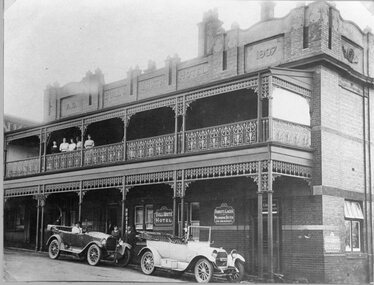
Photograph, Bull & Mouth Hotel in Main Street Stawell built 1907, with cars out at the front c1921
... boasted 16 rooms with commodious premises. In 1907 when owned by H. Edhouse of Bryant & Co Brewery the old wooden building was pulled down and a new one erected. Tenders for this were in the vicinity of 2000 pounds. After the rebuilding Mary Oliver held a license from 1908 until 1921. Like most hotels it changed hands many times and was finally demolished to make way for a car park for Earles Supermarket in 1985. Hotel Two story brick Hotel with group of ladies on top verandah. Two 1920's ...Bull & Mouth Hotel Main Street Stawell Built 1907. Photo c1921 with cars in front. The original wooden Hotel was built by Dawkin & Hickory in 1863. George Dawkin had the first license. It had 4 bedrooms and two sitting rooms. John Hunter had the license from 1876 to 1889 when he died. During this time it boasted 16 rooms with commodious premises. In 1907 when owned by H. Edhouse of Bryant & Co Brewery the old wooden building was pulled down and a new one erected. Tenders for this were in the vicinity of 2000 pounds. After the rebuilding Mary Oliver held a license from 1908 until 1921. Like most hotels it changed hands many times and was finally demolished to make way for a car park for Earles Supermarket in 1985. Two story brick Hotel with group of ladies on top verandah. Two 1920's cars parked at front hotel -
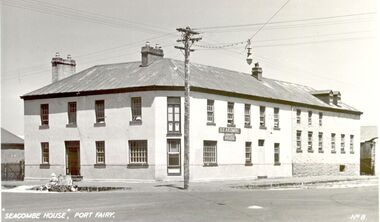 Port Fairy Historical Society Museum and Archives
Postcard - Photograph, Seacombe House Port Fairy
... boasted "a billiard room and a twenty stall stables and coach house". By 1861 Abijah Brown had left The Stag and Lennox Trew was now owner and licencee. It came up for sale in 1869 but failed to sell. After Trew's death in 1886 it was sold to a syndicate and opened as a boarding school. It later became a Coffee Palace and Accomodation house named Seacombe House, and in the 1950's...boasted "a billiard room and a twenty stall stables and coach house". By 1861 Abijah Brown had left The Stag and Lennox Trew was now owner and licencee. It came up for sale in 1869 but failed to sell. After Trew's death in 1886 it was sold to a syndicate and opened as a boarding school. It later became a Coffee Palace and Accomodation house named Seacombe House, and in the 1950's ...Seacombe House Formerly named The Stag Cnr Sackville and Cox Streets Port Fairy John Sanders (Saunders) first came to Port Fairy in charge of the "Sally Ann" owned by the Henty family of Portland. He left the sea behind in 1844 and established the "Sally Ann Inn" named for his old ship, on the site of the present day Star of the West hotel. After selling the Sally Ann Inn to John Taylor he acquired the land on the South west corner of Sackville Street and erected a detached cottage facing Sackville Street for which he obtained a licence to sell alcohol and named the premises The Stag Inn. He died in 1850 and his wife leased the Inn to John Mason. By 1852 a large two story rendered bluestone building had been constructed on the corner site. The second un rendered section was probably added in 1854. Abijah John Brown became licencee in 1855 and made the Stag the centre of entertainment for the district, with many balls, dinners and concerts taking place there. It boasted "a billiard room and a twenty stall stables and coach house". By 1861 Abijah Brown had left The Stag and Lennox Trew was now owner and licencee. It came up for sale in 1869 but failed to sell. After Trew's death in 1886 it was sold to a syndicate and opened as a boarding school. It later became a Coffee Palace and Accomodation house named Seacombe House, and in the 1950's a motel was built on the old stable site. It is still a Hotel Motel and a restaurant which has revived the old name of "The Stag". Black and white Photograph of 2 story rendered building with multi paned windows and power pole on cornerhotel, lennox trew, abijah brown, john sanders, john saunders, john mason., sackville street, cox street, stag inn, stag hotel, seacombe house, coffee palace -
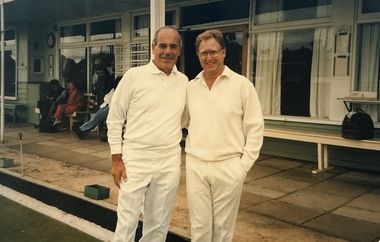 Maccabi Victoria
Photograph, c. 1990
... S. Moyal 021-024: YEARBOOK PAGES 1990,1993,1994,1995 026:Photocopy article: "Lawn Bowlers boast strong sporting backgrounds" - Fr. ...S. Moyal 021-024: YEARBOOK PAGES 1990,1993,1994,1995 026:Photocopy article: "Lawn Bowlers boast strong sporting backgrounds" - Fr. ...20th celebrations dinner, Senior Carnival 1991 presentation, Life member presentation 1992, open Jewish singles comp. 1995, Intersynagogue day 1995, Smorgon Day 1995, 25th year celebration 1995, yearbook pages 1990-1995Photos - 26 mounted photocopies, Lawn Bowls. 01: St. Kilda early 1990's: D.Ackerstein, ?, B. Sternfeld, H. Brand, H. Edelstein, M. Green, L. Diamond, I. Dudakov 02:St. Kilda early 1990's:L. Zent, ?, ?, M. Dudakov, E. Edelstein, T. Green, B. Brand 03: Ajax Maccabi Lawn Bowls 20th Celebrations Dinner: T. Danos, J. Aarons, J. Rothman 04:Carnival 1991 Melbourne Bowling Club Presentation: J. Rothman, C. Hall, S. Leivenzon, J. Maver 05:1992 Life Member Plaque Presentation:A. Rothman, B. Finkelstein, Mrs. A. Eizenberg, J. Slutskin, A. Rubinstein, J. Aarons 06:Vic. Open Jewish Singles 1995:M. Krawitz, J. Maver 07: Vic. Open Pairs 1995:J. Maver, R. Binari, D. Pekelman, J. Aarons 08:Smorgon Day 1995:P. Morley, Ge. Smorgon,Gi. Smorgon 09:25th Year Celebration 1995:Ge. Smorgon,Gi. Smorgon, S. Aaroni, J. Aarons 0 10:Marylyn (resort) 1999:J. Aarons, J. Velleman, M. Silverstein 011:A.Faigen 012: D. Sebbas 013: J. Same 014: G.& G. Smorgon, R. Hyams 015:Inter Synagogue Day:M. Ashkanasy, Rabbi Abramson, G. Wroby 016:A.Faigen 017:M. Ashkanasy, P. Jacobson 018: R. Davies, B. Conway 019:South Africans 020: 1996-1997 M. Ashkanasy & Israeli Ambassador Mr. S. Moyal 021-024: YEARBOOK PAGES 1990,1993,1994,1995 026:Photocopy article: "Lawn Bowlers boast strong sporting backgrounds" - Fr. Aug.20, 1993gala or award function, lawn bowls -
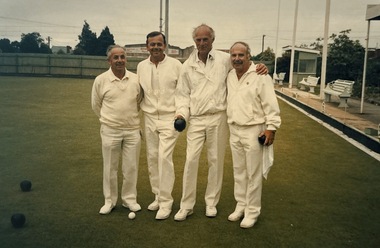 Maccabi Victoria
Photograph, c. 1990
... S. Moyal 021-024: YEARBOOK PAGES 1990,1993,1994,1995 026:Photocopy article: "Lawn Bowlers boast strong sporting backgrounds" - Fr. ...S. Moyal 021-024: YEARBOOK PAGES 1990,1993,1994,1995 026:Photocopy article: "Lawn Bowlers boast strong sporting backgrounds" - Fr. ...20th celebrations dinner, Senior Carnival 1991 presentation, Life member presentation 1992, open Jewish singles comp. 1995, Intersynagogue day 1995, Smorgon Day 1995, 25th year celebration 1995, yearbook pages 1990-1995Photos - 26 mounted photocopies, Lawn Bowls. 01: St. Kilda early 1990's: D.Ackerstein, ?, B. Sternfeld, H. Brand, H. Edelstein, M. Green, L. Diamond, I. Dudakov 02:St. Kilda early 1990's:L. Zent, ?, ?, M. Dudakov, E. Edelstein, T. Green, B. Brand 03: Ajax Maccabi Lawn Bowls 20th Celebrations Dinner: T. Danos, J. Aarons, J. Rothman 04:Carnival 1991 Melbourne Bowling Club Presentation: J. Rothman, C. Hall, S. Leivenzon, J. Maver 05:1992 Life Member Plaque Presentation:A. Rothman, B. Finkelstein, Mrs. A. Eizenberg, J. Slutskin, A. Rubinstein, J. Aarons 06:Vic. Open Jewish Singles 1995:M. Krawitz, J. Maver 07: Vic. Open Pairs 1995:J. Maver, R. Binari, D. Pekelman, J. Aarons 08:Smorgon Day 1995:P. Morley, Ge. Smorgon,Gi. Smorgon 09:25th Year Celebration 1995:Ge. Smorgon,Gi. Smorgon, S. Aaroni, J. Aarons 0 10:Marylyn (resort) 1999:J. Aarons, J. Velleman, M. Silverstein 011:A.Faigen 012: D. Sebbas 013: J. Same 014: G.& G. Smorgon, R. Hyams 015:Inter Synagogue Day:M. Ashkanasy, Rabbi Abramson, G. Wroby 016:A.Faigen 017:M. Ashkanasy, P. Jacobson 018: R. Davies, B. Conway 019:South Africans 020: 1996-1997 M. Ashkanasy & Israeli Ambassador Mr. S. Moyal 021-024: YEARBOOK PAGES 1990,1993,1994,1995 026:Photocopy article: "Lawn Bowlers boast strong sporting backgrounds" - Fr. Aug.20, 1993gala or award function, lawn bowls -
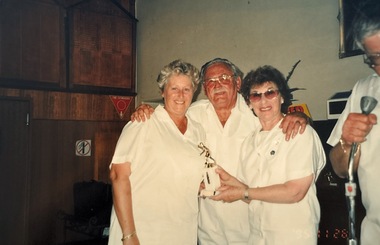 Maccabi Victoria
Photograph, c. 1990
... S. Moyal 021-024: YEARBOOK PAGES 1990,1993,1994,1995 026:Photocopy article: "Lawn Bowlers boast strong sporting backgrounds" - Fr. ...S. Moyal 021-024: YEARBOOK PAGES 1990,1993,1994,1995 026:Photocopy article: "Lawn Bowlers boast strong sporting backgrounds" - Fr. ...20th celebrations dinner, Senior Carnival 1991 presentation, Life member presentation 1992, open Jewish singles comp. 1995, Intersynagogue day 1995, Smorgon Day 1995, 25th year celebration 1995, yearbook pages 1990-1995Photos - 26 mounted photocopies, Lawn Bowls. 01: St. Kilda early 1990's: D.Ackerstein, ?, B. Sternfeld, H. Brand, H. Edelstein, M. Green, L. Diamond, I. Dudakov 02:St. Kilda early 1990's:L. Zent, ?, ?, M. Dudakov, E. Edelstein, T. Green, B. Brand 03: Ajax Maccabi Lawn Bowls 20th Celebrations Dinner: T. Danos, J. Aarons, J. Rothman 04:Carnival 1991 Melbourne Bowling Club Presentation: J. Rothman, C. Hall, S. Leivenzon, J. Maver 05:1992 Life Member Plaque Presentation:A. Rothman, B. Finkelstein, Mrs. A. Eizenberg, J. Slutskin, A. Rubinstein, J. Aarons 06:Vic. Open Jewish Singles 1995:M. Krawitz, J. Maver 07: Vic. Open Pairs 1995:J. Maver, R. Binari, D. Pekelman, J. Aarons 08:Smorgon Day 1995:P. Morley, Ge. Smorgon,Gi. Smorgon 09:25th Year Celebration 1995:Ge. Smorgon,Gi. Smorgon, S. Aaroni, J. Aarons 0 10:Marylyn (resort) 1999:J. Aarons, J. Velleman, M. Silverstein 011:A.Faigen 012: D. Sebbas 013: J. Same 014: G.& G. Smorgon, R. Hyams 015:Inter Synagogue Day:M. Ashkanasy, Rabbi Abramson, G. Wroby 016:A.Faigen 017:M. Ashkanasy, P. Jacobson 018: R. Davies, B. Conway 019:South Africans 020: 1996-1997 M. Ashkanasy & Israeli Ambassador Mr. S. Moyal 021-024: YEARBOOK PAGES 1990,1993,1994,1995 026:Photocopy article: "Lawn Bowlers boast strong sporting backgrounds" - Fr. Aug.20, 1993gala or award function, lawn bowls -
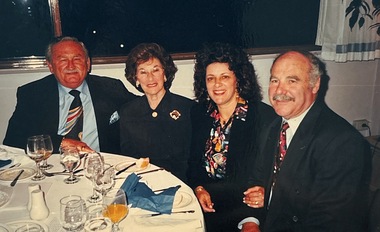 Maccabi Victoria
Photograph, c. 1990
... S. Moyal 021-024: YEARBOOK PAGES 1990,1993,1994,1995 026:Photocopy article: "Lawn Bowlers boast strong sporting backgrounds" - Fr. ...S. Moyal 021-024: YEARBOOK PAGES 1990,1993,1994,1995 026:Photocopy article: "Lawn Bowlers boast strong sporting backgrounds" - Fr. ...20th celebrations dinner, Senior Carnival 1991 presentation, Life member presentation 1992, open Jewish singles comp. 1995, Intersynagogue day 1995, Smorgon Day 1995, 25th year celebration 1995, yearbook pages 1990-1995Photos - 26 mounted photocopies, Lawn Bowls. 01: St. Kilda early 1990's: D.Ackerstein, ?, B. Sternfeld, H. Brand, H. Edelstein, M. Green, L. Diamond, I. Dudakov 02:St. Kilda early 1990's:L. Zent, ?, ?, M. Dudakov, E. Edelstein, T. Green, B. Brand 03: Ajax Maccabi Lawn Bowls 20th Celebrations Dinner: T. Danos, J. Aarons, J. Rothman 04:Carnival 1991 Melbourne Bowling Club Presentation: J. Rothman, C. Hall, S. Leivenzon, J. Maver 05:1992 Life Member Plaque Presentation:A. Rothman, B. Finkelstein, Mrs. A. Eizenberg, J. Slutskin, A. Rubinstein, J. Aarons 06:Vic. Open Jewish Singles 1995:M. Krawitz, J. Maver 07: Vic. Open Pairs 1995:J. Maver, R. Binari, D. Pekelman, J. Aarons 08:Smorgon Day 1995:P. Morley, Ge. Smorgon,Gi. Smorgon 09:25th Year Celebration 1995:Ge. Smorgon,Gi. Smorgon, S. Aaroni, J. Aarons 0 10:Marylyn (resort) 1999:J. Aarons, J. Velleman, M. Silverstein 011:A.Faigen 012: D. Sebbas 013: J. Same 014: G.& G. Smorgon, R. Hyams 015:Inter Synagogue Day:M. Ashkanasy, Rabbi Abramson, G. Wroby 016:A.Faigen 017:M. Ashkanasy, P. Jacobson 018: R. Davies, B. Conway 019:South Africans 020: 1996-1997 M. Ashkanasy & Israeli Ambassador Mr. S. Moyal 021-024: YEARBOOK PAGES 1990,1993,1994,1995 026:Photocopy article: "Lawn Bowlers boast strong sporting backgrounds" - Fr. Aug.20, 1993gala or award function, lawn bowls -
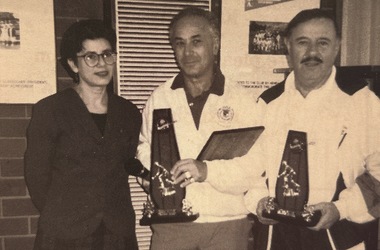 Maccabi Victoria
Photograph, c. 1990
... S. Moyal 021-024: YEARBOOK PAGES 1990,1993,1994,1995 026:Photocopy article: "Lawn Bowlers boast strong sporting backgrounds" - Fr. ...S. Moyal 021-024: YEARBOOK PAGES 1990,1993,1994,1995 026:Photocopy article: "Lawn Bowlers boast strong sporting backgrounds" - Fr. ...20th celebrations dinner, Senior Carnival 1991 presentation, Life member presentation 1992, open Jewish singles comp. 1995, Intersynagogue day 1995, Smorgon Day 1995, 25th year celebration 1995, yearbook pages 1990-1995Photos - 26 mounted photocopies, Lawn Bowls. 01: St. Kilda early 1990's: D.Ackerstein, ?, B. Sternfeld, H. Brand, H. Edelstein, M. Green, L. Diamond, I. Dudakov 02:St. Kilda early 1990's:L. Zent, ?, ?, M. Dudakov, E. Edelstein, T. Green, B. Brand 03: Ajax Maccabi Lawn Bowls 20th Celebrations Dinner: T. Danos, J. Aarons, J. Rothman 04:Carnival 1991 Melbourne Bowling Club Presentation: J. Rothman, C. Hall, S. Leivenzon, J. Maver 05:1992 Life Member Plaque Presentation:A. Rothman, B. Finkelstein, Mrs. A. Eizenberg, J. Slutskin, A. Rubinstein, J. Aarons 06:Vic. Open Jewish Singles 1995:M. Krawitz, J. Maver 07: Vic. Open Pairs 1995:J. Maver, R. Binari, D. Pekelman, J. Aarons 08:Smorgon Day 1995:P. Morley, Ge. Smorgon,Gi. Smorgon 09:25th Year Celebration 1995:Ge. Smorgon,Gi. Smorgon, S. Aaroni, J. Aarons 0 10:Marylyn (resort) 1999:J. Aarons, J. Velleman, M. Silverstein 011:A.Faigen 012: D. Sebbas 013: J. Same 014: G.& G. Smorgon, R. Hyams 015:Inter Synagogue Day:M. Ashkanasy, Rabbi Abramson, G. Wroby 016:A.Faigen 017:M. Ashkanasy, P. Jacobson 018: R. Davies, B. Conway 019:South Africans 020: 1996-1997 M. Ashkanasy & Israeli Ambassador Mr. S. Moyal 021-024: YEARBOOK PAGES 1990,1993,1994,1995 026:Photocopy article: "Lawn Bowlers boast strong sporting backgrounds" - Fr. Aug.20, 1993gala or award function, lawn bowls -
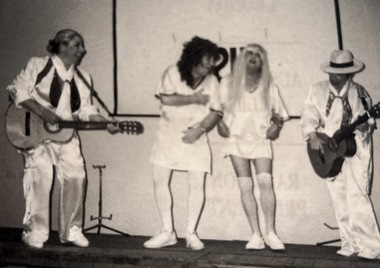 Maccabi Victoria
Photograph, c. 1990
... S. Moyal 021-024: YEARBOOK PAGES 1990,1993,1994,1995 026:Photocopy article: "Lawn Bowlers boast strong sporting backgrounds" - Fr. ...S. Moyal 021-024: YEARBOOK PAGES 1990,1993,1994,1995 026:Photocopy article: "Lawn Bowlers boast strong sporting backgrounds" - Fr. ...20th celebrations dinner, Senior Carnival 1991 presentation, Life member presentation 1992, open Jewish singles comp. 1995, Intersynagogue day 1995, Smorgon Day 1995, 25th year celebration 1995, yearbook pages 1990-1995Photos - 26 mounted photocopies, Lawn Bowls. 01: St. Kilda early 1990's: D.Ackerstein, ?, B. Sternfeld, H. Brand, H. Edelstein, M. Green, L. Diamond, I. Dudakov 02:St. Kilda early 1990's:L. Zent, ?, ?, M. Dudakov, E. Edelstein, T. Green, B. Brand 03: Ajax Maccabi Lawn Bowls 20th Celebrations Dinner: T. Danos, J. Aarons, J. Rothman 04:Carnival 1991 Melbourne Bowling Club Presentation: J. Rothman, C. Hall, S. Leivenzon, J. Maver 05:1992 Life Member Plaque Presentation:A. Rothman, B. Finkelstein, Mrs. A. Eizenberg, J. Slutskin, A. Rubinstein, J. Aarons 06:Vic. Open Jewish Singles 1995:M. Krawitz, J. Maver 07: Vic. Open Pairs 1995:J. Maver, R. Binari, D. Pekelman, J. Aarons 08:Smorgon Day 1995:P. Morley, Ge. Smorgon,Gi. Smorgon 09:25th Year Celebration 1995:Ge. Smorgon,Gi. Smorgon, S. Aaroni, J. Aarons 0 10:Marylyn (resort) 1999:J. Aarons, J. Velleman, M. Silverstein 011:A.Faigen 012: D. Sebbas 013: J. Same 014: G.& G. Smorgon, R. Hyams 015:Inter Synagogue Day:M. Ashkanasy, Rabbi Abramson, G. Wroby 016:A.Faigen 017:M. Ashkanasy, P. Jacobson 018: R. Davies, B. Conway 019:South Africans 020: 1996-1997 M. Ashkanasy & Israeli Ambassador Mr. S. Moyal 021-024: YEARBOOK PAGES 1990,1993,1994,1995 026:Photocopy article: "Lawn Bowlers boast strong sporting backgrounds" - Fr. Aug.20, 1993gala or award function, lawn bowls -
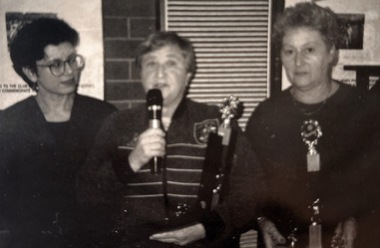 Maccabi Victoria
Photograph, c. 1990
... S. Moyal 021-024: YEARBOOK PAGES 1990,1993,1994,1995 026:Photocopy article: "Lawn Bowlers boast strong sporting backgrounds" - Fr. ...S. Moyal 021-024: YEARBOOK PAGES 1990,1993,1994,1995 026:Photocopy article: "Lawn Bowlers boast strong sporting backgrounds" - Fr. ...20th celebrations dinner, Senior Carnival 1991 presentation, Life member presentation 1992, open Jewish singles comp. 1995, Intersynagogue day 1995, Smorgon Day 1995, 25th year celebration 1995, yearbook pages 1990-1995Photos - 26 mounted photocopies, Lawn Bowls. 01: St. Kilda early 1990's: D.Ackerstein, ?, B. Sternfeld, H. Brand, H. Edelstein, M. Green, L. Diamond, I. Dudakov 02:St. Kilda early 1990's:L. Zent, ?, ?, M. Dudakov, E. Edelstein, T. Green, B. Brand 03: Ajax Maccabi Lawn Bowls 20th Celebrations Dinner: T. Danos, J. Aarons, J. Rothman 04:Carnival 1991 Melbourne Bowling Club Presentation: J. Rothman, C. Hall, S. Leivenzon, J. Maver 05:1992 Life Member Plaque Presentation:A. Rothman, B. Finkelstein, Mrs. A. Eizenberg, J. Slutskin, A. Rubinstein, J. Aarons 06:Vic. Open Jewish Singles 1995:M. Krawitz, J. Maver 07: Vic. Open Pairs 1995:J. Maver, R. Binari, D. Pekelman, J. Aarons 08:Smorgon Day 1995:P. Morley, Ge. Smorgon,Gi. Smorgon 09:25th Year Celebration 1995:Ge. Smorgon,Gi. Smorgon, S. Aaroni, J. Aarons 0 10:Marylyn (resort) 1999:J. Aarons, J. Velleman, M. Silverstein 011:A.Faigen 012: D. Sebbas 013: J. Same 014: G.& G. Smorgon, R. Hyams 015:Inter Synagogue Day:M. Ashkanasy, Rabbi Abramson, G. Wroby 016:A.Faigen 017:M. Ashkanasy, P. Jacobson 018: R. Davies, B. Conway 019:South Africans 020: 1996-1997 M. Ashkanasy & Israeli Ambassador Mr. S. Moyal 021-024: YEARBOOK PAGES 1990,1993,1994,1995 026:Photocopy article: "Lawn Bowlers boast strong sporting backgrounds" - Fr. Aug.20, 1993gala or award function, lawn bowls -
 Maccabi Victoria
Photograph, c. 1990
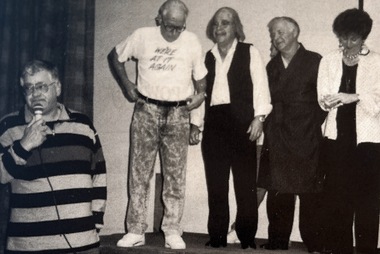
... S. Moyal 021-024: YEARBOOK PAGES 1990,1993,1994,1995 026:Photocopy article: "Lawn Bowlers boast strong sporting backgrounds" - Fr. ...S. Moyal 021-024: YEARBOOK PAGES 1990,1993,1994,1995 026:Photocopy article: "Lawn Bowlers boast strong sporting backgrounds" - Fr. ...20th celebrations dinner, Senior Carnival 1991 presentation, Life member presentation 1992, open Jewish singles comp. 1995, Intersynagogue day 1995, Smorgon Day 1995, 25th year celebration 1995, yearbook pages 1990-1995Photos - 26 mounted photocopies, Lawn Bowls. 01: St. Kilda early 1990's: D.Ackerstein, ?, B. Sternfeld, H. Brand, H. Edelstein, M. Green, L. Diamond, I. Dudakov 02:St. Kilda early 1990's:L. Zent, ?, ?, M. Dudakov, E. Edelstein, T. Green, B. Brand 03: Ajax Maccabi Lawn Bowls 20th Celebrations Dinner: T. Danos, J. Aarons, J. Rothman 04:Carnival 1991 Melbourne Bowling Club Presentation: J. Rothman, C. Hall, S. Leivenzon, J. Maver 05:1992 Life Member Plaque Presentation:A. Rothman, B. Finkelstein, Mrs. A. Eizenberg, J. Slutskin, A. Rubinstein, J. Aarons 06:Vic. Open Jewish Singles 1995:M. Krawitz, J. Maver 07: Vic. Open Pairs 1995:J. Maver, R. Binari, D. Pekelman, J. Aarons 08:Smorgon Day 1995:P. Morley, Ge. Smorgon,Gi. Smorgon 09:25th Year Celebration 1995:Ge. Smorgon,Gi. Smorgon, S. Aaroni, J. Aarons 0 10:Marylyn (resort) 1999:J. Aarons, J. Velleman, M. Silverstein 011:A.Faigen 012: D. Sebbas 013: J. Same 014: G.& G. Smorgon, R. Hyams 015:Inter Synagogue Day:M. Ashkanasy, Rabbi Abramson, G. Wroby 016:A.Faigen 017:M. Ashkanasy, P. Jacobson 018: R. Davies, B. Conway 019:South Africans 020: 1996-1997 M. Ashkanasy & Israeli Ambassador Mr. S. Moyal 021-024: YEARBOOK PAGES 1990,1993,1994,1995 026:Photocopy article: "Lawn Bowlers boast strong sporting backgrounds" - Fr. Aug.20, 1993gala or award function, lawn bowls -
 Maccabi Victoria
Photograph, c. 1990
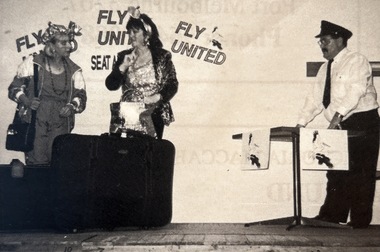
... S. Moyal 021-024: YEARBOOK PAGES 1990,1993,1994,1995 026:Photocopy article: "Lawn Bowlers boast strong sporting backgrounds" - Fr. ...S. Moyal 021-024: YEARBOOK PAGES 1990,1993,1994,1995 026:Photocopy article: "Lawn Bowlers boast strong sporting backgrounds" - Fr. ...20th celebrations dinner, Senior Carnival 1991 presentation, Life member presentation 1992, open Jewish singles comp. 1995, Intersynagogue day 1995, Smorgon Day 1995, 25th year celebration 1995, yearbook pages 1990-1995Photos - 26 mounted photocopies, Lawn Bowls. 01: St. Kilda early 1990's: D.Ackerstein, ?, B. Sternfeld, H. Brand, H. Edelstein, M. Green, L. Diamond, I. Dudakov 02:St. Kilda early 1990's:L. Zent, ?, ?, M. Dudakov, E. Edelstein, T. Green, B. Brand 03: Ajax Maccabi Lawn Bowls 20th Celebrations Dinner: T. Danos, J. Aarons, J. Rothman 04:Carnival 1991 Melbourne Bowling Club Presentation: J. Rothman, C. Hall, S. Leivenzon, J. Maver 05:1992 Life Member Plaque Presentation:A. Rothman, B. Finkelstein, Mrs. A. Eizenberg, J. Slutskin, A. Rubinstein, J. Aarons 06:Vic. Open Jewish Singles 1995:M. Krawitz, J. Maver 07: Vic. Open Pairs 1995:J. Maver, R. Binari, D. Pekelman, J. Aarons 08:Smorgon Day 1995:P. Morley, Ge. Smorgon,Gi. Smorgon 09:25th Year Celebration 1995:Ge. Smorgon,Gi. Smorgon, S. Aaroni, J. Aarons 0 10:Marylyn (resort) 1999:J. Aarons, J. Velleman, M. Silverstein 011:A.Faigen 012: D. Sebbas 013: J. Same 014: G.& G. Smorgon, R. Hyams 015:Inter Synagogue Day:M. Ashkanasy, Rabbi Abramson, G. Wroby 016:A.Faigen 017:M. Ashkanasy, P. Jacobson 018: R. Davies, B. Conway 019:South Africans 020: 1996-1997 M. Ashkanasy & Israeli Ambassador Mr. S. Moyal 021-024: YEARBOOK PAGES 1990,1993,1994,1995 026:Photocopy article: "Lawn Bowlers boast strong sporting backgrounds" - Fr. Aug.20, 1993gala or award function, lawn bowls -
 Maccabi Victoria
Photograph, c. 1990
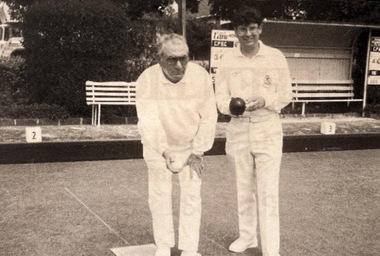
... S. Moyal 021-024: YEARBOOK PAGES 1990,1993,1994,1995 026:Photocopy article: "Lawn Bowlers boast strong sporting backgrounds" - Fr. ...S. Moyal 021-024: YEARBOOK PAGES 1990,1993,1994,1995 026:Photocopy article: "Lawn Bowlers boast strong sporting backgrounds" - Fr. ...20th celebrations dinner, Senior Carnival 1991 presentation, Life member presentation 1992, open Jewish singles comp. 1995, Intersynagogue day 1995, Smorgon Day 1995, 25th year celebration 1995, yearbook pages 1990-1995Photos - 26 mounted photocopies, Lawn Bowls. 01: St. Kilda early 1990's: D.Ackerstein, ?, B. Sternfeld, H. Brand, H. Edelstein, M. Green, L. Diamond, I. Dudakov 02:St. Kilda early 1990's:L. Zent, ?, ?, M. Dudakov, E. Edelstein, T. Green, B. Brand 03: Ajax Maccabi Lawn Bowls 20th Celebrations Dinner: T. Danos, J. Aarons, J. Rothman 04:Carnival 1991 Melbourne Bowling Club Presentation: J. Rothman, C. Hall, S. Leivenzon, J. Maver 05:1992 Life Member Plaque Presentation:A. Rothman, B. Finkelstein, Mrs. A. Eizenberg, J. Slutskin, A. Rubinstein, J. Aarons 06:Vic. Open Jewish Singles 1995:M. Krawitz, J. Maver 07: Vic. Open Pairs 1995:J. Maver, R. Binari, D. Pekelman, J. Aarons 08:Smorgon Day 1995:P. Morley, Ge. Smorgon,Gi. Smorgon 09:25th Year Celebration 1995:Ge. Smorgon,Gi. Smorgon, S. Aaroni, J. Aarons 0 10:Marylyn (resort) 1999:J. Aarons, J. Velleman, M. Silverstein 011:A.Faigen 012: D. Sebbas 013: J. Same 014: G.& G. Smorgon, R. Hyams 015:Inter Synagogue Day:M. Ashkanasy, Rabbi Abramson, G. Wroby 016:A.Faigen 017:M. Ashkanasy, P. Jacobson 018: R. Davies, B. Conway 019:South Africans 020: 1996-1997 M. Ashkanasy & Israeli Ambassador Mr. S. Moyal 021-024: YEARBOOK PAGES 1990,1993,1994,1995 026:Photocopy article: "Lawn Bowlers boast strong sporting backgrounds" - Fr. Aug.20, 1993gala or award function, lawn bowls -
 Maccabi Victoria
Photograph, c. 1990
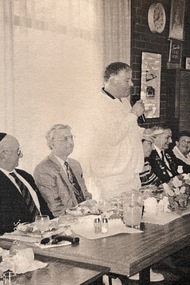
... S. Moyal 021-024: YEARBOOK PAGES 1990,1993,1994,1995 026:Photocopy article: "Lawn Bowlers boast strong sporting backgrounds" - Fr. ...S. Moyal 021-024: YEARBOOK PAGES 1990,1993,1994,1995 026:Photocopy article: "Lawn Bowlers boast strong sporting backgrounds" - Fr. ...20th celebrations dinner, Senior Carnival 1991 presentation, Life member presentation 1992, open Jewish singles comp. 1995, Intersynagogue day 1995, Smorgon Day 1995, 25th year celebration 1995, yearbook pages 1990-1995Photos - 26 mounted photocopies, Lawn Bowls. 01: St. Kilda early 1990's: D.Ackerstein, ?, B. Sternfeld, H. Brand, H. Edelstein, M. Green, L. Diamond, I. Dudakov 02:St. Kilda early 1990's:L. Zent, ?, ?, M. Dudakov, E. Edelstein, T. Green, B. Brand 03: Ajax Maccabi Lawn Bowls 20th Celebrations Dinner: T. Danos, J. Aarons, J. Rothman 04:Carnival 1991 Melbourne Bowling Club Presentation: J. Rothman, C. Hall, S. Leivenzon, J. Maver 05:1992 Life Member Plaque Presentation:A. Rothman, B. Finkelstein, Mrs. A. Eizenberg, J. Slutskin, A. Rubinstein, J. Aarons 06:Vic. Open Jewish Singles 1995:M. Krawitz, J. Maver 07: Vic. Open Pairs 1995:J. Maver, R. Binari, D. Pekelman, J. Aarons 08:Smorgon Day 1995:P. Morley, Ge. Smorgon,Gi. Smorgon 09:25th Year Celebration 1995:Ge. Smorgon,Gi. Smorgon, S. Aaroni, J. Aarons 0 10:Marylyn (resort) 1999:J. Aarons, J. Velleman, M. Silverstein 011:A.Faigen 012: D. Sebbas 013: J. Same 014: G.& G. Smorgon, R. Hyams 015:Inter Synagogue Day:M. Ashkanasy, Rabbi Abramson, G. Wroby 016:A.Faigen 017:M. Ashkanasy, P. Jacobson 018: R. Davies, B. Conway 019:South Africans 020: 1996-1997 M. Ashkanasy & Israeli Ambassador Mr. S. Moyal 021-024: YEARBOOK PAGES 1990,1993,1994,1995 026:Photocopy article: "Lawn Bowlers boast strong sporting backgrounds" - Fr. Aug.20, 1993gala or award function, lawn bowls -
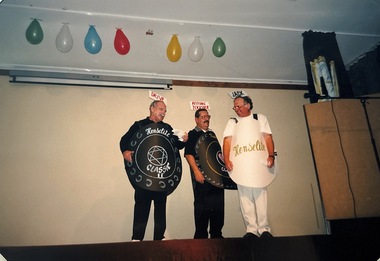 Maccabi Victoria
Photograph, c. 1990
... S. Moyal 021-024: YEARBOOK PAGES 1990,1993,1994,1995 026:Photocopy article: "Lawn Bowlers boast strong sporting backgrounds" - Fr. ...S. Moyal 021-024: YEARBOOK PAGES 1990,1993,1994,1995 026:Photocopy article: "Lawn Bowlers boast strong sporting backgrounds" - Fr. ...20th celebrations dinner, Senior Carnival 1991 presentation, Life member presentation 1992, open Jewish singles comp. 1995, Intersynagogue day 1995, Smorgon Day 1995, 25th year celebration 1995, yearbook pages 1990-1995Photos - 26 mounted photocopies, Lawn Bowls. 01: St. Kilda early 1990's: D.Ackerstein, ?, B. Sternfeld, H. Brand, H. Edelstein, M. Green, L. Diamond, I. Dudakov 02:St. Kilda early 1990's:L. Zent, ?, ?, M. Dudakov, E. Edelstein, T. Green, B. Brand 03: Ajax Maccabi Lawn Bowls 20th Celebrations Dinner: T. Danos, J. Aarons, J. Rothman 04:Carnival 1991 Melbourne Bowling Club Presentation: J. Rothman, C. Hall, S. Leivenzon, J. Maver 05:1992 Life Member Plaque Presentation:A. Rothman, B. Finkelstein, Mrs. A. Eizenberg, J. Slutskin, A. Rubinstein, J. Aarons 06:Vic. Open Jewish Singles 1995:M. Krawitz, J. Maver 07: Vic. Open Pairs 1995:J. Maver, R. Binari, D. Pekelman, J. Aarons 08:Smorgon Day 1995:P. Morley, Ge. Smorgon,Gi. Smorgon 09:25th Year Celebration 1995:Ge. Smorgon,Gi. Smorgon, S. Aaroni, J. Aarons 0 10:Marylyn (resort) 1999:J. Aarons, J. Velleman, M. Silverstein 011:A.Faigen 012: D. Sebbas 013: J. Same 014: G.& G. Smorgon, R. Hyams 015:Inter Synagogue Day:M. Ashkanasy, Rabbi Abramson, G. Wroby 016:A.Faigen 017:M. Ashkanasy, P. Jacobson 018: R. Davies, B. Conway 019:South Africans 020: 1996-1997 M. Ashkanasy & Israeli Ambassador Mr. S. Moyal 021-024: YEARBOOK PAGES 1990,1993,1994,1995 026:Photocopy article: "Lawn Bowlers boast strong sporting backgrounds" - Fr. Aug.20, 1993gala or award function, lawn bowls -
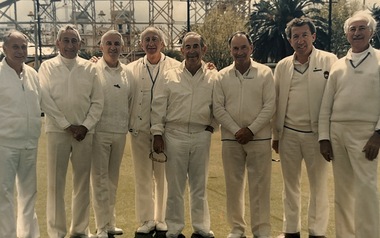 Maccabi Victoria
Photograph, c. 1990
... S. Moyal 021-024: YEARBOOK PAGES 1990,1993,1994,1995 026:Photocopy article: "Lawn Bowlers boast strong sporting backgrounds" - Fr. ...S. Moyal 021-024: YEARBOOK PAGES 1990,1993,1994,1995 026:Photocopy article: "Lawn Bowlers boast strong sporting backgrounds" - Fr. ...20th celebrations dinner, Senior Carnival 1991 presentation, Life member presentation 1992, open Jewish singles comp. 1995, Intersynagogue day 1995, Smorgon Day 1995, 25th year celebration 1995, yearbook pages 1990-1995Photos - 26 mounted photocopies, Lawn Bowls. 01: St. Kilda early 1990's: D.Ackerstein, ?, B. Sternfeld, H. Brand, H. Edelstein, M. Green, L. Diamond, I. Dudakov 02:St. Kilda early 1990's:L. Zent, ?, ?, M. Dudakov, E. Edelstein, T. Green, B. Brand 03: Ajax Maccabi Lawn Bowls 20th Celebrations Dinner: T. Danos, J. Aarons, J. Rothman 04:Carnival 1991 Melbourne Bowling Club Presentation: J. Rothman, C. Hall, S. Leivenzon, J. Maver 05:1992 Life Member Plaque Presentation:A. Rothman, B. Finkelstein, Mrs. A. Eizenberg, J. Slutskin, A. Rubinstein, J. Aarons 06:Vic. Open Jewish Singles 1995:M. Krawitz, J. Maver 07: Vic. Open Pairs 1995:J. Maver, R. Binari, D. Pekelman, J. Aarons 08:Smorgon Day 1995:P. Morley, Ge. Smorgon,Gi. Smorgon 09:25th Year Celebration 1995:Ge. Smorgon,Gi. Smorgon, S. Aaroni, J. Aarons 0 10:Marylyn (resort) 1999:J. Aarons, J. Velleman, M. Silverstein 011:A.Faigen 012: D. Sebbas 013: J. Same 014: G.& G. Smorgon, R. Hyams 015:Inter Synagogue Day:M. Ashkanasy, Rabbi Abramson, G. Wroby 016:A.Faigen 017:M. Ashkanasy, P. Jacobson 018: R. Davies, B. Conway 019:South Africans 020: 1996-1997 M. Ashkanasy & Israeli Ambassador Mr. S. Moyal 021-024: YEARBOOK PAGES 1990,1993,1994,1995 026:Photocopy article: "Lawn Bowlers boast strong sporting backgrounds" - Fr. Aug.20, 1993gala or award function, lawn bowls -
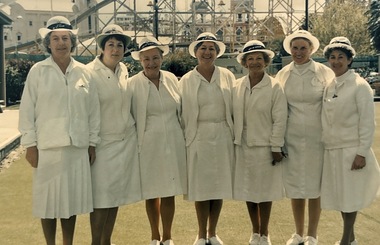 Maccabi Victoria
Photograph, c. 1990
... S. Moyal 021-024: YEARBOOK PAGES 1990,1993,1994,1995 026:Photocopy article: "Lawn Bowlers boast strong sporting backgrounds" - Fr. ...S. Moyal 021-024: YEARBOOK PAGES 1990,1993,1994,1995 026:Photocopy article: "Lawn Bowlers boast strong sporting backgrounds" - Fr. ...20th celebrations dinner, Senior Carnival 1991 presentation, Life member presentation 1992, open Jewish singles comp. 1995, Intersynagogue day 1995, Smorgon Day 1995, 25th year celebration 1995, yearbook pages 1990-1995Photos - 26 mounted photocopies, Lawn Bowls. 01: St. Kilda early 1990's: D.Ackerstein, ?, B. Sternfeld, H. Brand, H. Edelstein, M. Green, L. Diamond, I. Dudakov 02:St. Kilda early 1990's:L. Zent, ?, ?, M. Dudakov, E. Edelstein, T. Green, B. Brand 03: Ajax Maccabi Lawn Bowls 20th Celebrations Dinner: T. Danos, J. Aarons, J. Rothman 04:Carnival 1991 Melbourne Bowling Club Presentation: J. Rothman, C. Hall, S. Leivenzon, J. Maver 05:1992 Life Member Plaque Presentation:A. Rothman, B. Finkelstein, Mrs. A. Eizenberg, J. Slutskin, A. Rubinstein, J. Aarons 06:Vic. Open Jewish Singles 1995:M. Krawitz, J. Maver 07: Vic. Open Pairs 1995:J. Maver, R. Binari, D. Pekelman, J. Aarons 08:Smorgon Day 1995:P. Morley, Ge. Smorgon,Gi. Smorgon 09:25th Year Celebration 1995:Ge. Smorgon,Gi. Smorgon, S. Aaroni, J. Aarons 0 10:Marylyn (resort) 1999:J. Aarons, J. Velleman, M. Silverstein 011:A.Faigen 012: D. Sebbas 013: J. Same 014: G.& G. Smorgon, R. Hyams 015:Inter Synagogue Day:M. Ashkanasy, Rabbi Abramson, G. Wroby 016:A.Faigen 017:M. Ashkanasy, P. Jacobson 018: R. Davies, B. Conway 019:South Africans 020: 1996-1997 M. Ashkanasy & Israeli Ambassador Mr. S. Moyal 021-024: YEARBOOK PAGES 1990,1993,1994,1995 026:Photocopy article: "Lawn Bowlers boast strong sporting backgrounds" - Fr. Aug.20, 1993gala or award function, lawn bowls -
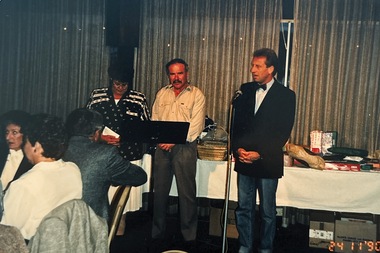 Maccabi Victoria
Photograph, c. 1990
... S. Moyal 021-024: YEARBOOK PAGES 1990,1993,1994,1995 026:Photocopy article: "Lawn Bowlers boast strong sporting backgrounds" - Fr. ...S. Moyal 021-024: YEARBOOK PAGES 1990,1993,1994,1995 026:Photocopy article: "Lawn Bowlers boast strong sporting backgrounds" - Fr. ...20th celebrations dinner, Senior Carnival 1991 presentation, Life member presentation 1992, open Jewish singles comp. 1995, Intersynagogue day 1995, Smorgon Day 1995, 25th year celebration 1995, yearbook pages 1990-1995Photos - 26 mounted photocopies, Lawn Bowls. 01: St. Kilda early 1990's: D.Ackerstein, ?, B. Sternfeld, H. Brand, H. Edelstein, M. Green, L. Diamond, I. Dudakov 02:St. Kilda early 1990's:L. Zent, ?, ?, M. Dudakov, E. Edelstein, T. Green, B. Brand 03: Ajax Maccabi Lawn Bowls 20th Celebrations Dinner: T. Danos, J. Aarons, J. Rothman 04:Carnival 1991 Melbourne Bowling Club Presentation: J. Rothman, C. Hall, S. Leivenzon, J. Maver 05:1992 Life Member Plaque Presentation:A. Rothman, B. Finkelstein, Mrs. A. Eizenberg, J. Slutskin, A. Rubinstein, J. Aarons 06:Vic. Open Jewish Singles 1995:M. Krawitz, J. Maver 07: Vic. Open Pairs 1995:J. Maver, R. Binari, D. Pekelman, J. Aarons 08:Smorgon Day 1995:P. Morley, Ge. Smorgon,Gi. Smorgon 09:25th Year Celebration 1995:Ge. Smorgon,Gi. Smorgon, S. Aaroni, J. Aarons 0 10:Marylyn (resort) 1999:J. Aarons, J. Velleman, M. Silverstein 011:A.Faigen 012: D. Sebbas 013: J. Same 014: G.& G. Smorgon, R. Hyams 015:Inter Synagogue Day:M. Ashkanasy, Rabbi Abramson, G. Wroby 016:A.Faigen 017:M. Ashkanasy, P. Jacobson 018: R. Davies, B. Conway 019:South Africans 020: 1996-1997 M. Ashkanasy & Israeli Ambassador Mr. S. Moyal 021-024: YEARBOOK PAGES 1990,1993,1994,1995 026:Photocopy article: "Lawn Bowlers boast strong sporting backgrounds" - Fr. Aug.20, 1993gala or award function, lawn bowls -
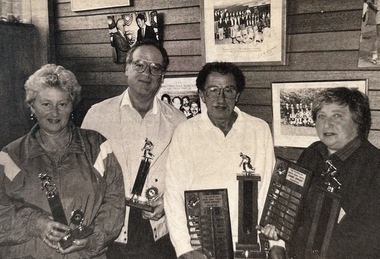 Maccabi Victoria
Photograph, c. 1990
... S. Moyal 021-024: YEARBOOK PAGES 1990,1993,1994,1995 026:Photocopy article: "Lawn Bowlers boast strong sporting backgrounds" - Fr. ...S. Moyal 021-024: YEARBOOK PAGES 1990,1993,1994,1995 026:Photocopy article: "Lawn Bowlers boast strong sporting backgrounds" - Fr. ...20th celebrations dinner, Senior Carnival 1991 presentation, Life member presentation 1992, open Jewish singles comp. 1995, Intersynagogue day 1995, Smorgon Day 1995, 25th year celebration 1995, yearbook pages 1990-1995Photos - 26 mounted photocopies, Lawn Bowls. 01: St. Kilda early 1990's: D.Ackerstein, ?, B. Sternfeld, H. Brand, H. Edelstein, M. Green, L. Diamond, I. Dudakov 02:St. Kilda early 1990's:L. Zent, ?, ?, M. Dudakov, E. Edelstein, T. Green, B. Brand 03: Ajax Maccabi Lawn Bowls 20th Celebrations Dinner: T. Danos, J. Aarons, J. Rothman 04:Carnival 1991 Melbourne Bowling Club Presentation: J. Rothman, C. Hall, S. Leivenzon, J. Maver 05:1992 Life Member Plaque Presentation:A. Rothman, B. Finkelstein, Mrs. A. Eizenberg, J. Slutskin, A. Rubinstein, J. Aarons 06:Vic. Open Jewish Singles 1995:M. Krawitz, J. Maver 07: Vic. Open Pairs 1995:J. Maver, R. Binari, D. Pekelman, J. Aarons 08:Smorgon Day 1995:P. Morley, Ge. Smorgon,Gi. Smorgon 09:25th Year Celebration 1995:Ge. Smorgon,Gi. Smorgon, S. Aaroni, J. Aarons 0 10:Marylyn (resort) 1999:J. Aarons, J. Velleman, M. Silverstein 011:A.Faigen 012: D. Sebbas 013: J. Same 014: G.& G. Smorgon, R. Hyams 015:Inter Synagogue Day:M. Ashkanasy, Rabbi Abramson, G. Wroby 016:A.Faigen 017:M. Ashkanasy, P. Jacobson 018: R. Davies, B. Conway 019:South Africans 020: 1996-1997 M. Ashkanasy & Israeli Ambassador Mr. S. Moyal 021-024: YEARBOOK PAGES 1990,1993,1994,1995 026:Photocopy article: "Lawn Bowlers boast strong sporting backgrounds" - Fr. Aug.20, 1993gala or award function, lawn bowls -
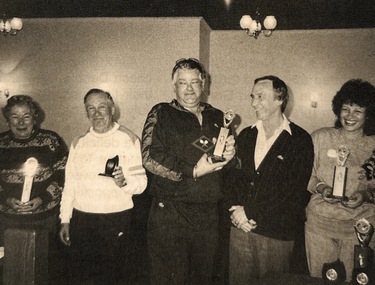 Maccabi Victoria
Photograph, c. 1990
... S. Moyal 021-024: YEARBOOK PAGES 1990,1993,1994,1995 026:Photocopy article: "Lawn Bowlers boast strong sporting backgrounds" - Fr. ...S. Moyal 021-024: YEARBOOK PAGES 1990,1993,1994,1995 026:Photocopy article: "Lawn Bowlers boast strong sporting backgrounds" - Fr. ...20th celebrations dinner, Senior Carnival 1991 presentation, Life member presentation 1992, open Jewish singles comp. 1995, Intersynagogue day 1995, Smorgon Day 1995, 25th year celebration 1995, yearbook pages 1990-1995Photos - 26 mounted photocopies, Lawn Bowls. 01: St. Kilda early 1990's: D.Ackerstein, ?, B. Sternfeld, H. Brand, H. Edelstein, M. Green, L. Diamond, I. Dudakov 02:St. Kilda early 1990's:L. Zent, ?, ?, M. Dudakov, E. Edelstein, T. Green, B. Brand 03: Ajax Maccabi Lawn Bowls 20th Celebrations Dinner: T. Danos, J. Aarons, J. Rothman 04:Carnival 1991 Melbourne Bowling Club Presentation: J. Rothman, C. Hall, S. Leivenzon, J. Maver 05:1992 Life Member Plaque Presentation:A. Rothman, B. Finkelstein, Mrs. A. Eizenberg, J. Slutskin, A. Rubinstein, J. Aarons 06:Vic. Open Jewish Singles 1995:M. Krawitz, J. Maver 07: Vic. Open Pairs 1995:J. Maver, R. Binari, D. Pekelman, J. Aarons 08:Smorgon Day 1995:P. Morley, Ge. Smorgon,Gi. Smorgon 09:25th Year Celebration 1995:Ge. Smorgon,Gi. Smorgon, S. Aaroni, J. Aarons 0 10:Marylyn (resort) 1999:J. Aarons, J. Velleman, M. Silverstein 011:A.Faigen 012: D. Sebbas 013: J. Same 014: G.& G. Smorgon, R. Hyams 015:Inter Synagogue Day:M. Ashkanasy, Rabbi Abramson, G. Wroby 016:A.Faigen 017:M. Ashkanasy, P. Jacobson 018: R. Davies, B. Conway 019:South Africans 020: 1996-1997 M. Ashkanasy & Israeli Ambassador Mr. S. Moyal 021-024: YEARBOOK PAGES 1990,1993,1994,1995 026:Photocopy article: "Lawn Bowlers boast strong sporting backgrounds" - Fr. Aug.20, 1993gala or award function, lawn bowls -
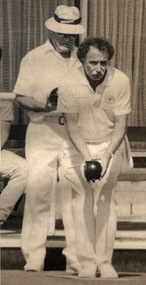 Maccabi Victoria
Photograph, c. 1990
... S. Moyal 021-024: YEARBOOK PAGES 1990,1993,1994,1995 026:Photocopy article: "Lawn Bowlers boast strong sporting backgrounds" - Fr. ...S. Moyal 021-024: YEARBOOK PAGES 1990,1993,1994,1995 026:Photocopy article: "Lawn Bowlers boast strong sporting backgrounds" - Fr. ...20th celebrations dinner, Senior Carnival 1991 presentation, Life member presentation 1992, open Jewish singles comp. 1995, Intersynagogue day 1995, Smorgon Day 1995, 25th year celebration 1995, yearbook pages 1990-1995Photos - 26 mounted photocopies, Lawn Bowls. 01: St. Kilda early 1990's: D.Ackerstein, ?, B. Sternfeld, H. Brand, H. Edelstein, M. Green, L. Diamond, I. Dudakov 02:St. Kilda early 1990's:L. Zent, ?, ?, M. Dudakov, E. Edelstein, T. Green, B. Brand 03: Ajax Maccabi Lawn Bowls 20th Celebrations Dinner: T. Danos, J. Aarons, J. Rothman 04:Carnival 1991 Melbourne Bowling Club Presentation: J. Rothman, C. Hall, S. Leivenzon, J. Maver 05:1992 Life Member Plaque Presentation:A. Rothman, B. Finkelstein, Mrs. A. Eizenberg, J. Slutskin, A. Rubinstein, J. Aarons 06:Vic. Open Jewish Singles 1995:M. Krawitz, J. Maver 07: Vic. Open Pairs 1995:J. Maver, R. Binari, D. Pekelman, J. Aarons 08:Smorgon Day 1995:P. Morley, Ge. Smorgon,Gi. Smorgon 09:25th Year Celebration 1995:Ge. Smorgon,Gi. Smorgon, S. Aaroni, J. Aarons 0 10:Marylyn (resort) 1999:J. Aarons, J. Velleman, M. Silverstein 011:A.Faigen 012: D. Sebbas 013: J. Same 014: G.& G. Smorgon, R. Hyams 015:Inter Synagogue Day:M. Ashkanasy, Rabbi Abramson, G. Wroby 016:A.Faigen 017:M. Ashkanasy, P. Jacobson 018: R. Davies, B. Conway 019:South Africans 020: 1996-1997 M. Ashkanasy & Israeli Ambassador Mr. S. Moyal 021-024: YEARBOOK PAGES 1990,1993,1994,1995 026:Photocopy article: "Lawn Bowlers boast strong sporting backgrounds" - Fr. Aug.20, 1993gala or award function, lawn bowls -
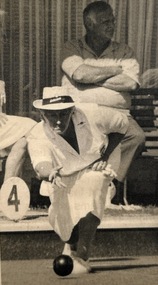 Maccabi Victoria
Photograph, c. 1990
... S. Moyal 021-024: YEARBOOK PAGES 1990,1993,1994,1995 026:Photocopy article: "Lawn Bowlers boast strong sporting backgrounds" - Fr. ...S. Moyal 021-024: YEARBOOK PAGES 1990,1993,1994,1995 026:Photocopy article: "Lawn Bowlers boast strong sporting backgrounds" - Fr. ...20th celebrations dinner, Senior Carnival 1991 presentation, Life member presentation 1992, open Jewish singles comp. 1995, Intersynagogue day 1995, Smorgon Day 1995, 25th year celebration 1995, yearbook pages 1990-1995Photos - 26 mounted photocopies, Lawn Bowls. 01: St. Kilda early 1990's: D.Ackerstein, ?, B. Sternfeld, H. Brand, H. Edelstein, M. Green, L. Diamond, I. Dudakov 02:St. Kilda early 1990's:L. Zent, ?, ?, M. Dudakov, E. Edelstein, T. Green, B. Brand 03: Ajax Maccabi Lawn Bowls 20th Celebrations Dinner: T. Danos, J. Aarons, J. Rothman 04:Carnival 1991 Melbourne Bowling Club Presentation: J. Rothman, C. Hall, S. Leivenzon, J. Maver 05:1992 Life Member Plaque Presentation:A. Rothman, B. Finkelstein, Mrs. A. Eizenberg, J. Slutskin, A. Rubinstein, J. Aarons 06:Vic. Open Jewish Singles 1995:M. Krawitz, J. Maver 07: Vic. Open Pairs 1995:J. Maver, R. Binari, D. Pekelman, J. Aarons 08:Smorgon Day 1995:P. Morley, Ge. Smorgon,Gi. Smorgon 09:25th Year Celebration 1995:Ge. Smorgon,Gi. Smorgon, S. Aaroni, J. Aarons 0 10:Marylyn (resort) 1999:J. Aarons, J. Velleman, M. Silverstein 011:A.Faigen 012: D. Sebbas 013: J. Same 014: G.& G. Smorgon, R. Hyams 015:Inter Synagogue Day:M. Ashkanasy, Rabbi Abramson, G. Wroby 016:A.Faigen 017:M. Ashkanasy, P. Jacobson 018: R. Davies, B. Conway 019:South Africans 020: 1996-1997 M. Ashkanasy & Israeli Ambassador Mr. S. Moyal 021-024: YEARBOOK PAGES 1990,1993,1994,1995 026:Photocopy article: "Lawn Bowlers boast strong sporting backgrounds" - Fr. Aug.20, 1993gala or award function, lawn bowls -
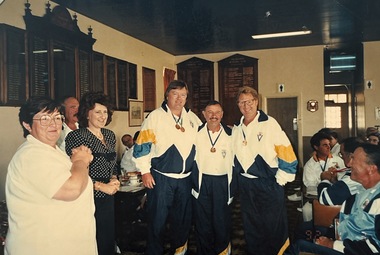 Maccabi Victoria
Photograph, c. 1990
... S. Moyal 021-024: YEARBOOK PAGES 1990,1993,1994,1995 026:Photocopy article: "Lawn Bowlers boast strong sporting backgrounds" - Fr. ...S. Moyal 021-024: YEARBOOK PAGES 1990,1993,1994,1995 026:Photocopy article: "Lawn Bowlers boast strong sporting backgrounds" - Fr. ...20th celebrations dinner, Senior Carnival 1991 presentation, Life member presentation 1992, open Jewish singles comp. 1995, Intersynagogue day 1995, Smorgon Day 1995, 25th year celebration 1995, yearbook pages 1990-1995Photos - 26 mounted photocopies, Lawn Bowls. 01: St. Kilda early 1990's: D.Ackerstein, ?, B. Sternfeld, H. Brand, H. Edelstein, M. Green, L. Diamond, I. Dudakov 02:St. Kilda early 1990's:L. Zent, ?, ?, M. Dudakov, E. Edelstein, T. Green, B. Brand 03: Ajax Maccabi Lawn Bowls 20th Celebrations Dinner: T. Danos, J. Aarons, J. Rothman 04:Carnival 1991 Melbourne Bowling Club Presentation: J. Rothman, C. Hall, S. Leivenzon, J. Maver 05:1992 Life Member Plaque Presentation:A. Rothman, B. Finkelstein, Mrs. A. Eizenberg, J. Slutskin, A. Rubinstein, J. Aarons 06:Vic. Open Jewish Singles 1995:M. Krawitz, J. Maver 07: Vic. Open Pairs 1995:J. Maver, R. Binari, D. Pekelman, J. Aarons 08:Smorgon Day 1995:P. Morley, Ge. Smorgon,Gi. Smorgon 09:25th Year Celebration 1995:Ge. Smorgon,Gi. Smorgon, S. Aaroni, J. Aarons 0 10:Marylyn (resort) 1999:J. Aarons, J. Velleman, M. Silverstein 011:A.Faigen 012: D. Sebbas 013: J. Same 014: G.& G. Smorgon, R. Hyams 015:Inter Synagogue Day:M. Ashkanasy, Rabbi Abramson, G. Wroby 016:A.Faigen 017:M. Ashkanasy, P. Jacobson 018: R. Davies, B. Conway 019:South Africans 020: 1996-1997 M. Ashkanasy & Israeli Ambassador Mr. S. Moyal 021-024: YEARBOOK PAGES 1990,1993,1994,1995 026:Photocopy article: "Lawn Bowlers boast strong sporting backgrounds" - Fr. Aug.20, 1993gala or award function, lawn bowls -
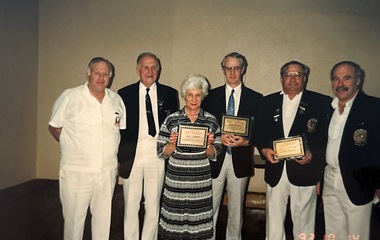 Maccabi Victoria
Photograph, c. 1990
... S. Moyal 021-024: YEARBOOK PAGES 1990,1993,1994,1995 026:Photocopy article: "Lawn Bowlers boast strong sporting backgrounds" - Fr. ...S. Moyal 021-024: YEARBOOK PAGES 1990,1993,1994,1995 026:Photocopy article: "Lawn Bowlers boast strong sporting backgrounds" - Fr. ...20th celebrations dinner, Senior Carnival 1991 presentation, Life member presentation 1992, open Jewish singles comp. 1995, Intersynagogue day 1995, Smorgon Day 1995, 25th year celebration 1995, yearbook pages 1990-1995Photos - 26 mounted photocopies, Lawn Bowls. 01: St. Kilda early 1990's: D.Ackerstein, ?, B. Sternfeld, H. Brand, H. Edelstein, M. Green, L. Diamond, I. Dudakov 02:St. Kilda early 1990's:L. Zent, ?, ?, M. Dudakov, E. Edelstein, T. Green, B. Brand 03: Ajax Maccabi Lawn Bowls 20th Celebrations Dinner: T. Danos, J. Aarons, J. Rothman 04:Carnival 1991 Melbourne Bowling Club Presentation: J. Rothman, C. Hall, S. Leivenzon, J. Maver 05:1992 Life Member Plaque Presentation:A. Rothman, B. Finkelstein, Mrs. A. Eizenberg, J. Slutskin, A. Rubinstein, J. Aarons 06:Vic. Open Jewish Singles 1995:M. Krawitz, J. Maver 07: Vic. Open Pairs 1995:J. Maver, R. Binari, D. Pekelman, J. Aarons 08:Smorgon Day 1995:P. Morley, Ge. Smorgon,Gi. Smorgon 09:25th Year Celebration 1995:Ge. Smorgon,Gi. Smorgon, S. Aaroni, J. Aarons 0 10:Marylyn (resort) 1999:J. Aarons, J. Velleman, M. Silverstein 011:A.Faigen 012: D. Sebbas 013: J. Same 014: G.& G. Smorgon, R. Hyams 015:Inter Synagogue Day:M. Ashkanasy, Rabbi Abramson, G. Wroby 016:A.Faigen 017:M. Ashkanasy, P. Jacobson 018: R. Davies, B. Conway 019:South Africans 020: 1996-1997 M. Ashkanasy & Israeli Ambassador Mr. S. Moyal 021-024: YEARBOOK PAGES 1990,1993,1994,1995 026:Photocopy article: "Lawn Bowlers boast strong sporting backgrounds" - Fr. Aug.20, 1993gala or award function, lawn bowls
