
Showing 33 items matching "social realism"
-
 Brimbank City Council Art Collection
Painting, United Transport Fire, 1989
... social realism...Social realism pertaining to the Western Suburbs social realism western suburbs View of United Transport Fire from Moreland Street Studio. ...Social realism pertaining to the Western SuburbsView of United Transport Fire from Moreland Street Studio. More people viewed the fire than showed up for the Footscray parade a fews earlier. The Mr Whippy van made an economical killing, while the atmosphere was suffering the same results. AR0099social realism, western suburbs -
 Federation University Art Collection
Work on paper - Printmaking - Linocut, 'Laughing Christ', 1970 by Noel Counihan, 1970
... ...social realism...Description by Dr Susan Paterson art artwork noel counihan counihan printmaking available christ linocut printmaking print council of australia workers art guild social realist social realism expressionist artist Framed linocut, the second large version of the Laughing Christ series. ...Noel COUNIHAN (04 Oct 1913 - 05 Jul 1986) This lino cut is the second largest version of Counihan's Laughing Christ series of linocuts from the 1970s. Janet McKenzie in her book 'Noel Counihan' (1986, p. 25) uses Counihan's quote in his description of the Laughing Christ series of art works: "Once again the armies of the Western world were moving against people behind the image of Christ: they were Christian armies. The American and Australian armies in Vietnam had their chaplains with them and were slaughtering Buddhists, as well ironically enough, as Vietnamese Catholics". Counihan's fury at the blood shed and massacre of war behind the image of Jesus is evident in his ironic portrayal of a Laughing Christ. Was this what Jesus was about? Not likely! This item is part of the Federation University Art Collection. The Art Collection features over 1000 works and was listed as a 'Ballarat Treasure' in 2007. Description by Dr Susan Paterson Framed linocut, the second large version of the Laughing Christ series. The linocut was commissioned by the Print Council of Australia for members' annual subscription and printed on Japanese paper by William Caulfield & Sons, Melbourne.art, artwork, noel counihan, counihan, printmaking, available, christ, linocut printmaking, print council of australia, workers art guild, social realist, social realism, expressionist artist -
 Women's Art Register
Book, Evelyn Healy, Artist of the Left. A Personal Experience 1930s to 1990s, 1993
... ...Social Realism...Complements other material held in the Women's Art Register Trade Unions Social Realism Communist Party of Australia Peace Art Australia Council Community Arts Art and Working Life International Co-operation Art Award CPA political cartoons Cabramatta and Districts Art Society Noel Counihan Contemporary Art Society of Victoria A history of the authors life as an artist, teacher, and political activist in Australia. ...A history of the authors life as an artist, teacher, and political activist in Australia.non-fictionA history of the authors life as an artist, teacher, and political activist in Australia.trade unions, social realism, communist party of australia, peace art, australia council, community arts, art and working life, international co-operation art award, cpa, political cartoons, cabramatta and districts art society, noel counihan, contemporary art society of victoria -
 Flagstaff Hill Maritime Museum and Village
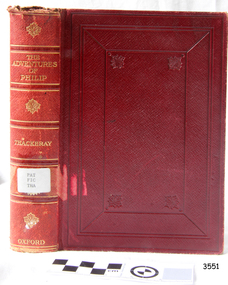
Book - A Fictional Story, William Makepeace Thackeray et al, The Adventures of Philip, 1908
... Unlike Dickens’s often idealised characters, Thackeray was a master of satire and social realism, famously subverting tropes to show human flaws, creating ‘a novel without a hero’. ...Unlike Dickens’s often idealised characters, Thackeray was a master of satire and social realism, famously subverting tropes to show human flaws, creating ‘a novel without a hero’. ...The Adventures of Philip on His Way Through the World was originally serialised in The Cornhill Magazine from 1861 to 1863 and is Thackeray's final completed novel. The story is heavily semi autobiographical, reflecting Thackeray's own youth, early struggles, and financial losses. The narrative follows Philip Firmin, a passionate, blustering, but fundamentally good hearted young man. He stands to inherit a comfortable fortune from his late mother. However, Philip is completely betrayed by his own father, the aristocratic and deceitful Dr Brandon Firmin. The doctor secretly squanders, swindles, and speculates away his son's entire inheritance, leaving Philip financially ruined. Forced to make his own way in the world, Philip moves to Paris to work as a struggling journalist. He falls in love and marries Charlotte Baynes, despite having almost no income. The novel becomes an intense critique of Victorian societal expectations, exploring the crushing anxiety of genteel poverty, the snobbery of wealthy relatives, and Philip's struggle to maintain his pride and integrity while desperately trying to support his growing family.The Adventures of Philip Author: William Makepeace Thackeray Publisher: Henry Frowde Oxford University Press Date: 1908fictionThe Adventures of Philip on His Way Through the World was originally serialised in The Cornhill Magazine from 1861 to 1863 and is Thackeray's final completed novel. The story is heavily semi autobiographical, reflecting Thackeray's own youth, early struggles, and financial losses. The narrative follows Philip Firmin, a passionate, blustering, but fundamentally good hearted young man. He stands to inherit a comfortable fortune from his late mother. However, Philip is completely betrayed by his own father, the aristocratic and deceitful Dr Brandon Firmin. The doctor secretly squanders, swindles, and speculates away his son's entire inheritance, leaving Philip financially ruined. Forced to make his own way in the world, Philip moves to Paris to work as a struggling journalist. He falls in love and marries Charlotte Baynes, despite having almost no income. The novel becomes an intense critique of Victorian societal expectations, exploring the crushing anxiety of genteel poverty, the snobbery of wealthy relatives, and Philip's struggle to maintain his pride and integrity while desperately trying to support his growing family.shipwrecked-coast, flagstaff-hill, flagstaff-hill-maritime-museum, warrnambool, maritime-museum, shipwreck-coast, flagstaff-hill-maritime-village, shipwrecked-artefact, book, pattison collection, warrnambool library, warrnambool mechanics’ institute, ralph eric pattison, corangamite regional library service, warrnambool city librarian, mechanics’ institute library, victorian library board, warrnambool books and records, warrnambool children’s library, great ocean road, the virginians-, william makepeace thackeray -
 Flagstaff Hill Maritime Museum and Village
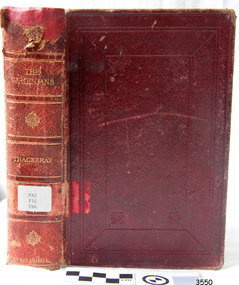
Book - A Fictional Story, William Makepeace Thackeray, The Virginians, 1908
... Unlike Dickens’s often idealised characters, Thackeray was a master of satire and social realism, famously subverting tropes to show human flaws, creating ‘a novel without a hero’. ...Unlike Dickens’s often idealised characters, Thackeray was a master of satire and social realism, famously subverting tropes to show human flaws, creating ‘a novel without a hero’. ...The Virginians: A Tale of the Last Century was originally published in serial numbers from 1857 to 1859. It is a sweeping historical novel set against the backdrop of the Seven Years’ War and the lead-up to the American Revolutionary War. It acts as a sequel to Thackeray’s earlier masterpiece, The History of Henry Esmond. The plot follows Henry Esmonds twin grandsons, George and Harry Warrington. Born in Virginia, the brothers are separated when the studious older twin, George, is presumed dead after a disastrous military expedition alongside a young George Washington. The plot goes on to tell of the younger, more impulsive twin, Harry, travelling to England to visit wealthy relatives. Mistaken for a rich heir, he gets swept up in high society, falls prey to fortune hunters, and racks up massive gambling debts. George unexpectedly resurfaces alive, saves his brother from ruin, and the narrative eventually tracks their split allegiances as the American Revolution begins to fracture the family.The Virginians Author: William Makepeace Thackeray Publisher: Henry Frowde Oxford University Press Date: 1908 The Virginians-- A tale of the last centuryfictionThe Virginians: A Tale of the Last Century was originally published in serial numbers from 1857 to 1859. It is a sweeping historical novel set against the backdrop of the Seven Years’ War and the lead-up to the American Revolutionary War. It acts as a sequel to Thackeray’s earlier masterpiece, The History of Henry Esmond. The plot follows Henry Esmonds twin grandsons, George and Harry Warrington. Born in Virginia, the brothers are separated when the studious older twin, George, is presumed dead after a disastrous military expedition alongside a young George Washington. The plot goes on to tell of the younger, more impulsive twin, Harry, travelling to England to visit wealthy relatives. Mistaken for a rich heir, he gets swept up in high society, falls prey to fortune hunters, and racks up massive gambling debts. George unexpectedly resurfaces alive, saves his brother from ruin, and the narrative eventually tracks their split allegiances as the American Revolution begins to fracture the family. shipwrecked-coast, flagstaff-hill, flagstaff-hill-maritime-museum, warrnambool, maritime-museum, shipwreck-coast, flagstaff-hill-maritime-village, shipwrecked-artefact, book, pattison collection, warrnambool library, warrnambool mechanics’ institute, ralph eric pattison, corangamite regional library service, warrnambool city librarian, mechanics’ institute library, victorian library board, warrnambool books and records, warrnambool children’s library, great ocean road, the virginians-, william makepeace thackeray -
 Flagstaff Hill Maritime Museum and Village
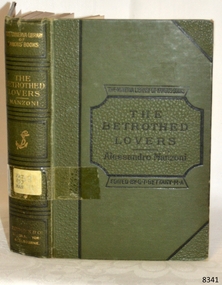
Book - A Fictional Love Story, Alessandro Manzoni, The Betrothed Lovers, 1889
... This work is renowned for its deep psychological realism, social critique, and profound exploration of religious faith and divine providence. ...The subject novel is regarded as a Victorian literary artifact of a masterpiece of European literature. The Betrothed Lovers is the English translation of I Promessi Sposi (originally published in 1827), widely considered the most famous and influential Italian novel ever written. Set in northern Italy in 1628 during the oppressive era of Spanish rule, the story follows two young silk weavers, Renzo and Lucia, who are deeply in love and wish to marry. Their plans are cruelly shattered by a tyrannical local baron, Don Rodrigo, who wants Lucia for himself and forces the couple to flee. The epic narrative follows their separate, perilous journeys through a landscape torn apart by war, political corruption, famine, and a devastating outbreak of the Bubonic Plague in Milan. This work is renowned for its deep psychological realism, social critique, and profound exploration of religious faith and divine providence.The Betrothed Lovers Author: Alessandro Manzoni Publisher: Ward Lock & Co Date: 1889 Further Information: Edited by G.T.BettanyfictionThe subject novel is regarded as a Victorian literary artifact of a masterpiece of European literature. The Betrothed Lovers is the English translation of I Promessi Sposi (originally published in 1827), widely considered the most famous and influential Italian novel ever written. Set in northern Italy in 1628 during the oppressive era of Spanish rule, the story follows two young silk weavers, Renzo and Lucia, who are deeply in love and wish to marry. Their plans are cruelly shattered by a tyrannical local baron, Don Rodrigo, who wants Lucia for himself and forces the couple to flee. The epic narrative follows their separate, perilous journeys through a landscape torn apart by war, political corruption, famine, and a devastating outbreak of the Bubonic Plague in Milan. This work is renowned for its deep psychological realism, social critique, and profound exploration of religious faith and divine providence.flagstaff hill, warrnambool, shipwrecked coast, flagstaff hill maritime museum, maritime museum, shipwreck coast, flagstaff hill maritime village, great ocean road, book, pattison collection, warrnambool library, warrnambool mechanics’ institute, ralph eric pattison, corangamite regional library service, warrnambool city librarian, mechanics’ institute library, victorian library board, warrnambool books and records, warrnambool children’s library, the betrothed lovers, allessandro manzoni, g.t.bettany -
 Flagstaff Hill Maritime Museum and Village
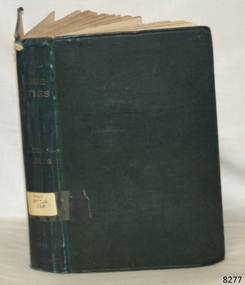
Book - Fictional Novel, Henry James Jr, Tales of Three Cities, 1884
... realism and literary modernism. Published in 1884, this collection sits at a pivotal turning point in James’s career. It was written just after his early masterpiece, The Portrait of a Lady (1881), and just before he shifted into his more politically charged and socially complex works of the late 1880s (such as The Bostonians). ...realism and literary modernism. Published in 1884, this collection sits at a pivotal turning point in James’s career. It was written just after his early masterpiece, The Portrait of a Lady (1881), and just before he shifted into his more politically charged and socially complex works of the late 1880s (such as The Bostonians). ...The novel Tales of Three Cities (1884) is not a single narrative, but rather a collection of three distinct novellas inspired by Henry James’s travels and his deep fascination with regional and transatlantic cultural clashes. The first novella, ‘Lady Barberina’, is a classic exploration of James’s famous ‘international theme’. It focuses on the marriage between a wealthy American doctor and an aristocratic Englishwoman, exposing the rigid social expectations of British high society. The second, ‘A New England Winter’, is a witty, satirical look at the distinct social nuances, manners, and artistic attitudes dividing New York and Boston. The third, ‘The Impressions of a Cousin’, is a story structured around a young woman’s personal journal, detailing a complex web of family relationships, trust, and art.Hard cover book, Tales of Three Cities Author: Henry James Publisher: Macmillan And Co Date: 1884 Blue cloth hardcover and spine with spine lettering in black texter. The spine has a Library label with inscription.fictionThe novel Tales of Three Cities (1884) is not a single narrative, but rather a collection of three distinct novellas inspired by Henry James’s travels and his deep fascination with regional and transatlantic cultural clashes. The first novella, ‘Lady Barberina’, is a classic exploration of James’s famous ‘international theme’. It focuses on the marriage between a wealthy American doctor and an aristocratic Englishwoman, exposing the rigid social expectations of British high society. The second, ‘A New England Winter’, is a witty, satirical look at the distinct social nuances, manners, and artistic attitudes dividing New York and Boston. The third, ‘The Impressions of a Cousin’, is a story structured around a young woman’s personal journal, detailing a complex web of family relationships, trust, and art.flagstaff hill, warrnambool, shipwrecked coast, flagstaff hill maritime museum, maritime museum, shipwreck coast, flagstaff hill maritime village, great ocean road, book, pattison collection, warrnambool library, warrnambool mechanics’ institute, ralph eric pattison, corangamite regional library service, warrnambool city librarian, mechanics’ institute library, victorian library board, warrnambool books and records, warrnambool children’s library, tales of three cities, henry james -
 Flagstaff Hill Maritime Museum and Village
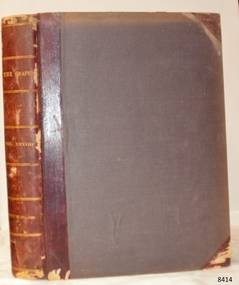
Newspaper - Bound Compilation of Newspapers July to December 1888, R. Clay, Sons, & Taylor, The Graphic Illustrated Newspaper Vol 38, 1888
... Notably, Vincent van Gogh was an avid collector and admirer of The Graphic’s illustrations, famously praising its social realism. It is also significant to literary history because it serialized famous novels before they were published as standalone books. ...To understand exactly what this item is, it helps to clear up a common misconception: it is not a book, nor is it a traditional literary novel. Instead, it is a bound volume of The Graphic, a weekly British newspaper that ran from 1869 to 1932. Because newspapers back then were flimsy, readers or libraries would collect six months' worth of weekly issues and have them custom-bound into a hardback volume for preservation.Bound Compilation, The Graphic Illustrated Newspaper Vol 38 Author: Various, Publisher: Edward Joseph Mansfield 1888 Date: 1888 Reddish hardcover with a damaged browns spine, reinforced corners to hardcover gold edging to spine. non-fictionTo understand exactly what this item is, it helps to clear up a common misconception: it is not a book, nor is it a traditional literary novel. Instead, it is a bound volume of The Graphic, a weekly British newspaper that ran from 1869 to 1932. Because newspapers back then were flimsy, readers or libraries would collect six months' worth of weekly issues and have them custom-bound into a hardback volume for preservation.flagstaff hil, warrnambool, flagstaff hill maritime museum, maritime museum, shipwreck coast, flagstaff hill maritime village, great ocean road, book, pattison collection, warrnambool library, warrnambool mechanics’ institute, ralph eric pattison, corangamite regional library service, warrnambool city librarian, mechanics’ institute library, victorian library board, warrnambool books and records, warrnambool children’s library, the graphic illustrated newspaper vol 38, edward joseph mansfield -
 Flagstaff Hill Maritime Museum and Village
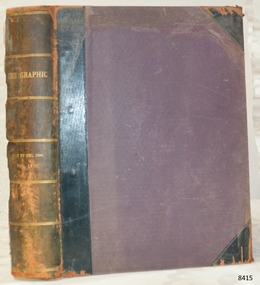
Newspaper - Bound Compilation of Newspapers July to December 1898, Edward Joseph Mansfield, Publisher, The Graphic Illustrated Newspaper Vol 58, 1898
... Notably, Vincent van Gogh was an avid collector and admirer of The Graphic’s illustrations, famously praising its social realism. It is also significant to literary history because it serialized famous novels before they were published as standalone books. ...To understand exactly what this item is, it helps to clear up a common misconception: it is not a book, nor is it a traditional literary novel. Instead, it is a bound volume of The Graphic, a weekly British newspaper that ran from 1869 to 1932. Because newspapers back then were flimsy, readers or libraries would collect six months' worth of weekly issues and have them custom-bound into a hardback volume for preservation.Bound Compilation, The Graphic Illustrated Newspaper Vol 58 Author: Various, Publisher: Edward Joseph Mansfield 1898 Date: 1898 Reddish hardcover with a damaged browns spine, reinforced corners to hardcover gold edging to spine. non-fictionTo understand exactly what this item is, it helps to clear up a common misconception: it is not a book, nor is it a traditional literary novel. Instead, it is a bound volume of The Graphic, a weekly British newspaper that ran from 1869 to 1932. Because newspapers back then were flimsy, readers or libraries would collect six months' worth of weekly issues and have them custom-bound into a hardback volume for preservation.flagstaff hil, warrnambool, flagstaff hill maritime museum, maritime museum, shipwreck coast, flagstaff hill maritime village, great ocean road, book, pattison collection, warrnambool library, warrnambool mechanics’ institute, ralph eric pattison, corangamite regional library service, warrnambool city librarian, mechanics’ institute library, victorian library board, warrnambool books and records, warrnambool children’s library, the graphic illustrated newspaper vol 58, edward joseph mansfield -
 Flagstaff Hill Maritime Museum and Village
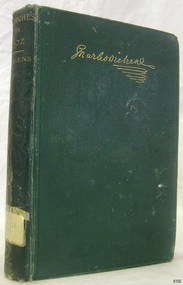
Book - A Fictional Story, Charles Dickens et al, Sketches by Boz. (Illustrative of Ever day Life and Every day People), 1892
... Illustrated by George Cruikshank with forty plates, it blends humor, social commentary, and realism. Published by Chapman & Hall, London, the specified full title matches the "New Edition, Complete" or first one-volume combined edition from 1839, compiling two earlier 1836 series. ...Charles Dickens (1812–1870) was one of the great English novelists of the Victorian era, famous for vivid characters, social criticism, and stories that were first published in serial form. He began as a journalist, rose to enormous popularity during his lifetime, and wrote major works such as Oliver Twist, David Copperfield, and Great Expectations. Sketches by Boz is Charles Dickens' first published book, a collection of fifty six short sketches originally appearing in periodicals from 1833 to 1836 under his pseudonym "Boz." It captures everyday London life through vivid observations of ordinary people and scenes. The book is divided into four sections, "Our Parish," "Scenes," "Characters," and "Tales." The first three offer non narrative portraits of urban life, while "Tales" includes fictional stories. Illustrated by George Cruikshank with forty plates, it blends humor, social commentary, and realism. Published by Chapman & Hall, London, the specified full title matches the "New Edition, Complete" or first one-volume combined edition from 1839, compiling two earlier 1836 series. Earlier parts issues ran 1837-1839; Chapman & Hall took over rights in 1837. "Ltd" likely indicates a later reprint by Chapman & Hall Ltd., but core content remains unchanged.Sketches by Boz. (Illustrative of Ever day Life and Every day People) .Author: Charles Dickens. Publisher: Chapman & Hall Ltd, London. Date: 1892. (See note section this document for more information on Edition). Blue leather hardcover with title on spine in gold lettering. The spine has a Library label.fictionCharles Dickens (1812–1870) was one of the great English novelists of the Victorian era, famous for vivid characters, social criticism, and stories that were first published in serial form. He began as a journalist, rose to enormous popularity during his lifetime, and wrote major works such as Oliver Twist, David Copperfield, and Great Expectations. Sketches by Boz is Charles Dickens' first published book, a collection of fifty six short sketches originally appearing in periodicals from 1833 to 1836 under his pseudonym "Boz." It captures everyday London life through vivid observations of ordinary people and scenes. The book is divided into four sections, "Our Parish," "Scenes," "Characters," and "Tales." The first three offer non narrative portraits of urban life, while "Tales" includes fictional stories. Illustrated by George Cruikshank with forty plates, it blends humor, social commentary, and realism. Published by Chapman & Hall, London, the specified full title matches the "New Edition, Complete" or first one-volume combined edition from 1839, compiling two earlier 1836 series. Earlier parts issues ran 1837-1839; Chapman & Hall took over rights in 1837. "Ltd" likely indicates a later reprint by Chapman & Hall Ltd., but core content remains unchanged.book, the old curiosity shop, charles dickens, shipwrecked-coast, flagstaff-hill, flagstaff-hill-maritime-museum, warrnambool, maritime-museum, flagstaff-hill-maritime-village, pattison collection, warrnambool library, warrnambool mechanics’ institute, ralph eric pattison, corangamite regional library service, warrnambool city librarian, mechanics’ institute library, victorian library board, warrnambool books and records, warrnambool children’s library, great ocean road -
 Flagstaff Hill Maritime Museum and Village
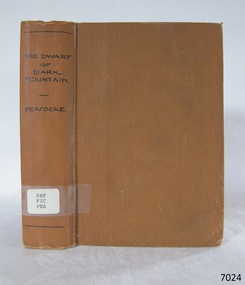
Book - Fictional Story, Isabel Maude Peacocke et al, The Dwarf Of Dark Mountain, 1932-1939
... realism with its local depiction of landscapes and maritime activities. While The Dwarf of Dark Mountain is not a major classic in global literature, it is a significant piece of Australasian and New Zealand children's literary history. Peacocke was among a key generation of early 20th-century New Zealand women writers whose work captured colonial life, post-WWI family dynamics, and regional social history. ...The Dwarf of Dark Mountain is a children's adventure novel illustrated by Norman Sutcliffe. Set against the backdrop of the New Zealand bush and rural landscapes, the story follows a group of young protagonists on a mystery-filled adventure centred around a local geological landmark known as "Dark Mountain". Typical of Isabel Maud Peacocke's popular juvenile fiction of the 1930s (such as The Cruise of the Crazy Jane and Cathleen with a C), the book weaves together themes of bush navigation and exploration. The children venture through dense ti-tree scrub and native fern gullies, with the narrative centring around the titular "dwarf" of the mountain blending rural Australian and New Zealand family life with wholesome mystery, moral growth, and outdoor adventure.The Dwarf Of Dark Mountain Author: Isabel Maude Peacocke Illustrator: Norman Sutcliffe Publisher: Ward Lock & Co Date: Further Information: Plain brown/tan cloth binding with the title and author hand-lettered directly onto the spine with no decorative illustration, gilt stamping, or pictorial design. The spine has a Library label with an inscription.fictionThe Dwarf of Dark Mountain is a children's adventure novel illustrated by Norman Sutcliffe. Set against the backdrop of the New Zealand bush and rural landscapes, the story follows a group of young protagonists on a mystery-filled adventure centred around a local geological landmark known as "Dark Mountain". Typical of Isabel Maud Peacocke's popular juvenile fiction of the 1930s (such as The Cruise of the Crazy Jane and Cathleen with a C), the book weaves together themes of bush navigation and exploration. The children venture through dense ti-tree scrub and native fern gullies, with the narrative centring around the titular "dwarf" of the mountain blending rural Australian and New Zealand family life with wholesome mystery, moral growth, and outdoor adventure.warrnambool, shipwrecked-coast, flagstaff-hill, flagstaff-hill-maritime-museum, maritime-museum, shipwreck-coast, flagstaff-hill-maritime-village, shipwrecked-artefact, book, the dwarf of dark mountain, isabel maude peacocke, warrnambool mechanics’ institute, pattison collection, warrnambool library, ralph eric pattison, corangamite regional library service, warrnambool city librarian, mechanics’ institute library, victorian library board, warrnambool books and records, warrnambool children’s library, i. m. cluett., illustrator norman sutcliffe -
 Nillumbik Shire Council
Painting: Kevin CHIN, Kevin Chin, Castle Under the Sky, 2018
... In this painting Chin explores economic, cultural and social structures that shape the world in which we live, questioning who has built what, who takes ownership, and who has the right to the land. Landscape Kevin Chin Structural Inequality Castle Trump Painting Nillumbik Residency Yellowstone Realism Oils N/A Landscape painting depicting a house (upside down) and a half finished urban structure sitting amongst mountain peaks and land that has been cleared and immersed in fog/smoke. ...This painting was sparked by a US studio residency at Yellowstone National Park, shortly after Trump’s election. In America, Chin witnessed conservative nationalism and divisiveness, but also an equal reaction promoting diversity and challenging structural inequality. Developing this work in Australia, Chin examined how a sense of place forms fluidly in the consciousness, to surpass geographic borderlines.Kevin Chin is a local artist. He has been a finalist in the Nillumbik Prize for Contemporary Art (2015, 2019). In this painting Chin explores economic, cultural and social structures that shape the world in which we live, questioning who has built what, who takes ownership, and who has the right to the land. Landscape painting depicting a house (upside down) and a half finished urban structure sitting amongst mountain peaks and land that has been cleared and immersed in fog/smoke.N/Alandscape, kevin, chin, structural, inequality, castle, trump, painting, nillumbik, residency, yellowstone, realism, oils -
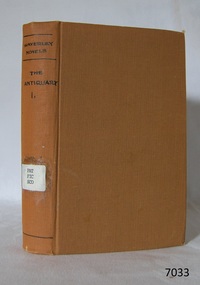 Flagstaff Hill Maritime Museum and Village
Book - Fictional stories, Sir Walter Scott, Waverley Novels Vol 5 The Antiquary-1, 1836
... realism with romance, using history to explore class, power, and progress, influencing writers from Dickens to Balzac. His Waverley Novels (1814–1831) were Europe's most popular for a century, rehabilitating Scottish Highland culture and shaping modern historical perspective. Sir Walter Scott's works are highly significant in literary history. He pioneered the historical novel genre with the Waverley Novels, blending history, national identity, and social ...The subject volume of Waverley Novels Vol 5 published by Fisher Son & Co (1836) is part of a collected 48 volume set of Sir Walter Scott's works, containing various stories. Vol 5 in the 1836 Fisher edition reprints later entries from the fourth series, as these stories originally appeared in Scott's Magnum Opus collected 48 volume editions, the first from 1816. With the influential “Magnum Opus” editions from 1829–1833 by Robert Cadell, serving as the basis for later reprinted published sets like Fisher's. The Antiquary is one of Sir Walter Scott’s best known Scottish novels of the set, first published in 1816, and it mixes social comedy, mystery, romance, and historical atmosphere. It centres on Jonathan Oldbuck, an obsessive collector of antiquities, and follows a tangled story involving old family secrets, financial trouble, buried treasure schemes, and questions of identity. The story is set in late 18th century Scotland, mainly around Fairport and nearby estates, and brings together several linked families.Scott uses the novel to explore the tension between the past and the present, showing how antiquarian obsession can be both comic and revealing. He also deals with inheritance, class, old guilt, false appearances, and the way history shapes personal lives.Waverley Novels Vol 5 The Antiquary-1, Light brown hardcover lettering in black text. Author: Sir Walter Scott Publisher: Fisher Son & Co Date: 1838fictionThe subject volume of Waverley Novels Vol 5 published by Fisher Son & Co (1836) is part of a collected 48 volume set of Sir Walter Scott's works, containing various stories. Vol 5 in the 1836 Fisher edition reprints later entries from the fourth series, as these stories originally appeared in Scott's Magnum Opus collected 48 volume editions, the first from 1816. With the influential “Magnum Opus” editions from 1829–1833 by Robert Cadell, serving as the basis for later reprinted published sets like Fisher's. The Antiquary is one of Sir Walter Scott’s best known Scottish novels of the set, first published in 1816, and it mixes social comedy, mystery, romance, and historical atmosphere. It centres on Jonathan Oldbuck, an obsessive collector of antiquities, and follows a tangled story involving old family secrets, financial trouble, buried treasure schemes, and questions of identity. The story is set in late 18th century Scotland, mainly around Fairport and nearby estates, and brings together several linked families.Scott uses the novel to explore the tension between the past and the present, showing how antiquarian obsession can be both comic and revealing. He also deals with inheritance, class, old guilt, false appearances, and the way history shapes personal lives.warrnambool, shipwrecked-coast, flagstaff-hill, flagstaff-hill-maritime-museum, maritime-museum, shipwreck-coast, flagstaff-hill-maritime-village, shipwrecked-artefact, book, waverley novels vol 46 tales of my landlord, sir walter scott, pattison collection, warrnambool library, warrnambool mechanics’ institute, ralph eric pattison, corangamite regional library service, warrnambool city librarian, mechanics’ institute library, victorian library board, warrnambool books and records, warrnambool children’s library -
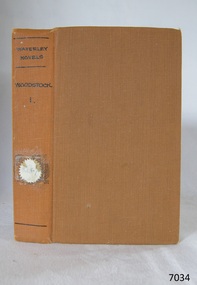 Flagstaff Hill Maritime Museum and Village
Book - Fictional stories, Sir Walter Scott, Waverley Novels Vol 39 Woodstock or The Cavalier, 1838
... realism with romance, using history to explore class, power, and progress, influencing writers from Dickens to Balzac. His Waverley Novels (1814–1831) were Europe's most popular for a century, rehabilitating Scottish Highland culture and shaping modern historical perspective. Sir Walter Scott's works are highly significant in literary history. He pioneered the historical novel genre with the Waverley Novels, blending history, national identity, and social ...The subject volume of Waverley Novels Vol 39 published by Fisher Son & Co (1838) is part of a collected 48 volume set of Sir Walter Scott's works, containing various stories. Vol 39 in the 1836 Fisher edition reprints later entries from the fourth series, as these stories originally appeared in Scott's Magnum Opus 48 volume editions, the first from 1816. With the influential “Magnum Opus” editions from 1829–1833 by Robert Cadell, serving as the basis for later reprinted published sets like Fisher's. Scott's "Woodstock," or “The Cavalier” is a historical novel originally published in 1826 as the 22nd in the Waverley series. Set in 1651 at Woodstock Manor during the English Commonwealth after the Battle of Worcester, it dramatises Charles II's daring escape from Cromwell's forces. The story is about a royalist Sir Henry Lee and his daughter Alice, they lose their Woodstock home to Colonel Markham Everard, a sympathetic round head relative, who seeks protection for them from Cromwell, who suspects the site as a hideout for fugitive Charles II (disguised as a royal page "Louis Kerneguy"). Charles as the page courts Alice, sparking jealousy with Everard, amid duels, haunting in secret passages, and Cromwell's siege. Charles escapes with help from allies like Wildrake and Albert Lee, who impersonates him. The key themes to this novel are that it contrasts Cavalier loyalty and Puritan zeal, loyalty across divides, romance amid politics, and supernatural folklore masking intrigue. In the Fisher Son & Co edition, it reprints this story from Scott's revised collected original work in 1826.Waverley Novels Vol 39 Woodstock or the Cavalier, Light brown hardcover lettering in black text. Author: Sir Walter Scott Publisher: Fisher Son & Co Date: 1838fictionThe subject volume of Waverley Novels Vol 39 published by Fisher Son & Co (1838) is part of a collected 48 volume set of Sir Walter Scott's works, containing various stories. Vol 39 in the 1836 Fisher edition reprints later entries from the fourth series, as these stories originally appeared in Scott's Magnum Opus 48 volume editions, the first from 1816. With the influential “Magnum Opus” editions from 1829–1833 by Robert Cadell, serving as the basis for later reprinted published sets like Fisher's. Scott's "Woodstock," or “The Cavalier” is a historical novel originally published in 1826 as the 22nd in the Waverley series. Set in 1651 at Woodstock Manor during the English Commonwealth after the Battle of Worcester, it dramatises Charles II's daring escape from Cromwell's forces. The story is about a royalist Sir Henry Lee and his daughter Alice, they lose their Woodstock home to Colonel Markham Everard, a sympathetic round head relative, who seeks protection for them from Cromwell, who suspects the site as a hideout for fugitive Charles II (disguised as a royal page "Louis Kerneguy"). Charles as the page courts Alice, sparking jealousy with Everard, amid duels, haunting in secret passages, and Cromwell's siege. Charles escapes with help from allies like Wildrake and Albert Lee, who impersonates him. The key themes to this novel are that it contrasts Cavalier loyalty and Puritan zeal, loyalty across divides, romance amid politics, and supernatural folklore masking intrigue. In the Fisher Son & Co edition, it reprints this story from Scott's revised collected original work in 1826. warrnambool, shipwrecked-coast, flagstaff-hill, flagstaff-hill-maritime-museum, maritime-museum, shipwreck-coast, flagstaff-hill-maritime-village, shipwrecked-artefact, book, waverley novels vol 46 tales of my landlord, sir walter scott, pattison collection, warrnambool library, warrnambool mechanics’ institute, ralph eric pattison, corangamite regional library service, warrnambool city librarian, mechanics’ institute library, victorian library board, warrnambool books and records, warrnambool children’s library -
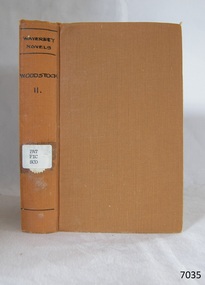 Flagstaff Hill Maritime Museum and Village
Book - Fictional stories, Sir Walter Scott, Waverley Novels Vol 40 Woodstock or the Cavalier-2, 1838
... realism with romance, using history to explore class, power, and progress, influencing writers from Dickens to Balzac. His Waverley Novels (1814–1831) were Europe's most popular for a century, rehabilitating Scottish Highland culture and shaping modern historical perspective. Sir Walter Scott's works are highly significant in literary history. He pioneered the historical novel genre with the Waverley Novels, blending history, national identity, and social ...The subject volume of Waverley Novels Vol 40 published by Fisher Son & Co (1838) is part of a collected 48 volume set of Sir Walter Scott's works, containing various stories. Vol 40 in the 1838 Fisher edition reprints later entries from the fourth series, as these stories originally appeared in Scott's Magnum Opus 48 volume editions, the first from 1816. With the influential “Magnum Opus” editions from 1829–1833 by Robert Cadell, serving as the basis for later reprinted published sets like Fisher's. Scott's "Woodstock," or “The Cavalier” is a historical novel originally published in 1826 as the 22nd in the Waverley series. Volume 40 continues Woodstock, or The Cavalier from Vol 39 in the Fisher Son & Co edition. It picks up the 1651 story line at Woodstock Manor, where disguised Charles II hides amid escalating tension with Cromwell's forces. The plot continues with Cromwell storming the lodge after suspecting Charles's presence disguised as "Louis Kerneguy", arresting Colonel Everard and searching secret passages haunted by "ghosts". Albert Lee impersonates the king to aid his escape, while Alice guides Charles away; dramatic confrontations ensue with duels, revelations, and Cromwell's rage continuing. As in volume 39 the tale resolves family divisions, loyalty, and supernatural folklore masking political intrigue during the Commonwealth era. This split-volume format is standard in collected 1830 s editions like Fisher's, reprinting of Scott's 1826 original with revisions.Waverley Novels Vol 40 Woodstock or the Cavalier-2, Light brown hardcover lettering in black text. Author: Sir Walter Scott Publisher: Fisher Son & Co Date: 1838fictionThe subject volume of Waverley Novels Vol 40 published by Fisher Son & Co (1838) is part of a collected 48 volume set of Sir Walter Scott's works, containing various stories. Vol 40 in the 1838 Fisher edition reprints later entries from the fourth series, as these stories originally appeared in Scott's Magnum Opus 48 volume editions, the first from 1816. With the influential “Magnum Opus” editions from 1829–1833 by Robert Cadell, serving as the basis for later reprinted published sets like Fisher's. Scott's "Woodstock," or “The Cavalier” is a historical novel originally published in 1826 as the 22nd in the Waverley series. Volume 40 continues Woodstock, or The Cavalier from Vol 39 in the Fisher Son & Co edition. It picks up the 1651 story line at Woodstock Manor, where disguised Charles II hides amid escalating tension with Cromwell's forces. The plot continues with Cromwell storming the lodge after suspecting Charles's presence disguised as "Louis Kerneguy", arresting Colonel Everard and searching secret passages haunted by "ghosts". Albert Lee impersonates the king to aid his escape, while Alice guides Charles away; dramatic confrontations ensue with duels, revelations, and Cromwell's rage continuing. As in volume 39 the tale resolves family divisions, loyalty, and supernatural folklore masking political intrigue during the Commonwealth era. This split-volume format is standard in collected 1830 s editions like Fisher's, reprinting of Scott's 1826 original with revisions.warrnambool, shipwrecked-coast, flagstaff-hill, flagstaff-hill-maritime-museum, maritime-museum, shipwreck-coast, flagstaff-hill-maritime-village, shipwrecked-artefact, book, waverley novels vol 46 tales of my landlord, sir walter scott, pattison collection, warrnambool library, warrnambool mechanics’ institute, ralph eric pattison, corangamite regional library service, warrnambool city librarian, mechanics’ institute library, victorian library board, warrnambool books and records, warrnambool children’s library -
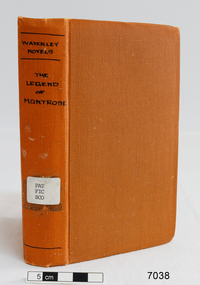 Flagstaff Hill Maritime Museum and Village
Book - Fictional stories, Sir Walter Scott, A Legend of Montrose Vol 15, 1837
... realism with romance, using history to explore class, power, and progress, influencing writers from Dickens to Balzac. His Waverley Novels (1814–1831) were Europe's most popular for a century, rehabilitating Scottish Highland culture and shaping modern historical perspective. Sir Walter Scott's works are highly significant in literary history. He pioneered the historical novel genre with the Waverley Novels, blending history, national identity, and social ...The subject volume of Waverley Novels Vol 15 published by Fisher Son & Co (1837) is part of a collected 48 volume set of Sir Walter Scott's works, containing various stories. Vol 15 in the 1836 Fisher edition reprints later entries from the fourth series, as these stories originally appeared in Scott's Magnum Opus 48 volume editions, the first from 1816. With the influential “Magnum Opus” editions from 1829–1833 by Robert Cadell, serving as the basis for later reprinted published sets like Fisher's. The story is a historical novel set in Scotland in the 1640s, during the wars of the three Kingdoms. Its main story follows Allan M’Aulay, his friend the Earl of Menteith, and Annot Lyle, against the backdrop of Montrose’s Royalist campaign and clan feuds in the Highlands. The plot combines romance, revenge, and civil war. Annot, who was raised by the M’Aulays after being taken during a clan feud, becomes the focus of a love triangle between Allan M’Aulay and Menteith; The mystery of Annot's birth holds both back from pressing their claims buy eventually her marriage to Menteith is made possible But Allan’s jealousy drives him to attack the groom. A large subplot follows with Dugald Dalgetty, a comic professional soldier whose practical, mercenary outlook contrasts with the passions and loyalties of the other characters.Waverley Novels Vol 15 A Legend of Montrose, Light brown hardcover lettering in black text. Author: Sir Walter Scott Publisher: Fisher Son & Co Date: 1837fictionThe subject volume of Waverley Novels Vol 15 published by Fisher Son & Co (1837) is part of a collected 48 volume set of Sir Walter Scott's works, containing various stories. Vol 15 in the 1836 Fisher edition reprints later entries from the fourth series, as these stories originally appeared in Scott's Magnum Opus 48 volume editions, the first from 1816. With the influential “Magnum Opus” editions from 1829–1833 by Robert Cadell, serving as the basis for later reprinted published sets like Fisher's. The story is a historical novel set in Scotland in the 1640s, during the wars of the three Kingdoms. Its main story follows Allan M’Aulay, his friend the Earl of Menteith, and Annot Lyle, against the backdrop of Montrose’s Royalist campaign and clan feuds in the Highlands. The plot combines romance, revenge, and civil war. Annot, who was raised by the M’Aulays after being taken during a clan feud, becomes the focus of a love triangle between Allan M’Aulay and Menteith; The mystery of Annot's birth holds both back from pressing their claims buy eventually her marriage to Menteith is made possible But Allan’s jealousy drives him to attack the groom. A large subplot follows with Dugald Dalgetty, a comic professional soldier whose practical, mercenary outlook contrasts with the passions and loyalties of the other characters. warrnambool, shipwrecked-coast, flagstaff-hill, flagstaff-hill-maritime-museum, maritime-museum, shipwreck-coast, flagstaff-hill-maritime-village, shipwrecked-artefact, book, waverley novels vol 46 tales of my landlord, sir walter scott, pattison collection, warrnambool library, warrnambool mechanics’ institute, ralph eric pattison, corangamite regional library service, warrnambool city librarian, mechanics’ institute library, victorian library board, warrnambool books and records, warrnambool children’s library, quentin durward, quinten durward -
 Flagstaff Hill Maritime Museum and Village
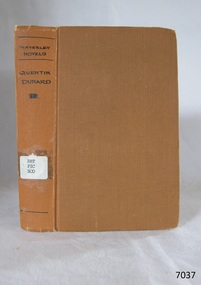
Book - Fictional stories, Sir Walter Scott, Waverley Novels Quentin Durward Vol 32, 1838
... realism with romance, using history to explore class, power, and progress, influencing writers from Dickens to Balzac. His Waverley Novels (1814–1831) were Europe's most popular for a century, rehabilitating Scottish Highland culture and shaping modern historical perspective. Sir Walter Scott's works are highly significant in literary history. He pioneered the historical novel genre with the Waverley Novels, blending history, national identity, and social ...The subject volume of Waverley Novels Vol 32 published by Fisher Son & Co (1838) is part of a collected 48 volume set of Sir Walter Scott's works, containing various stories. Vol 32 in the 1836 Fisher edition reprints later entries from the fourth series, as these stories originally appeared in Scott's Magnum Opus 48 volume editions, the first from 1816. With the influential “Magnum Opus” editions from 1829–1833 by Robert Cadell, serving as the basis for later reprinted published sets like Fisher's. Quentin Durward, often listed as volume 32 in some Waverley Novels editions, is a historical novel set in 15th century France and Burgundy. Its story follows a young Scottish archer who gets drawn into the power struggle between Louis XI and Charles the Bold, while also escorting the Burgundian heiress Isabelle de Croye and eventually winning her hand. The story centres around Quentin arriving in France seeking service, he joins Louis XI’s Scottish Guard, and is pulled into court intrigue, kidnapping plots, and the violent conflict around Liege. The novel’s main historical drama is Louis XI using covert politics to weaken Burgundy, while Quentin’s personal plot tracks loyalty, danger, and romance.Waverley Novels Vol 32 Quentin Durward, Light brown hardcover lettering in black text. Author: Sir Walter Scott Publisher: Fisher Son & Co Date: 1838fictionThe subject volume of Waverley Novels Vol 32 published by Fisher Son & Co (1838) is part of a collected 48 volume set of Sir Walter Scott's works, containing various stories. Vol 32 in the 1836 Fisher edition reprints later entries from the fourth series, as these stories originally appeared in Scott's Magnum Opus 48 volume editions, the first from 1816. With the influential “Magnum Opus” editions from 1829–1833 by Robert Cadell, serving as the basis for later reprinted published sets like Fisher's. Quentin Durward, often listed as volume 32 in some Waverley Novels editions, is a historical novel set in 15th century France and Burgundy. Its story follows a young Scottish archer who gets drawn into the power struggle between Louis XI and Charles the Bold, while also escorting the Burgundian heiress Isabelle de Croye and eventually winning her hand. The story centres around Quentin arriving in France seeking service, he joins Louis XI’s Scottish Guard, and is pulled into court intrigue, kidnapping plots, and the violent conflict around Liege. The novel’s main historical drama is Louis XI using covert politics to weaken Burgundy, while Quentin’s personal plot tracks loyalty, danger, and romance.warrnambool, shipwrecked-coast, flagstaff-hill, flagstaff-hill-maritime-museum, maritime-museum, shipwreck-coast, flagstaff-hill-maritime-village, shipwrecked-artefact, book, waverley novels vol 46 tales of my landlord, sir walter scott, pattison collection, warrnambool library, warrnambool mechanics’ institute, ralph eric pattison, corangamite regional library service, warrnambool city librarian, mechanics’ institute library, victorian library board, warrnambool books and records, warrnambool children’s library, quentin durward, quinten durward -
 Flagstaff Hill Maritime Museum and Village
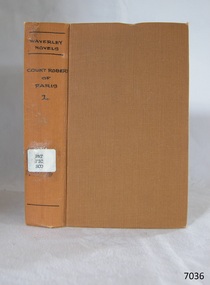
Book - Fictional stories, Sir Walter Scott, Waverley Novels Vol 47 Count Robert of Paris-2, 1838
... realism with romance, using history to explore class, power, and progress, influencing writers from Dickens to Balzac. His Waverley Novels (1814–1831) were Europe's most popular for a century, rehabilitating Scottish Highland culture and shaping modern historical perspective. Sir Walter Scott's works are highly significant in literary history. He pioneered the historical novel genre with the Waverley Novels, blending history, national identity, and social ...The subject volume of the Waverley Novels Vol 47 published by Fisher Son & Co (1838) is part of a collected 48 volume set of Sir Walter Scott's works, containing various stories. Vol 47 in the 1838 Fisher edition reprints later entries from the fourth series, as these stories originally appeared in Scott's Magnum Opus 48 volume editions, the first from 1816. With the influential “Magnum Opus” editions from 1829–1833 by Robert Cadell, serving as the basis for later reprinted published sets like Fisher's. Volume 47 "Count Robert of Paris-2" completes the novel in the Fisher Son & Co edition. It continues the 1097 Constantinople intrigue from Vol 47's first part (or prior volume), resolving crusader-Byzantine clashes. The plot concludes with Count Robert freed by Hereward, fights in Brenhilda's duel against Nicephorus. Hereward reunites with Bertha (Brenhilda's attendant), regains English lands via Robert's influence, and joins him in Palestine as a vassal; crusaders depart after Alexius out maneuvers various plots. Volume 47 often splits Count Robert of Paris Part two before starting Castle Dangerous part one, matching 1830 s collected formats like Fisher's revisions of Scott's 1832 original.Blending chivalry, conspiracy, and cultural satire.Waverley Novels Vol 47 Count Robert of Paris- 2, Light brown hardcover lettering in black text. Author: Sir Walter Scott Publisher: Fisher Son & Co Date: 1838fictionThe subject volume of the Waverley Novels Vol 47 published by Fisher Son & Co (1838) is part of a collected 48 volume set of Sir Walter Scott's works, containing various stories. Vol 47 in the 1838 Fisher edition reprints later entries from the fourth series, as these stories originally appeared in Scott's Magnum Opus 48 volume editions, the first from 1816. With the influential “Magnum Opus” editions from 1829–1833 by Robert Cadell, serving as the basis for later reprinted published sets like Fisher's. Volume 47 "Count Robert of Paris-2" completes the novel in the Fisher Son & Co edition. It continues the 1097 Constantinople intrigue from Vol 47's first part (or prior volume), resolving crusader-Byzantine clashes. The plot concludes with Count Robert freed by Hereward, fights in Brenhilda's duel against Nicephorus. Hereward reunites with Bertha (Brenhilda's attendant), regains English lands via Robert's influence, and joins him in Palestine as a vassal; crusaders depart after Alexius out maneuvers various plots. Volume 47 often splits Count Robert of Paris Part two before starting Castle Dangerous part one, matching 1830 s collected formats like Fisher's revisions of Scott's 1832 original.Blending chivalry, conspiracy, and cultural satire.warrnambool, shipwrecked-coast, flagstaff-hill, flagstaff-hill-maritime-museum, maritime-museum, shipwreck-coast, flagstaff-hill-maritime-village, shipwrecked-artefact, book, waverley novels vol 46 tales of my landlord, sir walter scott, pattison collection, warrnambool library, warrnambool mechanics’ institute, ralph eric pattison, corangamite regional library service, warrnambool city librarian, mechanics’ institute library, victorian library board, warrnambool books and records, warrnambool children’s library -
 Flagstaff Hill Maritime Museum and Village
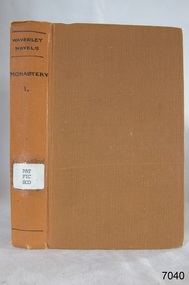
Book - Fictional stories, Sir Walter Scott, Waverley Novels The Monastery- 1 Vol 18, 1838
... realism with romance, using history to explore class, power, and progress, influencing writers from Dickens to Balzac. His Waverley Novels (1814–1831) were Europe's most popular for a century, rehabilitating Scottish Highland culture and shaping modern historical perspective. Sir Walter Scott's works are highly significant in literary history. He pioneered the historical novel genre with the Waverley Novels, blending history, national identity, and social ...The subject volume of Waverley Novels Vol 18 published by Fisher Son & Co (1838) is part of a collected 48 volume set of Sir Walter Scott's works, containing various stories. Vol 18 in the 1836 Fisher edition reprints later entries from the fourth series, as these stories originally appeared in Scott's Magnum Opus 48 volume editions, the first from 1816. With the influential “Magnum Opus” editions from 1829–1833 by Robert Cadell, serving as the basis for later reprinted published sets like Fisher's. Scott’s “The Monastery” is a historical romance set in Scotland during the early Reformation, centred on Kennaquhair Abbey and the Glendinning family. The plot follows Halbert and Edward Glendinning, both in love with Mary Avenel, while religious conflict, local politics, and the eerie White Lady of Avenel shape the action.Waverley Novels Vol 18 The Monastery-1, Light brown hardcover lettering in black text. Author: Sir Walter Scott Publisher: Fisher Son & Co Date: 1837fictionThe subject volume of Waverley Novels Vol 18 published by Fisher Son & Co (1838) is part of a collected 48 volume set of Sir Walter Scott's works, containing various stories. Vol 18 in the 1836 Fisher edition reprints later entries from the fourth series, as these stories originally appeared in Scott's Magnum Opus 48 volume editions, the first from 1816. With the influential “Magnum Opus” editions from 1829–1833 by Robert Cadell, serving as the basis for later reprinted published sets like Fisher's. Scott’s “The Monastery” is a historical romance set in Scotland during the early Reformation, centred on Kennaquhair Abbey and the Glendinning family. The plot follows Halbert and Edward Glendinning, both in love with Mary Avenel, while religious conflict, local politics, and the eerie White Lady of Avenel shape the action.warrnambool, shipwrecked-coast, flagstaff-hill, flagstaff-hill-maritime-museum, maritime-museum, shipwreck-coast, flagstaff-hill-maritime-village, shipwrecked-artefact, book, waverley novels vol 46 tales of my landlord, sir walter scott, pattison collection, warrnambool library, warrnambool mechanics’ institute, ralph eric pattison, corangamite regional library service, warrnambool city librarian, mechanics’ institute library, victorian library board, warrnambool books and records, warrnambool children’s library, quentin durward, quinten durward -
 Flagstaff Hill Maritime Museum and Village
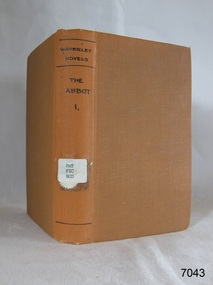
Book - Fictional stories, Sir Walter Scott, Waverley Novels Vol 20 The Abbot- 1 (Sequel to the Monastery), 1837
... realism with romance, using history to explore class, power, and progress, influencing writers from Dickens to Balzac. His Waverley Novels (1814–1831) were Europe's most popular for a century, rehabilitating Scottish Highland culture and shaping modern historical perspective. Sir Walter Scott's works are highly significant in literary history. He pioneered the historical novel genre with the Waverley Novels, blending history, national identity, and social ...The subject volume “The Abbot- 1 (Sequel to the Monastery) Vol 20” published by Fisher Son & Co (1837) is part of a collected edition of Sir Walter Scott's works, containing stories from the "Tales of My Landlord" series. "Tales of My Landlord" forms a key subset of Scott's Waverley Novels, presented as fictional tales gathered by characters like Peter Pattieson from the landlord of the Wallace “Inn at Gandercleugh”. The series spans multiple books across four sub-series, including “The Black Dwarf” (1707 setting), “Old Mortality” (1679–1689), “The Heart of Midlothian” (1736), “The Bride of Lammermoor” (1709–1711), “A Legend of Montrose” (1644–1645), “Count Robert of Paris” (1097), and “Castle Dangerous” (1307). Vol 46 in the 1838 Fisher edition reprints later entries like “Count Robert of Paris” or “Castle Dangerous” from the fourth series, as these stories originally appeared in Scott's Magnum Opus collected volume editions, the first from 1816. With the influential 48-volume “Magnum Opus” edition from 1829–1833 by Robert Cadell, serving as the basis for later collected published sets like Fisher's. The Abbot is Walter Scott’s sequel to The Monastery, set in 1567–1568 during the turmoil around Mary, Queen of Scots. The story follows Roland Græme and other characters around Lochleven Castle, where Mary is imprisoned, and builds toward her escape attempt and the political crisis that ends with her defeat and flight to England. Like the other novels in the Waverley series it mixes historical events with fictional characters: Roland Græme, the Avenel household, and the mysterious “Abbot” figure are woven into the real struggle between Protestant and Catholic factions in Scotland. A central thread is Roland’s divided loyalties, his attraction to both the Catholic and Protestant worlds, and his involvement in helping Mary’s cause. The climax comes with Mary’s attempted escape from Lochleven, the fighting that follows, and her eventual loss of power in Scotland.Waverley Novels Vol 20 The Abbot- 1 Vol 20 (Sequel to the Monastery), Light brown hardcover lettering in black text. Author: Sir Walter Scott Publisher: Fisher Son & Co Date: 1837fictionThe subject volume “The Abbot- 1 (Sequel to the Monastery) Vol 20” published by Fisher Son & Co (1837) is part of a collected edition of Sir Walter Scott's works, containing stories from the "Tales of My Landlord" series. "Tales of My Landlord" forms a key subset of Scott's Waverley Novels, presented as fictional tales gathered by characters like Peter Pattieson from the landlord of the Wallace “Inn at Gandercleugh”. The series spans multiple books across four sub-series, including “The Black Dwarf” (1707 setting), “Old Mortality” (1679–1689), “The Heart of Midlothian” (1736), “The Bride of Lammermoor” (1709–1711), “A Legend of Montrose” (1644–1645), “Count Robert of Paris” (1097), and “Castle Dangerous” (1307). Vol 46 in the 1838 Fisher edition reprints later entries like “Count Robert of Paris” or “Castle Dangerous” from the fourth series, as these stories originally appeared in Scott's Magnum Opus collected volume editions, the first from 1816. With the influential 48-volume “Magnum Opus” edition from 1829–1833 by Robert Cadell, serving as the basis for later collected published sets like Fisher's. The Abbot is Walter Scott’s sequel to The Monastery, set in 1567–1568 during the turmoil around Mary, Queen of Scots. The story follows Roland Græme and other characters around Lochleven Castle, where Mary is imprisoned, and builds toward her escape attempt and the political crisis that ends with her defeat and flight to England. Like the other novels in the Waverley series it mixes historical events with fictional characters: Roland Græme, the Avenel household, and the mysterious “Abbot” figure are woven into the real struggle between Protestant and Catholic factions in Scotland. A central thread is Roland’s divided loyalties, his attraction to both the Catholic and Protestant worlds, and his involvement in helping Mary’s cause. The climax comes with Mary’s attempted escape from Lochleven, the fighting that follows, and her eventual loss of power in Scotland. warrnambool, shipwrecked-coast, flagstaff-hill, flagstaff-hill-maritime-museum, maritime-museum, shipwreck-coast, flagstaff-hill-maritime-village, shipwrecked-artefact, book, waverley novels vol 46 tales of my landlord, sir walter scott, pattison collection, warrnambool library, warrnambool mechanics’ institute, ralph eric pattison, corangamite regional library service, warrnambool city librarian, mechanics’ institute library, victorian library board, warrnambool books and records, warrnambool children’s library -
 Flagstaff Hill Maritime Museum and Village
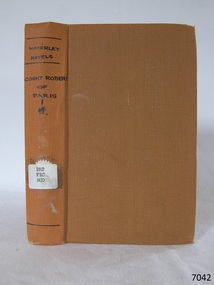
Book - Fictional stories, Sir Walter Scott, Waverley Novels Vol 46-1 Tales of My Landlord, 1838
... realism with romance, using history to explore class, power, and progress, influencing writers from Dickens to Balzac. His Waverley Novels (1814–1831) were Europe's most popular for a century, rehabilitating Scottish Highland culture and shaping modern historical perspective. Sir Walter Scott's works are highly significant in literary history. He pioneered the historical novel genre with the Waverley Novels, blending history, national identity, and social ...The subject volume “Waverley Novels Vol 46” published by Fisher Son & Co (1838) is part of a collected edition of Sir Walter Scott's works, containing stories from the "Tales of My Landlord" series. "Tales of My Landlord" forms a key subset of Scott's Waverley Novels, presented as fictional tales gathered by characters like Peter Pattieson from the landlord of the Wallace “Inn at Gandercleugh”. The series spans multiple books across four sub-series, including “The Black Dwarf” (1707 setting), “Old Mortality” (1679–1689), “The Heart of Midlothian” (1736), “The Bride of Lammermoor” (1709–1711), “A Legend of Montrose” (1644–1645), “Count Robert of Paris” (1097), and “Castle Dangerous” (1307). Vol 46 in the 1838 Fisher edition reprints later entries like “Count Robert of Paris” or “Castle Dangerous” from the fourth series, as these stories originally appeared in Scott's Magnum Opus collected volume editions, the first from 1816. With the influential 48-volume “Magnum Opus” edition from 1829–1833 by Robert Cadell, serving as the basis for later collected published sets like Fisher's.Waverley Novels Vol 46 Tales of My Landlord, Light brown hardcover lettering in black text. Author: Sir Walter Scott Publisher: Fisher Son & Co Date: 1838fictionThe subject volume “Waverley Novels Vol 46” published by Fisher Son & Co (1838) is part of a collected edition of Sir Walter Scott's works, containing stories from the "Tales of My Landlord" series. "Tales of My Landlord" forms a key subset of Scott's Waverley Novels, presented as fictional tales gathered by characters like Peter Pattieson from the landlord of the Wallace “Inn at Gandercleugh”. The series spans multiple books across four sub-series, including “The Black Dwarf” (1707 setting), “Old Mortality” (1679–1689), “The Heart of Midlothian” (1736), “The Bride of Lammermoor” (1709–1711), “A Legend of Montrose” (1644–1645), “Count Robert of Paris” (1097), and “Castle Dangerous” (1307). Vol 46 in the 1838 Fisher edition reprints later entries like “Count Robert of Paris” or “Castle Dangerous” from the fourth series, as these stories originally appeared in Scott's Magnum Opus collected volume editions, the first from 1816. With the influential 48-volume “Magnum Opus” edition from 1829–1833 by Robert Cadell, serving as the basis for later collected published sets like Fisher's. warrnambool, shipwrecked-coast, flagstaff-hill, flagstaff-hill-maritime-museum, maritime-museum, shipwreck-coast, flagstaff-hill-maritime-village, shipwrecked-artefact, book, waverley novels vol 46 tales of my landlord, sir walter scott, pattison collection, warrnambool library, warrnambool mechanics’ institute, ralph eric pattison, corangamite regional library service, warrnambool city librarian, mechanics’ institute library, victorian library board, warrnambool books and records, warrnambool children’s library -
 Flagstaff Hill Maritime Museum and Village
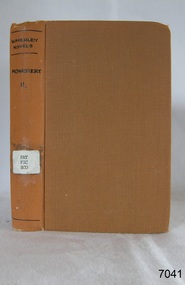
Book - Fictional stories, Sir Walter Scott, Waverley Novels The Monastery- 2 Vol 19, 1837
... realism with romance, using history to explore class, power, and progress, influencing writers from Dickens to Balzac. His Waverley Novels (1814–1831) were Europe's most popular for a century, rehabilitating Scottish Highland culture and shaping modern historical perspective. Sir Walter Scott's works are highly significant in literary history. He pioneered the historical novel genre with the Waverley Novels, blending history, national identity, and social ...The subject volume of Waverley Novels Vol 19 published by Fisher Son & Co (1838) is part of a collected 48 volume set of Sir Walter Scott's works, containing various stories. Vol 19 in the 1836 Fisher edition reprints later entries from the fourth series, as these stories originally appeared in Scott's Magnum Opus 48 volume editions, the first from 1816. With the influential “Magnum Opus” editions from 1829–1833 by Robert Cadell, serving as the basis for later reprinted published sets like Fisher's. Volume 2 is linked to the earlier volume through its shared setting, families, and historical conflict, but it is not a direct continuation of the same protagonist’s journey. It follows the Glendinning brothers and Mary Avenel in the same Scottish Borders world of the Reformation, with the same abbey, the same political tensions, and the same supernatural “White Lady”. In Volume 1 of “The Monastery” the story sets up the core relationships and tensions between Halbert and Edward Glendinning as they grow up near Kennaquhair with Mary Avenel. While the monastery itself becomes a battleground between old Catholic power and the new Protestant order. The second volume picks up those same threads and pushes them toward resolution through Halbert’s rise, Mary’s marriage, and Edward’s shift toward monastic life.Waverley Novels Vol 19 The Monastery-2, Light brown hardcover lettering in black text. Author: Sir Walter Scott Publisher: Fisher Son & Co Date: 1837fictionThe subject volume of Waverley Novels Vol 19 published by Fisher Son & Co (1838) is part of a collected 48 volume set of Sir Walter Scott's works, containing various stories. Vol 19 in the 1836 Fisher edition reprints later entries from the fourth series, as these stories originally appeared in Scott's Magnum Opus 48 volume editions, the first from 1816. With the influential “Magnum Opus” editions from 1829–1833 by Robert Cadell, serving as the basis for later reprinted published sets like Fisher's. Volume 2 is linked to the earlier volume through its shared setting, families, and historical conflict, but it is not a direct continuation of the same protagonist’s journey. It follows the Glendinning brothers and Mary Avenel in the same Scottish Borders world of the Reformation, with the same abbey, the same political tensions, and the same supernatural “White Lady”. In Volume 1 of “The Monastery” the story sets up the core relationships and tensions between Halbert and Edward Glendinning as they grow up near Kennaquhair with Mary Avenel. While the monastery itself becomes a battleground between old Catholic power and the new Protestant order. The second volume picks up those same threads and pushes them toward resolution through Halbert’s rise, Mary’s marriage, and Edward’s shift toward monastic life. warrnambool, shipwrecked-coast, flagstaff-hill, flagstaff-hill-maritime-museum, maritime-museum, shipwreck-coast, flagstaff-hill-maritime-village, shipwrecked-artefact, book, waverley novels vol 46 tales of my landlord, sir walter scott, pattison collection, warrnambool library, warrnambool mechanics’ institute, ralph eric pattison, corangamite regional library service, warrnambool city librarian, mechanics’ institute library, victorian library board, warrnambool books and records, warrnambool children’s library, the monastery -
 Flagstaff Hill Maritime Museum and Village
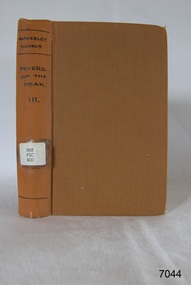
Book - Fictional stories, Sir Walter Scott, Waverley Novels Peveril of the Peak- 3 Vol 30, 1838
... realism with romance, using history to explore class, power, and progress, influencing writers from Dickens to Balzac. His Waverley Novels (1814–1831) were Europe's most popular for a century, rehabilitating Scottish Highland culture and shaping modern historical perspective. Sir Walter Scott's works are highly significant in literary history. He pioneered the historical novel genre with the Waverley Novels, blending history, national identity, and social ...The subject volume “Waverley Novels Vol 30” published by Fisher Son & Co (1838) is part of a collected edition of Sir Walter Scott's works, containing stories from the "Tales of My Landlord" series. "Tales of My Landlord" forms a key subset of Scott's Waverley Novels, presented as fictional tales gathered by characters like Peter Pattieson from the landlord of the Wallace “Inn at Gandercleugh”. The series spans multiple books across four sub-series, including “The Black Dwarf” (1707 setting), “Old Mortality” (1679–1689), “The Heart of Midlothian” (1736), “The Bride of Lammermoor” (1709–1711), “A Legend of Montrose” (1644–1645), “Count Robert of Paris” (1097), and “Castle Dangerous” (1307). Vol 46 in the 1838 Fisher edition reprints later entries like “Count Robert of Paris” or “Castle Dangerous” from the fourth series, as these stories originally appeared in Scott's Magnum Opus collected volume editions, the first from 1816. With the influential 48-volume “Magnum Opus” edition from 1829–1833 by Robert Cadell, serving as the basis for later collected published sets like Fisher's. Peveril of the Peak is Walter Scott's longest novel, published in 1823 and set during the late 17th century amid the Popish plot hysteria under Charles II. It follows young Cavalier Julian Peveril's forbidden romance with Alice Bridgenorth a Puritan's daughter. The story covers political intrigue, family feuds, and conspiracies drawing the characters into events spanning Derbyshire's Peak District, the Isle of Man, and London. The story continues on the Peveril family's royalist loyalties clashing with the Bridgenorths' Puritan resentment, fuelled by past Civil War grievances like the execution of William Christian. Julian and Alice's love is tested when Julian's parents face Popish Plot accusations with subplots involving a scheming dwarf, the Countess of Derby, and court figures like the Duke of Buckingham. It resolves with royal intervention, exposing intrigues and eventually uniting the lovers.Waverley Novels Peveril of the Peak- 3 Vol 30, Light brown hardcover lettering in black text. Author: Sir Walter Scott Publisher: Fisher Son & Co Date: 1838fictionThe subject volume “Waverley Novels Vol 30” published by Fisher Son & Co (1838) is part of a collected edition of Sir Walter Scott's works, containing stories from the "Tales of My Landlord" series. "Tales of My Landlord" forms a key subset of Scott's Waverley Novels, presented as fictional tales gathered by characters like Peter Pattieson from the landlord of the Wallace “Inn at Gandercleugh”. The series spans multiple books across four sub-series, including “The Black Dwarf” (1707 setting), “Old Mortality” (1679–1689), “The Heart of Midlothian” (1736), “The Bride of Lammermoor” (1709–1711), “A Legend of Montrose” (1644–1645), “Count Robert of Paris” (1097), and “Castle Dangerous” (1307). Vol 46 in the 1838 Fisher edition reprints later entries like “Count Robert of Paris” or “Castle Dangerous” from the fourth series, as these stories originally appeared in Scott's Magnum Opus collected volume editions, the first from 1816. With the influential 48-volume “Magnum Opus” edition from 1829–1833 by Robert Cadell, serving as the basis for later collected published sets like Fisher's. Peveril of the Peak is Walter Scott's longest novel, published in 1823 and set during the late 17th century amid the Popish plot hysteria under Charles II. It follows young Cavalier Julian Peveril's forbidden romance with Alice Bridgenorth a Puritan's daughter. The story covers political intrigue, family feuds, and conspiracies drawing the characters into events spanning Derbyshire's Peak District, the Isle of Man, and London. The story continues on the Peveril family's royalist loyalties clashing with the Bridgenorths' Puritan resentment, fuelled by past Civil War grievances like the execution of William Christian. Julian and Alice's love is tested when Julian's parents face Popish Plot accusations with subplots involving a scheming dwarf, the Countess of Derby, and court figures like the Duke of Buckingham. It resolves with royal intervention, exposing intrigues and eventually uniting the lovers. warrnambool, shipwrecked-coast, flagstaff-hill, flagstaff-hill-maritime-museum, maritime-museum, shipwreck-coast, flagstaff-hill-maritime-village, shipwrecked-artefact, book, waverley novels vol 46 tales of my landlord, sir walter scott, pattison collection, warrnambool library, warrnambool mechanics’ institute, ralph eric pattison, corangamite regional library service, warrnambool city librarian, mechanics’ institute library, victorian library board, warrnambool books and records, warrnambool children’s library -
 Flagstaff Hill Maritime Museum and Village
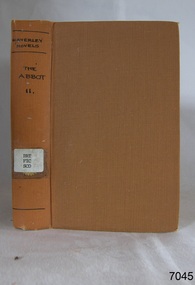
Book - Fictional stories, Sir Walter Scott, Waverley Novels Vol 21 The Abbot- 2 (Sequel to the Monastery), 1837
... realism with romance, using history to explore class, power, and progress, influencing writers from Dickens to Balzac. His Waverley Novels (1814–1831) were Europe's most popular for a century, rehabilitating Scottish Highland culture and shaping modern historical perspective. Sir Walter Scott's works are highly significant in literary history. He pioneered the historical novel genre with the Waverley Novels, blending history, national identity, and social ...The subject volume “The Abbot- 2 (Sequel to the Monastery) Vol 21” published by Fisher Son & Co (1837) is part of a collected edition of Sir Walter Scott's works, containing stories from the "Tales of My Landlord" series. "Tales of My Landlord" forms a key subset of Scott's Waverley Novels, presented as fictional tales gathered by characters like Peter Pattieson from the landlord of the Wallace “Inn at Gandercleugh”. The series spans multiple books across four sub-series, including “The Black Dwarf” (1707 setting), “Old Mortality” (1679–1689), “The Heart of Midlothian” (1736), “The Bride of Lammermoor” (1709–1711), “A Legend of Montrose” (1644–1645), “Count Robert of Paris” (1097), and “Castle Dangerous” (1307). Vol 46 in the 1838 Fisher edition reprints later entries like “Count Robert of Paris” or “Castle Dangerous” from the fourth series, as these stories originally appeared in Scott's Magnum Opus collected volume editions, the first from 1816. With the influential 48-volume “Magnum Opus” edition from 1829–1833 by Robert Cadell, serving as the basis for later collected published sets like Fisher's. The Abbot is Walter Scott’s sequel to The Monastery, set in 1567–1568 during the turmoil around Mary, Queen of Scots. The story follows Roland Græme and other characters around Lochleven Castle, where Mary is imprisoned, and builds toward her escape attempt and the political crisis that ends with her defeat and flight to England. Part two follows Roland to Edinburgh and then to Lochleven, where he becomes involved in the events around Mary’s imprisonment. It includes Mary’s confrontation with the Lady of Lochleven, the delivery of the abdication papers, and the forced political outcome that strips Mary of power. From there, the story moves toward the escape attempt, the battle of Langside, and Mary’s flight to England.Waverley Novels Vol 21 The Abbot- 2 (Sequel to the Monastery), Light brown hardcover lettering in black text. Author: Sir Walter Scott Publisher: Fisher Son & Co Date: 1837fictionThe subject volume “The Abbot- 2 (Sequel to the Monastery) Vol 21” published by Fisher Son & Co (1837) is part of a collected edition of Sir Walter Scott's works, containing stories from the "Tales of My Landlord" series. "Tales of My Landlord" forms a key subset of Scott's Waverley Novels, presented as fictional tales gathered by characters like Peter Pattieson from the landlord of the Wallace “Inn at Gandercleugh”. The series spans multiple books across four sub-series, including “The Black Dwarf” (1707 setting), “Old Mortality” (1679–1689), “The Heart of Midlothian” (1736), “The Bride of Lammermoor” (1709–1711), “A Legend of Montrose” (1644–1645), “Count Robert of Paris” (1097), and “Castle Dangerous” (1307). Vol 46 in the 1838 Fisher edition reprints later entries like “Count Robert of Paris” or “Castle Dangerous” from the fourth series, as these stories originally appeared in Scott's Magnum Opus collected volume editions, the first from 1816. With the influential 48-volume “Magnum Opus” edition from 1829–1833 by Robert Cadell, serving as the basis for later collected published sets like Fisher's. The Abbot is Walter Scott’s sequel to The Monastery, set in 1567–1568 during the turmoil around Mary, Queen of Scots. The story follows Roland Græme and other characters around Lochleven Castle, where Mary is imprisoned, and builds toward her escape attempt and the political crisis that ends with her defeat and flight to England. Part two follows Roland to Edinburgh and then to Lochleven, where he becomes involved in the events around Mary’s imprisonment. It includes Mary’s confrontation with the Lady of Lochleven, the delivery of the abdication papers, and the forced political outcome that strips Mary of power. From there, the story moves toward the escape attempt, the battle of Langside, and Mary’s flight to England. warrnambool, shipwrecked-coast, flagstaff-hill, flagstaff-hill-maritime-museum, maritime-museum, shipwreck-coast, flagstaff-hill-maritime-village, shipwrecked-artefact, book, waverley novels vol 46 tales of my landlord, sir walter scott, pattison collection, warrnambool library, warrnambool mechanics’ institute, ralph eric pattison, corangamite regional library service, warrnambool city librarian, mechanics’ institute library, victorian library board, warrnambool books and records, warrnambool children’s library -
 Flagstaff Hill Maritime Museum and Village
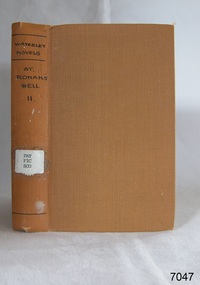
Book - Fictional stories, Sir Walter Scott, Waverley Novels St Ronans Well-2 Vol 34, 1838
... realism with romance, using history to explore class, power, and progress, influencing writers from Dickens to Balzac. His Waverley Novels (1814–1831) were Europe's most popular for a century, rehabilitating Scottish Highland culture and shaping modern historical perspective. This is Scott's only Waverley novel in a contemporary 19th-century setting, shifting from historical themes to satire on spa society, gambling, and social ...The subject volume of Waverley Novels St Ronans Well-2 Vol 34 published by Fisher Son & Co (1838) is part of a collected 48 volume set of Sir Walter Scott's works, containing various stories. Vol 34 in the 1836 Fisher edition reprints later entries from the fourth series, as these stories originally appeared in Scott's Magnum Opus 48 volume editions, the first from 1816. With the influential “Magnum Opus” editions from 1829–1833 by Robert Cadell, serving as the basis for later reprinted published sets like Fisher's. St. Ronan's Well Volume 2 advances the central rivalries and intrigues at the Scottish spa. Originally published in 1824 as part of Sir Walter Scott's novel, it spans chapters 14-26, escalating tensions between half brothers Francis Tyrrel and the Earl of Etherington over Clara Mowbray. After Tyrrel misses a duel and vanishes, innkeeper Meg Dods fears murder and consults solicitor Bindloose; wealthy traveller Peregrine Touchwood arrives, criticising modern changes and staying at the Cleikum Inn. Etherington gambles with John Mowbray, proposes to Clara citing his uncle's will requiring a Mowbray marriage, and duels Tyrrel secretly, wounding him. Theatricals at Shaw's Castle, anonymous warnings, and Clara's rejections heighten drama, with Etherington revealing their sham marriage past in letters to Captain Jekyl.Waverley Novels St Ronans Well-2 Vol 34, Light brown hardcover lettering in black text. Author: Sir Walter Scott Publisher: Fisher Son & Co Date: 1838fictionThe subject volume of Waverley Novels St Ronans Well-2 Vol 34 published by Fisher Son & Co (1838) is part of a collected 48 volume set of Sir Walter Scott's works, containing various stories. Vol 34 in the 1836 Fisher edition reprints later entries from the fourth series, as these stories originally appeared in Scott's Magnum Opus 48 volume editions, the first from 1816. With the influential “Magnum Opus” editions from 1829–1833 by Robert Cadell, serving as the basis for later reprinted published sets like Fisher's. St. Ronan's Well Volume 2 advances the central rivalries and intrigues at the Scottish spa. Originally published in 1824 as part of Sir Walter Scott's novel, it spans chapters 14-26, escalating tensions between half brothers Francis Tyrrel and the Earl of Etherington over Clara Mowbray. After Tyrrel misses a duel and vanishes, innkeeper Meg Dods fears murder and consults solicitor Bindloose; wealthy traveller Peregrine Touchwood arrives, criticising modern changes and staying at the Cleikum Inn. Etherington gambles with John Mowbray, proposes to Clara citing his uncle's will requiring a Mowbray marriage, and duels Tyrrel secretly, wounding him. Theatricals at Shaw's Castle, anonymous warnings, and Clara's rejections heighten drama, with Etherington revealing their sham marriage past in letters to Captain Jekyl.warrnambool, shipwrecked-coast, flagstaff-hill, flagstaff-hill-maritime-museum, maritime-museum, shipwreck-coast, flagstaff-hill-maritime-village, shipwrecked-artefact, book, waverley novels vol 46 tales of my landlord, sir walter scott, pattison collection, warrnambool library, warrnambool mechanics’ institute, ralph eric pattison, corangamite regional library service, warrnambool city librarian, mechanics’ institute library, victorian library board, warrnambool books and records, warrnambool children’s library, waverley novels -
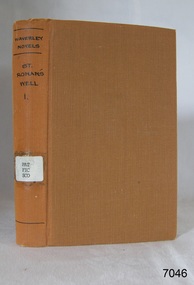 Flagstaff Hill Maritime Museum and Village
Book - Fictional stories, Sir Walter Scott, Waverley Novels St Ronans Well-1 Vol 33, 1838
... realism with romance, using history to explore class, power, and progress, influencing writers from Dickens to Balzac. His Waverley Novels (1814–1831) were Europe's most popular for a century, rehabilitating Scottish Highland culture and shaping modern historical perspective. This is Scott's only Waverley novel in a contemporary 19th-century setting, shifting from historical themes to satire on spa society, gambling, and social ...The subject volume of Waverley Novels St Ronans Well-1 Vol 33 published by Fisher Son & Co (1838) is part of a collected 48 volume set of Sir Walter Scott's works, containing various stories. Vol 33 in the 1836 Fisher edition reprints later entries from the fourth series, as these stories originally appeared in Scott's Magnum Opus 48 volume editions, the first from 1816. With the influential “Magnum Opus” editions from 1829–1833 by Robert Cadell, serving as the basis for later reprinted published sets like Fisher's. St. Ronan's Well centres on rivalry between half brothers Valentine Bulmer (Earl of Etherington) and Francis Tyrrel, both pursuing Clara Mowbray amid secrets from a sham marriage and inheritance schemes at a fashionable Scottish spa town. The story is set in the early 19th century at the fictional St. Ronan's spa in the Scottish Borders, the story unfolds across three volumes originally published in 1824. Tyrrel returns to the area, reconnects with Clara (whom he once loved), and clashes with locals like Sir Bingo Binks, while Etherington schemes to wed her for her family name to secure his title. Tensions escalate through duels, gambling debts, and revelations about their past, culminating in tragedy with Clara's death and a fatal confrontation.Waverley Novels St Ronans Well-1 Vol 33, Light brown hardcover lettering in black text. Author: Sir Walter Scott Publisher: Fisher Son & Co Date: 1838fictionThe subject volume of Waverley Novels St Ronans Well-1 Vol 33 published by Fisher Son & Co (1838) is part of a collected 48 volume set of Sir Walter Scott's works, containing various stories. Vol 33 in the 1836 Fisher edition reprints later entries from the fourth series, as these stories originally appeared in Scott's Magnum Opus 48 volume editions, the first from 1816. With the influential “Magnum Opus” editions from 1829–1833 by Robert Cadell, serving as the basis for later reprinted published sets like Fisher's. St. Ronan's Well centres on rivalry between half brothers Valentine Bulmer (Earl of Etherington) and Francis Tyrrel, both pursuing Clara Mowbray amid secrets from a sham marriage and inheritance schemes at a fashionable Scottish spa town. The story is set in the early 19th century at the fictional St. Ronan's spa in the Scottish Borders, the story unfolds across three volumes originally published in 1824. Tyrrel returns to the area, reconnects with Clara (whom he once loved), and clashes with locals like Sir Bingo Binks, while Etherington schemes to wed her for her family name to secure his title. Tensions escalate through duels, gambling debts, and revelations about their past, culminating in tragedy with Clara's death and a fatal confrontation.warrnambool, shipwrecked-coast, flagstaff-hill, flagstaff-hill-maritime-museum, maritime-museum, shipwreck-coast, flagstaff-hill-maritime-village, shipwrecked-artefact, book, waverley novels vol 46 tales of my landlord, sir walter scott, pattison collection, warrnambool library, warrnambool mechanics’ institute, ralph eric pattison, corangamite regional library service, warrnambool city librarian, mechanics’ institute library, victorian library board, warrnambool books and records, warrnambool children’s library, waverley novels -
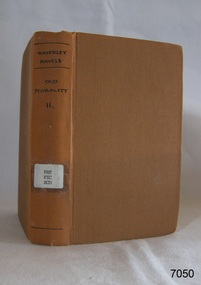 Flagstaff Hill Maritime Museum and Village
Book - Fictional stories, Sir Walter Scott, Waverley Novels Tales of My Landlord-5 Vol 13, 1836
... realism with romance, using history to explore class, power, and progress, influencing writers from Dickens to Balzac. His Waverley Novels (1814–1831) were Europe's most popular for a century, rehabilitating Scottish Highland culture and shaping modern historical perspective. Sir Walter Scott's works are highly significant in literary history. He pioneered the historical novel genre with the Waverley Novels, blending history, national identity, and social ...The subject volume “Waverley Novels Vol 13” published by Fisher Son & Co (1836) is part of a collected edition of Sir Walter Scott's works, containing stories from the "Tales of My Landlord" series. "Tales of My Landlord" forms a key subset of Scott's Waverley Novels, presented as fictional tales gathered by characters like Peter Pattieson from the landlord of the Wallace “Inn at Gandercleugh”. The series spans multiple books across four sub-series, including “The Black Dwarf” (1707 setting), “Old Mortality” (1679–1689), “The Heart of Midlothian” (1736), “The Bride of Lammermoor” (1709–1711), “A Legend of Montrose” (1644–1645), “Count Robert of Paris” (1097), and “Castle Dangerous” (1307). Vol 46 in the 1838 Fisher edition reprints later entries like “Count Robert of Paris” or “Castle Dangerous” from the fourth series, as these stories originally appeared in Scott's Magnum Opus collected volume editions, the first from 1816. With the influential 48-volume “Magnum Opus” edition from 1829–1833 by Robert Cadell, serving as the basis for later collected published sets like Fisher's. "Tales of My Landlord" set five of vol 13 is part of a series of historical novels by Sir Walter Scott, published in four series between 1816 and 1832 as part of his Waverley Novels. They are framed as stories collected by a fictional landlord at the Wallace Inn in Gandercleugh, edited by "Jedediah Cleishbotham." The series includes major works like The Black Dwarf and Old Mortality (1st series, 1816), The Heart of Midlothian (2nd series, 1818), The Bride of Lammermoor and A Legend of Montrose (3rd series, 1819), and Count Robert of Paris with Castle Dangerous (4th series, 1832). Themes of this volume cover Scottish Lowland life, justice, and Presbyterian fervour post 1736. Alternatively, in 3rd series tales like “The Bride of Lammermoor”, advances the Gothic romance of Edgar Ravenswood and Lucy Ashton. Slowly building towards tragedy over family feuds and inheritance.Waverley Novels Vol 46 Tales of My Landlord, Light brown hardcover lettering in black text. Author: Sir Walter Scott Publisher: Fisher Son & Co Date: 1836fictionThe subject volume “Waverley Novels Vol 13” published by Fisher Son & Co (1836) is part of a collected edition of Sir Walter Scott's works, containing stories from the "Tales of My Landlord" series. "Tales of My Landlord" forms a key subset of Scott's Waverley Novels, presented as fictional tales gathered by characters like Peter Pattieson from the landlord of the Wallace “Inn at Gandercleugh”. The series spans multiple books across four sub-series, including “The Black Dwarf” (1707 setting), “Old Mortality” (1679–1689), “The Heart of Midlothian” (1736), “The Bride of Lammermoor” (1709–1711), “A Legend of Montrose” (1644–1645), “Count Robert of Paris” (1097), and “Castle Dangerous” (1307). Vol 46 in the 1838 Fisher edition reprints later entries like “Count Robert of Paris” or “Castle Dangerous” from the fourth series, as these stories originally appeared in Scott's Magnum Opus collected volume editions, the first from 1816. With the influential 48-volume “Magnum Opus” edition from 1829–1833 by Robert Cadell, serving as the basis for later collected published sets like Fisher's. "Tales of My Landlord" set five of vol 13 is part of a series of historical novels by Sir Walter Scott, published in four series between 1816 and 1832 as part of his Waverley Novels. They are framed as stories collected by a fictional landlord at the Wallace Inn in Gandercleugh, edited by "Jedediah Cleishbotham." The series includes major works like The Black Dwarf and Old Mortality (1st series, 1816), The Heart of Midlothian (2nd series, 1818), The Bride of Lammermoor and A Legend of Montrose (3rd series, 1819), and Count Robert of Paris with Castle Dangerous (4th series, 1832). Themes of this volume cover Scottish Lowland life, justice, and Presbyterian fervour post 1736. Alternatively, in 3rd series tales like “The Bride of Lammermoor”, advances the Gothic romance of Edgar Ravenswood and Lucy Ashton. Slowly building towards tragedy over family feuds and inheritance.warrnambool, shipwrecked-coast, flagstaff-hill, flagstaff-hill-maritime-museum, maritime-museum, shipwreck-coast, flagstaff-hill-maritime-village, shipwrecked-artefact, book, waverley novels vol 46 tales of my landlord, sir walter scott, pattison collection, warrnambool library, warrnambool mechanics’ institute, ralph eric pattison, corangamite regional library service, warrnambool city librarian, mechanics’ institute library, victorian library board, warrnambool books and records, warrnambool children’s library -
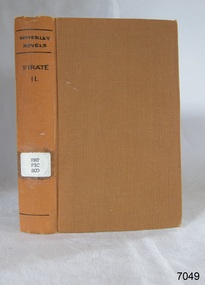 Flagstaff Hill Maritime Museum and Village
Book - Fictional stories, Sir Walter Scott, Waverley Novels The Pirate- 2 Vol 25, 1838
... realism with romance, using history to explore class, power, and progress, influencing writers from Dickens to Balzac. His Waverley Novels (1814–1831) were Europe's most popular for a century, rehabilitating Scottish Highland culture and shaping modern historical perspective. Sir Walter Scott's works are highly significant in literary history. He pioneered the historical novel genre with the Waverley Novels, blending history, national identity, and social ...The subject volume “Waverley Novels Vol 46” published by Fisher Son & Co (1838) is part of a collected edition of Sir Walter Scott's works, containing stories from the "Tales of My Landlord" series. "Tales of My Landlord" forms a key subset of Scott's Waverley Novels, presented as fictional tales gathered by characters like Peter Pattieson from the landlord of the Wallace “Inn at Gandercleugh”. The series spans multiple books across four sub-series, including “The Black Dwarf” (1707 setting), “Old Mortality” (1679–1689), “The Heart of Midlothian” (1736), “The Bride of Lammermoor” (1709–1711), “A Legend of Montrose” (1644–1645), “Count Robert of Paris” (1097), and “Castle Dangerous” (1307). Vol 25 in the 1838 Fisher edition reprints later entries like “Count Robert of Paris” or “Castle Dangerous” from the fourth series, as these stories originally appeared in Scott's Magnum Opus collected volume editions, the first from 1816. With the influential 48-volume “Magnum Opus” edition from 1829–1833 by Robert Cadell, serving as the basis for later collected published sets like Fisher's. The Pirate is Walter Scott’s historical novel set in 17th-century Shetland and Orkney, centred on a shipwreck, piracy, family conflict, and rival love interests. It’s typically presented as a three set novel. In this edition, volume 25 is the second part of “The Pirate”, and the work continues across the surrounding other two volumes in the set. The story follows the Troil family and a shipwrecked captain Cleveland along with Mordaunt, whose relationships with Minna and Brenda Troil drive much of the plot. As Cleveland’s pirate identity is revealed, the novel shifts into rescue, capture, and reconciliation, ending with the pirates subdued and the family ties resettled. The novel itself is commonly divided into three volumes or parts in standard editions, and the Waverley Novels collected edition spreads it across multiple numbered volumes.Waverley Novels The Pirate- 2 Vol 25, Light brown hardcover lettering in black text. Author: Sir Walter Scott Publisher: Fisher Son & Co Date: 1838fictionThe subject volume “Waverley Novels Vol 46” published by Fisher Son & Co (1838) is part of a collected edition of Sir Walter Scott's works, containing stories from the "Tales of My Landlord" series. "Tales of My Landlord" forms a key subset of Scott's Waverley Novels, presented as fictional tales gathered by characters like Peter Pattieson from the landlord of the Wallace “Inn at Gandercleugh”. The series spans multiple books across four sub-series, including “The Black Dwarf” (1707 setting), “Old Mortality” (1679–1689), “The Heart of Midlothian” (1736), “The Bride of Lammermoor” (1709–1711), “A Legend of Montrose” (1644–1645), “Count Robert of Paris” (1097), and “Castle Dangerous” (1307). Vol 25 in the 1838 Fisher edition reprints later entries like “Count Robert of Paris” or “Castle Dangerous” from the fourth series, as these stories originally appeared in Scott's Magnum Opus collected volume editions, the first from 1816. With the influential 48-volume “Magnum Opus” edition from 1829–1833 by Robert Cadell, serving as the basis for later collected published sets like Fisher's. The Pirate is Walter Scott’s historical novel set in 17th-century Shetland and Orkney, centred on a shipwreck, piracy, family conflict, and rival love interests. It’s typically presented as a three set novel. In this edition, volume 25 is the second part of “The Pirate”, and the work continues across the surrounding other two volumes in the set. The story follows the Troil family and a shipwrecked captain Cleveland along with Mordaunt, whose relationships with Minna and Brenda Troil drive much of the plot. As Cleveland’s pirate identity is revealed, the novel shifts into rescue, capture, and reconciliation, ending with the pirates subdued and the family ties resettled. The novel itself is commonly divided into three volumes or parts in standard editions, and the Waverley Novels collected edition spreads it across multiple numbered volumes.warrnambool, shipwrecked-coast, flagstaff-hill, flagstaff-hill-maritime-museum, maritime-museum, shipwreck-coast, flagstaff-hill-maritime-village, shipwrecked-artefact, book, waverley novels vol 46 tales of my landlord, sir walter scott, pattison collection, warrnambool library, warrnambool mechanics’ institute, ralph eric pattison, corangamite regional library service, warrnambool city librarian, mechanics’ institute library, victorian library board, warrnambool books and records, warrnambool children’s library -
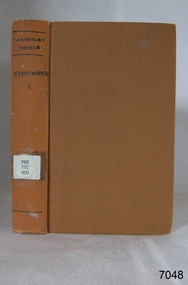 Flagstaff Hill Maritime Museum and Village
Book - Fictional stories, Sir Walter Scott, Waverley Novels Kenilworth- 1 Vol 22, 1837
... realism with romance, using history to explore class, power, and progress, influencing writers from Dickens to Balzac. His Waverley Novels (1814–1831) were Europe's most popular for a century, rehabilitating Scottish Highland culture and shaping modern historical perspective. Sir Walter Scott's works are highly significant in literary history. He pioneered the historical novel genre with the Waverley Novels, blending history, national identity, and social ...The subject volume “Waverley Novels Kenilworth-1 Vol 22” published by Fisher Son & Co (1837) is part of a collected edition of Sir Walter Scott's works, containing stories from the "Tales of My Landlord" series. "Tales of My Landlord" forms a key subset of Scott's Waverley Novels, presented as fictional tales gathered by characters like Peter Pattieson from the landlord of the Wallace “Inn at Gandercleugh”. The series spans multiple books across four sub-series, including “The Black Dwarf” (1707 setting), “Old Mortality” (1679–1689), “The Heart of Midlothian” (1736), “The Bride of Lammermoor” (1709–1711), “A Legend of Montrose” (1644–1645), “Count Robert of Paris” (1097), and “Castle Dangerous” (1307). Vol 25 in the 1837 Fisher edition reprints later entries like “Count Robert of Paris” or “Castle Dangerous” from the fourth series, as these stories originally appeared in Scott's Magnum Opus collected volume editions, the first from 1816. With the influential 48-volume “Magnum Opus” edition from 1829–1833 by Robert Cadell, serving as the basis for later collected published sets like Fisher's. Kenilworth is Sir Walter Scott’s 1821 historical novel about the secret marriage of Amy Robsart and Robert Dudley, Earl of Leicester, set against Queen Elizabeth I’s court and the 1575 festivities at Kenilworth Castle. It mixes political ambition, romance, deception, and tragedy, with the plot turning on Leicester’s desire for power and the fatal consequences of hiding his marriage. The novel follows Amy Robsart, of Leicester, and the scheming Richard Varney, while also bringing in Queen Elizabeth and other figures from Elizabethan England. Its tension comes from the clash between private love and public ambition, and it ends in tragedy rather than reconciliation.Waverley Novels Vol 22 Kenilworth- 1, Light brown hardcover lettering in black text. Author: Sir Walter Scott Publisher: Fisher Son & Co Date: 1837fictionThe subject volume “Waverley Novels Kenilworth-1 Vol 22” published by Fisher Son & Co (1837) is part of a collected edition of Sir Walter Scott's works, containing stories from the "Tales of My Landlord" series. "Tales of My Landlord" forms a key subset of Scott's Waverley Novels, presented as fictional tales gathered by characters like Peter Pattieson from the landlord of the Wallace “Inn at Gandercleugh”. The series spans multiple books across four sub-series, including “The Black Dwarf” (1707 setting), “Old Mortality” (1679–1689), “The Heart of Midlothian” (1736), “The Bride of Lammermoor” (1709–1711), “A Legend of Montrose” (1644–1645), “Count Robert of Paris” (1097), and “Castle Dangerous” (1307). Vol 25 in the 1837 Fisher edition reprints later entries like “Count Robert of Paris” or “Castle Dangerous” from the fourth series, as these stories originally appeared in Scott's Magnum Opus collected volume editions, the first from 1816. With the influential 48-volume “Magnum Opus” edition from 1829–1833 by Robert Cadell, serving as the basis for later collected published sets like Fisher's. Kenilworth is Sir Walter Scott’s 1821 historical novel about the secret marriage of Amy Robsart and Robert Dudley, Earl of Leicester, set against Queen Elizabeth I’s court and the 1575 festivities at Kenilworth Castle. It mixes political ambition, romance, deception, and tragedy, with the plot turning on Leicester’s desire for power and the fatal consequences of hiding his marriage. The novel follows Amy Robsart, of Leicester, and the scheming Richard Varney, while also bringing in Queen Elizabeth and other figures from Elizabethan England. Its tension comes from the clash between private love and public ambition, and it ends in tragedy rather than reconciliation.warrnambool, shipwrecked-coast, flagstaff-hill, flagstaff-hill-maritime-museum, maritime-museum, shipwreck-coast, flagstaff-hill-maritime-village, shipwrecked-artefact, book, waverley novels vol 46 tales of my landlord, sir walter scott, pattison collection, warrnambool library, warrnambool mechanics’ institute, ralph eric pattison, corangamite regional library service, warrnambool city librarian, mechanics’ institute library, victorian library board, warrnambool books and records, warrnambool children’s library -
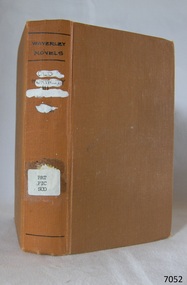 Flagstaff Hill Maritime Museum and Village
Book - Fictional stories, Sir Walter Scott, Waverley Novels Tales of my Landlord-2 Vol 10, 1836
... realism with romance, using history to explore class, power, and progress, influencing writers from Dickens to Balzac. His Waverley Novels (1814–1831) were Europe's most popular for a century, rehabilitating Scottish Highland culture and shaping modern historical perspective. Sir Walter Scott's works are highly significant in literary history. He pioneered the historical novel genre with the Waverley Novels, blending history, national identity, and social ...The subject volume “Waverley Novels Vol 10” published by Fisher Son & Co (1838) is part of a collected edition of Sir Walter Scott's works, containing stories from the "Tales of My Landlord" series. "Tales of My Landlord" forms a key subset of Scott's Waverley Novels, presented as fictional tales gathered by characters like Peter Pattieson from the landlord of the Wallace “Inn at Gandercleugh”. The series spans multiple books across four sub-series, including “The Black Dwarf” (1707 setting), “Old Mortality” (1679–1689), “The Heart of Midlothian” (1736), “The Bride of Lammermoor” (1709–1711), “A Legend of Montrose” (1644–1645), “Count Robert of Paris” (1097), and “Castle Dangerous” (1307). Vol 46 in the 1838 Fisher edition reprints later entries like “Count Robert of Paris” or “Castle Dangerous” from the fourth series, as these stories originally appeared in Scott's Magnum Opus collected volume editions, the first from 1816. With the influential 48-volume “Magnum Opus” edition from 1829–1833 by Robert Cadell, serving as the basis for later collected published sets like Fisher's. In the “Second Series” is the one that includes The Heart of MidLothian, a major Scott novel set around the 1736 Porteous riots in Edinburgh. The story was presented as a collection of stories gathered from a fictional landlord, edited by the imagined figures Peter Pattieson and Jedediah Cleishbotham. In the second series, the central novel, “The Heart of MidLothian, follows crime, justice, and moral conflict in 18th-century Scotland, especially the case of Effie Deans the fictional character in the novel. She is Jeanie Dean’s younger sister presented as pretty, impulsive, and more socially vulnerable than her sister Jeanie. In the novel, she is accused of killing her illegitimate child, though the truth is more complicated, and Jeanie travels to London to seek a pardon for her. Therefore her story centres on an out-of-wedlock pregnancy, a charge of child murder, and the efforts made to save her life, as well as the social consequences of her trial.Waverley Novels Tales of my Landlord Set-2 Vol 10, Light brown hardcover lettering in black text. Author: Sir Walter Scott Publisher: Fisher Son & Co Date: 1836fictionThe subject volume “Waverley Novels Vol 10” published by Fisher Son & Co (1838) is part of a collected edition of Sir Walter Scott's works, containing stories from the "Tales of My Landlord" series. "Tales of My Landlord" forms a key subset of Scott's Waverley Novels, presented as fictional tales gathered by characters like Peter Pattieson from the landlord of the Wallace “Inn at Gandercleugh”. The series spans multiple books across four sub-series, including “The Black Dwarf” (1707 setting), “Old Mortality” (1679–1689), “The Heart of Midlothian” (1736), “The Bride of Lammermoor” (1709–1711), “A Legend of Montrose” (1644–1645), “Count Robert of Paris” (1097), and “Castle Dangerous” (1307). Vol 46 in the 1838 Fisher edition reprints later entries like “Count Robert of Paris” or “Castle Dangerous” from the fourth series, as these stories originally appeared in Scott's Magnum Opus collected volume editions, the first from 1816. With the influential 48-volume “Magnum Opus” edition from 1829–1833 by Robert Cadell, serving as the basis for later collected published sets like Fisher's. In the “Second Series” is the one that includes The Heart of MidLothian, a major Scott novel set around the 1736 Porteous riots in Edinburgh. The story was presented as a collection of stories gathered from a fictional landlord, edited by the imagined figures Peter Pattieson and Jedediah Cleishbotham. In the second series, the central novel, “The Heart of MidLothian, follows crime, justice, and moral conflict in 18th-century Scotland, especially the case of Effie Deans the fictional character in the novel. She is Jeanie Dean’s younger sister presented as pretty, impulsive, and more socially vulnerable than her sister Jeanie. In the novel, she is accused of killing her illegitimate child, though the truth is more complicated, and Jeanie travels to London to seek a pardon for her. Therefore her story centres on an out-of-wedlock pregnancy, a charge of child murder, and the efforts made to save her life, as well as the social consequences of her trial. warrnambool, shipwrecked-coast, flagstaff-hill, flagstaff-hill-maritime-museum, maritime-museum, shipwreck-coast, flagstaff-hill-maritime-village, shipwrecked-artefact, book, waverley novels vol 46 tales of my landlord, sir walter scott, pattison collection, warrnambool library, warrnambool mechanics’ institute, ralph eric pattison, corangamite regional library service, warrnambool city librarian, mechanics’ institute library, victorian library board, warrnambool books and records, warrnambool children’s library, waverley novels
