
Showing 950 items matching "teachers' book"
-
 Federation University Historical Collection
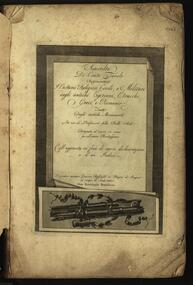
Book, Lorenzo Roccheggiani, Raccolta de Cento Tavole, 1804, 1804
... book, without cover, with copperplate engraved plated. A collection of 100 plates representing religios, civil and military costume of ancient Egypt, Etruscan, Greek and Roman drawings on all the ancient monuments for use of teachers of art. ...book, without cover, with copperplate engraved plated. A collection of 100 plates representing religios, civil and military costume of ancient Egypt, Etruscan, Greek and Roman drawings on all the ancient monuments for use of teachers of art. ...This book was part of the Ballarat Technical Art School Library.Large book, without cover, with copperplate engraved plated. A collection of 100 plates representing religios, civil and military costume of ancient Egypt, Etruscan, Greek and Roman drawings on all the ancient monuments for use of teachers of art. Designed and cut in copper by Lorenzo Roccheggiani. Includes terminology and index.ballarat technical art school library, greek art, roman art, etruscan art, egyptian art, costume, helmuts, uniform, classical antiquities -
 Federation University Historical Collection
Book, The Golden Years of Physical Education in Victorian Primary Schools: Work Hard - Play Hard - One Teacher's Part 1965-1995, 2021
... book of 103 pages with numerous photograpich illustrations. The Golden Years of Physical Education in Victorian Primary Schools: Work Hard - Play Hard - One Teacher's Part 1965-1995 Book Australia Victoria Ballarat ...Blue covered book of 103 pages with numerous photograpich illustrations.non-fictionphysical education, education, bendigo inspectorate, physical education centre, achper, barry dellavedova, educational gymnastics, primary phyisical education curriculum committee, thomastown west primary school, moreland primary school, brunswick central school, alumni -
 Federation University Historical Collection
Book, Ballarat Teachers' College: Exies' Roll Ledger for 1949 - 1956, !949 to 1956
... At the exit year for each group of students they were to sign their name Blue hard covered book with lists of names of students Ballarat Teachers' College: Exies' Roll Ledger for 1949 - 1956 Book ...At the exit year for each group of students they were to sign their nameBlue hard covered book with lists of names of students -
 Federation University Historical Collection
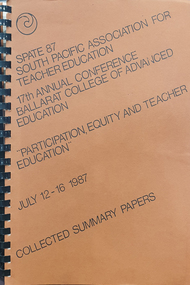
Book, Spate 87 South Pacific Association for Teacher Education 17th Annual Conference Ballarat College of Advanced Education "Participation, Equity and Teacher Education" July 12-16 1987 Collected Summary Papers
... book. Spate 87 South Pacific Association for Teacher Education 17th Annual Conference Ballarat College of Advanced Education "Participation, Equity and Teacher Education" July 12-16 1987 Collected Summary Papers Book ...Collected summary papersBrown cardboard covered, spiral bound A4 size book.Collected summary papersballarat college of advanced education, summary papers, peter coman, ian moore, john burrell, norm barling, roger slee, helen hayes, ross whitefield, denise walsh, geoff mcrae, wendy crebbin, frank williams, iteraera abera, valo valo, rob baker, george baume, chris bigum, nerida blair, bob boyd, david symington, geoffrey burkhardt, majorie carss, dawn muir, jim christensen, margaret clyde, desmond connelly, jack darmody, barrie dickie, gwenda chapman, pat duffy, anne piggott, laurie andrew, john budby, stephen duggan, maryann ehle, alison elliott, terry evans, daryl nation, barry fields, sue gillard, max gillet, mon khamis, noel gough, richard gunstone, jeff northfield, maurice hale, brian hansford, bill harrison, janice wilson, win haseloff, trevor hutchins, brian jacka, james lukabyo, hugo mccann, r. kerrison, peter mcnally, ian macpherson, dianna mannigel, genne marks, margaret marks, alan peacock, susan moore, judy mousley, helen watson, john henry, robin mctaggart, charles myers, john nicholson, lynne noone, peter olsen, marion curry, david bull, geoff orr, phil meade, john pearson, ray preston, ross price, robert peake, les regan, ian robottom, richard tinning, g. di chiro, maurice robson, carol scott, bob semmens, tony simpson, janette stapleton-hill, arthur smith, peter smith, frank sofo, rosemary stack, david townsend, tony townsend, geoff treblico, ted wadsworth, kathleen warren, don williams, john williamson, john lake, joseph zajda -
 Federation University Historical Collection
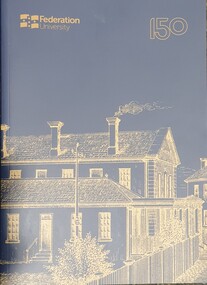
Book, Federation University Australia: Celebrating 150 Years, 2020
... teachers – and in more recent years, games designers, sports and exercise scientists, craft beer brewers, and other professional occupations inconceivable to the University’s founders in the late 19th century. Today, our footprint stretches around the world, thanks to key partnerships established domestically, and with institutions in China, Malaysia, and India. But the story starts with a meeting of the Ballarat Mining Board, in 1869, and a pressing need for innovation. Federation University history anniversary sesquicentenary Terry Moran Duncan Bentley Cameron Pegg Carolyn Simm Clare Gervasoni Margot Burke Blue covered book ...Blue covered book celebraring 150 years since the establishment of the Ballarat School of Mines in Ballarat. Many illustrations from the Federation Univsity Historical Collection. non-fictionfederation university, history, anniversary, sesquicentenary, terry moran, duncan bentley, cameron pegg, carolyn simm, clare gervasoni, margot burke -
Federation University Historical Collection
Book, Peter Fryar, A Course Submission for Re-Accreditation by the Accreditation Board Bachelor of Educaton (Secondary), with major stusdies in Physical Education, 1983
... physical education education pre-service teachers peter fryar .1) Submission ,2) Unit Outlines A Course Submission for Re-Accreditation by the Accreditation Board Bachelor of Educaton (Secondary), with major stusdies in Physical Education Book Peter Fryar ....1) Submission ,2) Unit Outlinesnon-fictionphysical education, education, pre-service teachers, peter fryar -
Federation University Historical Collection
Book, Lesley Speed, Australian Comedy Films of the 1930s: Modernity, the Urban and the International, 2015
... Australian Comedy Films of the 1930s: Modernity, the Urban and the International Book Lesley Speed Australian Teachers of Media (ATOM) ...128 page book on Australian Comedy films.non-fictionfilms, comedy films, australian films, pat hanna, george wallace, australian vernacular, dad and dave, splendid fellows, charles kingsford smith, staff author, federation university staff author -
Federation University Historical Collection
Book, You can take the boy from the bush but you can't take the bush from the Boy' by Garry Powell, 2022
... Kerrimuir is in Gregory Street Ballarat Garry Powell alumni staffmember Hepburn Springs Franklinford Family history genealogy Daylesford Rees Powell Vera Powell Pentwyn John Anderson Martha Roberts James RObertson Yandoit Denise POwell Len Little Nola Little Weiss Charlie Weiss Vincent Street Daylesford shops Mumbanner Hepburn Primary School Hepburn guesthouses Hepburn Pool biography cricket initiations Gillies Street Hostel Helen Reavey Peter Cronk Pam Russell Carmel Connellan Daylesford Football Club Physical Education Physical Education Branch BEndigo Inspectorate Physical Education Centre education ACHPER Peter Fryar Helene Powell History of Physical Education Ballarat Teacher's College You can take the boy from the bush but you can't take the bush from the Boy' by Garry Powell Book Garry Powell ...non-fictiongarry powell, alumni, staffmember, hepburn springs, franklinford, family history, genealogy, daylesford, rees powell, vera powell, pentwyn, john anderson, martha roberts, james robertson, yandoit, denise powell, len little, nola little, weiss, charlie weiss, vincent street daylesford shops, mumbanner, hepburn primary school, hepburn guesthouses, hepburn pool, biography, cricket, initiations, gillies street hostel, helen reavey, peter cronk, pam russell, carmel connellan, daylesford football club, physical education, physical education branch, bendigo inspectorate, physical education centre, education, achper, peter fryar, helene powell, history of physical education, ballarat teacher's college -
Federation University Historical Collection
Book - Exhibition Catalogue, Hit of Mess by Geoff Wallis
... Teachers' College through to University of Ballarat. Geoff Wallis Post Office Gallery staffmember exhibition Square format full colour catalogue of 39 pages Hit of Mess by Geoff Wallis Book Exhibition Catalogue ...Square format full colour catalogue of 39 pagesnon-fictiongeoff wallis, post office gallery, staffmember, exhibition -
 Federation University Historical Collection
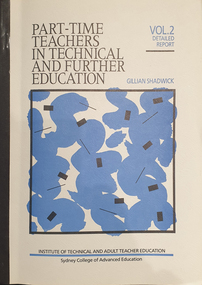
Book, Gillian Shadwick, Part-Time Teachers In Technical and Further Education Volume Two by Gillian Shadwick, 06/1986
... Book concerning Part-Time Teachers in Technical and Further Education, a Detailed Report on Findings and Recommendations. 249 Pages. ...ISBN 0-86398-035-X Part-Time Teachers in Technical and Further Education Volume 2 Detailed report Gillian Shadwick Institute of Technical and Adult Teacher Education 1986 Greg Woodburne Dr Rod McDonald Gary Hilton Ian Hamilton Warwick Goodsir Ray Jolliffe Sue Hatherley Rex Hewitt questionnaire TAFE part-time teachers teaching Book concerning Part-Time Teachers in Technical and Further Education, a Detailed Report on Findings and Recommendations. 249 Pages. ...Part-Time Teachers In Technical and Further Education, Volume Two - Detailed Report on Findings and Recommendations by Gillian Shadwick (Institute of Technical and Adult Teacher Education within the Sydney College of Advanced Education). Published by the Sydney College of Advanced Education and funded by the TAFE Council of the Commonwealth Tertiary Education Commission, June 1986. The steering committee included Greg Woodburne, Dr Rod McDonald, Gary Hilton, Ian Hamilton, Warwick Goodsir, Ray Jolliffe, Sue Hatherley, and Rex Hewitt. The aims of the study were: "1. To provide profile(s) of the part-time TAFE teachers; 2. To determine the extent of the part-time teacher contribution to TAFE's educational provision. 3. To determine the nature of the part-time teacher contribution to TAFE's provision. 4. To identify initial and on-going staff development and teacher-training needs. 5. To describe the superviser: part-time teacher relationship. 6. To identify sources of part-time teacher job satisfaction and job dissatisfaction. 7. To recommend future directions for the contribution of part-time teachers to educational provision within TAFE." These are discussed throughout the report. ISBN 0-86398-035-XBook concerning Part-Time Teachers in Technical and Further Education, a Detailed Report on Findings and Recommendations. 249 Pages. Includes two questionnaires for teachers. Bound with plastic spine, covers made of thicker, textured paper. Sections and appendixes marked with yellow paper.part-time teachers in technical and further education, volume 2, detailed report, gillian shadwick, institute of technical and adult teacher education, 1986, greg woodburne, dr rod mcdonald, gary hilton, ian hamilton, warwick goodsir, ray jolliffe, sue hatherley, rex hewitt, questionnaire, tafe, part-time teachers, teaching -
 Federation University Historical Collection
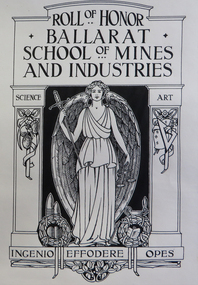
Book - Roll of Honor, Ballarat School of Mines Honor Book, c1920
... Johnston, a teacher with the Ballarat Technical Art school from 1920 to 1949. The Ballarat School of Mines World War 1 Honor Book remained uncompleted for more than 90 years. ...Johnston, a teacher with the Ballarat Technical Art school from 1920 to 1949. The Ballarat School of Mines World War 1 Honor Book remained uncompleted for more than 90 years. ...The Ballarat Technical Art School made many honour boards for schools and organisation in Victoria and interstate. Their own was made, but the names were not listed. The Ballarat School of Mines Annual Report for 1921 states: 'It has been decided, for the present, to record the names of our students who served in the warm, in an Honor Book, and to defer the erectin of an Honor Board until we can feel ssured that the Roll is complete. the wide spread occupations of our students has rendered it very difficult for us to secure detailed information of their service. A handsome Honor Book and Case has been designed and executed by the staff ad students of the technical Art School, and the engrossing of the names and military records will be proceeded with as soon as possible. The Technical Art School was quite busy with commissions. The SMB Annual Report of 1918 states: 'under the direction of the Art principal (Mr H.H. Smith), the work of the Art School continues to receive wide public recognition. Handsome Honor Boars have been designed and executed for the Sydney Sports' Club, the St Arnaud High School, the Birregurra State School, the Wendouree State School and the Ballarat Old Colonists' Club. The School also designed the certificates for the Young Workers' Patriotic Guild, the 'Herald" Shield for perpetual competition at the technical Schools' athletic meetings, the "Hansen" Shield for competition among the Northern District High Schools, two metal tablets for the Castlemaine high School, and a certificate for the Grampians Secondary Schools' Association. Numerous Honor Books and Mural cases have also been designed for State Schools.' Over 400 former students and staff of the Ballarat School of Mines served during World War One. The 1920 SMb Students' Magazine said' 'Many students left Australia with the first Contingent, and since then, the School has been represented on every field where Australians have fought, from the first landing at Gallipoli to the decisive victory on the 8 August 1918.' The influence of the school was appropriately shown in the fact that at least 13 of its students were officers in the Australian Mining Corps. The title page has the initials 'D.J.' which most probably stands for Donald I. Johnston, a teacher with the Ballarat Technical Art school from 1920 to 1949. The Ballarat School of Mines World War 1 Honor Book remained uncompleted for more than 90 years. The names of over 400 SMB staff and students who served their country were not inscribed until 2012, despite names, ranks and service records being compiled. A restoration project was instigated as part of the 140th anniversary of the Ballarat School of Mines in 2010. Names were inscribed into the book by Calligrapher Lyn Forrester. The University of Ballarat believed this project is important not only to SMB's history, but the families and descendants of those who served while studying or teaching at SMB. The restoration project involved names being hand written in calligraphy into the Honor Book and was funded with the assistance of the 'Restoring Community War Memorial Grant'. The memorial was designed and made by the staff and students of the Ballarat School of Mines Technical Art School under the direction of Principal Herbert H. Smith. In 1921 the Ballarat School of Mines Annual Report recorded: "It has been decided, for the present, to record the names of our students who served in the war, in an Honor Book, and to defer the erection of an Honor Board until we can feel assured that the roll is complete. The wide spread occupations of our students has rended it very difficult for us to secure detailed information of their service. A handsome Honor Book and case has been designed and executed by the staff and students of the Technical Art School, and the engrossing of the names and miliatary records will proceed with as soon as possible. The Ballarat Technical Art School and was involved with the design and manufacture of numerous WW1 memorials. When it came time to complete their own memorial, the Principal died, and the Honor Roll must have been overlooked in the confusion that ensued. There have been numerous theories about why the Honor Roll was never completed, one being that it was because the SMB Principal, Maurice Copland, literally worked himself to death organising repatriation classes for ex-soldiers who attended SMB. The Courier of 18 November 1922 said of Maurice Copland: “He put his very best into the work for the welfare of the soldiers; in fact, he did too much for the good of his physique, for he wore himself out in the services of the returned men. If ever there was a war victim the late Mr Copland was one. But for the stress of work entailed by those repatriation classes and the amount of general war work which he performed Mr Copland would probably have been with them today." Understandably, SMB was thrown into some disarray by their Principal's death and the Honor Book was not completed. The University of Ballarat would like to finally honor its SMB war veterans by completing the Honor Book and as a further mark of respect, dedicate the project to Maurice Copland. The Ballarat Technical Art School undertook many honor boards. The Ballarat School of Mines Annual Report 1918 states: "Under the direction of the Art Principal (Mr H.H. Smith), the work of the Art School continues to receive a wide public recognition. handsome Honor Boards have been designed and executed for the Sydney Sports' Club, the St Arnaud High School, the Birregurra State School, the wendouree State School and the Ballarat Old Colonists' Club. The School also designed certificates for the Young Workers' patriotic Guild, the "Herald" Shield for perpetual Competition at the Technical schools athletics meetings, the "Hansen" Shield for competition in the northern District High Schools, two metal tablets for the Castlemaine High School, and a certificate for the Grampians Secondary Schools' Association. Numerous Honor Gooks and mural cases have also been designed for State Schools." The 1920 Ballarat School of Mines Annual Report stated: Public appreciation of the High standard of design and artistic craft work produced by the students of the Art School, under the direction of the Principal (Mr Herbert H. Smith), continues to be demonstrated by the lage number of important commissions entrusted to the school, not only by the public bodies and business firms by the Education Department and public bodies all over the State." "Amongst the important local commissions received during the year was the designing and supplying of the Municipal Council's Address of Welcome Casket for presentation to His Royal Highness the Prince of Wales, the designing and supervising of a large four-light stained glass window for the Lydiard Street Methodist Church, ... and supply numerous honor books, honor boards, etc., for public institutions and school." "The School has been honored by, and has acceded to the request of the Education Department to supply designs for the title page, chapter headings and initial letters for the War Service Book which it is about to publish, Mr F. Tate, director of Education, recognising the students' work in this direction by an appreciative letter of thanks. The Education Department has also been instrumental in directing to the School applications from all parts of the State, including Melbourne, for the School to supply competitive sports shields, honor boards, books and designs for certificates, and various decorative objects. The School has therefor been responsible for much work coming to local Ballarat firms which would otherwise have found its way to Melbourne or other centres. In 2011, as the result of a 'Restoring Community War Memorials Grant' calligrapher Lynton Forrester was commissioned to record over 400 names into the honor book. A red leatherbound Ballarat School of Mines Honor Book. The book includes a title page relating to the Ballarat School of Mines and Industries. The Ballarat School of Mines Honor Book was not finally inscribed with names until 2011-2012. world war one, ww1, ballarat school of mines, world war 1, world war i, honour roll, calligraphy, don johnston, honor book, honor roll, copeland, maurice copeland, honour book, roll of honour, percy coltman, arthur e. tandy, leslie coulter -
Federation University Historical Collection
Book, Department of Public Instruction New South Wales, Technical Education Branch, Calendar 1913-14, 1913 - 1914
... Used at the Ballarat School of Mines by teachers for comparisons. calendar new south wales department of public instruction agriculture mathematics art botany biology bookkeeping carpentry ceramics cookery drawing farriery geology joinery lace making dressmaking mineralogy mining physics engineering veterinary science woodworking zoology Brown covered book with history of technical education, timetables, course outlines. ...Used at the Ballarat School of Mines by teachers for comparisons.Brown covered book with history of technical education, timetables, course outlines.calendar, new south wales, department of public instruction, agriculture, mathematics, art, botany, biology, bookkeeping, carpentry, ceramics, cookery, drawing, farriery, geology, joinery, lace making, dressmaking, mineralogy, mining, physics, engineering, veterinary science, woodworking, zoology -
 Federation University Historical Collection
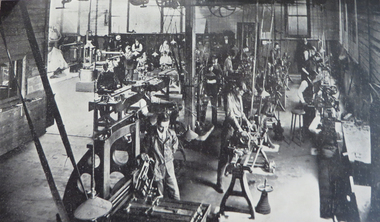
Booklet, Ballarat School of Mines and Industries, Prospectus A, Science and Engineering, 1916-7, c1917
... The Ballarat Technical Art School was part of the Ballarat School of Mines ballarat school of mines ballarat technical art school design modelling figure drawing fashion plate drawing black and white illustration wood carving lettering art metal work retouching architecture architectural diploma draughtsmen's courses art teachers' courses outdoor sketching classes photography building construction architectural drawing ticketwriting signwriting and decorating dressmaking needlework art teachers' certificate. student activities A soft covered book of 58 pages called the Ballarat School of Mines and Industries Prospectus A. ...The Ballarat Technical Art School was part of the Ballarat School of MinesA soft covered book of 58 pages called the Ballarat School of Mines and Industries Prospectus A. Contents includes teaching staff, school hours, curriculum, fee list, Travelling concessions, school library, classification of subjects. scholarships, list of examiners, full science courses Includes images Staff of the Ballarat School of Mines and Students at work in Turning and Fittingballarat school of mines, ballarat technical art school, design, modelling, figure drawing, fashion plate drawing, black and white illustration, wood carving, lettering, art metal work, retouching, architecture, architectural diploma, draughtsmen's courses, art teachers' courses, outdoor sketching classes, photography, building construction, architectural drawing, ticketwriting, signwriting and decorating, dressmaking, needlework, art teachers' certificate., student activities -
Federation University Historical Collection
Book - Book - Scrapbook, Ballarat Institute of Advanced Education: Scrapbook of newspaper cutting, Book 3, July 1970 to December 1970
... technical principals' association miss n findley of emily mcpherson college visiting heads admire facilities at biae advisory council sets guidelines smb plaque unveiled $25000 to centenary appeal national service exemption granted technical schools disrupted by teachers' strike bid for fourth university librarian course advocated smb appeal at $221000 centenary of technical education in australia mt helen campus opening centenary of great achievement governments give $100000 to institute student from last century mrs o ratray biae asked to train librarians buninyong seek talks problems of "background" in education exhibition by jon crawley - potter mr thompson's comment art sake at school 90 engineers at biae Ray Woollard Book with yellow cover, front. ...Newspaper cuttings relating to Ballarat Institute of Advanced Education. These are from various newspapers and include The Age, Ballarat Courier, The Australian, The Herald. The cuttings cover the period from 7 July 1970 to 12 December 1970. Book with yellow cover, front. Spiral bound.ballarat institute of advanced education, biae, employment advertisements, early school records found, council records from 1870 - 1893, john lynch wins stock exchange award, b r hames to deliver lecture at smb, death of a w steane, biae motor cycle club visit factory, mount helen campus of the future, visit from mt isa officer, centenary celebrations, peter hensley outstanding academic record 1969, rosslynne guymer, hill climb, repco gives $5000 to smb fund, ray woolard artist, mineral discoveries in australia, centenary prediction, centenary medallion, betty archdale to deliver fourth lecture, looking back on school history, e j tippett, threshold of the second century, e j barker, stanley white awarded csiro doctoral scholarship, tertiary colleges should be community centre, post-diploma course in malting and brewing, young geologists from broken hill, technical conference for ballarat, banks' gift, exhibition by students, rare rocks for biae, teachers' college at mt helen?, technical principals' association, miss n findley of emily mcpherson college, visiting heads admire facilities at biae, advisory council sets guidelines, smb plaque unveiled, $25000 to centenary appeal, national service exemption granted, technical schools disrupted by teachers' strike, bid for fourth university, librarian course advocated, smb appeal at $221000, centenary of technical education in australia, mt helen campus opening, centenary of great achievement, governments give $100000 to institute, student from last century, mrs o ratray, biae asked to train librarians, buninyong seek talks, problems of "background" in education, exhibition by jon crawley - potter, mr thompson's comment, art sake at school, 90 engineers at biae, ray woollard -
Federation University Historical Collection
Book - Book - Scrapbook, Ballarat Institute of Advanced Education: Scrapbook of newspaper cutting, Book 5, August 1971 to December 1971
... The cuttings cover the period from 19 August 1971 to 1 December 1971. ballarat institute of advanced education biae employment advertisements application for enrolment outline of courses smb finances concern mildura visitors testing new wind tunnel derek vine zig placina excellent year for association jack barker biae art show woman on a bike letters to the editor re art show 1500 trees planted biae students call strike new courses approved new physics equipment apartheid history explained derek viner talk student protest backed ballarat trades and labor council support prahran college of technology seeks supporters role of colleges threatened teacher training new regional office - education dept clay pit plans equipment for biae art display by smb students teachers to conduct assessment experiment undermining our sold foundation pioneer experiment at biae national diploma controls needed f r hornby colleges and students - 1972 helping hand for overseas students gordon smith teachers' colleges accommodation at technical schools victorian teachers' union concerns exceptions in an imperfect world student housing local degree courses on secondary studentships problem for school leavers $250000 for biae union building death of harry arblaster - former smb principal model of building project engineers' seminar at ballarat Book with orange cover, front. ...Newspaper cuttings relating to Ballarat Institute of Advanced Education. These are from various newspapers and include The Age, Ballarat Courier, The Australian, The Herald. The cuttings cover the period from 19 August 1971 to 1 December 1971. Book with orange cover, front. Spiral bound. Large tear back cover.ballarat institute of advanced education, biae, employment advertisements, application for enrolment, outline of courses, smb finances concern, mildura visitors, testing new wind tunnel, derek vine, zig placina, excellent year for association, jack barker, biae art show, woman on a bike, letters to the editor re art show, 1500 trees planted, biae students call strike, new courses approved, new physics equipment, apartheid history explained, derek viner talk, student protest backed, ballarat trades and labor council support, prahran college of technology seeks supporters, role of colleges threatened, teacher training, new regional office - education dept, clay pit plans, equipment for biae, art display by smb students, teachers to conduct assessment experiment, undermining our sold foundation, pioneer experiment at biae, national diploma controls needed, f r hornby, colleges and students - 1972, helping hand for overseas students, gordon smith, teachers' colleges, accommodation at technical schools, victorian teachers' union concerns, exceptions in an imperfect world, student housing, local degree courses on secondary studentships, problem for school leavers, $250000 for biae union building, death of harry arblaster - former smb principal, model of building project, engineers' seminar at ballarat -
Federation University Historical Collection
Book - Book - Scrapbook, Ballarat Institute of Advanced Education: Scrapbook of newspaper cutting, Book 6; December 1971 to May 1972
... The cuttings cover the period from 12 December 1971 to 1 May 1972. ballarat institute of advanced education biae employment advertisements application for enrolment outline of courses victorian institute of colleges staff association jack barker sees danger fourth university use up funds technical teachers at annual conference professor at seminar middle courses needed in engineering field 1973 for biae library student poster to sovereign hill john crebbin graeme trevena gary murphy group leadership is important mr kevin murray pollution threat to biae at mt helen $300000 for biae student housing academic registrar for institute decision on mt helen clay pit a l mckenzie president japanese exchange group in ballarat study grant for metallurgist planners agree on fourth uni pmg training at institute melbourne site recommended fourth uni should reach out leaders slate report pressure from country - fourth uni gates to be removed - former gaol 60 year old fleece found john sharrock youth is his thing industry shows lack of interest great blow to decentralisation develop flexibility advise to chemical society australian science education project fourth uni not wanted - councillor biae library taking shape $500 scholarship to anne mills bush their classroom smb cabaret ball greg govan - pottery student prize commemorates early industrialists e j tippett apprenticeship prize daryl eason athletics champion goon's giftthrough ballarat technical teachers at protest meeting stock exchange award to anne mills chamber of manufactures scholarship to david ward arblaster award for smb new course - bachelor of applied science in metallurgy Book with orange cover, front. ...Newspaper cuttings relating to Ballarat Institute of Advanced Education. These are from various newspapers and include The Age, Ballarat Courier, The Australian, The Herald. The cuttings cover the period from 12 December 1971 to 1 May 1972. Book with orange cover, front. Spiral bound.ballarat institute of advanced education, biae, employment advertisements, application for enrolment, outline of courses, victorian institute of colleges staff association, jack barker sees danger, fourth university use up funds, technical teachers at annual conference, professor at seminar, middle courses needed in engineering field, 1973 for biae library, student poster to sovereign hill, john crebbin, graeme trevena, gary murphy, group leadership is important, mr kevin murray, pollution threat to biae at mt helen, $300000 for biae student housing, academic registrar for institute, decision on mt helen clay pit, a l mckenzie president, japanese exchange group in ballarat, study grant for metallurgist, planners agree on fourth uni, pmg training at institute, melbourne site recommended, fourth uni should reach out, leaders slate report, pressure from country - fourth uni, gates to be removed - former gaol, 60 year old fleece found, john sharrock, youth is his thing, industry shows lack of interest, great blow to decentralisation, develop flexibility advise to chemical society, australian science education project, fourth uni not wanted - councillor, biae library taking shape, $500 scholarship to anne mills, bush their classroom, smb cabaret ball, greg govan - pottery student, prize commemorates early industrialists, e j tippett apprenticeship prize, daryl eason athletics champion, goon's giftthrough ballarat, technical teachers at protest meeting, stock exchange award to anne mills, chamber of manufactures scholarship to david ward, arblaster award for smb, new course - bachelor of applied science in metallurgy -
Federation University Historical Collection
Book - Book - Scrapbook, Ballarat Institute of Advanced Education: Scrapbook of newspaper cutting, Book 7; May 1972 to August 1972
... The cuttings cover the period from 1 May 1972 to 16 August 1972. ballarat institute of advanced education biae employment advertisements application for enrolment outline of courses technical teachers on strike biae students-pick and shovel award winner from mt isa first h e arblaster award to brian nash alan weston wins state award - joinery ballarat paper for conference in u s a publicity campaign by biae george cross for r w richards teachers' award attacked professor white - cornell university the college graduate allowance cuts hit students multi-purpose colleges considered academic board for smb cuts in college budgets gas scholarships darryl jeffries noel shillito federal government cuts to colleges sturt mansions julie selmon-architecture student graeme mcgregor-construction student teacher colleges get freedom fourth uni in geelong ballarat to put case for university students head nuclear protest studying their likely careers gaol gates are safety hazard medal presented by the queen r richards alp education committee at smb biae campus divided longer than expected mayor puts ballarat's claim for university geology seminar rainbow high school visit smb awards for 80 new craftsmen smb ball Book with orange cover, front. ...Newspaper cuttings relating to Ballarat Institute of Advanced Education. These are from various newspapers and include The Age, Ballarat Courier, The Australian, The Herald. The cuttings cover the period from 1 May 1972 to 16 August 1972. Book with orange cover, front. Spiral bound.ballarat institute of advanced education, biae, employment advertisements, application for enrolment, outline of courses, technical teachers on strike, biae students-pick and shovel, award winner from mt isa, first h e arblaster award to brian nash, alan weston wins state award - joinery, ballarat paper for conference in u s a, publicity campaign by biae, george cross for r w richards, teachers' award attacked, professor white - cornell university, the college graduate, allowance cuts hit students, multi-purpose colleges considered, academic board for smb, cuts in college budgets, gas scholarships, darryl jeffries, noel shillito, federal government cuts to colleges, sturt mansions, julie selmon-architecture student, graeme mcgregor-construction student, teacher colleges get freedom, fourth uni in geelong, ballarat to put case for university, students head nuclear protest, studying their likely careers, gaol gates are safety hazard, medal presented by the queen, r richards, alp education committee at smb, biae campus divided longer than expected, mayor puts ballarat's claim for university, geology seminar, rainbow high school visit smb, awards for 80 new craftsmen, smb ball -
Federation University Historical Collection
Book - Book - Scrapbook, Ballarat Institute of Advanced Education: Scrapbook of newspaper cutting, Book 9; April 1974 to September 1974
... The cuttings cover the period from 29 April 1974 to 14 September 1974. ballarat institute of advanced education biae employment advertisements application for enrolment outline of courses election candidates for ballarat anne freeman engineer engineering interest for biae visitor library open to residents of ballarat biae in uni admission scheme $500 scholarship to philip brumley call to merge biae and teachers' college alp 'for the people' biae graduates in geelong ceremony cyclist western district colin smith bachelor of applied science degrees they favour biae men peter storey wins apprentice award campaign to recruit teachers geology students school plantations to be felled mini-computer chemistry students move to new building carol yates wins r w richards medal sister josepha caine profile-jack barker biae ceramics student lyn oliver smb apprenticeship ball college men at biae conference higher degrees required for college posts derek woolley librarianship course approved mrs rungkat shortage of science personnel predicted Book with yellow cover, front. ...Newspaper cuttings relating to Ballarat Institute of Advanced Education. These are from various newspapers and include The Age, Ballarat Courier, The Australian, The Herald. The cuttings cover the period from 29 April 1974 to 14 September 1974. Book with yellow cover, front. Spiral bound.ballarat institute of advanced education, biae, employment advertisements, application for enrolment, outline of courses, election candidates for ballarat, anne freeman engineer, engineering interest for biae visitor, library open to residents of ballarat, biae in uni admission scheme, $500 scholarship to philip brumley, call to merge biae and teachers' college, alp 'for the people', biae graduates in geelong ceremony, cyclist, western district, colin smith, bachelor of applied science degrees, they favour biae men, peter storey wins apprentice award, campaign to recruit teachers, geology students, school plantations to be felled, mini-computer, chemistry students move to new building, carol yates wins r w richards medal, sister josepha caine, profile-jack barker, biae ceramics student lyn oliver, smb apprenticeship ball, college men at biae conference, higher degrees required for college posts, derek woolley, librarianship course approved, mrs rungkat, shortage of science personnel predicted -
Federation University Historical Collection
Book - Book - Scrapbook, Ballarat College of Advanced Education: Scrapbook of newspaper cutting, Book 2; June 1976 to March 1977
... teacher...farewell to w rowe...educational values...ballarat cae...university choir from japan...forum on education...education - lack of public concern...deakin uni...tertiary system inquiry...great tertiary power game...mitch pearson - artist...arblaster award to bruce cannon...uni staff hit at colleges...colleges warned of harsh cutbacks...overseas study trip...book...The cuttings cover the period from 30 June 1976 to 11 March 1977. ballarat institute of advanced education biae employment advertisements application for enrolment outline of courses merger tomorrow of tertiary colleges community sharing of education facilities careers in the 70s gabriel laderman - artist and teacher farewell to w rowe educational values ballarat cae university choir from japan forum on education education - lack of public concern deakin uni tertiary system inquiry great tertiary power game mitch pearson - artist arblaster award to bruce cannon uni staff hit at colleges colleges warned of harsh cutbacks overseas study trip book sold out before launch graham hawley - artist hsc still the best system campus was his canvas alistair knox merger provides wide scope moves for paramedical courses in ballarat dr stephen parsons $104m for state colleges commonwealth grant to sister francesca watt the great college perks cloisters of paradise workshop looks at school reviews joan kirner open day at mount helen uk sculptor at art school student strikers mp wont't meet early childhood health program $1m physical education building forum on uranium farewell to c a sonsee noel janetski returns anzaas congress to come to ballarat 230 diplomas conferred disease of idleness cae contract for union extensios counselling goes public dr gary pennington - canadian lecturer african interest in bcae courses Book with yellow cover, front. ...Newspaper cuttings relating to Ballarat College of Advanced Education. These are from various newspapers and include The Age, Ballarat Courier, The Australian, The Herald. The cuttings cover the period from 30 June 1976 to 11 March 1977. Book with yellow cover, front. Spiral bound.ballarat institute of advanced education, biae, employment advertisements, application for enrolment, outline of courses, merger tomorrow of tertiary colleges, community sharing of education facilities, careers in the 70s, gabriel laderman - artist and teacher, farewell to w rowe, educational values, ballarat cae, university choir from japan, forum on education, education - lack of public concern, deakin uni, tertiary system inquiry, great tertiary power game, mitch pearson - artist, arblaster award to bruce cannon, uni staff hit at colleges, colleges warned of harsh cutbacks, overseas study trip, book sold out before launch, graham hawley - artist, hsc still the best system, campus was his canvas, alistair knox, merger provides wide scope, moves for paramedical courses in ballarat, dr stephen parsons, $104m for state colleges, commonwealth grant to sister francesca watt, the great college perks, cloisters of paradise, workshop looks at school reviews, joan kirner, open day at mount helen, uk sculptor at art school, student strikers, mp wont't meet, early childhood health program, $1m physical education building, forum on uranium, farewell to c a sonsee, noel janetski returns, anzaas congress to come to ballarat, 230 diplomas conferred, disease of idleness, cae contract for union extensios, counselling goes public, dr gary pennington - canadian lecturer, african interest in bcae courses -
Federation University Historical Collection
Book - Book - Scrapbook, Ballarat College of Advanced Education: Scrapbook of newspaper cutting, Book 4; October 1978 to March 1979
... Inauguration of Australia's first postgraduate diploma course in occupational hazard management hailed as a milestone for safety in Australia. employment advertisements application for enrolment outline of courses new gallery big success norman baggaley nick violi electronic engineering keith fuller research program solar heat variety in engineering studies accidents take tragic toll derek viner occupational safety group marquetry exhibition henry moritz study of human factors in industry max brookes ballarat college of advanced education bcae - a community resource community studies-surveys by bcae overseas librarians visit ballarat bachelor of arts course approved frank hurley awards to bcae students rodney jude phillip brewis engineers elect new chairma zig plavina tippett portrait for bcae four wins for kathie wise female sculler bcae won't wait for new buildings post graduate safety course next year speech aid gift vincent bugno final year project derek woolley electrical engineering teacher gets a lesson terry osborne art student rodney nicholls awarded scholarship walter lonie president - australasian institute of mining and metallurgy ian anderson wins gift norman baggaley - head of art hsc students apprehensive dr len cubitt windmills victim of high costs council's plan to combat flooding making music at summer school students' gallery difficult year ahead vtu calls for new teacher policies bcae course hailed as milestone occupational hazard management laurence mason eric wigglesworth royal australian college of surgeons derek viner bcae lecturer role of governments in industrial safety brain drain crisis for teaching campus city ballarat cae leads way graham werner cedric snowdon scholarship winners mining and metallurgy visit by senator webster papua new guinea students mining engineering career scientific approach to fitness Book with yellow cover, front. ...Newspaper cuttings relating to Ballarat College of Advanced Education. These are from various newspapers and include The Age, Ballarat Courier, The Australian, The Herald. The cuttings cover the period from 11 October 1978 to 16 March 1979. Inauguration of Australia's first postgraduate diploma course in occupational hazard management hailed as a milestone for safety in Australia. Book with yellow cover, front. Spiral bound.employment advertisements, application for enrolment, outline of courses, new gallery big success, norman baggaley, nick violi electronic engineering, keith fuller research program, solar heat, variety in engineering studies, accidents take tragic toll, derek viner, occupational safety group, marquetry exhibition, henry moritz, study of human factors in industry, max brookes, ballarat college of advanced education, bcae - a community resource, community studies-surveys by bcae, overseas librarians visit ballarat, bachelor of arts course approved, frank hurley, awards to bcae students, rodney jude, phillip brewis, engineers elect new chairma, zig plavina, tippett portrait for bcae, four wins for kathie wise, female sculler, bcae won't wait for new buildings, post graduate safety course next year, speech aid gift, vincent bugno final year project, derek woolley, electrical engineering, teacher gets a lesson, terry osborne art student, rodney nicholls awarded scholarship, walter lonie, president - australasian institute of mining and metallurgy, ian anderson wins gift, norman baggaley - head of art, hsc students apprehensive, dr len cubitt, windmills victim of high costs, council's plan to combat flooding, making music at summer school, students' gallery, difficult year ahead, vtu calls for new teacher policies, bcae course hailed as milestone, occupational hazard management, laurence mason, eric wigglesworth, royal australian college of surgeons, derek viner bcae lecturer, role of governments in industrial safety, brain drain crisis for teaching, campus city, ballarat cae leads way, graham werner, cedric snowdon, scholarship winners, mining and metallurgy, visit by senator webster, papua new guinea students, mining engineering career, scientific approach to fitness -
Federation University Historical Collection
Book - Book - Scrapbook, Ballarat College of Advanced Education: Scrapbook of newspaper cutting, Book 5; March 1979 to August 1979
... The cuttings cover the period from 21 March 1979 to 4 August 1979. . employment advertisements application for enrolment outline of courses scholarships for bcae students western mining corporation gunther jahnks stephen fernee jim stringer robert withers former student earthquakes new men at bcae geoff westcott garry kinnane jeffrey leeuwenberg study of muscle power dr alan roberts mark heuston new at bcae cao duc thac - school of business bruce cossins - civil engineering val lloyd - librarianship department prof hilda elkins - librarianship department for 6 months community support vital to colleges inquiry committee in ballarat growing concern for sports injuries shortage of qualified metallurgists 400 graduate graeme jeffries engineering accountancy prize to belinda tantau john wach appointed to mt stromlo observatory energy seminar minister for minerals and energy teacher union may put ban on bcae bcae director replies bcae indoor sports facilities popular chemical institute branch formed great hall takes shape educationalists in ballarat another degree for frank hurley dr mosley on barrier reef posters depict conservation bcae gets gift of logo bcae's first annual council meeting pilot fatigue significant factor management training - business survey better decision makers industrial safety engineering heritage display why people take risks vtu boycott suspended prof david klein u.s.a. prof praises bcae course swimming instructors 2-day course david jelbart retires gunther jahnke wins arblaster award bcae library expands regional colleges Book with grey cover, front. ...Newspaper cuttings relating to Ballarat College of Advanced Education. These are from various newspapers and include The Age, Ballarat Courier, The Australian, The Herald. The cuttings cover the period from 21 March 1979 to 4 August 1979. . Book with grey cover, front. Spiral bound.employment advertisements, application for enrolment, outline of courses, scholarships for bcae students, western mining corporation, gunther jahnks, stephen fernee, jim stringer, robert withers former student, earthquakes, new men at bcae, geoff westcott, garry kinnane, jeffrey leeuwenberg, study of muscle power, dr alan roberts, mark heuston, new at bcae, cao duc thac - school of business, bruce cossins - civil engineering, val lloyd - librarianship department, prof hilda elkins - librarianship department for 6 months, community support vital to colleges, inquiry committee in ballarat, growing concern for sports injuries, shortage of qualified metallurgists, 400 graduate, graeme jeffries engineering, accountancy prize to belinda tantau, john wach appointed to mt stromlo observatory, energy seminar, minister for minerals and energy, teacher union may put ban on bcae, bcae director replies, bcae indoor sports facilities popular, chemical institute branch formed, great hall takes shape, educationalists in ballarat, another degree for frank hurley, dr mosley on barrier reef, posters depict conservation, bcae gets gift of logo, bcae's first annual council meeting, pilot fatigue significant factor, management training - business survey, better decision makers, industrial safety, engineering heritage display, why people take risks, vtu boycott suspended, prof david klein u.s.a., prof praises bcae course, swimming instructors 2-day course, david jelbart retires, gunther jahnke wins arblaster award, bcae library expands, regional colleges -
Federation University Historical Collection
Book - Book - Scrapbook, Ballarat College of Advanced Education: Scrapbook of newspaper cutting, Book 6; August 1979 to January 1980
... teachers not doing job? not true zig plavina retires discussion on students reports keith mcelroy asu's first coaching co-ordinator great hall near completion Book with grey cover, front. ...Newspaper cuttings relating to Ballarat College of Advanced Education. These are from various newspapers and include The Age, Ballarat Courier, The Australian, The Herald. The cuttings cover the period from 10 August 1979 to 30 January 1980. . Book with grey cover, front. Spiral bound.employment advertisements, application for enrolment, outline of courses, bcae open day on sunday, energy hysteria by lobby groups, farmer and his fuel supply, prof helen lyman, outreach subjuects, adult literacy, migrant education, a bush walk, moorabool river, energy and the farm, miners have learned from past mistakes, working holiday in america, more mining activity ahead, secondary students 'copping out' for 'soft options', national parks satisfy a need, dr myron sutton, dr ann sutton, bcae guidance for secondary students, peter blizzard sculptor, $1200 award, helping novice orienteers, bishop hazlewood apologises to bcae, 'verbal vandalism' says jack barker, soil conservation - in designs, stephen roberts, judy ellis, ballarat books on campus, education - buildings luxury image, what's in a name, sergeant family recital, reading skills depend on parental support, computer link a success, paddle your stone canoe, projects in tune with needs, voice training for the deaf turned into a game, career centre at work, rail link forum, bcar librarianship courses accredited, health and human relations education, concrete canoe club wins trophy, laa looking out for librarians, future plans for bcae, new policy on college entrance, final year arts students, forestry course, health education course, german safety expert visit, expert in safety engineering, physical education impotant in schools, lack of reading and numeracy skills, remedial neglect: who's to blame, teachers not doing job? not true, zig plavina retires, discussion on students reports, keith mcelroy asu's first coaching co-ordinator, great hall near completion -
Federation University Historical Collection
Book - Book - Scrapbook, Ballarat College of Advanced Education: Scrapbook of newspaper cutting, Book 7; January 1980 to September 1980
... The cuttings cover the period from 31 January 1980 to 5 September 1980. . employment advertisements application for enrolment outline of courses colleges spend up education needs publicity college pay review prof compes professor of safety class of 1930 class of '46 cae prizes presented mineral boom jobless boon wes walters wins archibald prize lismore art prize to margaret bennett track and field competion bcae second in national titles library files on film bill hitchins enrolments inrease bcae head praises mp's efforts re-opening of mine at berringa bcae graduates michael and gregory stowe richards medal presentation bcae help for national squad the need for innovation prof john crisp institution of engineers australia move for archaeological society anne freeman elected graeme lowe introduces new law elective for teachers career scope for chemists grant for wood pulping research dispute halts work on hall music department has superb facilities grant for water pollution research david hemmings at bcae college staff to hold stop-work canberra moves on colleges name decided for 'great hall' notable year for bcae victoria lagging in farm safety laws $40000computer plan students attend memorial lecture ceramics exhibition boom in part-time study open day at mt helen visiting ceramics lecturer information technology week science students win bursaries margaret haddon francis brown seminar on rural television toxic effects of sea wasp Book with grey cover, front. ...Newspaper cuttings relating to Ballarat College of Advanced Education. These are from various newspapers and include The Age, Ballarat Courier, The Australian, The Herald. The cuttings cover the period from 31 January 1980 to 5 September 1980. . Book with grey cover, front. Image of two trotters. Spiral bound.employment advertisements, application for enrolment, outline of courses, colleges spend up, education needs publicity, college pay review, prof compes, professor of safety, class of 1930, class of '46, cae prizes presented, mineral boom jobless boon, wes walters wins archibald prize, lismore art prize to margaret bennett, track and field competion, bcae second in national titles, library files on film, bill hitchins, enrolments inrease, bcae head praises mp's efforts, re-opening of mine at berringa, bcae graduates, michael and gregory stowe, richards medal presentation, bcae help for national squad, the need for innovation, prof john crisp, institution of engineers australia, move for archaeological society, anne freeman elected, graeme lowe introduces new law elective for teachers, career scope for chemists, grant for wood pulping research, dispute halts work on hall, music department has superb facilities, grant for water pollution research, david hemmings at bcae, college staff to hold stop-work, canberra moves on colleges, name decided for 'great hall', notable year for bcae, victoria lagging in farm safety laws, $40000computer plan, students attend memorial lecture, ceramics exhibition, boom in part-time study, open day at mt helen, visiting ceramics lecturer, information technology week, science students win bursaries, margaret haddon, francis brown, seminar on rural television, toxic effects of sea wasp -
Federation University Historical Collection
Book - Book - Scrapbook, Ballarat College of Advanced Education: Scrapbook of newspaper cutting, Book 12; November 1982 to May 1983
... The cuttings cover the period from 30 November 1982 to 19 May 1983. . employment advertisements application for enrolment outline of courses new technology special concerts in founders hall spiros rantos exhibition by students new computer course electrical engineeringto the fore beaufort house to remain open bogus surveys warning young potters show wares adolescent drinking sheryl upton research ballarat leads in industrial safety marooned in antarctica dick richards student accommodation second priority victor edward greenhalgh ballarat sculptor myths about pocket money rosemary selkirk women turn to tertiary study health safety factors in new technology screen based equipment breaking the sound barrier euan pescott achievements despite deafness mars factory to use wind power foundry way ceramics display data bank in ballarat trading hours truths exposed fashion and fabric design greg mannix formerly of ballarat science courses could be tougher farmer-turned-teacher barrymacklin teachers urged to encourage students drawn into war geoff mainwarring when people need help anz bank gives new computer deans meet in ballarat mining education returns 'home' bcae centre of mining engineering high technology not a solution printmaker buys rare old press Book with beige cover, front. ...Newspaper cuttings relating to Ballarat College of Advanced Education. These are from various newspapers and include The Age, Ballarat Courier, The Australian, The Herald. The cuttings cover the period from 30 November 1982 to 19 May 1983. . Book with beige cover, front. Spiral bound.employment advertisements, application for enrolment, outline of courses, new technology, special concerts in founders hall, spiros rantos, exhibition by students, new computer course, electrical engineeringto the fore, beaufort house to remain open, bogus surveys warning, young potters show wares, adolescent drinking, sheryl upton research, ballarat leads in industrial safety, marooned in antarctica, dick richards, student accommodation second priority, victor edward greenhalgh ballarat sculptor, myths about pocket money, rosemary selkirk, women turn to tertiary study, health safety factors in new technology, screen based equipment, breaking the sound barrier, euan pescott achievements despite deafness, mars factory to use wind power, foundry way ceramics display, data bank in ballarat, trading hours truths exposed, fashion and fabric design, greg mannix formerly of ballarat, science courses could be tougher, farmer-turned-teacher, barrymacklin, teachers urged to encourage students, drawn into war, geoff mainwarring, when people need help, anz bank gives new computer, deans meet in ballarat, mining education returns 'home', bcae centre of mining engineering, high technology not a solution, printmaker buys rare old press, -
Federation University Historical Collection
Book - Book - Scrapbook, Ballarat College of Advanced Education: Scrapbook of newspaper cutting, Book 13; May 1983 to October 1983
... The cuttings cover the period from 23 May 1983 to 26 October 1983. . employment advertisements application for enrolment outline of courses deputation to see minister re gas levy role for colleges computing at bcae engineering students may transfer institutions fear information act bust of prof smith presented to smb western mining corporation awards john de vries ian carroll wayne herbertson soil conservationists bust of dick richards chinese actress visits ballarat bcae host to hundreds tertiary orientation program russian violinist at founders hall teachers not out of touch employment prospects for teacher graduates bcae open day dr alan reid from csiro short course on micro computers victoria howlett potter charles fahey on oral histories computers becoming part of school system mining raises living standards antarctic oldtimer remembers ethel reynolds - sculptor tribute in bronze dick richards beaufort house 'home for students' jacqueline culvenor - potter deaf and smart `students condemn council sacking brendan mcauley jump rope for heart students give papers on engineering projects australians lucky says uk artist selwyn hoffman shows in exhibition Book with beige cover, front. ...Newspaper cuttings relating to Ballarat College of Advanced Education. These are from various newspapers and include The Age, Ballarat Courier, The Australian, The Herald. The cuttings cover the period from 23 May 1983 to 26 October 1983. . Book with beige cover, front. Spiral bound.employment advertisements, application for enrolment, outline of courses, deputation to see minister re gas levy, role for colleges, computing at bcae, engineering students may transfer, institutions fear information act, bust of prof smith presented to smb, western mining corporation awards, john de vries, ian carroll, wayne herbertson, soil conservationists, bust of dick richards, chinese actress visits ballarat, bcae host to hundreds, tertiary orientation program, russian violinist at founders hall, teachers not out of touch, employment prospects for teacher graduates, bcae open day, dr alan reid from csiro, short course on micro computers, victoria howlett potter, charles fahey on oral histories, computers becoming part of school system, mining raises living standards, antarctic oldtimer remembers, ethel reynolds - sculptor, tribute in bronze, dick richards, beaufort house 'home for students', jacqueline culvenor - potter, deaf and smart, `students condemn council sacking, brendan mcauley, jump rope for heart, students give papers on engineering projects, australians lucky says uk artist, selwyn hoffman shows in exhibition -
Federation University Historical Collection
Book - Book - Scrapbook, Ballarat College of Advanced Education: Scrapbook of newspaper cutting, Book 14; November 1983 to June 1984
... book out soon...garry kinnane...sandy blythe - paraplegic...phys ed teacher...The cuttings cover the period from 1 November 1983 to 20 June 1984. . employment advertisements application for enrolment outline of courses peter pilven - potter h r hughan award how to get organised organising personal files 400 million years old plants fossils at bcae new pottery kiln fund for grand piano bcae phys ed aims neville bunning at 81 living on a limited income visiting engineers from india and fiji industrial safety course dennis else student accommodation closure of hostels anne kilminster - northern territory mining education group visits ballarat lecturer's book out soon garry kinnane sandy blythe - paraplegic phys ed teacher ballarat's mature-age mafia lyn bowers heather howard pam bignell sue nichols death of tom turner principal of teachers' college 1950-1970 lynette snibson medal winner new bcae graduates kiran mazumdar visits from india neil trezise at bcae tertiary staff changes to save millions wayne herbertson toni shephard western mining award to chris elliot roped in for triple egg beater heated pool debate nurses will go to college from base to bcae paul rainbow awarded associateship exhibited at the lighthouse sculptor ken palmer chifley bust graduates finding good jobs sir george paton steve moneghetti hopes to run again Book with beige cover, front. ...Newspaper cuttings relating to Ballarat College of Advanced Education. These are from various newspapers and include The Age, Ballarat Courier, The Australian, The Herald. The cuttings cover the period from 1 November 1983 to 20 June 1984. . Book with beige cover, front. Spiral bound.employment advertisements, application for enrolment, outline of courses, peter pilven - potter, h r hughan award, how to get organised, organising personal files, 400 million years old, plants fossils at bcae, new pottery kiln, fund for grand piano, bcae phys ed aims, neville bunning at 81, living on a limited income, visiting engineers from india and fiji, industrial safety course, dennis else, student accommodation, closure of hostels, anne kilminster - northern territory, mining education group visits ballarat, lecturer's book out soon, garry kinnane, sandy blythe - paraplegic, phys ed teacher, ballarat's mature-age mafia, lyn bowers, heather howard, pam bignell, sue nichols, death of tom turner, principal of teachers' college 1950-1970, lynette snibson medal winner, new bcae graduates, kiran mazumdar visits from india, neil trezise at bcae, tertiary staff changes to save millions, wayne herbertson, toni shephard, western mining award to chris elliot, roped in for triple egg beater, heated pool debate, nurses will go to college, from base to bcae, paul rainbow awarded associateship, exhibited at the lighthouse, sculptor ken palmer, chifley bust, graduates finding good jobs, sir george paton, steve moneghetti hopes to run again -
Federation University Historical Collection
Book - Book - Scrapbook, Ballarat College of Advanced Education: Scrapbook of newspaper cutting, Book 18; June 1986 to October 1986
... The cuttings cover the period from 28 June 1986 to 27 October 1986. . employment advertisements application for enrolment outline of courses ballarat college of advanced education bcae bcae health education course ymca pool users "short-cut degrees" bcae commercial day christmas in july "vanya' is a modern tale bcae birthday celebrations six faculties children's diets under scrutiny gravity separator for minerals leigh oliver wins art prize ballarat needs training venue swimming widdop to visit u s and u k aquinas to offer nurse training funding system bid to cut traffic chaos uncle vanya production importance of physical well-being jack barker to quit steve moneghetti dorothy crocker and music conservation balance sheet needed bcae open on sunday open day chemistry with a difference durant memorial lecture sharon stewart wins bronze awards for students scott ramsay students draw plan for park teachers visit goldfields mining seminar course to coach coaches bound for the big desert student found boost for country sport art of murals career expo garry's memorable month fees protest Book with yellow cover, front. ...Newspaper cuttings relating to Ballarat College of Advanced Education. These are from various newspapers and include The Age, Ballarat Courier, The Australian, The Herald. The cuttings cover the period from 28 June 1986 to 27 October 1986. . Book with yellow cover, front. Spiral bound.employment advertisements, application for enrolment, outline of courses, ballarat college of advanced education, bcae, bcae health education course, ymca pool users, "short-cut degrees", bcae commercial day, christmas in july, "vanya' is a modern tale, bcae birthday celebrations, six faculties, children's diets under scrutiny, gravity separator for minerals, leigh oliver wins art prize, ballarat needs training venue, swimming, widdop to visit u s and u k, aquinas to offer nurse training, funding system, bid to cut traffic chaos, uncle vanya production, importance of physical well-being, jack barker to quit, steve moneghetti, dorothy crocker and music, conservation balance sheet needed, bcae open on sunday, open day, chemistry with a difference, durant memorial lecture, sharon stewart wins bronze, awards for students, scott ramsay, students draw plan for park, teachers visit goldfields, mining seminar, course to coach coaches, bound for the big desert, student found, boost for country sport, art of murals, career expo, garry's memorable month, fees protest -
Federation University Historical Collection
Book - Book - Scrapbook, Ballarat School of MInes: Scrapbook of Newspaper Cuttings, August 1967 - January 1969
... The papers concerned are The Courier, Ballarat, The Australian, The Age over the period from 15/08/1967 to 01/06/1968. college of advanced education new concept in education smb computer costs tenders for new buildings at mount helen inter college sports smb win l f j hillman salver mr g rance of broken hill co.ltd u s campus planning expert staffing advertisements handling bhp's oil boom rural university should come here victorian rural university association formed turning the sod at smb testing gas engine professor emeritus sir kerr grant more powers for colleges institute $5000 microscope tenders for new school year for quiet progress for city of ballarat smb prepares for student increase washing goal painting fairyland artists from new zealand donations for yooralla lake relay drought-made art "studio" swimming sports first stage of smb project layouts of braking systems apprenticeship must have a good image smb building rises steadily craftsmanship certificate presentations seven aspects of apprenticeship local courses for art teachers Book with deep red and white cover back and front, spiral bound. ...Collection of newspaper articles related to Ballarat School Of Mines.They cover activities and advertisements for staff. The papers concerned are The Courier, Ballarat, The Australian, The Age over the period from 15/08/1967 to 01/06/1968.Book with deep red and white cover back and front, spiral bound. college of advanced education, new concept in education, smb computer costs, tenders for new buildings at mount helen, inter college sports, smb win l f j hillman salver, mr g rance of broken hill co.ltd, u s campus planning expert, staffing advertisements, handling bhp's oil boom, rural university should come here, victorian rural university association formed, turning the sod at smb, testing gas engine, professor emeritus sir kerr grant, more powers for colleges institute, $5000 microscope, tenders for new school, year for quiet progress for city of ballarat, smb prepares for student increase, washing goal, painting fairyland, artists from new zealand, donations for yooralla, lake relay, drought-made art "studio", swimming sports, first stage of smb project, layouts of braking systems, apprenticeship must have a good image, smb building rises steadily, craftsmanship certificate presentations, seven aspects of apprenticeship, local courses for art teachers -
Federation University Historical Collection
Book - Book - Scrapbook, Ballarat School of MInes: Scrapbook of Newspaper Cuttings, June 1968 - December 1968
... The papers concerned are The Courier, Ballarat, The Australian, The Age over the period from 01/06/1968 to 02/12/1968. staffing advertisements master builders' scholarship jeff white robert kerr smb progress at mt clear peter dudley rio tinto scholarship smb computer centre art in the sunshine stock exchange award to min j loo commonwealth inquiry re salaries analogue computer apex projects business studies group from mildura ben burrow to united states defence standards laboratory melbourne gas company scholarships john grant ian day visitors from maryborough secondary teachers art and craft course new exam report vandals at smb building site look first decide later on careers visitors' day at smb diplomas for 51 students smb staff visit 20 schools high priority for smb residences at mt helen brewing course autonomy for colleges completion of woolclassing building mr g mainwarring to paint picture for australian war museum canberra demolition of old gaol wall smb titles for main sections $130 000 computer for smb error over water supply connection at mt helen basketball premiers ugandan minister on visit to school teachers' college wins annual sports smb won annual trades fours ballarat rowing association visit to ambulance station david pell top student in accountancy bendigo visit by smb michael young sculptor prize winner united states and australia communications re tertiary education josephine brelaz trust fund Book with deep red and white cover back and front, spiral bound. ...Collection of newspaper articles related to Ballarat School Of Mines.They cover activities and advertisements for staff. The papers concerned are The Courier, Ballarat, The Australian, The Age over the period from 01/06/1968 to 02/12/1968.Book with deep red and white cover back and front, spiral bound. staffing advertisements, master builders' scholarship, jeff white, robert kerr, smb progress at mt clear, peter dudley, rio tinto scholarship, smb computer centre, art in the sunshine, stock exchange award to min j loo, commonwealth inquiry re salaries, analogue computer, apex projects, business studies group from mildura, ben burrow to united states, defence standards laboratory melbourne, gas company scholarships, john grant, ian day, visitors from maryborough, secondary teachers art and craft course, new exam report, vandals at smb building site, look first decide later on careers, visitors' day at smb, diplomas for 51 students, smb staff visit 20 schools, high priority for smb residences at mt helen, brewing course, autonomy for colleges, completion of woolclassing building, mr g mainwarring to paint picture for australian war museum canberra, demolition of old gaol wall, smb titles for main sections, $130, 000 computer for smb, error over water supply connection at mt helen, basketball premiers, ugandan minister on visit to school, teachers' college wins annual sports, smb won annual trades fours, ballarat rowing association, visit to ambulance station, david pell top student in accountancy, bendigo visit by smb, michael young sculptor prize winner, united states and australia communications re tertiary education, josephine brelaz trust fund -
Federation University Historical Collection
Book - Book - Scrapbook, Ballarat School of MInes: Scrapbook of Newspaper Cuttings, Book 1, June 1974 - June 1976
... The papers concerned are The Courier, Ballarat, The Australian, The Age over the period from June 1974 to June 1976 staffing advertisements silver medal for m j petrie tech boys sample future careers fund raiser for children's home tinken award to peter storey apprenticeship week craftsmen receive certificates barker heads new education group apprenticeship scheme for young farmers school planned at mount clear r dunlop new principal submissions to school commission 3-in-one school suggested time of change for school of mines interim council formed ballarat getting two new schools mt clear school opens next year e j barker retires from vic council plans outlined for new school teacher union doubts on new school at mt clear new step in merger of tertiary colleges ballarat schools at "break even" point praise for technical school tradition careers teacher' role now official Book with deep red and white cover back and front, spiral bound. ...Collection of newspaper articles related to Ballarat School Of Mines.They cover activities and advertisements for staff. The papers concerned are The Courier, Ballarat, The Australian, The Age over the period from June 1974 to June 1976Book with deep red and white cover back and front, spiral bound. staffing advertisements, silver medal for m j petrie, tech boys sample future careers, fund raiser for children's home, tinken award to peter storey, apprenticeship week, craftsmen receive certificates, barker heads new education group, apprenticeship scheme for young farmers, school planned at mount clear, r dunlop new principal, submissions to school commission, 3-in-one school suggested, time of change for school of mines, interim council formed, ballarat getting two new schools, mt clear school opens next year, e j barker retires from vic council, plans outlined for new school, teacher union doubts on new school at mt clear, new step in merger of tertiary colleges, ballarat schools at "break even" point, praise for technical school tradition, careers teacher' role now official
