
Showing 43 items matching " morocco"
-
 Embroiderers Guild, Victoria
Textile - Moroccan Handkerchief/Mat
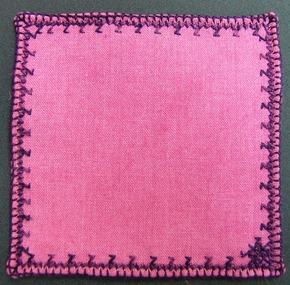
... Morocco...Moroccan hand embroidery dates back to the earl 18th century. ...Morocco...Moroccan hand embroidery dates back to the earl 18th century. ...Moroccan hand embroidery dates back to the earl 18th century. The Berber tribes of Morocco, North Africa, used permanent tattoo symbols on their bodies, as a sign of cultural beauty. Later this very decoration was transferred onto pottery and then as hand embroidery, and became a big part of the country's tradition. Many cities in the north of Morocco, like Meknes, Rabat, Salé, and Fez are all known for their unique way of embroidery style, technique, colours and fabric. This particular piece of hand embroidery was done in Meknes in 1991. It has no pattern transferred or drawn onto the actual fabric. The embroiderer simply counts each thread; one stitch spans two to four threads of the fabric. Embroidering horizontally, vertically or diagonally, leaving blanks to achieve the desired symmetrical design. This is an extremely time-consuming technique, which requires mathematical precision and a lot of concentration and patience, There is no reverse side.(a) Cotton handkerchief embroidered in blue tones in various stitches with a rolled buttonhole stitched edge (b) Linen mat with rolled buttonhole stitched edge and various even weave stitches.morocco, handkerchief, mat -
 Embroiderers Guild, Victoria
Textile - Moroccan Blue and White Mat
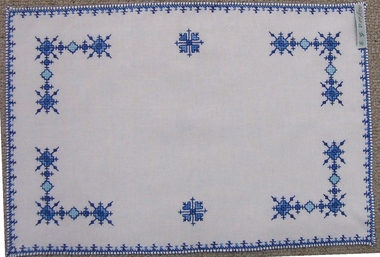
... ... Morocco...Moroccan hand embroidery dates back to the earl 18th century. ...Morocco...Moroccan hand embroidery dates back to the earl 18th century. ...Moroccan hand embroidery dates back to the earl 18th century. The Berber tribes of Morocco, North Africa, used permanent tattoo symbols on their bodies, as a sign of cultural beauty. Later this very decoration was transferred onto pottery and then as hand embroidery, and became a big part of the country's tradition. Many cities in the north of Morocco, like Meknes, Rabat, Salé, and Fez are all known for their unique way of embroidery style, technique, colours and fabric. This particular piece of hand embroidery was done in Meknes in 1991. It has no pattern transferred or drawn onto the actual fabric. The embroiderer simply counts each thread; one stitch spans two to four threads of the fabric. Embroidering horizontally, vertically or diagonally, leaving blanks to achieve the desired symmetrical design. This is an extremely time-consuming technique, which requires mathematical precision and a lot of concentration and patience, There is no reverse side.White cotton mat decorated with counted thread and with a rolled, buttonhole stitched hem in shades of blue,mat, embroidery, morocco, cross stitch -
 Emerald Museum & Nobelius Heritage Park
Functional object - Wallet, 1940s
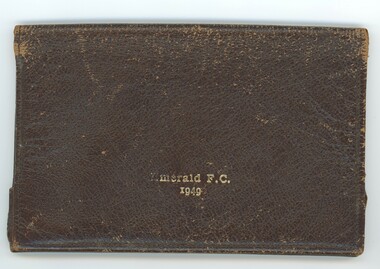
... Small brown Morocco leather wallet..../1949" Inside wallet: "Notes/Correspondence /Cards/Stamps Stamps/ Genuine Morocco"...The Emerald Football club history dates from 1904 and has always played an important role in the life of the community. emerald football club wallet 1949 Morocco Leather on front of wallet: "Emerald F.C./1949" Inside wallet: "Notes/Correspondence /Cards/Stamps Stamps/ Genuine Morocco" Small brown Morocco leather wallet Functional object Wallet ...The Emerald Football Club inscription on this wallet suggests that this wallet was specifically inscribed to make it suitable for a person or persons related to the club in 1949 e.g. as a presentation to perhaps the football committee members.The Emerald Football club history dates from 1904 and has always played an important role in the life of the community.Small brown Morocco leather walleton front of wallet: "Emerald F.C./1949" Inside wallet: "Notes/Correspondence /Cards/Stamps Stamps/ Genuine Morocco"emerald football club, wallet, 1949, morocco leather -
 Embroiderers Guild, Victoria
Textile - Moroccan Embroidered Mat
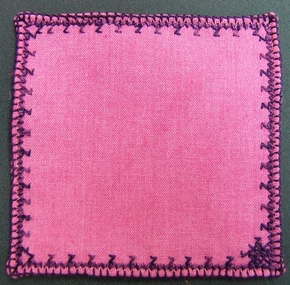
... Morocco...Morocco...Textile Moroccan Embroidered Mat ...Linen mat with rolled buttonhole stitched edge and various even weave stitches.morocco, handkerchief, mat -
 National Vietnam Veterans Museum (NVVM)
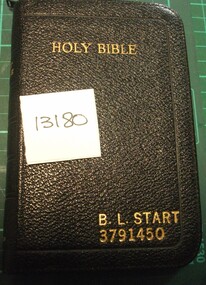
Book, Bible
... Persian Morocco-Nylon Sewn...Inside contents of Holy Bible Bible Book Book Persian Morocco-Nylon Sewn ...Black vinyl cover with zip. "Holy Bible B.L. Start 3791450" embossed on front in gold print. "Holy Bible Boxford" Embossed on spine. Inside contents of Holy Biblebible -
 Emerald Museum & Nobelius Heritage Park
Container - Purse
... Real Morocco Made in England...unknown Domestic Life personal effects Emerald Victoria Australia Royal Australian Air Force Real Morocco Made in England Small leather zippered purse, zip broken RAAF "Wings" embossed in gold Container Purse ...unknownSmall leather zippered purse, zip broken RAAF "Wings" embossed in goldReal Morocco Made in Englanddomestic life, personal effects, emerald, victoria, australia, royal australian air force -
 Mont De Lancey
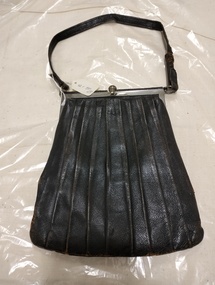
Accessory - Leather handbag with pleated front
... Small tag reading 'warranted genuine' 'Morocco' 'made in USA'...Bag Leather Pleating 1913 Small tag reading 'warranted genuine' 'Morocco' 'made in USA' Brown leather handbag with a pleated front,leather strap and metal push close,1 internal pocket. - circa 1913 Accessory Leather handbag with pleated front ...This bag is a practical daily style from the 1910s, leather was a popular material due to its durability and longevity. The front pleating adds a small amount of decoration to an otherwise utilitarian bag.Brown leather handbag with a pleated front,leather strap and metal push close,1 internal pocket. - circa 1913Small tag reading 'warranted genuine' 'Morocco' 'made in USA'bag, leather, pleating, 1913 -
 Newcomb Secondary College Archives
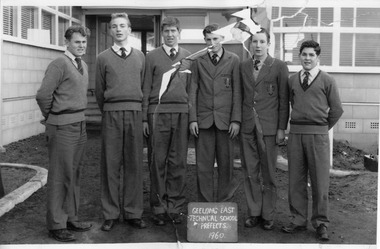
Photographic Album - Geelong East Technical School Prefects, Leathersmith, circa 1960
... Photographic Album by Leathersmith, Made in England (AL4M Morocco)...Photographic Album by Leathersmith, Made in England (AL4M Morocco) Photographic Album - Geelong East Technical School Prefects Leathersmith ...Photographic Album by Leathersmith, Made in England (AL4M Morocco)Cover is black leather with a gold embossed trim around edges. Internal exposed leather has similar trim. Pages are paper with rounded corners and edge of paper is gold. -
4th/19th Prince of Wales's Light Horse Regiment Unit History Room
Medal Set, early to mid 20th century
... Indochina Campaign commemorative medal Awarded by France Type Campaign medal Eligibility French citizens and foreign nationals fighting under the French flag Awarded for 90 days service between 16 August 1945 and 27 July 1954 Campaign Indochina War First awarded August 1, 1953 Precedence Next (higher) 1943–1944 Italian campaign medal Next (lower) North Africa Security and Order Operations Commemorative Medal Morocco commemorative medal (1909) Medaille du maroc France Medal with three clasps Awarded by France Type Campaign Medal Campaign Second Franco-Moroccan War First awarded 22 July 1909 Last awarded 20 July 1912 Total awarded ~63,200 Orient campaign medal Medaille d orient FRANCE Awarded by France Type Campaign medal Eligibility French nationals and foreign nationals Awarded for Service with the French Army of the Orient prior to 11 November 1918 Status No longer awarded Established 15 June 1926 Syria-Cilicia commemorative medal Awarded by France Type Campaign Medal Eligibility French nationals, soldiers under French flag Awarded for Middle Eastern campaigns between 11 November 1918 and 30 September 1926 Clasps "Levant" and "1925-Levant-1926" Established 18 July 1922 Precedence Next (higher) Médaille commémorative de la guerre 1914–1918 Next (lower) Dardanelles campaign medal Medaille commemorative de Syrie-Cilicie (Levant) ...The Indochina Campaign Commemorative Medal, 2. Morocco Commemorative Medal, with clasp "Maroc" 3. ...The Indochina Campaign Commemorative Medal, 2. Morocco Commemorative Medal, with clasp "Maroc" 3. ...Indochina Campaign commemorative medal Awarded by France Type Campaign medal Eligibility French citizens and foreign nationals fighting under the French flag Awarded for 90 days service between 16 August 1945 and 27 July 1954 Campaign Indochina War First awarded August 1, 1953 Precedence Next (higher) 1943–1944 Italian campaign medal Next (lower) North Africa Security and Order Operations Commemorative Medal Morocco commemorative medal (1909) Medaille du maroc France Medal with three clasps Awarded by France Type Campaign Medal Campaign Second Franco-Moroccan War First awarded 22 July 1909 Last awarded 20 July 1912 Total awarded ~63,200 Orient campaign medal Medaille d orient FRANCE Awarded by France Type Campaign medal Eligibility French nationals and foreign nationals Awarded for Service with the French Army of the Orient prior to 11 November 1918 Status No longer awarded Established 15 June 1926 Syria-Cilicia commemorative medal Awarded by France Type Campaign Medal Eligibility French nationals, soldiers under French flag Awarded for Middle Eastern campaigns between 11 November 1918 and 30 September 1926 Clasps "Levant" and "1925-Levant-1926" Established 18 July 1922 Precedence Next (higher) Médaille commémorative de la guerre 1914–1918 Next (lower) Dardanelles campaign medal Medaille commemorative de Syrie-Cilicie (Levant) Set of 4 full size French medals, comprising: 1. The Indochina Campaign Commemorative Medal, 2. Morocco Commemorative Medal, with clasp "Maroc" 3. Orient Campaign Medal,"Orient " on reverse 4. Syria-Cilicia Commemorative Medal, with clasp "Levant"medals, french -
Mission to Seafarers Victoria
Letter - Correspondence, Allan Charles Quinn, 1949
... ...morocco...There are three Moroccan stamps, one green and two blue/black, postmarked Casablanca. ...There are three Moroccan stamps, one green and two blue/black, postmarked Casablanca. ...One and a half page letter written on two sheets of unlined blue airletter paper (0812.a1-2) headed M.S.Fenris, Casablanca, and dated 15.06.49. The blue airmail envelope (0812.b) has a 4cm border of diagonal green and yellow stripes. There are three Moroccan stamps, one green and two blue/black, postmarked Casablanca. quinn, 1949, m s fenris, france, letters from abroad, allan charles quinn, ww2, casablanca, morocco -
 Hymettus Cottage & Garden Ballarat
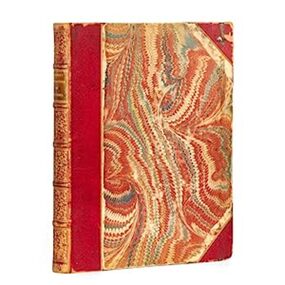
Work on paper - Book, Collection of Pictures of W.G.Coesvelt, Esq. of London, 1836
... A folio edition in half morocco ruled in gilt over marbled paper boards with 74 engraved plates....A folio edition in half morocco ruled in gilt over marbled paper boards with 74 engraved plates. ...From the library of John Pascoe Fawkner considered together with John Batman as a founder of Melbourne and one of the first group of free settlers to arrive in Victoria 1835. J.J.Walsh who inscribed this copy married Fawkner's widow following the death of Fawkner.A folio edition in half morocco ruled in gilt over marbled paper boards with 74 engraved plates.Inscribed on main title page J J Walsh 15 Temple Court and further Inscribed and dated 'John Pascoe Fawkner, Feby 1855 Bohn' on title page and again on the verso of the last plate.john pascoe fawkner, london, melbourne -
 Whitehorse Historical Society Inc.
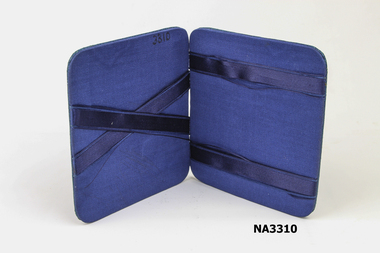
Accessory - Card holder
... Blue Morocco leather card holder lined in blue grograin. ...personal effects containers Blue Morocco leather card holder lined in blue grograin. ...Blue Morocco leather card holder lined in blue grograin. Navy blue ribbon straps to hold cardspersonal effects, containers -
 Melbourne Legacy
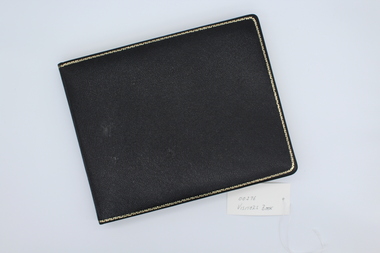
Book - Book, register
... Back cover, gold text, Made in England, AL4M, MOROCCO. All text is handwritten....Back cover, gold text, Made in England, AL4M, MOROCCO. All text is handwritten. Black hardback visitors book, with gold patterned border. ...Contains entries of Legatees and their guests and visiting Legatees at Legacy, Tuesday luncheons. Commenced 6/6/1978. Last entry 27/7/1982This was a common means of recording guests and visitors of this era.Black hardback visitors book, with gold patterned border. White paper pages. Cover, gold patterned border. Back cover, gold text, Made in England, AL4M, MOROCCO. All text is handwritten.register, guest speakers, legatees -
Numurkah & District Historical Society
Functional object - Card Case
... Rectangular black morocco leather case with pull-off lid. Inside, 4 white cards printed with Mr Edward Newman...Was present during the Stockade rebellion Name-cards leather case Edward Newman Eureka Stockade JP Rectangular black morocco leather case with pull-off lid. Inside, 4 white cards printed with Mr Edward Newman Functional object Card Case ...Belonged to Edward Newman JP, a chemist in Buninyong Victoria - the first set-up business in a tent near Eureka, Ballarat. Was present during the Stockade rebellion Rectangular black morocco leather case with pull-off lid. Inside, 4 white cards printed with Mr Edward Newmanname-cards, leather case, edward newman, eureka stockade, jp -
 Mission to Seafarers Victoria
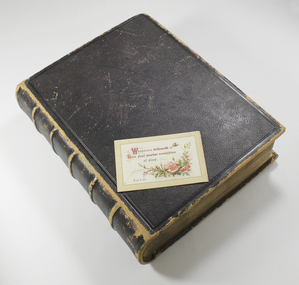
Book - Bible, Hammond Bible 1874 (1441A) and card (1441B)
... Morocco Leather bound large Bible with gold edged pages and reinforced ridged spine. ...Pencil inscription handwritten on recto of card: "Nellie Hammond"" Morocco Leather bound large Bible with gold edged pages and reinforced ridged spine. ...Morocco Leather bound large Bible with gold edged pages and reinforced ridged spine. Pale blue calligraphic inscription on preliminary page date 1874Pencil inscription handwritten on recto of card: "Nellie Hammond"" -
 Flagstaff Hill Maritime Museum and Village
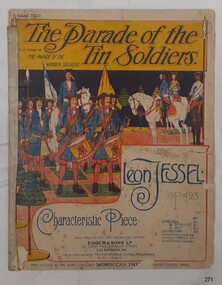
Document - Sheet Music, Enoch & Sons Ld., music publisher, The Parade of the Tin Soldiers, ca 1911
... The instrumental piece 'Die Marokkanische Patrouille' (The Moroccan Patrol) was published in 1911, Opus 227. ...Other print on the cover includes: ALSO KNOWN AS "THE PARADE OF THE WOODEN SOLDIERS" "Op. 123" "Characteristic Piede" "SOLE PROPRIETORS FOR THE BRITISH EMPIRE" "NEW SUCCESS BY THE SAME COMPOSER 'MOROCCAN PAT(ROL) (CH)ARASTIC PIECE" "PIANO SOLO" "SIMPLIFIED" "DUET" "VIOLIN & PIANO" "Orchestral & Military Arrangements" On the bottom of pages: "E & S 4370" "Copyright 1911 by Heinrichshofen's Verlag" ...The instrumental piece 'Die Marokkanische Patrouille' (The Moroccan Patrol) was published in 1911, Opus 227. ...This sheet music is "The Parade of the Tin Soldiers', the original German title, composed by Leon Jessel as a solo piece for the piano in 1905. The work is also known as "The Parade of the Wooden Soldiers". In 1907 the orchestra version was published, Opus 123. (Op. 123, as written on the cover). The sheet music was published by Sole Publishers for the British Empire, Enoch & Sons Ld (1890-1927) of 58 Great Marlborough Street, London, W. Versions for all other countries were published by Neinrichshofen's, Verlag, Magdeburg. Orchestral and Military arrangements of the music were published by Hawkes & Son, Denman St, Piccadilly Circus, London, Leon Jessel (Jan. 22, 1821 to Jan. 4, 1942) was a German composer who was born a Jew and converted to Christianity in 1894. His works included a wide variety of music including 'The Parade of Tin Soldiers' (Die Parade der Zinnsoldaten). Jessel was also a music conductor and bandmaster. The instrumental piece 'Die Marokkanische Patrouille' (The Moroccan Patrol) was published in 1911, Opus 227. He was also known for his operettas 'Schwarzwaldmädel'(Black Forest Girl), presented in 1917, and 'Die Postmeisterin' (The Postmistress), presented in 1921. In December 1941 he was arrested and then tortured by the German Gestapo; he died in January 1942. In the early 1920s, The Parade of the Tin Soldiers became very popular; it was presented as part of a show and was re-titled The Parade of the Wooden Soldiers. It was also made into a film and its recording was a hit single record. The music continues to be played and presented and is a Christmas-time favourite.This music is significant for its connection with the German composer Leon Jessel, a victim of the Germans for being born a Jew, even though he converted to Christianity in his youth. It is also significant as a popular work of music composed in the early 1900s and later used for a variety show and a film. The music an example of entertainment in the early 20th century that has endured to current times and often played at Christmas celebrations.Book of sheet music for four tunes. The thin softcovered book has eight pages, with the front cover featuring colourful graphics of soldiers marching and others on horseback. The four tunes are: - The Parade of the Tin Soldiers, (piano solo), Composer: Leon Jessel. Ballade de la Lune, Enjolement, Lentement, document, tendrament, Publisher: for the British Empire, Hawkes & Son, Denman St, Piccadilly Circus, London, Sole Publishers for the British Empire, Printer: Enoch & Sons Ld. 58 Great Marlborough Street, London, W. Printer: Lowe & Brydone Printers Ltd. London N.W. 10 Publisher, for all other countries: Heinrichshofen's, Verlag, Magdeburg. Printed: in England by Heinrichshofen's Verlag Copyright: 1911 by Heinrichshofen's VerlagOther print on the cover includes: ALSO KNOWN AS "THE PARADE OF THE WOODEN SOLDIERS" "Op. 123" "Characteristic Piede" "SOLE PROPRIETORS FOR THE BRITISH EMPIRE" "NEW SUCCESS BY THE SAME COMPOSER 'MOROCCAN PAT(ROL) (CH)ARASTIC PIECE" "PIANO SOLO" "SIMPLIFIED" "DUET" "VIOLIN & PIANO" "Orchestral & Military Arrangements" On the bottom of pages: "E & S 4370" "Copyright 1911 by Heinrichshofen's Verlag" flagstaff hill, flagstaff hill maritime museum and village, warrnambool, maritime museum, maritime village, great ocean road, shipwreck coast, leon jessel, composer, operetta composer, the parade of the tin soldiers, the parade of the wooden soldiers, musical march, music conductor, music director, bandmaster, 19th-century classical composers, 19th-century german composers, 20th-century classical composers, 20th-century german composers, sheet music, music book, piano music, jewish composer, world war ii victim, composer: leon jessel., ballade de la lune, enjolement, lentement, hawkes & son, for all other countries: heinrichshofen's, verlag, magdeburg., book of sheet music, enoch & sons ltd london, lowe & brydone london, heinrichschofens verlag, marching music, 1911, early 20th century -
 Melbourne Legacy
Photograph - Photo, 1973
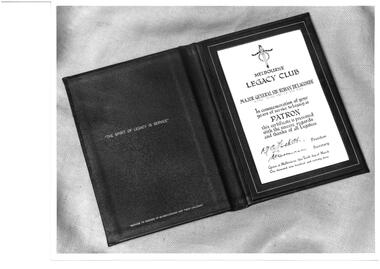
... "Patron's Certificate in Green Morocco leather wallet 1973", written in blue pen. ...A record of relationship with the Governor of Victoria. governor of victoria golden jubilee patron "Patron's Certificate in Green Morocco leather wallet 1973", written in blue pen. ...Two photos of the Patron's Certificate in a leather wallet to be presented to Sir Rohan Delacombe on 10 March 1973, in commemoration of his service to Legacy as Patron. The incumbent Governor of Victoria is the patron of Legacy. 1973 was the Golden Jubilee year of Legacy It came from a Legacy envelope marked "P1" in red pen, with assorted photos of major events such as 1973 Federal Conference, 1983 Morwell, 1973 Legacy march Anzac Day, 50 year celebration inclusion in Anzac Day March, with authority of RSL (some are items 00440 to 0442).A record of relationship with the Governor of Victoria.Black and white photo x 2 of Patron's Certificate."Patron's Certificate in Green Morocco leather wallet 1973", written in blue pen. Stamped "Property of Legacy Melbourne" in purple ink. Stamped "John Squire Photography" in purple ink. B1226-2 in pencil.governor of victoria, golden jubilee, patron -
 Mission to Seafarers Victoria
Document - Police pass, 21 June 1949
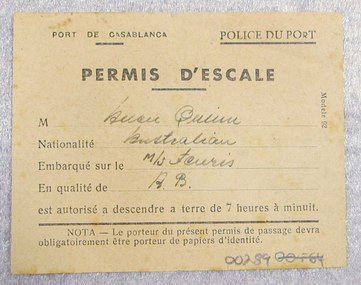
... ...morocco...This pass paints a picture of the regulations that would have covered sailors visiting ports. police pass casablanca morocco allan charles quinn (1928-1990) Written on it are: Allan Quinn Australian M/S Teuris (slight illegible) R.B. ...This pass indicates Allan Quinn's travels to Africa.This pass paints a picture of the regulations that would have covered sailors visiting ports. A police pass written entirely in French. "Permis D'Escale"Written on it are: Allan Quinn Australian M/S Teuris (slight illegible) R.B. It is dated on the reverse: 24 Juin 1949police pass, casablanca, morocco, allan charles quinn (1928-1990) -
 Bendigo Historical Society Inc.
Programme - Bendigo Operatic Society: The Desert Song
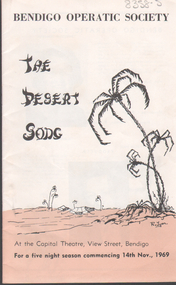
... The Desert Song" is an operetta based on the uprising of a Berber group against French Colonial rule in Morocco. The music was by Sigmund Romberg and the lyrics were a collaboration between Oscar Hammerstein II, Harbach and Mandel. ...The Desert Song" is an operetta based on the uprising of a Berber group against French Colonial rule in Morocco. The music was by Sigmund Romberg and the lyrics were a collaboration between Oscar Hammerstein II, Harbach and Mandel. ...The Desert Song" is an operetta based on the uprising of a Berber group against French Colonial rule in Morocco. The music was by Sigmund Romberg and the lyrics were a collaboration between Oscar Hammerstein II, Harbach and Mandel. It opened on Broadway in 1926.Bendigo Operatic Society Program for the production of The Desert Song White & orange/pink front page with a picture image of a desert scene Information on front cover: At the Capital Theatre for a five night season commencing 14th Nov, 1969 8 double sided pages with black & white photos of cast & production teamsouvenir programme, bendigo operatic society -
 Bendigo Historical Society Inc.
Programme - Programme ""The Desert Song" by Bendigo Community Theatre and Arts Inc
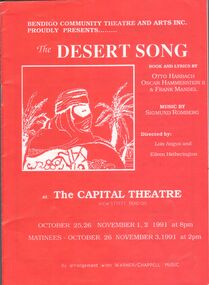
... "The Desert Song" is an operetta in two acts with book and lyrics by Otto Harbach, Oscar Hammerstwin II and Frank Mandel and music by Sigmund Romberg inspired by the 1925 upprising of a group of Berber fighters against French colonial rule in Morocco...."The Desert Song" is an operetta in two acts with book and lyrics by Otto Harbach, Oscar Hammerstwin II and Frank Mandel and music by Sigmund Romberg inspired by the 1925 upprising of a group of Berber fighters against French colonial rule in Morocco. Programme Concert Music Programme for The Desert Song" a musical performed by Bendigo Community Theatre and Arts Inc. ..."The Desert Song" is an operetta in two acts with book and lyrics by Otto Harbach, Oscar Hammerstwin II and Frank Mandel and music by Sigmund Romberg inspired by the 1925 upprising of a group of Berber fighters against French colonial rule in Morocco. Music Programme for The Desert Song" a musical performed by Bendigo Community Theatre and Arts Inc. October 25, 26, November 1, 2 and matinees October 26, November 3, 1991 at the Capital Theatre, View Street- a 20 page booklet with acknowledgements, advertisements, details of Acts, cast,and story synopsis. programme, concert -
 Islamic Museum of Australia
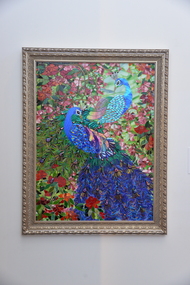
Mosaic, Anisa Sharif, Twin Peacocks —the watchful guardians 2016, 2016
... Anisa draws her influence from Moroccan, Indian, Persian and the Art Nouveau genres....Anisa draws her influence from Moroccan, Indian, Persian and the Art Nouveau genres. mosaic, peacock, glass, gems The peacock is a repeating theme in Anisa's work and is the artist's way of acknowledging and appreciating the great diversity of wonder and humour in creation. ...Anisa Sharif is a Melbourne based artist who specialises in glass mosaic. Much of her art is utilised in art-activated initiatives working with marginalised and underprivileged communities. Anisa draws her influence from Moroccan, Indian, Persian and the Art Nouveau genres.Mosaic art glass mosaic featuring twin peacocks. The peacock is a repeating theme in Anisa's work and is the artist's way of acknowledging and appreciating the great diversity of wonder and humour in creation. Visitors are encouraged to touch this piece — facilitating a tactile experience of the picture and the mosaic surface.mosaic, peacock, glass, gems -
 Flagstaff Hill Maritime Museum and Village
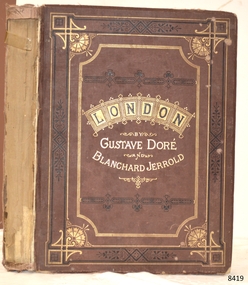
Book - Illustrated Reference Book/Social History, Louis Auguste Gustave Doré et al, London a Pilgrimage, 1872
... London. EC. Date: 1872 Morocco Olive hardcover with a damaged spine, lettering in gold with a title in a surrounded with a decorative panel. ...London. EC. Date: 1872 Morocco Olive hardcover with a damaged spine, lettering in gold with a title in a surrounded with a decorative panel. ...London A Pilgrimage (1872) is one of the most celebrated, visually striking, and socially important illustrated books of the 19th century; as such, the work is a highly desirable piece of publishing history. The book offers a comprehensive, episodic portrait of Victorian London at the height of the British Empire. The prominent French artist Gustave Doré and English journalist William Blanchard Jerrold shared a fascination with urban life, combining their talents to create one of the 19th century's greatest collaborative works. They spent days exploring the metropolis together to capture the stark dualities of the city. Rather than focusing solely on the grand landmarks of the wealthy, the book famously juxtaposes the "sunlight and shadows" of London life. When Jerrold suggested a massive, joint exploration of London in 1869, it brought together two perfect skill sets: Jerrold provided the investigative journalistic grit and intimate knowledge of London’s social strata, while Doré provided the haunting, cinematic visual poetry through his illustrations.Hard cover book, London a Pilgrimage Author: William Blanchard Jerrold Publisher: Grant & Co, 74-78 Turnmill St. London. EC. Date: 1872 Morocco Olive hardcover with a damaged spine, lettering in gold with a title in a surrounded with a decorative panel. non-fictionLondon A Pilgrimage (1872) is one of the most celebrated, visually striking, and socially important illustrated books of the 19th century; as such, the work is a highly desirable piece of publishing history. The book offers a comprehensive, episodic portrait of Victorian London at the height of the British Empire. The prominent French artist Gustave Doré and English journalist William Blanchard Jerrold shared a fascination with urban life, combining their talents to create one of the 19th century's greatest collaborative works. They spent days exploring the metropolis together to capture the stark dualities of the city. Rather than focusing solely on the grand landmarks of the wealthy, the book famously juxtaposes the "sunlight and shadows" of London life. When Jerrold suggested a massive, joint exploration of London in 1869, it brought together two perfect skill sets: Jerrold provided the investigative journalistic grit and intimate knowledge of London’s social strata, while Doré provided the haunting, cinematic visual poetry through his illustrations.flagstaff hil, warrnambool, flagstaff hill maritime museum, maritime museum, shipwreck coast, flagstaff hill maritime village, great ocean road, book, pattison collection, warrnambool library, warrnambool mechanics’ institute, ralph eric pattison, corangamite regional library service, warrnambool city librarian, mechanics’ institute library, victorian library board, warrnambool books and records, warrnambool children’s library -
 Flagstaff Hill Maritime Museum and Village
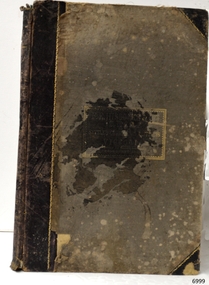
Book - Atlas, F.E. Hiscocks and Co, New Victorian Counties Atlas, 1874
... Hiscocks and Co, Publisher: George Robertson, Melbourne Vic. Date: 1874 Morocco Olive hardcover with a damaged black spine, reinforced corners to hardcover gold edging to where spine meets hardcover. ...Hiscocks and Co, Publisher: George Robertson, Melbourne Vic. Date: 1874 Morocco Olive hardcover with a damaged black spine, reinforced corners to hardcover gold edging to where spine meets hardcover. ...Published in Melbourne in 1874 by the prominent bookseller and publisher George Robertson, F.E. Hiscocks & Co.’s New Victorian Counties Atlas is a monumental 19th-century cartographic and statistical record of the colony of Victoria. While George Robertson was the publisher responsible for production, marketing, and distribution, the detailed compiling and surveying were executed by F.E. Hiscocks & Co., with the striking colour lithography handled by the renowned Melbourne firm Hamel & Ferguson.Hard cover book, New Victorian Counties Atlas Author: F.E. Hiscocks and Co, Publisher: George Robertson, Melbourne Vic. Date: 1874 Morocco Olive hardcover with a damaged black spine, reinforced corners to hardcover gold edging to where spine meets hardcover. Title in a lozenge on front cover edged with a decorative panel. non-fictionPublished in Melbourne in 1874 by the prominent bookseller and publisher George Robertson, F.E. Hiscocks & Co.’s New Victorian Counties Atlas is a monumental 19th-century cartographic and statistical record of the colony of Victoria. While George Robertson was the publisher responsible for production, marketing, and distribution, the detailed compiling and surveying were executed by F.E. Hiscocks & Co., with the striking colour lithography handled by the renowned Melbourne firm Hamel & Ferguson.flagstaff hill, warrnambool, maritime village, maritime museum, shipwreck coast, great ocean road, new victorian counties atlas, hiscocks and co, atlas, maps -
 Federation University Historical Collection
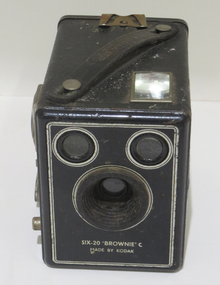
Equipment - Camera, Kodak Six-20 'Brownie' C, c1950
... Morocco-grained imitation leather covered metal body with two brilliant finders. ...(http://www.brownie-camera.com/71.shtml) camera photography brownie kodak box brownie Photographic Equipment Morocco-grained imitation leather covered metal body with two brilliant finders. ...This model of camera was made between 1946 and 1957. (http://www.brownie-camera.com/71.shtml)Morocco-grained imitation leather covered metal body with two brilliant finders. Plain matt enamel front; metal wind knob and release button with a single blade shutter. (http://www.brownie-camera.com/71.shtml) This camera took box rollfilm, with 629 film size. The picture size was 2 1/4 X 3 1/4" .(http://www.brownie-camera.com/71.shtml) Instruction books for this model are available at http://www.brownie-camera.com/manuals.shtml camera, photography, brownie, kodak, box brownie, photographic equipment -
 Warrnambool and District Historical Society Inc.
Fezz Hat, Mid 20th century
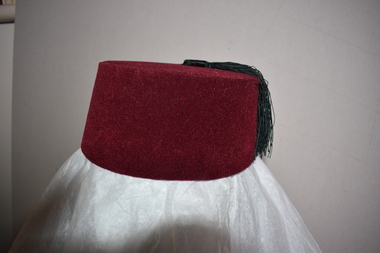
... The name fez comes from the city of Fez, the capital of Morocco up to 1927. This style of hat was part of the traditional clothing of Cyprus and introduced into the Balkan countries in the Byzantine era. ...The name fez comes from the city of Fez, the capital of Morocco up to 1927. This style of hat was part of the traditional clothing of Cyprus and introduced into the Balkan countries in the Byzantine era. ...This hat is one commonly called a fez but there are many variations of the style and colour and many different names according to the country or group wearing this type of hat. The name fez comes from the city of Fez, the capital of Morocco up to 1927. This style of hat was part of the traditional clothing of Cyprus and introduced into the Balkan countries in the Byzantine era. In the early 1800s it was made part of men’s clothing by the Sultan of the Ottoman Empire and was used particularly as part of the military uniform. Today in military circles it is used as part of a dress uniform only but is extensively worn by men in many countries and is now seen to be part of oriental cultural identity. This particular fez appears to be a theatrical prop.This hat is not an authentic one, being a theatrical piece, but it will be useful for display.This is a short cylindrical peakless hat made of cardboard covered with a burgundy-coloured felt. There is a black tassel attached to the top and hanging down the side of the hat. The inside of the hat has a green and white striped material around the edge and patterned material covering the rest of the inside. ‘8’men’s headwear, history of warrnambool -
Bendigo Military Museum
Letter - ENVELOPE, High Commission of The Republic of Malta, 23 March 1993
... Handwritten in pencil on front: 11/9/43 HMS HYACINTH, HMAS WOLLONGONG SANK GERMAN V.BOAT V617 OFF SPANISH MOROCCO. WOLLONGONG 1/11/42 TO 17/5/44. JULY 1943 OPERATION "HUSKY" - INVASION OF SICILY". ...Handwritten in pencil on front: 11/9/43 HMS HYACINTH, HMAS WOLLONGONG SANK GERMAN V.BOAT V617 OFF SPANISH MOROCCO. WOLLONGONG 1/11/42 TO 17/5/44. JULY 1943 OPERATION "HUSKY" - INVASION OF SICILY". ...Part of the Staley Collection. See Cat No. 10758.2P for details of the Staley Collection. Handwritten information on front detail action in WW2 of HMAS Wollongong.Business size plain white envelope with post marking, address label and handwritten markings. No contents. print4ed in blue at top LH corner of the front; "HIGH COMMISSION OF THE REPUBLIC OF MALTA, CANBERRA - AUSTRALIA 2503". Maltese Coat of Arms above lettering.Stamped in black ink on top RH Corner (Postmark) "CANDERRA M.C. 26 MAR 1993, ACT 2610". Printed on address label in black type; Mr. Thomas W. Staley, 340 Eaglehawk Road, Eaglehawk, Victoria, 3556, Australia. Handwritten in pencil on front: 11/9/43 HMS HYACINTH, HMAS WOLLONGONG SANK GERMAN V.BOAT V617 OFF SPANISH MOROCCO. WOLLONGONG 1/11/42 TO 17/5/44. JULY 1943 OPERATION "HUSKY" - INVASION OF SICILY". Handwritten on back of envelope in pencil: Wollongong, Lismore, Gawler, Maryborough, Ipswich, Cessnock, Geraldton, Cairns. ,staley collection, thomas w. staley, hmas wollongong -
 Flagstaff Hill Maritime Museum and Village
Furniture - Chair, Haberfield Chair, Michael Bradshaw, Circa 1860s-1890s
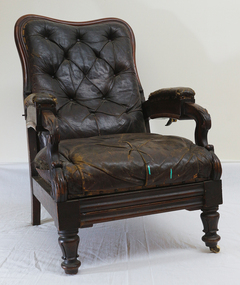
... The chair features a dark timber frame and dark burgundy (now dark brown), Morocco goat skin leather upholstery. The backrest is finished with button detailing, and its frame is distinguished by gracefully curved corners, lending the chair an elegant appearance. ...The chair features a dark timber frame and dark burgundy (now dark brown), Morocco goat skin leather upholstery. The backrest is finished with button detailing, and its frame is distinguished by gracefully curved corners, lending the chair an elegant appearance. ...This elegant reclining armchair is generously on loan from the local Haberfield family. Mrs Haberfield is a member of the Anderson family from the Tower Hill region, and the chair was handed down to her from them. When it arrived at Flagstaff Hill in 2009, it was at least 100 years old. The maker, Michael Bradshaw, is currently unknown. The origin of the chair's timber has been lost through the generations, but some have named the armchair the 'Mahogany Chair' after the legendary Mahogany Ship. In August 2009, the wood was expertly examined. The structure of the wood specimens was found to be consistent with: • Pale coloured carcass timber - Fagus sylvatica – Beech (European) • Pale coloured frame timber - Agathis sp – NZ Kauri • Dark coloured timber chair legs (solid) - Swietenia sp. – True Mahogany • Dark coloured timber veneer - Swietenia sp. – True Mahogany • Repair fill-in piece – Quercus sp. – White Oak ( Northern hemisphere) • Repair fill-in piece (fine textured) – Populus sp. – Poplar • Runner wood - Eucalyptus sp – Pale coloured ash group, or messmate The chair is significant for its local origin and history, being connected to generations of the Anderson and Haberfield families. It is also significant for its elaborate and unusual design, the quality of its workmanship and materials. It is a fine example of good quality furniture of the late 19th century.The Haberfield Chair is a reclining armchair that includes a footrest and a detachable book rest. The chair features a dark timber frame and dark burgundy (now dark brown), Morocco goat skin leather upholstery. The backrest is finished with button detailing, and its frame is distinguished by gracefully curved corners, lending the chair an elegant appearance. The chair’s padded leather armrests have attractive, crafted carvings at each end. A lever located below the armrest operates the recliner’s ratchet mechanism, which also causes a footrest to slide forward for greater comfort. The turned and carved front legs are equipped with wheels, allowing for easy movement. The removable book rest is mounted on a brass pedestal. Its angle can be conveniently adjusted using a screw to move the ball and socket joint, ensuring personalised reading comfort. There is a handwritten inscription on the underside of the back rail. The chair is kindly on loan from the local Haberfield family. In pen and ink: “Made from Mahogany Ship wrecked near Tower Hill, July 3, 1835: made by Michael Bradshaw 18-2-“ [originally thought to read 1842]flagstaff hill maritime museum and village, great ocean road, shipwreck coast, armchair, reclining armchair, reading board, mahogany chair, haberfield chair, furniture, living room furniture, domestic furniture, 19th century, luxury, morroco leather, book stand, book rest, side table, music stand, reading stand, reading rest, foot rest, reading table -
 Ballarat Heritage Services
Map, Central Europe and the Mediterranean during World War One
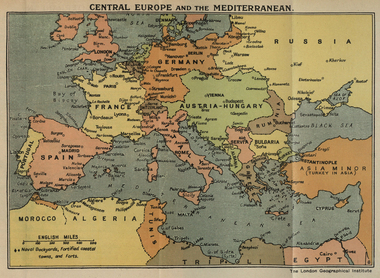
... ...Morocco...Map of the World World War One France Spain England Ireland germany Austria-Hungary Rumania Servia Albania Greece Bulgaria Russia Asia Minor Turkey Egypt Tripoli Morocco Algeria Tunis Map of the World as it was during World War One. ...Map of the World as it was during World War One. map of the world, world war one, france, spain, england, ireland, germany, austria-hungary, rumania, servia, albania, greece, bulgaria, russia, asia minor, turkey, egypt, tripoli, morocco, algeria, tunis -
 Bendigo Historical Society Inc.
Document - VIKKI SPICER COLLECTION: BENDIGO OPERATIC SOCIETY PROGRAMME BOOKLET, October, 1957
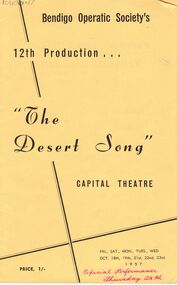
... Songs Include: 'High on a Hill', 'The Riff Song', 'Ho, Bold Men of Morocco,' 'Margot', 'I'll Be a Bouyant Girl.' ...Songs Include: 'High on a Hill', 'The Riff Song', 'Ho, Bold Men of Morocco,' 'Margot', 'I'll Be a Bouyant Girl.' ...Bendigo Operatic Society Theatre Programme 'The Desert Song.' Capital Theatre Bendigo October 18th, 19th, 21st 22nd, 23rd and Special Performance 24th, 1957. Arranged by J.C. Williamson Theatres Ltd. Norman Lee Producer. Musical Director Max O' Loghlen. Bendigo Concert Orchestra. Music Sigmund Romberg. Book & Lyrics Otto Harbach, Oscar Hammerstein II, Frank Mandel. Main Cast: Mervyn Penno, Alfred Annison, Max Beckwith, Greta Smyth, Alfred Austin, Brian Thomas, Brian Brewer, Rosalie Spencely, Harry Brewer, Alan Ewart, Adrian Van Dyke, Margaret Rule, Bert Donovan, Barbara McGregor, Coral Shiell, Charles Phillips, Ruth Ennor, Ian Beckwith, Malcolm Cannon, Reg Boromeo. Songs Include: 'High on a Hill', 'The Riff Song', 'Ho, Bold Men of Morocco,' 'Margot', 'I'll Be a Bouyant Girl.' 'Why Did We Marry Soldiers,' 'Romance,' 'The Desert Song,' 'Then You Will Know,' 'Song of the Brass Key,' 'Let Love Go,' 'One Flower in Your Garden,' 'The Sabre Song,' 'Farewell,' 'All Hail the General' and 'Soldier, When the Battle is Over.'Cambridge Press, Bendigo.clubs and associations, theatre, bendigo operatic society, https://en.wikipedia.org/wiki/the_desert_song -
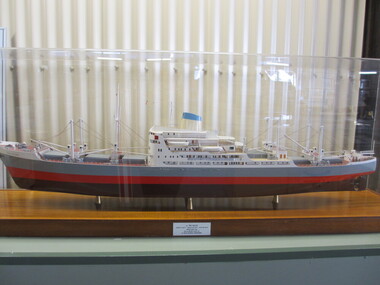 Seaworks Maritime Museum
Shipbuilders model, Tri Ellis
... Sailed on board its maiden voyage to Australia via Casablanca Morocco where she collected her first load of phosphate. ...Sailed on board its maiden voyage to Australia via Casablanca Morocco where she collected her first load of phosphate. ...Model ship was presented to the Melbourne Maritime Museum by the British Phosphate Commissioners. Built as Tri-Ellis (1958-74), Tryphena (1974-78), Man Tat (1978-80), 1980 broken up. DWT 13,756 SPEED 14 KNOTS.AT 112RPM. BOILERS LARKSON TRIMBLETUBE. FUEL CONSUMPTION 7 TPD. GENERATORS W.H.ALLEN - 4CYL.2SA290/470. 480B.H.P.320L.W.-220V 333RPM DAILY CONS - 1.5 TONS. EMERGENCY GEN R & H. 40 K.N. -220V. REFRIGERATING MACH: J & G HALL LTD. SUPERSTRUCTURE: FORECASTLE 62'..2 DECKS RIVETED AND WELDED. CARGO BATTONS NOT FITTED. 9 BULKHEADS. RISE OF FLOOR 6".WATER BALLAST 3,296 TONS INCLUDING TUNNEL TANKS 1,341 TONS. 'TWEEN- DECKS FORWARD 274 TONS. REFRIGERATED CARGO INSTALLATION - 6 HOLDS - 55.2',52',54',59.5',43' ,53'. GRAIN CAPACITY :621,640 CU. FT. BALE CAPACITY : 573,810 CU. FT. INSULATED CAPACITY : 5,050 CU.FT. 6 STEEL HATCHWAYS (27',30',30'* 30') (30'* 27.75') (27', 24' * 28' ). 12 WINCHES...DERRICKS 1 (25), 2 (10), 10 (5). MACHINERY: OIL 2SA 7CY.C20 * 1400MM EXHAUST 470MM. 6500 BHP. FUEL BUNKERS: 2135 TONS HIGH VISCOCITY FUEL. The main engine was an opposed piston type Harland & Wolff 6-620/ 1870 6 for the number of cylinders.. 620 for the cylinder bore and 1870 for the combined strokes of the main exhaust pistons in each cylinder. This engine was based no a Burmeister and Wain design but H & W gave these engines their own type designation. Sailed on board its maiden voyage to Australia via Casablanca Morocco where she collected her first load of phosphate. We sailed to Geelong via the Suez canal and the Port of Aden (Yemen) and Freemantle. The first load of phosphate was unloaded at Corio Bay (geelong) Formerly part of the collection of Melbourne shipping company, Howard Smith Ltd. Ship builder's model of the cargo ship Tri-Ellis IMO 5368196 - Body of moulded polyurethane painted in red, black and grey, the deck painted in red, with detailed fittings, machinery, rigging and superstructure, raised on a wooden base. Original ship built Clyde 1958, 11,761 gross tonnes, 531.5' x 68' x 31' (162.0 x 20.73 x 9.45m)plaque at foot of model "MV TRI ELLIS/ LENGTH B.P. 486'-3"- BREADTH MLD 68'0" - DEPTH MLD 40'6"/ TONNAGE GROSS 11,760/ Built by HARLAND & WOLFF LTD/ For BRITISH PHOSPHATE COMMISSIONERS" On model "TRI-ELLIS" painted black
