
Showing 79 items matching " political candidates"
-
 Glen Eira Historical Society
Article - MONASH, JOHN, SIR
... ... Political candidates...Kilda Leader Jewish Museum of Australia Rechter Deborah Cohen Isaac ‘Lieutenant General Sir John Monash’ Portraits National Gallery of Victoria Henshaw Andrew ‘True Jews and Patriots: Australian Jews and World War One’ Shows and exhibitions Social history ‘Exhibit’s unique view of Jews in WWI’ Caulfield ‘Push to rename Ports’ McCauley Dana Political candidates Australian Liberal Party Ashmor Kate Electoral boundaries Local government Article MONASH, JOHN, SIR ...This file contains three items concerning Sir John Monash. 1/A two-page letter distributed at a rare book week event on the 22/07/2014 to the Glen Eira Historical Society from Michael Headberry. The letter requests support for the John Monash Sculptural Commission by the Monash Pioneers, who are seeking to erect a bronze full figure portrait of Sir John Monash, Monash University’s namesake. Monash is connected to the city of Glen Eira, as Monash University has a campus in Caulfield and there are a number of streets named after him. The letter discusses the life of Monash and his many achievements. Details in another two pages are also given of the statue to be erected and there are two photos of a wax model of the proposed statue; plus a donation form. 2/An article by Dana McCauley dated 17/05/2015 entitled ‘Push to rename Ports’ about Caulfield lawyer and Liberal Kate Ashmor. The article discusses how she wants the electorate of Melbourne Ports to be named after Sir John Monash due to him being one of the most prominent Victorian Jews. There is a photo of Ashmor in fron of a statue of Monash. Newspaper not known. 3/An article from the Leader on the 30/06/2015 entitled ‘Exhibit’s unique view on Jews in WW1’. The author is unknown. The article discusses an exhibition at the Jewish Museum of Australia about the social history behind the Jewish support of the war effort. One item included in the exhibition is Isaac Cohen’s painting of Lieutenant General Sir John Monash and there is a photograph, by Andrew Henshaw, of this work above the article.monash university, monash john sir, caulfield, sir john monash, sculptural commission, clubs and associations, monash pioneers, correspondence, fundraising, universities, statues, armed forces, engineers, languages, art, pianos, diaries and journals, jewish community, world war 1914-1918, businesspeople, corlett peter, artists, sculptors, headberry michael, monash pioneers, project board, portraits, models, bridges, returned sailors and soldiers imperial league, ex-service organisations, st. kilda, leader, jewish museum of australia, rechter deborah, cohen isaac, ‘lieutenant general sir john monash’, portraits, national gallery of victoria, henshaw andrew, ‘true jews and patriots: australian jews and world war one’, shows and exhibitions, social history, ‘exhibit’s unique view of jews in wwi’, caulfield, ‘push to rename ports’, mccauley dana, political candidates, australian liberal party, ashmor kate, electoral boundaries, local government -
Whitehorse Historical Society Inc.
Article, Dentist puts bite on decay|Sanctuary's role in the growth of art, 2004
... Gavan Oakley was a successful dentist who helped introduce fluoridation and as a councillor and political candidate helped save a large part of the Blackburn Lake Sanctuary. ...Gavan Oakley was a successful dentist who helped introduce fluoridation and as a councillor and political candidate helped save a large part of the Blackburn Lake Sanctuary. ...Gavan Oakley was a successful dentist who helped introduce fluoridation and as a councillor and political candidate helped save a large part of the Blackburn Lake Sanctuary.Gavan Oakley was a successful dentist who helped introduce fluoridation and as a councillor and political candidate helped save a large part of the Blackburn Lake Sanctuary. Also the role of the Lake Reserve and the Blackburn Camp developed by Frederick McCubbin in the history of Australian art.Gavan Oakley was a successful dentist who helped introduce fluoridation and as a councillor and political candidate helped save a large part of the Blackburn Lake Sanctuary. oakley, gavan, blackburn lake sanctuary, town planning, mccubbin, frederick, wolseley crescent, blackburn, no 7 -
 City of Moorabbin Historical Society (Operating the Box Cottage Museum)
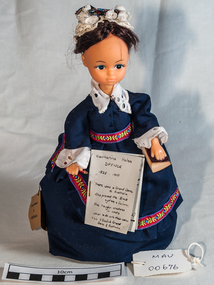
Dolls, antique copy 'Catherine Spence', c1980
... In 1897 she became Australia's first female political candidate after standing (unsuccessfully) for the Federal Convention held in Adelaide. ...In 1897 she became Australia's first female political candidate after standing (unsuccessfully) for the Federal Convention held in Adelaide. ...Catherine Helen Spence (31 October 1825 – 3 April 1910) was a Scottish-born Australian author, teacher, journalist, politician and leading suffragette. Her family moved to South Australia in 1839. In 1897 she became Australia's first female political candidate after standing (unsuccessfully) for the Federal Convention held in Adelaide. Given the epitaph "Grand Old Woman of Australasia", Spence was commemorated on the Australian 5 dollar note issued for the Centenary of Federation of Australia. She was one of the prime movers, with C. Emily Clark (sister of John Howard Clark), of the "Boarding-out Society". This organization had as its aim the placing of destitute children, who would otherwise be sent to "Industrial School", into approved families. She was an advocate of Thomas Hare's scheme for proportional representation, at one stage considering this issue more pressing than that of woman suffrage.This doll is used as an educational toy to help visitors imagine life c1900An antique copy china doll representing Catherine Spence. The Doll has dark brown hair with a head scarf decorated with flowers and a navy blue dress with white cuffs and collar. dolls, spence catherine, suffragettes, politics, authors, orphanages, child care -
 Greensborough Historical Society
Pamphlet - Advertising leaflet, Banyule City Council election 2024: Bakewell Ward, 2024
... Various Political brochures for candidates in Banyule City Council Bakewell Ward elections 2024. ...Various Political brochures for candidates in Banyule City Council Bakewell Ward elections 2024. ...Various Political brochures for candidates in Banyule City Council Bakewell Ward elections 2024. Candidates include Stephen Hird, Mark Di Pasquale, Callum Shaw, Nicola Rooks. Includes 2 how to vote leafletsPolitical advertising. Coloured and black text with coloured photosbanyule city council, bakewell ward, mark di pasquale -
 Flagstaff Hill Maritime Museum and Village
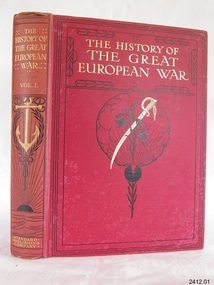
Book - Reference/History, W Stanley Macbean Knight, The History of the Great European War Set 1 Vol 1, 1914-1920
... Politically, he served as an alderman on St Pancras Borough Council from 1906 until 1917. He was also elected to the London County Council in 1907 as a Municipal Reform Party councillor for Tower Hamlets, Bow and Bromley, though he lost that seat in 1910. He was also a Conservative prospective parliamentary candidate...Politically, he served as an alderman on St Pancras Borough Council from 1906 until 1917. He was also elected to the London County Council in 1907 as a Municipal Reform Party councillor for Tower Hamlets, Bow and Bromley, though he lost that seat in 1910. He was also a Conservative prospective parliamentary candidate ...This set is a contemporary and popular narrative history of WWI, written and published while the war was still happening; the preface is dated 1914, but volumes were issued serially as the war progressed, meaning later volumes covering 1917–18 and the peace were released several years after the first. This is a common format for the period — compare rival serials like The Great War (Hammerton & Wilson) or Collier's The Story of the Great War — publishers issued 'instant history' in subscription parts to a public hungry for authoritative-sounding accounts. The volumes in this set cover the following topics during the First World War: Vol. I — Causes and Effects (1914): Its aims are to explain the political and diplomatic background to the war — the alliance system and the July Crisis — with the outbreak of hostilities in August 1914. Vol. II: Continues into the opening campaigns of 1914 (per Internet Archive, 'Vol 2 of 10', contemporary account). Vol. III: Descriptions note it as continuing the story of the campaign of the Allies and their mid-war campaigns. Vol. IV: Covers 1916 and the ongoing 1915–16 campaigns; this volume contains a fold-out colour map of the Serbian Retreat and one of the Italian front, featuring the Balkan and Italian theatres of war. Vols. V–VI: Continue the general campaign narrative through 1916–17. Vols. VII–VIII: Cover the later war years, focusing on 1917–18. Vols. IX–X: These volumes cover the war's final phase and the Armistice. Publication of the last volumes continued into the early 1920s, covering the peace settlement at Versailles and its aftermath.Hard Cover Book. History of The Great European War Set 1 Vol 1 Author: W Stanley Macbean Knight Publisher: The Caxton Publishing Company Ltd Clune House, 161 Surrey St, London W.C. Printer: The Standard Publishing Co. 100 Flinders St, Melbourne. Date: Various Volume Subscription Releases 1914 to 1920 Further Information: Red pictorial cloth gilt-lettered boards, each volume illustrated with a coloured frontispiece, black-and-white photographic plates, and fold-out colour maps of various fronts depending on volume(e.g. the Serbian Retreat, the Italian front etc.). Note there are two sets of this publication in the Flagstaff book collection.non-fictionThis set is a contemporary and popular narrative history of WWI, written and published while the war was still happening; the preface is dated 1914, but volumes were issued serially as the war progressed, meaning later volumes covering 1917–18 and the peace were released several years after the first. This is a common format for the period — compare rival serials like The Great War (Hammerton & Wilson) or Collier's The Story of the Great War — publishers issued 'instant history' in subscription parts to a public hungry for authoritative-sounding accounts. The volumes in this set cover the following topics during the First World War: Vol. I — Causes and Effects (1914): Its aims are to explain the political and diplomatic background to the war — the alliance system and the July Crisis — with the outbreak of hostilities in August 1914. Vol. II: Continues into the opening campaigns of 1914 (per Internet Archive, 'Vol 2 of 10', contemporary account). Vol. III: Descriptions note it as continuing the story of the campaign of the Allies and their mid-war campaigns. Vol. IV: Covers 1916 and the ongoing 1915–16 campaigns; this volume contains a fold-out colour map of the Serbian Retreat and one of the Italian front, featuring the Balkan and Italian theatres of war. Vols. V–VI: Continue the general campaign narrative through 1916–17. Vols. VII–VIII: Cover the later war years, focusing on 1917–18. Vols. IX–X: These volumes cover the war's final phase and the Armistice. Publication of the last volumes continued into the early 1920s, covering the peace settlement at Versailles and its aftermath.flagstaff hill, warrnambool, shipwrecked-coast, flagstaff-hill, flagstaff-hill-maritime-museum, maritime-museum, shipwreck-coast, flagstaff-hill-maritime-village, book, the history of the great european war vol 1 set 1, the history of the great european war, caxton printers -
Federation University Historical Collection
Document, Zelda Martin, Confirmation of Candidature - Central Victorian Towns - Boom or Bust, c1996
... candidate at the University of Melbourne. Zelda had a Bachelor of Commerce (majoring in Economic History and Economic Geography), an Master of Arts (in Politics) and a Diploma of Education; all from the University of Melbourne. ...candidate at the University of Melbourne. Zelda had a Bachelor of Commerce (majoring in Economic History and Economic Geography), an Master of Arts (in Politics) and a Diploma of Education; all from the University of Melbourne. ...Zelda Martin was a PhD candidate at the University of Melbourne. Zelda had a Bachelor of Commerce (majoring in Economic History and Economic Geography), an Master of Arts (in Politics) and a Diploma of Education; all from the University of Melbourne. Zelda is the author of a book titled " Australia's Relations with the Third World in the context of negotiations for a new international commodity order in the 1970's: continuity or change?" Pub. [Parkville, Victoria]: University of Melbourne, 1982.Eleven page article on Victorian goldfields town. The article was written during the author's PhD study. zelda martin, victorian goldfield towns, bendigo, castlemaine, ballarat, maldon, stawell, ararat, maryborough, creswick, avoca, heathcote, banks, bank of australasia, union bank of australia, government camp, sandhurst, water supply, tarnagulla, talbot, back creek, mountain creek, police court, carisbrook, dunolly, thompson's foundry -
Federation University Historical Collection
Book - Book - Scrapbook, Ballarat Institute of Advanced Education: Scrapbook of newspaper cutting, Book 2; February 1970 to September 1970
... The cuttings cover the period from 25 February 1970 to 9 September 1970. ballarat institute of advanced education biae employment advertisements senate team visit biae minister of education visit lindsay thompson 3ba comes under fire orientation ball in wendouree hall jean mckenzie at smb art and design course g mainwarring festival radio cover to be curtailed scheme helping ballarat widows students win scholarships robert gray robert norman cheque from students smb launch $400000 appeal $11m from government for smb political opponents inspect bts closure of gaols overnight hike state colleges get $25m varsity image political advertisement smb could attract new industries punch card technique four-letter word thrills audience school news "quadrangle" alp opens election campaign alp candidates address teachers new home for smb degree courses now being considered electromagnet first stage of mt helen acceleration of scientific progress stephen donald motor mechanic apprentice degree course for institute conditions in school 'almost unbelievable' silk screen printing smb apprentices presentation john davidson wins builders award scholarship election statements clarified jack barker address by myra roper some names to remember centenary appeal for smb biae request for street light agreed to members of the biae motor cycle club gas scholarships of $100 philip walker and noel shillito a g cutts no ballarat case for fourth uni dr r shrieke and mr b shearer lecturers at biae $5000 to smb appeal experts aid students re careers Book with grey cover, front. ...Newspaper cuttings relating to Ballarat Institute of Advanced Education. These are from various newspapers and include The Age, Ballarat Courier, The Australian, The Herald. The cuttings cover the period from 25 February 1970 to 9 September 1970. Book with grey cover, front. Spiral boundballarat institute of advanced education, biae, employment advertisements, senate team visit biae, minister of education visit, lindsay thompson, 3ba comes under fire, orientation ball in wendouree hall, jean mckenzie at smb art and design course, g mainwarring, festival radio cover to be curtailed, scheme helping ballarat widows, students win scholarships, robert gray, robert norman, cheque from students, smb launch $400000 appeal, $11m from government for smb, political opponents inspect bts, closure of gaols, overnight hike, state colleges get $25m varsity image, political advertisement, smb could attract new industries, punch card technique, four-letter word thrills audience, school news, "quadrangle", alp opens election campaign, alp candidates address teachers, new home for smb, degree courses now being considered, electromagnet, first stage of mt helen, acceleration of scientific progress, stephen donald motor mechanic apprentice, degree course for institute, conditions in school 'almost unbelievable', silk screen printing, smb apprentices presentation, john davidson wins builders award scholarship, election statements clarified, jack barker, address by myra roper, some names to remember, centenary appeal for smb, biae request for street light agreed to, members of the biae motor cycle club, gas scholarships of $100, philip walker and noel shillito, a g cutts, no ballarat case for fourth uni, dr r shrieke and mr b shearer lecturers at biae, $5000 to smb appeal, experts aid students re careers -
 Flagstaff Hill Maritime Museum and Village
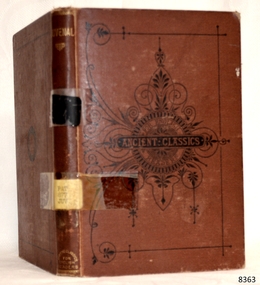
Book - Reference Book / Classics, Rev. W. Lucas Collins, Juvenal, 1872
... His background made him the perfect candidate to distill Juvenal's complex historical and political context into something a layman could appreciate....His background made him the perfect candidate to distill Juvenal's complex historical and political context into something a layman could appreciate. ...The subject book is a specific volume from a highly popular Victorian series called "Ancient Classics for English Readers." While Rev. W. Lucas Collins was the overarching editor of the entire 28-volume series (which explains why his name is prominently attached to it), the specific volume on Juvenal published in 1872 was actually written by a scholar named Edward Walford, M.A. The book is an introduction to Juvenal (Decimus Iunius Iuvenalis), a famous Roman poet active in the late 1st and early 2nd centuries AD. Juvenal is renowned for his Satires, which fiercely attacked the corruption, decadence, vice, and hypocrisy of Roman society under the Empire. In line with the rest of the series, this volume provides a translated, summarized, and curated overview of Juvenal's work. Because Juvenal's raw, unedited Latin can be incredibly explicit and vulgar, the Victorian authors heavily sanitized ("bowdlerized") the text, smoothing over the more scandalous elements to make his brilliant satire safe for a general English audience.Juvenal Author: Edward Walford, M.A. Editor:Rev. W. Lucas Collins Publisher: William Blackwood & Sons Date: 1872non-fictionThe subject book is a specific volume from a highly popular Victorian series called "Ancient Classics for English Readers." While Rev. W. Lucas Collins was the overarching editor of the entire 28-volume series (which explains why his name is prominently attached to it), the specific volume on Juvenal published in 1872 was actually written by a scholar named Edward Walford, M.A. The book is an introduction to Juvenal (Decimus Iunius Iuvenalis), a famous Roman poet active in the late 1st and early 2nd centuries AD. Juvenal is renowned for his Satires, which fiercely attacked the corruption, decadence, vice, and hypocrisy of Roman society under the Empire. In line with the rest of the series, this volume provides a translated, summarized, and curated overview of Juvenal's work. Because Juvenal's raw, unedited Latin can be incredibly explicit and vulgar, the Victorian authors heavily sanitized ("bowdlerized") the text, smoothing over the more scandalous elements to make his brilliant satire safe for a general English audience.flagstaff hil, warrnambool, flagstaff hill maritime museum, maritime museum, shipwreck coast, flagstaff hill maritime village, great ocean road, book, pattison collection, warrnambool library, warrnambool mechanics’ institute, ralph eric pattison, corangamite regional library service, warrnambool city librarian, mechanics’ institute library, victorian library board, warrnambool books and records, warrnambool children’s library, juvenal, lucas collins -
 Flagstaff Hill Maritime Museum and Village
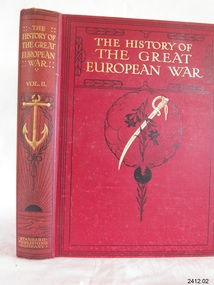
Book - Reference/History, W Stanley Macbean Knight, The History of the Great European War Set 1 Vol 2, 1914-1920
... Politically, he served as an alderman on St Pancras Borough Council from 1906 until 1917. He was also elected to the London County Council in 1907 as a Municipal Reform Party councillor for Tower Hamlets, Bow and Bromley, though he lost that seat in 1910. He was also a Conservative prospective parliamentary candidate...Politically, he served as an alderman on St Pancras Borough Council from 1906 until 1917. He was also elected to the London County Council in 1907 as a Municipal Reform Party councillor for Tower Hamlets, Bow and Bromley, though he lost that seat in 1910. He was also a Conservative prospective parliamentary candidate ...This set is a contemporary and popular narrative history of WWI, written and published while the war was still happening; the preface is dated 1914, but volumes were issued serially as the war progressed, meaning later volumes covering 1917–18 and the peace were released several years after the first. This is a common format for the period — compare rival serials like The Great War (Hammerton & Wilson) or Collier's The Story of the Great War — publishers issued 'instant history' in subscription parts to a public hungry for authoritative-sounding accounts. The volumes in this set cover the following topics during the First World War: Vol. I — Causes and Effects (1914): Its aims are to explain the political and diplomatic background to the war — the alliance system and the July Crisis — with the outbreak of hostilities in August 1914. Vol. II: Continues into the opening campaigns of 1914 (per Internet Archive, 'Vol 2 of 10', contemporary account). Vol. III: Descriptions note it as continuing the story of the campaign of the Allies and their mid-war campaigns. Vol. IV: Covers 1916 and the ongoing 1915–16 campaigns; this volume contains a fold-out colour map of the Serbian Retreat and one of the Italian front, featuring the Balkan and Italian theatres of war. Vols. V–VI: Continue the general campaign narrative through 1916–17. Vols. VII–VIII: Cover the later war years, focusing on 1917–18. Vols. IX–X: These volumes cover the war's final phase and the Armistice. Publication of the last volumes continued into the early 1920s, covering the peace settlement at Versailles and its aftermath.Hard Cover Book. History of The Great European War Set 1 Vol 2 Author: W Stanley Macbean Knight Publisher: The Caxton Publishing Company Ltd Clune House, 161 Surrey St, London W.C. Printer: The Standard Publishing Co. 100 Flinders St, Melbourne. Date: Various Volume Subscription Releases 1914 to 1920 Further Information: Red pictorial cloth gilt-lettered boards, each volume illustrated with a coloured frontispiece, black-and-white photographic plates, and fold-out colour maps of various fronts depending on volume(e.g. the Serbian Retreat, the Italian front etc.). Note there are two sets of this publication in the Flagstaff book collection.non-fictionThis set is a contemporary and popular narrative history of WWI, written and published while the war was still happening; the preface is dated 1914, but volumes were issued serially as the war progressed, meaning later volumes covering 1917–18 and the peace were released several years after the first. This is a common format for the period — compare rival serials like The Great War (Hammerton & Wilson) or Collier's The Story of the Great War — publishers issued 'instant history' in subscription parts to a public hungry for authoritative-sounding accounts. The volumes in this set cover the following topics during the First World War: Vol. I — Causes and Effects (1914): Its aims are to explain the political and diplomatic background to the war — the alliance system and the July Crisis — with the outbreak of hostilities in August 1914. Vol. II: Continues into the opening campaigns of 1914 (per Internet Archive, 'Vol 2 of 10', contemporary account). Vol. III: Descriptions note it as continuing the story of the campaign of the Allies and their mid-war campaigns. Vol. IV: Covers 1916 and the ongoing 1915–16 campaigns; this volume contains a fold-out colour map of the Serbian Retreat and one of the Italian front, featuring the Balkan and Italian theatres of war. Vols. V–VI: Continue the general campaign narrative through 1916–17. Vols. VII–VIII: Cover the later war years, focusing on 1917–18. Vols. IX–X: These volumes cover the war's final phase and the Armistice. Publication of the last volumes continued into the early 1920s, covering the peace settlement at Versailles and its aftermath.flagstaff hill, warrnambool, shipwrecked-coast, flagstaff-hill, flagstaff-hill-maritime-museum, maritime-museum, shipwreck-coast, flagstaff-hill-maritime-village, book, the history of the great european war vol 1 set 1, the history of the great european war, caxton printers -
 Flagstaff Hill Maritime Museum and Village
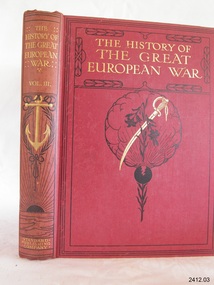
Book - Reference/History, W Stanley Macbean Knight, The History of the Great European War Set 1 Vol 3, 1914-1920
... Politically, he served as an alderman on St Pancras Borough Council from 1906 until 1917. He was also elected to the London County Council in 1907 as a Municipal Reform Party councillor for Tower Hamlets, Bow and Bromley, though he lost that seat in 1910. He was also a Conservative prospective parliamentary candidate...Politically, he served as an alderman on St Pancras Borough Council from 1906 until 1917. He was also elected to the London County Council in 1907 as a Municipal Reform Party councillor for Tower Hamlets, Bow and Bromley, though he lost that seat in 1910. He was also a Conservative prospective parliamentary candidate ...This set is a contemporary and popular narrative history of WWI, written and published while the war was still happening; the preface is dated 1914, but volumes were issued serially as the war progressed, meaning later volumes covering 1917–18 and the peace were released several years after the first. This is a common format for the period — compare rival serials like The Great War (Hammerton & Wilson) or Collier's The Story of the Great War — publishers issued 'instant history' in subscription parts to a public hungry for authoritative-sounding accounts. The volumes in this set cover the following topics during the First World War: Vol. I — Causes and Effects (1914): Its aims are to explain the political and diplomatic background to the war — the alliance system and the July Crisis — with the outbreak of hostilities in August 1914. Vol. II: Continues into the opening campaigns of 1914 (per Internet Archive, 'Vol 2 of 10', contemporary account). Vol. III: Descriptions note it as continuing the story of the campaign of the Allies and their mid-war campaigns. Vol. IV: Covers 1916 and the ongoing 1915–16 campaigns; this volume contains a fold-out colour map of the Serbian Retreat and one of the Italian front, featuring the Balkan and Italian theatres of war. Vols. V–VI: Continue the general campaign narrative through 1916–17. Vols. VII–VIII: Cover the later war years, focusing on 1917–18. Vols. IX–X: These volumes cover the war's final phase and the Armistice. Publication of the last volumes continued into the early 1920s, covering the peace settlement at Versailles and its aftermath.Hard Cover Book. History of The Great European War Set 1 Vol 3 Author: W Stanley Macbean Knight Publisher: The Caxton Publishing Company Ltd Clune House, 161 Surrey St, London W.C. Printer: The Standard Publishing Co. 100 Flinders St, Melbourne. Date: Various Volume Subscription Releases 1914 to 1920 Further Information: Red pictorial cloth gilt-lettered boards, each volume illustrated with a coloured frontispiece, black-and-white photographic plates, and fold-out colour maps of various fronts depending on volume(e.g. the Serbian Retreat, the Italian front etc.). Note there are two sets of this publication in the Flagstaff book collection.non-fictionThis set is a contemporary and popular narrative history of WWI, written and published while the war was still happening; the preface is dated 1914, but volumes were issued serially as the war progressed, meaning later volumes covering 1917–18 and the peace were released several years after the first. This is a common format for the period — compare rival serials like The Great War (Hammerton & Wilson) or Collier's The Story of the Great War — publishers issued 'instant history' in subscription parts to a public hungry for authoritative-sounding accounts. The volumes in this set cover the following topics during the First World War: Vol. I — Causes and Effects (1914): Its aims are to explain the political and diplomatic background to the war — the alliance system and the July Crisis — with the outbreak of hostilities in August 1914. Vol. II: Continues into the opening campaigns of 1914 (per Internet Archive, 'Vol 2 of 10', contemporary account). Vol. III: Descriptions note it as continuing the story of the campaign of the Allies and their mid-war campaigns. Vol. IV: Covers 1916 and the ongoing 1915–16 campaigns; this volume contains a fold-out colour map of the Serbian Retreat and one of the Italian front, featuring the Balkan and Italian theatres of war. Vols. V–VI: Continue the general campaign narrative through 1916–17. Vols. VII–VIII: Cover the later war years, focusing on 1917–18. Vols. IX–X: These volumes cover the war's final phase and the Armistice. Publication of the last volumes continued into the early 1920s, covering the peace settlement at Versailles and its aftermath.flagstaff hill, warrnambool, shipwrecked-coast, flagstaff-hill, flagstaff-hill-maritime-museum, maritime-museum, shipwreck-coast, flagstaff-hill-maritime-village, book, the history of the great european war vol 1 set 1, the history of the great european war, caxton printers -
 Flagstaff Hill Maritime Museum and Village
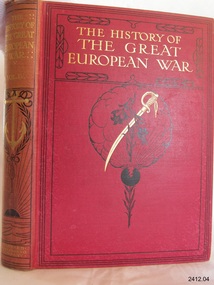
Book - Reference/History, W Stanley Macbean Knight, The History of the Great European War Set 1 Vol 4, 1914-1920
... Politically, he served as an alderman on St Pancras Borough Council from 1906 until 1917. He was also elected to the London County Council in 1907 as a Municipal Reform Party councillor for Tower Hamlets, Bow and Bromley, though he lost that seat in 1910. He was also a Conservative prospective parliamentary candidate...Politically, he served as an alderman on St Pancras Borough Council from 1906 until 1917. He was also elected to the London County Council in 1907 as a Municipal Reform Party councillor for Tower Hamlets, Bow and Bromley, though he lost that seat in 1910. He was also a Conservative prospective parliamentary candidate ...This set is a contemporary and popular narrative history of WWI, written and published while the war was still happening; the preface is dated 1914, but volumes were issued serially as the war progressed, meaning later volumes covering 1917–18 and the peace were released several years after the first. This is a common format for the period — compare rival serials like The Great War (Hammerton & Wilson) or Collier's The Story of the Great War — publishers issued 'instant history' in subscription parts to a public hungry for authoritative-sounding accounts. The volumes in this set cover the following topics during the First World War: Vol. I — Causes and Effects (1914): Its aims are to explain the political and diplomatic background to the war — the alliance system and the July Crisis — with the outbreak of hostilities in August 1914. Vol. II: Continues into the opening campaigns of 1914 (per Internet Archive, 'Vol 2 of 10', contemporary account). Vol. III: Descriptions note it as continuing the story of the campaign of the Allies and their mid-war campaigns. Vol. IV: Covers 1916 and the ongoing 1915–16 campaigns; this volume contains a fold-out colour map of the Serbian Retreat and one of the Italian front, featuring the Balkan and Italian theatres of war. Vols. V–VI: Continue the general campaign narrative through 1916–17. Vols. VII–VIII: Cover the later war years, focusing on 1917–18. Vols. IX–X: These volumes cover the war's final phase and the Armistice. Publication of the last volumes continued into the early 1920s, covering the peace settlement at Versailles and its aftermath.Hard Cover Book. History of The Great European War Set 1 Vol 4 Author: W Stanley Macbean Knight Publisher: The Caxton Publishing Company Ltd Clune House, 161 Surrey St, London W.C. Printer: The Standard Publishing Co. 100 Flinders St, Melbourne. Date: Various Volume Subscription Releases 1914 to 1920 Further Information: Red pictorial cloth gilt-lettered boards, each volume illustrated with a coloured frontispiece, black-and-white photographic plates, and fold-out colour maps of various fronts depending on volume(e.g. the Serbian Retreat, the Italian front etc.). Note there are two sets of this publication in the Flagstaff book collection.non-fictionThis set is a contemporary and popular narrative history of WWI, written and published while the war was still happening; the preface is dated 1914, but volumes were issued serially as the war progressed, meaning later volumes covering 1917–18 and the peace were released several years after the first. This is a common format for the period — compare rival serials like The Great War (Hammerton & Wilson) or Collier's The Story of the Great War — publishers issued 'instant history' in subscription parts to a public hungry for authoritative-sounding accounts. The volumes in this set cover the following topics during the First World War: Vol. I — Causes and Effects (1914): Its aims are to explain the political and diplomatic background to the war — the alliance system and the July Crisis — with the outbreak of hostilities in August 1914. Vol. II: Continues into the opening campaigns of 1914 (per Internet Archive, 'Vol 2 of 10', contemporary account). Vol. III: Descriptions note it as continuing the story of the campaign of the Allies and their mid-war campaigns. Vol. IV: Covers 1916 and the ongoing 1915–16 campaigns; this volume contains a fold-out colour map of the Serbian Retreat and one of the Italian front, featuring the Balkan and Italian theatres of war. Vols. V–VI: Continue the general campaign narrative through 1916–17. Vols. VII–VIII: Cover the later war years, focusing on 1917–18. Vols. IX–X: These volumes cover the war's final phase and the Armistice. Publication of the last volumes continued into the early 1920s, covering the peace settlement at Versailles and its aftermath.flagstaff hill, warrnambool, shipwrecked-coast, flagstaff-hill, flagstaff-hill-maritime-museum, maritime-museum, shipwreck-coast, flagstaff-hill-maritime-village, book, the history of the great european war vol 1 set 1, the history of the great european war, caxton printers -
 Flagstaff Hill Maritime Museum and Village
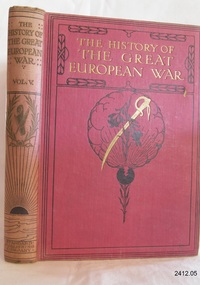
Book - Reference/History, W Stanley Macbean Knight, The History of the Great European War Set 1 Vol 5, 1914-1920
... Politically, he served as an alderman on St Pancras Borough Council from 1906 until 1917. He was also elected to the London County Council in 1907 as a Municipal Reform Party councillor for Tower Hamlets, Bow and Bromley, though he lost that seat in 1910. He was also a Conservative prospective parliamentary candidate...Politically, he served as an alderman on St Pancras Borough Council from 1906 until 1917. He was also elected to the London County Council in 1907 as a Municipal Reform Party councillor for Tower Hamlets, Bow and Bromley, though he lost that seat in 1910. He was also a Conservative prospective parliamentary candidate ...This set is a contemporary and popular narrative history of WWI, written and published while the war was still happening; the preface is dated 1914, but volumes were issued serially as the war progressed, meaning later volumes covering 1917–18 and the peace were released several years after the first. This is a common format for the period — compare rival serials like The Great War (Hammerton & Wilson) or Collier's The Story of the Great War — publishers issued 'instant history' in subscription parts to a public hungry for authoritative-sounding accounts. The volumes in this set cover the following topics during the First World War: Vol. I — Causes and Effects (1914): Its aims are to explain the political and diplomatic background to the war — the alliance system and the July Crisis — with the outbreak of hostilities in August 1914. Vol. II: Continues into the opening campaigns of 1914 (per Internet Archive, 'Vol 2 of 10', contemporary account). Vol. III: Descriptions note it as continuing the story of the campaign of the Allies and their mid-war campaigns. Vol. IV: Covers 1916 and the ongoing 1915–16 campaigns; this volume contains a fold-out colour map of the Serbian Retreat and one of the Italian front, featuring the Balkan and Italian theatres of war. Vols. V–VI: Continue the general campaign narrative through 1916–17. Vols. VII–VIII: Cover the later war years, focusing on 1917–18. Vols. IX–X: These volumes cover the war's final phase and the Armistice. Publication of the last volumes continued into the early 1920s, covering the peace settlement at Versailles and its aftermath.Hard Cover Book. History of The Great European War Set 1 Vol 5 Author: W Stanley Macbean Knight Publisher: The Caxton Publishing Company Ltd Clune House, 161 Surrey St, London W.C. Printer: The Standard Publishing Co. 100 Flinders St, Melbourne. Date: Various Volume Subscription Releases 1914 to 1920 Further Information: Red pictorial cloth gilt-lettered boards, each volume illustrated with a coloured frontispiece, black-and-white photographic plates, and fold-out colour maps of various fronts depending on volume(e.g. the Serbian Retreat, the Italian front etc.). Note there are two sets of this publication in the Flagstaff book collection.non-fictionThis set is a contemporary and popular narrative history of WWI, written and published while the war was still happening; the preface is dated 1914, but volumes were issued serially as the war progressed, meaning later volumes covering 1917–18 and the peace were released several years after the first. This is a common format for the period — compare rival serials like The Great War (Hammerton & Wilson) or Collier's The Story of the Great War — publishers issued 'instant history' in subscription parts to a public hungry for authoritative-sounding accounts. The volumes in this set cover the following topics during the First World War: Vol. I — Causes and Effects (1914): Its aims are to explain the political and diplomatic background to the war — the alliance system and the July Crisis — with the outbreak of hostilities in August 1914. Vol. II: Continues into the opening campaigns of 1914 (per Internet Archive, 'Vol 2 of 10', contemporary account). Vol. III: Descriptions note it as continuing the story of the campaign of the Allies and their mid-war campaigns. Vol. IV: Covers 1916 and the ongoing 1915–16 campaigns; this volume contains a fold-out colour map of the Serbian Retreat and one of the Italian front, featuring the Balkan and Italian theatres of war. Vols. V–VI: Continue the general campaign narrative through 1916–17. Vols. VII–VIII: Cover the later war years, focusing on 1917–18. Vols. IX–X: These volumes cover the war's final phase and the Armistice. Publication of the last volumes continued into the early 1920s, covering the peace settlement at Versailles and its aftermath.flagstaff hill, warrnambool, shipwrecked-coast, flagstaff-hill, flagstaff-hill-maritime-museum, maritime-museum, shipwreck-coast, flagstaff-hill-maritime-village, book, the history of the great european war vol 1 set 1, the history of the great european war, caxton printers -
 Flagstaff Hill Maritime Museum and Village
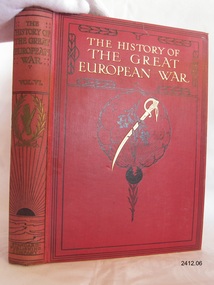
Book - Reference/History, W Stanley Macbean Knight, The History of the Great European War Set 1 Vol 6, 1914-1920
... Politically, he served as an alderman on St Pancras Borough Council from 1906 until 1917. He was also elected to the London County Council in 1907 as a Municipal Reform Party councillor for Tower Hamlets, Bow and Bromley, though he lost that seat in 1910. He was also a Conservative prospective parliamentary candidate...Politically, he served as an alderman on St Pancras Borough Council from 1906 until 1917. He was also elected to the London County Council in 1907 as a Municipal Reform Party councillor for Tower Hamlets, Bow and Bromley, though he lost that seat in 1910. He was also a Conservative prospective parliamentary candidate ...This set is a contemporary and popular narrative history of WWI, written and published while the war was still happening; the preface is dated 1914, but volumes were issued serially as the war progressed, meaning later volumes covering 1917–18 and the peace were released several years after the first. This is a common format for the period — compare rival serials like The Great War (Hammerton & Wilson) or Collier's The Story of the Great War — publishers issued 'instant history' in subscription parts to a public hungry for authoritative-sounding accounts. The volumes in this set cover the following topics during the First World War: Vol. I — Causes and Effects (1914): Its aims are to explain the political and diplomatic background to the war — the alliance system and the July Crisis — with the outbreak of hostilities in August 1914. Vol. II: Continues into the opening campaigns of 1914 (per Internet Archive, 'Vol 2 of 10', contemporary account). Vol. III: Descriptions note it as continuing the story of the campaign of the Allies and their mid-war campaigns. Vol. IV: Covers 1916 and the ongoing 1915–16 campaigns; this volume contains a fold-out colour map of the Serbian Retreat and one of the Italian front, featuring the Balkan and Italian theatres of war. Vols. V–VI: Continue the general campaign narrative through 1916–17. Vols. VII–VIII: Cover the later war years, focusing on 1917–18. Vols. IX–X: These volumes cover the war's final phase and the Armistice. Publication of the last volumes continued into the early 1920s, covering the peace settlement at Versailles and its aftermath.Hard Cover Book. History of The Great European War Set 1 Vol 6 Author: W Stanley Macbean Knight Publisher: The Caxton Publishing Company Ltd Clune House, 161 Surrey St, London W.C. Printer: The Standard Publishing Co. 100 Flinders St, Melbourne. Date: Various Volume Subscription Releases 1914 to 1920 Further Information: Red pictorial cloth gilt-lettered boards, each volume illustrated with a coloured frontispiece, black-and-white photographic plates, and fold-out colour maps of various fronts depending on volume(e.g. the Serbian Retreat, the Italian front etc.). Note there are two sets of this publication in the Flagstaff book collection.non-fictionThis set is a contemporary and popular narrative history of WWI, written and published while the war was still happening; the preface is dated 1914, but volumes were issued serially as the war progressed, meaning later volumes covering 1917–18 and the peace were released several years after the first. This is a common format for the period — compare rival serials like The Great War (Hammerton & Wilson) or Collier's The Story of the Great War — publishers issued 'instant history' in subscription parts to a public hungry for authoritative-sounding accounts. The volumes in this set cover the following topics during the First World War: Vol. I — Causes and Effects (1914): Its aims are to explain the political and diplomatic background to the war — the alliance system and the July Crisis — with the outbreak of hostilities in August 1914. Vol. II: Continues into the opening campaigns of 1914 (per Internet Archive, 'Vol 2 of 10', contemporary account). Vol. III: Descriptions note it as continuing the story of the campaign of the Allies and their mid-war campaigns. Vol. IV: Covers 1916 and the ongoing 1915–16 campaigns; this volume contains a fold-out colour map of the Serbian Retreat and one of the Italian front, featuring the Balkan and Italian theatres of war. Vols. V–VI: Continue the general campaign narrative through 1916–17. Vols. VII–VIII: Cover the later war years, focusing on 1917–18. Vols. IX–X: These volumes cover the war's final phase and the Armistice. Publication of the last volumes continued into the early 1920s, covering the peace settlement at Versailles and its aftermath.flagstaff hill, warrnambool, shipwrecked-coast, flagstaff-hill, flagstaff-hill-maritime-museum, maritime-museum, shipwreck-coast, flagstaff-hill-maritime-village, book, the history of the great european war vol 1 set 1, the history of the great european war, caxton printers -
 Flagstaff Hill Maritime Museum and Village
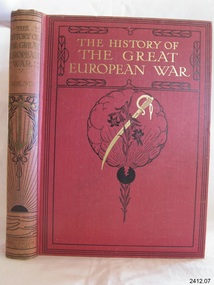
Book - Reference/History, W Stanley Macbean Knight, The History of the Great European War Set 1 Vol 7, 1914-1920
... Politically, he served as an alderman on St Pancras Borough Council from 1906 until 1917. He was also elected to the London County Council in 1907 as a Municipal Reform Party councillor for Tower Hamlets, Bow and Bromley, though he lost that seat in 1910. He was also a Conservative prospective parliamentary candidate...Politically, he served as an alderman on St Pancras Borough Council from 1906 until 1917. He was also elected to the London County Council in 1907 as a Municipal Reform Party councillor for Tower Hamlets, Bow and Bromley, though he lost that seat in 1910. He was also a Conservative prospective parliamentary candidate ...This set is a contemporary and popular narrative history of WWI, written and published while the war was still happening; the preface is dated 1914, but volumes were issued serially as the war progressed, meaning later volumes covering 1917–18 and the peace were released several years after the first. This is a common format for the period — compare rival serials like The Great War (Hammerton & Wilson) or Collier's The Story of the Great War — publishers issued 'instant history' in subscription parts to a public hungry for authoritative-sounding accounts. The volumes in this set cover the following topics during the First World War: Vol. I — Causes and Effects (1914): Its aims are to explain the political and diplomatic background to the war — the alliance system and the July Crisis — with the outbreak of hostilities in August 1914. Vol. II: Continues into the opening campaigns of 1914 (per Internet Archive, 'Vol 2 of 10', contemporary account). Vol. III: Descriptions note it as continuing the story of the campaign of the Allies and their mid-war campaigns. Vol. IV: Covers 1916 and the ongoing 1915–16 campaigns; this volume contains a fold-out colour map of the Serbian Retreat and one of the Italian front, featuring the Balkan and Italian theatres of war. Vols. V–VI: Continue the general campaign narrative through 1916–17. Vols. VII–VIII: Cover the later war years, focusing on 1917–18. Vols. IX–X: These volumes cover the war's final phase and the Armistice. Publication of the last volumes continued into the early 1920s, covering the peace settlement at Versailles and its aftermath.Hard Cover Book. History of The Great European War Set 1 Vol 7 Author: W Stanley Macbean Knight Publisher: The Caxton Publishing Company Ltd Clune House, 161 Surrey St, London W.C. Printer: The Standard Publishing Co. 100 Flinders St, Melbourne. Date: Various Volume Subscription Releases 1914 to 1920 Further Information: Red pictorial cloth gilt-lettered boards, each volume illustrated with a coloured frontispiece, black-and-white photographic plates, and fold-out colour maps of various fronts depending on volume(e.g. the Serbian Retreat, the Italian front etc.). Note there are two sets of this publication in the Flagstaff book collection.non-fictionThis set is a contemporary and popular narrative history of WWI, written and published while the war was still happening; the preface is dated 1914, but volumes were issued serially as the war progressed, meaning later volumes covering 1917–18 and the peace were released several years after the first. This is a common format for the period — compare rival serials like The Great War (Hammerton & Wilson) or Collier's The Story of the Great War — publishers issued 'instant history' in subscription parts to a public hungry for authoritative-sounding accounts. The volumes in this set cover the following topics during the First World War: Vol. I — Causes and Effects (1914): Its aims are to explain the political and diplomatic background to the war — the alliance system and the July Crisis — with the outbreak of hostilities in August 1914. Vol. II: Continues into the opening campaigns of 1914 (per Internet Archive, 'Vol 2 of 10', contemporary account). Vol. III: Descriptions note it as continuing the story of the campaign of the Allies and their mid-war campaigns. Vol. IV: Covers 1916 and the ongoing 1915–16 campaigns; this volume contains a fold-out colour map of the Serbian Retreat and one of the Italian front, featuring the Balkan and Italian theatres of war. Vols. V–VI: Continue the general campaign narrative through 1916–17. Vols. VII–VIII: Cover the later war years, focusing on 1917–18. Vols. IX–X: These volumes cover the war's final phase and the Armistice. Publication of the last volumes continued into the early 1920s, covering the peace settlement at Versailles and its aftermath.flagstaff hill, warrnambool, shipwrecked-coast, flagstaff-hill, flagstaff-hill-maritime-museum, maritime-museum, shipwreck-coast, flagstaff-hill-maritime-village, book, the history of the great european war vol 1 set 1, the history of the great european war, caxton printers -
 Flagstaff Hill Maritime Museum and Village
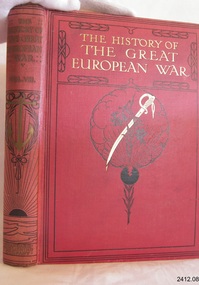
Book - Reference/History, W Stanley Macbean Knight, The History of the Great European War Set 1 Vol 8, 1914-1920
... Politically, he served as an alderman on St Pancras Borough Council from 1906 until 1917. He was also elected to the London County Council in 1907 as a Municipal Reform Party councillor for Tower Hamlets, Bow and Bromley, though he lost that seat in 1910. He was also a Conservative prospective parliamentary candidate...Politically, he served as an alderman on St Pancras Borough Council from 1906 until 1917. He was also elected to the London County Council in 1907 as a Municipal Reform Party councillor for Tower Hamlets, Bow and Bromley, though he lost that seat in 1910. He was also a Conservative prospective parliamentary candidate ...This set is a contemporary and popular narrative history of WWI, written and published while the war was still happening; the preface is dated 1914, but volumes were issued serially as the war progressed, meaning later volumes covering 1917–18 and the peace were released several years after the first. This is a common format for the period — compare rival serials like The Great War (Hammerton & Wilson) or Collier's The Story of the Great War — publishers issued 'instant history' in subscription parts to a public hungry for authoritative-sounding accounts. The volumes in this set cover the following topics during the First World War: Vol. I — Causes and Effects (1914): Its aims are to explain the political and diplomatic background to the war — the alliance system and the July Crisis — with the outbreak of hostilities in August 1914. Vol. II: Continues into the opening campaigns of 1914 (per Internet Archive, 'Vol 2 of 10', contemporary account). Vol. III: Descriptions note it as continuing the story of the campaign of the Allies and their mid-war campaigns. Vol. IV: Covers 1916 and the ongoing 1915–16 campaigns; this volume contains a fold-out colour map of the Serbian Retreat and one of the Italian front, featuring the Balkan and Italian theatres of war. Vols. V–VI: Continue the general campaign narrative through 1916–17. Vols. VII–VIII: Cover the later war years, focusing on 1917–18. Vols. IX–X: These volumes cover the war's final phase and the Armistice. Publication of the last volumes continued into the early 1920s, covering the peace settlement at Versailles and its aftermath.Hard Cover Book. History of The Great European War Set 1 Vol 8 Author: W Stanley Macbean Knight Publisher: The Caxton Publishing Company Ltd Clune House, 161 Surrey St, London W.C. Printer: The Standard Publishing Co. 100 Flinders St, Melbourne. Date: Various Volume Subscription Releases 1914 to 1920 Further Information: Red pictorial cloth gilt-lettered boards, each volume illustrated with a coloured frontispiece, black-and-white photographic plates, and fold-out colour maps of various fronts depending on volume(e.g. the Serbian Retreat, the Italian front etc.). Note there are two sets of this publication in the Flagstaff book collection.non-fictionThis set is a contemporary and popular narrative history of WWI, written and published while the war was still happening; the preface is dated 1914, but volumes were issued serially as the war progressed, meaning later volumes covering 1917–18 and the peace were released several years after the first. This is a common format for the period — compare rival serials like The Great War (Hammerton & Wilson) or Collier's The Story of the Great War — publishers issued 'instant history' in subscription parts to a public hungry for authoritative-sounding accounts. The volumes in this set cover the following topics during the First World War: Vol. I — Causes and Effects (1914): Its aims are to explain the political and diplomatic background to the war — the alliance system and the July Crisis — with the outbreak of hostilities in August 1914. Vol. II: Continues into the opening campaigns of 1914 (per Internet Archive, 'Vol 2 of 10', contemporary account). Vol. III: Descriptions note it as continuing the story of the campaign of the Allies and their mid-war campaigns. Vol. IV: Covers 1916 and the ongoing 1915–16 campaigns; this volume contains a fold-out colour map of the Serbian Retreat and one of the Italian front, featuring the Balkan and Italian theatres of war. Vols. V–VI: Continue the general campaign narrative through 1916–17. Vols. VII–VIII: Cover the later war years, focusing on 1917–18. Vols. IX–X: These volumes cover the war's final phase and the Armistice. Publication of the last volumes continued into the early 1920s, covering the peace settlement at Versailles and its aftermath.flagstaff hill, warrnambool, shipwrecked-coast, flagstaff-hill, flagstaff-hill-maritime-museum, maritime-museum, shipwreck-coast, flagstaff-hill-maritime-village, book, the history of the great european war vol 1 set 1, the history of the great european war, caxton printers -
 Flagstaff Hill Maritime Museum and Village
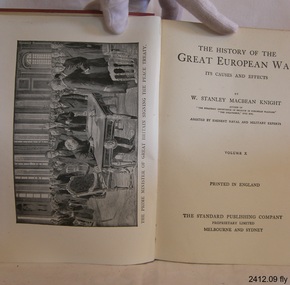
Book - Reference/History, W Stanley Macbean Knight, The History of the Great European War Set 1 Vol 10, 1914-1920
... Politically, he served as an alderman on St Pancras Borough Council from 1906 until 1917. He was also elected to the London County Council in 1907 as a Municipal Reform Party councillor for Tower Hamlets, Bow and Bromley, though he lost that seat in 1910. He was also a Conservative prospective parliamentary candidate...Politically, he served as an alderman on St Pancras Borough Council from 1906 until 1917. He was also elected to the London County Council in 1907 as a Municipal Reform Party councillor for Tower Hamlets, Bow and Bromley, though he lost that seat in 1910. He was also a Conservative prospective parliamentary candidate ...This set is a contemporary and popular narrative history of WWI, written and published while the war was still happening; the preface is dated 1914, but volumes were issued serially as the war progressed, meaning later volumes covering 1917–18 and the peace were released several years after the first. This is a common format for the period — compare rival serials like The Great War (Hammerton & Wilson) or Collier's The Story of the Great War — publishers issued 'instant history' in subscription parts to a public hungry for authoritative-sounding accounts. The volumes in this set cover the following topics during the First World War: Vol. I — Causes and Effects (1914): Its aims are to explain the political and diplomatic background to the war — the alliance system and the July Crisis — with the outbreak of hostilities in August 1914. Vol. II: Continues into the opening campaigns of 1914 (per Internet Archive, 'Vol 2 of 10', contemporary account). Vol. III: Descriptions note it as continuing the story of the campaign of the Allies and their mid-war campaigns. Vol. IV: Covers 1916 and the ongoing 1915–16 campaigns; this volume contains a fold-out colour map of the Serbian Retreat and one of the Italian front, featuring the Balkan and Italian theatres of war. Vols. V–VI: Continue the general campaign narrative through 1916–17. Vols. VII–VIII: Cover the later war years, focusing on 1917–18. Vols. IX–X: These volumes cover the war's final phase and the Armistice. Publication of the last volumes continued into the early 1920s, covering the peace settlement at Versailles and its aftermath.Hard Cover Book. History of The Great European War Set 1 Vol 10 Author: W Stanley Macbean Knight Publisher: The Caxton Publishing Company Ltd Clune House, 161 Surrey St, London W.C. Printer: The Standard Publishing Co. 100 Flinders St, Melbourne. Date: Various Volume Subscription Releases 1914 to 1920 Further Information: Red pictorial cloth gilt-lettered boards, each volume illustrated with a coloured frontispiece, black-and-white photographic plates, and fold-out colour maps of various fronts depending on volume(e.g. the Serbian Retreat, the Italian front etc.). Note there are two sets of this publication in the Flagstaff book collection.non-fictionThis set is a contemporary and popular narrative history of WWI, written and published while the war was still happening; the preface is dated 1914, but volumes were issued serially as the war progressed, meaning later volumes covering 1917–18 and the peace were released several years after the first. This is a common format for the period — compare rival serials like The Great War (Hammerton & Wilson) or Collier's The Story of the Great War — publishers issued 'instant history' in subscription parts to a public hungry for authoritative-sounding accounts. The volumes in this set cover the following topics during the First World War: Vol. I — Causes and Effects (1914): Its aims are to explain the political and diplomatic background to the war — the alliance system and the July Crisis — with the outbreak of hostilities in August 1914. Vol. II: Continues into the opening campaigns of 1914 (per Internet Archive, 'Vol 2 of 10', contemporary account). Vol. III: Descriptions note it as continuing the story of the campaign of the Allies and their mid-war campaigns. Vol. IV: Covers 1916 and the ongoing 1915–16 campaigns; this volume contains a fold-out colour map of the Serbian Retreat and one of the Italian front, featuring the Balkan and Italian theatres of war. Vols. V–VI: Continue the general campaign narrative through 1916–17. Vols. VII–VIII: Cover the later war years, focusing on 1917–18. Vols. IX–X: These volumes cover the war's final phase and the Armistice. Publication of the last volumes continued into the early 1920s, covering the peace settlement at Versailles and its aftermath.flagstaff hill, warrnambool, shipwrecked-coast, flagstaff-hill, flagstaff-hill-maritime-museum, maritime-museum, shipwreck-coast, flagstaff-hill-maritime-village, book, the history of the great european war vol 1 set 1, the history of the great european war, caxton printers -
 Flagstaff Hill Maritime Museum and Village
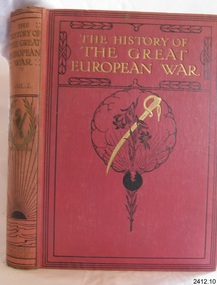
Book - Reference/History, W Stanley Macbean Knight, The History of the Great European War Set 2 Vol 1, 1914-1920
... Politically, he served as an alderman on St Pancras Borough Council from 1906 until 1917. He was also elected to the London County Council in 1907 as a Municipal Reform Party councillor for Tower Hamlets, Bow and Bromley, though he lost that seat in 1910. He was also a Conservative prospective parliamentary candidate...Politically, he served as an alderman on St Pancras Borough Council from 1906 until 1917. He was also elected to the London County Council in 1907 as a Municipal Reform Party councillor for Tower Hamlets, Bow and Bromley, though he lost that seat in 1910. He was also a Conservative prospective parliamentary candidate ...This set is a contemporary and popular narrative history of WWI, written and published while the war was still happening; the preface is dated 1914, but volumes were issued serially as the war progressed, meaning later volumes covering 1917–18 and the peace were released several years after the first. This is a common format for the period — compare rival serials like The Great War (Hammerton & Wilson) or Collier's The Story of the Great War — publishers issued 'instant history' in subscription parts to a public hungry for authoritative-sounding accounts. The volumes in this set cover the following topics during the First World War: Vol. I — Causes and Effects (1914): Its aims are to explain the political and diplomatic background to the war — the alliance system and the July Crisis — with the outbreak of hostilities in August 1914. Vol. II: Continues into the opening campaigns of 1914 (per Internet Archive, 'Vol 2 of 10', contemporary account). Vol. III: Descriptions note it as continuing the story of the campaign of the Allies and their mid-war campaigns. Vol. IV: Covers 1916 and the ongoing 1915–16 campaigns; this volume contains a fold-out colour map of the Serbian Retreat and one of the Italian front, featuring the Balkan and Italian theatres of war. Vols. V–VI: Continue the general campaign narrative through 1916–17. Vols. VII–VIII: Cover the later war years, focusing on 1917–18. Vols. IX–X: These volumes cover the war's final phase and the Armistice. Publication of the last volumes continued into the early 1920s, covering the peace settlement at Versailles and its aftermath.Hard Cover Book. History of The Great European War Set 2 Vol 1 Author: W Stanley Macbean Knight Publisher: The Caxton Publishing Company Ltd Clune House, 161 Surrey St, London W.C. Printer: The Standard Publishing Co. 100 Flinders St, Melbourne. Date: Various Volume Subscription Releases 1914 to 1920 Further Information: Red pictorial cloth gilt-lettered boards, each volume illustrated with a coloured frontispiece, black-and-white photographic plates, and fold-out colour maps of various fronts depending on volume(e.g. the Serbian Retreat, the Italian front etc.). Note there are two sets of this publication in the Flagstaff book collection.non-fictionThis set is a contemporary and popular narrative history of WWI, written and published while the war was still happening; the preface is dated 1914, but volumes were issued serially as the war progressed, meaning later volumes covering 1917–18 and the peace were released several years after the first. This is a common format for the period — compare rival serials like The Great War (Hammerton & Wilson) or Collier's The Story of the Great War — publishers issued 'instant history' in subscription parts to a public hungry for authoritative-sounding accounts. The volumes in this set cover the following topics during the First World War: Vol. I — Causes and Effects (1914): Its aims are to explain the political and diplomatic background to the war — the alliance system and the July Crisis — with the outbreak of hostilities in August 1914. Vol. II: Continues into the opening campaigns of 1914 (per Internet Archive, 'Vol 2 of 10', contemporary account). Vol. III: Descriptions note it as continuing the story of the campaign of the Allies and their mid-war campaigns. Vol. IV: Covers 1916 and the ongoing 1915–16 campaigns; this volume contains a fold-out colour map of the Serbian Retreat and one of the Italian front, featuring the Balkan and Italian theatres of war. Vols. V–VI: Continue the general campaign narrative through 1916–17. Vols. VII–VIII: Cover the later war years, focusing on 1917–18. Vols. IX–X: These volumes cover the war's final phase and the Armistice. Publication of the last volumes continued into the early 1920s, covering the peace settlement at Versailles and its aftermath.flagstaff hill, warrnambool, shipwrecked-coast, flagstaff-hill, flagstaff-hill-maritime-museum, maritime-museum, shipwreck-coast, flagstaff-hill-maritime-village, book, the history of the great european war vol 1 set 1, the history of the great european war, caxton printers -
 Flagstaff Hill Maritime Museum and Village
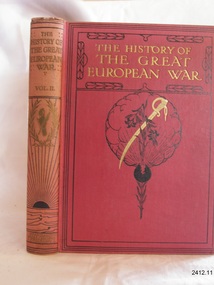
Book - Reference/History, W Stanley Macbean Knight, The History of the Great European War Set 2 Vol 2, 1914-1920
... Politically, he served as an alderman on St Pancras Borough Council from 1906 until 1917. He was also elected to the London County Council in 1907 as a Municipal Reform Party councillor for Tower Hamlets, Bow and Bromley, though he lost that seat in 1910. He was also a Conservative prospective parliamentary candidate...Politically, he served as an alderman on St Pancras Borough Council from 1906 until 1917. He was also elected to the London County Council in 1907 as a Municipal Reform Party councillor for Tower Hamlets, Bow and Bromley, though he lost that seat in 1910. He was also a Conservative prospective parliamentary candidate ...This set is a contemporary and popular narrative history of WWI, written and published while the war was still happening; the preface is dated 1914, but volumes were issued serially as the war progressed, meaning later volumes covering 1917–18 and the peace were released several years after the first. This is a common format for the period — compare rival serials like The Great War (Hammerton & Wilson) or Collier's The Story of the Great War — publishers issued 'instant history' in subscription parts to a public hungry for authoritative-sounding accounts. The volumes in this set cover the following topics during the First World War: Vol. I — Causes and Effects (1914): Its aims are to explain the political and diplomatic background to the war — the alliance system and the July Crisis — with the outbreak of hostilities in August 1914. Vol. II: Continues into the opening campaigns of 1914 (per Internet Archive, 'Vol 2 of 10', contemporary account). Vol. III: Descriptions note it as continuing the story of the campaign of the Allies and their mid-war campaigns. Vol. IV: Covers 1916 and the ongoing 1915–16 campaigns; this volume contains a fold-out colour map of the Serbian Retreat and one of the Italian front, featuring the Balkan and Italian theatres of war. Vols. V–VI: Continue the general campaign narrative through 1916–17. Vols. VII–VIII: Cover the later war years, focusing on 1917–18. Vols. IX–X: These volumes cover the war's final phase and the Armistice. Publication of the last volumes continued into the early 1920s, covering the peace settlement at Versailles and its aftermath.Hard Cover Book. History of The Great European War Set 2 Vol 2 Author: W Stanley Macbean Knight Publisher: The Caxton Publishing Company Ltd Clune House, 161 Surrey St, London W.C. Printer: The Standard Publishing Co. 100 Flinders St, Melbourne. Date: Various Volume Subscription Releases 1914 to 1920 Further Information: Red pictorial cloth gilt-lettered boards, each volume illustrated with a coloured frontispiece, black-and-white photographic plates, and fold-out colour maps of various fronts depending on volume(e.g. the Serbian Retreat, the Italian front etc.). Note there are two sets of this publication in the Flagstaff book collection.non-fictionThis set is a contemporary and popular narrative history of WWI, written and published while the war was still happening; the preface is dated 1914, but volumes were issued serially as the war progressed, meaning later volumes covering 1917–18 and the peace were released several years after the first. This is a common format for the period — compare rival serials like The Great War (Hammerton & Wilson) or Collier's The Story of the Great War — publishers issued 'instant history' in subscription parts to a public hungry for authoritative-sounding accounts. The volumes in this set cover the following topics during the First World War: Vol. I — Causes and Effects (1914): Its aims are to explain the political and diplomatic background to the war — the alliance system and the July Crisis — with the outbreak of hostilities in August 1914. Vol. II: Continues into the opening campaigns of 1914 (per Internet Archive, 'Vol 2 of 10', contemporary account). Vol. III: Descriptions note it as continuing the story of the campaign of the Allies and their mid-war campaigns. Vol. IV: Covers 1916 and the ongoing 1915–16 campaigns; this volume contains a fold-out colour map of the Serbian Retreat and one of the Italian front, featuring the Balkan and Italian theatres of war. Vols. V–VI: Continue the general campaign narrative through 1916–17. Vols. VII–VIII: Cover the later war years, focusing on 1917–18. Vols. IX–X: These volumes cover the war's final phase and the Armistice. Publication of the last volumes continued into the early 1920s, covering the peace settlement at Versailles and its aftermath.flagstaff hill, warrnambool, shipwrecked-coast, flagstaff-hill, flagstaff-hill-maritime-museum, maritime-museum, shipwreck-coast, flagstaff-hill-maritime-village, book, the history of the great european war vol 1 set 1, the history of the great european war, caxton printers -
 Flagstaff Hill Maritime Museum and Village
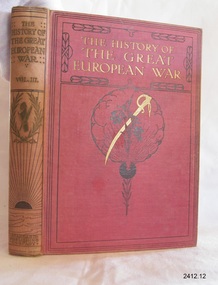
Book - Reference/History, W Stanley Macbean Knight, The History of the Great European War Set 2 Vol 3, 1914-1920
... Politically, he served as an alderman on St Pancras Borough Council from 1906 until 1917. He was also elected to the London County Council in 1907 as a Municipal Reform Party councillor for Tower Hamlets, Bow and Bromley, though he lost that seat in 1910. He was also a Conservative prospective parliamentary candidate...Politically, he served as an alderman on St Pancras Borough Council from 1906 until 1917. He was also elected to the London County Council in 1907 as a Municipal Reform Party councillor for Tower Hamlets, Bow and Bromley, though he lost that seat in 1910. He was also a Conservative prospective parliamentary candidate ...This set is a contemporary and popular narrative history of WWI, written and published while the war was still happening; the preface is dated 1914, but volumes were issued serially as the war progressed, meaning later volumes covering 1917–18 and the peace were released several years after the first. This is a common format for the period — compare rival serials like The Great War (Hammerton & Wilson) or Collier's The Story of the Great War — publishers issued 'instant history' in subscription parts to a public hungry for authoritative-sounding accounts. The volumes in this set cover the following topics during the First World War: Vol. I — Causes and Effects (1914): Its aims are to explain the political and diplomatic background to the war — the alliance system and the July Crisis — with the outbreak of hostilities in August 1914. Vol. II: Continues into the opening campaigns of 1914 (per Internet Archive, 'Vol 2 of 10', contemporary account). Vol. III: Descriptions note it as continuing the story of the campaign of the Allies and their mid-war campaigns. Vol. IV: Covers 1916 and the ongoing 1915–16 campaigns; this volume contains a fold-out colour map of the Serbian Retreat and one of the Italian front, featuring the Balkan and Italian theatres of war. Vols. V–VI: Continue the general campaign narrative through 1916–17. Vols. VII–VIII: Cover the later war years, focusing on 1917–18. Vols. IX–X: These volumes cover the war's final phase and the Armistice. Publication of the last volumes continued into the early 1920s, covering the peace settlement at Versailles and its aftermath.Hard Cover Book. History of The Great European War Set 2 Vol 3 Author: W Stanley Macbean Knight Publisher: The Caxton Publishing Company Ltd Clune House, 161 Surrey St, London W.C. Printer: The Standard Publishing Co. 100 Flinders St, Melbourne. Date: Various Volume Subscription Releases 1914 to 1920 Further Information: Red pictorial cloth gilt-lettered boards, each volume illustrated with a coloured frontispiece, black-and-white photographic plates, and fold-out colour maps of various fronts depending on volume(e.g. the Serbian Retreat, the Italian front etc.). Note there are two sets of this publication in the Flagstaff book collection.non-fictionThis set is a contemporary and popular narrative history of WWI, written and published while the war was still happening; the preface is dated 1914, but volumes were issued serially as the war progressed, meaning later volumes covering 1917–18 and the peace were released several years after the first. This is a common format for the period — compare rival serials like The Great War (Hammerton & Wilson) or Collier's The Story of the Great War — publishers issued 'instant history' in subscription parts to a public hungry for authoritative-sounding accounts. The volumes in this set cover the following topics during the First World War: Vol. I — Causes and Effects (1914): Its aims are to explain the political and diplomatic background to the war — the alliance system and the July Crisis — with the outbreak of hostilities in August 1914. Vol. II: Continues into the opening campaigns of 1914 (per Internet Archive, 'Vol 2 of 10', contemporary account). Vol. III: Descriptions note it as continuing the story of the campaign of the Allies and their mid-war campaigns. Vol. IV: Covers 1916 and the ongoing 1915–16 campaigns; this volume contains a fold-out colour map of the Serbian Retreat and one of the Italian front, featuring the Balkan and Italian theatres of war. Vols. V–VI: Continue the general campaign narrative through 1916–17. Vols. VII–VIII: Cover the later war years, focusing on 1917–18. Vols. IX–X: These volumes cover the war's final phase and the Armistice. Publication of the last volumes continued into the early 1920s, covering the peace settlement at Versailles and its aftermath.flagstaff hill, warrnambool, shipwrecked-coast, flagstaff-hill, flagstaff-hill-maritime-museum, maritime-museum, shipwreck-coast, flagstaff-hill-maritime-village, book, the history of the great european war vol 1 set 1, the history of the great european war, caxton printers -
 Flagstaff Hill Maritime Museum and Village
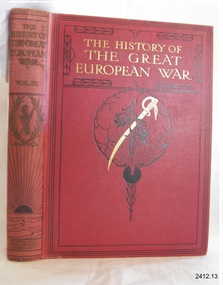
Book - Reference/History, W Stanley Macbean Knight, The History of the Great European War Set 2 Vol 4, 1914-1920
... Politically, he served as an alderman on St Pancras Borough Council from 1906 until 1917. He was also elected to the London County Council in 1907 as a Municipal Reform Party councillor for Tower Hamlets, Bow and Bromley, though he lost that seat in 1910. He was also a Conservative prospective parliamentary candidate...Politically, he served as an alderman on St Pancras Borough Council from 1906 until 1917. He was also elected to the London County Council in 1907 as a Municipal Reform Party councillor for Tower Hamlets, Bow and Bromley, though he lost that seat in 1910. He was also a Conservative prospective parliamentary candidate ...This set is a contemporary and popular narrative history of WWI, written and published while the war was still happening; the preface is dated 1914, but volumes were issued serially as the war progressed, meaning later volumes covering 1917–18 and the peace were released several years after the first. This is a common format for the period — compare rival serials like The Great War (Hammerton & Wilson) or Collier's The Story of the Great War — publishers issued 'instant history' in subscription parts to a public hungry for authoritative-sounding accounts. The volumes in this set cover the following topics during the First World War: Vol. I — Causes and Effects (1914): Its aims are to explain the political and diplomatic background to the war — the alliance system and the July Crisis — with the outbreak of hostilities in August 1914. Vol. II: Continues into the opening campaigns of 1914 (per Internet Archive, 'Vol 2 of 10', contemporary account). Vol. III: Descriptions note it as continuing the story of the campaign of the Allies and their mid-war campaigns. Vol. IV: Covers 1916 and the ongoing 1915–16 campaigns; this volume contains a fold-out colour map of the Serbian Retreat and one of the Italian front, featuring the Balkan and Italian theatres of war. Vols. V–VI: Continue the general campaign narrative through 1916–17. Vols. VII–VIII: Cover the later war years, focusing on 1917–18. Vols. IX–X: These volumes cover the war's final phase and the Armistice. Publication of the last volumes continued into the early 1920s, covering the peace settlement at Versailles and its aftermath.Hard Cover Book. History of The Great European War Set 2 Vol 4 Author: W Stanley Macbean Knight Publisher: The Caxton Publishing Company Ltd Clune House, 161 Surrey St, London W.C. Printer: The Standard Publishing Co. 100 Flinders St, Melbourne. Date: Various Volume Subscription Releases 1914 to 1920 Further Information: Red pictorial cloth gilt-lettered boards, each volume illustrated with a coloured frontispiece, black-and-white photographic plates, and fold-out colour maps of various fronts depending on volume(e.g. the Serbian Retreat, the Italian front etc.). Note there are two sets of this publication in the Flagstaff book collection.non-fictionThis set is a contemporary and popular narrative history of WWI, written and published while the war was still happening; the preface is dated 1914, but volumes were issued serially as the war progressed, meaning later volumes covering 1917–18 and the peace were released several years after the first. This is a common format for the period — compare rival serials like The Great War (Hammerton & Wilson) or Collier's The Story of the Great War — publishers issued 'instant history' in subscription parts to a public hungry for authoritative-sounding accounts. The volumes in this set cover the following topics during the First World War: Vol. I — Causes and Effects (1914): Its aims are to explain the political and diplomatic background to the war — the alliance system and the July Crisis — with the outbreak of hostilities in August 1914. Vol. II: Continues into the opening campaigns of 1914 (per Internet Archive, 'Vol 2 of 10', contemporary account). Vol. III: Descriptions note it as continuing the story of the campaign of the Allies and their mid-war campaigns. Vol. IV: Covers 1916 and the ongoing 1915–16 campaigns; this volume contains a fold-out colour map of the Serbian Retreat and one of the Italian front, featuring the Balkan and Italian theatres of war. Vols. V–VI: Continue the general campaign narrative through 1916–17. Vols. VII–VIII: Cover the later war years, focusing on 1917–18. Vols. IX–X: These volumes cover the war's final phase and the Armistice. Publication of the last volumes continued into the early 1920s, covering the peace settlement at Versailles and its aftermath.flagstaff hill, warrnambool, shipwrecked-coast, flagstaff-hill, flagstaff-hill-maritime-museum, maritime-museum, shipwreck-coast, flagstaff-hill-maritime-village, book, the history of the great european war vol 1 set 1, the history of the great european war, caxton printers -
 Flagstaff Hill Maritime Museum and Village
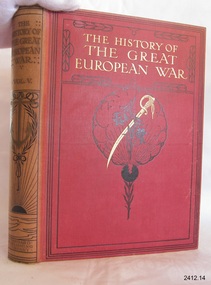
Book - Reference/History, W Stanley Macbean Knight, The History of the Great European War Set 2 Vol 5, 1914-1920
... Politically, he served as an alderman on St Pancras Borough Council from 1906 until 1917. He was also elected to the London County Council in 1907 as a Municipal Reform Party councillor for Tower Hamlets, Bow and Bromley, though he lost that seat in 1910. He was also a Conservative prospective parliamentary candidate...Politically, he served as an alderman on St Pancras Borough Council from 1906 until 1917. He was also elected to the London County Council in 1907 as a Municipal Reform Party councillor for Tower Hamlets, Bow and Bromley, though he lost that seat in 1910. He was also a Conservative prospective parliamentary candidate ...This set is a contemporary and popular narrative history of WWI, written and published while the war was still happening; the preface is dated 1914, but volumes were issued serially as the war progressed, meaning later volumes covering 1917–18 and the peace were released several years after the first. This is a common format for the period — compare rival serials like The Great War (Hammerton & Wilson) or Collier's The Story of the Great War — publishers issued 'instant history' in subscription parts to a public hungry for authoritative-sounding accounts. The volumes in this set cover the following topics during the First World War: Vol. I — Causes and Effects (1914): Its aims are to explain the political and diplomatic background to the war — the alliance system and the July Crisis — with the outbreak of hostilities in August 1914. Vol. II: Continues into the opening campaigns of 1914 (per Internet Archive, 'Vol 2 of 10', contemporary account). Vol. III: Descriptions note it as continuing the story of the campaign of the Allies and their mid-war campaigns. Vol. IV: Covers 1916 and the ongoing 1915–16 campaigns; this volume contains a fold-out colour map of the Serbian Retreat and one of the Italian front, featuring the Balkan and Italian theatres of war. Vols. V–VI: Continue the general campaign narrative through 1916–17. Vols. VII–VIII: Cover the later war years, focusing on 1917–18. Vols. IX–X: These volumes cover the war's final phase and the Armistice. Publication of the last volumes continued into the early 1920s, covering the peace settlement at Versailles and its aftermath.Hard Cover Book. History of The Great European War Set 2 Vol 5 Author: W Stanley Macbean Knight Publisher: The Caxton Publishing Company Ltd Clune House, 161 Surrey St, London W.C. Printer: The Standard Publishing Co. 100 Flinders St, Melbourne. Date: Various Volume Subscription Releases 1914 to 1920 Further Information: Red pictorial cloth gilt-lettered boards, each volume illustrated with a coloured frontispiece, black-and-white photographic plates, and fold-out colour maps of various fronts depending on volume(e.g. the Serbian Retreat, the Italian front etc.). Note there are two sets of this publication in the Flagstaff book collection.non-fictionThis set is a contemporary and popular narrative history of WWI, written and published while the war was still happening; the preface is dated 1914, but volumes were issued serially as the war progressed, meaning later volumes covering 1917–18 and the peace were released several years after the first. This is a common format for the period — compare rival serials like The Great War (Hammerton & Wilson) or Collier's The Story of the Great War — publishers issued 'instant history' in subscription parts to a public hungry for authoritative-sounding accounts. The volumes in this set cover the following topics during the First World War: Vol. I — Causes and Effects (1914): Its aims are to explain the political and diplomatic background to the war — the alliance system and the July Crisis — with the outbreak of hostilities in August 1914. Vol. II: Continues into the opening campaigns of 1914 (per Internet Archive, 'Vol 2 of 10', contemporary account). Vol. III: Descriptions note it as continuing the story of the campaign of the Allies and their mid-war campaigns. Vol. IV: Covers 1916 and the ongoing 1915–16 campaigns; this volume contains a fold-out colour map of the Serbian Retreat and one of the Italian front, featuring the Balkan and Italian theatres of war. Vols. V–VI: Continue the general campaign narrative through 1916–17. Vols. VII–VIII: Cover the later war years, focusing on 1917–18. Vols. IX–X: These volumes cover the war's final phase and the Armistice. Publication of the last volumes continued into the early 1920s, covering the peace settlement at Versailles and its aftermath.flagstaff hill, warrnambool, shipwrecked-coast, flagstaff-hill, flagstaff-hill-maritime-museum, maritime-museum, shipwreck-coast, flagstaff-hill-maritime-village, book, the history of the great european war vol 1 set 1, the history of the great european war, caxton printers -
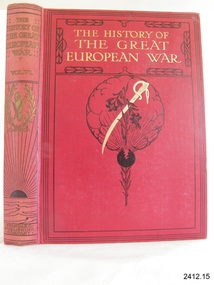 Flagstaff Hill Maritime Museum and Village
Book - Reference/History, W Stanley Macbean Knight, The History of the Great European War Set 2 Vol 6, 1914-1920
... Politically, he served as an alderman on St Pancras Borough Council from 1906 until 1917. He was also elected to the London County Council in 1907 as a Municipal Reform Party councillor for Tower Hamlets, Bow and Bromley, though he lost that seat in 1910. He was also a Conservative prospective parliamentary candidate...Politically, he served as an alderman on St Pancras Borough Council from 1906 until 1917. He was also elected to the London County Council in 1907 as a Municipal Reform Party councillor for Tower Hamlets, Bow and Bromley, though he lost that seat in 1910. He was also a Conservative prospective parliamentary candidate ...This set is a contemporary and popular narrative history of WWI, written and published while the war was still happening; the preface is dated 1914, but volumes were issued serially as the war progressed, meaning later volumes covering 1917–18 and the peace were released several years after the first. This is a common format for the period — compare rival serials like The Great War (Hammerton & Wilson) or Collier's The Story of the Great War — publishers issued 'instant history' in subscription parts to a public hungry for authoritative-sounding accounts. The volumes in this set cover the following topics during the First World War: Vol. I — Causes and Effects (1914): Its aims are to explain the political and diplomatic background to the war — the alliance system and the July Crisis — with the outbreak of hostilities in August 1914. Vol. II: Continues into the opening campaigns of 1914 (per Internet Archive, 'Vol 2 of 10', contemporary account). Vol. III: Descriptions note it as continuing the story of the campaign of the Allies and their mid-war campaigns. Vol. IV: Covers 1916 and the ongoing 1915–16 campaigns; this volume contains a fold-out colour map of the Serbian Retreat and one of the Italian front, featuring the Balkan and Italian theatres of war. Vols. V–VI: Continue the general campaign narrative through 1916–17. Vols. VII–VIII: Cover the later war years, focusing on 1917–18. Vols. IX–X: These volumes cover the war's final phase and the Armistice. Publication of the last volumes continued into the early 1920s, covering the peace settlement at Versailles and its aftermath.Hard Cover Book. History of The Great European War Set 2 Vol 6 Author: W Stanley Macbean Knight Publisher: The Caxton Publishing Company Ltd Clune House, 161 Surrey St, London W.C. Printer: The Standard Publishing Co. 100 Flinders St, Melbourne. Date: Various Volume Subscription Releases 1914 to 1920 Further Information: Red pictorial cloth gilt-lettered boards, each volume illustrated with a coloured frontispiece, black-and-white photographic plates, and fold-out colour maps of various fronts depending on volume(e.g. the Serbian Retreat, the Italian front etc.). Note there are two sets of this publication in the Flagstaff book collection.non-fictionThis set is a contemporary and popular narrative history of WWI, written and published while the war was still happening; the preface is dated 1914, but volumes were issued serially as the war progressed, meaning later volumes covering 1917–18 and the peace were released several years after the first. This is a common format for the period — compare rival serials like The Great War (Hammerton & Wilson) or Collier's The Story of the Great War — publishers issued 'instant history' in subscription parts to a public hungry for authoritative-sounding accounts. The volumes in this set cover the following topics during the First World War: Vol. I — Causes and Effects (1914): Its aims are to explain the political and diplomatic background to the war — the alliance system and the July Crisis — with the outbreak of hostilities in August 1914. Vol. II: Continues into the opening campaigns of 1914 (per Internet Archive, 'Vol 2 of 10', contemporary account). Vol. III: Descriptions note it as continuing the story of the campaign of the Allies and their mid-war campaigns. Vol. IV: Covers 1916 and the ongoing 1915–16 campaigns; this volume contains a fold-out colour map of the Serbian Retreat and one of the Italian front, featuring the Balkan and Italian theatres of war. Vols. V–VI: Continue the general campaign narrative through 1916–17. Vols. VII–VIII: Cover the later war years, focusing on 1917–18. Vols. IX–X: These volumes cover the war's final phase and the Armistice. Publication of the last volumes continued into the early 1920s, covering the peace settlement at Versailles and its aftermath.flagstaff hill, warrnambool, shipwrecked-coast, flagstaff-hill, flagstaff-hill-maritime-museum, maritime-museum, shipwreck-coast, flagstaff-hill-maritime-village, book, the history of the great european war vol 1 set 1, the history of the great european war, caxton printers -
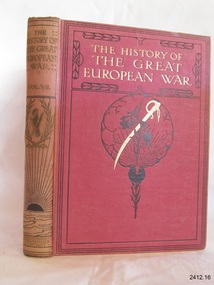 Flagstaff Hill Maritime Museum and Village
Book - Reference/History, W Stanley Macbean Knight, The History of the Great European War Set 2 Vol 7, 1914-1920
... Politically, he served as an alderman on St Pancras Borough Council from 1906 until 1917. He was also elected to the London County Council in 1907 as a Municipal Reform Party councillor for Tower Hamlets, Bow and Bromley, though he lost that seat in 1910. He was also a Conservative prospective parliamentary candidate...Politically, he served as an alderman on St Pancras Borough Council from 1906 until 1917. He was also elected to the London County Council in 1907 as a Municipal Reform Party councillor for Tower Hamlets, Bow and Bromley, though he lost that seat in 1910. He was also a Conservative prospective parliamentary candidate ...This set is a contemporary and popular narrative history of WWI, written and published while the war was still happening; the preface is dated 1914, but volumes were issued serially as the war progressed, meaning later volumes covering 1917–18 and the peace were released several years after the first. This is a common format for the period — compare rival serials like The Great War (Hammerton & Wilson) or Collier's The Story of the Great War — publishers issued 'instant history' in subscription parts to a public hungry for authoritative-sounding accounts. The volumes in this set cover the following topics during the First World War: Vol. I — Causes and Effects (1914): Its aims are to explain the political and diplomatic background to the war — the alliance system and the July Crisis — with the outbreak of hostilities in August 1914. Vol. II: Continues into the opening campaigns of 1914 (per Internet Archive, 'Vol 2 of 10', contemporary account). Vol. III: Descriptions note it as continuing the story of the campaign of the Allies and their mid-war campaigns. Vol. IV: Covers 1916 and the ongoing 1915–16 campaigns; this volume contains a fold-out colour map of the Serbian Retreat and one of the Italian front, featuring the Balkan and Italian theatres of war. Vols. V–VI: Continue the general campaign narrative through 1916–17. Vols. VII–VIII: Cover the later war years, focusing on 1917–18. Vols. IX–X: These volumes cover the war's final phase and the Armistice. Publication of the last volumes continued into the early 1920s, covering the peace settlement at Versailles and its aftermath.Hard Cover Book. History of The Great European War Set 2 Vol 7 Author: W Stanley Macbean Knight Publisher: The Caxton Publishing Company Ltd Clune House, 161 Surrey St, London W.C. Printer: The Standard Publishing Co. 100 Flinders St, Melbourne. Date: Various Volume Subscription Releases 1914 to 1920 Further Information: Red pictorial cloth gilt-lettered boards, each volume illustrated with a coloured frontispiece, black-and-white photographic plates, and fold-out colour maps of various fronts depending on volume(e.g. the Serbian Retreat, the Italian front etc.). Note there are two sets of this publication in the Flagstaff book collection.non-fictionThis set is a contemporary and popular narrative history of WWI, written and published while the war was still happening; the preface is dated 1914, but volumes were issued serially as the war progressed, meaning later volumes covering 1917–18 and the peace were released several years after the first. This is a common format for the period — compare rival serials like The Great War (Hammerton & Wilson) or Collier's The Story of the Great War — publishers issued 'instant history' in subscription parts to a public hungry for authoritative-sounding accounts. The volumes in this set cover the following topics during the First World War: Vol. I — Causes and Effects (1914): Its aims are to explain the political and diplomatic background to the war — the alliance system and the July Crisis — with the outbreak of hostilities in August 1914. Vol. II: Continues into the opening campaigns of 1914 (per Internet Archive, 'Vol 2 of 10', contemporary account). Vol. III: Descriptions note it as continuing the story of the campaign of the Allies and their mid-war campaigns. Vol. IV: Covers 1916 and the ongoing 1915–16 campaigns; this volume contains a fold-out colour map of the Serbian Retreat and one of the Italian front, featuring the Balkan and Italian theatres of war. Vols. V–VI: Continue the general campaign narrative through 1916–17. Vols. VII–VIII: Cover the later war years, focusing on 1917–18. Vols. IX–X: These volumes cover the war's final phase and the Armistice. Publication of the last volumes continued into the early 1920s, covering the peace settlement at Versailles and its aftermath.flagstaff hill, warrnambool, shipwrecked-coast, flagstaff-hill, flagstaff-hill-maritime-museum, maritime-museum, shipwreck-coast, flagstaff-hill-maritime-village, book, the history of the great european war vol 1 set 1, the history of the great european war, caxton printers -
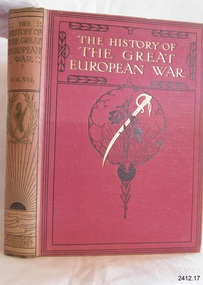 Flagstaff Hill Maritime Museum and Village
Book - Reference/History, W Stanley Macbean Knight, The History of the Great European War Set 2 Vol 8, 1914-1920
... Politically, he served as an alderman on St Pancras Borough Council from 1906 until 1917. He was also elected to the London County Council in 1907 as a Municipal Reform Party councillor for Tower Hamlets, Bow and Bromley, though he lost that seat in 1910. He was also a Conservative prospective parliamentary candidate...Politically, he served as an alderman on St Pancras Borough Council from 1906 until 1917. He was also elected to the London County Council in 1907 as a Municipal Reform Party councillor for Tower Hamlets, Bow and Bromley, though he lost that seat in 1910. He was also a Conservative prospective parliamentary candidate ...This set is a contemporary and popular narrative history of WWI, written and published while the war was still happening; the preface is dated 1914, but volumes were issued serially as the war progressed, meaning later volumes covering 1917–18 and the peace were released several years after the first. This is a common format for the period — compare rival serials like The Great War (Hammerton & Wilson) or Collier's The Story of the Great War — publishers issued 'instant history' in subscription parts to a public hungry for authoritative-sounding accounts. The volumes in this set cover the following topics during the First World War: Vol. I — Causes and Effects (1914): Its aims are to explain the political and diplomatic background to the war — the alliance system and the July Crisis — with the outbreak of hostilities in August 1914. Vol. II: Continues into the opening campaigns of 1914 (per Internet Archive, 'Vol 2 of 10', contemporary account). Vol. III: Descriptions note it as continuing the story of the campaign of the Allies and their mid-war campaigns. Vol. IV: Covers 1916 and the ongoing 1915–16 campaigns; this volume contains a fold-out colour map of the Serbian Retreat and one of the Italian front, featuring the Balkan and Italian theatres of war. Vols. V–VI: Continue the general campaign narrative through 1916–17. Vols. VII–VIII: Cover the later war years, focusing on 1917–18. Vols. IX–X: These volumes cover the war's final phase and the Armistice. Publication of the last volumes continued into the early 1920s, covering the peace settlement at Versailles and its aftermath.Hard Cover Book. History of The Great European War Set 2 Vol 8 Author: W Stanley Macbean Knight Publisher: The Caxton Publishing Company Ltd Clune House, 161 Surrey St, London W.C. Printer: The Standard Publishing Co. 100 Flinders St, Melbourne. Date: Various Volume Subscription Releases 1914 to 1920 Further Information: Red pictorial cloth gilt-lettered boards, each volume illustrated with a coloured frontispiece, black-and-white photographic plates, and fold-out colour maps of various fronts depending on volume(e.g. the Serbian Retreat, the Italian front etc.). Note there are two sets of this publication in the Flagstaff book collection.non-fictionThis set is a contemporary and popular narrative history of WWI, written and published while the war was still happening; the preface is dated 1914, but volumes were issued serially as the war progressed, meaning later volumes covering 1917–18 and the peace were released several years after the first. This is a common format for the period — compare rival serials like The Great War (Hammerton & Wilson) or Collier's The Story of the Great War — publishers issued 'instant history' in subscription parts to a public hungry for authoritative-sounding accounts. The volumes in this set cover the following topics during the First World War: Vol. I — Causes and Effects (1914): Its aims are to explain the political and diplomatic background to the war — the alliance system and the July Crisis — with the outbreak of hostilities in August 1914. Vol. II: Continues into the opening campaigns of 1914 (per Internet Archive, 'Vol 2 of 10', contemporary account). Vol. III: Descriptions note it as continuing the story of the campaign of the Allies and their mid-war campaigns. Vol. IV: Covers 1916 and the ongoing 1915–16 campaigns; this volume contains a fold-out colour map of the Serbian Retreat and one of the Italian front, featuring the Balkan and Italian theatres of war. Vols. V–VI: Continue the general campaign narrative through 1916–17. Vols. VII–VIII: Cover the later war years, focusing on 1917–18. Vols. IX–X: These volumes cover the war's final phase and the Armistice. Publication of the last volumes continued into the early 1920s, covering the peace settlement at Versailles and its aftermath.flagstaff hill, warrnambool, shipwrecked-coast, flagstaff-hill, flagstaff-hill-maritime-museum, maritime-museum, shipwreck-coast, flagstaff-hill-maritime-village, book, the history of the great european war vol 1 set 1, the history of the great european war, caxton printers -
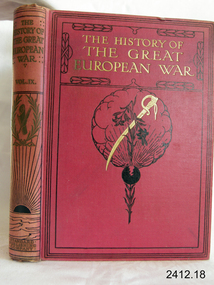 Flagstaff Hill Maritime Museum and Village
Book - Reference/History, W Stanley Macbean Knight, The History of the Great European War Set 2 Vol 9, 1914-1920
... Politically, he served as an alderman on St Pancras Borough Council from 1906 until 1917. He was also elected to the London County Council in 1907 as a Municipal Reform Party councillor for Tower Hamlets, Bow and Bromley, though he lost that seat in 1910. He was also a Conservative prospective parliamentary candidate...Politically, he served as an alderman on St Pancras Borough Council from 1906 until 1917. He was also elected to the London County Council in 1907 as a Municipal Reform Party councillor for Tower Hamlets, Bow and Bromley, though he lost that seat in 1910. He was also a Conservative prospective parliamentary candidate ...This set is a contemporary and popular narrative history of WWI, written and published while the war was still happening; the preface is dated 1914, but volumes were issued serially as the war progressed, meaning later volumes covering 1917–18 and the peace were released several years after the first. This is a common format for the period — compare rival serials like The Great War (Hammerton & Wilson) or Collier's The Story of the Great War — publishers issued 'instant history' in subscription parts to a public hungry for authoritative-sounding accounts. The volumes in this set cover the following topics during the First World War: Vol. I — Causes and Effects (1914): Its aims are to explain the political and diplomatic background to the war — the alliance system and the July Crisis — with the outbreak of hostilities in August 1914. Vol. II: Continues into the opening campaigns of 1914 (per Internet Archive, 'Vol 2 of 10', contemporary account). Vol. III: Descriptions note it as continuing the story of the campaign of the Allies and their mid-war campaigns. Vol. IV: Covers 1916 and the ongoing 1915–16 campaigns; this volume contains a fold-out colour map of the Serbian Retreat and one of the Italian front, featuring the Balkan and Italian theatres of war. Vols. V–VI: Continue the general campaign narrative through 1916–17. Vols. VII–VIII: Cover the later war years, focusing on 1917–18. Vols. IX–X: These volumes cover the war's final phase and the Armistice. Publication of the last volumes continued into the early 1920s, covering the peace settlement at Versailles and its aftermath.Hard Cover Book. History of The Great European War Set 2 Vol 9 Author: W Stanley Macbean Knight Publisher: The Caxton Publishing Company Ltd Clune House, 161 Surrey St, London W.C. Printer: The Standard Publishing Co. 100 Flinders St, Melbourne. Date: Various Volume Subscription Releases 1914 to 1920 Further Information: Red pictorial cloth gilt-lettered boards, each volume illustrated with a coloured frontispiece, black-and-white photographic plates, and fold-out colour maps of various fronts depending on volume(e.g. the Serbian Retreat, the Italian front etc.). Note there are two sets of this publication in the Flagstaff book collection.non-fictionThis set is a contemporary and popular narrative history of WWI, written and published while the war was still happening; the preface is dated 1914, but volumes were issued serially as the war progressed, meaning later volumes covering 1917–18 and the peace were released several years after the first. This is a common format for the period — compare rival serials like The Great War (Hammerton & Wilson) or Collier's The Story of the Great War — publishers issued 'instant history' in subscription parts to a public hungry for authoritative-sounding accounts. The volumes in this set cover the following topics during the First World War: Vol. I — Causes and Effects (1914): Its aims are to explain the political and diplomatic background to the war — the alliance system and the July Crisis — with the outbreak of hostilities in August 1914. Vol. II: Continues into the opening campaigns of 1914 (per Internet Archive, 'Vol 2 of 10', contemporary account). Vol. III: Descriptions note it as continuing the story of the campaign of the Allies and their mid-war campaigns. Vol. IV: Covers 1916 and the ongoing 1915–16 campaigns; this volume contains a fold-out colour map of the Serbian Retreat and one of the Italian front, featuring the Balkan and Italian theatres of war. Vols. V–VI: Continue the general campaign narrative through 1916–17. Vols. VII–VIII: Cover the later war years, focusing on 1917–18. Vols. IX–X: These volumes cover the war's final phase and the Armistice. Publication of the last volumes continued into the early 1920s, covering the peace settlement at Versailles and its aftermath.flagstaff hill, warrnambool, shipwrecked-coast, flagstaff-hill, flagstaff-hill-maritime-museum, maritime-museum, shipwreck-coast, flagstaff-hill-maritime-village, book, the history of the great european war vol 1 set 1, the history of the great european war, caxton printers -
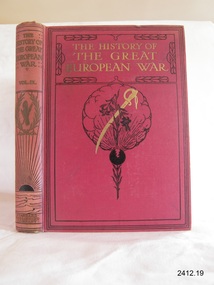 Flagstaff Hill Maritime Museum and Village
Book - Reference/History, W Stanley Macbean Knight, The History of the Great European War Vol 9 set 2-2, 1914-1920
... Politically, he served as an alderman on St Pancras Borough Council from 1906 until 1917. He was also elected to the London County Council in 1907 as a Municipal Reform Party councillor for Tower Hamlets, Bow and Bromley, though he lost that seat in 1910. He was also a Conservative prospective parliamentary candidate...Politically, he served as an alderman on St Pancras Borough Council from 1906 until 1917. He was also elected to the London County Council in 1907 as a Municipal Reform Party councillor for Tower Hamlets, Bow and Bromley, though he lost that seat in 1910. He was also a Conservative prospective parliamentary candidate ...This set is a contemporary and popular narrative history of WWI, written and published while the war was still happening; the preface is dated 1914, but volumes were issued serially as the war progressed, meaning later volumes covering 1917–18 and the peace were released several years after the first. This is a common format for the period — compare rival serials like The Great War (Hammerton & Wilson) or Collier's The Story of the Great War — publishers issued 'instant history' in subscription parts to a public hungry for authoritative-sounding accounts. The volumes in this set cover the following topics during the First World War: Vol. I — Causes and Effects (1914): Its aims are to explain the political and diplomatic background to the war — the alliance system and the July Crisis — with the outbreak of hostilities in August 1914. Vol. II: Continues into the opening campaigns of 1914 (per Internet Archive, 'Vol 2 of 10', contemporary account). Vol. III: Descriptions note it as continuing the story of the campaign of the Allies and their mid-war campaigns. Vol. IV: Covers 1916 and the ongoing 1915–16 campaigns; this volume contains a fold-out colour map of the Serbian Retreat and one of the Italian front, featuring the Balkan and Italian theatres of war. Vols. V–VI: Continue the general campaign narrative through 1916–17. Vols. VII–VIII: Cover the later war years, focusing on 1917–18. Vols. IX–X: These volumes cover the war's final phase and the Armistice. Publication of the last volumes continued into the early 1920s, covering the peace settlement at Versailles and its aftermath.Hard Cover Book. History of The Great European War Vol 9 set 2-2 Author: W Stanley Macbean Knight Publisher: The Caxton Publishing Company Ltd Clune House, 161 Surrey St, London W.C. Printer: The Standard Publishing Co. 100 Flinders St, Melbourne. Date: Various Volume Subscription Releases 1914 to 1920 Further Information: Red pictorial cloth gilt-lettered boards, each volume illustrated with a coloured frontispiece, black-and-white photographic plates, and fold-out colour maps of various fronts depending on volume(e.g. the Serbian Retreat, the Italian front etc.). Note there are two sets of this publication in the Flagstaff book collection.non-fictionThis set is a contemporary and popular narrative history of WWI, written and published while the war was still happening; the preface is dated 1914, but volumes were issued serially as the war progressed, meaning later volumes covering 1917–18 and the peace were released several years after the first. This is a common format for the period — compare rival serials like The Great War (Hammerton & Wilson) or Collier's The Story of the Great War — publishers issued 'instant history' in subscription parts to a public hungry for authoritative-sounding accounts. The volumes in this set cover the following topics during the First World War: Vol. I — Causes and Effects (1914): Its aims are to explain the political and diplomatic background to the war — the alliance system and the July Crisis — with the outbreak of hostilities in August 1914. Vol. II: Continues into the opening campaigns of 1914 (per Internet Archive, 'Vol 2 of 10', contemporary account). Vol. III: Descriptions note it as continuing the story of the campaign of the Allies and their mid-war campaigns. Vol. IV: Covers 1916 and the ongoing 1915–16 campaigns; this volume contains a fold-out colour map of the Serbian Retreat and one of the Italian front, featuring the Balkan and Italian theatres of war. Vols. V–VI: Continue the general campaign narrative through 1916–17. Vols. VII–VIII: Cover the later war years, focusing on 1917–18. Vols. IX–X: These volumes cover the war's final phase and the Armistice. Publication of the last volumes continued into the early 1920s, covering the peace settlement at Versailles and its aftermath.flagstaff hill, warrnambool, shipwrecked-coast, flagstaff-hill, flagstaff-hill-maritime-museum, maritime-museum, shipwreck-coast, flagstaff-hill-maritime-village, book, the history of the great european war vol 1 set 1, the history of the great european war, caxton printers -
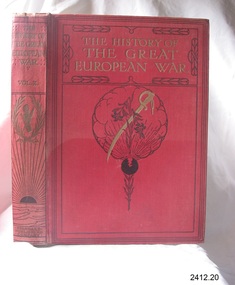 Flagstaff Hill Maritime Museum and Village
Book - Reference/History, W Stanley Macbean Knight, The History of the Great European War Set 2 Vol 10, 1914-1920
... Politically, he served as an alderman on St Pancras Borough Council from 1906 until 1917. He was also elected to the London County Council in 1907 as a Municipal Reform Party councillor for Tower Hamlets, Bow and Bromley, though he lost that seat in 1910. He was also a Conservative prospective parliamentary candidate...Politically, he served as an alderman on St Pancras Borough Council from 1906 until 1917. He was also elected to the London County Council in 1907 as a Municipal Reform Party councillor for Tower Hamlets, Bow and Bromley, though he lost that seat in 1910. He was also a Conservative prospective parliamentary candidate ...This set is a contemporary and popular narrative history of WWI, written and published while the war was still happening; the preface is dated 1914, but volumes were issued serially as the war progressed, meaning later volumes covering 1917–18 and the peace were released several years after the first. This is a common format for the period — compare rival serials like The Great War (Hammerton & Wilson) or Collier's The Story of the Great War — publishers issued 'instant history' in subscription parts to a public hungry for authoritative-sounding accounts. The volumes in this set cover the following topics during the First World War: Vol. I — Causes and Effects (1914): Its aims are to explain the political and diplomatic background to the war — the alliance system and the July Crisis — with the outbreak of hostilities in August 1914. Vol. II: Continues into the opening campaigns of 1914 (per Internet Archive, 'Vol 2 of 10', contemporary account). Vol. III: Descriptions note it as continuing the story of the campaign of the Allies and their mid-war campaigns. Vol. IV: Covers 1916 and the ongoing 1915–16 campaigns; this volume contains a fold-out colour map of the Serbian Retreat and one of the Italian front, featuring the Balkan and Italian theatres of war. Vols. V–VI: Continue the general campaign narrative through 1916–17. Vols. VII–VIII: Cover the later war years, focusing on 1917–18. Vols. IX–X: These volumes cover the war's final phase and the Armistice. Publication of the last volumes continued into the early 1920s, covering the peace settlement at Versailles and its aftermath.Hard Cover Book. History of The Great European War Set 2 Vol 10 Author: W Stanley Macbean Knight Publisher: The Caxton Publishing Company Ltd Clune House, 161 Surrey St, London W.C. Printer: The Standard Publishing Co. 100 Flinders St, Melbourne. Date: Various Volume Subscription Releases 1914 to 1920 Further Information: Red pictorial cloth gilt-lettered boards, each volume illustrated with a coloured frontispiece, black-and-white photographic plates, and fold-out colour maps of various fronts depending on volume(e.g. the Serbian Retreat, the Italian front etc.). Note there are two sets of this publication in the Flagstaff book collection.non-fictionThis set is a contemporary and popular narrative history of WWI, written and published while the war was still happening; the preface is dated 1914, but volumes were issued serially as the war progressed, meaning later volumes covering 1917–18 and the peace were released several years after the first. This is a common format for the period — compare rival serials like The Great War (Hammerton & Wilson) or Collier's The Story of the Great War — publishers issued 'instant history' in subscription parts to a public hungry for authoritative-sounding accounts. The volumes in this set cover the following topics during the First World War: Vol. I — Causes and Effects (1914): Its aims are to explain the political and diplomatic background to the war — the alliance system and the July Crisis — with the outbreak of hostilities in August 1914. Vol. II: Continues into the opening campaigns of 1914 (per Internet Archive, 'Vol 2 of 10', contemporary account). Vol. III: Descriptions note it as continuing the story of the campaign of the Allies and their mid-war campaigns. Vol. IV: Covers 1916 and the ongoing 1915–16 campaigns; this volume contains a fold-out colour map of the Serbian Retreat and one of the Italian front, featuring the Balkan and Italian theatres of war. Vols. V–VI: Continue the general campaign narrative through 1916–17. Vols. VII–VIII: Cover the later war years, focusing on 1917–18. Vols. IX–X: These volumes cover the war's final phase and the Armistice. Publication of the last volumes continued into the early 1920s, covering the peace settlement at Versailles and its aftermath.flagstaff hill, warrnambool, shipwrecked-coast, flagstaff-hill, flagstaff-hill-maritime-museum, maritime-museum, shipwreck-coast, flagstaff-hill-maritime-village, book, the history of the great european war vol 1 set 1, the history of the great european war, caxton printers -
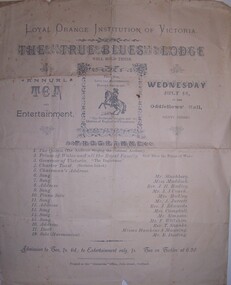 Glenelg Shire Council Cultural Collection
Programme - Programme - Loyal Orange Institution of Victoria "True Blues" Lodge Annual Tea and Entertainment Programme, c. 1900
... The first Orange Lodge in Victoria was founded in 1843, following a sectarian protest in Elizabeth Street Melbourne over the election of a Protestant candidate to the Legislative Council. By the 1890s there were 169 branches in Victoria, engaged in political lobbying for mainstream Protestant issues like temperance, Sunday observance, opposition to state aid for church schools, and opposition to any expansion of the political influence of Roman Catholics. ...The first Orange Lodge in Victoria was founded in 1843, following a sectarian protest in Elizabeth Street Melbourne over the election of a Protestant candidate to the Legislative Council. By the 1890s there were 169 branches in Victoria, engaged in political lobbying for mainstream Protestant issues like temperance, Sunday observance, opposition to state aid for church schools, and opposition to any expansion of the political influence of Roman Catholics. ...The Loyal Orange Institution of Victoria was established in 1843. As a society composed of Protestants, it works to support and defend the Protestant faith. The Institution is named in honour of King William III, Prince of Orange (1650-1702) and his achievements for civil and religious liberty. The first Orange Lodge in Victoria was founded in 1843, following a sectarian protest in Elizabeth Street Melbourne over the election of a Protestant candidate to the Legislative Council. By the 1890s there were 169 branches in Victoria, engaged in political lobbying for mainstream Protestant issues like temperance, Sunday observance, opposition to state aid for church schools, and opposition to any expansion of the political influence of Roman Catholics. The monthly meetings had an element of secrecy, as members wore regalia and followed a simple ritual. No Catholics could join. Women were admitted to Lodges in 1903.Single-sided sheet printed in blue ink containing program details. Decorative title at top of page, with central image of cavalier on rearing horse within a decorative ribbon and floral border, containing a Protestant oath. Loyal Orange Institution of Victoria "True Blues" Lodge Annual Tea and Entertainment Programmeloyal orange institution, protestant, societies, religion -
Eltham District Historical Society Inc
Document - Folder, Macklin, Jenny
... Newspaper article, "Thwaites is Labor's pick", Diamond Valley Leader, 1 August 2018, details of Jenny Macklin's political career and background of new Labor candidate Kate Thwaites. ...Newspaper article, "Thwaites is Labor's pick", Diamond Valley Leader, 1 August 2018, details of Jenny Macklin's political career and background of new Labor candidate Kate Thwaites. ...Jenny Maclin, was Member for JagaJaga, House of Representatives Contents Newspaper advertisement: Nillumbik Mail, 6 September 2000, Jenny Macklin's office open every Friday. Newspaper advertisement: Diamond Valley Leader, 22 February 2006, Jenny Maclin photographed at opening of new Town and Country Hearing Centre, Greensborough. Letter Jenny Maclin to Eltham District Historical Society, 28 November 2014, seeking donations to Diamond Valley Foodshare. Flier for Jenny Maclin constituents event, 17 February 2015. Letter Jenny Maclin to Eltham District Historical Society, reporting Federal Liberal Government's defunding of Trove. Letter Jenny Maclin to Eltham District Historical Society, seeking donations to 3081 Angels collection of children's books. Newspaper article, "Thwaites is Labor's pick", Diamond Valley Leader, 1 August 2018, details of Jenny Macklin's political career and background of new Labor candidate Kate Thwaites. Letter Jenny Mackin to JagaJaga residents, September 2018, announcing her retirement and introducing Kate Thwaites. Flier, lecture by Jenny Macklin, for Banyule U3A, 28 October 2018.Newspaper clippings, A4 photocopies, etcjenny maclin, town and country hearing centre greensborough, 3081 angels, diamond valley foodshare, kate thwaites, jagajaga electorate -
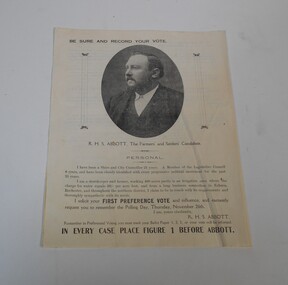 Bendigo Historical Society Inc.
Flyer - Abbott collection: R.H.S. Abbott flyer for legislative assembly election
... Political Flyer for R.H.S. Abbott detailing his promises if elected at the election to be held on Thursday November 26th. 1914. Mr. Abbott was running in the electoral district of Rodney. The three candidates...Political Flyer for R.H.S. Abbott detailing his promises if elected at the election to be held on Thursday November 26th. 1914. Mr. Abbott was running in the electoral district of Rodney. The three candidates ...Political Flyer for R.H.S. Abbott detailing his promises if elected at the election to be held on Thursday November 26th. 1914. Mr. Abbott was running in the electoral district of Rodney. The three candidates for the division of Rodney were: Hugh McKenzie for the Liberal Party, Andrew White for Labor and Richard Abbott as Independent. the results gave Mr. McKenzie 3575 votes (50.3%), Mr. White 3149 votes (44.3%) and Mr. Abbott 385 votes (5.4%). The two parties-preferred results saw Mr. McKenzie elected on 54.7% of the votes.election, abbott
