
Showing 18 items matching "australian-bunyips."
-
 Koorie Heritage Trust
Book, Barrett, Charles, The Bunyip (cover title), 1946
... ...Australian-bunyips....Bunyip-Australia-Aboriginal legends. Legends-Aboriginal Australian-bunyips. ...An extensive coverage of the subject throughout Australia.120 p. : ill. ; 22 cm. An extensive coverage of the subject throughout Australia. bunyip-australia-aboriginal legends., legends-aboriginal, australian-bunyips., bunyips-aborigines, victoria-names; drawings;murray river tribes., bunyip-remains-research., aborigines, victoria-bunyip legends. western port; lake corangamite., creation myths, aborigines port phillip; murray river. -
Federation University Historical Collection
Document, Articles on the Bunyip, 1983 - 1989
... The origin of the word bunyip has been traced to the Wemba-Wemba or Wergaia language of Aboriginal people of South-Eastern Australia. ...The origin of the word bunyip has been traced to the Wemba-Wemba or Wergaia language of Aboriginal people of South-Eastern Australia. ...The bunyip is a large mythical creature from Aboriginal mythology, said to lurk in swamps, billabongs, creeks, riverbeds, and waterholes. The origin of the word bunyip has been traced to the Wemba-Wemba or Wergaia language of Aboriginal people of South-Eastern Australia. However, the bunyip appears to have formed part of traditional Aboriginal beliefs and stories throughout Australia, although its name varied according to tribal nomenclature. Various written accounts of bunyips were made by Europeans in the early and mid-19th century, as settlement spread across the country. (http://en.wikipedia.org/wiki/Bunyip) This material was collected and used for resarch purposes by David Waldron A number of articles on the Bunyip * The Nessie Mystery Solver by Roy Fraser (October 1983) * Developers meet match (Wagyl) (The Age, 06 Jan 1989) * Narrandera's bunyips burst into tourism's limelight by Melanie Sincock (wagga Advertiser, 18 November 1986) * Hunting the bunyip by M.A. Troyahn (Australiasian Post, 06 October 1883) * Beware the bunyip, you Moomba skiers by Edel Wignell (The Age, 05 March 1982) * The yarn that grew the bunyip legend (Australasian Post, 30 December 1971) australian animal folklore collections, bunyip, bunyipswagyl, shane picket, narrandera, swan river, david waldron -
 Federation University Historical Collection
Newspaper - Newsclippings, Tantanoola Tiger Newsclippings
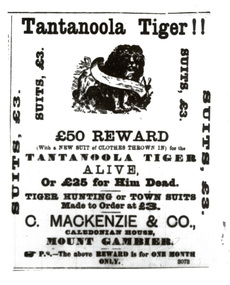
... ." * Victorian country sightings # Bullarto - Argus 06/05/1905 # Dean - Launceston Examiner 28/01/1895 # Bendigo - Hobart Mercury 15/03/1895 # Ballan - Launceston Examiner 03/08/1895 * South Australian register 17/06/1885 " There is a tiger or panther wandering at large in Victoria, according to a rumour. It has taken the place of the Bunyip, whom hundreds have seen but none captured. ...." * Victorian country sightings # Bullarto - Argus 06/05/1905 # Dean - Launceston Examiner 28/01/1895 # Bendigo - Hobart Mercury 15/03/1895 # Ballan - Launceston Examiner 03/08/1895 * South Australian register 17/06/1885 " There is a tiger or panther wandering at large in Victoria, according to a rumour. It has taken the place of the Bunyip, whom hundreds have seen but none captured. ...In the early 1880s a small circus travelled between Millicent and Mt Gambier, South Australia. After camping overnight they discovered their Bengal Tiger at escaped and disappeared into dense scrub. After searching for hours they continued to Mt Gambier and reported the loss of the tiger to police. Police and local volunteers continued the search for the escaped tiger, but no sighting were made. In the early 1890s sheep in the Tantanoola area started to disappear with the still unsighted tiger being blamed. In 1893 reports of an unusual animal in the Tantanoola area started, with many describing the animal as the missing tiger, or a large dog. One eye witness claimed to have seen the animal carrying a full grown sheep in its mouth. The reports grew in number and exaggeration with sightings from Robe to Bendigo. In the Tantanoola district children were escorted with shotgun guards to and from school, with many homes keeping guns at the ready in case the tiger suddenly appeared. In August 1895 Tom Donovan shot the "Tantanoola Tiger" on Mt Salt Station, around 20 kms south of Tantanoola. The corpse was taken to Marks, a Mount Gambier taxidermist, at which time the animal was identified as an Assyrian or Northern Russian Wolf. Donovan displayed the animal far and wide. Despite the animal's death sheep continued to disappear from properties in the district over many years. It was of particular concern between 1909 and 1910. At that time Herbert Allchurch, an Adelaide detective, was sent to solve the mystery. A few days after his arrival Allchruch went to the front bar of the Tiger Hotel and arrested local rabbit shooter and trapper, Charlie Edmunson, with sheep stealing. After his 1911 trial Edmunson admitted to stealing over 4,000 sheep during the previous 20 years. He was gaoled for six years with hard-labour in January 1911. Edmunson had been selling the skins of the stolen sheep, leaving the carcusses to rot. He earned around five pounds per week during the 1990s and early 1900s, a time when the economy was depressed. It is not known had the animal known as the Tantanoola Tiger came to Australia, but it is believed it survived one of three ships wrecked of the coast between 1890 and 1893, making it to shore along with some of the shipwrecked passengers. (From a card produced by the Tantanoola Tiger Hotel, where the 'tiger' is on display.) A collection of Newsclippings from 1892 - 1895 photocopied onto A4 white paper. The clippings relate to the Tantanoola Tiger. Clippings include: * Border Watch 1892 - Tantanoola Tiger Reward * Sydney Morning Herald, 04/07/1857 - Animals in Zoological Gardens, including a number of large cats. * Claims the Tantanoola Tiger was an escaped circus animal (ie The Advertiser [Adelaide], 31 October 1893) * Search parties for the Tantanoola Tiger (ie Barrier Miner 19/05/1893; Barrier Miner 03/1081893) * Thylacine claim (ie Morning Bulletin [Rockhampton] 11/03/1895 * Afghan and Indian Hunters (ie Barrier Miner 07/02/1895) * Sighting by John Bird of Scarsdale - Wanganui Herald 15/12/1900. " ... Mr Bird was travelling on foot along a lonely track through very dense scrub, when he was stricken with amazement to see a full-grown tiger standing in a small dam about 30ft away, and holding in its jaws the carcass of a newly-killed lamb. He remained long enough to thoroughly take in the animals appearance, and then beat a hasty retreat unmolested. His description of the animal is as follows: A tawny-coloured creature, with a dirty mottled skin; in general appearance like an immense cat; body 4ft long, and of a uniform thickness from shoulder to hindquarters; in bulk equal to a very large pig. The legs were hidden in the water. A similar animal is reported to gave been seen near Canico, some miles away. ..." * Victorian country sightings # Bullarto - Argus 06/05/1905 # Dean - Launceston Examiner 28/01/1895 # Bendigo - Hobart Mercury 15/03/1895 # Ballan - Launceston Examiner 03/08/1895 * South Australian register 17/06/1885 " There is a tiger or panther wandering at large in Victoria, according to a rumour. It has taken the place of the Bunyip, whom hundreds have seen but none captured. This tiger is supposed to have broken loose from a travelling menagerie in the North-eastern district. At the beginning we should like it roved that such an escape ever took place. Perhaps the showmen were afraid to report the fact to the police; at any rate they did not do so. The first story about the tiger being seen came from the neighborhood of Wangaratta, 60 miles from the place where it is said to have commenced business on its own account. He was followed, but vanished among trees. Next we hear of a strange animal, bigger than a St Bernard's dog, but shorter legged, having appeared at least 150 miles from Wangaratta. Between Lilydale and Wangaratta there is a dividing range 2,000 feet high in the lowest past, besides several large rivers. An finally, the tiger - changed from a panther - is reported as having been seen within the suburban circle, about 8 miles from the general Post Office. They show you footprints, and point to the carcasses of mangled cows and calves. Casts have been taken of the footprints for examination by scientific men, who pronounce them doglike, and yet not doglike, but panther-like, which gives a nervous turn, for the panther may take up killing children and grown-up people. One tiger will not account for so many apparitions. There must have been a general strike among the menageries, and a breaking-up companies. ... * Research article by Philip A. Clarke "Indigenous Spirit and Ghost Folklore of 'Settled' Australia. australian animal folklore collection, tantanoola tiger, tom donovan, herbert allchurch, charles edmunson, sheep, charlie edmunson, mythical, myth, folklore -
 Federation University Historical Collection
Documents - Reports, Paul Cropper, Myths & Monsters Conference Papers, 10/2001
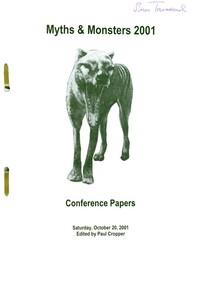
... Australian Cryptozoology (Paul Cropper) * Would the Real Orang-Utan Please Stand Up and be Counted? In search of unidentified relic hominoids in Southeast Asia (Helmut Loofs-Wissowa) * Strange Creatures on the Antipodean UFO trail (Bill Chalker) * The Bunyip (Gary Opit) * Sightings of Some Anomolous Sea Creatures (Malcolm Smith) * Investigating Cryptic Hominids (Yowies) in the Blue Mountains of New South Wales (MIchael Hallett & David McBean) * "High Strangeness" in Yowie Reports (Tony Healy) * The Mystery of the Australian Big Cat: A Brief Summary (Peter Chapple) * Quest for the Thylacine (Peter Chapple) [Australian Animal Folklore Collection]...Australian Cryptozoology (Paul Cropper) * Would the Real Orang-Utan Please Stand Up and be Counted? In search of unidentified relic hominoids in Southeast Asia (Helmut Loofs-Wissowa) * Strange Creatures on the Antipodean UFO trail (Bill Chalker) * The Bunyip (Gary Opit) * Sightings of Some Anomolous Sea Creatures (Malcolm Smith) * Investigating Cryptic Hominids (Yowies) in the Blue Mountains of New South Wales (MIchael Hallett & David McBean) * "High Strangeness" in Yowie Reports (Tony Healy) * The Mystery of the Australian Big Cat: A Brief Summary (Peter Chapple) * Quest for the Thylacine (Peter Chapple) [Australian Animal Folklore Collection] Myths & Monsters Conference Papers Documents - Reports Paul Cropper ...The Myths and Monsters conference was something of a landmark in Australian mystery animal research. It was the first cryptozoological conference held in Australia, and the first time Australia's leading researchers had been able to present their findings and meet with others working in the same field. 82 page proceedings of the Myths and Monsters Conference printed onto white paper. The following topics were presented: * A brief History of Australian Cryptozoology (Paul Cropper) * Would the Real Orang-Utan Please Stand Up and be Counted? In search of unidentified relic hominoids in Southeast Asia (Helmut Loofs-Wissowa) * Strange Creatures on the Antipodean UFO trail (Bill Chalker) * The Bunyip (Gary Opit) * Sightings of Some Anomolous Sea Creatures (Malcolm Smith) * Investigating Cryptic Hominids (Yowies) in the Blue Mountains of New South Wales (MIchael Hallett & David McBean) * "High Strangeness" in Yowie Reports (Tony Healy) * The Mystery of the Australian Big Cat: A Brief Summary (Peter Chapple) * Quest for the Thylacine (Peter Chapple) [Australian Animal Folklore Collection] Signed on cover "Simon Townsend" australian animal folklore collection, paul cropper, ruby lang, helmut loofs wissowa, bill chalker, gary opit, malcolm smith, michael hallett, david mcbean, tony healy, peter chapple, bunyip, blue montains, yowie, thylacine, big cat, puma, panther, ufo, goolma, woodenbong, narrabeen lakes, cecil mcgann, dorothy middleton, lee kelly, brown bittern, bay monster, simon moir, footprints, blue mountains cryptid, prehistoric bipedal primates, gigantopithecus, meganthropus, homo rudolfensis, homo habilis, homo erectus, homo ergaster, hominid, bigfoot, psychic phenomena, black panther, lake monster, blue labyrinth, australian rare fauna research association, marsupial lion, thylocoleo carnifex, australian big cat, tasmanian devil, sarcophilus harrisi, eric guiler, yellingbo, thylacinus cynocephalus, tantanoola tiger, rilla martin, mundrabilla, predatory animal, mythical, myth, folklore -
 The Beechworth Burke Museum
Animal specimen - Barking Owl (Female), Trustees of the Australian Museum, 1860-1880
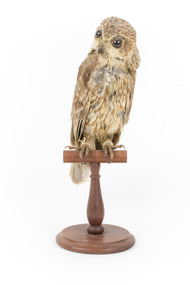
... Australia. The Barking Owl's shrill and explosive vocalisation is sometimes associated with Bunyip mythology or referred to as 'the screaming woman call'. ...Australia. The Barking Owl's shrill and explosive vocalisation is sometimes associated with Bunyip mythology or referred to as 'the screaming woman call'. ...Barking Owls are a nocturnal, medium sized bird of prey native to Australia, parts of Papua New Guinea, and the Moluccas. Average size ranges between 390-440mm in length. Females are generally slightly smaller than males and they are only one of a small number of owl species that do not exhibit marked sexual dimorphism. Barking Owls have characteristic vocalisations, ranging from a 'woof woof' barking dog sound, to shrill, human-like screams, which reportedly alarmed early European settlers to Australia. The Barking Owl's shrill and explosive vocalisation is sometimes associated with Bunyip mythology or referred to as 'the screaming woman call'. The female call is slightly higher in pitch than the male, and males and females often duet, contrasting low and high pitches. Barking Owls may be vulnerable in some parts of Australia due to woodland habitat loss. This specimen is part of a collection of almost 200 animal specimens that were originally acquired as skins from various institutions across Australia, including the Australian Museum in Sydney and the National Museum of Victoria (known as Museums Victoria since 1983), as well as individuals such as amateur anthropologist Reynell Eveleigh Johns between 1860-1880. These skins were then mounted by members of the Burke Museum Committee and put-on display in the formal space of the Museum’s original exhibition hall where they continue to be on display. This display of taxidermy mounts initially served to instruct visitors to the Burke Museum of the natural world around them, today it serves as an insight into the collecting habits of the 19th century. This specimen is part of a significant and rare taxidermy mount collection in the Burke Museum. This collection is scientifically and culturally important for reminding us of how science continues to shape our understanding of the modern world. They demonstrate a capacity to hold evidence of how Australia’s fauna history existed in the past and are potentially important for future environmental research. This collection continues to be on display in the Museum and has become a key part to interpreting the collecting habits of the 19th century. This female Barking Owl is of an average size. It has brown, grey and white spots and vertical streaks. The face and breast are lighter in colour than the wings and the dorsal plumage. The glass eyes are large and dark in colour while the tarsi and toes are yellowish. This specimen stands on a wooden perch with identification tags attached to its leg. [torn] / 16. / Winking Owl / See catalogue Page, 4 / taxidermy mount, taxidermy, animalia, burke museum, beechworth, australian museum, skin, owls, barking owls, screaming woman call, yowing, woodland birds, birds of prey, australian owls, endangered, loss of habitat, woodland habitat, bunyip, australian early settler mythology -
 The Beechworth Burke Museum
Animal specimen - Barking Owl (Male), Trustees of the Australian Museum, 1860-1880
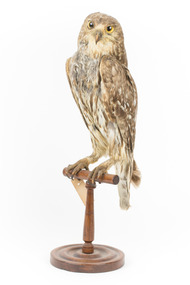
... Australia, parts of Papua New Guinea, and the Moluccas. Males are generally slightly larger by weight than females and they are only one of small number of owl species that do not exhibit marked sexual dimorphism. Barking Owls have characteristic vocalisations, ranging from 'a 'woof woof' barking dog sounds to shrill, human-like scream sounds, which reportedly alarmed early European settlers. The Barking Owl's shrill and explosive vocalisation is sometimes associated with Bunyip...This collection continues to be on display in the Museum and has become a key part to interpreting the collecting habits of the 19th century. taxidermy mount taxidermy animalia burke museum beechworth australian museum skin owls barking owls screaming woman call yowing woodland birds birds of prey australian owls endangered loss of habitat woodland habitat bunyip australian early settler mythology 17. / Bookook Owl / See catalogue page, 4 / This male Barking Owl is average sized with brown, grey and white spots and vertical chest streaks. ...The Barking Owl is a nocturnal, medium sized (390-440 mm) bird of prey native to Australia, parts of Papua New Guinea, and the Moluccas. Males are generally slightly larger by weight than females and they are only one of small number of owl species that do not exhibit marked sexual dimorphism. Barking Owls have characteristic vocalisations, ranging from 'a 'woof woof' barking dog sounds to shrill, human-like scream sounds, which reportedly alarmed early European settlers. The Barking Owl's shrill and explosive vocalisation is sometimes associated with Bunyip mythology or referred to as 'the screaming woman call'. The male call is slightly lower in pitch than the female, and males and females often duet, contrasting low and high pitches. The owls are brown-grey in colour with white spots on the wings and vertically streaked chest. Their eyes are large and yellow. Barking Owls may be vulnerable in some parts of Australia due to woodland habitat loss. This specimen is part of a collection of almost 200 animal specimens that were originally acquired as skins from various institutions across Australia, including the Australian Museum in Sydney and the National Museum of Victoria (known as Museums Victoria since 1983), as well as individuals such as amateur anthropologist Reynell Eveleigh Johns between 1860-1880. These skins were then mounted by members of the Burke Museum Committee and put-on display in the formal space of the Museum’s original exhibition hall where they continue to be on display. This display of taxidermy mounts initially served to instruct visitors to the Burke Museum of the natural world around them, today it serves as an insight into the collecting habits of the 19th century. This specimen is part of a significant and rare taxidermy mount collection in the Burke Museum. This collection is scientifically and culturally important for reminding us of how science continues to shape our understanding of the modern world. They demonstrate a capacity to hold evidence of how Australia’s fauna history existed in the past and are potentially important for future environmental research. This collection continues to be on display in the Museum and has become a key part to interpreting the collecting habits of the 19th century. This male Barking Owl is average sized with brown, grey and white spots and vertical chest streaks. The face and breast are lighter in colour than the wings and dorsal plumage. The eyes are large and dark and the legs and feet are yellowish. The eyes are large and yellow irises and the legs and feet are yellowish. The specimen stands on a wooden perch pedestal with identification tags attached to its leg. 17. / Bookook Owl / See catalogue page, 4 / taxidermy mount, taxidermy, animalia, burke museum, beechworth, australian museum, skin, owls, barking owls, screaming woman call, yowing, woodland birds, birds of prey, australian owls, endangered, loss of habitat, woodland habitat, bunyip, australian early settler mythology -
Federation University Historical Collection
Reports, Thylacines and Large Predators Sightings, 1950-2011, 1950-2011
... The folder was collected for research being conducted by David Waldron. australian mythical animals collection david waldron tiger greenwald tasmanian tiger roberts wadsworth mary wadsworth portland leo gillick merino ann matthews h. mincham footprint helena lucas cape bridgewater wilbert wilson puma paw rocklands reservoir paw cast emmaville panther mulgoa jack victory samela harris narrabri c.j. johnson wandsworth robertson edward hallstron yetman d. liddicoot f. hallam liger ben lomand ben lomand panther methvern park john hutton black mountain elvy adams joe clifford armidale australian marsupial cat glenn innes barraba manilla uralla stan wyatt ashford emaville kingston laurence miller a.t. o'farrell pad marks edward hallstrom tasmanian devil wonthaggi jim drodge cyril maurier j. wright jack brennocks marsupial wolf hyaena b.l. meeby circus animals blue mountains jack duane coff's harbour daylesford lyonville j.r. templeton otways p.w. hunt emmaville panther dingos coolatai panther wilson's promontory hambley-clark mark foster broken hill puma tarnagulla tarnagulla puma jan juc grampians tom croderick clifford andrews bunyip wedderburn john lavery mt korong rare fauna research society peter chappell denmark mt barker mike voss ernie palm southern pantgher yowie min min mongarlowe river monga state forest john reid thylacine prospect reservoir sugarloaf john higgins kyneton ravenswood bendigotom austin hamilton ron strachan samuel wilson albert austin jaguars inverell r.s. paterson ian lobsey black sal new england panther kingstown a.f. o'farrell mile creek Folder of newsclips and articles relating to "Big Cats", Thylacines, and other large predators ...The folder or correspondence is the result of a Freedom of Information request made to the Department of Sustainability and Environment in 2011. The folder was collected for research being conducted by David Waldron. Folder of newsclips and articles relating to "Big Cats", Thylacines, and other large predators. * The Argus, 04 May 1940 - 'Strange Animal a Dog' at Daylesford (Lyonville) sighted by J.R. Templeton australian mythical animals collection, david waldron, tiger, greenwald, tasmanian tiger, roberts wadsworth, mary wadsworth, portland, leo gillick, merino, ann matthews, h. mincham, footprint, helena lucas, cape bridgewater, wilbert wilson, puma paw, rocklands reservoir, paw cast, emmaville, panther, mulgoa, jack victory, samela harris, narrabri, c.j. johnson, wandsworth, robertson, edward hallstron, yetman, d. liddicoot, f. hallam, liger, ben lomand, ben lomand panther, methvern park, john hutton, black mountain, elvy adams, joe clifford, armidale, australian marsupial cat, glenn innes, barraba, manilla, uralla, stan wyatt, ashford, emaville, kingston, laurence miller, a.t. o'farrell, pad marks, edward hallstrom, tasmanian devil, wonthaggi, jim drodge, cyril maurier, j. wright, jack brennocks, marsupial wolf, hyaena, b.l. meeby, circus animals, blue mountains, jack duane, coff's harbour, daylesford, lyonville, j.r. templeton, otways, p.w. hunt, emmaville panther, dingos, coolatai panther, wilson's promontory, hambley-clark, mark foster, broken hill, puma, tarnagulla, tarnagulla puma, jan juc, grampians, tom croderick, clifford andrews, bunyip, wedderburn, john lavery, mt korong, rare fauna research society, peter chappell, denmark, mt barker, mike voss, ernie palm, southern pantgher, yowie, min min, mongarlowe river, monga state forest, john reid, thylacine, prospect reservoir, sugarloaf, john higgins, kyneton, ravenswood, bendigotom austin, hamilton, ron strachan, samuel wilson, albert austin, jaguars, inverell, r.s. paterson, ian lobsey, black sal, new england panther, kingstown, a.f. o'farrell, mile creek -
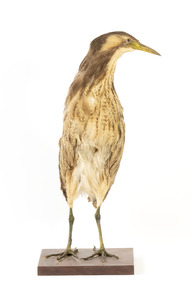 The Beechworth Burke Museum
Animal specimen - Australaisn Bittern, Trustees of the Australian Museum, 1860-1880
... Australia and Tasmania. They can be found in wetlands, swamps and among reeds. These birds are mostly brown and yellow in colour and with short legs and a stocky body. The "woomph" sound made by the Bittern late at night is thought to have been the origin of the traditional Aboriginal myth of the Bunyip. ...This collection continues to be on display in the Museum and has become a key part to interpreting the collecting habits of the 19th century. taxidermy mount taxidermy animalia burke museum beechworth australian museum skin reynell eveleigh johns bird bunyip myths australaisn bittern bittern The Australaisn Bittern is a stocky bird with mainly yellow and brown colouring. ...The Australaisn Bittern is a partly nocturnal bird who resides in costal and sub-coastal locations in south-west mainland Australia, south east Australia and Tasmania. They can be found in wetlands, swamps and among reeds. These birds are mostly brown and yellow in colour and with short legs and a stocky body. The "woomph" sound made by the Bittern late at night is thought to have been the origin of the traditional Aboriginal myth of the Bunyip. The Bunyip, like the Australasian Bittern, was believed to reside in reedy swamps. This specimen is part of a collection of almost 200 animal specimens that were originally acquired as skins from various institutions across Australia, including the Australian Museum and the National Museum of Victoria, as well as individuals such amateur anthropologist Reynell Eveleigh Johns between 1860-1880. These skins were then mounted by members of the Burke Museum Committee and put-on display in the formal space of the Museum’s original exhibition hall where they continue to be on display. This display of taxidermy mounts initially served to instruct visitors to the Burke Museum of the natural world around them, today it serves as an insight into the collecting habits of the 19th century. This specimen is part of a significant and rare taxidermy mount collection in the Burke Museum. This collection is scientifically and culturally important for reminding us of how science continues to shape our understanding of the modern world. They demonstrate a capacity to hold evidence of how Australia’s fauna history existed in the past and are potentially important for future environmental research. This collection continues to be on display in the Museum and has become a key part to interpreting the collecting habits of the 19th century. The Australaisn Bittern is a stocky bird with mainly yellow and brown colouring. This colouring makes the bird difficult to see in the dense, reedy vegetation it resides amongst in shallow freshwater wetlands. When threatened, the Australaisn Bittern will raise its bill skyward in a pose which helps it camouflage. This specimen has streaked yellow-brown feathers, a yellow bill and legs which are a yellow-green colour. It stands on a wooden platform. taxidermy mount, taxidermy, animalia, burke museum, beechworth, australian museum, skin, reynell eveleigh johns, bird, bunyip, myths, australaisn bittern, bittern -
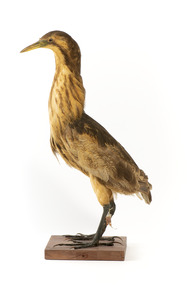 The Beechworth Burke Museum
Animal specimen - Australasian Bittern, Trustees of the Australian Museum, 1860-1880
... Australia and Tasmania. They can be found in wetlands, swamps and among reeds. These birds are mostly brown and yellow in colour and with short legs and a stocky body. The "woomph" sound made by the Bittern late at night is thought to have been the origin of the traditional Aboriginal myth of the Bunyip. ...This collection continues to be on display in the Museum and has become a key part to interpreting the collecting habits of the 19th century. taxidermy mount taxidermy animalia burke museum beechworth australian museum skin reynell eveleigh johns bird bunyip myths australaisn bittern bittern Paper tag: ...Bittern... ...The Australaisn Bittern is a partly nocturnal bird who resides in costal and sub-coastal locations in south-west mainland Australia, south east Australia and Tasmania. They can be found in wetlands, swamps and among reeds. These birds are mostly brown and yellow in colour and with short legs and a stocky body. The "woomph" sound made by the Bittern late at night is thought to have been the origin of the traditional Aboriginal myth of the Bunyip. The Bunyip, like the Australasian Bittern, was believed to reside in reedy swamps. This specimen is part of a collection of almost 200 animal specimens that were originally acquired as skins from various institutions across Australia, including the Australian Museum and the National Museum of Victoria, as well as individuals such amateur anthropologist Reynell Eveleigh Johns between 1860-1880. These skins were then mounted by members of the Burke Museum Committee and put-on display in the formal space of the Museum’s original exhibition hall where they continue to be on display. This display of taxidermy mounts initially served to instruct visitors to the Burke Museum of the natural world around them, today it serves as an insight into the collecting habits of the 19th century. This specimen is part of a significant and rare taxidermy mount collection in the Burke Museum. This collection is scientifically and culturally important for reminding us of how science continues to shape our understanding of the modern world. They demonstrate a capacity to hold evidence of how Australia’s fauna history existed in the past and are potentially important for future environmental research. This collection continues to be on display in the Museum and has become a key part to interpreting the collecting habits of the 19th century. The Australaisn Bittern is a stocky bird with mainly yellow and brown colouring. This colouring makes the bird difficult to see in the dense, reedy vegetation where it resides amongst the shallow freshwater wetlands. When threatened, the Australaisn Bittern will raise it's bill skyward in a pose which helps it to camouflage. This specimen has streaked yellow-brown feathers, a yellow bill and legs which are a yellow-green colour. It stands on a wooden platform. Paper tag: ...Bittern... [Catalogu]e, page 3... taxidermy mount, taxidermy, animalia, burke museum, beechworth, australian museum, skin, reynell eveleigh johns, bird, bunyip, myths, australaisn bittern, bittern -
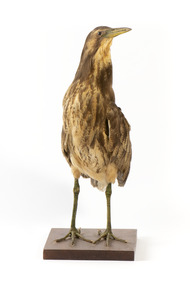 The Beechworth Burke Museum
Animal specimen - Australasian Bittern, Trustees of the Australian Museum, 1860-1880
... Australia and Tasmania. They can be found in wetlands, swamps and among reeds. These birds are mostly brown and yellow in colour and with short legs and a stocky body. The "woomph" sound made by the Bittern late at night is thought to have been the origin of the traditional Aboriginal myth of the Bunyip. ...This collection continues to be on display in the Museum and has become a key part to interpreting the collecting habits of the 19th century. taxidermy mount taxidermy animalia burke museum beechworth australian museum skin reynell eveleigh johns bird bunyip myths australaisn bittern bittern This Australaisn Bittern is a stocky bird stylised in a standing position with brown colouring. ...The Australaisn Bittern is a partly nocturnal bird who resides in costal and sub-coastal locations in south-west mainland Australia, south east Australia and Tasmania. They can be found in wetlands, swamps and among reeds. These birds are mostly brown and yellow in colour and with short legs and a stocky body. The "woomph" sound made by the Bittern late at night is thought to have been the origin of the traditional Aboriginal myth of the Bunyip. The Bunyip, like the Australasian Bittern, was believed to reside in reedy swamps. This specimen is part of a collection of almost 200 animal specimens that were originally acquired as skins from various institutions across Australia, including the Australian Museum in Sydney and the National Museum of Victoria (known as Museums Victoria since 1983), as well as individuals such as amateur anthropologist Reynell Eveleigh Johns between 1860-1880. These skins were then mounted by members of the Burke Museum Committee and put-on display in the formal space of the Museum’s original exhibition hall where they continue to be on display. This display of taxidermy mounts initially served to instruct visitors to the Burke Museum of the natural world around them, today it serves as an insight into the collecting habits of the 19th century. This specimen is part of a significant and rare taxidermy mount collection in the Burke Museum. This collection is scientifically and culturally important for reminding us of how science continues to shape our understanding of the modern world. They demonstrate a capacity to hold evidence of how Australia’s fauna history existed in the past and are potentially important for future environmental research. This collection continues to be on display in the Museum and has become a key part to interpreting the collecting habits of the 19th century. This Australaisn Bittern is a stocky bird stylised in a standing position with brown colouring. This colouring makes the bird difficult to see in the dense, reedy vegetation it resides amongst in shallow freshwater wetlands. When threatened, the Australaisn Bittern will raise its bill skyward in a pose which helps it camouflage. This specimen has streaked yellow-brown feathers, a yellow bill and legs which are a yellow-green colour. It stands on a wooden platform. taxidermy mount, taxidermy, animalia, burke museum, beechworth, australian museum, skin, reynell eveleigh johns, bird, bunyip, myths, australaisn bittern, bittern -
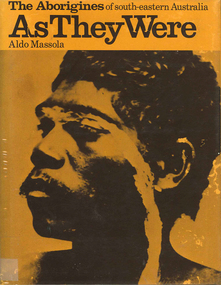 Victorian Aboriginal Corporation for Languages
Book, Aldo Massola, The Aborigines of south-eastern Australia : as they were, 1971
... Australia, leadership, government, division of labour, status of women, estimated population at white settlement, density of population (Victoria); p.28-31; Language - names &? naming, reproduces Wembawemba vocabulary, notes use of secret languages, gives 12 rules for pronounciation; p.32-53; Religion, spirit beliefs, totemism, moieties, phratries, marriage rules; mythology, gives eaglehawk &? crow myth from Lake Victoria &? other myths illustrating origins of fire &? natural rock formations, mythical beasts (Bunyip...Australia, leadership, government, division of labour, status of women, estimated population at white settlement, density of population (Victoria); p.28-31; Language - names &? naming, reproduces Wembawemba vocabulary, notes use of secret languages, gives 12 rules for pronounciation; p.32-53; Religion, spirit beliefs, totemism, moieties, phratries, marriage rules; mythology, gives eaglehawk &? crow myth from Lake Victoria &? other myths illustrating origins of fire &? natural rock formations, mythical beasts (Bunyip ...Contents: p.1-3; Origins, arrival in Australia; p.4-9; How they lived - camp sites, dating (including carbon dating); p.10-27; Physical appearance, skin colour, hair, clothing, body ornaments, cicatrization; exchange system, distribution of food, marriage &? sexual relations; the tribe - structure, relationship to land, territory, gives map showing locations of tribes, New South Wales, Victoria &? eastern South Australia, leadership, government, division of labour, status of women, estimated population at white settlement, density of population (Victoria); p.28-31; Language - names &? naming, reproduces Wembawemba vocabulary, notes use of secret languages, gives 12 rules for pronounciation; p.32-53; Religion, spirit beliefs, totemism, moieties, phratries, marriage rules; mythology, gives eaglehawk &? crow myth from Lake Victoria &? other myths illustrating origins of fire &? natural rock formations, mythical beasts (Bunyip, Mindie), stellar beliefs; magic, medicine men, powers, native remedies for sickness, describes ceremony held in Melbourne, 1847 to avert evil, sorcery, pointing bone, love magic, rain makers; messengers, appearance, etiquette, message sticks; p.54-71; Rock art, motifs, colours, decorative art, engraving of utensils, rock engravings, manufacture &? use of pigments, engraving techniques; trade system, objects bartered, meeting places for trade (Victoria), map shows possible routes (south east Australia); corroborees, purpose, body ornaments &? decorations, musical instruments; p.72-93; Ceremonial life, marriage, punishment for infidelity, birth, childhood, games &? amusements, initiation, etiquette of visiting tribes, details of ceremony, womens role, earth figures &? ground designs, bull roarers, female puberty ceremonies; p.94-133; Shelters, fire making, cooking, construction of canoes, wooden implements, use of reeds, animal skins &? sinews, shells; stone tools, cylindro conical stones, scrapers, knives &? microliths; hunting weapons, spear, other methods pits, nets; fishing methods &? spears, traps; food sharing, womens responsibilities for collecting, digging stick, cooking methods, insect foods, plant foods, water resources; manufacture &? use of spears, spear throwers, shields, clubs, boomerangs; inter- &? intratribal fighting; p.134-147; Death, disposal of body - eating of the dead, burial, cremation, platform exposure, dendroglyphs (N.S.W.), Aboriginal burial grounds (Darling &? Murray Rivers), mourning, widowhood, kopi caps (N.S.W.), causes of death, inquest ceremonies, revenge expedition, after death beliefs; p.148-157; The end of the tribes white settlement &? its impact on Aboriginal life, friction between natives &? settlers, establishment of Protectorates; copiously illustrated throughout. maps, b&w illustrations, b&w photographs wemba wemba, murray river, darling river, lake victoria -
 Uniting Church Archives - Synod of Victoria
BW photo, Undated
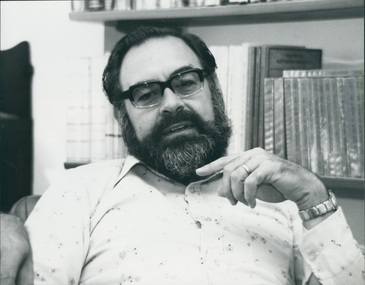
... Honoured in Australia and internationally as a brilliant theologian, teacher and author, Athol is also remembered for his love of sport, especially for the Carlton Football Club, his unique sense of humour and his warm humanity. He died suddenly on 9th March 1992. Dr Athol Gill; House of the Gentle Bunyip ...Athol Gill was born in Wauchope, NSW, on 5th September 1937. On 25th April 1959 he married Judith Prior. In 1960 he enrolled to become a Baptist minister studying at the Baptist Theological College of NSW. A strong call to higher studies took him to London where he obtained his BD (Hons) and later to Zurich where he attained his Masters and a Doctorate of Theology. Athol lectured in Biblical Studies in both Baptist and Methodist Theological Colleges in Brisbane, moved to Melbourne in 1974 to become Dean of Whitley College, then in 1979 was appointed Professor of New Testament where he continued until his death. He was widely respected for his academic work but also for his remarkable commitment to living the faith he taught. Athol lived, with his family, in Christian Community for nearly all his adult life - in Brisbane at the House of Freedom, and for his last seventeen years as founding leader of the House of the Gentle Bunyip linked with the Clifton Hill Baptist Church, which later became known as the Community Church of St Mark. The House of the Gentle Bunyip came into being in 1975 during the Anzac Day weekend when Athol was teaching on "Discipleship" from the Gospel of St Mark. He announced he was commencing a Christian community to explore and expound the meaning of discipleship. 35 people, mainly young and single, agreed to join him. Athol was a provocative advocate for the poor and for social justice. He campaigned relentlessly for the Church to reflect the teachings of Jesus and for a peaceful and just society. This was evident in his simple lifestyle and through his practical engagement in mission with the poor and marginalised. Honoured in Australia and internationally as a brilliant theologian, teacher and author, Athol is also remembered for his love of sport, especially for the Carlton Football Club, his unique sense of humour and his warm humanity. He died suddenly on 9th March 1992. Head and shoulders of Athol Gill seated in front of bookcase Dr Athol Gill says that the Christians in Yugoslavia are not hoping for a change to Western democracy, but greater human rights under a Communist government. dr athol gill; house of the gentle bunyip -
Koorie Heritage Trust
Book, Briggs-Pattison, Sue et al, The Barmah bunyip, 1998
... Australian -- Juvenile literature. | Readers (Primary) | Reading (Primary) The story in this book was based on the lifestyle of the Yorta Yorta people of the Murray River, near Barmah. ... [It] gives an insight into the lifestyles and experiences of the Koorie children who grew up in this area. llustrated by Karen Briggs [15] p. : col. ill. ; 18 cm. + 2 sheets. The Barmah bunyip ...The story in this book was based on the lifestyle of the Yorta Yorta people of the Murray River, near Barmah. ... [It] gives an insight into the lifestyles and experiences of the Koorie children who grew up in this area. llustrated by Karen Briggs[15] p. : col. ill. ; 18 cm. + 2 sheets. The story in this book was based on the lifestyle of the Yorta Yorta people of the Murray River, near Barmah. ... [It] gives an insight into the lifestyles and experiences of the Koorie children who grew up in this area. llustrated by Karen Briggs children, aboriginal australian -- juvenile literature. | readers (primary) | reading (primary) -
 Narre Warren and District Family History Group
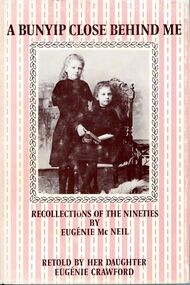
Book, Eugenie McNeil, A bunyip close behind me : recollections of the nineties
... Life in Australia during the Victorian era. 100 p.; 22 cm A bunyip close behind me : recollections of the nineties Book Eugenie McNeil The Hawthorn Press Pty Ltd ...Recollections of the nineties. Life in Australia during the Victorian era.100 p.; 22 cm non-fiction Recollections of the nineties. Life in Australia during the Victorian era. eugenie mcneil, eugenie crawford, leopold hippolyte delarue, syndney australia -
Emerald Museum & Nobelius Heritage Park
Map - Map Photocopies, McCarthy, M.J. et al, 1/07/1986 12:00:00 AM
... Drawn up by the Light Railway Research Society of Australia for purposes of education. showing the sawmills and timber-transporting tramways from Gembrook to Bunyip and Beenak...Drawn up by the Light Railway Research Society of Australia for purposes of education. showing the sawmills and timber-transporting tramways from Gembrook to Bunyip and Beenak Gembrook Victoria Australia timber industry transport maps Light Railway Research Society of Australia Photocopies of a map of Gembrook-Tonimbuk sawmills and tramways, mounted on cardboard. ...Drawn up by the Light Railway Research Society of Australia for purposes of education. showing the sawmills and timber-transporting tramways from Gembrook to Bunyip and Beenak Photocopies of a map of Gembrook-Tonimbuk sawmills and tramways, mounted on cardboard. gembrook victoria australia, timber industry, transport, maps, light railway research society of australia -
 Emerald Museum & Nobelius Heritage Park
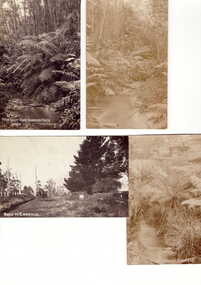
Postcard - Road to and Views of Emerald', Circa 1920's
... Beaconsfield, Officer, Pakenham Upper, Pakenham, Cockatoo, Gembrook, Nar Nar Goon North, Tynong, Garfield and Bunyip Emerald Victoria Australia tourism postcards Avonsleigh House Nobelius Family Postcard to Dr and Mrs Robertson - from ? ...A4 soft cover history (third of three books) in pictures of towns along Princes Highway. Beaconsfield, Officer, Pakenham Upper, Pakenham, Cockatoo, Gembrook, Nar Nar Goon North, Tynong, Garfield and Bunyip 2 Black & white & 2 Sepia postcards unmounted of a. Horse and cart being driven along dirt road in 1907. b. c.and d. various views of small creek with overhanging ferns. Postcard to Dr and Mrs Robertson - from ? Nobelius. Undated. No post date. Fern Gully near Avonsleigh House. Emerald. Fern Gully Emerald. Road to Emerald. 1907. emerald, victoria, australia, tourism, postcards, avonsleigh house, nobelius family -
 Federation University Art Collection
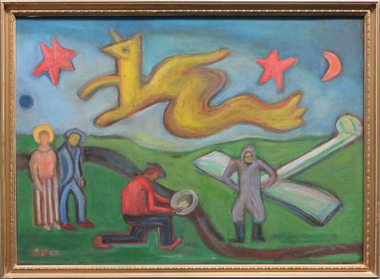
Painting, Bernard Boles, 'Valley of the Hippogriffen' by Bernard Boles, c1938
... Australian Surrealist work. Artist's Comment: "The landscape of the Valley is in between Ballarat and Geelong, the pranged aeroplane came from Geelong, the prospector and the strolling couple are surreal props to the scene, and the poetic hippogriffen serves as a bunyip which coul dbe a local connotation of apprehension od bush loneliness. ...The Art Collection features over 1000 works and was listed as a 'Ballarat Treasure' in 2007. art artwork bernard boles australian surrealism Bunyip Framed Australian Surrealist work. ..."The landscape of the Valley is in between Ballarat and Geelong, the pranged aeroplane came from Geelong, the prospector and the strolling couple are surreal props to the scene, and the poetic hippogriffen serves as a bunyip which could be a local connotation of apprehension od bush loneliness. Bernard BOLES (1912-2001)<br> Born Benalla, Victoria<br><br> Bernard Boles studied at Melbourne Technical College and in London. He was known as critic, writer, sculptor and painter. His works were influences by Cubism and Surrealism. Boles exhibited widely in London and on his return to Australia in 1964. <br><br> "Boles drew on the biomorphic marine imagery typical of Surrealism all around the world, as seen for example in the work of Wadsworth and Yves Tanguy. In 1949 Boles, having been rejected from the Victorian Artists’ Society, would tie two pictures to the fence outside the show and spend the ensuing two weeks sharing his views on art with passersby." ('Surrealism and Australia: towards a world history of Surrealism' by Rex Butler and A.D.S. Donaldson)<br><br> This item is part of the Federation University Art Collection. The Art Collection features over 1000 works and was listed as a 'Ballarat Treasure' in 2007. Australian Surrealism Framed Australian Surrealist work. Artist's Comment: "The landscape of the Valley is in between Ballarat and Geelong, the pranged aeroplane came from Geelong, the prospector and the strolling couple are surreal props to the scene, and the poetic hippogriffen serves as a bunyip which coul dbe a local connotation of apprehension od bush loneliness. Gift of Lyndsay Boles. art, artwork, bernard boles, australian surrealism, bunyip -
Emerald Museum & Nobelius Heritage Park
Booklet - History booklet, Berwick-Pakenham Historical Society, North of the Line, 1996
... Beaconsfield, Officer, Pakenham Upper, Pakenham, Cockatoo, Gembrook, Nar Nar Goon North, Tynong, Garfield and Bunyip Emerald Victoria Australia genealogy families Berwick Pakenham GVA CVA Farming Agriculture Sawmills gembrook cockatoo Berwick A4 pictorial history, complied by Berwick-Pakenham Historical Society- "North of the Line" North of the Line Booklet History booklet Berwick-Pakenham Historical Society ...A4 soft cover history (third of three books) in pictures of towns along Princes Highway. Beaconsfield, Officer, Pakenham Upper, Pakenham, Cockatoo, Gembrook, Nar Nar Goon North, Tynong, Garfield and Bunyip A4 pictorial history, complied by Berwick-Pakenham Historical Society- "North of the Line" emerald, victoria, australia, genealogy, families, berwick, pakenham, gva, cva, farming, agriculture, sawmills, gembrook, cockatoo, berwick
