
Showing 72 items matching "brain family"
-
 Whitehorse Historical Society Inc.
Document, Brain Family, 2001
... Brain Family...Brain Family...Documents relating to the family history of the Brain family of Blackburn. Includes register reports, photos, certificates and articles....Includes register reports, photos, certificates and articles. Brain Family Brain Reginald N Brain George Brain Donald Nielson Moore Family Foster Family Harrison Family Documents relating to the family history of the Brain family of Blackburn. ...Documents relating to the family history of the Brain family of Blackburn.Documents relating to the family history of the Brain family of Blackburn. Includes register reports, photos, certificates and articles.Documents relating to the family history of the Brain family of Blackburn. brain family, brain, reginald n, brain, george, brain, donald nielson, moore family, foster family, harrison family -
Ringwood and District Historical Society
Envelope, Packet: Brain Family biographical notes
... Packet: Brain Family biographical notes...Biographical; Brain Family; History from Des Lindsay. +Additional Keywords: Brain Family / Lindsay, Des....Biographical; Brain Family; History from Des Lindsay. +Additional Keywords: Brain Family / Lindsay, Des. ...Biographical; Brain Family; History from Des Lindsay. +Additional Keywords: Brain Family / Lindsay, Des. -
 Whitehorse Historical Society Inc.
Document, Memories, n.d
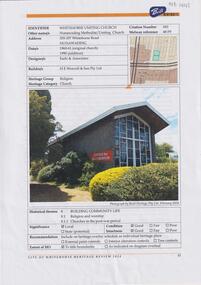
... ...Mackechnie Family...Brain... Galacher Family Nunawading Uniting Church Mackechnie Family Brain Niel Brain Heather Fenwick Freda May Curwood Nance Dixon Eric Whitehorse Heritage Review Memories of the early Nunawading Uniting Church written by Niel Brain and an extract from a draft copy of the City of Whitehorse Heritage Review 2024 Extract from 'The Parishioner', Nunawading Uniting Church written by Niel Brain, donated by Heather Brain plus a draft copy of the City of Whitehorse Heritage Review pages 67 - 72 which lists the Nunawading Methodist/Uniting Church. 9 pages Memories Document Document City of Whitehorse ...Memories of the early Nunawading Uniting Church written by Niel Brain and an extract from a draft copy of the City of Whitehorse Heritage Review 2024Extract from 'The Parishioner', Nunawading Uniting Church written by Niel Brain, donated by Heather Brain plus a draft copy of the City of Whitehorse Heritage Review pages 67 - 72 which lists the Nunawading Methodist/Uniting Church. 9 pagesnon-fictionMemories of the early Nunawading Uniting Church written by Niel Brain and an extract from a draft copy of the City of Whitehorse Heritage Review 2024social history, emonson family, galacher family, nunawading uniting church, mackechnie family, brain niel, brain heather, fenwick freda may, curwood nance, dixon eric, whitehorse heritage review -
 Flagstaff Hill Maritime Museum and Village
Book - Reference/Colonial Government Notification Gazette, Robert Smith Brain, The Victoria Government Gazette 1897 Vol 2 /102, 1897
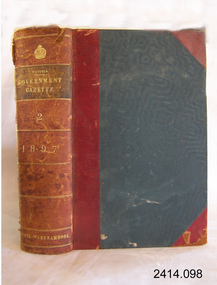
... These government gazettes are a unique, useful and extremely fascinating resource for local, family and social historians and researchers in other fields, since they contain information of great use in establishing an image of Australia and its people in the past, covering land transactions, legal notices, proclamations, insolvency and bankruptcy notices, impoundments, private advertisements, patent and trademark applications, partnerships, licences, mining contracts, government positions, statistics, and a lot more. Robert S. Brain...These government gazettes are a unique, useful and extremely fascinating resource for local, family and social historians and researchers in other fields, since they contain information of great use in establishing an image of Australia and its people in the past, covering land transactions, legal notices, proclamations, insolvency and bankruptcy notices, impoundments, private advertisements, patent and trademark applications, partnerships, licences, mining contracts, government positions, statistics, and a lot more. Robert S. Brain ...The Victoria Government Gazette and other government documents from 1887 were printed and published by Robert S. Brain, Government Printer, Melbourne. Brain held the position of Victorian Government Printer through the 1890s and into the early 1900s. The same imprint appears on other official Victorian publications from that era, such as the annual reports of the Board for the Protection of the Aborigines and the colony's Statistical Register. There wasn't really an editor in the modern sense the Gazette was compiled and issued under the authority of the colonial government, via the Chief Secretary's Department, with Brain's printing office producing and publishing it.Hard cover book. The Victorian Government Gazette 1897 Vol 2 /102 Printer: Robert Smith, Brain Publisher: Robert Smith, Brain Publisher: Authority of The Colonial Government Date: 1897 Further Information: Textured hard cover bound book leather burgundy colour spine with gilt lettering, covers embossed blue cloth & reinforced corners to front and back cover. non-fictionThe Victoria Government Gazette and other government documents from 1887 were printed and published by Robert S. Brain, Government Printer, Melbourne. Brain held the position of Victorian Government Printer through the 1890s and into the early 1900s. The same imprint appears on other official Victorian publications from that era, such as the annual reports of the Board for the Protection of the Aborigines and the colony's Statistical Register. There wasn't really an editor in the modern sense the Gazette was compiled and issued under the authority of the colonial government, via the Chief Secretary's Department, with Brain's printing office producing and publishing it.flagstaff hill, warrnambool, shipwrecked-coast, flagstaff-hill, flagstaff-hill-maritime-museum, maritime-museum, shipwreck-coast, flagstaff-hill-maritime-village, book, the victoria government gazette 1897, the victoria government gazette 1897 2 vol 102, the victoria government gazette -
 Flagstaff Hill Maritime Museum and Village
Book - Reference/Colonial Government Notification Gazette, Robert Smith Brain, The Victoria Government Gazette 1904 Vol 3 /124, 1904
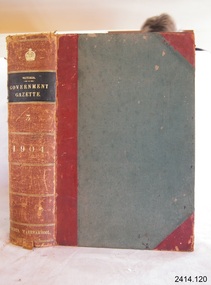
... These government gazettes are a unique, useful and extremely fascinating resource for local, family and social historians and researchers in other fields, since they contain information of great use in establishing an image of Australia and its people in the past, covering land transactions, legal notices, proclamations, insolvency and bankruptcy notices, impoundments, private advertisements, patent and trademark applications, partnerships, licences, mining contracts, government positions, statistics, and a lot more. Robert S. Brain...These government gazettes are a unique, useful and extremely fascinating resource for local, family and social historians and researchers in other fields, since they contain information of great use in establishing an image of Australia and its people in the past, covering land transactions, legal notices, proclamations, insolvency and bankruptcy notices, impoundments, private advertisements, patent and trademark applications, partnerships, licences, mining contracts, government positions, statistics, and a lot more. Robert S. Brain ...The Victoria Government Gazette and other government documents from 1887 were printed and published by Robert S. Brain, Government Printer, Melbourne. Brain held the position of Victorian Government Printer through the 1890s and into the early 1900s. The same imprint appears on other official Victorian publications from that era, such as the annual reports of the Board for the Protection of the Aborigines and the colony's Statistical Register. There wasn't really an editor in the modern sense the Gazette was compiled and issued under the authority of the colonial government, via the Chief Secretary's Department, with Brain's printing office producing and publishing it.Hard cover book. The Victorian Government Gazette 1904Vol 3 /124 Printer: Robert Smith, Brain Publisher: Robert Smith, Brain Publisher: Authority of The Colonial Government Date: 1904 Further Information: Textured hard cover bound book leather burgundy colour spine with gilt lettering, covers embossed blue cloth & reinforced corners to front and back cover. non-fictionThe Victoria Government Gazette and other government documents from 1887 were printed and published by Robert S. Brain, Government Printer, Melbourne. Brain held the position of Victorian Government Printer through the 1890s and into the early 1900s. The same imprint appears on other official Victorian publications from that era, such as the annual reports of the Board for the Protection of the Aborigines and the colony's Statistical Register. There wasn't really an editor in the modern sense the Gazette was compiled and issued under the authority of the colonial government, via the Chief Secretary's Department, with Brain's printing office producing and publishing it.flagstaff hill, warrnambool, shipwrecked-coast, flagstaff-hill, flagstaff-hill-maritime-museum, maritime-museum, shipwreck-coast, flagstaff-hill-maritime-village, book, the victoria government gazette 1897, the victoria government gazette 1897 2 vol 102, the victoria government gazette -
 Flagstaff Hill Maritime Museum and Village
Book - Reference/Colonial Government Notification Gazette, Robert Smith Brain, The Victoria Government Gazette 1905 Vol 3 /127, 1905
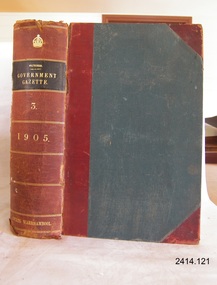
... These government gazettes are a unique, useful and extremely fascinating resource for local, family and social historians and researchers in other fields, since they contain information of great use in establishing an image of Australia and its people in the past, covering land transactions, legal notices, proclamations, insolvency and bankruptcy notices, impoundments, private advertisements, patent and trademark applications, partnerships, licences, mining contracts, government positions, statistics, and a lot more. Robert S. Brain...These government gazettes are a unique, useful and extremely fascinating resource for local, family and social historians and researchers in other fields, since they contain information of great use in establishing an image of Australia and its people in the past, covering land transactions, legal notices, proclamations, insolvency and bankruptcy notices, impoundments, private advertisements, patent and trademark applications, partnerships, licences, mining contracts, government positions, statistics, and a lot more. Robert S. Brain ...The Victoria Government Gazette and other government documents from 1887 were printed and published by Robert S. Brain, Government Printer, Melbourne. Brain held the position of Victorian Government Printer through the 1890s and into the early 1900s. The same imprint appears on other official Victorian publications from that era, such as the annual reports of the Board for the Protection of the Aborigines and the colony's Statistical Register. There wasn't really an editor in the modern sense the Gazette was compiled and issued under the authority of the colonial government, via the Chief Secretary's Department, with Brain's printing office producing and publishing it.Hard cover book. The Victorian Government Gazette 1905 Vol 3 /127 Printer: Robert Smith, Brain Publisher: Robert Smith, Brain Publisher: Authority of The Colonial Government Date: 1905 Further Information: Textured hard cover bound book leather burgundy colour spine with gilt lettering, covers embossed blue cloth & reinforced corners to front and back cover. non-fictionThe Victoria Government Gazette and other government documents from 1887 were printed and published by Robert S. Brain, Government Printer, Melbourne. Brain held the position of Victorian Government Printer through the 1890s and into the early 1900s. The same imprint appears on other official Victorian publications from that era, such as the annual reports of the Board for the Protection of the Aborigines and the colony's Statistical Register. There wasn't really an editor in the modern sense the Gazette was compiled and issued under the authority of the colonial government, via the Chief Secretary's Department, with Brain's printing office producing and publishing it.flagstaff hill, warrnambool, shipwrecked-coast, flagstaff-hill, flagstaff-hill-maritime-museum, maritime-museum, shipwreck-coast, flagstaff-hill-maritime-village, book, the victoria government gazette 1897, the victoria government gazette 1897 2 vol 102, the victoria government gazette -
 Flagstaff Hill Maritime Museum and Village
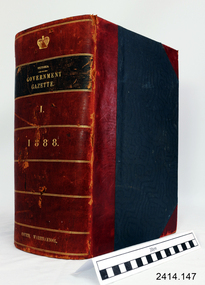
Book - Reference/Colonial Government Notification Gazette, Robert Smith Brain, The Victoria Government Gazette 1888 Vol 1 /75, 1888
... These government gazettes are a unique, useful and extremely fascinating resource for local, family and social historians and researchers in other fields, since they contain information of great use in establishing an image of Australia and its people in the past, covering land transactions, legal notices, proclamations, insolvency and bankruptcy notices, impoundments, private advertisements, patent and trademark applications, partnerships, licences, mining contracts, government positions, statistics, and a lot more. Robert S. Brain...These government gazettes are a unique, useful and extremely fascinating resource for local, family and social historians and researchers in other fields, since they contain information of great use in establishing an image of Australia and its people in the past, covering land transactions, legal notices, proclamations, insolvency and bankruptcy notices, impoundments, private advertisements, patent and trademark applications, partnerships, licences, mining contracts, government positions, statistics, and a lot more. Robert S. Brain ...The Victoria Government Gazette and other government documents from 1887 were printed and published by Robert S. Brain, Government Printer, Melbourne. Brain held the position of Victorian Government Printer through the 1890s and into the early 1900s. The same imprint appears on other official Victorian publications from that era, such as the annual reports of the Board for the Protection of the Aborigines and the colony's Statistical Register. There wasn't really an editor in the modern sense the Gazette was compiled and issued under the authority of the colonial government, via the Chief Secretary's Department, with Brain's printing office producing and publishing it.Hard cover book. The Victorian Government Gazette 1888 Vol 1 /75 Printer: Robert Smith, Brain Publisher: Robert Smith, Brain Publisher: Authority of The Colonial Government Date: 1888 Further Information: Textured hard cover bound book leather burgundy colour spine with gilt lettering, covers embossed blue cloth & reinforced corners to front and back cover. non-fictionThe Victoria Government Gazette and other government documents from 1887 were printed and published by Robert S. Brain, Government Printer, Melbourne. Brain held the position of Victorian Government Printer through the 1890s and into the early 1900s. The same imprint appears on other official Victorian publications from that era, such as the annual reports of the Board for the Protection of the Aborigines and the colony's Statistical Register. There wasn't really an editor in the modern sense the Gazette was compiled and issued under the authority of the colonial government, via the Chief Secretary's Department, with Brain's printing office producing and publishing it.flagstaff hill, warrnambool, shipwrecked-coast, flagstaff-hill, flagstaff-hill-maritime-museum, maritime-museum, shipwreck-coast, flagstaff-hill-maritime-village, book, the victoria government gazette 1897, the victoria government gazette 1897 2 vol 102, the victoria government gazette -
 Flagstaff Hill Maritime Museum and Village
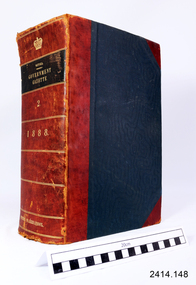
Book - Reference/Colonial Government Notification Gazette, Robert Smith Brain, The Victoria Government Gazette 1888 Vol 2 /76, 1888
... These government gazettes are a unique, useful and extremely fascinating resource for local, family and social historians and researchers in other fields, since they contain information of great use in establishing an image of Australia and its people in the past, covering land transactions, legal notices, proclamations, insolvency and bankruptcy notices, impoundments, private advertisements, patent and trademark applications, partnerships, licences, mining contracts, government positions, statistics, and a lot more. Robert S. Brain...These government gazettes are a unique, useful and extremely fascinating resource for local, family and social historians and researchers in other fields, since they contain information of great use in establishing an image of Australia and its people in the past, covering land transactions, legal notices, proclamations, insolvency and bankruptcy notices, impoundments, private advertisements, patent and trademark applications, partnerships, licences, mining contracts, government positions, statistics, and a lot more. Robert S. Brain ...The Victoria Government Gazette and other government documents from 1887 were printed and published by Robert S. Brain, Government Printer, Melbourne. Brain held the position of Victorian Government Printer through the 1890s and into the early 1900s. The same imprint appears on other official Victorian publications from that era, such as the annual reports of the Board for the Protection of the Aborigines and the colony's Statistical Register. There wasn't really an editor in the modern sense the Gazette was compiled and issued under the authority of the colonial government, via the Chief Secretary's Department, with Brain's printing office producing and publishing it.Hard cover book. The Victorian Government Gazette 1888 Vol 2 /76 Printer: Robert Smith, Brain Publisher: Robert Smith, Brain Publisher: Authority of The Colonial Government Date: 1888 Further Information: Textured hard cover bound book leather burgundy colour spine with gilt lettering, covers embossed blue cloth & reinforced corners to front and back cover. non-fictionThe Victoria Government Gazette and other government documents from 1887 were printed and published by Robert S. Brain, Government Printer, Melbourne. Brain held the position of Victorian Government Printer through the 1890s and into the early 1900s. The same imprint appears on other official Victorian publications from that era, such as the annual reports of the Board for the Protection of the Aborigines and the colony's Statistical Register. There wasn't really an editor in the modern sense the Gazette was compiled and issued under the authority of the colonial government, via the Chief Secretary's Department, with Brain's printing office producing and publishing it.flagstaff hill, warrnambool, shipwrecked-coast, flagstaff-hill, flagstaff-hill-maritime-museum, maritime-museum, shipwreck-coast, flagstaff-hill-maritime-village, book, the victoria government gazette 1897, the victoria government gazette 1897 2 vol 102, the victoria government gazette -
 Flagstaff Hill Maritime Museum and Village
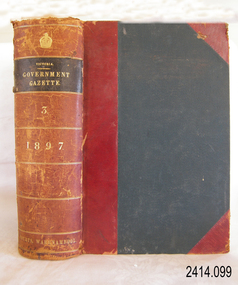
Book - Reference/Colonial Government Notification Gazette, Robert Smith Brain, The Victoria Government Gazette 1897 Vol 3 /103, 1897
... These government gazettes are a unique, useful and extremely fascinating resource for local, family and social historians and researchers in other fields, since they contain information of great use in establishing an image of Australia and its people in the past, covering land transactions, legal notices, proclamations, insolvency and bankruptcy notices, impoundments, private advertisements, patent and trademark applications, partnerships, licences, mining contracts, government positions, statistics, and a lot more. Robert S. Brain...These government gazettes are a unique, useful and extremely fascinating resource for local, family and social historians and researchers in other fields, since they contain information of great use in establishing an image of Australia and its people in the past, covering land transactions, legal notices, proclamations, insolvency and bankruptcy notices, impoundments, private advertisements, patent and trademark applications, partnerships, licences, mining contracts, government positions, statistics, and a lot more. Robert S. Brain ...The Victoria Government Gazette and other government documents from 1887 were printed and published by Robert S. Brain, Government Printer, Melbourne. Brain held the position of Victorian Government Printer through the 1890s and into the early 1900s. The same imprint appears on other official Victorian publications from that era, such as the annual reports of the Board for the Protection of the Aborigines and the colony's Statistical Register. There wasn't really an editor in the modern sense the Gazette was compiled and issued under the authority of the colonial government, via the Chief Secretary's Department, with Brain's printing office producing and publishing it.Hard cover book. The Victorian Government Gazette 1897 Vol 3 /103 Printer: Robert Smith, Brain Publisher: Robert Smith, Brain Publisher: Authority of The Colonial Government Date: 1897 Further Information: Textured hard cover bound book leather burgundy colour spine with gilt lettering, covers embossed blue cloth & reinforced corners to front and back cover. non-fictionThe Victoria Government Gazette and other government documents from 1887 were printed and published by Robert S. Brain, Government Printer, Melbourne. Brain held the position of Victorian Government Printer through the 1890s and into the early 1900s. The same imprint appears on other official Victorian publications from that era, such as the annual reports of the Board for the Protection of the Aborigines and the colony's Statistical Register. There wasn't really an editor in the modern sense the Gazette was compiled and issued under the authority of the colonial government, via the Chief Secretary's Department, with Brain's printing office producing and publishing it.flagstaff hill, warrnambool, shipwrecked-coast, flagstaff-hill, flagstaff-hill-maritime-museum, maritime-museum, shipwreck-coast, flagstaff-hill-maritime-village, book, the victoria government gazette 1897, the victoria government gazette 1897 2 vol 102, the victoria government gazette -
 Flagstaff Hill Maritime Museum and Village
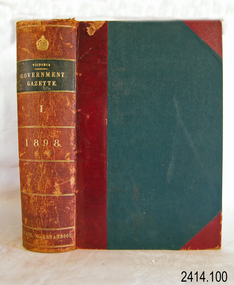
Book - Reference/Colonial Government Notification Gazette, Robert Smith Brain, The Victoria Government Gazette 1898 Vol 1 /104, 1898
... These government gazettes are a unique, useful and extremely fascinating resource for local, family and social historians and researchers in other fields, since they contain information of great use in establishing an image of Australia and its people in the past, covering land transactions, legal notices, proclamations, insolvency and bankruptcy notices, impoundments, private advertisements, patent and trademark applications, partnerships, licences, mining contracts, government positions, statistics, and a lot more. Robert S. Brain...These government gazettes are a unique, useful and extremely fascinating resource for local, family and social historians and researchers in other fields, since they contain information of great use in establishing an image of Australia and its people in the past, covering land transactions, legal notices, proclamations, insolvency and bankruptcy notices, impoundments, private advertisements, patent and trademark applications, partnerships, licences, mining contracts, government positions, statistics, and a lot more. Robert S. Brain ...The Victoria Government Gazette and other government documents from 1887 were printed and published by Robert S. Brain, Government Printer, Melbourne. Brain held the position of Victorian Government Printer through the 1890s and into the early 1900s. The same imprint appears on other official Victorian publications from that era, such as the annual reports of the Board for the Protection of the Aborigines and the colony's Statistical Register. There wasn't really an editor in the modern sense the Gazette was compiled and issued under the authority of the colonial government, via the Chief Secretary's Department, with Brain's printing office producing and publishing it.Hard cover book. The Victorian Government Gazette 1898 Vol 1/104 Printer: Robert Smith, Brain Publisher: Robert Smith, Brain Publisher: Authority of The Colonial Government Date: 1898 Further Information: Textured hard cover bound book leather burgundy colour spine with gilt lettering, covers embossed blue cloth & reinforced corners to front and back cover. non-fictionThe Victoria Government Gazette and other government documents from 1887 were printed and published by Robert S. Brain, Government Printer, Melbourne. Brain held the position of Victorian Government Printer through the 1890s and into the early 1900s. The same imprint appears on other official Victorian publications from that era, such as the annual reports of the Board for the Protection of the Aborigines and the colony's Statistical Register. There wasn't really an editor in the modern sense the Gazette was compiled and issued under the authority of the colonial government, via the Chief Secretary's Department, with Brain's printing office producing and publishing it.flagstaff hill, warrnambool, shipwrecked-coast, flagstaff-hill, flagstaff-hill-maritime-museum, maritime-museum, shipwreck-coast, flagstaff-hill-maritime-village, book, the victoria government gazette 1897, the victoria government gazette 1897 2 vol 102, the victoria government gazette -
 Flagstaff Hill Maritime Museum and Village
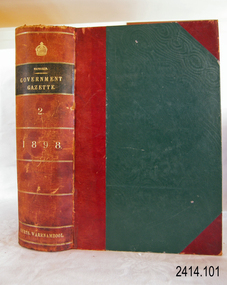
Book - Reference/Colonial Government Notification Gazette, Robert Smith Brain, The Victoria Government Gazette 1898 Vol 2/105, 1898
... These government gazettes are a unique, useful and extremely fascinating resource for local, family and social historians and researchers in other fields, since they contain information of great use in establishing an image of Australia and its people in the past, covering land transactions, legal notices, proclamations, insolvency and bankruptcy notices, impoundments, private advertisements, patent and trademark applications, partnerships, licences, mining contracts, government positions, statistics, and a lot more. Robert S. Brain...These government gazettes are a unique, useful and extremely fascinating resource for local, family and social historians and researchers in other fields, since they contain information of great use in establishing an image of Australia and its people in the past, covering land transactions, legal notices, proclamations, insolvency and bankruptcy notices, impoundments, private advertisements, patent and trademark applications, partnerships, licences, mining contracts, government positions, statistics, and a lot more. Robert S. Brain ...The Victoria Government Gazette and other government documents from 1887 were printed and published by Robert S. Brain, Government Printer, Melbourne. Brain held the position of Victorian Government Printer through the 1890s and into the early 1900s. The same imprint appears on other official Victorian publications from that era, such as the annual reports of the Board for the Protection of the Aborigines and the colony's Statistical Register. There wasn't really an editor in the modern sense the Gazette was compiled and issued under the authority of the colonial government, via the Chief Secretary's Department, with Brain's printing office producing and publishing it.Hard cover book. The Victorian Government Gazette 1898 Vol 2/105 Printer: Robert Smith, Brain Publisher: Robert Smith, Brain Publisher: Authority of The Colonial Government Date: 1898 Further Information: Textured hard cover bound book leather burgundy colour spine with gilt lettering, covers embossed blue cloth & reinforced corners to front and back cover. non-fictionThe Victoria Government Gazette and other government documents from 1887 were printed and published by Robert S. Brain, Government Printer, Melbourne. Brain held the position of Victorian Government Printer through the 1890s and into the early 1900s. The same imprint appears on other official Victorian publications from that era, such as the annual reports of the Board for the Protection of the Aborigines and the colony's Statistical Register. There wasn't really an editor in the modern sense the Gazette was compiled and issued under the authority of the colonial government, via the Chief Secretary's Department, with Brain's printing office producing and publishing it.flagstaff hill, warrnambool, shipwrecked-coast, flagstaff-hill, flagstaff-hill-maritime-museum, maritime-museum, shipwreck-coast, flagstaff-hill-maritime-village, book, the victoria government gazette 1897, the victoria government gazette 1897 2 vol 102, the victoria government gazette -
 Flagstaff Hill Maritime Museum and Village
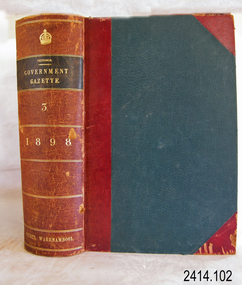
Book - Reference/Colonial Government Notification Gazette, Robert Smith Brain, The Victoria Government Gazette 1898 Vol 3 /106, 1898
... These government gazettes are a unique, useful and extremely fascinating resource for local, family and social historians and researchers in other fields, since they contain information of great use in establishing an image of Australia and its people in the past, covering land transactions, legal notices, proclamations, insolvency and bankruptcy notices, impoundments, private advertisements, patent and trademark applications, partnerships, licences, mining contracts, government positions, statistics, and a lot more. Robert S. Brain...These government gazettes are a unique, useful and extremely fascinating resource for local, family and social historians and researchers in other fields, since they contain information of great use in establishing an image of Australia and its people in the past, covering land transactions, legal notices, proclamations, insolvency and bankruptcy notices, impoundments, private advertisements, patent and trademark applications, partnerships, licences, mining contracts, government positions, statistics, and a lot more. Robert S. Brain ...The Victoria Government Gazette and other government documents from 1887 were printed and published by Robert S. Brain, Government Printer, Melbourne. Brain held the position of Victorian Government Printer through the 1890s and into the early 1900s. The same imprint appears on other official Victorian publications from that era, such as the annual reports of the Board for the Protection of the Aborigines and the colony's Statistical Register. There wasn't really an editor in the modern sense the Gazette was compiled and issued under the authority of the colonial government, via the Chief Secretary's Department, with Brain's printing office producing and publishing it.Hard cover book. The Victorian Government Gazette 1898 Vol 3 /106 Printer: Robert Smith, Brain Publisher: Robert Smith, Brain Publisher: Authority of The Colonial Government Date: 1898 Further Information: Textured hard cover bound book leather burgundy colour spine with gilt lettering, covers embossed blue cloth & reinforced corners to front and back cover. non-fictionThe Victoria Government Gazette and other government documents from 1887 were printed and published by Robert S. Brain, Government Printer, Melbourne. Brain held the position of Victorian Government Printer through the 1890s and into the early 1900s. The same imprint appears on other official Victorian publications from that era, such as the annual reports of the Board for the Protection of the Aborigines and the colony's Statistical Register. There wasn't really an editor in the modern sense the Gazette was compiled and issued under the authority of the colonial government, via the Chief Secretary's Department, with Brain's printing office producing and publishing it.flagstaff hill, warrnambool, shipwrecked-coast, flagstaff-hill, flagstaff-hill-maritime-museum, maritime-museum, shipwreck-coast, flagstaff-hill-maritime-village, book, the victoria government gazette 1897, the victoria government gazette 1897 2 vol 102, the victoria government gazette -
 Flagstaff Hill Maritime Museum and Village
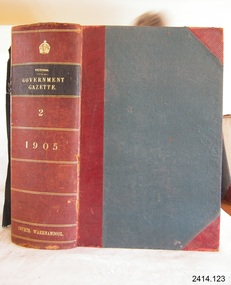
Book - Reference/Colonial Government Notification Gazette, Robert Smith Brain, The Victoria Government Gazette 1905 Vol 2 /126, 1905
... These government gazettes are a unique, useful and extremely fascinating resource for local, family and social historians and researchers in other fields, since they contain information of great use in establishing an image of Australia and its people in the past, covering land transactions, legal notices, proclamations, insolvency and bankruptcy notices, impoundments, private advertisements, patent and trademark applications, partnerships, licences, mining contracts, government positions, statistics, and a lot more. Robert S. Brain...These government gazettes are a unique, useful and extremely fascinating resource for local, family and social historians and researchers in other fields, since they contain information of great use in establishing an image of Australia and its people in the past, covering land transactions, legal notices, proclamations, insolvency and bankruptcy notices, impoundments, private advertisements, patent and trademark applications, partnerships, licences, mining contracts, government positions, statistics, and a lot more. Robert S. Brain ...The Victoria Government Gazette and other government documents from 1887 were printed and published by Robert S. Brain, Government Printer, Melbourne. Brain held the position of Victorian Government Printer through the 1890s and into the early 1900s. The same imprint appears on other official Victorian publications from that era, such as the annual reports of the Board for the Protection of the Aborigines and the colony's Statistical Register. There wasn't really an editor in the modern sense the Gazette was compiled and issued under the authority of the colonial government, via the Chief Secretary's Department, with Brain's printing office producing and publishing it.Hard cover book. The Victorian Government Gazette 1905 Vol 2 /126 Printer: Robert Smith, Brain Publisher: Robert Smith, Brain Publisher: Authority of The Colonial Government Date: 1905 Further Information: Textured hard cover bound book leather burgundy colour spine with gilt lettering, covers embossed blue cloth & reinforced corners to front and back cover. non-fictionThe Victoria Government Gazette and other government documents from 1887 were printed and published by Robert S. Brain, Government Printer, Melbourne. Brain held the position of Victorian Government Printer through the 1890s and into the early 1900s. The same imprint appears on other official Victorian publications from that era, such as the annual reports of the Board for the Protection of the Aborigines and the colony's Statistical Register. There wasn't really an editor in the modern sense the Gazette was compiled and issued under the authority of the colonial government, via the Chief Secretary's Department, with Brain's printing office producing and publishing it.flagstaff hill, warrnambool, shipwrecked-coast, flagstaff-hill, flagstaff-hill-maritime-museum, maritime-museum, shipwreck-coast, flagstaff-hill-maritime-village, book, the victoria government gazette 1897, the victoria government gazette 1897 2 vol 102, the victoria government gazette -
 Flagstaff Hill Maritime Museum and Village
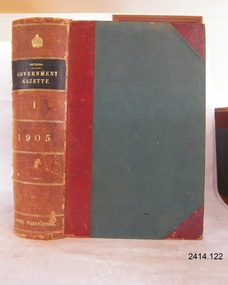
Book - Reference/Colonial Government Notification Gazette, Robert Smith Brain, The Victoria Government Gazette 1905 Vol 1 /125, 1905
... These government gazettes are a unique, useful and extremely fascinating resource for local, family and social historians and researchers in other fields, since they contain information of great use in establishing an image of Australia and its people in the past, covering land transactions, legal notices, proclamations, insolvency and bankruptcy notices, impoundments, private advertisements, patent and trademark applications, partnerships, licences, mining contracts, government positions, statistics, and a lot more. Robert S. Brain...These government gazettes are a unique, useful and extremely fascinating resource for local, family and social historians and researchers in other fields, since they contain information of great use in establishing an image of Australia and its people in the past, covering land transactions, legal notices, proclamations, insolvency and bankruptcy notices, impoundments, private advertisements, patent and trademark applications, partnerships, licences, mining contracts, government positions, statistics, and a lot more. Robert S. Brain ...The Victoria Government Gazette and other government documents from 1887 were printed and published by Robert S. Brain, Government Printer, Melbourne. Brain held the position of Victorian Government Printer through the 1890s and into the early 1900s. The same imprint appears on other official Victorian publications from that era, such as the annual reports of the Board for the Protection of the Aborigines and the colony's Statistical Register. There wasn't really an editor in the modern sense the Gazette was compiled and issued under the authority of the colonial government, via the Chief Secretary's Department, with Brain's printing office producing and publishing it.Hard cover book. The Victorian Government Gazette 1905 Vol 1 /125 Printer: Robert Smith, Brain Publisher: Robert Smith, Brain Publisher: Authority of The Colonial Government Date: 1905 Further Information: Textured hard cover bound book leather burgundy colour spine with gilt lettering, covers embossed blue cloth & reinforced corners to front and back cover. non-fictionThe Victoria Government Gazette and other government documents from 1887 were printed and published by Robert S. Brain, Government Printer, Melbourne. Brain held the position of Victorian Government Printer through the 1890s and into the early 1900s. The same imprint appears on other official Victorian publications from that era, such as the annual reports of the Board for the Protection of the Aborigines and the colony's Statistical Register. There wasn't really an editor in the modern sense the Gazette was compiled and issued under the authority of the colonial government, via the Chief Secretary's Department, with Brain's printing office producing and publishing it.flagstaff hill, warrnambool, shipwrecked-coast, flagstaff-hill, flagstaff-hill-maritime-museum, maritime-museum, shipwreck-coast, flagstaff-hill-maritime-village, book, the victoria government gazette 1897, the victoria government gazette 1897 2 vol 102, the victoria government gazette -
 Flagstaff Hill Maritime Museum and Village
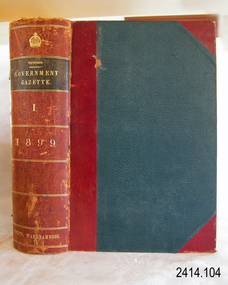
Book - Reference/Colonial Government Notification Gazette, Robert Smith Brain, The Victoria Government Gazette 1899 Vol 1 /107, 1899
... These government gazettes are a unique, useful and extremely fascinating resource for local, family and social historians and researchers in other fields, since they contain information of great use in establishing an image of Australia and its people in the past, covering land transactions, legal notices, proclamations, insolvency and bankruptcy notices, impoundments, private advertisements, patent and trademark applications, partnerships, licences, mining contracts, government positions, statistics, and a lot more. Robert S. Brain...These government gazettes are a unique, useful and extremely fascinating resource for local, family and social historians and researchers in other fields, since they contain information of great use in establishing an image of Australia and its people in the past, covering land transactions, legal notices, proclamations, insolvency and bankruptcy notices, impoundments, private advertisements, patent and trademark applications, partnerships, licences, mining contracts, government positions, statistics, and a lot more. Robert S. Brain ...The Victoria Government Gazette and other government documents from 1887 were printed and published by Robert S. Brain, Government Printer, Melbourne. Brain held the position of Victorian Government Printer through the 1890s and into the early 1900s. The same imprint appears on other official Victorian publications from that era, such as the annual reports of the Board for the Protection of the Aborigines and the colony's Statistical Register. There wasn't really an editor in the modern sense the Gazette was compiled and issued under the authority of the colonial government, via the Chief Secretary's Department, with Brain's printing office producing and publishing it.Hard cover book. The Victorian Government Gazette 1899 Vol 1 /107 Printer: Robert Smith, Brain Publisher: Robert Smith, Brain Publisher: Authority of The Colonial Government Date: 1899 Further Information: Textured hard cover bound book leather burgundy colour spine with gilt lettering, covers embossed blue cloth & reinforced corners to front and back cover. non-fictionThe Victoria Government Gazette and other government documents from 1887 were printed and published by Robert S. Brain, Government Printer, Melbourne. Brain held the position of Victorian Government Printer through the 1890s and into the early 1900s. The same imprint appears on other official Victorian publications from that era, such as the annual reports of the Board for the Protection of the Aborigines and the colony's Statistical Register. There wasn't really an editor in the modern sense the Gazette was compiled and issued under the authority of the colonial government, via the Chief Secretary's Department, with Brain's printing office producing and publishing it.flagstaff hill, warrnambool, shipwrecked-coast, flagstaff-hill, flagstaff-hill-maritime-museum, maritime-museum, shipwreck-coast, flagstaff-hill-maritime-village, book, the victoria government gazette 1897, the victoria government gazette 1897 2 vol 102, the victoria government gazette -
 Flagstaff Hill Maritime Museum and Village
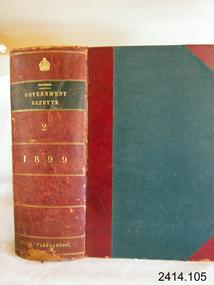
Book - Reference/Colonial Government Notification Gazette, Robert Smith Brain, The Victoria Government Gazette 1899 Vol 2 /108, 1899
... These government gazettes are a unique, useful and extremely fascinating resource for local, family and social historians and researchers in other fields, since they contain information of great use in establishing an image of Australia and its people in the past, covering land transactions, legal notices, proclamations, insolvency and bankruptcy notices, impoundments, private advertisements, patent and trademark applications, partnerships, licences, mining contracts, government positions, statistics, and a lot more. Robert S. Brain...These government gazettes are a unique, useful and extremely fascinating resource for local, family and social historians and researchers in other fields, since they contain information of great use in establishing an image of Australia and its people in the past, covering land transactions, legal notices, proclamations, insolvency and bankruptcy notices, impoundments, private advertisements, patent and trademark applications, partnerships, licences, mining contracts, government positions, statistics, and a lot more. Robert S. Brain ...The Victoria Government Gazette and other government documents from 1887 were printed and published by Robert S. Brain, Government Printer, Melbourne. Brain held the position of Victorian Government Printer through the 1890s and into the early 1900s. The same imprint appears on other official Victorian publications from that era, such as the annual reports of the Board for the Protection of the Aborigines and the colony's Statistical Register. There wasn't really an editor in the modern sense the Gazette was compiled and issued under the authority of the colonial government, via the Chief Secretary's Department, with Brain's printing office producing and publishing it.Hard cover book. The Victorian Government Gazette 1899 Vol 2 /108 Printer: Robert Smith, Brain Publisher: Robert Smith, Brain Publisher: Authority of The Colonial Government Date: 1899 Further Information: Textured hard cover bound book leather burgundy colour spine with gilt lettering, covers embossed blue cloth & reinforced corners to front and back cover. non-fictionThe Victoria Government Gazette and other government documents from 1887 were printed and published by Robert S. Brain, Government Printer, Melbourne. Brain held the position of Victorian Government Printer through the 1890s and into the early 1900s. The same imprint appears on other official Victorian publications from that era, such as the annual reports of the Board for the Protection of the Aborigines and the colony's Statistical Register. There wasn't really an editor in the modern sense the Gazette was compiled and issued under the authority of the colonial government, via the Chief Secretary's Department, with Brain's printing office producing and publishing it.flagstaff hill, warrnambool, shipwrecked-coast, flagstaff-hill, flagstaff-hill-maritime-museum, maritime-museum, shipwreck-coast, flagstaff-hill-maritime-village, book, the victoria government gazette 1897, the victoria government gazette 1897 2 vol 102, the victoria government gazette -
 Flagstaff Hill Maritime Museum and Village
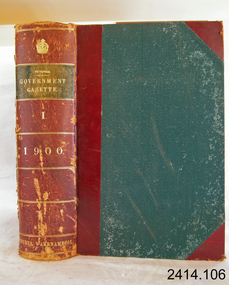
Book - Reference/Colonial Government Notification Gazette, Robert Smith Brain, The Victoria Government Gazette 1900 Vol 1 /110, 1900
... These government gazettes are a unique, useful and extremely fascinating resource for local, family and social historians and researchers in other fields, since they contain information of great use in establishing an image of Australia and its people in the past, covering land transactions, legal notices, proclamations, insolvency and bankruptcy notices, impoundments, private advertisements, patent and trademark applications, partnerships, licences, mining contracts, government positions, statistics, and a lot more. Robert S. Brain...These government gazettes are a unique, useful and extremely fascinating resource for local, family and social historians and researchers in other fields, since they contain information of great use in establishing an image of Australia and its people in the past, covering land transactions, legal notices, proclamations, insolvency and bankruptcy notices, impoundments, private advertisements, patent and trademark applications, partnerships, licences, mining contracts, government positions, statistics, and a lot more. Robert S. Brain ...The Victoria Government Gazette and other government documents from 1887 were printed and published by Robert S. Brain, Government Printer, Melbourne. Brain held the position of Victorian Government Printer through the 1890s and into the early 1900s. The same imprint appears on other official Victorian publications from that era, such as the annual reports of the Board for the Protection of the Aborigines and the colony's Statistical Register. There wasn't really an editor in the modern sense the Gazette was compiled and issued under the authority of the colonial government, via the Chief Secretary's Department, with Brain's printing office producing and publishing it.Hard cover book. The Victorian Government Gazette 1900 Vol 1 /110 Printer: Robert Smith, Brain Publisher: Robert Smith, Brain Publisher: Authority of The Colonial Government Date: 1900 Further Information: Textured hard cover bound book leather burgundy colour spine with gilt lettering, covers embossed blue cloth & reinforced corners to front and back cover. non-fictionThe Victoria Government Gazette and other government documents from 1887 were printed and published by Robert S. Brain, Government Printer, Melbourne. Brain held the position of Victorian Government Printer through the 1890s and into the early 1900s. The same imprint appears on other official Victorian publications from that era, such as the annual reports of the Board for the Protection of the Aborigines and the colony's Statistical Register. There wasn't really an editor in the modern sense the Gazette was compiled and issued under the authority of the colonial government, via the Chief Secretary's Department, with Brain's printing office producing and publishing it.flagstaff hill, warrnambool, shipwrecked-coast, flagstaff-hill, flagstaff-hill-maritime-museum, maritime-museum, shipwreck-coast, flagstaff-hill-maritime-village, book, the victoria government gazette 1897, the victoria government gazette 1897 2 vol 102, the victoria government gazette -
 Flagstaff Hill Maritime Museum and Village
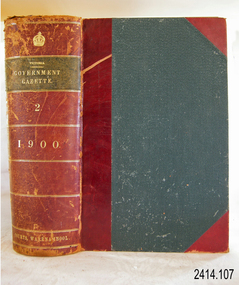
Book - Reference/Colonial Government Notification Gazette, Robert Smith Brain, The Victoria Government Gazette 1900 Vol 2 /111, 1900
... These government gazettes are a unique, useful and extremely fascinating resource for local, family and social historians and researchers in other fields, since they contain information of great use in establishing an image of Australia and its people in the past, covering land transactions, legal notices, proclamations, insolvency and bankruptcy notices, impoundments, private advertisements, patent and trademark applications, partnerships, licences, mining contracts, government positions, statistics, and a lot more. Robert S. Brain...These government gazettes are a unique, useful and extremely fascinating resource for local, family and social historians and researchers in other fields, since they contain information of great use in establishing an image of Australia and its people in the past, covering land transactions, legal notices, proclamations, insolvency and bankruptcy notices, impoundments, private advertisements, patent and trademark applications, partnerships, licences, mining contracts, government positions, statistics, and a lot more. Robert S. Brain ...The Victoria Government Gazette and other government documents from 1887 were printed and published by Robert S. Brain, Government Printer, Melbourne. Brain held the position of Victorian Government Printer through the 1890s and into the early 1900s. The same imprint appears on other official Victorian publications from that era, such as the annual reports of the Board for the Protection of the Aborigines and the colony's Statistical Register. There wasn't really an editor in the modern sense the Gazette was compiled and issued under the authority of the colonial government, via the Chief Secretary's Department, with Brain's printing office producing and publishing it.Hard cover book. The Victorian Government Gazette 1900 Vol 2 /111 Printer: Robert Smith, Brain Publisher: Robert Smith, Brain Publisher: Authority of The Colonial Government Date: 1900 Further Information: Textured hard cover bound book leather burgundy colour spine with gilt lettering, covers embossed blue cloth & reinforced corners to front and back cover. non-fictionThe Victoria Government Gazette and other government documents from 1887 were printed and published by Robert S. Brain, Government Printer, Melbourne. Brain held the position of Victorian Government Printer through the 1890s and into the early 1900s. The same imprint appears on other official Victorian publications from that era, such as the annual reports of the Board for the Protection of the Aborigines and the colony's Statistical Register. There wasn't really an editor in the modern sense the Gazette was compiled and issued under the authority of the colonial government, via the Chief Secretary's Department, with Brain's printing office producing and publishing it.flagstaff hill, warrnambool, shipwrecked-coast, flagstaff-hill, flagstaff-hill-maritime-museum, maritime-museum, shipwreck-coast, flagstaff-hill-maritime-village, book, the victoria government gazette 1897, the victoria government gazette 1897 2 vol 102, the victoria government gazette -
 Flagstaff Hill Maritime Museum and Village
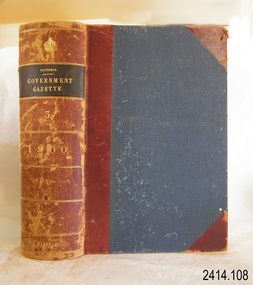
Book - Reference/Colonial Government Notification Gazette, Robert Smith Brain, The Victoria Government Gazette 1900 Vol 3 /112, 1900
... These government gazettes are a unique, useful and extremely fascinating resource for local, family and social historians and researchers in other fields, since they contain information of great use in establishing an image of Australia and its people in the past, covering land transactions, legal notices, proclamations, insolvency and bankruptcy notices, impoundments, private advertisements, patent and trademark applications, partnerships, licences, mining contracts, government positions, statistics, and a lot more. Robert S. Brain...These government gazettes are a unique, useful and extremely fascinating resource for local, family and social historians and researchers in other fields, since they contain information of great use in establishing an image of Australia and its people in the past, covering land transactions, legal notices, proclamations, insolvency and bankruptcy notices, impoundments, private advertisements, patent and trademark applications, partnerships, licences, mining contracts, government positions, statistics, and a lot more. Robert S. Brain ...The Victoria Government Gazette and other government documents from 1887 were printed and published by Robert S. Brain, Government Printer, Melbourne. Brain held the position of Victorian Government Printer through the 1890s and into the early 1900s. The same imprint appears on other official Victorian publications from that era, such as the annual reports of the Board for the Protection of the Aborigines and the colony's Statistical Register. There wasn't really an editor in the modern sense the Gazette was compiled and issued under the authority of the colonial government, via the Chief Secretary's Department, with Brain's printing office producing and publishing it.Hard cover book. The Victorian Government Gazette 1900 Vol 3 /112 Printer: Robert Smith, Brain Publisher: Robert Smith, Brain Publisher: Authority of The Colonial Government Date: 1900 Further Information: Textured hard cover bound book leather burgundy colour spine with gilt lettering, covers embossed blue cloth & reinforced corners to front and back cover. non-fictionThe Victoria Government Gazette and other government documents from 1887 were printed and published by Robert S. Brain, Government Printer, Melbourne. Brain held the position of Victorian Government Printer through the 1890s and into the early 1900s. The same imprint appears on other official Victorian publications from that era, such as the annual reports of the Board for the Protection of the Aborigines and the colony's Statistical Register. There wasn't really an editor in the modern sense the Gazette was compiled and issued under the authority of the colonial government, via the Chief Secretary's Department, with Brain's printing office producing and publishing it.flagstaff hill, warrnambool, shipwrecked-coast, flagstaff-hill, flagstaff-hill-maritime-museum, maritime-museum, shipwreck-coast, flagstaff-hill-maritime-village, book, the victoria government gazette 1897, the victoria government gazette 1897 2 vol 102, the victoria government gazette -
 Flagstaff Hill Maritime Museum and Village
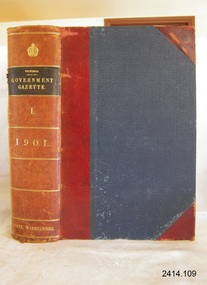
Book - Reference/Colonial Government Notification Gazette, Robert Smith Brain, The Victoria Government Gazette 1901 Vol 1 /113, 1901
... These government gazettes are a unique, useful and extremely fascinating resource for local, family and social historians and researchers in other fields, since they contain information of great use in establishing an image of Australia and its people in the past, covering land transactions, legal notices, proclamations, insolvency and bankruptcy notices, impoundments, private advertisements, patent and trademark applications, partnerships, licences, mining contracts, government positions, statistics, and a lot more. Robert S. Brain...These government gazettes are a unique, useful and extremely fascinating resource for local, family and social historians and researchers in other fields, since they contain information of great use in establishing an image of Australia and its people in the past, covering land transactions, legal notices, proclamations, insolvency and bankruptcy notices, impoundments, private advertisements, patent and trademark applications, partnerships, licences, mining contracts, government positions, statistics, and a lot more. Robert S. Brain ...The Victoria Government Gazette and other government documents from 1887 were printed and published by Robert S. Brain, Government Printer, Melbourne. Brain held the position of Victorian Government Printer through the 1890s and into the early 1900s. The same imprint appears on other official Victorian publications from that era, such as the annual reports of the Board for the Protection of the Aborigines and the colony's Statistical Register. There wasn't really an editor in the modern sense the Gazette was compiled and issued under the authority of the colonial government, via the Chief Secretary's Department, with Brain's printing office producing and publishing it.Hard cover book. The Victorian Government Gazette 1901 Vol 1 /113 Printer: Robert Smith, Brain Publisher: Robert Smith, Brain Publisher: Authority of The Colonial Government Date: 1901 Further Information: Textured hard cover bound book leather burgundy colour spine with gilt lettering, covers embossed blue cloth & reinforced corners to front and back cover. non-fictionThe Victoria Government Gazette and other government documents from 1887 were printed and published by Robert S. Brain, Government Printer, Melbourne. Brain held the position of Victorian Government Printer through the 1890s and into the early 1900s. The same imprint appears on other official Victorian publications from that era, such as the annual reports of the Board for the Protection of the Aborigines and the colony's Statistical Register. There wasn't really an editor in the modern sense the Gazette was compiled and issued under the authority of the colonial government, via the Chief Secretary's Department, with Brain's printing office producing and publishing it.flagstaff hill, warrnambool, shipwrecked-coast, flagstaff-hill, flagstaff-hill-maritime-museum, maritime-museum, shipwreck-coast, flagstaff-hill-maritime-village, book, the victoria government gazette 1897, the victoria government gazette 1897 2 vol 102, the victoria government gazette -
 Flagstaff Hill Maritime Museum and Village
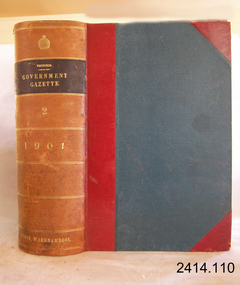
Book - Reference/Colonial Government Notification Gazette, Robert Smith Brain, The Victoria Government Gazette 1901 Vol 2 /114, 1901
... These government gazettes are a unique, useful and extremely fascinating resource for local, family and social historians and researchers in other fields, since they contain information of great use in establishing an image of Australia and its people in the past, covering land transactions, legal notices, proclamations, insolvency and bankruptcy notices, impoundments, private advertisements, patent and trademark applications, partnerships, licences, mining contracts, government positions, statistics, and a lot more. Robert S. Brain...These government gazettes are a unique, useful and extremely fascinating resource for local, family and social historians and researchers in other fields, since they contain information of great use in establishing an image of Australia and its people in the past, covering land transactions, legal notices, proclamations, insolvency and bankruptcy notices, impoundments, private advertisements, patent and trademark applications, partnerships, licences, mining contracts, government positions, statistics, and a lot more. Robert S. Brain ...The Victoria Government Gazette and other government documents from 1887 were printed and published by Robert S. Brain, Government Printer, Melbourne. Brain held the position of Victorian Government Printer through the 1890s and into the early 1900s. The same imprint appears on other official Victorian publications from that era, such as the annual reports of the Board for the Protection of the Aborigines and the colony's Statistical Register. There wasn't really an editor in the modern sense the Gazette was compiled and issued under the authority of the colonial government, via the Chief Secretary's Department, with Brain's printing office producing and publishing it.Hard cover book. The Victorian Government Gazette 1901 Vol 2 /114 Printer: Robert Smith, Brain Publisher: Robert Smith, Brain Publisher: Authority of The Colonial Government Date: 1901 Further Information: Textured hard cover bound book leather burgundy colour spine with gilt lettering, covers embossed blue cloth & reinforced corners to front and back cover. non-fictionThe Victoria Government Gazette and other government documents from 1887 were printed and published by Robert S. Brain, Government Printer, Melbourne. Brain held the position of Victorian Government Printer through the 1890s and into the early 1900s. The same imprint appears on other official Victorian publications from that era, such as the annual reports of the Board for the Protection of the Aborigines and the colony's Statistical Register. There wasn't really an editor in the modern sense the Gazette was compiled and issued under the authority of the colonial government, via the Chief Secretary's Department, with Brain's printing office producing and publishing it.flagstaff hill, warrnambool, shipwrecked-coast, flagstaff-hill, flagstaff-hill-maritime-museum, maritime-museum, shipwreck-coast, flagstaff-hill-maritime-village, book, the victoria government gazette 1897, the victoria government gazette 1897 2 vol 102, the victoria government gazette -
 Flagstaff Hill Maritime Museum and Village
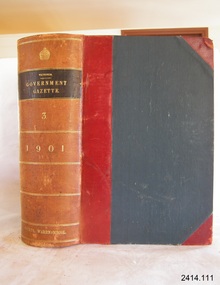
Book - Reference/Colonial Government Notification Gazette, Robert Smith Brain, The Victoria Government Gazette 1901 Vol 3 /115, 1901
... These government gazettes are a unique, useful and extremely fascinating resource for local, family and social historians and researchers in other fields, since they contain information of great use in establishing an image of Australia and its people in the past, covering land transactions, legal notices, proclamations, insolvency and bankruptcy notices, impoundments, private advertisements, patent and trademark applications, partnerships, licences, mining contracts, government positions, statistics, and a lot more. Robert S. Brain...These government gazettes are a unique, useful and extremely fascinating resource for local, family and social historians and researchers in other fields, since they contain information of great use in establishing an image of Australia and its people in the past, covering land transactions, legal notices, proclamations, insolvency and bankruptcy notices, impoundments, private advertisements, patent and trademark applications, partnerships, licences, mining contracts, government positions, statistics, and a lot more. Robert S. Brain ...The Victoria Government Gazette and other government documents from 1887 were printed and published by Robert S. Brain, Government Printer, Melbourne. Brain held the position of Victorian Government Printer through the 1890s and into the early 1900s. The same imprint appears on other official Victorian publications from that era, such as the annual reports of the Board for the Protection of the Aborigines and the colony's Statistical Register. There wasn't really an editor in the modern sense the Gazette was compiled and issued under the authority of the colonial government, via the Chief Secretary's Department, with Brain's printing office producing and publishing it.Hard cover book. The Victorian Government Gazette 1901 Vol 3 /115 Printer: Robert Smith, Brain Publisher: Robert Smith, Brain Publisher: Authority of The Colonial Government Date: 1901 Further Information: Textured hard cover bound book leather burgundy colour spine with gilt lettering, covers embossed blue cloth & reinforced corners to front and back cover. non-fictionThe Victoria Government Gazette and other government documents from 1887 were printed and published by Robert S. Brain, Government Printer, Melbourne. Brain held the position of Victorian Government Printer through the 1890s and into the early 1900s. The same imprint appears on other official Victorian publications from that era, such as the annual reports of the Board for the Protection of the Aborigines and the colony's Statistical Register. There wasn't really an editor in the modern sense the Gazette was compiled and issued under the authority of the colonial government, via the Chief Secretary's Department, with Brain's printing office producing and publishing it.flagstaff hill, warrnambool, shipwrecked-coast, flagstaff-hill, flagstaff-hill-maritime-museum, maritime-museum, shipwreck-coast, flagstaff-hill-maritime-village, book, the victoria government gazette 1897, the victoria government gazette 1897 2 vol 102, the victoria government gazette -
 Flagstaff Hill Maritime Museum and Village
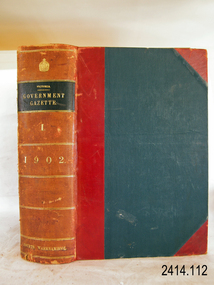
Book - Reference/Colonial Government Notification Gazette, Robert Smith Brain, The Victoria Government Gazette 1902 Vol 1 /116, 1902
... These government gazettes are a unique, useful and extremely fascinating resource for local, family and social historians and researchers in other fields, since they contain information of great use in establishing an image of Australia and its people in the past, covering land transactions, legal notices, proclamations, insolvency and bankruptcy notices, impoundments, private advertisements, patent and trademark applications, partnerships, licences, mining contracts, government positions, statistics, and a lot more. Robert S. Brain...These government gazettes are a unique, useful and extremely fascinating resource for local, family and social historians and researchers in other fields, since they contain information of great use in establishing an image of Australia and its people in the past, covering land transactions, legal notices, proclamations, insolvency and bankruptcy notices, impoundments, private advertisements, patent and trademark applications, partnerships, licences, mining contracts, government positions, statistics, and a lot more. Robert S. Brain ...The Victoria Government Gazette and other government documents from 1887 were printed and published by Robert S. Brain, Government Printer, Melbourne. Brain held the position of Victorian Government Printer through the 1890s and into the early 1900s. The same imprint appears on other official Victorian publications from that era, such as the annual reports of the Board for the Protection of the Aborigines and the colony's Statistical Register. There wasn't really an editor in the modern sense the Gazette was compiled and issued under the authority of the colonial government, via the Chief Secretary's Department, with Brain's printing office producing and publishing it.Hard cover book. The Victorian Government Gazette 1902 Vol 1/116 Printer: Robert Smith, Brain Publisher: Robert Smith, Brain Publisher: Authority of The Colonial Government Date: 1902 Further Information: Textured hard cover bound book leather burgundy colour spine with gilt lettering, covers embossed blue cloth & reinforced corners to front and back cover. non-fictionThe Victoria Government Gazette and other government documents from 1887 were printed and published by Robert S. Brain, Government Printer, Melbourne. Brain held the position of Victorian Government Printer through the 1890s and into the early 1900s. The same imprint appears on other official Victorian publications from that era, such as the annual reports of the Board for the Protection of the Aborigines and the colony's Statistical Register. There wasn't really an editor in the modern sense the Gazette was compiled and issued under the authority of the colonial government, via the Chief Secretary's Department, with Brain's printing office producing and publishing it.flagstaff hill, warrnambool, shipwrecked-coast, flagstaff-hill, flagstaff-hill-maritime-museum, maritime-museum, shipwreck-coast, flagstaff-hill-maritime-village, book, the victoria government gazette 1897, the victoria government gazette 1897 2 vol 102, the victoria government gazette -
 Flagstaff Hill Maritime Museum and Village
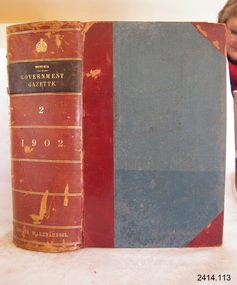
Book - Reference/Colonial Government Notification Gazette, Robert Smith Brain, The Victoria Government Gazette 1902 Vol 2 /117, 1902
... These government gazettes are a unique, useful and extremely fascinating resource for local, family and social historians and researchers in other fields, since they contain information of great use in establishing an image of Australia and its people in the past, covering land transactions, legal notices, proclamations, insolvency and bankruptcy notices, impoundments, private advertisements, patent and trademark applications, partnerships, licences, mining contracts, government positions, statistics, and a lot more. Robert S. Brain...These government gazettes are a unique, useful and extremely fascinating resource for local, family and social historians and researchers in other fields, since they contain information of great use in establishing an image of Australia and its people in the past, covering land transactions, legal notices, proclamations, insolvency and bankruptcy notices, impoundments, private advertisements, patent and trademark applications, partnerships, licences, mining contracts, government positions, statistics, and a lot more. Robert S. Brain ...The Victoria Government Gazette and other government documents from 1887 were printed and published by Robert S. Brain, Government Printer, Melbourne. Brain held the position of Victorian Government Printer through the 1890s and into the early 1900s. The same imprint appears on other official Victorian publications from that era, such as the annual reports of the Board for the Protection of the Aborigines and the colony's Statistical Register. There wasn't really an editor in the modern sense the Gazette was compiled and issued under the authority of the colonial government, via the Chief Secretary's Department, with Brain's printing office producing and publishing it.Hard cover book. The Victorian Government Gazette 1902 Vol 2 /117 Printer: Robert Smith, Brain Publisher: Robert Smith, Brain Publisher: Authority of The Colonial Government Date: 1902 Further Information: Textured hard cover bound book leather burgundy colour spine with gilt lettering, covers embossed blue cloth & reinforced corners to front and back cover. non-fictionThe Victoria Government Gazette and other government documents from 1887 were printed and published by Robert S. Brain, Government Printer, Melbourne. Brain held the position of Victorian Government Printer through the 1890s and into the early 1900s. The same imprint appears on other official Victorian publications from that era, such as the annual reports of the Board for the Protection of the Aborigines and the colony's Statistical Register. There wasn't really an editor in the modern sense the Gazette was compiled and issued under the authority of the colonial government, via the Chief Secretary's Department, with Brain's printing office producing and publishing it.flagstaff hill, warrnambool, shipwrecked-coast, flagstaff-hill, flagstaff-hill-maritime-museum, maritime-museum, shipwreck-coast, flagstaff-hill-maritime-village, book, the victoria government gazette 1897, the victoria government gazette 1897 2 vol 102, the victoria government gazette -
 Flagstaff Hill Maritime Museum and Village
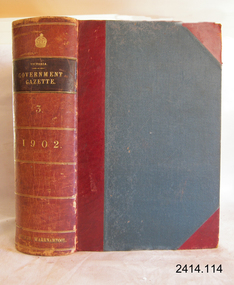
Book - Reference/Colonial Government Notification Gazette, Robert Smith Brain, The Victoria Government Gazette 1902 Vol 3 /118, 1902
... These government gazettes are a unique, useful and extremely fascinating resource for local, family and social historians and researchers in other fields, since they contain information of great use in establishing an image of Australia and its people in the past, covering land transactions, legal notices, proclamations, insolvency and bankruptcy notices, impoundments, private advertisements, patent and trademark applications, partnerships, licences, mining contracts, government positions, statistics, and a lot more. Robert S. Brain...These government gazettes are a unique, useful and extremely fascinating resource for local, family and social historians and researchers in other fields, since they contain information of great use in establishing an image of Australia and its people in the past, covering land transactions, legal notices, proclamations, insolvency and bankruptcy notices, impoundments, private advertisements, patent and trademark applications, partnerships, licences, mining contracts, government positions, statistics, and a lot more. Robert S. Brain ...The Victoria Government Gazette and other government documents from 1887 were printed and published by Robert S. Brain, Government Printer, Melbourne. Brain held the position of Victorian Government Printer through the 1890s and into the early 1900s. The same imprint appears on other official Victorian publications from that era, such as the annual reports of the Board for the Protection of the Aborigines and the colony's Statistical Register. There wasn't really an editor in the modern sense the Gazette was compiled and issued under the authority of the colonial government, via the Chief Secretary's Department, with Brain's printing office producing and publishing it.Hard cover book. The Victorian Government Gazette 1902 Vol 3 /118 Printer: Robert Smith, Brain Publisher: Robert Smith, Brain Publisher: Authority of The Colonial Government Date: 1902 Further Information: Textured hard cover bound book leather burgundy colour spine with gilt lettering, covers embossed blue cloth & reinforced corners to front and back cover. non-fictionThe Victoria Government Gazette and other government documents from 1887 were printed and published by Robert S. Brain, Government Printer, Melbourne. Brain held the position of Victorian Government Printer through the 1890s and into the early 1900s. The same imprint appears on other official Victorian publications from that era, such as the annual reports of the Board for the Protection of the Aborigines and the colony's Statistical Register. There wasn't really an editor in the modern sense the Gazette was compiled and issued under the authority of the colonial government, via the Chief Secretary's Department, with Brain's printing office producing and publishing it.flagstaff hill, warrnambool, shipwrecked-coast, flagstaff-hill, flagstaff-hill-maritime-museum, maritime-museum, shipwreck-coast, flagstaff-hill-maritime-village, book, the victoria government gazette 1897, the victoria government gazette 1897 2 vol 102, the victoria government gazette -
 Flagstaff Hill Maritime Museum and Village
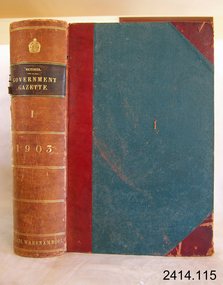
Book - Reference/Colonial Government Notification Gazette, Robert Smith Brain, The Victoria Government Gazette 1903 Vol 1 /119, 1903
... These government gazettes are a unique, useful and extremely fascinating resource for local, family and social historians and researchers in other fields, since they contain information of great use in establishing an image of Australia and its people in the past, covering land transactions, legal notices, proclamations, insolvency and bankruptcy notices, impoundments, private advertisements, patent and trademark applications, partnerships, licences, mining contracts, government positions, statistics, and a lot more. Robert S. Brain...These government gazettes are a unique, useful and extremely fascinating resource for local, family and social historians and researchers in other fields, since they contain information of great use in establishing an image of Australia and its people in the past, covering land transactions, legal notices, proclamations, insolvency and bankruptcy notices, impoundments, private advertisements, patent and trademark applications, partnerships, licences, mining contracts, government positions, statistics, and a lot more. Robert S. Brain ...The Victoria Government Gazette and other government documents from 1887 were printed and published by Robert S. Brain, Government Printer, Melbourne. Brain held the position of Victorian Government Printer through the 1890s and into the early 1900s. The same imprint appears on other official Victorian publications from that era, such as the annual reports of the Board for the Protection of the Aborigines and the colony's Statistical Register. There wasn't really an editor in the modern sense the Gazette was compiled and issued under the authority of the colonial government, via the Chief Secretary's Department, with Brain's printing office producing and publishing it.Hard cover book. The Victorian Government Gazette 1903 Vol 1 /119 Printer: Robert Smith, Brain Publisher: Robert Smith, Brain Publisher: Authority of The Colonial Government Date: 1903 Further Information: Textured hard cover bound book leather burgundy colour spine with gilt lettering, covers embossed blue cloth & reinforced corners to front and back cover. non-fictionThe Victoria Government Gazette and other government documents from 1887 were printed and published by Robert S. Brain, Government Printer, Melbourne. Brain held the position of Victorian Government Printer through the 1890s and into the early 1900s. The same imprint appears on other official Victorian publications from that era, such as the annual reports of the Board for the Protection of the Aborigines and the colony's Statistical Register. There wasn't really an editor in the modern sense the Gazette was compiled and issued under the authority of the colonial government, via the Chief Secretary's Department, with Brain's printing office producing and publishing it.flagstaff hill, warrnambool, shipwrecked-coast, flagstaff-hill, flagstaff-hill-maritime-museum, maritime-museum, shipwreck-coast, flagstaff-hill-maritime-village, book, the victoria government gazette 1897, the victoria government gazette 1897 2 vol 102, the victoria government gazette -
 Flagstaff Hill Maritime Museum and Village
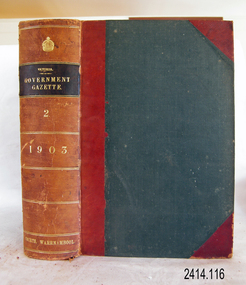
Book - Reference/Colonial Government Notification Gazette, Robert Smith Brain, The Victoria Government Gazette 1902 Vol 3 /120, 1902
... These government gazettes are a unique, useful and extremely fascinating resource for local, family and social historians and researchers in other fields, since they contain information of great use in establishing an image of Australia and its people in the past, covering land transactions, legal notices, proclamations, insolvency and bankruptcy notices, impoundments, private advertisements, patent and trademark applications, partnerships, licences, mining contracts, government positions, statistics, and a lot more. Robert S. Brain...These government gazettes are a unique, useful and extremely fascinating resource for local, family and social historians and researchers in other fields, since they contain information of great use in establishing an image of Australia and its people in the past, covering land transactions, legal notices, proclamations, insolvency and bankruptcy notices, impoundments, private advertisements, patent and trademark applications, partnerships, licences, mining contracts, government positions, statistics, and a lot more. Robert S. Brain ...The Victoria Government Gazette and other government documents from 1887 were printed and published by Robert S. Brain, Government Printer, Melbourne. Brain held the position of Victorian Government Printer through the 1890s and into the early 1900s. The same imprint appears on other official Victorian publications from that era, such as the annual reports of the Board for the Protection of the Aborigines and the colony's Statistical Register. There wasn't really an editor in the modern sense the Gazette was compiled and issued under the authority of the colonial government, via the Chief Secretary's Department, with Brain's printing office producing and publishing it.Hard cover book. The Victorian Government Gazette 1902 Vol 3 /120 Printer: Robert Smith, Brain Publisher: Robert Smith, Brain Publisher: Authority of The Colonial Government Date: 1902 Further Information: Textured hard cover bound book leather burgundy colour spine with gilt lettering, covers embossed blue cloth & reinforced corners to front and back cover. non-fictionThe Victoria Government Gazette and other government documents from 1887 were printed and published by Robert S. Brain, Government Printer, Melbourne. Brain held the position of Victorian Government Printer through the 1890s and into the early 1900s. The same imprint appears on other official Victorian publications from that era, such as the annual reports of the Board for the Protection of the Aborigines and the colony's Statistical Register. There wasn't really an editor in the modern sense the Gazette was compiled and issued under the authority of the colonial government, via the Chief Secretary's Department, with Brain's printing office producing and publishing it.flagstaff hill, warrnambool, shipwrecked-coast, flagstaff-hill, flagstaff-hill-maritime-museum, maritime-museum, shipwreck-coast, flagstaff-hill-maritime-village, book, the victoria government gazette 1897, the victoria government gazette 1897 2 vol 102, the victoria government gazette -
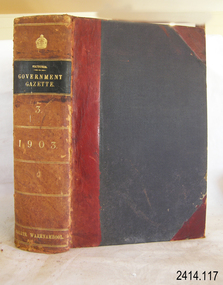 Flagstaff Hill Maritime Museum and Village
Book - Reference/Colonial Government Notification Gazette, Robert Smith Brain, The Victoria Government Gazette 1903 Vol 3 /121, 1903
... These government gazettes are a unique, useful and extremely fascinating resource for local, family and social historians and researchers in other fields, since they contain information of great use in establishing an image of Australia and its people in the past, covering land transactions, legal notices, proclamations, insolvency and bankruptcy notices, impoundments, private advertisements, patent and trademark applications, partnerships, licences, mining contracts, government positions, statistics, and a lot more. Robert S. Brain...These government gazettes are a unique, useful and extremely fascinating resource for local, family and social historians and researchers in other fields, since they contain information of great use in establishing an image of Australia and its people in the past, covering land transactions, legal notices, proclamations, insolvency and bankruptcy notices, impoundments, private advertisements, patent and trademark applications, partnerships, licences, mining contracts, government positions, statistics, and a lot more. Robert S. Brain ...The Victoria Government Gazette and other government documents from 1887 were printed and published by Robert S. Brain, Government Printer, Melbourne. Brain held the position of Victorian Government Printer through the 1890s and into the early 1900s. The same imprint appears on other official Victorian publications from that era, such as the annual reports of the Board for the Protection of the Aborigines and the colony's Statistical Register. There wasn't really an editor in the modern sense the Gazette was compiled and issued under the authority of the colonial government, via the Chief Secretary's Department, with Brain's printing office producing and publishing it.Hard cover book. The Victorian Government Gazette 1903 Vol 3 /121 Printer: Robert Smith, Brain Publisher: Robert Smith, Brain Publisher: Authority of The Colonial Government Date: 1903 Further Information: Textured hard cover bound book leather burgundy colour spine with gilt lettering, covers embossed blue cloth & reinforced corners to front and back cover. non-fictionThe Victoria Government Gazette and other government documents from 1887 were printed and published by Robert S. Brain, Government Printer, Melbourne. Brain held the position of Victorian Government Printer through the 1890s and into the early 1900s. The same imprint appears on other official Victorian publications from that era, such as the annual reports of the Board for the Protection of the Aborigines and the colony's Statistical Register. There wasn't really an editor in the modern sense the Gazette was compiled and issued under the authority of the colonial government, via the Chief Secretary's Department, with Brain's printing office producing and publishing it.flagstaff hill, warrnambool, shipwrecked-coast, flagstaff-hill, flagstaff-hill-maritime-museum, maritime-museum, shipwreck-coast, flagstaff-hill-maritime-village, book, the victoria government gazette 1897, the victoria government gazette 1897 2 vol 102, the victoria government gazette -
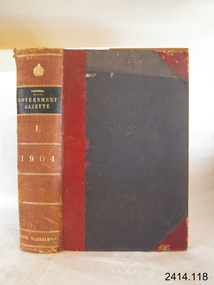 Flagstaff Hill Maritime Museum and Village
Book - Reference/Colonial Government Notification Gazette, Robert Smith Brain, The Victoria Government Gazette 1904 Vol 1 /122, 1904
... These government gazettes are a unique, useful and extremely fascinating resource for local, family and social historians and researchers in other fields, since they contain information of great use in establishing an image of Australia and its people in the past, covering land transactions, legal notices, proclamations, insolvency and bankruptcy notices, impoundments, private advertisements, patent and trademark applications, partnerships, licences, mining contracts, government positions, statistics, and a lot more. Robert S. Brain...These government gazettes are a unique, useful and extremely fascinating resource for local, family and social historians and researchers in other fields, since they contain information of great use in establishing an image of Australia and its people in the past, covering land transactions, legal notices, proclamations, insolvency and bankruptcy notices, impoundments, private advertisements, patent and trademark applications, partnerships, licences, mining contracts, government positions, statistics, and a lot more. Robert S. Brain ...The Victoria Government Gazette and other government documents from 1887 were printed and published by Robert S. Brain, Government Printer, Melbourne. Brain held the position of Victorian Government Printer through the 1890s and into the early 1900s. The same imprint appears on other official Victorian publications from that era, such as the annual reports of the Board for the Protection of the Aborigines and the colony's Statistical Register. There wasn't really an editor in the modern sense the Gazette was compiled and issued under the authority of the colonial government, via the Chief Secretary's Department, with Brain's printing office producing and publishing it.Hard cover book. The Victorian Government Gazette 1904 Vol 1 /122 Printer: Robert Smith, Brain Publisher: Robert Smith, Brain Publisher: Authority of The Colonial Government Date: 1904 Further Information: Textured hard cover bound book leather burgundy colour spine with gilt lettering, covers embossed blue cloth & reinforced corners to front and back cover. non-fictionThe Victoria Government Gazette and other government documents from 1887 were printed and published by Robert S. Brain, Government Printer, Melbourne. Brain held the position of Victorian Government Printer through the 1890s and into the early 1900s. The same imprint appears on other official Victorian publications from that era, such as the annual reports of the Board for the Protection of the Aborigines and the colony's Statistical Register. There wasn't really an editor in the modern sense the Gazette was compiled and issued under the authority of the colonial government, via the Chief Secretary's Department, with Brain's printing office producing and publishing it.flagstaff hill, warrnambool, shipwrecked-coast, flagstaff-hill, flagstaff-hill-maritime-museum, maritime-museum, shipwreck-coast, flagstaff-hill-maritime-village, book, the victoria government gazette 1897, the victoria government gazette 1897 2 vol 102, the victoria government gazette -
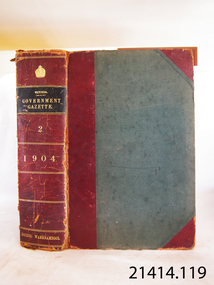 Flagstaff Hill Maritime Museum and Village
Book - Reference/Colonial Government Notification Gazette, Robert Smith Brain, The Victoria Government Gazette 1904 Vol 2 /123, 1904
... These government gazettes are a unique, useful and extremely fascinating resource for local, family and social historians and researchers in other fields, since they contain information of great use in establishing an image of Australia and its people in the past, covering land transactions, legal notices, proclamations, insolvency and bankruptcy notices, impoundments, private advertisements, patent and trademark applications, partnerships, licences, mining contracts, government positions, statistics, and a lot more. Robert S. Brain...These government gazettes are a unique, useful and extremely fascinating resource for local, family and social historians and researchers in other fields, since they contain information of great use in establishing an image of Australia and its people in the past, covering land transactions, legal notices, proclamations, insolvency and bankruptcy notices, impoundments, private advertisements, patent and trademark applications, partnerships, licences, mining contracts, government positions, statistics, and a lot more. Robert S. Brain ...The Victoria Government Gazette and other government documents from 1887 were printed and published by Robert S. Brain, Government Printer, Melbourne. Brain held the position of Victorian Government Printer through the 1890s and into the early 1900s. The same imprint appears on other official Victorian publications from that era, such as the annual reports of the Board for the Protection of the Aborigines and the colony's Statistical Register. There wasn't really an editor in the modern sense the Gazette was compiled and issued under the authority of the colonial government, via the Chief Secretary's Department, with Brain's printing office producing and publishing it.Hard cover book. The Victorian Government Gazette 1904 Vol 2 /123 Printer: Robert Smith, Brain Publisher: Robert Smith, Brain Publisher: Authority of The Colonial Government Date: 1904 Further Information: Textured hard cover bound book leather burgundy colour spine with gilt lettering, covers embossed blue cloth & reinforced corners to front and back cover. non-fictionThe Victoria Government Gazette and other government documents from 1887 were printed and published by Robert S. Brain, Government Printer, Melbourne. Brain held the position of Victorian Government Printer through the 1890s and into the early 1900s. The same imprint appears on other official Victorian publications from that era, such as the annual reports of the Board for the Protection of the Aborigines and the colony's Statistical Register. There wasn't really an editor in the modern sense the Gazette was compiled and issued under the authority of the colonial government, via the Chief Secretary's Department, with Brain's printing office producing and publishing it.flagstaff hill, warrnambool, shipwrecked-coast, flagstaff-hill, flagstaff-hill-maritime-museum, maritime-museum, shipwreck-coast, flagstaff-hill-maritime-village, book, the victoria government gazette 1897, the victoria government gazette 1897 2 vol 102, the victoria government gazette
