
Showing 157 items matching "farm activities"
-
 Wodonga & District Historical Society Inc
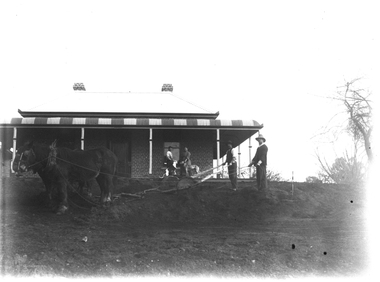
Negative - Haeusler Glass Negatives Collection - Two men ploughing with horse team
... ...farm activities...It contributes to our understanding of domestic and family life in early twentieth century Wodonga, as well as providing interpretative capacity for themes including local history and social history. wodonga pioneers haeusler family glass negatives dry plate photography wodonga families farm activities Digital image created from the Haeusler Glass negative collection. ...The Wodonga Historical Society Haeusler Collection provides invaluable insight into life in late nineteenth and early twentieth century north east Victoria. The collection comprises manuscripts, personal artefacts used by the Haeusler family on their farm in Wodonga, and a set of glass negatives which offer a unique visual snapshot of the domestic and social lives of the Haeusler family and local Wodonga community. The Haeusler family migrated from Prussia (Germany) to South Australia in the 1840s and 1850s, before purchasing 100 acres of Crown Land made available under the Victorian Lands Act 1862 (also known as ‘Duffy’s Land Act’) in 1866 in what is now Wodonga West. The Haeusler family were one of several German families to migrate from South Australia to Wodonga in the 1860s. This digital image was produced from one of the glass negatives that form part of the collection, probably taken by Louis Haeusler (b.1887) with the photographic equipment in the Wodonga Historical Society Haeusler Collection.This item is unique and has well documented provenance and a known owner. It forms part of a significant and representative historical collection which reflects the local history of Wodonga. It contributes to our understanding of domestic and family life in early twentieth century Wodonga, as well as providing interpretative capacity for themes including local history and social history.Digital image created from the Haeusler Glass negative collection. Two men ploughing with a pair of horses. A man and woman with two dogs are on the verandah in the background. The house is made of brick with a corrugated iron roof and verandah.wodonga pioneers, haeusler family, glass negatives, dry plate photography, wodonga families, farm activities -
 Bendigo Military Museum
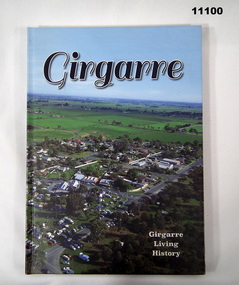
Book - LOCAL HISTORY, Athol McDonald and Jenny Wilson, "GIRGARRE - LIVING HISTORY", 2016
... Illustrated, black and white photographs - portraits, weddings, farm activities, family occasions etc....Illustrated, black and white photographs - portraits, weddings, farm activities, family occasions etc. "GIRGARRE - LIVING HISTORY" Book LOCAL HISTORY Athol McDonald and Jenny Wilson. ...Page 74 to Page 101 - Introduction from Page 74 - "Soldier Settlers; Listed below are the WW1 returned servicemen/ (Soldier Settlers) who took up land at Stanhope/ North, later named Girgarre. Most leases were under/ the conditions set down by the Discharged Soldier/ Settlement Acts, which were more generous than those/ of the Closer Settlement Acts."Hardcover book. Cover - cardboard, with white coloured print of front, spine and back on a background colour photograph "Aerial view of Girgarre on Market Day, September 2013". 251 pages, cut, plain, white, coloured paper. Illustrated, black and white photographs - portraits, weddings, farm activities, family occasions etc.publications, books, local history, ww1 soldier settlement, girgarre -
 Myrtleford and District Historical Society
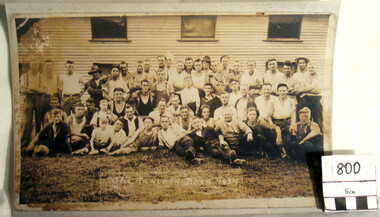
Hop Growers Photograph, "Panlook Boys, 1934"
... The photograph represents the migratory labour force involved in hop growing, the major farm activity on "Panlook's Hop Gardens", Eurobin in 1934. ...The photograph represents the migratory labour force involved in hop growing, the major farm activity on "Panlook's Hop Gardens", Eurobin in 1934. ...The photograph represents the migratory labour force involved in hop growing, the major farm activity on "Panlook's Hop Gardens", Eurobin in 1934. William Panlook a descendant of a Chinese storekeeper on the Buckland Diggings, had originally commenced tobacco growing at the location until devastating frosts and unreliable tobacco prices brought a change in land use. The photograph represents the transition that occurred from tobacco to hops cultivation in the early 1930s. It is now a permanent feature of the farming landscape at Eurobin. It depicts the reliance on migratory seasonal labour and the importance of local expertise, some of Chinese descent. A sepia-coloured photograph of 30 hop pickers.Inscription: "The Panlook Boys, 1934"hop growing. panlooks hop gardens. eurobin -
 Linton and District Historical Society Inc
Diary, Diary, John Clarke, 1919
... Entries in the diary record farm-related activities and events on the Clarke property at Piggoreet, between January and May 1919....Entries in the diary record farm-related activities and events on the Clarke property at Piggoreet, between January and May 1919. ...Photocopied sheets of original diary entries. Photocopies have been bound with blue cardboard covers held together by two-part folding paper clip. Entries in the diary record farm-related activities and events on the Clarke property at Piggoreet, between January and May 1919.john clarke, diaries, piggoreet -
 Bendigo Historical Society Inc.
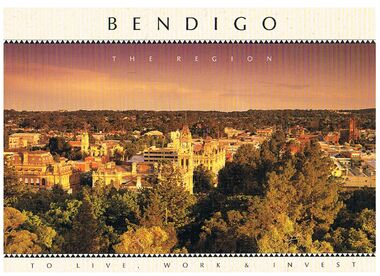
Book - BENDIGO - THE REGION TO LIVE, WORK & INVEST
... Each page has a colour picture, they are:- Hargreaves Mall, Eaglehawk Golf Course, Map of Victoria, La Trobe University, Big Hill, Regional Office Department of Planning & Development, Sandhurst Farms, Construction Activity, Products of the Region, Dr. ...Each page has a colour picture, they are:- Hargreaves Mall, Eaglehawk Golf Course, Map of Victoria, La Trobe University, Big Hill, Regional Office Department of Planning & Development, Sandhurst Farms, Construction Activity, Products of the Region, Dr. ...Pale yellow 12 page book titled 'Bendigo the Region to Live Work & Invest'. On the front cover is a scenic view of Bendigo and on the back cover a picture of some quartz and gold nuggets on a green background. Sections in the book are: Live Work & Invest, Lifestyle, Access, Community, Infrastructure, Labour Force, Business, Opportunity, Successes and Information. Each page has a colour picture, they are:- Hargreaves Mall, Eaglehawk Golf Course, Map of Victoria, La Trobe University, Big Hill, Regional Office Department of Planning & Development, Sandhurst Farms, Construction Activity, Products of the Region, Dr. Ian Macbean, Mr Evan Jones and the Capital Theatre with information on each.book, bendigo, bendigo, bendigo - the region to live, work & invest, bendigo regional development board, dr ian macbean, mr evan jones, kate mildren, richard gibbs, express printers, hargreaves mall, eaglehawk golf course, map of victoria, la trobe university, big hill, regional office department of planning & development, sandhurst farms, construction activity, products of the region, capital theatre -
 Kiewa Valley Historical Society
Box First Aid, Snake and Spider Outfit, Circa 1940's
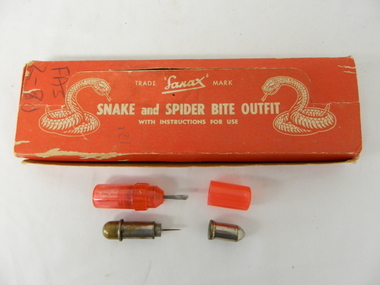
... Rural areas were more attuned to the possibilities of snake activity on farms, in sheds and in out houses and farm homesteads. ...Rural areas were more attuned to the possibilities of snake activity on farms, in sheds and in out houses and farm homesteads. ...At the time of manufacture, circa 1940's, the first aid treatment for snake bites, was to lance(cut) open the bite, wash it out and apply a ligature or tourniquet between the bite and the heart. This method was abandoned later after scientific evidence suggested that it was better to stop the blood system from carrying the poison to the heart (pressure immobilization). Australian snakes do not have long fangs therefore deep incisions into main arteries is rare. This research took many years to develop therefore the information supplied with the "Sanax" kits of this era is well outdated. Rural areas were more attuned to the possibilities of snake activity on farms, in sheds and in out houses and farm homesteads. This was not the case for mainly city and large townships environments. The mice plagues in wheat areas during the warmer month s has always been a high risk time for encountering snakesThese snake bite kits were issued to workers on the Kiewa Hydro Electricity Scheme. Some of these snake bite kits were kept at doctor's surgeries e.g. Bogong Village, House 13. The kit was carried by bushwalkers, scouts, farmers and high plains cattlemen. This item is of significance because it demonstrates the main dangers faced by all rural industries and towns, especially remote areas, and the portable remedies that where required as a necessity of the Australian bush environment. This item was in use at a time when the air ambulance and rescue facilities were not in existence and remote locations were more isolated and the availability of anti venom was hard to obtain locally.This item is a red coloured cardboard box(250 - 300 g/m) with white writing and containing the following 12 items. 7 clear red coloured capsules, 2 opaque red plastic capsules, 2 wooden capsules and 1 brass screw on capsule. The capsules are divided into two sections (compartments) horizontally. Each compartment has a screw lid. One compartment contains a lancet (for piercing the snake bite) and the other compartment contains the "Condy's" crystals compete with tightly rolled instructions.On top of the pull up lid, and flanked by two coiled snakes (at the strike position) is printed: "Trade Sanax Mark" below this " SNAKE and SPIDER BITE OUTFIT" and below this with instructions for use". Front side: "Sanax snake and spider bite outfit" underneath "Nepean Highway Morabbin" The later printing has been severely scratched but decipherable. The back side of the box has "Note to the retailer" and due to wear no more of the writing can be read. Each side of the box is printed "SANAX" snake, spider, first aid, kiewa hydro scheme, portable medical supplies -
 The Beechworth Burke Museum
Photograph - Lantern Slide, c1900
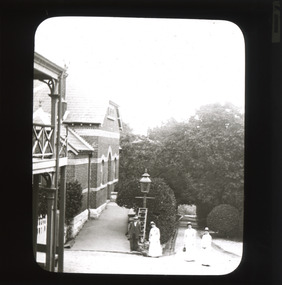
... Carole Woods' publication 'A Titan's Field' describes activities undertaken by patients at Beechworth Mental Hospital as including monthly balls and occasional concerts as well as work to make the facility self-supporting such as farm work and making clothes. ...Carole Woods' publication 'A Titan's Field' describes activities undertaken by patients at Beechworth Mental Hospital as including monthly balls and occasional concerts as well as work to make the facility self-supporting such as farm work and making clothes. ...This image appears to show nurses at what is now the Mayday Hills Mental Asylum arriving for work in approximately 1900. These individuals are part of a long history of nursing in Beechworth. Three medical or social welfare facilities opened in the mid-1800s as part of a push by the township to become a regional centre for Government services. These were the Ovens District Hospital (opened in 1857), the Ovens Benevolent Asylum (opened in 1863), and the Beechworth Mental Hospital (opened in 1867 and renamed Mayday Hills Hospital at Centenary celebrations in 1967). It was recognised that the unsettled living conditions, poverty and relative isolation of the Goldfields environment could produce 'mental disturbances' which required local treatment facilities as services in Melbourne were too far away. Carole Woods' publication 'A Titan's Field' describes activities undertaken by patients at Beechworth Mental Hospital as including monthly balls and occasional concerts as well as work to make the facility self-supporting such as farm work and making clothes. She mentions a report in 1870 that the approximately 300 patients were clean and neat with 'no-one in restraint or seclusion' but that by 1905 the organisation had 623 patients which placed strain on building infrastructure such as heating and water supplies, leading to high turnover of nurses and other issues. A program of building works to extend and improve facilities followed over subsequent decades. Lantern slides, sometimes called 'magic lantern' slides, are glass plates on which an image has been secured for the purpose of projection. Glass slides were etched or hand-painted for this purpose from the Eighteenth Century but the process became more popular and accessible to the public with the development of photographic-emulsion slides used with a 'Magic Lantern' device in the mid-Nineteenth Century. Photographic lantern slides comprise a double-negative emulsion layer (forming a positive image) between thin glass plates that are bound together. A number of processes existed to form and bind the emulsion layer to the base plate, including the albumen, wet plate collodion, gelatine dry plate and Woodburytype techniques. Lantern slides and magic lantern technologies are seen as foundational precursors to the development of modern photography and film-making techniques This glass slide is significant because it provides insight into Beechworth's social and medical amenities in the early Twentieth Century, around the time of Australia's Federation into one nation. It is also an example of an early photographic and film-making technology in use in regional Victoria in the time period.Thin translucent sheet of glass with a rectangular image printed on the front and framed in a black backing. It is held together by metals strips to secure the edges of the slide.Obverse: i /burke museum, beechworth, lantern slide, slide, glass slide, plate, burke museum collection, photograph, monochrome, magic lantern, indigo shire, north-east victoria, nineteenth century, 1900s, twentieth century, emulsion slides, nursing, nurses, mental hospitals, lunatic asylums, asylums, social services, social welfare, insane asylums, mental health, infrastructure -
 The Beechworth Burke Museum
Photograph - Lantern Slide, c1900
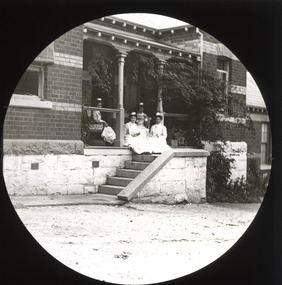
... Carole Woods' publication 'A Titan's Field' describes activities undertaken by patients at Beechworth Mental Hospital as including monthly balls and occasional concerts as well as work to make the facility self-supporting such as farm work and making clothes. ...Carole Woods' publication 'A Titan's Field' describes activities undertaken by patients at Beechworth Mental Hospital as including monthly balls and occasional concerts as well as work to make the facility self-supporting such as farm work and making clothes. ...This image appears to show nurses at what is now the Mayday Hills Mental Asylum in approximately 1900. These individuals are part of a long history of nursing in Beechworth. Three medical or social welfare facilities opened in the mid-1800s as part of a push by the township to become a regional centre for Government services. These were the Ovens District Hospital (opened in 1857), the Ovens Benevolent Asylum (opened in 1863), and the Beechworth Mental Hospital (opened in 1867 and renamed Mayday Hills Hospital at Centenary celebrations in 1967). It was recognised that the unsettled living conditions, poverty and relative isolation of the Goldfields environment could produce 'mental disturbances' which required local treatment facilities as services in Melbourne were too far away. Carole Woods' publication 'A Titan's Field' describes activities undertaken by patients at Beechworth Mental Hospital as including monthly balls and occasional concerts as well as work to make the facility self-supporting such as farm work and making clothes. She mentions a report in 1870 that the approximately 300 patients were clean and neat with 'no-one in restraint or seclusion' but that by 1905 the organisation had 623 patients which placed strain on building infrastructure such as heating and water supplies, leading to high turnover of nurses and other issues. A program of building works to extend and improve facilities followed over subsequent decades. Lantern slides, sometimes called 'magic lantern' slides, are glass plates on which an image has been secured for the purpose of projection. Glass slides were etched or hand-painted for this purpose from the Eighteenth Century but the process became more popular and accessible to the public with the development of photographic-emulsion slides used with a 'Magic Lantern' device in the mid-Nineteenth Century. Photographic lantern slides comprise a double-negative emulsion layer (forming a positive image) between thin glass plates that are bound together. A number of processes existed to form and bind the emulsion layer to the base plate, including the albumen, wet plate collodion, gelatine dry plate and Woodburytype techniques. Lantern slides and magic lantern technologies are seen as foundational precursors to the development of modern photography and film-making techniques.This glass slide is significant because it provides insight into Beechworth's social and medical amenities in the early Twentieth Century, around the time of Australia's Federation into one nation. It is also an example of an early photographic and film-making technology in use in regional Victoria in the time period.Thin translucent sheet of glass with a circular image printed on the front and framed in a black backing. It is held together by metals strips to secure the edges of the slide.burke museum, beechworth, lantern slide, slide, glass slide, plate, burke museum collection, photograph, monochrome, magic lantern, indigo shire, north-east victoria, nineteenth century, 1900s, twentieth century, emulsion slides, nursing, nurses, mental hospitals, lunatic asylums, asylums, social services, social welfare, insane asylums, mental health, infrastructure -
 Mission to Seafarers Victoria
Book (Item) - Scrapbook, David Hood Duncan, Album, 1850-1900
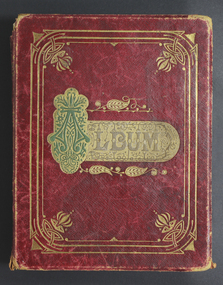
... farm, Kia Ora, in Koo Wee Rup, the South Gippsland. Ada Blanche died on 28 December 1928. David died on 24 May 1942. This is an album of social and historic significance, being part of a sub-collection of material that provides a snapshot of the type of individuals and families involved in the Ladies Harbour Lights Guild and the activities carried out by that organisation. duncan poems quotes newspaper cuttings albums scrapbooks lillie duncan olive duncan poetry ferns plants david hood duncan ada blanche duncan (nee thomson) epistolary Decoratively embossed word on front cover : "ALBUM" . ...This scrapbook contains newspaper cuttings, hand written poems and quotes from friends and family members and pressed flowers and ferns. Entries were made in the mid 1800s to early 1900s and relate to Duncan family history. The initials suggest this is Lillie and Olive's father, David Hood Duncan, who created this scrapbook. David Hood Duncan married Ada Blanche Thomson (1861-1928) on 25 November 1896. Ada was the daughter of John Gilmour Thomson (1829-1905) from Moonee Ponds and Hannah Davies (1834-1890) Their first daughter, Lillie, was born on 15 October 1897 in Woodland, South Gippsland where he was a farmer. In 1908, 1910, 1911, 1913, Lillie Duncan sent letters to Patience from the Young Folk section of the Australian. She was writing from Woodlea, Cathkin, where they had moved as there was no school in South Gippsland. They moved to 11 Paxton Street, East Malvern when David retired. He was leasing a farm, Kia Ora, in Koo Wee Rup, the South Gippsland. Ada Blanche died on 28 December 1928. David died on 24 May 1942.This is an album of social and historic significance, being part of a sub-collection of material that provides a snapshot of the type of individuals and families involved in the Ladies Harbour Lights Guild and the activities carried out by that organisation.Decoratively embossed word on front cover : "ALBUM" . Inner pages: Handwritten in various inks throughout are poems and quotes. Two unidentified initials followed by Duncan name on the inside page. duncan, poems, quotes, newspaper cuttings, albums, scrapbooks, lillie duncan, olive duncan, poetry, ferns, plants, david hood duncan, ada blanche duncan (nee thomson), epistolary -
 Marysville & District Historical Society
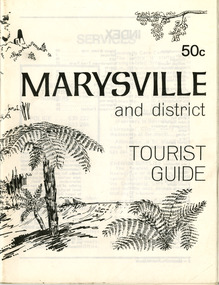
Booklet (Item) - Tourist guide, Ian and Danese Walshe et al, MARYSVILLE and district TOURIST GUIDE, 1982
... A tourist guide outlining services, accommodation, activities and places of interest to visit in and around Marysville and the local district. marysville victoria australia tourist guide marysville hotel castles' store hawthorne's corner shop tudor lodge black spur motel and caravan park buxton general store golden fleece roadhouse marysville garage burrengeen park lake mountain steavenson falls nanda binya lodge alpenglow nursery black spur inn hotel silver stream trout farm mccfarlane's grocery barton's drapery marysville newsagency eildon explorer beauty spot nursery crossways pumpernickel mckenzie's tourist services blue hills riding school mountain view horse hire pitt's garage maryton park j l gould sawmill eildon deer park eildon weir maroondah dam snob's creek healesville sanctuary graceburn park cathedral range beauty spot walk tree fern gully walk michaeldene track keppel track woods lookout track cumberland scenic reserve cambarville the big tree cora-lyn falls barton's lookout cumberland falls sovereign view wirreanda festival scenic motel tower motel marylands guest house kooringa guest house marylyn guest house mountain lodge el kanah marysville hotel motel buxton hotel motel black spur inn buxton caravan park marysville caravan park the cumberland marysville recreation and fun park A tourist guide outlining services, accommodation, activities and places of interest to visit in and around Marysville and the local district. ...A tourist guide outlining services, accommodation, activities and places of interest to visit in and around Marysville and the local district.A tourist guide outlining services, accommodation, activities and places of interest to visit in and around Marysville and the local district.marysville, victoria, australia, tourist guide, marysville hotel, castles' store, hawthorne's corner shop, tudor lodge, black spur motel and caravan park, buxton general store, golden fleece roadhouse, marysville garage, burrengeen park, lake mountain, steavenson falls, nanda binya lodge, alpenglow nursery, black spur inn hotel, silver stream trout farm, mccfarlane's grocery, barton's drapery, marysville newsagency, eildon explorer, beauty spot nursery, crossways, pumpernickel, mckenzie's tourist services, blue hills riding school, mountain view horse hire, pitt's garage, maryton park, j l gould sawmill, eildon deer park, eildon weir, maroondah dam, snob's creek, healesville sanctuary, graceburn park, cathedral range, beauty spot walk, tree fern gully walk, michaeldene track, keppel track, woods lookout track, cumberland scenic reserve, cambarville, the big tree, cora-lyn falls, barton's lookout, cumberland falls, sovereign view, wirreanda festival, scenic motel, tower motel, marylands guest house, kooringa guest house, marylyn guest house, mountain lodge, el kanah, marysville hotel motel, buxton hotel motel, black spur inn, buxton caravan park, marysville caravan park, the cumberland, marysville recreation and fun park -
 Marysville & District Historical Society
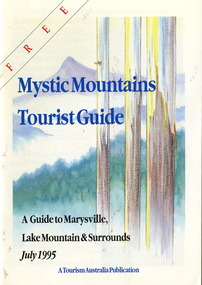
Ephemera (Item) - Tourist Guide, Graeme Haycraft, Mystic Mountains Tourist Guide July 1995, 07-1995
... A tourist guide outlining services, accommodation, activities and places of interest to visit in and around Marysville, Lake Mountain and the local district. marysville victoria australia tourist guide mystic mountains lake mountain tourism australia graeme haycraft magic creek nursery missing links miniature golf phelps bakery blackwood cottages marysville hotel motel tower motel kerami house marylands guest house lomatia lodge willowbank at taggerty barree mud brick cottages scenic motel somerled mountain retreat dalrymples guest cottages nanda binya lodge mathilde's of marysville country guest house the birches resort mystic mountains tourist information marysville caravan park the cumberland igloo roadhouse top shop pancake parlour the silver birch restaurant steavenson's restaurant olde yarra track shoppe danish coffee gardens oscars take-away country touch pottery studio & gallery cumberland memorial scenic reserve cathedral range state park lady talbot forest drive wishing well taggerty river picnic area taggerty river phantom falls keppels falls the beeches walking track mount sugarloaf maryton park holiday cottages snowviews esa camping & conference centre wirreanda festival marysville post shop hidden talent craft gallery marysville automotive repairs geoffrey pope & associates beauty spot walk tree fern gully walk michaeldene track marysville riding school gerraty's ski centre marysville holiday cottages marysville triangle taxi service fruit salad farm lake mountain alpine resort marysville ski hire lake mountain ski school cross country ski hire lake mountain ski hire marysville country club Acknowledgements/ Mystic Mountains Tourism Association, Marysville Office of the Dept. of Conser/ vation & Natural Resources, Mrs Elaine Postlethwaite, Ms Sue Henry & every/ advertiser without whose support this Guide would not have been possible. A tourist guide outlining services, accommodation, activities ...A tourist guide outlining services, accommodation, activities and places of interest to visit in and around Marysville, Lake Mountain and the local district.A tourist guide outlining services, accommodation, activities and places of interest to visit in and around Marysville, Lake Mountain and the local district.Acknowledgements/ Mystic Mountains Tourism Association, Marysville Office of the Dept. of Conser/ vation & Natural Resources, Mrs Elaine Postlethwaite, Ms Sue Henry & every/ advertiser without whose support this Guide would not have been possible.marysville, victoria, australia, tourist guide, mystic mountains, lake mountain, tourism australia, graeme haycraft, magic creek nursery, missing links miniature golf, phelps bakery, blackwood cottages, marysville hotel motel, tower motel, kerami house, marylands guest house, lomatia lodge, willowbank at taggerty, barree mud brick cottages, scenic motel, somerled mountain retreat, dalrymples guest cottages, nanda binya lodge, mathilde's of marysville country guest house, the birches resort, mystic mountains tourist information, marysville caravan park, the cumberland, igloo roadhouse, top shop pancake parlour, the silver birch restaurant, steavenson's restaurant, olde yarra track shoppe, danish coffee gardens, oscars take-away, country touch pottery studio & gallery, cumberland memorial scenic reserve, cathedral range state park, lady talbot forest drive, wishing well, taggerty river picnic area, taggerty river, phantom falls, keppels falls, the beeches walking track, mount sugarloaf, maryton park holiday cottages, snowviews, esa camping & conference centre, wirreanda festival, marysville post shop, hidden talent craft gallery, marysville automotive repairs, geoffrey pope & associates, beauty spot walk, tree fern gully walk, michaeldene track, marysville riding school, gerraty's ski centre, marysville holiday cottages, marysville triangle taxi service, fruit salad farm, lake mountain alpine resort, marysville ski hire, lake mountain ski school, cross country ski hire, lake mountain ski hire, marysville country club -
 Federation University Historical Collection
Book - Book - Scrapbook, Ballarat School of MInes: Scrapbook of Newspaper Cuttings, Book 76, October 1996 to January 1997
... activities and advertisements for staff. The papers concerned are The Courier, Ballarat, The Australian, The Age and other region papers over the period of 25 October 1996 to 16 January 1997 teaching positions advertised pre-employment courses courses available enrolment for smb courses certificate in work education course students with disabilities smb founder's day brian mclennan kerrie cross bill gribble dennis olmstead susanne mckenzie sue labbett frank kitchen david nicholson max palmer mobile training facility farm machinery course murray cook phillip kinnersly performing arts "heat" and "heat 2" smb ceramics exhibition smb tafe college offer police recruitment testing tafe teachers in pay strike australian education union organiser eric sinkis derek van der bom ballarat uni smb launch writing course'smb seek part of $200m funds smb council demands explanation on axing bill gribble smb council president aboriginal art on display deanne jakiel ballarat academy of performing arts rich cultural heritage steinway gift to academy amy young smb subjects on internet the brewery complex farewell to long serving staff frank hurley pat hope bob morrell smb expands into ararat and asia self-styled award winners women in building industry janet bruce in course for females education ministers visit ballarat senator amanda vanstone phil honeywood victorian minister pam davies president smb council $145500 to smb edgar bartrop scholarship to jayson ryder Book with yellow cover, front, spiral bound. ...Collection of newspaper articles related to Ballarat School Of Mines.They cover activities and advertisements for staff. The papers concerned are The Courier, Ballarat, The Australian, The Age and other region papers over the period of 25 October 1996 to 16 January 1997Book with yellow cover, front, spiral bound. teaching positions advertised, pre-employment courses, courses available, enrolment for smb courses, certificate in work education course, students with disabilities, smb founder's day, brian mclennan, kerrie cross, bill gribble, dennis olmstead, susanne mckenzie, sue labbett, frank kitchen, david nicholson, max palmer, mobile training facility, farm machinery course, murray cook, phillip kinnersly, performing arts "heat" and "heat 2", smb ceramics exhibition, smb tafe college offer police recruitment testing, tafe teachers in pay strike, australian education union organiser eric sinkis, derek van der bom, ballarat uni smb launch writing course'smb seek part of $200m funds, smb council demands explanation on axing, bill gribble smb council president, aboriginal art on display, deanne jakiel, ballarat academy of performing arts, rich cultural heritage, steinway gift to academy, amy young, smb subjects on internet, the brewery complex, farewell to long serving staff, frank hurley, pat hope, bob morrell, smb expands into ararat and asia, self-styled award winners, women in building industry, janet bruce in course for females, education ministers visit ballarat, senator amanda vanstone, phil honeywood victorian minister, pam davies president smb council, $145500 to smb, edgar bartrop scholarship to jayson ryder -
Federation University Historical Collection
Book - Book - Scrapbook, Ballarat College of Advanced Education: Scrapbook of newspaper cutting, Book 6; August 1979 to January 1980
... farm...miners have learned from past mistakes...working holiday in america...more mining activity...The cuttings cover the period from 10 August 1979 to 30 January 1980. . employment advertisements application for enrolment outline of courses bcae open day on sunday energy hysteria by lobby groups farmer and his fuel supply prof helen lyman outreach subjuects adult literacy migrant education a bush walk moorabool river energy and the farm miners have learned from past mistakes working holiday in america more mining activity ahead secondary students 'copping out' for 'soft options' national parks satisfy a need dr myron sutton dr ann sutton bcae guidance for secondary students peter blizzard sculptor $1200 award helping novice orienteers bishop hazlewood apologises to bcae 'verbal vandalism' says jack barker soil conservation - in designs stephen roberts judy ellis ballarat books on campus education - buildings luxury image what's in a name sergeant family recital reading skills depend on parental support computer link a success paddle your stone canoe projects in tune with needs voice training for the deaf turned into a game career centre at work rail link forum bcar librarianship courses accredited health and human relations education concrete canoe club wins trophy laa looking out for librarians future plans for bcae new policy on college entrance final year arts students forestry course health education course german safety expert visit expert in safety engineering physical education impotant in schools lack of reading and numeracy skills remedial neglect: who's to blame teachers not doing job? ...Newspaper cuttings relating to Ballarat College of Advanced Education. These are from various newspapers and include The Age, Ballarat Courier, The Australian, The Herald. The cuttings cover the period from 10 August 1979 to 30 January 1980. . Book with grey cover, front. Spiral bound.employment advertisements, application for enrolment, outline of courses, bcae open day on sunday, energy hysteria by lobby groups, farmer and his fuel supply, prof helen lyman, outreach subjuects, adult literacy, migrant education, a bush walk, moorabool river, energy and the farm, miners have learned from past mistakes, working holiday in america, more mining activity ahead, secondary students 'copping out' for 'soft options', national parks satisfy a need, dr myron sutton, dr ann sutton, bcae guidance for secondary students, peter blizzard sculptor, $1200 award, helping novice orienteers, bishop hazlewood apologises to bcae, 'verbal vandalism' says jack barker, soil conservation - in designs, stephen roberts, judy ellis, ballarat books on campus, education - buildings luxury image, what's in a name, sergeant family recital, reading skills depend on parental support, computer link a success, paddle your stone canoe, projects in tune with needs, voice training for the deaf turned into a game, career centre at work, rail link forum, bcar librarianship courses accredited, health and human relations education, concrete canoe club wins trophy, laa looking out for librarians, future plans for bcae, new policy on college entrance, final year arts students, forestry course, health education course, german safety expert visit, expert in safety engineering, physical education impotant in schools, lack of reading and numeracy skills, remedial neglect: who's to blame, teachers not doing job? not true, zig plavina retires, discussion on students reports, keith mcelroy asu's first coaching co-ordinator, great hall near completion -
 Marysville & District Historical Society
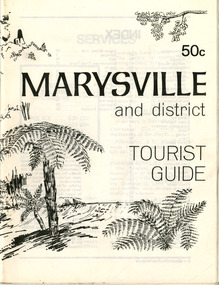
Booklet (Item) - Tourist guide, Ian and Danese Walshe et al, MARYSVILLE and district TOURIST GUIDE, 1982
... A tourist guide outlining services, accommodation, activities and places of interest to visit in and around Marysville and the local district. marysville victoria australia tourist guide marysville hotel castles' store hawthorne's corner shop tudor lodge black spur motel and caravan park buxton general store golden fleece roadhouse marysville garage burrengeen park lake mountain steavenson falls nanda binya lodge alpenglow nursery black spur inn hotel silver stream trout farm mccfarlane's grocery barton's drapery marysville newsagency eildon explorer beauty spot nursery crossways pumpernickel mckenzie's tourist services blue hills riding school mountain view horse hire pitt's garage maryton park j l gould sawmill eildon deer park eildon weir maroondah dam snob's creek healesville sanctuary graceburn park cathedral range beauty spot walk tree fern gully walk michaeldene track keppel track woods lookout track cumberland scenic reserve cambarville the big tree cora-lyn falls barton's lookout cumberland falls sovereign view wirreanda festival scenic motel tower motel marylands guest house kooringa guest house marylyn guest house mountain lodge el kanah marysville hotel motel buxton hotel motel black spur inn buxton caravan park marysville caravan park the cumberland marysville recreation and fun park A tourist guide outlining services, accommodation, activities and places of interest to visit in and around Marysville and the local district. ...A tourist guide outlining services, accommodation, activities and places of interest to visit in and around Marysville and the local district.A tourist guide outlining services, accommodation, activities and places of interest to visit in and around Marysville and the local district.marysville, victoria, australia, tourist guide, marysville hotel, castles' store, hawthorne's corner shop, tudor lodge, black spur motel and caravan park, buxton general store, golden fleece roadhouse, marysville garage, burrengeen park, lake mountain, steavenson falls, nanda binya lodge, alpenglow nursery, black spur inn hotel, silver stream trout farm, mccfarlane's grocery, barton's drapery, marysville newsagency, eildon explorer, beauty spot nursery, crossways, pumpernickel, mckenzie's tourist services, blue hills riding school, mountain view horse hire, pitt's garage, maryton park, j l gould sawmill, eildon deer park, eildon weir, maroondah dam, snob's creek, healesville sanctuary, graceburn park, cathedral range, beauty spot walk, tree fern gully walk, michaeldene track, keppel track, woods lookout track, cumberland scenic reserve, cambarville, the big tree, cora-lyn falls, barton's lookout, cumberland falls, sovereign view, wirreanda festival, scenic motel, tower motel, marylands guest house, kooringa guest house, marylyn guest house, mountain lodge, el kanah, marysville hotel motel, buxton hotel motel, black spur inn, buxton caravan park, marysville caravan park, the cumberland, marysville recreation and fun park -
 Marysville & District Historical Society
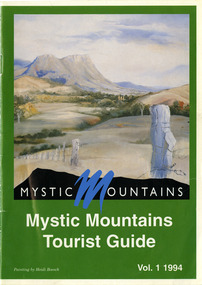
Ephemera (Item) - Tourist Guide, Michael Nash et al, Mystic Mountains Tourist Guide Vol. 1 1994, 1994
... A tourist guide outlining services, accommodation, activities and places of interest to visit in and around Marysville and the local district. marysville victoria australia tourist guide mystic mountains michael nash dudley jones marysville and district tourist and progress association department of conservation & natural resources shire of alexandra paperwork professionals pp art services harrier printing darrowby deer farm heidi boesch hidden talent craft gallery olde yarra track shoppe lady talbot forest drive mathilde's of marysville country guest house wishing well taggerty river picnic area taggery river phantom falls keppel falls the beeches walking track mount sugarloaf beauty spot walk tree fern gully walk michaeldene track keppel track woods lookout track marysville caravan park baree mud brick cottages cumberland scenic reserve nanda binya lodge cambarville the big tree barton's lookout cumberland falls our lady of the snows catholic church anglican church christ marysville christian fellowship sovereign view the big culvert st fillan steavenson's restaurant the birches resort cathedral range state park tower motel marysville post shop lake mountain wirreanda festival cross country ski hire marysville hotel motel kerami house marysville holiday cottages missing links miniature golf top shop pancake parlour marylands guest house dalrymples guest cottages crossways country inn esa camping & conference centre scenic motel the cumberland maryton park holiday cottages lomatia lodge holiday house willowbank gallery and art centre igloo roadhouse a model tours geoffrey pope & associates ACKNOWLEDGEMENTS:/ Marysville and District Tourist and Progress Association, Marysville/ Office of the Department of Conservation & Natural Resources, Shire/ of Alexandra Visitors Guide and all our advertisers whom without/ their support this publication would not have been possible. ...A tourist guide outlining services, accommodation, activities and places of interest to visit in and around Marysville and the local district.A tourist guide outlining services, accommodation, activities and places of interest to visit in and around Marysville and the local district.ACKNOWLEDGEMENTS:/ Marysville and District Tourist and Progress Association, Marysville/ Office of the Department of Conservation & Natural Resources, Shire/ of Alexandra Visitors Guide and all our advertisers whom without/ their support this publication would not have been possible.marysville, victoria, australia, tourist guide, mystic mountains, michael nash, dudley jones, marysville and district tourist and progress association, department of conservation & natural resources, shire of alexandra, paperwork professionals, pp art services, harrier printing, darrowby deer farm, heidi boesch, hidden talent craft gallery, olde yarra track shoppe, lady talbot forest drive, mathilde's of marysville country guest house, wishing well, taggerty river picnic area, taggery river, phantom falls, keppel falls, the beeches walking track, mount sugarloaf, beauty spot walk, tree fern gully walk, michaeldene track, keppel track, woods lookout track, marysville caravan park, baree mud brick cottages, cumberland scenic reserve, nanda binya lodge, cambarville, the big tree, barton's lookout, cumberland falls, our lady of the snows catholic church, anglican church christ, marysville christian fellowship, sovereign view, the big culvert, st fillan, steavenson's restaurant, the birches resort, cathedral range state park, tower motel, marysville post shop, lake mountain, wirreanda festival, cross country ski hire, marysville hotel motel, kerami house, marysville holiday cottages, missing links miniature golf, top shop pancake parlour, marylands guest house, dalrymples guest cottages, crossways country inn, esa camping & conference centre, scenic motel, the cumberland, maryton park holiday cottages, lomatia lodge holiday house, willowbank gallery and art centre, igloo roadhouse, a model tours, geoffrey pope & associates -
 Marysville & District Historical Society
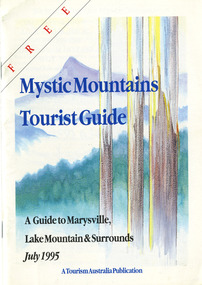
Ephemera (Item) - Tourist Guide, Graeme Haycraft, Mystic Mountains Tourist Guide July 1995, 07-1995
... A tourist guide outlining services, accommodation, activities and places of interest to visit in and around Marysville, Lake Mountain and the local district. marysville victoria australia tourist guide mystic mountains lake mountain tourism australia graeme haycraft magic creek nursery missing links miniature golf phelps bakery blackwood cottages marysville hotel motel tower motel kerami house marylands guest house lomatia lodge willowbank at taggerty barree mud brick cottages scenic motel somerled mountain retreat dalrymples guest cottages nanda binya lodge mathilde's of marysville country guest house the birches resort mystic mountains tourist information marysville caravan park the cumberland igloo roadhouse top shop pancake parlour the silver birch restaurant steavenson's restaurant olde yarra track shoppe danish coffee gardens oscars take-away country touch pottery studio & gallery cumberland memorial scenic reserve cathedral range state park lady talbot forest drive wishing well taggerty river picnic area taggerty river phantom falls keppels falls the beeches walking track mount sugarloaf maryton park holiday cottages snowviews esa camping & conference centre wirreanda festival marysville post shop hidden talent craft gallery marysville automotive repairs geoffrey pope & associates beauty spot walk tree fern gully walk michaeldene track marysville riding school gerraty's ski centre marysville holiday cottages marysville triangle taxi service fruit salad farm lake mountain alpine resort marysville ski hire lake mountain ski school cross country ski hire lake mountain ski hire marysville country club Acknowledgements/ Mystic Mountains Tourism Association, Marysville Office of the Dept. of Conser/ vation & Natural Resources, Mrs Elaine Postlethwaite, Ms Sue Henry & every/ advertiser without whose support this Guide would not have been possible. A tourist guide outlining services, accommodation, activities ...A tourist guide outlining services, accommodation, activities and places of interest to visit in and around Marysville, Lake Mountain and the local district.A tourist guide outlining services, accommodation, activities and places of interest to visit in and around Marysville, Lake Mountain and the local district.Acknowledgements/ Mystic Mountains Tourism Association, Marysville Office of the Dept. of Conser/ vation & Natural Resources, Mrs Elaine Postlethwaite, Ms Sue Henry & every/ advertiser without whose support this Guide would not have been possible.marysville, victoria, australia, tourist guide, mystic mountains, lake mountain, tourism australia, graeme haycraft, magic creek nursery, missing links miniature golf, phelps bakery, blackwood cottages, marysville hotel motel, tower motel, kerami house, marylands guest house, lomatia lodge, willowbank at taggerty, barree mud brick cottages, scenic motel, somerled mountain retreat, dalrymples guest cottages, nanda binya lodge, mathilde's of marysville country guest house, the birches resort, mystic mountains tourist information, marysville caravan park, the cumberland, igloo roadhouse, top shop pancake parlour, the silver birch restaurant, steavenson's restaurant, olde yarra track shoppe, danish coffee gardens, oscars take-away, country touch pottery studio & gallery, cumberland memorial scenic reserve, cathedral range state park, lady talbot forest drive, wishing well, taggerty river picnic area, taggerty river, phantom falls, keppels falls, the beeches walking track, mount sugarloaf, maryton park holiday cottages, snowviews, esa camping & conference centre, wirreanda festival, marysville post shop, hidden talent craft gallery, marysville automotive repairs, geoffrey pope & associates, beauty spot walk, tree fern gully walk, michaeldene track, marysville riding school, gerraty's ski centre, marysville holiday cottages, marysville triangle taxi service, fruit salad farm, lake mountain alpine resort, marysville ski hire, lake mountain ski school, cross country ski hire, lake mountain ski hire, marysville country club -
 Marysville & District Historical Society
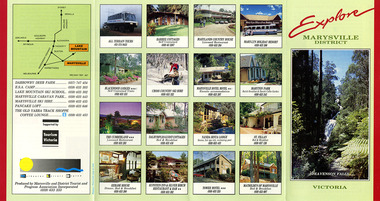
Ephemera (Item) - Information brochure, Marysville and District Tourist and Progress Association, Explore MARYSVILLE DISTRICT, Unknown
... An information brochure with photographs of accommodation sites and businesses in Marysville as well as activities to experience in and around Marysville. marysville victoria australia information brochure all terrain tours baree cottages marylands country house may-yn holiday resort blackwood lodges cross country ski hire marysville hotel motel maryton park the cumberland dalrymples guest cottages nanda binya lodge st fillan kerami house kufstein inn silver birch restaurant and bar tower motel mathilde's of marysville steavenson falls marysville and district tourist and progress association incorporated tourism victoria darrowby deer farm esa camp lake mountain ski school marysville caravan park marysville ski hire pancake loft the old yarra track shoppe Supported by/ Victorian/ Tourism/ Commission Produced by Marysville/ and District Tourist and Progress Association Incorporated An information brochure with photographs of accommodation sites and businesses in Marysville as well as activities to experience in and around Marysville. ...An information brochure with photographs of accommodation sites and businesses in Marysville as well as activities to experience in and around Marysville. This brochure was produced by the Marysville & District Tourist & Progress Association with the support of Tourism Victoria.An information brochure with photographs of accommodation sites and businesses in Marysville as well as activities to experience in and around Marysville.Supported by/ Victorian/ Tourism/ Commission Produced by Marysville/ and District Tourist and Progress Association Incorporatedmarysville, victoria, australia, information brochure, all terrain tours, baree cottages, marylands country house, may-yn holiday resort, blackwood lodges, cross country ski hire, marysville hotel motel, maryton park, the cumberland, dalrymples guest cottages, nanda binya lodge, st fillan, kerami house, kufstein inn, silver birch restaurant and bar, tower motel, mathilde's of marysville, steavenson falls, marysville and district tourist and progress association incorporated, tourism victoria, darrowby deer farm, esa camp, lake mountain ski school, marysville caravan park, marysville ski hire, pancake loft, the old yarra track shoppe -
 Marysville & District Historical Society
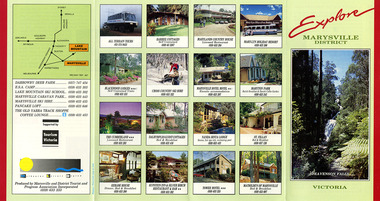
Ephemera (Item) - Information brochure, Marysville and District Tourist and Progress Association, Explore MARYSVILLE DISTRICT, Unknown
... An information brochure with photographs of accommodation sites and businesses in Marysville as well as activities to experience in and around Marysville. marysville victoria australia information brochure all terrain tours baree cottages marylands country house may-yn holiday resort blackwood lodges cross country ski hire marysville hotel motel maryton park the cumberland dalrymples guest cottages nanda binya lodge st fillan kerami house kufstein inn silver birch restaurant and bar tower motel mathilde's of marysville steavenson falls marysville and district tourist and progress association incorporated tourism victoria darrowby deer farm esa camp lake mountain ski school marysville caravan park marysville ski hire pancake loft the old yarra track shoppe Supported by/ Victorian/ Tourism/ Commission Produced by Marysville/ and District Tourist and Progress Association Incorporated An information brochure with photographs of accommodation sites and businesses in Marysville as well as activities to experience in and around Marysville. ...An information brochure with photographs of accommodation sites and businesses in Marysville as well as activities to experience in and around Marysville. This brochure was produced by the Marysville & District Tourist & Progress Association with the support of Tourism Victoria.An information brochure with photographs of accommodation sites and businesses in Marysville as well as activities to experience in and around Marysville.Supported by/ Victorian/ Tourism/ Commission Produced by Marysville/ and District Tourist and Progress Association Incorporatedmarysville, victoria, australia, information brochure, all terrain tours, baree cottages, marylands country house, may-yn holiday resort, blackwood lodges, cross country ski hire, marysville hotel motel, maryton park, the cumberland, dalrymples guest cottages, nanda binya lodge, st fillan, kerami house, kufstein inn, silver birch restaurant and bar, tower motel, mathilde's of marysville, steavenson falls, marysville and district tourist and progress association incorporated, tourism victoria, darrowby deer farm, esa camp, lake mountain ski school, marysville caravan park, marysville ski hire, pancake loft, the old yarra track shoppe -
 Marysville & District Historical Society
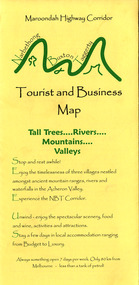
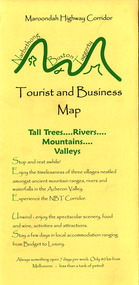
Map (Item) - Tourist and business map, Narbethong Community and Tourism Group, Narbethong Buxton Taggerty Tourist and Business Map, 04-2008
... activities and food trail from the Black Spur, through Narbethong, Buxton and Taggerty. A tourist and business map of Narbethong, Buxton and Taggerty. narbethong buxton taggerty victoria australia tourist and business map narbethong community and tourism group acheron valley yarra track wood's point black spur mystic mountains the meeting of the waters cathedral range danico design counted cross stitch things of sand & stone buxton zoo nursery & oddz & enz willowbank at taggerty safe trek 4wd services pnl 4wdriving buxton trout and salmon farm mystic mountains ski hire & outdoors narbethong ski hire highwood health centre cathedral view natural therapies narby cabinets plants by shelian gb timber executive signs rb automotive repairs buxton car care marysville towing & equipment hire martyn slade building design cathedral peak framing black spur roadhouse & ski hire tudor lodge roadhouse & ski hire buxton roadhouse & persian bazzar buxton post office general store & niche bar igloo roadhouse taggerty store narby eggs marapana agistment park mantirri blueberry farm carmyle farm hazelwood hazelnuts south cathedral lavender farm cathedral cherries black spur motel & caravan park woodlands rainforest retreat chestnut glade black spur inn wombat cottage abbey lake luxury b & b spa cottages blue views holiday cottages camp narbethong marapana farm stay b & b mantirri blueberry farm b & b little dene garden cottages silverstream b & b cottages nareen cabins moondai farm b & b south cathedral farm luxury b & b cottages yarrolyn caravan park sarsens rest lomah retreat pinjarra gardens kingbilli country estate henry viii manor house buxton hotel butters cafe of buxton wagtail wines little river wines lanterns at willowbank wirrawilla rainforest walk wilhemina falls the cascades This publication has been produced by the Narbethong Community and Tourism/ Group (NCTG) to promote the natural attractions, adventure activities and food/ trail from the Black Spur, through Narbethong, Buxton and Taggerty./ the information provided in this publication has been supplied by the individual/ members. ...A tourist and business map of Narbethong, Buxton and Taggerty. This map was produced by the Narbethong Community and Tourism Group in April 2008. It was produced to promote the natural attractions, adventure activities and food trail from the Black Spur, through Narbethong, Buxton and Taggerty.A tourist and business map of Narbethong, Buxton and Taggerty.This publication has been produced by the Narbethong Community and Tourism/ Group (NCTG) to promote the natural attractions, adventure activities and food/ trail from the Black Spur, through Narbethong, Buxton and Taggerty./ the information provided in this publication has been supplied by the individual/ members. NCTG takes no responsibility for its accuracy./ April 2008narbethong, buxton, taggerty, victoria, australia, tourist and business map, narbethong community and tourism group, acheron valley, yarra track, wood's point, black spur, mystic mountains, the meeting of the waters, cathedral range, danico design counted cross stitch, things of sand & stone, buxton zoo nursery & oddz & enz, willowbank at taggerty, safe trek 4wd services, pnl 4wdriving, buxton trout and salmon farm, mystic mountains ski hire & outdoors, narbethong ski hire, highwood health centre, cathedral view natural therapies, narby cabinets, plants by shelian, gb timber, executive signs, rb automotive repairs, buxton car care, marysville towing & equipment hire, martyn slade building design, cathedral peak framing, black spur roadhouse & ski hire, tudor lodge roadhouse & ski hire, buxton roadhouse & persian bazzar, buxton post office general store & niche bar, igloo roadhouse, taggerty store, narby eggs, marapana agistment park, mantirri blueberry farm, carmyle farm, hazelwood hazelnuts, south cathedral lavender farm, cathedral cherries, black spur motel & caravan park, woodlands rainforest retreat, chestnut glade, black spur inn, wombat cottage, abbey lake luxury b & b spa cottages, blue views holiday cottages, camp narbethong, marapana farm stay b & b, mantirri blueberry farm b & b, little dene garden cottages, silverstream b & b cottages, nareen cabins, moondai farm b & b, south cathedral farm luxury b & b cottages, yarrolyn caravan park, sarsens rest, lomah retreat, pinjarra gardens, kingbilli country estate, henry viii manor house, buxton hotel, butters cafe of buxton, wagtail wines, little river wines, lanterns at willowbank, wirrawilla rainforest walk, wilhemina falls, the cascades -
 Marysville & District Historical Society
Map (Item) - Tourist and business map, Narbethong Community and Tourism Group, Narbethong Buxton Taggerty Tourist and Business Map, 04-2008
... activities and food trail from the Black Spur, through Narbethong, Buxton and Taggerty. A tourist and business map of Narbethong, Buxton and Taggerty. narbethong buxton taggerty victoria australia tourist and business map narbethong community and tourism group acheron valley yarra track wood's point black spur mystic mountains the meeting of the waters cathedral range danico design counted cross stitch things of sand & stone buxton zoo nursery & oddz & enz willowbank at taggerty safe trek 4wd services pnl 4wdriving buxton trout and salmon farm mystic mountains ski hire & outdoors narbethong ski hire highwood health centre cathedral view natural therapies narby cabinets plants by shelian gb timber executive signs rb automotive repairs buxton car care marysville towing & equipment hire martyn slade building design cathedral peak framing black spur roadhouse & ski hire tudor lodge roadhouse & ski hire buxton roadhouse & persian bazzar buxton post office general store & niche bar igloo roadhouse taggerty store narby eggs marapana agistment park mantirri blueberry farm carmyle farm hazelwood hazelnuts south cathedral lavender farm cathedral cherries black spur motel & caravan park woodlands rainforest retreat chestnut glade black spur inn wombat cottage abbey lake luxury b & b spa cottages blue views holiday cottages camp narbethong marapana farm stay b & b mantirri blueberry farm b & b little dene garden cottages silverstream b & b cottages nareen cabins moondai farm b & b south cathedral farm luxury b & b cottages yarrolyn caravan park sarsens rest lomah retreat pinjarra gardens kingbilli country estate henry viii manor house buxton hotel butters cafe of buxton wagtail wines little river wines lanterns at willowbank wirrawilla rainforest walk wilhemina falls the cascades This publication has been produced by the Narbethong Community and Tourism/ Group (NCTG) to promote the natural attractions, adventure activities and food/ trail from the Black Spur, through Narbethong, Buxton and Taggerty./ the information provided in this publication has been supplied by the individual/ members. ...A tourist and business map of Narbethong, Buxton and Taggerty. This map was produced by the Narbethong Community and Tourism Group in April 2008. It was produced to promote the natural attractions, adventure activities and food trail from the Black Spur, through Narbethong, Buxton and Taggerty.A tourist and business map of Narbethong, Buxton and Taggerty.This publication has been produced by the Narbethong Community and Tourism/ Group (NCTG) to promote the natural attractions, adventure activities and food/ trail from the Black Spur, through Narbethong, Buxton and Taggerty./ the information provided in this publication has been supplied by the individual/ members. NCTG takes no responsibility for its accuracy./ April 2008narbethong, buxton, taggerty, victoria, australia, tourist and business map, narbethong community and tourism group, acheron valley, yarra track, wood's point, black spur, mystic mountains, the meeting of the waters, cathedral range, danico design counted cross stitch, things of sand & stone, buxton zoo nursery & oddz & enz, willowbank at taggerty, safe trek 4wd services, pnl 4wdriving, buxton trout and salmon farm, mystic mountains ski hire & outdoors, narbethong ski hire, highwood health centre, cathedral view natural therapies, narby cabinets, plants by shelian, gb timber, executive signs, rb automotive repairs, buxton car care, marysville towing & equipment hire, martyn slade building design, cathedral peak framing, black spur roadhouse & ski hire, tudor lodge roadhouse & ski hire, buxton roadhouse & persian bazzar, buxton post office general store & niche bar, igloo roadhouse, taggerty store, narby eggs, marapana agistment park, mantirri blueberry farm, carmyle farm, hazelwood hazelnuts, south cathedral lavender farm, cathedral cherries, black spur motel & caravan park, woodlands rainforest retreat, chestnut glade, black spur inn, wombat cottage, abbey lake luxury b & b spa cottages, blue views holiday cottages, camp narbethong, marapana farm stay b & b, mantirri blueberry farm b & b, little dene garden cottages, silverstream b & b cottages, nareen cabins, moondai farm b & b, south cathedral farm luxury b & b cottages, yarrolyn caravan park, sarsens rest, lomah retreat, pinjarra gardens, kingbilli country estate, henry viii manor house, buxton hotel, butters cafe of buxton, wagtail wines, little river wines, lanterns at willowbank, wirrawilla rainforest walk, wilhemina falls, the cascades -
 Marysville & District Historical Society
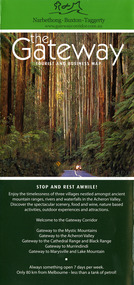
Map (Item) - Tourist and business map, Narbethong Community and Tourism Group, the Gateway TOURIST AND BUSINESS MAP, 08-2009
... activities, and food trail from the Black Spur, through Narbethong, Buxton, and Taggerty. A tourist and business map of Narbethong, Buxton and Taggerty. narbethong buxton taggerty victoria australia tourist and business map the gateway tourist and business map black spur motel & caravan park woodlands rainforest retreat chestnut glade black spur inn wombat cottage abbey lake luxury b&b spa cottages camp narbethong marapana farm stay b&b mantirri b&b little dene garden cottages nareen cabins silverstream b&b cottages buxton hotel motel south cathedral farm luxury b&b cottages cathedral view b&b retreat kingbilli country estate cathedral valley farm pinjarra gardens willowbank at taggerty sarsens rest yarrolyn caravan park danico design counted cross stitch things of sand & stone buxton zoo nursery safetrek 4wd services mystic mountains ski hire & outdoors pnl 4wdriving buxton trout and salmon farm buxton bait and tackle black spur roadhouse tudor lodge service station roadhouse & ski hire buxton roadhouse buxton p.o. general store igloo roadhouse henry v111 manor house buxton hotel butters cafe wagtail wines little river wines narby eggs marapana agistment park carmyle farm hazelwood hazelnuts cathedral view naturall therapies cre8ing growth linda hailey naby cabinets gb timber narbethong timber & trading rb automotive repairs buxton car care martyn slade building design taggerty vet clinic This publication has been produced by the Narbethong Community and Tourism Group Inc./ (NCTG) The information provided in this publication has been supplied by the individual/ members. ...A tourist and business map of Narbethong, Buxton, and Taggerty. This map was produced by the Narbethong Community and Tourism Group Inc in August 2009. It was produced to promote the natural attractions, adventure activities, and food trail from the Black Spur, through Narbethong, Buxton, and Taggerty.A tourist and business map of Narbethong, Buxton and Taggerty.This publication has been produced by the Narbethong Community and Tourism Group Inc./ (NCTG) The information provided in this publication has been supplied by the individual/ members. NCTG takes no responsibility for its accuracy./ August 2009narbethong, buxton, taggerty, victoria, australia, tourist and business map, the gateway tourist and business map, black spur motel & caravan park, woodlands rainforest retreat, chestnut glade, black spur inn, wombat cottage, abbey lake luxury b&b spa cottages, camp narbethong, marapana farm stay b&b, mantirri b&b, little dene garden cottages, nareen cabins, silverstream b&b cottages, buxton hotel motel, south cathedral farm luxury b&b cottages, cathedral view b&b retreat, kingbilli country estate, cathedral valley farm, pinjarra gardens, willowbank at taggerty, sarsens rest, yarrolyn caravan park, danico design counted cross stitch, things of sand & stone, buxton zoo nursery, safetrek 4wd services, mystic mountains ski hire & outdoors, pnl 4wdriving, buxton trout and salmon farm, buxton bait and tackle, black spur roadhouse, tudor lodge service station roadhouse & ski hire, buxton roadhouse, buxton p.o. general store, igloo roadhouse, henry v111 manor house, buxton hotel, butters cafe, wagtail wines, little river wines, narby eggs, marapana agistment park, carmyle farm, hazelwood hazelnuts, cathedral view naturall therapies, cre8ing growth, linda hailey, naby cabinets, gb timber, narbethong timber & trading, rb automotive repairs, buxton car care, martyn slade building design, taggerty vet clinic -
Federation University Historical Collection
Book - Book - Scrapbook, Ballarat School of MInes: Scrapbook of Newspaper Cuttings, Book 2, June 1976 - August 1977
... activities and advertisements for staff. The papers concerned are The Courier, Ballarat, The Australian, The Age over the period from June 1976 to August 1977. staffing advertisements graeme beanland new principal technical colleges under strain meeting on farm apprenticeships drop in apprenticeship intake business studies course new college concept for ballarat big year ahead for school of mines 1977 courses ballarat school for bricklayers deputation moves to retain girls' high school t a f e in the ballarat region barry stoddart top marks in plumbing exam time for entries for external studies studying without classes adult education courses counselling goes public farming courses nursing bursaries for smb students remedial teachertraining for woolgrowers parents concerned says principal smb principal questions education values smb honors council president founders' prize for glen glasson new course to help building industry new teaching method gives hope for poor readers mr thompsonwill open bricklaying school first need is for tradesmen workshop tackles reading problem cabinet gets hot reception the official history of the school of mines satellite learning for aust? ...Collection of newspaper articles related to Ballarat School Of Mines.They cover activities and advertisements for staff. The papers concerned are The Courier, Ballarat, The Australian, The Age over the period from June 1976 to August 1977.Book with deep red and white cover back and front, spiral bound. staffing advertisements, graeme beanland new principal, technical colleges under strain, meeting on farm apprenticeships, drop in apprenticeship intake, business studies course, new college concept for ballarat, big year ahead for school of mines, 1977 courses, ballarat school for bricklayers, deputation moves to retain girls' high school, t a f e in the ballarat region, barry stoddart top marks in plumbing exam, time for entries for external studies, studying without classes, adult education courses, counselling goes public, farming courses, nursing bursaries for smb students, remedial teachertraining for woolgrowers, parents concerned says principal, smb principal questions education values, smb honors council president, founders' prize for glen glasson, new course to help building industry, new teaching method gives hope for poor readers, mr thompsonwill open bricklaying school, first need is for tradesmen, workshop tackles reading problem, cabinet gets hot reception, the official history of the school of mines, satellite learning for aust?, apprenticeship week exhibition, fijian education officer visits schools in ballarat -
Federation University Historical Collection
Book - Book - Scrapbook, Ballarat School of MInes: Scrapbook of Newspaper Cuttings, Book 6, July 1979 - December 1979
... activities and advertisements for staff. The papers concerned are The Courier, Ballarat, The Australian, The Age over the period of 03/07/1979 to 03/12/1979 staffing advertisements remedial teachers at smb courses at smb smb community resource centre open smb music centre smb farm course report comdemns training country kids get a raw deal smb raft race apprentice week work and pleasure trip to snow for smb students apprentice safety seminar at ballarat val d'angri and "inkle weaving" the best of both worlds smb weaving demonstration many apprentices lack reading and number skills teachers upset at mystery cut centenary ceremony for smb gardens gardens and art linked indonesian visitors at smb a.l.p.moves on new technology problems of remedial teaching Book with deep red and white cover back and front, spiral bound. ...Collection of newspaper articles related to Ballarat School Of Mines.They cover activities and advertisements for staff. The papers concerned are The Courier, Ballarat, The Australian, The Age over the period of 03/07/1979 to 03/12/1979Book with deep red and white cover back and front, spiral bound. staffing advertisements, remedial teachers at smb, courses at smb, smb community resource centre open, smb music centre, smb farm course, report comdemns training, country kids get a raw deal, smb raft race, apprentice week, work and pleasure trip to snow for smb students, apprentice safety seminar at ballarat, val d'angri and "inkle weaving", the best of both worlds, smb weaving demonstration, many apprentices lack reading and number skills, teachers upset at mystery cut, centenary ceremony for smb gardens, gardens and art linked, indonesian visitors at smb, a.l.p.moves on new technology, problems of remedial teaching -
Federation University Historical Collection
Book - Book - Scrapbook, Ballarat School of MInes: Scrapbook of Newspaper Cuttings, February 1979 - 1980
... activities and advertisements for staff. The papers concerned are The Courier, Ballarat, The Australian, The Age over the period of February 1979 to 1980. Items have appeared in other books, mainly Item 31009 staffing advertisements remedial teachers at smb courses at smb smb community resource centre open smb music centre smb farm course report comdemns training country kids get a raw deal smb raft race apprentice week work and pleasure trip to snow for smb students apprentice safety seminar at ballarat val d'angri and "inkle weaving" the best of both worlds smb weaving demonstration many apprentices lack reading and number skills teachers upset at mystery cut centenary ceremony for smb gardens gardens and art linked indonesian visitors at smb a.l.p.moves on new technology problems of remedial teaching Book with deep red and white cover back and front, spiral bound. ...Collection of newspaper articles related to Ballarat School Of Mines.They cover activities and advertisements for staff. The papers concerned are The Courier, Ballarat, The Australian, The Age over the period of February 1979 to 1980. Items have appeared in other books, mainly Item 31009Book with deep red and white cover back and front, spiral bound. staffing advertisements, remedial teachers at smb, courses at smb, smb community resource centre open, smb music centre, smb farm course, report comdemns training, country kids get a raw deal, smb raft race, apprentice week, work and pleasure trip to snow for smb students, apprentice safety seminar at ballarat, val d'angri and "inkle weaving", the best of both worlds, smb weaving demonstration, many apprentices lack reading and number skills, teachers upset at mystery cut, centenary ceremony for smb gardens, gardens and art linked, indonesian visitors at smb, a.l.p.moves on new technology, problems of remedial teaching -
Federation University Historical Collection
Book - Book - Scrapbook, Ballarat School of MInes: Scrapbook of Newspaper Cuttings, Book 7, December 1979 - February 1980
... activities and advertisements for staff. The papers concerned are The Courier, Ballarat, The Australian, The Age over the period of 04/12/1979 to 29/02/1980. staffing advertisements courses available sportzfarm program dorothy jenkins coordinator of access programs janet willis music studies art of being a gentlewoman computer science sports farm for children night courses for working people smb grows to meet new needs spotlight on education adult education programs tafe evening classes training course for shop assistants 'talking tex' is coming to town new smb $3m building fit tafe strategy welding seminar attracts 80 people Book with deep red and white cover back and front, spiral bound. ...Collection of newspaper articles related to Ballarat School Of Mines.They cover activities and advertisements for staff. The papers concerned are The Courier, Ballarat, The Australian, The Age over the period of 04/12/1979 to 29/02/1980.Book with deep red and white cover back and front, spiral bound. staffing advertisements, courses available, sportzfarm program, dorothy jenkins coordinator of access programs, janet willis music studies, art of being a gentlewoman, computer science, sports farm for children, night courses for working people, smb grows to meet new needs, spotlight on education, adult education programs, tafe evening classes, training course for shop assistants, 'talking tex' is coming to town, new smb $3m building fit tafe strategy, welding seminar attracts 80 people -
Federation University Historical Collection
Book - Book - Scrapbook, Ballarat School of MInes: Scrapbook of Newspaper Cuttings, Book 8, March 1980 to August 1980
... host farm seminar at smb...build activity...activities and advertisements for staff. The papers concerned are The Courier, Ballarat, The Australian, The Age over the period of 01/03/1980 to 08/08/1980 staffing advertisements courses available goldfields learning is new theme $3million projects for smb advice on what's cooking $956700 amenities building smb helps unemployed youth renaissance dancing at workshop at smb shield to smb tafe colleges sports foundry for students host farm seminar at smb build activity on campus life be in it games new scheme for chippies memorial to guides at creswick camp richards medal presentation richard richards principal antarctis explorer wendouree rotary apprentice award move for archaeological society smb awards presented tippett prise goes to wendouree fitter malcolm rodgers signing contract for $1.8 million building development at smb new scheme for apprentices off-campus study of tertiary education management course at smb ballarat students win welding awards mark spencer wins craftsmanship certificate aboriginal art exhibition examination in woolclassing robert featherstone smb farm apprentice student smb land lab ballarat has proud tradition in education smb practical training for unemployed young people Book with white cover - front, spiral bound. ...Collection of newspaper articles related to Ballarat School Of Mines.They cover activities and advertisements for staff. The papers concerned are The Courier, Ballarat, The Australian, The Age over the period of 01/03/1980 to 08/08/1980Book with white cover - front, spiral bound. staffing advertisements, courses available, goldfields learning is new theme, $3million projects for smb, advice on what's cooking, $956700 amenities building, smb helps unemployed youth, renaissance dancing at workshop at smb, shield to smb tafe colleges sports, foundry for students, host farm seminar at smb, build activity on campus, life be in it games, new scheme for chippies, memorial to guides at creswick camp, richards medal presentation, richard richards principal, antarctis explorer, wendouree rotary apprentice award, move for archaeological society, smb awards presented, tippett prise goes to wendouree fitter malcolm rodgers, signing contract for $1.8 million building development at smb, new scheme for apprentices, off-campus study of tertiary education, management course at smb, ballarat students win welding awards, mark spencer wins craftsmanship certificate, aboriginal art exhibition, examination in woolclassing, robert featherstone smb farm apprentice student, smb land lab, ballarat has proud tradition in education, smb practical training for unemployed young people -
Federation University Historical Collection
Book - Book - Scrapbook, Ballarat School of MInes: Scrapbook of Newspaper Cuttings, Book 13, November 1981 to March 1982
... activities and advertisements for staff. The papers concerned are The Courier, Ballarat, The Australian, The Age over the period of 25 November 1981 to 13 March 1982. courses available teaching positions advertised restoration of "spirit of ballarat" advance apprenticeship 200 mrs chambers resigns from smb council phyllis elliott studying metal work practical experience on farm smb may introduce student quotas smb courses for all mrs chambers accused of campaign against smb david rees top drafting student in state corbould a man of iron and vision computer training course the changing scene in apprentice training jan wood highest achiever in receptionist course greg mannix - ballarat artist's big year scope of tafe course puts it at top fleur haller co-ordinator of evening classes brian webber angry on ballarat education scene new smb training program for apprentices school-to-work transition program at smb trade workshop nears completion oldest technical school grew from gold rush smb head resigns access program opens doors kevin james and andrew woodward - qualified but jobless heather george andrew dale and jenny peers to study music at melbourne state college council gives $10000 to smb to restoration of east library building machinists' courses to provide 60 jobs fiona fraser won 100 metres freestyle shears new education co-ordinator Book with white cover, front, spiral bound. ...Collection of newspaper articles related to Ballarat School Of Mines.They cover activities and advertisements for staff. The papers concerned are The Courier, Ballarat, The Australian, The Age over the period of 25 November 1981 to 13 March 1982.Book with white cover, front, spiral bound. courses available, teaching positions advertised, restoration of "spirit of ballarat", advance apprenticeship 200, mrs chambers resigns from smb council, phyllis elliott studying metal work, practical experience on farm, smb may introduce student quotas, smb courses for all, mrs chambers accused of campaign against smb, david rees top drafting student in state, corbould a man of iron and vision, computer training course, the changing scene in apprentice training, jan wood highest achiever in receptionist course, greg mannix - ballarat artist's big year, scope of tafe course puts it at top, fleur haller co-ordinator of evening classes, brian webber angry on ballarat education scene, new smb training program for apprentices, school-to-work transition program at smb, trade workshop nears completion, oldest technical school grew from gold rush, smb head resigns, access program opens doors, kevin james and andrew woodward - qualified but jobless, heather george andrew dale and jenny peers to study music at melbourne state college, council gives $10000 to smb to restoration of east library building, machinists' courses to provide 60 jobs, fiona fraser won 100 metres freestyle, shears new education co-ordinator -
Federation University Historical Collection
Book - Book - Scrapbook, Ballarat School of MInes: Scrapbook of Newspaper Cuttings, Book 19, October 1983 to February 1984
... activities and advertisements for staff. The papers concerned are The Courier, Ballarat, The Australian, The Age over the period of 20 October 1983 to 25 February 1984. courses available teaching positions advertised nick morris wins photo competition ross armstrong's photo douglas miller to play in melbourne concert ballarat teachers join strike smb to cut programs adult literacy course at smb visitors from indonesia selkirk brick pty ltd farm apprenticeships smb art instructor neville bunning smb vocational skills centre exhibition sums up lives of colquhouns amalie colquhourn neville bunning still painting at 81 lauren pointon smb wins organ scholarship former smb students honored philip tjerkstra edward sperber peter manzel traditional end for classes karina martin - modern greek classes $670000 grant for school first woman completes building construction course at smb - nerida smith more continue studies in hope of jobs twelve learn first skills - fitting and machining art prize has local links hugh williamson- art benefactor woolclassing courses at smb cut louise kellett wins photographic prize Book with yellow cover, front, spiral bound. ...Collection of newspaper articles related to Ballarat School Of Mines.They cover activities and advertisements for staff. The papers concerned are The Courier, Ballarat, The Australian, The Age over the period of 20 October 1983 to 25 February 1984.Book with yellow cover, front, spiral bound. courses available, teaching positions advertised, nick morris wins photo competition, ross armstrong's photo, douglas miller to play in melbourne concert, ballarat teachers join strike, smb to cut programs, adult literacy course at smb, visitors from indonesia, selkirk brick pty ltd, farm apprenticeships, smb art instructor neville bunning, smb vocational skills centre, exhibition sums up lives of colquhouns, amalie colquhourn, neville bunning still painting at 81, lauren pointon smb wins organ scholarship, former smb students honored, philip tjerkstra, edward sperber, peter manzel, traditional end for classes, karina martin - modern greek classes, $670000 grant for school, first woman completes building construction course at smb - nerida smith, more continue studies in hope of jobs, twelve learn first skills - fitting and machining, art prize has local links, hugh williamson- art benefactor, woolclassing courses at smb cut, louise kellett wins photographic prize -
Federation University Historical Collection
Book - Book - Scrapbook, Ballarat School of MInes: Scrapbook of Newspaper Cuttings, Book 26, February 1986 to June 1986
... activities and advertisements for staff. The papers concerned are The Courier, Ballarat, The Australian, The Age over the period of 22 February 1986 to 7 June 1986. teaching positions advertised pre-employment courses courses available simulators to teach drivers new computer installed at smb kevin howell george couyant kevin jarvis begonia festival features pilot recreation scheme for older adults senior citizens' week at smb computer managed learning system at smb smb extensions ready by september off-campus students david brown wins 3 awards award of merit for geologist phil day smb farm apprentices with john taylor skill olympics entry award for rodney smart electrical trades apprentice bruce miller award for plumbing peter lange top electrical apprentice ballarat astronomical society smb new carpentry centre opens smb on line with building technology search for skill olympians big chance for young apprentices smb hosting new business course rodney mayne top plumbing apprentice women to learn trades jason o'brien john patton andrew glisson apprentice boilermakers grant gilbert best motor mechanic apprentices seek gold at skill olympics ballarat innovation centre's plan observatory display at gold museum nikon school photographic contest melissa bone david noonan john paton Book with beige cover, front, spiral bound. ...Collection of newspaper articles related to Ballarat School Of Mines.They cover activities and advertisements for staff. The papers concerned are The Courier, Ballarat, The Australian, The Age over the period of 22 February 1986 to 7 June 1986.Book with beige cover, front, spiral bound. teaching positions advertised, pre-employment courses, courses available, simulators to teach drivers, new computer installed at smb, kevin howell, george couyant, kevin jarvis, begonia festival features, pilot recreation scheme for older adults, senior citizens' week at smb, computer managed learning system at smb, smb extensions ready by september, off-campus students, david brown wins 3 awards, award of merit for geologist phil day, smb farm apprentices with john taylor, skill olympics entry, award for rodney smart electrical trades, apprentice bruce miller award for plumbing, peter lange top electrical apprentice, ballarat astronomical society, smb new carpentry centre opens, smb on line with building technology, search for skill olympians, big chance for young apprentices, smb hosting new business course, rodney mayne top plumbing apprentice, women to learn trades, jason o'brien, john patton, andrew glisson, apprentice boilermakers, grant gilbert best motor mechanic, apprentices seek gold at skill olympics, ballarat innovation centre's plan, observatory display at gold museum, nikon school photographic contest, melissa bone, david noonan, john paton -
Federation University Historical Collection
Book - Book - Scrapbook, Ballarat School of MInes: Scrapbook of Newspaper Cuttings, Book 54, October 1992 to February 1993
... activities and advertisements for staff. The papers concerned are The Courier, Ballarat, The Australian, The Age over the period of 29 October 1992 to 2 February 1993 teaching positions advertised pre-employment courses courses available enrolment for smb courses laminex workers training out of trade apprentices paul donald apprentice of the year smb ceramics exhibition new enterprise scheme art and design students' work 50-year reunion linda waller certificate in adult basic education keith robson michael browne debbie collins $90000 facelift garden terraces concern at rejecting students sally lee and karen findlay win scholarships scott young farm trades award conference by satellite old library part of smb funds for extra places ararat smb campus tafe Book with green cover, front, spiral bound. ...Collection of newspaper articles related to Ballarat School Of Mines.They cover activities and advertisements for staff. The papers concerned are The Courier, Ballarat, The Australian, The Age over the period of 29 October 1992 to 2 February 1993Book with green cover, front, spiral bound. teaching positions advertised, pre-employment courses, courses available, enrolment for smb courses, laminex workers training, out of trade apprentices, paul donald apprentice of the year, smb ceramics exhibition, new enterprise scheme, art and design students' work, 50-year reunion, linda waller, certificate in adult basic education, keith robson, michael browne, debbie collins, $90000 facelift garden terraces, concern at rejecting students, sally lee and karen findlay win scholarships, scott young farm trades award, conference by satellite, old library part of smb, funds for extra places, ararat smb campus tafe
