
Showing 119 items matching "farm shop"
-
 The Beechworth Burke Museum
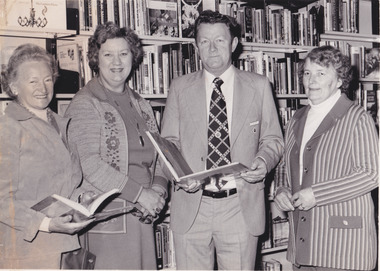
Audio - Oral History, Jennifer Williams, Mrs Val Mason, 5 January 2001
... ...farm shop...farm stay. Mrs. Mason was instrumental in introducing a 'paddock to plate' philosophy and business model, opening a butcher shop on the farm in 1973. ...Mason's story is testimony to the region's economic diversification as businesses like Big Valley farm shop helped shape the region's contemporary character. ...Mrs. Valerie (Val) Mason (1927-2019) was a local sheep farmer, business-woman, Beechworth shire councillor, and mother to five children. With her husband, Charles, Mrs. Mason developed and managed the Big Valley farm estate, at Everton, which is now part of a vineyard and farm stay. Mrs. Mason was instrumental in introducing a 'paddock to plate' philosophy and business model, opening a butcher shop on the farm in 1973. Concerned with improving infrastructure and developing economic opportunities in the region, Mrs. Mason successfully stood as a local council representative for South Riding in the United Shire of Beechworth, and later become the first woman Shire President in 1979. Mrs Mason was a member of the local Business and Professional Women's Club for 37 years. This oral history recording was part of a project conducted by Jennifer Williams in the year 2000 to capture the everyday life and struggles in Beechworth during the twentieth century. This project involved recording seventy oral histories on cassette tapes of local Beechworth residents which were then published in a book titled: 'Listen to what they say: voices of twentieth century Beechworth. These cassette tapes were digitised in July 2021 with funds made available by the Friends of the Burke.Mrs. Mason's story is historically significant for understanding economic and social changes in the Beechworth region during the latter half of the twentieth century. As a council representative, issues such as road and infrastructure modernisation and the transition from traditional government employment sectors, like Beechworth's care institutions, were challenges for local government. As a farmer and local employer, Mrs. Mason's story is testimony to the region's economic diversification as businesses like Big Valley farm shop helped shape the region's contemporary character. Mrs. Mason was among the first women to broach the traditionally all-male Beechworth Council Chambers and her story is socially significant for understanding the changing role of women in rural and regional Australia. This oral history recording offers interpretive capacity for social history themes and may be compared with other oral histories in the Burke Museum's collection. This oral history account is socially and historically significant as it is a part of a broader collection of interviews conducted by Jennifer Williams which were published in the book 'Listen to what they say: voices of twentieth-century Beechworth.' While the township of Beechworth is known for its history as a gold rush town, these accounts provide a unique insight into the day-to-day life of the town's residents during the 20th century, many of which will have now been lost if they had not been preserved.This is a digital copy of a recording that was originally captured on a cassette tape. The cassette tape is black with a horizontal white strip and is currently stored in a clear flat plastic rectangular container. It holds up 40 minutes of recordings on each side.Mrs Val Mason /listen to what they say, beechworth, oral history, burke museum, working women, trail blazers, farm to plate, farm shop, paddock to plate, woman farmer, united shire of beechworth, rural and regional women, beechworth's first woman shire president, women in leadership positions, women leaders, australian settlement history, settler societies, victorian gold rush, heritage tourism, culinary tourism, regional land use, indigo winery, farm stay, social history -
 Kiewa Valley Historical Society
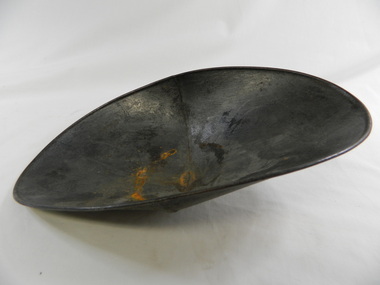
Weights - dish
... weights. shop. farm produce store. scales....Dish used to weigh goods in a shop or farm produce store prior to packaging....Dish used to weigh goods in a shop or farm produce store prior to packaging. ...Dish used to weigh goods in a shop or farm produce store prior to packaging.Historical: Goods were weighed in shops prior to packaging of goods.Steel curved dish joined in the centre forming a shallow oval shape. weights. shop. farm produce store. scales. -
 Whitehorse Historical Society Inc.
Article, Historic steam trip, 2/11/1982 12:00:00 AM
... Archivist Keith Paterson said when the line opened December 1882 the area east of Box Hill had only small and scattered pioneer farms, no shops and only one post office at a hotel in Blackburn and 1 or 2 schools. ...Archivist Keith Paterson said when the line opened December 1882 the area east of Box Hill had only small and scattered pioneer farms, no shops and only one post office at a hotel in Blackburn and 1 or 2 schools. ...Archivist Keith Paterson said when the line opened December 1882 the area east of Box Hill had only small and scattered pioneer farms, no shops and only one post office at a hotel in Blackburn and 1 or 2 schools. ...Commemorative one day steam trip to celebrate the centenary of the Camberwell - Lilydale railway line.Commemorative one day steam trip to celebrate the centenary of the Camberwell - Lilydale railway line. The K190 steam local will stop at Blackburn for a short ceremony. The celebration on 27 November will be organized by the Australian Railway Historical Society. Archivist Keith Paterson said when the line opened December 1882 the area east of Box Hill had only small and scattered pioneer farms, no shops and only one post office at a hotel in Blackburn and 1 or 2 schools. In 1861 first station was opened, terminating at Hawthorn, which was the case for 20 years.Commemorative one day steam trip to celebrate the centenary of the Camberwell - Lilydale railway line. railways, camberwell to lilydale rail line centenary, australian railway historical society, patterson, keith arthur -
 Orbost & District Historical Society
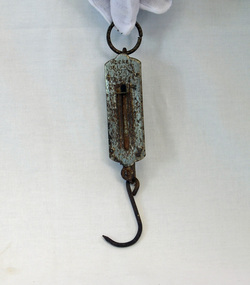
pocket scales, 1920's
... From the late 18th century onwards these small scales were widely used in markets, grocers and farm shops – wherever people needed to be able to verify the weight of goods to be purchased in order to calculate the correct pricing. ...From the late 18th century onwards these small scales were widely used in markets, grocers and farm shops – wherever people needed to be able to verify the weight of goods to be purchased in order to calculate the correct pricing. ...The pocket balance was first created in 1770 by Richard Salter in the UK. From the late 18th century onwards these small scales were widely used in markets, grocers and farm shops – wherever people needed to be able to verify the weight of goods to be purchased in order to calculate the correct pricing. Because it was portable, and simple to use, the pocket balance was ideal for weighing goods where accuracy was not required. This balance appears to have been used for weighing fish.Pocket spring scales made of steel. There is a spring fixed at one end with a hook to which an object can be attached at the other. At the top of the scales there. is a metallic ring to fasten the object. This is attached to the main body which on one side has measurements inscribed into the metal surface. Inside the body is a spring loaded mechanism which moves along the scales when weight is added to a hook at the bottom of the shaft.At the top - POCKET BALANCE ARROW and the letters M P inside an oval.scales pocket-balance spring-balance measuring-instrument -
 Kiewa Valley Historical Society
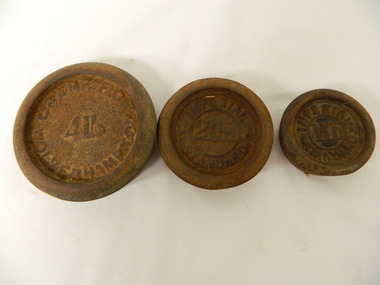
Weights - 3 in Set
... These weights were used to measure goods in a shop or farm produce store....These weights were used to measure goods in a shop or farm produce store. Historical: These weights were used prior to decimalisation and prior to packaging of goods. weights. store. shop. scales. 4 lb / Crane F Co. / Wolverhampton 2 lbs / Imperial / Standard 1 lb / Imperial / Standard Solid cast iron brown weights with rim around the circumference. ...These weights were used to measure goods in a shop or farm produce store.Historical: These weights were used prior to decimalisation and prior to packaging of goods.Solid cast iron brown weights with rim around the circumference. Embossed inside the rim at the top with the maker and weight. Slightly narrower at the base.4 lb / Crane F Co. / Wolverhampton 2 lbs / Imperial / Standard 1 lb / Imperial / Standardweights. store. shop. scales. -
 Bendigo Historical Society Inc.
Document - COCKS FAMILY HISTORY
... It also tells of the properties owned, horses they bred, dairy farms and later shops in Melbourne which various family members had....It also tells of the properties owned, horses they bred, dairy farms and later shops in Melbourne which various family members had. ...Forty four pages of the Cocks Family History including Acknowledgements and an introductory letter from David James Cocks. No page seven. The Cock Family came England and on arrival in Victoria the letter 's' was added to their surname. Robinson Cock came to Australia at the request of his brother-in-law, John Hunter Patterson, who owned Moorabbee Station, where he started to work. It also tells of the properties owned, horses they bred, dairy farms and later shops in Melbourne which various family members had.person, family, cocks family, cocks family history, david james cocks, robinson cocks, john hunter patterson, bendiog library, mary ann cocks (nee reeves), gwendolyn nellie pegg (nee cocks), herbert james robinson cocks (jim), leslie vincent kennett cocks (les), victor hugh cocks (hugh), herbert victor thomas cocks (bert), nellie cocks (nee mills), leslie robinson cocks, catherine cnatrill (nee cocks), herbert arthur cocks, eve ellen cocks (nee scott), leonard gibb cocks (len), raymond cocks, ingrid cocks (nee petersen), phyllis hope cocks (nee phillips), 'kimbolton', 'mcivor', john ormond randell, latrobe library, melbourne university archives, queensberry hill press, brown prior anderson p/ltd, john cock, katherine robinson, john cock, catherine shepperson -
 Marysville & District Historical Society
Booklet (Item) - Tourist guide, Ian and Danese Walshe et al, MARYSVILLE and district TOURIST GUIDE, 1982
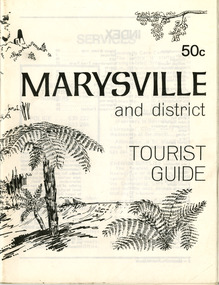
... shop...tudor lodge...black spur motel and caravan park...buxton general store...golden fleece roadhouse...marysville garage...burrengeen park...lake mountain...steavenson falls...nanda binya lodge...alpenglow nursery...black spur inn hotel...silver stream trout farm...A tourist guide outlining services, accommodation, activities and places of interest to visit in and around Marysville and the local district. marysville victoria australia tourist guide marysville hotel castles' store hawthorne's corner shop tudor lodge black spur motel and caravan park buxton general store golden fleece roadhouse marysville garage burrengeen park lake mountain steavenson falls nanda binya lodge alpenglow nursery black spur inn hotel silver stream trout farm mccfarlane's grocery barton's drapery marysville newsagency eildon explorer beauty spot nursery crossways pumpernickel mckenzie's tourist services blue hills riding school mountain view horse hire pitt's garage maryton park j l gould sawmill eildon deer park eildon weir maroondah dam snob's creek healesville sanctuary graceburn park cathedral range beauty spot walk tree fern gully walk michaeldene track keppel track woods lookout track cumberland scenic reserve cambarville the big tree cora-lyn falls barton's lookout cumberland falls sovereign view wirreanda festival scenic motel tower motel marylands guest house kooringa guest house marylyn guest house mountain lodge el kanah marysville hotel motel buxton hotel motel black spur inn buxton caravan park marysville caravan park the cumberland marysville recreation and fun park A tourist guide outlining services, accommodation, activities and places of interest to visit in and around Marysville and the local district. ...A tourist guide outlining services, accommodation, activities and places of interest to visit in and around Marysville and the local district.A tourist guide outlining services, accommodation, activities and places of interest to visit in and around Marysville and the local district.marysville, victoria, australia, tourist guide, marysville hotel, castles' store, hawthorne's corner shop, tudor lodge, black spur motel and caravan park, buxton general store, golden fleece roadhouse, marysville garage, burrengeen park, lake mountain, steavenson falls, nanda binya lodge, alpenglow nursery, black spur inn hotel, silver stream trout farm, mccfarlane's grocery, barton's drapery, marysville newsagency, eildon explorer, beauty spot nursery, crossways, pumpernickel, mckenzie's tourist services, blue hills riding school, mountain view horse hire, pitt's garage, maryton park, j l gould sawmill, eildon deer park, eildon weir, maroondah dam, snob's creek, healesville sanctuary, graceburn park, cathedral range, beauty spot walk, tree fern gully walk, michaeldene track, keppel track, woods lookout track, cumberland scenic reserve, cambarville, the big tree, cora-lyn falls, barton's lookout, cumberland falls, sovereign view, wirreanda festival, scenic motel, tower motel, marylands guest house, kooringa guest house, marylyn guest house, mountain lodge, el kanah, marysville hotel motel, buxton hotel motel, black spur inn, buxton caravan park, marysville caravan park, the cumberland, marysville recreation and fun park -
 Marysville & District Historical Society
Booklet (Item) - Leisure guide, Michael Chesire & Associates Pty. Ltd, MARYSVILLE & DISTRICT LEISURE GUIDE-AUTUMN/WINTER, 1986, 1986
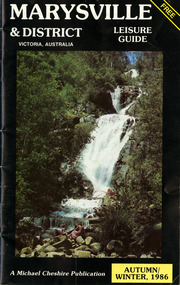
... shop...tower motel...menzes garage...beauty spot nursery...marysville ski hire...lake mountain ski school...faraway forest...scenic motel...buxton trout farm...A free leisure guide to Marysville and the surrounding district published for Autumn and Winter, 1986. marysville victoria australia leisure guide michael cheshire & associates pty ltd marysville golf club blackwood lodges sir colin mackenzie fauna park lake eildon fraser national park yarra valley wineries marysville coach tours kooringa marylands guest house lady talbot forest drive wishing well taggerty river recreation area athols abbey phantom falls keppel falls the beeches walking track marylyn guest house kufstein inn motel the cumberland marysville tourist & progress association marysville newsagency & general store crossways restaurant & motel beauty spot walk tree fern gully walk michaeldene track keppel track woods lookout track marysville hotel motel lake mountain ski hire marysville recreation and fun park mytanta horseback safaris upper big river valley the big culvert marysville mountain view horse hire maryton park amber view holiday lodges cathedral restaurant the top shop tower motel menzes garage beauty spot nursery marysville ski hire lake mountain ski school faraway forest scenic motel buxton trout farm marysville hardware timbertop steakhouse marysville trout farm healesville sanctuary buxton hotel motel nanda binya lodge buxton antique and furniture mart the black spur inn hotel alexandra lake mountain geoffrey pope & associates A free leisure guide to Marysville and the surrounding district published for Autumn and Winter, 1986. ...A free leisure guide to Marysville and the surrounding district published for Autumn and Winter, 1986. This was produced by Michael Cheshire as a free publication to promote tourism in Marysville and the surrounding district. It includes maps of the Big River Valley, Cumberland Valley, Lady Talbot Forest Drive, the Marysville area, and the township of Marysville. It was released in the autumn of 1986 and was sponsored by the Marysville Tourist & Progress Association. The Association was formed in November 1907 to promote tourism within the area. This included the physical creation of signage, parklands, roads, and walks to various attractions. A free leisure guide to Marysville and the surrounding district published for Autumn and Winter, 1986.marysville, victoria, australia, leisure guide, michael cheshire & associates pty ltd, marysville golf club, blackwood lodges, sir colin mackenzie fauna park, lake eildon, fraser national park, yarra valley wineries, marysville coach tours, kooringa, marylands guest house, lady talbot forest drive, wishing well, taggerty river recreation area, athols abbey, phantom falls, keppel falls, the beeches walking track, marylyn guest house, kufstein inn motel, the cumberland, marysville tourist & progress association, marysville newsagency & general store, crossways restaurant & motel, beauty spot walk, tree fern gully walk, michaeldene track, keppel track, woods lookout track, marysville hotel motel, lake mountain ski hire, marysville recreation and fun park, mytanta horseback safaris, upper big river valley, the big culvert, marysville mountain view horse hire, maryton park, amber view holiday lodges, cathedral restaurant, the top shop, tower motel, menzes garage, beauty spot nursery, marysville ski hire, lake mountain ski school, faraway forest, scenic motel, buxton trout farm, marysville hardware, timbertop steakhouse, marysville trout farm, healesville sanctuary, buxton hotel motel, nanda binya lodge, buxton antique and furniture mart, the black spur inn hotel, alexandra, lake mountain, geoffrey pope & associates -
 Marysville & District Historical Society
Ephemera (Item) - Tourist Guide, Graeme Haycraft, Mystic Mountains Tourist Guide July 1995, 07-1995
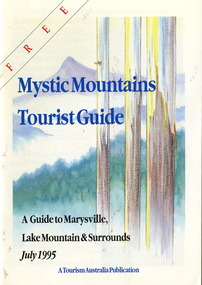
... shop...hidden talent craft gallery...marysville automotive repairs...geoffrey pope & associates...beauty spot walk...tree fern gully walk...michaeldene track...marysville riding school...gerraty's ski centre...marysville holiday cottages...marysville triangle taxi service...fruit salad farm...A tourist guide outlining services, accommodation, activities and places of interest to visit in and around Marysville, Lake Mountain and the local district. marysville victoria australia tourist guide mystic mountains lake mountain tourism australia graeme haycraft magic creek nursery missing links miniature golf phelps bakery blackwood cottages marysville hotel motel tower motel kerami house marylands guest house lomatia lodge willowbank at taggerty barree mud brick cottages scenic motel somerled mountain retreat dalrymples guest cottages nanda binya lodge mathilde's of marysville country guest house the birches resort mystic mountains tourist information marysville caravan park the cumberland igloo roadhouse top shop pancake parlour the silver birch restaurant steavenson's restaurant olde yarra track shoppe danish coffee gardens oscars take-away country touch pottery studio & gallery cumberland memorial scenic reserve cathedral range state park lady talbot forest drive wishing well taggerty river picnic area taggerty river phantom falls keppels falls the beeches walking track mount sugarloaf maryton park holiday cottages snowviews esa camping & conference centre wirreanda festival marysville post shop hidden talent craft gallery marysville automotive repairs geoffrey pope & associates beauty spot walk tree fern gully walk michaeldene track marysville riding school gerraty's ski centre marysville holiday cottages marysville triangle taxi service fruit salad farm lake mountain alpine resort marysville ski hire lake mountain ski school cross country ski hire lake mountain ski hire marysville country club Acknowledgements/ Mystic Mountains Tourism Association, Marysville Office of the Dept. of Conser/ vation & Natural Resources, Mrs Elaine Postlethwaite, Ms Sue Henry & every/ advertiser without whose support this Guide would not have been possible. ...A tourist guide outlining services, accommodation, activities and places of interest to visit in and around Marysville, Lake Mountain and the local district.A tourist guide outlining services, accommodation, activities and places of interest to visit in and around Marysville, Lake Mountain and the local district.Acknowledgements/ Mystic Mountains Tourism Association, Marysville Office of the Dept. of Conser/ vation & Natural Resources, Mrs Elaine Postlethwaite, Ms Sue Henry & every/ advertiser without whose support this Guide would not have been possible.marysville, victoria, australia, tourist guide, mystic mountains, lake mountain, tourism australia, graeme haycraft, magic creek nursery, missing links miniature golf, phelps bakery, blackwood cottages, marysville hotel motel, tower motel, kerami house, marylands guest house, lomatia lodge, willowbank at taggerty, barree mud brick cottages, scenic motel, somerled mountain retreat, dalrymples guest cottages, nanda binya lodge, mathilde's of marysville country guest house, the birches resort, mystic mountains tourist information, marysville caravan park, the cumberland, igloo roadhouse, top shop pancake parlour, the silver birch restaurant, steavenson's restaurant, olde yarra track shoppe, danish coffee gardens, oscars take-away, country touch pottery studio & gallery, cumberland memorial scenic reserve, cathedral range state park, lady talbot forest drive, wishing well, taggerty river picnic area, taggerty river, phantom falls, keppels falls, the beeches walking track, mount sugarloaf, maryton park holiday cottages, snowviews, esa camping & conference centre, wirreanda festival, marysville post shop, hidden talent craft gallery, marysville automotive repairs, geoffrey pope & associates, beauty spot walk, tree fern gully walk, michaeldene track, marysville riding school, gerraty's ski centre, marysville holiday cottages, marysville triangle taxi service, fruit salad farm, lake mountain alpine resort, marysville ski hire, lake mountain ski school, cross country ski hire, lake mountain ski hire, marysville country club -
 Marysville & District Historical Society
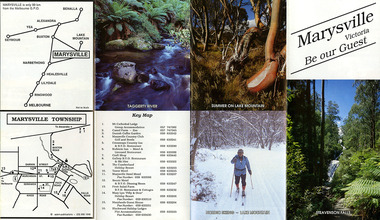
Ephemera (Item) - Tourist Guide, Marysville Tourist Association, Marysville Victoria Be our Guest, Unknown
... farm...danish coffee garden...marysville country club...crossways country inn...kufstein inn...marysville craft shop...A fold out tourist guide to Marysville and the surrounding district. marysville victoria australia tourist guide steavenson falls mt cathedral lodge camelot camel farm danish coffee garden marysville country club crossways country inn kufstein inn marysville craft shop gallery restaurant the cumberland tower motel marysville hotel scenic motel fruit salad farm marylyn guest house marylands guest house blackwood lodges taggerty river lake mountain A fold out tourist guide to Marysville and the surrounding district. ...A fold out tourist guide to Marysville and the surrounding district. This map was produced by the Marysville Tourist Association.A fold out tourist guide to Marysville and the surrounding district.marysville, victoria, australia, tourist guide, steavenson falls, mt cathedral lodge, camelot camel farm, danish coffee garden, marysville country club, crossways country inn, kufstein inn, marysville craft shop, gallery restaurant, the cumberland, tower motel, marysville hotel, scenic motel, fruit salad farm, marylyn guest house, marylands guest house, blackwood lodges, taggerty river, lake mountain -
 Marysville & District Historical Society
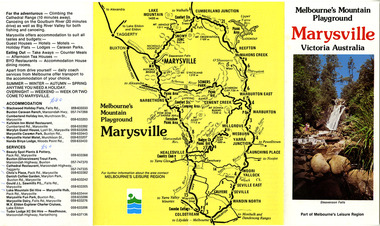
Ephemera (Item) - Tourist Guide, Melbourne's Mountain Playground Marysville Victoria Australia, Unknown
... farm...lake mountain ski hire...marysville fun park...mountain view horse hire...jl gould sawmills...marysville dairy...marysville drapery shop...A fold out tourist guide to Marysville and the surrounding district. marysville victoria australia steavenson falls marysville golf club cathedral range blackwood holiday flats cumberland holiday inn kooringa conference and holiday centre marylyn guest house marysville caravan park marysville hotel motel nanda binya lodge scenic motel tower motel cathedral restaurant chris's place danish coffee garden tudor lodge roadhouse buxton trout farm silverstream trout farm lake mountain ski hire marysville fun park mountain view horse hire jl gould sawmills marysville dairy marysville drapery shop marysville garage marysville newsagency top shop A fold out tourist guide to Marysville and the surrounding district. ...A fold out tourist guide to Marysville and the surrounding district.A fold out tourist guide to Marysville and the surrounding district.marysville, victoria, australia, steavenson falls, marysville golf club, cathedral range, blackwood holiday flats, cumberland holiday inn, kooringa conference and holiday centre, marylyn guest house, marysville caravan park, marysville hotel motel, nanda binya lodge, scenic motel, tower motel, cathedral restaurant, chris's place, danish coffee garden, tudor lodge roadhouse, buxton trout farm, silverstream trout farm, lake mountain ski hire, marysville fun park, mountain view horse hire, jl gould sawmills, marysville dairy, marysville drapery shop, marysville garage, marysville newsagency, top shop -
 Marysville & District Historical Society
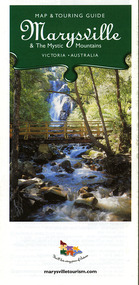
Map (Item) - Map and touring guide, Murrindindi Regional Tourism Association Inc, Marysville & The Mystic Mountains VICTORIA-AUSTRALIA, 08-2002
... farm...marysville country bakery...the old woolshed cafe...clearstream olives...uncle fred & aunty val's old style lolly shop...A fold out map and touring guide of Marysville and the surrounding district published in 2002 by Murrindindi Regional Tourism Association Inc. marysville victoria australia map and touring guide mystic mountains tourism the beeches rainforest walk lake mountain cambarville cathedral range state park the cumberland abbey green b&b cottages anastasia fairytale cottage ashlar cottage b&b somerled mountain retreat baree mudbrick cottages blackwood cottages camellia cottage cathedral view b&b cottage riverside crossways country inn dalrymples guest cottages esa country ministries hillcrest keppels hotel motel kerami house lomatia lodge lyell guest cottages marylands country house marysville caravan park marysville holiday cottages maryton park melina cottage moondai farm b&b mountain lodge marysville mount cathedral lodge mystic mountains holiday cottages nanda binya lodge rendezvous on murchison scenic b&b the hermitage tower motel waratah house willowbank at taggerty woodlands of narbethong keppels lake mountain resort cafe lanterns at willowbank mantirri blueberry farm marysville country bakery the old woolshed cafe clearstream olives uncle fred & aunty val's old style lolly shop acheron valley alpacas country store & gallery bruno's art and sculpture garden country touch things of sand & stone willowbank gallery marysville auto & hardware marysville newsagency & general store marysville visitor information centre narbethong visitor information centre gallipoli park keppels lookout lady talbot drive steavenson falls steavenson river taggerty river acheron river black spur trail riding centre buxton trout farm lake mountain resort ski hire lake mountain ski school marysville district country club marysville ski centre narbethong ski hire rubicon horse riding country touch tours murrindindi regional tourism association inc A fold out map and touring guide of Marysville and the surrounding district published in 2002 by Murrindindi Regional Tourism Association Inc. ...A fold out map and touring guide of Marysville and the surrounding district published in 2002 by Murrindindi Regional Tourism Association Inc.A fold out map and touring guide of Marysville and the surrounding district published in 2002 by Murrindindi Regional Tourism Association Inc.marysville, victoria, australia, map and touring guide, mystic mountains tourism, the beeches rainforest walk, lake mountain, cambarville, cathedral range state park, the cumberland, abbey green b&b cottages, anastasia fairytale cottage, ashlar cottage b&b, somerled mountain retreat, baree mudbrick cottages, blackwood cottages, camellia cottage, cathedral view b&b, cottage riverside, crossways country inn, dalrymples guest cottages, esa country ministries, hillcrest, keppels hotel motel, kerami house, lomatia lodge, lyell guest cottages, marylands country house, marysville caravan park, marysville holiday cottages, maryton park, melina cottage, moondai farm b&b, mountain lodge marysville, mount cathedral lodge, mystic mountains holiday cottages, nanda binya lodge, rendezvous on murchison, scenic b&b, the hermitage, tower motel, waratah house, willowbank at taggerty, woodlands of narbethong, keppels, lake mountain resort cafe, lanterns at willowbank, mantirri blueberry farm, marysville country bakery, the old woolshed cafe, clearstream olives, uncle fred & aunty val's old style lolly shop, acheron valley alpacas country store & gallery, bruno's art and sculpture garden, country touch, things of sand & stone, willowbank gallery, marysville auto & hardware, marysville newsagency & general store, marysville visitor information centre, narbethong visitor information centre, gallipoli park, keppels lookout, lady talbot drive, steavenson falls, steavenson river, taggerty river, acheron river, black spur trail riding centre, buxton trout farm, lake mountain resort ski hire, lake mountain ski school, marysville district country club, marysville ski centre, narbethong ski hire, rubicon horse riding, country touch tours, murrindindi regional tourism association inc -
 Marysville & District Historical Society
Booklet (Item) - Information guide, Buckley's Guide, You've Got BUCKLEY'S INFORMATION GUIDE on Where To Eat & What To Do in Marysville-Healesville-Mansfield & Surrounding Areas 2006-2007, 2006
... shop...bruno's art and sculpture garden...buxton hotel...buxton trout & salmon farm...An information guide on where to eat and what to do in Marysville, Healesville, Mansfield and the surrounding areas published by Buckley's Guide in 2006. marysville healesville mansfield victoria australia buckley's guide tulips restaurant crossways historic inn lit & beyond the christmas shop of marysville hugo & friends villa day spa country touch country touch tours crystal journey manical mechanicals marysville post shop bruno's art and sculpture garden buxton hotel buxton trout & salmon farm igloo roadhouse things of sand & stone mantirri blueberry farm An information guide on where to eat and what to do in Marysville, Healesville, Mansfield and the surrounding areas published by Buckley's Guide in 2006. ...An information guide on where to eat and what to do in Marysville, Healesville, Mansfield and the surrounding areas published by Buckley's Guide in 2006.An information guide on where to eat and what to do in Marysville, Healesville, Mansfield and the surrounding areas published by Buckley's Guide in 2006.marysville, healesville, mansfield, victoria, australia, buckley's guide, tulips restaurant, crossways historic inn, lit & beyond, the christmas shop of marysville, hugo & friends, villa day spa, country touch, country touch tours, crystal journey, manical mechanicals, marysville post shop, bruno's art and sculpture garden, buxton hotel, buxton trout & salmon farm, igloo roadhouse, things of sand & stone, mantirri blueberry farm -
 Marysville & District Historical Society
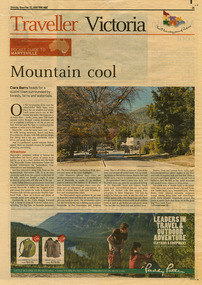
Newspaper (Item) - Newspaper article, The Age, POCKET GUIDE TO MARYSVILLE, 22-11-2008
... farm...bruno's art and sculpture garden...villa day spa...cathedral view natural therapies...marysville massage...murchison street...village walk...uncle fred & aunty val's old style lolly shop...A newspaper article on Marysville, its local attractions, places to shop and dine, where to stay and ways of traveling to Marysville. marysville victoria australia the age black spur marysville visitor information centre steavenson falls lady talbot drive taggerty river keppel falls phantom falls beeches rainforest walk cambarville yarra ranges national park the big tree cumberland walk lake mountain steavenson river acheron river buxton bait and tackle marysville trout and salmon ponds buxton trout and salmon farm bruno's art and sculpture garden villa day spa cathedral view natural therapies marysville massage murchison street village walk uncle fred & aunty val's old style lolly shop country touch gallery manical mechanicals hidden talent craft gallery carmyle farm boutique marysville community market marysville patisserie marysville country bakery fraga's cafe restaurant terracotta room marylands country house the cumberland mantirri blueberry farm narbethong marysville farmers market the black spur inn allawah country cottages barree mud brick cottages A newspaper article on Marysville, its local attractions, places to shop and dine, where to stay and ways of traveling to Marysville. ...A newspaper article on Marysville, its local attractions, places to shop and dine, where to stay and ways of traveling to Marysville. This article was published in The Age on Saturday, November 22, 2008.A newspaper article on Marysville, its local attractions, places to shop and dine, where to stay and ways of traveling to Marysville.marysville, victoria, australia, the age, black spur, marysville visitor information centre, steavenson falls, lady talbot drive, taggerty river, keppel falls, phantom falls, beeches rainforest walk, cambarville, yarra ranges national park, the big tree, cumberland walk, lake mountain, steavenson river, acheron river, buxton bait and tackle, marysville trout and salmon ponds, buxton trout and salmon farm, bruno's art and sculpture garden, villa day spa, cathedral view natural therapies, marysville massage, murchison street, village walk, uncle fred & aunty val's old style lolly shop, country touch gallery, manical mechanicals, hidden talent craft gallery, carmyle farm boutique, marysville community market, marysville patisserie, marysville country bakery, fraga's cafe restaurant, terracotta room, marylands country house, the cumberland, mantirri blueberry farm, narbethong, marysville farmers market, the black spur inn, allawah country cottages, barree mud brick cottages -
 Marysville & District Historical Society
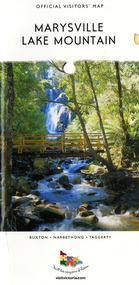
Map (Item) - Tourist map, Mystic Mountains Tourism, OFFICIAL VISITORS' MAP MARYSVILLE LAKE MOUNTAIN, Unknown
... farm...tower motel...willowbank at taggerty...woodlands rainforest retreat...marysville & district country club inc...mystic mountains ski hire & outdoors...rubicon valley horse riding...marysville trout and salmon ponds...gallipoli park...keppels lookout...cambarville-yarra ranges national park...lake mountain-yarra ranges national park...lady talbot drive-yarra ranges national park...cathedral range state park...steavenson river...taggerty river...acheron river...lake mountain alpine resort...bruno's art and sculpture garden...manical mechanicals...uncle fred & aunty val's old style lolly shop...A visitors' map of Marysville and Lake Mountain produced by Mystic Mountains Tourism for Visit Victoria. marysville lake mountain victoria australia visitor's map official visitors' map marysville lake mountain buxton narbethong taggerty visit victoria mystic mountains tourism inc graph attack p/l mystic mountains marysville triangle marysville visitor information centre marylands country house black spur steavenson falls lady talbot drive cambarville cathedral ranges wirreanda festival lake mountain summit walk summit walk loop leadbeaters loop day loop walk buxton hotel igloo roadhouse karmann waters silverstream b&b cottages buxton trout and salmon farm the niche wine bar buxton post office & general store choppers buxton roadhouse woodlands rainforest bungalows chestnut glade black spur inn wombat cottage abbey lake luxury b&b spa cottages mystic mountain ski hire & outdoors pnl 4wdriving blue views holiday units & ski hire marapana agistment park & farm stay b&b danico design things of sand & stone mantirri blueberry farm allawah country cottages amberview cottages ashlar cottage b&b black spur motel & caravan park blackwood deluxe cottages blackwood courtyard b&b dalrymples guest cottages delderfield el kanah guest house fruit salad farm kerami guest house keppels hotel lake mountain-snow gum lodge lomatia lodge lyell guest cottages magnolia house keppel waters lyrebird apartments marysville caravan park all view spa apartments riverside cottages maryton park b&b country cottages melina cottage mountain lodge mystic mountains holiday cottages nanda binya lodge rendezvous luxury cottages scenic b&b motel the cumberland south cathedral farm tower motel willowbank at taggerty woodlands rainforest retreat marysville & district country club inc mystic mountains ski hire & outdoors rubicon valley horse riding marysville trout and salmon ponds gallipoli park keppels lookout cambarville-yarra ranges national park lake mountain-yarra ranges national park lady talbot drive-yarra ranges national park cathedral range state park steavenson river taggerty river acheron river lake mountain alpine resort bruno's art and sculpture garden manical mechanicals uncle fred & aunty val's old style lolly shop carmyle farm boutique crossways historic country inn fraga's gilberts restaurant heights licensed bistro the old woolshed cafe cathedral view natural therapies crystal journey The Marysville and Lake Mountain Visitor Map and Touring Guide has been compiled and/ published by Mystic Mountains Tourism Inc. ...A visitors' map of Marysville and Lake Mountain produced by Mystic Mountains Tourism for Visit Victoria.A visitors' map of Marysville and Lake Mountain produced by Mystic Mountains Tourism for Visit Victoria.The Marysville and Lake Mountain Visitor Map and Touring Guide has been compiled and/ published by Mystic Mountains Tourism Inc. Copyright./ Production and artwork Graph Attack P/Lmarysville, lake mountain, victoria, australia, visitor's map, official visitors' map marysville lake mountain, buxton, narbethong, taggerty, visit victoria, mystic mountains tourism inc, graph attack p/l, mystic mountains, marysville triangle, marysville visitor information centre, marylands country house, black spur, steavenson falls, lady talbot drive, cambarville, cathedral ranges, wirreanda festival, lake mountain summit walk, summit walk loop, leadbeaters loop, day loop walk, buxton hotel, igloo roadhouse, karmann waters, silverstream b&b cottages, buxton trout and salmon farm, the niche wine bar, buxton post office & general store, choppers buxton roadhouse, woodlands rainforest bungalows, chestnut glade, black spur inn, wombat cottage, abbey lake luxury b&b spa cottages, mystic mountain ski hire & outdoors, pnl 4wdriving, blue views holiday units & ski hire, marapana agistment park & farm stay b&b, danico design, things of sand & stone, mantirri blueberry farm, allawah country cottages, amberview cottages, ashlar cottage b&b, black spur motel & caravan park, blackwood deluxe cottages, blackwood courtyard b&b, dalrymples guest cottages, delderfield, el kanah guest house, fruit salad farm, kerami guest house, keppels hotel, lake mountain-snow gum lodge, lomatia lodge, lyell guest cottages, magnolia house, keppel waters, lyrebird apartments, marysville caravan park, all view spa apartments, riverside cottages, maryton park b&b country cottages, melina cottage, mountain lodge, mystic mountains holiday cottages, nanda binya lodge, rendezvous luxury cottages, scenic b&b motel, the cumberland, south cathedral farm, tower motel, willowbank at taggerty, woodlands rainforest retreat, marysville & district country club inc, mystic mountains ski hire & outdoors, rubicon valley horse riding, marysville trout and salmon ponds, gallipoli park, keppels lookout, cambarville-yarra ranges national park, lake mountain-yarra ranges national park, lady talbot drive-yarra ranges national park, cathedral range state park, steavenson river, taggerty river, acheron river, lake mountain alpine resort, bruno's art and sculpture garden, manical mechanicals, uncle fred & aunty val's old style lolly shop, carmyle farm boutique, crossways historic country inn, fraga's, gilberts restaurant, heights licensed bistro, the old woolshed cafe, cathedral view natural therapies, crystal journey -
 Marysville & District Historical Society
Booklet (Item) - Tourist guide, Ian and Danese Walshe et al, MARYSVILLE and district TOURIST GUIDE, 1982
... shop...tudor lodge...black spur motel and caravan park...buxton general store...golden fleece roadhouse...marysville garage...burrengeen park...lake mountain...steavenson falls...nanda binya lodge...alpenglow nursery...black spur inn hotel...silver stream trout farm...A tourist guide outlining services, accommodation, activities and places of interest to visit in and around Marysville and the local district. marysville victoria australia tourist guide marysville hotel castles' store hawthorne's corner shop tudor lodge black spur motel and caravan park buxton general store golden fleece roadhouse marysville garage burrengeen park lake mountain steavenson falls nanda binya lodge alpenglow nursery black spur inn hotel silver stream trout farm mccfarlane's grocery barton's drapery marysville newsagency eildon explorer beauty spot nursery crossways pumpernickel mckenzie's tourist services blue hills riding school mountain view horse hire pitt's garage maryton park j l gould sawmill eildon deer park eildon weir maroondah dam snob's creek healesville sanctuary graceburn park cathedral range beauty spot walk tree fern gully walk michaeldene track keppel track woods lookout track cumberland scenic reserve cambarville the big tree cora-lyn falls barton's lookout cumberland falls sovereign view wirreanda festival scenic motel tower motel marylands guest house kooringa guest house marylyn guest house mountain lodge el kanah marysville hotel motel buxton hotel motel black spur inn buxton caravan park marysville caravan park the cumberland marysville recreation and fun park A tourist guide outlining services, accommodation, activities and places of interest to visit in and around Marysville and the local district. ...A tourist guide outlining services, accommodation, activities and places of interest to visit in and around Marysville and the local district.A tourist guide outlining services, accommodation, activities and places of interest to visit in and around Marysville and the local district.marysville, victoria, australia, tourist guide, marysville hotel, castles' store, hawthorne's corner shop, tudor lodge, black spur motel and caravan park, buxton general store, golden fleece roadhouse, marysville garage, burrengeen park, lake mountain, steavenson falls, nanda binya lodge, alpenglow nursery, black spur inn hotel, silver stream trout farm, mccfarlane's grocery, barton's drapery, marysville newsagency, eildon explorer, beauty spot nursery, crossways, pumpernickel, mckenzie's tourist services, blue hills riding school, mountain view horse hire, pitt's garage, maryton park, j l gould sawmill, eildon deer park, eildon weir, maroondah dam, snob's creek, healesville sanctuary, graceburn park, cathedral range, beauty spot walk, tree fern gully walk, michaeldene track, keppel track, woods lookout track, cumberland scenic reserve, cambarville, the big tree, cora-lyn falls, barton's lookout, cumberland falls, sovereign view, wirreanda festival, scenic motel, tower motel, marylands guest house, kooringa guest house, marylyn guest house, mountain lodge, el kanah, marysville hotel motel, buxton hotel motel, black spur inn, buxton caravan park, marysville caravan park, the cumberland, marysville recreation and fun park -
 Marysville & District Historical Society
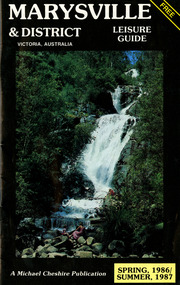
Booklet (Item) - Leisure guide, Michael Chesire & Associates Pty. Ltd, MARYSVILLE & DISTRICT LEISURE GUIDE-SPRING, 1986/SUMMBER, 1987, 1986
... shop...tower motel...menzes garage...beauty spot nursery...marysville ski hire...lake mountain ski school...faraway forest...scenic motel...buxton trout farm...A free leisure guide to Marysville and the surrounding district published for Spring 1986, and Summer 1987. marysville victoria australia leisure guide michael cheshire & associates pty ltd marysville golf club blackwood lodges sir colin mackenzie fauna park lake eildon fraser national park yarra valley wineries marysville coach tours kooringa marylands guest house lady talbot forest drive wishing well taggerty river recreation area athols abbey phantom falls keppel falls the beeches walking track marylyn guest house kufstein inn motel the cumberland marysville tourist & progress association marysville newsagency & general store crossways restaurant & motel beauty spot walk tree fern gully walk michaeldene track keppel track woods lookout track marysville hotel motel lake mountain ski hire marysville recreation and fun park mytanta horseback safaris upper big river valley the big culvert marysville mountain view horse hire maryton park amber view holiday lodges cathedral restaurant the top shop tower motel menzes garage beauty spot nursery marysville ski hire lake mountain ski school faraway forest scenic motel buxton trout farm marysville hardware timbertop steakhouse marysville trout farm healesville sanctuary buxton hotel motel nanda binya lodge buxton antique and furniture mart the black spur inn hotel alexandra lake mountain j l gould sawmills pty. ltd. geoffrey pope & associates marysville crafts & gifts olde yarra track shoppe cumberland scenic reserve tudor lodge road house fruit salad farm highwayman's retreat Kilmore Historical Society *10/183 *MDL.1. ...A free leisure guide to Marysville and the surrounding district published for Spring 1986, and Summer, 1987. This was produced by Michael Cheshire as a free publication to promote tourism in Marysville and the surrounding district. It includes maps of the Big River Valley, Cumberland Valley, Lady Talbot Forest Drive, the Marysville area, and the township of Marysville. It was released in the spring of 1986. A free leisure guide to Marysville and the surrounding district published for Spring 1986, and Summer 1987.Kilmore Historical Society *10/183 *MDL.1.marysville, victoria, australia, leisure guide, michael cheshire & associates pty ltd, marysville golf club, blackwood lodges, sir colin mackenzie fauna park, lake eildon, fraser national park, yarra valley wineries, marysville coach tours, kooringa, marylands guest house, lady talbot forest drive, wishing well, taggerty river recreation area, athols abbey, phantom falls, keppel falls, the beeches walking track, marylyn guest house, kufstein inn motel, the cumberland, marysville tourist & progress association, marysville newsagency & general store, crossways restaurant & motel, beauty spot walk, tree fern gully walk, michaeldene track, keppel track, woods lookout track, marysville hotel motel, lake mountain ski hire, marysville recreation and fun park, mytanta horseback safaris, upper big river valley, the big culvert, marysville mountain view horse hire, maryton park, amber view holiday lodges, cathedral restaurant, the top shop, tower motel, menzes garage, beauty spot nursery, marysville ski hire, lake mountain ski school, faraway forest, scenic motel, buxton trout farm, marysville hardware, timbertop steakhouse, marysville trout farm, healesville sanctuary, buxton hotel motel, nanda binya lodge, buxton antique and furniture mart, the black spur inn hotel, alexandra, lake mountain, j l gould sawmills pty. ltd., geoffrey pope & associates, marysville crafts & gifts, olde yarra track shoppe, cumberland scenic reserve, tudor lodge road house, fruit salad farm, highwayman's retreat -
 Marysville & District Historical Society
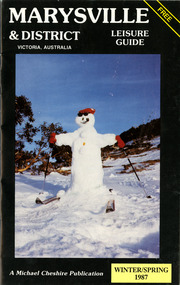
Booklet (Item) - Leisure guide, Michael Chesire & Associates Pty. Ltd, MARYSVILLE & DISTRICT LEISURE GUIDE-WINTER/SPRING 1987, 1987
... shop...tower motel...menzes garage...marysville ski hire...lake mountain ski school...faraway forest...scenic motel...buxton trout farm...A free leisure guide to Marysville and the surrounding district published for Winter and Spring, 1987. marysville victoria australia leisure guide michael cheshire & associates pty ltd marysville golf club blackwood lodges sir colin mackenzie fauna park lake eildon fraser national park yarra valley wineries marysville coach tours kooringa marylands guest house lady talbot forest drive wishing well taggerty river recreation area athols abbey phantom falls keppel falls the beeches walking track marylyn guest house kufstein inn motel the cumberland marysville tourist & progress association marysville newsagency & general store crossways restaurant & motel beauty spot walk tree fern gully walk michaeldene track keppel track woods lookout track marysville hotel motel lake mountain ski hire marysville recreation and fun park mytanta horseback safaris upper big river valley the big culvert marysville mountain view horse hire maryton park amber view holiday lodges cathedral restaurant the top shop tower motel menzes garage marysville ski hire lake mountain ski school faraway forest scenic motel buxton trout farm marysville hardware timbertop steakhouse marysville trout farm healesville sanctuary buxton hotel motel nanda binya lodge buxton antique and furniture mart the black spur inn hotel alexandra lake mountain j l gould sawmills pty. ltd. geoffrey pope & associates marysville crafts & gifts olde yarra track shoppe cumberland scenic reserve tudor lodge road house fruit salad farm highwayman's retreat beauty spot display gardens & nursery ski lake mountain cross country ski hire & kitchen buxton store valley view marysville acheron way mt donna buang road snow gum woodlands alpine ash forests mountain ash forests stringybark forests messmate forests manna gum forests A free leisure guide to Marysville and the surrounding district published for Winter/Spring 1987 MARYSVILLE & DISTRICT LEISURE GUIDE-WINTER/SPRING 1987 Booklet Leisure guide Michael Chesire & Associates Pty. ...A free leisure guide to Marysville and the surrounding district published for Winter and Spring, 1987. This was produced by Michael Cheshire as a free publication to promote tourism in Marysville and the surrounding district. It includes maps of the Big River Valley, Cumberland Valley, Lady Talbot Forest Drive, the Marysville area, and the township of Marysville. It was released in the winter of 1987. A free leisure guide to Marysville and the surrounding district published for Winter and Spring, 1987.marysville, victoria, australia, leisure guide, michael cheshire & associates pty ltd, marysville golf club, blackwood lodges, sir colin mackenzie fauna park, lake eildon, fraser national park, yarra valley wineries, marysville coach tours, kooringa, marylands guest house, lady talbot forest drive, wishing well, taggerty river recreation area, athols abbey, phantom falls, keppel falls, the beeches walking track, marylyn guest house, kufstein inn motel, the cumberland, marysville tourist & progress association, marysville newsagency & general store, crossways restaurant & motel, beauty spot walk, tree fern gully walk, michaeldene track, keppel track, woods lookout track, marysville hotel motel, lake mountain ski hire, marysville recreation and fun park, mytanta horseback safaris, upper big river valley, the big culvert, marysville mountain view horse hire, maryton park, amber view holiday lodges, cathedral restaurant, the top shop, tower motel, menzes garage, marysville ski hire, lake mountain ski school, faraway forest, scenic motel, buxton trout farm, marysville hardware, timbertop steakhouse, marysville trout farm, healesville sanctuary, buxton hotel motel, nanda binya lodge, buxton antique and furniture mart, the black spur inn hotel, alexandra, lake mountain, j l gould sawmills pty. ltd., geoffrey pope & associates, marysville crafts & gifts, olde yarra track shoppe, cumberland scenic reserve, tudor lodge road house, fruit salad farm, highwayman's retreat, beauty spot display gardens & nursery, ski lake mountain cross country ski hire & kitchen, buxton store, valley view marysville, acheron way, mt donna buang road, snow gum woodlands, alpine ash forests, mountain ash forests, stringybark forests, messmate forests, manna gum forests -
 Marysville & District Historical Society
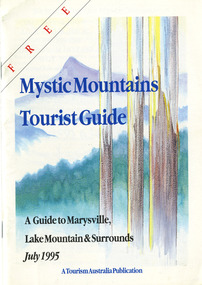
Ephemera (Item) - Tourist Guide, Graeme Haycraft, Mystic Mountains Tourist Guide July 1995, 07-1995
... shop...hidden talent craft gallery...marysville automotive repairs...geoffrey pope & associates...beauty spot walk...tree fern gully walk...michaeldene track...marysville riding school...gerraty's ski centre...marysville holiday cottages...marysville triangle taxi service...fruit salad farm...A tourist guide outlining services, accommodation, activities and places of interest to visit in and around Marysville, Lake Mountain and the local district. marysville victoria australia tourist guide mystic mountains lake mountain tourism australia graeme haycraft magic creek nursery missing links miniature golf phelps bakery blackwood cottages marysville hotel motel tower motel kerami house marylands guest house lomatia lodge willowbank at taggerty barree mud brick cottages scenic motel somerled mountain retreat dalrymples guest cottages nanda binya lodge mathilde's of marysville country guest house the birches resort mystic mountains tourist information marysville caravan park the cumberland igloo roadhouse top shop pancake parlour the silver birch restaurant steavenson's restaurant olde yarra track shoppe danish coffee gardens oscars take-away country touch pottery studio & gallery cumberland memorial scenic reserve cathedral range state park lady talbot forest drive wishing well taggerty river picnic area taggerty river phantom falls keppels falls the beeches walking track mount sugarloaf maryton park holiday cottages snowviews esa camping & conference centre wirreanda festival marysville post shop hidden talent craft gallery marysville automotive repairs geoffrey pope & associates beauty spot walk tree fern gully walk michaeldene track marysville riding school gerraty's ski centre marysville holiday cottages marysville triangle taxi service fruit salad farm lake mountain alpine resort marysville ski hire lake mountain ski school cross country ski hire lake mountain ski hire marysville country club Acknowledgements/ Mystic Mountains Tourism Association, Marysville Office of the Dept. of Conser/ vation & Natural Resources, Mrs Elaine Postlethwaite, Ms Sue Henry & every/ advertiser without whose support this Guide would not have been possible. ...A tourist guide outlining services, accommodation, activities and places of interest to visit in and around Marysville, Lake Mountain and the local district.A tourist guide outlining services, accommodation, activities and places of interest to visit in and around Marysville, Lake Mountain and the local district.Acknowledgements/ Mystic Mountains Tourism Association, Marysville Office of the Dept. of Conser/ vation & Natural Resources, Mrs Elaine Postlethwaite, Ms Sue Henry & every/ advertiser without whose support this Guide would not have been possible.marysville, victoria, australia, tourist guide, mystic mountains, lake mountain, tourism australia, graeme haycraft, magic creek nursery, missing links miniature golf, phelps bakery, blackwood cottages, marysville hotel motel, tower motel, kerami house, marylands guest house, lomatia lodge, willowbank at taggerty, barree mud brick cottages, scenic motel, somerled mountain retreat, dalrymples guest cottages, nanda binya lodge, mathilde's of marysville country guest house, the birches resort, mystic mountains tourist information, marysville caravan park, the cumberland, igloo roadhouse, top shop pancake parlour, the silver birch restaurant, steavenson's restaurant, olde yarra track shoppe, danish coffee gardens, oscars take-away, country touch pottery studio & gallery, cumberland memorial scenic reserve, cathedral range state park, lady talbot forest drive, wishing well, taggerty river picnic area, taggerty river, phantom falls, keppels falls, the beeches walking track, mount sugarloaf, maryton park holiday cottages, snowviews, esa camping & conference centre, wirreanda festival, marysville post shop, hidden talent craft gallery, marysville automotive repairs, geoffrey pope & associates, beauty spot walk, tree fern gully walk, michaeldene track, marysville riding school, gerraty's ski centre, marysville holiday cottages, marysville triangle taxi service, fruit salad farm, lake mountain alpine resort, marysville ski hire, lake mountain ski school, cross country ski hire, lake mountain ski hire, marysville country club -
 Marysville & District Historical Society
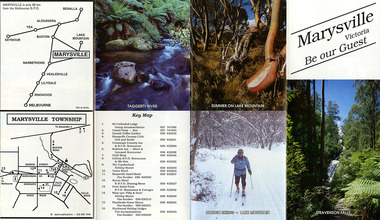
Ephemera (Item) - Tourist Guide, Marysville Tourist Association, Marysville Victoria Be our Guest, Unknown
... farm...danish coffee garden...marysville country club...crossways country inn...kufstein inn...marysville craft shop...A fold out tourist guide to Marysville and the surrounding district. marysville victoria australia tourist guide steavenson falls mt cathedral lodge camelot camel farm danish coffee garden marysville country club crossways country inn kufstein inn marysville craft shop gallery restaurant the cumberland tower motel marysville hotel scenic motel fruit salad farm marylyn guest house marylands guest house blackwood lodges taggerty river lake mountain A fold out tourist guide to Marysville and the surrounding district. ...A fold out tourist guide to Marysville and the surrounding district. This map was produced by the Marysville Tourist Association.A fold out tourist guide to Marysville and the surrounding district.marysville, victoria, australia, tourist guide, steavenson falls, mt cathedral lodge, camelot camel farm, danish coffee garden, marysville country club, crossways country inn, kufstein inn, marysville craft shop, gallery restaurant, the cumberland, tower motel, marysville hotel, scenic motel, fruit salad farm, marylyn guest house, marylands guest house, blackwood lodges, taggerty river, lake mountain -
 Marysville & District Historical Society
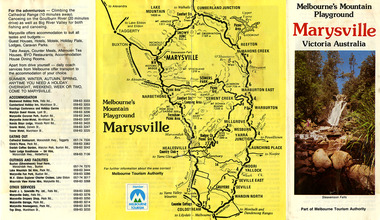
Ephemera (Item) - Tourist Guide, Melbourne's Mountain Playground Marysville Victoria Australia, Unknown
... farm...lake mountain ski hire...marysville fun park...mountain view horse hire...jl gould sawmills...marysville dairy...marysville drapery shop...A fold out tourist guide to Marysville and the surrounding district. marysville victoria australia steavenson falls marysville golf club cathedral range blackwood holiday flats cumberland holiday inn kooringa conference and holiday centre marylyn guest house marysville caravan park marysville hotel motel nanda binya lodge scenic motel tower motel cathedral restaurant chris's place danish coffee garden tudor lodge roadhouse buxton trout farm silverstream trout farm lake mountain ski hire marysville fun park mountain view horse hire jl gould sawmills marysville dairy marysville drapery shop marysville garage marysville newsagency top shop A fold out tourist guide to Marysville and the surrounding district. ...A fold out tourist guide to Marysville and the surrounding district.A fold out tourist guide to Marysville and the surrounding district.marysville, victoria, australia, steavenson falls, marysville golf club, cathedral range, blackwood holiday flats, cumberland holiday inn, kooringa conference and holiday centre, marylyn guest house, marysville caravan park, marysville hotel motel, nanda binya lodge, scenic motel, tower motel, cathedral restaurant, chris's place, danish coffee garden, tudor lodge roadhouse, buxton trout farm, silverstream trout farm, lake mountain ski hire, marysville fun park, mountain view horse hire, jl gould sawmills, marysville dairy, marysville drapery shop, marysville garage, marysville newsagency, top shop -
 Marysville & District Historical Society
Map (Item) - Map and touring guide, Murrindindi Regional Tourism Association Inc, Marysville & The Mystic Mountains VICTORIA-AUSTRALIA, 08-2002
... farm...marysville country bakery...the old woolshed cafe...clearstream olives...uncle fred & aunty val's old style lolly shop...A fold out map and touring guide of Marysville and the surrounding district published in 2002 by Murrindindi Regional Tourism Association Inc. marysville victoria australia map and touring guide mystic mountains tourism the beeches rainforest walk lake mountain cambarville cathedral range state park the cumberland abbey green b&b cottages anastasia fairytale cottage ashlar cottage b&b somerled mountain retreat baree mudbrick cottages blackwood cottages camellia cottage cathedral view b&b cottage riverside crossways country inn dalrymples guest cottages esa country ministries hillcrest keppels hotel motel kerami house lomatia lodge lyell guest cottages marylands country house marysville caravan park marysville holiday cottages maryton park melina cottage moondai farm b&b mountain lodge marysville mount cathedral lodge mystic mountains holiday cottages nanda binya lodge rendezvous on murchison scenic b&b the hermitage tower motel waratah house willowbank at taggerty woodlands of narbethong keppels lake mountain resort cafe lanterns at willowbank mantirri blueberry farm marysville country bakery the old woolshed cafe clearstream olives uncle fred & aunty val's old style lolly shop acheron valley alpacas country store & gallery bruno's art and sculpture garden country touch things of sand & stone willowbank gallery marysville auto & hardware marysville newsagency & general store marysville visitor information centre narbethong visitor information centre gallipoli park keppels lookout lady talbot drive steavenson falls steavenson river taggerty river acheron river black spur trail riding centre buxton trout farm lake mountain resort ski hire lake mountain ski school marysville district country club marysville ski centre narbethong ski hire rubicon horse riding country touch tours murrindindi regional tourism association inc A fold out map and touring guide of Marysville and the surrounding district published in 2002 by Murrindindi Regional Tourism Association Inc. ...A fold out map and touring guide of Marysville and the surrounding district published in 2002 by Murrindindi Regional Tourism Association Inc.A fold out map and touring guide of Marysville and the surrounding district published in 2002 by Murrindindi Regional Tourism Association Inc.marysville, victoria, australia, map and touring guide, mystic mountains tourism, the beeches rainforest walk, lake mountain, cambarville, cathedral range state park, the cumberland, abbey green b&b cottages, anastasia fairytale cottage, ashlar cottage b&b, somerled mountain retreat, baree mudbrick cottages, blackwood cottages, camellia cottage, cathedral view b&b, cottage riverside, crossways country inn, dalrymples guest cottages, esa country ministries, hillcrest, keppels hotel motel, kerami house, lomatia lodge, lyell guest cottages, marylands country house, marysville caravan park, marysville holiday cottages, maryton park, melina cottage, moondai farm b&b, mountain lodge marysville, mount cathedral lodge, mystic mountains holiday cottages, nanda binya lodge, rendezvous on murchison, scenic b&b, the hermitage, tower motel, waratah house, willowbank at taggerty, woodlands of narbethong, keppels, lake mountain resort cafe, lanterns at willowbank, mantirri blueberry farm, marysville country bakery, the old woolshed cafe, clearstream olives, uncle fred & aunty val's old style lolly shop, acheron valley alpacas country store & gallery, bruno's art and sculpture garden, country touch, things of sand & stone, willowbank gallery, marysville auto & hardware, marysville newsagency & general store, marysville visitor information centre, narbethong visitor information centre, gallipoli park, keppels lookout, lady talbot drive, steavenson falls, steavenson river, taggerty river, acheron river, black spur trail riding centre, buxton trout farm, lake mountain resort ski hire, lake mountain ski school, marysville district country club, marysville ski centre, narbethong ski hire, rubicon horse riding, country touch tours, murrindindi regional tourism association inc -
 Marysville & District Historical Society
Ephemera (Item) - Information brochure, Marysville Buxton & Narbethong, Unknown
... shop...buxton trout & salmon farm...An information brochure on Marysville, Buxton and Narbethong and some of the attractions in the region. marysville buxton narbethong victoria australia danico design crystal journey country touch tours lake mountain steavenson fall marysville visitor information centre marysville trout and salmon ponds bruno's art and sculpture garden old style lolly shop buxton trout & salmon farm manical mechanicals mantirri blueberry farm things of sand & stone An information brochure on Marysville, Buxton and Narbethong and some of the attractions in the region. ...An information brochure on Marysville, Buxton and Narbethong and some of the attractions in the region.An information brochure on Marysville, Buxton and Narbethong and some of the attractions in the region.marysville, buxton, narbethong, victoria, australia, danico design, crystal journey, country touch tours, lake mountain, steavenson fall, marysville visitor information centre, marysville trout and salmon ponds, bruno's art and sculpture garden, old style lolly shop, buxton trout & salmon farm, manical mechanicals, mantirri blueberry farm, things of sand & stone -
 Marysville & District Historical Society
Map (Item) - Tourist map, Mystic Mountains Tourism, OFFICIAL VISITORS' MAP MARYSVILLE LAKE MOUNTAIN, Unknown
... farm...tower motel...willowbank at taggerty...woodlands rainforest retreat...marysville & district country club inc...mystic mountains ski hire & outdoors...rubicon valley horse riding...marysville trout and salmon ponds...gallipoli park...keppels lookout...cambarville-yarra ranges national park...lake mountain-yarra ranges national park...lady talbot drive-yarra ranges national park...cathedral range state park...steavenson river...taggerty river...acheron river...lake mountain alpine resort...bruno's art and sculpture garden...manical mechanicals...uncle fred & aunty val's old style lolly shop...A visitors' map of Marysville and Lake Mountain produced by Mystic Mountains Tourism for Visit Victoria. marysville lake mountain victoria australia visitor's map official visitors' map marysville lake mountain buxton narbethong taggerty visit victoria mystic mountains tourism inc graph attack p/l mystic mountains marysville triangle marysville visitor information centre marylands country house black spur steavenson falls lady talbot drive cambarville cathedral ranges wirreanda festival lake mountain summit walk summit walk loop leadbeaters loop day loop walk buxton hotel igloo roadhouse karmann waters silverstream b&b cottages buxton trout and salmon farm the niche wine bar buxton post office & general store choppers buxton roadhouse woodlands rainforest bungalows chestnut glade black spur inn wombat cottage abbey lake luxury b&b spa cottages mystic mountain ski hire & outdoors pnl 4wdriving blue views holiday units & ski hire marapana agistment park & farm stay b&b danico design things of sand & stone mantirri blueberry farm allawah country cottages amberview cottages ashlar cottage b&b black spur motel & caravan park blackwood deluxe cottages blackwood courtyard b&b dalrymples guest cottages delderfield el kanah guest house fruit salad farm kerami guest house keppels hotel lake mountain-snow gum lodge lomatia lodge lyell guest cottages magnolia house keppel waters lyrebird apartments marysville caravan park all view spa apartments riverside cottages maryton park b&b country cottages melina cottage mountain lodge mystic mountains holiday cottages nanda binya lodge rendezvous luxury cottages scenic b&b motel the cumberland south cathedral farm tower motel willowbank at taggerty woodlands rainforest retreat marysville & district country club inc mystic mountains ski hire & outdoors rubicon valley horse riding marysville trout and salmon ponds gallipoli park keppels lookout cambarville-yarra ranges national park lake mountain-yarra ranges national park lady talbot drive-yarra ranges national park cathedral range state park steavenson river taggerty river acheron river lake mountain alpine resort bruno's art and sculpture garden manical mechanicals uncle fred & aunty val's old style lolly shop carmyle farm boutique crossways historic country inn fraga's gilberts restaurant heights licensed bistro the old woolshed cafe cathedral view natural therapies crystal journey The Marysville and Lake Mountain Visitor Map and Touring Guide has been compiled and/ published by Mystic Mountains Tourism Inc. ...A visitors' map of Marysville and Lake Mountain produced by Mystic Mountains Tourism for Visit Victoria.A visitors' map of Marysville and Lake Mountain produced by Mystic Mountains Tourism for Visit Victoria.The Marysville and Lake Mountain Visitor Map and Touring Guide has been compiled and/ published by Mystic Mountains Tourism Inc. Copyright./ Production and artwork Graph Attack P/Lmarysville, lake mountain, victoria, australia, visitor's map, official visitors' map marysville lake mountain, buxton, narbethong, taggerty, visit victoria, mystic mountains tourism inc, graph attack p/l, mystic mountains, marysville triangle, marysville visitor information centre, marylands country house, black spur, steavenson falls, lady talbot drive, cambarville, cathedral ranges, wirreanda festival, lake mountain summit walk, summit walk loop, leadbeaters loop, day loop walk, buxton hotel, igloo roadhouse, karmann waters, silverstream b&b cottages, buxton trout and salmon farm, the niche wine bar, buxton post office & general store, choppers buxton roadhouse, woodlands rainforest bungalows, chestnut glade, black spur inn, wombat cottage, abbey lake luxury b&b spa cottages, mystic mountain ski hire & outdoors, pnl 4wdriving, blue views holiday units & ski hire, marapana agistment park & farm stay b&b, danico design, things of sand & stone, mantirri blueberry farm, allawah country cottages, amberview cottages, ashlar cottage b&b, black spur motel & caravan park, blackwood deluxe cottages, blackwood courtyard b&b, dalrymples guest cottages, delderfield, el kanah guest house, fruit salad farm, kerami guest house, keppels hotel, lake mountain-snow gum lodge, lomatia lodge, lyell guest cottages, magnolia house, keppel waters, lyrebird apartments, marysville caravan park, all view spa apartments, riverside cottages, maryton park b&b country cottages, melina cottage, mountain lodge, mystic mountains holiday cottages, nanda binya lodge, rendezvous luxury cottages, scenic b&b motel, the cumberland, south cathedral farm, tower motel, willowbank at taggerty, woodlands rainforest retreat, marysville & district country club inc, mystic mountains ski hire & outdoors, rubicon valley horse riding, marysville trout and salmon ponds, gallipoli park, keppels lookout, cambarville-yarra ranges national park, lake mountain-yarra ranges national park, lady talbot drive-yarra ranges national park, cathedral range state park, steavenson river, taggerty river, acheron river, lake mountain alpine resort, bruno's art and sculpture garden, manical mechanicals, uncle fred & aunty val's old style lolly shop, carmyle farm boutique, crossways historic country inn, fraga's, gilberts restaurant, heights licensed bistro, the old woolshed cafe, cathedral view natural therapies, crystal journey -
Marysville & District Historical Society
THE TRIANGLE NEWS-VOL 2 NO 40-DECEMBER 16 1977
... farm...carols by candlelight...wanted to buy...narbethong primary school...birth...rsl dinner...cricket...maria's gift shop...senior citizens dinner christmas message thank you loss marysville senior citizens news marysville primary school mothers' club swimming club marysville waterworks trust christmas greetings marysville community care centre sunday school bingo the fruit salad farm carols by candlelight wanted to buy narbethong primary school birth rsl dinner cricket maria's gift shop forest fire lost dog crossways restaurant strawberries ode to the inghams-poem THE TRIANGLE NEWS-VOL 2 NO 40-DECEMBER 16 1977 ...senior citizens dinner, christmas message, thank you, loss, marysville senior citizens news, marysville primary school mothers' club, swimming club, marysville waterworks trust, christmas greetings, marysville community care centre, sunday school, bingo, the fruit salad farm, carols by candlelight, wanted to buy, narbethong primary school, birth, rsl dinner, cricket, maria's gift shop, forest fire, lost dog, crossways restaurant, strawberries, ode to the inghams-poem -
Marysville & District Historical Society
THE TRIANGLE NEWS-VOL 11 NO 3-14 FEBRUARY 1986
... marysville victoria australia buxton news anglican church annual meeting community care centre shopping spree tour anglican church marysville marysville saddle tramps ladies bowling club interruption to s.e.c. supply fire brigade news kindergarten roster found l.a. meeting play/toddler group fruit salad farm marysville tennis club football real estate marysville hardware mechanic for sale wanted best wishes THE TRIANGLE NEWS-VOL 11 NO 3-14 FEBRUARY 1986 ...marysville, victoria, australia, buxton news, anglican church annual meeting, community care centre, shopping spree tour, anglican church marysville, marysville saddle tramps, ladies bowling club, interruption to s.e.c. supply, fire brigade news, kindergarten roster, found, l.a. meeting, play/toddler group, fruit salad farm, marysville tennis club, football, real estate, marysville hardware, mechanic, for sale, wanted, best wishes -
Federation University Historical Collection
Document - Document - Syllabus, Education Department, Victoria, Syllabuses, Technical Schools, 1921 and 1924
... ...machine shop practice...farm...They were produced at the beginning of each year. .1, .2, .3 are for 1921. .4 to .22 are for 1924. .1: Mechanics and Mechanics Applied to Mining (1921) .2: Mechanics and Heat (1921) .3: Graphics (1921) .4: Hydraulics (1924) .5: Civil Engineering (1924) .6: Electrical Technology (1924) .7: Electric Wiring (1924) .8: Sheet Metal Work, Pattern Cutting for Tinsmiths, Galvanized Iron Workers and Sheet Copper Workers (1924) .9: Metal Work (Machine Shop Practice) (1924) .10: Farm Irrigation and Irrigation Engineering .11: Food Analysis .12: Theory of Aircraft Design and Construction (1924) .13: Iron, Steel and Engineering Alloys (Special Course for Aeronautical Engineers) (1924) .14: Civil Engineering (1924) .15: Diploma Students - Iron, Steel and Engineering Alloys (1924) .16: Aerodynamics (1924) .17: Electrical Engineering (1914) .18: Mechanical Drawing, 2nd Year Students - Junior Technical Schools (1924) .19: Mechanical Drawing, 3rd Year Students - Junior Technical Schools or Preparatory Evening Course for Technical School Students (1924) .20: Mathematics (1924) .21: Diploma Courses in Engineering - Electrical, Mechanical, Marine, Civil, Aeronautical (1924) .22: Civil Engineering (1924) ...They were produced at the beginning of each year. .1, .2, .3 are for 1921. .4 to .22 are for 1924. .1: Mechanics and Mechanics Applied to Mining (1921) .2: Mechanics and Heat (1921) .3: Graphics (1921) .4: Hydraulics (1924) .5: Civil Engineering (1924) .6: Electrical Technology (1924) .7: Electric Wiring (1924) .8: Sheet Metal Work, Pattern Cutting for Tinsmiths, Galvanized Iron Workers and Sheet Copper Workers (1924) .9: Metal Work (Machine Shop Practice) (1924) .10: Farm Irrigation and Irrigation Engineering .11: Food Analysis .12: Theory of Aircraft Design and Construction (1924) .13: Iron, Steel and Engineering Alloys (Special Course for Aeronautical Engineers) (1924) .14: Civil Engineering (1924) .15: Diploma Students - Iron, Steel and Engineering Alloys (1924) .16: Aerodynamics (1924) .17: Electrical Engineering (1914) .18: Mechanical Drawing, 2nd Year Students - Junior Technical Schools (1924) .19: Mechanical Drawing, 3rd Year Students - Junior Technical Schools or Preparatory Evening Course for Technical School Students (1924) .20: Mathematics (1924) .21: Diploma Courses in Engineering - Electrical, Mechanical, Marine, Civil, Aeronautical (1924) .22: Civil Engineering (1924) sylabus education department victoria technical schools 1921 1924 mechanic and mechanics applied to mining mechanis and heat graphics hydraulics civil engineering electrical technology electric wiring sheet metal work pattern cutting for tinsmiths galvanised iron workers sheet copper workers machine shop practice farm irrigation irrigation engineering food analysis theory of aircraft design and construction aeronautical engineers diploma students aerodynamics electrical engineering mechanical engineering mechanical drawing junior technical schools evening course for technical students mathematics 22 items, A5 in size. ...Syllabuses produced by the Education Department of Victoria. They are for Technical Schools and outline requirements for various subjects. They were produced at the beginning of each year. .1, .2, .3 are for 1921. .4 to .22 are for 1924. .1: Mechanics and Mechanics Applied to Mining (1921) .2: Mechanics and Heat (1921) .3: Graphics (1921) .4: Hydraulics (1924) .5: Civil Engineering (1924) .6: Electrical Technology (1924) .7: Electric Wiring (1924) .8: Sheet Metal Work, Pattern Cutting for Tinsmiths, Galvanized Iron Workers and Sheet Copper Workers (1924) .9: Metal Work (Machine Shop Practice) (1924) .10: Farm Irrigation and Irrigation Engineering .11: Food Analysis .12: Theory of Aircraft Design and Construction (1924) .13: Iron, Steel and Engineering Alloys (Special Course for Aeronautical Engineers) (1924) .14: Civil Engineering (1924) .15: Diploma Students - Iron, Steel and Engineering Alloys (1924) .16: Aerodynamics (1924) .17: Electrical Engineering (1914) .18: Mechanical Drawing, 2nd Year Students - Junior Technical Schools (1924) .19: Mechanical Drawing, 3rd Year Students - Junior Technical Schools or Preparatory Evening Course for Technical School Students (1924) .20: Mathematics (1924) .21: Diploma Courses in Engineering - Electrical, Mechanical, Marine, Civil, Aeronautical (1924) .22: Civil Engineering (1924) 22 items, A5 in size. Some are folded sheets of A4 paper.sylabus, education department, victoria, technical schools, 1921, 1924, mechanic and mechanics applied to mining, mechanis and heat, graphics, hydraulics, civil engineering, electrical technology, electric wiring, sheet metal work, pattern cutting for tinsmiths, galvanised iron workers, sheet copper workers, machine shop practice, farm irrigation, irrigation engineering, food analysis, theory of aircraft design and construction, aeronautical engineers, diploma students, aerodynamics, electrical engineering, mechanical engineering, mechanical drawing, junior technical schools, evening course for technical students, mathematics -
Federation University Historical Collection
Book - Book - Scrapbook, Ballarat School of MInes: Scrapbook of Newspaper Cuttings, Book 7, December 1979 - February 1980
... farm for children...night courses for working people...smb grows to meet new needs...spotlight on education...adult education programs...tafe evening classes...training course for shop...The papers concerned are The Courier, Ballarat, The Australian, The Age over the period of 04/12/1979 to 29/02/1980. staffing advertisements courses available sportzfarm program dorothy jenkins coordinator of access programs janet willis music studies art of being a gentlewoman computer science sports farm for children night courses for working people smb grows to meet new needs spotlight on education adult education programs tafe evening classes training course for shop assistants 'talking tex' is coming to town new smb $3m building fit tafe strategy welding seminar attracts 80 people Book with deep red and white cover back and front, spiral bound. ...Collection of newspaper articles related to Ballarat School Of Mines.They cover activities and advertisements for staff. The papers concerned are The Courier, Ballarat, The Australian, The Age over the period of 04/12/1979 to 29/02/1980.Book with deep red and white cover back and front, spiral bound. staffing advertisements, courses available, sportzfarm program, dorothy jenkins coordinator of access programs, janet willis music studies, art of being a gentlewoman, computer science, sports farm for children, night courses for working people, smb grows to meet new needs, spotlight on education, adult education programs, tafe evening classes, training course for shop assistants, 'talking tex' is coming to town, new smb $3m building fit tafe strategy, welding seminar attracts 80 people -
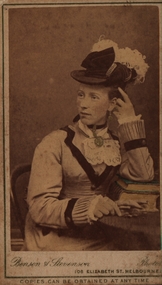 Federation University Historical Collection
Photograph - Sepia photograph, Benson & Stevenson, Emma Eliza Jane Phillips, c1860's
... shop around the corner in Yarra Street. Emma married Thomas Watson in Ballarat in 18--? Thomas William Watson was born in Harston, Cambridge, England on10/11/1838 and died at "Gracedale", Yendon, Victoria, Australia 27/04/1920, age 81. He came to Australia seeking gold but instead of finding a fortune he worked for the Victorian Railways. After living in Sebastapol and Ballarat North they settled on a small farm...shop around the corner in Yarra Street. Emma married Thomas Watson in Ballarat in 18--? Thomas William Watson was born in Harston, Cambridge, England on10/11/1838 and died at "Gracedale", Yendon, Victoria, Australia 27/04/1920, age 81. He came to Australia seeking gold but instead of finding a fortune he worked for the Victorian Railways. After living in Sebastapol and Ballarat North they settled on a small farm ...Emma was one of the first white children born in the Barrabool Hills (Geelong) to parents Richard and Elizabeth Phillips. Emma Eliza Jane Phillips was one of the first white children born in the Barrabool Hills (South Geelong) in the Port of New South Wales on 25/04/1844 and died at "Gracedale" Yendon 12/10/1925, age 81. Emma was the daughter of Richard Price Phillips and Elizabeth Anne Goodenough. Richard, originally a coach plater, was the licensee of "The Thistle Inn", a small hotel on the corner of Corio and Yarra Streets. Elizabeth appears to have had a dressmakers shop around the corner in Yarra Street. Emma married Thomas Watson in Ballarat in 18--? Thomas William Watson was born in Harston, Cambridge, England on10/11/1838 and died at "Gracedale", Yendon, Victoria, Australia 27/04/1920, age 81. He came to Australia seeking gold but instead of finding a fortune he worked for the Victorian Railways. After living in Sebastapol and Ballarat North they settled on a small farm at Yendon named "Gracedale" They were married in Ballarat at Saint Paul's Church of England in Ballarat East. Emma sang in the choir and was a member of the Ballarat Philharmonic Society. They first lived in Sebastapol, then Crompton Street, Ballarat North before building a house at Yendon. Thomas and Emma had 10 children, five boys and five girls, also rearing 3 grandchildren. Thomas and some of his sons ( including John Richard) helped to cut the original steps at Lal Lal to the bottom of the Lal Lal Falls.Photograph of a woman seated at a table with one elbow resting on books. Her jewllery has been hand painted in gold and the top book cover in green. C1860Front: Benson & Stevenson 108 Elizabeth Street Melbourne Copies can be obtained at any time Verso: Emma Eliza Jane (Phillips) Watson; 1844-1925; 81yrs; Died "Gracedale" Yendon, Vic; Born - South Geelong/Barrabool Hills; Dad's (John Richard Watson) motheremma eliza jane phillips, emma eliza jane watson, barrabool hills, yendon, thomas watson, richard price phillips, elizabeth goodenough, lal lal falls -
Federation University Historical Collection
Book - Book - Scrapbook, Ballarat School of Mines: Scrapbook of Newspaper Cuttings, Book 64, September 1994 to October 1994
... The papers concerned are The Courier, Ballarat, The Australian, The Age over the period of 14 September 1994 to 22 October 1994. teaching positions advertised pre-employment courses courses available enrolment for smb courses new secondary training program uni awards presented students play the streets ben chaffey revision program for vce students sexual harassment ann mccaffrey pirates of the playground war artist geoffrey mainwarring joanne crosbie fitter and turner welcome for vice chancellor ron wild john mcclure pat hope ballarat city commissioners jan ince gwenda mcmanus gerry anderson robert hook dennis else continuous learning improvement program clip challenge day contest $6m complex for smb courses help women on farms smb riders on bay challenge smb takes on the future frank kitchen taishan city picnic race eating emma-kate james michelle loader fiona carnes paul armstrong eureka and its meaning shop ballarat this christmas Book with yellow cover, front, spiral bound. ...Collection of newspaper articles related to Ballarat School Of Mines.They cover activities and advertisements for staff. The papers concerned are The Courier, Ballarat, The Australian, The Age over the period of 14 September 1994 to 22 October 1994.Book with yellow cover, front, spiral bound. teaching positions advertised, pre-employment courses, courses available, enrolment for smb courses, new secondary training program, uni awards presented, students play the streets, ben chaffey, revision program for vce students, sexual harassment, ann mccaffrey, pirates of the playground, war artist geoffrey mainwarring, joanne crosbie fitter and turner, welcome for vice chancellor, ron wild, john mcclure, pat hope, ballarat city commissioners, jan ince, gwenda mcmanus, gerry anderson, robert hook, dennis else, continuous learning improvement program, clip, challenge day contest, $6m complex for smb, courses help women on farms, smb riders on bay challenge, smb takes on the future, frank kitchen, taishan city, picnic race eating, emma-kate james, michelle loader, fiona carnes, paul armstrong, eureka and its meaning, shop ballarat this christmas
