
Showing 468 items matching "farms history"
-
 Glenelg Shire Council Cultural Collection
Print, One Farm's History, 1984
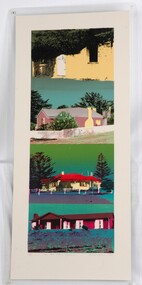
... Front: 20/22 One Farm's History, Tyrendarra. Carmel Wallace 1984 Back: 48...The bottom image shows a pink brick house with brown roof. One Farm's History Print Print Carmel Wallace Wallace, Carmel ...CEMA Art Collection. Part of "A Community View" 150 years in Portland Screenprint Exhibition. Part of Angela Gee Residency 1983 and 1984.Laminated screenprint of four images of houses displayed in a vertical layout. The top image is a close view of a yellow wall, white door and green foliage. The next image shows a pink house with purple and yellow details, a white picket fence and several large trees. The third image is of a yellow house with a red roof, white wire fence and trees. The bottom image shows a pink brick house with brown roof.Front: 20/22 One Farm's History, Tyrendarra. Carmel Wallace 1984 Back: 48 -
 Mont De Lancey
Book, Ken Arnold, Farmyard Relics - Identification Guide &/or Valuation Guide, 2004 reprint
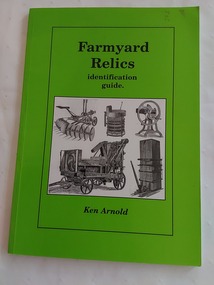
... ...Farms history...Farming tools Farming equipment Farms Farms history This book is a premier reference series for identifying and valuing Australian agricultural machinery, tools, and, in particular, implements from 1840 to 1940. ...This book is a premier reference series for identifying and valuing Australian agricultural machinery, tools, and, in particular, implements from 1840 to 1940. It features extensive photos, illustrations, and historical data, including old advertisements, covering iron, steel, and wooden equipment.A green covered book with the title and author printed in black print with a large black and white illustration of old machinery used on farms in the past. There is a list of other titles in the series on the following page with publisher details. There is a Foreword, Bibliography, Conversions, advertising, explanations of use of an extensive amount of machines, photographs and illustrations. The back cover has a full page advertisement listing the variety of items to buy at Federation Cash store 359 High Street Bendigo, 3550. Pp. 80.non-fictionThis book is a premier reference series for identifying and valuing Australian agricultural machinery, tools, and, in particular, implements from 1840 to 1940. It features extensive photos, illustrations, and historical data, including old advertisements, covering iron, steel, and wooden equipment. farming tools, farming equipment, farms, farms history -
 Mont De Lancey
Book, Janice Newton, The First Selectors of Mt. Evelyn: a summary of files from the Department of Lands, Laverton Archives, 1996
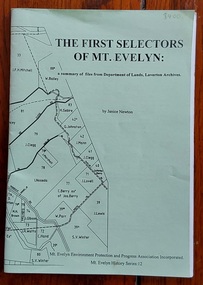
... ...Farms history...Evelyn - History Farms history Farming settlement Farming Australia Janice Newton researched the early selectors through Lands Department files and has documented the history on the Mt Evelyn Community Website. ...Janice Newton researched the early selectors through Lands Department files and has documented the history on the Mt Evelyn Community Website.A small green paperback book of the First Selectors of Mt. Evelyn who took up land after the 1869 Selection Acts - 1870 - 1890 with the land numbers. The information on the selections is listed alphabetically by name of listed selector. Some files were not found. The wrap around paper cover is a photocopy of the redrawn Parish map of the Mt Evelyn post-code area with selectors' names, Lot numbers and some current roads and streets shown. Inside the front cover is an explanation of the details within, a key to map lines, scale, and publishing details. pp.41.non-fictionJanice Newton researched the early selectors through Lands Department files and has documented the history on the Mt Evelyn Community Website.mt. evelyn - history, farms history, farming settlement, farming australia -
 Bendigo Historical Society Inc.
Document - AULSEBROOK COLLECTION: EUCALYPTUS INDUSTRY SCRIPT FOR A REEL AND ARTICLE ON THE EUCALYPTUS INDUSTRY
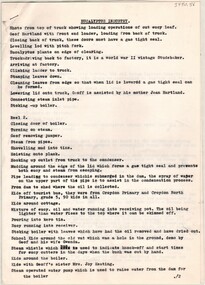
... Aulsebrook collection: Eucalyptus Industry Script for and article on the Eucalyptus Industry and Hartland Farm history -5 pages, typed, -Script for 4 reels, and article on pages 4 and 5...Hartland's Farm Eucalyptus oil Bendigo industry Aulsebrook collection: Eucalyptus Industry Script for and article on the Eucalyptus Industry and Hartland Farm history -5 pages, typed, -Script for 4 reels, and article on pages 4 and 5 Document AULSEBROOK COLLECTION: EUCALYPTUS INDUSTRY SCRIPT FOR A REEL AND ARTICLE ON THE EUCALYPTUS INDUSTRY ...Aulsebrook collection: Eucalyptus Industry Script for and article on the Eucalyptus Industry and Hartland Farm history -5 pages, typed, -Script for 4 reels, and article on pages 4 and 5hartland's farm, eucalyptus oil, bendigo industry -
 Dandenong & District Historical Society
Document - Keysborough Egg Farm, Articles Concerning Keysborough Egg Farm
... Keysborough Egg Farm, Newspaper Article, History...Keysborough Egg Farm, Newspaper Article, History Articles concerning Keysborough Egg Farm Articles Concerning Keysborough Egg Farm Document Keysborough Egg Farm ...Keysborough Egg Farm, Newspaper Article, History -
Dandenong & District Historical Society
Document - Tamarix Egg Farm, Articles Concerning Tamarix Egg Farm
... Tamarix Egg Farm, Newspaper Article, History...Tamarix Egg Farm, Newspaper Article, History Articles concerning Tamarix Egg Farm Articles Concerning Tamarix Egg Farm Document Tamarix Egg Farm ...Tamarix Egg Farm, Newspaper Article, History -
Tatura Irrigation & Wartime Camps Museum
Booklet, Dhurringile and The Delle's, 2001
... Written to record family history of life on Dhurringile farm and early history of tomato growng at Dhurringile and Tatura...Written to record family history of life on Dhurringile farm and early history of tomato growng at Dhurringile and Tatura dhurringile dell vergin family tatura tomato industry books history local rural industries Inside a plastic bag. ...Written to record family history of life on Dhurringile farm and early history of tomato growng at Dhurringile and TaturaInside a plastic bag. White cover, brown writing, blue border. Sketches of caravan truck, tomato, fish, farmer, cow, dog, snake. Photo of truck used for delivering tomatoes to Melbourne market on back coverdhurringile, dell vergin family, tatura, tomato industry, books, history, local, rural, industries -
Tatura Irrigation & Wartime Camps Museum
Book, Dhurringile & The Delle's, 2001
... Written to record family history of life on Dhurringile farm and early history of tomato growing industry at Dhurringile and Tatura...Written to record family history of life on Dhurringile farm and early history of tomato growing industry at Dhurringile and Tatura dhurringile delle vergin family tatura tomato industry books history local rural industries In a plastic bag. ...Written to record family history of life on Dhurringile farm and early history of tomato growing industry at Dhurringile and TaturaIn a plastic bag. Black and white copy of covers of Book 4214dhurringile, delle vergin family, tatura, tomato industry, books, history, local, rural, industries -
 Bendigo Historical Society Inc.
Slide - PETER ELLIS COLLECTION: SLIDE, May 1970 - Jan 1972
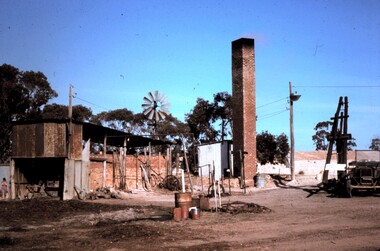
... A windmill and some power poles and wires are in the background.The words, Historic Whipstick Eucalyptus Distillery and History Farm are handwritten across the top border and the word Hartland's across the bottom border....A windmill and some power poles and wires are in the background.The words, Historic Whipstick Eucalyptus Distillery and History Farm are handwritten across the top border and the word Hartland's across the bottom border. ...Coloured slide transparency. Image is of some brick and timber remnant buildings. A windmill and some power poles and wires are in the background.The words, Historic Whipstick Eucalyptus Distillery and History Farm are handwritten across the top border and the word Hartland's across the bottom border.Kodachrome Transparencyslide, bendigo, bendigo institute of technology -
 Eltham District Historical Society Inc
Journal - Newsletter, Newsletter, No. 271 August 2023
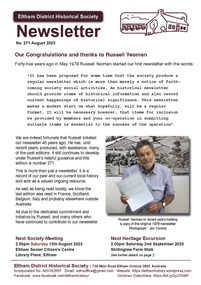
... Contents: • Our Congratulations and thanks to Russell Yeoman • Our Next Meeting - 2.00pm Saturday 12th August 2023 • Heritage Excursion - Saturday 2nd September 2023 - Shillinglaw Farm Walk • Writing Local History in Florence by Deirdre Pirro • One hundred years ago by Jim Connor • Sands and McDougall Directories by Jim Connor • The MEN behind the Names – Eltham Roll of Honour Board (Part I) by Terry Beaton • Judge Book Village: from Willandra to St Vincent's by Richard Pinn • Snowfall Memories by Peter Pidgeon • Eltham Cemetery Stories by Liz Pidgeon o Agnes Somerville Irvine, nee Wanliss, 1867-1954, First Lady ...Contents: • Our Congratulations and thanks to Russell Yeoman • Our Next Meeting - 2.00pm Saturday 12th August 2023 • Heritage Excursion - Saturday 2nd September 2023 - Shillinglaw Farm Walk • Writing Local History in Florence by Deirdre Pirro • One hundred years ago by Jim Connor • Sands and McDougall Directories by Jim Connor • The MEN behind the Names – Eltham Roll of Honour Board (Part I) by Terry Beaton • Judge Book Village: from Willandra to St Vincent's by Richard Pinn • Snowfall Memories by Peter Pidgeon • Eltham Cemetery Stories by Liz Pidgeon o Agnes Somerville Irvine, nee Wanliss, 1867-1954, First Lady The Shire of Eltham Historical Society was formed in October 1967. ...Contents: • Our Congratulations and thanks to Russell Yeoman • Our Next Meeting - 2.00pm Saturday 12th August 2023 • Heritage Excursion - Saturday 2nd September 2023 - Shillinglaw Farm Walk • Writing Local History in Florence by Deirdre Pirro • One hundred years ago by Jim Connor • Sands and McDougall Directories by Jim Connor • The MEN behind the Names – Eltham Roll of Honour Board (Part I) by Terry Beaton • Judge Book Village: from Willandra to St Vincent's by Richard Pinn • Snowfall Memories by Peter Pidgeon • Eltham Cemetery Stories by Liz Pidgeon o Agnes Somerville Irvine, nee Wanliss, 1867-1954, First Lady The Shire of Eltham Historical Society was formed in October 1967. The first newsletter of the Society was issued May 1978 and has been published continuously ever since on a bi-monthly basis. With the cessation of the Shire of Eltham in late 1994, the Society's name was revised to Eltham District Historical Society and this name first appeared with issue No. 103, July 1995. The collection of the Society's newsletters provides a valuable resource on the history of the Society's activities, office bearers and committee members, guest speakers and subjects of historical interest pertinent to the former Shire of Eltham and the Eltham District.A4 newsletter distributed to members (Digital and A4 photocopy)newsletter, eltham district historical society -
 Lakes Entrance Historical Society
Photograph - J & H McLaren 8 nhp serial No. 1185 compound steam traction engine, J & H McLaren, c1950
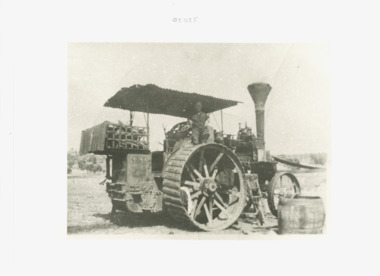
... Contractor with steam engine often travelled to district farms as required. Further history of this engine has come to hand from Nev Scobie: There are very few McLaren tractors worldwide and this is the only one known to have worked in Central Victoria. ...Contractor with steam engine often travelled to district farms as required. Further history of this engine has come to hand from Nev Scobie: There are very few McLaren tractors worldwide and this is the only one known to have worked in Central Victoria. ...Contractor with steam engine often travelled to district farms as required. Further history of this engine has come to hand from Nev Scobie: There are very few McLaren tractors worldwide and this is the only one known to have worked in Central Victoria. A few worked along the Murray River in NSW. McLaren had a family connection to the Chaffey brothers who set up irrigation around Mildura. This engine was bought new by McMillan brothers and used in the Forbes NSW area. It pulled a record load of wheat - 57 tons 21 miles in a day, its top speed was 7 km per hour. It was sold to someone in Central Victoria and is known to have been owned by Ray Jones of Kyneton who worked it until the early 1950s. It was reconditioned at Trentham by Trewhella Bros. and sold to Nev Scobie's family in 1966. The driver in the photograph is Henry Carr who drove for Ray Jones and continued to drive it after it was sold to Scobies. The Scobies had it restored and it worked into the 1970s. Nev Scobie and his brother began restoring it again around 2020 - a project which is ongoing.The life of an engine tells a story of agricultureBlack and white enlarged photograph of a large steam traction engine showing container at back holding wood for boiler and smoke stack. Driver on board is Henry Carr.agriculture, engineering -
 The Beechworth Burke Museum
Audio - Oral History, Jennifer Williams, Mr Albert (Bert) Nankervis, 15th March 2000
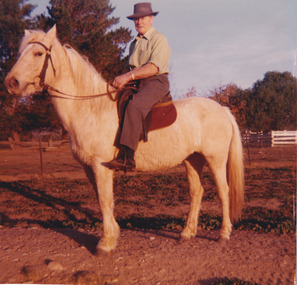
... farm...Dairy Factories Beechworth...Dairying...milkman...Oral History..., Albert discusses his life as a farmer in Wooragee, including his role in getting electricity to Beechworth, as well as his participation in the Young Farmer’s Association Immigration Scheme, which provided work experience to migrants in order for them to learn how to farm. This oral history recording was part of a project conducted by Jennifer Williams in the year 2000 to capture the everyday life and struggles in Beechworth during the twentieth century. ..., Albert discusses his life as a farmer in Wooragee, including his role in getting electricity to Beechworth, as well as his participation in the Young Farmer’s Association Immigration Scheme, which provided work experience to migrants in order for them to learn how to farm. This oral history recording was part of a project conducted by Jennifer Williams in the year 2000 to capture the everyday life and struggles in Beechworth during the twentieth century. ...Mr Albert (Bert) Nankervis was born at Thougla, in the Upper Murray, in 1903. He had a large family and was one of eight children, four boys and four girls. He and his family moved to a farm in Wooragee named ‘Wattle Grove’ in 1918 after his father returned from serving as a soldier in World War One. The family established ‘Wattle Grove’ as a dairy farm as Beechworth has a high demand for milk and little supply. They had 25 milk cows that were hand milked every morning in order to provide milk for approximately 100 customers in the town, with any extra going to the butter factory at Springhurst. Albert married Floré Lilias Hardy in 1930 and they had two sons, Phillip and Barry. In this oral history, Albert discusses his life as a farmer in Wooragee, including his role in getting electricity to Beechworth, as well as his participation in the Young Farmer’s Association Immigration Scheme, which provided work experience to migrants in order for them to learn how to farm. This oral history recording was part of a project conducted by Jennifer Williams in the year 2000 to capture the everyday life and struggles in Beechworth during the twentieth century. This project involved recording seventy oral histories on cassette tapes of local Beechworth residents which were then published in a book titled: Listen to what they say: voices of twentieth century Beechworth. These cassette tapes were digitised in July 2021 with funds made available by the Friends of the Burke. Mr Albert (Bert) Nankervis’s account of his life in Wooragee and the local area, including Beechworth, during the early 20th century is historically and socially significant to the cultural heritage of the region. He details his life as a farmer and milkman in the early 20th century, particularly the interwar period (1918-1939), but also discusses life after the Second World War, including employing young migrant men to train them as farmers through the Young Farmer’s Association. This oral history account is socially and historically significant as it is a part of a broader collection of interviews conducted by Jennifer Williams which were published in the book 'Listen to what they say: voices of twentieth-century Beechworth.' While the township of Beechworth is known for its history as a gold rush town, these accounts provide a unique insight into the day-to-day life of the town's residents during the 20th century, many of which will have now been lost if they had not been preserved. This is a digital copy of a recording that was originally captured on a cassette tape. The cassette tape is black with a horizontal white strip and is currently stored in a clear flat plastic rectangular container. It holds up 45 minutes of recordings on each side.Mr Albert (Bert) Nankervis / albert nankervis, bert nankervis, nankervis, wattle grove, wooragee, dairy farm beechworth, dairy farm, dairy factories beechworth, dairying, milkman, oral history, springhurst, butter factory, electricity, rural life, farming and agriculture, farm, farm work, cow, cattle, jersey cattle, interwar period, first world war, second world war, wwi, wwii, greatest generation, centenarian, nonagenarian, 1920s, 1930s beechworth, thougla, upper murray, murray, lucyvale, benalla -
 The Beechworth Burke Museum
Audio - Oral History, Jennifer Williams, Mrs May Sewell, 23rd November 2000
... May described her husband as very hardworking, he worked as a cleaner overnight at the Ovens and Murray Hospital for the Aged while during the day tended his cattle and sheep farm. This oral history recording was part of a project conducted by Jennifer Williams in the year 2000 to capture the everyday life and struggles in Beechworth during the twentieth century. ...May described her husband as very hardworking, he worked as a cleaner overnight at the Ovens and Murray Hospital for the Aged while during the day tended his cattle and sheep farm. This oral history recording was part of a project conducted by Jennifer Williams in the year 2000 to capture the everyday life and struggles in Beechworth during the twentieth century. ...May Sewell was born in Beechworth in 1917, her paternal grandparents had come to Beechworth from Ireland and her maternal grandparents from Scotland. She was the youngest of five siblings and the only one to be born in a hospital rather than at home. May loved growing up and living in Beechworth, and fondly recalls knowing all her neighbours, meeting friends at the pictures, attending girl guides, picking wildflowers around the gorge, participating keenly in the Church of England choir and dances, and the big Easter festivals. May worked various jobs before getting married. After leaving school at fifteen, May learnt dressmaking with Lal Anderson (and was delighted with her wage of two and six pence a week) and then went on to learn tailoring with Mr Charles. May then worked in the dining rooms at the Commercial Hotel and Hotel Nicholas. May was at the Hotel Nicholas for seven years but stopped when she got married as female employees were not asked to stay once they were married. May married her husband in 1944 and had known him since school. They went on to have six children, sadly three did not live past infancy. Her first children were twin girls who died six hours after birth. May briefly discusses the difficulty in grieving her twin daughters, the lack of available support, and the expectancy to carry on. Her next child, a son named Ian James, died when he was only ten months old from a tumour. May described Ian James as a lovely boy. May had multiple connections to the Zwar Brothers' Beechworth Tannery. Her father and then her three brothers worked there, and also her husband for a short period of time. The tannery was a major employer in Beechworth, and May having multiple family members employed by the tannery underlines the significant role of the tannery in Beechworth. May described her husband as very hardworking, he worked as a cleaner overnight at the Ovens and Murray Hospital for the Aged while during the day tended his cattle and sheep farm. This oral history recording was part of a project conducted by Jennifer Williams in the year 2000 to capture the everyday life and struggles in Beechworth during the twentieth century. This project involved recording seventy oral histories on cassette tapes of local Beechworth residents which were then published in a book titled: Listen to what they say: voices of twentieth century Beechworth. These cassette tapes were digitised in July 2021 with funds made available by the Friends of the Burke. Miss May Sewell’s account of her life in Beechworth is historically and socially significant to the cultural heritage of the region. May in reflecting on her experiences of leisure opportunities, town festivals, work available for women, leaving the workforce once married, the tannery, post-natal care, grief and child mortality provide essential historic, economic, social, and healthcare insights. May’s oral history recording is part of a larger collection of oral histories recorded by Jennifer Williams in 2000, collectively they provide invaluable insights into Beechworth during the 20th century, much of the information in these oral histories would be lost if not documented and missed in the interpretation of tangible objects. This is a digital copy of a recording that was originally captured on a cassette tape. The cassette tape is black with a horizontal white strip and is currently stored in a clear flat plastic rectangular container. It holds up 40 minutes of recordings on each side.Mrs May Sewellmay sewell, oral history, jennifer williams, listen to what they say: voices of twentieth century beechworth, beechworth church of england, easter festival, beechworth girl guides, hospital birth 1917, lal anderson, tailor beechworth, commercial hotel, hotel nicholas, zwar brother's beechworth tannery, ovens and murray hospital for the aged, dressmaking beechworth, beechworth cinemas, paul voglis -
 Flagstaff Hill Maritime Museum and Village
Artwork, other - Wall decoration, late 19th century
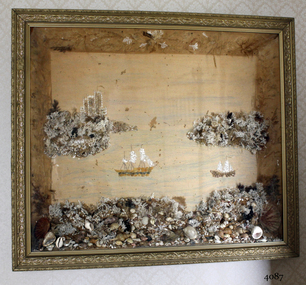
... The family of the creator Anna Wilson nee Henry and her husband William Wilson are of significance to the early history of Victoria and the South West of Victoria in particular, being pioneer families who farmed the land, built the towns and cities and contributed to their communities. ...This unusual wall decoration was created by Anna Wilson (nee Henry), daughter of pioneer John Stephenson Henry, who arrived in Australia from Ireland with his children in 1851. Family documents confirm that Anna most probably made the diorama for her sister-in-law, who married a member of the Giles family. The diorama was later given to Vera Giles who was a family friend and possibly related to Anna’s sister-in-law by marriage. The diorama is now part of the Giles Collection. Anna married William Wilson in 1860, who had arrived in Australia from County Tarrane in about 1850, aged 19. In 1869 they moved to their new property called ‘Glenlyall’ in Cooramook, north of Grassmere, Victoria, where he lived for 49 years until his death in 1918. He left behind a family of four sons and a daughter. The Giles Family There are many 19th century items of furniture, linen and crockery donated to Flagstaff Hill Maritime Village by Vera and Aurelin Giles. The items are associated with the Giles Family and are known as the “Giles Collection”. These items mostly came from the simple home of Vera’s parents-in-law, Henry Giles and his wife Mary Jane (nee Freckleton), whose photos are in the parlour. They married in 1880. Henry Giles was born at Tower Hill in 1858. He was a labourer on the construction of the Breakwater before leaving in 1895 to build bridges in N.S.W. for about seven years. Mary Jane was born in 1860 at Cooramook. She attended Mailor’s Flat State School where she was also a student teacher before, as family legend has it, she became a governess at “Injemiara” where her grandfather, Francis Freckleton, once owned land. Henry and Mary’s family of six, some of whom were born at Mailor’s Flat and later children at Wangoom, lived with their parents at Wangoom and Purnim west, where Henry died in 1933 and Mary Jane in 1940. The family of the creator Anna Wilson nee Henry and her husband William Wilson are of significance to the early history of Victoria and the South West of Victoria in particular, being pioneer families who farmed the land, built the towns and cities and contributed to their communities. The Giles family collection has social significance at a local level, because it illustrates the level of material support the Warrnambool community gave to Flagstaff Hill when the Museum was established. Wall decoration, diorama with decorative gild frame and glass front. The 3-dimensional seascape includes sailing boats, land and sea, all made from materials such as shells, coral and seaweed. The work was made by Anna Wilson. It is part of the Giles Collection.Noneflagstaff hill, warrnambool, shipwrecked-coast, flagstaff-hill, flagstaff-hill-maritime-museum, maritime-museum, shipwreck-coast, flagstaff-hill-maritime-village, giles collection, henry giles, tower hill, cooramook, warrnambool breakwater, mailor’s flat, wangoom, 19th century household goods, 19th century decor, 19th century handcraft, handcraft, wall hanging, diorama of a seascape -
 Flagstaff Hill Maritime Museum and Village
Machine - Lathe, W F & John Barnes, early 1900s
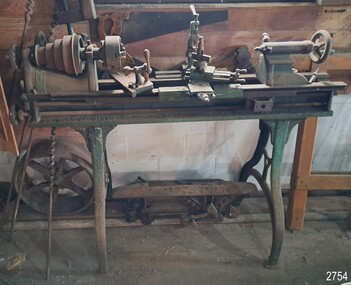
... History: W.F. & J. Barnes was a renowned maker of hand- and foot-powered treadle woodworking and metalworking machinery, established in 1869. The partnership between William F. Barnes and John Barnes was formalised in 1872, and the firm was incorporated in 1884. Their machines were used for both ‘farm...History: W.F. & J. Barnes was a renowned maker of hand- and foot-powered treadle woodworking and metalworking machinery, established in 1869. The partnership between William F. Barnes and John Barnes was formalised in 1872, and the firm was incorporated in 1884. Their machines were used for both ‘farm ...This woodworking lathe, connected to both a pulley and a flywheel, demonstrates its historical operation with a steam engine. Such a configuration reflects manufacturing practices from the late 1800s and early 1900s, when steam power was the predominant source for driving workshop and factory machinery. Large machine shops often utilised a single power source, distributing power via roof-mounted belts and pulleys to operate several machines simultaneously. Over time, petrol-driven motors were introduced, and eventually, electricity became the standard power source. Conversion kits were made available in the late 19th and early 20th centuries to adapt older lathes to these newer, cleaner fuels. Manufacturer's History: W.F. & J. Barnes was a renowned maker of hand- and foot-powered treadle woodworking and metalworking machinery, established in 1869. The partnership between William F. Barnes and John Barnes was formalised in 1872, and the firm was incorporated in 1884. Their machines were used for both ‘farm’ applications and professional engineering. By 1881, the company began producing electrically powered machinery. By 1937, W.F. & J. Barnes expanded into manufacturing machinery for automotive assembly. The business closed in 1983, and in 1998, LeBlond Ltd. of Ohio acquired the firm. The lathe was donated by Briggs Marine, Melbourne: In Flagstaff Hill’s formative years, 1972-1975, Briggs Marine, Melbourne (Briggs Brass Foundry), donated equipment and objects used or made at their premises. The foundry was established in 1912 by Herbert Harrison Briggs. In 1965, the firm was owned by partners Cyril Briggs and Frank Lee: Cyril died in 1967, and Frank died in 1971, so the foundry was then run by his son and daughter-in-law, Les and Eva Lee. Briggs Marine’s Warrnambool Branch closed in 1972 after the death of Frank Lee in 1971. Flagstaff Hill’s founding director, John Lindsay, recalled that Briggs Marine’s family members gave personal assistance in setting up the displays in the original village shops, particularly the ‘Brass Foundry’ building, around the time the Maritime Museum opened in 1975. Briggs Marine still exists today, but the Briggs family is no longer involved. This early 1900s lathe marks a significant stage in the evolution of machinery, positioned between the era of hand-operated machines and the advent of electrically powered equipment. Its presence exemplifies the progression of industrial technology and craftsmanship during this period. The lathe is particularly notable for its association with the Briggs Brass Foundry. The foundry was known for developing a specialised brass alloy composed of non-ferrous metals, a formulation that resulted in durable products built to withstand the demanding conditions of marine environments. This focus on resilience and longevity made Briggs Brass Foundry’s goods highly sought after within the maritime sector. Briggs Maine, a long-established business, utilised the foundry’s capabilities to create cast goods tailored to the needs of the marine industry. The facility was equipped to deliver both custom-designed and mass-produced items, ensuring versatility in meeting various requirements. Many of Briggs Foundry’s products found their place on sailing and steam vessels throughout Victoria’s coastline, including in the port town of Warrnambool, where there was once a brancy of Briggs Marine. In addition to general marine fittings, Briggs Marine earned recognition for its expertise in bell-founding. The foundry’s reputation is closely linked to the restoration of the Schomberg Bell at Flagstaff Hill, a small but historically significant bell from a luxury migrant vessel dating back to the mid-19th century. The successful restoration of the Schomberg Bell demonstrates Briggs Brass Foundry’s commitment to preserving craftsmanship and maritime heritage.The lathe is a green, bench-type, steam-powered woodworking machine. Its bench is supported by decorative posts at each end, with each post dividing into arched legs. The lathe is mechanically connected to both a pulley and a flywheel, designed to be operated in conjunction with a steam engine. Included with the lathe is a range of accessories. Across the front of the machine, an inscription is cast, and a stamped, metal lathe pulley guide is attached to the drive mechanism. The lathe was manufactured by W. F. and J. Barnes, Rockford, Illinois, USA, during the 1900s.“W F and J Barnes, Rockford, USA” "1820" "1887"flagstaff hill, flagstaff hill maritime museum and village, warrnambool, maritime museum, maritime village, great ocean road, shipwreck coast, lathe, steam-operated lathe, steam-operated pulley, steam power, steam engine, machine, steam operated machine, metal work, foundry work, metal working trade, tool, pulley driven, metalworking, woodworking, barnes lathe, briggs marine, belt driven, wordworking lathe, free standing lathe, bench lathe, steam powered, vintage lathe, woodturning lathe, w. f. and j. barnes, illanois, early 20th century, briggs, briggs brass foundry, briggs marine foundry, briggs marine products, herbert harrison briggs, george edward briggs, cyril falkiner mckinnon briggs, collingwood, moorabbin, frank lee, les lee, eva lee, briggs marine warrnambool, non-ferrous founders, bell specialists, ship bell specialists, sand cast, marine equipment, marine fittings, foundry, brass foundry, founders -
 Federation University Historical Collection
Book, Cassell and Company, Ltd, Australian War Photographs, 1917
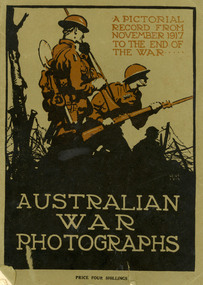
... (See http://guerin.ballarat.edu.au/aasp/is/library/collections/art_history/honour-roll/honourroll_cannon.shtml) chatham family collection chatham world war one world war 1 world war i france trenches front line birdwood mark ridgeay harold williamson flanders poziers somme becourt mouquet farm rupert whiteley ypres montauban field cooker gueudecourt band bapaume bullecourt h. murray hindernburg wire messines howitzer w. holmes. canon ted canon hill 60 gas masks siege battery menin road ambulance dressing station glencorse wood prisoners pigeons australian commonwealth military forces sgs Chatham - Holmes Family Archive Photographic history of Australians during World War One 129 page book with soft beige, brown and black cover depicting three soldiers at the front during World War One. ...Photographic history of Australians during World War One129 page book with soft beige, brown and black cover depicting three soldiers at the front during World War One. The book includes many photographs and artwork of Australians at the French front from November 1917 until the end of the war. Photographers include Frank Hurley, E. Brooks, H.F. Baldwin and G.H. Wilkins. Artists include Crozier, W.L. King, Alan Lewis, Lothian, John Davis, S. Perks, I. Picking, Daryl Lindsay, Alf Saville, L.H. Howie, Stuart Shaw, P. Huthnance, Stiggo, S. Perks, C.H. Gould, Ted Canon, Bernie Bragg, S. Shaw, Will Dyson, An introduction is written by W. Birdwood, France, 28 September 1917. A number of pages have written notes on them by someone who had obviously been on the French Front. (These pages have been scanned and uploaded onto Victorian Collections. non-fictionPhotographic history of Australians during World War Onechatham family collection, chatham, world war one, world war 1, world war i, france, trenches, front line, birdwood, mark ridgeay, harold williamson, flanders, poziers, somme, becourt, mouquet farm, rupert whiteley, ypres, montauban, field cooker, gueudecourt, band, bapaume, bullecourt, h. murray, hindernburg wire, messines, howitzer, w. holmes. canon, ted canon, hill 60, gas masks, siege battery, menin road, ambulance, dressing station, glencorse wood, prisoners, pigeons, australian commonwealth military forces, sgs, chatham - holmes family archive -
 Federation University Historical Collection
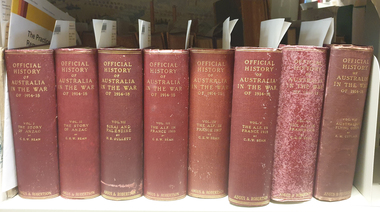
Book, Official History of Australia in the War of 1914-1918, Vol 3, The Australian Imperial Force in France, 1916, 1937
... world war world war one charles bean france bean frommelles messines somme pozieres mouquet farm Red hardcovered book of 1035 pages and 475 illustrations and maps Official History of Australia in the War of 1914-1918, Vol 3, The Australian Imperial Force in France, 1916 Book Book ...Red hardcovered book of 1035 pages and 475 illustrations and mapsworld war, world war one, charles bean, france, bean, frommelles, messines, somme, pozieres, mouquet farm -
The Beechworth Burke Museum
Audio - Oral History, Jennifer Williams, Mr and Mrs Forrest, 25th September 2000
... history...burke museum...forrest...mr and mrs forrest...farm...Although Beechworth is famous for its history in gold, the project by Jennifer Williams is significant as it captures the everyday life and struggles of residents living in Beechworth during the twentieth century. Mr and Mrs Forrest’s story is significant as their story brings to light the life on a farm ...Mr Forrest was born on the 11th of November 1916 in Beechworth. Mrs Forrest was also born in Beechworth. Mr and Mrs Forrest's families have strong association with Beechworth's farming community, especially when it came to rearing sheep and cattle. This oral history recording was part of a project conducted by Jennifer Williams in the year 2000 to capture the everyday life and struggles in Beechworth during the twentieth century. This project involved recording seventy oral histories on cassette tapes of local Beechworth residents which were then published in a book titled: Listen to what they say: voices of twentieth century Beechworth. These cassette tapes were digitised in July 2021 with funds made available by the Friends of the Burke.Although Beechworth is famous for its history in gold, the project by Jennifer Williams is significant as it captures the everyday life and struggles of residents living in Beechworth during the twentieth century. Mr and Mrs Forrest’s story is significant as their story brings to light the life on a farm in Beechworth. It gives insight into not only the Forrest’s role in Beechworth’s farming, but it also gives insight into the changed Beechworth went through during and after the war period.This is a digital copy of a recording that was originally captured on a cassette tape. The cassette tape is black with a horizontal white strip and is currently stored in a clear flat plastic rectangular container. It holds up 40 minutes of recordings on each side.listen to what they say, beechworth, oral history, burke museum, forrest, mr and mrs forrest, farm, farming -
 The Beechworth Burke Museum
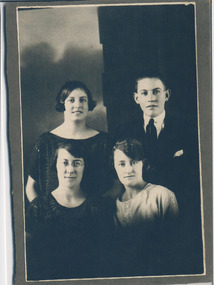
Audio - Oral History, Jennifer Williams, Mr Alfred Spencer, 17th February 2000
... history...burke museum...spencer...alfred spencer...migration...post-war migration...goldfields...health care...farm...Alfred 'Alf' Spencer grew up on a dairy farm run by his mother, west south west of Beechworth 'down Robertson Road', and was very well connected to the wider Beechworth area. In this oral history...Alfred 'Alf' Spencer grew up on a dairy farm run by his mother, west south west of Beechworth 'down Robertson Road', and was very well connected to the wider Beechworth area. In this oral history ...Alfred 'Alf' Spencer grew up on a dairy farm run by his mother, west south west of Beechworth 'down Robertson Road', and was very well connected to the wider Beechworth area. In this oral history, he recalls his time driving the milk cart around Beechworth as well as the time he spent buying lollies and seeing the pictures. He talks extensively about working as a butcher at his brother's store, including how the butchers interacted with the rest of the town and the staff, as well as his time constructing roads and the pipe network of Beechworth. He discusses the dynamics of other workplaces around Beechworth, describing issues with how the local tannery treated its workers as well as how post-war migrants integrated across the town. He briefly discusses racial tensions between Chinese migrants and other miners on the goldfields. He also discusses the experience of health care in a rural area during his childhood. This oral history recording was part of a project conducted by Jennifer Williams in the year 2000 to capture the everyday life and struggles in Beechworth during the twentieth century. This project involved recording seventy oral histories on cassette tapes of local Beechworth residents which were then published in a book titled: Listen to what they say: voices of twentieth century Beechworth. These cassette tapes were digitised in July 2021 with funds made available by the Friends of the Burke.Alfred Spencer's oral history of his life around Beechworth during the 20th century is historically and socially significant to the cultural history of the region and Victoria. There is a lot of detail about workplaces, their staff, and how the resources of the town interacted. He explores themes that are important to Victorian history, such as migration. This oral history account is socially and historically significant as it is a part of a broader collection of interviews conducted by Jennifer Williams which were published in the book 'Listen to what they say: voices of twentieth-century Beechworth.' While the township of Beechworth is known for its history as a gold rush town, these accounts provide a unique insight into the day-to-day life of the town's residents during the 20th century, many of which will have now been lost if they had not been preserved.This is a digital copy of a recording that was originally captured on a cassette tape. The cassette tape is black with a horizontal white strip and is currently stored in a clear flat plastic rectangular container. It holds up to 40 minutes of recordings on each side.Mr Alfred Spencer /listen to what they say, beechworth, oral history, burke museum, spencer, alfred spencer, migration, post-war migration, goldfields, health care, farm, farming, dairy farm, black springs, butchers, meat processing, butcher, road, road network, labour relations -
 The Beechworth Burke Museum
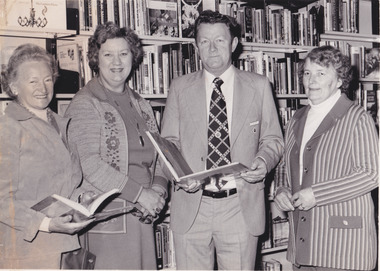
Audio - Oral History, Jennifer Williams, Mrs Val Mason, 5 January 2001
... farm stay...social history...farm in 1973. Concerned with improving infrastructure and developing economic opportunities in the region, Mrs. Mason successfully stood as a local council representative for South Riding in the United Shire of Beechworth, and later become the first woman Shire President in 1979. Mrs Mason was a member of the local Business and Professional Women's Club for 37 years. This oral history...While the township of Beechworth is known for its history as a gold rush town, these accounts provide a unique insight into the day-to-day life of the town's residents during the 20th century, many of which will have now been lost if they had not been preserved. listen to what they say beechworth oral history burke museum working women trail blazers farm to plate farm shop paddock to plate woman farmer United Shire of Beechworth rural and regional women Beechworth's first woman shire president women in leadership positions women leaders Australian settlement history settler societies Victorian gold rush heritage tourism culinary tourism regional land use indigo winery farm stay social history Mrs Val Mason / This is a digital copy of a recording that was originally captured on a cassette tape. ...Mrs. Valerie (Val) Mason (1927-2019) was a local sheep farmer, business-woman, Beechworth shire councillor, and mother to five children. With her husband, Charles, Mrs. Mason developed and managed the Big Valley farm estate, at Everton, which is now part of a vineyard and farm stay. Mrs. Mason was instrumental in introducing a 'paddock to plate' philosophy and business model, opening a butcher shop on the farm in 1973. Concerned with improving infrastructure and developing economic opportunities in the region, Mrs. Mason successfully stood as a local council representative for South Riding in the United Shire of Beechworth, and later become the first woman Shire President in 1979. Mrs Mason was a member of the local Business and Professional Women's Club for 37 years. This oral history recording was part of a project conducted by Jennifer Williams in the year 2000 to capture the everyday life and struggles in Beechworth during the twentieth century. This project involved recording seventy oral histories on cassette tapes of local Beechworth residents which were then published in a book titled: 'Listen to what they say: voices of twentieth century Beechworth. These cassette tapes were digitised in July 2021 with funds made available by the Friends of the Burke.Mrs. Mason's story is historically significant for understanding economic and social changes in the Beechworth region during the latter half of the twentieth century. As a council representative, issues such as road and infrastructure modernisation and the transition from traditional government employment sectors, like Beechworth's care institutions, were challenges for local government. As a farmer and local employer, Mrs. Mason's story is testimony to the region's economic diversification as businesses like Big Valley farm shop helped shape the region's contemporary character. Mrs. Mason was among the first women to broach the traditionally all-male Beechworth Council Chambers and her story is socially significant for understanding the changing role of women in rural and regional Australia. This oral history recording offers interpretive capacity for social history themes and may be compared with other oral histories in the Burke Museum's collection. This oral history account is socially and historically significant as it is a part of a broader collection of interviews conducted by Jennifer Williams which were published in the book 'Listen to what they say: voices of twentieth-century Beechworth.' While the township of Beechworth is known for its history as a gold rush town, these accounts provide a unique insight into the day-to-day life of the town's residents during the 20th century, many of which will have now been lost if they had not been preserved.This is a digital copy of a recording that was originally captured on a cassette tape. The cassette tape is black with a horizontal white strip and is currently stored in a clear flat plastic rectangular container. It holds up 40 minutes of recordings on each side.Mrs Val Mason /listen to what they say, beechworth, oral history, burke museum, working women, trail blazers, farm to plate, farm shop, paddock to plate, woman farmer, united shire of beechworth, rural and regional women, beechworth's first woman shire president, women in leadership positions, women leaders, australian settlement history, settler societies, victorian gold rush, heritage tourism, culinary tourism, regional land use, indigo winery, farm stay, social history -
The Beechworth Burke Museum
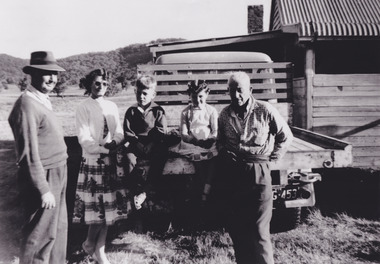
Audio - Oral History, Linda Peacock, Ernie Warner, 2000
... farm, which passed to his brother. Ernie was the owner of the hardware store in Camp street, which was the former Post Office Hotel, from 1955 to 1979, having previously worked there as a teenager in the 1930s/1940s. He did not go to war due to injury, but during the wartime was employed in the hardware, at Zwar Bros. Tannery and by bookkeeping for his father. Ernie married in 1948 and had 6 children. This oral history...farm, which passed to his brother. Ernie was the owner of the hardware store in Camp street, which was the former Post Office Hotel, from 1955 to 1979, having previously worked there as a teenager in the 1930s/1940s. He did not go to war due to injury, but during the wartime was employed in the hardware, at Zwar Bros. Tannery and by bookkeeping for his father. Ernie married in 1948 and had 6 children. This oral history ...Ernie Warner was a local of Beechworth, a third generation inhabitant of the town. His grandfather arrived as a prospector, and his parents married there and established a sheep/wool farm, which passed to his brother. Ernie was the owner of the hardware store in Camp street, which was the former Post Office Hotel, from 1955 to 1979, having previously worked there as a teenager in the 1930s/1940s. He did not go to war due to injury, but during the wartime was employed in the hardware, at Zwar Bros. Tannery and by bookkeeping for his father. Ernie married in 1948 and had 6 children. This oral history recording was part of a project conducted by Jennifer Williams (and Linda Peacock) in the year 2000 to capture the everyday life and struggles in Beechworth during the twentieth century. This project involved recording seventy oral histories on cassette tapes of local Beechworth residents which were then published in a book titled: Listen to what they say: voices of twentieth century Beechworth. These cassette tapes were digitised in July 2021 with funds made available by the Friends of the Burke.Ernie Warner's oral history recording has social and interpretive significance due to his discussion on life in Beechworth during the Depression, War and post-war eras. He discusses his work in the hardware shop on Camp Street and his work in the Zwar Bros. tannery during the wartime, when it supplied leather to the army. His recording also has social significance because he discusses his family; his grandfather had arrived in Beechworth from England to prospect for gold and his father and brother were sheep farmers. This oral history account is socially and historically significant as it is a part of a broader collection of interviews conducted by Jennifer Williams which were published in the book 'Listen to what they say: voices of twentieth-century Beechworth.' While the township of Beechworth is known for its history as a gold rush town, these accounts provide a unique insight into the day-to-day life of the town's residents during the 20th century, many of which will have now been lost if they had not been preserved.This is a digital copy of a recording that was originally captured on a cassette tape. The cassette tape is black with a horizontal white strip and is currently stored in a clear flat plastic rectangular container. It holds up 40 minutes of recordings on each side.Ernie Warnerzwar brothers tannery, beechworth, gold prospecting, world war two, hardware store, sheep farming -
 The Beechworth Burke Museum
Audio - Oral History, Jennifer Williams, Hubert Warner, 2 April 2000
... history is specific to the cattle industry and shows great nuance in the day-to-day operation of such a business over time. Listen to what they say Listen to what they say: voices of twentieth century Beechworth 1800s Beechworth 20th Century Beechworth Beechworth Farming and agriculture cattle Gold Gold Rush farm farming Herbert Warner This is a digital copy of a recording that was originally captured on a cassette tape. ...Hubert Warner’s story shows insight to the families that emigrated from Europe for the gold rush. It illustrates the nuances of life in the district. This history speaks of land cultivation and the innovation of industry in the region, in particular sheep and cattle farming and slaughter. Warner speaks of the highs and lows of the practice of breeding cattle, the awards he won, but also the hardships that come with working on the land such as having to face natural disaster. This oral history recording was part of a project conducted by Jennifer Williams in the year 2000 to capture the everyday life and struggles in Beechworth during the twentieth century. This project involved recording seventy oral histories on cassette tapes of local Beechworth residents which were then published in a book titles: Listen to what they say: voices of twentieth century Beechworth. These cassette tapes were digitised in July 2021 with funds made available by the Friends of the Burke.Hubert Warner's account of life in Beechworth is uniquely illustrative as it captures many aspects of the community. It explains the motivation for European migrants for choosing to settle in the area and how they were able to both become a part of and create a presence in their local community. This oral history also exemplifies the process of developing industry through the twentieth century, how it was done, the struggles it faces, and the triumphs that came with this. Warner's history is specific to the cattle industry and shows great nuance in the day-to-day operation of such a business over time. This is a digital copy of a recording that was originally captured on a cassette tape. The cassette tape is black with a horizontal white strip and is currently stored in a clear flat plastic rectangular container. It holds up 40 minutes of recordings on each side. Herbert Warnerlisten to what they say, listen to what they say: voices of twentieth century beechworth, 1800s beechworth, 20th century beechworth, beechworth, farming and agriculture, cattle, gold, gold rush, farm, farming -
The Beechworth Burke Museum
Audio - Oral History, Jennifer Williams, John O'Loughlin, 13 July 2000
... farm on the Wodonga side of Beechworth to work the land. This area was known as The Rockery, a grazing property of two-hundred and eighty acres about two miles north of Beechworth. This work done by the prisoners included timber cutting, land maintenance and the grazing of livestock, mainly Black Poll cattle. The programme was an instrumental component of prisoner rehabilitation, allowing freedom and responsibility. When he retired from his work in 1987, John observed that many improvements had been made towards the living conditions and daily life of the prisoners. This oral history...farm on the Wodonga side of Beechworth to work the land. This area was known as The Rockery, a grazing property of two-hundred and eighty acres about two miles north of Beechworth. This work done by the prisoners included timber cutting, land maintenance and the grazing of livestock, mainly Black Poll cattle. The programme was an instrumental component of prisoner rehabilitation, allowing freedom and responsibility. When he retired from his work in 1987, John observed that many improvements had been made towards the living conditions and daily life of the prisoners. This oral history ...John O'Loughlin was born in 1922 in Warracknabeal, Victoria and moved to Beechworth in February 1969. Following a brief time working in the real estate business, John gained employment as a prison officer at Beechworth Gaol. The gaol had initially closed its doors in 1918 but was reopened after the completion of alterations in 1926 as a reformatory prison for habitual male criminals. In his new role, John was able to pursue management in the farming industry, taking trusted prisoners out to a farm on the Wodonga side of Beechworth to work the land. This area was known as The Rockery, a grazing property of two-hundred and eighty acres about two miles north of Beechworth. This work done by the prisoners included timber cutting, land maintenance and the grazing of livestock, mainly Black Poll cattle. The programme was an instrumental component of prisoner rehabilitation, allowing freedom and responsibility. When he retired from his work in 1987, John observed that many improvements had been made towards the living conditions and daily life of the prisoners. This oral history recording was part of a project conducted by Jennifer Williams in the year 2000 to capture the everyday life and struggles in Beechworth during the twentieth century. This project involved recording seventy oral histories on cassette tapes of local Beechworth residents which were then published in a book titled: Listen to what they say: voices of twentieth century Beechworth. The cassette tapes were digitised in July 2021 with funds made available by the Friends of the Burke. John O'Loughlin's account of his life in Beechworth and the local area during the twentieth century is historically and socially significant to the cultural heritage of the region. He details important information surrounding Beechworth Gaol and the daily life of its prisoners; it is a place that still holds significance for the residents of Beechworth today. This oral history account is socially and historically significant as it is part of a broader collection of interviews conducted by Jennifer Williams which were published in the book 'Listen to what they say: voices of twentieth century Beechworth'. While the township of Beechworth is known for its history as a gold rush town, these accounts provide a unique insight into the day-to-day life of the town's residents during the twentieth century, much of which would have been lost if they had not been preserved. This is a digital copy of a recording that was originally captured on a cassette tape. The cassette tape is black with a horizontal white stripe and is currently stored in a clear flat rectangular plastic container. It holds up to forty minutes of recording on each side. John O'Loughlin / beechworth gaol, old beechworth gaol, john o'loughlin, beechworth prison, beechworth, gaol, prisoners, beechworth prison officer, prisoner reform beechworth, the rockery, black poll cattle, daily prison life beechworth, prisoner farmwork, beechworth training prison -
 The Beechworth Burke Museum
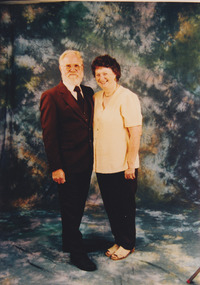
Audio - Oral History, Jennifer Williams, Barry Pope, 26/6/2000
... history...Hospital garden...Mayday Hill Hospital...Met Hospital...Social Welfare Department...Loyola...Lyolla...Pentridge Prison...Fairlea Women's Prison...Prison officer training...Drug crimes...Prison daily life...Prison farm...Beechworth 1960s 1970s 1980s Stanley Mill Logging Hotel Wentworth Oral history Hospital garden Mayday Hill Hospital Met Hospital Social Welfare Department Loyola Lyolla Pentridge Prison Fairlea Women's Prison Prison officer training Drug crimes Prison daily life Prison farm Prison wood workshop Prison industry Prison escapes Beechworth Prison Prison suicides Prison violence Prisoner attitudes to crime Mental health Isolation cells Walking Dog Scheme Guide Dogs Prison concerts Prison plays George Smee Prison food Prison officer accommodation Barry Pope / This is a digital copy of a recording that was originally captured on a cassette tape. ...Barry Pope left Melbourne at the intentions of travelling around Australia, met a local girl in Beechworth and decided to stay. He worked firstly in logging operations at the mill in Stanley, had some bartending jobs at Beechworth hotels, then got a job as a kitchen-hand at the Mayday Hill Hospital. Taking up new opportunities to advance his career and earning potential, he trained as a prison officer, working for several months at Pentridge Prison and Fairlea Women's Prison in Melbourne. He then returned to Beechworth to work in the prison system. In his story Mr Pope discusses many aspects of prison life for both prisoners and prison officers, from the food and daily routine, attitudes to discipline and rehabilitation, industries and opportunities available to prisoners and how prisoners were viewed in society after their period in prison was finished. This oral history recording was part of a project conducted by Jennifer Williams in the year 2000 to capture the everyday life and struggles in Beechworth during the twentieth century. This project involved recording seventy oral histories on cassette tapes of local Beechworth residents which were then published in a book titled: Listen to what they say: voices of twentieth century Beechworth. These cassette tapes were digitised in July 2021 with funds made available by the Friends of the Burke.Barry Pope's account of his career is historically and socially significant as it details practices within the prison industry in the Twentieth Century as well as the operations of regional hospitals. This oral history account is socially and historically significant as it is a part of a broader collection of interviews conducted by Jennifer Williams which were published in the book 'Listen to what they say: voices of twentieth-century Beechworth.' While the township of Beechworth is known for its history as a gold rush town, these accounts provide a unique insight into the day-to-day life of the town's residents during the 20th century, many of which will have now been lost if they had not been preserved.This is a digital copy of a recording that was originally captured on a cassette tape. The cassette tape is black with a horizontal white strip and is currently stored in a clear flat plastic rectangular container. It holds up 40 minutes of recordings on each side.Barry Pope /beechworth, 1960s, 1970s, 1980s, stanley mill, logging, hotel wentworth, oral history, hospital garden, mayday hill hospital, met hospital, social welfare department, loyola, lyolla, pentridge prison, fairlea women's prison, prison officer training, drug crimes, prison daily life, prison farm, prison wood workshop, prison industry, prison escapes, beechworth prison, prison suicides, prison violence, prisoner attitudes to crime, mental health, isolation cells, walking dog scheme, guide dogs, prison concerts, prison plays, george smee, prison food, prison officer accommodation -
The Beechworth Burke Museum
Audio - Oral History, Jennifer Williams, Mr Clemence Orton, 7th December 2000
... farm stock, horses in particular. His knowledge of the area during his parent’s time and his families time saw him familiar with mining in the local area and Chinese miners through to farming techniques and practices. He was known as a ‘local resident with an encyclopaedic knowledge of local history...farm stock, horses in particular. His knowledge of the area during his parent’s time and his families time saw him familiar with mining in the local area and Chinese miners through to farming techniques and practices. He was known as a ‘local resident with an encyclopaedic knowledge of local history ...Clemence Orton was born in Beechworth in 1922 and lived his life in Murmungee on his parent’s property that he took over and ran working the land. He was schooled in Murmungee and interested in vet science. He served in WWII and was 24 years old when he returned. After World War II he took work experience with the local vet and attended his own farm stock, horses in particular. His knowledge of the area during his parent’s time and his families time saw him familiar with mining in the local area and Chinese miners through to farming techniques and practices. He was known as a ‘local resident with an encyclopaedic knowledge of local history'. Clemence married Dorothy and raised his family in Murmungee. He passed away on January 17th 2007. This oral history recording was part of a project conducted by Jennifer Williams in the year 2000 to capture the everyday life and struggles in Beechworth during the twentieth century. This project involved recording seventy oral histories on cassette tapes of local Beechworth residents which were then published in a book titled: Listen to what they say: voices of twentieth century Beechworth. These cassette tapes were digitised in July 2021 with funds made available by the Friends of the Burke. Clemence Orton’s family has lived in the Beechworth and Murmungee region for over a century. Through his experience living on the land he is able to shine a light on farming and life on the land, farming techniques and mining history in the region. Clemence Orton was know for his knowledge of local history and lived in the region making his involvement in this oral history project important. This oral history account is socially and historically significant as it is a part of a broader collection of interviews conducted by Jennifer Williams which were published in the book 'Listen to what they say: voices of twentieth-century Beechworth.' While the township of Beechworth is known for its history as a gold rush town, these accounts provide a unique insight into the day-to-day life of the town's residents during the 20th century, many of which will have now been lost if they had not been preserved.This is a digital copy of a recording that was originally captured on a cassette tape. The cassette tape is black with a horizontal white strip and is currently stored in a cleat flat plastic rectangular container. It holds up to 40 minutes of recordings on each side. Mr Clemence Orton /listen to what they say, beechworth, oral history, burke museum, orton, vet, mining history, chinese miners, clemence orton -
The Beechworth Burke Museum
Audio - Oral History, Mrs May Harris, July 2000
... history...burke museum...illness...asthma...farming...farm...This oral history interview was conducted with Mrs May Harris (née Peach), who grew up in the farming town of Stanley, about 9km southeast of Beechworth. Mrs Harris moved to Melbourne and got work cleaning houses before getting married. Her husband worked on farms...This oral history interview was conducted with Mrs May Harris (née Peach), who grew up in the farming town of Stanley, about 9km southeast of Beechworth. Mrs Harris moved to Melbourne and got work cleaning houses before getting married. Her husband worked on farms ...This oral history interview was conducted with Mrs May Harris (née Peach), who grew up in the farming town of Stanley, about 9km southeast of Beechworth. Mrs Harris moved to Melbourne and got work cleaning houses before getting married. Her husband worked on farms, and the couple eventually found their way back to Stanley. She describes experiences of illness, particularly her husband and children's experience with asthma and the impact that had on their lives and careers. Mrs Harris talks about local fundraising events in Stanley, particularly what she calls 'Australian Teas', as well as some of the dances and picnics that were major sources of entertainment when she was young. This oral history recording was part of a project conducted by Jennifer Williams in the year 2000 to capture the everyday life and struggles in Beechworth during the twentieth century. This project involved recording seventy oral histories on cassette tapes of local Beechworth residents which were then published in a book titled: Listen to what they say: voices of twentieth century Beechworth. These cassette tapes were digitised in July 2021 with funds made available by the Friends of the Burke.Mrs May Harris' statement explores life in a small farming community alongside some of her life in the city, which might provide an interesting comparison. She discusses the difficulties of facing illnesses in these rural communities, noting the lack of available resources and need to travel to Beechworth. She discusses community events, highlighting both the social aspects and the fundraising aspects.This is a digital copy of a recording that was originally captured on a cassette tape. The cassette tape is black with a horizontal white strip and is currently stored in a clear flat plastic rectangular container. It holds up 40 minutes of recordings on each side.listen to what they say, beechworth, oral history, burke museum, illness, asthma, farming, farm work, rural life, stanley, stanley athenaeum, sinclair's sawmill, sawmill, the great depression, housework, australian tea, fundraising -
 The Beechworth Burke Museum
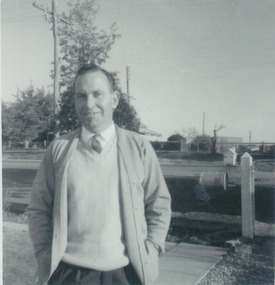
Audio - Oral History, Jennifer Williams, John Watson, 22 June 2000
... farm work...farmers...farming...cattle...industry...Oral History...history also shows deep insight into the social structure of the community. It describes the family and community dynamics over a long period of time, the motivations behind behaviour, and the greater community fabric. 1800s Beechworth 20th Century Beechworth Beechworth Farming and agriculture farm farm work farmers farming cattle industry Oral History John Watson John Watson This is a digital copy of a recording that was originally captured on a cassette tape. ...John Watson's story shows insight to the families that moved to Beechworth and the motivation behind this. It showcases the nuances of life in the district and the day to day ways of living. This history speaks of land cultivation and the innovation of industry in the region, in particular cattle farming and butchering. Watson's account speaks of the way that the practice of breeding cattle effects the rural lifestyle, and the hardships that come with working on the land. This oral history recording was part of a project conducted by Jennifer Williams in the year 2000 to capture the everyday life and struggles in Beechworth during the twentieth century. This project involved recording seventy oral histories on cassette tapes of local Beechworth residents which were then published in a book titled: Listen to what they say: voices of twentieth century Beechworth. These cassette tapes were digitised in July 2021 with funds made available by the Friends of the Burke.Watson's account is historically significant due to its ability to illustrate the lifestyle and industry of those in Beechworth during the twentieth century. It is a rare insight into the the practices of residents of this time. This oral history also shows deep insight into the social structure of the community. It describes the family and community dynamics over a long period of time, the motivations behind behaviour, and the greater community fabric. This is a digital copy of a recording that was originally captured on a cassette tape. The cassette tape is black with a horizontal white strip and is currently stored in a clear flat plastic rectangular container. It holds up 40 minutes of recordings on each side.John Watson1800s beechworth, 20th century beechworth, beechworth, farming and agriculture, farm, farm work, farmers, farming, cattle, industry, oral history, john watson -
 The Beechworth Burke Museum
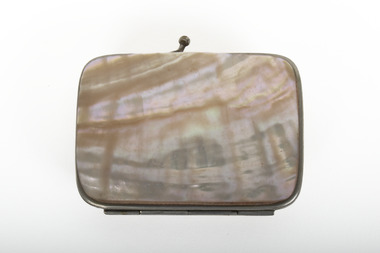
Functional object - Ladies Coin Purse
... farms. Most of Australian's pearling industry was initially located in Western Australia and off the Torres Strait Islands. The Australian War Memorial notes on their website that many tokens made from mother of pearl were sent home to loved ones throughout World Wars One and Two from the Middle East, England, the South West Pacific, Australia and elsewhere, but that unfortunately provenance such as the manufacture and sale of many of these items is not recorded. The social history ...Specific historical and contextual information pertaining to this object is unknown. There are no hallmarks or documentation to indicate provenance or historical significance. This coin purse appears to have a covering made of mother of pearl. Evidence of interest from over 20,000 years ago mark Aboriginal groups in Australia as some of the first people to value the power and beauty of pearlshell, while evidence of Australian pearlshell being taken across the sea to other countries dates back as early as the 1500s. The 1850s-60s saw the beginnings of the Australian pearling industry. Following the popularisation of plastic for items such as buttons the pearlshell market waned in the mid-twentieth century but was soon after began to re-forge in Australia with a new industry of cultured pearl farms. Most of Australian's pearling industry was initially located in Western Australia and off the Torres Strait Islands. The Australian War Memorial notes on their website that many tokens made from mother of pearl were sent home to loved ones throughout World Wars One and Two from the Middle East, England, the South West Pacific, Australia and elsewhere, but that unfortunately provenance such as the manufacture and sale of many of these items is not recorded.The social history objects held in the Burke Museum's collection help to tell the stories of Beechworth's past by showing the social, cultural, and economic aspects of the town's history.A small rectangular purse with silver edging and half clasp, covered in white and cream coloured shell (mother of pearl?)A01154burke museum, social history, accessories, mother of pearl, nacre, australian industry -
 Blacksmith's Cottage and Forge
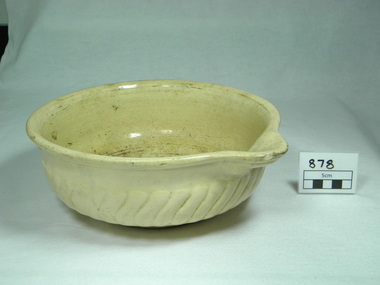
Bowl, mixing
... Women worked largely in the kitchen producing three meals daily for their families and, on farms, for the workers or casual labourers. Local significance for the history of women's work, especially the domestic duties of baking and cooking. baking cakes mixing bowl kitchenware women s work domestic utensils home cooked meals Round, cream-coloured, ceramic mixing bowl with pouring lip, fluted design. ...Mixing bowls of this design were a common item in Austrailan kitchens in the late 19th and early 20th centuries. Women worked largely in the kitchen producing three meals daily for their families and, on farms, for the workers or casual labourers.Local significance for the history of women's work, especially the domestic duties of baking and cooking. Round, cream-coloured, ceramic mixing bowl with pouring lip, fluted design.baking, cakes, mixing bowl, kitchenware, women s work, domestic utensils, home cooked meals -
 The Beechworth Burke Museum
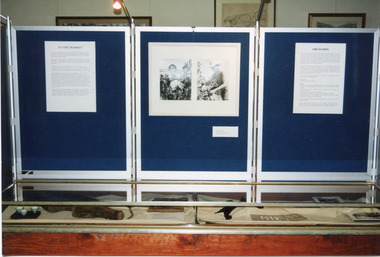
Photograph, 1999
... farms under vineyards by 1865. There were 400 Chinese market gardeners and hawkers in the area in 1868. The growth of agriculture in the Ovens district in the mid -1860s led to advocacy by local farmers for the extension of railway infrastructure from Melbourne to improve access to distant markets. beechworth Burke Museum Promoting settlement Living in country towns Making regional centres Preserving traditions and commemorating Farming and agriculture orchards exhibitions Burke Museum exhibitions fruitpicking building local economies transforming land Victorian agricultural history Marketing and promoting agricultural products growing fruit and vegetables The Harvest exhibition harvests vineyards Victorian gold rush towns Obverse: TO THE MARKET / ORCHARDS/ Reverse: 2856 Colour rectangular photograph printed on matte AGFA photographic paper. ...This photograph features three display board sections showing information and photographs from 'The Harvest' exhibition inside the Burke Museum at Beechworth in 1999. The boards are titled 'To the Market' and 'Orchards'; the accompanying text cannot be read. The two accompanying photographs depict a man and woman picking fruit.This photograph is of social significance to Burke Museum and the Beechworth community, documenting an exhibition, The Harvest, held in 1999 to communicate the importance of agricultural development, specifically of orchards, in the area. The expansion of vineyards and horticulture in the Beechworth district followed gold rush prosperity in the mid-1850s, with nearly ninety acres of gardens and small farms under vineyards by 1865. There were 400 Chinese market gardeners and hawkers in the area in 1868. The growth of agriculture in the Ovens district in the mid -1860s led to advocacy by local farmers for the extension of railway infrastructure from Melbourne to improve access to distant markets.Colour rectangular photograph printed on matte AGFA photographic paper.Obverse: TO THE MARKET / ORCHARDS/ Reverse: 2856beechworth, burke museum, promoting settlement, living in country towns, making regional centres, preserving traditions and commemorating, farming and agriculture, orchards, exhibitions, burke museum exhibitions, fruitpicking, building local economies, transforming land, victorian agricultural history, marketing and promoting agricultural products, growing fruit and vegetables, the harvest exhibition, harvests, vineyards, victorian gold rush towns
