
Showing 37 items matching "great war -fiction"
-
 Monbulk RSL Sub Branch
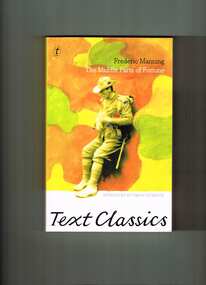
Book, Text Publishing, The Middle Parts Of Fortune, 2012
... World War 1914-1918 - Fiction...Great...World War 1914-1918 - Fiction Great war -Fiction Hailed by Eliot, Pound, Lawrence and Hemingway, and based on the author's own experiences, The Middle Parts of Fortune is a breathtaking account of the Great War and the men who fought it. p.301. ...Hailed by Eliot, Pound, Lawrence and Hemingway, and based on the author's own experiences, The Middle Parts of Fortune is a breathtaking account of the Great War and the men who fought it.p.301.fictionHailed by Eliot, Pound, Lawrence and Hemingway, and based on the author's own experiences, The Middle Parts of Fortune is a breathtaking account of the Great War and the men who fought it.world war 1914-1918 - fiction, great war -fiction -
 Flagstaff Hill Maritime Museum and Village
Book - Biographical/ Military History, W. H. Maxwell, The Victories of Wellington, 1871
... fiction, this book is not considered a pillar of high English literature. Its value is primarily historical and cultural and it's significance as moderate. It serves as an excellent window into Victorian nationalism and how the British public preferred to remember the Napoleonic Wars decades after they ended. (For more information on the Pattison Collection see item 3678 Flagstaff Hill collections) https://victoriancollections.net.au/items/5580c7e72162f114d8b758db flagstaff hill warrnambool shipwrecked coast flagstaff hill maritime museum maritime museum shipwreck coast flagstaff hill maritime village great ocean road book pattison collection warrnambool library warrnambool mechanics’ institute ralph eric pattison corangamite regional library service warrnambool city librarian mechanics’ institute library victorian library board warrnambool books and records warrnambool children’s library the victories of wellington W H Maxwell The Duke of Wellington Waterloo 1812 This book is a detailed military history and biographical tribute celebrating Arthur Wellesley, the Duke of Wellington, and the triumphs of the British military during the early 19th century. ...This book is a detailed military history and biographical tribute celebrating Arthur Wellesley, the Duke of Wellington, and the triumphs of the British military during the early 19th century. It focuses heavily on the Peninsular War fought against Napoleon's forces in Spain and Portugal and concludes with the famous Battle of Waterloo in 1815. Written with a flair for action, it blends tactical overviews of famous battles with dramatic anecdotes of soldierly bravery, making it highly accessible to the general Victorian public, who voraciously consumed patriotic military histories.The Victories of Wellington Author: W. H. Maxwell Publisher: Bell & Daldy Date: 1871 Further Information: non-fictionThis book is a detailed military history and biographical tribute celebrating Arthur Wellesley, the Duke of Wellington, and the triumphs of the British military during the early 19th century. It focuses heavily on the Peninsular War fought against Napoleon's forces in Spain and Portugal and concludes with the famous Battle of Waterloo in 1815. Written with a flair for action, it blends tactical overviews of famous battles with dramatic anecdotes of soldierly bravery, making it highly accessible to the general Victorian public, who voraciously consumed patriotic military histories.flagstaff hill, warrnambool, shipwrecked coast, flagstaff hill maritime museum, maritime museum, shipwreck coast, flagstaff hill maritime village, great ocean road, book, pattison collection, warrnambool library, warrnambool mechanics’ institute, ralph eric pattison, corangamite regional library service, warrnambool city librarian, mechanics’ institute library, victorian library board, warrnambool books and records, warrnambool children’s library, the victories of wellington, w h maxwell, the duke of wellington, waterloo, 1812 -
 Kiewa Valley Historical Society
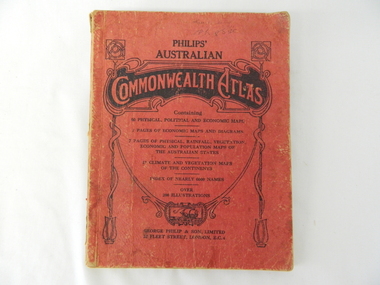
Atlas Australian Commonwealth, Philips' Australian Commonwealth Atlas, 1944
... war did not severely alter the life style of children in this region. The "news reels" shown in cinemas of cities and larger towns were the only visual realisations of major events of global significance available to these children. The information provided by this atlas allowed students to glimpse at what the "outside world" was. The majority of these students would possibly never see these regions for themselves. The great communication facilities of the late 1900s and beyond, was still only science fiction ...This atlas, printed in 1944, details not only the geographic and political boundaries of the world as it was at that time but also the snap shot of life of the time. This snap shot in time covers the major Australian cities, the major farming, grazing, industrial and sporting/recreational activities. Also there are snap shots of similar activities from other global areas. The period also covered World War II, detailed by a photo of "shell making", munitions, required by Australian soldiers. The great political and territorial changes made as a result of World War II can be clearly identified for example , Israel (the Jewish homeland). The various prewar colonies of major European nations.This atlas was used by children of a Kiewa Valley family and shows the value and the general educational exposure that these children had at this time. The rural setting and within the backdrop of a world war did not severely alter the life style of children in this region. The "news reels" shown in cinemas of cities and larger towns were the only visual realisations of major events of global significance available to these children. The information provided by this atlas allowed students to glimpse at what the "outside world" was. The majority of these students would possibly never see these regions for themselves. The great communication facilities of the late 1900s and beyond, was still only science fiction.This atlas has a thick (350 g/m) red cardboard cover with bold black lettering and shading. The cover is set out within a shield like frame. The shield is held up by two square markings, each with a four part circular pattern and a cord entwining two pendulum structures ending with a bowl figure at the bottom. There is a semi circular form enclosing a printed book contents list. The inside cover has the atlas title and contents and the publisher details. The atlas contain 56 pages of world and Australian maps, vegetation and rainfall maps. Within this atlas there are 27 double sided pages of black and white photographs depicting life styles, buildings, landscapes and prominent and significant to Australia males from 1652 to 1944. The pages are of approximately 200 g/m and have the yellow aged appearance.On front cover "Philips' Australian COMMONWEALTH ATLAS" and underneath "Containing" underneath "60 PHYSICAL, POLITICAL AND ECONOMIC MAPS". Publisher George Philip & Son, Limited 32 Fleet Street, London E.C. 4. Inside cover are: written, in freehand and in ink the following names and dates; "J.Muller Form V 1945", "L L Muller Form IV 1946", "N.J. Muller Form I + II + III 1948 +49 + 50" and "D Muller Form I 1949". also handwritten and in pencil is "Peter Leslie". On the last page is a small freehand sketch of Australia in biro.1940s school curriculum, rural education, 1940s atlas, australian atlas -
 Monbulk RSL Sub Branch
Book, Scholastic, War stories for boys : stories from the Second World War, 2009
... world war 1939-1945 - great britain - fiction...world war 1939-1945 - great britain - fiction juvenile fiction Three vividly imagined accounts of critical moments during the Second World War Ill, maps, p.408. ...Three vividly imagined accounts of critical moments during the Second World WarIll, maps, p.408.fictionThree vividly imagined accounts of critical moments during the Second World Warworld war 1939-1945 - great britain - fiction, juvenile fiction -
 Monbulk RSL Sub Branch
Book, Bryce Courtenay, The story of Danny Dunn, 2011
... world war 1939-1945 - veterans - fiction bars - australia - fiction In the aftermath of the Great Depression few opportunities existed for working-class boys, but at just eighteen Danny Dunn has everything going for him: brains, looks, sporting ability and an easy charm. ...In the aftermath of the Great Depression few opportunities existed for working-class boys, but at just eighteen Danny Dunn has everything going for him: brains, looks, sporting ability and an easy charm. His parents run The Hero, a neighbourhood pub, and Danny is a local hero. Luck changes for Danny when he signs up to go to war. He returns home a physically broken man, to a life that will be changed forever.p.610.fictionIn the aftermath of the Great Depression few opportunities existed for working-class boys, but at just eighteen Danny Dunn has everything going for him: brains, looks, sporting ability and an easy charm. His parents run The Hero, a neighbourhood pub, and Danny is a local hero. Luck changes for Danny when he signs up to go to war. He returns home a physically broken man, to a life that will be changed forever.world war 1939-1945 - veterans - fiction, bars - australia - fiction -
 National Vietnam Veterans Museum (NVVM)
Book, Pollard, Rhys, The Cream Machine, 1972
... Vietnam War 1961 - 1975 Vietnam War 1961-1975 -- Fiction Rhys Pollard Conscription Rifleman Long Hi Mountains Vung Tao The Cream Machine is at once a brilliant first novel and a social document of very great interest: for the soldier's outlook on a war is never quite the same as that of the civilian. ...The Cream Machine is at once a brilliant first novel and a social document of very great interest: for the soldier's outlook on a war is never quite the same as that of the civilian. Pollard himself, conscripted in 1967, served in Vietnam from November 1968 to July 1969.The Cream Machine is at once a brilliant first novel and a social document of very great interest: for the soldier's outlook on a war is never quite the same as that of the civilian. Pollard himself, conscripted in 1967, served in Vietnam from November 1968 to July 1969.vietnam war, 1961 - 1975, vietnam war, 1961-1975 -- fiction, rhys pollard, conscription, rifleman, long hi mountains, vung tao -
 Mont De Lancey
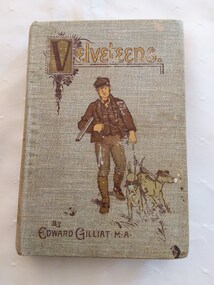
Book, Edward Gilliat. M. A, Velveteens, late 1800's or early 1900's
... Great War). Gilliat died at Bath in 1915 after being struck by a motor-car. This book was presented to Norman Jacob by Saint Pauls State School in Seville. Religious books Religious fiction ...A family story set in the countryside in County Norfolk in England in the late 1800's.It has strong religious themes. The father, a gamekeeper to a Squire, was shot dead by poachers and the family has to survive and continue to manage the land they live on.A light grey cloth covered book titled Velveteens. A Norfolk Story by Edward Gilliat, M.A., Assistant Master in Harrow School. Illustrated by F. Barnard. The title is printed in yellow decorative lettering at the top of the front cover with a brown illustration of a man hunting with a rifle and dogs. The author's name is at the bottom in brown lettering. Inside is a Bookplate. Opposite the title page is a frontispiece black and white illustration for P.33, titled "Dead? Who's dead?" asked the squire. Publishing details are noted on the title page which has a faded tissue paper page. There is a Contents page, listing XXX chapters. Each chapter has at the top of the page a decorative nature illustration inside a rectangular box. P.125 has another black and white full page illustration. 250 Pp. At the back are lists of Publications of the Society for Promoting Christian Knowledge. fictionA family story set in the countryside in County Norfolk in England in the late 1800's.It has strong religious themes. The father, a gamekeeper to a Squire, was shot dead by poachers and the family has to survive and continue to manage the land they live on.religious books, religious fiction, family life fiction, english fiction, children's fiction -
 Mrs Aeneas Gunn Memorial Library
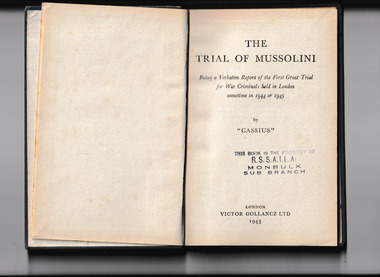
Book, Gollancz, The trial of Mussolini : being a verbatim report of the first great trial for war criminals held in London sometime in 1944 or 1945, 1943
... World War 1939-1945 - Fiction War crimes trials A fictional account of an imagined trial of Italian dictator, Benito Mussolini p.82. The trial of Mussolini : being a verbatim report of the first great trial for war criminals held in London sometime in 1944 or 1945 Book Gollancz "Cassius" ...A fictional account of an imagined trial of Italian dictator, Benito Mussolinip.82.fictionA fictional account of an imagined trial of Italian dictator, Benito Mussoliniworld war 1939-1945 - fiction, war crimes trials -
 Mrs Aeneas Gunn Memorial Library
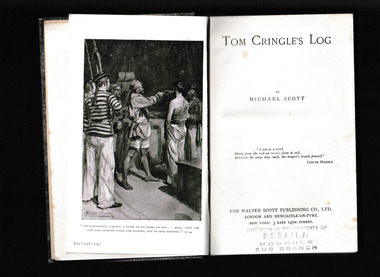
Book, Michael Scott, Tom Cringle's log, 1904
... Juvenile fiction Great Britain - Royal Navy Nothing will start your blood quicker or give a more real and fascinating picture of early 19th-century Royal Navy life than this famous adventure. In the West Indies, where war ...Nothing will start your blood quicker or give a more real and fascinating picture of early 19th-century Royal Navy life than this famous adventure. In the West Indies, where war, piracy, smuggling, and slave-running are the order of the day, the hero of the tale advances from midshipman to lieutenant to a command of his own: the audacious little 'Wasp'.Ill, p.245.fictionNothing will start your blood quicker or give a more real and fascinating picture of early 19th-century Royal Navy life than this famous adventure. In the West Indies, where war, piracy, smuggling, and slave-running are the order of the day, the hero of the tale advances from midshipman to lieutenant to a command of his own: the audacious little 'Wasp'. juvenile fiction, great britain - royal navy -
 Mrs Aeneas Gunn Memorial Library
Book, McMillan and Co, The great ship ; and, Rabelais replies : two conversations, 1944
... World War 1939-1945 - Fiction Imaginary conversations Fictional conversations in the context of the Second World war p.65. The great ...Fictional conversations in the context of the Second World warp.65.fictionFictional conversations in the context of the Second World warworld war 1939-1945 - fiction, imaginary conversations -
 Mrs Aeneas Gunn Memorial Library
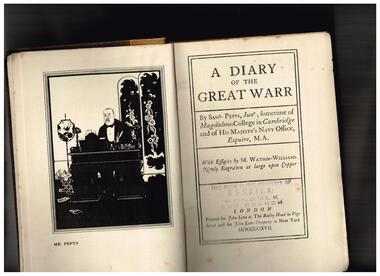
Book, John Lane, A diary of the Great War, 1917
... World War 1914-1918 - Fiction World War 1914-1918 - Anecdotes Anecdotes from the First World war Ill, p.316. A diary of the Great ...Anecdotes from the First World warIll, p.316.non-fictionAnecdotes from the First World warworld war 1914-1918 - fiction, world war 1914-1918 - anecdotes -
 Mrs Aeneas Gunn Memorial Library
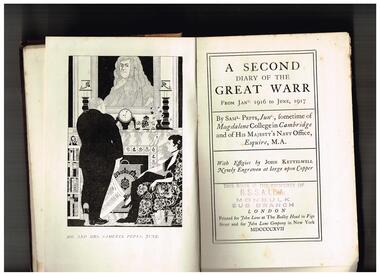
Book, John Lane, A second diary of the Great War, 1917
... World War 1914-1918 - Fiction World War 1914-1918 - Anecdotes Anecdotes from the First World war Ill, p.304. A second diary of the Great War Book John Lane Robert Massie Freeman ...Anecdotes from the First World warIll, p.304.non-fictionAnecdotes from the First World warworld war 1914-1918 - fiction, world war 1914-1918 - anecdotes -
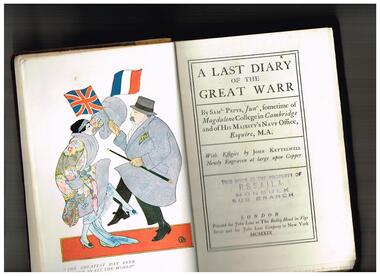 Mrs Aeneas Gunn Memorial Library
Book, Robert Massie Freeman, A last diary of the Great War, 1919
... World War 1914-1918 - Fiction World War 1914-1918 - Anecdotes Anecdotes from the First World war Ill, p.308. A last diary of the Great War Book Robert Massie Freeman John Lane at the Bodley Head, ...Anecdotes from the First World warIll, p.308.non-fictionAnecdotes from the First World warworld war 1914-1918 - fiction, world war 1914-1918 - anecdotes -
 Flagstaff Hill Maritime Museum and Village
Book - A Fictional Story, Jack London, Before Adam, 1910s–1920s
... fiction, becoming the highest-paid writer in the United States at the time. Outside of America he was also well known for his explicitly socialist works, including 'The Iron Heel' (1908), 'The War of the Classes' (1905), 'Revolution and Other Essays' (1910), and the subject volume 'The People of the Abyss' (1903). He married twice: Bess Maddern in 1900, and Charmian Kittredge in 1905. Collins' Clear-Type Press was roughly active through the 1890s–1930s and was not an independent publishing house but a trade imprint of the Glasgow firm William Collins, Sons & Co. one of the great...fiction, becoming the highest-paid writer in the United States at the time. Outside of America he was also well known for his explicitly socialist works, including 'The Iron Heel' (1908), 'The War of the Classes' (1905), 'Revolution and Other Essays' (1910), and the subject volume 'The People of the Abyss' (1903). He married twice: Bess Maddern in 1900, and Charmian Kittredge in 1905. Collins' Clear-Type Press was roughly active through the 1890s–1930s and was not an independent publishing house but a trade imprint of the Glasgow firm William Collins, Sons & Co. one of the great ...Before Adam (1906–07) is one of Jack London's more unusual novels. It's narrated by a modern man who is a "freak of heredity" through recurring, vivid dreams, he relives the memories of a prehistoric ancestor he calls "Big-Tooth." The story was first serialised in Everybody's Magazine before being published as a book, and tells of a man who dreams he lives the life of an early hominid. Most of the narrative unfolds through the eyes of Big-Tooth, one of the more primitive "Cave People," set against the more advanced "Fire People" and the animal-like "Tree People." Supporting characters include the hominid's father, a love interest, and Red-Eye, a savage "atavism" who terrorises the Cave People, with a sabre-toothed cat also playing a role.Hard cover book. Before Adam Author: Jack London Publisher: Collins Clear-Type Press Date: 1910s–1920s Further Information: A plain volume bound in red cloth, with a stuck-on library classification label ("PAT FIC LON") on the spine and no visible date, edition statement, or printer's imprint on the pages shown the copyright/date page. Gilt decoration and lettering to spine, no illustrated boards, and no dust jacket. fictionBefore Adam (1906–07) is one of Jack London's more unusual novels. It's narrated by a modern man who is a "freak of heredity" through recurring, vivid dreams, he relives the memories of a prehistoric ancestor he calls "Big-Tooth." The story was first serialised in Everybody's Magazine before being published as a book, and tells of a man who dreams he lives the life of an early hominid. Most of the narrative unfolds through the eyes of Big-Tooth, one of the more primitive "Cave People," set against the more advanced "Fire People" and the animal-like "Tree People." Supporting characters include the hominid's father, a love interest, and Red-Eye, a savage "atavism" who terrorises the Cave People, with a sabre-toothed cat also playing a role.shipwrecked-coast, flagstaff-hill, flagstaff-hill-maritime-museum, warrnambool, maritime-museum, shipwreck-coast, flagstaff-hill-maritime-village, shipwrecked-artefact, book, pattison collection, warrnambool library, warrnambool mechanics’ institute, ralph eric pattison, corangamite regional library service, warrnambool city librarian, mechanics’ institute library, victorian library board, warrnambool books and records, warrnambool children’s library, before adam, jack london -
 Flagstaff Hill Maritime Museum and Village
Book - Collection of Poetry, Rudyard Kipling, The Five Nations, 1903
... Great War. He died on 18 January 1936 and is buried in Poets' Corner, Westminster Abbey. Methuen & Co. was founded in 1889 by Sir Algernon Methuen (1856–1924) and began publishing in London in 1892, initially concentrating on non-fiction academic works. ...Great War. He died on 18 January 1936 and is buried in Poets' Corner, Westminster Abbey. Methuen & Co. was founded in 1889 by Sir Algernon Methuen (1856–1924) and began publishing in London in 1892, initially concentrating on non-fiction academic works. ...The Five Nations is a collection of poems by Rudyard Kipling, first published in late 1903 in both the United Kingdom and the United States. Some poems were new; others had appeared before most notably "Recessional" of 1897 sometimes in different versions. The volume is in two parts: an untitled first section covering a wide range of subjects, and a second titled "Service Songs", mostly concerning the real or imagined experiences of common British soldiers around the turn of the twentieth century. The book is dominated by the Second Anglo-Boer War (1899–1902). Kipling had immersed himself in South African affairs after the conflict erupted in October 1899, and "The Old Issue", later collected here, was issued as a political warning. Well-known pieces include "Boots", "The Islanders", "The Lesson", "Stellenbosch", "The Broken Men", "The Sea and the Hills" and "The White Man's Burden". Kipling placed "Recessional" as the very last poem in the book, following the "Service Songs" suite about how combatants had been changed by the war. The title itself has been debated. In 1903 the United Kingdom consisted of four nations England, Ireland, Scotland and Wales and it was soon suggested that Kipling's "five nations" were Canada, Australia, New Zealand, South Africa (Cape Colony) and "the islands of the sea", meaning the British Isles. Interestingly, no commentator seems to have suggested that India was among them.Hard cover book. The Five Nations Author: Rudyard Kipling Publisher: Methuen & Co Date: 1903 Further Information:Dark Blue Cloth hardcover with lettering and patterning to spine in white texter. The spine has a Library label with an inscription.fictionThe Five Nations is a collection of poems by Rudyard Kipling, first published in late 1903 in both the United Kingdom and the United States. Some poems were new; others had appeared before most notably "Recessional" of 1897 sometimes in different versions. The volume is in two parts: an untitled first section covering a wide range of subjects, and a second titled "Service Songs", mostly concerning the real or imagined experiences of common British soldiers around the turn of the twentieth century. The book is dominated by the Second Anglo-Boer War (1899–1902). Kipling had immersed himself in South African affairs after the conflict erupted in October 1899, and "The Old Issue", later collected here, was issued as a political warning. Well-known pieces include "Boots", "The Islanders", "The Lesson", "Stellenbosch", "The Broken Men", "The Sea and the Hills" and "The White Man's Burden". Kipling placed "Recessional" as the very last poem in the book, following the "Service Songs" suite about how combatants had been changed by the war. The title itself has been debated. In 1903 the United Kingdom consisted of four nations England, Ireland, Scotland and Wales and it was soon suggested that Kipling's "five nations" were Canada, Australia, New Zealand, South Africa (Cape Colony) and "the islands of the sea", meaning the British Isles. Interestingly, no commentator seems to have suggested that India was among them.warrnambool, shipwrecked-coast, flagstaff-hill, flagstaff-hill-maritime-museum, maritime-museum, shipwreck-coast, flagstaff-hill-maritime-village, shipwrecked-artefact, book, the five nations, rudyard kipling -
 Linton Mechanics Institute and Free Library Collection
Book - Novel, Burroughs, Edgar Rice, A princess of Mars, 1920
... Fiction Edgar Rice Burroughs The Martian Series The Barzoom Series John Carter, a Confederate veteran of the American Civil War, goes prospecting in Arizona with his companion James K. Powell immediately after the war's end. Having struck a rich vein of gold, he runs afoul of the Apaches who kill Powell. While attempting to evade pursuit by hiding in a sacred cave, he is mysteriously transported to Mars, called "Barsoom" by its inhabitants. Carter finds that he has great ...John Carter, a Confederate veteran of the American Civil War, goes prospecting in Arizona with his companion James K. Powell immediately after the war's end. Having struck a rich vein of gold, he runs afoul of the Apaches who kill Powell. While attempting to evade pursuit by hiding in a sacred cave, he is mysteriously transported to Mars, called "Barsoom" by its inhabitants. Carter finds that he has great strength and superhuman agility in this new environment as a result of its lesser gravity and lower atmospheric pressure. He soon falls in with the Tharks, a nomadic tribe of Green Martians, as the planet's warlike, six-limbed, green-skinned inhabitants are known. Thanks to his strength and martial prowess, Carter rises to a high position in the tribe and earns the respect and eventually the friendship of Tars Tarkas, one of the Thark chieftains.252p. ; crimson cover with black embossed print and boarderfictionJohn Carter, a Confederate veteran of the American Civil War, goes prospecting in Arizona with his companion James K. Powell immediately after the war's end. Having struck a rich vein of gold, he runs afoul of the Apaches who kill Powell. While attempting to evade pursuit by hiding in a sacred cave, he is mysteriously transported to Mars, called "Barsoom" by its inhabitants. Carter finds that he has great strength and superhuman agility in this new environment as a result of its lesser gravity and lower atmospheric pressure. He soon falls in with the Tharks, a nomadic tribe of Green Martians, as the planet's warlike, six-limbed, green-skinned inhabitants are known. Thanks to his strength and martial prowess, Carter rises to a high position in the tribe and earns the respect and eventually the friendship of Tars Tarkas, one of the Thark chieftains.fiction, science fiction, edgar rice burroughs, the martian series, the barzoom series -
Linton Mechanics Institute and Free Library Collection
Book - Novel, Locke, William J, The great Pandolfo, 1925
... Fiction William J. Locke Set in the years following World War I. Sir Victor Pandolfo, a wealthy industrialist, meets and falls in love with Paula Field, a young widow who has lost her husband in the war. He is more interested in her than she is in him. Book plate indicating book was previously in another collection: "Ballaarat Mechanics' Institute Circulating Library". 306 p. : red cover, title and author's name embossed in gold on cover and spine. The great ...Set in the years following World War I. Sir Victor Pandolfo, a wealthy industrialist, meets and falls in love with Paula Field, a young widow who has lost her husband in the war. He is more interested in her than she is in him.306 p. : red cover, title and author's name embossed in gold on cover and spine. fiction Set in the years following World War I. Sir Victor Pandolfo, a wealthy industrialist, meets and falls in love with Paula Field, a young widow who has lost her husband in the war. He is more interested in her than she is in him.fiction, william j. locke -
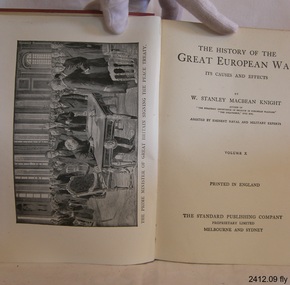 Flagstaff Hill Maritime Museum and Village
Book - Reference/History, W Stanley Macbean Knight, The History of the Great European War Set 1 Vol 10, 1914-1920
... Caxton's specialism in encyclopedias and technical and educational non-fiction, published as illustrated subscription serials, fits exactly with how The History of the Great European War set of ten volumes was produced and sold: issued in parts or volumes over several years (1914–1920), aimed at a general educated readership rather than specialists, with photographic plates and maps as a selling point the visual, accessible 'instant reference' format was Caxton's house style, not a one-off experiment....Caxton's specialism in encyclopedias and technical and educational non-fiction, published as illustrated subscription serials, fits exactly with how The History of the Great European War set of ten volumes was produced and sold: issued in parts or volumes over several years (1914–1920), aimed at a general educated readership rather than specialists, with photographic plates and maps as a selling point the visual, accessible 'instant reference' format was Caxton's house style, not a one-off experiment. ...This set is a contemporary and popular narrative history of WWI, written and published while the war was still happening; the preface is dated 1914, but volumes were issued serially as the war progressed, meaning later volumes covering 1917–18 and the peace were released several years after the first. This is a common format for the period — compare rival serials like The Great War (Hammerton & Wilson) or Collier's The Story of the Great War — publishers issued 'instant history' in subscription parts to a public hungry for authoritative-sounding accounts. The volumes in this set cover the following topics during the First World War: Vol. I — Causes and Effects (1914): Its aims are to explain the political and diplomatic background to the war — the alliance system and the July Crisis — with the outbreak of hostilities in August 1914. Vol. II: Continues into the opening campaigns of 1914 (per Internet Archive, 'Vol 2 of 10', contemporary account). Vol. III: Descriptions note it as continuing the story of the campaign of the Allies and their mid-war campaigns. Vol. IV: Covers 1916 and the ongoing 1915–16 campaigns; this volume contains a fold-out colour map of the Serbian Retreat and one of the Italian front, featuring the Balkan and Italian theatres of war. Vols. V–VI: Continue the general campaign narrative through 1916–17. Vols. VII–VIII: Cover the later war years, focusing on 1917–18. Vols. IX–X: These volumes cover the war's final phase and the Armistice. Publication of the last volumes continued into the early 1920s, covering the peace settlement at Versailles and its aftermath.Hard Cover Book. History of The Great European War Set 1 Vol 10 Author: W Stanley Macbean Knight Publisher: The Caxton Publishing Company Ltd Clune House, 161 Surrey St, London W.C. Printer: The Standard Publishing Co. 100 Flinders St, Melbourne. Date: Various Volume Subscription Releases 1914 to 1920 Further Information: Red pictorial cloth gilt-lettered boards, each volume illustrated with a coloured frontispiece, black-and-white photographic plates, and fold-out colour maps of various fronts depending on volume(e.g. the Serbian Retreat, the Italian front etc.). Note there are two sets of this publication in the Flagstaff book collection.non-fictionThis set is a contemporary and popular narrative history of WWI, written and published while the war was still happening; the preface is dated 1914, but volumes were issued serially as the war progressed, meaning later volumes covering 1917–18 and the peace were released several years after the first. This is a common format for the period — compare rival serials like The Great War (Hammerton & Wilson) or Collier's The Story of the Great War — publishers issued 'instant history' in subscription parts to a public hungry for authoritative-sounding accounts. The volumes in this set cover the following topics during the First World War: Vol. I — Causes and Effects (1914): Its aims are to explain the political and diplomatic background to the war — the alliance system and the July Crisis — with the outbreak of hostilities in August 1914. Vol. II: Continues into the opening campaigns of 1914 (per Internet Archive, 'Vol 2 of 10', contemporary account). Vol. III: Descriptions note it as continuing the story of the campaign of the Allies and their mid-war campaigns. Vol. IV: Covers 1916 and the ongoing 1915–16 campaigns; this volume contains a fold-out colour map of the Serbian Retreat and one of the Italian front, featuring the Balkan and Italian theatres of war. Vols. V–VI: Continue the general campaign narrative through 1916–17. Vols. VII–VIII: Cover the later war years, focusing on 1917–18. Vols. IX–X: These volumes cover the war's final phase and the Armistice. Publication of the last volumes continued into the early 1920s, covering the peace settlement at Versailles and its aftermath.flagstaff hill, warrnambool, shipwrecked-coast, flagstaff-hill, flagstaff-hill-maritime-museum, maritime-museum, shipwreck-coast, flagstaff-hill-maritime-village, book, the history of the great european war vol 1 set 1, the history of the great european war, caxton printers -
 Flagstaff Hill Maritime Museum and Village
Book - Reference/History, W Stanley Macbean Knight, The History of the Great European War Set 1 Vol 8, 1914-1920
... Caxton's specialism in encyclopedias and technical and educational non-fiction, published as illustrated subscription serials, fits exactly with how The History of the Great European War set of ten volumes was produced and sold: issued in parts or volumes over several years (1914–1920), aimed at a general educated readership rather than specialists, with photographic plates and maps as a selling point the visual, accessible 'instant reference' format was Caxton's house style, not a one-off experiment....Caxton's specialism in encyclopedias and technical and educational non-fiction, published as illustrated subscription serials, fits exactly with how The History of the Great European War set of ten volumes was produced and sold: issued in parts or volumes over several years (1914–1920), aimed at a general educated readership rather than specialists, with photographic plates and maps as a selling point the visual, accessible 'instant reference' format was Caxton's house style, not a one-off experiment. ...This set is a contemporary and popular narrative history of WWI, written and published while the war was still happening; the preface is dated 1914, but volumes were issued serially as the war progressed, meaning later volumes covering 1917–18 and the peace were released several years after the first. This is a common format for the period — compare rival serials like The Great War (Hammerton & Wilson) or Collier's The Story of the Great War — publishers issued 'instant history' in subscription parts to a public hungry for authoritative-sounding accounts. The volumes in this set cover the following topics during the First World War: Vol. I — Causes and Effects (1914): Its aims are to explain the political and diplomatic background to the war — the alliance system and the July Crisis — with the outbreak of hostilities in August 1914. Vol. II: Continues into the opening campaigns of 1914 (per Internet Archive, 'Vol 2 of 10', contemporary account). Vol. III: Descriptions note it as continuing the story of the campaign of the Allies and their mid-war campaigns. Vol. IV: Covers 1916 and the ongoing 1915–16 campaigns; this volume contains a fold-out colour map of the Serbian Retreat and one of the Italian front, featuring the Balkan and Italian theatres of war. Vols. V–VI: Continue the general campaign narrative through 1916–17. Vols. VII–VIII: Cover the later war years, focusing on 1917–18. Vols. IX–X: These volumes cover the war's final phase and the Armistice. Publication of the last volumes continued into the early 1920s, covering the peace settlement at Versailles and its aftermath.Hard Cover Book. History of The Great European War Set 1 Vol 8 Author: W Stanley Macbean Knight Publisher: The Caxton Publishing Company Ltd Clune House, 161 Surrey St, London W.C. Printer: The Standard Publishing Co. 100 Flinders St, Melbourne. Date: Various Volume Subscription Releases 1914 to 1920 Further Information: Red pictorial cloth gilt-lettered boards, each volume illustrated with a coloured frontispiece, black-and-white photographic plates, and fold-out colour maps of various fronts depending on volume(e.g. the Serbian Retreat, the Italian front etc.). Note there are two sets of this publication in the Flagstaff book collection.non-fictionThis set is a contemporary and popular narrative history of WWI, written and published while the war was still happening; the preface is dated 1914, but volumes were issued serially as the war progressed, meaning later volumes covering 1917–18 and the peace were released several years after the first. This is a common format for the period — compare rival serials like The Great War (Hammerton & Wilson) or Collier's The Story of the Great War — publishers issued 'instant history' in subscription parts to a public hungry for authoritative-sounding accounts. The volumes in this set cover the following topics during the First World War: Vol. I — Causes and Effects (1914): Its aims are to explain the political and diplomatic background to the war — the alliance system and the July Crisis — with the outbreak of hostilities in August 1914. Vol. II: Continues into the opening campaigns of 1914 (per Internet Archive, 'Vol 2 of 10', contemporary account). Vol. III: Descriptions note it as continuing the story of the campaign of the Allies and their mid-war campaigns. Vol. IV: Covers 1916 and the ongoing 1915–16 campaigns; this volume contains a fold-out colour map of the Serbian Retreat and one of the Italian front, featuring the Balkan and Italian theatres of war. Vols. V–VI: Continue the general campaign narrative through 1916–17. Vols. VII–VIII: Cover the later war years, focusing on 1917–18. Vols. IX–X: These volumes cover the war's final phase and the Armistice. Publication of the last volumes continued into the early 1920s, covering the peace settlement at Versailles and its aftermath.flagstaff hill, warrnambool, shipwrecked-coast, flagstaff-hill, flagstaff-hill-maritime-museum, maritime-museum, shipwreck-coast, flagstaff-hill-maritime-village, book, the history of the great european war vol 1 set 1, the history of the great european war, caxton printers -
 Flagstaff Hill Maritime Museum and Village
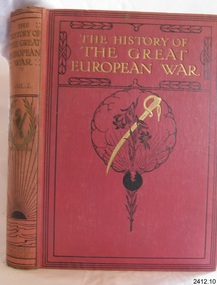
Book - Reference/History, W Stanley Macbean Knight, The History of the Great European War Set 2 Vol 1, 1914-1920
... Caxton's specialism in encyclopedias and technical and educational non-fiction, published as illustrated subscription serials, fits exactly with how The History of the Great European War set of ten volumes was produced and sold: issued in parts or volumes over several years (1914–1920), aimed at a general educated readership rather than specialists, with photographic plates and maps as a selling point the visual, accessible 'instant reference' format was Caxton's house style, not a one-off experiment....Caxton's specialism in encyclopedias and technical and educational non-fiction, published as illustrated subscription serials, fits exactly with how The History of the Great European War set of ten volumes was produced and sold: issued in parts or volumes over several years (1914–1920), aimed at a general educated readership rather than specialists, with photographic plates and maps as a selling point the visual, accessible 'instant reference' format was Caxton's house style, not a one-off experiment. ...This set is a contemporary and popular narrative history of WWI, written and published while the war was still happening; the preface is dated 1914, but volumes were issued serially as the war progressed, meaning later volumes covering 1917–18 and the peace were released several years after the first. This is a common format for the period — compare rival serials like The Great War (Hammerton & Wilson) or Collier's The Story of the Great War — publishers issued 'instant history' in subscription parts to a public hungry for authoritative-sounding accounts. The volumes in this set cover the following topics during the First World War: Vol. I — Causes and Effects (1914): Its aims are to explain the political and diplomatic background to the war — the alliance system and the July Crisis — with the outbreak of hostilities in August 1914. Vol. II: Continues into the opening campaigns of 1914 (per Internet Archive, 'Vol 2 of 10', contemporary account). Vol. III: Descriptions note it as continuing the story of the campaign of the Allies and their mid-war campaigns. Vol. IV: Covers 1916 and the ongoing 1915–16 campaigns; this volume contains a fold-out colour map of the Serbian Retreat and one of the Italian front, featuring the Balkan and Italian theatres of war. Vols. V–VI: Continue the general campaign narrative through 1916–17. Vols. VII–VIII: Cover the later war years, focusing on 1917–18. Vols. IX–X: These volumes cover the war's final phase and the Armistice. Publication of the last volumes continued into the early 1920s, covering the peace settlement at Versailles and its aftermath.Hard Cover Book. History of The Great European War Set 2 Vol 1 Author: W Stanley Macbean Knight Publisher: The Caxton Publishing Company Ltd Clune House, 161 Surrey St, London W.C. Printer: The Standard Publishing Co. 100 Flinders St, Melbourne. Date: Various Volume Subscription Releases 1914 to 1920 Further Information: Red pictorial cloth gilt-lettered boards, each volume illustrated with a coloured frontispiece, black-and-white photographic plates, and fold-out colour maps of various fronts depending on volume(e.g. the Serbian Retreat, the Italian front etc.). Note there are two sets of this publication in the Flagstaff book collection.non-fictionThis set is a contemporary and popular narrative history of WWI, written and published while the war was still happening; the preface is dated 1914, but volumes were issued serially as the war progressed, meaning later volumes covering 1917–18 and the peace were released several years after the first. This is a common format for the period — compare rival serials like The Great War (Hammerton & Wilson) or Collier's The Story of the Great War — publishers issued 'instant history' in subscription parts to a public hungry for authoritative-sounding accounts. The volumes in this set cover the following topics during the First World War: Vol. I — Causes and Effects (1914): Its aims are to explain the political and diplomatic background to the war — the alliance system and the July Crisis — with the outbreak of hostilities in August 1914. Vol. II: Continues into the opening campaigns of 1914 (per Internet Archive, 'Vol 2 of 10', contemporary account). Vol. III: Descriptions note it as continuing the story of the campaign of the Allies and their mid-war campaigns. Vol. IV: Covers 1916 and the ongoing 1915–16 campaigns; this volume contains a fold-out colour map of the Serbian Retreat and one of the Italian front, featuring the Balkan and Italian theatres of war. Vols. V–VI: Continue the general campaign narrative through 1916–17. Vols. VII–VIII: Cover the later war years, focusing on 1917–18. Vols. IX–X: These volumes cover the war's final phase and the Armistice. Publication of the last volumes continued into the early 1920s, covering the peace settlement at Versailles and its aftermath.flagstaff hill, warrnambool, shipwrecked-coast, flagstaff-hill, flagstaff-hill-maritime-museum, maritime-museum, shipwreck-coast, flagstaff-hill-maritime-village, book, the history of the great european war vol 1 set 1, the history of the great european war, caxton printers -
 Flagstaff Hill Maritime Museum and Village
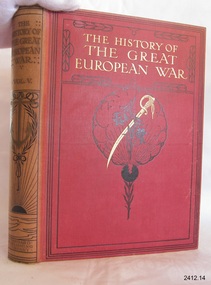
Book - Reference/History, W Stanley Macbean Knight, The History of the Great European War Set 2 Vol 5, 1914-1920
... Caxton's specialism in encyclopedias and technical and educational non-fiction, published as illustrated subscription serials, fits exactly with how The History of the Great European War set of ten volumes was produced and sold: issued in parts or volumes over several years (1914–1920), aimed at a general educated readership rather than specialists, with photographic plates and maps as a selling point the visual, accessible 'instant reference' format was Caxton's house style, not a one-off experiment....Caxton's specialism in encyclopedias and technical and educational non-fiction, published as illustrated subscription serials, fits exactly with how The History of the Great European War set of ten volumes was produced and sold: issued in parts or volumes over several years (1914–1920), aimed at a general educated readership rather than specialists, with photographic plates and maps as a selling point the visual, accessible 'instant reference' format was Caxton's house style, not a one-off experiment. ...This set is a contemporary and popular narrative history of WWI, written and published while the war was still happening; the preface is dated 1914, but volumes were issued serially as the war progressed, meaning later volumes covering 1917–18 and the peace were released several years after the first. This is a common format for the period — compare rival serials like The Great War (Hammerton & Wilson) or Collier's The Story of the Great War — publishers issued 'instant history' in subscription parts to a public hungry for authoritative-sounding accounts. The volumes in this set cover the following topics during the First World War: Vol. I — Causes and Effects (1914): Its aims are to explain the political and diplomatic background to the war — the alliance system and the July Crisis — with the outbreak of hostilities in August 1914. Vol. II: Continues into the opening campaigns of 1914 (per Internet Archive, 'Vol 2 of 10', contemporary account). Vol. III: Descriptions note it as continuing the story of the campaign of the Allies and their mid-war campaigns. Vol. IV: Covers 1916 and the ongoing 1915–16 campaigns; this volume contains a fold-out colour map of the Serbian Retreat and one of the Italian front, featuring the Balkan and Italian theatres of war. Vols. V–VI: Continue the general campaign narrative through 1916–17. Vols. VII–VIII: Cover the later war years, focusing on 1917–18. Vols. IX–X: These volumes cover the war's final phase and the Armistice. Publication of the last volumes continued into the early 1920s, covering the peace settlement at Versailles and its aftermath.Hard Cover Book. History of The Great European War Set 2 Vol 5 Author: W Stanley Macbean Knight Publisher: The Caxton Publishing Company Ltd Clune House, 161 Surrey St, London W.C. Printer: The Standard Publishing Co. 100 Flinders St, Melbourne. Date: Various Volume Subscription Releases 1914 to 1920 Further Information: Red pictorial cloth gilt-lettered boards, each volume illustrated with a coloured frontispiece, black-and-white photographic plates, and fold-out colour maps of various fronts depending on volume(e.g. the Serbian Retreat, the Italian front etc.). Note there are two sets of this publication in the Flagstaff book collection.non-fictionThis set is a contemporary and popular narrative history of WWI, written and published while the war was still happening; the preface is dated 1914, but volumes were issued serially as the war progressed, meaning later volumes covering 1917–18 and the peace were released several years after the first. This is a common format for the period — compare rival serials like The Great War (Hammerton & Wilson) or Collier's The Story of the Great War — publishers issued 'instant history' in subscription parts to a public hungry for authoritative-sounding accounts. The volumes in this set cover the following topics during the First World War: Vol. I — Causes and Effects (1914): Its aims are to explain the political and diplomatic background to the war — the alliance system and the July Crisis — with the outbreak of hostilities in August 1914. Vol. II: Continues into the opening campaigns of 1914 (per Internet Archive, 'Vol 2 of 10', contemporary account). Vol. III: Descriptions note it as continuing the story of the campaign of the Allies and their mid-war campaigns. Vol. IV: Covers 1916 and the ongoing 1915–16 campaigns; this volume contains a fold-out colour map of the Serbian Retreat and one of the Italian front, featuring the Balkan and Italian theatres of war. Vols. V–VI: Continue the general campaign narrative through 1916–17. Vols. VII–VIII: Cover the later war years, focusing on 1917–18. Vols. IX–X: These volumes cover the war's final phase and the Armistice. Publication of the last volumes continued into the early 1920s, covering the peace settlement at Versailles and its aftermath.flagstaff hill, warrnambool, shipwrecked-coast, flagstaff-hill, flagstaff-hill-maritime-museum, maritime-museum, shipwreck-coast, flagstaff-hill-maritime-village, book, the history of the great european war vol 1 set 1, the history of the great european war, caxton printers -
 Flagstaff Hill Maritime Museum and Village
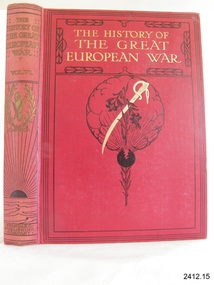
Book - Reference/History, W Stanley Macbean Knight, The History of the Great European War Set 2 Vol 6, 1914-1920
... Caxton's specialism in encyclopedias and technical and educational non-fiction, published as illustrated subscription serials, fits exactly with how The History of the Great European War set of ten volumes was produced and sold: issued in parts or volumes over several years (1914–1920), aimed at a general educated readership rather than specialists, with photographic plates and maps as a selling point the visual, accessible 'instant reference' format was Caxton's house style, not a one-off experiment....Caxton's specialism in encyclopedias and technical and educational non-fiction, published as illustrated subscription serials, fits exactly with how The History of the Great European War set of ten volumes was produced and sold: issued in parts or volumes over several years (1914–1920), aimed at a general educated readership rather than specialists, with photographic plates and maps as a selling point the visual, accessible 'instant reference' format was Caxton's house style, not a one-off experiment. ...This set is a contemporary and popular narrative history of WWI, written and published while the war was still happening; the preface is dated 1914, but volumes were issued serially as the war progressed, meaning later volumes covering 1917–18 and the peace were released several years after the first. This is a common format for the period — compare rival serials like The Great War (Hammerton & Wilson) or Collier's The Story of the Great War — publishers issued 'instant history' in subscription parts to a public hungry for authoritative-sounding accounts. The volumes in this set cover the following topics during the First World War: Vol. I — Causes and Effects (1914): Its aims are to explain the political and diplomatic background to the war — the alliance system and the July Crisis — with the outbreak of hostilities in August 1914. Vol. II: Continues into the opening campaigns of 1914 (per Internet Archive, 'Vol 2 of 10', contemporary account). Vol. III: Descriptions note it as continuing the story of the campaign of the Allies and their mid-war campaigns. Vol. IV: Covers 1916 and the ongoing 1915–16 campaigns; this volume contains a fold-out colour map of the Serbian Retreat and one of the Italian front, featuring the Balkan and Italian theatres of war. Vols. V–VI: Continue the general campaign narrative through 1916–17. Vols. VII–VIII: Cover the later war years, focusing on 1917–18. Vols. IX–X: These volumes cover the war's final phase and the Armistice. Publication of the last volumes continued into the early 1920s, covering the peace settlement at Versailles and its aftermath.Hard Cover Book. History of The Great European War Set 2 Vol 6 Author: W Stanley Macbean Knight Publisher: The Caxton Publishing Company Ltd Clune House, 161 Surrey St, London W.C. Printer: The Standard Publishing Co. 100 Flinders St, Melbourne. Date: Various Volume Subscription Releases 1914 to 1920 Further Information: Red pictorial cloth gilt-lettered boards, each volume illustrated with a coloured frontispiece, black-and-white photographic plates, and fold-out colour maps of various fronts depending on volume(e.g. the Serbian Retreat, the Italian front etc.). Note there are two sets of this publication in the Flagstaff book collection.non-fictionThis set is a contemporary and popular narrative history of WWI, written and published while the war was still happening; the preface is dated 1914, but volumes were issued serially as the war progressed, meaning later volumes covering 1917–18 and the peace were released several years after the first. This is a common format for the period — compare rival serials like The Great War (Hammerton & Wilson) or Collier's The Story of the Great War — publishers issued 'instant history' in subscription parts to a public hungry for authoritative-sounding accounts. The volumes in this set cover the following topics during the First World War: Vol. I — Causes and Effects (1914): Its aims are to explain the political and diplomatic background to the war — the alliance system and the July Crisis — with the outbreak of hostilities in August 1914. Vol. II: Continues into the opening campaigns of 1914 (per Internet Archive, 'Vol 2 of 10', contemporary account). Vol. III: Descriptions note it as continuing the story of the campaign of the Allies and their mid-war campaigns. Vol. IV: Covers 1916 and the ongoing 1915–16 campaigns; this volume contains a fold-out colour map of the Serbian Retreat and one of the Italian front, featuring the Balkan and Italian theatres of war. Vols. V–VI: Continue the general campaign narrative through 1916–17. Vols. VII–VIII: Cover the later war years, focusing on 1917–18. Vols. IX–X: These volumes cover the war's final phase and the Armistice. Publication of the last volumes continued into the early 1920s, covering the peace settlement at Versailles and its aftermath.flagstaff hill, warrnambool, shipwrecked-coast, flagstaff-hill, flagstaff-hill-maritime-museum, maritime-museum, shipwreck-coast, flagstaff-hill-maritime-village, book, the history of the great european war vol 1 set 1, the history of the great european war, caxton printers -
 Flagstaff Hill Maritime Museum and Village
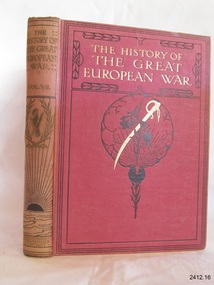
Book - Reference/History, W Stanley Macbean Knight, The History of the Great European War Set 2 Vol 7, 1914-1920
... Caxton's specialism in encyclopedias and technical and educational non-fiction, published as illustrated subscription serials, fits exactly with how The History of the Great European War set of ten volumes was produced and sold: issued in parts or volumes over several years (1914–1920), aimed at a general educated readership rather than specialists, with photographic plates and maps as a selling point the visual, accessible 'instant reference' format was Caxton's house style, not a one-off experiment....Caxton's specialism in encyclopedias and technical and educational non-fiction, published as illustrated subscription serials, fits exactly with how The History of the Great European War set of ten volumes was produced and sold: issued in parts or volumes over several years (1914–1920), aimed at a general educated readership rather than specialists, with photographic plates and maps as a selling point the visual, accessible 'instant reference' format was Caxton's house style, not a one-off experiment. ...This set is a contemporary and popular narrative history of WWI, written and published while the war was still happening; the preface is dated 1914, but volumes were issued serially as the war progressed, meaning later volumes covering 1917–18 and the peace were released several years after the first. This is a common format for the period — compare rival serials like The Great War (Hammerton & Wilson) or Collier's The Story of the Great War — publishers issued 'instant history' in subscription parts to a public hungry for authoritative-sounding accounts. The volumes in this set cover the following topics during the First World War: Vol. I — Causes and Effects (1914): Its aims are to explain the political and diplomatic background to the war — the alliance system and the July Crisis — with the outbreak of hostilities in August 1914. Vol. II: Continues into the opening campaigns of 1914 (per Internet Archive, 'Vol 2 of 10', contemporary account). Vol. III: Descriptions note it as continuing the story of the campaign of the Allies and their mid-war campaigns. Vol. IV: Covers 1916 and the ongoing 1915–16 campaigns; this volume contains a fold-out colour map of the Serbian Retreat and one of the Italian front, featuring the Balkan and Italian theatres of war. Vols. V–VI: Continue the general campaign narrative through 1916–17. Vols. VII–VIII: Cover the later war years, focusing on 1917–18. Vols. IX–X: These volumes cover the war's final phase and the Armistice. Publication of the last volumes continued into the early 1920s, covering the peace settlement at Versailles and its aftermath.Hard Cover Book. History of The Great European War Set 2 Vol 7 Author: W Stanley Macbean Knight Publisher: The Caxton Publishing Company Ltd Clune House, 161 Surrey St, London W.C. Printer: The Standard Publishing Co. 100 Flinders St, Melbourne. Date: Various Volume Subscription Releases 1914 to 1920 Further Information: Red pictorial cloth gilt-lettered boards, each volume illustrated with a coloured frontispiece, black-and-white photographic plates, and fold-out colour maps of various fronts depending on volume(e.g. the Serbian Retreat, the Italian front etc.). Note there are two sets of this publication in the Flagstaff book collection.non-fictionThis set is a contemporary and popular narrative history of WWI, written and published while the war was still happening; the preface is dated 1914, but volumes were issued serially as the war progressed, meaning later volumes covering 1917–18 and the peace were released several years after the first. This is a common format for the period — compare rival serials like The Great War (Hammerton & Wilson) or Collier's The Story of the Great War — publishers issued 'instant history' in subscription parts to a public hungry for authoritative-sounding accounts. The volumes in this set cover the following topics during the First World War: Vol. I — Causes and Effects (1914): Its aims are to explain the political and diplomatic background to the war — the alliance system and the July Crisis — with the outbreak of hostilities in August 1914. Vol. II: Continues into the opening campaigns of 1914 (per Internet Archive, 'Vol 2 of 10', contemporary account). Vol. III: Descriptions note it as continuing the story of the campaign of the Allies and their mid-war campaigns. Vol. IV: Covers 1916 and the ongoing 1915–16 campaigns; this volume contains a fold-out colour map of the Serbian Retreat and one of the Italian front, featuring the Balkan and Italian theatres of war. Vols. V–VI: Continue the general campaign narrative through 1916–17. Vols. VII–VIII: Cover the later war years, focusing on 1917–18. Vols. IX–X: These volumes cover the war's final phase and the Armistice. Publication of the last volumes continued into the early 1920s, covering the peace settlement at Versailles and its aftermath.flagstaff hill, warrnambool, shipwrecked-coast, flagstaff-hill, flagstaff-hill-maritime-museum, maritime-museum, shipwreck-coast, flagstaff-hill-maritime-village, book, the history of the great european war vol 1 set 1, the history of the great european war, caxton printers -
 Flagstaff Hill Maritime Museum and Village
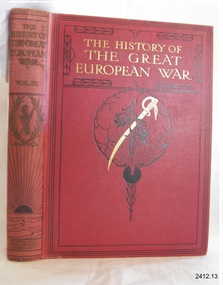
Book - Reference/History, W Stanley Macbean Knight, The History of the Great European War Set 2 Vol 4, 1914-1920
... Caxton's specialism in encyclopedias and technical and educational non-fiction, published as illustrated subscription serials, fits exactly with how The History of the Great European War set of ten volumes was produced and sold: issued in parts or volumes over several years (1914–1920), aimed at a general educated readership rather than specialists, with photographic plates and maps as a selling point the visual, accessible 'instant reference' format was Caxton's house style, not a one-off experiment....Caxton's specialism in encyclopedias and technical and educational non-fiction, published as illustrated subscription serials, fits exactly with how The History of the Great European War set of ten volumes was produced and sold: issued in parts or volumes over several years (1914–1920), aimed at a general educated readership rather than specialists, with photographic plates and maps as a selling point the visual, accessible 'instant reference' format was Caxton's house style, not a one-off experiment. ...This set is a contemporary and popular narrative history of WWI, written and published while the war was still happening; the preface is dated 1914, but volumes were issued serially as the war progressed, meaning later volumes covering 1917–18 and the peace were released several years after the first. This is a common format for the period — compare rival serials like The Great War (Hammerton & Wilson) or Collier's The Story of the Great War — publishers issued 'instant history' in subscription parts to a public hungry for authoritative-sounding accounts. The volumes in this set cover the following topics during the First World War: Vol. I — Causes and Effects (1914): Its aims are to explain the political and diplomatic background to the war — the alliance system and the July Crisis — with the outbreak of hostilities in August 1914. Vol. II: Continues into the opening campaigns of 1914 (per Internet Archive, 'Vol 2 of 10', contemporary account). Vol. III: Descriptions note it as continuing the story of the campaign of the Allies and their mid-war campaigns. Vol. IV: Covers 1916 and the ongoing 1915–16 campaigns; this volume contains a fold-out colour map of the Serbian Retreat and one of the Italian front, featuring the Balkan and Italian theatres of war. Vols. V–VI: Continue the general campaign narrative through 1916–17. Vols. VII–VIII: Cover the later war years, focusing on 1917–18. Vols. IX–X: These volumes cover the war's final phase and the Armistice. Publication of the last volumes continued into the early 1920s, covering the peace settlement at Versailles and its aftermath.Hard Cover Book. History of The Great European War Set 2 Vol 4 Author: W Stanley Macbean Knight Publisher: The Caxton Publishing Company Ltd Clune House, 161 Surrey St, London W.C. Printer: The Standard Publishing Co. 100 Flinders St, Melbourne. Date: Various Volume Subscription Releases 1914 to 1920 Further Information: Red pictorial cloth gilt-lettered boards, each volume illustrated with a coloured frontispiece, black-and-white photographic plates, and fold-out colour maps of various fronts depending on volume(e.g. the Serbian Retreat, the Italian front etc.). Note there are two sets of this publication in the Flagstaff book collection.non-fictionThis set is a contemporary and popular narrative history of WWI, written and published while the war was still happening; the preface is dated 1914, but volumes were issued serially as the war progressed, meaning later volumes covering 1917–18 and the peace were released several years after the first. This is a common format for the period — compare rival serials like The Great War (Hammerton & Wilson) or Collier's The Story of the Great War — publishers issued 'instant history' in subscription parts to a public hungry for authoritative-sounding accounts. The volumes in this set cover the following topics during the First World War: Vol. I — Causes and Effects (1914): Its aims are to explain the political and diplomatic background to the war — the alliance system and the July Crisis — with the outbreak of hostilities in August 1914. Vol. II: Continues into the opening campaigns of 1914 (per Internet Archive, 'Vol 2 of 10', contemporary account). Vol. III: Descriptions note it as continuing the story of the campaign of the Allies and their mid-war campaigns. Vol. IV: Covers 1916 and the ongoing 1915–16 campaigns; this volume contains a fold-out colour map of the Serbian Retreat and one of the Italian front, featuring the Balkan and Italian theatres of war. Vols. V–VI: Continue the general campaign narrative through 1916–17. Vols. VII–VIII: Cover the later war years, focusing on 1917–18. Vols. IX–X: These volumes cover the war's final phase and the Armistice. Publication of the last volumes continued into the early 1920s, covering the peace settlement at Versailles and its aftermath.flagstaff hill, warrnambool, shipwrecked-coast, flagstaff-hill, flagstaff-hill-maritime-museum, maritime-museum, shipwreck-coast, flagstaff-hill-maritime-village, book, the history of the great european war vol 1 set 1, the history of the great european war, caxton printers -
 Flagstaff Hill Maritime Museum and Village
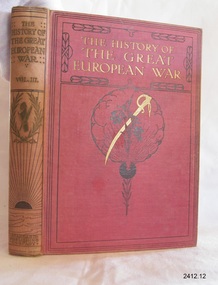
Book - Reference/History, W Stanley Macbean Knight, The History of the Great European War Set 2 Vol 3, 1914-1920
... Caxton's specialism in encyclopedias and technical and educational non-fiction, published as illustrated subscription serials, fits exactly with how The History of the Great European War set of ten volumes was produced and sold: issued in parts or volumes over several years (1914–1920), aimed at a general educated readership rather than specialists, with photographic plates and maps as a selling point the visual, accessible 'instant reference' format was Caxton's house style, not a one-off experiment....Caxton's specialism in encyclopedias and technical and educational non-fiction, published as illustrated subscription serials, fits exactly with how The History of the Great European War set of ten volumes was produced and sold: issued in parts or volumes over several years (1914–1920), aimed at a general educated readership rather than specialists, with photographic plates and maps as a selling point the visual, accessible 'instant reference' format was Caxton's house style, not a one-off experiment. ...This set is a contemporary and popular narrative history of WWI, written and published while the war was still happening; the preface is dated 1914, but volumes were issued serially as the war progressed, meaning later volumes covering 1917–18 and the peace were released several years after the first. This is a common format for the period — compare rival serials like The Great War (Hammerton & Wilson) or Collier's The Story of the Great War — publishers issued 'instant history' in subscription parts to a public hungry for authoritative-sounding accounts. The volumes in this set cover the following topics during the First World War: Vol. I — Causes and Effects (1914): Its aims are to explain the political and diplomatic background to the war — the alliance system and the July Crisis — with the outbreak of hostilities in August 1914. Vol. II: Continues into the opening campaigns of 1914 (per Internet Archive, 'Vol 2 of 10', contemporary account). Vol. III: Descriptions note it as continuing the story of the campaign of the Allies and their mid-war campaigns. Vol. IV: Covers 1916 and the ongoing 1915–16 campaigns; this volume contains a fold-out colour map of the Serbian Retreat and one of the Italian front, featuring the Balkan and Italian theatres of war. Vols. V–VI: Continue the general campaign narrative through 1916–17. Vols. VII–VIII: Cover the later war years, focusing on 1917–18. Vols. IX–X: These volumes cover the war's final phase and the Armistice. Publication of the last volumes continued into the early 1920s, covering the peace settlement at Versailles and its aftermath.Hard Cover Book. History of The Great European War Set 2 Vol 3 Author: W Stanley Macbean Knight Publisher: The Caxton Publishing Company Ltd Clune House, 161 Surrey St, London W.C. Printer: The Standard Publishing Co. 100 Flinders St, Melbourne. Date: Various Volume Subscription Releases 1914 to 1920 Further Information: Red pictorial cloth gilt-lettered boards, each volume illustrated with a coloured frontispiece, black-and-white photographic plates, and fold-out colour maps of various fronts depending on volume(e.g. the Serbian Retreat, the Italian front etc.). Note there are two sets of this publication in the Flagstaff book collection.non-fictionThis set is a contemporary and popular narrative history of WWI, written and published while the war was still happening; the preface is dated 1914, but volumes were issued serially as the war progressed, meaning later volumes covering 1917–18 and the peace were released several years after the first. This is a common format for the period — compare rival serials like The Great War (Hammerton & Wilson) or Collier's The Story of the Great War — publishers issued 'instant history' in subscription parts to a public hungry for authoritative-sounding accounts. The volumes in this set cover the following topics during the First World War: Vol. I — Causes and Effects (1914): Its aims are to explain the political and diplomatic background to the war — the alliance system and the July Crisis — with the outbreak of hostilities in August 1914. Vol. II: Continues into the opening campaigns of 1914 (per Internet Archive, 'Vol 2 of 10', contemporary account). Vol. III: Descriptions note it as continuing the story of the campaign of the Allies and their mid-war campaigns. Vol. IV: Covers 1916 and the ongoing 1915–16 campaigns; this volume contains a fold-out colour map of the Serbian Retreat and one of the Italian front, featuring the Balkan and Italian theatres of war. Vols. V–VI: Continue the general campaign narrative through 1916–17. Vols. VII–VIII: Cover the later war years, focusing on 1917–18. Vols. IX–X: These volumes cover the war's final phase and the Armistice. Publication of the last volumes continued into the early 1920s, covering the peace settlement at Versailles and its aftermath.flagstaff hill, warrnambool, shipwrecked-coast, flagstaff-hill, flagstaff-hill-maritime-museum, maritime-museum, shipwreck-coast, flagstaff-hill-maritime-village, book, the history of the great european war vol 1 set 1, the history of the great european war, caxton printers -
 Flagstaff Hill Maritime Museum and Village
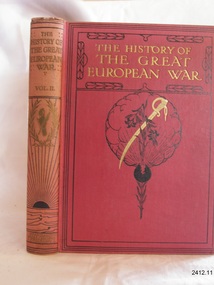
Book - Reference/History, W Stanley Macbean Knight, The History of the Great European War Set 2 Vol 2, 1914-1920
... Caxton's specialism in encyclopedias and technical and educational non-fiction, published as illustrated subscription serials, fits exactly with how The History of the Great European War set of ten volumes was produced and sold: issued in parts or volumes over several years (1914–1920), aimed at a general educated readership rather than specialists, with photographic plates and maps as a selling point the visual, accessible 'instant reference' format was Caxton's house style, not a one-off experiment....Caxton's specialism in encyclopedias and technical and educational non-fiction, published as illustrated subscription serials, fits exactly with how The History of the Great European War set of ten volumes was produced and sold: issued in parts or volumes over several years (1914–1920), aimed at a general educated readership rather than specialists, with photographic plates and maps as a selling point the visual, accessible 'instant reference' format was Caxton's house style, not a one-off experiment. ...This set is a contemporary and popular narrative history of WWI, written and published while the war was still happening; the preface is dated 1914, but volumes were issued serially as the war progressed, meaning later volumes covering 1917–18 and the peace were released several years after the first. This is a common format for the period — compare rival serials like The Great War (Hammerton & Wilson) or Collier's The Story of the Great War — publishers issued 'instant history' in subscription parts to a public hungry for authoritative-sounding accounts. The volumes in this set cover the following topics during the First World War: Vol. I — Causes and Effects (1914): Its aims are to explain the political and diplomatic background to the war — the alliance system and the July Crisis — with the outbreak of hostilities in August 1914. Vol. II: Continues into the opening campaigns of 1914 (per Internet Archive, 'Vol 2 of 10', contemporary account). Vol. III: Descriptions note it as continuing the story of the campaign of the Allies and their mid-war campaigns. Vol. IV: Covers 1916 and the ongoing 1915–16 campaigns; this volume contains a fold-out colour map of the Serbian Retreat and one of the Italian front, featuring the Balkan and Italian theatres of war. Vols. V–VI: Continue the general campaign narrative through 1916–17. Vols. VII–VIII: Cover the later war years, focusing on 1917–18. Vols. IX–X: These volumes cover the war's final phase and the Armistice. Publication of the last volumes continued into the early 1920s, covering the peace settlement at Versailles and its aftermath.Hard Cover Book. History of The Great European War Set 2 Vol 2 Author: W Stanley Macbean Knight Publisher: The Caxton Publishing Company Ltd Clune House, 161 Surrey St, London W.C. Printer: The Standard Publishing Co. 100 Flinders St, Melbourne. Date: Various Volume Subscription Releases 1914 to 1920 Further Information: Red pictorial cloth gilt-lettered boards, each volume illustrated with a coloured frontispiece, black-and-white photographic plates, and fold-out colour maps of various fronts depending on volume(e.g. the Serbian Retreat, the Italian front etc.). Note there are two sets of this publication in the Flagstaff book collection.non-fictionThis set is a contemporary and popular narrative history of WWI, written and published while the war was still happening; the preface is dated 1914, but volumes were issued serially as the war progressed, meaning later volumes covering 1917–18 and the peace were released several years after the first. This is a common format for the period — compare rival serials like The Great War (Hammerton & Wilson) or Collier's The Story of the Great War — publishers issued 'instant history' in subscription parts to a public hungry for authoritative-sounding accounts. The volumes in this set cover the following topics during the First World War: Vol. I — Causes and Effects (1914): Its aims are to explain the political and diplomatic background to the war — the alliance system and the July Crisis — with the outbreak of hostilities in August 1914. Vol. II: Continues into the opening campaigns of 1914 (per Internet Archive, 'Vol 2 of 10', contemporary account). Vol. III: Descriptions note it as continuing the story of the campaign of the Allies and their mid-war campaigns. Vol. IV: Covers 1916 and the ongoing 1915–16 campaigns; this volume contains a fold-out colour map of the Serbian Retreat and one of the Italian front, featuring the Balkan and Italian theatres of war. Vols. V–VI: Continue the general campaign narrative through 1916–17. Vols. VII–VIII: Cover the later war years, focusing on 1917–18. Vols. IX–X: These volumes cover the war's final phase and the Armistice. Publication of the last volumes continued into the early 1920s, covering the peace settlement at Versailles and its aftermath.flagstaff hill, warrnambool, shipwrecked-coast, flagstaff-hill, flagstaff-hill-maritime-museum, maritime-museum, shipwreck-coast, flagstaff-hill-maritime-village, book, the history of the great european war vol 1 set 1, the history of the great european war, caxton printers -
 Flagstaff Hill Maritime Museum and Village
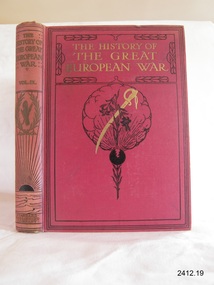
Book - Reference/History, W Stanley Macbean Knight, The History of the Great European War Vol 9 set 2-2, 1914-1920
... Caxton's specialism in encyclopedias and technical and educational non-fiction, published as illustrated subscription serials, fits exactly with how The History of the Great European War set of ten volumes was produced and sold: issued in parts or volumes over several years (1914–1920), aimed at a general educated readership rather than specialists, with photographic plates and maps as a selling point the visual, accessible 'instant reference' format was Caxton's house style, not a one-off experiment....Caxton's specialism in encyclopedias and technical and educational non-fiction, published as illustrated subscription serials, fits exactly with how The History of the Great European War set of ten volumes was produced and sold: issued in parts or volumes over several years (1914–1920), aimed at a general educated readership rather than specialists, with photographic plates and maps as a selling point the visual, accessible 'instant reference' format was Caxton's house style, not a one-off experiment. ...This set is a contemporary and popular narrative history of WWI, written and published while the war was still happening; the preface is dated 1914, but volumes were issued serially as the war progressed, meaning later volumes covering 1917–18 and the peace were released several years after the first. This is a common format for the period — compare rival serials like The Great War (Hammerton & Wilson) or Collier's The Story of the Great War — publishers issued 'instant history' in subscription parts to a public hungry for authoritative-sounding accounts. The volumes in this set cover the following topics during the First World War: Vol. I — Causes and Effects (1914): Its aims are to explain the political and diplomatic background to the war — the alliance system and the July Crisis — with the outbreak of hostilities in August 1914. Vol. II: Continues into the opening campaigns of 1914 (per Internet Archive, 'Vol 2 of 10', contemporary account). Vol. III: Descriptions note it as continuing the story of the campaign of the Allies and their mid-war campaigns. Vol. IV: Covers 1916 and the ongoing 1915–16 campaigns; this volume contains a fold-out colour map of the Serbian Retreat and one of the Italian front, featuring the Balkan and Italian theatres of war. Vols. V–VI: Continue the general campaign narrative through 1916–17. Vols. VII–VIII: Cover the later war years, focusing on 1917–18. Vols. IX–X: These volumes cover the war's final phase and the Armistice. Publication of the last volumes continued into the early 1920s, covering the peace settlement at Versailles and its aftermath.Hard Cover Book. History of The Great European War Vol 9 set 2-2 Author: W Stanley Macbean Knight Publisher: The Caxton Publishing Company Ltd Clune House, 161 Surrey St, London W.C. Printer: The Standard Publishing Co. 100 Flinders St, Melbourne. Date: Various Volume Subscription Releases 1914 to 1920 Further Information: Red pictorial cloth gilt-lettered boards, each volume illustrated with a coloured frontispiece, black-and-white photographic plates, and fold-out colour maps of various fronts depending on volume(e.g. the Serbian Retreat, the Italian front etc.). Note there are two sets of this publication in the Flagstaff book collection.non-fictionThis set is a contemporary and popular narrative history of WWI, written and published while the war was still happening; the preface is dated 1914, but volumes were issued serially as the war progressed, meaning later volumes covering 1917–18 and the peace were released several years after the first. This is a common format for the period — compare rival serials like The Great War (Hammerton & Wilson) or Collier's The Story of the Great War — publishers issued 'instant history' in subscription parts to a public hungry for authoritative-sounding accounts. The volumes in this set cover the following topics during the First World War: Vol. I — Causes and Effects (1914): Its aims are to explain the political and diplomatic background to the war — the alliance system and the July Crisis — with the outbreak of hostilities in August 1914. Vol. II: Continues into the opening campaigns of 1914 (per Internet Archive, 'Vol 2 of 10', contemporary account). Vol. III: Descriptions note it as continuing the story of the campaign of the Allies and their mid-war campaigns. Vol. IV: Covers 1916 and the ongoing 1915–16 campaigns; this volume contains a fold-out colour map of the Serbian Retreat and one of the Italian front, featuring the Balkan and Italian theatres of war. Vols. V–VI: Continue the general campaign narrative through 1916–17. Vols. VII–VIII: Cover the later war years, focusing on 1917–18. Vols. IX–X: These volumes cover the war's final phase and the Armistice. Publication of the last volumes continued into the early 1920s, covering the peace settlement at Versailles and its aftermath.flagstaff hill, warrnambool, shipwrecked-coast, flagstaff-hill, flagstaff-hill-maritime-museum, maritime-museum, shipwreck-coast, flagstaff-hill-maritime-village, book, the history of the great european war vol 1 set 1, the history of the great european war, caxton printers -
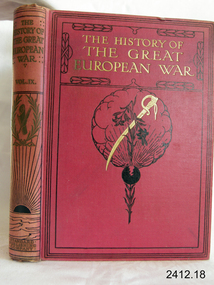 Flagstaff Hill Maritime Museum and Village
Book - Reference/History, W Stanley Macbean Knight, The History of the Great European War Set 2 Vol 9, 1914-1920
... Caxton's specialism in encyclopedias and technical and educational non-fiction, published as illustrated subscription serials, fits exactly with how The History of the Great European War set of ten volumes was produced and sold: issued in parts or volumes over several years (1914–1920), aimed at a general educated readership rather than specialists, with photographic plates and maps as a selling point the visual, accessible 'instant reference' format was Caxton's house style, not a one-off experiment....Caxton's specialism in encyclopedias and technical and educational non-fiction, published as illustrated subscription serials, fits exactly with how The History of the Great European War set of ten volumes was produced and sold: issued in parts or volumes over several years (1914–1920), aimed at a general educated readership rather than specialists, with photographic plates and maps as a selling point the visual, accessible 'instant reference' format was Caxton's house style, not a one-off experiment. ...This set is a contemporary and popular narrative history of WWI, written and published while the war was still happening; the preface is dated 1914, but volumes were issued serially as the war progressed, meaning later volumes covering 1917–18 and the peace were released several years after the first. This is a common format for the period — compare rival serials like The Great War (Hammerton & Wilson) or Collier's The Story of the Great War — publishers issued 'instant history' in subscription parts to a public hungry for authoritative-sounding accounts. The volumes in this set cover the following topics during the First World War: Vol. I — Causes and Effects (1914): Its aims are to explain the political and diplomatic background to the war — the alliance system and the July Crisis — with the outbreak of hostilities in August 1914. Vol. II: Continues into the opening campaigns of 1914 (per Internet Archive, 'Vol 2 of 10', contemporary account). Vol. III: Descriptions note it as continuing the story of the campaign of the Allies and their mid-war campaigns. Vol. IV: Covers 1916 and the ongoing 1915–16 campaigns; this volume contains a fold-out colour map of the Serbian Retreat and one of the Italian front, featuring the Balkan and Italian theatres of war. Vols. V–VI: Continue the general campaign narrative through 1916–17. Vols. VII–VIII: Cover the later war years, focusing on 1917–18. Vols. IX–X: These volumes cover the war's final phase and the Armistice. Publication of the last volumes continued into the early 1920s, covering the peace settlement at Versailles and its aftermath.Hard Cover Book. History of The Great European War Set 2 Vol 9 Author: W Stanley Macbean Knight Publisher: The Caxton Publishing Company Ltd Clune House, 161 Surrey St, London W.C. Printer: The Standard Publishing Co. 100 Flinders St, Melbourne. Date: Various Volume Subscription Releases 1914 to 1920 Further Information: Red pictorial cloth gilt-lettered boards, each volume illustrated with a coloured frontispiece, black-and-white photographic plates, and fold-out colour maps of various fronts depending on volume(e.g. the Serbian Retreat, the Italian front etc.). Note there are two sets of this publication in the Flagstaff book collection.non-fictionThis set is a contemporary and popular narrative history of WWI, written and published while the war was still happening; the preface is dated 1914, but volumes were issued serially as the war progressed, meaning later volumes covering 1917–18 and the peace were released several years after the first. This is a common format for the period — compare rival serials like The Great War (Hammerton & Wilson) or Collier's The Story of the Great War — publishers issued 'instant history' in subscription parts to a public hungry for authoritative-sounding accounts. The volumes in this set cover the following topics during the First World War: Vol. I — Causes and Effects (1914): Its aims are to explain the political and diplomatic background to the war — the alliance system and the July Crisis — with the outbreak of hostilities in August 1914. Vol. II: Continues into the opening campaigns of 1914 (per Internet Archive, 'Vol 2 of 10', contemporary account). Vol. III: Descriptions note it as continuing the story of the campaign of the Allies and their mid-war campaigns. Vol. IV: Covers 1916 and the ongoing 1915–16 campaigns; this volume contains a fold-out colour map of the Serbian Retreat and one of the Italian front, featuring the Balkan and Italian theatres of war. Vols. V–VI: Continue the general campaign narrative through 1916–17. Vols. VII–VIII: Cover the later war years, focusing on 1917–18. Vols. IX–X: These volumes cover the war's final phase and the Armistice. Publication of the last volumes continued into the early 1920s, covering the peace settlement at Versailles and its aftermath.flagstaff hill, warrnambool, shipwrecked-coast, flagstaff-hill, flagstaff-hill-maritime-museum, maritime-museum, shipwreck-coast, flagstaff-hill-maritime-village, book, the history of the great european war vol 1 set 1, the history of the great european war, caxton printers -
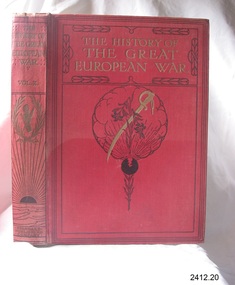 Flagstaff Hill Maritime Museum and Village
Book - Reference/History, W Stanley Macbean Knight, The History of the Great European War Set 2 Vol 10, 1914-1920
... Caxton's specialism in encyclopedias and technical and educational non-fiction, published as illustrated subscription serials, fits exactly with how The History of the Great European War set of ten volumes was produced and sold: issued in parts or volumes over several years (1914–1920), aimed at a general educated readership rather than specialists, with photographic plates and maps as a selling point the visual, accessible 'instant reference' format was Caxton's house style, not a one-off experiment....Caxton's specialism in encyclopedias and technical and educational non-fiction, published as illustrated subscription serials, fits exactly with how The History of the Great European War set of ten volumes was produced and sold: issued in parts or volumes over several years (1914–1920), aimed at a general educated readership rather than specialists, with photographic plates and maps as a selling point the visual, accessible 'instant reference' format was Caxton's house style, not a one-off experiment. ...This set is a contemporary and popular narrative history of WWI, written and published while the war was still happening; the preface is dated 1914, but volumes were issued serially as the war progressed, meaning later volumes covering 1917–18 and the peace were released several years after the first. This is a common format for the period — compare rival serials like The Great War (Hammerton & Wilson) or Collier's The Story of the Great War — publishers issued 'instant history' in subscription parts to a public hungry for authoritative-sounding accounts. The volumes in this set cover the following topics during the First World War: Vol. I — Causes and Effects (1914): Its aims are to explain the political and diplomatic background to the war — the alliance system and the July Crisis — with the outbreak of hostilities in August 1914. Vol. II: Continues into the opening campaigns of 1914 (per Internet Archive, 'Vol 2 of 10', contemporary account). Vol. III: Descriptions note it as continuing the story of the campaign of the Allies and their mid-war campaigns. Vol. IV: Covers 1916 and the ongoing 1915–16 campaigns; this volume contains a fold-out colour map of the Serbian Retreat and one of the Italian front, featuring the Balkan and Italian theatres of war. Vols. V–VI: Continue the general campaign narrative through 1916–17. Vols. VII–VIII: Cover the later war years, focusing on 1917–18. Vols. IX–X: These volumes cover the war's final phase and the Armistice. Publication of the last volumes continued into the early 1920s, covering the peace settlement at Versailles and its aftermath.Hard Cover Book. History of The Great European War Set 2 Vol 10 Author: W Stanley Macbean Knight Publisher: The Caxton Publishing Company Ltd Clune House, 161 Surrey St, London W.C. Printer: The Standard Publishing Co. 100 Flinders St, Melbourne. Date: Various Volume Subscription Releases 1914 to 1920 Further Information: Red pictorial cloth gilt-lettered boards, each volume illustrated with a coloured frontispiece, black-and-white photographic plates, and fold-out colour maps of various fronts depending on volume(e.g. the Serbian Retreat, the Italian front etc.). Note there are two sets of this publication in the Flagstaff book collection.non-fictionThis set is a contemporary and popular narrative history of WWI, written and published while the war was still happening; the preface is dated 1914, but volumes were issued serially as the war progressed, meaning later volumes covering 1917–18 and the peace were released several years after the first. This is a common format for the period — compare rival serials like The Great War (Hammerton & Wilson) or Collier's The Story of the Great War — publishers issued 'instant history' in subscription parts to a public hungry for authoritative-sounding accounts. The volumes in this set cover the following topics during the First World War: Vol. I — Causes and Effects (1914): Its aims are to explain the political and diplomatic background to the war — the alliance system and the July Crisis — with the outbreak of hostilities in August 1914. Vol. II: Continues into the opening campaigns of 1914 (per Internet Archive, 'Vol 2 of 10', contemporary account). Vol. III: Descriptions note it as continuing the story of the campaign of the Allies and their mid-war campaigns. Vol. IV: Covers 1916 and the ongoing 1915–16 campaigns; this volume contains a fold-out colour map of the Serbian Retreat and one of the Italian front, featuring the Balkan and Italian theatres of war. Vols. V–VI: Continue the general campaign narrative through 1916–17. Vols. VII–VIII: Cover the later war years, focusing on 1917–18. Vols. IX–X: These volumes cover the war's final phase and the Armistice. Publication of the last volumes continued into the early 1920s, covering the peace settlement at Versailles and its aftermath.flagstaff hill, warrnambool, shipwrecked-coast, flagstaff-hill, flagstaff-hill-maritime-museum, maritime-museum, shipwreck-coast, flagstaff-hill-maritime-village, book, the history of the great european war vol 1 set 1, the history of the great european war, caxton printers -
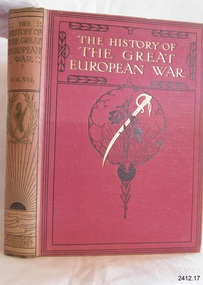 Flagstaff Hill Maritime Museum and Village
Book - Reference/History, W Stanley Macbean Knight, The History of the Great European War Set 2 Vol 8, 1914-1920
... Caxton's specialism in encyclopedias and technical and educational non-fiction, published as illustrated subscription serials, fits exactly with how The History of the Great European War set of ten volumes was produced and sold: issued in parts or volumes over several years (1914–1920), aimed at a general educated readership rather than specialists, with photographic plates and maps as a selling point the visual, accessible 'instant reference' format was Caxton's house style, not a one-off experiment....Caxton's specialism in encyclopedias and technical and educational non-fiction, published as illustrated subscription serials, fits exactly with how The History of the Great European War set of ten volumes was produced and sold: issued in parts or volumes over several years (1914–1920), aimed at a general educated readership rather than specialists, with photographic plates and maps as a selling point the visual, accessible 'instant reference' format was Caxton's house style, not a one-off experiment. ...This set is a contemporary and popular narrative history of WWI, written and published while the war was still happening; the preface is dated 1914, but volumes were issued serially as the war progressed, meaning later volumes covering 1917–18 and the peace were released several years after the first. This is a common format for the period — compare rival serials like The Great War (Hammerton & Wilson) or Collier's The Story of the Great War — publishers issued 'instant history' in subscription parts to a public hungry for authoritative-sounding accounts. The volumes in this set cover the following topics during the First World War: Vol. I — Causes and Effects (1914): Its aims are to explain the political and diplomatic background to the war — the alliance system and the July Crisis — with the outbreak of hostilities in August 1914. Vol. II: Continues into the opening campaigns of 1914 (per Internet Archive, 'Vol 2 of 10', contemporary account). Vol. III: Descriptions note it as continuing the story of the campaign of the Allies and their mid-war campaigns. Vol. IV: Covers 1916 and the ongoing 1915–16 campaigns; this volume contains a fold-out colour map of the Serbian Retreat and one of the Italian front, featuring the Balkan and Italian theatres of war. Vols. V–VI: Continue the general campaign narrative through 1916–17. Vols. VII–VIII: Cover the later war years, focusing on 1917–18. Vols. IX–X: These volumes cover the war's final phase and the Armistice. Publication of the last volumes continued into the early 1920s, covering the peace settlement at Versailles and its aftermath.Hard Cover Book. History of The Great European War Set 2 Vol 8 Author: W Stanley Macbean Knight Publisher: The Caxton Publishing Company Ltd Clune House, 161 Surrey St, London W.C. Printer: The Standard Publishing Co. 100 Flinders St, Melbourne. Date: Various Volume Subscription Releases 1914 to 1920 Further Information: Red pictorial cloth gilt-lettered boards, each volume illustrated with a coloured frontispiece, black-and-white photographic plates, and fold-out colour maps of various fronts depending on volume(e.g. the Serbian Retreat, the Italian front etc.). Note there are two sets of this publication in the Flagstaff book collection.non-fictionThis set is a contemporary and popular narrative history of WWI, written and published while the war was still happening; the preface is dated 1914, but volumes were issued serially as the war progressed, meaning later volumes covering 1917–18 and the peace were released several years after the first. This is a common format for the period — compare rival serials like The Great War (Hammerton & Wilson) or Collier's The Story of the Great War — publishers issued 'instant history' in subscription parts to a public hungry for authoritative-sounding accounts. The volumes in this set cover the following topics during the First World War: Vol. I — Causes and Effects (1914): Its aims are to explain the political and diplomatic background to the war — the alliance system and the July Crisis — with the outbreak of hostilities in August 1914. Vol. II: Continues into the opening campaigns of 1914 (per Internet Archive, 'Vol 2 of 10', contemporary account). Vol. III: Descriptions note it as continuing the story of the campaign of the Allies and their mid-war campaigns. Vol. IV: Covers 1916 and the ongoing 1915–16 campaigns; this volume contains a fold-out colour map of the Serbian Retreat and one of the Italian front, featuring the Balkan and Italian theatres of war. Vols. V–VI: Continue the general campaign narrative through 1916–17. Vols. VII–VIII: Cover the later war years, focusing on 1917–18. Vols. IX–X: These volumes cover the war's final phase and the Armistice. Publication of the last volumes continued into the early 1920s, covering the peace settlement at Versailles and its aftermath.flagstaff hill, warrnambool, shipwrecked-coast, flagstaff-hill, flagstaff-hill-maritime-museum, maritime-museum, shipwreck-coast, flagstaff-hill-maritime-village, book, the history of the great european war vol 1 set 1, the history of the great european war, caxton printers
