
Showing 8 items matching "hair> ron"
-
 Box Hill Historical Society
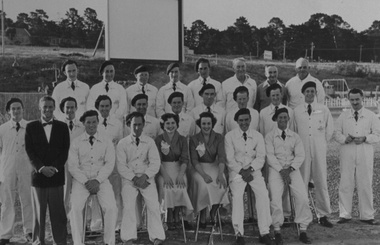
Photograph - Drive-In
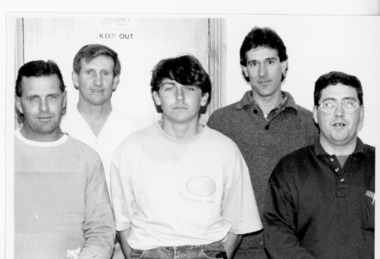
... ...Hair> Ron...Humphries> Bob Gallagher> Noel Hood> John Lanham> Geoff O'Connor> Alan Ratcliffe> Joe Shannon> Doug Cavanagh> Jack Bishop> Les Naismith> Ron Riseborough> Ian Regester> Bob Anderson> Brian Bloom> Les Owen> Bryan Burton> Merle Burns> Margaret Reid> Alan Hair> Ron Scott> Lyn Rush> Clay Skyline Burwood Drive-in B&w photo Photograph Drive-In ...The staff at the Burwood Skyline Drive-In pose for a group photo with the "car hops" dressed in white overalls and the cashiers in blue linen skirts and pink blouses. B&w photodrive in theatres, o'connor> jack, mccarthy> laurie, henshall> joe, gordon> leon, robertson> dave, mccathy> - (mr.), edwards> - (mr.), coghill> - (mr.), humphries> bob, gallagher> noel, hood> john, lanham> geoff, o'connor> alan, ratcliffe> joe, shannon> doug, cavanagh> jack, bishop> les, naismith> ron, riseborough> ian, regester> bob, anderson> brian, bloom> les, owen> bryan, burton> merle, burns> margaret, reid> alan, hair> ron, scott> lyn, rush> clay, skyline, burwood drive-in -
 Charlton Golden Grains Museum Inc
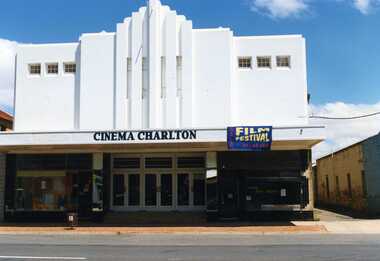
Photograph, Brownjohn, Reg, c.1990
... ...ron mckee's hair salon...Supples Dress Shop and Ron McKee's Hair Salon (mens)...Supples Dress Shop and Ron McKee's Hair Salon (mens) supple's frock shop ron mckee's hair salon art deco cinema rex theatre Halls Cinema Charlton Business Art Deco Colour photograph of Cinema Charlton. ...Cinema Charlton (now the Rex Theatre). Supples Dress Shop and Ron McKee's Hair Salon (mens)Colour photograph of Cinema Charlton. Blue, yellow and red banner advertising Charlton Film Festival on 25-26 February.supple's frock shop, ron mckee's hair salon, art deco cinema, rex theatre, halls, cinema, charlton, business, art deco -
 Eltham District Historical Society Inc
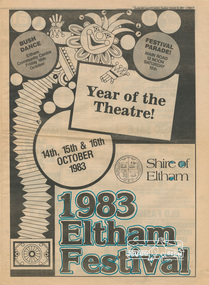
Program, Shire of Eltham 1983 Eltham Festival: Year of the Theatre!, 14th, 15th & 16th October 1983; Insert, Diamond Valley News, 11 October 1983, pp35-46, 1983
... Horsley, David Baker, David Sadedin, Dawn Mack, Diamond Valley Big Band, Diamond Valley Drapes, Diamond Valley Dutch Social Club, Diamond Valley Society, Dr Peter Reichenbach, Dr Rob Moffitt, Eastern District Bottle Company, Eccacentre, Eltham Central Cellars, Eltham Community Centre, Eltham Concert Band, Eltham Festival, Eltham High School, Eltham Jazz festival, Eltham Little Theatre, Eltham Living and Learning Centre, Eltham Newsagency & Toyworld, Eltham Orchestra, Eltham Pharmacy, Eltham Phoenix Club, Eltham Shire Council, Eltham Sports & Tennis, Eltham Wiregrass Gallery, Eltham Yamaha, Five and a Zack, Franciscus Henri, Frank Gow, Gavin Gray, George Barker, Graham Coyle, Graham Taylor, Greensborogh Hire service, I Can Jump Puddles (film), Ian Orr, Ian Walkear, International Communications Year, Janice Dadd, Jerry Clements, John Adams, John Higgins, John Murray, Kenton Shoes Eltham, Kings, Lazy Ade Monsbourgh, Leisure Footwear Pty Ltd, Lower Plenty Sports Centre, Mal Harrop, Matcham Skipper, Maurie Dann, Michael Poore, Montsalvat, MontsalvatValma Brundell, Myra Skipper, Panton Hill Hotel, Pats, Penna Guardian Chemist, Pine Canection, Purdy's Furniture, Ralph's Eltham Meat Supply, Ranger, Roller City, Ron Blyth, Ron Mack, Rotary Club of Eltham, Second Life decor Pty Ltd, Shire of Eltham Historical Society, Shire President, Skippers Marine Greensborough, Society for Growing Australian Plants, Squeaker's Mate (film), Storyville Allstars, Strings 'n Things, Style Interiors, T.J.'s Hair...Horsley, David Baker, David Sadedin, Dawn Mack, Diamond Valley Big Band, Diamond Valley Drapes, Diamond Valley Dutch Social Club, Diamond Valley Society, Dr Peter Reichenbach, Dr Rob Moffitt, Eastern District Bottle Company, Eccacentre, Eltham Central Cellars, Eltham Community Centre, Eltham Concert Band, Eltham Festival, Eltham High School, Eltham Jazz festival, Eltham Little Theatre, Eltham Living and Learning Centre, Eltham Newsagency & Toyworld, Eltham Orchestra, Eltham Pharmacy, Eltham Phoenix Club, Eltham Shire Council, Eltham Sports & Tennis, Eltham Wiregrass Gallery, Eltham Yamaha, Five and a Zack, Franciscus Henri, Frank Gow, Gavin Gray, George Barker, Graham Coyle, Graham Taylor, Greensborogh Hire service, I Can Jump Puddles (film), Ian Orr, Ian Walkear, International Communications Year, Janice Dadd, Jerry Clements, John Adams, John Higgins, John Murray, Kenton Shoes Eltham, Kings, Lazy Ade Monsbourgh, Leisure Footwear Pty Ltd, Lower Plenty Sports Centre, Mal Harrop, Matcham Skipper, Maurie Dann, Michael Poore, Montsalvat, MontsalvatValma Brundell, Myra Skipper, Panton Hill Hotel, Pats, Penna Guardian Chemist, Pine Canection, Purdy's Furniture, Ralph's Eltham Meat Supply, Ranger, Roller City, Ron Blyth, Ron Mack, Rotary Club of Eltham, Second Life decor Pty Ltd, Shire of Eltham Historical Society, Shire President, Skippers Marine Greensborough, Society for Growing Australian Plants, Squeaker's Mate (film), Storyville Allstars, Strings 'n Things, Style Interiors, T.J.'s Hair ...Events and information concerning the 1983 Eltham Festival including advertisements On page 37 the article "Force behind the revival" is about how Alistair Knox was the instigator of the revival of the Eltham Festival in 1975 and discusses the history of four earlier festivals held in the early 1960s. Advertisers and people noted include: AAAA Display Signs, Alan Leake, Alan Marshall, Alistair Knox, Allan Leake, Ansell and Muir, Australian Film, Barry Maddock, Beverley Sheehan, Bimbi World, Brian Jeeves, Brian Wright, Briar Hill Glass centre, Briar Hill Swimming Pools Pty Ltd, Briar Hill Timber, Bryan Payne, Bush band, Cal Martin, Central Park, Country Art Store, Cr. Horsley, David Baker, David Sadedin, Dawn Mack, Diamond Valley Big Band, Diamond Valley Drapes, Diamond Valley Dutch Social Club, Diamond Valley Society, Dr Peter Reichenbach, Dr Rob Moffitt, Eastern District Bottle Company, Eccacentre, Eltham Central Cellars, Eltham Community Centre, Eltham Concert Band, Eltham Festival, Eltham High School, Eltham Jazz festival, Eltham Little Theatre, Eltham Living and Learning Centre, Eltham Newsagency & Toyworld, Eltham Orchestra, Eltham Pharmacy, Eltham Phoenix Club, Eltham Shire Council, Eltham Sports & Tennis, Eltham Wiregrass Gallery, Eltham Yamaha, Five and a Zack, Franciscus Henri, Frank Gow, Gavin Gray, George Barker, Graham Coyle, Graham Taylor, Greensborogh Hire service, I Can Jump Puddles (film), Ian Orr, Ian Walkear, International Communications Year, Janice Dadd, Jerry Clements, John Adams, John Higgins, John Murray, Kenton Shoes Eltham, Kings, Lazy Ade Monsbourgh, Leisure Footwear Pty Ltd, Lower Plenty Sports Centre, Mal Harrop, Matcham Skipper, Maurie Dann, Michael Poore, Montsalvat, MontsalvatValma Brundell, Myra Skipper, Panton Hill Hotel, Pats, Penna Guardian Chemist, Pine Canection, Purdy's Furniture, Ralph's Eltham Meat Supply, Ranger, Roller City, Ron Blyth, Ron Mack, Rotary Club of Eltham, Second Life decor Pty Ltd, Shire of Eltham Historical Society, Shire President, Skippers Marine Greensborough, Society for Growing Australian Plants, Squeaker's Mate (film), Storyville Allstars, Strings 'n Things, Style Interiors, T.J.'s Hair & Beauty Centre, The Eltham Chicken Shop, The Printing Works, The Prize (film), Thompson's Pharmacy, tim burstall, Todaro Coiffure, Tony Figgins, Tony Floyd, Travel Affair, Two Roads Boutique, Valley Door Centre, Warrandyte Hire, Warren Fordham, Wonderland Plant Nursery, Woolworths ArcadeNewsprint - 12 page newspaper insert1983, eltham festival, alistair knox -
 Port Melbourne Historical & Preservation Society
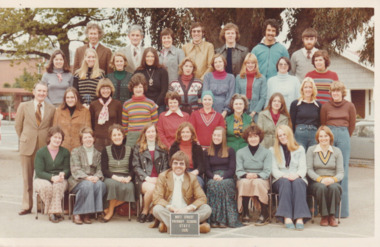
Photograph - Staff Nott Street Primary School 1978, 1978
... Ron MALLET...Jane GRITTEN...Eva MITCHELL...Shirley TABENER...Pam RASMUSSEN...June McCLUSKY...Val McNAMARA...Pam WHITE...Rosalie CRICK...Dianne FERGUSON...Shirley COOK...Helen CLAPPERTON...Michelle FORBES...Dianne MILNE...Chris CAMERON...Rosemary HAIR...; David JEWELL; Rodney HART; Chris GAY; Euan WELLS Second back row L - R Rosalie CRICK; Diane FERGUSON; Shirley COOK; Helen CLAPPERTON; Michelle FORBES; Helen UHE; Dianne MILNE; Chris CAMERON; Rosemary HAIR Third Back row L - R Ron MALLETT; Eva MITCHELL; Jane GRITTEN; Sheila TABERNER; Pam RASMUSSEN; Dawn POWELL; June McCLUSKY; Val MACNAMARA; Biffy COGHLAN; Pam WHITE. ...; David JEWELL; Rodney HART; Chris GAY; Euan WELLS Second back row L - R Rosalie CRICK; Diane FERGUSON; Shirley COOK; Helen CLAPPERTON; Michelle FORBES; Helen UHE; Dianne MILNE; Chris CAMERON; Rosemary HAIR Third Back row L - R Ron MALLETT; Eva MITCHELL; Jane GRITTEN; Sheila TABERNER; Pam RASMUSSEN; Dawn POWELL; June McCLUSKY; Val MACNAMARA; Biffy COGHLAN; Pam WHITE. ...Teachers: Back row L- R Brian HUGHES; Allan DOYLE; Effie ?; David JEWELL; Rodney HART; Chris GAY; Euan WELLS Second back row L - R Rosalie CRICK; Diane FERGUSON; Shirley COOK; Helen CLAPPERTON; Michelle FORBES; Helen UHE; Dianne MILNE; Chris CAMERON; Rosemary HAIR Third Back row L - R Ron MALLETT; Eva MITCHELL; Jane GRITTEN; Sheila TABERNER; Pam RASMUSSEN; Dawn POWELL; June McCLUSKY; Val MACNAMARA; Biffy COGHLAN; Pam WHITE. Front row L - R Shirley HELLER; Sue KIDD; Bev LEWIS; Dawn KABOR; Anne COOPER; Judy CURNOW: Jenny McGEE; Dianne WILLING; Rosemary McLEAN Seated in front Rick BRUCEColour photograph with 4 rows of teachers. The sign in front reads Nott Street Primary School Staff, 1978.On reverse: names of all teachers. education - primary schools, dawn powell, biffy coghlan, shirley heller, nott street primary school, rick bruce, sue kidd, bev lewis, dawn kabor, anne cooper, judy curnow, jenny mcgee, dianne willing, rosemary mcclean, ron mallet, jane gritten, eva mitchell, shirley tabener, pam rasmussen, june mcclusky, val mcnamara, pam white, rosalie crick, dianne ferguson, shirley cook, helen clapperton, michelle forbes, dianne milne, chris cameron, rosemary hair, brian hughes, allan doyle, david jewell, rodney hart, chris gay, euan wells -
 Lakes Entrance Historical Society
Photograph - Ocean Rescue, Lakes Post Newspaper, 1995
... Black and white photograph of Terry Carstairs, Ron Robinson, Anthony Alexander, Fred Smittou and Rob Hair Ocean Rescue Squad members Lakes Entrance Victoria....see page 4 Lakes Post Newspaper 1 September 1995 Community Services Volunteering Emergency Services Black and white photograph of Terry Carstairs, Ron Robinson, Anthony Alexander, Fred Smittou and Rob Hair Ocean Rescue Squad members Lakes Entrance Victoria. ...see page 4 Lakes Post Newspaper 1 September 1995Black and white photograph of Terry Carstairs, Ron Robinson, Anthony Alexander, Fred Smittou and Rob Hair Ocean Rescue Squad members Lakes Entrance Victoria.community services, volunteering, emergency services -
 Carlton Football Club
Scrap Book, Dedicated to Carlton Player John Goold
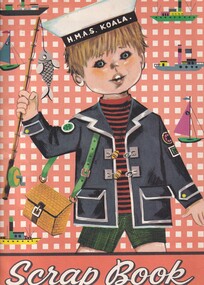
... Ron Barassi as captain-coach of Carlton in 1965 began steering his career back on track. “I think you could say that 1965 was my first year of League football,” he said, “That’s the way I felt - that’s the way I reacted to Barassi.” Under Barassi, Goold rapidly developed into a superb running half-back flanker. Tenacious, and an often freakish high mark, he was unmistakable on the field thanks to his mane of dark hair ...John Goold double Premiership PlayerA scrap Book dedicated to twice Premiership Player 1968 - 1970 John Goold Career : 1963 - 1970 Debut : Round 7, 1963 vs Footscray, aged 21 years, 338 days Carlton Player No. 754 Games : 108 Goals : 3 Last Game : Grand Final, 1970 vs Collingwood, aged 29 years, 90 days Guernsey No. 11 Height : 184 cm (6 ft ½ in.) Weight : 76 kg (12 stone, 0 lbs.) DOB : June 27, 1941 Premiership Player 1968, 1970 Carlton Hall of Fame All Australian 1966 A brilliant, flamboyant, two-time Premiership player for Carlton during the Barassi years in the ‘swingin’ sixties,’ John William Crosbie Goold became almost as famous for his dapper appearance off the field, as for his exploits on it. At the height of his football career, he was also a prominent ladies fashion designer – which led to him being dubbed ‘Mr Elegance’ by leading football commentator Lou Richards. Supporters and team-mates however, called him ‘Rags’ or ‘Ragsy,’ because of his involvement in the clothing, or ‘rag’ trade. Goold first came under notice as an outstanding junior athlete at Melbourne Grammar School. A true all-round sportsman, he shone at tennis, athletics, football and cricket. He was also a keen horseman who loved the game of polo and the rough and tumble of fox hunting. While at school he was a fervent Melbourne supporter, but strangely, never had much confidence in his football ability. “If I thought I was good enough, I would certainly have gone to Melbourne,” he said many years later. “But I honestly didn’t think I would ever amount to anything in this game. Cricket and tennis were the games that really interested me.’ However, after graduating from MGS, Goold went home to Healesville to star in the Bloods’ 1962 Yarra Valley Football Association Premiership team – an achievement that brought tempting offers from more than one VFL club. “Incentives were offered elsewhere,” he recalled, “but I gravitated to Carlton – partly because the deep blue of their guernsey attracted me, but mostly because of the good advice I got from people who even then were longsighted enough to predict that big things were ahead for this club.” The Blues were confident enough in Goold’s potential to offer him the guernsey number 11 previously worn with distinction by the likes of Jack Hale, Jim Knight, Ron Hines and Laurie Kerr, and his first senior game came in round 7, 1963 against Footscray at the Western Oval. He played on a half-forward flank alongside Brownlow Medallists Gordon Collis and John James on that Saturday afternoon, and kicked his first career goal in an 8-point win. Little did he know though, that it would be another six seasons before he would again experience the thrill of sending a football spinning between the big posts, because his future lay in defence. By his own admission, Goold struggled to find his feet in VFL football during his first two seasons, until the shock appointment of Ron Barassi as captain-coach of Carlton in 1965 began steering his career back on track. “I think you could say that 1965 was my first year of League football,” he said, “That’s the way I felt - that’s the way I reacted to Barassi.” Under Barassi, Goold rapidly developed into a superb running half-back flanker. Tenacious, and an often freakish high mark, he was unmistakable on the field thanks to his mane of dark hair, his loping running style and somewhat awkward kicking action. Furthermore, he had boundless courage. There is no doubt that he would have played many more games had he not been regularly pole-axed under the high ball – a fact he later freely admitted. “I was always getting knocked out,” he said, “and spent half my bloody time in hospital.” In the second half of 1965, an injury to centre half-back Gordon Collis forced Barassi to use Goold in the key defensive post. While it curtailed his rebounding instincts somewhat, ‘Ragsy’ rose to the challenge and rarely lowered his colours. Testament to his improvement, he finished third behind John Nicholls and Sergio Silvagni in Carlton’s 1965 Best and Fairest award, and followed up by being selected in the Victorian team for the 1966 Hobart Carnival. There, he had a superb series in which he was runner-up to West Australian Barry Cable in voting for the Tassie Medal, and capped it off by being named on a half-back flank in the All Australian team. Barassi’s influence at Carlton bore fruit in his third year, when the Blues returned to finals football at last. Richmond, Carlton, Geelong and Collingwood fought out the 1967 Premiership, and Ragsy Goold won the hearts of the Carlton faithful with two lion-hearted performances. Although Carlton was knocked out of contention by successive losses to Richmond and Geelong, Goold was tireless throughout both games, and it was obvious that he thrived on the added pressure of finals football. Precisely twelve months later, the bitter taste of those defeats was washed away when Barassi’s Blues edged out Essendon by 3 points in the 1968 Grand Final, and ended 21 years of despair at Princes Park. To win Carlton’s ninth VFL flag, the Blues had had to defeat the minor premier Bombers twice during the finals – and did so, thanks to a watertight defence led by Goold, and a dominant ruck division headed by John Nicholls. In round 5, 1969, Carlton hosted South Melbourne at Princes Park in a match significant for a number of reasons. As he regularly did, Ron Barassi swung his team around prior to the opening bounce, and Goold found himself in the unaccustomed role of ruck-rover. While the Blues set about establishing a good break on the scoreboard, Ragsy relished the freedom to kick two first half goals - his first majors for 78 games. Just before half-time however, he was flattened in a pack, concussed again, and replaced during the long break by Barry Gill. Alex Jesaulenko was substituted at the same time – by a shy, ambitious youngster named Bruce Doull, making his senior debut for Carlton in guernsey number 4. In September, 1969 the Navy Blues began their third straight finals campaign with an impressive 6-goal Semi Final win over Collingwood in front of more than 108,000 fans at the MCG. A fortnight later, Richmond stunned the flag favourites with a withering last quarter in the Grand Final, and knocked Carlton out of the Premiership race again at the last hurdle. Half-way through the year, Carlton's club doctor discovered that Goold had been playing with shin splints in both of his lower legs. The pain they caused was considerable, but Ragsy soldiered on and held down centre half-back throughout the season. John Goold’s VFL career at Carlton culminated in the fabled 1970 Grand Final triumph over Collingwood. What is not so well known is that Ragsy was only cleared to play in that game on the morning of the match. After narrowly losing to Collingwood in the second Semi Final, the Navy Blues destroyed St Kilda by 62 points in the Preliminary Final, and earned another shot at the Magpies in the decider. But one of Carlton’s problems was that Goold had been kicked on a shin against St Kilda, causing a burst blood vessel and serious swelling. Despite the best efforts of the club medical staff, Ragsy had only a slim chance of playing in the Grand Final right up until game day, when his worried coach reluctantly allowed him to take his place in the side. Later, Barassi justified his decision by saying that in his opinion, a less than fully fit Goold was still worth his place in the team. By half time in the Grand Final however, he was probably questioning that judgement - because Carlton had been totally outplayed, and trailed an impressive, cohesive Collingwood by 44 points. Therefore, Carlton’s magnificent comeback – orchestrated by Barassi, and sparked by the fairytale exploits of 19th man Ted Hopkins – is one of the greatest of all football stories. Against enormous odds, the Navy Blues fought their way back into the contest, and eventually, rolled over the top of the frantic Magpies to snatch victory by 10 points in the last few minutes of the match. Hopkins ended up with four goals, Barassi was hailed a genius, and Ragsy Goold was carted off to hospital immediately after the game to have further urgent treatment. While there, he decided that there was no better time to end his VFL career – especially because his burgeoning business interests were demanding more and more of his time. In the years after his football career ended, John Goold created a remarkably successful business empire. In 1971 he sold his fashion label and took up farming at Mortlake in western Victoria, where he coached the local football team for three seasons. Later, he formed a diversified pastoral company, and purchased a magnificent complex called Ballangeich Run at nearby Ellerslie. While his passion for farming and livestock grew, he began breeding top quality polo ponies, and represented Australia in international competition. During the 1997 and 1998 seasons, John's son Ed Goold played reserve grade football for Carlton. MEMORIES.... Ragsy Goold; the name stirs memories form my long ago childhood. Ragsy, with his unique kicking style, where he'd hold the ball (always a drop punt - in a time when the drop kick and the torpedo punt still reigned supreme) at the point of the ball, elbows bent and he'd lavishly drop the ball, his right arm then flinging back and up dramatically. That was the thing about Ragsy (so named because he worked in the clothing, or 'rag' trade), he was always dramatic. He always ensured his ankle guards and wrist guard were glowing white to match the great white CFC monogram he wore proudly on his chest, and with his long flowing locks, cut a dynamic figure through a young boy's mind. Ragsy was my idol. I loved his dashes from half back, his long accurate drop punts, most of all I loved his flair for the game. Ragsy played the game as an entertainer as well as a sportsman - he leapt high to punch or mark, and always seemed to have a bit of the thoroughbred about him - which is probably why after he retired, he took up fox chasing, polo, and riding his beloved thoroughbreds across the paddocks and over the fences of his property, I think he may have even represented Australia at the sport – really, that’s sort of how he played as a footballer. All sinewy muscle, long legs and famous leaps for the saving punch. Ragsy was part of the great backline that helped revive Carlton's fortunes. Legendary players Wes Lofts, Ian Collins, Kevin 'Racehorse' Hall, Vinnie Waite among them. All great teams have a great defence and the defence that Ragsy was an integral part of was no different. Where others provided the biffo, the muscle or the defensive pressure, Ragsy provided the dash, the flair, the sense of adventure that all great backlines must have. AND MORE.... I have had many favourite players while following the Blues, but there will always be a special spot for Ragsy Goold - running the lines, all long hair and flashing white guards. As a young man I moved to Carlton and began acting in a place called one-c-one. One night after a play, I was walking home. It was winter, and I was wearing my favouritte overcoat, a genuine ankle length tweed affair I had picked up in an Op Shop in Oakleigh for three dollars. As I strutted across Lygon Street, a deep male voice behind me called, 'hey laddie, how much for the overcoat?' I turned, and there was my childhood idol, Ragsy Goold, two beautiful women in tow, smiling and waiting for my answer. I loved that coat too much to part with it, even to Ragsy, so I shook my head - and he smiled, then walked off. I stood for a moment in the middle of the street shaking my head in disbelief. Ragsy bloody Goold had just offered to buy my overcoat! I knew at that point, as a young man of about twenty three, that life was going to be full of surprises and very entertaining - a bit like John ‘Ragsy’ Goold. ONE MORE.... A cold, wet day in the mid 1960's at the MCG and Victoria were playing South Australia (?) The ball that day was like a piece of soap, with players finding it impossible to mark. Just before half time a long kick sailed toward the mud heap that was the centre of the ground, and the pack rose to meet it. From this group of players an arm shot straight up, and the ball instantly came to a dead stop. The footy stuck in the player's palm as if the hand was coated in Tarzan's Grip. After all these years, it's the only recollection I have of that match, and that player was 'Mr. Elegance' John Goold. HUMOROUS HUNGRY.... Former opponent Richmond's Kevin Bartlett on Radio SEN in 2012 received a phone call from John. After the call Kevin told his listeners how "Mr Elegance" would always be dressed in a nice suit, shirt-tie and highly polished shoes. He then cracked a joke saying something like; "You know, John was so 'posh' that he used to play football wearing a cravat!" Milestones 50 Games: Round 15, 1967 vs Melbourne 100 Games: Round 13, 1970 vs Geelong Career Highlights 1965 - Percy Bentley Trophy - 3rd Best & Fairest 1966 - 5th Best & Fairest 1967 - Maurie Sankey Memorial Trophy - 4th Best & Fairest (on count back) 1968 - Premiership Player 1970 - 7th Best & Fairest 1970 - Premiership PlayerFoolscap Scrap Book -
 Melbourne Legacy
Photograph, Junior Legatee Reunion 1991, 1991
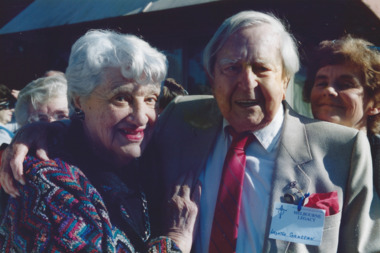
... hair and blue jumper) and his wife. Another photo shows Joan Miller with another lady. Other names unknown. From an article in the Widows' Newsletter in July 1991 it is a Grand Reunion at Watsonia Army Barracks in May for former Junior Legatees. Over 350 people attended. There were games for children, spit roasts and the renewing of friendships between former Junior Legatees and the Legatees. An article in the Herald Sun on Friday 17 May 1991 promoted the event using a photo of Ron...hair and blue jumper) and his wife. Another photo shows Joan Miller with another lady. Other names unknown. From an article in the Widows' Newsletter in July 1991 it is a Grand Reunion at Watsonia Army Barracks in May for former Junior Legatees. Over 350 people attended. There were games for children, spit roasts and the renewing of friendships between former Junior Legatees and the Legatees. An article in the Herald Sun on Friday 17 May 1991 promoted the event using a photo of Ron ...Photos from a reunion of Junior Legatees at Watsonia Barracks in 1991. Photos include Legatee Grattan and Miss Enez Domec-Carre together and with groups of former junior legatees. Also in attendance was Sir Weary Dunlop and Legacy President John Swan (white hair and blue jumper) and his wife. Another photo shows Joan Miller with another lady. Other names unknown. From an article in the Widows' Newsletter in July 1991 it is a Grand Reunion at Watsonia Army Barracks in May for former Junior Legatees. Over 350 people attended. There were games for children, spit roasts and the renewing of friendships between former Junior Legatees and the Legatees. An article in the Herald Sun on Friday 17 May 1991 promoted the event using a photo of Ron Barassi and L/ Chas Munnerley mentioned the reunion was Sunday 19 May (item 01529). Two more photos are at 01015. It was with a scrapbook of photos from 1983 to 1991. A record of a reunion of Junior Legatees in 1991.Colour photo x 15 of a reunion of former Junior Legatees in 1991 and an article in the Answer.junior legatee, answer, reunion -
 Victorian Railway History Library
Book, Nick Anchen, Iron Roads in the Outback, 2017
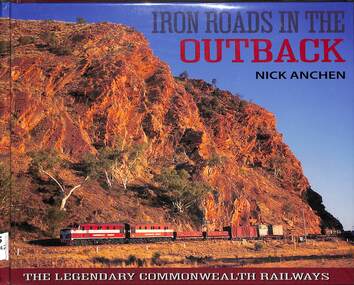
... hair raising accounts of surviving Tropical Cyclone Tracy, as told by rolling stock foreman Bill Donaldson. The Trans-Australian Railway was built across one of the harshest and loneliest environments on Earth - the vast Nullarbor Plain. Stories from enginemen Jack Slattery and Ron ...The Iron Roads of the Australian Outback - the legendary Commonwealth Railways were built through some of the harshest landscapes on Earth. They were railways like no other, where men and women battled extreme temperatures, flash floods and maddening isolation to keep the trains running. This publication is the culmination of 25 years of Outback exploration, research, photography and interviews by author Nick Anchen. The result is a diverse book which brings to life both the beauty and harshness of the Australian Outback, through a collection of fascinating and historic images, along with the memories of former Commonwealth Railways employees. Following an introductory chapter on the vastness and grandeur of the Australian interior - highlighted by the memoirs of 1950s flying doctor Macarthur Job - the book delves into the story of the Central Australia Railway. This was the line built through the 'back of beyond' - the forbidding desert country of South Australia and the Northern Territory. It was here that operators of famous trains such as The Ghan battled searing heat, dust storms and raging floodwaters to keep the trains running. The chapter includes stories by well known Ghan conductor 'Aspro' Lyons, and 'Piano Playing Chef' Paddy Greenfield - along with enginemen Wolf Markowski and John Theel, both of whom worked trains on this famous railway. The story of the North Australia Railway - 'The Line to Nowhere' - is the tale of a ramshackle railway which came alive during the dark days of World War II. The memoirs of wartime engineman Jim Prentice are eye opening, as are the hair raising accounts of surviving Tropical Cyclone Tracy, as told by rolling stock foreman Bill Donaldson. The Trans-Australian Railway was built across one of the harshest and loneliest environments on Earth - the vast Nullarbor Plain. Stories from enginemen Jack Slattery and Ron Howrie, along with Nullarbor resident and roadmaster's wife Cathy Beek, tell not only of the rudimentary living conditions and maddening isolation, but of the great camaraderie amongst the railway people who kept trains such as the Trans-Australian and the Tea and Sugar running. As well as examining the ruins and relics from the long-closed CR narrow gauge lines, the book also includes a chapter on the much-loved Pichi Richi Railway - the last surviving portion of that great Transcontinental Railway dream from another age.ill, maps, p.208.non-fictionThe Iron Roads of the Australian Outback - the legendary Commonwealth Railways were built through some of the harshest landscapes on Earth. They were railways like no other, where men and women battled extreme temperatures, flash floods and maddening isolation to keep the trains running. This publication is the culmination of 25 years of Outback exploration, research, photography and interviews by author Nick Anchen. The result is a diverse book which brings to life both the beauty and harshness of the Australian Outback, through a collection of fascinating and historic images, along with the memories of former Commonwealth Railways employees. Following an introductory chapter on the vastness and grandeur of the Australian interior - highlighted by the memoirs of 1950s flying doctor Macarthur Job - the book delves into the story of the Central Australia Railway. This was the line built through the 'back of beyond' - the forbidding desert country of South Australia and the Northern Territory. It was here that operators of famous trains such as The Ghan battled searing heat, dust storms and raging floodwaters to keep the trains running. The chapter includes stories by well known Ghan conductor 'Aspro' Lyons, and 'Piano Playing Chef' Paddy Greenfield - along with enginemen Wolf Markowski and John Theel, both of whom worked trains on this famous railway. The story of the North Australia Railway - 'The Line to Nowhere' - is the tale of a ramshackle railway which came alive during the dark days of World War II. The memoirs of wartime engineman Jim Prentice are eye opening, as are the hair raising accounts of surviving Tropical Cyclone Tracy, as told by rolling stock foreman Bill Donaldson. The Trans-Australian Railway was built across one of the harshest and loneliest environments on Earth - the vast Nullarbor Plain. Stories from enginemen Jack Slattery and Ron Howrie, along with Nullarbor resident and roadmaster's wife Cathy Beek, tell not only of the rudimentary living conditions and maddening isolation, but of the great camaraderie amongst the railway people who kept trains such as the Trans-Australian and the Tea and Sugar running. As well as examining the ruins and relics from the long-closed CR narrow gauge lines, the book also includes a chapter on the much-loved Pichi Richi Railway - the last surviving portion of that great Transcontinental Railway dream from another age. commonwealth railways (australia) -- history., central australia railway -- history.
