
Showing 373 items matching "history of the friends."
-
 Narre Warren and District Family History Group
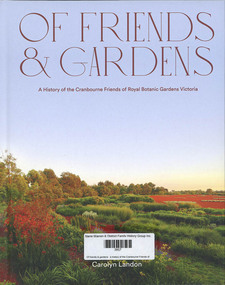
Book, Carolyn Landon, Of friends & gardens : a history of the Cranbourne Friends of Royal Botanic Gardens Victoria, 2021
... Of friends & gardens : a history of the Cranbourne Friends of Royal Botanic Gardens Victoria...Cranbourne Royal Botanic Gardens A history of the Cranbourne Friends of Royal Botanic Gardens Victoria 267 p.; 27 cm Of friends & gardens : a history of the Cranbourne Friends of Royal Botanic Gardens Victoria Book Carolyn Landon Hardie Grant Books ...A history of the Cranbourne Friends of Royal Botanic Gardens Victoria267 p.; 27 cmnon-fictionA history of the Cranbourne Friends of Royal Botanic Gardens Victoriacranbourne (vic.), cranbourne royal botanic gardens -
 Friends of Ballarat Botanical Gardens History Group
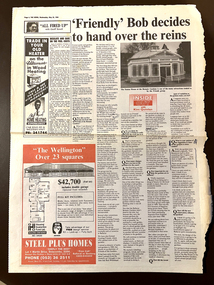
Work on paper - Bob Whitehead Courier, Wednesday May 25th, 1994, Stepping Down as Chairman of the Friends of the Ballarat Botanic Gardens, May 25th, 1994
... ...History of the Friends....So, he was something of an authority on the Gardens and the Friends' early history. John Garner Collection garner dr Whitehead Courier chairman Friends of the Botanical Gardens City Council Ballarat Botanical Gardens Ballarat gardens Bob Whitehead Jack Chisolm Jessie Scott Ballarat Botanical Gardens' Design Gardens' History History of the Friends. ...Courier, "Inside Out with Kim Quinlan", Wednesday 25th May, 1994, speaking with Bob Whitehead, outgoing Chairman of the Friends of the Botanic Gardens, Ballarat.Bob Whitehead was instrumental in the formation of the Friends of the Ballarat Botanical Gardens. Prior to that, he was Parks and Gardens Director for the City Council. So, he was something of an authority on the Gardens and the Friends' early history. p.4 of the Ballarat Courier, torn down right side, yellow with age. There is a black and white photograph of the Statuary Pavilion in the Gardens, top right hand corner.Blue biro marks in columns 3,4,5.john garner collection, garner, dr, whitehead, courier, chairman, friends of the botanical gardens, city council, ballarat botanical gardens, ballarat, gardens, bob whitehead, jack chisolm, jessie scott, ballarat botanical gardens' design, gardens' history, history of the friends. -
 St Patrick's Old Collegians Association (SPOCA)
Photograph - SPOCA, 50-Year Closure Event
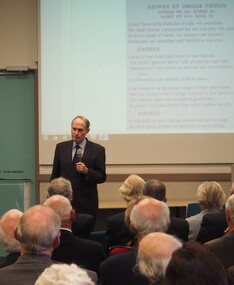
... Michael Head SJ reviewing SPJC History for Alumni and friends in Cardinal Knox Centre as part of 50-Tear Closure Commemoration (28 Nov 2018)...Michael Head SJ reviewing SPJC History for Alumni and friends in Cardinal Knox Centre as part of 50-Tear Closure Commemoration (28 Nov 2018) Photograph SPOCA, 50-Year Closure Event ... -
 Whitehorse Historical Society Inc.
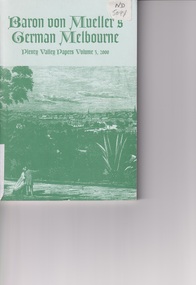
Book, Baron von Mueller's German Melbourne, 2000
... La Trobe University School of Art History and The Friends of Westgarthtown Inc. at the Village Roadshow Theatrette, State Library of Victoria, Melbourne...La Trobe University School of Art History and The Friends of Westgarthtown Inc. at the Village Roadshow Theatrette, State Library of Victoria, Melbourne Von Mueller Ferdinand Melbourne German Community Papers delivered at a Conference 17/04/1999 Baron von Mueller's German Melbourne Book Mitchell, Ellen I. ...Papers delivered at a Conference 17/04/1999non-fictionPapers delivered at a Conference 17/04/1999von mueller ferdinand, melbourne, german community -
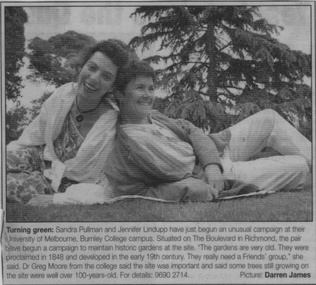 University of Melbourne, Burnley Campus Archives
Newspaper - Newspaper Cutting, Darren James, Turning Green, c. 1997
... "Turning Green,"- newspaper cutting about Sandra Pullman and Jennifer Lindupp who formed the Friends of Burnley Gardens. Brief history of Friends, and Mission Statement..."Turning Green,"- newspaper cutting about Sandra Pullman and Jennifer Lindupp who formed the Friends of Burnley Gardens. Brief history of Friends, and Mission Statement Turning Green Newspaper Newspaper Cutting Darren James ...Laminated Photograph of Sandra Pullman and Jennifer Lindupp by Darren James. "Turning Green,"- newspaper cutting about Sandra Pullman and Jennifer Lindupp who formed the Friends of Burnley Gardens. Brief history of Friends, and Mission StatementFriends of Burnley Gardenssandra pullma, sandi pullman, darren james, jennifer lindupp, fobg, friends of burnley gardens -
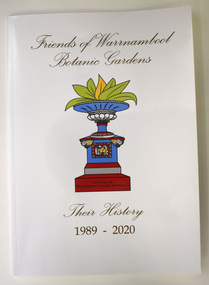 Warrnambool and District Historical Society Inc.
Book - History of Friends of Warrnambool Botanic Gardens, Marie Johnstone and Pat Varley, Friends of Warrnambool Botanic Gardens - Their History 1989-2020, 2022
... History of Friends of Warrnambool Botanic Gardens ...Friends of Warrnambool Botanic Gardens - Their History 1989-2020......history of warrnambool gardens...friends...This book contains the history of the Friends of Warrnambool Botanic Gardens from 1989 to 2021. ...This book contains the history of the Friends of Warrnambool Botanic Gardens from 1989 to 2021. ...Friends of Warrnambool Botanic Gardens historyThis is a book of 48 pages. The cover is white with a colour image of a water fountain. The pages contain printed text and small images of the front cover fountain.non-fictionFriends of Warrnambool Botanic Gardens historywarrnambool botanic gardens, history of warrnambool gardens, friends of warrnambool gardens -
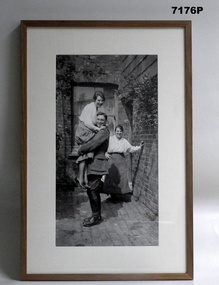 Bendigo Military Museum
Photograph - FRAMED WW1 PHOTOGRAPH, Wayne Eels, C.2008/09
... Refer Cat No. 1280 for his service history. "M. Bert with two family friends" "BERT GRINTON No. 5024". 38th Bn. ...Refer Cat No. 1280 for his service history. "M. Bert with two family friends" "BERT GRINTON No. 5024". 38th Bn. ...The Grinton Collection. Photo taken on leave in Scotland. JACK GRINTON. Refer Cat No. 1280 for his service history. "M. Bert with two family friends" "BERT GRINTON No. 5024". 38th Bn. Refer Cat No. 1320P for his Service history.Photograph - framed. Photograph - black and white photograph on paper depicts a family group of two women and one man (Bert Grinton) standing together in the corner of a brick building. Frame - timber, light varnish finish, Perspex front, cardboard backing."Group 3: Trip of a Lifetime" "M. Bert with two family friends". framed accessories, camera on the somme, ww1, 38th bn, grinton. -
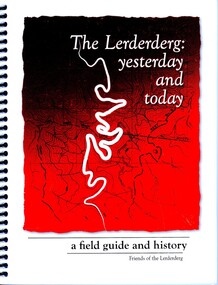 Bacchus Marsh & District Historical Society
Book, The Lerderderg: Yesterday and Today: A Field Guide and History
... Citation: The Lerderderg: Yesterday and Today: A Field Guide and History, Michael Fox, editor. Published for Friends of the Lerderderg, by Pen Folk Publishing, Blackburn, Vic., 2011. ...Citation: The Lerderderg: Yesterday and Today: A Field Guide and History, Michael Fox, editor. Published for Friends of the Lerderderg, by Pen Folk Publishing, Blackburn, Vic., 2011. ...A natural and cultural history of the Lerderderg River and surrounding wilderness area near Bacchus Marsh. The chapters cover the flora, fauna, geology and geographic features of the Lerderderg River and nearby area. The chapters also include historical sections on gold mining and seeking, irrigation, and the personal recollections of various people with long and deep connections to the area. There is also a section describing the history of Aboriginal peoples connection to the area, the Dja Dja Wurrung and the Wurrundjeri of the Kulin nation.Printed book. Paperback. Spiral bound. 155 pages. Black and white, and colour photographs and illustrations. Subject and name index. Citation: The Lerderderg: Yesterday and Today: A Field Guide and History, Michael Fox, editor. Published for Friends of the Lerderderg, by Pen Folk Publishing, Blackburn, Vic., 2011. BMDHS Location: AR/SU5 lerderderg river, lerderderg state park, lerderderg river history and environment, lerderderg river first nations history, lerderderg state park gold mining history, goldmining bacchus marsh region -
 Ballarat Tramway Museum
Pamphlet, City of Ballarat, "Ballarat Botanical Gardens", 2014
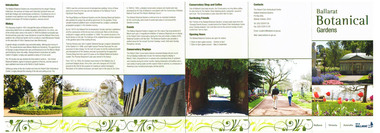
... Panels include introduction, history and events, notable features, Gardening Friends, and contacts. ...Panels include introduction, history and events, notable features, Gardening Friends, and contacts. ...Fold out pamphlet, 6 panels, with a drawing of Ballarat Botanical Gardens. Included in far left of drawing is Tramway Museum sheds, labelled No. 27, "Ballarat Tramway Museum" Included is notable features is a paragraph on the Ballarat Tramway Museum and details of operations. Panels include introduction, history and events, notable features, Gardening Friends, and contacts. Printed off white heavy paper. See Reg Item 5918 for previous issue. trams, tramways, btm, ballarat botanical gardens, city of ballarat -
 Vision Australia
Clothing - Object, Kiwi tie
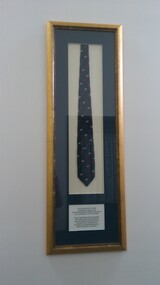
... The tie symbolises the strong bond and history that existed between them as friends and colleagues at Nicholas Kiwi Limited and as Presidents and Board Members of Vision Australia Foundation. ...The tie symbolises the strong bond and history that existed between them as friends and colleagues at Nicholas Kiwi Limited and as Presidents and Board Members of Vision Australia Foundation. vision australia foundation John Wicking Malcolm Daubney 1 gentleman's neck tie in old gold frame Kiwi tie Clothing Object Nicholas Kiwi Pty Ltd ...Framed dark blue tie with embroidered pattern of red Kiwi birds and white flaps with 'N' in blue. Description beneath the tie reads: The Nicholas Kiwi Limited company tie was worn by John Wicking AM and Malcolm Daubney and is portrayed in their paintings. The tie symbolises the strong bond and history that existed between them as friends and colleagues at Nicholas Kiwi Limited and as Presidents and Board Members of Vision Australia Foundation. 1 gentleman's neck tie in old gold frame vision australia foundation, john wicking, malcolm daubney -
 Surrey Hills Historical Society Collection
Book, A Very Amazing Life : The Biography of Dr. Edna I.Gault, 1993
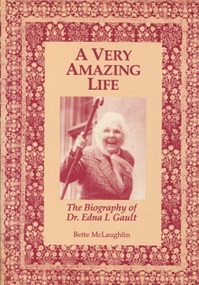
... Dr Edna Gault's biography is taken from oral history, family letters, memories of children, friends, relatives. ...Dr Edna Gault's biography is taken from oral history, family letters, memories of children, friends, relatives. Compliments her husbands biography, An Amazing Man. ...A biography of Dr Ted Gault (husband) titled : An Amazing Man (published 1987) . Dr Edna Gault's biography is taken from oral history, family letters, memories of children, friends, relatives. Compliments her husbands biography, An Amazing Man. Dr Edna Gault (nee Baylis) Other author names : Mary Elizabeth McLaughlin. The Gaults practised in Surrey Hills.Biography of the life of Dr. Edna I Gault (nee Baylis). Records and describes her life as a physician and medical missionary working in India. Covers her life 1904-1992.Biography of the life of Dr. Edna I Gault (nee Baylis). Records and describes her life as a physician and medical missionary working in India. Covers her life 1904-1992.(dr) (mrs) edna gault, doctors, women doctors, (mr) (dr) ted gault, women missionaries - india, missionaries -
 Federation University Historical Collection
Instrument - Microscope, Travelling Pocket Microscope, c1850s
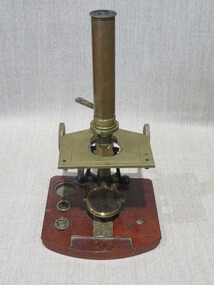
... Dispensary at North Carlton, and there, as in the case here, by his courtesy and attention to business, he made a host of friends, and his sudden demise will be deplored." [Ballarat Courier, 21/08/1917] http://www.anbg.gov.au/botanical-history/botanical-discovery.html ...Dispensary at North Carlton, and there, as in the case here, by his courtesy and attention to business, he made a host of friends, and his sudden demise will be deplored." [Ballarat Courier, 21/08/1917] http://www.anbg.gov.au/botanical-history/botanical-discovery.html microscope llewellyn pharmacy ballarat school of mines travelling microscope Erskine Llewellyn alumni Palmers Pharmacy Antique brass microscope in custom made hinged wooden case with brass handles and key. ...This microscope is thought to be associated with Chemist Erskine Llewellyn of Ballarat. Erskine E. Llewellyn studied Chemistry at the Ballarat School of Mines in 1885. It may also be associated with Palmer's Chemist in Lydiard Street Ballarat. "OBITUARY. - The many friends here and in the surrounding districts will regret to learn of the tragically sudden death of Mr Erskine Llewellyn, who for many years was associated with the firm of A. M. Palmer and Co., chemists, of Lydiard street. For some considerable time Mr Llewellyn had been associated with the U.F.S. Dispensary at North Carlton, and there, as in the case here, by his courtesy and attention to business, he made a host of friends, and his sudden demise will be deplored." [Ballarat Courier, 21/08/1917] http://www.anbg.gov.au/botanical-history/botanical-discovery.html Antique brass microscope in custom made hinged wooden case with brass handles and key. Interior is fitted with drawers for various instruments, lenses, tools and glass plates. microscope, llewellyn, pharmacy, ballarat school of mines, travelling microscope, erskine llewellyn, alumni, palmers pharmacy -
 Federation University Historical Collection
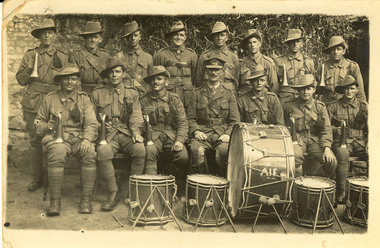
Photograph - Postcard, 58th Battalion AIF Bugle Band, c1917, 14/07/1917
... Horace was the brother of Edith Pickford ( m Holmes) and the maternal uncle of Elizabeth Mary Holmes ( m Chatham) chatham family collection chatham world war one world war 1 france horace pickford ethel pickford polygone wood band music Edith pickford Clunes brass band bugle band Henry Robbins family history William Pickford Charles Pickford Elizabeth Millard Sarah Pickford John Pickford Alexander Pickford Written in ink verso "France 14 July 17 Dear Edie I received your ever welcome letter a few days ago, this is but a card, but you will hear from other letters Ed. This is our batt bugle band, one of my friends ...Horace Pickford was born at Clunes. His mother was Bessie and his wife was Ida. Horace enlisted on 22 June 1915. He was killed in action on 27 September 1917. He was buried in the vicinity of Polygon Wood. Horace was the brother of Edith Pickford ( m Holmes) and the maternal uncle of Elizabeth Mary Holmes ( m Chatham)Images relating to Australian World War One Soldiers from Ascot. . 2 Black and white carte postale of 17 Australian soldiers in uniform. Many hold a bugle and 5 drums are placed in the foreground. The Battalion colonel sits in the centre. The card was written by Horace Pickford (2282) of 'C' Company, 58th battalion. .3 Certificate of Marriage for Henry Robbins Pickford Family Tree .7 John Pickford Written in ink verso "France 14 July 17 Dear Edie I received your ever welcome letter a few days ago, this is but a card, but you will hear from other letters Ed. This is our batt bugle band, one of my friends belongs to it. I will march him out. Our colonel is in the center. Keep this little photo, it will be a little momento of the old battalion. We have a brass-band also. I have just received a letter from Ethel Pickford from England. Ta Ta now old kid with love. Horace (2882)chatham family collection, chatham, world war one, world war 1, france, horace pickford, ethel pickford, polygone wood, band, music, edith pickford, clunes, brass band, bugle band, henry robbins, family history, william pickford, charles pickford, elizabeth millard, sarah pickford, john pickford, alexander pickford -
 Flagstaff Hill Maritime Museum and Village
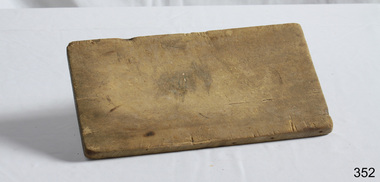
Domestic object - Wooden Bread Board, Not known
... The world then saw cutting boards that were being made from other materials like plastic and they came in all shapes and sizes, but they always served the same purpose, to provide a household with a safe, clean surface on which to prepare meals for their friends and family members. https://www.woodcuttingboards.com/news/quick-history-of-the-cutting-board-47.aspx...The world then saw cutting boards that were being made from other materials like plastic and they came in all shapes and sizes, but they always served the same purpose, to provide a household with a safe, clean surface on which to prepare meals for their friends and family members. https://www.woodcuttingboards.com/news/quick-history-of-the-cutting-board-47.aspx The use of the wooden chopping board over time. ...In the high tech, fast paced society that we live in, it’s easy to take some things for granted. Case in point: the wood cutting board on which you’ll probably be preparing the evening’s dinner. Have you ever taken the time to think about the history of the cutting board? Where did it come from, and what did ancient civilizations use to cut their meats, fruits and vegetables? Wood throughout the ages Since the dawn of time, wood has been one of the most available materials used by mankind to build tools and lodgings, so it’s not really surprising to know that wood has been used in the preparation of food since the prehistoric ages. Of course, back then, cavemen probably used an unpolished slab of tree trunk to cut the kill of the day on and they probably didn’t think twice about saving it once the meal was over. Chances are they probably threw it in the fire with the rest of the wood needed to kindle it. Advances in technology Throughout the centuries, mankind evolved and started creating machines from steam, electricity and metal. When the circular saw was invented, nicer, cleaner slabs of wood were cut and used as cutting boards. Since soft wood was the most available type of wood at the time, it was the material of choice for to be used for cutting boards. Boards were made smaller since the slab of wood could now be cut to any desired size. Since they were made smaller, they were also used to eat off of and some people referred to them as trenchers. Trenchers were originally pieces of stale hard bread that were used as substitute plates. Wood trenchers quickly became the replacements of the eatable dinnerware. The butcher block: the cutting board’s larger cousin In the industrial ages, many industries rapidly developed, and the butchery industry followed this trend as well. Before the invention of the cutting board, butchers used tree rounds to carve their meat on. The rounds were often too soft and they rapidly became unsanitary. Hard maple wood butcher blocks were the preferred choice of the industry. They were made to be extremely thick and durable, so durable in fact, that a butcher could use the same block for almost his entire career. Cutting boards around the world As cutting boards began to be more and more used in kitchens around North America, the rest of the world crafted such boards from different materials. The East used thick bamboo as their material of choice. Despite its frail appearance, bamboo is quite strong and made durable cutting boards and butcher blocks. Europe used maple in the crafting of their cutting boards while Persia used flat pieces of polished wood in their kitchens. The world then saw cutting boards that were being made from other materials like plastic and they came in all shapes and sizes, but they always served the same purpose, to provide a household with a safe, clean surface on which to prepare meals for their friends and family members. https://www.woodcuttingboards.com/news/quick-history-of-the-cutting-board-47.aspxThe use of the wooden chopping board over time. Wooden Rectangular Bread board . Worn (concave in centre). Raw wood.None.flagstaff hill, warrnambool, shipwrecked-coast, flagstaff-hill, flagstaff-hill-maritime-museum, maritime-museum, shipwreck-coast, flagstaff-hill-maritime-village, chopping board, cooking -
 Flagstaff Hill Maritime Museum and Village
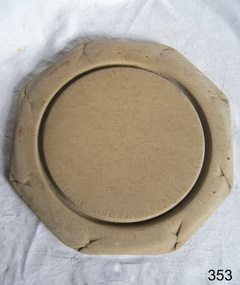
Domestic object - Bread Board
... The world then saw cutting boards that were being made from other materials like plastic and they came in all shapes and sizes, but they always served the same purpose, to provide a household with a safe, clean surface on which to prepare meals for their friends and family members. https://www.woodcuttingboards.com/news/quick-history-of-the-cutting-board-47.aspx...The world then saw cutting boards that were being made from other materials like plastic and they came in all shapes and sizes, but they always served the same purpose, to provide a household with a safe, clean surface on which to prepare meals for their friends and family members. https://www.woodcuttingboards.com/news/quick-history-of-the-cutting-board-47.aspx The bread board is an example of kitchen equipment used during Victorian times and similar to those used today. ...In the high tech, fast paced society that we live in, it’s easy to take some things for granted. Case in point: the wood cutting board on which you’ll probably be preparing the evening’s dinner. Have you ever taken the time to think about the history of the cutting board? Where did it come from, and what did ancient civilizations use to cut their meats, fruits and vegetables? Wood throughout the ages Since the dawn of time, wood has been one of the most available materials used by mankind to build tools and lodgings, so it’s not really surprising to know that wood has been used in the preparation of food since the prehistoric ages. Of course, back then, cavemen probably used an unpolished slab of tree trunk to cut the kill of the day on and they probably didn’t think twice about saving it once the meal was over. Chances are they probably threw it in the fire with the rest of the wood needed to kindle it. Advances in technology Throughout the centuries, mankind evolved and started creating machines from steam, electricity and metal. When the circular saw was invented, nicer, cleaner slabs of wood were cut and used as cutting boards. Since soft wood was the most available type of wood at the time, it was the material of choice for to be used for cutting boards. Boards were made smaller since the slab of wood could now be cut to any desired size. Since they were made smaller, they were also used to eat off of and some people referred to them as trenchers. Trenchers were originally pieces of stale hard bread that were used as substitute plates. Wood trenchers quickly became the replacements of the eatable dinnerware. The butcher block: the cutting board’s larger cousin In the industrial ages, many industries rapidly developed, and the butchery industry followed this trend as well. Before the invention of the cutting board, butchers used tree rounds to carve their meat on. The rounds were often too soft and they rapidly became unsanitary. Hard maple wood butcher blocks were the preferred choice of the industry. They were made to be extremely thick and durable, so durable in fact, that a butcher could use the same block for almost his entire career. Cutting boards around the world As cutting boards began to be more and more used in kitchens around North America, the rest of the world crafted such boards from different materials. The East used thick bamboo as their material of choice. Despite its frail appearance, bamboo is quite strong and made durable cutting boards and butcher blocks. Europe used maple in the crafting of their cutting boards while Persia used flat pieces of polished wood in their kitchens. The world then saw cutting boards that were being made from other materials like plastic and they came in all shapes and sizes, but they always served the same purpose, to provide a household with a safe, clean surface on which to prepare meals for their friends and family members. https://www.woodcuttingboards.com/news/quick-history-of-the-cutting-board-47.aspxThe bread board is an example of kitchen equipment used during Victorian times and similar to those used today.Bread board. Wooden, octagonal, plain sanded light wood. Has decoration around edge and indented circular line to delineate round cutting board section.None.flagstaff hill, warrnambool, shipwrecked-coast, flagstaff-hill, flagstaff-hill-maritime-museum, maritime-museum, shipwreck-coast, flagstaff-hill-maritime-village, bread board, cutting board, pastry board, kitchen utensil, kitchen equipment, baking equipment, food preparation -
 Flagstaff Hill Maritime Museum and Village
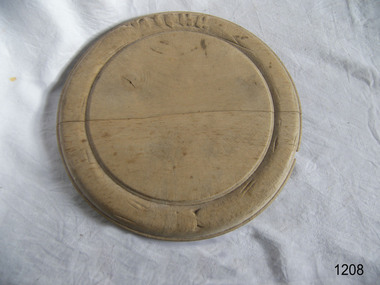
Domestic object - Bread Board
... The world then saw cutting boards that were being made from other materials like plastic and they came in all shapes and sizes, but they always served the same purpose, to provide a household with a safe, clean surface on which to prepare meals for their friends and family members. https://www.woodcuttingboards.com/news/quick-history-of-the-cutting-board-47.aspx...The world then saw cutting boards that were being made from other materials like plastic and they came in all shapes and sizes, but they always served the same purpose, to provide a household with a safe, clean surface on which to prepare meals for their friends and family members. https://www.woodcuttingboards.com/news/quick-history-of-the-cutting-board-47.aspx The bread board is an example of kitchen equipment used during Victorian times and similar to those used today. ...In the high tech, fast paced society that we live in, it’s easy to take some things for granted. Case in point: the wood cutting board on which you’ll probably be preparing the evening’s dinner. Have you ever taken the time to think about the history of the cutting board? Where did it come from, and what did ancient civilizations use to cut their meats, fruits and vegetables? Wood throughout the ages Since the dawn of time, wood has been one of the most available materials used by mankind to build tools and lodgings, so it’s not really surprising to know that wood has been used in the preparation of food since the prehistoric ages. Of course, back then, cavemen probably used an unpolished slab of tree trunk to cut the kill of the day on and they probably didn’t think twice about saving it once the meal was over. Chances are they probably threw it in the fire with the rest of the wood needed to kindle it. Advances in technology Throughout the centuries, mankind evolved and started creating machines from steam, electricity and metal. When the circular saw was invented, nicer, cleaner slabs of wood were cut and used as cutting boards. Since soft wood was the most available type of wood at the time, it was the material of choice for to be used for cutting boards. Boards were made smaller since the slab of wood could now be cut to any desired size. Since they were made smaller, they were also used to eat off of and some people referred to them as trenchers. Trenchers were originally pieces of stale hard bread that were used as substitute plates. Wood trenchers quickly became the replacements of the eatable dinnerware. The butcher block: the cutting board’s larger cousin In the industrial ages, many industries rapidly developed, and the butchery industry followed this trend as well. Before the invention of the cutting board, butchers used tree rounds to carve their meat on. The rounds were often too soft and they rapidly became unsanitary. Hard maple wood butcher blocks were the preferred choice of the industry. They were made to be extremely thick and durable, so durable in fact, that a butcher could use the same block for almost his entire career. Cutting boards around the world As cutting boards began to be more and more used in kitchens around North America, the rest of the world crafted such boards from different materials. The East used thick bamboo as their material of choice. Despite its frail appearance, bamboo is quite strong and made durable cutting boards and butcher blocks. Europe used maple in the crafting of their cutting boards while Persia used flat pieces of polished wood in their kitchens. The world then saw cutting boards that were being made from other materials like plastic and they came in all shapes and sizes, but they always served the same purpose, to provide a household with a safe, clean surface on which to prepare meals for their friends and family members. https://www.woodcuttingboards.com/news/quick-history-of-the-cutting-board-47.aspxThe bread board is an example of kitchen equipment used during Victorian times and similar to those used today.Bread board wooden round with carved inner circle and carving an outer rim in old English lettering "Bread"None.flagstaff hill, warrnambool, shipwrecked-coast, flagstaff-hill, flagstaff-hill-maritime-museum, maritime-museum, shipwreck-coast, flagstaff-hill-maritime-village, chopping board, cooking, kitchen equipment -
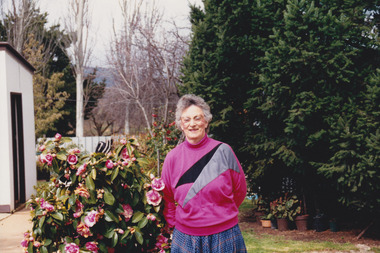 The Beechworth Burke Museum
Audio - Oral History, Jennifer Williams, Mrs Alma Ashcroft, 15th June 2000
... This project involved recording seventy oral histories on cassette tapes of local Beechworth residents which were then published in a book titled: Listen to what they say: voices of twentieth century Beechworth. These cassette tapes were digitised in July 2021 with funds made available by the Friends of the Burke....This project involved recording seventy oral histories on cassette tapes of local Beechworth residents which were then published in a book titled: Listen to what they say: voices of twentieth century Beechworth. These cassette tapes were digitised in July 2021 with funds made available by the Friends of the Burke. ...Alma Isabell Ashcroft was born on the 11th of July 1920 in Newtown, Beechworth. Her father and four of her brothers worked at the Tannery, her mother was recognised as the ‘district nurse’ in the area and the family were well known and at the heart of the local community. Alma joined the Beechworth branch of the R.S.L. and at the time of the interview in 2000, had been with the R.S.L for 40-50 years. This oral history recording was part of a project conducted by Jennifer Williams in the year 2000 to capture the everyday life and struggles in Beechworth during the twentieth century. This project involved recording seventy oral histories on cassette tapes of local Beechworth residents which were then published in a book titled: Listen to what they say: voices of twentieth century Beechworth. These cassette tapes were digitised in July 2021 with funds made available by the Friends of the Burke.Alma Ashcroft’s story is significant because of her personal and familial connections with Beechworth. Her family were at the heart of the community, and Alma’s association with the RSL in Beechworth spanned 4-5 decades. During the interview with Jennifer Williams, Alma also provided a rich history of the town, the locals and her extensive family.This is a digital copy of a recording that was originally captured on a cassette tape. The cassette tape is black with a horizontal white strip and is currently stored in a clear flat plastic rectangular container. It holds up 40 minutes of recordings on each side.listen to what they say, beechworth, oral history, burke museum, jennifer williams, twentieth century, ashcroft, alma ashcroft, r.s.l, community -
 The Beechworth Burke Museum
Audio - Oral History, Jennifer Williams, Mr Sumner Berg, 27th July 2000
... This project involved recording seventy oral histories on cassette tapes of local Beechworth residents which were then published in a book titled: Listen to what they say: voices of twentieth century Beechworth. These cassette tapes were digitised in July 2021 with funds made available by the Friends of the Burke....This project involved recording seventy oral histories on cassette tapes of local Beechworth residents which were then published in a book titled: Listen to what they say: voices of twentieth century Beechworth. These cassette tapes were digitised in July 2021 with funds made available by the Friends of the Burke. ...Sumner Berg was born in the small logging town of Toledo in Oregon, USA. He came to Australia in 1970 as a teacher. Prior to teaching, he travelled in Africa and joined the peace corps. Upon arriving in Australia, he was originally placed in Melbourne, then transferred to Beechworth in 1971, and has since taught and lived there, teaching biology at Beechworth High School. He is a nature enthusiast and animal rights activist. This oral history recording was part of a project conducted by Jennifer Williams in the year 2000 to capture the everyday life and struggles in Beechworth during the twentieth century. This project involved recording seventy oral histories on cassette tapes of local Beechworth residents which were then published in a book titled: Listen to what they say: voices of twentieth century Beechworth. These cassette tapes were digitised in July 2021 with funds made available by the Friends of the Burke.Sumner Berg’s story is significant because he provides an opinion on life and schooling differences between America and Beechworth during the 1970s. His story also presents a perspective on teaching in Beechworth and what it was like to emigrate from America in the 1970s.This is a digital copy of a recording that was originally captured on a cassette tape. The cassette tape is black with a horizontal white strip and is currently stored in a clear flat plastic rectangular container. It holds up 40 minutes of recordings on each side.listen to what they say, beechworth, oral history, burke museum, jennifer williams, twentieth century, berg, sumner berg, usa, toledo, oregon, teaching, nature, animal rights -
The Beechworth Burke Museum
Audio - Oral History, Jennifer Williams, Mr Frank Blair, 20th April 2000
... This project involved recording seventy oral histories on cassette tapes of local Beechworth residents which were then published in a book titled: Listen to what they say: voices of twentieth century Beechworth. These cassette tapes were digitised in July 2021 with funds made available by the Friends of the Burke....This project involved recording seventy oral histories on cassette tapes of local Beechworth residents which were then published in a book titled: Listen to what they say: voices of twentieth century Beechworth. These cassette tapes were digitised in July 2021 with funds made available by the Friends of the Burke. ...Francis Blair was born on January 17th, 1910. He was born in Bendigo, and lived in Daylesford from pre-school to the age of thirteen. His father was a miner who died in an explosion when he was one years old. As a result he was handed from relation to relation, commenting that he can never remember seeing his mother. He has a sister and aunt who owned a hotel in Daylesford. His sister was placed in the local convent to be looked after. He overheard his aunt talking about having him work in a drapers store, and not liking the idea, took a bicycle and rode off. He headed to Bendigo, staying with a relative where he eventually got a job at a wholesale food manufacturing company, making jelly crystals, custard powders and other things. He arrived in Beechworth in 1952, due to having built up a consultancy in the food manufacturing business. When he moved to Beechworth he had no prior contacts except the firm that was in Beechworth (Beechworth Brewery). He eventually became a well known personality around Beechworth, becoming president of the hospital and the bowls club. This oral history recording was part of a project conducted by Jennifer Williams in the year 2000 to capture the everyday life and struggles in Beechworth during the twentieth century. This project involved recording seventy oral histories on cassette tapes of local Beechworth residents which were then published in a book titled: Listen to what they say: voices of twentieth century Beechworth. These cassette tapes were digitised in July 2021 with funds made available by the Friends of the Burke.Francis Blair's story is significant because he details how many food and beverages were crafted in the 1900s in Victoria. His story also allows the craft to stay alive by detailing the different aspects required to create specific food and beverage items.This is a digital copy of a recording that was originally captured on a cassette tape. The cassette tape is black with a horizontal white strip and is currently stored in a clear flat plastic rectangular container. It holds up 40 minutes of recordings on each side.listen to what they say, beechworth, oral history, burke museum -
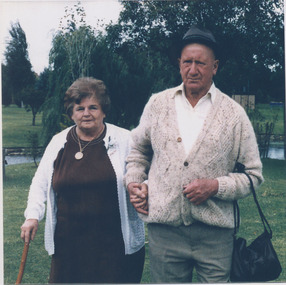 The Beechworth Burke Museum
Audio - Oral History, Jennifer Williams, Mr Braz Borschman, 3-1-2000
... This project involved recording seventy oral histories on cassette tapes of local Beechworth residents which were then published in a book titled: Listen to what they say: voices of twentieth century Beechworth. These cassette tapes were digitised in July 2021 with funds made available by the Friends of the Burke....This project involved recording seventy oral histories on cassette tapes of local Beechworth residents which were then published in a book titled: Listen to what they say: voices of twentieth century Beechworth. These cassette tapes were digitised in July 2021 with funds made available by the Friends of the Burke. ...Mr. Braz Borschman was born in Beechworth on the 1st of July 1914 at his parents home. He played for many years in the Towns volunteer Brass Band, a popular local band of about 30 members. Braz played the coronet and later the trombone. His first job was for the post office, but he spend most of his working life at the Beechworth Tannery. His interview contains lots of information about the tanning processes, including the story of 'Young Thomas', who lost his arm in a tannery accident. Braz recalls the open-air picture theatres of Beechworth, the many dances and balls, and distinct lack of cars. His testimony is rich with detail and filled with many other side-stories, including 'Blind Tommy', a self-sufficient, opium-smoking blind man of Chinese descent. This oral history recording was part of a project conducted by Jennifer Williams in the year 2000 to capture the everyday life and struggles in Beechworth during the twentieth century. This project involved recording seventy oral histories on cassette tapes of local Beechworth residents which were then published in a book titled: Listen to what they say: voices of twentieth century Beechworth. These cassette tapes were digitised in July 2021 with funds made available by the Friends of the Burke.Braz' interview is significant for the many historical details it provides about life, work, and leisure in Beechworth, particularly in relation to the period of the depression and after, which is the context which Braz' interview focuses on. His detail about the Beechworth tannery and the many open-air picture gardens is particularly rare and insightful to any social history of Beechworth. The oral history project more broadly is significant for its capture of the lives of ordinary Beechworth residents from incredibly divergent backgrounds, which has led to a rich, nuanced and diverse range of accounts of Beechworth.This is a digital copy of a recording that was originally captured on a cassette tape. The cassette tape is black with a horizontal white strip and is currently stored in a clear flat plastic rectangular container. It holds up 40 minutes of recordings on each side.listen to what they say, beechworth, oral history, braz borschman, brass band -
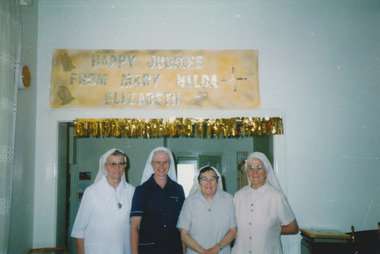 The Beechworth Burke Museum
Audio - Oral History, Jennifer Williams, Sister Elizabeth McGovern, Sister Mary Lacey, Sister Mary Griffiths, Sister Gerardus Thistlewaite, 18th March 2000
... This project involved recording seventy oral histories on cassette tapes of local Beechworth residents which were then published in a book titled: Listen to what they say: voices of twentieth century Beechworth. These cassette tapes were digitised in July 2021 with funds made available by the Friends of the Burke....This project involved recording seventy oral histories on cassette tapes of local Beechworth residents which were then published in a book titled: Listen to what they say: voices of twentieth century Beechworth. These cassette tapes were digitised in July 2021 with funds made available by the Friends of the Burke. ...Sister Elizabeth McGovern, Sister Mary Lacey, Sister Mary Griffiths, and Sister Gerardus Thistlewaite were all nuns of the Brigidine Order in Beechworth in the second half of the twentieth century. They had backgrounds in teaching and office work. As nuns, their contributions to the community included teaching, running camps, being there for community members wishing to talk to them or pray, and visiting prisons and hospitals. During their time in the order, the role of the nuns in Beechworth shifted due to the closing down of the Priory School, and changes in where housing for nuns was provided. The oral history also includes stories of boarding at the convent in the 1950s, and reflections on how the experience of being a nun has changed due to increasing immersion in the modern world, and the move from convent to house. This oral history recording was part of a project conducted by Jennifer Williams in the year 2000 to capture the everyday life and struggles in Beechworth during the twentieth century. This project involved recording seventy oral histories on cassette tapes of local Beechworth residents which were then published in a book titled: Listen to what they say: voices of twentieth century Beechworth. These cassette tapes were digitised in July 2021 with funds made available by the Friends of the Burke.Sister Elizabeth McGovern, Sister Mary Lacey, Sister Mary Griffiths, and Sister Gerardus Thistlewaite's interview with Jennifer Williams is revealing of the history of the Brigidine order in Beechworth, and the role religion and nuns played in the wellbeing, education, and life of the community in the latter half of the twentieth century. It is significant both for what it illustrates about the lives and motivation of the Sisters, and for what it tells us about how the role of religious education and figures shifted in Beecjhworth from 1950 onward. It is especially illuminating about the experience of women in education. This oral history account is socially and historically significant as it is a part of a broader collection of interviews conducted by Jennifer Williams which were published in the book 'Listen to what they say: voices of twentieth-century Beechworth.' While the township of Beechworth is known for its history as a gold rush town, these accounts provide a unique insight into the day-to-day life of the town's residents during the 20th century, many of which will have now been lost if they had not been preserved.This is a series of digital recordings that were originally recorded on multiple cassette tapes. The cassette tapes are black with a horizontal white strip and are currently stored in a clear flat plastic rectangular container. They up to 40 minutes of recordings on each side.Sister Elizabeth McGovern, Sister Mary Lacey, Sister Mary Griffiths, Sister Gerardus Thistlewaitelisten to what they say, listen to what they say: voices of twentieth century beechworth, nuns, brigidine sisters, brigidine convent, school, religion, prison, boarding school, modernization, food, women's history, teaching, teachers, education, hospitals, beechworth hospital, charity, old priory, father stockdale, easter, beechworth 1950s -
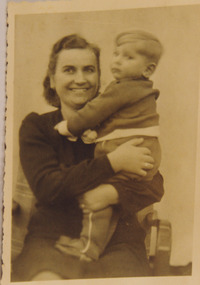 The Beechworth Burke Museum
Audio - Oral History, Jennifer Williams, Mrs Hedwig Bruckner, 2 July 2000
... This project involved recording seventy oral histories on cassette tapes of local Beechworth residents which were then published in a book titled: Listen to what they say: voices of twentieth century Beechworth. These cassette tapes were digitised in July 2021 with funds made available by the Friends of the Burke....This project involved recording seventy oral histories on cassette tapes of local Beechworth residents which were then published in a book titled: Listen to what they say: voices of twentieth century Beechworth. These cassette tapes were digitised in July 2021 with funds made available by the Friends of the Burke. ...Mrs. Hedwig Bruckner was born in Answar, Germany, in 1920. She emigrated to Beechworth in 1955 at age 32 with her two children. Her husband was a prisoner of war in Russia for 6 years. After emigrating, Hedwig worked at the Beechworth tannery, but worked for the majority (20+) of her working years as a housekeeper for Doctor Collins. Her husband worked the nightshift at the Forestry Commission. Hedwig's testimony paints the picture of a life that was "very hard". When they moved into their house in 1956, they had no money for doors. Their two eldest children were pulled out of the convent school due to lack of funds, and their son worked as a milkman from a young age to supplement the family's income. Hedwig's testimony notes language difficulties and the number of European emigrant families in Beechworth, with which the Bruckners formed community bonds. This oral history recording was part of a project conducted by Jennifer Williams in the year 2000 to capture the everyday life and struggles in Beechworth during the twentieth century. This project involved recording seventy oral histories on cassette tapes of local Beechworth residents which were then published in a book titled: Listen to what they say: voices of twentieth century Beechworth. These cassette tapes were digitised in July 2021 with funds made available by the Friends of the Burke.Mrs. Hedwig Bruckner's oral history is significant for its insight into the perspectives and experiences of European emigrant families to Beechworth, noting their unique experiences and hardships of language, food, work, forging community bonds, and adjusting to country Australian life. The oral history project more broadly is significant for its capture of the lives of ordinary Beechworth residents from incredibly divergent backgrounds, which has led to a rich, nuanced and diverse range of accounts of Beechworth.This is a digital copy of a recording that was originally captured on a cassette tape. The cassette tape is black with a horizontal white strip and is currently stored in a clear flat plastic rectangular container. It holds up 40 minutes of recordings on each side.listen to what they say, beechworth, oral history, burke museum, hedwig bruckner -
The Beechworth Burke Museum
Audio - Oral History, Jennifer Williams, Mr Tom Carey, 3/08/2000
... This project involved recording seventy oral histories on cassette tapes of local Beechworth residents which were then published in a book titled: Listen to what they say: voices of twentieth century Beechworth. These cassette tapes were digitised in July 2021 with funds made available by the Friends of the Burke. ...This project involved recording seventy oral histories on cassette tapes of local Beechworth residents which were then published in a book titled: Listen to what they say: voices of twentieth century Beechworth. These cassette tapes were digitised in July 2021 with funds made available by the Friends of the Burke. ...Mr Tom Carey was born in 1940 in Beechworth to family from Beechworth and Woolshed. His family had strong associations with Australia's Gold Rush, with grandparents having followed the rush from town to town, and parents in Beechworth. Tom has strong associations with Beechworth and its surrounds, with his family having some connection to the Kelly Gang. Tom worked in many industries in Beechworth, from the Bridge Road, Price’s Store, tannery, post office, the Kiewa Murray Water Authority, and the Beechworth Council. This oral history recording was part of a project conducted by Jennifer Williams in the year 2000 to capture the everyday life and struggles in Beechworth during the twentieth century. This project involved recording seventy oral histories on cassette tapes of local Beechworth residents which were then published in a book titled: Listen to what they say: voices of twentieth century Beechworth. These cassette tapes were digitised in July 2021 with funds made available by the Friends of the Burke. Mr Tom Carey account of his life in Beechworth and the local area during the 20th century is historically and socially significant to the cultural heritage of the region. He details important historical events and hardships in the region's history that had a lasting local, regional and national impact, including Australia during war time, economic struggles, and women's and men’s societal roles in a rural area. This oral history account is socially and historically significant as it is a part of a broader collection of interviews conducted by Jennifer Williams which were published in the book 'Listen to what they say: voices of twentieth-century Beechworth.' While the township of Beechworth is known for its history as a gold rush town, these accounts provide a unique insight into the day-to-day life of the town's residents during the 20th century, many of which will have now been lost if they had not been preserved. This is a digital copy of a recording that was originally captured on a cassette tape. The cassette tape is black with a horizontal white strip and is currently stored in a clear flat plastic rectangular container. It holds up 40 minutes of recordings on each sideMr Tom Carey/ beechworth, oral history, burke museum, tannery, beechworth council, kelly gang, bridge road, price’s store, post office, the kiewa murray water authority, woolshed, gold rush, carey, tom carey, listen to what they say -
The Beechworth Burke Museum
Audio - Oral History, Jennifer Williams, Mr John Clemens, 2000
... This project involved recording seventy oral histories on cassette tapes of local Beechworth residents which were then published in a book titled: Listen to what they say: voices of twentieth century Beechworth. These cassette tapes were digitised in July 2021 with funds made available by the Friends of the Burke....This project involved recording seventy oral histories on cassette tapes of local Beechworth residents which were then published in a book titled: Listen to what they say: voices of twentieth century Beechworth. These cassette tapes were digitised in July 2021 with funds made available by the Friends of the Burke. ...Mr John Clemens was born in 1913 to Australian parents. His father worked in building roads which led to the family's move from Sunnyside Gen Willis to Beechworth. His father was part of the road making team on the Buffalo River Road between Myrtleford and Beechworth. John worked as a motor mechanic in his early years, having left school in sixth grade. He later worked carting wood (independently) and drinks for Murray Breweries/Billson's Breweries. He delivered drinks and wood to the Old Hospital after its relocation in 1940, to Bonegilla Migrants Camp and got to know most of the townspeople. He recounts his interactions with various members of the community, highlighting the importance of the Zwar Tannery, which John recounts as employing approximately 200 people (dating this recollection to approximately 1938). This oral history recording was part of a project conducted by Jennifer Williams in the year 2000 to capture the everyday life and struggles in Beechworth during the twentieth century. This project involved recording seventy oral histories on cassette tapes of local Beechworth residents which were then published in a book titled: Listen to what they say: voices of twentieth century Beechworth. These cassette tapes were digitised in July 2021 with funds made available by the Friends of the Burke.John's interview demonstrates the dynamics of the Beechworth township in the 1920s-1940s, showing the important industries and connections of the town which he was involved in. His mention of the Model T Ford, produced 1908-1927, shows his experience with early cars in the town, which were owned by the richer people. He talks about the dominance of the Zwar Bros. Tannery over the town, by employing hundreds of people (dating John's recollection to approximately 1938). John's interview shows the changed that the town has gone through through his experiences as a driver for wood and drinks. It can be interpreted as historically significant to the Beechworth local area but also to a wider audience; Zwar Tannery supplies leather to General Motors Holden, the brewery was one of the largest in the country, and the Bonegilla Migrants Camp was the largest and longest running migrant camp in Australia. John's everyday interactions with all of these places and people within makes his story significant. The project is significant for its recording of stories from members of the local Beechworth community before they are lost. It tells of the everyday stories of the people and their memories of the town. The recordings were done in 2000, with interviewees such as John being in their 80s when interviewed. The interviews were recorded to cassette, before being digitised in 2021. This is a digital copy of a recording that was originally captured on a cassette tape. The cassette tape is black with a horizontal white strip and is currently stored in a clear flat plastic rectangular container. It holds up 40 minutes of recordings on each side. john clemens, burke museum, beechworth, bonegilla migrants camp, beechworth hospital, murray breweries, billson's breweries, zwar bros. tannery -
 The Beechworth Burke Museum
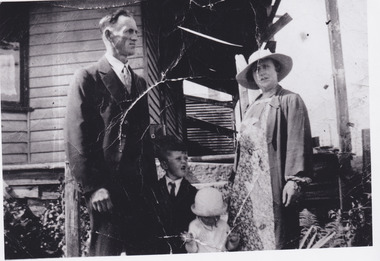
Audio - Oral History, Mr Doug Craig
... This project involved recording seventy oral histories on cassette tapes of local Beechworth residents which were then published in a book titled: Listen to what they say: voices of twentieth century Beechworth. These cassette tapes were digitised in July 2021 with funds made available by the Friends of the Burke....This project involved recording seventy oral histories on cassette tapes of local Beechworth residents which were then published in a book titled: Listen to what they say: voices of twentieth century Beechworth. These cassette tapes were digitised in July 2021 with funds made available by the Friends of the Burke. ...Doug Craig was born in Beechworth but had lived in Stanley. His parents had been in Stanley since the 1850's. He went to secondary school in Beechworth. His family roots are from France and Scotland. Doug gave an account of his younger years as a student at Beechworth in the post war periods of 1959 to 1953, his employment and the culture within companies he worked for, the changes brought by the new drug era, working in the hospital, This oral history recording was part of a project conducted by Jennifer Williams in the year 2000 to capture the everyday life and struggles in Beechworth during the twentieth century. This project involved recording seventy oral histories on cassette tapes of local Beechworth residents which were then published in a book titled: Listen to what they say: voices of twentieth century Beechworth. These cassette tapes were digitised in July 2021 with funds made available by the Friends of the Burke.This oral history account is socially and historically significant as it is a part of a broader collection of interviews conducted by Jennifer Williams which were published in the book 'Listen to what they say: voices of twentieth-century Beechworth.' While the township of Beechworth is known for its history as a gold rush town, these accounts provide a unique insight into the day-to-day life of the town's residents during the 20th century, many of which will have now been lost if they had not been preserved.This is a digital copy of a recording that was originally captured on a cassette tape. The cassette tape is black with a horizontal white strip and is currently stored in a clear flat plastic rectangular container. It holds up 40 minutes of recordings on each side.beechworth, mental hospital, drugs, burke museum, stanley state, hospitals, hospital patients, cocky's loft, may day hills, may day -
 The Beechworth Burke Museum
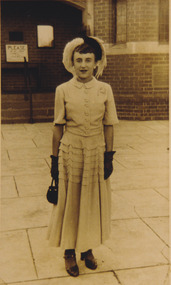
Audio - Oral History, Jennifer Williams, Mrs Pam Croswaite, 2000
... This project involved recording seventy oral histories on cassette tapes of local Beechworth residents which were then published in a book titled: Listen to what they say: voices of twentieth century Beechworth. These cassette tapes were digitised in July 2021 with funds made available by the Friends of the Burke....This project involved recording seventy oral histories on cassette tapes of local Beechworth residents which were then published in a book titled: Listen to what they say: voices of twentieth century Beechworth. These cassette tapes were digitised in July 2021 with funds made available by the Friends of the Burke. ...Mrs Pam Croswaite was born 1928 in Beechworth. Her father was one of the Zwar brothers who co-owned the Beechworth Tannery until it was sold in the 1950s. Her grandfather was the founder of the Zwar Bros. Tannery and one of the first car owners in Beechworth. Pam went to university to become a pharmacist, studying in Beechworth and Melbourne. She returned to Beechworth to raise her family after quitting her work and travelling with her navy husband to England twice. In 1984 she returned to work as a pharmacist at Mayday Hills psychiatric facility, the former 'Beechworth Lunatic Asylum'. Her grandfather, on her mother's side, was the former superintendent of the psychiatric facility. She retired in 1993, but remained active in the community in the choir and book clubs. This oral history recording was part of a project conducted by Jennifer Williams in the year 2000 to capture the everyday life and struggles in Beechworth during the twentieth century. This project involved recording seventy oral histories on cassette tapes of local Beechworth residents which were then published in a book titled: Listen to what they say: voices of twentieth century Beechworth. These cassette tapes were digitised in July 2021 with funds made available by the Friends of the Burke.Pam's story is significant because of her familial links to the Zwar Bros, who owned the tannery and employed a large percentage of the township and her work as a pharmacist in the Mayday Hills facility. She was the granddaughter of the tannery's founder and daughter of one of the three brothers who owned it until the 1950s. She become a pharmacist after studying in Melbourne and via correspondence from home, which demonstrates how university study was conducted in the 1940s. She worked in the psychiatric facility Mayday Hills, the former 'lunatic asylum', as a pharmacist after her separation form her husband from 1984 to 1993. Pam's story also demonstrated the expectation of women to leave their work to raise their families and the general expectations of women during the 1930s,40s and 50s. The project is significant because it records locally important stories and memories of the township in the 1900s. By recording the memories of some of the older members of the community, information on Beechworth's evolution as a township can be preserved. This is a digital copy of a recording that was originally captured on a cassette tape. The cassette tape is black with a horizontal white strip and is currently stored in a clear flat plastic rectangular container. It holds up 40 minutes of recordings on each side.beechworth, burke museum, beechworth lunatic asylum, mayday hills, zwar bros. tannery, beechworth tannery, pharmacist -
 The Beechworth Burke Museum
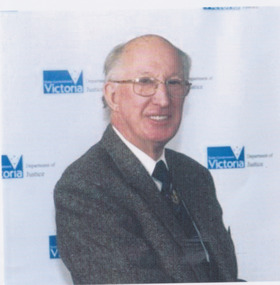
Audio - Oral History, Jennifer Williams, Mr Ric Edwards, 6th July 2000
... This project involved recording seventy oral histories on cassette tapes of local Beechworth residents which were then published in a book titled: Listen to what they say: voices of twentieth century Beechworth. These cassette tapes were digitised in July 2021 with funds made available by the Friends of the Burke....This project involved recording seventy oral histories on cassette tapes of local Beechworth residents which were then published in a book titled: Listen to what they say: voices of twentieth century Beechworth. These cassette tapes were digitised in July 2021 with funds made available by the Friends of the Burke. ...Ric Edwards was born in Melbourne, but moved to Beechworth in 1962. He had strong associations with Beechworth Prison, which is now called Beechworth Correctional Centre after 144 years. Ric had a strong role in creating the education program for the prisoners. This oral history recording was part of a project conducted by Jennifer Williams in the year 2000 to capture the everyday life and struggles in Beechworth during the twentieth century. This project involved recording seventy oral histories on cassette tapes of local Beechworth residents which were then published in a book titled: Listen to what they say: voices of twentieth century Beechworth. These cassette tapes were digitised in July 2021 with funds made available by the Friends of the Burke.Although Beechworth is famous for its history in gold, the project by Jennifer Williams is significant as it captures the everyday life and struggles of residents living in Beechworth during the twentieth century. Ric Edwards story is significant as his story brings to light the prison system in Beechworth and it gives insight into not only Ric's role in the prison, but it also gives insight into the psychology of the prisoners.This is a digital copy of a recording that was originally captured on a cassette tape. The cassette tape is black with a horizontal white strip and is currently stored in a clear flat plastic rectangular container. It holds up 40 minutes of recordings on each side.listen to what they say, beechworth, oral history, burke museum, edwards, ric edwards, beechworth prison, beechworth correctional centre -
The Beechworth Burke Museum
Audio - Oral History, Jennifer Williams, Mr and Mrs Forrest, 25th September 2000
... This project involved recording seventy oral histories on cassette tapes of local Beechworth residents which were then published in a book titled: Listen to what they say: voices of twentieth century Beechworth. These cassette tapes were digitised in July 2021 with funds made available by the Friends of the Burke....This project involved recording seventy oral histories on cassette tapes of local Beechworth residents which were then published in a book titled: Listen to what they say: voices of twentieth century Beechworth. These cassette tapes were digitised in July 2021 with funds made available by the Friends of the Burke. ...Mr Forrest was born on the 11th of November 1916 in Beechworth. Mrs Forrest was also born in Beechworth. Mr and Mrs Forrest's families have strong association with Beechworth's farming community, especially when it came to rearing sheep and cattle. This oral history recording was part of a project conducted by Jennifer Williams in the year 2000 to capture the everyday life and struggles in Beechworth during the twentieth century. This project involved recording seventy oral histories on cassette tapes of local Beechworth residents which were then published in a book titled: Listen to what they say: voices of twentieth century Beechworth. These cassette tapes were digitised in July 2021 with funds made available by the Friends of the Burke.Although Beechworth is famous for its history in gold, the project by Jennifer Williams is significant as it captures the everyday life and struggles of residents living in Beechworth during the twentieth century. Mr and Mrs Forrest’s story is significant as their story brings to light the life on a farm in Beechworth. It gives insight into not only the Forrest’s role in Beechworth’s farming, but it also gives insight into the changed Beechworth went through during and after the war period.This is a digital copy of a recording that was originally captured on a cassette tape. The cassette tape is black with a horizontal white strip and is currently stored in a clear flat plastic rectangular container. It holds up 40 minutes of recordings on each side.listen to what they say, beechworth, oral history, burke museum, forrest, mr and mrs forrest, farm, farming -
 The Beechworth Burke Museum
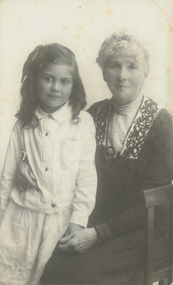
Audio - Oral History, Jennifer Williams, Mrs Margaret Galbriath, 24th May 2000
... This project involved recording 70 oral history stories on cassette tapes of local Beechworth residents, which were then published in a book called Listen to What they Say: Voices of 20th Century Beechworth. The cassettes were digitised in 2021 with funds made available by the Friends...This project involved recording 70 oral history stories on cassette tapes of local Beechworth residents, which were then published in a book called Listen to What they Say: Voices of 20th Century Beechworth. The cassettes were digitised in 2021 with funds made available by the Friends ...Mrs Margaret Galbraith was born in Beechworth in 1913 on the 5th February. Her parents immigrated to Australia in 1910 from England. Her father was killed after being thrown from a cart in 1912, and her mother eventually purchased the general store in which she worked from the Ladson family. Margaret has some insights into the local area during the Depression from the perspective of a store owner, as well as the presence of 'tramps' in the town, and Chinese immigrants in the community. She speaks a lot about her mother who was a very strong woman. She retired at 80. Margaret married a Ladson in Melbourne and had children. She lived at 47 Finch Street, Beechworth. This oral history recording was part of a project by Jennifer Williams in 2000 to capture the everyday life and struggles in Beechworth during the 20th century. This project involved recording 70 oral history stories on cassette tapes of local Beechworth residents, which were then published in a book called Listen to What they Say: Voices of 20th Century Beechworth. The cassettes were digitised in 2021 with funds made available by the Friends of Bourke.Mrs Margaret Galbraith's account of her life in Beechworth and the local area during the 20th century is historically and socially significant to the cultural heritage of the region. She details important historical events and hardships in the region's history that had a lasting local, regional and national impact, including Australia during war time, the Great Depression, immmigration, economic struggles, and women's societal roles in a rural area. This oral history account is socially and historically significant as it is a part of a broader collection of interviews conducted by Jennifer Williams which were published in the book 'Listen to what they say: voices of twentieth-century Beechworth.' While the township of Beechworth is known for its history as a gold rush town, these accounts provide a unique insight into the day-to-day life of the town's residents during the 20th century, many of which will have now been lost if they had not been preserved.This is a digital copy of a recording that was originally captured on a cassette tape. The cassette tape is black with a horizontal white strip and is stored in a clear, flat, plastic, rectangular container. It holds up to 40 minutes of recordings each sideMrs Margaret Galbraithlisten to what they say, ladson, oral history, bourke museum, beechworth, galbraith, margaret galbraith, general store -
 The Beechworth Burke Museum
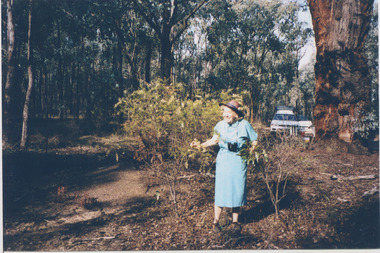
Audio - Oral History, Mrs Frances Gladstone, 31st March 2000
... This project involved recording seventy oral histories on cassette tapes of local Beechworth residents which were then published in a book titled: Listen to what they say: voices of twentieth century Beechworth. These cassette tapes were digitised in July 2021 with funds made available by the Friends of the Burke....This project involved recording seventy oral histories on cassette tapes of local Beechworth residents which were then published in a book titled: Listen to what they say: voices of twentieth century Beechworth. These cassette tapes were digitised in July 2021 with funds made available by the Friends of the Burke. ...Frances Gertrude Gladstone was born on the 18th of September 1919 to Arthur George Ladson and Gertrude Hunrick Irving. France's grandfather, Alfred Ladson, came Beechworth from Norfolk, England, during the gold rush. Alfred had a grocery business, and was well known for writing letters for the miners to send to their families. Alfred also travelled to Beechworth with his sister, who was a trained nurse and helped establish a hospital for the goldfields. Frances remembers her father saying the Chinese miners were not allowed to bring their families to the goldfields, hence there were no Chinese children in schools around Beechworth. Frances was an avid botanist, and wrote a book called 'The Little Huntsman', which she wrote while watching her husband gold mining. This oral history recording was part of a project conducted by Jennifer Williams in the year 2000 to capture the everyday life and struggles in Beechworth during the twentieth century. This project involved recording seventy oral histories on cassette tapes of local Beechworth residents which were then published in a book titled: Listen to what they say: voices of twentieth century Beechworth. These cassette tapes were digitised in July 2021 with funds made available by the Friends of the Burke.Frances Gladstone's story is significant, as she remembered important information about Chinese miners in the gold rush, explained the role of women in the 20th century in Beechworth, and the history of the hospitals in the region. This is a digital copy of a recording that was originally captured on a cassette tape. The cassette tape is black with a horizontal white strip and is currently stored in a clear flat plastic rectangular container. It holds up 40 minutes of recordings on each side.listen to what they say, beechworth, oral history, burke museum, botanist, chinese miners, goldmining, gladstone
