
Showing 182 items matching "japanese prisoners of war - australia"
-
 Monbulk RSL Sub Branch
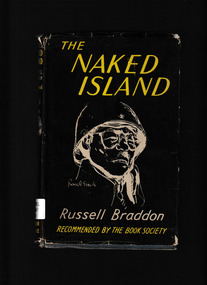
Book, Werner Laurie, The naked island, 1954
... Japanese...Prisoners of war - Australia...World war 1939 – 1945 - Prisons and prisoners - Japanese Prisoners of war - Australia Story of the Malayan Campaign of 1942 and subsequent captivity in the hands of the Japanese from a private soldier's point of view. ...Story of the Malayan Campaign of 1942 and subsequent captivity in the hands of the Japanese from a private soldier's point of view.Ill, p.266.non-fictionStory of the Malayan Campaign of 1942 and subsequent captivity in the hands of the Japanese from a private soldier's point of view. world war 1939 – 1945 - prisons and prisoners - japanese, prisoners of war - australia -
 Monbulk RSL Sub Branch
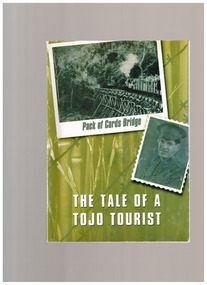
Book, John Towers, The tale of a Tojo tourist, 1997
... Japanese prisoners of war - Australia...Japanese prisoners of war - Australia World war 1939-1945 - Prisoners and Prisons - Japan Experiences of a prisoner on the Burma to Siam railway Ill, p.110. ...Experiences of a prisoner on the Burma to Siam railwayIll, p.110.non-fictionExperiences of a prisoner on the Burma to Siam railwayjapanese prisoners of war - australia, world war 1939-1945 - prisoners and prisons - japan -
 Monbulk RSL Sub Branch
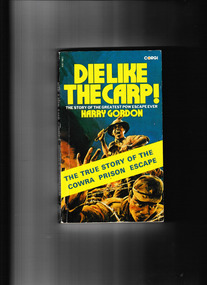
Book, Corgi Books, Die like the carp! : the story of the greatest prison escape ever, 1978
... ...Japanese prisoners of war - Australia...Escaped prisoners of war - Australia Japanese prisoners of war - Australia Escape of Japanese prisoners of war held at Cowra, N.S.W., Australia. ...Escape of Japanese prisoners of war held at Cowra, N.S.W., Australia.Ill, p.285.non-fictionEscape of Japanese prisoners of war held at Cowra, N.S.W., Australia.escaped prisoners of war - australia, japanese prisoners of war - australia -
 Monbulk RSL Sub Branch
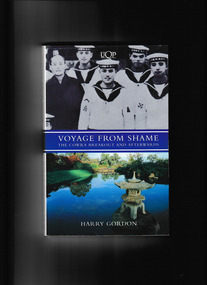
Book, Harry Gordon, Voyage from shame: The Cowra breakout and afterwards, 1994
... ...Japanese prisoners of war - Australia...Escaped prisoners of war - Australia Japanese prisoners of war - Australia Escape of Japanese prisoners of war held at Cowra, N.S.W., Australia. ...Escape of Japanese prisoners of war held at Cowra, N.S.W., Australia.Index, bibliography, ill, p.313.non-fictionEscape of Japanese prisoners of war held at Cowra, N.S.W., Australia.escaped prisoners of war - australia, japanese prisoners of war - australia -
 Monbulk RSL Sub Branch
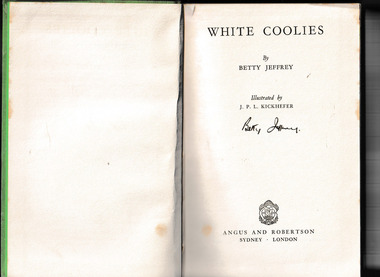
Book, Betty Jeffrey, White coolies, 1954
... Japanese...Prisoners of war - Biography - Australia...World war 1939 – 1945 - Prisons and prisoners - Japanese Prisoners of war - Biography - Australia In 1942, a group of Australian Army nursing sisters was evacuated from Malaya a few days before the fall of Singapore. two days later their ship was bombed and sunk by the Japanese. ...In 1942, a group of Australian Army nursing sisters was evacuated from Malaya a few days before the fall of Singapore. two days later their ship was bombed and sunk by the Japanese. Of the fifty-three survivors who scrambled ashore, twenty-one were murdered and the remainder taken prisoner. this engrossing record was kept by one of the surviving sisters, Betty Jeffrey, during the three-and-a-half gruelling years of imprisonment that followed.p.204.non-fictionIn 1942, a group of Australian Army nursing sisters was evacuated from Malaya a few days before the fall of Singapore. two days later their ship was bombed and sunk by the Japanese. Of the fifty-three survivors who scrambled ashore, twenty-one were murdered and the remainder taken prisoner. this engrossing record was kept by one of the surviving sisters, Betty Jeffrey, during the three-and-a-half gruelling years of imprisonment that followed. world war 1939 – 1945 - prisons and prisoners - japanese, prisoners of war - biography - australia -
 Lara RSL Sub Branch
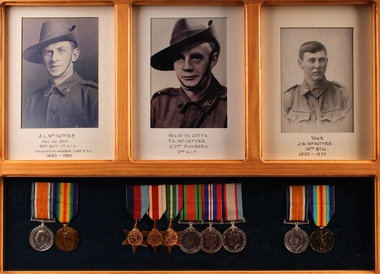
Photographs, Bob Wilson, Framed Photos and Medals - McIntyre Family, 2016
... War he joined the 2/2nd Pioneer Battalion. He fought in the Syrian Campaign, before being recalled to Australia to fight in the pacific campaign. Gordon was wounded in a battle against the Japanese in Java on the 19/02/1942, and taken prisoner. ...War he joined the 2/2nd Pioneer Battalion. He fought in the Syrian Campaign, before being recalled to Australia to fight in the pacific campaign. Gordon was wounded in a battle against the Japanese in Java on the 19/02/1942, and taken prisoner. ...These photographs and medals are of the McIntyre family. Three members of Lara's McIntyre family served during the First and Second World Wars, and two were members of the Lara RSL. John Lachlan McIntyre was born at Beeac, Victoria in December 1890. He enlisted in the 1st AIF in July 1915. John fought on the Western Front, taking part in the battles of Fromelles and the 2nd Battle of the Somme. He was severely wounded at Fromelles and spent 12 months in hospital in England before returning to the front. John returned home in 1919 and was granted a soldier settlement block in Lara in 1937. He was a founding member of Lara RSL and is its longest serving member. John died in 1990. Thomas Gordon McIntyre was born at Lara in 1901. Thomas, known as Gordon, was too young to enlist in the First World War with his brothers. At the outbreak of the Second World War he joined the 2/2nd Pioneer Battalion. He fought in the Syrian Campaign, before being recalled to Australia to fight in the pacific campaign. Gordon was wounded in a battle against the Japanese in Java on the 19/02/1942, and taken prisoner. No record of him after this was ever discovered, and he is presumed to have been killed. Jim McIntyre was born in 1893, and grew up in Lara and Geelong. Jim enlisted in the 1st AIF in 1916, and served with the 14th Battalion through the war. He was wounded twice. Jim died in 1976. The McIntyre family were early pioneers in the Lara district, and the brothers were founding members of the Lara RSL. Their medals and photographs represent a significant link to the history of the town and sub-branch. Three photographs and three sets of medals in a pine wood frame with glass covering. Photographs are black and white portraits of soldiers in uniform mounted on cream card. The medals are mounted on black felt. T.G. McIntyre VX20754 - 35-45 Star, Africa Star, Pacific Star, Defence Medal, War Medal and the Australian Service Medal 39-45. J.L. McIntyre 3591 - War Medal and Victory Medal J.W. McIntyre 7049 - War Medal and Victory Medal J.L. McIntyre REG. No. 3591 58th. BATT. 1st A.I.F Foundation Member Lara R.S.L 1890 - 1990 REG. NO. VX20754 T.G. MC INTYRE 2/2nd PIONEERS 2nd A.I.F 7049 J.W. McINTYRE 14th BTN. 1893-1975photograph, mcintyre, medals, wwi, wwii, world war 1, world war 2, aif, pioneers, lara, rsl -
 Lara RSL Sub Branch
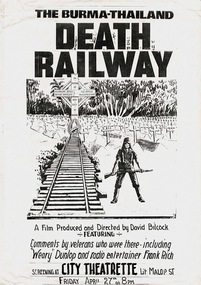
Newspaper Article, The Burma-Thailand Death Railway Film Poster
... Japan in 1943 to support its forces in the Burma campaign of World War II. This railway completed the rail link between Bangkok, Thailand, and Rangoon, Burma. This is a poster advertising the showing of a film on the making of the railway. In all, 9,500 Australian prisoners ...The Burma Railway, also known as the Death Railway, the Siam–Burma Railway, the Thai–Burma Railway and similar names, was a 415-kilometre railway between Ban Pong, Thailand, and Thanbyuzayat, Burma, built by the Empire of Japan in 1943 to support its forces in the Burma campaign of World War II. This railway completed the rail link between Bangkok, Thailand, and Rangoon, Burma. This is a poster advertising the showing of a film on the making of the railway.In all, 9,500 Australian prisoners of war worked on the construction of the Burma-Thailand Railway, which ran from Bampong, Thailand, to Thanbyuzayat, Burma . Building commenced at each end of the railway. Altogether, 2,646 Australians died working on the railway.Rectangular shaped black and white film poster.The Burma-Thailand Death Railway Film Posterposters, burma-thailand death railway film poster, world war two, lara r.s.l. -
 Lara RSL Sub Branch
Book, Australia in the War of 1939 - 1945 Series One ARMY Volumn IV THE JAPANESE THRUST, First published 1957
... Part 1 - The Road to War Part 11 - South East Asia Conquered Part III - Prisoners of the Japanese WW11 Japanese New Guinea 1939-1942 Malaya Singapore Prisoners of War Java Timor Burma Thai Railway Australian War Memorial Australia in the War of 1939-1945 - The Japanese Thrust ARMY Author Lionel Wilmore List of events from 1931 - 20th May 1942 Maps, Photographs and Illustrations Australia in the War of 1939 - 1945 Series One ARMY Volumn IV THE JAPANESE THRUST Book ...WWII List of events. Part 1 - The Road to War Part 11 - South East Asia Conquered Part III - Prisoners of the Japanese Australia in the War of 1939-1945 - The Japanese Thrust ARMY Author Lionel Wilmore List of events from 1931 - 20th May 1942 Maps, Photographs and IllustrationsAustralian War Memorialww11, japanese, new guinea, 1939-1942, malaya, singapore, prisoners of war, java, timor, burma thai railway -
 Shepparton RSL Sub Branch
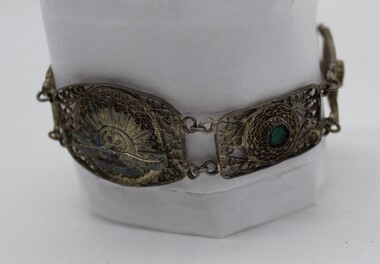
Bracelet, Circa WW2
... Made possibly by a jewler while a priosner of the Japanese in WW2 bracelet, pow. prisoner of war Fusal. Terling. Silver 935. On rear of Rising Sun On the Rising Sun- Kings Crown. Australian ...Made possibly by a jewler while a priosner of the Japanese in WW2Small Bracelett made of grey metal in a filigree (Very Fine) Pattern with green bottle glass in a metal mount (one is missing entirely) Very small Rising Sun to front of bracelett. Joining link held together by a split pin, other links looped together with chain.Fusal. Terling. Silver 935. On rear of Rising Sun On the Rising Sun- Kings Crown. Australian Commonwealth Military Forcesbracelet,, pow. prisoner of war -
 Phillip Island and District Historical Society Inc.
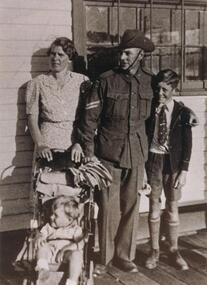
Photograph - Photograph, black + white, Corporal Frederick Edward Woodley and family at Cowes pier 1941, 01/1941
... War. Corporal Frederick Edward Woodley, No. VX24588 of 2nd/10th Field Company, Royal Australian Engineers, with his wife Ruby, eldest son Arthur and John, pictured beside the shed on Cowes Jetty prior to his departure for active service overseas. January 1941. Fred subsequently voyaged from Sydney to Singapore (via Western Australia) on the troop ship Queen Mary. He was taken prisoner-of-war by the Japanese...War. Corporal Frederick Edward Woodley, No. VX24588 of 2nd/10th Field Company, Royal Australian Engineers, with his wife Ruby, eldest son Arthur and John, pictured beside the shed on Cowes Jetty prior to his departure for active service overseas. January 1941. Fred subsequently voyaged from Sydney to Singapore (via Western Australia) on the troop ship Queen Mary. He was taken prisoner-of-war by the Japanese ...As on back of photograph. "A Phillip Islander goes to War. Corporal Frederick Edward Woodley, No. VX24588 of 2nd/10th Field Company, Royal Australian Engineers, with his wife Ruby, eldest son Arthur and John, pictured beside the shed on Cowes Jetty prior to his departure for active service overseas. January 1941. Fred subsequently voyaged from Sydney to Singapore (via Western Australia) on the troop ship Queen Mary. He was taken prisoner-of-war by the Japanese at the fall of Singapore and imprisoned at the Changi P O W Camp. Later, after being on the missing list for some two years, it was learned that he was imprisoned at the most infamous Sandakan P O W camp in North Borneo from where he did not return. Fred was 37 years of age when this photo was taken. With compliments, Arthur E Woodley, 34 Park Road, Crib Point. 6/8/1995" Arthur claims this is the only photo of the family together.HistoricalBlack & White photograph of Corporal Frederick Edward Woodley (Royal Australian Engineer) with his wife Ruby, eldest son Arthur and John, standing beside the Cowes Jetty shed, Phillip Island.Detailed inscription on back - see Historical Information below.corporal frederick edward woodley, royal australian engineers, wwii, arthur e woodley, military -
 Mission to Seafarers Victoria
Painting, WW2 AMS (Corvette): HMAS Rockhampton, early 21st Century
... According to wikipedia 2017 : Rockhampton began her career as a convoy escort along the east coast of Australia.[1] Following a series of Japanese submarine attacks along the east coast of Australia, a convoy system was established.[1] Rockhampton and USS Selfridge escorted the first Sydney to Brisbane convoy.[1] The corvette remained in this role until January 1944, when she began escorting convoys to and from New Guinea.[1] She underwent refit in Sydney over April and May 1944, before returning to escort duties in New Guinea waters.[1] Rockhampton operated in both Australian and New Guinea waters up until the end of World War II.[1] Following the end of the war, Rockhampton was involved in the rescue of Dutch and Indonesian prisoners-of-war and the occupation of Ambon.[1] On 8 October 1945, the corvette carried the Sultan of Ternate on his return home.[1] Rockhampton returned to Sydney in November 1945, where she was assigned to minesweeping duties off the east coast of Australia.[1] She later participated in survey duties off the coast of South Australia, before returning to Sydney on 29 April 1946.[1] The corvette received two battle honours for her wartime service: "Pacific 1942–45" and "New Guinea 1944"HMAS Rockhampton launched 1941 and de-commissioned 1946. ...According to wikipedia 2017 : Rockhampton began her career as a convoy escort along the east coast of Australia.[1] Following a series of Japanese submarine attacks along the east coast of Australia, a convoy system was established.[1] Rockhampton and USS Selfridge escorted the first Sydney to Brisbane convoy.[1] The corvette remained in this role until January 1944, when she began escorting convoys to and from New Guinea.[1] She underwent refit in Sydney over April and May 1944, before returning to escort duties in New Guinea waters.[1] Rockhampton operated in both Australian and New Guinea waters up until the end of World War II.[1] Following the end of the war, Rockhampton was involved in the rescue of Dutch and Indonesian prisoners-of-war and the occupation of Ambon.[1] On 8 October 1945, the corvette carried the Sultan of Ternate on his return home.[1] Rockhampton returned to Sydney in November 1945, where she was assigned to minesweeping duties off the east coast of Australia.[1] She later participated in survey duties off the coast of South Australia, before returning to Sydney on 29 April 1946.[1] The corvette received two battle honours for her wartime service: "Pacific 1942–45" and "New Guinea 1944"HMAS Rockhampton launched 1941 and de-commissioned 1946. ...From his obituary published in Optometry Australia: Born in 1925 in Swan Hill, his parents were soldier settlers in the Mallee before moving to Melbourne. After obtaining his leaving certificate from Melbourne Grammar, he worked as a laboratory assistant in an explosives factory but later completed a chemistry diploma. He enlisted in the Navy in 1943 aged 17 years and due to a colour vision deficiency, served in the supply branch on HMAS Rockhampton, being discharged aged 21. His deuteranomaly steered him to learn adaptive behaviours while studying optometry, ensuring his clinical practice remained unaffected.According to wikipedia 2017 : Rockhampton began her career as a convoy escort along the east coast of Australia.[1] Following a series of Japanese submarine attacks along the east coast of Australia, a convoy system was established.[1] Rockhampton and USS Selfridge escorted the first Sydney to Brisbane convoy.[1] The corvette remained in this role until January 1944, when she began escorting convoys to and from New Guinea.[1] She underwent refit in Sydney over April and May 1944, before returning to escort duties in New Guinea waters.[1] Rockhampton operated in both Australian and New Guinea waters up until the end of World War II.[1] Following the end of the war, Rockhampton was involved in the rescue of Dutch and Indonesian prisoners-of-war and the occupation of Ambon.[1] On 8 October 1945, the corvette carried the Sultan of Ternate on his return home.[1] Rockhampton returned to Sydney in November 1945, where she was assigned to minesweeping duties off the east coast of Australia.[1] She later participated in survey duties off the coast of South Australia, before returning to Sydney on 29 April 1946.[1] The corvette received two battle honours for her wartime service: "Pacific 1942–45" and "New Guinea 1944"HMAS Rockhampton launched 1941 and de-commissioned 1946. Operated in the Pacific and New Guinea theatres of WW2 see supplementary files for details Maritime ArtJames CockburnAcrylic painting on composition board of a military or armed corvette at sea. Framed with a speckled pale blue painted moulded pine ? frame. The painting is signed on lower right corner and inscribed with both blue and black fibre tipped pen.Front: lwr right corner: "D Cockburn" in pale blue paint ; Verso "WW2 AMS (Corvette): HMAS Rockhampton / PAINTED BY DAVID M COCKBURN FORMER CREW MEMBER / PH DAVE ..."hmas rockhampton, corvette, ww2, merchant navy, world war 2, david cockburn, crew, sailors, seamen, seafarers, optometrist, artwork-paintings, hobbies -
 Montmorency–Eltham RSL Sub Branch
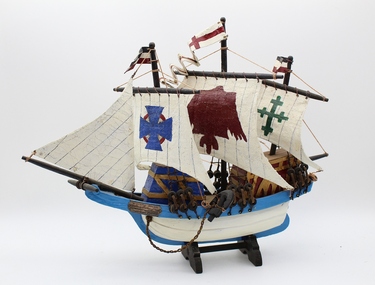
Craft - Model Ship, 1945
... During World War II, over 22,000 Australian became prisoners of war to the Japanese. Most of them were captured at the fall of Singapore in February 1942 and were forced to march to Changi (the major Prisoner of War camp). ...During World War II, over 22,000 Australian became prisoners of war to the Japanese. Most of them were captured at the fall of Singapore in February 1942 and were forced to march to Changi (the major Prisoner of War camp). ...During World War II, over 22,000 Australian became prisoners of war to the Japanese. Most of them were captured at the fall of Singapore in February 1942 and were forced to march to Changi (the major Prisoner of War camp). Later on, the soldiers would be dispersed throughout South East Asia. Upon their return to Australia, very few of them told talked about their experience as prisoners (they often felt ashamed). It took almost 30 years before testimonies, books and documentaries would be published. This ship model was built by Australian prisoners of war.Model of a Spanish or Portugese 18th Century sailing ship, manufactured from timber, fabric and string. Natural timber colours as well as white, blue, red, green and gold.To Auntie Helen, many thanks for everything from P.O.W.s Singapore 15.10.45singapore, ships, second world war, model, prisoners -
 Red Cliffs Military Museum
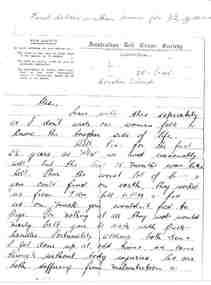
Letter
... Japanese soldier Teruo Nakamura was discovered in the Morotai jungle in 1974, as one of the WWII Japanese soldiers who held out subsequent to the Japanese military's surrender. 2 pow morotri island morotai island world war prisoner of war australian red cross society Added to head of letter at a later date is inscription ' First letter written home for 3 1/2 years'.Top left hand- FOR SAFETY/ IN YOUR LETTERS DO NOT REFER TO:-/ The name of your ship or other ships in the convoy, or its escorts. ...Letter written from (unknown) POW imprisioned by the Japanese on Morotai Island from 1942 - 1945 to (unknown) friend. Descriptive of life and treatment in POW camp. The island was captured by the Japanese in early 1942. Morotai's southern plain was taken by American forces in September 1944 during the Battle of Morotai, and used as a staging point for the Allied invasion of the Philippines in early 1945, and of Borneo in May and June of that year. Japanese soldier Teruo Nakamura was discovered in the Morotai jungle in 1974, as one of the WWII Japanese soldiers who held out subsequent to the Japanese military's surrender.Photocopy of letter, 4 pages, originally written in ink on (unofficial) Australian Red Cross form.Added to head of letter at a later date is inscription ' First letter written home for 3 1/2 years'.Top left hand- FOR SAFETY/ IN YOUR LETTERS DO NOT REFER TO:-/ The name of your ship or other ships in the convoy, or its escorts./The date of sailing, ports of call, or probable destination./ The description of troops, their loca-/tion or any other information/ which, if intercepted, would be of/ value to the enemy. In your Top right hand- Australian Red Cross Society/ (UNOFFICIAL)/ 25-8-45/ (added at later date 'Morotri Island')/ Alex, Have witten this especially/ as i don't wish our women folk to know the tougher side of life./Well Alex for the first/ 2 1/2 years as POWs we lived reasonably/ well, but the last 15 months was like /hell. Heres the worst lot of b-s/ you could find on earth, they worked /us from 7AM till 6 PM, & fed/ us on muck you wouldn't feed to/ Pigs. I'm nothing at all they would 2, pow, morotri island, morotai island, world war, prisoner of war, australian red cross society -
 Australian Commando Association - Victoria
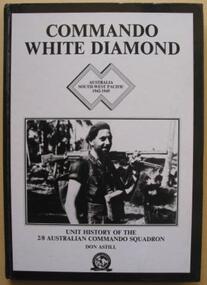
Book, Commando White Diamond: Unt History of the 2/8th Australian Commando Squadron
... Japanese by setting an ambush or taking a prisoner. These raids were very effective, as they forced the Japanese to deploy troops to their rear areas, removing men from the front created by the infantry. Following Japan’s surrender and the end of the war, the ranks of the squadron thinned quickly as men were discharged or were transferred to other units. For those who were left, the squadron returned to Australia ...The detailed history of the No.8 Independent Commando Company during World War II. Plastic protective cover over the book. The 2/8th Independent Company was formed at Wilson’s Promontory, Victoria, in July 1942 and travelled to Yandina, in Queensland, in September. While the other seven independent companies saw action in the islands off Australian and in New Guinea, the 2/8th spent most of the next two years based at Adelaide River, in the Northern Territory. While it was in the Territory, the independent companies underwent a series of reorganisations and the name of the 2/8th was changed from the 2/8th Independent Company to the 2/8th Cavalry (Commando) Squadron. This name was later simplified to just commando squadron. In July 1944, after years of waiting, the squadron left the Territory and sailed from Townsville to Lae, via Milne Bay. While at Lae, the squadron received an intake of 70 men from the 2/8th from the 2/3rd, 2/5th and 2/6th Cavalry (Commando) Squadrons, many of whom were veterans of the earlier New Guinea campaigns. Their experience was no doubt a useful reserve that would have been called upon during the 2/8th’s subsequent campaign in Bougainville. Others though, were able to implement some of their commando training when a small group from the 2/8th they made a secret landing on New Britain. Towards the end of the 1944 the 5th Division was preparing to make a landing at Jacquinot Bay in New Britain. Part of these preparations included landing a small group of officers from the division at Jacquinot Bay to make a secret reconnaissance of the potential landing site. As Jacquinot Bay was still in Japanese controlled territory, ‘C’ Troop from the 2/8th provided the protection for the reconnaissance party by establishing a position on the beach and by patrolling the surrounding country. Everything went well and the 5th Division later landed at Jacquinot Bay in November. The squadron too was on the move, and in October it sailed to Torokina, the main Australian base on Bougainville, where it joined the II Australian Corps. The campaign on Bougainville was dived into three areas, the Central, Northern and Southern Sectors. The 2/8th served in the latter two areas. The 2/8th made the first move of the Australian campaign in the Northern Sector, by patrolling from Torokina to Kuraio Mission and Amun once a week. The squadron did this from the second week of November unit the second week of December. The 2/8th was then transferred to the Southern Sector. The main battle for Bougainville was fought in the Southern Sector, as the 3rd Division advanced towards Buin – the main Japanese base on the island. As the division’s infantry brigades advanced along the coast, the 2/8th’s task was to protect their flank by conducting forward reconnaissance patrols, harassing the Japanese with raids and ambushes and conducting a form of guerrilla warfare. The squadron had a long campaign. For nine months, from the end of December until August 1945, the troopers were in action the whole time. After securing the Jaba River, they moved inland, first to Sovele Mission, then the villages of Opai, Nihero and Morokaimoro. They had reached Kilipaijino by the end of the war. Each village taken became a patrol base. Patrols were usually limited to two sections, although up to six sections could be operating at a time. Patrols generally lasted four to six days, but nine-day patrols were not unknown. The squadron collected and collated track information, terrain reports and located the enemy. Once patrols had gathered information, they were free to make a ‘strike’ against the Japanese by setting an ambush or taking a prisoner. These raids were very effective, as they forced the Japanese to deploy troops to their rear areas, removing men from the front created by the infantry. Following Japan’s surrender and the end of the war, the ranks of the squadron thinned quickly as men were discharged or were transferred to other units. For those who were left, the squadron returned to Australia at the end of December. In mid January 1946, at Liverpool, the 2/8th Commando Squadron was disbanded.non-fictionThe detailed history of the No.8 Independent Commando Company during World War II. Plastic protective cover over the book. The 2/8th Independent Company was formed at Wilson’s Promontory, Victoria, in July 1942 and travelled to Yandina, in Queensland, in September. While the other seven independent companies saw action in the islands off Australian and in New Guinea, the 2/8th spent most of the next two years based at Adelaide River, in the Northern Territory. While it was in the Territory, the independent companies underwent a series of reorganisations and the name of the 2/8th was changed from the 2/8th Independent Company to the 2/8th Cavalry (Commando) Squadron. This name was later simplified to just commando squadron. In July 1944, after years of waiting, the squadron left the Territory and sailed from Townsville to Lae, via Milne Bay. While at Lae, the squadron received an intake of 70 men from the 2/8th from the 2/3rd, 2/5th and 2/6th Cavalry (Commando) Squadrons, many of whom were veterans of the earlier New Guinea campaigns. Their experience was no doubt a useful reserve that would have been called upon during the 2/8th’s subsequent campaign in Bougainville. Others though, were able to implement some of their commando training when a small group from the 2/8th they made a secret landing on New Britain. Towards the end of the 1944 the 5th Division was preparing to make a landing at Jacquinot Bay in New Britain. Part of these preparations included landing a small group of officers from the division at Jacquinot Bay to make a secret reconnaissance of the potential landing site. As Jacquinot Bay was still in Japanese controlled territory, ‘C’ Troop from the 2/8th provided the protection for the reconnaissance party by establishing a position on the beach and by patrolling the surrounding country. Everything went well and the 5th Division later landed at Jacquinot Bay in November. The squadron too was on the move, and in October it sailed to Torokina, the main Australian base on Bougainville, where it joined the II Australian Corps. The campaign on Bougainville was dived into three areas, the Central, Northern and Southern Sectors. The 2/8th served in the latter two areas. The 2/8th made the first move of the Australian campaign in the Northern Sector, by patrolling from Torokina to Kuraio Mission and Amun once a week. The squadron did this from the second week of November unit the second week of December. The 2/8th was then transferred to the Southern Sector. The main battle for Bougainville was fought in the Southern Sector, as the 3rd Division advanced towards Buin – the main Japanese base on the island. As the division’s infantry brigades advanced along the coast, the 2/8th’s task was to protect their flank by conducting forward reconnaissance patrols, harassing the Japanese with raids and ambushes and conducting a form of guerrilla warfare. The squadron had a long campaign. For nine months, from the end of December until August 1945, the troopers were in action the whole time. After securing the Jaba River, they moved inland, first to Sovele Mission, then the villages of Opai, Nihero and Morokaimoro. They had reached Kilipaijino by the end of the war. Each village taken became a patrol base. Patrols were usually limited to two sections, although up to six sections could be operating at a time. Patrols generally lasted four to six days, but nine-day patrols were not unknown. The squadron collected and collated track information, terrain reports and located the enemy. Once patrols had gathered information, they were free to make a ‘strike’ against the Japanese by setting an ambush or taking a prisoner. These raids were very effective, as they forced the Japanese to deploy troops to their rear areas, removing men from the front created by the infantry. Following Japan’s surrender and the end of the war, the ranks of the squadron thinned quickly as men were discharged or were transferred to other units. For those who were left, the squadron returned to Australia at the end of December. In mid January 1946, at Liverpool, the 2/8th Commando Squadron was disbanded. -
 Eltham District Historical Society Inc
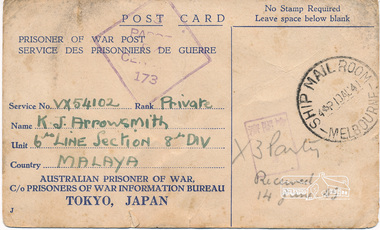
Post Card, Post Card sent to Private K.J. Arrowsmith, VX54102, 6th Line Section, 8 Div, Malaya via Prisoner of War Post, 8 August 1944 (received 14 June 1945), 8 Aug 1944
... Arrowsmith, VX54102, 6th Line Section, 8 Div, Malaya via Prisoner of War Post, Australian Prisoners of War, C/o Prisoners of War Information Bureau Tokyo, Japan from his sister Polly (Mercia Castledine). ...Arrowsmith, VX54102, 6th Line Section, 8 Div, Malaya via Prisoner of War Post, Australian Prisoners of War, C/o Prisoners of War Information Bureau Tokyo, Japan from his sister Polly (Mercia Castledine). ..."Dear Kevin, Everybody home here is well, hope you and Bobby are well. Sid, Laurie home, hear regular from Eddie. Lots love Polly DAD" Post Card sent to Private K.J. Arrowsmith, VX54102, 6th Line Section, 8 Div, Malaya via Prisoner of War Post, Australian Prisoners of War, C/o Prisoners of War Information Bureau Tokyo, Japan from his sister Polly (Mercia Castledine). “After the cholera had been evidence for a few days, the Nips decided that the works on the railway had to be carried on and so isolated all the cases (a number more had developed since we were first quarantined) and sent all other men back to work. By this time, the number of men unfit for work had increased tremendously and the medical officer and medical orderlies were hopelessly overworked. Volunteers were called for to assist in this cholera ward; a disease highly contagious and with a terrific death rate. This meant isolation, but did not deter many men from offering their services, Bob and Kevin Arrowsmith being selected.” - Through the Burma-Thailand Railway, pp234-5, author unknown This post card is significant for its rarity as very few ever made it through and were saved. In these instances the information provided by Polly was cryptic informing Kevin and Bob Arrowsmith that brother Eddie and brothers-in-law, Laurie Mears and Sid Castledine were all still alive.Digital image of original held in private collection of Joan Castledine, daughter of Sid and Polly (nee Arrowsmith) Castledine.bob arrowsmith, burma-thailand railway, eddie arrowsmith, joan castlemaine, kevin j. arrowsmith, laurie mears, lucy mears (nee arrowsmith), mercia (polly) castledine (nee arrowsmith), postcards, prisoner of war post, sid castledine -
 Eltham District Historical Society Inc
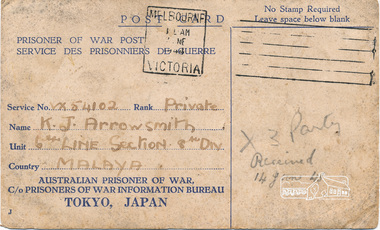
Post Card, Post Card sent to Private K.J. Arrowsmith, VX54102, 6th Line Section, 8 Div, Malaya via Prisoner of War Post, 16 June 1944 (received 14 June 1945), 16 Jun 1944
... Arrowsmith, VX54102, 6th Line Section, 8 Div, Malaya via Prisoner of War Post, Australian Prisoners of War, C/o Prisoners of War Information Bureau Tokyo, Japan from his sister Polly (Mercia Castledine). ...Arrowsmith, VX54102, 6th Line Section, 8 Div, Malaya via Prisoner of War Post, Australian Prisoners of War, C/o Prisoners of War Information Bureau Tokyo, Japan from his sister Polly (Mercia Castledine). ..."Dear Kevin, Hope you are both well, everybody well home here, constantly thinking of you, hear regular, Eddie, Laurie, Sid. Lots love Polly Dad" Post Card sent to Private K.J. Arrowsmith, VX54102, 6th Line Section, 8 Div, Malaya via Prisoner of War Post, Australian Prisoners of War, C/o Prisoners of War Information Bureau Tokyo, Japan from his sister Polly (Mercia Castledine). “After the cholera had been evidence for a few days, the Nips decided that the works on the railway had to be carried on and so isolated all the cases (a number more had developed since we were first quarantined) and sent all other men back to work. By this time, the number of men unfit for work had increased tremendously and the medical officer and medical orderlies were hopelessly overworked. Volunteers were called for to assist in this cholera ward; a disease highly contagious and with a terrific death rate. This meant isolation, but did not deter many men from offering their services, Bob and Kevin Arrowsmith being selected.” - Through the Burma-Thailand Railway, pp234-5, author unknown This post card is significant for its rarity as very few ever made it through and were saved. In these instances the information provided by Polly was cryptic informing Kevin and Bob Arrowsmith that brother Eddie and brothers-in-law, Laurie Mears and Sid Castledine were all still alive.Digital image of original held in private collection of Joan Castledine, daughter of Sid and Polly (nee Arrowsmith) Castledine.bob arrowsmith, burma-thailand railway, eddie arrowsmith, joan castlemaine, kevin j. arrowsmith, laurie mears, lucy mears (nee arrowsmith), mercia (polly) castledine (nee arrowsmith), postcards, prisoner of war post, sid castledine -
 Bendigo Military Museum
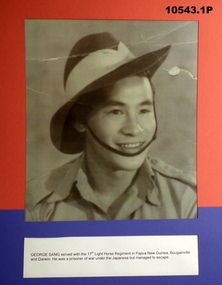
Photograph - AUSTRALIAN CHINESE SERVICEMEN, WW1 & WW2, Bendigo & District RSL Club, WW1 & WW2
... Australian/Chinese WW1 WW2 Printed information - black ink print. 1. “GEORGE SANG” - served with the 17th Light Horse Regiment in Papua New Guinea, Bougainville and Darwin. He was a prisoner of war under the Japanese ...Australian Chinese Servicemen from WW1 & WW2 photographs. Exhibition held at the Bendigo & District RSL, post 2010.1.2.3. Photographs on photographic paper, enlarged black and white portrait. Mount - red and blue colour cardboard, double mount with top area containing the photograph, lower area printed information. 1. Serviceman in uniform, portrait. 2. Serviceman in uniform, portrait. 3. Two Servicemen in uniform, full length informal portrait, WW1.Printed information - black ink print. 1. “GEORGE SANG” - served with the 17th Light Horse Regiment in Papua New Guinea, Bougainville and Darwin. He was a prisoner of war under the Japanese but managed to escape. 2. “SAM TONGWAY”enlisted on the 6th June 1917. He tried to enlist in 1916, but was rejected in medical grounds (regulations against those of a Chinese background). He embarked with Reinforcements to A.M.C. on the 6th May 1918. As an Army Signaller he transferred in Egypt to the Division Signalling Company in France in France with his brother Hedley. During World War 2 he served in the Air Training Corps. 3. “COLLIN YOUNG” shown here with his brother ELLIS, joined up in 1842 when he was seventeen and a half. He served in an artillery unit as an anti-tank gunner. With another artillery unit, he toured Queensland and New South Wales, then was posted to an anti-aircraft gun station in Darwin. photographs, australian/chinese, ww1, ww2 -
 Bendigo Military Museum
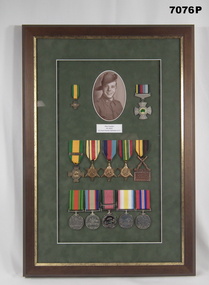
Award - MEDALS & PHOTOGRAPH WW2, Post WW2
... Japan to work in the Coal Mines arriving mid Jan 1945. He was repatriated back to Australia on the HMS Formidable, discharged on 28.11.1945 with the rank of Cpl. Refer also Cat No 7077. award medals Photo POW 2/2 "Max Cowden VX19297 2/2 Pioneer Battalion AIF" Brown wood frame with gold edge, contains a photo and medals on a green background re a WW2 soldier/POW. The medals are a mixture of official and unofficial not in the correct order. Medals top. 1. Miniature Dutch medal 1942 - 45 official. 2. Prisoner of war ...Maxwell Barry Cowden VX19297 enlisted in the 2/nd AIF on 30.5.1940 age 18 years (put his age up to 21) in 2/2 Pioneer Battalion AIF, embarked for the Middle East 8.4.1941, promoted L/Cpl 25.6.1941, promoted Cpl 29.10.1941, took part in the Syrian Campaign. On 31.1.1942 the unit embarked for Australian but were diverted to Java to defend it, disembarked 18.2.1942. Java surrendered and they were taken POW, reported MIA on 30.4.1942 then after as POW. As a POW he worked on the Burma Railway. In December 1944 they were on the Hell Ship AWA Maru and sailed for Japan to work in the Coal Mines arriving mid Jan 1945. He was repatriated back to Australia on the HMS Formidable, discharged on 28.11.1945 with the rank of Cpl. Refer also Cat No 7077.Brown wood frame with gold edge, contains a photo and medals on a green background re a WW2 soldier/POW. The medals are a mixture of official and unofficial not in the correct order. Medals top. 1. Miniature Dutch medal 1942 - 45 official. 2. Prisoner of war medal, commemorative unofficial. Centre row. 1.Dutch medal 1942 - 45 official. 2. Africa star, official. 3. 1939 - 45 Star, official. 4. Pacific Star, official. 5. Front line service medal, unofficial. Bottom. 1. Defence medal, official. 2.Australian Service medal 1939 - 45, official. 3. For Combatant duties in active service, unofficial. 4. Foreign service medal, unofficial. 5. British war medal 1939 - 45, official."Max Cowden VX19297 2/2 Pioneer Battalion AIF"award, medals, photo, pow, 2/2 -
 Eltham District Historical Society Inc
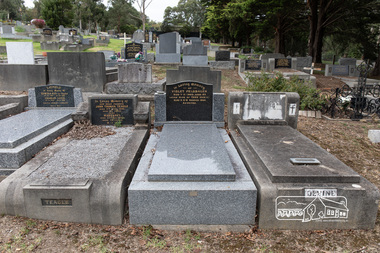
Photograph, Peter Pidgeon, Grave of Violet Feldbauer (nee Teagle), Eltham Cemetery, Victoria, 5 April 2021
... war would be over. He had a great love for Australia.” “While he was a prisoner, Mum received a few postcards from him, not in his neat handwriting, but in block letter printing, to tell her he had received no mail or parcels from her. He must have felt we’d forgotten him, because, of course, Mum had sent lots of parcels and letters, and the Japanese...war would be over. He had a great love for Australia.” “While he was a prisoner, Mum received a few postcards from him, not in his neat handwriting, but in block letter printing, to tell her he had received no mail or parcels from her. He must have felt we’d forgotten him, because, of course, Mum had sent lots of parcels and letters, and the Japanese ...FELDBAUER / TEAGLE Theodore Albert ‘Curly’ Feldbauer was born 15 October 1909 at Melbourne, the son of Theodore Henry (a naturalised German) and Jessie Margarette Feldbauer. The family moved several times during his childhood but before he was 20 he was living and working in the Eltham district. He became a well-known local sportsman. He played cricket for the Montmorency Imperials in 1929 and 1930 in the Eltham Cricket Association and excelled as a footballer and football coach. There are press references at the time to minor misdemeanours and accidents: evidently he was up for a brawl or two, but he was also able to do a recitation at a social night to launch the Eltham Girls Club in 1932. He married a local girl, Violet Amelda Teagle, in 1933, the 12th of 13 Teagle offspring who lived in Frank Street. Curly and Violet’s first child, June, was born the following year. By 1935 Curly was honorary secretary of the Research Cricket Club. He continued playing cricket regularly, mainly for Research, through till the 1940 season, after the war had begun. The girls started at Research State School in 1939 and 1940, respectively. They lived near Violet’s parents in Frank Street. Curly and Violet’s daughter, Valerie Waller recalls: “We lived near my Teagle grandparents, who had a cow. Dad took over the milking. He would rest his head against the cow and sing to her. When he left to join the army, it took weeks before she would settle down to allow anyone else to milk her.” Curly’s service record is not yet accessible from the National Archives of Australia. Valerie Waller gives us some insight into that period between Curly joining and ultimately embarking for Singapore: “Before he sailed to Singapore, Mum would travel by train, to Seymour, to spend a few hours with him. He sent her postcards and called her his “dear love”. His idea was that the sooner everyone eligible joined up, the sooner the war would be over. He had a great love for Australia.” “While he was a prisoner, Mum received a few postcards from him, not in his neat handwriting, but in block letter printing, to tell her he had received no mail or parcels from her. He must have felt we’d forgotten him, because, of course, Mum had sent lots of parcels and letters, and the Japanese hadn’t handed them on.” Theo was one of over 2,000 Allied prisoners of war held in the Sandakan POW camp in north Borneo, having been transferred there from Singapore as part of B Force. The 1,494 POWs that made up B Force were transported from Changi [Singapore] on 7 July 1942 on board the tramp ship Ubi Maru, arriving in Sandakan Harbour on 18 July 1942. Sergeant Feldbauer, aged 35, died as a prisoner of the Japanese on 27 March 1945 at Sandakan Number 1 Camp. The Japanese recorded his death from Malaria. He has no known grave, but it is believed to be at Sandakan Number 2 Camp. His death was not reported in Australia until some months later. Valerie noted: “I will never forget the sound my mother made when she received the telegram saying Dad had died months earlier, ostensibly from Malaria, but he died during the march. The sound still haunts me.” Violet’s husband Theo is recognised on the Eltham Roll of Honour, which was commissioned by the Eltham War Memorial Trust to be hung in the Baby Health Centre opened in 1952; the first of three buildings, the others being the Eltham Kindergarten and Children’s Library, that were established as the Eltham War Memorial a living memorial, with a specific focus for the welfare of children of the district. Violet and Theo’s son Albert, being the youngest child of the children of soldier fathers attending a school in the district, was given the honour of turning the first sod for the Eltham War Memorial Building, 15 July 1950. In Loving Memory of Violet Feldbauer Died 7. 11 .1982 aged 88 Loved wife of Theo (Curly) Died P.O.W. Borneo 1945 Re-united Alongside Violet lay her parents, John Thomas and Margaret TeagleBorn Digitaleltham cemetery, gravestones, charles louis layfield, edwina may layfield (nee teagle), john thomas teagle, margaret teagle, theodore feldbauer, violet feldbauer (nee teagle), annie lillian devine, frederick raymond devine, eltham war memorial, honour board, roll of honour -
 Bendigo Military Museum
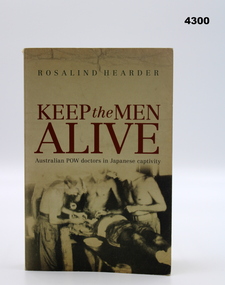
Book - BOOK, BIOGRAPHY, Allen and Unwin, Keep the men alive, Australian POW Doctors in Japanese Captivity, 2009
... During WW2 22,000 Australian military personnel became prisoners of the Japanese military, many of those who returned home after the war attributed their survival to the 106 Australian medical Officers imprisoned alongside them....During WW2 22,000 Australian military personnel became prisoners of the Japanese military, many of those who returned home after the war attributed their survival to the 106 Australian medical Officers imprisoned alongside them. ...During WW2 22,000 Australian military personnel became prisoners of the Japanese military, many of those who returned home after the war attributed their survival to the 106 Australian medical Officers imprisoned alongside them.Book, soft cover, cardboard, brown and dark grey print on front, spine and back on beige background, illustrated on front cover in sepia tones of Doctors attending to a patient, 297 pages, plain off white , illustrated with black and white photographs.books, ww2, pow doctors. -
 Bendigo Military Museum
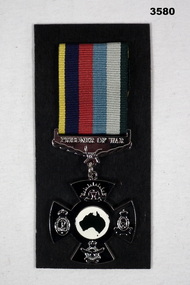
Award - MEDAL
... Japanese. Refer 3144 for his service history. Medals military Prisoners of war PRISONER OF WAR Medal, Australian Prisoner of War, set on a black cardboard backing. ...Item with the collection of Cyril John JOHNSON VX 36298 died as a POW of the Japanese. Refer 3144 for his service history.Medal, Australian Prisoner of War, set on a black cardboard backing.PRISONER OF WARmedals, military, prisoners of war -
 Bendigo Military Museum
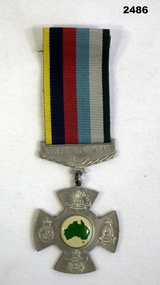
Award - MEDAL, Est 1993
... Japanese. Refer.. Medals military history "Prisoner of War" "Presented by the Clayton RSL 1993" Medal with ribbon, 6 colours, medal in form of a cross with central map of Australia, 4 logo's around the cross, rear is engraved. ...Medal was presented to Alfred Robert Maskell VX25221 2nd AIF POW of the Japanese. Refer..Medal with ribbon, 6 colours, medal in form of a cross with central map of Australia, 4 logo's around the cross, rear is engraved. "Prisoner of War" "Presented by the Clayton RSL 1993"medals, military, history -
 Waverley RSL Sub Branch
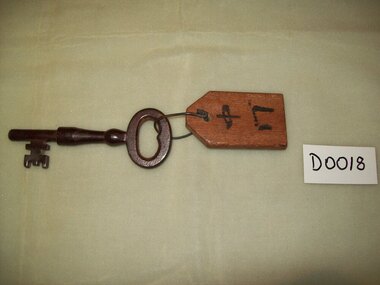
Key
... During World War II, following the Fall of Singapore in February 1942, the Japanese military detained about 3,000 civilians in Changi Prison, which was built to house only 600 prisoners. The Japanese used the British Army's Selarang Barracks, near the prison, as a prisoner of war camp, holding some 50,000 Allied—predominantly British and Australian—soldiers.[1] Although POWs were rarely, if ever, held in the civilian prison, the name Changi became synonymous in the UK, Australia, and elsewhere with the POW camp. ...During World War II, following the Fall of Singapore in February 1942, the Japanese military detained about 3,000 civilians in Changi Prison, which was built to house only 600 prisoners. The Japanese used the British Army's Selarang Barracks, near the prison, as a prisoner of war camp, holding some 50,000 Allied—predominantly British and Australian—soldiers.[1] Although POWs were rarely, if ever, held in the civilian prison, the name Changi became synonymous in the UK, Australia, and elsewhere with the POW camp. ...During World War II, following the Fall of Singapore in February 1942, the Japanese military detained about 3,000 civilians in Changi Prison, which was built to house only 600 prisoners. The Japanese used the British Army's Selarang Barracks, near the prison, as a prisoner of war camp, holding some 50,000 Allied—predominantly British and Australian—soldiers.[1] Although POWs were rarely, if ever, held in the civilian prison, the name Changi became synonymous in the UK, Australia, and elsewhere with the POW camp. About 850 POWs died during their internment in Changi during the Japanese Occupation of Singapore,[2] a relatively low rate compared to the overall death rate of 27% for POWs in Japanese camps.[3] However, many more prisoners died after being transferred from Changi to various labour camps outside Singapore, including the Burma Railway and the Sandakan airfield.this item is of historical significance because it is supposedly one of the few surving keys to Changi Jail and donated by Mr.Robertson . Changi is significant as it was a major prison camp during WWII Changi Jail Key. Blackened metal key, Wooden tag attached with Japanese print on it. Kanji Characters read Middle Gatechangi, fall of singapore, key, p.o.w. -
 Bendigo Military Museum
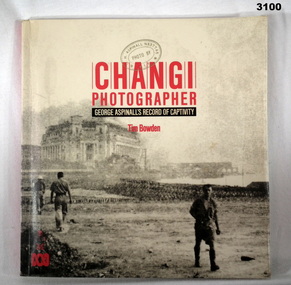
Book - BOOK, POW’s, ABC Enterprises Sun Books, Changi Photographer
... Covers the experiences of Australian Prisoners of War with the Japanese. ...Covers the experiences of Australian Prisoners of War with the Japanese. military history-army books-history photography POW’s Paperback cover with photo of Keppel Harbour on front. ...Covers the experiences of Australian Prisoners of War with the Japanese. Paperback cover with photo of Keppel Harbour on front. Photo of Selerang Barracks with red background on back. 144 pages, white with black & white photos & printing. military history-army, books-history, photography, pow’s -
 Bendigo Military Museum
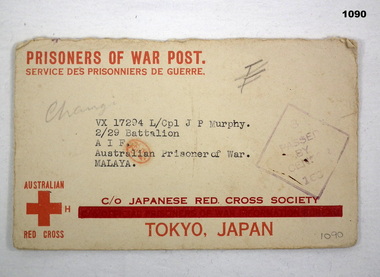
Accessory - ENVELOPE JAPANESE, 1942-45
... Australia on 8.10.1945 and discharged from the Army on 6.12.1945. Refer also Cat No 1110. Envelopes japanese POW Murphy Typed “VX17294 L/Cpl J P Murphy 2/29 Battalion AIF Australian Prisoner of War Malaya”. ...John Phillip MURPHY No VX17294 enlisted in the 2nd AIF on 15.5.1940 age 30 years 5 months. Posted to the 2/29th Bn 29.11.1940, embarked for Singapore 30.7.1941 disembarking 15.8.1941. Promoted to L/Cpl 2.1.1942, listed as missing 16.2.1942 then POW. A telegram in his records dated 4.8.1945 to his wife Mrs A Murphy of Kirkwood St Eaglehawk states “Alive at Changi Camp”. He disembarked Australia on 8.10.1945 and discharged from the Army on 6.12.1945. Refer also Cat No 1110.Envelope, “Prisoner of War Post” yellowed, red print, stamped “Passed by Censor” re J.P.Murphy.Typed “VX17294 L/Cpl J P Murphy 2/29 Battalion AIF Australian Prisoner of War Malaya”. In pencil “Changi”.envelopes japanese, pow, murphy -
 Emerald Museum & Nobelius Heritage Park
Medal - L. A. Kennedy WW2 Medals, Australian Government
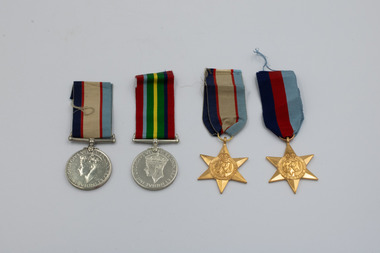
... Japanese prisoner of war camp in Malaya on July 7th, 1942, aged 22. He was posted missing from the 8th Division after they retreated across the causeway to Singapore, and no information about his fate was retrieved until at least 1945. His two brothers (Geoffrey and John) would both also suffer tragic deaths - Geoffrey gored by a bull at home and John (whose medals are also in our collection, listed under VEMU2306) killed in a car accident soon after returning to Australia....Japanese prisoner of war camp in Malaya on July 7th, 1942, aged 22. He was posted missing from the 8th Division after they retreated across the causeway to Singapore, and no information about his fate was retrieved until at least 1945. His two brothers (Geoffrey and John) would both also suffer tragic deaths - Geoffrey gored by a bull at home and John (whose medals are also in our collection, listed under VEMU2306) killed in a car accident soon after returning to Australia. ...Private Laurence Alfred Kennedy died of illness in a Japanese prisoner of war camp in Malaya on July 7th, 1942, aged 22. He was posted missing from the 8th Division after they retreated across the causeway to Singapore, and no information about his fate was retrieved until at least 1945. His two brothers (Geoffrey and John) would both also suffer tragic deaths - Geoffrey gored by a bull at home and John (whose medals are also in our collection, listed under VEMU2306) killed in a car accident soon after returning to Australia.L. A. Kennedy was a member of a local family who served in the Second World War and died tragically like his brothers, forming an important story of local community history.A set of four medals, including two identical 1939-45 Australia Service Medals (a/b), a 1939-1945 Star (c), and a Pacific Star (d). a/b) Australia Service Medals: A round silver medal 36 millimetres in diameter with a [ribbon]. The obverse bears the crowned effigy of King George VI, surrounded by the legend inscription. The reverse shows the coat of arms of the Commonwealth of Australia surrounded by words. Lettering with the recipient's name and enlistment number is also engraved in the edge. a) Has marginally more aging, and its ribbon is vertical stripes of (left to right) dark blue, red, white, red, light blue, identical to that on d. b) Appears newer, and its ribbon is vertical stripes of (left to right) red, light blue, green, yellow, green, dark blue, red. c) 1939-1945 Star: A six-pointed star struck in yellow brass to fit in a 44 millimetre diameter circle. The obverse centres on the Royal Cypher, surrounded by a legend with a crown at the top. The reverse features the recipient's name and enlistment number. The ribbon is vertical stripes of (left to right) dark blue, red, and light blue. d) Pacific Star: A six-pointed star struck in yellow brass to fit in a 44 millimetre diameter circle. The obverse centres on the Royal Cypher, surrounded by a legend with a crown at the top. The reverse features the recipient's name and enlistment number. The ribbon is vertical stripes of (left to right) dark blue, red, white, red, light blue, identical to that on the b.a/b) Obverse: "GEORGIVS VI D:G:BR:OMN:REX ET INDIAE IMP" (George 6th, by the grace of God, King of all the Britains and Emperor of India) Reverse: "THE AUSTRALIA SERVICE MEDAL / 1939-1945" Edge: "VX46024 L. A. KENNEDY" c) Obverse, Royal Cypher: "GRI / VI" Obverse, Legend: "THE 1939 - 1945 STAR" Reverse: "VX46024 / L. A. KENNEDY" d) Obverse, Royal Cypher: "GRI / VI" Obverse, Legend: "THE PACIFIC STAR" Reverse: "VX46024 / L. A. KENNEDY"kennedy family, world war ii, world war two, second world war -
 Warrnambool RSL Sub Branch
Book, BOOK: Hellfire - The story of Australia, Japan and the Prisoners of War
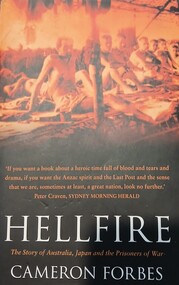
... Author: Cameron Forbes Publisher: Pan MacMillian Sydney. 2005 BOOK: Hellfire - The story of Australia, Japan and the Prisoners of War Book ... -
 Frankston RSL Sub Branch
Photograph
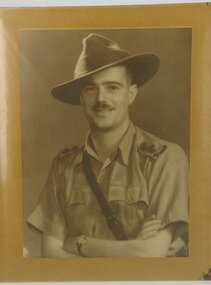
... Copy of framed photograph of World War 2 Australian Army serviceman Lieutenant Edgar Burton Chapman, service number VX43645, who served in the 2/10th Field Company, Royal Australian Engineers. The 2/10th FC was attached to the 8th Division. Chapman later transferred to the 2/12 FC which was in Singapore when the Japanese invaded. Chapman was captured and spent 3 1/2 years as a Prisoner...Copy of framed photograph of World War 2 Australian Army serviceman Lieutenant Edgar Burton Chapman, service number VX43645, who served in the 2/10th Field Company, Royal Australian Engineers. The 2/10th FC was attached to the 8th Division. Chapman later transferred to the 2/12 FC which was in Singapore when the Japanese invaded. Chapman was captured and spent 3 1/2 years as a Prisoner ...Copy of framed photograph of World War 2 Australian Army serviceman Lieutenant Edgar Burton Chapman, service number VX43645, who served in the 2/10th Field Company, Royal Australian Engineers. The 2/10th FC was attached to the 8th Division. Chapman later transferred to the 2/12 FC which was in Singapore when the Japanese invaded. Chapman was captured and spent 3 1/2 years as a Prisoner of War in Changi Prison. Chapman was born in Dromana, Victoria, on 21st March, 1914 and lived in Frankston and attended Frankston High School. He trained as a Civil Engineer and commenced work with the British Phosphate Commission in Nauru. -
Frankston RSL Sub Branch
Collection, R. K. Churches
... Australian Army 2/9th Field Ambulance Unit during World War 2. Churches enlisted on the 12th July, 1940 and was discharged on the 4th December, 1945. The 2/9th FA was formed on the 1st July, 1940 at Dandenong, Victoria and was initially based at Seymour (Puckapunyal). The 2/9th FA relocated to Bonegilla in September 1940 and embarked for Singapore in February, 1941. The men of the unit were taken prisoner by the Japanese...Australian Army 2/9th Field Ambulance Unit during World War 2. Churches enlisted on the 12th July, 1940 and was discharged on the 4th December, 1945. The 2/9th FA was formed on the 1st July, 1940 at Dandenong, Victoria and was initially based at Seymour (Puckapunyal). The 2/9th FA relocated to Bonegilla in September 1940 and embarked for Singapore in February, 1941. The men of the unit were taken prisoner by the Japanese ...Collection of photographs which were the property of Ronald Keith Churches, service number VX34599, who was a Sergeant in the Australian Army 2/9th Field Ambulance Unit during World War 2. Churches enlisted on the 12th July, 1940 and was discharged on the 4th December, 1945. The 2/9th FA was formed on the 1st July, 1940 at Dandenong, Victoria and was initially based at Seymour (Puckapunyal). The 2/9th FA relocated to Bonegilla in September 1940 and embarked for Singapore in February, 1941. The men of the unit were taken prisoner by the Japanese in February, 1942. Churches spent the remainder of World War 2 as a POW in Changi Prison. -
 Monbulk RSL Sub Branch
Book, Allen & Unwin, Railroad to Burma, 1990
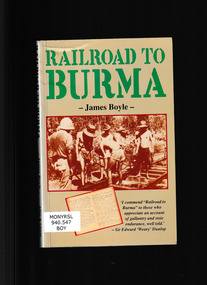
... Japan - prisons and prisoners of war Burma - Thailand Railway A 25 year old Australian, James Boyle, was one of thousands of prisoners of war who worked in inhuman conditions to build the Thailand/Burma railway. ...A 25 year old Australian, James Boyle, was one of thousands of prisoners of war who worked in inhuman conditions to build the Thailand/Burma railway. He was determined to record his experiences and thos of his mates - at the limits of human endurance.Index, ill, maps, p.198.A 25 year old Australian, James Boyle, was one of thousands of prisoners of war who worked in inhuman conditions to build the Thailand/Burma railway. He was determined to record his experiences and thos of his mates - at the limits of human endurance.japan - prisons and prisoners of war, burma - thailand railway
