
Showing 123 items matching "landscape. gippsland."
-
 Latrobe Regional Gallery
Drawing, COBB, Victor, Harvesting Gippsland, 1922
... landscape. gippsland....landscape. gippsland. Signed and dated recto l.l. ink "Victor Cobb. 1922" Titled l.r. ink "Harvesting Gippsland" Pen and Ink Drawing on Paper Harvesting Gippsland Drawing COBB, Victor ...Pen and Ink Drawing on PaperSigned and dated recto l.l. ink "Victor Cobb. 1922" Titled l.r. ink "Harvesting Gippsland"landscape. gippsland. -
 Latrobe Regional Gallery
Print, COBB, Victor, Gippsland
... landscape...gippsland...landscape gippsland Verso: Signed l.l beneath image, pencil "Victor Cobb" Inscribed l.r within image "Victor Cobb, 1913, Gippsland" Etching Gippsland Print COBB, Victor ...EtchingVerso: Signed l.l beneath image, pencil "Victor Cobb" Inscribed l.r within image "Victor Cobb, 1913, Gippsland"landscape, gippsland -
 Federation University Art Collection
Painting - Watercolour, David Alexander, [Coastal Scene] by David Alexander
... ...landscape...Gippsland...The Art Collection features over 1000 works and was listed as a 'Ballarat Treasure' in 2007. art artwork david alexander alexander landscape Gippsland Campus churchill Framed watercolour by Dr David Alexander showing a coastal scene. ...This item is part of the Federation University Art Collection. The Art Collection features over 1000 works and was listed as a 'Ballarat Treasure' in 2007.Framed watercolour by Dr David Alexander showing a coastal scene. Gift of David Alexander, 2013art, artwork, david alexander, alexander, landscape, gippsland campus, churchill -
 Federation University Art Collection
Painting - Artwork, David Alexander, [Treed Landscape] by David Alexander, 1981, 1981
... landscape...churchill...Gippsland...david alexander art artist alexander landscape churchill Gippsland Campus A framed oil painting depicting an Australian bushscape. ...A framed oil painting depicting an Australian bushscape. Gift of David Alexander, 2013david alexander, art, artist, alexander, landscape, churchill, gippsland campus -
 Federation University Art Collection
Watercolour, 'Dargo' by Mary Glenane, 1979
... Framed watercolour depicting a hilly landscape around Dargo in Gippsland, Victoria. Gift of David Alexander, 2013...The Art Collection features over 2000 works and was listed as a 'Ballarat Treasure' in 2007. art artwork glenane mary glenane mary hollick available landscape Framed watercolour depicting a hilly landscape around Dargo in Gippsland, Victoria. Gift of David Alexander, 2013 'Dargo' by Mary Glenane Watercolour Mary Glenane ...Over several years Mary Glenane, Sue Jarvis and John Reid would spend most Saturdays painting together. The work would have been exhibited during one of the dozen or so exhibitions held by Mary Glenane, and purchased by Dr David Alexander for his personal Collection. Mary Hollick (nee Glenane) lectured in Tourism at Federation University until her retirement (c2017) This item is part of the Federation University Art Collection. The Art Collection features over 2000 works and was listed as a 'Ballarat Treasure' in 2007. Framed watercolour depicting a hilly landscape around Dargo in Gippsland, Victoria. Gift of David Alexander, 2013art, artwork, glenane, mary glenane, mary hollick, available, landscape -
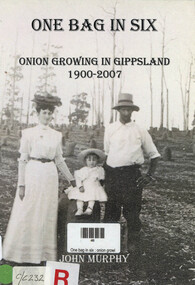 Narre Warren and District Family History Group
Book, John Murphy, One bag in six : onion growing in Gippsland 1900-2007, 2007
... Gippsland, Victoria. This region became a hub for onion farming due to its fertile soil and favorable climate. The title refers to the early challenges faced by farmers, where only one bag of onions out of six was of marketable quality—a testament to the difficulties of establishing a viable onion-growing industry. The book also highlights the evolution of farming techniques, the impact of market demands, and the resilience of the farming community in overcoming obstacles like pests, diseases, and economic downturns. It serves as a tribute to the farmers who shaped the agricultural landscape...Gippsland, Victoria. This region became a hub for onion farming due to its fertile soil and favorable climate. The title refers to the early challenges faced by farmers, where only one bag of onions out of six was of marketable quality—a testament to the difficulties of establishing a viable onion-growing industry. The book also highlights the evolution of farming techniques, the impact of market demands, and the resilience of the farming community in overcoming obstacles like pests, diseases, and economic downturns. It serves as a tribute to the farmers who shaped the agricultural landscape ...The book explores the history of onion farming in South Gippsland, Victoria. It delves into the establishment of a viable onion-growing industry in the region, highlighting the challenges and successes faced by farmers over more than a century. [AI generated text]97 p.; 21 cmnon-fictionThe book explores the history of onion farming in South Gippsland, Victoria. It delves into the establishment of a viable onion-growing industry in the region, highlighting the challenges and successes faced by farmers over more than a century. [AI generated text] onion industry -- victoria -- gippsland region -- history, onions -- victoria -- gippsland region -- history, gippsland region (vic.) -- history -
Federation University Art Collection
Drawing, 'Copse' by Tony Hanning, 2015
... The imagery in Tony Hanning's work often is representative of the Gippsland landscape. He has a PhD from Mondash University (2008), a Master of Arts from Monash University (1998); and a Diploma, Visual Arts, Gippsland Institute of Advanced Education, Monash University, Melbourne (1971). ...The imagery in Tony Hanning's work often is representative of the Gippsland landscape. He has a PhD from Mondash University (2008), a Master of Arts from Monash University (1998); and a Diploma, Visual Arts, Gippsland Institute of Advanced Education, Monash University, Melbourne (1971). ...Tony HANNING (1950- ) Dr Tony Hanning is an internationally recognised glass artist whose work is represented in all major collections in Australia and many overseas collections including the V&A Museum in London and the Tacoma Art Museum in the USA. The imagery in Tony Hanning's work often is representative of the Gippsland landscape. He has a PhD from Mondash University (2008), a Master of Arts from Monash University (1998); and a Diploma, Visual Arts, Gippsland Institute of Advanced Education, Monash University, Melbourne (1971). From 1971-1980 Tony Hanning was the Director of Latrobe Valley Arts Centre (later Latrobe Regional Gallery, Morwell)Framed and mounted charcoal drawing depicting large trees (conifers and probably deciduous) in a field rendered with hatchingLower right, signed Tony Hanning '15tony hanning, staffmember, landscape, trees, treescape, alumni -
 Federation University Art Collection
Artwork, other - Artwork - Glass Plate, Tony Hanning, [Glass Platter] by Tony Hanning, 1998
... The imagery in Tony Hanning's work often is representitive of the Gippsland landscape. He has a PhD from Monash Univversity (2008); Master of Arts from Monash University (1998); and a Diploma, Visual Arts, Gippsland Institute of Advanced Education, Monash University, Melbourne (1971). ...The imagery in Tony Hanning's work often is representitive of the Gippsland landscape. He has a PhD from Monash Univversity (2008); Master of Arts from Monash University (1998); and a Diploma, Visual Arts, Gippsland Institute of Advanced Education, Monash University, Melbourne (1971). ...Tony HANNING (1950- ) Dr Tony Hanning is an internationally recognised glass artist whose work is represented in all major collections in Australia and many overseas collections including the V&A Museum in London and the Tacoma Art Museum in the USA. He pioneered the ‘cased’ glass technique that involves two layers of different coloured glass carved in a cameo-like fashion. The imagery in Tony Hanning's work often is representitive of the Gippsland landscape. He has a PhD from Monash Univversity (2008); Master of Arts from Monash University (1998); and a Diploma, Visual Arts, Gippsland Institute of Advanced Education, Monash University, Melbourne (1971). From 1971-1980 Tony Hanning was the Director of Latrobe Valley Arts centre (later Latrobe Regional Gallery, Morwell) Glass platetony hanning, glass, artwork, gippsland campus, churchill, alumni, staffmember -
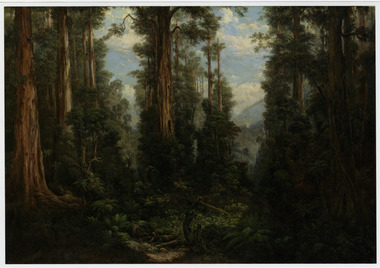 Marysville & District Historical Society
Painting (Item) - Oil painting, Isaac Whitehead, A spring morning near Fernshaw 1880, 1880
... In his own paintings, he painted a number of scenes of the forests of Gippsland, Victoria. His work focused on the rich landscapes with trees and ferns, with a high degree of botanical detail. ...A copy of an early oil painting of Fernshaw in Victoria.A copy of an early oil painting of Fernshaw in Victoria by Isaac Whitehead. Isaac Whitehead (1819–1881) was an Irish-Australian artist who worked in watercolour and pastel. He was also a picture framer and art promoter. It is believed that Isaaz Whitehead emigrated to Australia with his family in either 1853 or 1858. Isaac Whitehead died at his home 50 Punt Road, Prahran, Melbourne, on 21 April 1881. Isaac Whitehead had established himself as the foremost picture framer in Melbourne by 1860, known for his highly ornate frames with floral decorations. Among the clients of his framing business were Louis Buvelot, Nicholas Chevalier, and Eugene von Guérard. In his own paintings, he painted a number of scenes of the forests of Gippsland, Victoria. His work focused on the rich landscapes with trees and ferns, with a high degree of botanical detail. His work won him two medals and his work was posthumously exhibited at 1884 Victorian Jubilee Exhibition, the 1886 London Colonial and Indian Exhibition, and the 1888 Melbourne Centennial Intercolonial Exhibition. Fernshaw was a rural township 63 km northeast of Melbourne and 10 km northeast of Healesville. Situated on the Watts River, near where a log had fallen making a convenient crossing, Fernshaw was settled in the 1860s. It provided good country for orchards and berry growing. The location was at the foot of Blacks Spur, with Mounts Juliet and Mondah rising on either side, providing spectacular scenery. There were nearby fern gullies giving rise to the name – ‘shaw’ is old English for thicket or wood. By 1875 Fernshaw had a post office (1865), two hotels, a school (1871), and stores. It was famed for its beauty, attracting tourists. In 1886 the Melbourne and Metropolitan Board of Works began work on the Watts River water catchment scheme – later to become Maroondah – and the Board obtained approval for the catchment country to be reserved and kept free of settlement. This required the removal of the Fernshaw township, which was completed by about 1890.isaac whitehead, fernshaw, victoria, louis buvelot, nicholas chevalier, eugene von guerard, gippsland, victorian jubilee exhibition, london colonial and indian exhibition, melbourne centennial intercolonial exhibition, watts river, healesville, blacks spur, mount juliet, mount mondah -
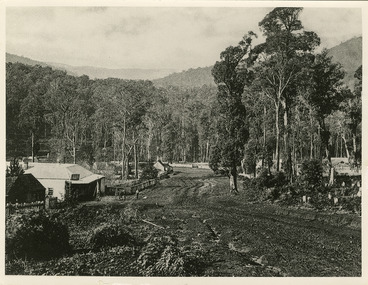 Marysville & District Historical Society
Photograph (Item) - Black and white photograph, Nicholas John Caire, c1880-1884
... Gippsland taking photographs. After marrying in 1870 he moved to Talbot in Victoria until 1876 when he opened a studio in the Royal Arcade in Melbourne. After 1885 Nicholas John Caire gave up his city work and made his home in South Yarra and devoted the rest of his life to outdoor photography, specializing in the bush, the gullies, and the mountains of south-eastern Victoria. murchison street marysville victoria nicholas john caire roderick impey murchison geology geologist LES HARSANT/ HEALESVILLE Entrance to Marysville/ from Nicholas Caire photo - c.1880-84 See Pitkethly, N.J. Caire, Landscape ...A copy of an early black and white photograph of Murchison Street in Marysville in Victoria taken by Nicholas John Caire.A copy of an early black and white photograph of Murchison Street in Marysville in Victoria taken by Nicholas John Caire. Murchison Street was named for Roderick Impey Murchison who was one of the most distinguished geologists of the 19th century. His liberality and social position plus the pride he took in his science were of immense value in furthering the cause of learning in Britain. Nicholas John Caire was born in 1837 in Guernsey. He arrived in Adelaide about 1860 along with his parents who encouraged his early interest in photography. He opened a studio in Adelaide in 1867 after traveling extensively throughout the Gippsland taking photographs. After marrying in 1870 he moved to Talbot in Victoria until 1876 when he opened a studio in the Royal Arcade in Melbourne. After 1885 Nicholas John Caire gave up his city work and made his home in South Yarra and devoted the rest of his life to outdoor photography, specializing in the bush, the gullies, and the mountains of south-eastern Victoria. LES HARSANT/ HEALESVILLE Entrance to Marysville/ from Nicholas Caire photo - c.1880-84 See Pitkethly, N.J. Caire, Landscape Photographer Pithkethly, Rosanna, Vic. 1988; plate 17murchison street, marysville, victoria, nicholas john caire, roderick impey murchison, geology, geologist -
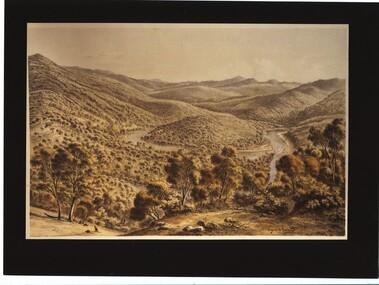 Orbost & District Historical Society
Photograph - The Snowy River near Buchan
... He initially worked as a painter of landscapes and house portraits, often commissioned by wealthy landowners, and produced sketches and paintings during extensive travels across Victoria, Tasmania, New South Wales, South Australia, and New Zealand. Presumably, the original painting was produced by Von Guerard during or after a visit to East Gippsland...He initially worked as a painter of landscapes and house portraits, often commissioned by wealthy landowners, and produced sketches and paintings during extensive travels across Victoria, Tasmania, New South Wales, South Australia, and New Zealand. Presumably, the original painting was produced by Von Guerard during or after a visit to East Gippsland ...This is a photograph of a painting by Eugene von Guerard (1811–1901). Von Guerard was an Austrian-born artist renowned for his detailed and dramatic landscapes, particularly of the Australian bush, painted in the German Romantic tradition emphasizing the sublime and divine presence in nature. He initially worked as a painter of landscapes and house portraits, often commissioned by wealthy landowners, and produced sketches and paintings during extensive travels across Victoria, Tasmania, New South Wales, South Australia, and New Zealand. Presumably, the original painting was produced by Von Guerard during or after a visit to East Gippsland. This photo is significant because it is a copy of a painting of a remote Snowy River wilderness area by renowned artist Eugene Von Guerard. This appears to be a photograph of a painting. The photo has a sepia hue. It shows a vast landscape of trees, hills, a river winding through, and kangaroos is the front left. At the right hand bottom is the name Eugene von Guerard. At the bottom right of the photograph/painting is the name Eugene Von Guerard. On the back of this photo, written in black ink: 'The Snowy River near Buchan. Lucas Point.'snowy river near buchan, landscape painting, eugene von guerard -
 Orbost & District Historical Society
Photograph - Photograph. black + white
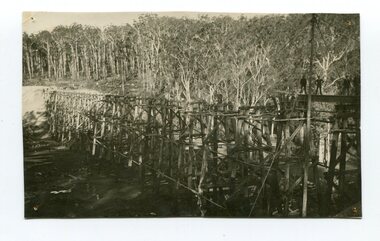
... This is a rare photograph and of high significance in showing the bridge under construction. construction 1916 railway bridge timber industry trestle construction stony creek bridge east gippsland bairnsdale to orbost line Landscape format black + white photograph (unframed). ...The Stony Creek Trestle Bridge was built in 1916 when the existing rail line from Melbourne to Bairnsdale was extended to Orbost. This 97km Bairnsdale to Orbost extension through rugged terrain was reputed to have been the most difficult rail project undertaken in Victoria. In service for over 60 years the bridge was damaged by bushfire in 1980, with the last train crossing in 1987. At 247m long and 20m high, it is the largest standing bridge of its kind in the State, and is listed on the Register of Historic Sites. Built of red ironbark and grey box timber, it is a fine example of the early engineering skills that utilised the resources and materials found on site. (More information Newsletter July 2013)Built during the period 1914-16, of Gippsland Grey Box and Red Ironbark, the Stoney Creek bridge on the East Gippsland Railway is a fine example of early engineering skilll , being constructed without the aid of any of the modern machinery available today. This is a rare photograph and of high significance in showing the bridge under construction.Landscape format black + white photograph (unframed). Four pin holes in each corner, tear to top left quadrant and fold / crease top to bottom in centre of image.construction, 1916, railway bridge, timber industry, trestle construction, stony creek bridge, east gippsland, bairnsdale to orbost line -
 Phillip Island and District Historical Society Inc.
Album, Island Historical articles 2013-2020
... Local interest articles from The Advertiser and South Gippsland Sentinel Times collected by Graeme Clausen Historical The Advertiser Historical Society Shipwrecks Berninneet World War 1 John Jansson Meg & Alec Davis Summerland Golf Course hector goodall Naidoc week tapestry Rudi Coels ferries Cherry McFee wooden boat festival Christine Grayden 150th celebrations Captain John Cleeland Large black landscape cardboard album with newspaper articles on white pages in plastic mounts. 2 screw studs on left side. ...Local interest articles from The Advertiser and South Gippsland Sentinel Times collected by Graeme Clausen HistoricalLarge black landscape cardboard album with newspaper articles on white pages in plastic mounts. 2 screw studs on left side. the advertiser, historical society, shipwrecks, berninneet, world war 1, john jansson, meg & alec davis, summerland golf course, hector goodall, naidoc week, tapestry, rudi coels, ferries, cherry mcfee, wooden boat festival, christine grayden, 150th celebrations, captain john cleeland -
 Heyfield & Districts Historical Society
Butter wrapper
... Gippsland Amalgamated Milk became part of Murray Goulburn, who closed the Heyfield Butter Factory in May 1973. One enquiry to a resident, who arrived there in 1948, suggested this may have ceased being used before that date, or was not available locally. This wrapper is of historical significance as an example of the packaging and promotion of the main product from the Heyfield Butter Factory and Electricity Supply Company. This factory was a major employer and economic influence in the Heyfield District from 1891 to 1973, with the buildings still being an important component in the landscape ...Heyfield Butter Factory Company opened in 1891, and became a co-operative in 1892. It was a major employer in the town, and provided an outlet for local dairy farmers. It amalgamated with Traralgon and Yarram Co-operatives in 1960 to form South Eastern Milk products, which in turn amalgamated with Gippsland Consolidated Milk in 1971 to form Gippsland Amalgamated Milk. In 1973 Gippsland Amalgamated Milk became part of Murray Goulburn, who closed the Heyfield Butter Factory in May 1973. One enquiry to a resident, who arrived there in 1948, suggested this may have ceased being used before that date, or was not available locally.This wrapper is of historical significance as an example of the packaging and promotion of the main product from the Heyfield Butter Factory and Electricity Supply Company. This factory was a major employer and economic influence in the Heyfield District from 1891 to 1973, with the buildings still being an important component in the landscape of the town.Three butter wrappers for one pound blocks of Heyfield Creamery pasteurised butter. This is waxed paper, cream-coloured and pre-cut. One panel has "Cream of the Gippsland Pastures", the others are printed with the name of the factory and other detaildairy factories -
 Bayside Gallery - Bayside City Council Art & Heritage Collection
Painting - oil on board, Kevin Taylor, Summer near Licola, Gippsland
... Gippsland...Victoria...Rural...Hills...Landscape...Kevin Taylor Summer Licola Gippsland Victoria Rural Hills Landscape Trees Summer near Licola, Gippsland Painting oil on board Kevin Taylor ...kevin taylor, summer, licola, gippsland, victoria, rural, hills, landscape, trees -
 Latrobe Regional Gallery
Painting, Fifteen Views of Gippsland, 1978
... Gippsland...views...landscape...Gippsland views landscape Not signed. Not dated. Synthetic polymer paint on canvas Fifteen Views of Gippsland Painting Painting BROWN, Mike b. 1938 Sydney, NSW d. 1997 ...Synthetic polymer paint on canvasNot signed. Not dated.gippsland, views, landscape -
Lakes Entrance Historical Society
Booklet, Gippsland Lakes Complete Health, 50th Annual Report Lakes Entrance Community Health Centre 2025
... Commenced activities, 27th October, 1975 Landscape with brown cover with on frontphotographs 50th Annual Report Lakes Entrance Community Health Centre 2025 Booklet Gippsland Lakes Complete Health ...Message from CEO and Chair, Year review, Board members past and present, Review of 50 years, Bairnsdale story, Bruthen and Metung healthcare, Drought, fire, global pandemic.Landscape with brown cover with on frontphotographs Message from CEO and Chair, Year review, Board members past and present, Review of 50 years, Bairnsdale story, Bruthen and Metung healthcare, Drought, fire, global pandemic.healthcare, celebration, community services -
Lakes Entrance Historical Society
Book, Johnston Chris, Nowa Nowa Workshop Report East Gippsland Heritage Workshop, 1993
... Heritage Social History Report on 1993 heritage workshop condcted at Nowa Nowa, Victoria where 97 historic areas and cultural landscapes were identified. Nowa Nowa Workshop Report East Gippsland Heritage Workshop Book Johnston Chris ...Report on 1993 heritage workshop condcted at Nowa Nowa, Victoria where 97 historic areas and cultural landscapes were identified.heritage, social history -
 Ararat Gallery TAMA
Annemieke Mein, Barnacles specimen, Found 1984
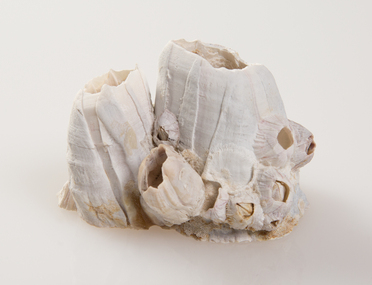
... Gippsland, who has drawn acclaim nationally and from abroad for her vivid recreations of Australian endemic fauna and flora. She was the first textile artist to be made a member of Wildlife Art Society of Australasia and the Australian Guild of Realist Artists. Mein is celebrated for making exquisite and accessible work that sits at the intersection of fine art, natural history and craft. Her intricate stitched works bring to life insects, birds, plants, and the Australian landscape...Gippsland, who has drawn acclaim nationally and from abroad for her vivid recreations of Australian endemic fauna and flora. She was the first textile artist to be made a member of Wildlife Art Society of Australasia and the Australian Guild of Realist Artists. Mein is celebrated for making exquisite and accessible work that sits at the intersection of fine art, natural history and craft. Her intricate stitched works bring to life insects, birds, plants, and the Australian landscape ...Annemieke Mein OAM is a Dutch-born Australian textile artist, based in Sale, Gippsland, who has drawn acclaim nationally and from abroad for her vivid recreations of Australian endemic fauna and flora. She was the first textile artist to be made a member of Wildlife Art Society of Australasia and the Australian Guild of Realist Artists. Mein is celebrated for making exquisite and accessible work that sits at the intersection of fine art, natural history and craft. Her intricate stitched works bring to life insects, birds, plants, and the Australian landscape with astonishing detail and sensitivity. Combining technical mastery with deep environmental awareness, Mein’s art resonates with audiences by celebrating the beauty of the natural world. She is admired not only for elevating textiles beyond the realm of domestic craft, but also for inspiring wonder and respect for Australia’s biodiversity. Her ability to blend fine art, storytelling, and natural history has made her one of Australia’s most beloved textile artists. -
 Ararat Gallery TAMA
Annemieke Mein, Study for Barnacles, 1984-1987
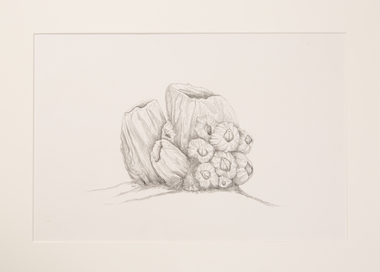
... Gippsland, who has drawn acclaim nationally and from abroad for her vivid recreations of Australian endemic fauna and flora. She was the first textile artist to be made a member of Wildlife Art Society of Australasia and the Australian Guild of Realist Artists. Mein is celebrated for making exquisite and accessible work that sits at the intersection of fine art, natural history and craft. Her intricate stitched works bring to life insects, birds, plants, and the Australian landscape...Gippsland, who has drawn acclaim nationally and from abroad for her vivid recreations of Australian endemic fauna and flora. She was the first textile artist to be made a member of Wildlife Art Society of Australasia and the Australian Guild of Realist Artists. Mein is celebrated for making exquisite and accessible work that sits at the intersection of fine art, natural history and craft. Her intricate stitched works bring to life insects, birds, plants, and the Australian landscape ...Annemieke Mein OAM is a Dutch-born Australian textile artist, based in Sale, Gippsland, who has drawn acclaim nationally and from abroad for her vivid recreations of Australian endemic fauna and flora. She was the first textile artist to be made a member of Wildlife Art Society of Australasia and the Australian Guild of Realist Artists. Mein is celebrated for making exquisite and accessible work that sits at the intersection of fine art, natural history and craft. Her intricate stitched works bring to life insects, birds, plants, and the Australian landscape with astonishing detail and sensitivity. Combining technical mastery with deep environmental awareness, Mein’s art resonates with audiences by celebrating the beauty of the natural world. She is admired not only for elevating textiles beyond the realm of domestic craft, but also for inspiring wonder and respect for Australia’s biodiversity. Her ability to blend fine art, storytelling, and natural history has made her one of Australia’s most beloved textile artists. -
 Ararat Gallery TAMA
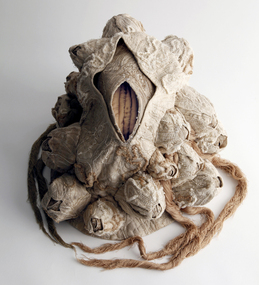
Annemieke Mein, Barnacles, 1984-1987
... Gippsland, who has drawn acclaim nationally and from abroad for her vivid recreations of Australian endemic fauna and flora. She was the first textile artist to be made a member of Wildlife Art Society of Australasia and the Australian Guild of Realist Artists. Mein is celebrated for making exquisite and accessible work that sits at the intersection of fine art, natural history and craft. Her intricate stitched works bring to life insects, birds, plants, and the Australian landscape...Gippsland, who has drawn acclaim nationally and from abroad for her vivid recreations of Australian endemic fauna and flora. She was the first textile artist to be made a member of Wildlife Art Society of Australasia and the Australian Guild of Realist Artists. Mein is celebrated for making exquisite and accessible work that sits at the intersection of fine art, natural history and craft. Her intricate stitched works bring to life insects, birds, plants, and the Australian landscape ...Annemieke Mein OAM is a Dutch-born Australian textile artist, based in Sale, Gippsland, who has drawn acclaim nationally and from abroad for her vivid recreations of Australian endemic fauna and flora. She was the first textile artist to be made a member of Wildlife Art Society of Australasia and the Australian Guild of Realist Artists. Mein is celebrated for making exquisite and accessible work that sits at the intersection of fine art, natural history and craft. Her intricate stitched works bring to life insects, birds, plants, and the Australian landscape with astonishing detail and sensitivity. Combining technical mastery with deep environmental awareness, Mein’s art resonates with audiences by celebrating the beauty of the natural world. She is admired not only for elevating textiles beyond the realm of domestic craft, but also for inspiring wonder and respect for Australia’s biodiversity. Her ability to blend fine art, storytelling, and natural history has made her one of Australia’s most beloved textile artists. -
 Ararat Gallery TAMA
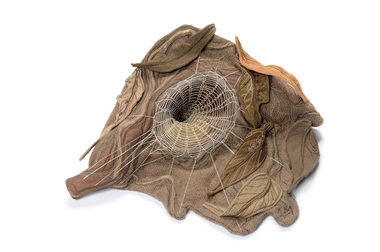
Annemieke Mein, A Shovel of Soil, 1982
... Gippsland, who has drawn acclaim nationally and from abroad for her vivid recreations of Australian endemic fauna and flora. She was the first textile artist to be made a member of Wildlife Art Society of Australasia and the Australian Guild of Realist Artists. Mein is celebrated for making exquisite and accessible work that sits at the intersection of fine art, natural history and craft. Her intricate stitched works bring to life insects, birds, plants, and the Australian landscape...Gippsland, who has drawn acclaim nationally and from abroad for her vivid recreations of Australian endemic fauna and flora. She was the first textile artist to be made a member of Wildlife Art Society of Australasia and the Australian Guild of Realist Artists. Mein is celebrated for making exquisite and accessible work that sits at the intersection of fine art, natural history and craft. Her intricate stitched works bring to life insects, birds, plants, and the Australian landscape ...Annemieke Mein OAM is a Dutch-born Australian textile artist, based in Sale, Gippsland, who has drawn acclaim nationally and from abroad for her vivid recreations of Australian endemic fauna and flora. She was the first textile artist to be made a member of Wildlife Art Society of Australasia and the Australian Guild of Realist Artists. Mein is celebrated for making exquisite and accessible work that sits at the intersection of fine art, natural history and craft. Her intricate stitched works bring to life insects, birds, plants, and the Australian landscape with astonishing detail and sensitivity. Combining technical mastery with deep environmental awareness, Mein’s art resonates with audiences by celebrating the beauty of the natural world. She is admired not only for elevating textiles beyond the realm of domestic craft, but also for inspiring wonder and respect for Australia’s biodiversity. Her ability to blend fine art, storytelling, and natural history has made her one of Australia’s most beloved textile artists. -
 Ararat Gallery TAMA
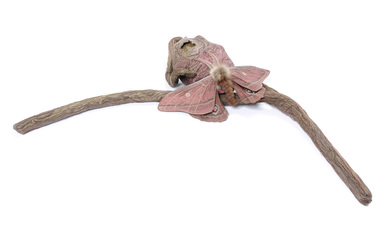
Annemieke Mein, Pink Emperor Gum Moth, 1982
... Gippsland, who has drawn acclaim nationally and from abroad for her vivid recreations of Australian endemic fauna and flora. She was the first textile artist to be made a member of Wildlife Art Society of Australasia and the Australian Guild of Realist Artists. Mein is celebrated for making exquisite and accessible work that sits at the intersection of fine art, natural history and craft. Her intricate stitched works bring to life insects, birds, plants, and the Australian landscape...Gippsland, who has drawn acclaim nationally and from abroad for her vivid recreations of Australian endemic fauna and flora. She was the first textile artist to be made a member of Wildlife Art Society of Australasia and the Australian Guild of Realist Artists. Mein is celebrated for making exquisite and accessible work that sits at the intersection of fine art, natural history and craft. Her intricate stitched works bring to life insects, birds, plants, and the Australian landscape ...Annemieke Mein OAM is a Dutch-born Australian textile artist, based in Sale, Gippsland, who has drawn acclaim nationally and from abroad for her vivid recreations of Australian endemic fauna and flora. She was the first textile artist to be made a member of Wildlife Art Society of Australasia and the Australian Guild of Realist Artists. Mein is celebrated for making exquisite and accessible work that sits at the intersection of fine art, natural history and craft. Her intricate stitched works bring to life insects, birds, plants, and the Australian landscape with astonishing detail and sensitivity. Combining technical mastery with deep environmental awareness, Mein’s art resonates with audiences by celebrating the beauty of the natural world. She is admired not only for elevating textiles beyond the realm of domestic craft, but also for inspiring wonder and respect for Australia’s biodiversity. Her ability to blend fine art, storytelling, and natural history has made her one of Australia’s most beloved textile artists. -
 Phillip Island Conservation Society Inc.
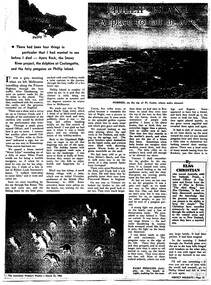
Work on paper - Photocopy of newspaper cutting, "PHILLIP ISLAND/A place to fall in love"
... landscape, but also sees the value as a way of their owners escaping from the hustle and bustle of Melbourne. 11. Gives the visitors’ interpretation of the behaviour of wildlife the RC in the wild, as well as Elsa’s knowledge about some of the species she encounters. Phillip Island Cape Woolamai Penguin Parade Seal rocks Nobbies Township of Rhyll Phillip Island Princes Highway Dandenong Pakenham Kooweerup Carinya Creek Officer San Remo Gippsland ...This article was written by an English visitor named Elsa Christian who was touring Australia and New Zealand with her husband Frank in their own small van. The article was published in the Australian Women’s Weekly, magazine, March 1966. Elsa writes she wanted to visit four Australian locations before she died: Ayers Rock (actually Uluru), the Snowy River project, dolphins at Coolangatta and the Penguin Parade at Phillip Island. These destinations were all very popular in the 1960s for both Australian residents and overseas visitors. Because the roads were becoming better too many locations, self guided tours in small vans for cars towing bond would caravans were becoming more popular means of seeing AustraliaThe article is significant in many ways. 1. Indicates the places English visitors commonly wish to see in Australia. 2. Describes the growing trend to self- drive van/camping holidays. 3. Gives the route taken from Melbourne to Phillip Island during the 1960s. 4. Describes the appearance of the roadsides and locations visited. 5. It is written in a descriptive and lyrical style designed to appeal to Women’s Weekly magazine readers, who were probably wondering how they could visit Phillip Island with their husbands or families themselves, and what there was to see there. 6. Gives the visitors’ view of how the Penguin Parade operated at the time. 7. Includes a description of potter and artist Eric Juckert’s renowned garden at Grossard Point, Ventnor. 8. Indicates how introduced plants such as Hawthorn pushes and Kate weed were common in the area. 9. Describes Phillip Island as “a place to fall in love” because of its natural beauty, fauna and coastal seascapes. 10. As a visitor Elsa describes the housing estates as a blot on the landscape, but also sees the value as a way of their owners escaping from the hustle and bustle of Melbourne. 11. Gives the visitors’ interpretation of the behaviour of wildlife the RC in the wild, as well as Elsa’s knowledge about some of the species she encounters.Photocopy of full page article with 5 columns of text, a map and 2 photographs. Black ink on white paper. Photographs blackened in photocopying processphillip island, cape woolamai, penguin parade, seal rocks, nobbies, township of rhyll phillip island, princes highway, dandenong, pakenham, kooweerup, carinya creek, officer, san remo, gippsland highway, holiday homes, fort dumaresq, kitty miller's beach, wreck of the speke, hereford cattle, fleetwood manor, koalas, ventnor, eric juckert, little penguin behaviour -
Kew Historical Society Inc
Album, Nicholas Caire, Views of Victoria: General Series, 1870s
... Gippsland, he opened a studio in Adelaide. From 1870 to 1876 he lived and worked in Talbot in Central Victoria. In 1876 he purchased T. F. Chuck's studios in the Royal Arcade Melbourne. In 1885, following the introduction of dry plate photography, he began a series of landscape...Gippsland, he opened a studio in Adelaide. From 1870 to 1876 he lived and worked in Talbot in Central Victoria. In 1876 he purchased T. F. Chuck's studios in the Royal Arcade Melbourne. In 1885, following the introduction of dry plate photography, he began a series of landscape ...Nicholas Caire was born on Guernsey in the Channel Islands in 1837. He arrived in Adelaide with his parents in about 1860. In 1867, following photographic journeys in Gippsland, he opened a studio in Adelaide. From 1870 to 1876 he lived and worked in Talbot in Central Victoria. In 1876 he purchased T. F. Chuck's studios in the Royal Arcade Melbourne. In 1885, following the introduction of dry plate photography, he began a series of landscape series, which were commercially successful. As a photographer, he travelled extensively through Victoria, photographing places few of his contemporaries had previously seen. He died in 1918.'Views of Victoria: General Series' by the photographer, Nicholas Caire (1837-1918). The series of 60 photographs that comprise the series was issued c. 1876 and reinforced a neo-Romantic view of the Australian landscape to which a growing nationalist movement would respond. Nicholas Caire was active as a photographer in Australia from 1858 until his death in 1918. His vision of the Australian bush and pioneer life had a counterpart in the works of Henry Lawson and other nationalist poets, authors and painters.Part collection (56/60) of Nicholas Caire's 'Views of Victoria General Series' (1870s), including landscape photographs mounted and inscribed by the photographer on card. The accession records of the Society record that they were transferred by Stewart West in 1984. This wording suggests that he may have been preserving the series for the Society in the absence of a (then) permanent home. It has been suggested that they may have once formed part of the Dorothy Rogers Collection, donated by her estate in 1974. The series includes one duplicate (No.14) and is missing Nos. 15, 36, 43, 45, and 48.nicholas caire (1837-1918), views of victoria general series, landscape photography - 19th century -
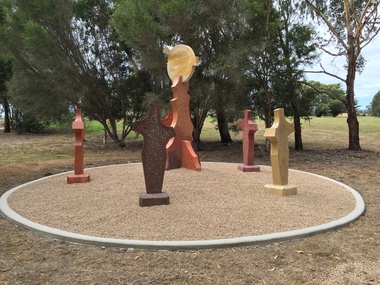 Federation University Art Collection
Sculpture, 'Mungo Moon' by Don Barrett, 2015
... gippsland campus federation university churchill sculpture A large sculpture in five pieces set in an external location. It is part of the Churchill Art and Culture Walking Pathway. Don Barrett’s work is mainly in concrete with added coloured oxides to portray the feeling of the Australian landscape. ...'Mungo Moon' by Don Barrett is the first sculpture erected on the Churchill Art and Culture Pathway. It was officially unveiled by Professor David Battersby on 15 April 2015 From Churchill & District News 16 October 2014 The Churchill Art and Culture Walking Pathway will have its official public opening on Saturday October 18, with a walk finishing at Federation University Australia’s Switchback Gallery at the Federation University Gippsland Campus. ... An important link on the newly developed pathway was recently completed with a path south of the FedUni Student West Residences. The path now allows walkers to turn off the Eel Hole Creek path before reaching Glendonald Estate and to follow a picturesque, tree lined walkway to join up with the footpath on the Eastern side of Northways Road. From there the footpath joins into Federation University’s network of walking paths that proceeds past the Switchback Art Gallery, down through the pine plantation and along Lake Kretlow and the Churchill Golf Course. Project Manager Mike Answerth, said the opening of the West Residences section of the path means there is now only one short link to complete. “We’re now very close to realising the project’s objective to join up all these walking paths to provide a continuous pathway that encompasses town, campus and parkland. The next stage of the project will be the completion of Latrobe City’s East West Link and the enhancement of the walking path with artistic and cultural features.” said Mr. Answerth. Head of Federation University Australia Gippsland Campus, Dr Harry Ballis, said the project had been made possible through the contributions of the five former Gippsland Education Precinct (GEP) partners. “The Art and Culture Pathway represents another important step in joining the Churchill township and the university campus as a physical and social entity,” Dr Ballis said. “This was an initiative of the GEP and it is pleasing to see it coming to fruition.” The path now reaches as far as the golf driving range but plans are already under way to connect with the Mathison Park board walk and pathway, which surrounds Lake Hyland in Churchill. When the loop is completed, residents and visitors will have an approximately 5km circular walking path which links up the Churchill town centre, Federation University Australia and Mathison Park. There are already art features along this route, including primary schools’ Bug Blitz totems near the Kurnai College school crossing, native vegetation and history panels near the Hare Homestead in Mathison Park, and outdoor sculptures in the pine trees near the Federation University Switchback Gallery. contemporaryA large sculpture in five pieces set in an external location. It is part of the Churchill Art and Culture Walking Pathway. Don Barrett’s work is mainly in concrete with added coloured oxides to portray the feeling of the Australian landscape. Barrett focuses on concepts of Australia’s short history and indigenous history. churchill art and culture pathway, barrett, don barrett, gippsland campus, federation university, churchill, sculpture -
 Federation University Art Collection
Ceramic, Bryan Trueman, [Platter] by Bryan Trueman, 08/1982
... gippsland campus...artists...artwork...jan feder memorial ceramics collection...landscape...Gippsland Institute of Advanced Education c1982. He is particularly well-known for his painterly use of glazes to depict the Australian landscape, using the platter as the base form. ...Gippsland Institute of Advanced Education c1982. He is particularly well-known for his painterly use of glazes to depict the Australian landscape, using the platter as the base form. ...Bryan TRUEMAN (13 November 1941- ) Born Derbyshire, England worked in Australia 1975–1992 Bryan Trueman studied at Blackpool School of Art in 1962, undertaking Postgraduate studies at Manchester College of Art in 1963. He toured the east coast of America in 1967-8, then returned to England where he started to train himself in Ceramics. Migrating to Australia in 1975 Bryan Trueman lectured at Caulfield Institute of Technology, Melbourne. In 1982 he opened a studio in Warrandyte, Victoria. Bryan Trueman was a visiting lecturer to the Gippsland Institute of Advanced Education c1982. He is particularly well-known for his painterly use of glazes to depict the Australian landscape, using the platter as the base form. Bryan Trueman was a visiting lecturer to the Gippsland Centre for Art and Design in 1982. This work is part of the Jan Feder Memorial Ceramics Collection. Jan Feder was an alumna of the Gippsland Campus who studied ceramics on the campus. She passed away in the mid 1980s. Her student peers raised funds to buy ceramic works in her memory. They bought works from visiting lecturers who became leading ceramic artists around the world, as well as from many of the staff who taught there. Wheel thrown stoneware platter, with colourful landscape glaze.Bryan Trueman Aug '82ceramics, bryan trueman, gippsland campus, artists, artwork, jan feder memorial ceramics collection, landscape -
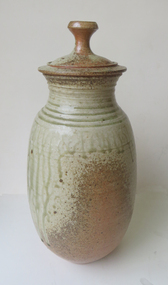 Federation University Art Collection
Ceramic - Artwork - Ceramics, Woodfired Lidded Jar by Stewart Scambler, c1986
... landscape from local clays and glazes and a mix of native timbers from his York property. He used an incised or impressed 'Stewart' for his mark on early works but later started incising his full name. stewart scrambler ceramics jan feder memorial ceramics collection gippsland campus woodfire 86 bohemian ceramics Australian Studio Pottery Wheelthrown and woodfired lidded jar. ...Stewart SCAMBLER Stewart Scrambler is also a woodfirer, making ceramic forms inspired by the Western Australian landscape from local clays and glazes and a mix of native timbers from his York property. He used an incised or impressed 'Stewart' for his mark on early works but later started incising his full name.Wheelthrown and woodfired lidded jar. stewart scrambler, ceramics, jan feder memorial ceramics collection, gippsland campus, woodfire 86, bohemian ceramics, australian studio pottery -
 Federation University Art Collection
Painting - Artwork, David Alexander, [Nude in the Landscape] by David Alexander
... david alexander nude life drawing Gippsland Campus Churchill available Available gippland Framed painting of a nude in an landscape. ...Framed painting of a nude in an landscape.david alexander, nude, life drawing, gippsland campus, churchill, available, available gippland -
 Federation University Art Collection
Painting, 'Murray River Flood Plain', by David Alexander, 2004
... ...gippsland campus...landscape...David ALEXANDER art artist david alexander murray river gippsland campus landscape watercolour churchill Signed and dated in ink lower left "DA Alexander '04" Framed watercolour landscape depicting water in the foreground and mountains in the mid-ground. ...David ALEXANDERFramed watercolour landscape depicting water in the foreground and mountains in the mid-ground.Signed and dated in ink lower left "DA Alexander '04"art, artist, david alexander, murray river, gippsland campus, landscape, watercolour, churchill
