
Showing 124 items matching "midwifery nursing training"
-
 St Vincent's Hospital Melbourne Archives
Certificate - St Vincent's Maternity Hospital Melbourne Midwifery Certificate awarded to Margaret Rosengren in 1949
... ...Midwifery Nursing Training...Margaret Rosengren St Vincent's Maternity Hospital Melbourne. Midwifery Nursing Training Blue printed certificate with St Vincent's Hospital Crest and bold darker blue border. ...Margaret Rosengren's instruction and specialist course was for a period of nine months and after examination was found competent to practice as an Obstetrical Nurse.margaret rosengren, st vincent's maternity hospital melbourne., midwifery nursing training -
St Vincent's Hospital Melbourne Archives
Book - The Midwife's Text-Book of the Principles and Practice of Midwifery by R.W.Johnstone of Scotland, circa 1947
... ...Midwifery Nursing Training...Margaret Slattery R.W.Johnstone St Vincents Hospital Melbourne The Royal Women's Hospital Melbourne Midwifery Nursing Training In an indented circle on the hardcover is "Blacks Medical Series: " with the image of the Rod Of Asclepius, the symbol of medicine featuring the single serpent wrapped around a simple staff. ...Text reference book for midwives with illustrations and photographs.In an indented circle on the hardcover is "Blacks Medical Series: " with the image of the Rod Of Asclepius, the symbol of medicine featuring the single serpent wrapped around a simple staff. Margaret Slattery's name is hand written in ink on the inner cover. margaret slattery, r.w.johnstone, st vincents hospital melbourne, the royal women's hospital melbourne, midwifery nursing training -
St Vincent's Hospital Melbourne Archives
Certificate - The Midwives Acts Certificate of Registration awarded to Katherine Olive Cass by Nurses Board Victoria, 1945
... ...Midwifery Nursing Training...Katherine Olive Cass completed her general nurse training at St Vincents Hospital Melbourne in 1943 and then her midwifery training at St Vincent's Maternity Hospital Melbourne in 1945. Katherine Olive Cass St Vincents Hospital Melbourne Midwifery Nursing Training Nurses Board of Victoria Midwives Act Typed Certificate. ...The Nurses Board of Victoria became responsible for the registration of midwives in 1929 following the passing of the Midwives Act 1928. Katherine Olive Cass completed her general nurse training at St Vincents Hospital Melbourne in 1943 and then her midwifery training at St Vincent's Maternity Hospital Melbourne in 1945.Typed Certificate.katherine olive cass, st vincents hospital melbourne, midwifery nursing training, nurses board of victoria midwives act -
 Numurkah & District Historical Society
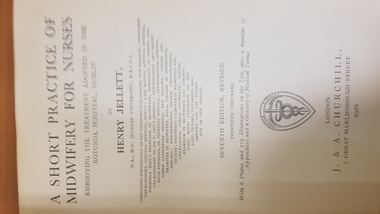
Midwifery Book
... Hospital, midwifery, book, nursing, education, training...Hospital, midwifery, book, nursing, education, training Midwifery Training Book: "A Short Practice of Midwifery for Nurses" by Henry Jellet. ...Midwifery Training Book: "A Short Practice of Midwifery for Nurses" by Henry Jellet. Published in 1926. Used by Elizabeth McRae Romseyhospital, midwifery, book, nursing, education, training -
 Federation University Historical Collection
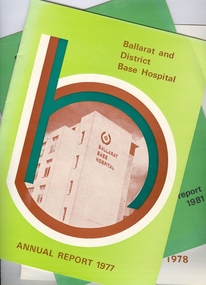
Booklet - Annual Report, Ballarat and District Base Hospital, Ballarat and District Base Hospital Annual Reports (1977, 1978, 1981), 1977 - 1981
... training centre for nurses. In 1978 the hospital not only caters for general nursing and midwifery training, but also provides under graduate training for medical students."...training centre for nurses. In 1978 the hospital not only caters for general nursing and midwifery training, but also provides under graduate training for medical students." edgar bartrop ballarat college of advanced education nursing nurse bcae ballarat base hospital shirley falkinder shirley ogden school of nursing nurse educaiton pathology radiology m stevens winsome menedue trained nurses league contributers 3 booklets, each of about 20 pages. 1977 is light green covered, 1978 white with brown text, and 1981 mid green covered. ...Before the training of nurses at the Ballarat College of Advanced Education (now University of Ballarat) Ballarat nurses trained at the Ballarat Base Hospital. The 1978 Annual report gives the following hospital background: 'The foundation stone for the original 42 bed hospital was laid on the existing site on 25th December, 1855. Ballarat at that time had a population of between 40,000 and 50,000 people, with the demands on the hospital services being mainly for medical care resulting from mining accidents. Medical, Nursing and General care were provided by the resident Surgeon, matron and wardsmen. Financial support depended on donations from churches masonic lodges, the public and bequests. The hospital today provides centralized health services and specialist medical, surgical and ancillart assistance to the communities in the Central Highlands Region. The trend in hospital financing today has changed and is based to a large extent on State and Commonwealth Grants. Contribution from the public remain important particulalry in the purchase of equipement and ultimately the services provided by the hospital. Since 1887 the Ballarat Base Hospital has been an important training centre for nurses. In 1978 the hospital not only caters for general nursing and midwifery training, but also provides under graduate training for medical students."3 booklets, each of about 20 pages. 1977 is light green covered, 1978 white with brown text, and 1981 mid green covered.edgar bartrop, ballarat college of advanced education, nursing, nurse, bcae, ballarat base hospital, shirley falkinder, shirley ogden, school of nursing, nurse educaiton, pathology, radiology, m stevens, winsome menedue, trained nurses league, contributers -
 Royal Australian and New Zealand College of Obstetricians & Gynaecologists (RANZCOG)
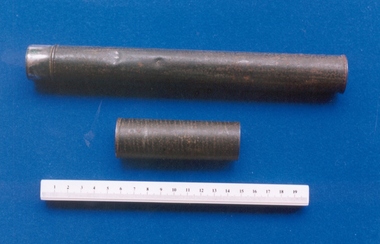
Bath thermometer case associated with midwife Mary Howlett, c. 1866 - 1920
... nursing during the 1800s. Mary Howlett (1840-1922) began practising as a country midwife in 1866 in the western district of Victoria. She qualified as a 'ladies monthly nurse' in 1887 and continued to practise as a nurse and midwife until 1920.She began her six months training at the Melbourne Lying-In Hospital. She was known by many as 'Auntie', and her career spanned more than 50 years. Mrs Howlett's midwifery ...Bath thermometers were used in both hospital and home nursing during the 1800s.Mary Howlett (1840-1922) began practising as a country midwife in 1866 in the western district of Victoria. She qualified as a 'ladies monthly nurse' in 1887 and continued to practise as a nurse and midwife until 1920.She began her six months training at the Melbourne Lying-In Hospital. She was known by many as 'Auntie', and her career spanned more than 50 years. Mrs Howlett's midwifery box and contents were given to Dr Frank Forster, and he donated them to the museum collection in 1993.Container for bath thermometer, consisting of base and lid. Cylindrical box made of tin with copper lining. Bath thermometer is missing.diagnostic instruments, midwifery -
 Alfred Hospital Nurses League - Nursing History Collection
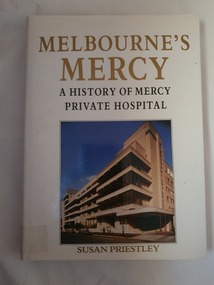
Book - Illustrated book, Susan Priestly, Melbourne's Mercy: a history of Mercy Private Hospital, 1990
... The book also includes a chapter on nursing education. Many Alfred graduates undertook midwifery training at the Mercy Maternity Hospital. ...This illustrated book is a history of the Mercy private Hospital in Melbourne. It describes the work of the Sisters of Mercy, first at St Benedict's hospital Malvern (opened 1920) and then from December 1934 at the Mercy Private Hospital in East Melbourne. Also included is a history of the Mercy Maternity Hospital, that opened in East Melbourne in 1971. The period covered by the book extends to the mid 1980's. The text is enlivened by anecdotes of doctors, nurses, other staff and patients.Illustrated hardcover book with dust jacket. Book is bound in white, Melbourne's Mercy in gilt on front cover, Melbourne's Mercy, authors surname and publisher's mark in gilt on spine. Dust jacket has a white background, with full title and authors full name on front, Melbourne's Mercy, authors surname and publisher's mark on spine. Also on front cover is a photograph of the hospital [ca.1990]. On the back cover there is a coloured photograph of the Bronze Dove sculpture (crafted by Flynn Silver, Kyneton).non-fictionThis illustrated book is a history of the Mercy private Hospital in Melbourne. It describes the work of the Sisters of Mercy, first at St Benedict's hospital Malvern (opened 1920) and then from December 1934 at the Mercy Private Hospital in East Melbourne. Also included is a history of the Mercy Maternity Hospital, that opened in East Melbourne in 1971. The period covered by the book extends to the mid 1980's. The text is enlivened by anecdotes of doctors, nurses, other staff and patients.mercy private hospital-melbourne, mercy maternity hospital-melbourne, st benedict's hospital-malvern, hospitals-victoria, east melbourne -
 Alfred Hospital Nurses League - Nursing History Collection
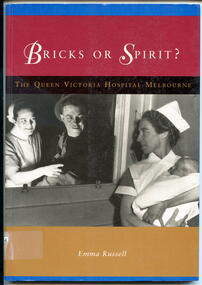
Book - Illustrated book, Emma Russell, Bricks or spirit: the Queen Victoria Hospital, Melbourne, 1977
... midwifery training there. Also some Queen Victoria general nurse trainees came to the Alfred for male nursing experience. ...A history of the Queen Victoria hospital. In 1896 eleven female doctors led by Constance Stone opened the Victoria hospital for women and children. After three different city locations, it ceased to exist as a separate entity in 1987, when amalgamation saw it form part of the Monash Medical Centre in Clayton.Illustrated book. Multicolour front cover with title and authors name, as well as illustration (black and white photo) of a 'receiving" window, where fathers or other visitors could view a newborn. Nurse and man standing on one side and nurse holding a baby on the other. Title, authors name and publishers mark in white print on gold coloured spine. The back cover has a cream background with a summary of the book printed on it. There are also three photos of the hospitals three homes: St David's Church Hall, Mint Place and Lonsdale St.non-fictionA history of the Queen Victoria hospital. In 1896 eleven female doctors led by Constance Stone opened the Victoria hospital for women and children. After three different city locations, it ceased to exist as a separate entity in 1987, when amalgamation saw it form part of the Monash Medical Centre in Clayton.queen victoria hospital (melbourne), queen victoria memorial hospital (melbourne), queen victoria medical centre(melbourne), monash medical centre, hospitals-victoria -history -
 Alfred Hospital Nurses League - Nursing History Collection
Book - Illustrated book, Janet McCalman, Sex and suffering: women's health and a women's hospital: the Royal Women's Hospital Melbourne 1856-1996, 14/12/1995
... midwifery training at The Royal Women's Hospital. Royal Women's Hospital-Melbourne-History Women's Health Obstetrics and Gynacology Hospitals-Victoria-History Nursing An absorbing social history of women's health seen through the workings of Australia's oldest women's hospital: the Royal Women's Hospital, from 1856-1996. ...An absorbing social history of women's health seen through the workings of Australia's oldest women's hospital: the Royal Women's Hospital, from 1856-1996.Illustrated book with dust jacket. Book is bound in dark blue, with abbreviated title, author's surname, and publishers mark printed in gilt on spine. Dust jacket has a dark blue background, full title and author's name printed in multicolour on front. Abbreviated title, author's surname and publishers mark in multicolour print on spine.An absorbing social history of women's health seen through the workings of Australia's oldest women's hospital: the Royal Women's Hospital, from 1856-1996.royal women's hospital-melbourne-history, women's health, obstetrics and gynacology, hospitals-victoria-history, nursing -
 Alfred Hospital Nurses League - Nursing History Collection
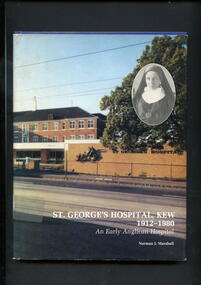
Book - Illustrated book, Norman J. Marshall, St.George's Hospital, Kew 1912-1980: an early Anglican Hospital, 1981
... Midwifery Training Medical trainining Church of England Ellerslie A history of St George's hospital, Kew. Hospital was founded by the Church of England in 1912 and administered by the Sisters of the Community of the Holy Name until 1949. In 1925 a midwifery wing had been added, and the hospital was registered as a Midwifery Training School. The hospital was sold to the Victorian Hospitals and Charities Commission in 1949. At lower right of front-end paper is a printed black and white donation sticker: black Maltese cross in circle, "This book was donated to Alfred Archival Association Nursing ...A history of St George's hospital, Kew. Hospital was founded by the Church of England in 1912 and administered by the Sisters of the Community of the Holy Name until 1949. In 1925 a midwifery wing had been added, and the hospital was registered as a Midwifery Training School. The hospital was sold to the Victorian Hospitals and Charities Commission in 1949.Illustrated hardcover book with dustjacket. Book has a mid-blue cover, with abbreviated title and authors surname printed in gilt on spine. The dustjacket has a coloured photograph of the front of the hospital as background. An oval black and white photograph of Sister Esther (Mother Foundress of the Community of the Holy Name) is superimposed at the top right front corner. Full title and author's name is printed in white at bottom of front. Abbreviated title and author's name printed in white on spine.non-fictionA history of St George's hospital, Kew. Hospital was founded by the Church of England in 1912 and administered by the Sisters of the Community of the Holy Name until 1949. In 1925 a midwifery wing had been added, and the hospital was registered as a Midwifery Training School. The hospital was sold to the Victorian Hospitals and Charities Commission in 1949.st george's hospital, kew, hospitals-victoria, midwifery training, medical trainining, church of england, ellerslie -
 Alfred Hospital Nurses League - Nursing History Collection
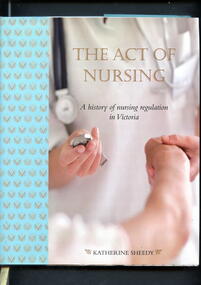
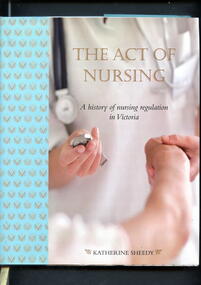
Book - Illustrated book, Katherine Sheedy, The act of nursing: A history of nursing regulation in Victoria, 2012
... nursing and midwifery regulation. Of significance to the AHNL as it tells the story of nursing and midwifery regulation in Victoria from the time of the Nurses Registration Act 1923, through to the end of state-based regulation in 2010 Nursing-History Nursing-law and legislation-Victoria-History This book documents an important part of the story of nursing and midwifery in Victoria. the role of registration, training accreditation and monitoring of nurses and midwives has been fulfilled by three bodies in Victoria: the Nurses Board (1923-1957), the Victorian Nursing Council (1957-1994) and the Nurses Board of Victoria (1994-2010). ...This book documents an important part of the story of nursing and midwifery in Victoria. the role of registration, training accreditation and monitoring of nurses and midwives has been fulfilled by three bodies in Victoria: the Nurses Board (1923-1957), the Victorian Nursing Council (1957-1994) and the Nurses Board of Victoria (1994-2010).Illustrated book with dust jacket. Book has abbreviated title and authors surname printed on spine in white ink on pale blue background. This pale blue binding extends for 55mm on front and back covers. The remainder of the covers have repeated images of various Victorian Nurses board Badges on a white background. Dust jacket has similar images on pale blue background on spine and extending 55mm on front and back, remainder of back is pale blue. On the front is an image of one person (torso only) holding another's wrist and holding a watch in their other hand and part of a stethoscope is also visible. Title and author's name are printed on front and spine. There is a 9mm wide attached gold satin ribbon bookmark.non-fictionThis book documents an important part of the story of nursing and midwifery in Victoria. the role of registration, training accreditation and monitoring of nurses and midwives has been fulfilled by three bodies in Victoria: the Nurses Board (1923-1957), the Victorian Nursing Council (1957-1994) and the Nurses Board of Victoria (1994-2010).nursing-history, nursing-law and legislation-victoria-history -
St Vincent's Hospital Melbourne Archives
Book, Practical Nursing including Hygiene and Dietetics by W.T. Gordon Pugh M.D.B.S, in 1937
... One of the textbooks used by Margaret Glennen during her nurse training at St Vincent's Hospital Melbourne which included the history and evolution of nursing and its practices to the time of 1937. Medical and surgical techniques, materia medica, midwifery and children's nursing, many illnesses or diseases that nurses may encounter in hospital and other settings. ...One of the textbooks used by Margaret Glennen during her nurse training at St Vincent's Hospital Melbourne which included the history and evolution of nursing and its practices to the time of 1937. Medical and surgical techniques, materia medica, midwifery and children's nursing, many illnesses or diseases that nurses may encounter in hospital and other settings. ...One of the textbooks used by Margaret Glennen during her nurse training at St Vincent's Hospital Melbourne which included the history and evolution of nursing and its practices to the time of 1937. Medical and surgical techniques, materia medica, midwifery and children's nursing, many illnesses or diseases that nurses may encounter in hospital and other settings. The book includes photographed or illustrations of smallpox, tuberculosis of lung and types of splints and more. Inside cover is handwritten "Nurse M Glennen, St Vincents Hospital." margaret glennen, m.t. gordon pugh m.d, st vincent's hospital melbourne nurse training, fairfield hospital melbourne, invalid convalescent and home cookery -
St Vincent's Hospital Melbourne Archives
Certificate - The Royal Women's Hospital Melbourne postgraduate certificate in Gynaecological Diseases Nursing awarded to Vivienne Ethel Pearce in 1961
... Sister Vivienne Pearce completed a post graduate course in Gynaecological Diseases Nursing at The Royal Women's Hospital to further her already completed certified trained nurse and midwife training at St Vincent's Hospital Melbourne. Vivienne Pearce The Royal Women's Hospital Melbourne Gynaecological Diseases Nursing Postgraduate Nursing St Vincent's Hospital Melbourne St Vincent's Midwifery Hospital Melbourne. ...Sister Vivienne Pearce completed a post graduate course in Gynaecological Diseases Nursing at The Royal Women's Hospital to further her already completed certified trained nurse and midwife training at St Vincent's Hospital Melbourne. The certificate is signed by the President, the Manager, the Matron, the Examiners and Vivienne Pearce.vivienne pearce, the royal women's hospital melbourne, gynaecological diseases nursing, postgraduate nursing, st vincent's hospital melbourne, st vincent's midwifery hospital melbourne. -
St Vincent's Hospital Melbourne Archives
Photograph - Photographs of Midwife Margaret Slattery during her nursing overseas experience and exchange program in America, circa 1955
... Midwifery Training at Royal Women's Hospital Melbourne, travelled overseas to England, Canada and then an exchange program in America. One of the photographs shows the elaborate bassinet covers that were in use in hospital baby nurseries circa 1955 in America. Margaret Slattery St Vincent's Hospital Melbourne Royal Women's Hospital. Midwifery Nursing ...Following her General Nurse Training at St Vincent's Hospital Melbourne, Sister Margaret Slattery completed her Midwifery Training at Royal Women's Hospital Melbourne, travelled overseas to England, Canada and then an exchange program in America. One of the photographs shows the elaborate bassinet covers that were in use in hospital baby nurseries circa 1955 in America.Inscription reads Toronto Western Hospital Canada, November 1955 - "Baby Cart,- 8 of 'em!". Another reads: "The Doorway of Dickens house. We did not enter the threshold-we didn't have the bob!"margaret slattery, st vincent's hospital melbourne, royal women's hospital., midwifery nursing -
 Alfred Hospital Nurses League - Nursing History Collection
Book - Illustrated Book, Katherine Sheedy, The act of nursing: a history of nursing regulation in Victoria, 2011
... nursing and midwifery regulation. Of significance to the AHNL as it tells the story of nursing and midwifery regulation in Victoria from the time of the Nurses Registration Act 1923, through to the end of state-based regulation in 2010. Nursing-History Nursing-law and legislation-Victoria-History Nursing trainng This book documents an important part of the story of nursing and midwifery in Victoria. the role of registration, training accreditation and monitoring of nurses and midwives has been fulfilled by three bodies in Victoria: the Nurses Board (1923-1957), the Victorian Nursing Council (1957-1994) and the Nurses Board of Victoria (1994-2010). ...This book documents an important part of the story of nursing and midwifery in Victoria. the role of registration, training accreditation and monitoring of nurses and midwives has been fulfilled by three bodies in Victoria: the Nurses Board (1923-1957), the Victorian Nursing Council (1957-1994) and the Nurses Board of Victoria (1994-2010).Illustrated book with dust jacket. Book has abbreviated title and authors surname printed on spine in white ink on pale blue background. This pale blue binding extends for 55mm on front and back covers. The remainder of the covers have repeated images of various Victorian Nurses board Badges on a white background . Dust jacket has similar images on pale blue background on spine and extending 55mm on front and back, remainder of back is pale blue. On the front is an image of one person (torso only) holding another's wrist and holding a watch in their other hand and part of a stethoscope is also visible. Title and author's name are printed on front and spine. There is a 9mm wide attached gold satin ribbon bookmark.non-fictionThis book documents an important part of the story of nursing and midwifery in Victoria. the role of registration, training accreditation and monitoring of nurses and midwives has been fulfilled by three bodies in Victoria: the Nurses Board (1923-1957), the Victorian Nursing Council (1957-1994) and the Nurses Board of Victoria (1994-2010).nursing-history, nursing-law and legislation-victoria-history, nursing trainng -
 Alfred Hospital Nurses League - Nursing History Collection
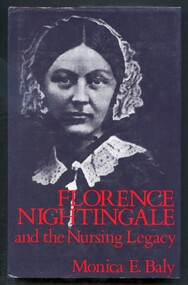
Book, Monica Eileen Baly 1914-1998, Florence Nightingale and the nursing legacy, 1986
... Nursing-study and teaching...Midwifery-study and teaching...Nightingale Training...Of significance to the AHNL as it mentions Haldane Turriff, first matron of the Alred Florence Nightingale Nightingale Fund Nursing-study and teaching Midwifery-study and teaching Nightingale Training School=London This is a study based on research into the records of the Nightingale Fund and how it was used to finance various experiments in nursing and midwifery training in the nineteenth century. ...This is a study based on research into the records of the Nightingale Fund and how it was used to finance various experiments in nursing and midwifery training in the nineteenth century. It traces the development of nurse training and discusses problems that beset a fledgling profession.Book with dustjacket. Book has a black cover, with title, author's name, publisher's name and mark embossed in gold on spine. Dust jacket has a black background, with title and author's name printed in red on front and spine. Also, on the front of the dust jacket is a black and white photograph of a woman with dark hair wearing a lace cap and collar (Florence Nightingale by Claudius Erskine Goodman)non-fictionThis is a study based on research into the records of the Nightingale Fund and how it was used to finance various experiments in nursing and midwifery training in the nineteenth century. It traces the development of nurse training and discusses problems that beset a fledgling profession.florence nightingale, nightingale fund, nursing-study and teaching, midwifery-study and teaching, nightingale training school=london -
![Paperback illustrated book with white cover, title and author's names printed in blue ink on the front cover along with a black and white photograph of a woman seated at a table (Mavis Braid [ca.2000] on the back cover is a quote 'Good, better, best, never let it rest until your good is better and your better best. Contains an autobiography of Mavis Baird (nee Gunn) including her memories of general nursing and midwifery training.](/media/collectors/50187a8f023fd7201471f198/items/682bf3d1b92b884efee33a1e/item-media/682fcb1c002046b7c0be4c64/item-fit-380x285.jpg?cb=6) Alfred Hospital Nurses League - Nursing History Collection
Alfred Hospital Nurses League - Nursing History CollectionBook - Illustrated book, Mavis Baird 1917-2006, Houses and hospitals: Mavis Braid's story as told to Geraldine McFarlane, 2000
... Mavis Baird 1917-2006 Autobiography Nursing-training Alfred Hospital nurses Autobiography of Mavis Baird (nee Gunn) including her memories of general nursing and midwifery training. ...Autobiography of Mavis Baird (nee Gunn) including her memories of general nursing and midwifery training.Illustrated book with white cover, title and author's names printed in blue ink on the front cover along with a black and white photograph of a woman seated at a table (Mavis Braid [ca.2000] on the back cover is a quote 'Good, better, best, never let it rest until your good is better and your better best. non-fictionAutobiography of Mavis Baird (nee Gunn) including her memories of general nursing and midwifery training.mavis baird 1917-2006, autobiography, nursing-training, alfred hospital nurses -
 Alfred Hospital Nurses League - Nursing History Collection
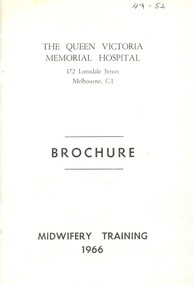
Booklet, Queen Victoria memorial Hospital, The Queen Victoria Hospital brochure - midwifery training 1966, 1966
... midwifery trainees by the Queen Victoria Memorial Hospital Melbourne in 1966. Of significance to the AHNL as many Alfred graduates completed midwifery training at the Queen Victoria Memorial Hospital Melbourne. nursing education midwifery Queen Victoria Hospital (Melbourne) Information about midwifery training at the Queen Victoria Memorial Hospital, Melbourne in the 1960's. previous catalogue number written in black ink at top right of front cover. ...Information about midwifery training at the Queen Victoria Memorial Hospital, Melbourne in the 1960's.Booklet with black print. Title on front cover.non-fictionInformation about midwifery training at the Queen Victoria Memorial Hospital, Melbourne in the 1960's.nursing education, midwifery, queen victoria hospital (melbourne) -
 Alfred Hospital Nurses League - Nursing History Collection
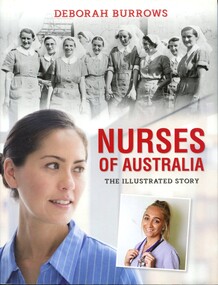
Book - Illustrated book, Deborah Burrows 1959, Nurses of Australia: The illustrated story, 2018
... nursing into what it is today: the most trusted profession in Australia. Nurses will recognise their own lived experience in stories about training days, nurses' quarters, changing uniforms, changing roles, the arrival of male nurses and current pathways to nursing. Produced in collaboration with the Australian College of Nursing and the Congress of Aboriginal and Torres Strait Islander Nurses and Midwives, with additional information provided by the Australian Nursing and Midwifery Federation, this is the story of nursing in Australia. ...From the First Nation caregivers who healed, birthed and nursed for millennia to the untrained and ill-equipped convict men and women who cared for the sick in the fledgling colony of New South Wales, nursing has been practised in Australia since the beginning. It would take the arrival of a group of dedicated Irish nuns, followed by Florence Nightingale-trained nurses - and decades of constant and continuing campaigning - to transform nursing into what it is today: the most trusted profession in Australia. Nurses will recognise their own lived experience in stories about training days, nurses' quarters, changing uniforms, changing roles, the arrival of male nurses and current pathways to nursing. Produced in collaboration with the Australian College of Nursing and the Congress of Aboriginal and Torres Strait Islander Nurses and Midwives, with additional information provided by the Australian Nursing and Midwifery Federation, this is the story of nursing in Australia.Illustrated book. Title and authors name printed on front cover and spine (red ink on front and white ink on red background on spine) Background of front cover has three photographs: black and white photograph of a group of nurses (Malaya 1941 group portrait of Australian Army Nursing Service nurses of the 2/4th Casualty Clearing Station), colour photo of a nurse looking over her shoulder, and a coloured photo of an Indigenous nurse. The back cover has a summary of the book along with four coloured photographs: Portrait of a nun with constitution and quill (Sister Mary Augustine Aikenhead by Nicholas Joseph Cowley), A nurse in uniform with veil (Vivian Bull winkel 1941), an indigenous woman (Lois O'Donoghue) an enrolled nurse (Samuel Yenui)non-fictionFrom the First Nation caregivers who healed, birthed and nursed for millennia to the untrained and ill-equipped convict men and women who cared for the sick in the fledgling colony of New South Wales, nursing has been practised in Australia since the beginning. It would take the arrival of a group of dedicated Irish nuns, followed by Florence Nightingale-trained nurses - and decades of constant and continuing campaigning - to transform nursing into what it is today: the most trusted profession in Australia. Nurses will recognise their own lived experience in stories about training days, nurses' quarters, changing uniforms, changing roles, the arrival of male nurses and current pathways to nursing. Produced in collaboration with the Australian College of Nursing and the Congress of Aboriginal and Torres Strait Islander Nurses and Midwives, with additional information provided by the Australian Nursing and Midwifery Federation, this is the story of nursing in Australia.nurses-australia-history, nursing-australia-history -
 Alfred Hospital Nurses League - Nursing History Collection
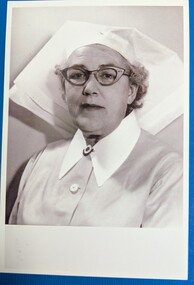
Photograph - Unframed black and white photograph, Alfred Hospital, Miss Eileen Emms, 1960's
... Nursing Administartion Uniform. Eileen Emms graduated from the Alfred Hospital in 1935, after midwifery training she returned to the Alfred in 1936 as charge sister of Ward 3, a position she held until April 1942 when she resigned to join the Royal Austrailian Naval Nursing Service, serving until August 1947. in July 1950 Eileen retuned to the Alfred as an Administrative Sister, and in September 1952 was appointed assistant matron. ...Nursing Administartion Uniform. Eileen Emms graduated from the Alfred Hospital in 1935, after midwifery training she returned to the Alfred in 1936 as charge sister of Ward 3, a position she held until April 1942 when she resigned to join the Royal Austrailian Naval Nursing Service, serving until August 1947. in July 1950 Eileen retuned to the Alfred as an Administrative Sister, and in September 1952 was appointed assistant matron. ...photograph of Eileen Emms in Alfred hospital Nursing Administartion Uniform. Eileen Emms graduated from the Alfred Hospital in 1935, after midwifery training she returned to the Alfred in 1936 as charge sister of Ward 3, a position she held until April 1942 when she resigned to join the Royal Austrailian Naval Nursing Service, serving until August 1947. in July 1950 Eileen retuned to the Alfred as an Administrative Sister, and in September 1952 was appointed assistant matron. In Octocber 1962 Eileen was appointed Acting Deputy Lady Superintendant, a position she held until her retirement in 1964Found with other information about Eileen Emms in prominent nurse folderBlack and photograph of a grey haired woman wearing glasses, a nurses veil and white collared uniform.there is a badge fixed between the points of the collareileen emms, nurses, alfred hospital -
 Alfred Hospital Nurses League - Nursing History Collection
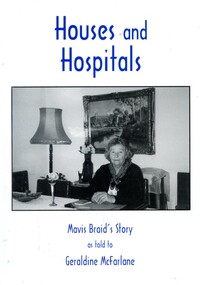
Book - Illustrated book, Mavis Baird 1917-2006, Houses and hospitals: Mavis Braid's story as told to Geraldine McFarlane, 2000
... Mavis Baird 1917-2006 Autobiography Nursing-training Alfred Hospital nurses Autobiography of Mavis Baird (nee Gunn) including her memories of general nursing and midwifery training. ...Mavis Baird (nee Gunn) completed her general nurse training at the Alfred Hospital in 1940Of significance to the AHNL as it includes Mavis Baird (nee Gunn) memories of her training at the Alfred - graduated 1940.Illustrated book with white cover, title and author's names printed in blue ink on the front cover along with a black and white photograph of a woman seated at a table (Mavis Braid [ca.2000] on the back cover is a quote 'Good, better, best, never let it rest until your good is better and your better best. non-fictionAt the top of the title page is a printed black and white donation sticker: black Maltese cross in circle, 'This book was donated to Alfred Archival Association Nursing Division by' Mavis Braid (nee Gunn) [handwritten in black ink] Inside front cover at base 'Best Wishes/From/ Mavis Sarah Braid/14:3:2001[handwritten black ink] The previous catalogue number is handwritten at top right of back covermavis baird 1917-2006, autobiography, nursing-training, alfred hospital nurses -
 Alfred Hospital Nurses League - Nursing History Collection
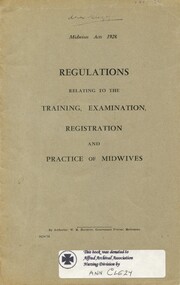
Document - Booklet, Nurses Board of Victoria, Midwives Acts 1928: Regulations relating to the training, examination, registation and practice of midwives, 1956
... Midwifery...midwifery training...midwifery regulations - victoria...nursing...Based on the midwives act (Victoria) 1928, cited as the Midwives regulations 1951, repealing the midwives regulations 1941, and includes changes made up until March 1955 Of significance to AHNL as many Alfred hospital graduates undertook midwifery training and would have had to abide by theses regulations Midwifery midwifery training midwifery regulations - victoria nursing Regulations relating to the training, examination, registation and practice of midwives in Victoria At the base of the front cover there is a printed black and white donation sticker: black Maltese cross in circle, "This book was donated to Alfred Archival Association Nursing Division by ' Ann Clezy (handwritten in ink). ...Regulations relating to the training, examination, registation and practice of midwives in VictoriaStapled booklet with faded,grey discoloured cover and black print. Title and printer's name on front cover.non-fictionRegulations relating to the training, examination, registation and practice of midwives in Victoriamidwifery, midwifery training, midwifery regulations - victoria, nursing -
 Ballarat Base Hospital Trained Nurses League
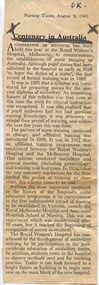
Centenary of Nurse Training in Australia_published in the Nursing Times, United Kingdom, 9th August 1963
... centenary australia nursing 1963 midwifery Royal Women's Hospital Centenary of Nurse Training in Australia_published in the Nursing Times, United Kingdom, 9th August 1963 ...centenary, australia, nursing, 1963, midwifery, royal women's hospital -
 Northern District School of Nursing. Managed by Bendigo Historical Society Inc.
Booklet - Northern District School of Nursing Prospectus, 1950s
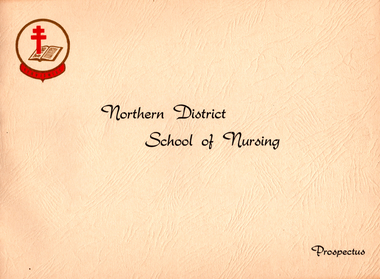
... Midwifery, Infant Welfare).Diploma courses available in administration, teaching, and specialized nursing fields. Bursaries are available for advanced study.Career Prospects: Graduates can pursue roles in administration, teaching, ward and departmental leadership, district and visiting nursing, industrial and school nursing, and more. Opportunities exist both within hospitals and in community or specialized settings.FAQs and Practical Details. Minimal training...Midwifery, Infant Welfare).Diploma courses available in administration, teaching, and specialized nursing fields. Bursaries are available for advanced study.Career Prospects: Graduates can pursue roles in administration, teaching, ward and departmental leadership, district and visiting nursing, industrial and school nursing, and more. Opportunities exist both within hospitals and in community or specialized settings.FAQs and Practical Details. Minimal training ...Managed by a committee including hospital administrators, medical professionals, and nursing leaders from several regional hospitals. Associated with major hospitals in the Northern District, including Bendigo Base, Mildura Base, Castlemaine, Echuca, Swan Hill, St. Arnaud, and Kyneton District Hospitals. Provide high-quality theoretical and practical nursing training. Raise the standard of nursing education in the region. Maintain the highest principles of nursing practice. Applicants must be at least 17 years old and hold a Proficiency Certificate or higher educational qualification. Application involves submitting forms, certificates, an interview, an aptitude test, and a medical examination. A three-month probationary period follows initial acceptance. Preliminary Training School: Four-week introductory course covering basic nursing, anatomy, hygiene, and practical skills. Practical experience in various hospital departments, guided by senior staff. Study Block Plan: Includes several blocks of theoretical and practical instruction throughout the three-year program. Regular school exams and two state exams (First Professional and Final State) are required for progression and graduation. Nurses work a 40-hour week with at least one or two days off per week and three weeks of annual leave. Accommodation is provided in comfortable hostels with good facilities. Uniforms are supplied free; nurses provide their own shoes and stockings. Salaries and allowances are regulated, with deductions for board and free medical care. Additional Information Post-Graduate Opportunities. Senior positions require further experience and additional certificates (e.g., Midwifery, Infant Welfare).Diploma courses available in administration, teaching, and specialized nursing fields. Bursaries are available for advanced study.Career Prospects: Graduates can pursue roles in administration, teaching, ward and departmental leadership, district and visiting nursing, industrial and school nursing, and more. Opportunities exist both within hospitals and in community or specialized settings.FAQs and Practical Details. Minimal training costs (mainly exam fees and personal items).Living out allowances and travel expenses are covered. Four training intakes per year; waiting periods are short if qualifications are met. Northern District School of Nursing Prospectus - An A4 Booklet of 14 pages with a light cardboard cover. Logo on the front cover. Cambridge Press Bendigo. This item contains the following documents: 3791.1a The Prospectus PDF File 3791.1b Front Cover of the Prospectusnurse training, lister house, northern district school of nursing -
 Northern District School of Nursing. Managed by Bendigo Historical Society Inc.
Administrative record - Northern District School of Nursing List of Preliminary Training School, 1950s
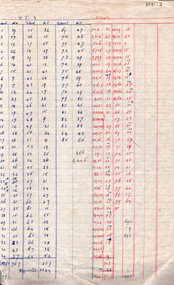
... Midwifery, Infant Welfare).Diploma courses available in administration, teaching, and specialized nursing fields. Bursaries are available for advanced study.Career Prospects: Graduates can pursue roles in administration, teaching, ward and departmental leadership, district and visiting nursing, industrial and school nursing, and more. Opportunities exist both within hospitals and in community or specialized settings.FAQs and Practical Details. Minimal training...Midwifery, Infant Welfare).Diploma courses available in administration, teaching, and specialized nursing fields. Bursaries are available for advanced study.Career Prospects: Graduates can pursue roles in administration, teaching, ward and departmental leadership, district and visiting nursing, industrial and school nursing, and more. Opportunities exist both within hospitals and in community or specialized settings.FAQs and Practical Details. Minimal training ...Managed by a committee including hospital administrators, medical professionals, and nursing leaders from several regional hospitals. Associated with major hospitals in the Northern District, including Bendigo Base, Mildura Base, Castlemaine, Echuca, Swan Hill, St. Arnaud, and Kyneton District Hospitals. Provide high-quality theoretical and practical nursing training. Raise the standard of nursing education in the region. Maintain the highest principles of nursing practice. Applicants must be at least 17 years old and hold a Proficiency Certificate or higher educational qualification. Application involves submitting forms, certificates, an interview, an aptitude test, and a medical examination. A three-month probationary period follows initial acceptance. Preliminary Training School: Four-week introductory course covering basic nursing, anatomy, hygiene, and practical skills. Practical experience in various hospital departments, guided by senior staff. Study Block Plan: Includes several blocks of theoretical and practical instruction throughout the three-year program. Regular school exams and two state exams (First Professional and Final State) are required for progression and graduation. Nurses work a 40-hour week with at least one or two days off per week and three weeks of annual leave. Accommodation is provided in comfortable hostels with good facilities. Uniforms are supplied free; nurses provide their own shoes and stockings. Salaries and allowances are regulated, with deductions for board and free medical care. Additional Information Post-Graduate Opportunities. Senior positions require further experience and additional certificates (e.g., Midwifery, Infant Welfare).Diploma courses available in administration, teaching, and specialized nursing fields. Bursaries are available for advanced study.Career Prospects: Graduates can pursue roles in administration, teaching, ward and departmental leadership, district and visiting nursing, industrial and school nursing, and more. Opportunities exist both within hospitals and in community or specialized settings.FAQs and Practical Details. Minimal training costs (mainly exam fees and personal items).Living out allowances and travel expenses are covered. Four training intakes per year; waiting periods are short if qualifications are met.Northern District School of Nursing List of Preliminary Training School numbers per school; list of school numbers and final pass rates. This item contains the following documents: 3791.2a Spreadsheet of PTS Numbers from Schools 1 to 34nurse training, lister house, northern district school of nursing -
Northern District School of Nursing. Managed by Bendigo Historical Society Inc.
Administrative record - Northern District School of Nursing List of Teaching Staff, 1950s-1989
... Midwifery, Infant Welfare).Diploma courses available in administration, teaching, and specialized nursing fields. Bursaries are available for advanced study.Career Prospects: Graduates can pursue roles in administration, teaching, ward and departmental leadership, district and visiting nursing, industrial and school nursing, and more. Opportunities exist both within hospitals and in community or specialized settings.FAQs and Practical Details. Minimal training...Midwifery, Infant Welfare).Diploma courses available in administration, teaching, and specialized nursing fields. Bursaries are available for advanced study.Career Prospects: Graduates can pursue roles in administration, teaching, ward and departmental leadership, district and visiting nursing, industrial and school nursing, and more. Opportunities exist both within hospitals and in community or specialized settings.FAQs and Practical Details. Minimal training ...Managed by a committee including hospital administrators, medical professionals, and nursing leaders from several regional hospitals. Associated with major hospitals in the Northern District, including Bendigo Base, Mildura Base, Castlemaine, Echuca, Swan Hill, St. Arnaud, and Kyneton District Hospitals. Provide high-quality theoretical and practical nursing training. Raise the standard of nursing education in the region. Maintain the highest principles of nursing practice. Applicants must be at least 17 years old and hold a Proficiency Certificate or higher educational qualification. Application involves submitting forms, certificates, an interview, an aptitude test, and a medical examination. A three-month probationary period follows initial acceptance. Preliminary Training School: Four-week introductory course covering basic nursing, anatomy, hygiene, and practical skills. Practical experience in various hospital departments, guided by senior staff. Study Block Plan: Includes several blocks of theoretical and practical instruction throughout the three-year program. Regular school exams and two state exams (First Professional and Final State) are required for progression and graduation. Nurses work a 40-hour week with at least one or two days off per week and three weeks of annual leave. Accommodation is provided in comfortable hostels with good facilities. Uniforms are supplied free; nurses provide their own shoes and stockings. Salaries and allowances are regulated, with deductions for board and free medical care. Additional Information Post-Graduate Opportunities. Senior positions require further experience and additional certificates (e.g., Midwifery, Infant Welfare).Diploma courses available in administration, teaching, and specialized nursing fields. Bursaries are available for advanced study.Career Prospects: Graduates can pursue roles in administration, teaching, ward and departmental leadership, district and visiting nursing, industrial and school nursing, and more. Opportunities exist both within hospitals and in community or specialized settings.FAQs and Practical Details. Minimal training costs (mainly exam fees and personal items).Living out allowances and travel expenses are covered. Four training intakes per year; waiting periods are short if qualifications are met.Northern District School of Nursing List of Teaching Staff - three pages This item contains the following documents: 3791.3a This document is a comprehensive listing of teaching staff and alumni associated with N.D.S.N. It includes the following key points: Lists numerous individuals, specifying their roles such as Deputy Dean, Acting Dean, Graduate, and other teaching or administrative positions. Some entries note if the individual is deceased or has moved to another location or institution. Provides home or work addresses for many staff and alumni, often including street, suburb, and sometimes postal codes.Years of Association. Many entries include years of graduation, employment, or tenure (e.g., 1960-64, 1974-75, 1953-54), indicating the period of their involvement with N.D.S.N.Additional Some entries mention further details such as subsequent career moves (e.g., went to England), university affiliations, or special notes like 'deceased.'Occasional references to related institutions or organizations (e.g., B.C.A.E., Central Gippsland Hospital).Document StructureThe information is organized in a tabular format, grouped by staff and alumni, and sometimes by role or year. 3791.3b Typed copy of above 3791.3c Typed copy of abovenurse training, lister house, northern district school of nursing, teaching staff -
Northern District School of Nursing. Managed by Bendigo Historical Society Inc.
Administrative record - Northern District School of Nursing List of Clerical, Domestic and Maintenance Staff, 1950s-1989
... Midwifery, Infant Welfare).Diploma courses available in administration, teaching, and specialized nursing fields. Bursaries are available for advanced study.Career Prospects: Graduates can pursue roles in administration, teaching, ward and departmental leadership, district and visiting nursing, industrial and school nursing, and more. Opportunities exist both within hospitals and in community or specialized settings.FAQs and Practical Details. Minimal training...Midwifery, Infant Welfare).Diploma courses available in administration, teaching, and specialized nursing fields. Bursaries are available for advanced study.Career Prospects: Graduates can pursue roles in administration, teaching, ward and departmental leadership, district and visiting nursing, industrial and school nursing, and more. Opportunities exist both within hospitals and in community or specialized settings.FAQs and Practical Details. Minimal training ...Managed by a committee including hospital administrators, medical professionals, and nursing leaders from several regional hospitals. Associated with major hospitals in the Northern District, including Bendigo Base, Mildura Base, Castlemaine, Echuca, Swan Hill, St. Arnaud, and Kyneton District Hospitals. Provide high-quality theoretical and practical nursing training. Raise the standard of nursing education in the region. Maintain the highest principles of nursing practice. Applicants must be at least 17 years old and hold a Proficiency Certificate or higher educational qualification. Application involves submitting forms, certificates, an interview, an aptitude test, and a medical examination. A three-month probationary period follows initial acceptance. Preliminary Training School: Four-week introductory course covering basic nursing, anatomy, hygiene, and practical skills. Practical experience in various hospital departments, guided by senior staff. Study Block Plan: Includes several blocks of theoretical and practical instruction throughout the three-year program. Regular school exams and two state exams (First Professional and Final State) are required for progression and graduation. Nurses work a 40-hour week with at least one or two days off per week and three weeks of annual leave. Accommodation is provided in comfortable hostels with good facilities. Uniforms are supplied free; nurses provide their own shoes and stockings. Salaries and allowances are regulated, with deductions for board and free medical care. Additional Information Post-Graduate Opportunities. Senior positions require further experience and additional certificates (e.g., Midwifery, Infant Welfare).Diploma courses available in administration, teaching, and specialized nursing fields. Bursaries are available for advanced study.Career Prospects: Graduates can pursue roles in administration, teaching, ward and departmental leadership, district and visiting nursing, industrial and school nursing, and more. Opportunities exist both within hospitals and in community or specialized settings.FAQs and Practical Details. Minimal training costs (mainly exam fees and personal items).Living out allowances and travel expenses are covered. Four training intakes per year; waiting periods are short if qualifications are met.Northern District School of Nursing List of Clerical Staff - two pages, and List of Domestic and Maintenance Staff, three pages This item contains the following documents: 3791.4a This document is a comprehensive listing of clerical staff and alumni associated with N.D.S.N. The document provides names, addresses, and sometimes additional notes for a large group of people, including both staff and possibly members or affiliates. Many entries include full addresses, indicating the document's use for contact or organizational purposes. Some individuals are identified with specific roles, such as clerical staff, or are listed as being 'C/-N.D.S.N.' There are references to both current and possibly former members (e.g., 'deceased' noted for one individual). Most addresses are located in Bendigo and surrounding areas in Victoria, Australia, indicating a regional focus. 3791.4b This document is a comprehensive roster of domestic and maintenance staff, including both current employees and recent retirees as of early 1989. Staff Listings:Contains names, addresses, and roles of staff members.Includes both domestic (D) and maintenance (M) staff, as well as specialized roles such as night porters (N.P.), residence supervisors (R.S.), cooks, chefs, gardeners, and carpenters. Some entries note if the staff member is retired or deceased. Employment status is indicated (e.g., current, retired, deceased).Some entries include years of service or employment periods.Roles are sometimes abbreviated (e.g., D for Domestic, M for Maintenance, N.P. for Night Porter, H.K. for Housekeeper, Gdnr for Gardener). Most staff entries include home addresses, often with town or suburb and postal codes. Locations are primarily in Bendigo and surrounding areas. Some entries include family relationships or additional notes (e.g., "Like father").Occasional mention of staff studying or having moved to other locations.nurse training, lister house, northern district school of nursing, domestic and maintenance staff, clerical staff -
Northern District School of Nursing. Managed by Bendigo Historical Society Inc.
Administrative record - Northern District School of Nursing List of Students in Preliminary Training Schools (3-8), 1950-51
... Midwifery, Infant Welfare).Diploma courses available in administration, teaching, and specialized nursing fields. Bursaries are available for advanced study.Career Prospects: Graduates can pursue roles in administration, teaching, ward and departmental leadership, district and visiting nursing, industrial and school nursing, and more. Opportunities exist both within hospitals and in community or specialized settings.FAQs and Practical Details. Minimal training...Midwifery, Infant Welfare).Diploma courses available in administration, teaching, and specialized nursing fields. Bursaries are available for advanced study.Career Prospects: Graduates can pursue roles in administration, teaching, ward and departmental leadership, district and visiting nursing, industrial and school nursing, and more. Opportunities exist both within hospitals and in community or specialized settings.FAQs and Practical Details. Minimal training ...Managed by a committee including hospital administrators, medical professionals, and nursing leaders from several regional hospitals. Associated with major hospitals in the Northern District, including Bendigo Base, Mildura Base, Castlemaine, Echuca, Swan Hill, St. Arnaud, and Kyneton District Hospitals. Provide high-quality theoretical and practical nursing training. Raise the standard of nursing education in the region. Maintain the highest principles of nursing practice. Applicants must be at least 17 years old and hold a Proficiency Certificate or higher educational qualification. Application involves submitting forms, certificates, an interview, an aptitude test, and a medical examination. A three-month probationary period follows initial acceptance. Preliminary Training School: Four-week introductory course covering basic nursing, anatomy, hygiene, and practical skills. Practical experience in various hospital departments, guided by senior staff. Study Block Plan: Includes several blocks of theoretical and practical instruction throughout the three-year program. Regular school exams and two state exams (First Professional and Final State) are required for progression and graduation. Nurses work a 40-hour week with at least one or two days off per week and three weeks of annual leave. Accommodation is provided in comfortable hostels with good facilities. Uniforms are supplied free; nurses provide their own shoes and stockings. Salaries and allowances are regulated, with deductions for board and free medical care. Additional Information Post-Graduate Opportunities. Senior positions require further experience and additional certificates (e.g., Midwifery, Infant Welfare).Diploma courses available in administration, teaching, and specialized nursing fields. Bursaries are available for advanced study.Career Prospects: Graduates can pursue roles in administration, teaching, ward and departmental leadership, district and visiting nursing, industrial and school nursing, and more. Opportunities exist both within hospitals and in community or specialized settings.FAQs and Practical Details. Minimal training costs (mainly exam fees and personal items).Living out allowances and travel expenses are covered. Four training intakes per year; waiting periods are short if qualifications are met.Northern District School of Nursing List of Students in Preliminary Training Schools (3-8) - two typed sheets This item contains the following document: 3791.5a This document is a roster listing individuals who attended various Preliminary Training Schools in between 1950 and 1951. The document records names, addresses, and training locations of attendees at several preliminary training schools.Training sessions are organized by date and location, covering multiple periods from July 1950 to July 1951. Sessions are grouped by date ranges. Each session lists the participants, their home addresses, and the training location (e.g., Bendigo, Mildura, Echuca, Castlemaine, Swan Hill). The roster includes a diverse group of individuals, mostly women, from various towns and regions in Victoria and some from Tasmania and New South Wales. Some addresses are marked as unknown or not available. Main training locations include Bendigo, Mildura, Echuca, Castlemaine, Swan Hill, and Castlemaine. Participants often traveled from different towns to attend these sessions.nurse training, lister house, list of students -
Northern District School of Nursing. Managed by Bendigo Historical Society Inc.
Administrative record - Northern District School of Nursing List of Students in Preliminary Training Schools (3-44), 1950-59
... Midwifery, Infant Welfare).Diploma courses available in administration, teaching, and specialized nursing fields. Bursaries are available for advanced study.Career Prospects: Graduates can pursue roles in administration, teaching, ward and departmental leadership, district and visiting nursing, industrial and school nursing, and more. Opportunities exist both within hospitals and in community or specialized settings.FAQs and Practical Details. Minimal training...Midwifery, Infant Welfare).Diploma courses available in administration, teaching, and specialized nursing fields. Bursaries are available for advanced study.Career Prospects: Graduates can pursue roles in administration, teaching, ward and departmental leadership, district and visiting nursing, industrial and school nursing, and more. Opportunities exist both within hospitals and in community or specialized settings.FAQs and Practical Details. Minimal training ...Managed by a committee including hospital administrators, medical professionals, and nursing leaders from several regional hospitals. Associated with major hospitals in the Northern District, including Bendigo Base, Mildura Base, Castlemaine, Echuca, Swan Hill, St. Arnaud, and Kyneton District Hospitals. Provide high-quality theoretical and practical nursing training. Raise the standard of nursing education in the region. Maintain the highest principles of nursing practice. Applicants must be at least 17 years old and hold a Proficiency Certificate or higher educational qualification. Application involves submitting forms, certificates, an interview, an aptitude test, and a medical examination. A three-month probationary period follows initial acceptance. Preliminary Training School: Four-week introductory course covering basic nursing, anatomy, hygiene, and practical skills. Practical experience in various hospital departments, guided by senior staff. Study Block Plan: Includes several blocks of theoretical and practical instruction throughout the three-year program. Regular school exams and two state exams (First Professional and Final State) are required for progression and graduation. Nurses work a 40-hour week with at least one or two days off per week and three weeks of annual leave. Accommodation is provided in comfortable hostels with good facilities. Uniforms are supplied free; nurses provide their own shoes and stockings. Salaries and allowances are regulated, with deductions for board and free medical care. Additional Information Post-Graduate Opportunities. Senior positions require further experience and additional certificates (e.g., Midwifery, Infant Welfare).Diploma courses available in administration, teaching, and specialized nursing fields. Bursaries are available for advanced study.Career Prospects: Graduates can pursue roles in administration, teaching, ward and departmental leadership, district and visiting nursing, industrial and school nursing, and more. Opportunities exist both within hospitals and in community or specialized settings.FAQs and Practical Details. Minimal training costs (mainly exam fees and personal items).Living out allowances and travel expenses are covered. Four training intakes per year; waiting periods are short if qualifications are met.Northern District School of Nursing List of Students in Preliminary Training Schools (3-44) - 17 pages This item contains the following document: 3791.6a This document is a comprehensive record of students' attendance at Preliminary Training Schools from 1950 to 1959. It lists the names, addresses, and training dates for each student, organized by training session. The document serves as an attendance and registration log for students attending Preliminary Training Schools over several years. Each entry typically includes the student's full name, home address, and the location or region of their training. Training sessions are grouped by date, with each session listing all attendees. Covers training sessions from July 1950 through at least late 1959.Sessions are sequentially numbered and dated, showing the progression of training cohorts. The document is structured in tabular format, making it easy to reference individual students and their details. Students come from a wide range of towns and regions, including Bendigo, Mildura, Swan Hill, Castlemaine, Echuca, St. Arnaud, Kyneton, and others. Some addresses are listed as unknown or only partially available, indicating incomplete records for a few students. Some students have updated names (e.g., married names) or additional notes about their address or status. The document reflects the mobility and diversity of students entering training during this period.nurse training, lister house, list of students -
Northern District School of Nursing. Managed by Bendigo Historical Society Inc.
Administrative record - Northern District School of Nursing List of Students in Preliminary Training Schools (45-52), 1960-61
... Midwifery, Infant Welfare).Diploma courses available in administration, teaching, and specialized nursing fields. Bursaries are available for advanced study.Career Prospects: Graduates can pursue roles in administration, teaching, ward and departmental leadership, district and visiting nursing, industrial and school nursing, and more. Opportunities exist both within hospitals and in community or specialized settings.FAQs and Practical Details. Minimal training...Midwifery, Infant Welfare).Diploma courses available in administration, teaching, and specialized nursing fields. Bursaries are available for advanced study.Career Prospects: Graduates can pursue roles in administration, teaching, ward and departmental leadership, district and visiting nursing, industrial and school nursing, and more. Opportunities exist both within hospitals and in community or specialized settings.FAQs and Practical Details. Minimal training ...Managed by a committee including hospital administrators, medical professionals, and nursing leaders from several regional hospitals. Associated with major hospitals in the Northern District, including Bendigo Base, Mildura Base, Castlemaine, Echuca, Swan Hill, St. Arnaud, and Kyneton District Hospitals. Provide high-quality theoretical and practical nursing training. Raise the standard of nursing education in the region. Maintain the highest principles of nursing practice. Applicants must be at least 17 years old and hold a Proficiency Certificate or higher educational qualification. Application involves submitting forms, certificates, an interview, an aptitude test, and a medical examination. A three-month probationary period follows initial acceptance. Preliminary Training School: Four-week introductory course covering basic nursing, anatomy, hygiene, and practical skills. Practical experience in various hospital departments, guided by senior staff. Study Block Plan: Includes several blocks of theoretical and practical instruction throughout the three-year program. Regular school exams and two state exams (First Professional and Final State) are required for progression and graduation. Nurses work a 40-hour week with at least one or two days off per week and three weeks of annual leave. Accommodation is provided in comfortable hostels with good facilities. Uniforms are supplied free; nurses provide their own shoes and stockings. Salaries and allowances are regulated, with deductions for board and free medical care. Additional Information Post-Graduate Opportunities. Senior positions require further experience and additional certificates (e.g., Midwifery, Infant Welfare).Diploma courses available in administration, teaching, and specialized nursing fields. Bursaries are available for advanced study.Career Prospects: Graduates can pursue roles in administration, teaching, ward and departmental leadership, district and visiting nursing, industrial and school nursing, and more. Opportunities exist both within hospitals and in community or specialized settings.FAQs and Practical Details. Minimal training costs (mainly exam fees and personal items).Living out allowances and travel expenses are covered. Four training intakes per year; waiting periods are short if qualifications are met.Northern District School of Nursing List of Students in Preliminary Training Schools (45-52) 3 pages This item contains the following document: 3791.7a This document provides a detailed record of participants in a series of Preliminary Training Schools held between February 1960 and October 1961. Multiple training schools were conducted, each identified by a number (e.g., 45, 46, 47, etc.) and specific dates. Sessions occurred regularly throughout 1960 and 1961. Each entry lists the participant's name, address, and the location or center they were associated with during training (e.g., Mildura, Bendigo, Castlemaine, Echuca, Swan Hill, St. Arnaud).Participants came from various towns and regions, including both urban and rural areas, and occasionally from outside Australia (e.g., Ipoh, Malaysia). Training centers were spread across several locations, with Mildura and Bendigo appearing most frequently as training sites. Other centers included Castlemaine, Echuca, Swan Hill, and St. Arnaud.nurse training, lister house, list of students
