
Showing 34 items matching "migrant experience in australia"
-
 Wodonga & District Historical Society Inc
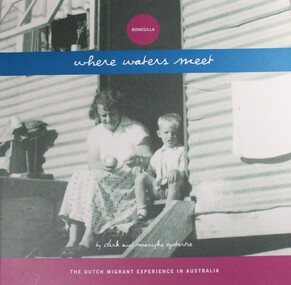
Book - Bonegilla Where Waters Meet: The Dutch Migrant Experience in Australia, Dirk Eysbertse and Marijke Eysbertse, 1997
... Bonegilla Where Waters Meet: The Dutch Migrant Experience in Australia...Bonegilla Where Waters Meet: The Dutch Migrant Experience in Australia...Published as an accompanying volume to the exhibition 'Where Waters Meet' Bonegilla Where Waters Meet: The Dutch Migrant Experience in Australia Book Bonegilla Where Waters Meet: The Dutch Migrant Experience in Australia Dirk Eysbertse and Marijke Eysbertse Erasmus Foundation ...An illustrated account of the experiences of people who migrated to Australia from Holland in the 1950s and 60s and passed through the Bonegilla Reception Centre before settling in their new land. Presents reminiscences from the people involved about their journey to Australia, conditions in Bonegilla and their impressions of life in Australia. Published as an accompanying volume to the exhibition 'Where Waters Meet'non-fictionAn illustrated account of the experiences of people who migrated to Australia from Holland in the 1950s and 60s and passed through the Bonegilla Reception Centre before settling in their new land. Presents reminiscences from the people involved about their journey to Australia, conditions in Bonegilla and their impressions of life in Australia. Published as an accompanying volume to the exhibition 'Where Waters Meet'bonegilla, dutch migration, bonegilla reception centre -
 Wodonga & District Historical Society Inc
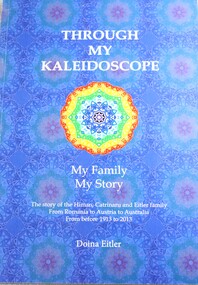
Book - Through my Kaleidoscope - My Family My Story, Doina Eitler, 2014
... ...migrant experience in australia...migration post ww11 bonegilla bonegilla reception centre migrant experience in australia The story of the Himan, Catrinaru and Eitler Family from Romania to Austria to Australia. ...The story of the Himan, Catrinaru and Eitler Family from Romania to Austria to Australia. From before 1913 to 2013. The author and her family were some of the thousands of migrants who lived at Bonegilla Migrant Reception and Training Centre after World War II.non-fictionThe story of the Himan, Catrinaru and Eitler Family from Romania to Austria to Australia. From before 1913 to 2013. The author and her family were some of the thousands of migrants who lived at Bonegilla Migrant Reception and Training Centre after World War II.migration post ww11, bonegilla, bonegilla reception centre, migrant experience in australia -
 Greensborough Historical Society
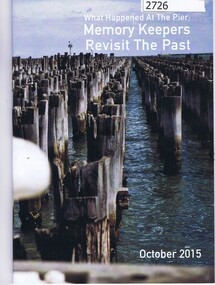
Pamphlets, What happened at the pier: Memory Keepers revisit the past, 2015_10
... Exhibition including artifacts, performances and accounts of migrant experiences of people who entered Australia via Princes and Station Piers Port Melbourne. ...Exhibition including artifacts, performances and accounts of migrant experiences of people who entered Australia via Princes and Station Piers Port Melbourne. ...Exhibition including artifacts, performances and accounts of migrant experiences of people who entered Australia via Princes and Station Piers Port Melbourne. The exhibition was initially displayed at Diamond Valley Library in October 2015 with a forum discussion follow up at Eltham Library in May 2016. The exhibition was curated by Lella Cariddi of Multicultural Arts Victoria.Exhibition booklets, program notes and photographs immigration, multicultural arts victoria -
 The Beechworth Burke Museum
Audio - Oral History, Jennifer Williams, Mr John Clemens, 2000
... experiences as a driver for wood and drinks. It can be interpreted as historically significant to the Beechworth local area but also to a wider audience; Zwar Tannery supplies leather to General Motors Holden, the brewery was one of the largest in the country, and the Bonegilla Migrants Camp was the largest and longest running migrant camp in Australia. ...Mr John Clemens was born in 1913 to Australian parents. His father worked in building roads which led to the family's move from Sunnyside Gen Willis to Beechworth. His father was part of the road making team on the Buffalo River Road between Myrtleford and Beechworth. John worked as a motor mechanic in his early years, having left school in sixth grade. He later worked carting wood (independently) and drinks for Murray Breweries/Billson's Breweries. He delivered drinks and wood to the Old Hospital after its relocation in 1940, to Bonegilla Migrants Camp and got to know most of the townspeople. He recounts his interactions with various members of the community, highlighting the importance of the Zwar Tannery, which John recounts as employing approximately 200 people (dating this recollection to approximately 1938). This oral history recording was part of a project conducted by Jennifer Williams in the year 2000 to capture the everyday life and struggles in Beechworth during the twentieth century. This project involved recording seventy oral histories on cassette tapes of local Beechworth residents which were then published in a book titled: Listen to what they say: voices of twentieth century Beechworth. These cassette tapes were digitised in July 2021 with funds made available by the Friends of the Burke.John's interview demonstrates the dynamics of the Beechworth township in the 1920s-1940s, showing the important industries and connections of the town which he was involved in. His mention of the Model T Ford, produced 1908-1927, shows his experience with early cars in the town, which were owned by the richer people. He talks about the dominance of the Zwar Bros. Tannery over the town, by employing hundreds of people (dating John's recollection to approximately 1938). John's interview shows the changed that the town has gone through through his experiences as a driver for wood and drinks. It can be interpreted as historically significant to the Beechworth local area but also to a wider audience; Zwar Tannery supplies leather to General Motors Holden, the brewery was one of the largest in the country, and the Bonegilla Migrants Camp was the largest and longest running migrant camp in Australia. John's everyday interactions with all of these places and people within makes his story significant. The project is significant for its recording of stories from members of the local Beechworth community before they are lost. It tells of the everyday stories of the people and their memories of the town. The recordings were done in 2000, with interviewees such as John being in their 80s when interviewed. The interviews were recorded to cassette, before being digitised in 2021. This is a digital copy of a recording that was originally captured on a cassette tape. The cassette tape is black with a horizontal white strip and is currently stored in a clear flat plastic rectangular container. It holds up 40 minutes of recordings on each side. john clemens, burke museum, beechworth, bonegilla migrants camp, beechworth hospital, murray breweries, billson's breweries, zwar bros. tannery -
The Beechworth Burke Museum
Audio - Oral History, Jennifer Williams, Mr Allan Parkinson, 22nd June 2000
... As his younger years were set amidst the experiences of World War Two and the Great Depression, Allan recalls a feeling of solidarity amongst the residents of Beechworth that was present during this time(for instance, sharing food with neighbours in wartime), as well as the disassociation he felt as a returning soldier after the war. Allan talks of the great number of 'New Australians' who arrived in Beechworth in the post-war years, many of them coming from war-torn countries in Europe. Before being integrated into Australian society, these 'New Australians' would often first spend time at the Migrant...As his younger years were set amidst the experiences of World War Two and the Great Depression, Allan recalls a feeling of solidarity amongst the residents of Beechworth that was present during this time(for instance, sharing food with neighbours in wartime), as well as the disassociation he felt as a returning soldier after the war. Allan talks of the great number of 'New Australians' who arrived in Beechworth in the post-war years, many of them coming from war-torn countries in Europe. Before being integrated into Australian society, these 'New Australians' would often first spend time at the Migrant ...Allan Parkinson was born in Beechworth in 1924. The eldest of eight children, his mother provided laundry services to the people of Beechworth whilst his father worked for the local tannery, trapping rabbits. Allan fondly remembers times spent during his childhood catching rabbits with his father. As his younger years were set amidst the experiences of World War Two and the Great Depression, Allan recalls a feeling of solidarity amongst the residents of Beechworth that was present during this time(for instance, sharing food with neighbours in wartime), as well as the disassociation he felt as a returning soldier after the war. Allan talks of the great number of 'New Australians' who arrived in Beechworth in the post-war years, many of them coming from war-torn countries in Europe. Before being integrated into Australian society, these 'New Australians' would often first spend time at the Migrant Reception and Training Centre in Bonegilla, Northern Victoria. They were taught English and learnt about Australian life before being billeted out across the country to fill labor shortages. Following time spent up in Queensland, Allan worked in the forestry industry, clearing thousands of acres across Victoria which were needed to plant pines. The interview ends with discussions of the famous Wheelbarrow Push from Beechworth to Mt Buffalo in 1935, of which Allan's Uncle Tom was a central participant; this is an event which has since become an annual fundraising tradition in Beechworth. This oral history recording was part of a project conducted by Jennifer Williams in the year 2000 to capture the everyday life and struggles in Beechworth during the twentieth century. This project involved recording seventy oral histories on cassette tapes of local Beechworth residents which were then published in a book titled: Listen to what they say: Voices of twentieth century Beechworth. These cassette tapes were digitised in July 2021 with funds made available by the Friends of the Burke. Mr Allan Parkinson's account of his life in Beechworth and the local area during the twentieth century is historically and socially significant to the cultural heritage of the region. He details important historical events and hardships that had lasting local, regional and national impacts, including Australia during wartime, post-war migration and economic struggles. This oral history account is historically and socially significant as it is part of a broader collection of interviews conducted by Jennifer Williams which were published in the book 'Listen to what they say: voices of twentieth century Beechworth'. While the township of Beechworth is known for its history as a gold rush town, these accounts provide a unique insight into the day-to-day life of the town's residents during the twentieth century, many of which would have been lost if they had not been preserved. This is a digital copy of a recording that was originally captured on a cassette tape. The cassette tape is black with a horizontal white stripe and is currently stored in a clear flat plastic rectangular container. It holds up to forty minutes of recordings on each side. Mr Allan Parkinson / allan parkinson, oral history, beechworth forestry, forestry industry, beechworth tannery, jennifer williams, rabbit trapping, new australians, australian depression, rabbiting, bonegilla, bonegilla migrant camp, 20th century beechworth, wheelbarrow push beechworth to mt buffalo, barrowthon, wheelbarrow push 1935, listen to what they say, listen to what they say: voices of twentieth century beechworth, world war two, wartime, wartime solidarity, burke museum -
 Mission to Seafarers Victoria
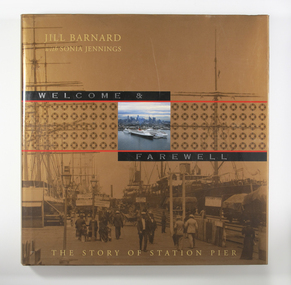
Book - Reference book, Jill Barnard et al, Welcome and Farewell: The Story of Station Pier, 2004
... Australians, of their own experiences of this significant place. For indeed the Station Pier site has played its part in almost every milestone or phase in our history: at moments of celebration and commemoration, during economic booms and depressions, during times of war and peace. It has also won a place in the hearts of ordinary individuals affected by the welcomes and farewells they have experienced there: those for visiting royalty and celebrities, for servicemen and medical personnel off to war or returning home, for migrants from distant countries and refugees from war zones, for friends and family travelling for personal, professional or cultural reasons. ...In the mid-nineteenth century, Victoria’s primitive maritime infrastructure was not coping with the volume of passenger and cargo traffic arriving in and departing from the burgeoning gold-fevered colony. However, the opening of Railway Pier at Port Melbourne in 1854 greatly improved the situation. Railway Pier serviced the steamships, which plied Port Phillip Bay and the Victorian coastal waters beyond, and also offered berths for vessels on the regular runs to other Australian colonies and to overseas destinations. However, as the larger and more powerful steamships of the early twentieth century found berthing increasingly difficult at Railway Pier, the need for a more modern pier became apparent. By 1930, the new Station Pier had replaced its predecessor. Itself extended and upgraded several times including during the past decade, Station pier still offers every contemporary convenience to shipping services using its busy facilities, just as did its predecessor Railway Pier, 150 years ago. The Victorian Government commissioned Welcome & Farewell to celebrate the 150 years since the opening of the Railway Pier. In doing so, it was mindful that the story of the site is not limited to its contribution to national and state economies, or to its physical development. The Government wanted a history that would also speak to ordinary Victorians, and other Australians, of their own experiences of this significant place. For indeed the Station Pier site has played its part in almost every milestone or phase in our history: at moments of celebration and commemoration, during economic booms and depressions, during times of war and peace. It has also won a place in the hearts of ordinary individuals affected by the welcomes and farewells they have experienced there: those for visiting royalty and celebrities, for servicemen and medical personnel off to war or returning home, for migrants from distant countries and refugees from war zones, for friends and family travelling for personal, professional or cultural reasons. Welcome & Farewell thoughtfully examines Station Pier’s significance and offers a splendid visual panorama of the experiences lived out there between 1854 and 2004.Illustrated large-format book with 224 pages [36] p. of plates. : ill., maps, ports.Bibliography: p. 199-201non-fictionIn the mid-nineteenth century, Victoria’s primitive maritime infrastructure was not coping with the volume of passenger and cargo traffic arriving in and departing from the burgeoning gold-fevered colony. However, the opening of Railway Pier at Port Melbourne in 1854 greatly improved the situation. Railway Pier serviced the steamships, which plied Port Phillip Bay and the Victorian coastal waters beyond, and also offered berths for vessels on the regular runs to other Australian colonies and to overseas destinations. However, as the larger and more powerful steamships of the early twentieth century found berthing increasingly difficult at Railway Pier, the need for a more modern pier became apparent. By 1930, the new Station Pier had replaced its predecessor. Itself extended and upgraded several times including during the past decade, Station pier still offers every contemporary convenience to shipping services using its busy facilities, just as did its predecessor Railway Pier, 150 years ago. The Victorian Government commissioned Welcome & Farewell to celebrate the 150 years since the opening of the Railway Pier. In doing so, it was mindful that the story of the site is not limited to its contribution to national and state economies, or to its physical development. The Government wanted a history that would also speak to ordinary Victorians, and other Australians, of their own experiences of this significant place. For indeed the Station Pier site has played its part in almost every milestone or phase in our history: at moments of celebration and commemoration, during economic booms and depressions, during times of war and peace. It has also won a place in the hearts of ordinary individuals affected by the welcomes and farewells they have experienced there: those for visiting royalty and celebrities, for servicemen and medical personnel off to war or returning home, for migrants from distant countries and refugees from war zones, for friends and family travelling for personal, professional or cultural reasons. Welcome & Farewell thoughtfully examines Station Pier’s significance and offers a splendid visual panorama of the experiences lived out there between 1854 and 2004.port melbourne, station pier -
 Flagstaff Hill Maritime Museum and Village
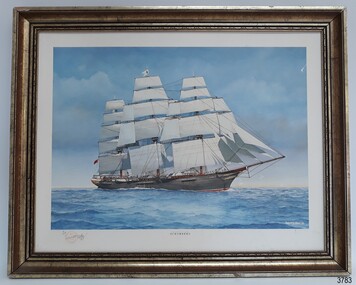
Print - Maritme, Colonial Clipper Schomberg, 1992
... experience. The subject of the sailing ship “Schomberg” is significant for is connection with the 1800s vessel “Schomberg” and the historic role the ship, and other similar ships, played to transport migrants and goods into Australia. ...This framed print of the famous clipper ship “Schomberg” is associated with Flagstaff Hill’s collection of artefacts from the wreck of the “Schomberg”. The original was painted in 1992 by maritime artist Philip J. Gray. This limited edition print is number 9/1000. ABOUTH THE SUBJECT – “Schomberg” The Schomberg was a luxury ship built in 1855 to bring immigrants from the UK to Australia in superior comfort. The voyage could take three months or longer but Captain ‘Bully’ Forbes thought that he could sail the Schomberg from Liverpool to Melbourne in a record time of 60 days. On October 6th 1855 the Schomberg left Liverpool on its maiden voyage. She carried 430 passengers plus 3000 tons cargo including rail lines for Geelong and iron for a bridge in Melbourne. After 78 days at sea, on December 27th, Schomberg ran aground near Peterborough, Victoria. All on board were rescued the next day by the passing steamer SS Queen. Gray is well known for his depiction of maritime history. His meticulous attention to detail shows the enormity of the immigrant clipper with its huge billowing sails compared to the tiny figures at work on the deck. The busy crew can be seen attending to the rigging, as can a group of sailors working on the bow under supervision. He identifies the company logo of the Black Ball Ship Line by the flapping white flag with its black circle. Divers from Flagstaff Hill including Peter Ronald (former director) salvaged artefacts and personal effects from the wreck, to be preserved and displayed. Amongst these is the famous Schomberg Diamond ring. ABOUT THE ARTIST – Philip James Gray “Philip is one of Australia’s leading maritime artists and his meticulous research and social commentary paintings of ships, such as, the Loch Ard and Schomberg form an important part of Warrnambool’s Flagstaff Hill Maritime Museum.” [ref. Dr Marion Manifold, Artist and Art Historian, 2014] Philip James Gray was born in London but has lived most of his life in Australia. He graduated from a London school of art as an illustrator, specialising in technical and scientific illustration as well as other commercial and applied art. He was also a student for a time of Fyffe Christie - British figurative artist, mural painter and humanitarian – who had a great influence on his career. Philip has always worked as a professional artist and illustrator. Many publications on maritime history have featured his work. His paintings have been released and sold all over the world as limited edition prints. The State Library of Victoria’s ‘Latrobe Collection’ holds two of his paintings. His street painting of ‘The Ashes Contest’ decorates the brick wall of Old Bakery Laneway in Sunbury and a Sunbury café owner commissioned him to paint the ‘Sunbury Pop Festival’ as a remembrance of local history. [ref. Sunbury Leader, Nov 15 2013] Philip has been an active member of the Sunbury Art Society in Victoria for several years, serving on the committee for some of that time and being involved in exhibitions. He enjoys helping new artists and sharing his skills and experience. The subject of the sailing ship “Schomberg” is significant for is connection with the 1800s vessel “Schomberg” and the historic role the ship, and other similar ships, played to transport migrants and goods into Australia. The print is significant as it is a limited edition of an Australian maritime artist. Print in gilt timber frame. "The Colonial Clipper Schomberg" by Australian maritime artist Philip J Gray, 1992. Signed and numbered, Limited Edition print 9/1000. Depicts clipper ship “Schomberg”, in full sail at sea with land in background. Backing of frame has illegible adhesive label and pencilled text. Stamp In pencil “FLAGSTAFF HILL” and “FLAGSTAFF C”. Illegible text on adhesive label. Signature [Philip J Gray] Stamped as a limited edition of SCHOMBERG Handwritten edition "9/1000"flagstaff hill, warrnambool, shipwrecked coast, flagstaff hill maritime museum, maritime museum, shipwreck coast, flagstaff hill maritime village, great ocean road, sailing ships, schomberg, clipper ship, colonial clipper, limited edition print, 9/1000, philip j gray, marine artist -
 Eltham District Historical Society Inc
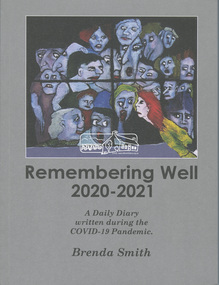
Book, Brenda Smith, Remembering Well 2020-2021: A Daily Diary written during the COVID-19 Pandemic, 2021
... As an adult migrant arriving in Australia from England in 1970, when she looked back she realised her family spoke very little about what they had endured and she was not even aware of them going through the Spanish Flu pandemic. Smith has written a diary since 2009 and as a consquence of her family's earlier experiences...As an adult migrant arriving in Australia from England in 1970, when she looked back she realised her family spoke very little about what they had endured and she was not even aware of them going through the Spanish Flu pandemic. Smith has written a diary since 2009 and as a consquence of her family's earlier experiences ...Brenda Smith's parents lived throuh two World Wars and the Depression. As an adult migrant arriving in Australia from England in 1970, when she looked back she realised her family spoke very little about what they had endured and she was not even aware of them going through the Spanish Flu pandemic. Smith has written a diary since 2009 and as a consquence of her family's earlier experiences with similar but lack of documentation and stories passed on, was determined to chronicle her experiences during the COVID-19 pandemic covering 2020-2021. This pandemic continues unabated in its third year (2022). The journal documents the daily life of living through the COVID-19 pandemic and the influences it had uopon the local community from both locally and interantionallycovid-19, coronavirus pandemic, journal, person, personal narrative -
 Eltham District Historical Society Inc
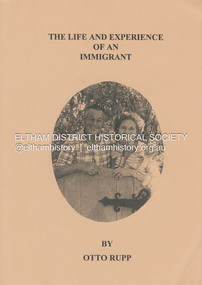
Book, Otto Rupp, The Life and Experience of an Immigrant, 1999
... experiences of a single male from Switzerland in between the wars. It also contributes to the understanding of the early history of Yarrambat including its association with gold mining. Otto Rupp Edna Young Yarrambat tancks corner victoria autobiography migrant An autobiography by Otto Rupp (1904 -1993). Transcribed by the Yarrambat Historical Society from the original manuscript in 1993. Otto Rupp was born in Switzerland in 1904. He migrated to Australia ...An autobiography by Otto Rupp (1904 -1993). Transcribed by the Yarrambat Historical Society from the original manuscript in 1993. Otto Rupp was born in Switzerland in 1904. He migrated to Australia in 1927 and after working in the South Australian outback bought land in Yarramabt. He married Edna Young in 1935. This diary includes recollections of his life from 1927 to 1983. Bachelor Days, 1919-1935: Murray Bridge, Karoonda, Wirrabara, Appilia, South Australia, Central Australia, Tancks Corner (Yarrambat), Balranald, and Yarramabt. Married Life, Gold in Yarrambat, Times, People and Memories, 1943-1987.58 p. : ill., fascsims., geneal. table ; 30 cmnon-fictionAn autobiography by Otto Rupp (1904 -1993). Transcribed by the Yarrambat Historical Society from the original manuscript in 1993. Otto Rupp was born in Switzerland in 1904. He migrated to Australia in 1927 and after working in the South Australian outback bought land in Yarramabt. He married Edna Young in 1935. This diary includes recollections of his life from 1927 to 1983. Bachelor Days, 1919-1935: Murray Bridge, Karoonda, Wirrabara, Appilia, South Australia, Central Australia, Tancks Corner (Yarrambat), Balranald, and Yarramabt. Married Life, Gold in Yarrambat, Times, People and Memories, 1943-1987.otto rupp, edna young, yarrambat, tancks corner victoria, autobiography, migrant -
 Queenscliffe Maritime Museum
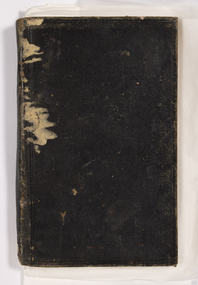
Document - Diary of John Clarke 1850 to 1883, John Clarke, Personal diary of John Clarke, 1850 to 1883
... migrant history of Victoria and of Australia. John Clarke Barque Colombine Approaches to Port Phillip Ship Wrecks South coast A small leather bound black diary containing entries by John Clarke from 1843 to 1883, recording aspects of his life in Australia from the wreck of the Colombine as a child [approx 13 y.o.a.] to his experiences working in the gold fields and around the Geelong area. ...The wreck site identified as the Columbine, a two masted brig built in 1839 in Aberdeen, Scotland and wrecked on the 1st April 1854 at Ocean Grove, Victoria, was formally reported to Heritage Victoria as located on the 15th January 2003 by Peter Ferrier and Don Love. As the site is over 75 years old it is automatically protected under the Commonwealth Historic Shipwrecks Act 1976. This diary is important as it outlines the eye witness account of the last moments of the Barque Columbine which is primarily of historic, technical, social and archaeological significance internationally and to the State of Victoria. It is a unique original account of that episode in early migrant history of Victoria and of Australia.A small leather bound black diary containing entries by John Clarke from 1843 to 1883, recording aspects of his life in Australia from the wreck of the Colombine as a child [approx 13 y.o.a.] to his experiences working in the gold fields and around the Geelong area. The diary is extensively damaged.john clarke, barque colombine, approaches to port phillip, ship wrecks, south coast -
 Ithacan Historical Society
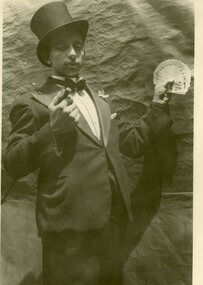
Photograph, Rafto the Magician
... Australian communities. Interests included performing as a magician, acting in Greek theatre productions, poetry writing and reciting, Ithacan family history, film and cinema, and painting. He was also an avid collector of memorabilia. At Ithacan funerals Stathi would be called upon to recite a poem in memory of the deceased which was always so nostalgic and evocative of the Ithacan migrant experience that there would be hardly a dry eye in the church. ...Stathi Raftopoulos is pictured performing as a magician under the name of 'Rafto the Magician'. Stathi Raftopoulos pursued a range of creative interests throughout his lifetime in the Greek and the broader Australian communities. Interests included performing as a magician, acting in Greek theatre productions, poetry writing and reciting, Ithacan family history, film and cinema, and painting. He was also an avid collector of memorabilia. At Ithacan funerals Stathi would be called upon to recite a poem in memory of the deceased which was always so nostalgic and evocative of the Ithacan migrant experience that there would be hardly a dry eye in the church.A black and white photograph of a man dressed in a dinner suit and wearing a top hat. He is holding playing cards in one hand and a walking cane in the other. The photograph has a cream border. -
 Sunshine and District Historical Society Incorporated
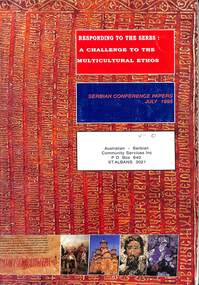
Book - Responding to the Serbs, Australian-Serbian Community Services Inc.0 646 28520 3, A Challenge to the Multicultural Ethos
... experiences living as a Serbian migrant in St Albans Victoria. Serbs Migrants de Vries Missen Responding to the Serbs - A Challenge to the Multicultural ETHOS - Serbian Confernece Papers July 1995 Soft cover bounded book A Challenge to the Multicultural Ethos Book Responding to the Serbs Australian-Serbian Community Services Inc.0 646 28520 3 ...Reflections on life in Serbia folowed by experiences living as a Serbian migrant in St Albans Victoria.Responding to the Serbs - A Challenge to the Multicultural ETHOS - Serbian Confernece Papers July 1995serbs, migrants, de vries, missen -
Tatura Irrigation & Wartime Camps Museum
Document, A Look back Over My Shoulder by Garry Fabian
... Personal recollections of Garry Fabian a German Migrant and his experience during the Second World War in Europe and later as a post war migrant to Australia...Personal recollections of Garry Fabian a German Migrant and his experience during the Second World War in Europe and later as a post war migrant to Australia Second World War Europe Garry Fabian a migrant's story Black A4 Folder A Look back Over My Shoulder by Garry Fabian Document ...Personal recollections of Garry Fabian a German Migrant and his experience during the Second World War in Europe and later as a post war migrant to AustraliaBlack A4 Foldersecond world war, europe, garry fabian, a migrant's story -
 Surrey Hills Historical Society Collection
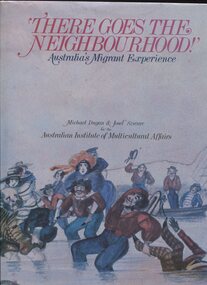
Book, There goes the neighbourhood!; Australia's migrant experience, 1984
... The negative aspects of Australian immigration are not glossed over and it looks at the terrible consequences for the Aboriginal people, the nineteenth century Chinese experience and the migrant hostel riots of 1952, among its many other topics. ...There goes the neighbourhood!; Australia's migrant experience Book Book Macmillan Company of Australia Michael Dugan Josef Szwarc ...This book presents a rich picture of a nation in the making. The negative aspects of Australian immigration are not glossed over and it looks at the terrible consequences for the Aboriginal people, the nineteenth century Chinese experience and the migrant hostel riots of 1952, among its many other topics. Michael Dugan lived locally in Surrey Hills. This book was commissioned by/for: Australian Institute of Multicultural Affairs.The book has a place in this collection by virtue of Michael Dugan having been a local resident.This book presents a rich picture of a nation in the making. The negative aspects of Austaralian immigration are not glossed over and it looks at the terrible consequences for the Aboriginal people, the nineteenth century Chinese experience and the migrant hostel riots of 1952, among its many other topics.Surrey Hills History(mr) michael dugan, (mr) josef szwarc, immigration, social interaction, social life and customs, ethnic communties, multiculturalism, history - australia -
 Wodonga & District Historical Society Inc
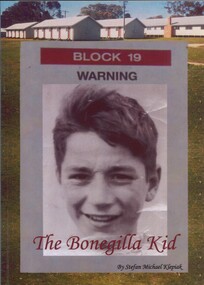
Book - The Bonegilla Kid, Stefan Michael Klepiak, 2007
... This book is significant because it relates the experience of a child migrant at Bonegilla, Victoria Immigrant Children Biography bonegilla migrant reception centre Migrant life Australia This biography documents the story of Stefan Michael Klepiak who, as a boy, between the ages of nine and 15 years lived at the Migrant Reception Centre at Bonegilla, Victoria. ...This biography documents the story of Stefan Michael Klepiak who, as a boy, between the ages of nine and 15 years lived at the Migrant Reception Centre at Bonegilla, Victoria. This was from 1957 to 1962 when Australia's post-World War II immigration program was at its peak. In his own words, young Stefan terrorised the migrants at the Bonegilla migrant camp day and night. The book describes the antics he and other boys at Bonegilla engaged in as they adapted to their new life after fleeing war-torn Europe. Stefan was often unsupervised, played truant from school and crossed the path of the local Wodonga Police. He was a regular guest at the Wodonga jailhouse and became known by the police and magistrates after several court appearances as "The Bonegilla Kid". In the Epilogue Stefan acknowledges key people in his life, including two Bonegilla policemen and the Bonegilla Camp Director, who gave "The Bonegilla Kid" the guidance he needed and put him on a positive pathway for the future.A volume of 57 pages plus an epilogue relating the author's experience at Bonegilla, Victoria.non-fictionThis biography documents the story of Stefan Michael Klepiak who, as a boy, between the ages of nine and 15 years lived at the Migrant Reception Centre at Bonegilla, Victoria. This was from 1957 to 1962 when Australia's post-World War II immigration program was at its peak. In his own words, young Stefan terrorised the migrants at the Bonegilla migrant camp day and night. The book describes the antics he and other boys at Bonegilla engaged in as they adapted to their new life after fleeing war-torn Europe. Stefan was often unsupervised, played truant from school and crossed the path of the local Wodonga Police. He was a regular guest at the Wodonga jailhouse and became known by the police and magistrates after several court appearances as "The Bonegilla Kid". In the Epilogue Stefan acknowledges key people in his life, including two Bonegilla policemen and the Bonegilla Camp Director, who gave "The Bonegilla Kid" the guidance he needed and put him on a positive pathway for the future.immigrant children biography, bonegilla migrant reception centre, migrant life australia -
 Wodonga & District Historical Society Inc
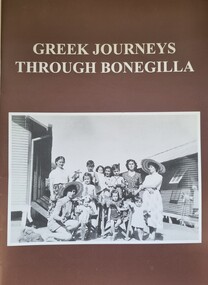
Book - Greek Journeys through Bonegilla, Bruce J Pennay, 2011
... They were privately sponsored by Greeks already resident in Australia From 1953 to mid-1956 there was a large influx of Greek migrants: about half of the 33,639 to arrive were assisted by the ICEM and Australian Government and almost all were processed at the Bonegilla Reception and Training Centre. Bonegilla was the official employment office through which about 15 000 assisted Greek migrants were processed between 1953 and 1956. It was from Bonegilla that many Greeks started work and life journeys within Australia. This publication deals with their experiences ...An illustrated interpretive booklet about post-war assisted Greek migration to Australia. Between 1951 and 1959, the Intergovernmental Committee for European Migration (ICEM) arranged for 233 000 people to come to Australia, principally from Greece and Italy. Prior to this over 5 000 Greeks had arrived in Australia since the end of World War 2. They were privately sponsored by Greeks already resident in Australia From 1953 to mid-1956 there was a large influx of Greek migrants: about half of the 33,639 to arrive were assisted by the ICEM and Australian Government and almost all were processed at the Bonegilla Reception and Training Centre. Bonegilla was the official employment office through which about 15 000 assisted Greek migrants were processed between 1953 and 1956. It was from Bonegilla that many Greeks started work and life journeys within Australia. This publication deals with their experiences.A publication of 27 pages including illustrations and images. It is part of the "At Bonegilla" series of publications by the same author which examine different aspects of Post World War II migration to Australia.An illustrated interpretive booklet about post-war assisted Greek migration to Australia. Between 1951 and 1959, the Intergovernmental Committee for European Migration (ICEM) arranged for 233 000 people to come to Australia, principally from Greece and Italy. Prior to this over 5 000 Greeks had arrived in Australia since the end of World War 2. They were privately sponsored by Greeks already resident in Australia From 1953 to mid-1956 there was a large influx of Greek migrants: about half of the 33,639 to arrive were assisted by the ICEM and Australian Government and almost all were processed at the Bonegilla Reception and Training Centre. Bonegilla was the official employment office through which about 15 000 assisted Greek migrants were processed between 1953 and 1956. It was from Bonegilla that many Greeks started work and life journeys within Australia. This publication deals with their experiences.bonegilla migrants, bonegilla migrant reception centre -
 Wodonga & District Historical Society Inc
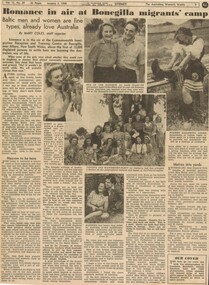
Article - Romance in air at Bonegilla Migrants' camp, The Australian Women's Weekly, 1948
... Bonegilla Migrant Reception Centre Post World War 11 Migration Immigration A page taken from the Women's Weekly of 3rd January 1948 focusing on the experiences of newly arrived migrants at Bonegilla Migrant Reception Centre. Romance in air at Bonegilla Migrants' camp Article Romance in air at Bonegilla Migrants' camp The Australian ...This item is significant because it describes an aspect of life at Bonegilla Migrant Centre and how these new migrants were portrayed by the media.A page taken from the Women's Weekly of 3rd January 1948 focusing on the experiences of newly arrived migrants at Bonegilla Migrant Reception Centre.bonegilla migrant reception centre, post world war 11 migration, immigration -
 Wodonga & District Historical Society Inc
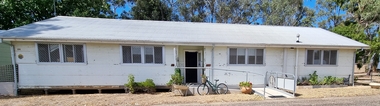
Photograph - Hut 97 Bonegilla Migrant Experience
... Migrant Experience...Wodonga & District Historical Society...Immigration Australia...Australian Heritage Commission proceeded with its listing on the Register of the National Estate. A Conservation Management Plan was prepared for Block 19 in 1996. The Army transferred Block 19 to the Victorian Government. In 2002 Heritage Victoria listed Block 19 on the State Heritage Register, giving attention to both the migrant and army connections with the site. Hut 97 at Bonegilla Migrant Experience...This image is significant because it records a building which is part of the Bonegilla Migrant Reception Centre which played a critical role as the largest and longest operating Migrant Reception Centre in Australia. Hut 97 Bonegilla Migrant Experience Wodonga & District Historical Society Immigration Australia A colour photo of Hut 97 at Block 19, Bonegilla Migrant Experience, now the home of Wodonga & District Historical Society Inc. ...Bonegilla Army Base and Migrant Reception Centre began when funds were allocated to build Bonegilla Army Camp in June 1940. Builders began to erect about 600 huts prior to the Army moving in during September of that year. Between 1942 - 1943 it was enlarged to 848 buildings. In 1947 Bonegilla Reception and Training Centre began operating with the Army providing transport, security and catering services. From 1949 until 1965 the Bonegilla Reception and Training Centre operated without a military presence. Bonegilla Migrant Reception and Training Centre was made up of 24 blocks. It had its own churches, banks, sporting fields, cinema, hospital, police station and railway platform. It became the largest and longest operating reception centre in the post-war era. More than 300,000 migrants passed through its doors between 1947 and 1971, with most of those originating from non-English speaking European countries. From1965 with the increased Australian commitment to the Vietnam War and the need to find accommodation to train National Servicemen for Vietnam, the Army negotiated with the Department of Immigration to take over several blocks at Bonegilla. In 1971 the Reception Centre closed and the site reverted to the Army. After 1971 the Army undertook a major site redevelopment with the construction of Latchford Barracks as the Army Apprentice School. Later Latchford Barracks was redeveloped into part of the Army Logistic Training Centre. Between 1978 and 1982, nearly all of the centre was demolished in a major redevelopment. The new replacement buildings were formally opened as Latchford Barracks in 1983. Demolition of the buildings prompted calls for recognition of the site and the role it had played in Australia’s post-World War II Immigration program. After much discussion between the Department of Army and Heritage and local groups about the significance of the site, the Australian Heritage Commission proceeded with its listing on the Register of the National Estate. A Conservation Management Plan was prepared for Block 19 in 1996. The Army transferred Block 19 to the Victorian Government. In 2002 Heritage Victoria listed Block 19 on the State Heritage Register, giving attention to both the migrant and army connections with the site. Hut 97 at Bonegilla Migrant Experience is the home of the Wodonga & District Historical Society Inc.This image is significant because it records a building which is part of the Bonegilla Migrant Reception Centre which played a critical role as the largest and longest operating Migrant Reception Centre in Australia.A colour photo of Hut 97 at Block 19, Bonegilla Migrant Experience, now the home of Wodonga & District Historical Society Inc.hut 97 bonegilla migrant experience, wodonga & district historical society, immigration australia -
 Wodonga & District Historical Society Inc
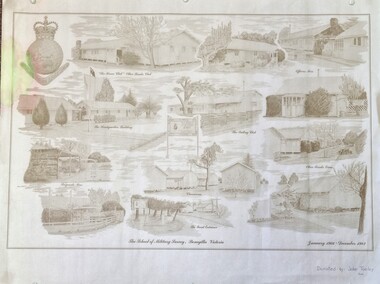
Work on paper - Sketch - The School of Military Survey, Bonegilla
... Migrant Experience Heritage Park. This item depicts a heritage listed historical site located in the Wodonga district. Migrant Reception Centre Bonegilla Army at Bonegilla Australian Military Top left corner: Insignia of the Royal Australian Survey Corps At bottom of sketches: "The School of Military Survey, Bonegilla Victoria / January 1966 - December 1982 A large poster size representation of the variety of buildings at Bonegilla, Victoria when it served as the location for the Royal Australian School of Military Survey. ...Bonegilla operated as an army base from September 1940 and by 1943 was expanded to 848 buildings, including a general hospital. It provided training for small arms instructors, signallers, transport workers, bomb disposal and gas warfare personnel. In a response to the need to house the growing number of displaced persons coming to Australia, the Bonegilla Reception and Training Centre began operating in 1947. For some time it was a shared facility but the Army withdrew temporarily from Bonegilla in 1949, whilst still retaining ownership of the site. From 1949-65 Bonegilla Reception and Training Centre operated without a military presence. However, in the late 1960s and Australia’s commitments to the Vietnam War and pressed by the need to find accommodation to train men, especially National Servicemen, the Army negotiated with the Department of Immigration to take over several blocks at Bonegilla in 1965. Thirty-five huts were acquired by the Royal Australian Army Ordnance Corps as a Recruit Training Centre in which National Servicemen and recruits could attend 10-week ordnance courses. Shortly afterwards additional huts were acquired by the School of Military Survey, which established field-survey practical training areas and special astronomical observation sites as it began conducting courses in surveying. Instructors and trainees co-located at Bonegilla with migrant reception centre. In 1971 the Reception Centre closed and the site reverted to the Army. Progressively after 1971 the Army undertook a major site redevelopment with the construction of Latchford Barracks as the Army Apprentice School. Later Latchford Barracks was redeveloped into part of the Army Logistic Training Centre. Block 19 of the Mirant Reception Centre later became the Bonegilla Migrant Experience Heritage Park.This item depicts a heritage listed historical site located in the Wodonga district.A large poster size representation of the variety of buildings at Bonegilla, Victoria when it served as the location for the Royal Australian School of Military Survey. The insignia of the Royal Australian Survey Corps is featured in the top left hand corner.Top left corner: Insignia of the Royal Australian Survey Corps At bottom of sketches: "The School of Military Survey, Bonegilla Victoria / January 1966 - December 1982migrant reception centre bonegilla, army at bonegilla, australian military -
 Wodonga & District Historical Society Inc
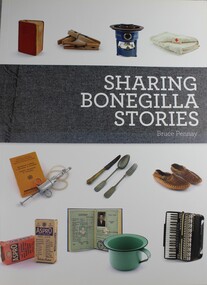
Booklet - Sharing Bonegilla Stories, Bruce J Pennay, 2012
... migrant reception centre of the post-war era. It is associated with, and demonstrates, a defining change in Australia’s immigration policy. Not only is it linked with the big, bold, mass post-war immigration program, but it foreshadows a change in the way Australia was peopled. Most of the migrants and refugees who passed through Bonegilla between 1947 and 1971 were drawn from non-English speaking European countries. bonegilla migrant experiences ...A full-colour catalogue to support the Sharing Bonegilla Stories exhibition at the Albury LibraryMuseum which was curated by Bridget Guthrie in 2009. The exhibition drew from a successful earlier Belongings partnership with the Centre. The catalogue tries to make sense of people’s different memories of, and responses to, Bonegilla.non-fictionA full-colour catalogue to support the Sharing Bonegilla Stories exhibition at the Albury LibraryMuseum which was curated by Bridget Guthrie in 2009. The exhibition drew from a successful earlier Belongings partnership with the Centre. The catalogue tries to make sense of people’s different memories of, and responses to, Bonegilla.bonegilla, migrant experiences, immigration victoria -
 Wodonga & District Historical Society Inc
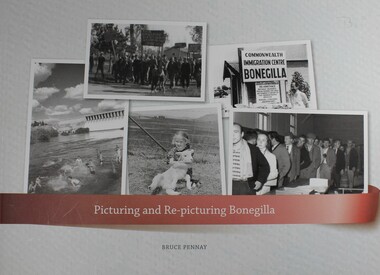
Book - Picturing and Re-picturing Bonegilla, Bruce J Pennay, 2016
... bonegilla reception and training centre bonegilla postwar migration migration australia This is one of many publications by Bruce Pennay which focus on and analyse the policies and experiences of migrants at the Bonegilla Reception and Training Centre. ...This is one of many publications by Bruce Pennay which focus on and analyse the policies and experiences of migrants at the Bonegilla Reception and Training Centre. In this latest item, he arranged picture collages (40 in all) and invited readers to see and consider how Bonegilla, Australia’s largest and longest-lasting postwar migrant accommodation centre, was perceived and represented by government, by the contemporary press, and by resident staff, migrants and refugees.non-fictionThis is one of many publications by Bruce Pennay which focus on and analyse the policies and experiences of migrants at the Bonegilla Reception and Training Centre. In this latest item, he arranged picture collages (40 in all) and invited readers to see and consider how Bonegilla, Australia’s largest and longest-lasting postwar migrant accommodation centre, was perceived and represented by government, by the contemporary press, and by resident staff, migrants and refugees.bonegilla reception and training centre, bonegilla, postwar migration, migration australia -
 Wodonga & District Historical Society Inc
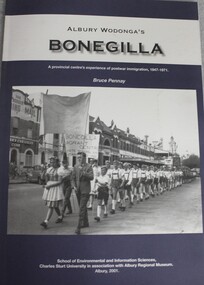
Book - ALBURY WODONGA'S BONEGILLA: A provincial centre's experience of post-war immigration, 1947-1971, Bruce J Pennay, 2001
... immigration policy australia bonegilla albury wodonga post ww2 immigration A study of the development and role of the Bonegilla Migrant Reception Centre near Albury Wodonga and its impact on the residents and the community. ALBURY WODONGA'S BONEGILLA: A provincial centre's experience ...A study of the development and role of the Bonegilla Migrant Reception Centre near Albury Wodonga and its impact on the residents and the community.non-fictionA study of the development and role of the Bonegilla Migrant Reception Centre near Albury Wodonga and its impact on the residents and the community.immigration policy australia, bonegilla, albury wodonga, post ww2 immigration -
 Wodonga & District Historical Society Inc
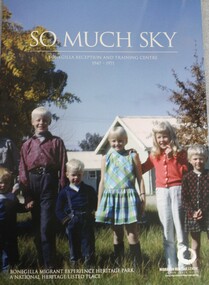
Booklet - So Much Sky: Bonegilla Reception Centre and Training Centre 1947 - 1971, Bruce J Pennay, 2008
... bonegilla migrant reception centre immigrants australia post-war immigration An overview of the Bonegilla Migrant Reception Centre and Heritage Museum At bottom of Front Cover "Bonegilla Migrant Experience Heritage Park, a national heritage listed place" So Much Sky: Bonegilla Reception Centre and Training Centre 1947 - 1971 Booklet So Much Sky: Bonegilla Reception Centre and Training Centre 1947 - 1971 Bruce J Pennay Migration Heritage Centre NSW ...An overview of the Bonegilla Migrant Reception Centre and Heritage Museumnon-fictionAn overview of the Bonegilla Migrant Reception Centre and Heritage Museumbonegilla migrant reception centre, immigrants australia, post-war immigration -
 Wodonga & District Historical Society Inc
Book - Taking A Punt - First Stop Bonegilla: stories by Darebin residents, Merrilee Moss, 1997
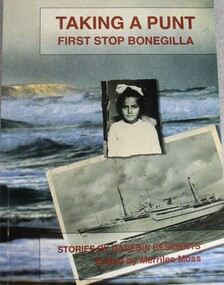
... Migrant Reception Centre Bonegilla Immigration Australia Bonegilla Stories by Darebin residents recounting their personal immigration journeys and experience at Bonegilla Migrant Reception Centre Taking A Punt - First Stop Bonegilla: stories by Darebin residents Book Taking A Punt - First Stop Bonegilla: stories by Darebin residents Merrilee Moss Barebin Council ...Stories by Darebin residents recounting their personal immigration journeys and experience at Bonegilla Migrant Reception Centrenon-fiction Stories by Darebin residents recounting their personal immigration journeys and experience at Bonegilla Migrant Reception Centremigrant reception centre bonegilla, immigration australia, bonegilla -
 Merri-bek City Council
Hand printed vintage black and white silver print, Stephen Wickham, Untitled 2, c. 1980
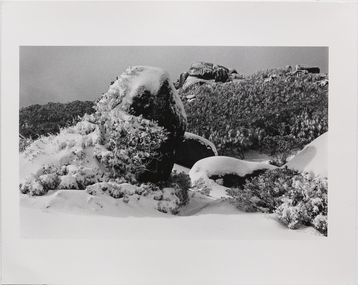
... Australian photographer and painter who has been actively exhibiting his works since the 1980s. A long standing preoccupation with Mt Buffalo since the 1980's has seen the artist produce a number of photographic suites and exhibitions that have been likened to German Romantic iconography and associated heavily with the European migrant experience (Robert Nelson, The Age 16 June 2001). ...Australian photographer and painter who has been actively exhibiting his works since the 1980s. A long standing preoccupation with Mt Buffalo since the 1980's has seen the artist produce a number of photographic suites and exhibitions that have been likened to German Romantic iconography and associated heavily with the European migrant experience (Robert Nelson, The Age 16 June 2001). ...Stephen Wickham is an Australian photographer and painter who has been actively exhibiting his works since the 1980s. A long standing preoccupation with Mt Buffalo since the 1980's has seen the artist produce a number of photographic suites and exhibitions that have been likened to German Romantic iconography and associated heavily with the European migrant experience (Robert Nelson, The Age 16 June 2001). Born to Viennese parents, hiking in the mountains for Wickham represents a traditional European family pastime. This series of work is comprised of expeditionary photographs taken between 1980 and 1985. Charles Green describes Wickham's landscape photographs as sublime, transcendental, spiritual and symbolic (Art in Australia Spring 1988). Set in Victoria’s Mount Buffalo National Park, the Mount Buffalo series captures the mountain plateau during winter. Rather than focusing on a lush green landscape, Wickham presents the viewer with close-ups of the snow-covered flaura and fauna of the alpine region.Donated through the Australian Government's Cultural Gifts Program by Miriam Kenter in memory of Master George Willibrord Kenter -
 Merri-bek City Council
Hand printed vintage black and white silver print, Stephen Wickham, Untitled 5, c. 1980
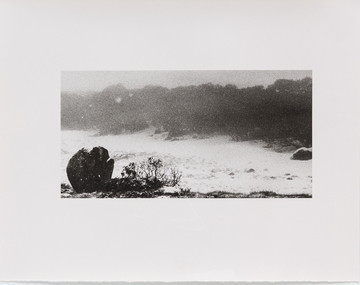
... Australian photographer and painter who has been actively exhibiting his works since the 1980s. A long standing preoccupation with Mt Buffalo since the 1980's has seen the artist produce a number of photographic suites and exhibitions that have been likened to German Romantic iconography and associated heavily with the European migrant experience (Robert Nelson, The Age 16 June 2001). ...Australian photographer and painter who has been actively exhibiting his works since the 1980s. A long standing preoccupation with Mt Buffalo since the 1980's has seen the artist produce a number of photographic suites and exhibitions that have been likened to German Romantic iconography and associated heavily with the European migrant experience (Robert Nelson, The Age 16 June 2001). ...Stephen Wickham is an Australian photographer and painter who has been actively exhibiting his works since the 1980s. A long standing preoccupation with Mt Buffalo since the 1980's has seen the artist produce a number of photographic suites and exhibitions that have been likened to German Romantic iconography and associated heavily with the European migrant experience (Robert Nelson, The Age 16 June 2001). Born to Viennese parents, hiking in the mountains for Wickham represents a traditional European family pastime. This series of work is comprised of expeditionary photographs taken between 1980 and 1985. Charles Green describes Wickham's landscape photographs as sublime, transcendental, spiritual and symbolic (Art in Australia Spring 1988). Set in Victoria’s Mount Buffalo National Park, the Mount Buffalo series captures the mountain plateau during winter. Rather than focusing on a lush green landscape, Wickham presents the viewer with close-ups of the snow-covered flaura and fauna of the alpine region.Donated through the Australian Government's Cultural Gifts Program by Miriam Kenter in memory of Master George Willibrord Kenter -
 Merri-bek City Council
Hand printed vintage black and white silver print, Stephen Wickham, Untitled 6, c. 1980
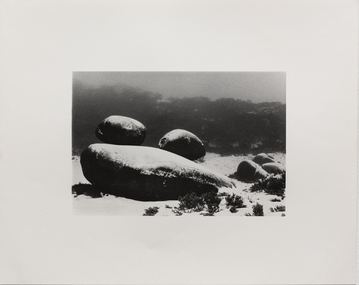
... Australian photographer and painter who has been actively exhibiting his works since the 1980s. A long standing preoccupation with Mt Buffalo since the 1980's has seen the artist produce a number of photographic suites and exhibitions that have been likened to German Romantic iconography and associated heavily with the European migrant experience (Robert Nelson, The Age 16 June 2001). ...Australian photographer and painter who has been actively exhibiting his works since the 1980s. A long standing preoccupation with Mt Buffalo since the 1980's has seen the artist produce a number of photographic suites and exhibitions that have been likened to German Romantic iconography and associated heavily with the European migrant experience (Robert Nelson, The Age 16 June 2001). ...Stephen Wickham is an Australian photographer and painter who has been actively exhibiting his works since the 1980s. A long standing preoccupation with Mt Buffalo since the 1980's has seen the artist produce a number of photographic suites and exhibitions that have been likened to German Romantic iconography and associated heavily with the European migrant experience (Robert Nelson, The Age 16 June 2001). Born to Viennese parents, hiking in the mountains for Wickham represents a traditional European family pastime. This series of work is comprised of expeditionary photographs taken between 1980 and 1985. Charles Green describes Wickham's landscape photographs as sublime, transcendental, spiritual and symbolic (Art in Australia Spring 1988). Set in Victoria’s Mount Buffalo National Park, the Mount Buffalo series captures the mountain plateau during winter. Rather than focusing on a lush green landscape, Wickham presents the viewer with close-ups of the snow-covered flaura and fauna of the alpine region.Donated through the Australian Government's Cultural Gifts Program by Miriam Kenter in memory of Master George Willibrord Kenter -
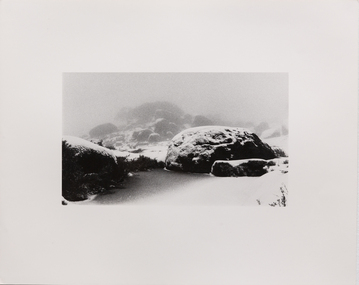 Merri-bek City Council
Hand printed vintage black and white silver print, Stephen Wickham, Untitled 7, c. 1980
... Australian photographer and painter who has been actively exhibiting his works since the 1980s. A long standing preoccupation with Mt Buffalo since the 1980's has seen the artist produce a number of photographic suites and exhibitions that have been likened to German Romantic iconography and associated heavily with the European migrant experience (Robert Nelson, The Age 16 June 2001). ...Australian photographer and painter who has been actively exhibiting his works since the 1980s. A long standing preoccupation with Mt Buffalo since the 1980's has seen the artist produce a number of photographic suites and exhibitions that have been likened to German Romantic iconography and associated heavily with the European migrant experience (Robert Nelson, The Age 16 June 2001). ...Stephen Wickham is an Australian photographer and painter who has been actively exhibiting his works since the 1980s. A long standing preoccupation with Mt Buffalo since the 1980's has seen the artist produce a number of photographic suites and exhibitions that have been likened to German Romantic iconography and associated heavily with the European migrant experience (Robert Nelson, The Age 16 June 2001). Born to Viennese parents, hiking in the mountains for Wickham represents a traditional European family pastime. This series of work is comprised of expeditionary photographs taken between 1980 and 1985. Charles Green describes Wickham's landscape photographs as sublime, transcendental, spiritual and symbolic (Art in Australia Spring 1988). Set in Victoria’s Mount Buffalo National Park, the Mount Buffalo series captures the mountain plateau during winter. Rather than focusing on a lush green landscape, Wickham presents the viewer with close-ups of the snow-covered flaura and fauna of the alpine region.Donated through the Australian Government's Cultural Gifts Program by Miriam Kenter in memory of Master George Willibrord Kenter -
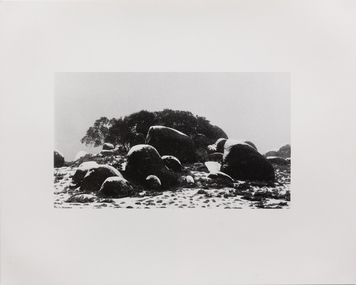 Merri-bek City Council
Hand printed vintage black and white silver print, Stephen Wickham, Untitled 8, c. 1980
... Australian photographer and painter who has been actively exhibiting his works since the 1980s. A long standing preoccupation with Mt Buffalo since the 1980's has seen the artist produce a number of photographic suites and exhibitions that have been likened to German Romantic iconography and associated heavily with the European migrant experience (Robert Nelson, The Age 16 June 2001). ...Australian photographer and painter who has been actively exhibiting his works since the 1980s. A long standing preoccupation with Mt Buffalo since the 1980's has seen the artist produce a number of photographic suites and exhibitions that have been likened to German Romantic iconography and associated heavily with the European migrant experience (Robert Nelson, The Age 16 June 2001). ...Stephen Wickham is an Australian photographer and painter who has been actively exhibiting his works since the 1980s. A long standing preoccupation with Mt Buffalo since the 1980's has seen the artist produce a number of photographic suites and exhibitions that have been likened to German Romantic iconography and associated heavily with the European migrant experience (Robert Nelson, The Age 16 June 2001). Born to Viennese parents, hiking in the mountains for Wickham represents a traditional European family pastime. This series of work is comprised of expeditionary photographs taken between 1980 and 1985. Charles Green describes Wickham's landscape photographs as sublime, transcendental, spiritual and symbolic (Art in Australia Spring 1988). Set in Victoria’s Mount Buffalo National Park, the Mount Buffalo series captures the mountain plateau during winter. Rather than focusing on a lush green landscape, Wickham presents the viewer with close-ups of the snow-covered flaura and fauna of the alpine region.Donated through the Australian Government's Cultural Gifts Program by Miriam Kenter in memory of Master George Willibrord Kenter -
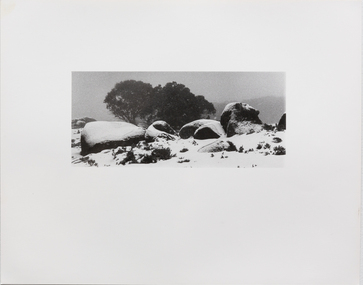 Merri-bek City Council
Hand printed vintage black and white silver print, Stephen Wickham, Untitled 9, c. 1980
... Australian photographer and painter who has been actively exhibiting his works since the 1980s. A long standing preoccupation with Mt Buffalo since the 1980's has seen the artist produce a number of photographic suites and exhibitions that have been likened to German Romantic iconography and associated heavily with the European migrant experience (Robert Nelson, The Age 16 June 2001). ...Australian photographer and painter who has been actively exhibiting his works since the 1980s. A long standing preoccupation with Mt Buffalo since the 1980's has seen the artist produce a number of photographic suites and exhibitions that have been likened to German Romantic iconography and associated heavily with the European migrant experience (Robert Nelson, The Age 16 June 2001). ...Stephen Wickham is an Australian photographer and painter who has been actively exhibiting his works since the 1980s. A long standing preoccupation with Mt Buffalo since the 1980's has seen the artist produce a number of photographic suites and exhibitions that have been likened to German Romantic iconography and associated heavily with the European migrant experience (Robert Nelson, The Age 16 June 2001). Born to Viennese parents, hiking in the mountains for Wickham represents a traditional European family pastime. This series of work is comprised of expeditionary photographs taken between 1980 and 1985. Charles Green describes Wickham's landscape photographs as sublime, transcendental, spiritual and symbolic (Art in Australia Spring 1988). Set in Victoria’s Mount Buffalo National Park, the Mount Buffalo series captures the mountain plateau during winter. Rather than focusing on a lush green landscape, Wickham presents the viewer with close-ups of the snow-covered flaura and fauna of the alpine region.Donated through the Australian Government's Cultural Gifts Program by Miriam Kenter in memory of Master George Willibrord Kenter
