
Showing 55 items matching "mine closure"
-
 Bendigo Historical Society Inc.
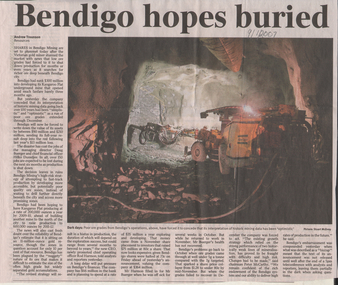
Newspaper - Kangaroo Flat Gold Mine Collection: Bendigo N.L. Mine Closure, Bendigo Advertiser, 9.1. 2007, 10.1.2007
... Kangaroo Flat Gold Mine Collection: Bendigo N.L. Mine Closure......mine closure...Mine Closure Bendigo Advertiser ...Production at the Bendigo Mining N.L. Kangaroo Flat mine site was planned to shut down over a period of six months, during which time 150 jobs were expected to be lost. Almost 60 per cent was wiped off the Company's value on January 9th 2007 trading. Two newspaper articles: 1. 'Bendigo hopes buried', one page article. Image of mining equipment underground in stope. Text underneath image: Poor ore grades from Bendigo's operations, have forced it to concede that its interpretation of historic mining data has been 'optimistic'. Bendigo Advertiser article 9.1.2007 2. On front of page 'Community Upbeat' and 'Many more challenges to overcome' on one page. Cr. Julie Rivendell comments on closure. Bendigo Advertiser article 10.1.2007. On back of page: Investor's worst fears realised'.bendigo mining n.l., bendigo, mining, gold, douglas buerger, managing director, julie rivendell, mine closure, share market, stock market -
 Bendigo Historical Society Inc.
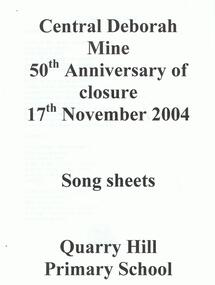
Document - JOHN WILLIAMS COLLECTION: CENTRAL DEBORAH MINE 50TH ANNIVERSARY OF CLOSURE, 17 Nov 2004
... JOHN WILLIAMS COLLECTION: CENTRAL DEBORAH MINE 50TH ANNIVERSARY OF CLOSURE...Central Deborah Mine, 50th Anniversary of Closure, 17th November 2004. Song sheets. ...Central Deborah Mine, 50th Anniversary of Closure, 17th November 2004. Song sheets. ...Document. Central Deborah Mine, 50th Anniversary of Closure, 17th November 2004. Song sheets. Quarry Hill Primary School.document, memo, central deborah mine.closure anniversary -
 Bendigo Historical Society Inc.
Photograph - AUSTIN COLLECTION: Central Deborah Gold Mine
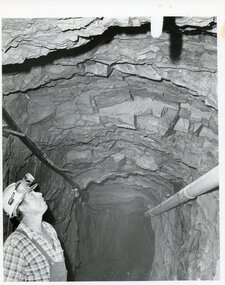
... Following Central Deborah Gold Mine's closure, the Bendigo skyline began to noticeably change. ...Following Central Deborah Gold Mine's closure, the Bendigo skyline began to noticeably change. ...At its peak, Central Deborah Gold Mine reached a depth of 412 metres. It has 17 separate levels and 15 kilometres of drives and cross cuts (tunnels). The Central Deborah was very much a hands-on mine and the conditions that the miners worked in would be considered shocking by today's standards – being lowered underground in a cage with only two sides, often working ankle to knee deep in water, filling up to 32 ore trucks a shift by hand which were then pushed a mile or more along rails in the drives, working by carbide lamp, breathing in the fumes and rock dust and communication by bells. However, at the time working conditions were considered to be among the best on the goldfields at Central Deborah, after all it was one of the only mines that had hot showers. Following Central Deborah Gold Mine's closure, the Bendigo skyline began to noticeably change. Obvious remnants of mining such as poppet heads, engine rooms, service quarters, battery houses and chimneys were steadily disappearing. After intense lobbying by the local community, the Bendigo City Council purchased the still very much intact Central Deborah Gold Mine in 1970 for a mere $6,000 to ensure that a vital link to Bendigo's historic golden past was maintained. https://www.central-deborah.com/about-us/central-deborah-gold-mine-s-history Black and white photo of miner Ray Beer, wearing hard hat and mining lamp, checking mine roof at Central Deborah Gold Mine, Bendigo.mining, central deborah gold mine, ray beer -
 Bendigo Historical Society Inc.
Photograph - AUSTIN COLLECTION: Central Deborah Gold Mine Lift Shaft
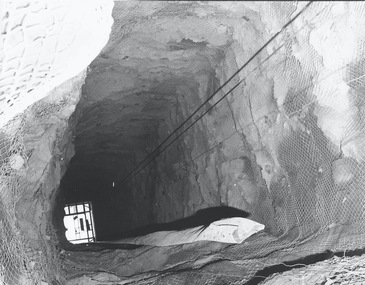
... Following Central Deborah Gold Mine's closure, the Bendigo skyline began to noticeably change. ...Following Central Deborah Gold Mine's closure, the Bendigo skyline began to noticeably change. ...Central Deborah Gold Mine history: At its peak, Central Deborah Gold Mine reached a depth of 412 metres. It has 17 separate levels and 15 kilometres of drives and cross cuts (tunnels). The Central Deborah was very much a hands-on mine and the conditions that the miners worked in would be considered shocking by today's standards – being lowered underground in a cage with only two sides, often working ankle to knee deep in water, filling up to 32 ore trucks a shift by hand which were then pushed a mile or more along rails in the drives, working by carbide lamp, breathing in the fumes and rock dust and communication by bells. Geez, they were ironmen. However, at the time working conditions were considered to be among the best on the goldfields at Central Deborah, after all it was one of the only mines that had hot showers. Following Central Deborah Gold Mine's closure, the Bendigo skyline began to noticeably change. Obvious remnants of mining such as poppet heads, engine rooms, service quarters, battery houses and chimneys were steadily disappearing. After intense lobbying by the local community, the Bendigo City Council purchased the still very much intact Central Deborah Gold Mine in 1970 for a mere $6,000 to ensure that a vital link to Bendigo's historic golden past was maintained. The Bendigo Trust was then formed to oversee the operations of the Central Deborah Gold Mine, which led to the surface of the mine being opened to the public in 1971. Initially the surface was open for just 12 hours a week and as the demand for viewing a part of Bendigo's history increased, so did the opening hours. In 1974 the mine was gazetted as a Public Historical Purposes Reserve and attracted such visitors as H.R.H Prince Charles. By far the greatest shortcoming at this stage was that no one could view the underground workings, as these had become flooded. After what could only be described as a monumental effort by everyone involved, Level 2 of the mine was officially opened to the public by the Premier of Victoria, the Honourable John Cain, on 20 June 1986, which brought to fruition a long standing dream.Black and white photograph, looking from bottom of lift shaft towards the surface; light visible at top of shaft. Lift cables and safety mesh on sides of shaft. gold mining, central deborah gold mine, ray beer, mine manager -
 Bendigo Historical Society Inc.
Photograph - AUSTIN COLLECTION: Central Deborah Gold Mine, Possibly 1990's
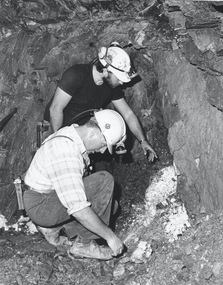
... Following Central Deborah Gold Mine's closure, the Bendigo skyline began to noticeably change. ...Following Central Deborah Gold Mine's closure, the Bendigo skyline began to noticeably change. ...Central Deborah Gold Mine history: At its peak, Central Deborah Gold Mine reached a depth of 412 metres. It has 17 separate levels and 15 kilometres of drives and cross cuts (tunnels). The Central Deborah was very much a hands-on mine and the conditions that the miners worked in would be considered shocking by today's standards – being lowered underground in a cage with only two sides, often working ankle to knee deep in water, filling up to 32 ore trucks a shift by hand which were then pushed a mile or more along rails in the drives, working by carbide lamp, breathing in the fumes and rock dust and communication by bells. Geez, they were ironmen. However, at the time working conditions were considered to be among the best on the goldfields at Central Deborah, after all it was one of the only mines that had hot showers. Following Central Deborah Gold Mine's closure, the Bendigo skyline began to noticeably change. Obvious remnants of mining such as poppet heads, engine rooms, service quarters, battery houses and chimneys were steadily disappearing. After intense lobbying by the local community, the Bendigo City Council purchased the still very much intact Central Deborah Gold Mine in 1970 for a mere $6,000 to ensure that a vital link to Bendigo's historic golden past was maintained. The Bendigo Trust was then formed to oversee the operations of the Central Deborah Gold Mine, which led to the surface of the mine being opened to the public in 1971. Initially the surface was open for just 12 hours a week and as the demand for viewing a part of Bendigo's history increased, so did the opening hours. In 1974 the mine was gazetted as a Public Historical Purposes Reserve and attracted such visitors as H.R.H Prince Charles. By far the greatest shortcoming at this stage was that no one could view the underground workings, as these had become flooded. After what could only be described as a monumental effort by everyone involved, Level 2 of the mine was officially opened to the public by the Premier of Victoria, the Honourable John Cain, on 20 June 1986, which brought to fruition a long standing dream.Black and white photograph. Two men with hard hats and lights, inspecting quartz outcrop on wall of drive at Central Deborah Gold Mine.gold mining, central deborah gold mine, ray beer, mine manager -
 Bendigo Historical Society Inc.
Photograph - AUSTIN COLLECTION: Operating rock drill, Central Deborah Gold Mine, Possibly 1990's
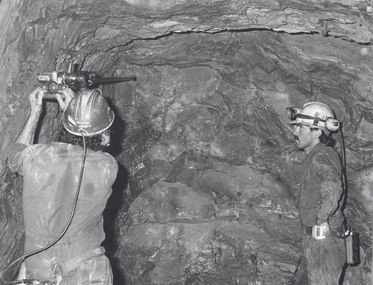
... Following Central Deborah Gold Mine's closure, the Bendigo skyline began to noticeably change. ...Following Central Deborah Gold Mine's closure, the Bendigo skyline began to noticeably change. ...Central Deborah Gold Mine history: At its peak, Central Deborah Gold Mine reached a depth of 412 metres. It has 17 separate levels and 15 kilometres of drives and cross cuts (tunnels). The Central Deborah was very much a hands-on mine and the conditions that the miners worked in would be considered shocking by today's standards – being lowered underground in a cage with only two sides, often working ankle to knee deep in water, filling up to 32 ore trucks a shift by hand which were then pushed a mile or more along rails in the drives, working by carbide lamp, breathing in the fumes and rock dust and communication by bells. Geez, they were ironmen. However, at the time working conditions were considered to be among the best on the goldfields at Central Deborah, after all it was one of the only mines that had hot showers. Following Central Deborah Gold Mine's closure, the Bendigo skyline began to noticeably change. Obvious remnants of mining such as poppet heads, engine rooms, service quarters, battery houses and chimneys were steadily disappearing. After intense lobbying by the local community, the Bendigo City Council purchased the still very much intact Central Deborah Gold Mine in 1970 for a mere $6,000 to ensure that a vital link to Bendigo's historic golden past was maintained. The Bendigo Trust was then formed to oversee the operations of the Central Deborah Gold Mine, which led to the surface of the mine being opened to the public in 1971. Initially the surface was open for just 12 hours a week and as the demand for viewing a part of Bendigo's history increased, so did the opening hours. In 1974 the mine was gazetted as a Public Historical Purposes Reserve and attracted such visitors as H.R.H Prince Charles. By far the greatest shortcoming at this stage was that no one could view the underground workings, as these had become flooded. After what could only be described as a monumental effort by everyone involved, Level 2 of the mine was officially opened to the public by the Premier of Victoria, the Honourable John Cain, on 20 June 1986, which brought to fruition a long standing dream.Black and white photograph. Two men with hard hats and lights standing in front of underground rock surface at Central Deborah Gold Mine. Paul Maker on left hand side of image is operating a small rock drill. John Jeffrey on right hand side is observing the procedure. gold mining, central deborah gold mine, rock drill, underground -
 Bendigo Historical Society Inc.
Document - ALBERT RICHARDSON COLLECTION: NEW RED, WHITE AND BLUE CONSOLIDATED MINE, GOLDEN SQUARE
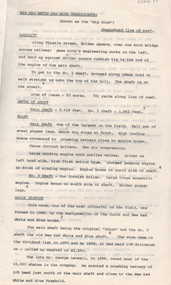
... Information on the mine is given in the following areas: location plant, early history, its role as a leading mine, its prominence, its closure, gold production. References are provided. ...Information on the mine is given in the following areas: location plant, early history, its role as a leading mine, its prominence, its closure, gold production. References are provided. ...The New Red White and Blue Mine, Sheepshead line of reef, was located in Thistle Street, Golden Square. It was also known as the 'Big Blue'. The mine was formed in 1888, by the amalgamation of the Union and New Red White and Blue. The area of the claim was 32 acres; 781 yards along the line of reef. The main shaft was one of the largest on the field. It had a tall set of steel poppet legs, with a big slope at the front. High landing brace connected to crushing battery close to engine house. The main shaft was the original 'Union" (Albert Richardson notes) and the No. 3 shaft the old New Red White and Blue. Two-page document plus map showing location of the New Red, White and Blue Consolidated mine on the Sheepshead Line of Reef. Information on the mine is given in the following areas: location plant, early history, its role as a leading mine, its prominence, its closure, gold production. References are provided. Document forms part of research referred to in Albert Richardson's paper 2264.70.bendigo, mining, new red white and blue mine -
 Bendigo Historical Society Inc.
Photograph - AUSTIN COLLECTION: Ray Beer, Central Deborah Gold Mine
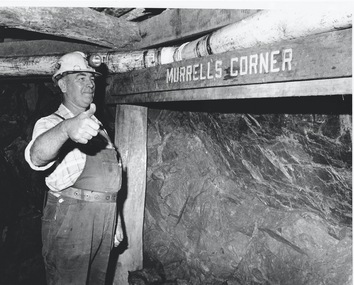
... Following Central Deborah Gold Mine's closure, the Bendigo skyline began to noticeably change. ...Following Central Deborah Gold Mine's closure, the Bendigo skyline began to noticeably change. ...Ray Beer was an employee of the Central Deborah Gold Mine. February 15th 2009: Bendigo Advertiser: 'MINING stalwart Raymond Beer has died at the age of 74 after a battle with cancer. He leaves behind an extended family and a legacy in Bendigo’s mining history. Ray was mine manager at the Central Deborah Gold Mine - appointed in 1978 - and led the team that made possible the underground project at the second level. He had a vision to allow visitors to go underground and experience Bendigo’s mining heritage first hand. Ray was responsible for developing the new battery, shaft and poppet head to make this a reality. It took persistence and lots of hard work. Friend and work colleague Bill McNamara said Ray was as good as 10 men. His enthusiasm and work ethic were unprecedented. Ray will be sadly missed by his wife, Thelma, six children, 15 grandchildren, seven brothers, three sisters, his extended family, and friends. He will be remembered for his kindness, tenacity and strength of character. In recognition of his contribution to Bendigo’s mining history, after more than 20 years of service at his retirement, a bronze life-sized statue was unveiled in his honour'. Central Deborah Gold Mine history: At its peak, Central Deborah Gold Mine reached a depth of 412 metres. It has 17 separate levels and 15 kilometres of drives and cross cuts (tunnels). The Central Deborah was very much a hands-on mine and the conditions that the miners worked in would be considered shocking by today's standards – being lowered underground in a cage with only two sides, often working ankle to knee deep in water, filling up to 32 ore trucks a shift by hand which were then pushed a mile or more along rails in the drives, working by carbide lamp, breathing in the fumes and rock dust and communication by bells. Geez, they were ironmen. However, at the time working conditions were considered to be among the best on the goldfields at Central Deborah, after all it was one of the only mines that had hot showers. Following Central Deborah Gold Mine's closure, the Bendigo skyline began to noticeably change. Obvious remnants of mining such as poppet heads, engine rooms, service quarters, battery houses and chimneys were steadily disappearing. After intense lobbying by the local community, the Bendigo City Council purchased the still very much intact Central Deborah Gold Mine in 1970 for a mere $6,000 to ensure that a vital link to Bendigo's historic golden past was maintained. The Bendigo Trust was then formed to oversee the operations of the Central Deborah Gold Mine, which led to the surface of the mine being opened to the public in 1971. Initially the surface was open for just 12 hours a week and as the demand for viewing a part of Bendigo's history increased, so did the opening hours. In 1974 the mine was gazetted as a Public Historical Purposes Reserve and attracted such visitors as H.R.H Prince Charles. By far the greatest shortcoming at this stage was that no one could view the underground workings, as these had become flooded. After what could only be described as a monumental effort by everyone involved, Level 2 of the mine was officially opened to the public by the Premier of Victoria, the Honourable John Cain, on 20 June 1986, which brought to fruition a long standing dream.Black and white photograph. Ray Beer, underground at Central Deborah Gold Mine, standing alongside wooden sign 'Murrell's Corner'. Sign is placed horizontally on timber supports, side of drive visible in background. Ray is wearing bib and brace overalls and hard hat with a belt around his waist. He is giving a 'thumbs up' sign. gold mining, central deborah gold mine, ray beer, mine manager -
 Federation University Historical Collection
Book - Scrap Book, Ballarat School of Mines Scrap Book, 1924 - 1929, c1931
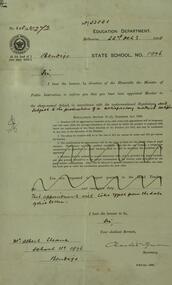
... 17 December 1954 - Ballarat Junior Technical School Headmaster's Report 05 February 1925 - Ballarat School of Mines Museum closure 25 February 1925 - War Trophies Museum 06 May 1925 - Ballarat's Museum. ...The scrap books were kept by the librarians and related to topics of interest to the Ballarat School of Mines, its students and its staff. ballarat school of mines martha pinkerton scrap book a.w. nicholson john lynch (junior) mount lyell leslie evans leslie blake evans herald shield for athletics ballarat school of mines museum motor mechanics' classes for ladies farm engineering villers bretonneux carvings trengrove museum port pirrie j.i. simpson reuben s. russelll ballarat technical art school charles harvey elliott gower la gerche c. curnow applied art macroberston scholarship ballarat school of mines procession rag vale park tree planting smb ball pottery classes delineascope mica smith scholarship james peart burma mnies smb excursion to western australia kalgoorlie elsie mckissock war trophies warwick smith spencer street bridge war museum richard j. young alfred mica smith obituary reginald callister john rowell sewerage installation h.h. smith w.h. middleton olive scott dolly whitehead vale park ballarat war museum opening repatriation classes sewerage at the ballarat school of mines australian coals j.p. ellsworth yallourn w.g. walker reunion norfolk island pine mica smith memorial jessice smith harry fern t. henderson bhp john adam ols students' association l.b. curnow laura crouch signwriting excursion port pirrie excursion albert potter pearl fricke technica school sports percy trompf ballarat school of mines battery albert mclean a.d.r. galloway alan douglas richard galloway r.j. young alan ludbrook r. timpe ballarat ironworkers and polytechnic association h. jolly carpentry harold jolly millinery classes phoenix model locomotive s.j. morgan r.d. bannister juvenile industrial exhibition w.h. shaw j.c. winds f.h. davis h.r. worland w.t. magee l. george l. balhausen white flat oval resue from yarrowee creek e. berriman ballarat teachers' college reg mcconnell mount lyell co munro reaper munro reaper model weaving classes mervyn trimmings briquette dust edna findlay jean rogers n. mccallum jessie glass classroom ventilation art metal charles fenner levi molyneux olice scott poster competition kerr grant w.h. steane h. caddy colvin smith claude creelman robert colins stan hillman n.c. heathcote egg collection john alexander nornie gude charles deane graham hopwood roswald john dart max wilson new battery jess hopwood william middleton a.e.c. kerr hand weaving classes m. martin a.h. leeson mona rogerson lorna bailey prospectors classes edwin robinson Kalgoorlie vist railway locomotive 17 December 1954 - Ballarat Junior Technical School Headmaster's Report 05 February 1925 - Ballarat School of Mines Museum closure 25 February 1925 - War Trophies Museum 06 May 1925 - Ballarat's Museum. ...The Ballarat School of Mines was a predecessor institution of Federatin University Australia. The scrap books were kept by the librarians and related to topics of interest to the Ballarat School of Mines, its students and its staff. 17 December 1954 - Ballarat Junior Technical School Headmaster's Report 05 February 1925 - Ballarat School of Mines Museum closure 25 February 1925 - War Trophies Museum 06 May 1925 - Ballarat's Museum. Where is it? Some Interesting Facts 14 May 1925 - White Flat Reserve 21 June 1928 - Ballarat School of Mines Procession 14 March 1929 - Mr A.D.R. Galloway - An Australian Abroad - Tragic end. 1929 - Technical Education 17 October 1929 - Agricultural Engineering 15 February 1930 - Ballarat School of Mines Student Association 20 February 1930 - 61s Annual Meeting of the Ballarat School of Mines 02 June 1930 - R. Young in Belgium and visits battlefields including Hill 60. 19 February 1931 - School Hostel Suggested 14 April 1931 - Frank Pinkerton Obituary 15 October 1921 - Life at Mt Isa (E. Loveland) 18 February 1932 - Discussion on Teachers College (Ballarat Teachers' College) 11 July 1931 - Phoenix Model Locomotive donation to the Ballarat School of Mines 06 May 1932 - The Mt Isa Country 11 Oct 1932 - Death of F.W. Alsopp (former SMB student) 21 January 1933 - Education In Victoria: Will a New Era Open 28 September 1933 - New Teaching System Explained by the Minister 17 February 1934 - Trip to New Guinea (A.F. Heseltine) 19 April 1934 - Early Ballarat - Address by Nathan Spielvogel 30 August 1934 - Ballarat Junior Technical School Tennis Court 23 August 1934 - Welding plant and Battery 17 June 1935 - Men about Town - A.F. Heseltine 21 June 1935 - Vocational Guidance 16 July 1935 - Ballarat School of Mines (history) 03 August 1935 - Men About Town - William H. Middleton 10 August 1935 - A.E.C. Kerrballarat school of mines, martha pinkerton, scrap book, a.w. nicholson, john lynch (junior), mount lyell, leslie evans, leslie blake evans, herald shield for athletics, ballarat school of mines museum, motor mechanics' classes for ladies, farm engineering, villers bretonneux carvings, trengrove, museum, port pirrie, j.i. simpson, reuben s. russelll, ballarat technical art school, charles harvey, elliott gower, la gerche, c. curnow, applied art, macroberston scholarship, ballarat school of mines procession, rag, vale park tree planting, smb ball, pottery classes, delineascope, mica smith scholarship, james peart, burma mnies, smb excursion to western australia, kalgoorlie, elsie mckissock, war trophies, warwick smith, spencer street bridge, war museum, richard j. young, alfred mica smith obituary, reginald callister, john rowell, sewerage installation, h.h. smith, w.h. middleton, olive scott, dolly whitehead, vale park, ballarat war museum opening, repatriation classes, sewerage at the ballarat school of mines, australian coals, j.p. ellsworth, yallourn, w.g. walker, reunion, norfolk island pine, mica smith memorial, jessice smith, harry fern, t. henderson, bhp, john adam, ols students' association, l.b. curnow, laura crouch, signwriting, excursion, port pirrie excursion, albert potter, pearl fricke, technica school sports, percy trompf, ballarat school of mines battery, albert mclean, a.d.r. galloway, alan douglas richard galloway, r.j. young, alan ludbrook, r. timpe, ballarat ironworkers and polytechnic association, h. jolly, carpentry, harold jolly, millinery classes, phoenix model locomotive, s.j. morgan, r.d. bannister, juvenile industrial exhibition, w.h. shaw, j.c. winds, f.h. davis, h.r. worland, w.t. magee, l. george, l. balhausen, white flat oval, resue from yarrowee creek, e. berriman, ballarat teachers' college, reg mcconnell, mount lyell co, munro reaper, munro reaper model, weaving classes, mervyn trimmings, briquette dust, edna findlay, jean rogers, n. mccallum, jessie glass, classroom ventilation, art metal, charles fenner, levi molyneux, olice scott, poster competition, kerr grant, w.h. steane, h. caddy, colvin smith, claude creelman, robert colins, stan hillman, n.c. heathcote, egg collection, john alexander, nornie gude, charles deane, graham hopwood, roswald john dart, max wilson, new battery, jess hopwood, william middleton, a.e.c. kerr, hand weaving classes, m. martin, a.h. leeson, mona rogerson, lorna bailey, prospectors classes, edwin robinson, kalgoorlie vist, railway locomotive -
 Flagstaff Hill Maritime Museum and Village
Functional object - Standard avoirdupois weights, Avery Ltd, 1950s
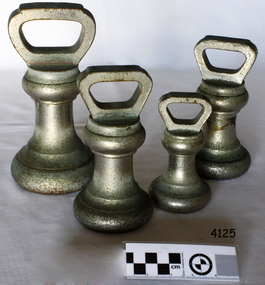
... mines and incendiary bombs. Then from 1931 to 1973, the company occupied the 18th-century Middlesex Sessions House in Clerkenwell as its headquarters. Changes in weighing machine technology after World War II led to the closure of the foundry, the introduction of electronic weighing with the simultaneous gradual disappearance of purely mechanical devices. ...mines and incendiary bombs. Then from 1931 to 1973, the company occupied the 18th-century Middlesex Sessions House in Clerkenwell as its headquarters. Changes in weighing machine technology after World War II led to the closure of the foundry, the introduction of electronic weighing with the simultaneous gradual disappearance of purely mechanical devices. ...A weight made in England by W&T Avery a British manufacturer of weights and weighing machines. The company was founded in the early 18th century and took the name W & T Avery in 1818. The undocumented origin of the company goes back to 1730 when James Ford established the business in the town of Digbeth. On Joseph Balden, the then company’s owner’s death in 1813 William and Thomas Avery took over his scale making business and in 1818 renamed it W & T Avery. The business rapidly expanded and in 1885 they owned three factories: the Atlas Works in West Bromwich, the Mill Lane Works in Birmingham and the Moat Lane Works in Digbeth. In 1891 the business became a limited company with a board of directors and in 1894 the shares were quoted on the London Stock Exchange. In 1895 the company bought the legendary Soho Foundry in Smethwick, a former steam engine factory owned by James Watt & Co. In 1897 the move was complete and the steam engine business was gradually converted to pure manufacture of weighing machines. The turn of the century was marked by managing director William Hipkins who was determined to broadening the renown of the Avery brand and transforming the business into specialist manufacture of weighing machines. By 1914 the company occupied an area of 32,000m² and had some 3000 employees. In the inter-war period, the growth continued with the addition of specialized shops for cast parts, enamel paints and weighbridge assembly and the product range diversified into counting machines, testing machines, automatic packing machines and petrol pumps. During the second world war, the company also produced various types of heavy guns. At that time the site underwent severe damage from parachute mines and incendiary bombs. Then from 1931 to 1973, the company occupied the 18th-century Middlesex Sessions House in Clerkenwell as its headquarters. Changes in weighing machine technology after World War II led to the closure of the foundry, the introduction of electronic weighing with the simultaneous gradual disappearance of purely mechanical devices. The continued expansion was partly achieved through a series of acquisitions of other companies. After almost a century of national and international expansion, the company was taken over by GEC in 1979. Keith Hodgkinson, managing director at the time, completed the turn-around from mechanical to electronic weighing with a complete overhaul of the product range of retail sales of industrial platform scales. In 1993 GEC took over the Dutch-based company Berkel and the Avery-Berkel name was introduced. In 2000 the business was in turn acquired by the US-American company Weigh-Tronix, who already owned Salter, and is today operating as Avery Weigh-Tronix. An item used used by grocers and merchants to weigh store bought goods around the 1950s. This item gives an insight into social history of the time.Weights, metal, silver electroplated, 1 x 2lb, 2 x 4lb, 1 x 7lb. (4) all government stamped, made by Avery Ltd.Noneflagstaff hill, warrnambool, shipwrecked-coast, flagstaff-hill, flagstaff-hill-maritime-museum, maritime-museum, shipwreck-coast, flagstaff-hill-maritime-village, weight, imperial weight, imperial standard weights and measures, imperial standard weight -
 Flagstaff Hill Maritime Museum and Village
Functional object - Weight Avoirdupois, Avery Ltd, 1940-1950s
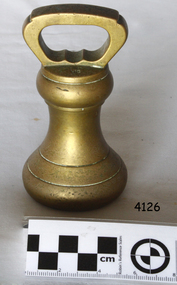
... mines and incendiary bombs. Then from 1931 to 1973, the company occupied the 18th-century Middlesex Sessions House in Clerkenwell as its headquarters. Changes in weighing machine technology after World War II led to the closure of the foundry, the introduction of electronic weighing with the simultaneous gradual disappearance of purely mechanical devices. ...mines and incendiary bombs. Then from 1931 to 1973, the company occupied the 18th-century Middlesex Sessions House in Clerkenwell as its headquarters. Changes in weighing machine technology after World War II led to the closure of the foundry, the introduction of electronic weighing with the simultaneous gradual disappearance of purely mechanical devices. ...A weight made in England by W&T Avery a British manufacturer of weights and weighing machines. The company was founded in the early 18th century and took the name W & T Avery in 1818. The undocumented origin of the company goes back to 1730 when James Ford established the business in the town of Digbeth. On Joseph Balden, the then company’s owner’s death in 1813 William and Thomas Avery took over his scale making business and in 1818 renamed it W & T Avery. The business rapidly expanded and in 1885 they owned three factories: the Atlas Works in West Bromwich, the Mill Lane Works in Birmingham and the Moat Lane Works in Digbeth. In 1891 the business became a limited company with a board of directors and in 1894 the shares were quoted on the London Stock Exchange. In 1895 the company bought the legendary Soho Foundry in Smethwick, a former steam engine factory owned by James Watt & Co. In 1897 the move was complete and the steam engine business was gradually converted to pure manufacture of weighing machines. The turn of the century was marked by managing director William Hipkins who was determined to broadening the renown of the Avery brand and transforming the business into specialist manufacture of weighing machines. By 1914 the company occupied an area of 32,000m² and had some 3000 employees. In the inter-war period, the growth continued with the addition of specialized shops for cast parts, enamel paints and weighbridge assembly and the product range diversified into counting machines, testing machines, automatic packing machines and petrol pumps. During the second world war, the company also produced various types of heavy guns. At that time the site underwent severe damage from parachute mines and incendiary bombs. Then from 1931 to 1973, the company occupied the 18th-century Middlesex Sessions House in Clerkenwell as its headquarters. Changes in weighing machine technology after World War II led to the closure of the foundry, the introduction of electronic weighing with the simultaneous gradual disappearance of purely mechanical devices. The continued expansion was partly achieved through a series of acquisitions of other companies. After almost a century of national and international expansion, the company was taken over by GEC in 1979. Keith Hodgkinson, managing director at the time, completed the turn-around from mechanical to electronic weighing with a complete overhaul of the product range of retail sales of industrial platform scales. In 1993 GEC took over the Dutch-based company Berkel and the Avery-Berkel name was introduced. In 2000 the business was in turn acquired by the US-American company Weigh-Tronix, who already owned Salter, and is today operating as Avery Weigh-Tronix. An item used used by grocers and merchants to weigh store bought goods around the 1950s. This item gives an insight into social history of the time.Weight, brass, Stamped F27, 2lb.flagstaff hill, warrnambool, shipwrecked-coast, flagstaff-hill, flagstaff-hill-maritime-museum, maritime-museum, shipwreck-coast, flagstaff-hill-maritime-village, weight, brass weight -
 Flagstaff Hill Maritime Museum and Village
Equipment - Scale and weights, 1860-1900
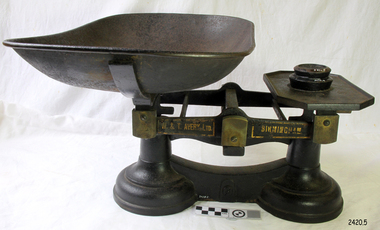
... mines and incendiary bombs. Then from 1931 to 1973, the company occupied the 18th-century Middlesex Sessions House in Clerkenwell as its headquarters. Changes in weighing machine technology after World War II led to the closure of the foundry, the introduction of electronic weighing with the simultaneous gradual disappearance of purely mechanical devices. ...mines and incendiary bombs. Then from 1931 to 1973, the company occupied the 18th-century Middlesex Sessions House in Clerkenwell as its headquarters. Changes in weighing machine technology after World War II led to the closure of the foundry, the introduction of electronic weighing with the simultaneous gradual disappearance of purely mechanical devices. ...The subject item was made in England by W&T Avery a British manufacturer of weights and weighing machines. The company was founded in the early 18th century and took the name W & T Avery in 1818. The undocumented origin of the company goes back to 1730 when James Ford established the business in the town of Digbeth. On Joseph Balden, the then company’s owner’s death in 1813 William and Thomas Avery took over his scale making business and in 1818 renamed it W & T Avery. The business rapidly expanded and in 1885 they owned three factories: the Atlas Works in West Bromwich, the Mill Lane Works in Birmingham and the Moat Lane Works in Digbeth. In 1891 the business became a limited company with a board of directors and in 1894 the shares were quoted on the London Stock Exchange. In 1895 the company bought the legendary Soho Foundry in Smethwick, a former steam engine factory owned by James Watt & Co. In 1897 the move was complete and the steam engine business was gradually converted to pure manufacture of weighing machines. The turn of the century was marked by managing director William Hipkins who was determined to broaden the renown of the Avery brand and transform the business into specialist manufacture of weighing machines. By 1914 the company occupied an area of 32,000m² and had some 3000 employees. In the inter-war period, the growth continued with the addition of specialized shops for cast parts, enamel paints and weighbridge assembly and the product range diversified into counting machines, testing machines, automatic packing machines and petrol pumps. During the second world war, the company also produced various types of heavy guns. At that time the site underwent severe damage from parachute mines and incendiary bombs. Then from 1931 to 1973, the company occupied the 18th-century Middlesex Sessions House in Clerkenwell as its headquarters. Changes in weighing machine technology after World War II led to the closure of the foundry, the introduction of electronic weighing with the simultaneous gradual disappearance of purely mechanical devices. The continued expansion was partly achieved through a series of acquisitions of other companies. After almost a century of national and international expansion, the company was taken over by GEC in 1979. Keith Hodgkinson, managing director at the time, completed the turn-around from mechanical to electronic weighing with a complete overhaul of the product range of retail sales of industrial platform scales. In 1993 GEC took over the Dutch-based company Berkel and the Avery-Berkel name was introduced. In 2000 the business was in turn acquired by the US-American company Weigh-Tronix, who already owned Salter, and is today operating as Avery Weigh-Tronix.An item used by grocers and merchants throughout the then British colonies of England to weigh store-bought goods around the mid to late 19th century. This item gives an insight into the daily lives of early colonial settlers and is a significant part of the era’s social history of the time.Balance scale and weights with removable dish, two round weights glued to tray 4oz and 8oz. Scales 'to weigh up to 28lb. Printed in gold on black labels each side "W & T AVERY LTD", "BIRMINGHAM" warrnambool, flagstaff-hill, flagstaff-hill-maritime-museum, maritime-museum, shipwreck-coast, flagstaff-hill-maritime-village, scale and weights, food preparation equipment, w t avery ltd, balance scale, grocers scales, james ford, william & thomas avery, birmingham uk -
 Federation University Historical Collection
Photograph, Noel L. Harvey, Yendon Railway Station, 1968, 03/12/1968
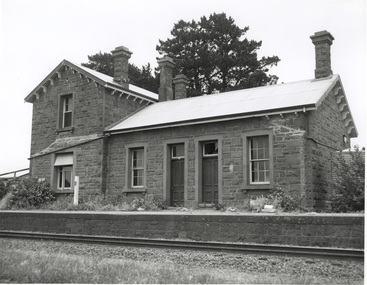
... It would be used and incorporated in the new School of Mines building at Mt Helen. the retention of the century-old building was the subject of representations by Council to the Railways following the closure of the station for goods traffic 'some time ago'. ...It would be used and incorporated in the new School of Mines building at Mt Helen. the retention of the century-old building was the subject of representations by Council to the Railways following the closure of the station for goods traffic 'some time ago'. ...Buninyong had no railway station so residents would travel to Yendon to catch the train. The Yendon Railway Station building was demolished soon after this photograph was taken. The bluestone was purchased by John Vernon, and was used to construct retaining walls in a garden enclosure between the first two buildings at the new Ballarat Institute of Advanced Education campus at Mt Helen. This is now known as the courtyard between building 'F' and building 'G' at the University of Ballarat mt Helen Campus. The following article was published in the Ballarat Courier on 06 December 1968. 'Yendon Station to be demolished - The old bluestone railway station at Yendon is to be demolished. C.A.D. Fisken told Buninyong Shire Council of the proposal at its meeting yesterday. Fortunately, he said, the beautiful stonework would not be lost. It would be used and incorporated in the new School of Mines building at Mt Helen. the retention of the century-old building was the subject of representations by Council to the Railways following the closure of the station for goods traffic 'some time ago'. The building had also been noted by the National Trust as one of special interest. The Railways Department advised the meeting that an inspection had been made at the Yendon level crossing, but no recommendation could be made at present for installation of flashing light signals.'Bluestone building with dressed bluestone door and window jambs and chimney. The roof is corrugated iron. The platform edge is also of bluestone construction. The building is the former Yendon Railway Station (now demolished) on the Ballarat -Geelong main line (the original Melbourne to Ballarat mainline). When the line was opened, this station may have been originally called Buninyong as it was built a number of years before the Ballarat to Buninyong branch line was built. This this has subsequently caused some confusion. The station was later renamed Yendon. Verso in blue ballpoint pen 'No 47 Yendon Railway Stn' Stamped in purple ink 'N.L. Harvey & Son, Photographers, 131 Sturt Streeet Ballarat, Phone 25766, After hours 23397, Will photograph anywhere anytime any place. (in pen 3/12/68),university of ballarat, ballarat institute of advanced education, yendon, railway, bluestone, john vernon -
 Federation University Historical Collection
Document - Documents, Golden Point - Mount Pleasant Progress Association Establishment
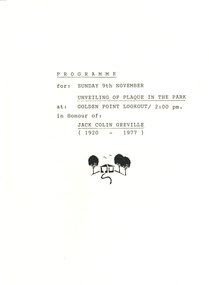
... Topics include: Pearce's Park; removal of elms, names and addresses of members, Sovereign Hill realignment; Sovereign Hill Lookout; membership form; Golden Point Historic Mines Direction Indicator; Ballarat Observatory; Nerrina Tip; Yarrowee Creek; Mine Capping (Sovereign Mine); tree planting (Sovereign Hill Lookout); Magpie Street Park; Hill Street; Yarrowee Flora Park; Barkly Street; South Street Bluestone Gutter; Ballarat Goldfields; Eastern baths site; Grant Street; Flooding; Aboriginal Advancement League; Sunnyside Woollen Mill; Chinese Garden; Golden Point Primary School closure; Ballarat West Goldfields; Sovereign Hill Land Title and Management Revision; Wainwright; Street; Llanberris; Yuille's Station Park...Topics include: Pearce's Park; removal of elms, names and addresses of members, Sovereign Hill realignment; Sovereign Hill Lookout; membership form; Golden Point Historic Mines Direction Indicator; Ballarat Observatory; Nerrina Tip; Yarrowee Creek; Mine Capping (Sovereign Mine); tree planting (Sovereign Hill Lookout); Magpie Street Park; Hill Street; Yarrowee Flora Park; Barkly Street; South Street Bluestone Gutter; Ballarat Goldfields; Eastern baths site; Grant Street; Flooding; Aboriginal Advancement League; Sunnyside Woollen Mill; Chinese Garden; Golden Point Primary School closure; Ballarat West Goldfields; Sovereign Hill Land Title and Management Revision; Wainwright; Street; Llanberris; Yuille's Station Park Golden Point - Mount Pleasant Progress Association Establishment Document Documents ...The Golden Point - Mt Pleasant Progress Association was established on Wednesday 6 April 1983. Membership was open to any person or organisation in the area generally bounded by Bridge mall and Skipton Street, Elsworth Street and main Road. annual family or organisation membership was $2.00. Mara Gluyas served as secretary of the Golden Point - Mt Pleasant Progress Association from 1983 to 1994. Ian McKinnon was the President from 1983 to 1992. Kerry Daniels was the President in 1994.A small white cardboard box with purple lid of A4 documents relating to the establishment of the Golden Point - Mt Pleasant Progress Association. The documents include the original constitution and minutes. Topics include: Pearce's Park; removal of elms, names and addresses of members, Sovereign Hill realignment; Sovereign Hill Lookout; membership form; Golden Point Historic Mines Direction Indicator; Ballarat Observatory; Nerrina Tip; Yarrowee Creek; Mine Capping (Sovereign Mine); tree planting (Sovereign Hill Lookout); Magpie Street Park; Hill Street; Yarrowee Flora Park; Barkly Street; South Street Bluestone Gutter; Ballarat Goldfields; Eastern baths site; Grant Street; Flooding; Aboriginal Advancement League; Sunnyside Woollen Mill; Chinese Garden; Golden Point Primary School closure; Ballarat West Goldfields; Sovereign Hill Land Title and Management Revision; Wainwright; Street; Llanberris; Yuille's Station Parkgolden point, mount pleasant, mt pleasant, ian mckinnno, mara gluyas, peter hiscock, frank williams, geoff howard, leigh gillett, sovereign hill, kerry daniels, norm strange; graeme kent; george netherway; keith rash; ian mckinnon, albert graham, bryan crebbin, jim humphreys. wid radbourn, heath martin, janet dore, alex mills park -
 Federation University Historical Collection
Plan, Ballarat School of Mines Schematic Proposal for the Former Ballarat Brewery Site
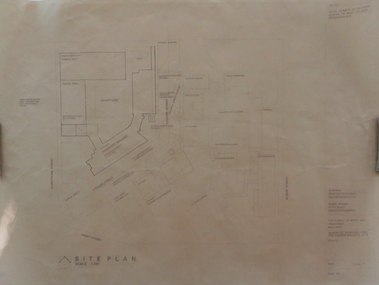
... The Project Manager for the Ballarat School of Mines Brewery Building was Peter Davies. The plan suggests the closure of Lydiard Street South ...The Project Manager for the Ballarat School of Mines Brewery Building was Peter Davies. The plan suggests the closure of Lydiard Street South ballarat school of mines brewery building ballarat brewery architectural plans Schematic Proposal SMB Campus Former Ballarat Gaol Chimney Tower M.B. ...The Project Manager for the Ballarat School of Mines Brewery Building was Peter Davies. The plan suggests the closure of Lydiard Street South Copy of the Site plan for the Ballarat School of Mines Brewery Building, built on the site of the former Ballarat Brewery. The plan shows where the new building sites in relation to all other buildings at the Ballarat School of Mines ballarat school of mines, brewery building, ballarat brewery, architectural plans, schematic proposal, smb campus, former ballarat gaol, chimney tower, m.b. john building, lydiard street south, armstrong street south -
 The Beechworth Burke Museum
Geological specimen - Azurite, Unknown
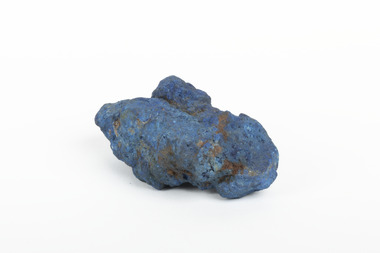
... A year later on March 10th 1920 an underground fire in the CSA (Cornish, Scottish, Australian) mine started and burned for 16 years. The closure of the mine and the fire left thousands jobless and many people left the area. ...A year later on March 10th 1920 an underground fire in the CSA (Cornish, Scottish, Australian) mine started and burned for 16 years. The closure of the mine and the fire left thousands jobless and many people left the area. ...Azurite is a secondary copper mineral made by the weathering of copper sulphide ore deposits. Azurite is formed from copper, carbon, oxygen and hydrogen. There are over 45 forms of azurite that are more well-known, however over 100 forms have been found. Azurite is also commonly found together with Malachite, and Azurite is often psuedomorphed to Malachite. This specimen was found at the Great Cobar Copper Mine in New South Wales, which was founded in 1870. At the time it was one of the largest mining operations in the world. It was the largest copper mine in Australia and housed the southern hemisphere’s tallest chimney stack. The international price of copper collapsed at the end of World War 1 which led to the closure of the Great Cobar Mine on March 16th 1919. A year later on March 10th 1920 an underground fire in the CSA (Cornish, Scottish, Australian) mine started and burned for 16 years. The closure of the mine and the fire left thousands jobless and many people left the area. These were factors in Cobar facing a long stretch of poverty, until a boom in the 1960s led to the reopening of the mine. The mine still operates today, obtained by Metals Acquisition Limited in June 2023. Azurite is considered an uncommon mineral. Named for its deep blue colour, azurite was historically used for pigment making and as a gemstone, despite its softness. This specimen was donated to the Burke Museum between 1868-1880 as part of a larger collection of geological and mineral specimens. Many of the specimens in this collection were obtained as part of the Geological Survey of Victoria, which started in 1852. The Survey aimed to map the scientific makeup of the earth.A solid copper mineral with shades of darker blues almost covering it.burke museum, beechworth, indigo shire, beechworth museum, geological, geological specimen, mineralogy, cobar mines, great cobar copper mine, cobar mining, new south wales, azurite, azurite specimen -
 Federation University Historical Collection
Letter - Correspondence, Dr Sydney Pern et al, Dr Sydney Pern to the Ballarat School of Mines, 1957, 1957
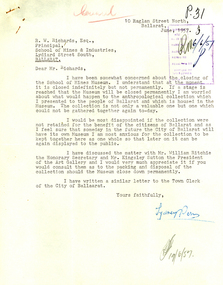
... Three quarto typed pages of relating to the closure of the Ballarat School of Mines Museum and the fate of the Pern Anthropological Collection. .1) Sydney Pern writes to the Principal of the Ballarat School of Mines, Dick Richards, asking for details relating to the closure of the Ballarat School of Mines Museum and the future of the Pern Aboriginal Weapon Collection. ...pern sydney pern aborigines aboriginal museum ballarat school of mines museum f.e. ferguson r.w. richards dick richards Three quarto typed pages of relating to the closure of the Ballarat School of Mines Museum and the fate of the Pern Anthropological Collection. .1) Sydney Pern writes to the Principal of the Ballarat School of Mines, Dick Richards, asking for details relating to the closure of the Ballarat School of Mines Museum and the future of the Pern Aboriginal Weapon Collection. ...Three quarto typed pages of relating to the closure of the Ballarat School of Mines Museum and the fate of the Pern Anthropological Collection. .1) Sydney Pern writes to the Principal of the Ballarat School of Mines, Dick Richards, asking for details relating to the closure of the Ballarat School of Mines Museum and the future of the Pern Aboriginal Weapon Collection. The correspondence is dated June 1957. .2) Ballarat School of Mines Principal, R.W. Richards responds to Dr Pern assuring him that nothing will happen to the collection without consultation. The correspondence is dated 06 June 1957. .3) Ballarat School of Mines Registrar, F.W. Ferguson, responds to Dr Pern on behalf of the Ballarat School of MInes Council, and again assured Dr Pern that nothing will happen to the collection without consultation.pern, sydney pern, aborigines, aboriginal, museum, ballarat school of mines museum, f.e. ferguson, r.w. richards, dick richards -
 The Beechworth Burke Museum
Geological specimen - Malachite, Unknown
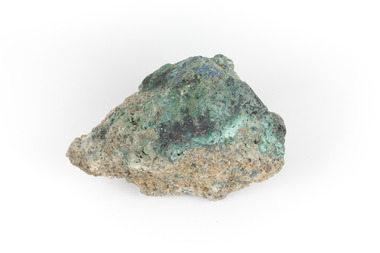
... Up until 1860, the mine was the largest metals mine in Australia, producing approximately 50,000 tonnes of copper between 1845 to its closure in 1877. ...Up until 1860, the mine was the largest metals mine in Australia, producing approximately 50,000 tonnes of copper between 1845 to its closure in 1877. ...Malachite is typically found as crystalline aggregates or crusts, often banded in appearance, like agates. It is also often found as botryoidal clusters of radiating crystals, and as mammillary aggregates as well. Single crystals and clusters of distinguishable crystals are uncommon, but when found they are typically acicular to prismatic. It is also frequently found as a pseudomorph after Azurite crystals, which are generally more tabular in shape. This particular specimen was recovered from the Burra Burra Copper Mine in Burra, South Australia. Otherwise known as the 'Monster Mine', the Burra Burra Copper Mine was first established in 1848 upon the discovery of copper deposits in 1845. Within a few short years, people from around the world migrated to Burra to lay their claim in the copper economy. By April 1848 the mine was employing over 567 people and supporting a population of 1,500 in the local township. Up until 1860, the mine was the largest metals mine in Australia, producing approximately 50,000 tonnes of copper between 1845 to its closure in 1877. The Burra Burra Mine was also famous for a number of other specimens, including; crystalline azurite, cuprite, and botryoidal and malachite. Malachite is considered a rare gemstone in that the original deposits for the stones have been depleted leaving behind very few sources. In addition, the use of Malachite as gemstones and sculptural materials remains just as popular today as they were throughout history. It is quite common to cut the stone into beads for jewellery. The fact that Malachite has such a rich colour and one that does not fade with time or when exposed to light makes it particularly rare. This specimen is part of a larger collection of geological and mineral specimens collected from around Australia (and some parts of the world) and donated to the Burke Museum between 1868-1880. A large percentage of these specimens were collected in Victoria as part of the Geological Survey of Victoria that begun in 1852 (in response to the Gold Rush) to study and map the geology of Victoria. Collecting geological specimens was an important part of mapping and understanding the scientific makeup of the earth. Many of these specimens were sent to research and collecting organisations across Australia, including the Burke Museum, to educate and encourage further study. A solid hand-sized copper carbonate hydroxide mineral with shades of blue and light green throughout. burke museum, beechworth, indigo shire, beechworth museum, geological, geological specimen, mineralogy, burra, burra burra mine, south australia, malachite, malachite specimen -
 The Beechworth Burke Museum
Geological specimen - Malachite, Unknown
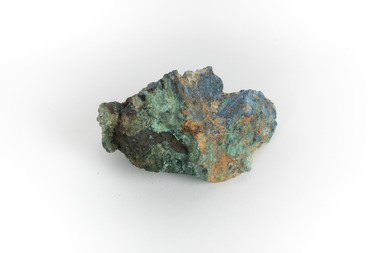
... Up until 1860, the mine was the largest metals mine in Australia, producing approximately 50,000 tonnes of copper between 1845 to its closure in 1877. ...Up until 1860, the mine was the largest metals mine in Australia, producing approximately 50,000 tonnes of copper between 1845 to its closure in 1877. ...Malachite is a green copper carbonate hydroxide mineral and was one of the first ores used to make copper metal. Malachite has been utilised as a gemstone and sculptural material in the past as its distinctive green color does not fade when exposed to light or after long periods of time. Malachite is formed at shallow depths in the ground, in the oxidizing zone above copper deposits. The material has also been used as a pigment for painting throughout history. This particular specimen was recovered from the Burra Burra Copper Mine in Burra, South Australia. Otherwise known as the 'Monster Mine', the Burra Burra Copper Mine was first established in 1848 upon the discovery of copper deposits in 1845. Within a few short years, people from around the world migrated to Burra to lay their claim in the copper economy. By April 1848 the mine was employing over 567 people and supporting a population of 1,500 in the local township. Up until 1860, the mine was the largest metals mine in Australia, producing approximately 50,000 tonnes of copper between 1845 to its closure in 1877. The Burra Burra Mine was also famous for a number of other specimens, including; crystalline azurite, cuprite, and botryoidal and malachite.Malachite is considered a rare gemstone in that the original deposits for the stones have been depleted leaving behind very few sources. In addition, the use of Malachite as gemstones and sculptural materials remains just as popular today as they were throughout history. It is quite common to cut the stone into beads for jewellery. The fact that Malachite has such a rich colour and one that does not fade with time or when exposed to light makes it particularly rare. This specimen is part of a larger collection of geological and mineral specimens collected from around Australia (and some parts of the world) and donated to the Burke Museum between 1868-1880. A large percentage of these specimens were collected in Victoria as part of the Geological Survey of Victoria that begun in 1852 (in response to the Gold Rush) to study and map the geology of Victoria. Collecting geological specimens was an important part of mapping and understanding the scientific makeup of the earth. Many of these specimens were sent to research and collecting organisations across Australia, including the Burke Museum, to educate and encourage further study. A solid hand-sized copper carbonate hydroxide mineral with shades of yellow, blue, and light green throughout.geological, geological specimen, burke museum, indigo shire, malachite, malachite specimen, burra burra mine, burra, south australia, australian mines, mines, monster mine -
 Federation University Historical Collection
Document, Photocopy of letter from the City of Ballarat to Peter Shiells, Director, School of Mines and industries Ballarart
... Photocopy of letter from the City of Ballarat to Peter Shiells, Director, School of Mines and industries Ballarart regarding closure of Lydiard Street South ...School of Mines and Industry Ballarat is a predecessor of Federation University School of Mines Ballarat Peter Shiells I.C. Smith City of Ballarat Lydiard Street South Closure Date Received Stamp with distribution details. ...School of Mines and Industry Ballarat is a predecessor of Federation UniversityPhotocopy of letter from the City of Ballarat to Peter Shiells, Director, School of Mines and industries Ballarart regarding closure of Lydiard Street South Date Received Stamp with distribution details. school of mines ballarat, peter shiells, i.c. smith, city of ballarat, lydiard street south closure -
Federation University Historical Collection
Book, Ballarat School of Mines Annual Report, 1978, 1978
... Ballarat School of Mines Rex Hollioake computer facility Lydiad St closure Lindsay Thompson Val D'Angri A.G. ...non-fictionballarat school of mines, rex hollioake, computer facility, lydiad st closure, lindsay thompson, val d'angri, a.g. peart, l.k. shannon, rocky hazlett, j.l. turner -
 Federation University Historical Collection
Photograph, Ballarat School of Mines E.J. Tippett Library
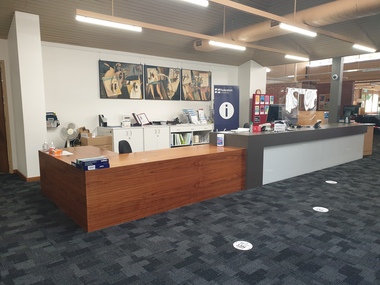
... closures were in place. E.J. Tippett Library smb library library book return shoot pandemic Covid19 Interior images of the Ballarat School of Mines E.J. ...The E.J. Tippett Library is a Federation University Australia campus library and is located on the SMB campus. The images were taken during the second year of the Covid19 pandemic when social distancing measures, quarantining, and sectional closures were in place. Interior images of the Ballarat School of Mines E.J. Tippett Library, counter, book return shoot.e.j. tippett library, smb library, library, book return shoot, pandemic, covid19 -
Federation University Historical Collection
Document - Document - Ballarat School of Mines, Documents relating to Ballarat School of Mines: Collected by Jack Barker, 1960s to 1980s
... Mines Ballarat and the Library at the Mt Helen Campus is named after him. Papers relate to building extensions. roads, speeches over three decades. E.J. Barker lydiards street south closure ...E.J. Barker is a past principal of the School of Mines Ballarat and the Library at the Mt Helen Campus is named after him. Papers relate to building extensions. roads, speeches over three decades. Various documents, charts, correspondence collected by E.J. Barkere.j. barker, lydiards street south closure, staff structure 1970, building developments 1965, regional colleges, higher education, melbourne university, college of advanced education, affiliation, professor don aitkin address, staffing, management, ballarat teachers college, victorian institute of colleges, smb personnel, retirements, obituaries, a f heseltine report -
Federation University Historical Collection
Book - Book - Scrapbook, Ballarat School of MInes: Scrapbook of Newspaper Cuttings, Book 72, November 1995 to February 1996
... The papers concerned are The Courier, Ballarat, The Australian, The Age ad other region papers over the period of 7 September 1995 to 18 November 1995. teaching positions advertised pre-employment courses courses available enrolment for smb courses ballarat university university of ballarat university mission delay on street closure business course for farmers ceramacist barry norman theatre guru jean-pierre mignon art on display alister heighway morality tale "everyman" house built during holidays courses meet needs of industry 150 years celebration apprentices numbers performing arts graduates "cloud nine" vce summer school at smb kirsty mckenzie wins award traineeships on the increase john valves training schemme to continue $80000grant alan griffiths smb ballarat sc agreement changes to trade titles state training board art of cake decorating kay mcfarlene petter trotter craig sevior ararat campus on internet uni links with malaysian college lydiard street faces closure international students tour town smb's 'the wizard of oz' melissa casey as dorothy city approves closure of lydiard street literacy can be learnt alice veenstra marilyn dew gail trenbath wins award victorian young designer awards blainey wields historic symbol residents protest over depot shed uni smb combine jim quinn lorraine lawrence brian mclennan david harrow retires patti mcgregor kirsten martin Book with yellow cover, front, spiral bound. Ballarat School of MInes ...Collection of newspaper articles related to Ballarat School Of Mines.They cover activities and advertisements for staff. The papers concerned are The Courier, Ballarat, The Australian, The Age ad other region papers over the period of 7 September 1995 to 18 November 1995.Book with yellow cover, front, spiral bound. teaching positions advertised, pre-employment courses, courses available, enrolment for smb courses, ballarat university, university of ballarat, university mission, delay on street closure, business course for farmers, ceramacist barry norman, theatre guru, jean-pierre mignon, art on display, alister heighway, morality tale "everyman", house built during holidays, courses meet needs of industry, 150 years celebration, apprentices numbers, performing arts graduates, "cloud nine", vce summer school at smb, kirsty mckenzie wins award, traineeships on the increase, john valves, training schemme to continue, $80000grant, alan griffiths, smb ballarat sc agreement, changes to trade titles, state training board, art of cake decorating, kay mcfarlene, petter trotter, craig sevior, ararat campus on internet, uni links with malaysian college, lydiard street faces closure, international students tour town, smb's 'the wizard of oz', melissa casey as dorothy, city approves closure of lydiard street, literacy can be learnt, alice veenstra, marilyn dew, gail trenbath wins award, victorian young designer awards, blainey wields historic symbol, residents protest over depot shed, uni smb combine, jim quinn, lorraine lawrence, brian mclennan, david harrow retires, patti mcgregor, kirsten martin -
 Federation University Historical Collection
Plan, Ballarat School of Mines Future Development: A Southern Terminal to Lydiard Street, 1947, 09/12/1947
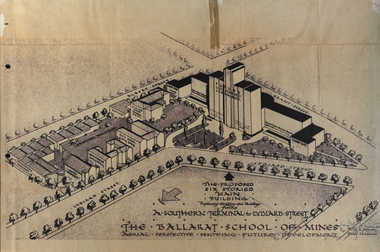
... When a tertiary division of the Ballarat School of Mines was being developed in 1967 it corresponded with the closure of the Ballarat Gaol. ...When a tertiary division of the Ballarat School of Mines was being developed in 1967 it corresponded with the closure of the Ballarat Gaol. ...In 1947 Percy Everett, Chief Architect for the Victorian Government, drew up plans to accomodate the growth in student numbers on the Ballarat School of Mines site. It was an era of government buildings surrounding the Ballarat School of Mines campus either being transfered to the school or foreshadowed for transfer. In 1947 two Red Cross huts were transferred from Victoria Park to the western side of the former Ballarat Supreme Court (later Courthouse Theatre) for use by Wool Classing and Motor Mechanics. In the same year additional facilities were provided for Pottery due to the increase in enrolments and a large brick classroom was built at the rear of the Ballarat Junior Technical School Building. In the annual report of 1947 the President said: "These transfers are, however, only temporary expedients and indicate the pressing need for more buildings of a permanent nature". By the end of the year the School Council decided to request the Education Department of Victoria to proceed with the implementation of the School's long-range plan whch had received approval earlier and to treat it as an urgent post-war requirement. After much communication a plan for a six-storied building, flanked by two three storied buildings was planned to be built on the site of the Ballarat Gaol was developed. The plan was sent to the Education Department for the Minister's Approval. It is not know if approval was granted, but the building did not proceed, possibly becausse the Ballarat Gaol was still very miuch in use. When a tertiary division of the Ballarat School of Mines was being developed in 1967 it corresponded with the closure of the Ballarat Gaol. It was determined that the Lydiard Street South site had no room for future growth so a new campus was sought. The new campus was purchased at Mt Helen, and was initially known as the Ballarat Insittute of Advanced Education. In 1976, when the Ballarat Teachers' College merged into the structure, the campus became known as the Ballarat College of Advanced Education and it was no longer a part of the Ballarat School of Mines. Plans for a proposed building to replace the Ballarat Gaol buildings. The proposed building was never built, the concept being replaced by a new teritary facility at Mt Helen. buildings, percy everett, ballarat school of mines battery, ballarat technical art school, engineering workshops, machine shop, ballarat junior technical school, architectural plans, ballarat school of mines, smb campus -
 Federation University Historical Collection
Book - Scrap Book, Ballarat School of Mines Scrap Book, 1965-1967, 1965-1967
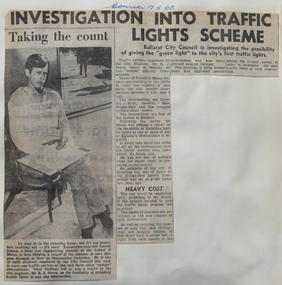
... The Ballarat School of Mines was established in 1870. ballarat school of mines murray gillin gerald jenzen ludovio hart photography mount helen campus ron quick lydiard street closure ballarat junior technical school student accomodation r.r. watson phillip law martin report punch card equipment ken ogden ian barker jennifer drummond sue milbourne women and physics greg mcrae jan butterworth former ballarat gaol peter donaldson michae young mount clear site j.r. pound eric sharman chris sanos john gorton zaiga baltrocis motor mechanics & woolclassing building women women diplomates jennifer drummong technical education growrh e.j. barker mothers club w. johnson pottery ceramics ian billington matriculation victoria institute of colleges punch cards computer craftsman certificates new campus site architecture michael young sebastopol technical school ballarat school of mines master plan fourth university 4th university r. giles william baragwanath geology collection phil day john phillips greg strang plumbing centenary langi logan minefield a.l. mckenzie peter bennett r.w. richards medal woolclassing motor mechanics new building albert street grant street pound Grey hard covered scrapboks with clippings relating to the Ballarat School of Mines, including: 24-5-1965 - Mildura Students at School of Mines 16-9-1965 - Ballarat Junior Technical School Mothers' Club Clock 23-11-1965 - Plan for Mall in Lydiard Street 29-03-1966 - Punch card equipment for School of Mines 10-05-1966 - Apprentice Craftsmen Certificates 25-7-1966 - Ian Barker 01-08-1966 - Woman Diplomate - Jennifer Drummond and Sue Milbourne 05 August 1967 - New Woolclassing and Motor Mechanics Building on the corner of Albert Street and Grant Street 09-09-1966 - New School site 23-09-1966 - Inspection of gaol site 22-09-1966 - Murray Gillin 19-10-1966 - Michael Young 26-01-1967 - A new site for SMB (Mt Helen Campus) 06-05-1967 - Geology Gift to SMB (William Baragwanath) Ballarat School of Mines Scrap Book, 1965-1967 Book Scrap Book ...The Ballarat School of Mines was established in 1870.Grey hard covered scrapboks with clippings relating to the Ballarat School of Mines, including: 24-5-1965 - Mildura Students at School of Mines 16-9-1965 - Ballarat Junior Technical School Mothers' Club Clock 23-11-1965 - Plan for Mall in Lydiard Street 29-03-1966 - Punch card equipment for School of Mines 10-05-1966 - Apprentice Craftsmen Certificates 25-7-1966 - Ian Barker 01-08-1966 - Woman Diplomate - Jennifer Drummond and Sue Milbourne 05 August 1967 - New Woolclassing and Motor Mechanics Building on the corner of Albert Street and Grant Street 09-09-1966 - New School site 23-09-1966 - Inspection of gaol site 22-09-1966 - Murray Gillin 19-10-1966 - Michael Young 26-01-1967 - A new site for SMB (Mt Helen Campus) 06-05-1967 - Geology Gift to SMB (William Baragwanath)ballarat school of mines, murray gillin, gerald jenzen, ludovio hart, photography, mount helen campus, ron quick, lydiard street closure, ballarat junior technical school student accomodation, r.r. watson, phillip law, martin report, punch card equipment, ken ogden, ian barker, jennifer drummond, sue milbourne, women and physics, greg mcrae, jan butterworth, former ballarat gaol, peter donaldson, michae young, mount clear site, j.r. pound, eric sharman, chris sanos, john gorton, zaiga baltrocis, motor mechanics & woolclassing building, women, women diplomates, jennifer drummong, technical education growrh, e.j. barker, mothers club, w. johnson, pottery, ceramics, ian billington, matriculation, victoria institute of colleges, punch cards, computer, craftsman certificates, new campus site, architecture, michael young, sebastopol technical school, ballarat school of mines master plan, fourth university, 4th university, r. giles, william baragwanath geology collection, phil day, john phillips, greg strang, plumbing, centenary, langi logan minefield, a.l. mckenzie, peter bennett, r.w. richards medal, woolclassing, motor mechanics, new building, albert street, grant street, pound -
 Federation University Historical Collection
Plan, Plan Former Ballarat Gaol and Ballarat School of Mines Buildings, 1926/1927
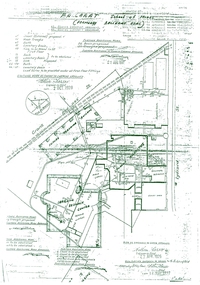
... After the closure or the Ballarat Gaol the space was taken over by the Ballarat SChool of Mines and the gaol building was demolished. ...After the closure or the Ballarat Gaol the space was taken over by the Ballarat SChool of Mines and the gaol building was demolished. ...After the closure or the Ballarat Gaol the space was taken over by the Ballarat SChool of Mines and the gaol building was demolished. The E.J. Tippett Library is now on the site of the former Gaol building.Copy of 1928 plans for the Ballarat Gaol, with two Ballarat School of Mines buildings marked on it - The Student Amenities building and the Learning Resource Centre (E.J. Tippett Library). It shows a 'future Teaching Building' which was never built.ballarat school of mines, ballarat gaol, plan, student amenities building, learning resource centre, e.j. tippett library, governor's residence, warden's residence -
 Federation University Historical Collection
Book - Scrapbook, Ballarat School of Mines Scrapbook,1961-1966, 1961-1966
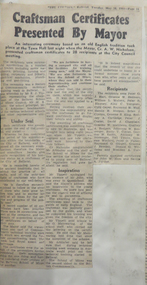
... r.w. richards dick richards john gilbert ceramics e.w. doney antarctica city of ballarat craftsmen certificates scrap book ken wach bjts fees register allen bourquin p. collier j. crisp john dulfer fenner, charles gillin, murray gray, thomas j. graham hopwood hunting, f wesley lancaster landells, r. lochhead, j.s. lochhead, james mctaggert, mavis mcvitty henry moritz moritz, henry kathleen rice albert w. steane stevens, don kenneth wach ian g. whitcher noel whitcher a.m (bill) wilkinson harold yates international students asian students richard tan jack tay andrew vu zulkilfie h. abdullah sebastopol technical school foundations charles fenner e. elsbury c. o'toole w. lancaster v. nicholson douglas vendy richards medal william hudson a.j. bethune ballarat school of mines workshops m.y. jamagagni peter agrums thai j. boonsoong h. trudinger kevin whiter brewery chimney murray gillan don stevens bella guerin hester darby retirement rubie lonie cadets f.g. procter retirement albert coates d.e. richardson lydiard st closure geoff brown neville bunning walter reimann robert norton jill norton b. bryan kaspars bitans martin report edith lawn mavis mctaggart retirement richard chong zulkiflie h. abdullah alumni ian whitcher l.f.j. hillman h. elliott hester darby duke of edinburgh philips electrical industries pty ltd lois morris ballarat school of mines banner embroidery craftsman certificate technical training week apprenticeships 3rd university generator j.j. skuja sebastopol technical school pine plantation art students centenary medal bathtub race tippett hall bath tub run metallurgy lydiard street closure honor blazer soil studies rolls royce car engine jon rowe' allan bourquin ruby loney lindsay hillman yates geological centre geoffrey mainwawaring ballarat school of mines renovations ross gray casper bitans apprenticeship training boat race apprenticeship week f.g. proctor mount clear site john jungwirth ballarat school of mines open night wayne johnson j. hanford stevens peter richards r.c. chan mavis mctaggert gladstone procter Newspaper clippings relating to the Ballarat School of Mines and its students. ...Newspaper clippings relating to the Ballarat School of Mines and its students. This also includes the Ballarat Junior Technical School and the Ballarat Girls' Technical School. Selected items * Courier 27 May 1961 - Apprenticeship - Training Today for Tomorrow * Courier 22 February 1922 - Hopes for University Education in 1963 * More Women Graduates Needed * 30 July 1963 - Linking Technical and Liberal Education Streams * Courier 2 November - SMB's New Role in New Syllabus * 23 November 1963 0 New School Diploma courses explained * Courier 31 March 1964 - Artists and art critics: What young people thought of art show. * The Age, 25 March 1965 - Martin Report Urges Extension of High Education * Courier 11 June 1965 - Nuclear Power Won't be Missedr.w. richards, dick richards, john gilbert, ceramics, e.w. doney, antarctica, city of ballarat craftsmen certificates, scrap book, ken wach, bjts fees register, allen bourquin, p. collier, j. crisp, john dulfer, fenner, charles, gillin, murray, gray, thomas, j. graham hopwood, hunting, f, wesley lancaster, landells, r., lochhead, j.s., lochhead, james, mctaggert, mavis, mcvitty, henry moritz, moritz, henry, kathleen rice, albert w. steane, stevens, don, kenneth wach, ian g. whitcher, noel whitcher, a.m (bill) wilkinson, harold yates, international students, asian students, richard tan, jack tay, andrew vu, zulkilfie h. abdullah, sebastopol technical school foundations, charles fenner, e. elsbury, c. o'toole, w. lancaster, v. nicholson, douglas vendy, richards medal, william hudson, a.j. bethune, ballarat school of mines workshops, m.y. jamagagni, peter agrums, thai, j. boonsoong, h. trudinger, kevin whiter, brewery chimney, murray gillan, don stevens, bella guerin, hester darby retirement, rubie lonie, cadets, f.g. procter retirement, albert coates, d.e. richardson, lydiard st closure, geoff brown, neville bunning, walter reimann, robert norton, jill norton, b. bryan, kaspars bitans, martin report, edith lawn, mavis mctaggart retirement, richard chong, zulkiflie h. abdullah, alumni, ian whitcher, l.f.j. hillman, h. elliott, hester darby, duke of edinburgh, philips electrical industries pty ltd, lois morris, ballarat school of mines banner, embroidery, craftsman certificate, technical training week, apprenticeships, 3rd university, generator, j.j. skuja, sebastopol technical school, pine plantation, art students, centenary medal, bathtub race, tippett hall, bath tub run, metallurgy, lydiard street closure, honor blazer, soil studies, rolls royce car engine, jon rowe', allan bourquin, ruby loney, lindsay hillman, yates geological centre, geoffrey mainwawaring, ballarat school of mines renovations, ross gray, casper bitans, apprenticeship training, boat race, apprenticeship week, f.g. proctor, mount clear site, john jungwirth, ballarat school of mines open night, wayne johnson, j. hanford stevens, peter richards, r.c. chan, mavis mctaggert, gladstone procter -
 Federation University Historical Collection
Book - Scrapbook, Ballarat School of Mines Scrapbook, 1960-1961
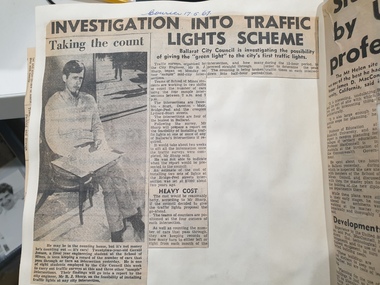
... The Ballarat School of Mines is a predecessor institution of Federation University Australia. ballarat gaol scrapbook newsclippings ballarat school of mines third university ron quick wall clock Lydiard Street south closure Phil law punch card equipment motor mechanics craftsmen certificates e.j. barker ian barker ballarat gaol site murray gillin peter donaldson michael young mount clear reid's j.r. pound william baragwanath collection eric sharman Gerald Jenzen walter Reimann Ballarat Junior Technical School Scrapbook with newsclips relating to the Ballarat School of Mines, including: 1960 - Ballarat Gaol 1960- Sebastopol Technical School to be Built Ballarat School of Mines Scrapbook Book Scrapbook ...The Ballarat School of Mines is a predecessor institution of Federation University Australia.Scrapbook with newsclips relating to the Ballarat School of Mines, including: 1960 - Ballarat Gaol 1960- Sebastopol Technical School to be Builtballarat gaol, scrapbook, newsclippings, ballarat school of mines, third university, ron quick, wall clock, lydiard street south closure, phil law, punch card equipment, motor mechanics, craftsmen certificates, e.j. barker, ian barker, ballarat gaol site, murray gillin, peter donaldson, michael young, mount clear, reid's, j.r. pound, william baragwanath collection, eric sharman, gerald jenzen, walter reimann, ballarat junior technical school -
 Federation University Historical Collection
Letter - Correspondence, Letter Concerning Potential Donation of Aboriginal Artefacts to the Ballarat School of Mines Museum, 1954, 11/02/1954
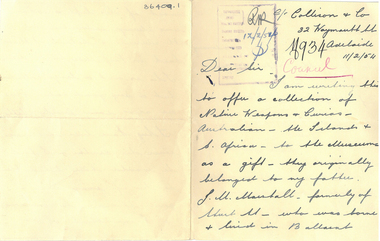
... He was born and lived in Ballarat most of his life, and was interested in the Ballarat School of Mines Museum during the era of Professor Alfred Mica Smith. The response to this letter foreshadows the closure of the Ballarat School of Mines Museum. ...He was born and lived in Ballarat most of his life, and was interested in the Ballarat School of Mines Museum during the era of Professor Alfred Mica Smith. The response to this letter foreshadows the closure of the Ballarat School of Mines Museum. ...The collection of artefacts formely belonged to the writers father, J.M. Marshall of Sturt Street. He was born and lived in Ballarat most of his life, and was interested in the Ballarat School of Mines Museum during the era of Professor Alfred Mica Smith. The response to this letter foreshadows the closure of the Ballarat School of Mines Museum. Alan Sonsee of the Ballarat Teachers' College was a Field Naturalist and collector of Aboriginal artefacts, and may have been associated with the decision. Handwritten letter from Jessie Marshall of Adelaide offering a collection of Australian "Native Weapons and Curios" to the Ballarat School of Mines Museum. The writer describes the collection as "not a large collection but a very good one - there are also some lovely shells." Ballarat School of Mines Registrar, F.E. Ferguson, declined the offer on behalf of the School Council, suggesting the Ballarat Teachers' College (Dana Street) would like to have the weapons, etc.C/- Collison & Co 32 Waymouth St Adelaide 11/2/54 Sear Sir A am writing this to offer a collection of Native Weapons and Curious - Australian - the Islands and S. Africa - the the Museum as a gift - they originally belonged to my father J.M. Marshall - formerly of Sturt Stree - who was born and lived in Ballarat most of his life and who was always interested i nthe Museum and School of Mines back in Prof. Mica Smith's time. This is not a large collection but a very good one - there are also some lovely shells. They have beenin stroage since his death and I feel he would have liked them to be of some use + give pleasure to someone + I can think of no better plance than your museum. Would you be goodenough to put this offer to your Committee + let me know if that are interested. I am yours Jessie Marshall PS I've made enquiries + there is plenty of motor transport available J.M.ballarat school of mines, aboriginal artefacts, ballarat school of mines museum, jessie marshall, i.m. marshall, ballarat teachers' college, f.e. ferguson, museum closure, alan sonsee, ballarat teachers college, museum, shells, j.m. marshall
