
Showing 27 items matching "q store"
-
 National Vietnam Veterans Museum (NVVM)
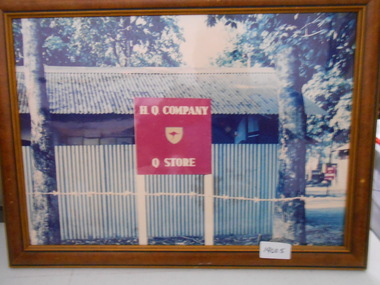
Photograph, HQ Company Q Store
... HQ Company Q Store......Q Store...Photograph of a sign "HQ Company Q Store" outside a corrugated iron hut....HQ Company Q Store Photograph Photograph of a sign "HQ Company Q Store" outside a corrugated iron hut. ...Photograph of a sign "HQ Company Q Store" outside a corrugated iron hut.hq company, q store, photograph -
 Bendigo Military Museum
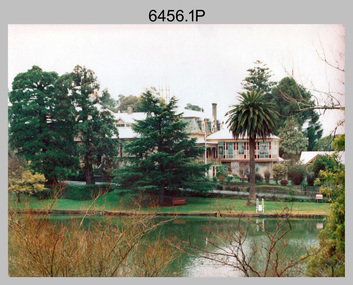
Photograph - Army Survey Regiment - Fortuna & Surrounds, Bendigo, c1985
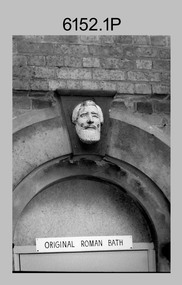
... After Defence took possession of Fortuna in 1942, the Q-store and engineering workshops were added during the wartime period. ...Q-store buildings. .16) - Photo, colour, c1985. ...Q-store buildings. .16) - Photo, colour, c1985. ...This set of 30 photographs of the Army Survey Regiment’s Fortuna Villa and surrounding facilities was taken circa 1985. The photos feature much of Fortuna’s exterior and most of the out-buildings spread over the property’s fifteen acres of grounds. After Defence took possession of Fortuna in 1942, the Q-store and engineering workshops were added during the wartime period. Soldiers were accommodated in tents during WW2 for 20 years next to the parade ground before the construction of accommodation buildings in 1962. In 1990 most of the weatherboard buildings in the Q-store area were replaced. A climate-controlled building was also constructed to house a map library and digital data media. This photo set also includes the exterior of Air Survey Squadron’s Building 16 and two modular buildings -16A and 16B that were added in the early 1980s to accommodate map production and technical services. See item 6457.22P for photos of Fortuna Villa’s interior that were taken at the same time.This set of 30 photographs of the Army Survey Regiment’s Fortuna Villa and surrounding facilities was taken circa 1985. The colour photographs were printed on photographic paper and are part of the Army Survey Regiment’s Collection. The photographs were scanned at 300 dpi. .1) - Photo, colour, c1985. Fortuna Villa – view from the lake. .2) to .4) - Photo, colour, c1985. Fortuna Villa – front view. .5) - Photo, colour, c1985. Fortuna Villa – balcony view of transport compound and Air Survey Squadron. .6) - Photo, colour, c1985. Fortuna Villa – balcony view of Q-store and transport compound. .7) - Photo, colour, c1985. Fortuna Villa – balcony view of transport compound and Bendigo. .8) - Photo, colour, c1985. Fortuna Villa – balcony view of Q-store buildings. .9) - Photo, colour, c1985. Fortuna Villa – Pompeii Fountain and Stables. .10) - Photo, colour, c1985. Fortuna Villa – coach house. .11) - Photo, colour, c1985. Lithographic Squadron delivery docks. .12) - Photo, colour, c1985. Fortuna Villa - Original Roman Bath entry. .13) - Photo, colour, c1985. RAEME and carpentry buildings. .14) - Photo, colour, c1985. Q-store buildings. .15) - Photo, colour, c1985. Q-store buildings. .16) - Photo, colour, c1985. Transport compound. .17) - Photo, colour, c1985. Fortuna Villa’s original laundry, gardeners’ building. .18) - Photo, colour, c1985. Duty Room. .19) - Photo, colour, c1985. L to R: Side of Duty Room, RAP building. .20) - Photo, colour, c1985. Transport compound, Q-store in background. .21) - Photo, colour, c1985. Air Survey Squadron’s Building 16 viewed from carpark. .22) - Photo, colour, c1985. Technical Services, Building 16B. .23) - Photo, colour, c1985. Air Survey Squadron’s Building 16 courtyard. .24) - Photo, colour, c1985. Technical Services, Building 16B viewed from Building 16 courtyard. .25) - Photo, colour, c1985. Air Survey Squadron’s Building 16A and fernery viewed from walkway. .26) - Photo, colour, c1985. Officers Accommodation. .27) - Photo, colour, c1985. Other Ranks (OR’s) ‘New’ Barracks. .28) - Photo, colour, c1985. OR’s Kitchen and Dining Room. .29) & .30) - Photo, colour, c1985. Army Survey Regiment - Front Entry GateThere are brief descriptions on a note behind each photograph.royal australian survey corps, rasvy, army survey regiment, army svy regt, fortuna, asr -
 National Vietnam Veterans Museum (NVVM)
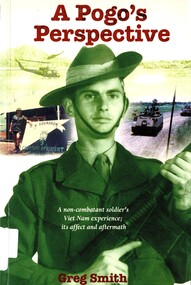
Book, Smith, Greg, A Pogo's Perspective: Aa non-combatent soldier's Viet Nam experience: its affects and aftermath. (Copy 1), 2007
... ...Q-Store...1961-1975 - Personal narratives Orderly Room Q-Store Ordnance Medical Staff Dental Staff. ...The term Pogo was a label given to every soldier in Vietnam whose role it was to support the troops involved in combat duties, supposedly a safe vocation. Examples would be the Orderly Room, Q-Store, Cooks, Ordnance, Medical and Dental Staff, etc.The term Pogo was a label given to every soldier in Vietnam whose role it was to support the troops involved in combat duties, supposedly a safe vocation. Examples would be the Orderly Room, Q-Store, Cooks, Ordnance, Medical and Dental Staff, etc. 1961-1975 - personal narratives, orderly room, q-store, ordnance, medical staff, dental staff., cpl gregory john smith, 1733427, australian national serviceman, royal australian armoured corps, b squadron, a squadron, 3rd cavalry regiment, pogo -
 Bendigo Military Museum
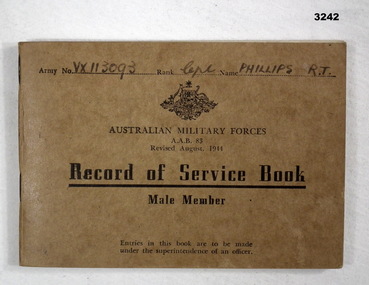
Administrative record - RECORD OF SERVICE BOOK WW2, c.1944
... T. ID photos & a Q Store Kit List. Shows a record of leave taken....T. ID photos & a Q Store Kit List. Shows a record of leave taken. ...Item re R.T.Phillips VX113093, refer Cat No3239P for a His service details.Record of service book AAB 83. Soft brown cover, black printing, 40 pages. Contains basic personal details for Cpl PHILLIPS R. T. ID photos & a Q Store Kit List. Shows a record of leave taken.Front Cover: "VX113093 Cpl PHILLIPS R T. "military history-service records, army, service record -
 National Vietnam Veterans Museum (NVVM)
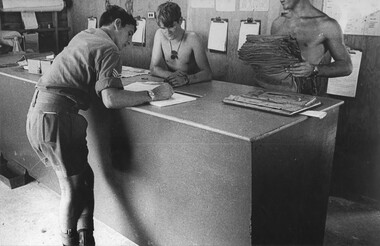
Photograph, Gibbons, Denis, Quartermasters Store 2
... A black and white photograph of at the counter of the 1st Australian Field Hospital, Vung Tau, South Vietnam, Quartermasters Store, two Q Store staff look on as a Sergeant signs for stores drawn on requisition. ...Photograph 1st Australian Field Hospital Quartermasters Store Vung Tau Gibbons Collection Catalogue Denis Gibbons A black and white photograph of at the counter of the 1st Australian Field Hospital, Vung Tau, South Vietnam, Quartermasters Store, two Q Store staff look on as a Sergeant signs for stores drawn on requisition. ...Denis Gibbons (1937 – 2011) Trained with the Australian Army, before travelling to Vietnam in January 1966, Denis stayed with the 1st Australian Task Force in Nui Dat working as a photographer. For almost five years Gibbons toured with nine Australian infantry battalions, posting compelling war images from within many combat zones before being flown out in late November 1970 after sustaining injuries. The images held within the National Vietnam Veterans Museum make up the Gibbons Collection. A black and white photograph of at the counter of the 1st Australian Field Hospital, Vung Tau, South Vietnam, Quartermasters Store, two Q Store staff look on as a Sergeant signs for stores drawn on requisition. In the hospital the store held goods and equipment to cover all requirements.photograph, 1st australian field hospital, quartermasters store, vung tau, gibbons collection catalogue, denis gibbons -
 Bendigo Military Museum
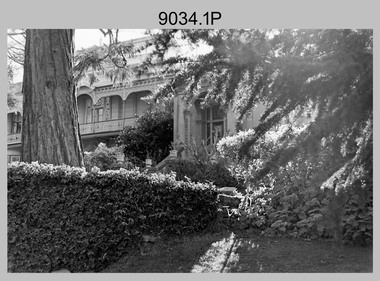
Photograph - Army Survey Regiment - Fortuna & Surrounds, Bendigo, Army Survey Regiment - Fortuna Interior, Bendigo, c1987-1989
... After Defence took possession of Fortuna in 1942, the Q-store and engineering workshops were added during the wartime period. ...Fortuna Villa – balcony view of Q-store and transport compound from rooftop. .12) - Photo, black & white, c1987-1989. ...After Defence took possession of Fortuna in 1942, the Q-store and engineering workshops were added during the wartime period. ...This set of 12 photographs of the Army Survey Regiment’s Fortuna Villa and surrounding facilities was taken circa 1987 to 1989. The photos feature much of Fortuna’s exterior and most of the out-buildings spread over the property’s fifteen acres of grounds. After Defence took possession of Fortuna in 1942, the Q-store and engineering workshops were added during the wartime period. Soldiers were accommodated in tents during WW2 for 20 years next to the parade ground before the construction of accommodation buildings in 1962. In 1990 most of the weatherboard buildings in the Q-store area were replaced. A climate-controlled building was also constructed to house a map library and digital data media. This photo set also includes the exterior of Air Survey Squadron’s Building 16 and two modular buildings -16A and 16B that were added in the early 1980s to accommodate map production and technical services. See item 6456.30P for more photos of Fortuna Villa and its surrounding facilities. This set of 12 photographs of the Army Survey Regiment’s Fortuna Villa and surrounding facilities was taken circa 1987 to 1989. The photographs are on 35mm negative film and scanned at 96 dpi. They are part of the Army Survey Regiment’s Collection. .1) - Photo, black & white, c1987-1989. Fortuna Villa – front view. .2) - Photo, black & white, c1987-1989. Fortuna Villa – view of lake towards tennis courts. .3) - Photo, black & white, c1987-1989. Fortuna Villa – view of lake towards OR’s Barracks. .4) - Photo, black & white, c1987-1989. Fortuna Villa – back view. .5) - Photo, black & white, c1987-1989. View of Fortuna Villa from Air Survey Squadron’s Building. Technical Services, Building 16B at right. .6) - Photo, black & white, c1987-1989. Fortuna Villa – view of lake towards tennis courts. .7) - Photo, black & white, c1987-1989. Fortuna Villa – Pompeii Fountain in front garden. .8) - Photo, black & white, c1987-1989. Fortuna Villa – statue on top of the Pompeii Fountain’s pillar. .9) - Photo, black & white, c1987-1989. Fortuna Villa – view of Litho buildings and newly constructed Wayzgoose Hall Print Building from rooftop. .10) - Photo, black & white, c1987-1989. Fortuna Villa – view of sequoia trees and lake from rooftop. .11) - Photo, black & white, c1987-1989. Fortuna Villa – balcony view of Q-store and transport compound from rooftop. .12) - Photo, black & white, c1987-1989. Fortuna Villa – playground with tennis courts in background.There are no annotations.royal australian survey corps, rasvy, fortuna, army survey regiment -
 Bendigo Military Museum
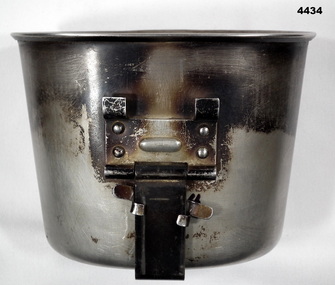
Equipment - MUG, STEEL, Stokes, 1968
... Item issued as part of a soldiers kit and equipment, used for cooking, washing and shaving. In Army Q Store language these were, “Cups canteen steel”...Item issued as part of a soldiers kit and equipment, used for cooking, washing and shaving. In Army Q Store language these were, “Cups canteen steel” containers mugs equipment canteen On handle, “8465 - 50 - 242 - 7843 - 1968”, Stokes V Melb” Mug, stainless steel, kidney shape with fold out wrap around handle, numbers and details are stamped on handle. ...Item issued as part of a soldiers kit and equipment, used for cooking, washing and shaving. In Army Q Store language these were, “Cups canteen steel”Mug, stainless steel, kidney shape with fold out wrap around handle, numbers and details are stamped on handle.On handle, “8465 - 50 - 242 - 7843 - 1968”, Stokes V Melb”containers, mugs, equipment, canteen -
 Bendigo Military Museum
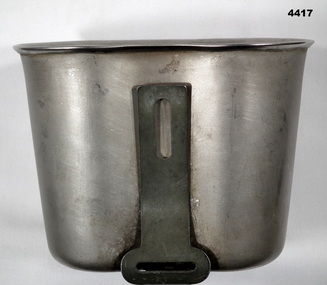
Equipment - CUP CANTEEN STEEL, Stokes, 1989
... Item issued as part of a soldiers webbing and equipment, used for cooking, drinking, shaving and washing. Army Q store terminology for item was “Cups canteen steel”...Item issued as part of a soldiers webbing and equipment, used for cooking, drinking, shaving and washing. Army Q store terminology for item was “Cups canteen steel” Containers mugs canteen equipment On handle, “ Stokes V MELB, 8465 - 50 - 242 - 7843. - 1989” Mug, stainless steel, kidney shape with fold out wrap around handle, numbers and details stamped into handle. ...Item issued as part of a soldiers webbing and equipment, used for cooking, drinking, shaving and washing. Army Q store terminology for item was “Cups canteen steel”Mug, stainless steel, kidney shape with fold out wrap around handle, numbers and details stamped into handle.On handle, “ Stokes V MELB, 8465 - 50 - 242 - 7843. - 1989”containers, mugs, canteen, equipment -
 Dandenong/Cranbourne RSL Sub Branch
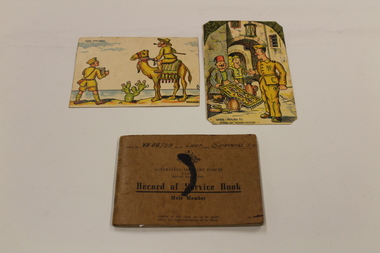
Book - Army book and 2 x postcards, Unknown
... 1# Contains Details of enlistment date, Q Store records and record of immunisation for VX48739 Lieut Simmons T. ...WWII Historical significance. 1# Contains Details of enlistment date, Q Store records and record of immunisation for VX48739 Lieut Simmons T. ...WWII Historical significance. 1# Army Record of Service Book for VX48739 Lieut. Thomas McConachy Simmons. 2# 2 x postcards sent from Palestine in 1941. 1# Contains Details of enlistment date, Q Store records and record of immunisation for VX48739 Lieut Simmons T. M. 2# 2 x Postcards sent from Palestine in June 1942. Hand written message says with lots of love from Tom. -
 Bendigo Military Museum
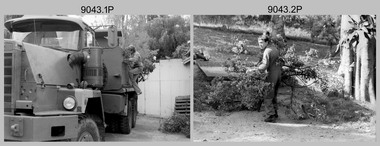
Photograph - Headquarters Squadron Staff and Activities, Army Survey Regiment, Fortuna, Bendigo, c1990
... The photos were taken in the Q-store/Transport buildings and Fortuna’s grounds. ...The photos were taken in the Q-store/Transport buildings and Fortuna’s grounds. ...This collection of six photos of Headquarters Squadron staff and activities was taken at the Army Survey Regiment, Fortuna, Bendigo, circa 1990. The photos were taken in the Q-store/Transport buildings and Fortuna’s grounds. Although these photos are not annotated some staff are positively identified. This is a set of six photographs of Headquarters Squadron staff and activities at the Army Survey Regiment, Fortuna, Bendigo, circa 1990. The photographs are on 35mm negative film and scanned at 96 dpi. They are part of the Army Survey Regiment’s Collection. .1) - Photo, black & white, c1990, Neil Morgan loads up branches and clippings onto a Mack truck. .2) - Photo, black & white, c1990, RQMS CAPT Noel ‘Nesty’ Coulthard gets his hands dirty collecting branches and clippings. .3) - Photo, black & white, c1990, Unidentified staff from Headquarters Squadron. .4) - Photo, black & white, c1990, Unidentified staff member from Headquarters Squadron. .5) - Photo, black & white, c1990, Unidentified contractor performs maintenance outside Lithographic Squadron .6) - Photo, black & white, c1990, Unidentified staff from Headquarters Squadron. .1P to .6P – There are no annotationsroyal australian survey corps, rasvy, fortuna, army survey regiment -
 Bendigo Military Museum
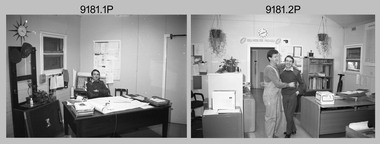
Photograph - Headquarters Squadron Staff and Activities, Army Survey Regiment, Fortuna, Bendigo, 1990
... The photos were taken in the Q-store/Transport buildings and Fortuna’s grounds. ...The photos were taken in the Q-store/Transport buildings and Fortuna’s grounds. ...This collection of 11 photos of Headquarters Squadron staff and activities was taken at the Army Survey Regiment, Fortuna, Bendigo, circa 1990. The photos were taken in the Q-store/Transport buildings and Fortuna’s grounds. Although these photos are not annotated some staff are positively identified. This is a set of 11 photographs of Headquarters Squadron staff and activities at the Army Survey Regiment, Fortuna, Bendigo, circa 1990. The photographs are on 35mm negative film and scanned at 2400 dpi. They are part of the Army Survey Regiment’s Collection. .1) - Photo, black & white, c1990, RQMS CAPT Noel ‘Nesty’ Coulthard. .2) - Photo, black & white, c1990, L to R: Ken Delmenico - ASR’s carpenter, RQMS CAPT Noel ‘Nesty’ Coulthard. .3) to .4) - Photo, black & white, c1990, Unidentified staff. .5) - Photo, black & white, c1990, CPL Clarke. .6) - Photo, black & white, c1990, LCPL Fisher. .7) to .8) - Photo, black & white, c1990, Unidentified staff. .9) - Photo, black & white, c1990, Unidentified staff member, SGT Brian Paul in background. .10) - Photo, black & white, c1990, SGT Brian Paul. .11) - Photo, colour, c1990. Data Management & Map Library. There are no personnel identified.royal australian survey corps, rasvy, army survey regiment, army svy regt, fortuna -
 National Vietnam Veterans Museum (NVVM)
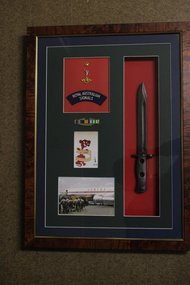
Memorabilia - Box- framed collage, Fry
... In the centre is a picture of RAT Emblem of DCT 110 Sig Sqn Q Store. Below that is a colour image of troops boarding a Qantas plane. ...In the centre is a picture of RAT Emblem of DCT 110 Sig Sqn Q Store. Below that is a colour image of troops boarding a Qantas plane. ...This item commemorates the service of Sgt DJ Fry who served in Royal Australian Corps of Signals, Vietnam 1967-8.Large box-framed collage of objects and images set in green and blue mat surrounds with red behind objects. Contains emblems and patches of Royal Australian Signals and Australians in Vietnam badge. In the centre is a picture of RAT Emblem of DCT 110 Sig Sqn Q Store. Below that is a colour image of troops boarding a Qantas plane. A bayonet is displayed in right hand side of frame. royal australian signals corp, david john fry, fry family, fry, d j fry -
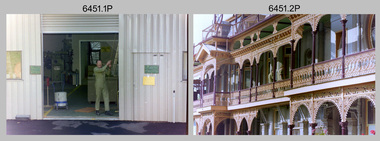 Bendigo Military Museum
Photograph - Lithographic Squadron Personnel and Equipment, Army Survey Regiment, Fortuna, Bendigo, c1990
... Unidentified passing Q-Store & Transport Compound. .7) - Photo, colour, c1990. ...Unidentified passing Q-Store & Transport Compound. .7) - Photo, colour, c1990. ...These 28 photographs of Lithographic Squadron personnel and equipment was taken at Fortuna, Bendigo circa 1990. The photos were taken on the east side of Fortuna Villa, the Print Room’s map trimming and dispatch work area and the inside and outside Air Survey Support Section (BARCRO).These 28 photographs of Lithographic Squadron Personnel and Equipment was taken at Fortuna, Bendigo circa 1990. The 35mm colour photograph negatives were scanned at 96 dpi and are part of the Army Survey Regiment’s Collection. .1) - Photo, colour, c1990. RAEME and maintenance support, unidentified civilian. .2) - Photo, colour, c1990. Eastern side of Fortuna Villa, unidentified, CPL Le-Anne (Smallshaw) Shirley. .3) - Photo, colour, c1990. Eastern side of Fortuna Villa, SGT Gary Kerr. .4) - Photo, colour, c1990. Eastern side of Fortuna Villa, CPL Roy Hicks. .5) - Photo, colour, c1990. Eastern side of Fortuna Villa, unidentified. .6) - Photo, colour, c1990. Unidentified passing Q-Store & Transport Compound. .7) - Photo, colour, c1990. Data Management & Map Library. .8) - Photo, colour, c1990. Unidentified officer passing Q-Store heading up to Map Library. .9) - Photo, colour, c1990. Eastern side of Fortuna Villa, SPR Michelle Withers. .10) - Photo, colour, c1990. Unidentified RAEME soldier passing Q-Store heading up to Map Library. .11) & .12) - Photo, colour, c1990. Delivery of bulk map printing paper. WO2 Jeff Willey on forklift, unidentified. .13) & .14) - Photo, colour, c1990. Print Room, Wohlenberg MCS-2 guillotine. .15) to .18) - Photo, colour, c1990. Air Survey Support Section (BARCRO), Carl Zeiss Rectifying Enlarger. .19) - Photo, colour, c1990. Air Survey Support Section (BARCRO), film contact frame. .20) - Photo, colour, c1990. Air Survey Support Section (BARCRO), Pakotone film development processors. .21) & .22) - Photo, colour, c1990. Air Survey Support Section (BARCRO) entry/exit. .23) & .24) - Photo, colour, c1990. Air Survey Support Section (BARCRO) miscellaneous equipment. .25) & .26) - Photo, colour, c1990. Air Survey Support Section (BARCRO), CPL Warren ‘Waldo’ Shirley. .27) & .28) - Photo, colour, c1990. Outside Air Survey Support Section (BARCRO), L to R: WO1 Peter Coombes, CPL Warren ‘Waldo’ Shirley..1P to .28P – There are no annotations.royal australian survey corps, rasvy, army survey regiment, army svy regt, fortuna, asr, litho sqn -
 Australian Commando Association - Victoria
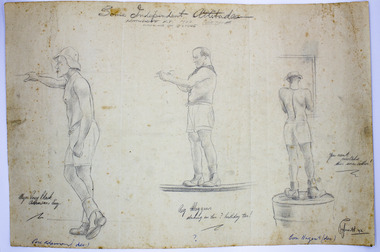
Work on paper - Sketch, Corporal Francis John Papworth, Some Independent Attitudes - Katherine 1942, June-July 1942
... Written in pencil at top of page: Some Independent Attitudes/Katherine N.T. 1942, June/July Working in the Q Store. Beneath each figure written in pencil and ink left to right: Figure 1: Maj Percy Black Adamsom Esq. ...Written in pencil at top of page: Some Independent Attitudes/Katherine N.T. 1942, June/July Working in the Q Store. Beneath each figure written in pencil and ink left to right: Figure 1: Maj Percy Black Adamsom Esq. ...Drawing done on location by Francis John 'Curly' Papworth whilst serving in Katherine, Northern Territory during World War Two. This work of soldiers is significant as a work produced by a serving soldier on location during WWII and is a unique example of an artistic work showing the men and their surroundings at the time. Strong provenance as part of the family collection. Pencil sketch on white paper of three bare chested male figures, two left profile and one rear view. All attired in shorts and boots. Information relating to the figures and location are written on the work. Signature right hand corner: Papworth 42. Written in pencil at top of page: Some Independent Attitudes/Katherine N.T. 1942, June/July Working in the Q Store. Beneath each figure written in pencil and ink left to right: Figure 1: Maj Percy Black Adamsom Esq. (in blue ink below: Perc Adamson Dec) Figure 2: Reg Moggins, working on his Birthday too! (in blue ink below: ?) Figure 3: You can't mistake this one either! (in blue ink below: Con Nugent, Dec)soldiers, wwii, world war 2, second world war, artists, wartime, francis john papworth -
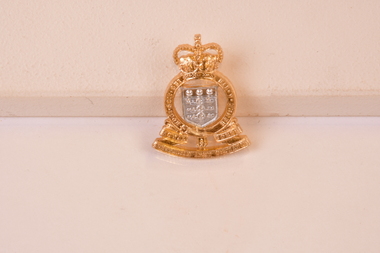 Chiltern Athenaeum Trust
Royal Australian Army Ordinance Corps Hat Badge : 1953 to 1960, 1953 to 1960
... The Corps contains clerks, operator supplies (including q-store staff, warehouse staff and food technicians), petroleum operators, parachute riggers and ammunition technicians. ...The Corps contains clerks, operator supplies (including q-store staff, warehouse staff and food technicians), petroleum operators, parachute riggers and ammunition technicians. ...The Royal Australian Army Ordnance Corps (RAAOC) is the Corps within the Australian Army concerned with supply and administration, as well as the demolition and disposal of explosives and salvage of battle-damaged equipment. The Corps contains clerks, operator supplies (including q-store staff, warehouse staff and food technicians), petroleum operators, parachute riggers and ammunition technicians. Members of the Corps are nicknamed Roaches. Unlike other Corps within the Australian Army, there are no longer any RAAOC specific units, instead RAAOC sub-units sit within mixed units such as Combat Service Support Battalions (CSSBs) or Force Support Battalions (FSBs). RAAOC is also responsible for clerks and quartermaster store staff in all Australian Army Units.Circa 1953 to 1960. Associated with the supply chain and equipment resourcing within The Royal Australian Army. Gold and silver chrome hat corps badge. The reverse has two pin points that a stud affixes to so as to secure to a hat or cap. The top of the badge has a crown shape and the bottom is curved. There is corps writing on the badge at the bottom and surrounding sides : "Royal Australian Army Ordinance Corps". Royal Australian Army Ordinance Corps. 1953 to 1960 raaoc corps hat badge, royal australian army ordinance corps, raaoc -
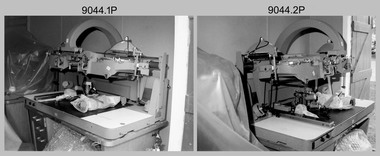 Bendigo Military Museum
Photograph - Superseded AUTOMAP 1 Equipment, Army Survey Regiment, Fortuna, Bendigo, c1983
... The photos were taken in one of the Q-store buildings. Introduced in 1975, the AUTOMAP 1 computer assisted cartography and mapping system was the first computer assisted cartography and mapping system utilised by the Survey Corps and the first system used by Australian mapping organisations. ...The photos were taken in one of the Q-store buildings. Introduced in 1975, the AUTOMAP 1 computer assisted cartography and mapping system was the first computer assisted cartography and mapping system utilised by the Survey Corps and the first system used by Australian mapping organisations. ...This set of eight photographs of superseded AUTOMAP 1 equipment was taken at the Army Survey Regiment, Fortuna, Bendigo, circa 1983. The photos were taken in one of the Q-store buildings. Introduced in 1975, the AUTOMAP 1 computer assisted cartography and mapping system was the first computer assisted cartography and mapping system utilised by the Survey Corps and the first system used by Australian mapping organisations. The replacement AUTOMAP 2 system achieved operational status in August 1983. The history of the AUTOMAP 1 system is covered in more detail with additional historic photographs, in pages 116-118 of Valerie Lovejoy’s book 'Mapmakers of Fortuna – A history of the Army Survey Regiment’ ISBN: 0-646-42120-4. See items 6122.20P, 6183.19P, and 6184.20P for additional photographs of AUTOMAP 1’s system and the B8 Stereoplotters in operation. This set of eight photographs of superseded AUTOMAP 1 Equipment was taken at the Army Survey Regiment, Fortuna, Bendigo, circa 1983. The photographs are on 35mm negative film and scanned at 96 dpi. They are part of the Army Survey Regiment’s Collection. .1) to .8) - Photo, black & white, c1983, superseded AUTOMAP 1 B8 Stereoplotters and equipment in storage awaiting disposal..1P to .8P – There are no annotationsroyal australian survey corps, rasvy, fortuna, army survey regiment, automap 1 -
 Bendigo Military Museum
Photograph - Army Survey Regiment Personnel and Equipment, Fortuna, Bendigo, 1992
... They are part of the Army Survey Regiment’s Collection. .1) - Photo, black & white, 1992, outside Litho’s BARCRO work area (old entrance to Roman Bath) .2) - Photo, black & white, 1992, SPR Scott Cameron outside the Old OR’s Barracks. .3) - Photo, black & white, 1992, bank of the lake with Old & New OR’s Barracks. .4) - Photo, black & white, 1992, unidentified outside Q-Store buildings. .5)- Photo, black & white, 1992, records building under construction. .6) - Photo, black & white, 1992, ITEC type setter. .7) and .8) - Photo, black & white, 1992, ITEC type setter and IGX printer. .9) - Photo, black & white, 1992, IGX printer. .10) - Photo, black & white, 1992, Pakotone photographic processor. .11) - Photo, black & white, 1992, densitometer. .12) and .13) - Photo, black & white, 1992, unidentified RACT personnel in transport compound. .14) to.15) - Photo, black & white, 1992, Neil Morgan readying the ride-on lawn mower at rear end of Duty Hut. ...They are part of the Army Survey Regiment’s Collection. .1) - Photo, black & white, 1992, outside Litho’s BARCRO work area (old entrance to Roman Bath) .2) - Photo, black & white, 1992, SPR Scott Cameron outside the Old OR’s Barracks. .3) - Photo, black & white, 1992, bank of the lake with Old & New OR’s Barracks. .4) - Photo, black & white, 1992, unidentified outside Q-Store buildings. .5)- Photo, black & white, 1992, records building under construction. .6) - Photo, black & white, 1992, ITEC type setter. .7) and .8) - Photo, black & white, 1992, ITEC type setter and IGX printer. .9) - Photo, black & white, 1992, IGX printer. .10) - Photo, black & white, 1992, Pakotone photographic processor. .11) - Photo, black & white, 1992, densitometer. .12) and .13) - Photo, black & white, 1992, unidentified RACT personnel in transport compound. .14) to.15) - Photo, black & white, 1992, Neil Morgan readying the ride-on lawn mower at rear end of Duty Hut. ...This collection of 15 photos of personnel and equipment was taken at the Army Survey Regiment, Fortuna, Bendigo, in 1992. The photos feature the inside Lithographic Squadron, external buildings, the transport compound, and the gardener’s end of the duty hut. Although these photos are not annotated most personnel are positively identified. Photos .14) to.15) feature Neil Morgan, who was a permanent ground maintenance employee.This is a set of 15 photographs of personnel and equipment at the Army Survey Regiment, Fortuna, Bendigo, 1992. The photographs are on 35mm negative film and were scanned at 96 dpi. They are part of the Army Survey Regiment’s Collection. .1) - Photo, black & white, 1992, outside Litho’s BARCRO work area (old entrance to Roman Bath) .2) - Photo, black & white, 1992, SPR Scott Cameron outside the Old OR’s Barracks. .3) - Photo, black & white, 1992, bank of the lake with Old & New OR’s Barracks. .4) - Photo, black & white, 1992, unidentified outside Q-Store buildings. .5)- Photo, black & white, 1992, records building under construction. .6) - Photo, black & white, 1992, ITEC type setter. .7) and .8) - Photo, black & white, 1992, ITEC type setter and IGX printer. .9) - Photo, black & white, 1992, IGX printer. .10) - Photo, black & white, 1992, Pakotone photographic processor. .11) - Photo, black & white, 1992, densitometer. .12) and .13) - Photo, black & white, 1992, unidentified RACT personnel in transport compound. .14) to.15) - Photo, black & white, 1992, Neil Morgan readying the ride-on lawn mower at rear end of Duty Hut. No personnel are identified.royal australian survey corps, rasvy, army survey regiment, army svy regt, fortuna, asr, litho -
 Bendigo Military Museum
Photograph - 4th Field Survey Squadron – Operation NERVOSE 85 Field Phase, Northern Territory, 1985
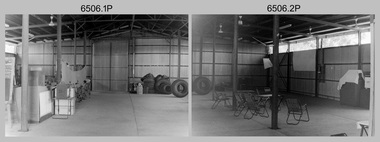
... The photographs were scanned at 96 dpi. ..1) & .2) - Photo, black & white, 1985. Q-store and OPS Room. .3) & .4) - Photo, black & white, 1985. ...The photographs were scanned at 96 dpi. ..1) & .2) - Photo, black & white, 1985. Q-store and OPS Room. .3) & .4) - Photo, black & white, 1985. ...This is a set of 16 photographs taken in 1985* during 4th Field Survey Squadron’s deployment on Operation NERVOSE 85 in the Northern Territory. Operation NERVOSE 85 was mounted by 4 Fd Svy Sqn in the EAST ARNHEM, VICTORIA RIVER DOWNS AND DALY WATERS areas from 26 May to 18 Sep 85. The aim of Operation NERVOSE 85 was to finalise the horizontal and vertical control for mapping at a scale of 1:50,000, to field check 40x 1:50,000 preliminary maps and to obtain mapping photography in support of the RAAF TINDAL redevelopment project. *Note –These photos were most likely taken in 1985, contrary to the ‘1987’ date annotated on the negative sleeves. The Op NERVOSE 85 Project Report available on RASVY’s web site lists a nominal roll of personnel. Photos of 4 Fd Svy Sqn taken in 1985 and 1987 provide names of posted personnel. Several personnel identified in these photos were posted to 4 Fd Svy Sqn in 1985, not in 1987. See items 6504.13P, 6505.28P and 6507.20P for more photos taken prior to and during Operation NERVOSE 1985. This is a set of 16 photographs taken in 1985 during 4th Field Survey Squadron’s deployment on Operation Nervose in the Northern Territory. The black & white photographs are on 35mm negative film and are part of the Army Survey Regiment’s Collection. The photographs were scanned at 96 dpi. ..1) & .2) - Photo, black & white, 1985. Q-store and OPS Room. .3) & .4) - Photo, black & white, 1985. Base Camp at unknown location. .5) - Photo, black & white, 1985. Personnel spectate during a social cricket match. L to R on left: CPL Andy Lucas, unidentified (x3). L to R on right: unidentified (x4), LTCOL Kevin Murphy – SO1 Svy HQ FF Comd, unidentified, SSGT Barry Lutwyche OAM (closest to camera). .6) - Photo, black & white, 1985. Personnel spectate during a social cricket match. L to R on left: unidentified (x2). L to R on right: unidentified (x3), LCPL Chris ‘Charlie’ Brown (standing up), SSGT Barry Lutwyche OAM (closest to camera), LTCOL Kevin Murphy – SO1 Svy HQ FF Comd. .7) - Photo, black & white, 1985. CPL Andy Lucas plans an exit strategy from the latrine. .8) to .10) - Photo, black & white, 1985. Social cricket match action. .11) to .14) - Photo, black & white, 1985. LCPL Chris ‘Charlie’ Brown operates a second-generation Transit Doppler satellite Magnavox MX-1502 Satellite Surveyor Geoceiver. .15) to .16) - Photo, black & white, 1985. LCPL Steve McGuiness sets up a Geoceiver antenna..1P to .16P – There are no personnel identified. ‘1987 OP NERVOSE VICTORIA RIVER DOWNS AND DALY WATERS.’ annotated on negative sleeve.royal australian survey corps, rasvy, 4 fd svy sqn, op nervose 85 -
 Bendigo Military Museum
Photograph - Army Survey Regiment’s Officers, Warrant Officers and Sergeants and Squadrons, at Fortuna, Bendigo, 1982
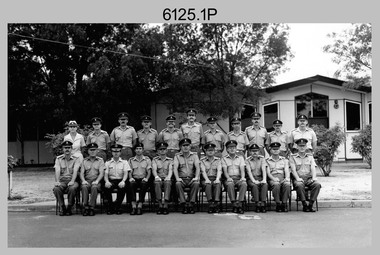
... Other supporting staff at this time included the RAAF Liaison Officer, RAN Liaison Officer and several civilians employed in administration, the Q-Store and grounds maintenance. A component of the Army Svy Regt’s cartographic map production was carried out by the Detachment, a sub-unit located at Bonegilla next to the School of Military Survey. ...Other supporting staff at this time included the RAAF Liaison Officer, RAN Liaison Officer and several civilians employed in administration, the Q-Store and grounds maintenance. A component of the Army Svy Regt’s cartographic map production was carried out by the Detachment, a sub-unit located at Bonegilla next to the School of Military Survey. ...This is a set of six staff photographs of the Army Survey Regiment’s Officers, Warrant Officers and Sergeants, and each of its four Squadrons at Fortuna, Bendigo in December 1982. Note - Air Survey Squadron’s photo was probably taken in July 1982 as they appear in winter dress. Air Survey Squadron was responsible for aerotriangulation, photogrammetric feature extraction and the AUTOMAP 1 system. Typical tasks were flight planning the acquisition of aerial photography, pugging, mensuration and block adjustments, photogrammetric extraction of topographic features from aerial photography, digital feature editing, map compilation, operating the scanner/plotter, operating the AUTOMAP 1 system and computer programming by civilians. Cartographic Squadron was responsible for the production of the following military products: Joint Operation Graphics, small-scale RAAF Air Charts, large-scale topographic line maps and orthophotomaps. Cartographic technician tasks were scribing, compiling, retouching, masking, type setting, type stickup, terrain embossing, correcting and proving quality control. Headquarters Squadron was responsible for the planning and coordination of map production and contracts. It also performed administrative and support functions such as personnel administration, pay, finance, transportation, records, map Library, kitchens, messes and facility maintenance. It was staffed by Army personnel from RASvy, RACT, AACC, RAAOC and RAEME corps. Other supporting staff at this time included the RAAF Liaison Officer, RAN Liaison Officer and several civilians employed in administration, the Q-Store and grounds maintenance. A component of the Army Svy Regt’s cartographic map production was carried out by the Detachment, a sub-unit located at Bonegilla next to the School of Military Survey. Lithographic Squadron was responsible for the reproduction of map materials and printing of military map products. The main tasks undertaken by photographic technicians were photographic enlargements, reductions and duplication of map reproduction material and processing of aerial photography. Printing technician tasks included platemaking, offset printing, map stock despatching and proofing.This is a set of six staff photographs of the Army Survey Regiment’s Officers, Warrant Officers and Sergeants, and its four Squadrons, at Fortuna, Bendigo, 1982. The black and white photographs were printed on photographic paper and are part of the Army Survey Regiment’s Collection. The photograph was scanned at 300 dpi. No personnel are identified. No personnel are identified. .1P – Annotated on front “OFFICERS MESS DEC ’82” .2P – Annotated on back “SGTS MESS DEC ’82” .4P– Annotated on front “CARTO SQN DEC ’82” .5P– Annotated on front “HQ SQN DEC ’82”royal australian survey corps, rasvy, army survey regiment, army svy regt, fortuna, asr, air survey, carto, litho -
 Bendigo Military Museum
Photograph - Army Survey Regiment – Map Production, Fortuna, Bendigo, 1986
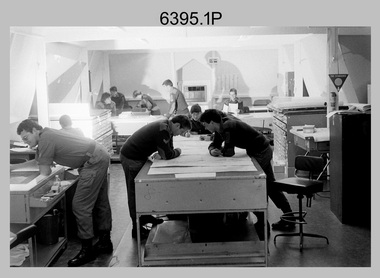
... Technical Services temporary buildings. .8) - Photo, black & white, 1986. Q-store and transport buildings. .9) - Photo, black & white, 1986. ...Technical Services temporary buildings. .8) - Photo, black & white, 1986. Q-store and transport buildings. .9) - Photo, black & white, 1986. ...These 17 photographs of the Army Survey Regiment’s map production and facilities were taken at Fortuna Villa, Bendigo, April 1986. Photos .1P to .3P were taken in Cartographic Squadron’s Correcting Section in the Attic. located on the top floor of Fortuna Photos .4P to .5P were taken in Cartographic Squadron’s Proving Section, located in the Ballroom also on the top floor facing the lake. The technicians were probably involved in a rapid response map production, as they all were wearing field uniforms. As ‘Regiment Overcrowding’ is annotated on the plastic sleeve holding the negatives, it seems the photos were taken when the unit was at its capacity to demonstrate the lack of suitable work areas. The Army Survey Regiment’s Duty Room, RAP and Carpark appearing in Photo .10P was probably taken from the top steps near the SGT’s accommodation block. Two of the photos in this set are also published in item 6096.5P.This is a set of 17 photograph of Map Production and car park was taken at the Army Survey Regiment, Fortuna, Bendigo, in April 1986. The black & white photographs are on 35mm negative film and are part of the Army Survey Regiment’s Collection. The photographs were scanned at 96 dpi. .1) - Photo, black & white, 1986. Correcting Section, Attic: L to R: CPL Andy Lucas, SPR Chris Gordon, unidentified, SPR Jan (Crighton) Minchin, CPL Robin Marshall, CPL Frank Downie, SPR Gayle Humphrey, unidentified (x2), Jason Wells at rear. .2) - Photo, black & white, 1986. Correcting Section, Attic: L to R: CPL Andy Lucas, SPR Chris Gordon, unidentified, SPR Jan (Crighton) Minchin, CPL Robin Marshall, CPL Frank Downie, SPR Gayle Humphrey, unidentified, Jason Wells, unidentified. .3) - Photo, black & white, 1986. Correcting Section, Attic: L to R: CPL Andy Lucas, CPL Robin Marshall, SPR Chris Gordon, unidentified, CPL Frank Downie, SPR Gayle Humphrey, unidentified, SPR Jan (Crighton) Minchin at rear., Jason Wells on phone. .4) & .5) - Photo, black & white, 1986. Proving Section, Ballroom: On left front to back: SGT Alan Staley, SGT Roger Rees, SGT Greg Anderson. On right front to back: SGT Denis McCarthy, SGT Tim Allanson, SSGT Adrian ‘Charlie’ Creedy. .6) - Photo, black & white, 1986. Records & Proofing buildings. .7) - Photo, black & white, 1986. Technical Services temporary buildings. .8) - Photo, black & white, 1986. Q-store and transport buildings. .9) - Photo, black & white, 1986. Technical Services temporary buildings in front of transport compound. .10) - Photo, black & white, 1986. Army Survey Regiment Duty Room, RAP and Carpark at Fortuna. .11) - Photo, black & white, 1986. Records & Proofing buildings. .12) - Photo, black & white, 1986. Other Ranks (OR’s) car park and barracks with kitchen in background. .13) - Photo, black & white, 1986. Other Ranks kitchen, parade ground and SGT’s/Officers barracks in background. .14) - Photo, black & white, 1986. Fortuna Villa taken from the steps near the SGT’s accommodation block. .15) - Photo, black & white, 1986. Fortuna Villa taken from the steps near the OR’s s accommodation block. .16) - Photo, black & white, 1986. Fortuna Villa taken from the roadway near the OR’s accommodation block. .17) - Photo, black & white, 1986. 20’ x 30’ Army tents set up on the basketball court..1P to .17P – ‘Regiment Overcrowding’ and the date are annotated on the plastic sleeve.royal australian survey corps, rasvy, army survey regiment, army svy regt, fortuna, asr -
 Bendigo Military Museum
Photograph - 4 Fd Svy Sqn Closure Ceremony 25 Nov 1995, 4 Fd Svy Sqn, Keswick Barracks, Adelaide, 25.11.1995
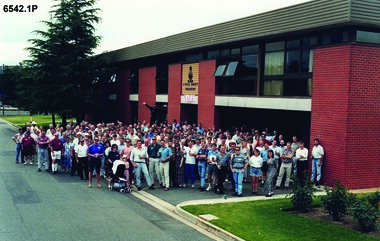
... The old building then became the Squadron Q and Map store with an interconnecting lobby to the new building. ...The old building then became the Squadron Q and Map store with an interconnecting lobby to the new building. ...Between 1915 and 1951, military topographical mapping in SA was conducted by Royal Australian Survey Corps (RASvy) units based outside the state. In February 1952, Army HQ Field Survey Section (Central Command Detachment) was established in Adelaide in a drill hall at Largs Bay. It was tasked with providing map coverage in the Woomera and Southern areas of the state. The section was subsequently reorganised as Central Command Field Survey Section moving firstly to Hampstead Barracks, Hampstead in 1953 and then into accommodation at Keswick Barracks in 1954. In 1957 the Section commenced mapping operations in the NT. The Unit was relocated to the old cavalry stables in 1961 and was redesignated Central Command Survey Unit and remained there till 1973. In 1970 the Unit was redesignated 4 Fd Svy Sqn and engaged in operations conducted in PNG from 1972 to 1974 inclusive. In 1973 the Squadron moved into a brand new two-storey specially designed and purpose built building adjacent to the old building. The old building then became the Squadron Q and Map store with an interconnecting lobby to the new building. Since 1975 the Unit was involved in the 1:50,000 Mapping Programme in WA, NT, QLD, SA and conducted many other operations within Australia and overseas. Post disbandment of the Corps the old Squadron building (cavalry stables) now houses the Army Museum of South Australia (AMOSA). The Royal Australian Survey Corps was amalgimated into the Royal Australian Engineer Corps in July 1996. In the lead up to this amalgamation, 4 Field Survey Squadron Keswick Barracks, Adelaide, South Australia was disbanded in 1995. A closing Ceremony was held on 25 November 1995 at 4 Fd Svy Sqn Keswick Barracks attended by about 208 former members of the Unit. A photo was taken of attendees at that event on the day and a list was prepared of attendees. All attendees were sent a copy of the photograph and the list of names as a momento of the Unit and the ceremony..1P A4 Print of an original photo of attendees at the 4 Fd Survey Sqn Closure Ceremony at Keswick Barracks 25 Nov 1995. .2P A4 Print of the names of the attendees at the 4 Fd Survey Sqn Closure Ceremony at Keswick Barracks 25 Nov 1995. Approx 208 attendees.royal australian survey corps, rasvy, fortuna, army survey regiment, army svy regt, asr, 4 fd svy sqn -
 Bendigo Historical Society Inc.
Photograph - National Trust Collection: 17 photographs of the frontage of properties fronting Mitchell Street, Bendigo, 1993
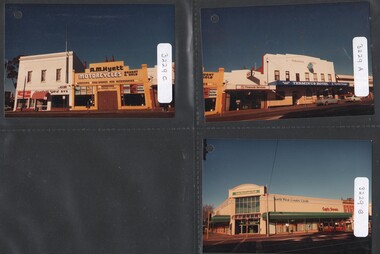
... store, Mitchell Street 3229 m - 65-77 Mitchell Street 3229 n - ?? Mitchell Street 3229 o - 12-24 Mitchell Street; Plaza Theatre and Backhaus Building. Hargreaves Street to Bath Lane 3229 p - 58-74 Mitchell Street; Queen Street towards station 3229 q - Mitchell & Queen Street intersection, 26& 28 Mitchell Street...store, Mitchell Street 3229 m - 65-77 Mitchell Street 3229 n - ?? Mitchell Street 3229 o - 12-24 Mitchell Street; Plaza Theatre and Backhaus Building. Hargreaves Street to Bath Lane 3229 p - 58-74 Mitchell Street; Queen Street towards station 3229 q - Mitchell & Queen Street intersection, 26& 28 Mitchell Street Photograph National Trust Collection: 17 photographs of the frontage of properties fronting Mitchell Street, Bendigo ...Social history, Historic buildings National Trust Collection: 17 colour photographs of buildings with frontage to Mitchell Street, Bendigo - circa 1970s. Photos have hole punched in upper LH corner. 3229 a - Terminus Hotel 3229 b - cnr Mitchell & Wills Streets 3229 c - R. M. Hyett Motorcycles, cnr Mitchell and Mollison Streets 3229 d - Mitchell Street and Lyttleton Terrace and Mollison Street intersection 3229 e - Mitchell and Lyttleton Terrace intersection 3229 f - Mitchell and Lyttleton Terrace intersection 3229 g - 76-84 Mitchell Street 3229 h - 31-43 Mitchell Street 3229 i - "Toi Shan" Chinese restaurant 3229 j - Mitchell Street, Pall Mall to Hargreaves Street 3229 k - 79-85 Mitchell Street 3229 l - Bar-b-que Galore store, Mitchell Street 3229 m - 65-77 Mitchell Street 3229 n - ?? Mitchell Street 3229 o - 12-24 Mitchell Street; Plaza Theatre and Backhaus Building. Hargreaves Street to Bath Lane 3229 p - 58-74 Mitchell Street; Queen Street towards station 3229 q - Mitchell & Queen Street intersection, 26& 28 Mitchell StreetSome Mitchell Street property address numbers on the rear of photographsmillewa hall -
 The Ed Muirhead Physics Museum
Diffraction Grating , Thorpe with box
... “THORP’s Transparent Replica of Rowland Metal Diffraction Grating 1st Q 14484 lines to the inch” Thorpe’s Transparent replica of Rowland Metal Diffration Grating; 14,484 lines/inch. Consisting of glass rectangular specimen, approx. 5 x 3.5 cm stored in hinged black velvet lined box . ...Thorpe’s Transparent replica of Rowland Metal Diffration Grating; 14,484 lines/inch. Consisting of glass rectangular specimen, approx. 5 x 3.5 cm stored in hinged black velvet lined box . Grating = 98.1 Box = 98.2Label on grating: “The Surface of the grating must not be touched”. “THORP’s Transparent Replica of Rowland Metal Diffraction Grating 1st Q 14484 lines to the inch” -
 Melbourne Tram Museum
Slide - MMTB and MTA tramway operations - set of 11, Hugh Ballment, 1950s to 1980s
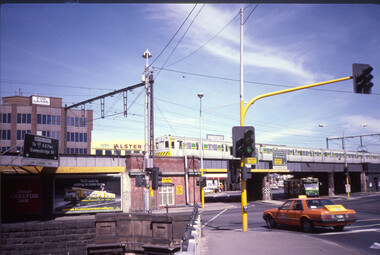
... In the background is Nettlebergs, Furriers, store HBM021 - MMTB Tram X 218, 26/05/1954, Point Ormond, HBM022 - MMTB Trams X1 468, W2 315, 1950s, Leeds St Footscray, Tram X1 468 is about to return to the depot. Tram W2 315 is running a route 82. Tram X1 463 is in the distance. HBM023 - Tram Q...In the background is Nettlebergs, Furriers, store HBM021 - MMTB Tram X 218, 26/05/1954, Point Ormond, HBM022 - MMTB Trams X1 468, W2 315, 1950s, Leeds St Footscray, Tram X1 468 is about to return to the depot. Tram W2 315 is running a route 82. Tram X1 463 is in the distance. HBM023 - Tram Q ...Set of 11 photos by Hugh Ballment, unless noted, of MMTB or MTA trams or works: HBM013 - MTA A class tram No 242, c1987, Queensbridge Street, operating out of South Melbourne Depot on driver training. Note the Light Rail sign at left. A refurbished Harris train set on running a Port Melbourne service. Alstergren building in the background HBM014 - MMTB Trams S 164, X 217, 19/03/1960, Malvern Depot, 164 has WW2 white stripe - Keith Kings photo. HBM015 - MMTB Tram Y1 612, operating to Burwood in the early 1950s, Batman Avenue, HBM016 - MMTB Tram W2 395, 26/05/1954, Swanston Street, SW6 923 in air force recruitment livery ahead of it and a W4 class car beside it. HBM017 - MMTB Tram SW5 845, 24/05/1954, Batman Avenue, with a W2 391 at the terminus. Note the black and yellow taxi on the left side of the image, and a sign for Holden cars in the far background. HBM018 - MTA Tram A class 242, c1987, Queensbridge Street, Light Rail sign at left - see also item HBM013 HBM019 - MMTB Tram W2 639, c Feb 1954, Swanston Street, Royal Visit crown over Collins Street intersection with barrier rails partly set up for a parade on the day. In the background is The Graham Hotel, Calders Jewellery store advert and Damman's store on the corner. HBM020 - MMTB Tram W6 994, 24/06/1955, Bourke Street, Test run new electric tramway. Photo at corner with Elizabeth Street. AEC MkIII bus No 573 is running a Northcote service. There is another bus mostly hidden by the tram and the new tram stop sign is in place. In the background is Nettlebergs, Furriers, store HBM021 - MMTB Tram X 218, 26/05/1954, Point Ormond, HBM022 - MMTB Trams X1 468, W2 315, 1950s, Leeds St Footscray, Tram X1 468 is about to return to the depot. Tram W2 315 is running a route 82. Tram X1 463 is in the distance. HBM023 - Tram Q 200, c1954, St Georges Road at Miller Street. Tram is running a workshop for employees special to West Preston - see also item 8151 & 8997. Note chimney stacks in the background belong to the former brickworks. Yields information about Melbourne tram operations, a Royal Visit and the construction of the St Kilda to Port Melbourne Light Rail.Kodachrome card board or plastic mounts, with notes - set of 11tramways, queensbridge, tram 242, light rail, tram 164, tram 217, tram 612, batman ave, swanston st, tram 395, tram 923, raaf, flinders st, tram 639, royal visit, tram 845, bourke st, point ormond, railways, trams, x class, x1 class, w2 class, sw5 class, y1 class, w6 class, mmtb buses, bus 573, a class, s class, sw6 class, w4 class, route 7, route 77, route 74, tram 994, tram 218, tram 468, tram 463, route 82, leeds st, tram 200, q class, tram 315, route 15, route 4, collins st, elizabeth st, st georges road, miller st, malvern depot -
 Dandenong/Cranbourne RSL Sub Branch
Booklet - Personal Documentation Booklet, WWII, Australian Military Forces, 1944
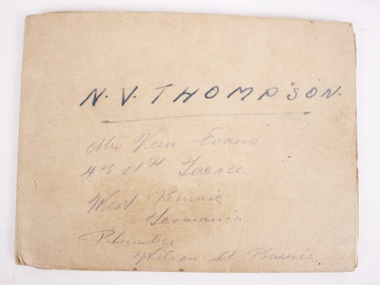
... Q record, record of leave. The cover has only handwritten inscriptions in blue ink and pencil. Stored...Q record, record of leave. The cover has only handwritten inscriptions in blue ink and pencil. Stored ...Belonged to THOMPSON NORMAN VOISEY JAMES who served in WWII. His service Number - VX111547 : Date of birth - 17 Feb 1918 : Place of birth - WONTHAGGI VIC : Place of enlistment - IN THE FIELD WA : Next of Kin - THOMPSON A According to inscriptions within the book, Thompson was discharged on 27 December 1945. His home address was 10 Clarke St Prahran VIC. He was a fitter and turner and went on to work for EA Machin & Co 535 Elizabeth St Melbourne as a mechanical fitter after the war.Small brown rectangular booklet containing personal documentation of NV Thompson VX111547, including passport size photo x 2, enlistment details, training records, medical history, Q record, record of leave. The cover has only handwritten inscriptions in blue ink and pencil. Stored within a brown coated canvas storage pouch with single flap.Multiple inscriptions both typed and handwritten. Front cover: "N.V. THOMPSON" in blue ink. Below that, 'Mrs Vera Evans / 403 Nth Terrace / West Burnie / Tasmania / Plumber / Wilson St Burnie" in pencil. -
 Returned Nurses RSL Sub-branch
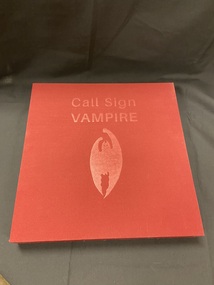
Book - Hardcover book, Rod Searle et al, Call sign Vampire, 2021
... It was also supported by a Q-store, an orderly room, messes and accommodation. ...This inside story of an Australian Field Hospital during the Vietnam War is told through a compilation of operational facts interspersed with the personal experiences of those who served and the patients who passed through the hospital doors, into their care.Call Sign VAMPIRE provides a window into the frenetic world of a military hospital in a war zone through evocative, sometimes confronting imagery. In this environment time was of the essence and life often hung in the balance.The wounded, "... they were scared, frightened, shocked and they weren't coping. Generally, when the chopper landed, they weren't coping. No. They were in shock, incoherent and it was no good asking them what had happened, or where they'd been, because twenty minutes before they were in contact with the enemy ..." Ron NolanAt the 1st Australian Field Hospital the battle for life and limb was often challenging and intense. Medical services provided by the hospital were of such a high standard that the survival rate, for soldiers arriving at the hospital alive, was 99%.This success rate still stands today as a truly remarkable achievement!The hospital comprised triage, operating theatres, pathology, pharmacy, X-ray, physiotherapy, psychiatry, outpatients, RAP, a six-bed intensive care ward and 50 bed medical and 50 bed surgical ward. It was also supported by a Q-store, an orderly room, messes and accommodation. Units attached to the hospital were the 33rd Dental Unit, 1st Field Medical and Dental Stores, 1st Field Hygiene Company, Chaplains and Australian Red Cross representatives.Our book is a celebration of the dedication, temerity and care of a unique group of Australians, thrown together to get on with the job of treating the injured and wounded. A consequence of Australia's involvement in the Vietnam War.Our hope is that the readers of Call Sign VAMPIRE gain an insight into what it meant to go to a war that polarised public opinion, and impacted the physical and mental well being of so many young soldiers and personnel dealing with the consequential casualties and despair. We also hope that you come to understand why as young Australians we are so proud to have been part of a unit that as Roger Nation remembers, "... welded together to form a team of world class standard" and why our camaraderie has continued to this day. - from Trove record.Hardcover, cloth bound, burgundy book with a white dust jacket. The dust jacket shows an image of six people ducking from the force of the wind coming from the helicopter that is landing behind them, there is blue cloudy sky above. Across the sky is printed the title. The book is housed in a burgundy clth covered slipcase.non-fictionThis inside story of an Australian Field Hospital during the Vietnam War is told through a compilation of operational facts interspersed with the personal experiences of those who served and the patients who passed through the hospital doors, into their care.Call Sign VAMPIRE provides a window into the frenetic world of a military hospital in a war zone through evocative, sometimes confronting imagery. In this environment time was of the essence and life often hung in the balance.The wounded, "... they were scared, frightened, shocked and they weren't coping. Generally, when the chopper landed, they weren't coping. No. They were in shock, incoherent and it was no good asking them what had happened, or where they'd been, because twenty minutes before they were in contact with the enemy ..." Ron NolanAt the 1st Australian Field Hospital the battle for life and limb was often challenging and intense. Medical services provided by the hospital were of such a high standard that the survival rate, for soldiers arriving at the hospital alive, was 99%.This success rate still stands today as a truly remarkable achievement!The hospital comprised triage, operating theatres, pathology, pharmacy, X-ray, physiotherapy, psychiatry, outpatients, RAP, a six-bed intensive care ward and 50 bed medical and 50 bed surgical ward. It was also supported by a Q-store, an orderly room, messes and accommodation. Units attached to the hospital were the 33rd Dental Unit, 1st Field Medical and Dental Stores, 1st Field Hygiene Company, Chaplains and Australian Red Cross representatives.Our book is a celebration of the dedication, temerity and care of a unique group of Australians, thrown together to get on with the job of treating the injured and wounded. A consequence of Australia's involvement in the Vietnam War.Our hope is that the readers of Call Sign VAMPIRE gain an insight into what it meant to go to a war that polarised public opinion, and impacted the physical and mental well being of so many young soldiers and personnel dealing with the consequential casualties and despair. We also hope that you come to understand why as young Australians we are so proud to have been part of a unit that as Roger Nation remembers, "... welded together to form a team of world class standard" and why our camaraderie has continued to this day. - from Trove record. 1st australian field hospital, vietnam war -
 Returned Nurses RSL Sub-branch
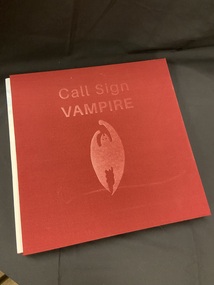
Book - Hardcover book, Rod Searle et al, Call sign Vampire, 2021
... It was also supported by a Q-store, an orderly room, messes and accommodation. ...This inside story of an Australian Field Hospital during the Vietnam War is told through a compilation of operational facts interspersed with the personal experiences of those who served and the patients who passed through the hospital doors, into their care.Call Sign VAMPIRE provides a window into the frenetic world of a military hospital in a war zone through evocative, sometimes confronting imagery. In this environment time was of the essence and life often hung in the balance.The wounded, "... they were scared, frightened, shocked and they weren't coping. Generally, when the chopper landed, they weren't coping. No. They were in shock, incoherent and it was no good asking them what had happened, or where they'd been, because twenty minutes before they were in contact with the enemy ..." Ron NolanAt the 1st Australian Field Hospital the battle for life and limb was often challenging and intense. Medical services provided by the hospital were of such a high standard that the survival rate, for soldiers arriving at the hospital alive, was 99%.This success rate still stands today as a truly remarkable achievement!The hospital comprised triage, operating theatres, pathology, pharmacy, X-ray, physiotherapy, psychiatry, outpatients, RAP, a six-bed intensive care ward and 50 bed medical and 50 bed surgical ward. It was also supported by a Q-store, an orderly room, messes and accommodation. Units attached to the hospital were the 33rd Dental Unit, 1st Field Medical and Dental Stores, 1st Field Hygiene Company, Chaplains and Australian Red Cross representatives.Our book is a celebration of the dedication, temerity and care of a unique group of Australians, thrown together to get on with the job of treating the injured and wounded. A consequence of Australia's involvement in the Vietnam War.Our hope is that the readers of Call Sign VAMPIRE gain an insight into what it meant to go to a war that polarised public opinion, and impacted the physical and mental well being of so many young soldiers and personnel dealing with the consequential casualties and despair. We also hope that you come to understand why as young Australians we are so proud to have been part of a unit that as Roger Nation remembers, "... welded together to form a team of world class standard" and why our camaraderie has continued to this day. - from Trove record.Hardcover, cloth bound, burgundy book with a white dust jacket. The dust jacket shows an image of six people ducking from the force of the wind coming from the helicopter that is landing behind them, there is blue cloudy sky above. Across the sky is printed the title. The book is housed in a burgundy cloth covered slipcase.non-fictionThis inside story of an Australian Field Hospital during the Vietnam War is told through a compilation of operational facts interspersed with the personal experiences of those who served and the patients who passed through the hospital doors, into their care.Call Sign VAMPIRE provides a window into the frenetic world of a military hospital in a war zone through evocative, sometimes confronting imagery. In this environment time was of the essence and life often hung in the balance.The wounded, "... they were scared, frightened, shocked and they weren't coping. Generally, when the chopper landed, they weren't coping. No. They were in shock, incoherent and it was no good asking them what had happened, or where they'd been, because twenty minutes before they were in contact with the enemy ..." Ron NolanAt the 1st Australian Field Hospital the battle for life and limb was often challenging and intense. Medical services provided by the hospital were of such a high standard that the survival rate, for soldiers arriving at the hospital alive, was 99%.This success rate still stands today as a truly remarkable achievement!The hospital comprised triage, operating theatres, pathology, pharmacy, X-ray, physiotherapy, psychiatry, outpatients, RAP, a six-bed intensive care ward and 50 bed medical and 50 bed surgical ward. It was also supported by a Q-store, an orderly room, messes and accommodation. Units attached to the hospital were the 33rd Dental Unit, 1st Field Medical and Dental Stores, 1st Field Hygiene Company, Chaplains and Australian Red Cross representatives.Our book is a celebration of the dedication, temerity and care of a unique group of Australians, thrown together to get on with the job of treating the injured and wounded. A consequence of Australia's involvement in the Vietnam War.Our hope is that the readers of Call Sign VAMPIRE gain an insight into what it meant to go to a war that polarised public opinion, and impacted the physical and mental well being of so many young soldiers and personnel dealing with the consequential casualties and despair. We also hope that you come to understand why as young Australians we are so proud to have been part of a unit that as Roger Nation remembers, "... welded together to form a team of world class standard" and why our camaraderie has continued to this day. - from Trove record. 1st australian field hospital, vietnam war
