
Showing 38 items matching "retired nurses"
-
 Returned Nurses RSL Sub-branch
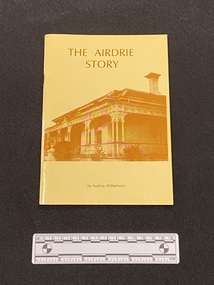
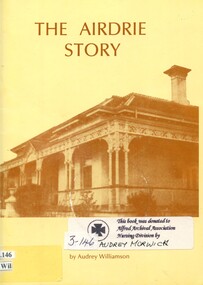
Book - Paperback book, Audrey Williamson, The Airdrie story, 1991
... ...retired nurses...Nursing Nursing history Airdrie House-Canterbury-Victoria retired nurses The history of Airdrie House, a home in Canterbury (Victoria) to care for ageing nurses and run by the Society for the Care of Aged or Incapacitated Nurses. ...The history of Airdrie House, a home in Canterbury (Victoria) to care for ageing nurses and run by the Society for the Care of Aged or Incapacitated Nurses.Thin paperback with two staples down the spine. Yellow cover with a sepia image of Airdrie House on the front and the title and author printed in brown.non-fictionThe history of Airdrie House, a home in Canterbury (Victoria) to care for ageing nurses and run by the Society for the Care of Aged or Incapacitated Nurses.nursing, nursing history, airdrie house-canterbury-victoria, retired nurses -
 Canterbury History Group
Document - A few childhood memories of Airdrie, Anderson, Jean, 1991
... A page of childhood memories of living in Airdrie, and a pamphlet of the services provided to retired nurses by Airdrie House and Sharrott House...Canterbury Rochester Road Airdrie House Sharrott House Anderson> Jean Airdrie House Society Incorporated Nurses A page of childhood memories of living in Airdrie, and a pamphlet of the services provided to retired nurses by Airdrie House and Sharrott House Document A few childhood memories of Airdrie Anderson, Jean ...A page of childhood memories of living in Airdrie, and a pamphlet of the services provided to retired nurses by Airdrie House and Sharrott Housecanterbury, rochester road, airdrie house, sharrott house, anderson> jean, airdrie house society incorporated, nurses -
Canterbury History Group
Ephemera - Airdrie House Society Incorporated, 19/10/1991 12:00:00 AM
... A programme for the Diamond Jubilee Celebration of the Founding Committee of Airdrie House Society Incorporated, and a pamphlet of the services for retired nurses provided by Airdrie House and Sharrott House....Canterbury Airdrie House Sharrott House Rochester Road Nurses Airdrie House Society Incorporated A programme for the Diamond Jubilee Celebration of the Founding Committee of Airdrie House Society Incorporated, and a pamphlet of the services for retired nurses provided by Airdrie House and Sharrott House. ...A programme for the Diamond Jubilee Celebration of the Founding Committee of Airdrie House Society Incorporated, and a pamphlet of the services for retired nurses provided by Airdrie House and Sharrott House.canterbury, airdrie house, sharrott house, rochester road, nurses, airdrie house society incorporated -
 Surrey Hills Historical Society Collection
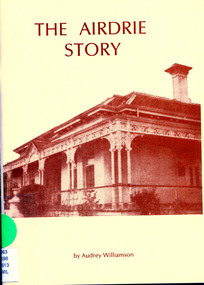
Booklet, The Airdrie Story
... The first objective was to raise sufficient funds to buy a residence for retired nurses. So in 1991 they acknowledged the Diamond Jubilee of this concept of care. ...The first objective was to raise sufficient funds to buy a residence for retired nurses. So in 1991 they acknowledged the Diamond Jubilee of this concept of care. ...Paperback with a brown and apricot cover with a photo of Airdrie in 1936. [56] pages with illustrations, maps, photos including portraits; also appendices of Profiles and Personalities and a Listing of Bequests and sources. non-fictionairdrie house, canterbury, old age homes, society for the care of aged or incapacitated nurses, audrey williamson, rochester road, shrublands estate, george shierlaw, sharrott house -
Northern District School of Nursing. Managed by Bendigo Historical Society Inc.
Administrative record - Northern District School of Nursing Graduates Association - Part of a Questionaire on the future of the Association, 1980s
... Minor changes could help the Association better serve practicing, non-practicing, and retired nurses, fostering community and professional discussion. ...Minor changes could help the Association better serve practicing, non-practicing, and retired nurses, fostering community and professional discussion. ...The Northern District School of Nursing in Victoria, Australia Graduates Association: History of the School Managed by a committee including hospital administrators, medical professionals, and nursing leaders from several regional hospitals. Associated with major hospitals in the Northern District, including Bendigo Base, Mildura Base, Castlemaine, Echuca, Swan Hill, St. Arnaud, and Kyneton District Hospitals. Provide high-quality theoretical and practical nursing training. Raise the standard of nursing education in the region. Maintain the highest principles of nursing practice. Applicants must be at least 17 years old and hold a Proficiency Certificate or higher educational qualification. Application involves submitting forms, certificates, an interview, an aptitude test, and a medical examination. A three-month probationary period follows initial acceptance. Preliminary Training School: Four-week introductory course covering basic nursing, anatomy, hygiene, and practical skills. Practical experience in various hospital departments, guided by senior staff. Study Block Plan: Includes several blocks of theoretical and practical instruction throughout the three-year program. Regular school exams and two state exams (First Professional and Final State) are required for progression and graduation. Nurses work a 40-hour week with at least one or two days off per week and three weeks of annual leave. Accommodation is provided in comfortable hostels with good facilities. Uniforms are supplied free; nurses provide their own shoes and stockings. Salaries and allowances are regulated, with deductions for board and free medical care. Additional Information Post-Graduate Opportunities. Senior positions require further experience and additional certificates (e.g., Midwifery, Infant Welfare).Diploma courses available in administration, teaching, and specialized nursing fields. Bursaries are available for advanced study.Career Prospects: Graduates can pursue roles in administration, teaching, ward and departmental leadership, district and visiting nursing, industrial and school nursing, and more. Opportunities existed both within hospitals and in community or specialized settings.FAQs and Practical Details. Minimal training costs (mainly exam fees and personal items).Living out allowances and travel expenses are covered. Four training intakes per year; waiting periods are short if qualifications are met.Northern District School of Nursing Graduates Association - Part of a Questionaire on the future of the Association This item contains the following documents: 3793.11a Part of a Questionaire on the future of the Association This document reviews the history, current status, and proposed changes for the Northern District Nursing Graduates Association (NDSNGA): The NDSN was a major development in nursing education, though initially met with resistance and seen by some as radical. Advocacy by figures like Miss Long was crucial in advancing nursing education standards. There is concern that without updates, the Association may become irrelevant or cease to exist as new generations of graduates emerge. Minor changes could help the Association better serve practicing, non-practicing, and retired nurses, fostering community and professional discussion. Membership Eligibility:Open to graduates of NDSN and CAE nursing courses in the region.Include students who did not complete the course. Allow nurses who graduated elsewhere but worked in the region for at least five years. Name Change Options include minor modifications (e.g., Northern District Nursing Graduates Association) or broader regional names (e.g., Loddon Campaspe Region). The Association maintains connections among graduates, with opportunities for tours and social contact. Some school facilities have been repurposed (e.g., library, recreation room, hostel). Progress on creating an archival repository and potential museum is slow due to limited resources and the scale of groundwork required. Members are encouraged to contribute historical materials. Written communication is less frequent among nurses, but efforts are being made to gather feedback via newsletters and questionnaires. Member input is sought on proposed changes, especially regarding membership and the Association's name. These points highlight the Association's ongoing efforts to adapt, preserve its heritage, and remain relevant to both current and future nursing professionals.nurse training, lister house -
Northern District School of Nursing. Managed by Bendigo Historical Society Inc.
Administrative record - Northern District School of Nursing Graduates Association - Letter from the Health Department Victoria, 07 July 1987
... Minor changes could help the Association better serve practicing, non-practicing, and retired nurses, fostering community and professional discussion. ...Minor changes could help the Association better serve practicing, non-practicing, and retired nurses, fostering community and professional discussion. ...The Northern District School of Nursing in Victoria, Australia Graduates Association: History of the School Managed by a committee including hospital administrators, medical professionals, and nursing leaders from several regional hospitals. Associated with major hospitals in the Northern District, including Bendigo Base, Mildura Base, Castlemaine, Echuca, Swan Hill, St. Arnaud, and Kyneton District Hospitals. Provide high-quality theoretical and practical nursing training. Raise the standard of nursing education in the region. Maintain the highest principles of nursing practice. Applicants must be at least 17 years old and hold a Proficiency Certificate or higher educational qualification. Application involves submitting forms, certificates, an interview, an aptitude test, and a medical examination. A three-month probationary period follows initial acceptance. Preliminary Training School: Four-week introductory course covering basic nursing, anatomy, hygiene, and practical skills. Practical experience in various hospital departments, guided by senior staff. Study Block Plan: Includes several blocks of theoretical and practical instruction throughout the three-year program. Regular school exams and two state exams (First Professional and Final State) are required for progression and graduation. Nurses work a 40-hour week with at least one or two days off per week and three weeks of annual leave. Accommodation is provided in comfortable hostels with good facilities. Uniforms are supplied free; nurses provide their own shoes and stockings. Salaries and allowances are regulated, with deductions for board and free medical care. Additional Information Post-Graduate Opportunities. Senior positions require further experience and additional certificates (e.g., Midwifery, Infant Welfare).Diploma courses available in administration, teaching, and specialized nursing fields. Bursaries are available for advanced study.Career Prospects: Graduates can pursue roles in administration, teaching, ward and departmental leadership, district and visiting nursing, industrial and school nursing, and more. Opportunities existed both within hospitals and in community or specialized settings.FAQs and Practical Details. Minimal training costs (mainly exam fees and personal items).Living out allowances and travel expenses are covered. Four training intakes per year; waiting periods are short if qualifications are met.Northern District School of Nursing Graduates Association - Letter from the Health Department Victoria 07 July 1987 to Mrs M Worme, Secretary This item contains the following documents: 3793.12a Letter from the Health Department Victoria 07 July 1987 to Mrs M Worme, Secretary. This document is a formal acceptance letter from a Senior Operations Officer at the S Health Department Victoria. The officer accepts an invitation to attend the Northern District School of Nursing Past Graduates group meeting at Lister House on Monday, 27 July 1987, at 10:30 a.m. This document reviews the history, current status, and proposed changes for the Northern District Nursing Graduates Association (NDSNGA): The NDSN was a major development in nursing education, though initially met with resistance and seen by some as radical. Advocacy by figures like Miss Long was crucial in advancing nursing education standards. There is concern that without updates, the Association may become irrelevant or cease to exist as new generations of graduates emerge. Minor changes could help the Association better serve practicing, non-practicing, and retired nurses, fostering community and professional discussion. Membership Eligibility:Open to graduates of NDSN and CAE nursing courses in the region.Include students who did not complete the course. Allow nurses who graduated elsewhere but worked in the region for at least five years. Name Change Options include minor modifications (e.g., Northern District Nursing Graduates Association) or broader regional names (e.g., Loddon Campaspe Region). The Association maintains connections among graduates, with opportunities for tours and social contact. Some school facilities have been repurposed (e.g., library, recreation room, hostel). Progress on creating an archival repository and potential museum is slow due to limited resources and the scale of groundwork required. Members are encouraged to contribute historical materials. Written communication is less frequent among nurses, but efforts are being made to gather feedback via newsletters and questionnaires. Member input is sought on proposed changes, especially regarding membership and the Association's name. These points highlight the Association's ongoing efforts to adapt, preserve its heritage, and remain relevant to both current and future nursing professionals.nurse training, lister house, m worme -
 Eltham District Historical Society Inc
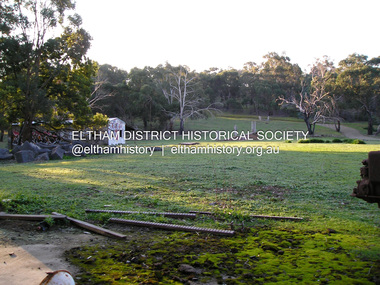
Photograph, Fay Bridge, Former Glynn's Dairy Farm, Glynns Road, North Warrandyte, 31 August 2018
... Waikowhane was a pretty timber house built on top of the hill on 50 acres above Riverswood by retired nurse Jessie MacBeth. (This would be at the intersection of Glynns Road and Overbank Road where the big water tank is now situated on what was once James Orford’s property.) ...Waikowhane was a pretty timber house built on top of the hill on 50 acres above Riverswood by retired nurse Jessie MacBeth. (This would be at the intersection of Glynns Road and Overbank Road where the big water tank is now situated on what was once James Orford’s property.) ...Glynn’s farm Originally Section 7, Parish of Nillumbik marked Aborigine Reserve in 1866 Crown Allotment 8, Section 7, Parish of Nillumbik, County of Evelyn, Certificate of Title Volume 4095, Folio 818.835, approx. 93 acres purchased by Joseph Panton in 1881 for £1/acre and known as Panton’s Point. By 1924 owned by S.S. Sergeant and called Riverswood. Sergeant commissioned Edna Walling to design the garden. In September 1929 the property was sold at auction by Mortgagee’s sale. Described as well built, brick, tile roof, Attic Villa containing downstairs 7 good rooms, bath, scullery, inside lavatory, etc. Upstairs 2 bedrooms and sleep out. Outbuildings compromising of brick and weatherboard wash house, stables, workshop, feed room, cow bails, large G.I. Hay shed, etc In January 1931 Riverswood property was proclaimed a sanctuary for native game for the entire year. A private swing bridge crossed the river at Pound Bend was known as Pearson’s bridge after C.W.K. Pearson who bought Riverswood in the early 1930s. The bridge was swept away in the December 1934 floods. Riverswood was sold by C.W.K. Pearson at auction on 25 November 1936. Described as a beautiful farm home of 93 acres and over one mile of River Yarra frontage, modern brick residence, lovely garden, rich river flat pastures, model poultry farm. The fine brick home was destroyed on Black Friday (13 Jan.) 1939. It was still a ruin when the Evelyn Evans purchased Waikowhane above Riverswood in 1940. The Glynn family purchased the Riverswood property in 1941 from Robert and Emily Hannon. Their son Kenneth Patrick Glynn inherited the property and he set about clearing the land during WW2 selling wood. Prior to marriage, Kenneth was living alone on the farm in a house he had built from whatever was available. He used the bluestone foundations from the original fine brick home. He met and married Honora Elizabeth Drew in early 1945 and their daughter Anna grew up on the farm. It was compulsorily acquired by the Board of Works in 1976 who then rented the house out in the 1980s. The property was transferred to Melbourne Parks and Waterways in 1996. Waikowhane was a pretty timber house built on top of the hill on 50 acres above Riverswood by retired nurse Jessie MacBeth. (This would be at the intersection of Glynns Road and Overbank Road where the big water tank is now situated on what was once James Orford’s property.) It was also destroyed Black Friday and she rebuilt it from the plans living in a caravan on site supervising the build. It was almost complete when she died May 1939. The property was bought by Evelyn Evans (a city girl) and her estranged husband in 1940. She had two sons, one only 9 months old at the time. It was a timber house with no power or water connected. The Ewen Cameron family bought Waikowhane in 1957. They had to evacuate when the 1961 bushfires swept through. The house was saved by Matcham Skipper. It was demolished by Melbourne Water in the 1990s when they acquired it.fay bridge collection, 2018-08-31, glynn's, glynn's dairy farm, glynns road, north warrandyte, parks victoria, ruins, riverswood, kenneth patrick glynn -
 Warrnambool and District Historical Society Inc.
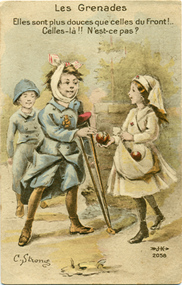
Postcard - Les Grenades, 1914-1918
... retired in 1976. Daisy Vickers was one of the best loved and dedicated teachers that the school ever had. She married the Reverend Fred Ogier and continued her association with the school after her husband's death. This card is interesting because of its association with World War One and with two local people: Daisy Vickers and Arthur Anderson. daisy Vickers warrnambool world war one post card postcard WW1 Les Grenades This is a coloured postcard with a sketch of three children dressed in military outfits. The child dressed as a nurse ...This is number 22 of 27 items in the Daisy Vickers collection of World War One memorabilia. These items were sent or given to Daisy Ogier (nee Vickers) during World War One by Corporal Arthur Anderson who enlisted from Warrnambool in 1915 at the age of 21. He served in Egypt and France and returned to Australia in 1919. Daisy Ogier (1907-1987) was a student and then a teacher at Warrnambool Technical School with her early teaching years there from 1925 to 1936 and in 1949. She became the head mistress from 1950 to 1963 and in 1968. She officially retired in 1976. Daisy Vickers was one of the best loved and dedicated teachers that the school ever had. She married the Reverend Fred Ogier and continued her association with the school after her husband's death. This card is interesting because of its association with World War One and with two local people: Daisy Vickers and Arthur Anderson. This is a coloured postcard with a sketch of three children dressed in military outfits. The child dressed as a nurse is giving a piece of fruit to a child dressed as a wounded soldier. On the back it has space for correspondence and an address.Les Grenadesdaisy vickers, warrnambool, world war one post card, postcard ww1 -
 Alfred Hospital Nurses League - Nursing History Collection
Booklet - Illustrated booklet, Audrey Williamson, The Airdrie Story 1931-1991, 1991
... Of significance to the AHNL as some retired nurses wold have lived here Airdie House Aged Care Nurses Canterbury Airdrie House in Canterbury, Victoria, was established in 1931 by the Society for the Care of Aged or Incapacitated Nurses, and later became known as the Airdrie House Society Incorporated. ...Airdrie House in Canterbury, Victoria, was established in 1931 by the Society for the Care of Aged or Incapacitated Nurses, and later became known as the Airdrie House Society Incorporated. The book "The Airdrie Story" details the history of the house and the society, from its founding until 1991. Airdrie House was not just a house, but a place dedicated to supporting the needs of nurses, reflecting the community's recognition of their vital role.Illustrated booklet with cream cover and abbreviated title and author's name in brown print on front cover along with sepia photo of a single story Victorian style house with verandah and chimney (Airdrie House).non-fictionAirdrie House in Canterbury, Victoria, was established in 1931 by the Society for the Care of Aged or Incapacitated Nurses, and later became known as the Airdrie House Society Incorporated. The book "The Airdrie Story" details the history of the house and the society, from its founding until 1991. Airdrie House was not just a house, but a place dedicated to supporting the needs of nurses, reflecting the community's recognition of their vital role. airdie house, aged care, nurses, canterbury -
 Alfred Hospital Nurses League - Nursing History Collection
Journal - Oration, College of Nursing, Australia, The twentyfirst Patricia Chomley oration: 'The challenge of excellence', 1987
... retired in 1964 after establishing the first full-time postgraduate nursing courses in Australia, and the oration recognizes her contributions to the nursing profession. The lectures began in 1967 and are a significant event in Australian nursing history. Patricia Chomley graduted from the Alfred Hospital in 1934 Of significance to the AHNL as the challenge of excellence has always been an issue for nurses ...This oration looks at the challenge to maintain excellence in nursing. The cahellenge of excellence is to choose, not to drift - to choose well, and to act upon those choicesStapled booklet, white cover with green print. Above the title and author's name are the words 'College of Nursing' and the logo of the college.Below a decorative embellishment 'Hobart/ 13th May 1987' is printed, there is also a narrow double line on three sides. non-fictionThis oration looks at the challenge to maintain excellence in nursing. The cahellenge of excellence is to choose, not to drift - to choose well, and to act upon those choicescollege of nursing australia, nursing, patricia chomley oration -
 Alfred Hospital Nurses League - Nursing History Collection
Journal - Oration, College of Nursing, Australia, The twenty-sevenh Patricia Chomley oration: 'Reflections of the past....promise of the furure ', 1993
... retired in 1964 after establishing the first full-time postgraduate nursing courses in Australia, and the oration recognizes her contributions to the nursing profession. The lectures began in 1967 and are a significant event in Australian nursing history. Patricia Chomley graduted from the Alfred Hospital in 1934 Of significance to the AHNL as it looks at the changes and adaptations of nursing practice College of Nursing Australia nursing Patricia Chomley Oration This oration looks at the belief that emotion corrupts the caring heart of womanhood. That an educated woman is less caring than her uneducated couterpart. And, byextension that an educated nurse ...This oration looks at the belief that emotion corrupts the caring heart of womanhood. That an educated woman is less caring than her uneducated couterpart. And, byextension that an educated nurse will be a cold uncaring nurse . The booklet also include a list of past speakers and titles of orationsStapled booklet, white cover with blue print. Above the title and author's name are the words 'Royal College of Nursing Australia' and the logo of the college.Below the author's name '1991 is printednon-fictionThis oration looks at the belief that emotion corrupts the caring heart of womanhood. That an educated woman is less caring than her uneducated couterpart. And, byextension that an educated nurse will be a cold uncaring nurse . The booklet also include a list of past speakers and titles of orationscollege of nursing australia, nursing, patricia chomley oration -
 Alfred Hospital Nurses League - Nursing History Collection
Journal - Oration, Royal College of Nursing, Australia, The thirtieth Patricia Chomley oration: 'Guideposts for the 21st century ', 1995
... retired in 1964 after establishing the first full-time postgraduate nursing courses in Australia, and the oration recognizes her contributions to the nursing profession. The lectures began in 1967 and are a significant event in Australian nursing history. Patricia Chomley graduted from the Alfred Hospital in 1934 Of significance to the AHNL as it looks at influences changing nursing practice College of Nursing Australia nursing Patricia Chomley Oration This oration looks at the forces that will influence the way nurses will practice and behave in the future, including informatics. ...This oration looks at the forces that will influence the way nurses will practice and behave in the future, including informatics. Includes list of previous ortionsStapled booklet, white cover with brown print. Above the title and author's name are two overlapping brown squares on the top square printed in white are 'Royal /College of Nursing' /the logo of the college/ 'Australia' At the righthand side of the front cover is a brown vertical stipe, withe the words '...striving for professional excellence in nursing practice..' [white print]non-fictionThis oration looks at the forces that will influence the way nurses will practice and behave in the future, including informatics. Includes list of previous ortionscollege of nursing australia, nursing, patricia chomley oration -
 Uniting Church Archives - Synod of Victoria
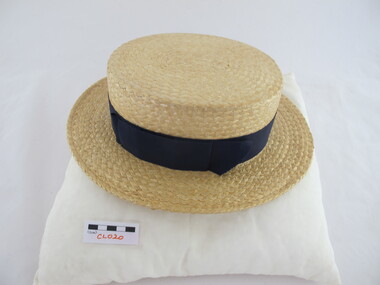
Clothing - Summer hat, Presbyterian Deaconess
... nurse. Deaconess Hilda Foster began her work as a Deaconess in South Melbourne and then served for 13 years with the Presbyterian Sisterhood in North Fitzroy caring for unmarried mothers and their babies. In 1933 she was appointed Matron of the Presbyterian Girls' Home in Elsternwick where she worked for 15 years. She retired...nurse. Deaconess Hilda Foster began her work as a Deaconess in South Melbourne and then served for 13 years with the Presbyterian Sisterhood in North Fitzroy caring for unmarried mothers and their babies. In 1933 she was appointed Matron of the Presbyterian Girls' Home in Elsternwick where she worked for 15 years. She retired ...Hilda Elizabeth Foster (1890-1982) was commissioned as a Deaconess in 1914 giving a lifetime of service to the church particularly in the social care aspect of the Gospel. She was also a double certified nurse. Deaconess Hilda Foster began her work as a Deaconess in South Melbourne and then served for 13 years with the Presbyterian Sisterhood in North Fitzroy caring for unmarried mothers and their babies. In 1933 she was appointed Matron of the Presbyterian Girls' Home in Elsternwick where she worked for 15 years. She retired in 1948 when it was noted "In complete dedication matron has given herself to this care of souls". Deaconess Foster was awarded the British Empire Medal for her work in the Queen's birthday honours in 1981. Deaconess Foster was one of the first qualified Mother Christmasses in Australia. [Minutes of the Sixth Synod, Oct 1982]Presbyterian Deaconess' summer hat with a navy-blue grosgrain ribbon. The hat has lining in its crown."Size 1" "with elastic Head Fit Pat. Pending"presbyterian deaconess, deaconess hilda elizabeth foster -
 Uniting Church Archives - Synod of Victoria
Clothing - Cuffs, Presbyterian Deaconess
... nurse. Deaconess Hilda Foster began her work as a Deaconess in South Melbourne and then served for 13 years with the Presbyterian Sisterhood in North Fitzroy caring for unmarried mothers and their babies. In 1933 she was appointed Matron of the Presbyterian Girls' Home in Elsternwick where she worked for 15 years. She retired...nurse. Deaconess Hilda Foster began her work as a Deaconess in South Melbourne and then served for 13 years with the Presbyterian Sisterhood in North Fitzroy caring for unmarried mothers and their babies. In 1933 she was appointed Matron of the Presbyterian Girls' Home in Elsternwick where she worked for 15 years. She retired ...Hilda Elizabeth Foster (1890-1982) was commissioned as a Deaconess in 1914 giving a lifetime of service to the church particularly in the social care aspect of the Gospel. She was also a double certified nurse. Deaconess Hilda Foster began her work as a Deaconess in South Melbourne and then served for 13 years with the Presbyterian Sisterhood in North Fitzroy caring for unmarried mothers and their babies. In 1933 she was appointed Matron of the Presbyterian Girls' Home in Elsternwick where she worked for 15 years. She retired in 1948 when it was noted "In complete dedication matron has given herself to this care of souls". Deaconess Foster was awarded the British Empire Medal for her work in the Queen's birthday honours in 1981. Deaconess Foster was one of the first qualified Mother Christmasses in Australia. [Minutes of the Sixth Synod, Oct 1982]CL052.1 and CL052.2 Stiffened linen cuffs with chrome studs or cuff links. There is a laundry number inside the cuff.presbyterian deaconess, deaconess hilda elizabeth foster -
 Uniting Church Archives - Synod of Victoria
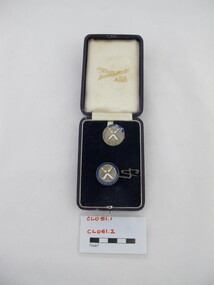
Badge - Presbyterian Deaconess' badge
... nurse. Deaconess Hilda Foster began her work as a Deaconess in South Melbourne and then served for 13 years with the Presbyterian Sisterhood in North Fitzroy caring for unmarried mothers and their babies. In 1933 she was appointed Matron of the Presbyterian Girls' Home in Elsternwick where she worked for 15 years. She retired...nurse. Deaconess Hilda Foster began her work as a Deaconess in South Melbourne and then served for 13 years with the Presbyterian Sisterhood in North Fitzroy caring for unmarried mothers and their babies. In 1933 she was appointed Matron of the Presbyterian Girls' Home in Elsternwick where she worked for 15 years. She retired ...Hilda Elizabeth Foster (1890-1982) was commissioned as a Deaconess in 1914 giving a lifetime of service to the church particularly in the social care aspect of the Gospel. She was also a double certified nurse. Deaconess Hilda Foster began her work as a Deaconess in South Melbourne and then served for 13 years with the Presbyterian Sisterhood in North Fitzroy caring for unmarried mothers and their babies. In 1933 she was appointed Matron of the Presbyterian Girls' Home in Elsternwick where she worked for 15 years. She retired in 1948 when it was noted "In complete dedication matron has given herself to this care of souls". Deaconess Foster was awarded the British Empire Medal for her work in the Queen's birthday honours in 1981. Deaconess Foster was one of the first qualified Mother Christmasses in Australia. [Minutes of the Sixth Synod, Oct 1982]CL051.1 and CL051.2 Round metal Presbyterian Deaconess' badges. The badges have writing around their blue edges and a white cross and bush in the centre. The badges each have a safety chain. The badges are in a maroon leatherette jewellery box which has a handwritten label on it."My Deaconess Badge" "Non ministrari sed ministrare"presbyterian deaconess, deaconess hilda elizabeth foster -
 Uniting Church Archives - Synod of Victoria
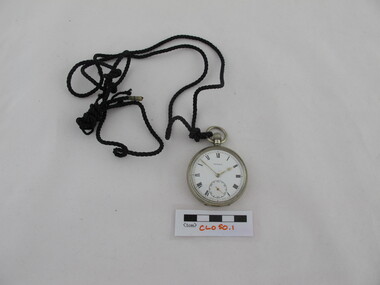
Accessory - Fob watch, Presbyterian Deaconess
... nurse. Deaconess Hilda Foster began her work as a Deaconess in South Melbourne and then served for 13 years with the Presbyterian Sisterhood in North Fitzroy caring for unmarried mothers and their babies. In 1933 she was appointed Matron of the Presbyterian Girls' Home in Elsternwick where she worked for 15 years. She retired...nurse. Deaconess Hilda Foster began her work as a Deaconess in South Melbourne and then served for 13 years with the Presbyterian Sisterhood in North Fitzroy caring for unmarried mothers and their babies. In 1933 she was appointed Matron of the Presbyterian Girls' Home in Elsternwick where she worked for 15 years. She retired ...Hilda Elizabeth Foster (1890-1982) was commissioned as a Deaconess in 1914 giving a lifetime of service to the church particularly in the social care aspect of the Gospel. She was also a double certified nurse. Deaconess Hilda Foster began her work as a Deaconess in South Melbourne and then served for 13 years with the Presbyterian Sisterhood in North Fitzroy caring for unmarried mothers and their babies. In 1933 she was appointed Matron of the Presbyterian Girls' Home in Elsternwick where she worked for 15 years. She retired in 1948 when it was noted "In complete dedication matron has given herself to this care of souls". Deaconess Foster was awarded the British Empire Medal for her work in the Queen's birthday honours in 1981. Deaconess Foster was one of the first qualified Mother Christmasses in Australia. [Minutes of the Sixth Synod, Oct 1982]CL050.1 and CL050.2 fob watches with white enamel faces and on a black cotton cord. CL050.1 has Roman numerals and CL050.2 has Arabic numbers and a second hand inset. "My Deaconess Badge" "Non ministrari sed ministrare"presbyterian deaconess, deaconess hilda elizabeth foster -
 Uniting Church Archives - Synod of Victoria
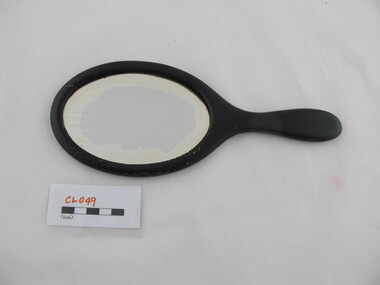
Accessory - Hand mirror, Presbyterian Deaconess
... nurse. Deaconess Hilda Foster began her work as a Deaconess in South Melbourne and then served for 13 years with the Presbyterian Sisterhood in North Fitzroy caring for unmarried mothers and their babies. In 1933 she was appointed Matron of the Presbyterian Girls' Home in Elsternwick where she worked for 15 years. She retired...nurse. Deaconess Hilda Foster began her work as a Deaconess in South Melbourne and then served for 13 years with the Presbyterian Sisterhood in North Fitzroy caring for unmarried mothers and their babies. In 1933 she was appointed Matron of the Presbyterian Girls' Home in Elsternwick where she worked for 15 years. She retired ...Hilda Elizabeth Foster (1890-1982) was commissioned as a Deaconess in 1914 giving a lifetime of service to the church particularly in the social care aspect of the Gospel. She was also a double certified nurse. Deaconess Hilda Foster began her work as a Deaconess in South Melbourne and then served for 13 years with the Presbyterian Sisterhood in North Fitzroy caring for unmarried mothers and their babies. In 1933 she was appointed Matron of the Presbyterian Girls' Home in Elsternwick where she worked for 15 years. She retired in 1948 when it was noted "In complete dedication matron has given herself to this care of souls". Deaconess Foster was awarded the British Empire Medal for her work in the Queen's birthday honours in 1981. Deaconess Foster was one of the first qualified Mother Christmasses in Australia. [Minutes of the Sixth Synod, Oct 1982]Dark stained wood backed oval hand mirror.presbyterian deaconess, deaconess hilda elizabeth foster -
 Uniting Church Archives - Synod of Victoria
Uniform - Uniform - Cuff studs, Presbyterian Deaconess
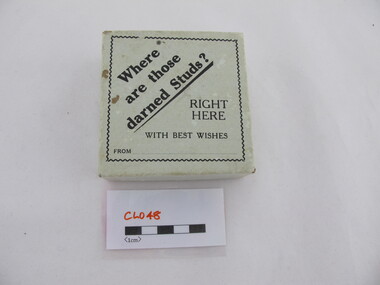
... nurse. Deaconess Hilda Foster began her work as a Deaconess in South Melbourne and then served for 13 years with the Presbyterian Sisterhood in North Fitzroy caring for unmarried mothers and their babies. In 1933 she was appointed Matron of the Presbyterian Girls' Home in Elsternwick where she worked for 15 years. She retired...nurse. Deaconess Hilda Foster began her work as a Deaconess in South Melbourne and then served for 13 years with the Presbyterian Sisterhood in North Fitzroy caring for unmarried mothers and their babies. In 1933 she was appointed Matron of the Presbyterian Girls' Home in Elsternwick where she worked for 15 years. She retired ...Hilda Elizabeth Foster (1890-1982) was commissioned as a Deaconess in 1914 giving a lifetime of service to the church particularly in the social care aspect of the Gospel. She was also a double certified nurse. Deaconess Hilda Foster began her work as a Deaconess in South Melbourne and then served for 13 years with the Presbyterian Sisterhood in North Fitzroy caring for unmarried mothers and their babies. In 1933 she was appointed Matron of the Presbyterian Girls' Home in Elsternwick where she worked for 15 years. She retired in 1948 when it was noted "In complete dedication matron has given herself to this care of souls". Deaconess Foster was awarded the British Empire Medal for her work in the Queen's birthday honours in 1981. Deaconess Foster was one of the first qualified Mother Christmasses in Australia. [Minutes of the Sixth Synod, Oct 1982]Six pairs and four odd assorted cuff studs in a green plastic box with a clear lid which bears an inscription."Where are those darned studs? RIGHT HERE WITH BEST WISHES FROM"deaconess hilda foster, sunday school council of victoria, australian inland mission, deaconess hilda elizabeth foster, mother christmas, presbyterian girls' home elsternwick -
 Uniting Church Archives - Synod of Victoria
Uniform - Collar, Presbyterian Deaconess
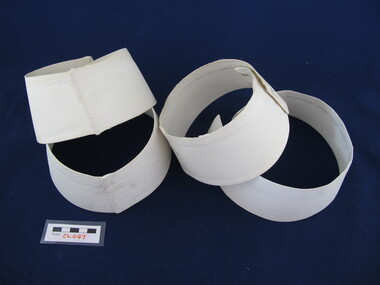
... nurse. Deaconess Hilda Foster began her work as a Deaconess in South Melbourne and then served for 13 years with the Presbyterian Sisterhood in North Fitzroy caring for unmarried mothers and their babies. In 1933 she was appointed Matron of the Presbyterian Girls' Home in Elsternwick where she worked for 15 years. She retired...nurse. Deaconess Hilda Foster began her work as a Deaconess in South Melbourne and then served for 13 years with the Presbyterian Sisterhood in North Fitzroy caring for unmarried mothers and their babies. In 1933 she was appointed Matron of the Presbyterian Girls' Home in Elsternwick where she worked for 15 years. She retired ...Hilda Elizabeth Foster (1890-1982) was commissioned as a Deaconess in 1914 giving a lifetime of service to the church particularly in the social care aspect of the Gospel. She was also a double certified nurse. Deaconess Hilda Foster began her work as a Deaconess in South Melbourne and then served for 13 years with the Presbyterian Sisterhood in North Fitzroy caring for unmarried mothers and their babies. In 1933 she was appointed Matron of the Presbyterian Girls' Home in Elsternwick where she worked for 15 years. She retired in 1948 when it was noted "In complete dedication matron has given herself to this care of souls". Deaconess Foster was awarded the British Empire Medal for her work in the Queen's birthday honours in 1981. Deaconess Foster was one of the first qualified Mother Christmasses in Australia. [Minutes of the Sixth Synod, Oct 1982]Four starched white linen collars each apparently made from two cuffs. Some with laundry marks.presbyterian deaconess, deaconess hilda elizabeth foster -
 Uniting Church Archives - Synod of Victoria
Uniform - Cuffs, Presbyterian Deaconess
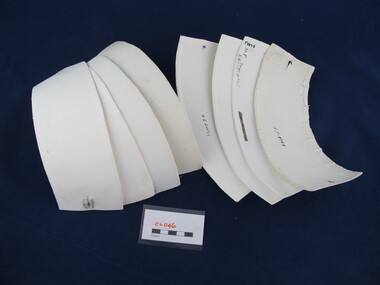
... nurse. Deaconess Hilda Foster began her work as a Deaconess in South Melbourne and then served for 13 years with the Presbyterian Sisterhood in North Fitzroy caring for unmarried mothers and their babies. In 1933 she was appointed Matron of the Presbyterian Girls' Home in Elsternwick where she worked for 15 years. She retired...nurse. Deaconess Hilda Foster began her work as a Deaconess in South Melbourne and then served for 13 years with the Presbyterian Sisterhood in North Fitzroy caring for unmarried mothers and their babies. In 1933 she was appointed Matron of the Presbyterian Girls' Home in Elsternwick where she worked for 15 years. She retired ...Hilda Elizabeth Foster (1890-1982) was commissioned as a Deaconess in 1914 giving a lifetime of service to the church particularly in the social care aspect of the Gospel. She was also a double certified nurse. Deaconess Hilda Foster began her work as a Deaconess in South Melbourne and then served for 13 years with the Presbyterian Sisterhood in North Fitzroy caring for unmarried mothers and their babies. In 1933 she was appointed Matron of the Presbyterian Girls' Home in Elsternwick where she worked for 15 years. She retired in 1948 when it was noted "In complete dedication matron has given herself to this care of souls". Deaconess Foster was awarded the British Empire Medal for her work in the Queen's birthday honours in 1981. Deaconess Foster was one of the first qualified Mother Christmasses in Australia. [Minutes of the Sixth Synod, Oct 1982]Eight white starched cuffs with stud holes at the sort edges. Some bear laundry marks.presbyterian deaconess, deaconess hilda elizabeth foster -
 Uniting Church Archives - Synod of Victoria
Uniform - Regalia - hat, Presbyterian Deaconess
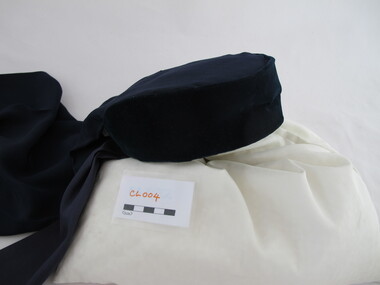
... nurse. Deaconess Hilda Foster began her work as a Deaconess in South Melbourne and then served for 13 years with the Presbyterian Sisterhood in North Fitzroy caring for unmarried mothers and their babies. In 1933 she was appointed Matron of the Presbyterian Girls' Home in Elsternwick where she worked for 15 years. She retired...nurse. Deaconess Hilda Foster began her work as a Deaconess in South Melbourne and then served for 13 years with the Presbyterian Sisterhood in North Fitzroy caring for unmarried mothers and their babies. In 1933 she was appointed Matron of the Presbyterian Girls' Home in Elsternwick where she worked for 15 years. She retired ...Hilda Elizabeth Foster (1890-1982) was commissioned as a Deaconess in 1914 giving a lifetime of service to the church particularly in the social care aspect of the Gospel. She was also a double certified nurse. Deaconess Hilda Foster began her work as a Deaconess in South Melbourne and then served for 13 years with the Presbyterian Sisterhood in North Fitzroy caring for unmarried mothers and their babies. In 1933 she was appointed Matron of the Presbyterian Girls' Home in Elsternwick where she worked for 15 years. She retired in 1948 when it was noted "In complete dedication matron has given herself to this care of souls". Deaconess Foster was awarded the British Empire Medal for her work in the Queen's birthday honours in 1981. Deaconess Foster was one of the first qualified Mother Christmasses in Australia. [Minutes of the Sixth Synod, Oct 1982]Navy blue velvet hat with two wide satin panels on each side and a long crepe panel at the back.presbyterian deaconess, hilda e foster, deaconess hilda elizabeth foster -
 Uniting Church Archives - Synod of Victoria
Book - Bible, Cambridge, The Holy Bible
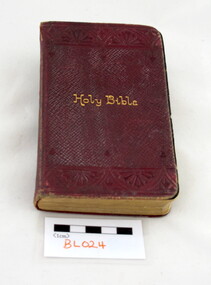
... nurse. Deaconess Hilda Foster began her work as a Deaconess in South Melbourne and then served for 13 years with the Presbyterian Sisterhood in North Fitzroy caring for unmarried mothers and their babies. In 1933 she was appointed Matron of the Presbyterian Girls' Home in Elsternwick where she worked for 15 years. She retired...nurse. Deaconess Hilda Foster began her work as a Deaconess in South Melbourne and then served for 13 years with the Presbyterian Sisterhood in North Fitzroy caring for unmarried mothers and their babies. In 1933 she was appointed Matron of the Presbyterian Girls' Home in Elsternwick where she worked for 15 years. She retired ...The bible belonged to Hilda Elizabeth Foster, Presbyterian Deaconess. Hilda Elizabeth Foster (1890-1982) was commissioned as a Deaconess in 1914 giving a lifetime of service to the church particularly in the social care aspect of the Gospel. She was also a double certified nurse. Deaconess Hilda Foster began her work as a Deaconess in South Melbourne and then served for 13 years with the Presbyterian Sisterhood in North Fitzroy caring for unmarried mothers and their babies. In 1933 she was appointed Matron of the Presbyterian Girls' Home in Elsternwick where she worked for 15 years. She retired in 1948 when it was noted "In complete dedication matron has given herself to this care of souls". Deaconess Foster was awarded the British Empire Medal for her work in the Queen's birthday honours in 1981. Deaconess Foster was one of the first qualified Mother Christmasses in Australia. [Minutes of the Sixth Synod, Oct 1982]Dark red leather bound book embossed with gold "Holy Bible" lettering on the cover and spine. The bible has black end papers and gilt edging to its pages. The Holy Bible containing the old and new testaments. Translated out of the original tongues; and with the former translated diligently compared and revised" By His Majesty's Special Command. Appointed to be read in churches.non-fiction"Hilda Elizabeth Foster Presbyterian Training Institute 34 Ferrars Place, Albert Park 1912" "Proverbs 3.6"hilda e foster, presbyterian deaconess hilda elizabeth foster -
 Uniting Church Archives - Synod of Victoria
Book - The Holy Bible, Containing the Old and New Testaments Translated out or the Original Tongues and with the former translations diligently compared and revised by His Majesty's special command
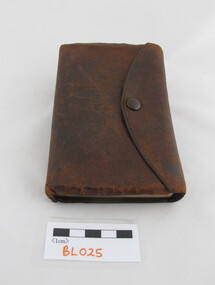
... nurse. Deaconess Hilda Foster began her work as a Deaconess in South Melbourne and then served for 13 years with the Presbyterian Sisterhood in North Fitzroy caring for unmarried mothers and their babies. In 1933 she was appointed Matron of the Presbyterian Girls' Home in Elsternwick where she worked for 15 years. She retired...nurse. Deaconess Hilda Foster began her work as a Deaconess in South Melbourne and then served for 13 years with the Presbyterian Sisterhood in North Fitzroy caring for unmarried mothers and their babies. In 1933 she was appointed Matron of the Presbyterian Girls' Home in Elsternwick where she worked for 15 years. She retired ...Brown leather bound with a press stud fastening. Gold text on the spine and gilt edged pages. non-fictionpresbyterian deaconess hilda elizabeth foster, deaconess hilda elizabeth foster -
 Uniting Church Archives - Synod of Victoria
Uniform - Presbyterian Deaconess' Dress
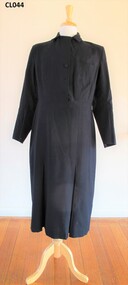
... nurse. Deaconess Hilda Foster began her work as a Deaconess in South Melbourne and then served for 13 years with the Presbyterian Sisterhood in North Fitzroy caring for unmarried mothers and their babies. In 1933 she was appointed Matron of the Presbyterian Girls' Home in Elsternwick where she worked for 15 years. She retired...nurse. Deaconess Hilda Foster began her work as a Deaconess in South Melbourne and then served for 13 years with the Presbyterian Sisterhood in North Fitzroy caring for unmarried mothers and their babies. In 1933 she was appointed Matron of the Presbyterian Girls' Home in Elsternwick where she worked for 15 years. She retired ...Hilda Elizabeth Foster (1890-1982) was commissioned as a Deaconess in 1914 giving a lifetime of service to the church particularly in the social care aspect of the Gospel. She was also a double certified nurse. Deaconess Hilda Foster began her work as a Deaconess in South Melbourne and then served for 13 years with the Presbyterian Sisterhood in North Fitzroy caring for unmarried mothers and their babies. In 1933 she was appointed Matron of the Presbyterian Girls' Home in Elsternwick where she worked for 15 years. She retired in 1948 when it was noted "In complete dedication matron has given herself to this care of souls". Deaconess Foster was awarded the British Empire Medal for her work in the Queen's birthday honours in 1981. Deaconess Foster was one of the first qualified Mother Christmasses in Australia. [Minutes of the Sixth Synod, Oct 1982]Black woollen long sleeved unlined shirt-waist dress with a side zip, three fabric covered button and two breast pockets. The dress has a collar and has two box pleats at the front and back. It has a white cotton lining at the neck.presbyterian deaconess, deaconess hilda elizabeth foster -
 Uniting Church Archives - Synod of Victoria
Clothing - Presbyterian Deaconess' winter coat
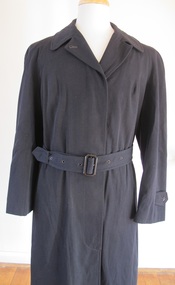
... nurse. Deaconess Hilda Foster began her work as a Deaconess in South Melbourne and then served for 13 years with the Presbyterian Sisterhood in North Fitzroy caring for unmarried mothers and their babies. In 1933 she was appointed Matron of the Presbyterian Girls' Home in Elsternwick where she worked for 15 years. She retired...nurse. Deaconess Hilda Foster began her work as a Deaconess in South Melbourne and then served for 13 years with the Presbyterian Sisterhood in North Fitzroy caring for unmarried mothers and their babies. In 1933 she was appointed Matron of the Presbyterian Girls' Home in Elsternwick where she worked for 15 years. She retired ...The raincoat was worn by Hilda Elizabeth Foster, Presbyterian Deaconess. Hilda Elizabeth Foster (1890-1982) was commissioned as a Deaconess in 1914 giving a lifetime of service to the church particularly in the social care aspect of the Gospel. She was also a double certified nurse. Deaconess Hilda Foster began her work as a Deaconess in South Melbourne and then served for 13 years with the Presbyterian Sisterhood in North Fitzroy caring for unmarried mothers and their babies. In 1933 she was appointed Matron of the Presbyterian Girls' Home in Elsternwick where she worked for 15 years. She retired in 1948 when it was noted "In complete dedication matron has given herself to this care of souls". Deaconess Foster was awarded the British Empire Medal for her work in the Queen's birthday honours in 1981. Deaconess Foster was one of the first qualified Mother Christmasses in Australia. [Minutes of the Sixth Synod, Oct 1982] Black gabardine winter coat with a plaid lining, two side pockets and a buckled belt. Their is a label in the raincoat which advises re waterproofing."Dunlop waterproofs" "Reign in the rain" "65% Wool 35% Cotton"presbyterian deaconess, deaconess hilda elizabeth foster -
 Monash Health Historical Collections
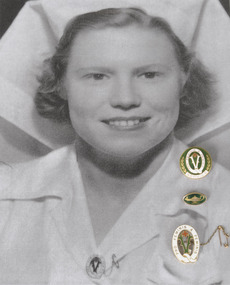
B & W photo, Sister Mary Thomas, 1950's
... retired 1976. Deceased 1992 Has accompanying badges Q 88.93.7, q 88.93.8, Q88.93.9 Nurses Head and shoulders of Sister Mary Thomas in uniform with veil Sister Mary Thomas B & W photo ...On staff 1942, retired 1976. Deceased 1992Has accompanying badges Q 88.93.7, q 88.93.8, Q88.93.9Head and shoulders of Sister Mary Thomas in uniform with veilnurses -
 Clunes Museum
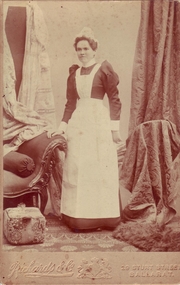
Photograph, RICHARDS & CO. ART STUDIO
... Retired about 1921 SEPIA PHOTOGRAPH OF MATRON ADA JOHNSON IN HER NURSES UNIFORM - STARCHED COLLAR AND CUFFS. ...SEPIA PHOTOGRAPH OF MATRON ADA JOHNSON IN HER NURSES UNIFORM - STARCHED COLLAR AND CUFFS. WEARING A CAP. HER HAND ON SOFA, EMBOSSED CURTAINS DRAPED AROUND.On reverse hand written in blue biro; Mrs Ada Johnson, matron of Clunes Hospital for quite a few years and during 1st World War 1914-1918 when the town was without a doctor. Her experience and knowledge was a great asset to Clunes. Retired about 1921photographs, hospital [old], matron ada johnson -
 Surrey Hills Historical Society Collection
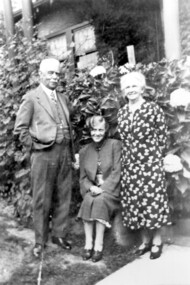
Photograph, Alice Eleanor Jackson
... After she retired from the Austin she nursed elderly and dying people in the Surrey Hills area. ...After she retired from the Austin she nursed elderly and dying people in the Surrey Hills area. ...Alice Louisa (Louise) Jackson was one of 12 children of George James Jackson and his wife Alice Eleanor (nee Taylor); both of whom were jewellers. One of her brothers, George Hall Jackson, served in WW1. The family lived at 'Handsworth', 7 Russell Street, Surrey Hills. Alice was born 25/9/1892 and died 25/8/1983. She was buried in Box Hill Cemetery - CE-*-2010. REF: Personal communication (email) Ruth Theodoridis, her niece, 30/5/2018: Alice trained at the Austin Hospital prior to WW2. She worked there after graduating and became the charge sister of the ward for terminally ill patients, many of whom were TB patients. After she retired from the Austin she nursed elderly and dying people in the Surrey Hills area. She had had a tricycle made especially for her as she could not ride a bicycle. She would always ride in the centre of the road in case the trike tipped over. She left her estate to the hospital. A black and white photograph of a young lady, identified as Alice Eleanor Jackson, seated between an older couple in front of a house.jeweller, watchmaker, russell street, surrey hills, clothing and dress, nurse, george james jackson, mrs alice eleanor jackson, miss alice louisa jackson -
 Surrey Hills Historical Society Collection
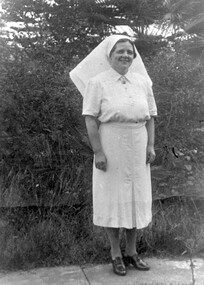
Photograph, Nurse - Alice Louise Jackson
... After she retired from the Austin she nursed elderly and dying people in the Surrey Hills area. ...After she retired from the Austin she nursed elderly and dying people in the Surrey Hills area. ...Alice Louisa (Louise) Jackson was one of 12 children of George James Jackson and his wife Alice Eleanor (nee Taylor); both of whom were jewellers. One of her brothers, George Hall Jackson, served in WW1. The family lived at 'Handsworth', 7 Russell Street, Surrey Hills. Alice was born 25/9/1892 and died 25/8/1983. She was buried in Box Hill Cemetery - CE-*-2010. REF: Personal communication (email) Ruth Theodoridis, her niece, 30/5/2018: Alice trained at the Austin Hospital prior to WW2. She worked there after graduating and became the charge sister of the ward for terminally ill patients, many of whom were TB patients. After she retired from the Austin she nursed elderly and dying people in the Surrey Hills area. She had had a tricycle made especially for her as she could not ride a bicycle. She would always ride in the centre of the road in case the trike tipped over. She left her estate to the hospital. A black and white photograph of a lady standing in her nurses uniform, consisting of a skirt, blouse, and a veil on her head.louise jackson (miss), alice louisa jackson (miss), russell street, surrey hills, george james jackson (mr), alice eleanor jackson (mrs), alice eleanor taylor (miss), nurses, austin hospital, box hill cemetery -
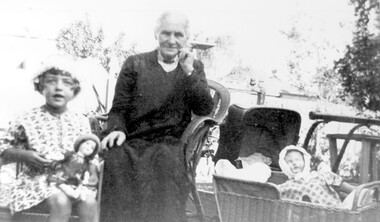 Surrey Hills Historical Society Collection
Photograph, Annie Barton and Jocelyn Cerini, 1928, c1928
... retired and continued to worship at Wyclif, residing at 13 Barton Street. On Federation in 1901 the street name changed - it was originally Kent Street. John Barton was born in 1845 in Ainsdale, Lancashire, son of James Barton and Ann Rimmer and grew up in Formby - the name later given to No 13 Barton Street. His family appear to have remained in the UK. He married Ann Eliza Duncan in 1872 in Queensland. Of the 2 daughters who were nurses...retired and continued to worship at Wyclif, residing at 13 Barton Street. On Federation in 1901 the street name changed - it was originally Kent Street. John Barton was born in 1845 in Ainsdale, Lancashire, son of James Barton and Ann Rimmer and grew up in Formby - the name later given to No 13 Barton Street. His family appear to have remained in the UK. He married Ann Eliza Duncan in 1872 in Queensland. Of the 2 daughters who were nurses ...The photo was taken in 1928 and the young child is definately Jocelyn Francesca Cerini, elder daughter of Natale Cerini and his wife Ethel (MS: Swan). The Cerini family lived at 215 Union Road. Most likely that the photo was taken in the back garden of 215 Union Road which backs onto 11 and 13 Barton Street. Thus the houses in the background are the two houses occupied by Barton family members - No 11 and 13 Barton Street, Surrey Hills. The photo card index compiled by Jocelyn Hall (nee Cerini) identifies the elderly lady as Miss Annie Barton, sister of Rev John Barton, second minister of Wyclif Congregational Church. She was a nurse. However the age of Jocelyn (born 1922) makes it more likely that this is Mrs Annie Eliza Barton (nee Duncan), wife of the Rev John Barton and mother of James Duncan Barton, John Saxon Barton, Ida Grace Barton, Albert Edward Barton, Annie Barton and Harold Arthur Barton. Annie Eliza (Duncan) Barton was born in 1845 and died on 16 Jan 1933, which is consistent with the age of the lady pictured. By the time this photo was taken her husband, the Rev John Barton (1844-1919) had died. He was minister of the Wyclif Church in 1896 and continued in that role until 1907. After a further appointment John Barton retired and continued to worship at Wyclif, residing at 13 Barton Street. On Federation in 1901 the street name changed - it was originally Kent Street. John Barton was born in 1845 in Ainsdale, Lancashire, son of James Barton and Ann Rimmer and grew up in Formby - the name later given to No 13 Barton Street. His family appear to have remained in the UK. He married Ann Eliza Duncan in 1872 in Queensland. Of the 2 daughters who were nurses: Ida Grace Barton (b 1877) did not marry. She trained at the Homeopathic Hospital (later Prince Henry's Hospital), graduating in 1909. Annie Barton (b 1883, Geelong) trained at the Melbourne Hospital. She was Matron AANS during WW1 in charge of the Base Hospital (Military) in St Kilda Road. She married Dr John Hodgson Nattrass. She died in 1965 at Caulfield. John and Ann Eliza Barton are buried in Box Hill Cemetery - C0044.A black & white photo of an elderly lady seated in a cane chair in an outdoor setting. To one side is a young girl also seated in a chair and holding a doll; to the other side is a doll's pram containing another doll. The background is indistinct but appear to be houses.clothing and dress, 1928, miss jocelyn francesca cerini, mrs jocelyn hall, annie eliza duncan, annie eliza barton, box hill cemetery, rev john barton, jocelyn cerini, dolls, 215 union road
