
Showing 6 items matching "spring country show"
-
 Marysville & District Historical Society
THE TRIANGLE NEWS-VOL 40 NO 40-OCTOBER 18 2013
... ...spring country show...marysville victoria australia lions convention a resounding success what's on when in october marysville & kindergarten assocn preschool centre open & enrolment day marysville district football & netball club agm mystic mountains tourism notice of special meeting marysville community market creative triangle murrindindi shire council australia day award nominations racv marysville marathon festival runs again church notices marysville police news mayor's chair murrindindi cycle club agm family fun day marysville & triangle community foundation executive officer p/t position position vacant-y water centre advertisements ceaca courses dalton fiske foundation grants awards buxton hotel taste of italy pasta night marysville primary school parents club real estate marysville art show senior's week celebrations lions triangle tool library triangle community dancers black spur inn open mic fire ready victoria meeting marysville community golf and bowls club free tre workshops in yarra valley marysville 150th year celebrations bmx and basketball to add to skatepark attractions creative triangle pink lunch heart foundation walkers wanted australian centre for grief and bereavement cricket is back golf clinics at marysville golf club expressions of interest marysville golf report intrepid triangle bushwalkers australian sparkling wine show spring country show black spur inn pizza and beer night community light the night leukaemia foundation gallipoli park council fire restrictions period starts marysville beer & platter garden open gardens featured in narbethong and buxton narbethong history group narbethong hall THE TRIANGLE NEWS-VOL 40 NO 40-OCTOBER 18 2013 ...marysville, victoria, australia, lions convention a resounding success, what's on when in october, marysville & kindergarten assocn, preschool centre open & enrolment day, marysville district football & netball club agm, mystic mountains tourism notice of special meeting, marysville community market, creative triangle, murrindindi shire council, australia day award nominations, racv marysville marathon festival runs again, church notices, marysville police news, mayor's chair, murrindindi cycle club agm, family fun day, marysville & triangle community foundation executive officer p/t position, position vacant-y water centre, advertisements, ceaca courses, dalton fiske foundation grants awards, buxton hotel taste of italy pasta night, marysville primary school parents club, real estate, marysville art show, senior's week celebrations, lions triangle tool library, triangle community dancers, black spur inn open mic, fire ready victoria meeting, marysville community golf and bowls club, free tre workshops in yarra valley, marysville 150th year celebrations, bmx and basketball to add to skatepark attractions, creative triangle pink lunch, heart foundation walkers wanted, australian centre for grief and bereavement, cricket is back, golf clinics at marysville golf club expressions of interest, marysville golf report, intrepid triangle bushwalkers, australian sparkling wine show, spring country show, black spur inn pizza and beer night, community light the night, leukaemia foundation, gallipoli park, council fire restrictions period starts, marysville beer & platter garden, open gardens featured in narbethong and buxton, narbethong history group, narbethong hall -
Marysville & District Historical Society
THE TRIANGLE NEWS-VOL 40 NO 36-SEPTEMBER 20 2013
... spring clear with free green waste disposal...marysville country bakery seeking staff...amnesty supports fire prevention efforts...black spur inn front of house waiting staff...murrindindi shire council tender...australian centre for grief and bereavement...marysville golf report...gallipoli park commitee of management report...narbethong history group...narbethong hall book launch...black spur inn tradie meal & stay deal...road management plan review highlights works priorities...office manager camp marysville...sixteenth annual steam and wood show...marysville victoria australia national emergency medal recipients honoured what's on when in september buxton progress assocn agm the committee of management of the gallipoli park precinct marysville community market creative triangle murrindindi shire council payment of rate instalments marysville & district chamber of commerce agm church notices triangle community dinner el kanah village marysville & district football & netball agm councillor comment great victorian rail trail marketing opportunities mayor's chair expressions of interest 2013 open gardens advertisements the salvation army community small business funding available dalton fiske foundation grants awards marysville primary school parents club market stalls available buxton hotel curry night local bus tours real estate fire fighting opportunities available across victoria lions triangle tool library council encourages spring clear with free green waste disposal marysville country bakery seeking staff amnesty supports fire prevention efforts black spur inn front of house waiting staff murrindindi shire council tender australian centre for grief and bereavement marysville golf report gallipoli park commitee of management report narbethong history group narbethong hall book launch black spur inn tradie meal & stay deal road management plan review highlights works priorities office manager camp marysville sixteenth annual steam and wood show alexandra timber and tramway museum stage reading crossways inspired by bruno's sculpture garden THE TRIANGLE NEWS-VOL 40 NO 36-SEPTEMBER 20 2013 ...marysville, victoria, australia, national emergency medal recipients honoured, what's on when in september, buxton progress assocn agm, the committee of management of the gallipoli park precinct, marysville community market, creative triangle, murrindindi shire council, payment of rate instalments, marysville & district chamber of commerce agm, church notices, triangle community dinner, el kanah village, marysville & district football & netball agm, councillor comment, great victorian rail trail marketing opportunities, mayor's chair, expressions of interest, 2013 open gardens, advertisements, the salvation army, community small business funding available, dalton fiske foundation grants awards, marysville primary school parents club, market stalls available, buxton hotel curry night, local bus tours, real estate, fire fighting opportunities available across victoria, lions triangle tool library, council encourages spring clear with free green waste disposal, marysville country bakery seeking staff, amnesty supports fire prevention efforts, black spur inn front of house waiting staff, murrindindi shire council tender, australian centre for grief and bereavement, marysville golf report, gallipoli park commitee of management report, narbethong history group, narbethong hall book launch, black spur inn tradie meal & stay deal, road management plan review highlights works priorities, office manager camp marysville, sixteenth annual steam and wood show, alexandra timber and tramway museum, stage reading crossways, inspired by bruno's sculpture garden -
Marysville & District Historical Society
THE TRIANGLE NEWS-VOL 41 NO 38-OCTOBER 3 2014
... spring...department of environment & primary industries...a note from police...residential & rural real estate...marysville triangle real estate...the friends of marysville walks working bee at beauty spot...buxton hall social dance...australian sparkling wine show...business breakfast...community light the night...leukaemia foundation...buxton progress assocn...marysville preschool centre...long day care & kindergarten...alexandra automotive swap meet...marysville ses volunteers needed...news from country...marysville victoria australia marysville art show what's on when in october the committee of management of the gallipoli park precinct marysville community market creative triangle position vacant advertisements church notices marysville golf report funding advocacy feedback period drawing to a close mayor's chair by cr margaret rae councillor comment by john walsh koriella ward emotions anonymous international meeting marysville triangle community men's shed private burn escapes a concern this spring department of environment & primary industries a note from police residential & rural real estate marysville triangle real estate the friends of marysville walks working bee at beauty spot buxton hall social dance australian sparkling wine show business breakfast community light the night leukaemia foundation buxton progress assocn marysville preschool centre long day care & kindergarten alexandra automotive swap meet marysville ses volunteers needed news from country touch notice of special meeting of council adventurous cooks murrindindi shire council public notice murrindindi shire council tenders murrindindi shire council annual report friends of marysville walks holly eradication program narbethong 2014 racv great vic bike ride final community meeting racv marysville marathon festival THE TRIANGLE NEWS-VOL 41 NO 38-OCTOBER 3 2014 ...marysville, victoria, australia, marysville art show, what's on when in october, the committee of management of the gallipoli park precinct, marysville community market, creative triangle, position vacant, advertisements, church notices, marysville golf report, funding advocacy feedback period drawing to a close, mayor's chair by cr margaret rae, councillor comment by john walsh koriella ward, emotions anonymous international meeting, marysville triangle community men's shed, private burn escapes a concern this spring, department of environment & primary industries, a note from police, residential & rural real estate, marysville triangle real estate, the friends of marysville walks working bee at beauty spot, buxton hall social dance, australian sparkling wine show, business breakfast, community light the night, leukaemia foundation, buxton progress assocn, marysville preschool centre, long day care & kindergarten, alexandra automotive swap meet, marysville ses volunteers needed, news from country touch, notice of special meeting of council, adventurous cooks, murrindindi shire council public notice, murrindindi shire council tenders, murrindindi shire council annual report, friends of marysville walks holly eradication program narbethong, 2014 racv great vic bike ride final community meeting, racv marysville marathon festival -
 Melbourne Legacy
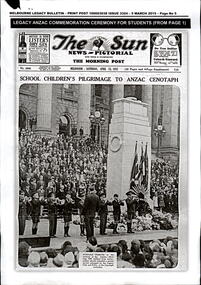
Article, History of Anzac Ceremony of Remembrance for Students, 2015
... shows the 1932 Legacy Anzac Commemoration for Students at the temporary Cenotaph in Spring Street. The article by David Cull has some of the history of the service. He uses a quote by Legatee Rupert Heley from 1940. “This service has for us a much greater meaning than one of remembrance only. It calls to us to face the unknown future as the men of ANZAC did, with courage and determination to resolve that we will do our utmost to keep this great country...shows the 1932 Legacy Anzac Commemoration for Students at the temporary Cenotaph in Spring Street. The article by David Cull has some of the history of the service. He uses a quote by Legatee Rupert Heley from 1940. “This service has for us a much greater meaning than one of remembrance only. It calls to us to face the unknown future as the men of ANZAC did, with courage and determination to resolve that we will do our utmost to keep this great country ...Two pages from an edition of the Bulletin on 5 March 2015. It shows the 1932 Legacy Anzac Commemoration for Students at the temporary Cenotaph in Spring Street. The article by David Cull has some of the history of the service. He uses a quote by Legatee Rupert Heley from 1940. “This service has for us a much greater meaning than one of remembrance only. It calls to us to face the unknown future as the men of ANZAC did, with courage and determination to resolve that we will do our utmost to keep this great country of ours free and to uphold the principals of justice, mercy and truth . . . “ “The future of this country lies in your hands. You have a life in front of you. You are only beginning. Keep on doing your best, - face difficulties with a cheerful grin. There is such lots to be done and such lots of fun to had in doing simple things, - such satisfaction in helping others. Uphold the tradition of ANZAC, and resolve that you will do your utmost to make this world a better and kindlier place .. “ “In the days which lie ahead we need above all things courage and determination and that spirit of ANZAC which we remember today.”A record of some of the history of the Legacy student commemoration.Two printed black and white pages of the Bulletin from 2015 with old picture of student commemoration service.anzac commemoration for students, cenotaph -
 Surrey Hills Historical Society Collection
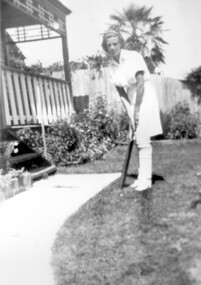
Photograph, Marjorie Haeffner, c1938
... Spring Creek' - was the address of Marj's parents in 1922 before they moved to Melbourne. Some time after 1926 and by 1931 Marj's parents had moved back to Tallangatta to help out on his parents' farm. This was lost during the Depression. Marj's family moved back to Melbourne; her grandparents stayed in the North Albury area until they died. Electoral roll entries show that there was considerable movement of extended family members between town and country...Spring Creek' - was the address of Marj's parents in 1922 before they moved to Melbourne. Some time after 1926 and by 1931 Marj's parents had moved back to Tallangatta to help out on his parents' farm. This was lost during the Depression. Marj's family moved back to Melbourne; her grandparents stayed in the North Albury area until they died. Electoral roll entries show that there was considerable movement of extended family members between town and country ...Marjorie Joyce Haeffner informed that she was born at Mosgiel Hospital in Mont Albert Road, Surrey Hills in 1924, soon after it opened. According to electoral rolls, her parents Henry Norman Neil and Mabel Haeffner were living at 22 Wharton Street, Surrey Hills at this time. Henry's parents Henry Thomas Haeffner (1858-1935) and Eliza Jane (ms Chesney - 1868-1940) were farmers in the Tallangatta area. Their farm was called 'Ferndale'. Another farm in the area - 'Spring Creek' - was the address of Marj's parents in 1922 before they moved to Melbourne. Some time after 1926 and by 1931 Marj's parents had moved back to Tallangatta to help out on his parents' farm. This was lost during the Depression. Marj's family moved back to Melbourne; her grandparents stayed in the North Albury area until they died. Electoral roll entries show that there was considerable movement of extended family members between town and country. Marj's parents moved back to Surrey Hills; the electoral roll lists them at 33 Clyde Street in 1936 but Chatham Primary School's list of students records that Marj was there from 1932-1937. She had siblings Jack (enrolled in 1933) and Donald (enrolled in 1934). In 2019 this Edwardian timber home still stands. Marj was an enthusiastic member of a women's cricket club in the 1940s and 1950s. According to Jocelyn Hall's photo register, this photo was taken at the Haeffner home in Clyde Street. After she married Marj did not moved far from her childhood home in Clyde Street. She and her husband Brian Lindsay (known as Lindsay) Higgins bought 31 Langford Street, Surrey Hills, a Californian bungalow on a wide block, and between 1961 and 1970 Marj's children Margaret, Wendy, Deborah, Robyn, Adam and Christopher Higgins were also enrolled at Chatham. Marj's home in Langford Street was sold in April 2019 for $2.08M.A black and white photograph of a lady dressed in white cricket gear standing in front of a house.cricket, women's cricket, (miss) marjorie haeffner, (mrs) marjorie higgins, clyde street -
 Ballarat Heritage Services
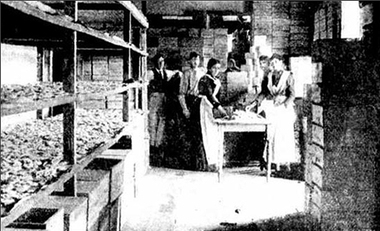
Photograph - Image - Black and White, Macaroni Factory, Hepburn Springs, 1900, 1900
... show the writer around and explain the various proces ses of a manufacture which is little known to Australians. The finest wheat and the mineral waters fresh from the springs are utilised, and by means of a most ingenious machine, the hollow rods of macaroni are turned out in large numbers. Finally, they are packed in boxes and cases, and sent off to the prin cipal agent in Daylesford, Mr J. W. King, who in turn forwards them to all parts of the country...show the writer around and explain the various proces ses of a manufacture which is little known to Australians. The finest wheat and the mineral waters fresh from the springs are utilised, and by means of a most ingenious machine, the hollow rods of macaroni are turned out in large numbers. Finally, they are packed in boxes and cases, and sent off to the prin cipal agent in Daylesford, Mr J. W. King, who in turn forwards them to all parts of the country ..."MACARONI MANUFACTORY. On the pretty road to the Hepburn Mineral Springs, and not far from where the health-laden waters gush plentifully from the earth, is a two-storied brick it is that Messrs Lucini and Co, carry building, dedicated to the manufacture of macaroni, vermicelli, and the Italians' own especial delight— spaghetti. Here on operations, and Mr Lucini himself was good enough to show the writer around and explain the various proces ses of a manufacture which is little known to Australians. The finest wheat and the mineral waters fresh from the springs are utilised, and by means of a most ingenious machine, the hollow rods of macaroni are turned out in large numbers. Finally, they are packed in boxes and cases, and sent off to the prin cipal agent in Daylesford, Mr J. W. King, who in turn forwards them to all parts of the country. Mr Blackett, thv Govrnment Analyst, writes in most lau datory manner of the productions of the factory, and says that on testing them he found the various sam ples were of excellent quality, and quite equal to any of Italian manufacture. Visitors to the springs should not fail to call in at Messrs Lucini's, which is one of the show places of the district, and will well repay an inspection.A number of women, members of the Lucini family, make macroni and the macaroni factory in Hepburn Springs. lucini, macaroni factory, hepburn springs, spaghetti, macaroni, swiss italian
