
Showing 15 items matching "st james cathedral melbourne"
-
 Eltham District Historical Society Inc
Document - Folder, Morris family
... ...St James Cathedral Melbourne...John Morris Jane Morris nee Elliott William Tayler Anna Maria Elliott Harriet Morris Jane Wilson nee Neily Samuel Wilson David Boyd Emmaline Wilson John Thomas Johnson Nathaniel Kinsman Ruby Emmeline Wilson Ida May Wilson Charles Alfred Wilson Laura Alma Wilson Sylvia Marguerite Wilson James Aubrey Leonard Wilson Hild Margaret Yeend Joyce Thelma Johnson James Osborne Payne Janet Margaret Payne David Frank Montgomery Andrew David James Montgomery Karen Margaret Montgomery Jane Atkinson nee Morris John Harold Gladstone Wilson Mary Ann Morrison John Anderson Atkinson Amy Morris Clarice Morris Ray Morris William Morris The Fountain of Friendship hotel Eltham Mt Evelyn Hotel Eltham Royal Mail Coaches Janet McColl Albert Morris Alfred George Morris Margaret Kate KcColl Francis Morris Samuel Morris Muriel Catherine Morris Effie Jane Morris Mary Ann McCracken Claude Morris Levinia Morris John Raymond Morris Phillis Morris Lillie Una Morris Helen Metz Francis Metz Elizabeth Morris Joseph Morris Thomas Alfred Morris George Hill Morris Margaret Ellen Morris Clara Lucy Matilda Morris Eltham Cemetery Joshua Ely Charlotte Ely Joseph Paling John R Grubb Harriet Rae nee Wilson Johnston Rae W J Everitt wheelwright and blacksmith E J Coutie butcher Kangaroo Ground P Ryan butcher Diamond Creek Sarah Jane Elliott nee Blunsden Hill Wilson Samuel Elliott Sarah Elliott nee Blunsden Jane Elliott St James Cathedral Melbourne Harriett Morris Rev David Boyd Hill Wilson Neily Samuel Neily Jane Neily Jane Morris Mary Ann Atkinson nee Morris Janet Morris nee McColl Margaret Kate Morris nee McColl Albert George Morris Francis Samuel Morris MaryAnn Morris nee McCraken Phyllis Morris Lily Una Morris Harriett Wilson nee Morris Emmeline Johnson Wilson Emmeline Johnson nee Wilson Ruby Emmeline Johnson Ida May Johnson Charles Alfred Johnson Laura Alma Johnson John Harold Gladstone Johnson Sylvia Marguerite Johnson James Aubrey Leonard Johnson Hilda Margaret Johnson nee Yeend Joyce Thelma Payne nee Johnson Janet Margaret Montgomery nee Payne Newspaper clippings, A4 photocopies, etc Morris family Document Folder ...John and Jane Morris moved to Eltham in 1842 on the site of the present sporting complex in Susan Street. Their daughter Harriet was the first white child born in the area. Contents Manuscript family tree of Morris family. Newspaper advertisement: The Evelyn Observer, 10 January 1902. Eltham Butcher, William Morris. Letter: Enid Delbridge to ElthamShire Council, 15 November 1966. Seeing information on Mary Ann Morris. Letter: Eltham Shire Secretary to Enid Delbridge. Unable to provide information. Text: Janet Montgomery, April 1989: The History of Morris Family of Eltham Victoria. Text: Notes taken from Janet Montgomery, April 1989. Summary of The History of Morris Family of Eltham Victoria. Text: Harry Gilham. "William Morris". Notes and photograph of the Evelyn Hotel and William Morris. Email: Owen Pitts to Eltham District Historical Society. Providing information on the Morris family and seeking more.Newspaper clippings, A4 photocopies, etcjohn morris, jane morris nee elliott, william tayler, anna maria elliott, harriet morris, jane wilson nee neily, samuel wilson, david boyd, emmaline wilson, john thomas johnson, nathaniel kinsman, ruby emmeline wilson, ida may wilson, charles alfred wilson, laura alma wilson, sylvia marguerite wilson, james aubrey leonard wilson, hild margaret yeend, joyce thelma johnson, james osborne payne, janet margaret payne, david frank montgomery, andrew david james montgomery, karen margaret montgomery, jane atkinson nee morris, john harold gladstone wilson, mary ann morrison, john anderson atkinson, amy morris, clarice morris, ray morris, william morris, the fountain of friendship hotel eltham, mt evelyn hotel eltham, royal mail coaches, janet mccoll, albert morris, alfred george morris, margaret kate kccoll, francis morris, samuel morris, muriel catherine morris, effie jane morris, mary ann mccracken, claude morris, levinia morris, john raymond morris, phillis morris, lillie una morris, helen metz, francis metz, elizabeth morris, joseph morris, thomas alfred morris, george hill morris, margaret ellen morris, clara lucy matilda morris, eltham cemetery, joshua ely, charlotte ely, joseph paling, john r grubb, harriet rae nee wilson, johnston rae, w j everitt wheelwright and blacksmith, e j coutie butcher kangaroo ground, p ryan butcher diamond creek, sarah jane elliott nee blunsden, hill wilson, samuel elliott, sarah elliott nee blunsden, jane elliott, st james cathedral melbourne, harriett morris, rev david boyd, hill wilson neily, samuel neily, jane neily, jane morris, mary ann atkinson nee morris, janet morris nee mccoll, margaret kate morris nee mccoll, albert george morris, francis samuel morris, maryann morris nee mccraken, phyllis morris, lily una morris, harriett wilson nee morris, emmeline johnson wilson, emmeline johnson nee wilson, ruby emmeline johnson, ida may johnson, charles alfred johnson, laura alma johnson, john harold gladstone johnson, sylvia marguerite johnson, james aubrey leonard johnson, hilda margaret johnson nee yeend, joyce thelma payne nee johnson, janet margaret montgomery nee payne -
 Returned Nurses RSL Sub-branch
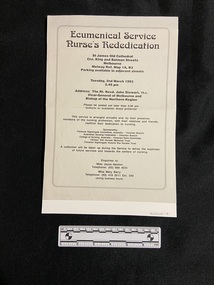
Document - Event flyer, Ecumenical Service Nurses's Rededication 1993, 1993
... Information regarding a rededication service held at St James Old Cathedral, Melbourne, on Tuesday March 2nd, 1993. ...Information regarding a rededication service held at St James Old Cathedral, Melbourne, on Tuesday March 2nd, 1993. ...Information regarding a rededication service held at St James Old Cathedral, Melbourne, on Tuesday March 2nd, 1993. It reads... 'This service is arranged annually and, by their presence, members of the nursing profession, with their relatives and friends, reaffirm their dedication to nursing.Printed single side flyer on light grey paper, double-line border around the page with black printed text within.nursing, australian nurses, rededication services, ecumenical services -
 The Beechworth Burke Museum
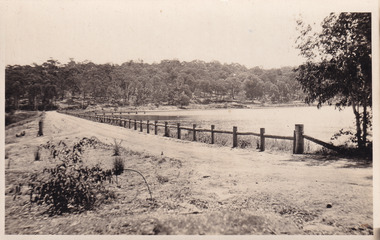
Photograph - Postcard, c1900
... He married Ann Martindale on 17th December 1853 at St James Cathedral, Melbourne and between them they had three sons and five daughters. ...He married Ann Martindale on 17th December 1853 at St James Cathedral, Melbourne and between them they had three sons and five daughters. ...The construction on Lake Kerferd began in 1862 however it wasn't completed until 1874 due to engineering and funding issues. The lake was named after George Briscoe Kerferd (1831–1889) who was responsible for Beechworth's water scheme. George Briscoe Kerferd was born on 21 January 1831 in Liverpool, England and arrived in Melbourne April 1853. He spent his first years in Australia in Bendigo before settling down in Beechworth as a wine and spirits merchant. He married Ann Martindale on 17th December 1853 at St James Cathedral, Melbourne and between them they had three sons and five daughters. Kerferd began his political and legal career in Beechworth when he was first elected to the Municipal Council in May 1857. Later he would be elected to the Legislative Assembly for the Ovens District in November 1864, and continued to represent the area until February 1886. This photograph is historically significant as it provides insight into the water reserves of Victoria. It also demonstrates the political identity of George Briscoe Kerferd and the Beechworth Municipal Council.Sepia rectangular postcard printed on paperObverse: Reverse: 83-131-1/ Post Card/ Correspondence / Address Only / BMM2997 / 53 / [Kodak Australia Stamp] lake kerferd, beechworth, water scheme, water reserve, reservoir, legislative assembly, hon. george briscoe kerferd, catchments, beechworth water reserve, beechworth catchments, municipal council, st. james cathedral, lakes, reserve, water supply, political projects -
 The Beechworth Burke Museum
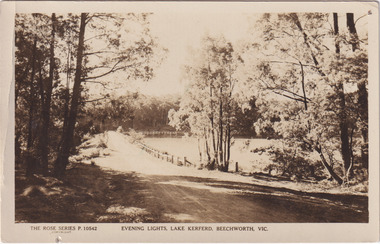
Photograph - Post Card, Rose Series Stereograph Co. Postcard
... He married Ann Martindale on 17th December 1853 at St James Cathedral, Melbourne and between them they had three sons and five daughters. ...He married Ann Martindale on 17th December 1853 at St James Cathedral, Melbourne and between them they had three sons and five daughters. ...The construction on Lake Kerferd began in 1862 however it wasn't completed until 1874 due to engineering and funding issues. The lake was named after George Briscoe Kerferd (1831–1889) who was responsible for Beechworth's water scheme. George Briscoe Kerferd was born on 21 January 1831 in Liverpool, England and arrived in Melbourne April 1853. He spent his first years in Australia in Bendigo before settling down in Beechworth as a wine and spirits merchant. He married Ann Martindale on 17th December 1853 at St James Cathedral, Melbourne and between them they had three sons and five daughters. Kerferd began his political and legal career in Beechworth when he was first elected to the Municipal Council in May 1857. Later he would be elected to the Legislative Assembly for the Ovens District in November 1864, and continued to represent the area until February 1886. The postcard holds Historic significance due to its connection to Beechworth and its Lake Kerford. It demonstrates the interactions between nature and colonialists, especially how the lake has somewhat been 'protected' with the man made fencing. It also presents information on the environmental development or degradation for the area, with possible changes to the environment that may have been caused by human physical forces, natural decay or Global Warming.Sepia rectangular postcard printed on paper.Obverse: The Rose Series P. 10542 / Copyright / Evening lights, Lake Kerferd, Beechworth, VIC Reverse: Farley / Published by the Rose Stereograph Co., / Armadale Victoria. / 84-132-1 / Post card / The "Rose" Series De Luxe / A Real Photograph Produced in Australia / BMM299 lake kerferd, beechworth, water scheme, water reserve, reservoir, legislative assembly, hon. george briscoe kerferd, catchments, beechworth water reserve, beechworth catchments, municipal council, st. james cathedral, lakes, reserve, water supply, political projects, rose series, postcard, rose series stereograph -
 The Beechworth Burke Museum
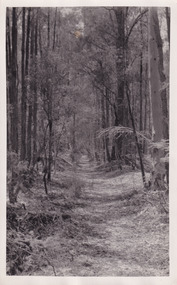
Photograph, Christmas 1941
... He married Ann Martindale on 17th December 1853 at St James Cathedral, Melbourne and between them they had three sons and five daughters. ...He married Ann Martindale on 17th December 1853 at St James Cathedral, Melbourne and between them they had three sons and five daughters. ...Taken on Christmas of 1941, shown is a track to Lake Kerferd with forest on both sides. The construction on Lake Kerferd began in 1862 however it wasn't completed until 1874 due to engineering and funding issues. The lake was named after George Briscoe Kerferd (1831–1889) who was responsible for Beechworth's water scheme. George Briscoe Kerferd was born on 21 January 1831 in Liverpool, England and arrived in Melbourne April 1853. He spent his first years in Australia in Bendigo before settling down in Beechworth as a wine and spirits merchant. He married Ann Martindale on 17th December 1853 at St James Cathedral, Melbourne and between them they had three sons and five daughters. Kerferd began his political and legal career in Beechworth when he was first elected to the Municipal Council in May 1857. Later he would be elected to the Legislative Assembly for the Ovens District in November 1864, and continued to represent the area until February 1886.This photograph is historically significant as it provides insight into surrounding areas of the water reserves of Victoria. It is also linked to political identity of George Briscoe Kerferd and the Beechworth Municipal Council.Black and white rectangular photograph printed on matte photographic paper.Obverse: Reverse: 8163/ Back track to Lake Kerford/ Beechworth/ Xmas 1941lake kerferd, beechworth, water scheme, water reserve, forest track, forest pathway, reservoir, legislative assembly, hon. george briscoe kerferd, catchments, beechworth water reserve, beechworth catchments, municipal council, st. james cathedral, lakes, reserve, water supply, political projects -
 The Beechworth Burke Museum
Photograph - Post Card, 1920-1930's
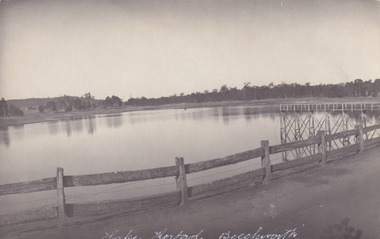
... He married Ann Martindale on 17th December 1853 at St James Cathedral, Melbourne and between them they had three sons and five daughters. ...He married Ann Martindale on 17th December 1853 at St James Cathedral, Melbourne and between them they had three sons and five daughters. ...Taken between 1920-1930s, shown is the banks of Lake Kerferd with wooden man-made fencing. The construction on Lake Kerferd began in 1862 however it wasn't completed until 1874 due to engineering and funding issues. The lake was named after George Briscoe Kerferd (1831–1889) who was responsible for Beechworth's water scheme. George Briscoe Kerferd was born on 21 January 1831 in Liverpool, England and arrived in Melbourne April 1853. He spent his first years in Australia in Bendigo before settling down in Beechworth as a wine and spirits merchant. He married Ann Martindale on 17th December 1853 at St James Cathedral, Melbourne and between them they had three sons and five daughters. Kerferd began his political and legal career in Beechworth when he was first elected to the Municipal Council in May 1857. Later he would be elected to the Legislative Assembly for the Ovens District in November 1864, and continued to represent the area until February 1886.The postcard holds Historic significance due to its connection to Beechworth and its Lake Kerford. It demonstrates the interactions between nature and colonialists, especially how the lake has somewhat been 'protected' with the man made fencing. It also presents information on the environmental development or degradation for the area, with possible changes to the environment that may have been caused by human physical forces, natural decay or Global Warming.Black and white rectangular postcard printed on paper.Obverse: Lake Kerferd, Beechworth / Reverse: 8164 / Post Card / Correspondence / Address Only / Kodak Austral [Kodak Australia Stamp] /lake kerferd, beechworth, water scheme, water reserve, reservoir, legislative assembly, hon. george briscoe kerferd, catchments, beechworth water reserve, beechworth catchments, municipal council, st. james cathedral, lakes, reserve, water supply, political projects, man-made fence, environmental changes -
 Phillip Island and District Historical Society Inc.
Photograph Album, Kodak, Phillip Island Cemetery, c 1990
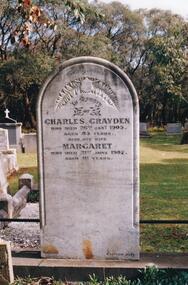
... He later married Margaret Larkie in St. James' old Cathedral, Melbourne on 15th September, 1842. ...He later married Margaret Larkie in St. James' old Cathedral, Melbourne on 15th September, 1842. ...The Album was compiled by Nancy McHaffie late 1990's, with the assistance of Edith Jeffery's, with her book "Garden of Memories" and extensive knowledge of Phillip Island. The Cemetery lies back from the road and is surrounded by Manna Gums, rare Peppermint Gums, Blackwoods and other native trees. In all 25 acres of land were set aside as Crown Land in the land settlement of 1868. There are 6.2 acres of wetlands near the cemetery entrance.466-27: Charles Grayden: Charles arrived from England on the "Robert Ben" about 1835. On arrival he went bush. He later married Margaret Larkie in St. James' old Cathedral, Melbourne on 15th September, 1842. They arrived at Hastings in 1860 then came to Phillip Island to live on Block 33, Newhaven in the year 1867. He died 26th January 1905 aged 85. Margaret died 21st June 1907 aged 81. She is also buried in this grave. 466-28: Joseph Bauer: Joseph was the son of our first owner of the Isle of Wight Hotel. His father came to the Island in 1870 and bought a small private house, then added to it in the style of a Swiss House. It became one of the most comfortable hotels in Victoria. Joseph died aged 19, in 1878.phillip island cemetery, nancy mchaffie, edith jeffery -
 Marysville & District Historical Society
Book, James Semple, The Self-Interpreting Family Bible, 1800's
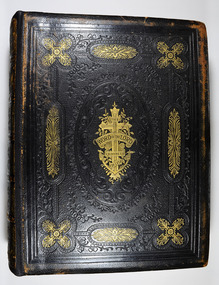
... C/ Melbourne 15rh Nov. 1878 Frederick Theodore/ born at Yarraville Refy/ C. 28th February 1881 Alice Elizabeth Beaver/ born at Yarraville Refy. C./ 7th November 1882 Marriage Page On the 8th June 1909 at St James' Old Cathedral/ Melbourne, Gertrude Mary Beaver to/ Joseph Batchelor of Taggerty, Victoria. ...C/ Melbourne 15rh Nov. 1878 Frederick Theodore/ born at Yarraville Refy/ C. 28th February 1881 Alice Elizabeth Beaver/ born at Yarraville Refy. C./ 7th November 1882 Marriage Page On the 8th June 1909 at St James' Old Cathedral/ Melbourne, Gertrude Mary Beaver to/ Joseph Batchelor of Taggerty, Victoria. ...The Batchelor family Bible. The Batchelor Family were early residents of Taggerty.Leather bound with decorative embossing with some in gold on covers and spine.non-fictionThe Batchelor family Bible. The Batchelor Family were early residents of Taggerty.bible, batchelor family, taggerty -
 Federation University Historical Collection
Book, Art Decoration Ornaments
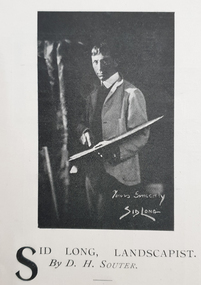
... st andrew'e cathedral sydney...edmond thomas blacket...sydney university...comisariat stores circular quay...the rocks...w. lister-lister...sydney domestic architecture...james barnet...john horbury hunt...sidney long...maori art...wall decoratoni...paperhangings...australian stained glass...art and architecture...stamped metalwork...w.c. piguenit...australian architecture...rose bay convent chapel...australian posters...pottery...cyril blacket...bookbinding...new south wales state library architecture...oxford st sydney'tom roberts...repousse...sydney harbour bridge...john longstaff...women painters...the great pyramid of egypt...skyscraper comes to new south wales...melbourne...ballarat technical art school ballarat technical art school library bank of australasia mount kosciusko siry henry parkes pyrmont bridge maori ancient egypt julian ashton st andrew'e cathedral sydney edmond thomas blacket sydney university comisariat stores circular quay the rocks w. lister-lister sydney domestic architecture james barnet john horbury hunt sidney long maori art wall decoratoni paperhangings australian stained glass art and architecture stamped metalwork w.c. piguenit australian architecture rose bay convent chapel australian posters pottery cyril blacket bookbinding new south wales state library architecture oxford st sydney'tom roberts repousse sydney harbour bridge john longstaff women painters the great pyramid of egypt skyscraper comes to new south wales melbourne hospital plans governor bligh electric illumination Black cloth covered book with leather spine. ...Black cloth covered book with leather spine. Colour illustrationsballarat technical art school, ballarat technical art school library, bank of australasia, mount kosciusko, siry henry parkes, pyrmont bridge, maori, ancient egypt, julian ashton, st andrew'e cathedral sydney, edmond thomas blacket, sydney university, comisariat stores circular quay, the rocks, w. lister-lister, sydney domestic architecture, james barnet, john horbury hunt, sidney long, maori art, wall decoratoni, paperhangings, australian stained glass, art and architecture, stamped metalwork, w.c. piguenit, australian architecture, rose bay convent chapel, australian posters, pottery, cyril blacket, bookbinding, new south wales state library architecture, oxford st sydney'tom roberts, repousse, sydney harbour bridge, john longstaff, women painters, the great pyramid of egypt, skyscraper comes to new south wales, melbourne hospital plans, governor bligh, electric illumination -
 Federation University Historical Collection
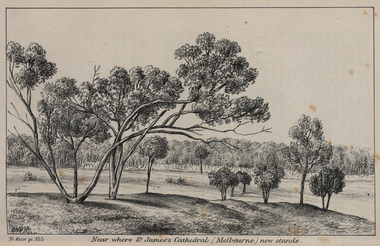
Image - black and white, John Helder Wedge, Near Where St James's Cathedral (Melbourne) Now Stands, c1835
... From Westgarth's 'Port Phillip Settlement'. melbourne st james' melbourne john helder wedge Near Where St James's Cathedral (Melbourne) Now Stands Image - black and white John Helder Wedge ...From Westgarth's 'Port Phillip Settlement'.melbourne, st james' melbourne, john helder wedge -
 St James Old Cathedral
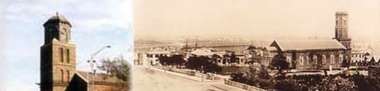
Cathedral Building, St James Old Cathedral, 09/11/1839
... St James Church, "Church of the Pioneers", was the first Church, first Anglican Church, and is the oldest building in Melbourne. The foundation stone was laid in 1839 by the Superintendent of the District of Bourke, Charles La Trobe, later Governor of the Colony of Victoria. The Church was opened in 1842 and the first Bishop Charles Perry was installed in the Cathedral...St James Church, "Church of the Pioneers", was the first Church, first Anglican Church, and is the oldest building in Melbourne. The foundation stone was laid in 1839 by the Superintendent of the District of Bourke, Charles La Trobe, later Governor of the Colony of Victoria. The Church was opened in 1842 and the first Bishop Charles Perry was installed in the Cathedral ...St James Church, "Church of the Pioneers", was the first Church, first Anglican Church, and is the oldest building in Melbourne. The foundation stone was laid in 1839 by the Superintendent of the District of Bourke, Charles La Trobe, later Governor of the Colony of Victoria. The Church was opened in 1842 and the first Bishop Charles Perry was installed in the Cathedral in 1848 when its status changed to that of Cathedral. Its status changed back to that of a Parish church after 1891 when St Paul's Cathedral in Swanston Street was opened. St James is known as the "Church of the Pioneers" as it served as the place of worship, marriage, baptism and burial of many of the first families in the District of Bourke and the Colony of Victoria. St James Old Cathedral is of the most important historic value to the community of Victoria and to the Australian nation as the first Anglican Church founded within 4 years of the settlement of Melbourne. It represents and conserves the very earliest history of white settlement in Victoria and preserves the church associated history of the Pioneer families of Victoria in its collection of original records and artefacts. Late Neo-Georgian style stone church building with bluestone footings. Octagonal upper one storey bell tower housing eight bells supported by two storey square towers. Body of church has sloping roof and 4 stained glass ornamental windows on each of west and east sides with decorative sanctuary window to the north. Decorative Portico with columns on the north outside elevation. National Trust Commemorative plate on outside wall to right of east entry door. -
 Ballarat and District Irish Association
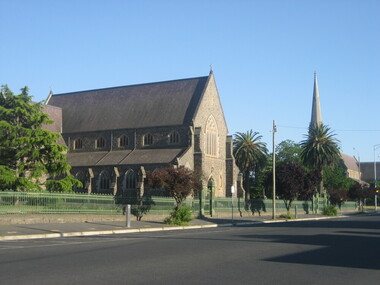
Photograph - Colour, Clare Gervasoni, St Patrick's Cathedral, Ballarat, 2007, 20/11/2007
... St Patrick's Cathedral first conducted services from 1851 onwards, the parish of Ballarat was instituted in 1852.The first Parish Priest was Father Matthew Downing,who selected in 1853 the two acres site for this church which was granted under a crown Grant in 1855. The style of the church is early Gothic from the era of Edward the 1st in the 13th Century. (http://www.ballarat.catholic.org.au/parishes/default.cfm?loadref=93, accessed 13 November 2013) Bishop James Alipius Goold OSA (Bishop of Melbourne...St Patrick's Cathedral first conducted services from 1851 onwards, the parish of Ballarat was instituted in 1852.The first Parish Priest was Father Matthew Downing,who selected in 1853 the two acres site for this church which was granted under a crown Grant in 1855. The style of the church is early Gothic from the era of Edward the 1st in the 13th Century. (http://www.ballarat.catholic.org.au/parishes/default.cfm?loadref=93, accessed 13 November 2013) Bishop James Alipius Goold OSA (Bishop of Melbourne ...St Patrick's Cathedral first conducted services from 1851 onwards, the parish of Ballarat was instituted in 1852.The first Parish Priest was Father Matthew Downing,who selected in 1853 the two acres site for this church which was granted under a crown Grant in 1855. The style of the church is early Gothic from the era of Edward the 1st in the 13th Century. (http://www.ballarat.catholic.org.au/parishes/default.cfm?loadref=93, accessed 13 November 2013) Bishop James Alipius Goold OSA (Bishop of Melbourne) celebrated Mass in St Patrick's Ballarat on Sunday November 8th 1863. The Bishop had laid the foundation stone for the Church in 1858 and by November 1863 the Church was sufficiently completed to be used on a regular basis. (http://stpatscathedral.weebly.com/, accessed 13 November 2013) See http://www.ballarat.catholic.org.au/aboutus/default.cfm?loadref=9 A series of coloured digital photographs showing the bluestone church known as St Patrick's Cathedral, Ballarat.ballarat irish, st patrick, st patrick's cathedral, st patrick's cathedral ballarat, church, gothic, bluestone -
 Robin Boyd Foundation
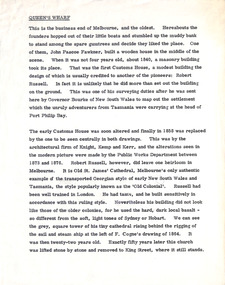
Document - Manuscript, Robin Boyd, Queen’s Wharf, 1966
... Melbourne... Robert Russell... Old St James Cathedral...Published as a chapter titled 'Customs House – Yarra River – Queen's Bridge' in The Book of Melbourne and Canberra, The Griffin Press, Adelaide 1966 Customs House Melbourne Robert Russell Old St James Cathedral Robin Boyd manuscript Typewritten (c copy), quarto, 1 page Queen’s Wharf Document Manuscript Robin Boyd ...Boyd takes a brief look at the oldest part of Melbourne, and the Customs House.Published as a chapter titled 'Customs House – Yarra River – Queen's Bridge' in The Book of Melbourne and Canberra, The Griffin Press, Adelaide 1966Typewritten (c copy), quarto, 1 pagecustoms house, melbourne, robert russell, old st james cathedral, robin boyd, manuscript -
 Uniting Church Archives - Synod of Victoria
BW photo, Undated
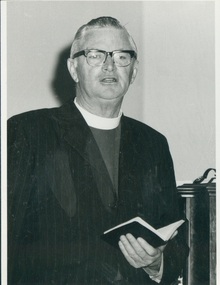
... Stanway was ordained in St Paul's Cathedral, Melbourne on St Thomas Day 1934 and was placed in charge of the Old Mission Church of St James and St John, Melbourne. ...Stanway was ordained in St Paul's Cathedral, Melbourne on St Thomas Day 1934 and was placed in charge of the Old Mission Church of St James and St John, Melbourne. ...STANWAY, ALFRED (b. 9 Sept 1908; d. Melbourne, Vic, 27 June 1989). Anglican bishop, missionary. Stanway grew up in the Wimmera district of western Victoria, and left school when 14 years old. He found work in Melbourne, trained as an accountant, and at the age of 20, held a responsible position with a publishing company. This background, allied with an uncommon flair for figures and finance, was to stand him in good stead throughout his life. But he had little knowledge and no experience of the grace of God until 29 July 1928. At the Evening Service in the parish church of Fairfield on 29 July, he heard the Rev C H Nash (q.v.) preach a sermon which led to his conversion. Within two years he made up his mind to become a missionary and began night studies in order to matriculate. He entered Ridley College in March 1932 to prepare for ordination undertaking week-end duties as a catechist at Deer Park and St Albans. He joined the CMS League of Youth, became chairman, and gathered a fine band of young people many of whom were to become missionaries. He was closely involved with the Belgrave Heights Convention (then at Upwey) and established a League of Youth camp on the site. All his energies were thrown into the task of building up its members in personal holiness and vigorous evangelism. Stanway was ordained in St Paul's Cathedral, Melbourne on St Thomas Day 1934 and was placed in charge of the Old Mission Church of St James and St John, Melbourne. The duties were light enough to allow him to enrol in the Melbourne Teachers College and to complete the Diploma in Teaching. On 26 January 1937, he sailed for Africa to become a missionary in the Anglican Diocese of Mombasa, which at that time embraced the whole of Kenya. He was sent to the hot coastal town of Kaloleni as principal of a Secondary Boys School. Before he left Melbourne, he had become engaged to Marjory Harrison: she followed him to Africa and their marriage took place in Mombasa Cathedral in June 1939. He remained at Kaloleni until 1944 when he was transferred to the inland station of Maseno where all his gifts were to be deployed as rural dean of Nyanza. His oversight of some 500 village churches as well as a widespread primary school system was so efficient that in 1948 he was appointed archdeacon of Kenya with his home and office in Nairobi. As secretary of the African Church Council and of the African Education Board, he was responsible for all African work in the diocese. His contacts with government ministers and public servants were of first class significance at the time when the cry of Uhuru and the demand for independence was travelling throughout the colonial world. On 2 Feb 1951, Alfred Stanway was consecrated in Westminster Abbey as the third Anglican Bp of Central Tanganyika. This Diocese was the special sphere of the CMS Australia, and he already knew most of the missionary personnel. He brought with him the understanding and experience of one who had fully shared the lot and problems of a district missionary, but he came to the diocese at a time when it had yet to recover from its losses in personnel and finance as a result of the war. His immediate task was to provide the impetus of fresh leadership and a long-term overall policy. His aim from-the outset was to build up a strong autonomous church with its own indigenous pastorate. With the whole-hearted confidence of the home base, he was able to enlist the service of new missionaries. He saw a great increase in the number of African clergy and he encouraged village evangelists to open new fields of work. Simple structures were built as new churches at the rate of two a week, week in and week out, year by year. He worked hard to meet the need for Christian literature, bookshops, adult literacy and theological training. He opened Bible schools for village evangelists and sent suitable clergy overseas for further studies. He encouraged initiative in others, helped them to find and use their talents, and gave them his unstinted confidence and support. Fresh finance was required for new ventures. This led him to travel widely in Germany and America, where he raised large funds for these projects. Mackay House was built in Dodoma as the central administrative base for the diocese, hospitals such as those at Mvumi and Hombolo were modernised or established, schools were built and upgraded. In keeping with his vision for ultimate leadership by African personnel, he consecrated Yohana Omari in 1955 as his assistant, he was the first national to become a bp in East Africa. Bp Stanway then set on foot the long and complicated process for the division of his sprawling diocese. In 1963, the diocese of Victoria Nyanza came into being; in 1965, that of Morogoro; in 1966, that of Western Tanganyika. Yet in 1971, his own diocese of Central Tanganyika, though greatly reduced in size, had more churches and more clergy than in its undivided state in 195 l. Stanway then played a leading part in the formation of the Province of Tanzania in 1970, with an African abp as metropolitan. A year later, after 35 years in East Africa and 20 years as bishop of Central Tanganyika, he resigned. His leadership and achievements throughout those years had placed him in the front rank as a great missionary statesman. Stanway had returned to Melbourne at the time when his resignation took effect in August 1971. His early love for Ridley College reasserted itself and he went into residence as deputy principal under the Rev Dr Leon Morris. He was put in charge of chapel worship and the pastoral oversight of the students. All his gifts and experience were called into play as he sought to guide and encourage those who were on the threshold of their ministry. The whole bent of his heart was to foster the spiritual life and missionary calling of those whose hearts the Lord had touched. It was during those years that his life-long zeal for the spread of the gospel through Christian literature had its ultimate flowering. It had begun in his Nairobi days with a small church bookstall, this had developed into a major book-shop in the heart of the city. Then in Dodoma he had established the Central Tanganyika Press in order to promote the publication and distribution of Christian literature at all levels. He had marked out Kevin Engel, trained him, and launched him on the international scene. Hence it was natural that in Melbourne he and Kevin Engel should found the Australian Christian Literature Society. But his time at Ridley College was not to last. Unknown to him, the Rev J R W Stott had put his name forward as that of a person who could head a new school of theology in the United States to provide a sound training for evangelical ordinands. Such a task would have been formidable enough for a younger man who had grown up in America. How could an Australian who had spent half his life in Africa hope to succeed in a venture of that kind in America? How could one who had been a missionary, not a theologian, found a new school to train men for ordination? Nevertheless he rose to the challenge. In Sept 1975, he and Mrs Stanway left Melbourne for Sewickly, an outer suburb of Pittsburg, with the promise of three years' service. He had to start from scratch. He found a house to live in, but there was no land for the school, no funds in hand, no staff yet appointed, no students, and no buildings. His drive, his infections enthusiasm, and his flair for practical enterprise carried the day. One by one, obstacles were overcome and support grew in volume and strength. Twelve months after his arrival, in Sept 1976, the Trinity Episcopal School for Ministry was opened with three staff members, seventeen students, and the goodwill of the whole American Episcopal Church to win. During the next two years, the school took shape and was firmly established. Bp Stanway left an indelible stamp on every aspect of its life and work, its spiritual tone and ideals, its financial and administrative principles. He had inspired widespread support among evangelical episcopalians and had imparted a strong sense of divine guidance and purpose. The council would gladly have extended his term in office beyond three years, but at 75 years of age he knew that his health had begun to fail. When he finally relinquished his office in Nov 1978, he could look back on those three years as the crown of his ministry. It is not too much to say that his name was even more highly honoured and revered in the Trinity School of Ministry than in his own dearly loved Africa. His return to Melbourne led to quiet retirement at Mount Waverley where he settled down to a long battle with the ever worsening effects of Parkinson's Disease. The slow loss of physical capacity and the ultimate failure in powers of speech were a great trial, but he never complained. His faith was summed up in his brief reply when he was asked why he had not prayed for healing: 'What God allows, I accept'. That acceptance was without reserve; his testimony was never brighter. His mental powers were undiminished and his spiritual concerns were as wide as ever. He kept in touch with CMS, he went to church, he met with missionaries, he led Bible studies in his home as long as he was able. Africa was always in his heart, news from Sewickly always gave him great pleasure. He had left a mark for God on three great continents and his death left sad but thankful hearts in them all. It was the close of a life in which he had felt that he could never do enough for God who had done so much for him. One of Bp Stanway's sayings was 'when the Holy Spirit takes hold of you, anything can happen'. So it was in his case. He was very human, with his full share of human foibles and frailties. He had a great zest for life and an endless fund of stories drawn from his own experience. He was himself the subject of many stories, some true, others legendary. His vibrant personality always seemed to fill the house where he was, his presence could not be overlooked. His own home was one in which Mrs Stanway had a paramount influence. She was a trained teacher, a skilled artist, a born hostess and a first-class linguist. They had no children of their own, but were devoted Godparents and always deeply interested in the children of missionaries. Home life allowed him to relax in a serene and contented atmosphere and to exercise his gifts for friendship and hospitality. He was always on the watch for souls, a person-to-person evangelist par excellence. He was a man of faith and prayer who dared to believe in the God of the impossible. His love for Africa, his total dedication as a missionary; his gifts as a soulwinner; his genius for finance; his shrewd practical initiatives, and his statesmanlike vision were outstanding characteristics. But great or small, all his gifts were laid out in the service of the gospel, and that service marked him out as one of the most remarkable Australian missionaries of his generation. M L Loane, Men to Remember (Sydney, 1987) Rev. Alfred Stanway is standing with open book in hand, dressed in clerical garb.Bishop Alfred Stanwaybishop alfred stanway -
 Ballarat Diocesan Historical Commission
Architectural rendering, Architect's rendering of windows/tracery of St Patrick's Cathedral Ballarat
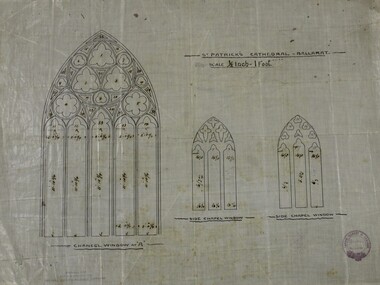
... St Patrick's Cathedral Ballarat. The stained glass was designed by James Bentley and manufactured by Clayton and Bell Londond. Installed in 1880 these windows and the sanctuary tiles are the only example of Bentley's artwork outside the British Isles. Only known plans with specifications of Ballarat's St Patrick's Catholic Cathedral major windows. Measurements of glazed portions for stained glass within the traceries. Stamped with the architect's stamp in strap roundel centred with "Architects Melbourne ...Renderings of stained west end sanctuary and side altar glass windows within traceries for St Patrick's Cathedral Ballarat. The stained glass was designed by James Bentley and manufactured by Clayton and Bell Londond. Installed in 1880 these windows and the sanctuary tiles are the only example of Bentley's artwork outside the British Isles.Only known plans with specifications of Ballarat's St Patrick's Catholic Cathedral major windows. Measurements of glazed portions for stained glass within the traceries. Stamped with the architect's stamp in strap roundel centred with "Architects Melbourne" the firm's name "Tappin Gilbert & Dennehy".
